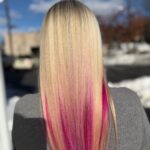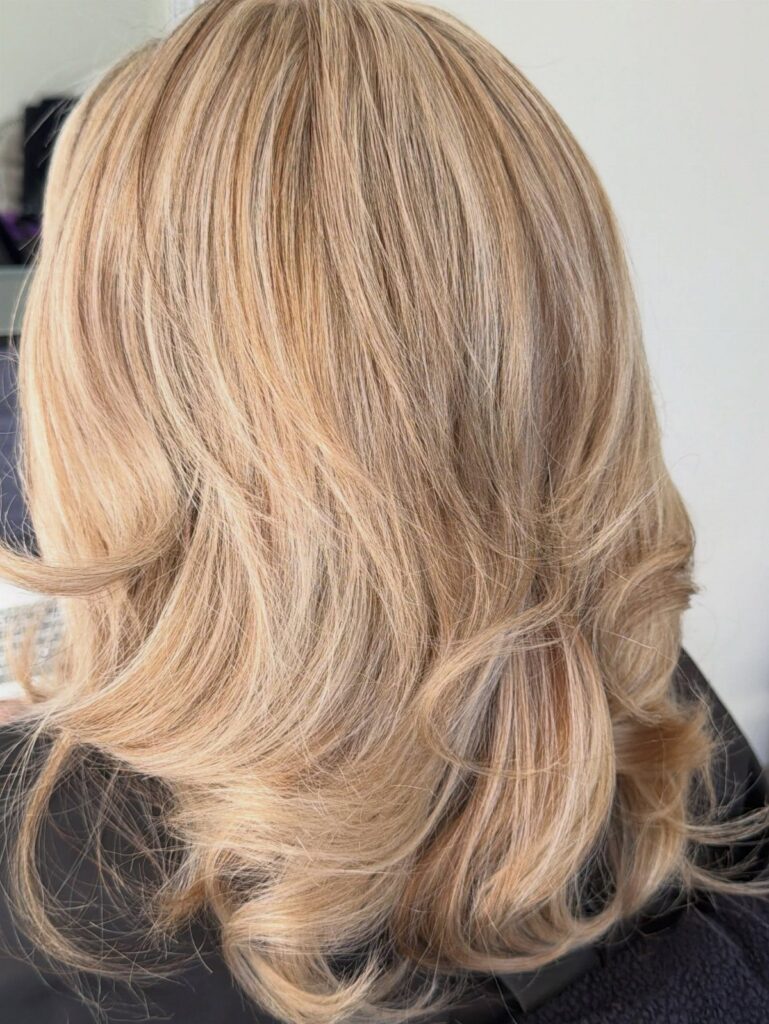
Highlights are lighter pieces painted through sections of your hair, lowlights are darker tones added for depth.
The choice depends on what your hair needs: highlights lift and brighten, lowlights add richness and correct brassiness, and most people use both to get dimension that looks natural.
Most salons recommend follow-up appointments every 6 to 8 weeks for highlights, though techniques like balayage and ombré stretch longer because there’s no hard regrowth line to fix.
1. Balayage
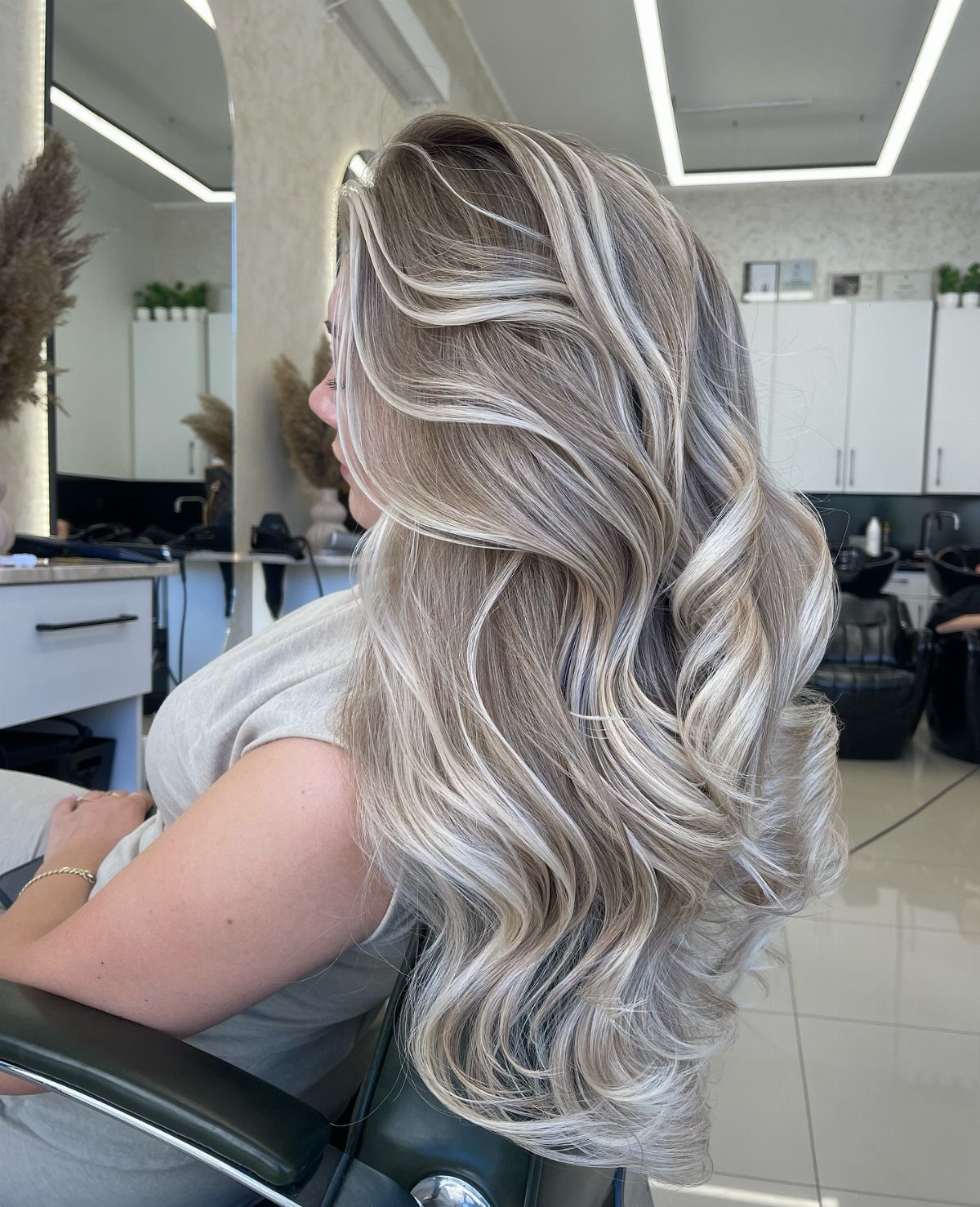
Balayage is painted on by hand rather than applied through foils, which means the color blends into your natural base without any harsh lines.
The technique concentrates lighter pieces around the face and through the mid-lengths, leaving the roots untouched. There’s no obvious regrowth line, which cuts down both the frequency and the cost compared to traditional highlights.
Ask your colorist to place the lightest pieces where the sun would naturally hit: around your hairline, on the top layers, and through any sections that frame your face.
2. Auburn Highlights
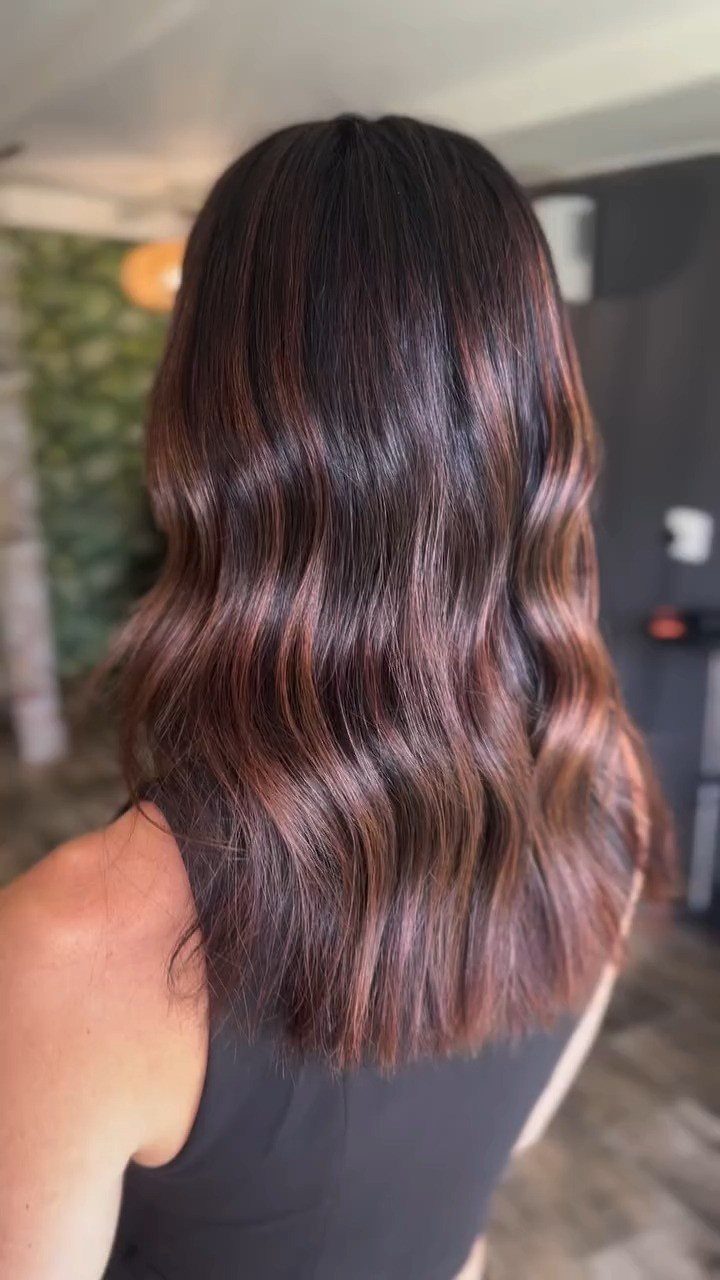
Auburn adds warmth to brown hair without committing to an all-over color change. The orange-red tones catch the light and give dimension to flat brown, especially on longer hair where the highlights can run through multiple layers.
The contrast works best when your base is a medium to dark brown. On lighter browns, auburn can read more orange than red, so ask your stylist to keep the highlights a few shades darker than you think you want.
If you’re worried about upkeep, auburn fades slower than cooler reds because the orange undertones hold longer in the hair shaft.
3. Coffee Brown Lowlights
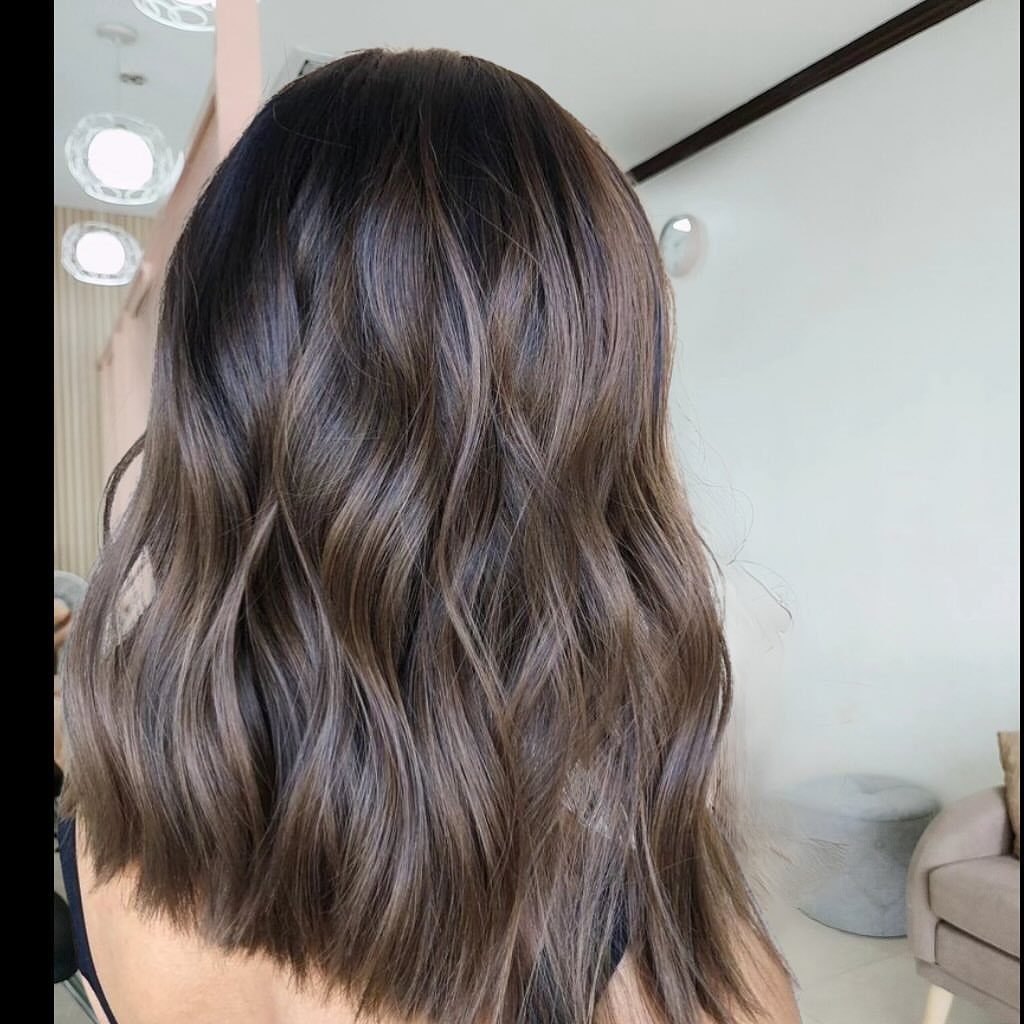
Lowlights are darker strands woven into your base color, and coffee brown works when you want subtle depth rather than obvious contrast.
They fill in over-highlighted hair and add shadow back into blonde or light brown without a full color correction.
The technique uses foils the same way highlights do, but with a shade 1 to 2 levels darker than your natural color.
Placement matters: lowlights through the underlayers create dimension you see when hair moves, while too many on top can flatten the overall look.
Coffee brown tones stay neutral enough to blend with most base colors, whether you’re starting from blonde, light brown, or previously highlighted hair.
4. Ash Highlights
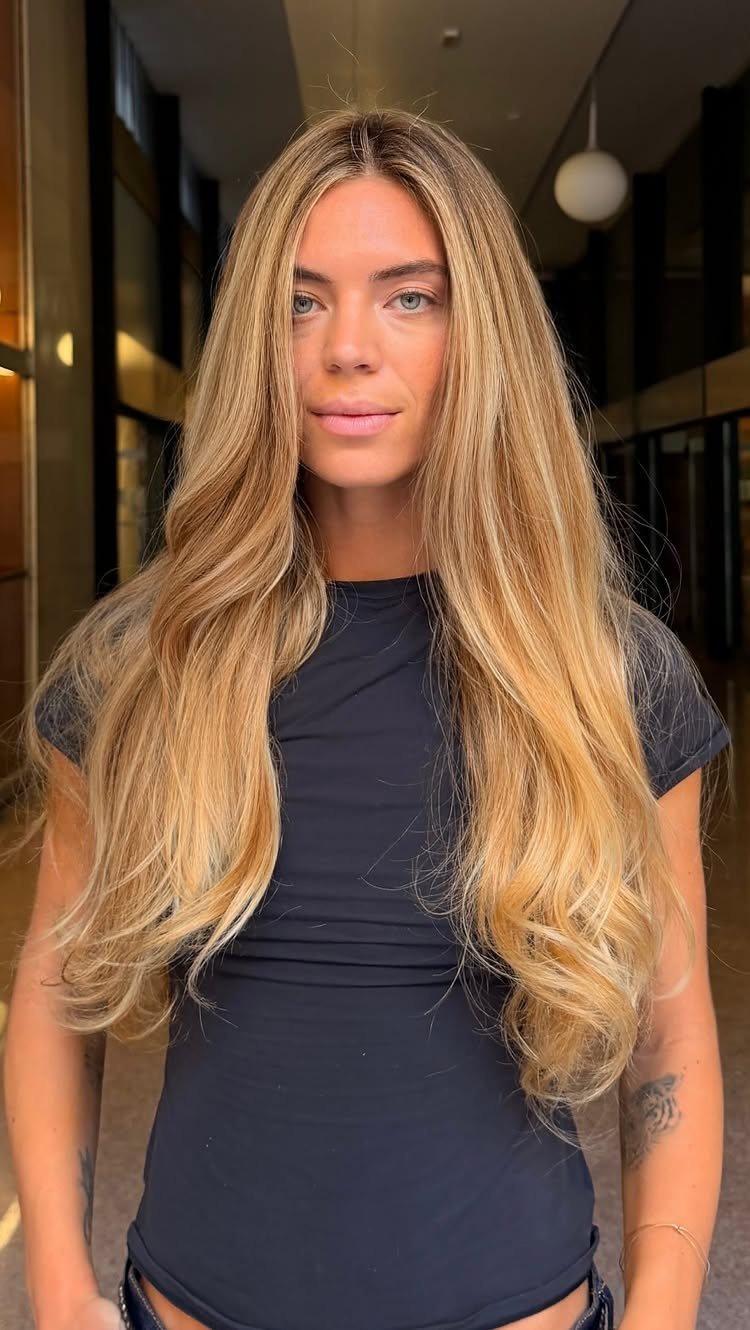
Ash tones cancel out the warm, brassy shades that blonde hair picks up from sun exposure and heat styling. The cool, smoky highlights sit alongside your natural blonde and keep the overall color from turning yellow or orange over time.
If your hair pulls warm naturally, ash highlights need a purple-toning shampoo every few washes to hold the cool tone. Without it, the ash fades and the warmth comes back.
Ask for a blend of ash and your natural shade rather than pure ash all over. Too much cool tone can look flat or grey, especially in low light, so the mix keeps it dimensional.
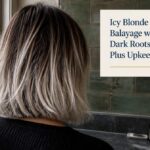
5. Platinum Balayage with Root Shadow
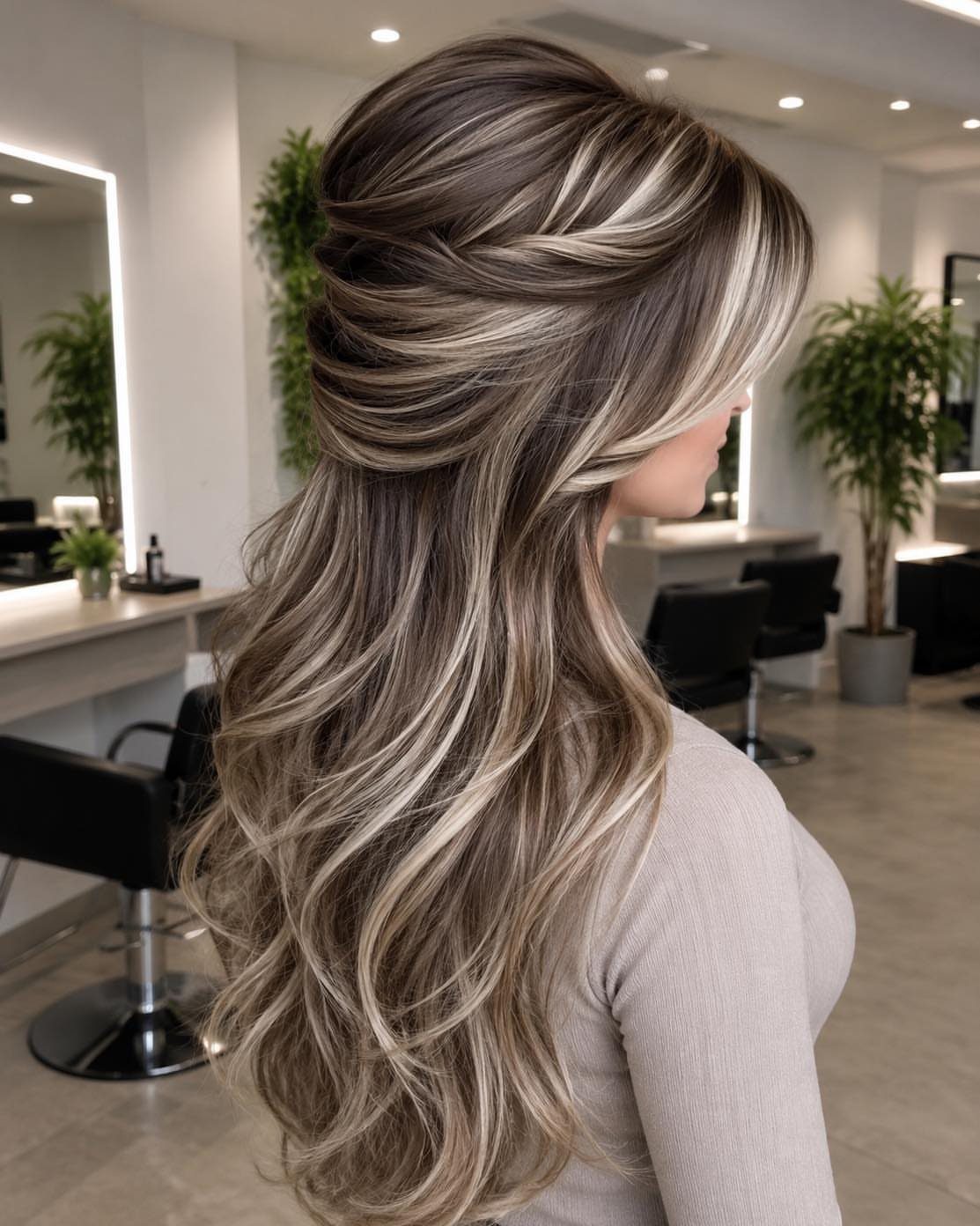
Platinum balayage is painted on the same way standard balayage is, but the color is lifted to an almost white blonde.
The root shadow is intentional: your colorist leaves natural color at the scalp, then blends the platinum through the mid-lengths and ends.
The shadow does 2 things. It protects your scalp from repeated bleaching, and it stretches your appointments because there’s no visible regrowth line to fix.
Platinum requires a significant lift if you’re starting from brown, which means multiple sessions to avoid damaging the hair.
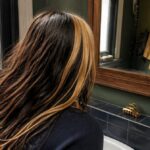
6. Red Highlights
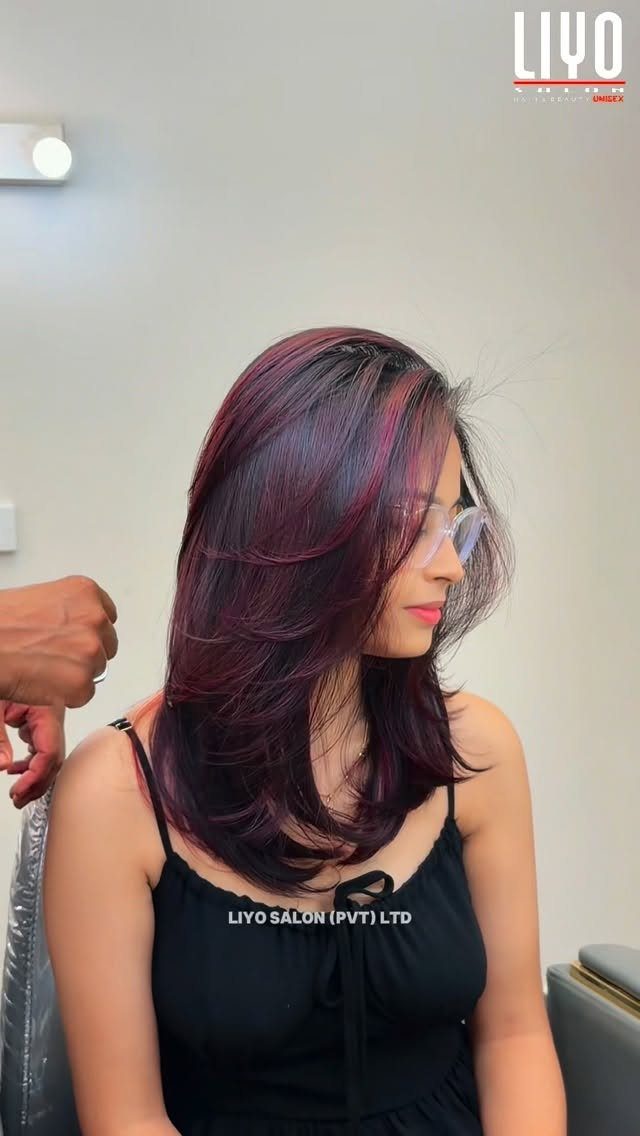
Red highlights are vivid, concentrated strands rather than a soft blend, and they stand out most against dark brown or black hair.
The contrast is sharp, so placement matters: a few bold pieces through the top layers or around the face read as intentional, while too many scattered through the hair can look patchy.
Red fades faster than any other color because the molecules are too large to fully penetrate the hair shaft. You’ll see noticeable fading, and the red shifts to orange or pink depending on your base color.
If you want the look without constant touch-ups, use a red-depositing conditioner once a week to keep the tone rich between salon visits.
7. Vanilla Blonde Balayage
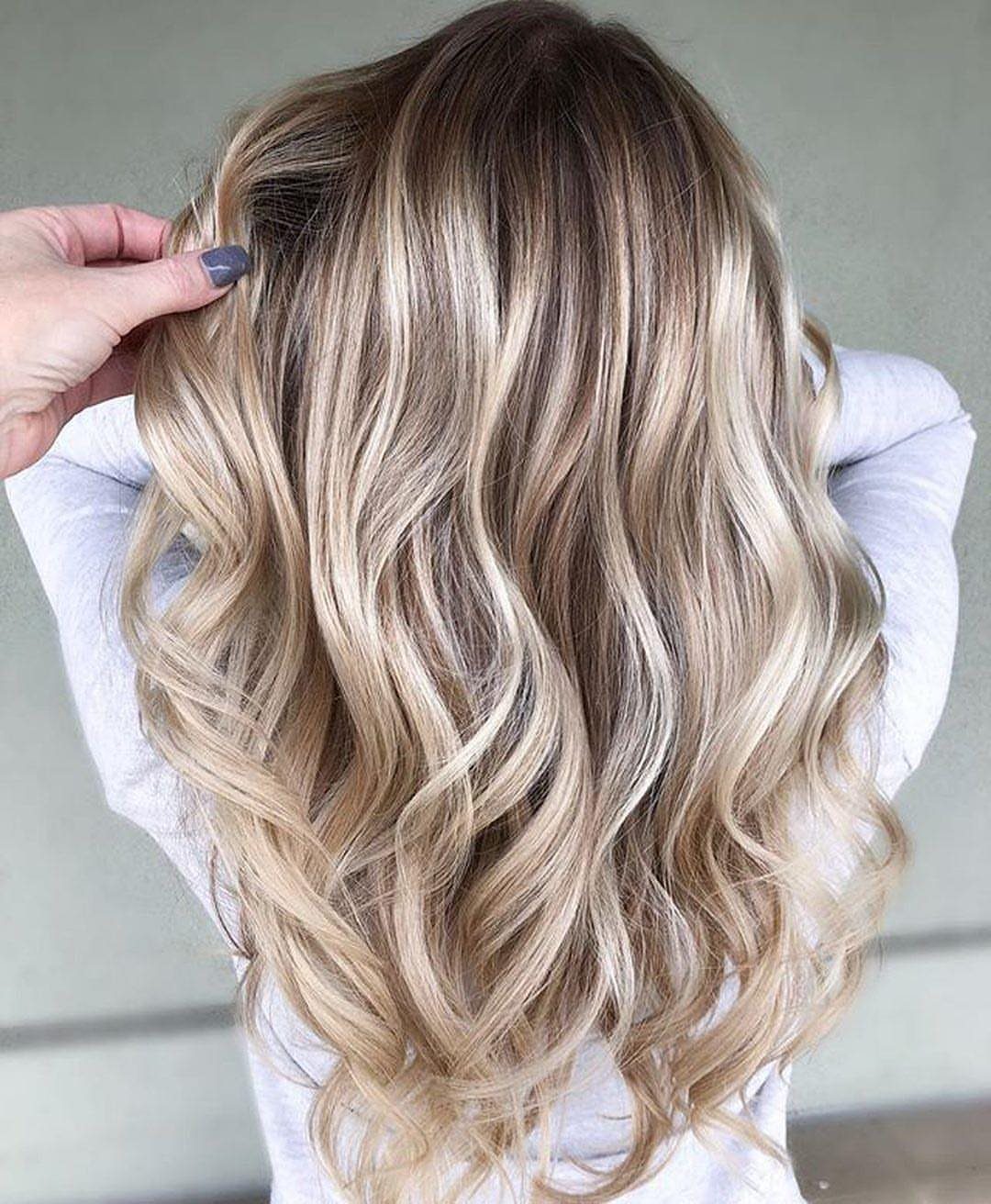
Vanilla blonde sits between warm caramel and cool ash, so it brightens brown hair without pulling too orange or too icy.
The color sits on mid-lengths and ends while the roots stay dark, so regrowth disappears into the base instead of announcing itself.
If your hair is already light brown, vanilla blonde might not show enough contrast to register as a highlight.
8. Brown Hair with Soft Balayage Money Pieces
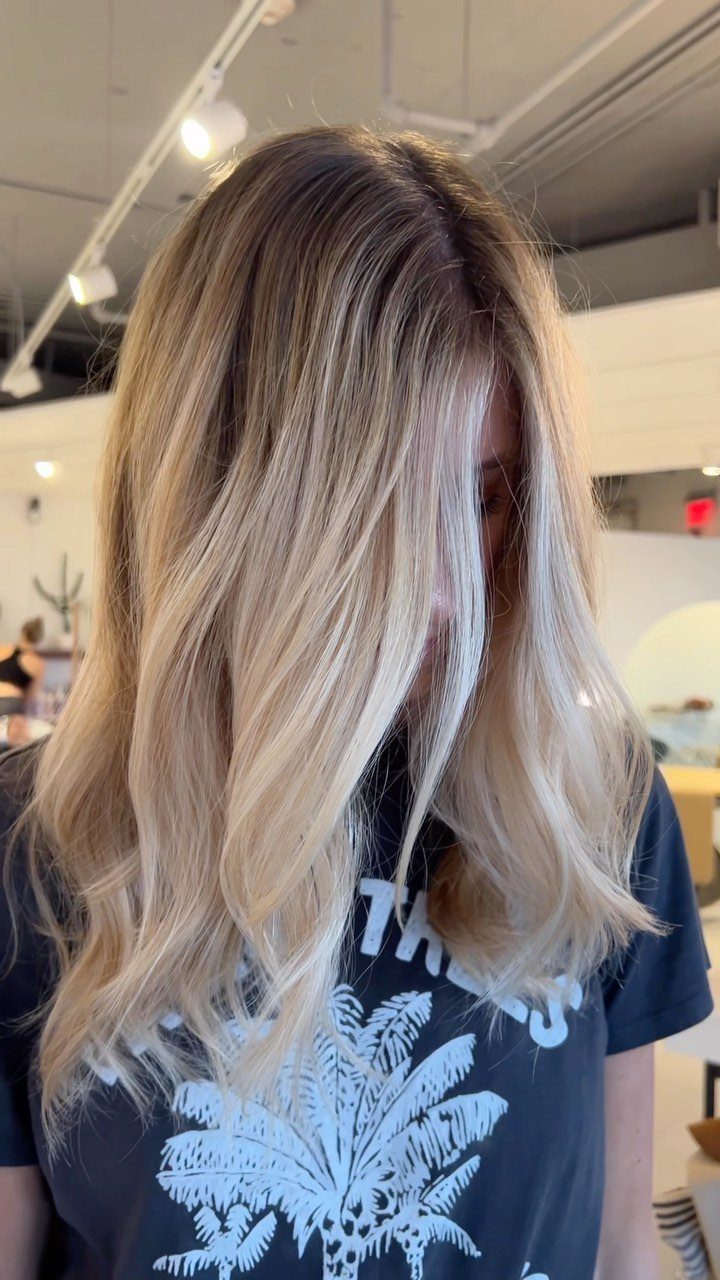
Money pieces are the highlights that run along both sides of your face, starting at the part and painting down through the front sections.
The rest of your hair stays your natural brown, so the contrast frames your face without the upkeep of full highlights.
The placement lifts your face the way contouring does with makeup, and the painted application means no harsh lines at the root.
If you wear your hair down most days, money pieces give you the most visible color change for the least amount of bleach and the longest time between appointments.
9. Auburn Lowlights
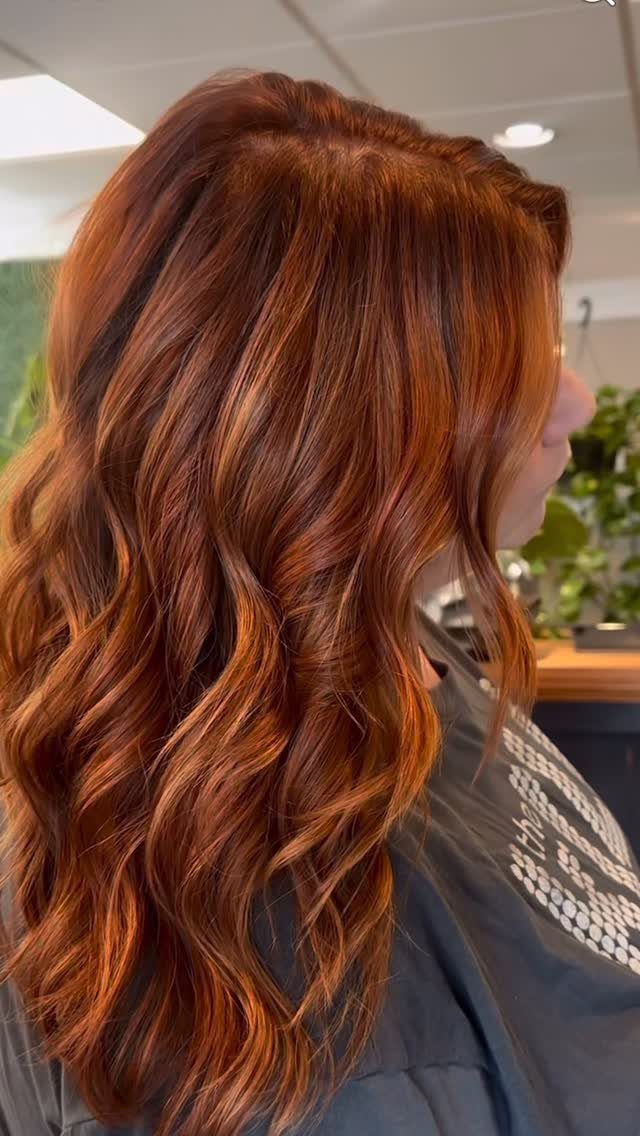
Auburn lowlights add a darker, warmer red into hair that’s already auburn or copper. The deeper tone creates shadow and dimension, especially on long hair where one flat color can look dull.
The lowlights go in on foil and sit a shade or two below your natural base. Placement through the underlayers and around the face gives depth without darkening the overall look.
Auburn holds longer than brighter reds because the orange-red base resists fading, so you get more time between appointments.
10. Caramel Highlights
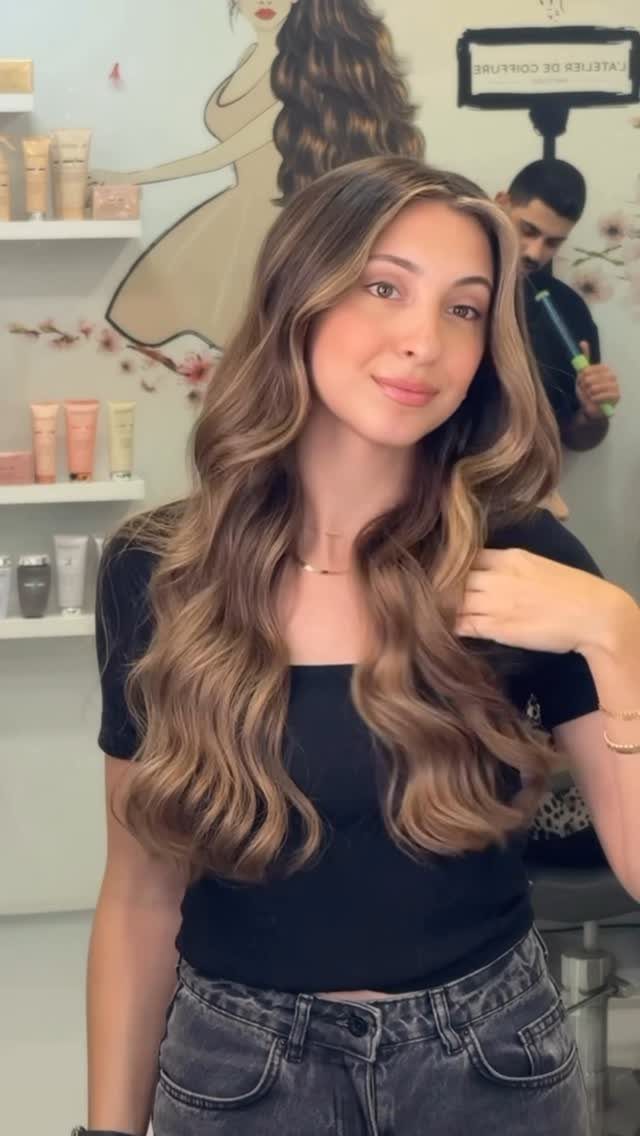
Caramel adds warmth and lift to brown hair without the commitment of going fully blonde. The golden-brown tone sits close enough to natural brown that regrowth is less obvious than with lighter highlights.
On lighter browns, caramel can blend in too much to read as a highlight.
If your skin tone is warm or neutral, caramel highlights will suit you better than ash or platinum, which can wash out warmer complexions.
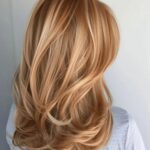
11. Honey Highlights
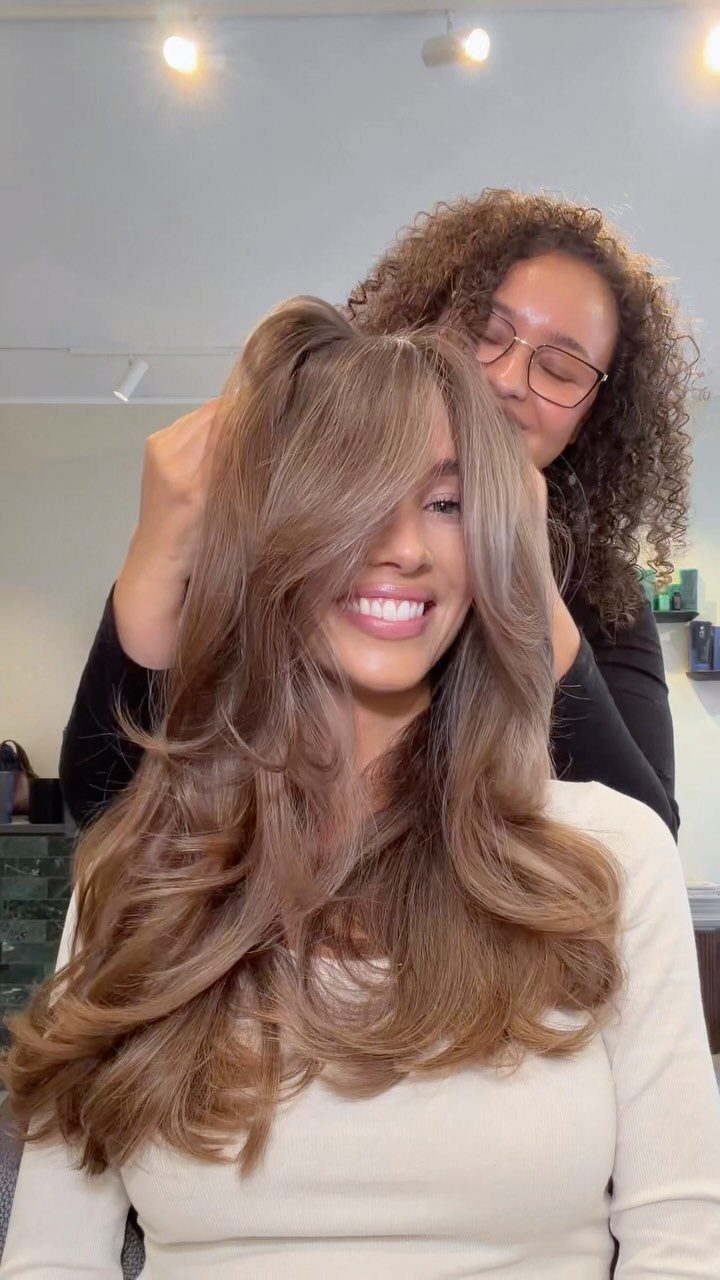
Honey is a warm, golden blonde that sits between caramel and vanilla. The tone adds brightness to brown or dark blonde hair and gives a sun-kissed look without going as light as platinum.
The color requires lifting your base several levels, so expect at least one bleaching session. If your hair is darker than medium brown, your stylist may recommend 2 sessions to avoid damage.
12. Blonde Highlights
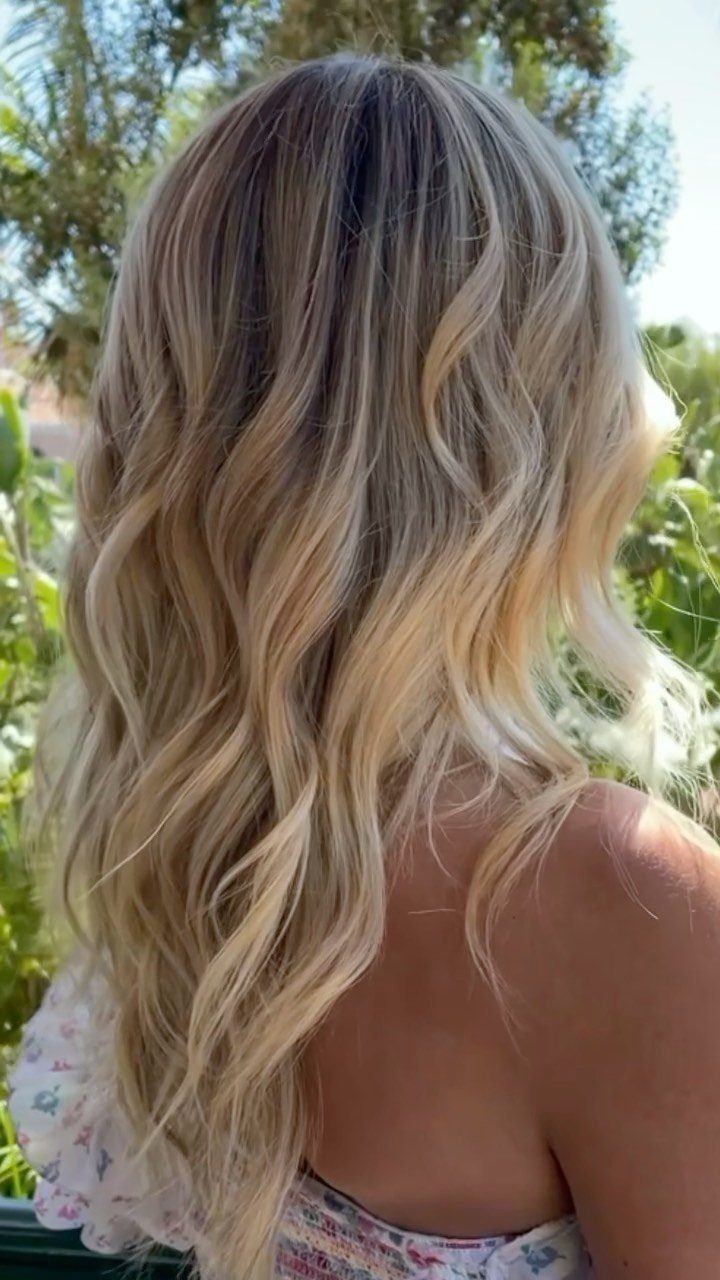
Blonde highlights lift scattered sections of brown hair a few shades, which gives you contrast instead of flat color. The strands are usually applied through foils, which gives a more defined, structured look than painted balayage.
Any brown base can take blonde highlights, but darker hair needs more lifting and sometimes a second session to get there without breaking. If you’re starting from dark brown or black, expect 2 to 3 appointments spaced a few weeks apart.
Blonde highlights need more frequent touch-ups than balayage because foil gives you a harder line at the root.
13. Golden Highlights
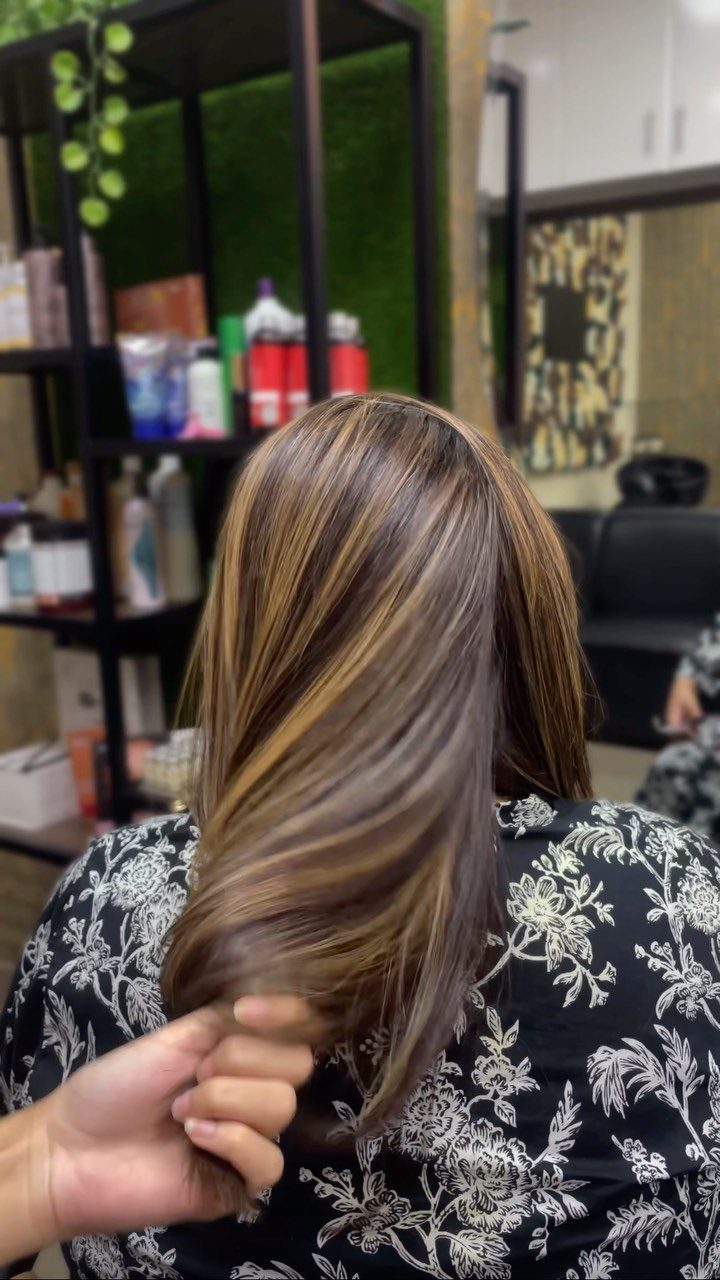
Golden highlights are warm, yellow-toned strands that brighten brown hair without going as light as blonde. The color adds warmth to your face and works on medium to dark brown bases where there’s enough contrast to show the lift.
If your skin tone is cool, golden highlights can look too yellow. Caramel or honey will suit you better because they sit closer to neutral.
The tone holds well between appointments because there’s no ash to fade out, but too much sun exposure will push the golden warmer and more orange over time.
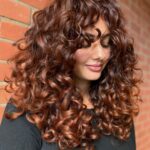
14. Copper Highlights
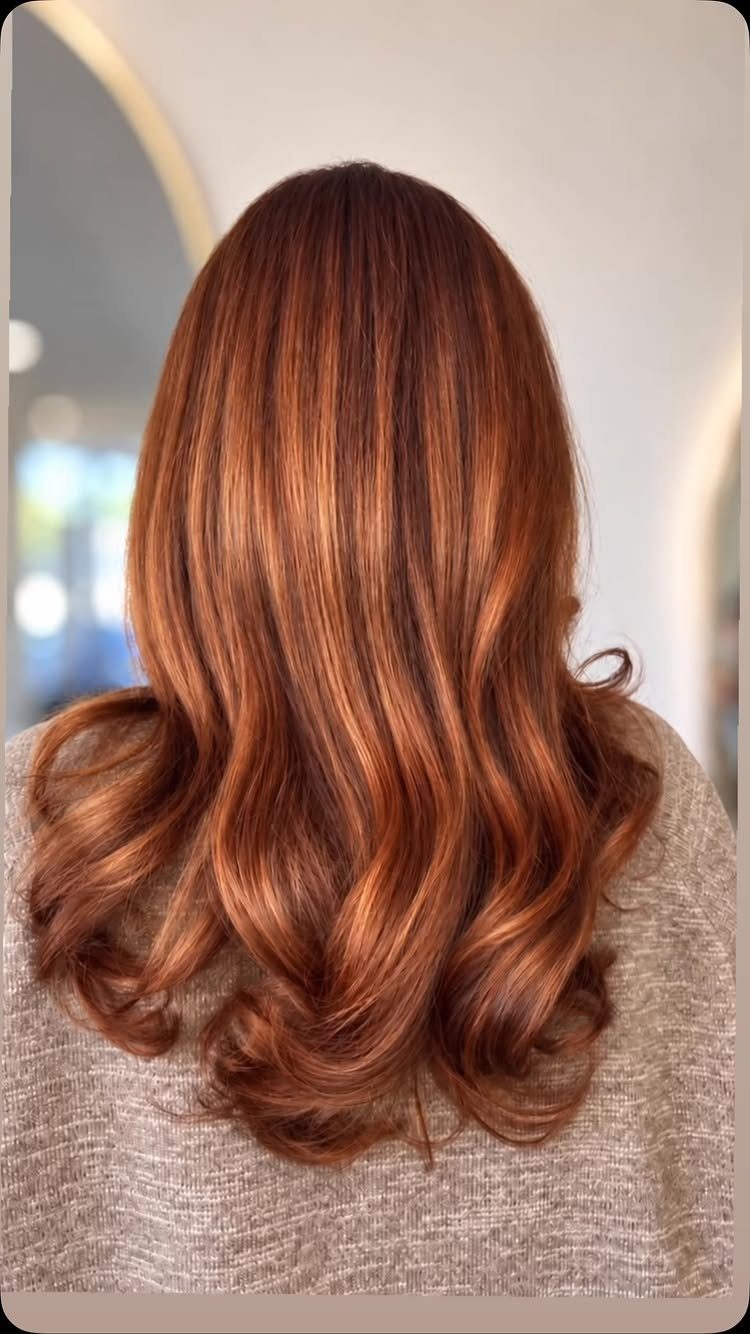
Copper highlights are fiery, orange-toned strands woven through auburn or red-brown bases.
On darker reds, copper highlights take 2 sessions to reach the right brightness without damage.
Copper fades toward orange rather than pink, and the warm tone holds longer than cooler reds because the orange base resists washing out.
15. Ombré Highlights
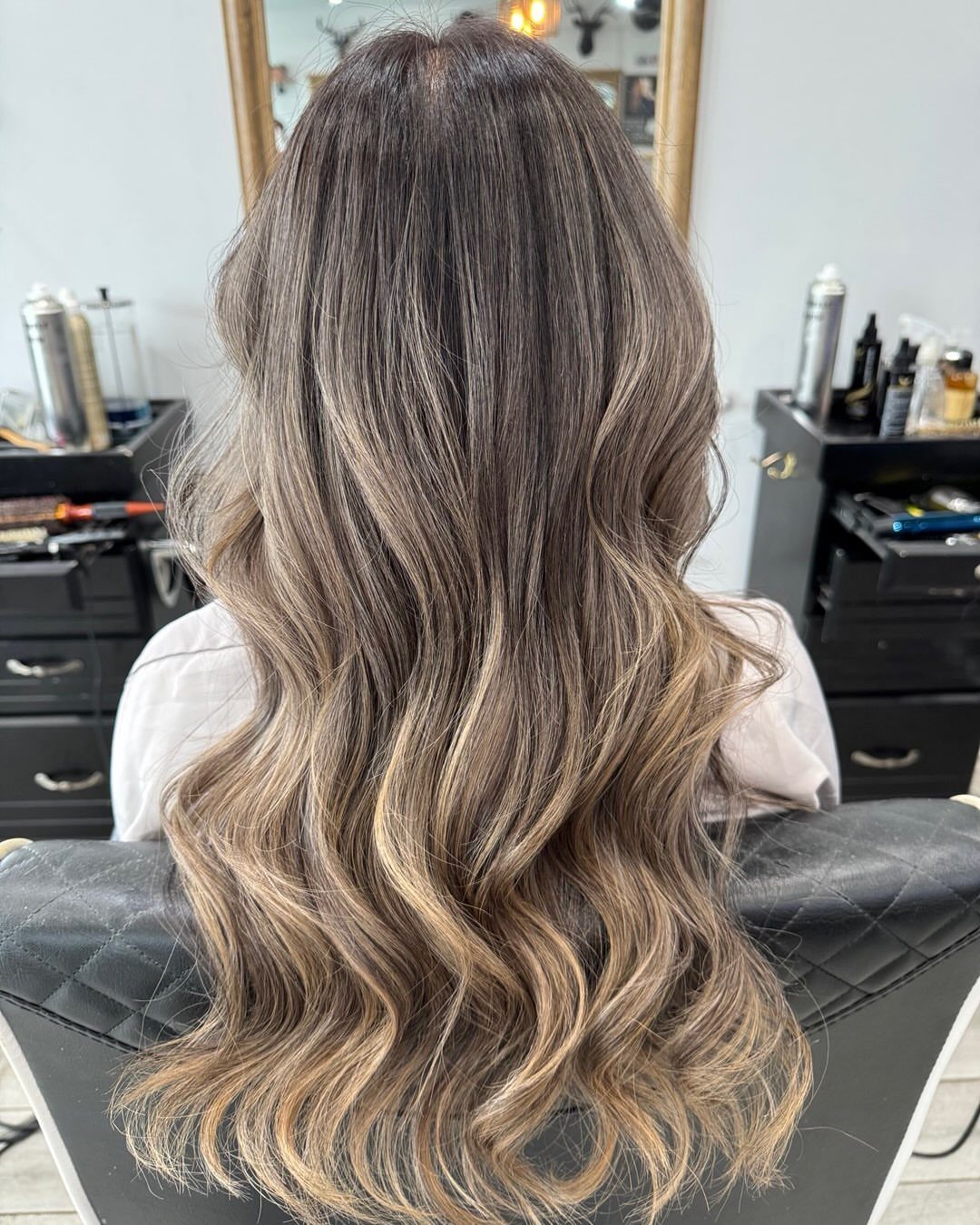
Ombré is a gradual fade from your natural root color to lighter ends, with no visible line where one shade stops and the next starts. The color transition usually begins at mid-length and gets progressively lighter as it moves down.
Because only the bottom half gets bleached, you skip root appointments and keep damage lower. Regrowth becomes part of the look instead of something to fix.
If your hair is short, there’s not enough length for a smooth fade. Ombré works best on hair that sits past your shoulders.
The sombré highlighting technique is literally just a softer, subtler ombré. If you’re hesitant about highlights but still tempted to switch up your hair color, this could be the perfect option.
Coloring Process and Hair Damage
Highlights rely on a lightening agent to strip natural pigment from the hair, which is why they typically involve bleach.
Your stylist will isolate small sections with foil or paint them on freehand, then monitor the lift to avoid over-processing. Once rinsed, a toner knocks out any brass and locks in the shade you actually wanted.
Lowlights work differently. They deposit darker color using a gloss or toner rather than lifting out pigment, which makes them gentler on the hair overall.
Hair that’s already compromised from heat styling, previous color treatments, or chemical processing may not be suitable for highlights without a conditioning step first.
If your hair breaks easily or feels brittle, mention it before your colorist starts applying bleach. A strand test can show how your hair will respond before committing to a full head of highlights.
Appointment Time and Maintenance
Book out at least 2 hours, longer if you’re adding a cut or treatment. The time stretches when you’re lifting darker hair or going for a significant color change, since the lightener needs more time to develop.
Most salons recommend follow-up appointments every 6 to 8 weeks for highlights, though plenty of people stretch it longer depending on the technique and how much regrowth they’re willing to tolerate. Lowlights typically need a touch-up in 1.5 to 2 months.
Choosing Shades and Preparation
What shades work depends on where you’re starting and whether anything’s been on your hair already. Most stylists recommend staying within 3 levels of your natural shade to keep the contrast flattering rather than jarring.
Reference photos of the highlight and lowlight look you want give your colorist a clearer starting point than trying to describe a shade in words, and they help manage expectations before any bleach touches your hair.
Request a strand test if you’re unsure how the color will lift or if your hair has been previously treated.
The test shows how your hair responds to the lightener and lets you adjust the shade before committing to a full application.
If your scalp reacts to things easily, ask about a patch test before the appointment.
Frequently Asked Questions
What are highlights?
Highlights are sections of hair lifted lighter than your base color to add brightness and dimension.
Your stylist uses bleach to strip pigment from isolated strands, either painted on freehand or separated with foil, then applies toner to set the final shade and knock out brass.
What are lowlights?
Lowlights sit 1 to 2 shades darker than your natural color and bring dimension back where highlights have left hair too flat or bright. Because they add pigment instead of stripping it out, lowlights cause less damage than bleach-based highlights.
What are babylights?
Babylights are micro-fine highlights painted into the hair to mimic the subtle, natural lightening you’d get from sun exposure as a child. The ultra-thin sections create soft, barely-there brightness rather than bold contrast.
Should I get highlights or lowlights?
Darker bases get the most lift from highlights, which is why brunettes, redheads and black hair respond so well to even subtle lightening.
If your hair is blonde or already lightened, lowlights bring back depth and shadow. On previously colored hair, go lighter if you’ve dyed it darker than your natural shade, or add lowlights if it’s been bleached too light.
Can you mix highlights and lowlights?
Yes. Combining lighter and darker strands in the same session adds more dimension than either technique alone, but the shades need to blend smoothly so the contrast reads as intentional rather than patchy.
How often do highlights and lowlights need to be reapplied?
The typical refresh window is 6 to 8 weeks, though balayage and root-smudge techniques let you stretch that to 3 or 4 months without a obvious grow-out.
Can curly hair be highlighted?
Yes. Curls change how color sits and moves, so placement needs adjusting to follow the coil pattern rather than straight sections.
A skilled colorist can balance light and dark to create dimension that works with your curl shape, but schedule a consultation first so they can plan the application.
Do lowlights damage hair?
Lowlights are gentler than highlights because they deposit darker color instead of lifting pigment out with bleach.
If your hair is already fragile from heat tools, previous bleaching or chemical treatments, lowlights are the safer choice since they deposit color rather than lift it.
What hair color looks best with blonde highlights?
The darker your natural color, the sharper the contrast when you add blonde highlights, which is why brunettes get such dramatic results.
Honey highlights suit warm and neutral skin tones, while ash or platinum work better on cooler complexions that can handle the lack of warmth.