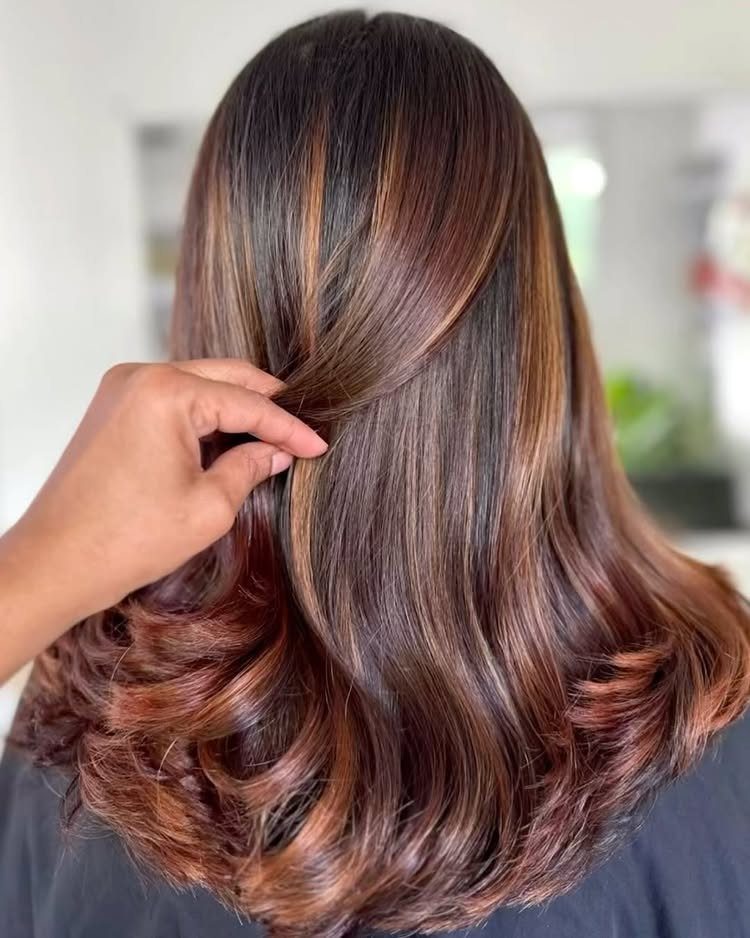
Light highlights on dark brown hair can read as subtle as mocha, a muted brown that only shows when the hair moves, or as bright as ash blonde pieces that ask for regular toning and a purple shampoo at home.
Pick by how much contrast you want and how often you’re willing to book a gloss appointment: balayage fades softly and skips frequent salon visits, while face-framing highlights or thin streaks lift in crisp pieces that show up clearly and grow out with a visible line.
Caramel and honey suit warm skin tones, ash cancels orange and reads cool, and mushroom brown works as a muted option that reads earthy rather than bright.
1. Caramel Highlights
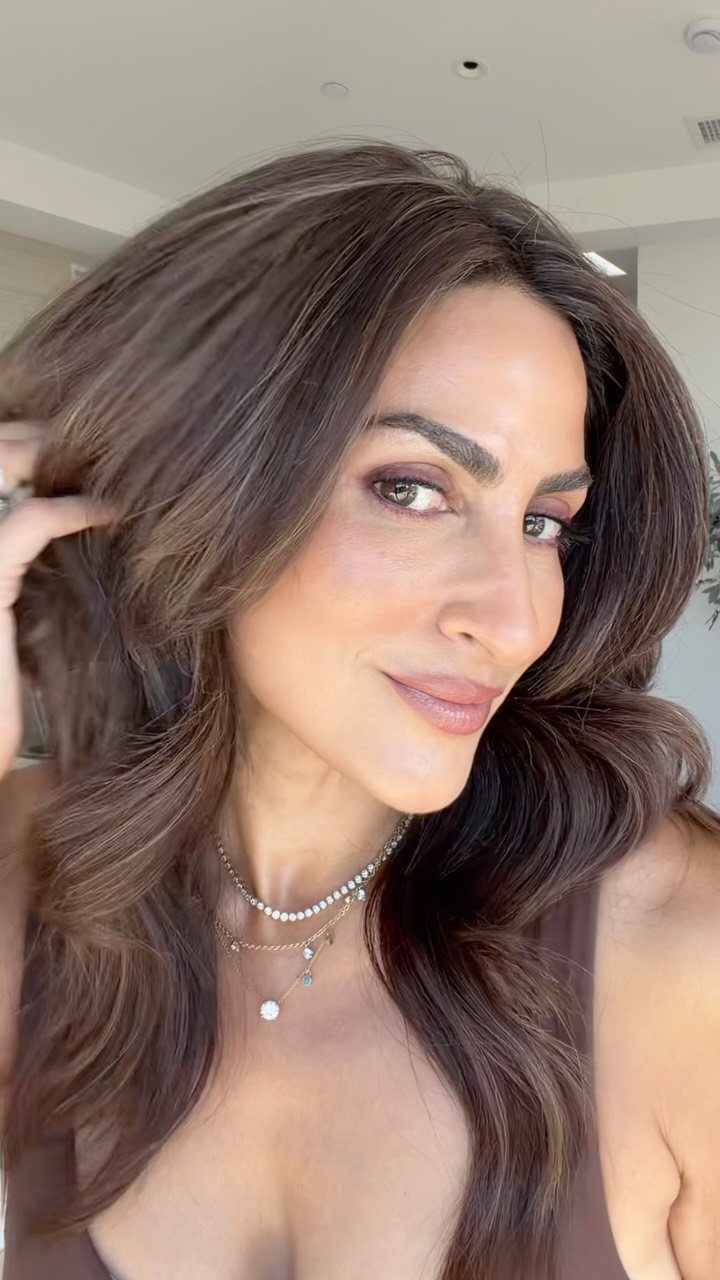
Caramel is the easiest light shade to ask for on dark brown hair, because it sits only a few steps lighter and reads as warmth rather than as a new color.
On long waves like these, the lighter strands reflect at each bend and give the hair depth without a stripe in sight.
I would pick caramel over a blonder gold for a grow-out that stays quiet. Ask for it woven from mid-shaft to ends, not packed at the roots.
2. Honey Blonde
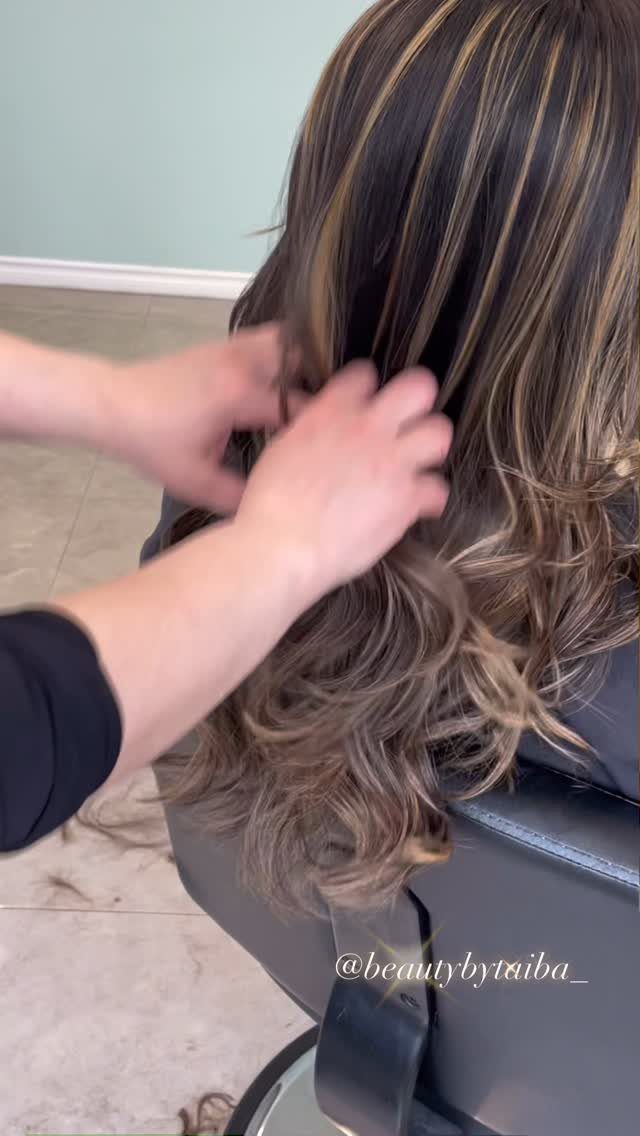
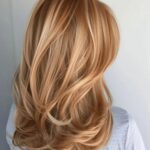
Honey blonde is the brightest shade in this group that still looks like it could happen on its own.
The gold leans soft rather than yellow, which is why curled ends show it off so well: every curl turns a few strands toward the light.
Expect more lightening than caramel needs, so budget extra salon time and a gloss that holds the gold from fading flat. I like it best on hair that is already healthy.
3. Ash Brown
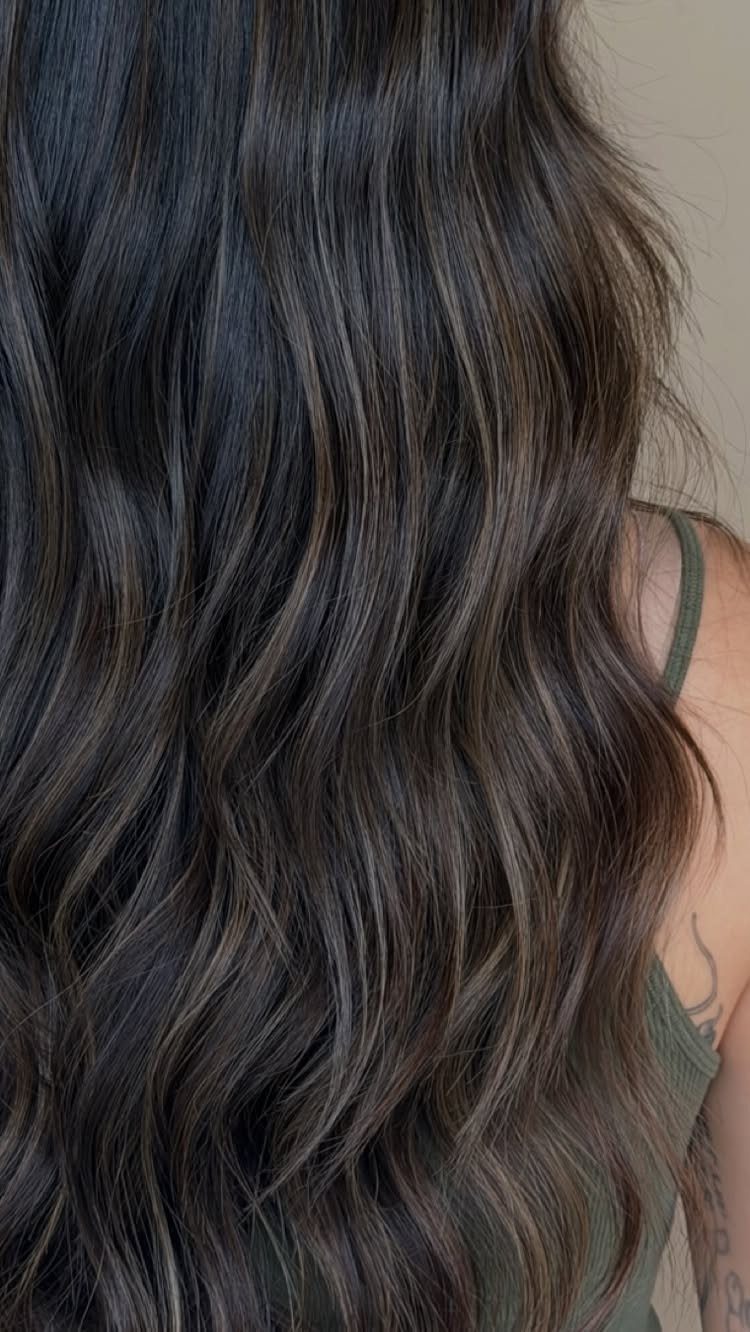
Ash brown is the pick when warmth is the problem. Its smoky, cool tone cancels the orange that dark hair pulls as it lightens, so the highlights stay muted instead of brassy.
The creator noted a starting level of a clean level 8, 8.5, and that matters: ash shows its best on a clean, even lift, and on a warmer base it can look dull or greenish.
If your hair resists lightening, talk to your stylist about toning rather than going lighter.
Ash brown highlights offer a cool-toned, smoky finish that transforms dark brown hair without making it look too light. If you’ve ever had customers complain about unwanted warmth creeping into their highlights, this shade solves that problem.
4. Auburn Highlights
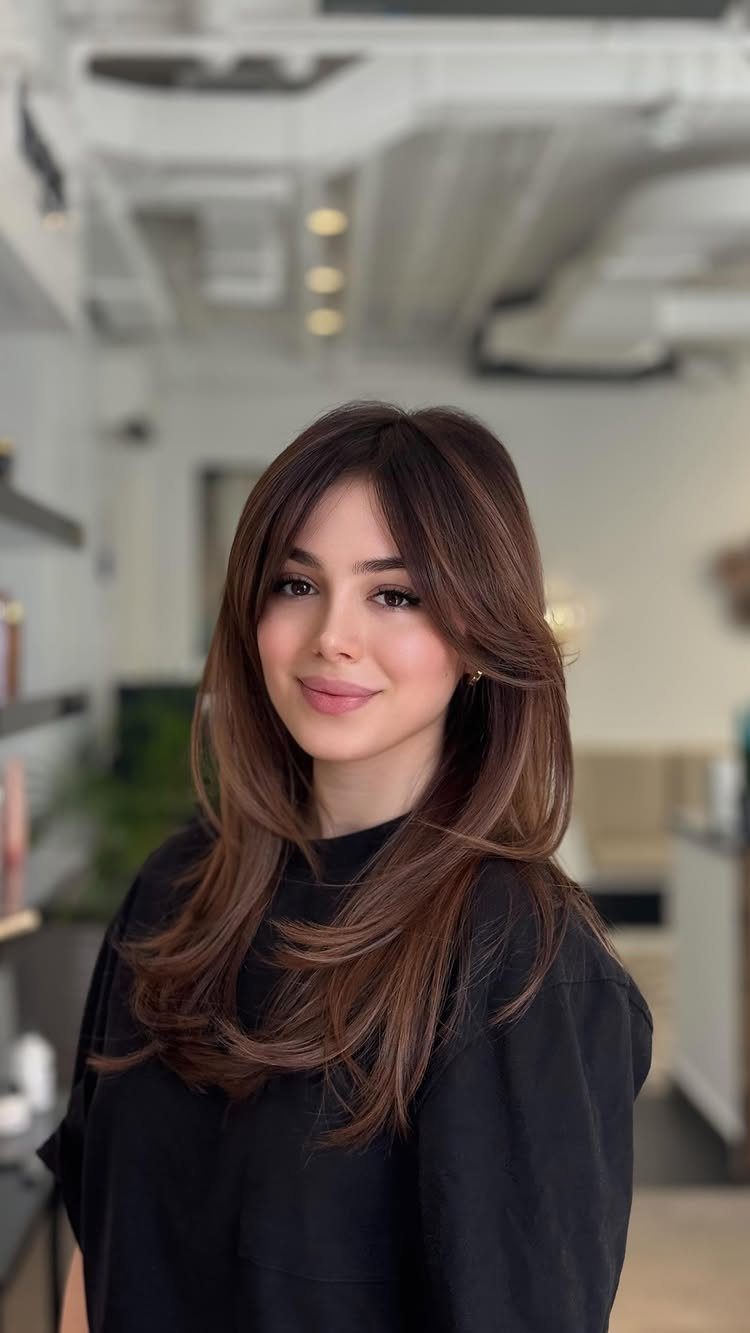
Auburn highlights sit near the original color and still make a visible difference. The reddish tone shows up in sunlight and settles back to dark brown indoors, which suits anyone who wants color without a big lift.
A layered cut like this one helps, since layers expose more of the red as the hair moves. Red fades faster than most tones, so I would plan on a color-safe shampoo and cooler rinses.
5. Chestnut Highlights
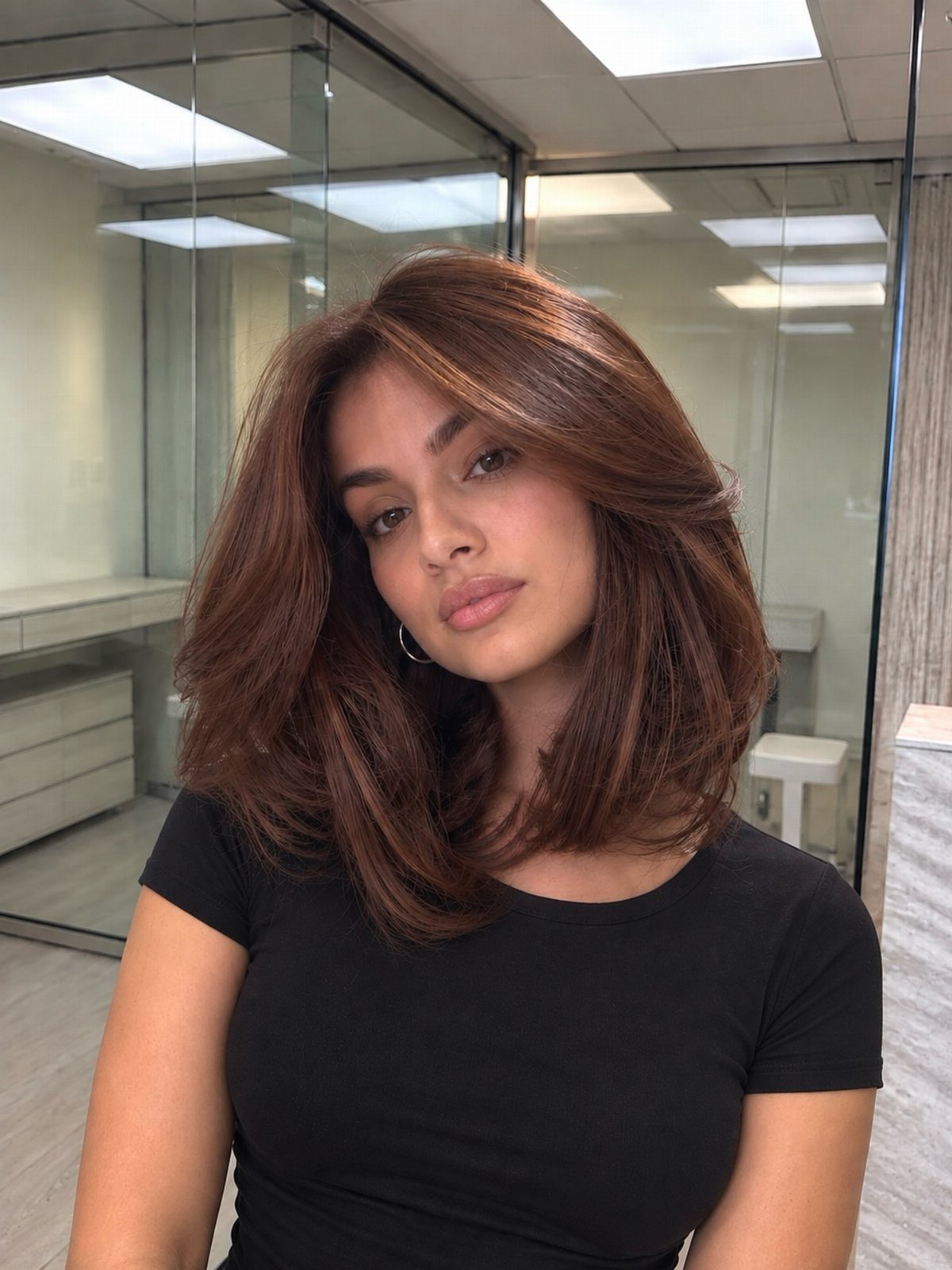
Chestnut can lean golden or lean red, and that choice is the one to settle before booking. Bring a photo and say which direction you want, because the same word can mean 2 different looks.
Either way, the change is gentle: just enough warmth to break up flat brown.
At medium length with layers, the highlights get plenty of movement. It is a safe first step into lighter hair, and the grow-out barely shows.
6. Highlights and Lowlights
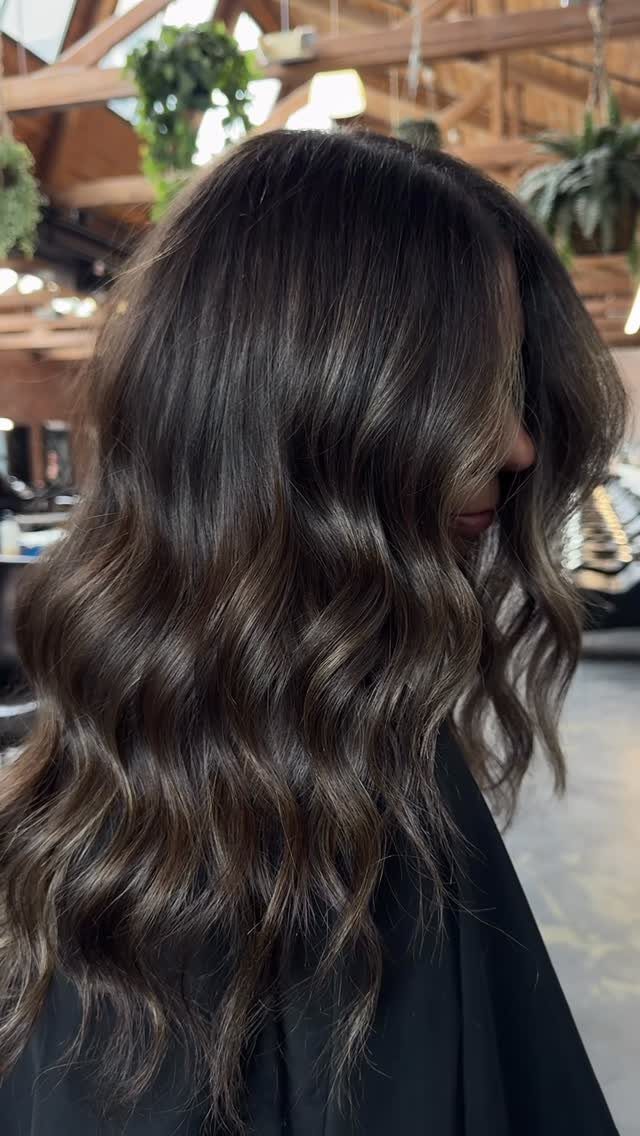
Pairing highlights with lowlights keeps lightness from washing out the whole head. The darker strands anchor the color, so the lighter pieces read as depth instead of stripes.
The creator’s formula is a good model for a cool brunette: lowlights mixed from 6gi and 6A, then a gloss of 8gv and 8gi.
That gloss step is what keeps the tone cool. I like this for anyone who wants definition but dreads obvious regrowth.
7. Face-Framing Highlights
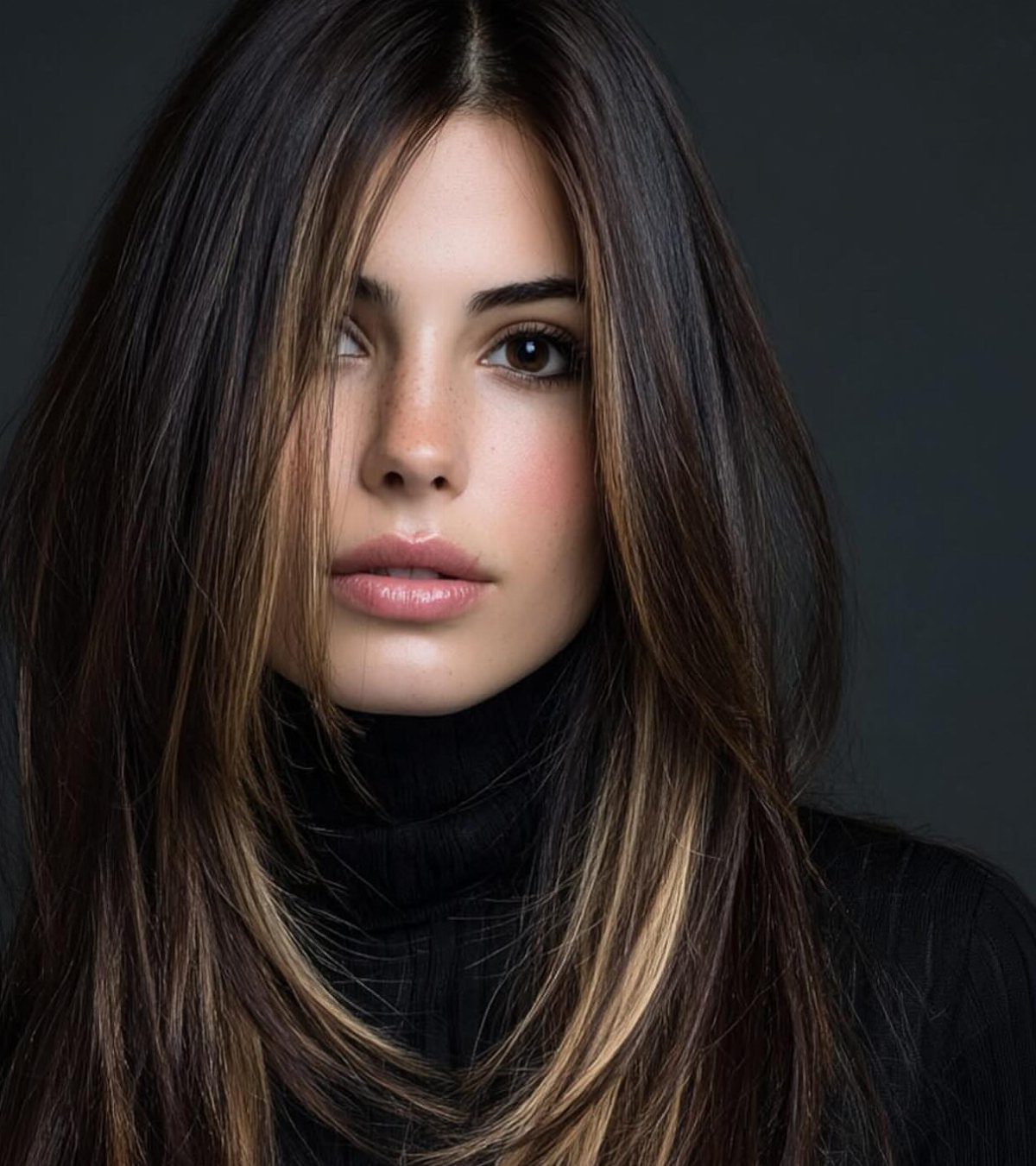
Lightening only the pieces around the face gives most of the brightness for the least commitment. The rest of the brown stays untouched, so the color reads as a frame for the cheekbones and eyes rather than an overall change.
Ask for the lighter strands to start at the front hairline and run through the length, then request a soft blend at the root so regrowth doesn’t show as a line.
I would keep them a few shades lighter than your base, not stark.
8. Brunette with Shiny Balayage
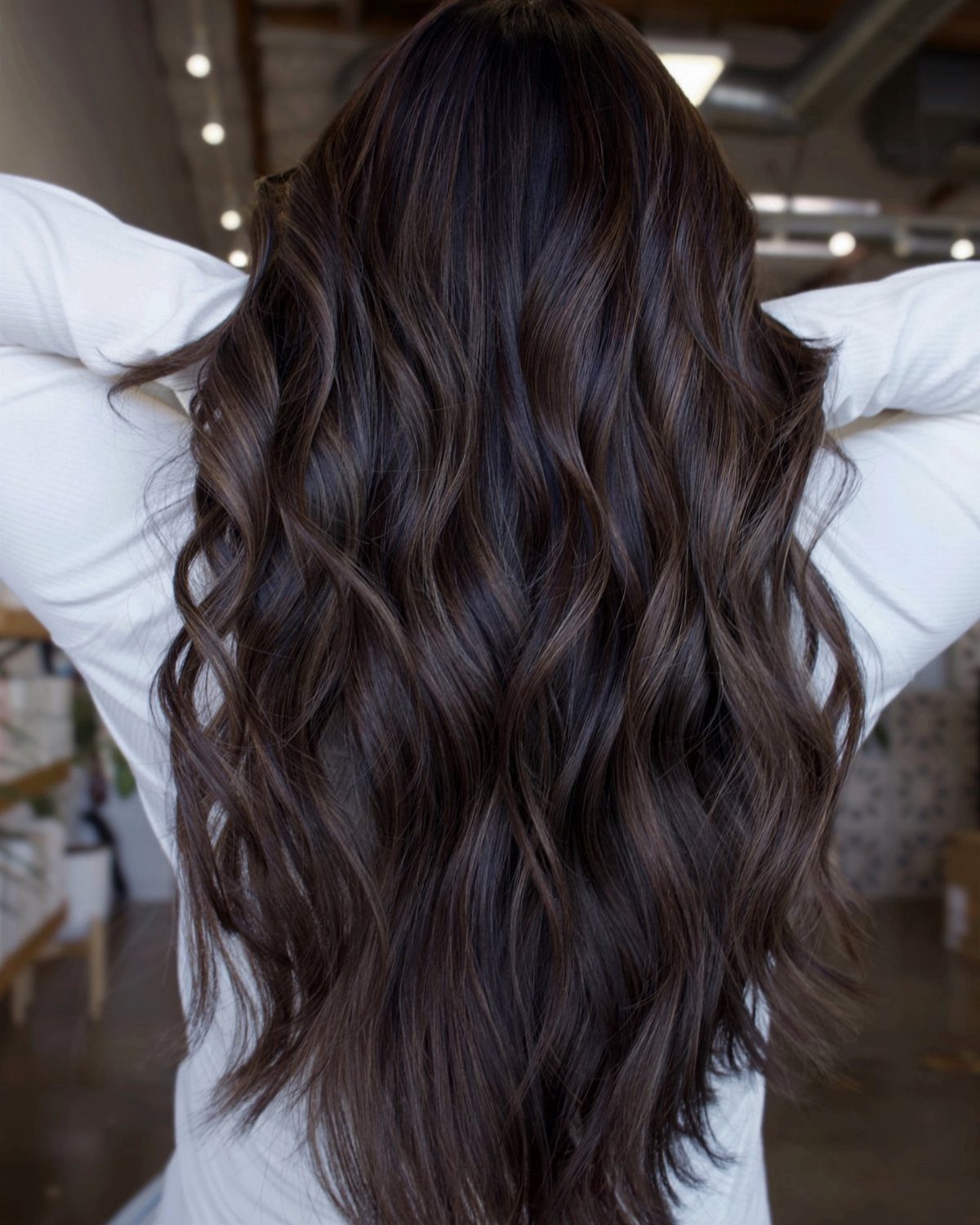
Balayage with a gloss finish is what gives long brown waves that wet-look glow. Hand-painted lighter pieces sit alongside a few deeper lowlights, so the hair shows dimension instead of one flat shade.
Ask for a natural, low-contrast result, since subtle lift is what keeps the grow-out soft. Waves help too: every bend catches light and shows off the shine.
I would pick this over foils if low upkeep matters to you.
9. Hazelnut Balayage
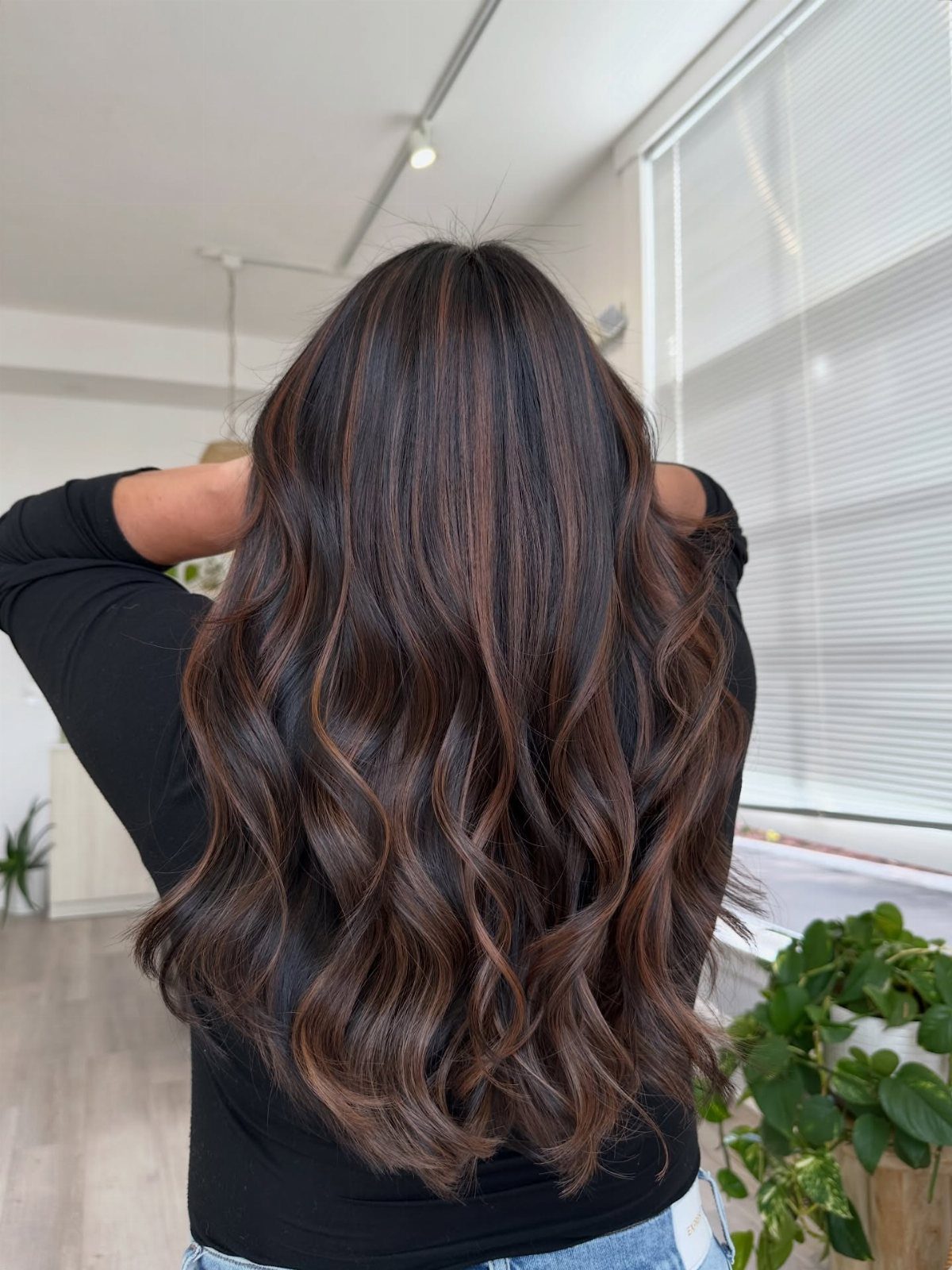
Hazelnut sits between brown and blonde, a neutral light brown with a hint of gold. Macchiato and hazel tones keep it from drifting too warm or too cool, which makes it an easy name to hand a stylist.
Request it as balayage, painted softly through the lengths of dark brown waves, so the lightness looks sun-touched and not striped.
If you can’t decide between golden and ashy, this is the compromise I would choose, and it stays flattering on most skin tones.
10. Copper Highlights
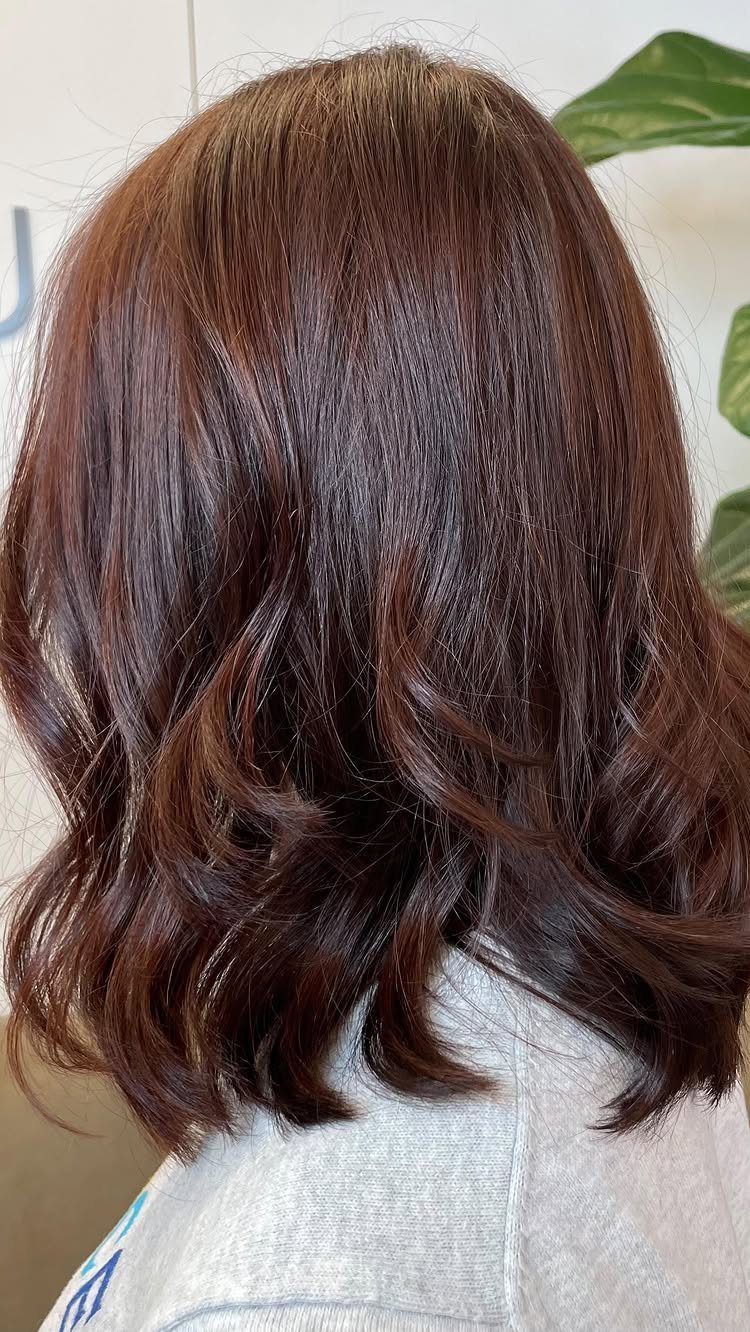
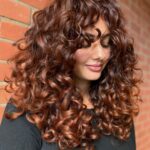
Copper is the boldest warm option for deep brunette hair, and the contrast is the whole appeal. Against dark brown, thin copper pieces flash orange-gold in light and settle into the brown when you’re indoors.
On shoulder-length waves, keep the placement scattered rather than concentrated, so the glow reads romantic and not loud.
Copper is a red-family shade, so expect it to fade faster than brown. I would schedule a gloss visit to refresh it.
11. Chocolate Ombre
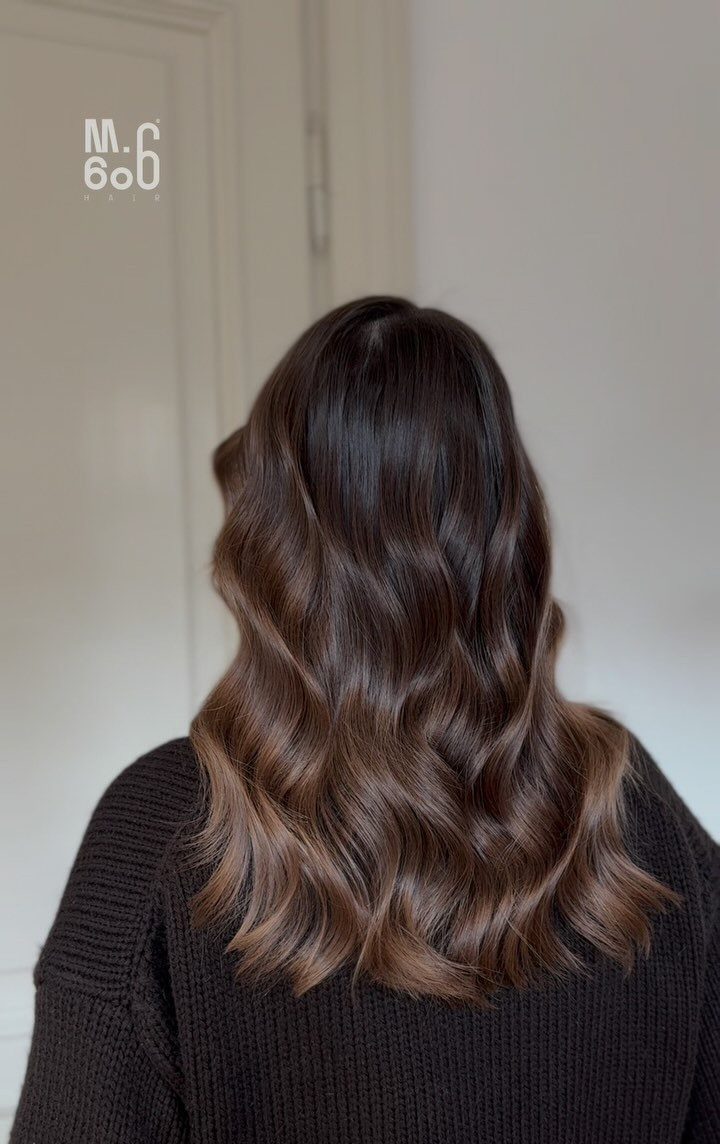
Chocolate ombre darkens at the top and lets the ends melt into a lighter chocolate brown. The shift is gradual, which means no obvious stripe and very little to fix as the roots grow.
Ask for the transition to start around mid-length, with the lightest point at the ends, and say you want shades of brown, not blonde.
On long waves, the ends curve into view and show the gradient best. For minimal upkeep, I would choose this over fine highlights.
12. Bronze Brown Blend
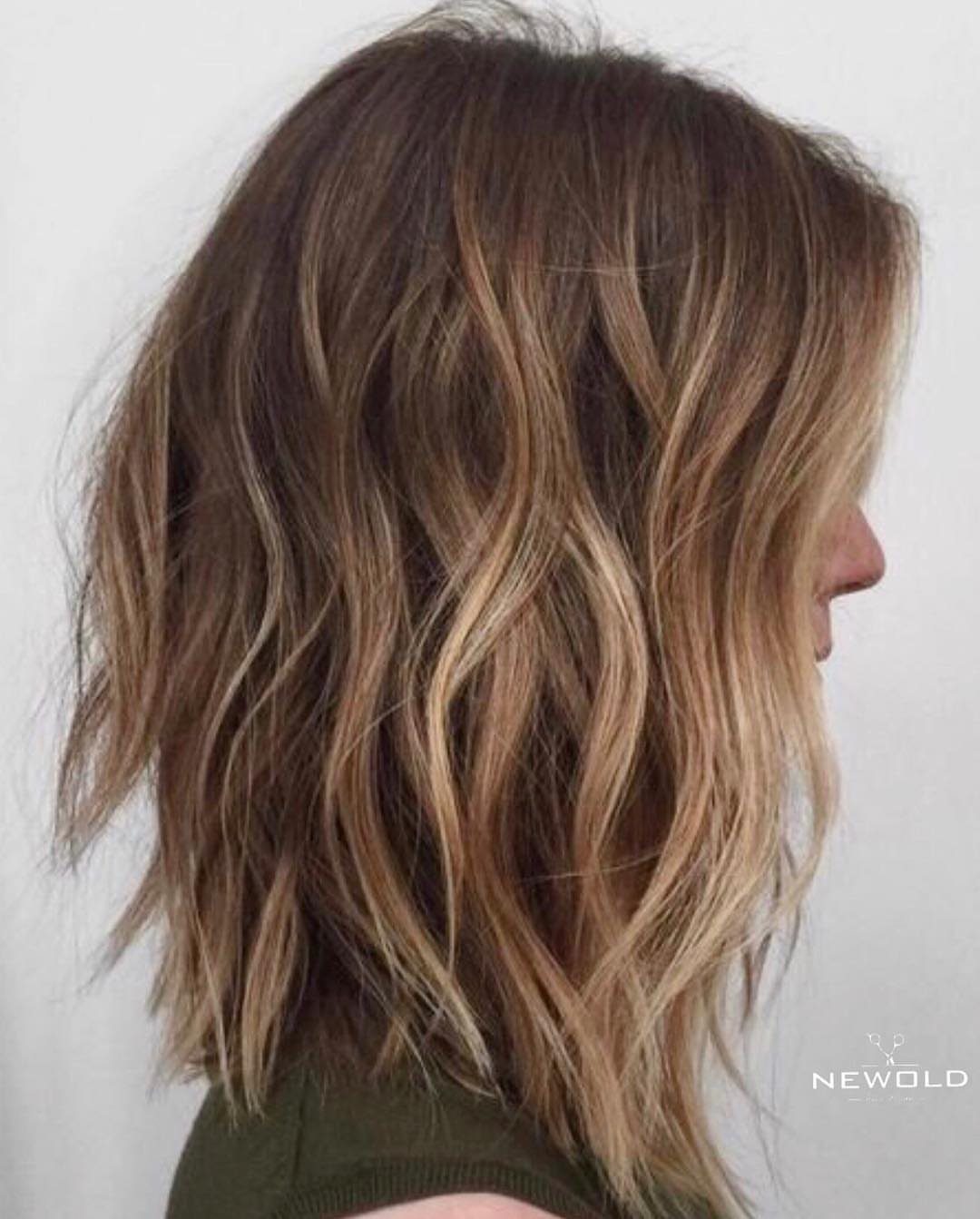
A bronze-brown blend adds only a small amount of lighter tone, so the hair looks refreshed rather than redone. The highlights sit close to the natural brown, with a golden bronze cast.
Ask for fine, well-blended pieces and tell your stylist you want the change to stay subtle. At shoulder length with a little wave, the lighter strands mix in softly.
I like this for anyone nervous about going lighter, since there is almost no harsh line as it grows out.
13. Cinnamon Highlights
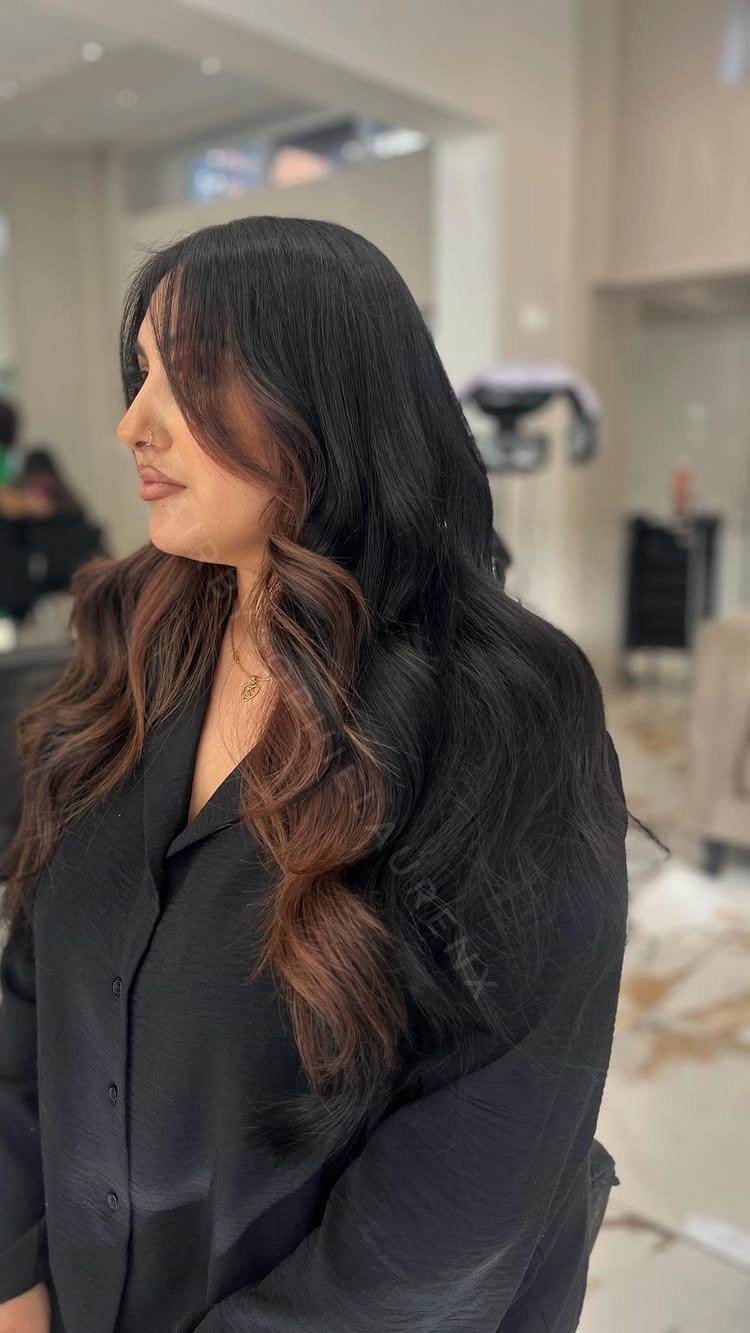
Cinnamon is a soft reddish-brown, warm enough to glow against dark hair and natural enough to wear anywhere. It’s warmer than caramel, less red than copper.
Ask for balayage placement that starts below the roots and builds through the ends, so the color looks sun-touched and the grow-out fades into the base. On long waves, the lift shows best where the hair turns.
Cinnamon fades gently, so a color-safe routine helps but isn’t as urgent as it would be for copper.
14. Warm-Toned Balayage
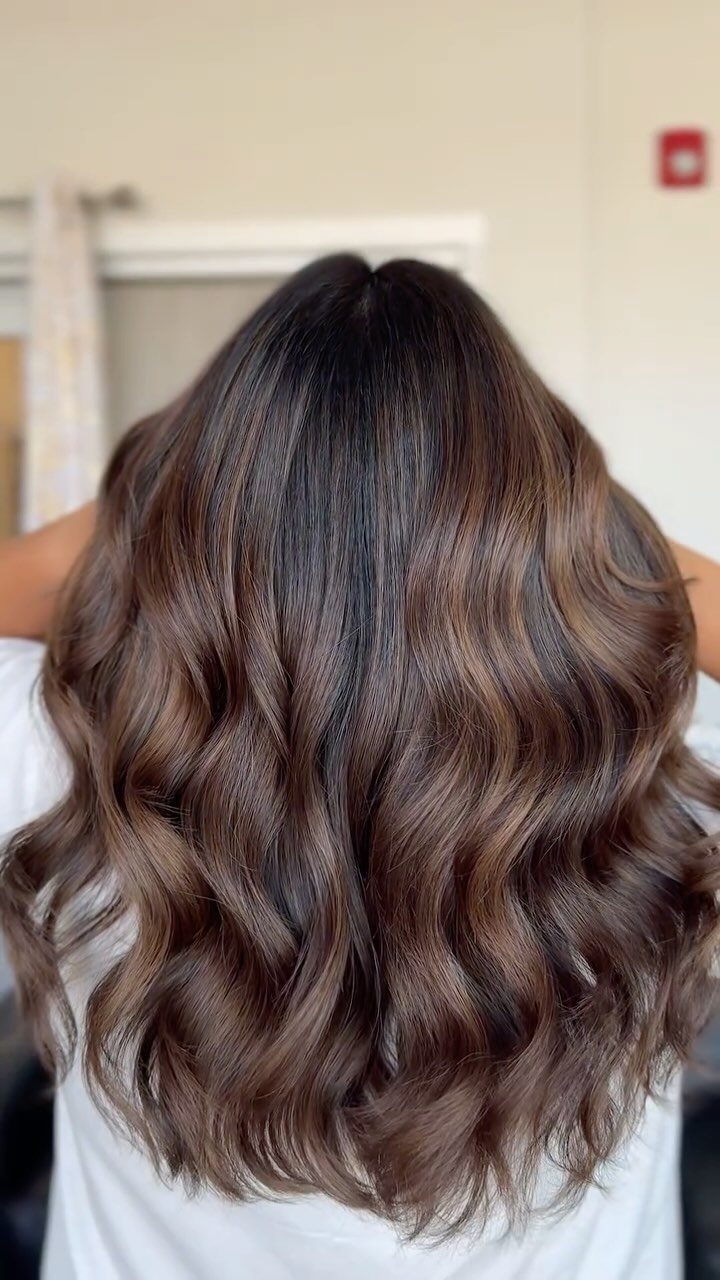
Warmth in layers is what makes this work: caramel framing the face, auburn through the mid-lengths, all softly blended so no one color calls out.
The auburn adds depth, the caramel brightens, and together they give dark brown hair dimension without a single cool note.
Ask for the lighter pieces to concentrate near the face and feather through the rest, so the brightness lands where it matters most. On long waves, the blend shows at every angle.
If you want warmth without committing to one shade, I would ask for this mix.
15. Contrasting Highlights
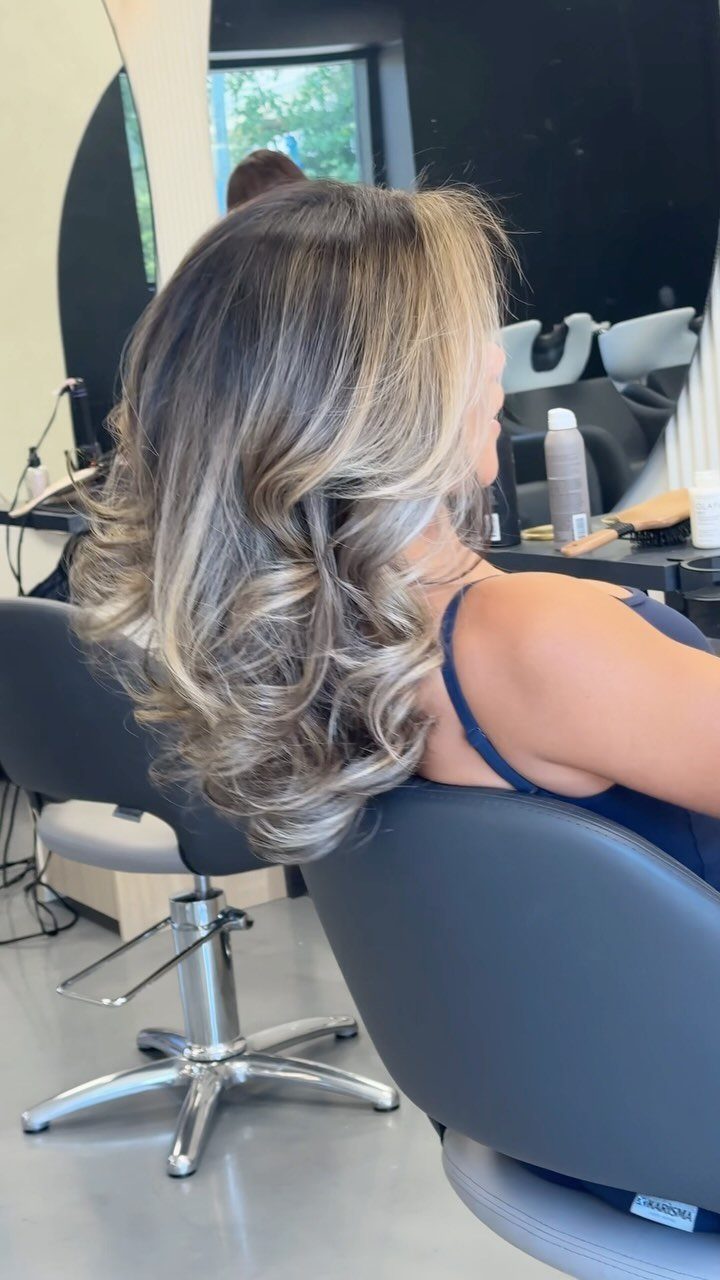
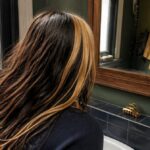
Blonde against dark brown is a jump, and that’s the point. The contrast makes the lighter pieces visible from across a room, which suits anyone tired of subtle.
Keep the blonde strands curled or textured, so the lift shows dimension instead of flat stripes.
Blonde on brunette needs more upkeep than a close-tone highlight: expect toning appointments to keep the blonde from pulling brassy, and plan on a purple shampoo at home.
If you’ve been curious about blonde but don’t want to commit to a full head, this is the safer test run.
16. Mushroom Brown Highlights
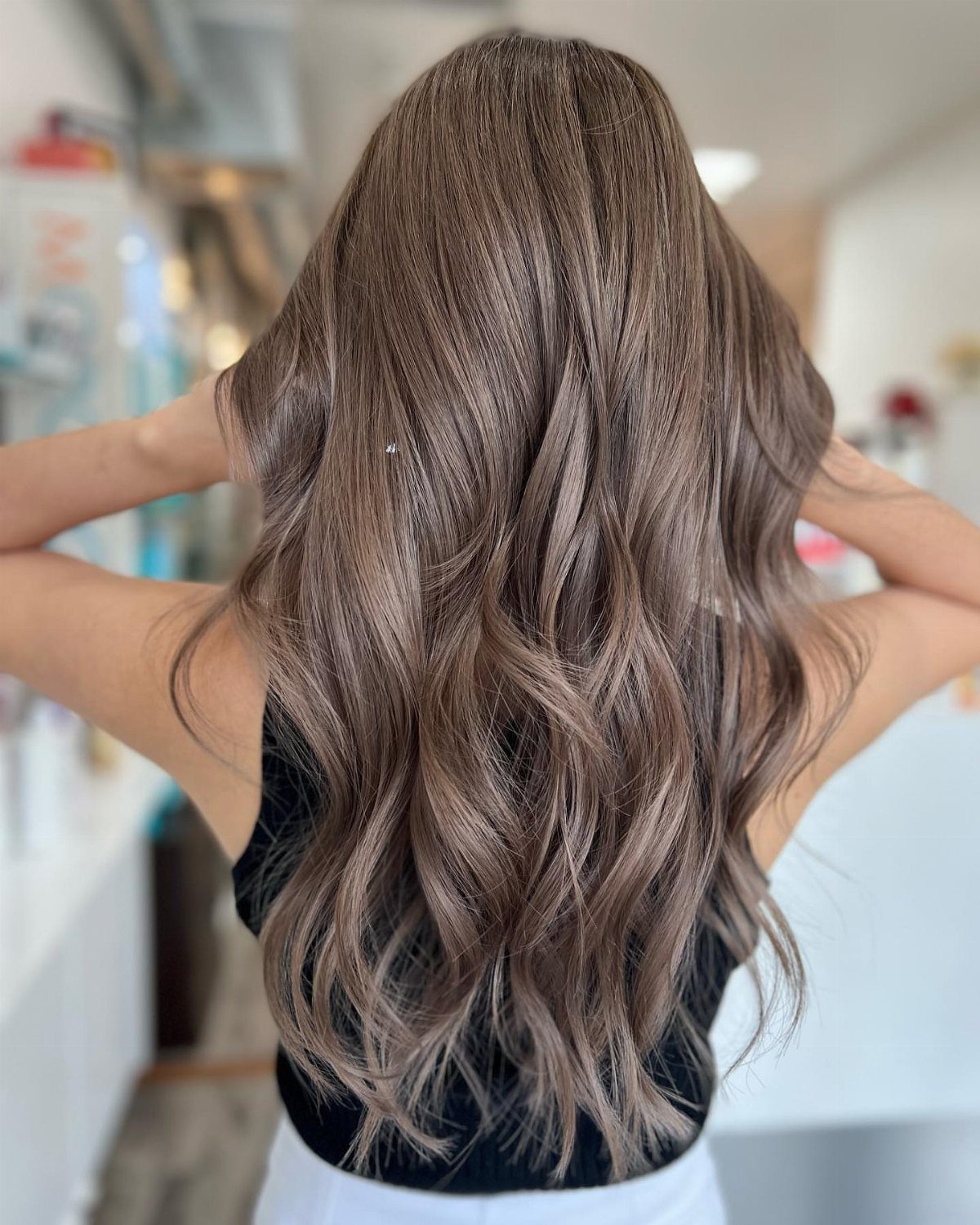
Mushroom brown sits in the cool family, a muted brown with a touch of gray. Against a dark base, it reads subtle and earthy rather than bright, which suits anyone who wants dimension without warmth.
The balayage here is soft and well-blended, so the color shifts across the lengths without a stripe. On long waves, the gray-brown shows as depth rather than as a new color.
I would pick this for cool skin tones, and for anyone who finds caramel or honey too yellow.
17. Cinnamon Streaks
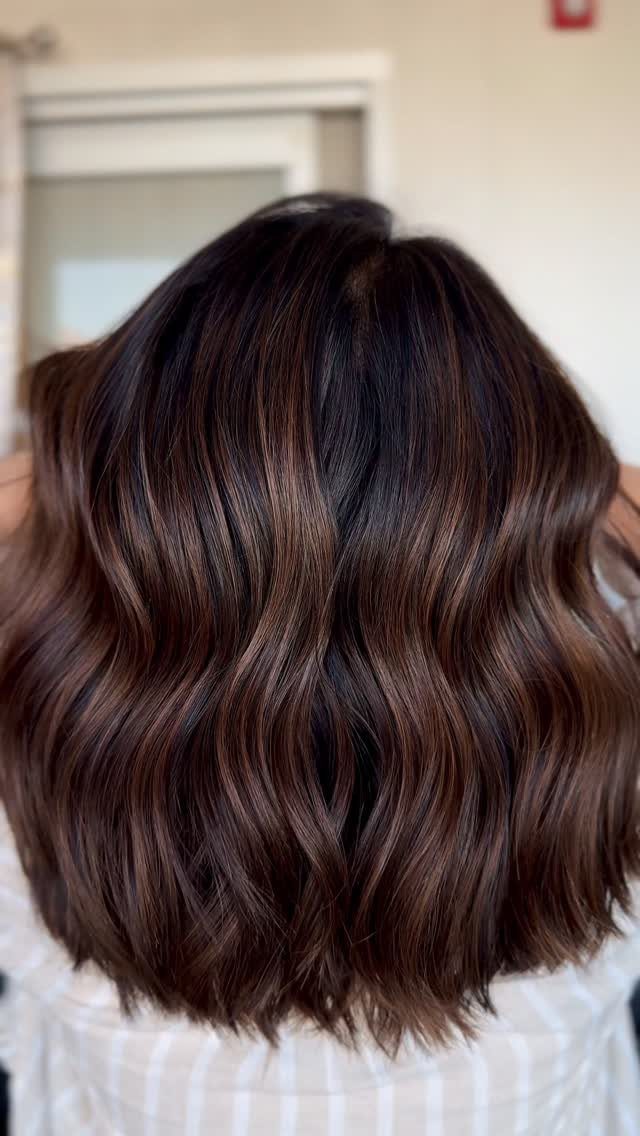
Light cinnamon streaks break up a lob without adding much lift, so the color stays brown and just reads richer. The warmth is soft enough to blend as the hair grows, which makes it a low-maintenance choice.
Ask for the streaks to run through the mid-lengths and ends, scattered rather than packed. On a wavy lob, the shorter length shows the dimension at every turn.
If you want a change that doesn’t need constant gloss appointments, I would start here.
18. Thin Highlights
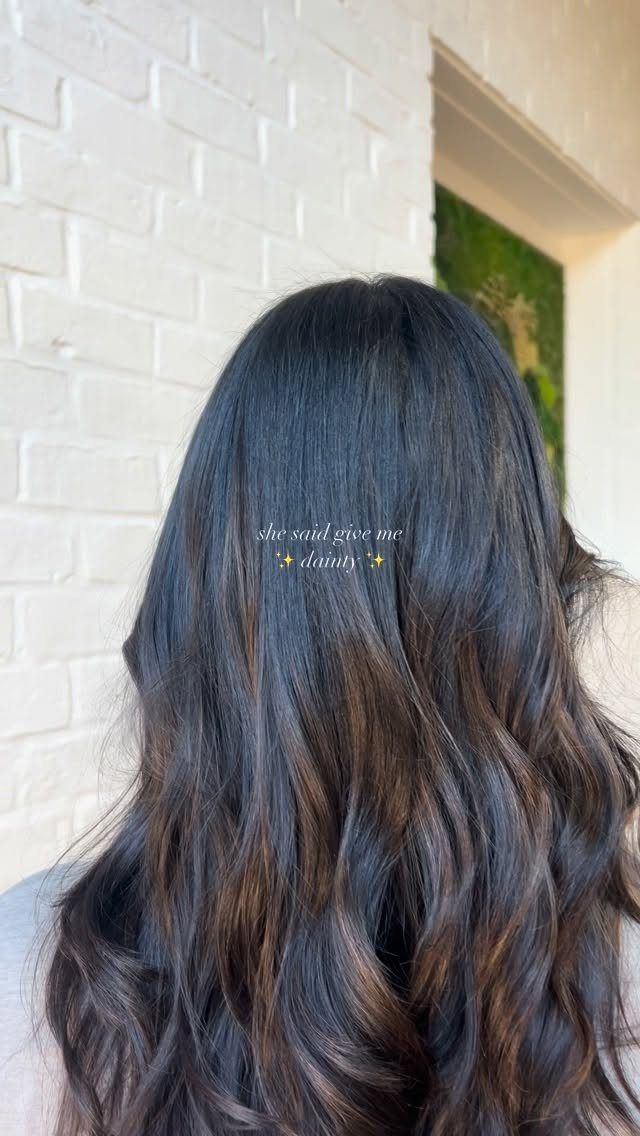
Fine highlights give dimension that only shows when the hair moves. The strands are thin enough to blend into the base from most angles, then catch light as the hair falls or turns.
Ask for a weave, not thick ribbons, and say you want the highlights scattered rather than heavy. On long hair with waves, the texture gives the fine pieces room to show up.
If you want the hair to look richer without anyone spotting the highlights, this is the level of subtlety I would ask for.
19. Highlighted Coffee Brown
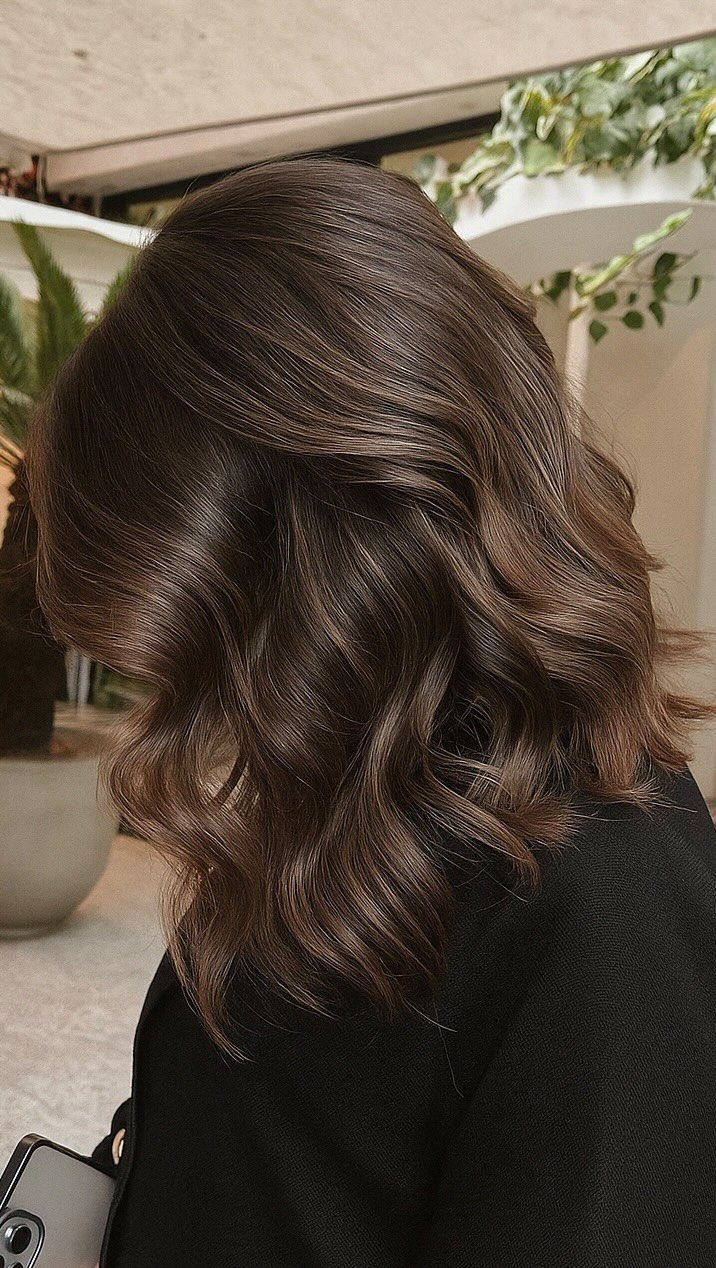
Coffee brown highlights stay in the chocolate family, so dark hair gets dimension without any push toward blonde. The lift is subtle enough that it only registers when the hair moves and light hits the strands.
Ask for soft, close-to-base pieces and a gloss to finish. I would pick this if you want the change to read as richer brown, not as highlights.
20. Mocha Highlights
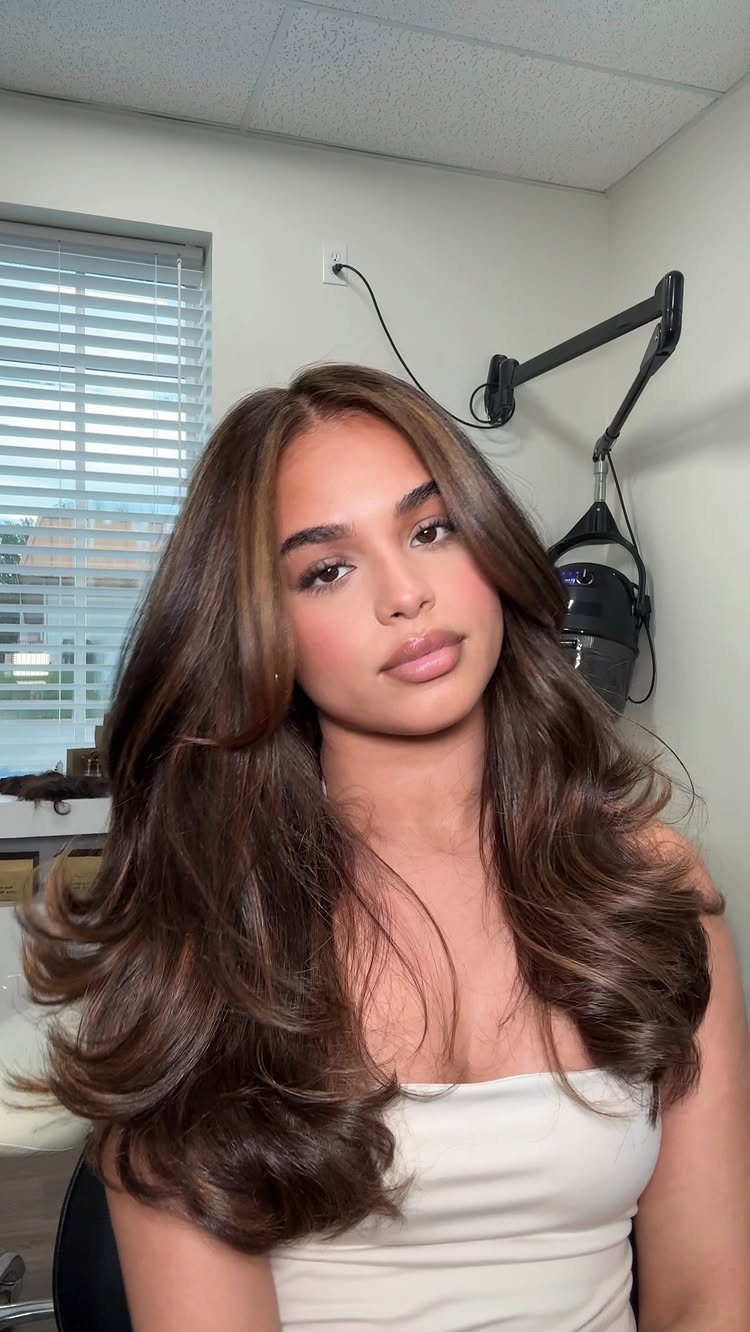
Mocha sits between milk chocolate and coffee, a muted light brown that warms dark hair without brightening it much. Loose curls and good volume give the lighter strands plenty of places to show.
Bring a photo and use the word "mocha" alongside it, since stylists hear that name for several tones. I like it as a gentle first step.
21. Burgundy Highlights
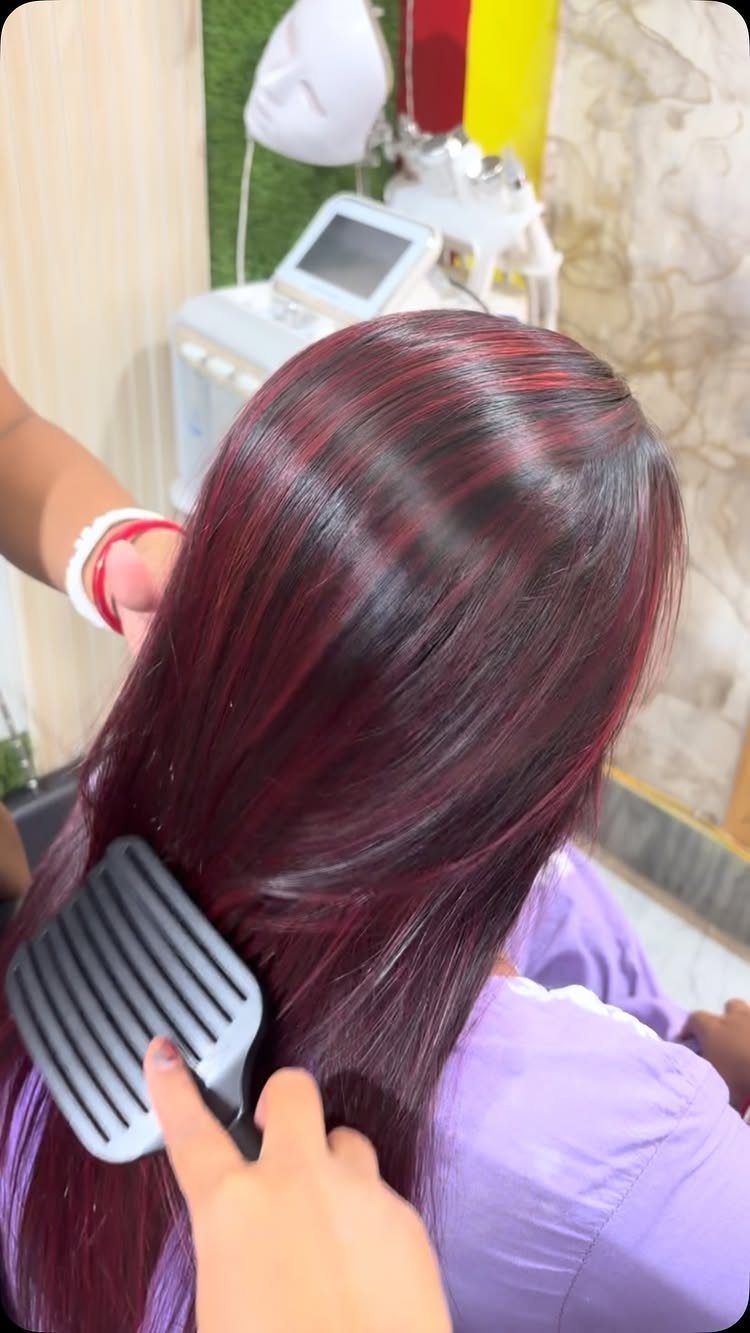
Burgundy highlights give dark brown hair a wine-red cast that shows most under bright light. On long hair, a few pieces are enough to read as color.
Ask for the red woven through, not painted in blocks, and say how deep you want it.
22. Beige Brown Highlights
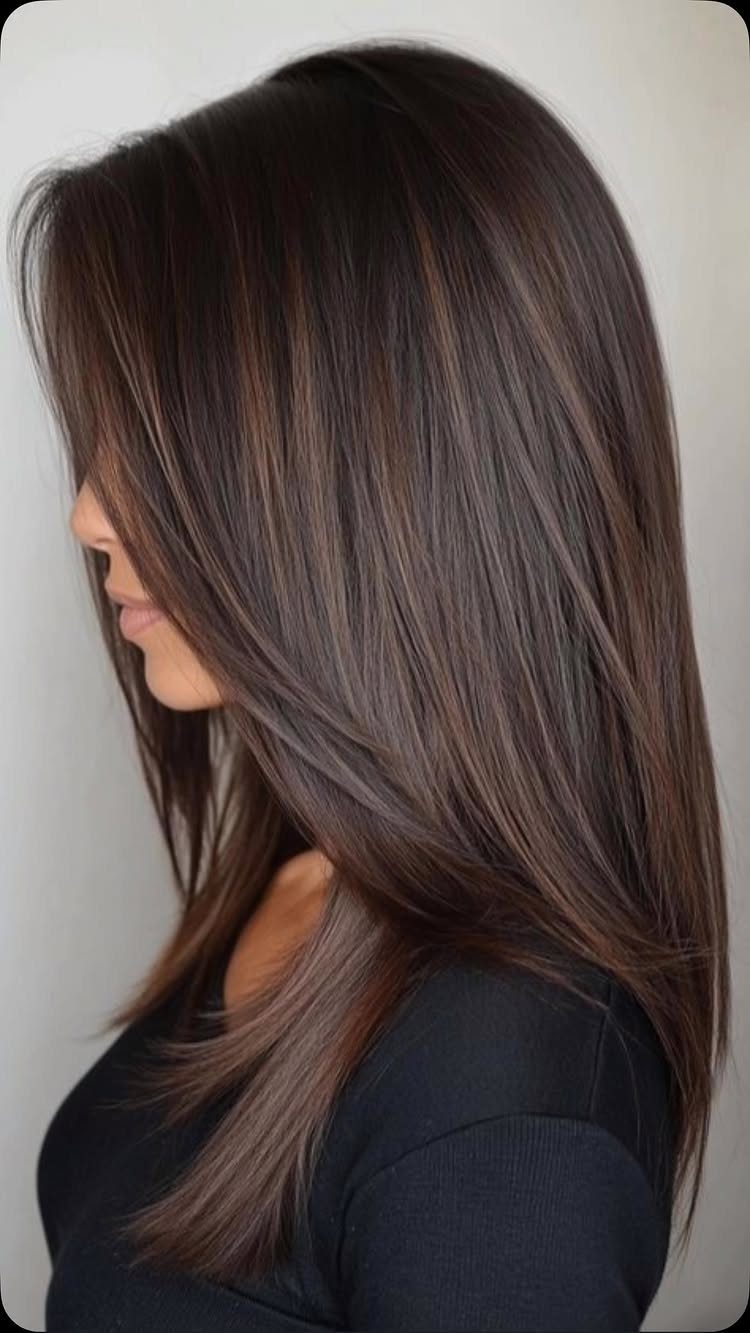
Fine beige-brown streaks give long, smooth hair a soft, polished finish. Beige is a muted, slightly cool-neutral light brown, so it avoids the gold of caramel.
Ask for thin pieces, evenly spread, and keep the hair sleek so the color reads as a quiet sheen. I would choose this over honey tones if you find gold too bright on you.
23. Ash Blonde Highlights
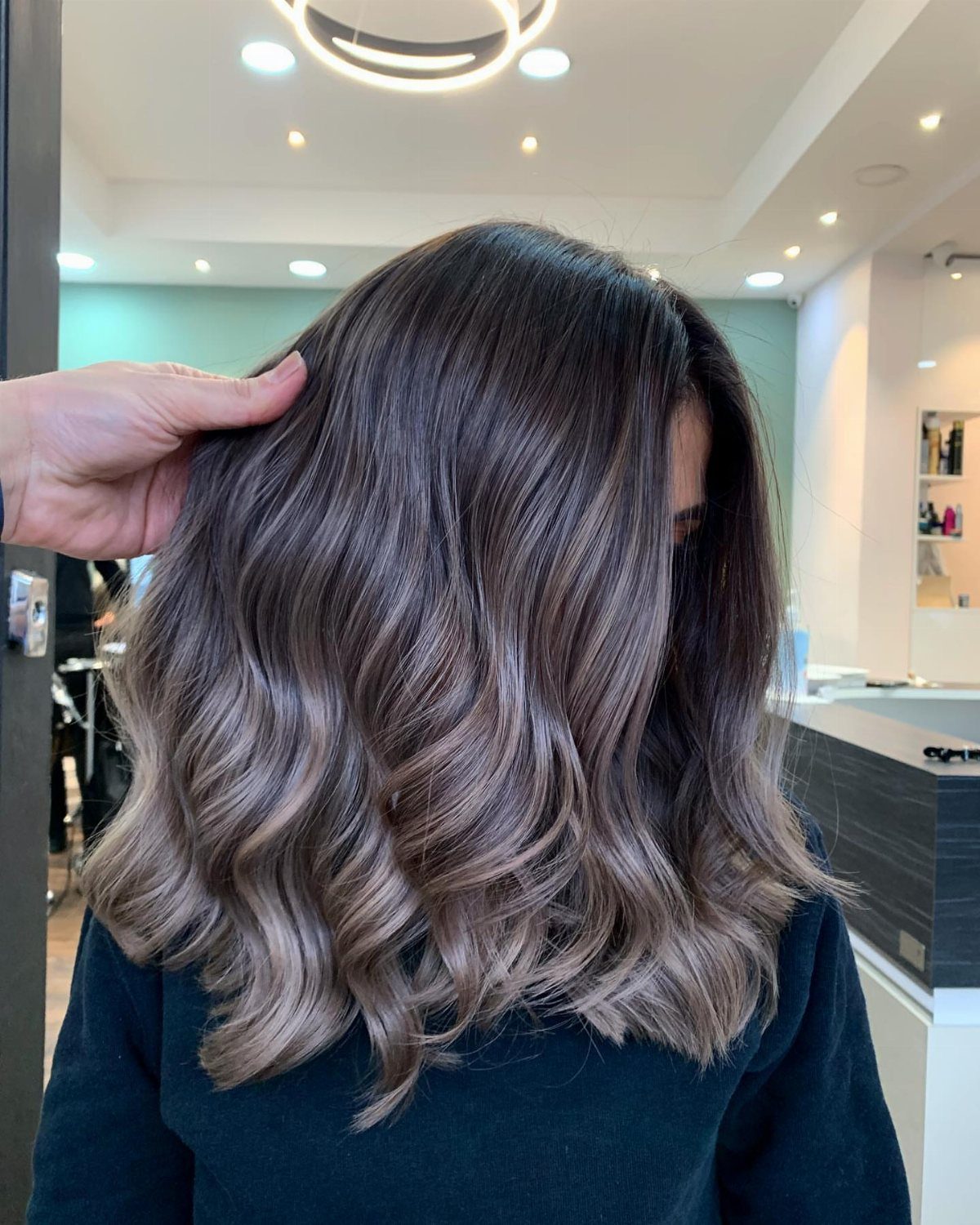
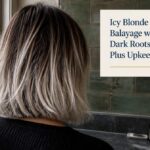
Ash blonde on dark brown waves is the coolest, smoothest-looking way to go light, with ash-brown pieces blending into the blonde for a smoky result. It asks for real lightening, so expect a longer appointment than with brown-toned shades.
Request a toner and keep a purple shampoo at home, since cool tones drift warm as they fade. I would ask for a few ash-brown pieces mixed in, which softens the jump from your base.
24. Highlighted Brown Bob
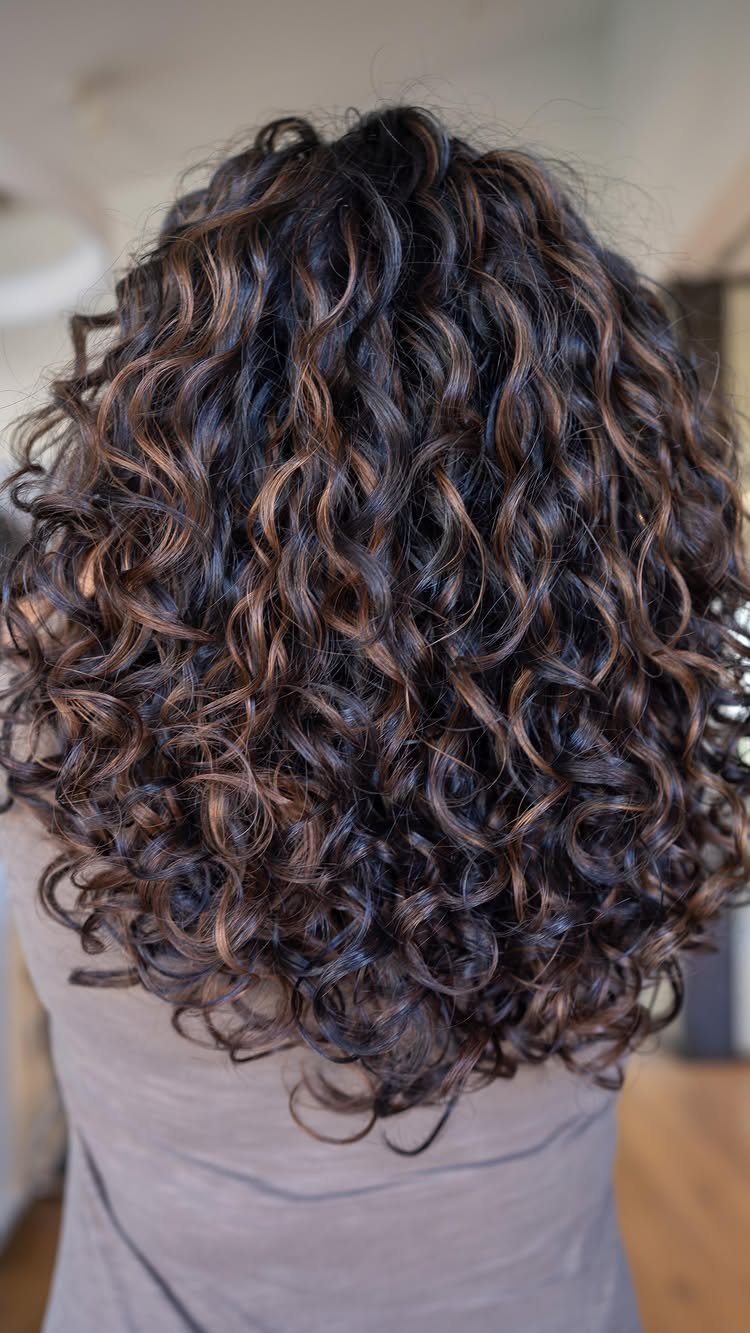
Light brown highlights on dark curls work because curls break the color into small pieces, so the effect stays soft. At shoulder length, each curl shows a different mix of dark and light.
Ask for subtle highlights placed by hand, not in a uniform pattern, so they follow the curl.
25. Chestnut Color Formula
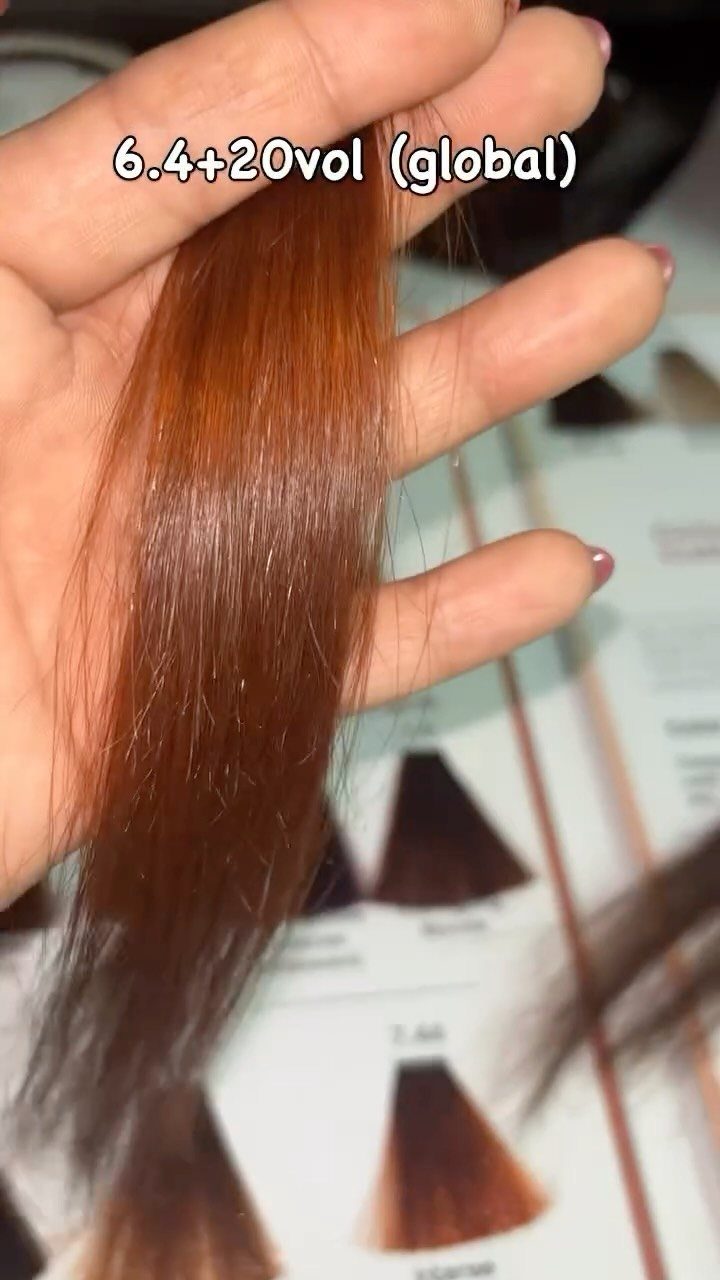
A formula like 6.4 with developer is a shorthand a colorist reads at a glance. The 6 is the depth, a dark blonde to light brown level, and the .4 is the copper tone, which gives the chestnut its reddish warmth.
Screenshot the swatch and the formula, and show both to your stylist. Treat the numbers as a starting point to discuss, since your base color and how much lift your hair needs will change the mix.
I would pick this for anyone who wants chestnut to read red-brown and not flat brown.
Choosing Shade by Skin Tone
Undertone decides whether a highlight looks flattering or just looks added.
Where caramel and honey add golden warmth, ash gives a muted, smoky finish, and it keeps orange and brassy tones from creeping in as the color fades.
Chestnut is the match I would point to for medium to dark skin tones. Bronze balayage works best on neutral or cool complexions.
Mushroom brown is the one shade where the advice splits: some say it suits warmer skin tones, even though it reads as a cool shade.
If you fall in that group, ask your stylist to test it against your face in daylight before committing.
Unsure of your undertone? Hold gold and silver jewelry up to your face and see which one looks better.
Highlight Technique Choices
Technique changes how a shade looks as much as the shade does, so decide on the method before you pick a color name.
Balayage gives the natural, lived-in look, and it is my pick for anyone who wants to skip frequent salon visits.
Foils lift hair in crisp, clearly defined streaks, which is why I pick them when I want the highlights to show up against dark brown.
Choose them when you want the lighter pieces to be clearly visible, and expect the regrowth to show more.
Face-framing pieces brighten only the front sections. That gives a subtle glow for the least commitment, and it pairs with either method.
Terms worth knowing when you book:
- Babylights: very fine pieces for a diffused effect.
- Fine weaving: thin strands picked out through a section.
- Root melt: a blended transition at the root, so no line forms.
- Ribbon highlights: wider, more visible pieces.
- Feathering: soft, tapered placement of lighter strands.
Frequently Asked Questions
What kind of highlights go with dark brown hair?
Caramel lifts just 2 or 3 levels and brings warmth that reads as dimension rather than contrast.
Honey blonde gives a brighter gold that still looks natural, ash brown keeps the tone cool and cancels brass, and auburn or copper flash warm without a big lift.
Pick the shade by your undertone: warm skin suits golden tones like caramel and honey, cool skin suits ash or mushroom brown.
Which highlights suit Indian skin?
Chestnut highlights suit medium to dark skin tones, adding reddish warmth that shows up against dark brown hair. Bronze suits cooler skin and neutral tones, while golden caramel tends to work better when your complexion leans warm.
What are the highlights trends for brunettes in 2026?
Soft balayage with a gloss finish stays popular for its low upkeep and dimension without stripes.
Highlights only around the face lift the front without committing to a full head, and lowlights mixed in keep the overall tone grounded. Mushroom brown and other cool-toned shades are showing up more on brunettes who want dimension without warmth.
Why are caramel highlights in demand?
The lift is gentle enough that it registers as depth, not a second color sitting on top of the base. It reads as dimension rather than as a new shade, which suits anyone after a low-maintenance change.
What are the best techniques for caramel highlights?
Balayage is hand-painted so the color melts through the lengths rather than landing in hard lines. Foils give you clear, separated pieces with more contrast, and face-framing keeps the brightness where it catches light first.
What are the best techniques for honey blonde highlights?
Face-framing highlights brighten the area around the face for a fresh look without a full head of color.
Babylights are ultra-fine and scattered to look like natural variation, while foils let the stylist pack more brightness exactly where you want it.
Why are auburn highlights in demand?
Auburn lifts subtly but the red catches light and flares in the sun, then pulls back to near-base indoors. The color adds depth without a big lift, which suits anyone after warmth without an obvious change.
What are the best techniques for auburn highlights?
Feathering scatters auburn lightly from the mid-lengths down so it registers as warmth rather than stripes.
Underlights tuck the color below the surface so it flashes when your hair shifts, and ribbon highlights thread thin lines through for a painted finish.
Rooting the color out from your natural base lets it fade gradually into auburn so regrowth blends instead of announcing itself.