Caramel blends into brown with barely a line, while ash blonde and silver-gray sit at the opposite end with high contrast that needs regular toning to stay cool.
If you’re starting from a level 3 or darker, plan on two or three visits if you want icy blonde highlights that stay clear of orange.
Money pieces frame the face with 2 bright sections and leave the rest dark, balayage hand-paints ribbons where sun would naturally hit, and fine blonde highlights scattered all over create an even glow instead of chunky stripes.
1. Caramel Highlights
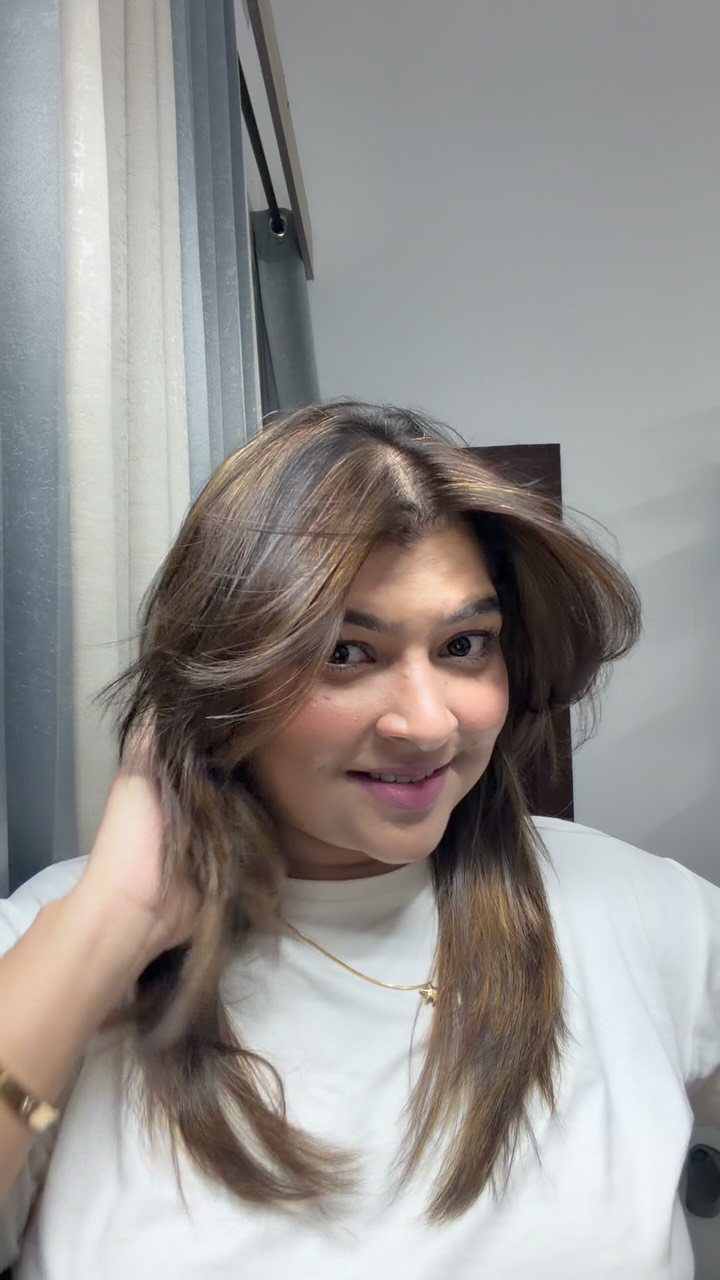
Warm golden ribbons woven through brown are the easiest way into highlights, and caramel is the shade I’d hand to anyone nervous about going lighter.
It reads as sunlight on brown hair rather than a color change, so the line between old and new stays soft.
Ask for the ribbons to be placed around the face and through the ends, where light naturally hits. Warm brunettes will find it blends best with their skin tone.
2. Honey Blonde Highlights
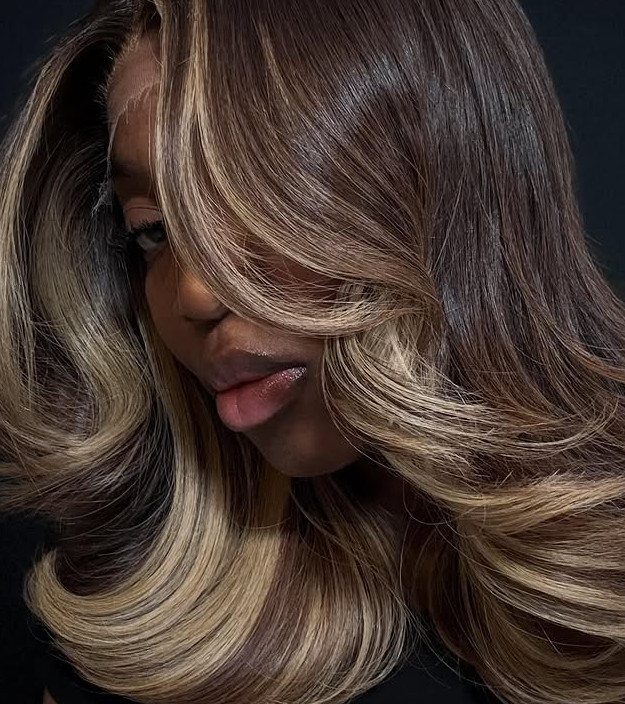
Honey sits a step brighter than caramel, and it’s the shade I reach for when a brunette wants noticeable gold without committing to very light hair. The brightness comes from placement: broad pieces framing the face lift the whole look.
One hand-painted version used a toasted brown base with sand-blonde pieces at the front, and that pairing is worth showing a colorist. Wavy or curled hair lets the lighter pieces catch light instead of lying flat.
3. Bronze Highlights
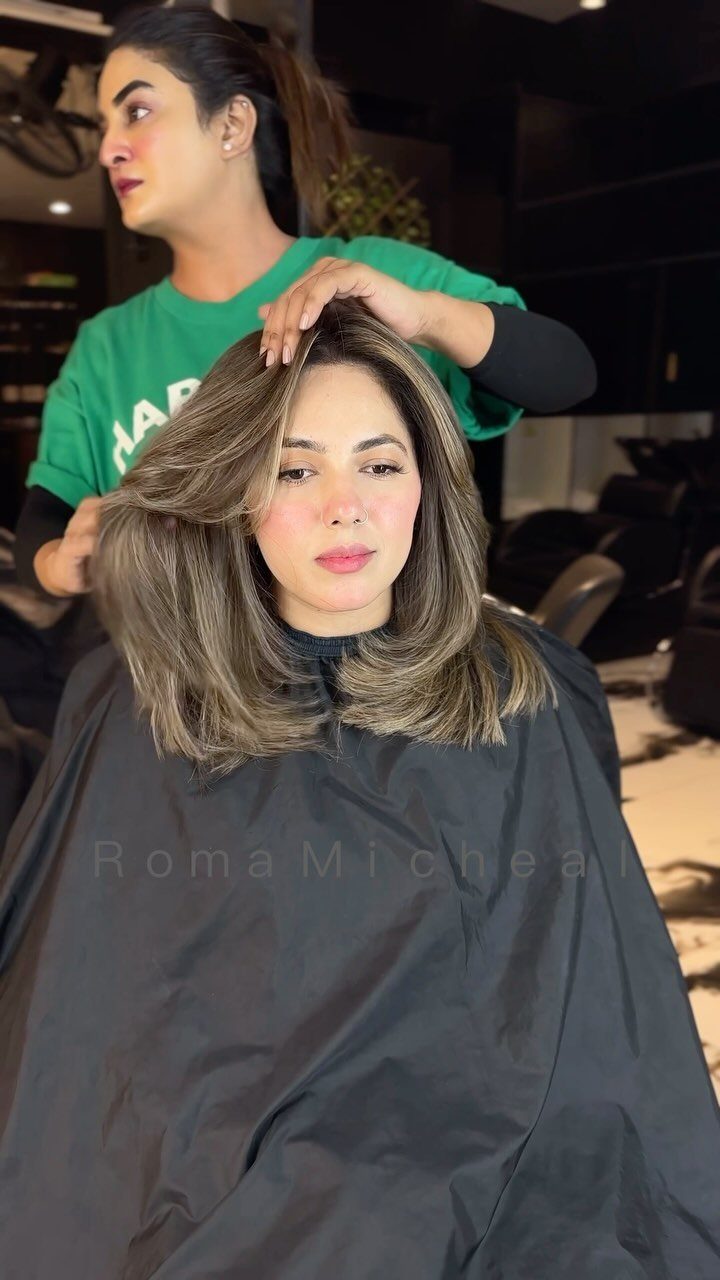
Bronze lands between brown and gold, which gives it a richness that caramel and honey sometimes lack. Brunettes who want warmth but find honey too bright will likely prefer it.
Because the shade is close to the base, it grows out gently, so touch-ups can wait longer than they would with a high-contrast blonde.
I’d bring a photo and ask for brown and golden tones mixed together, not one flat color.
4. Ash Blonde Highlights
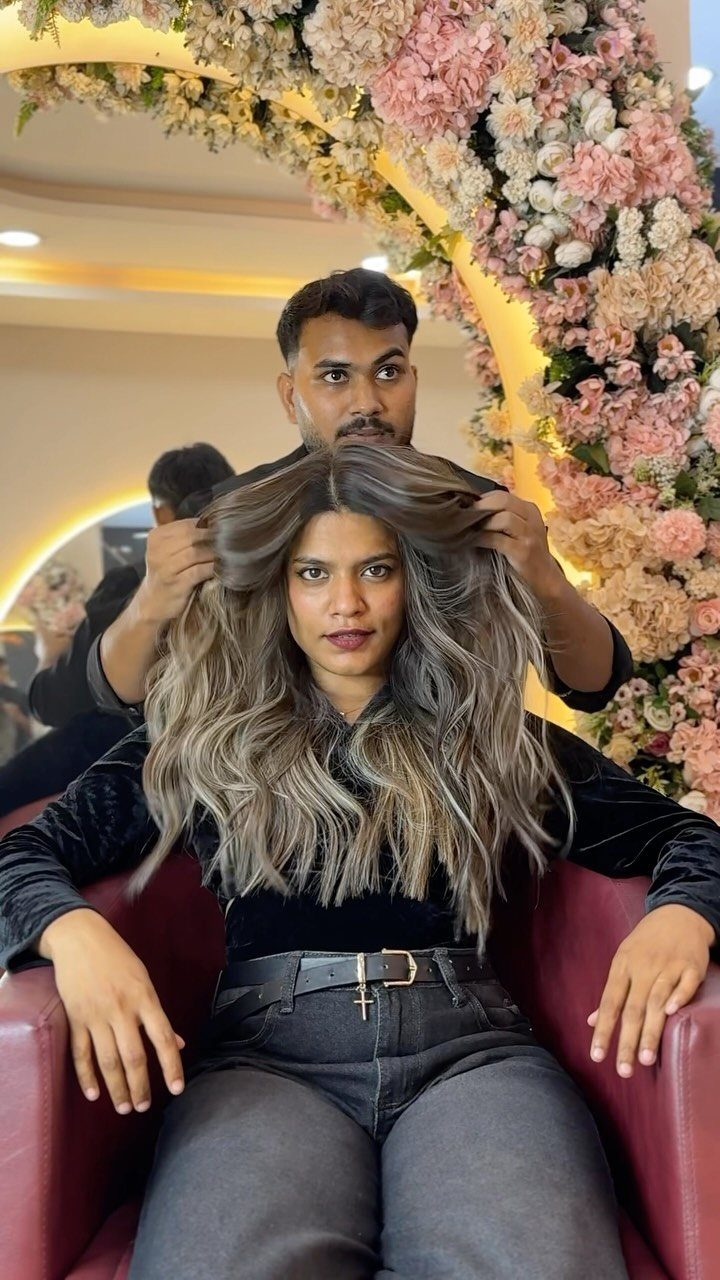
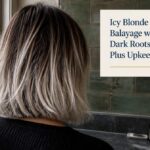
Cool ash blonde against dark brown is the highest-contrast option in this group, and its job is to look icy, not yellow.
That is also its weak spot: brassiness creeps in as the tone fades, so the toner matters as much as the lightener.
Ask your colorist how they plan to keep the shade cool between visits. Dark brunettes should expect more than one session to reach it cleanly, and I’d budget for that.
5. Champagne Highlights
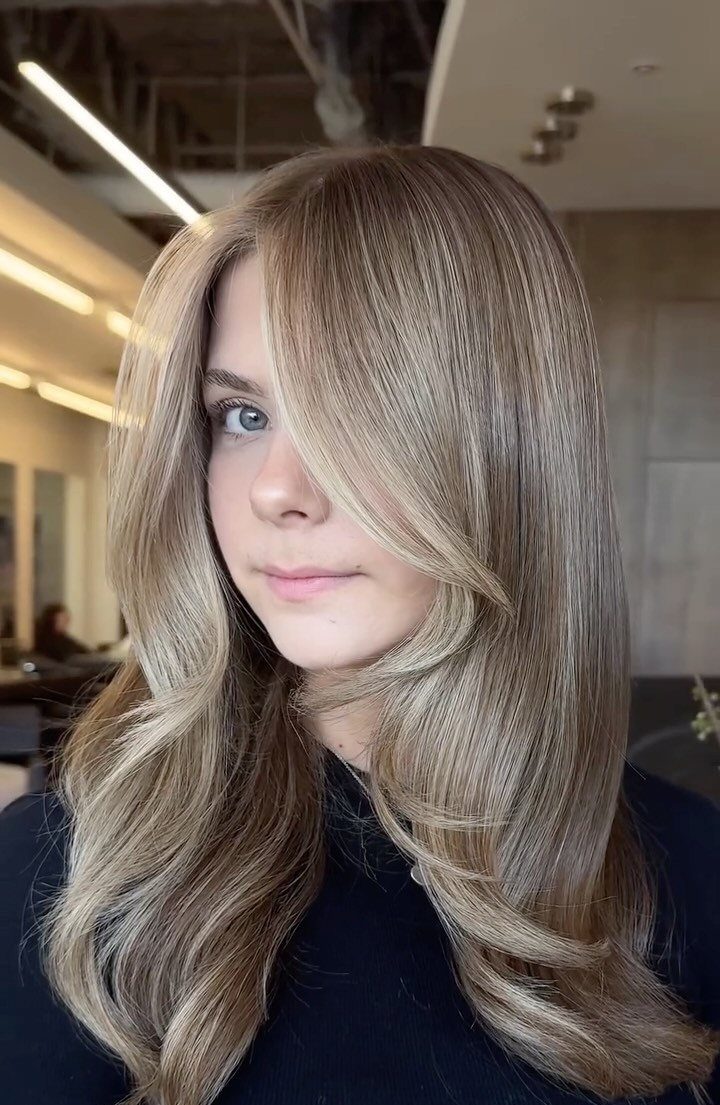
A muted, cool blonde with a faint shimmer, champagne is softer than ash and far less stark against light brown hair. It suits brunettes who want brightness without anything yellow or orange showing up.
Soft curls help the shimmer read, since the lighter pieces catch light as they bend. I’d ask for it blended into the brown, not placed in stripes.
6. Mushroom Brown Highlights
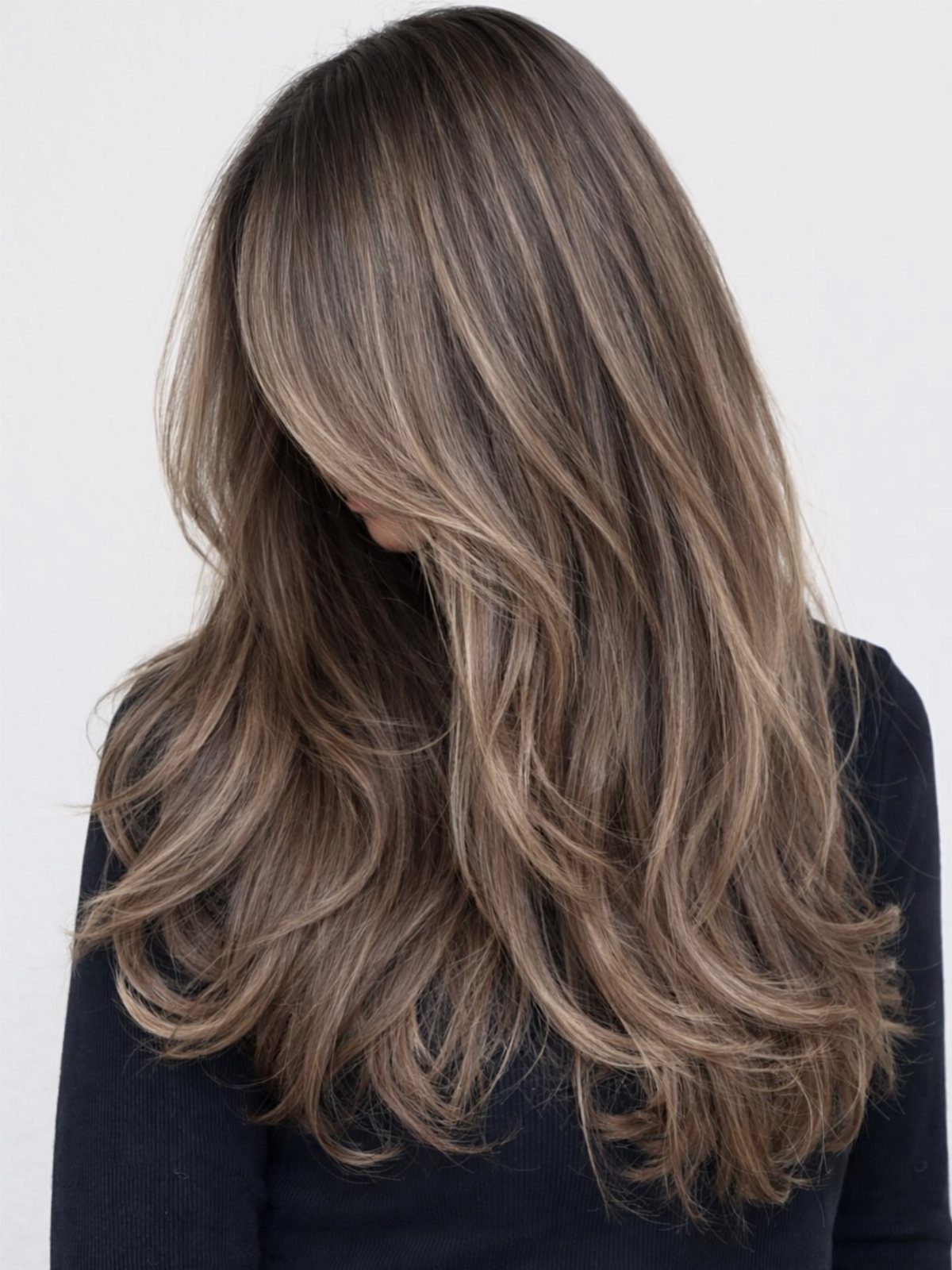
Beige, ash and taupe blended together give mushroom brown its earthy, slightly gray cast, and it’s the option I’d pick for anyone tired of warm tones.
It looks best on layered brunette hair, where the cool pieces show up at different depths.
Because it avoids gold entirely, tell your colorist you want it cool and dusty, not light. Cool or neutral skin tones tend to wear it best.
7. Soft Beige Blonde
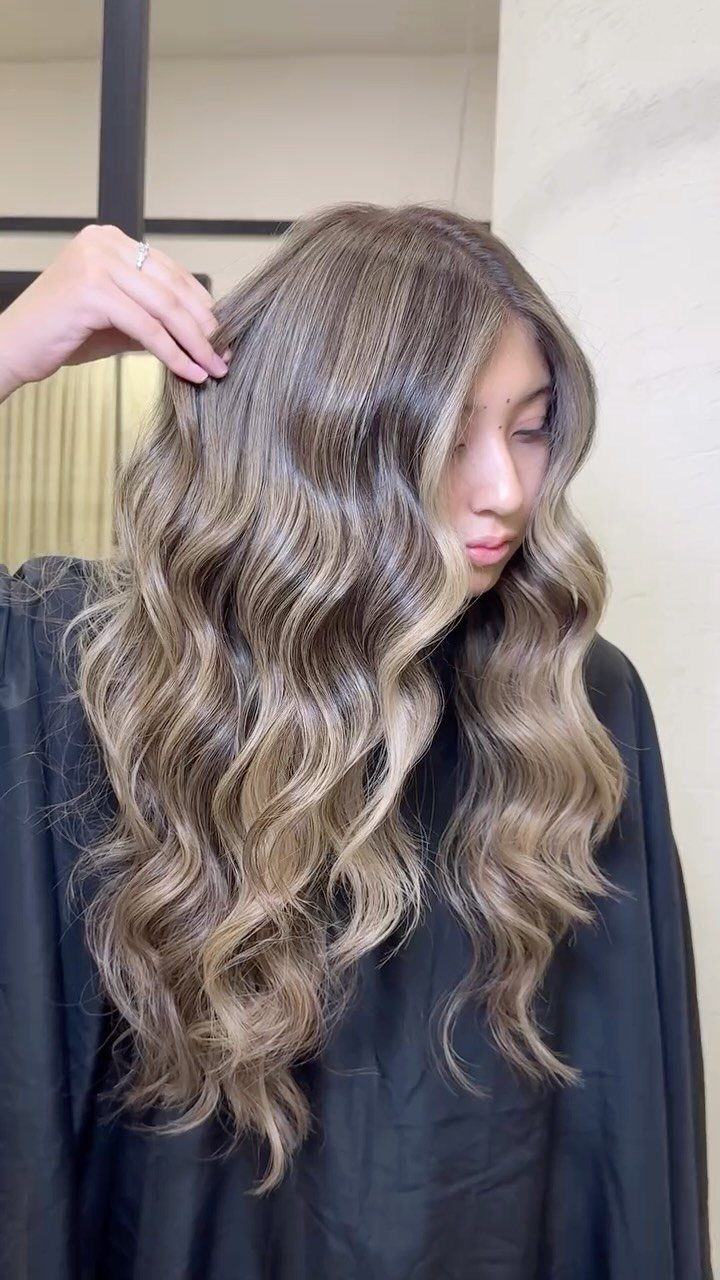
Beige blonde pulls lightness into brown hair without swinging warm or cool, which keeps it from clashing with any undertone. It sits between honey and ash, and that neutrality is the point.
Placed through the mid-lengths and ends, it brightens without overpowering the base.
Soft blending keeps beige reading as dimension instead of stripes, so I’d ask for fine, melted pieces over thick blocks. Anyone unsure whether to go warm or cool can land here.
8. Balayage
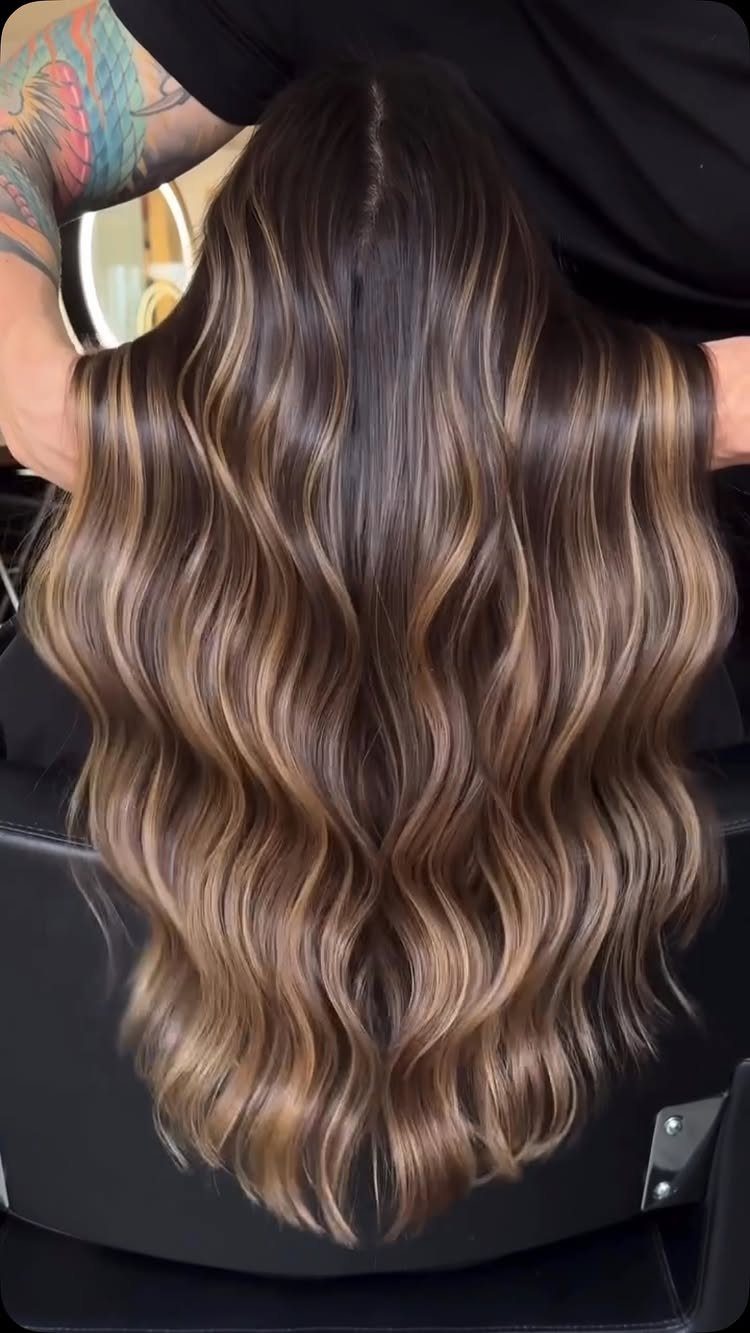
Hand-painted color means no foil lines and no obvious grow-out, so balayage gives you months between touch-ups instead of weeks.
The colorist paints lighter pieces where sun would hit naturally: around the face, through the top layers, and at the ends.
Because it’s brushed on rather than applied in sections, the transition from dark to light stays gradual. I’d bring a photo that shows how much contrast you want, since balayage can be subtle or bold depending on placement.
9. Money Pieces
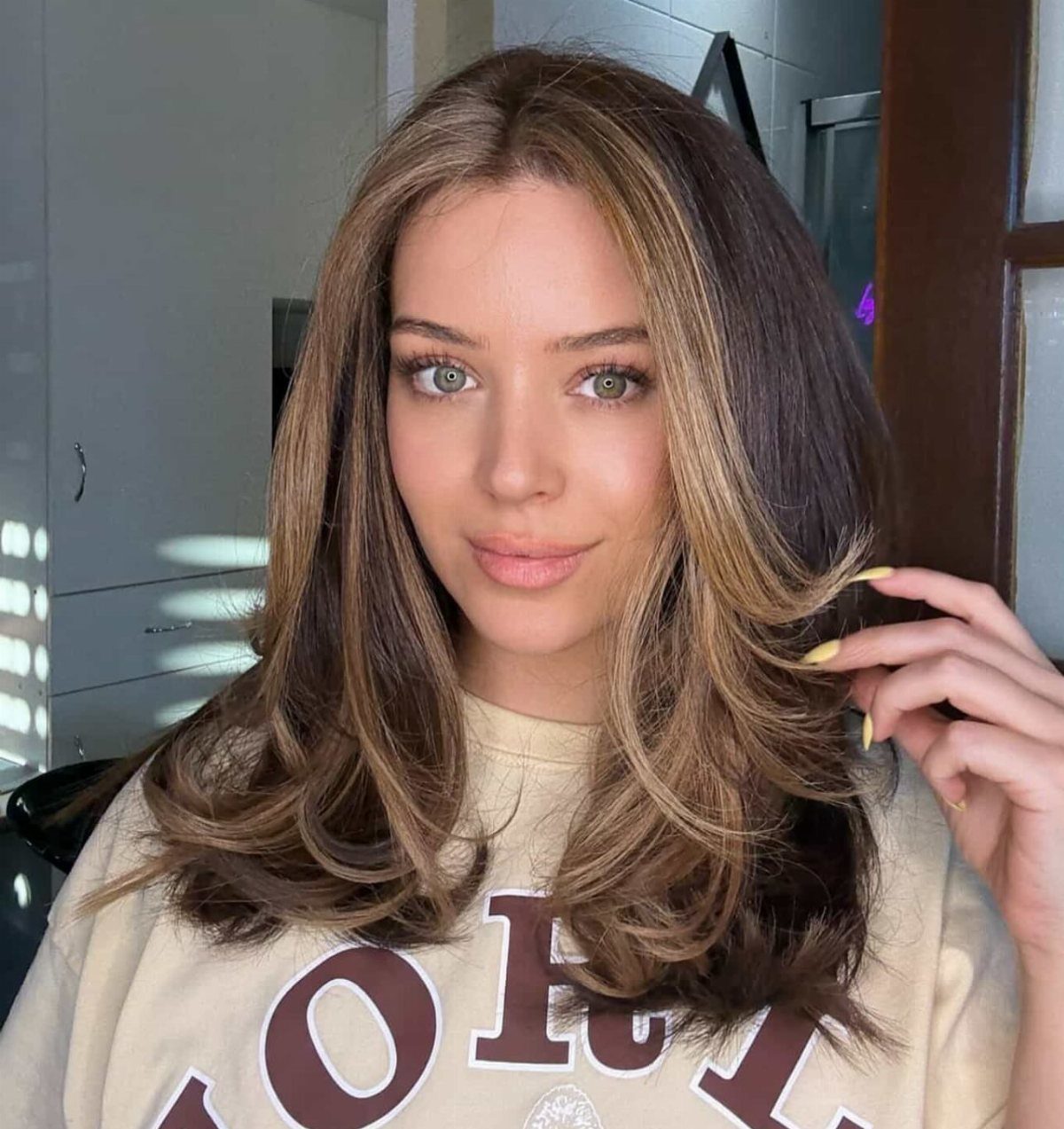
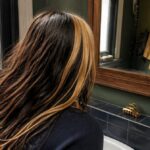
2 bright pieces framing the face are called money pieces, and their job is to lift your features without lightening the rest of your hair.
They sit at the front, usually starting an inch or so back from the hairline, and they’re wider than a traditional highlight.
Because the rest of the hair stays darker, the contrast is high, and that makes them read as intentional rather than grown-out. Blonde is most common, but caramel or honey work too if you want warmth instead of brightness.
10. Tonal Brunette Highlights
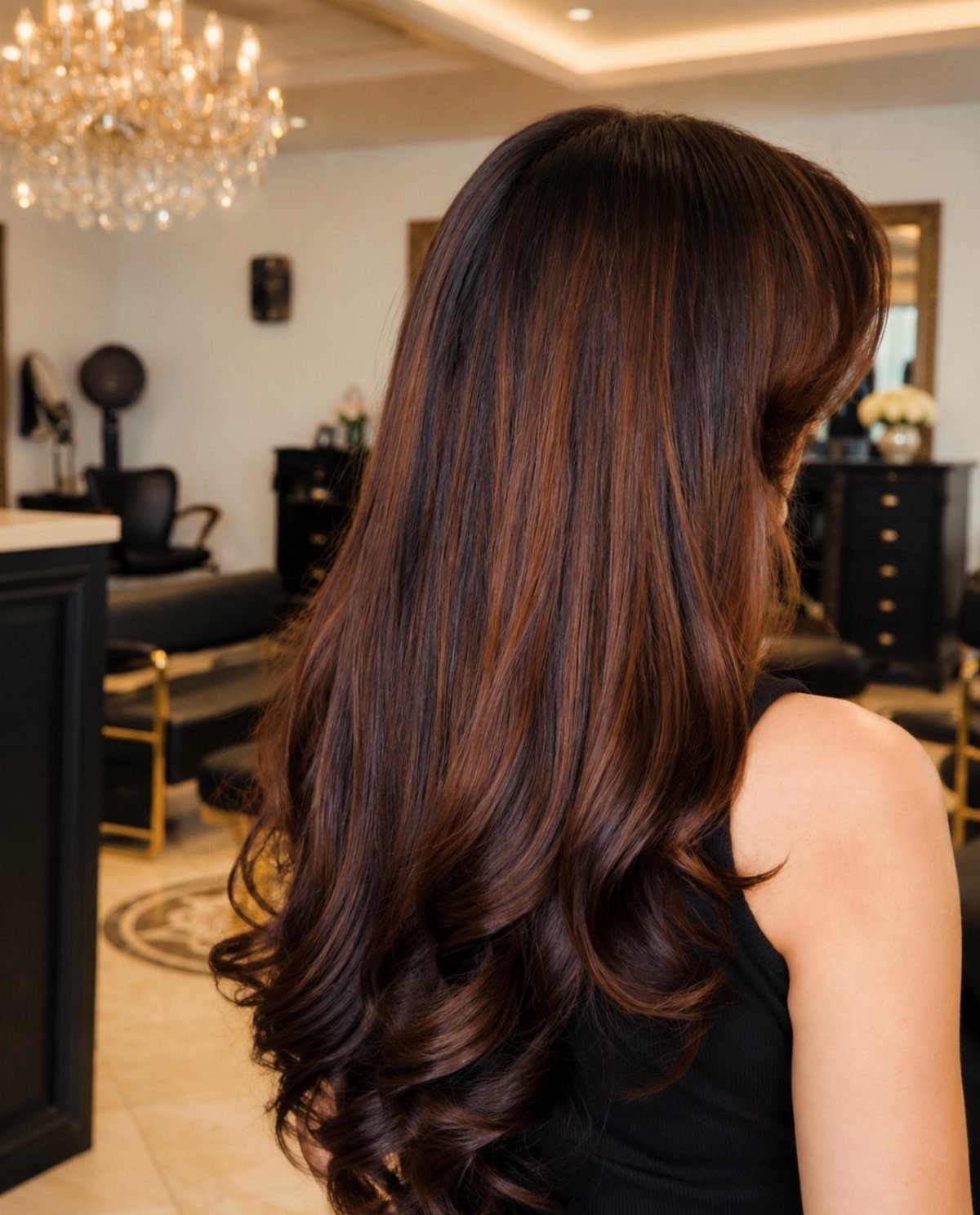
Subtle highlights in a shade close to the base give depth without a visible color change, and tonal brunette highlights do exactly that. The lift might be one or two shades lighter, so the result is richness rather than contrast.
This option suits anyone who wants movement and shine but isn’t ready to go noticeably lighter. With so little contrast between highlight and base, regrowth barely shows, and touch-ups can stretch well past what blonde highlights allow.
11. Red Highlights
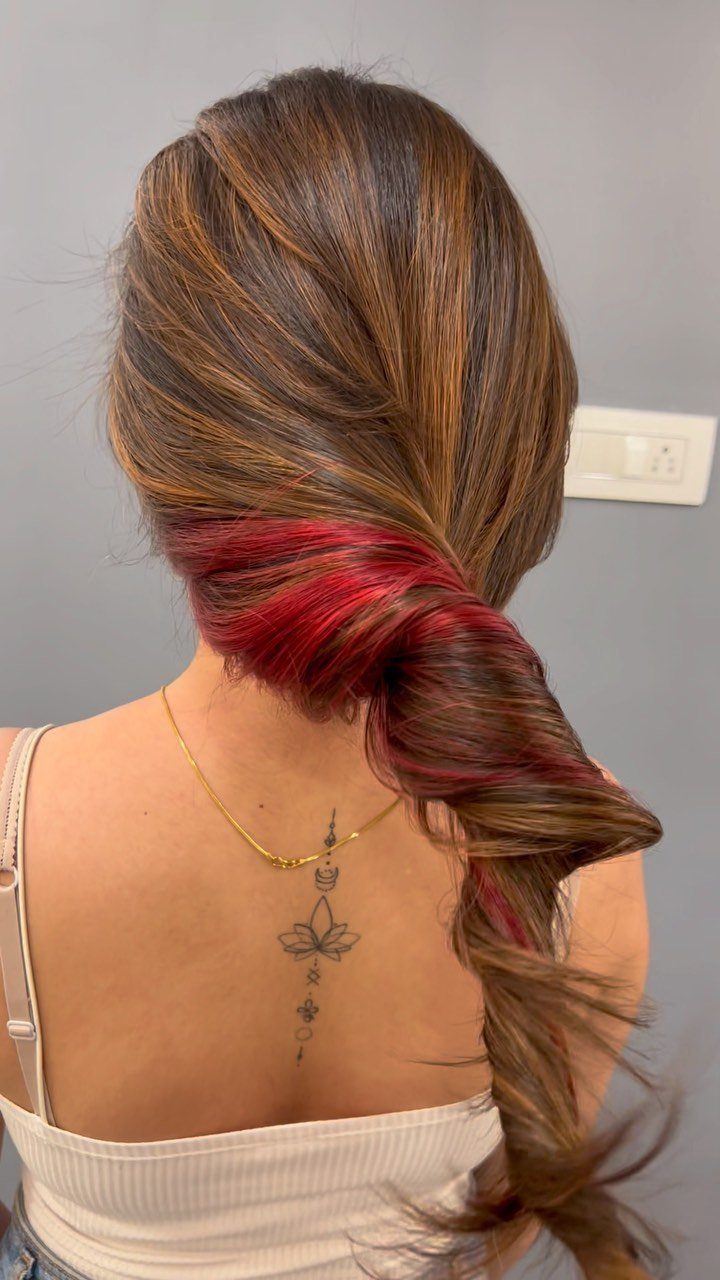
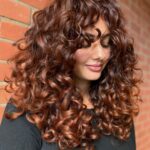
Adding red to brown hair brings warmth, and it’s the fastest way into a new tone if you’re curious about copper or auburn but not ready to dye the whole head.
The red can be subtle ribbons or bolder chunks depending on how much shift you want.
Expect the color to fade faster than blonde highlights, since red molecules wash out more easily. A color-safe shampoo will stretch the vibrancy between salon visits.
12. Fine Blonde Highlights
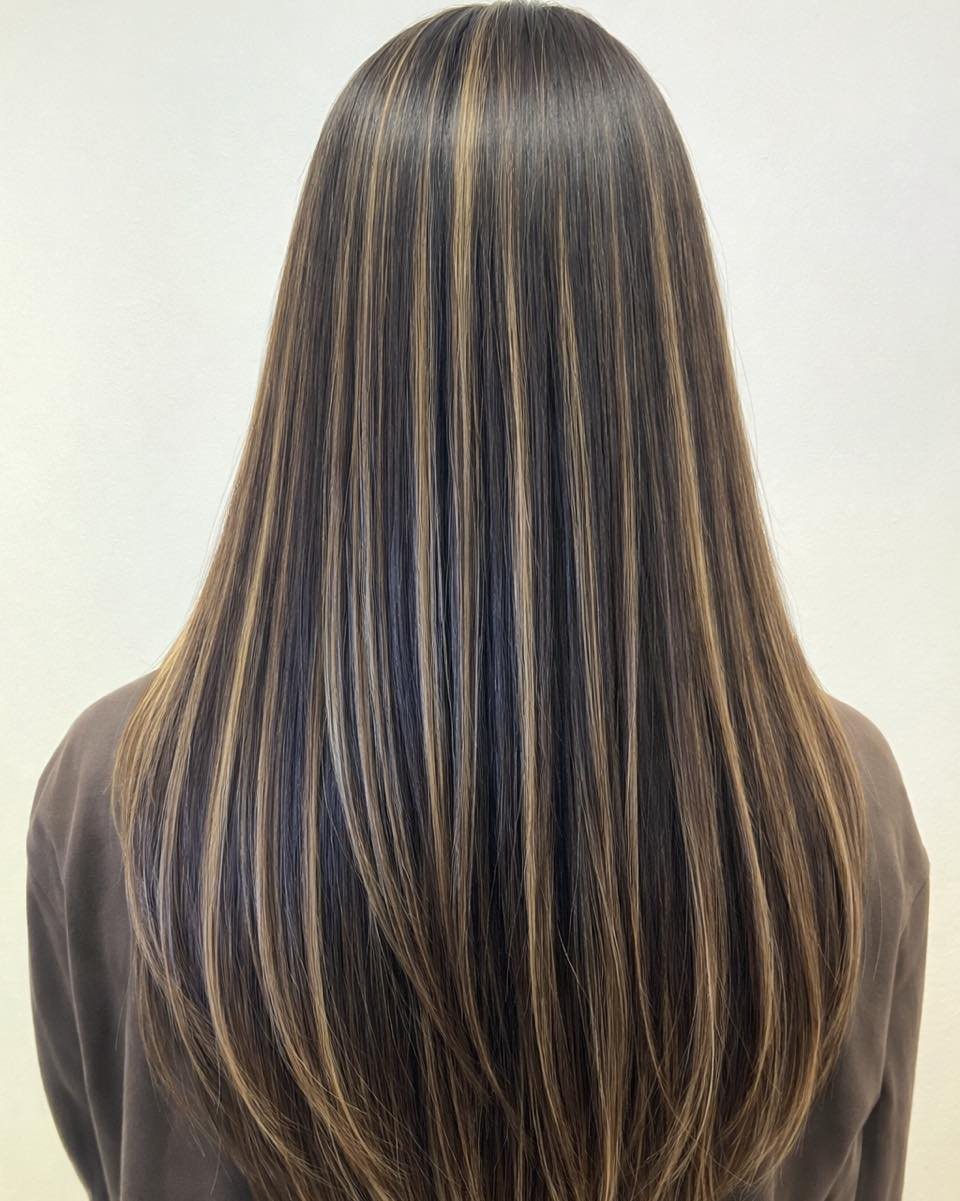
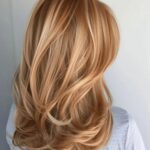
Thin blonde highlights scattered through brown create an all-over glow rather than chunky contrast, and they’re the option I’d pick for a natural, sun-kissed result. Because each piece is narrow, the color builds gradually instead of reading as stripes.
Placement matters: if the highlights sit too far apart, the effect disappears. Ask for them woven through the top layers and around the face, where they’ll show when your hair moves.
13. Silver-gray Highlights
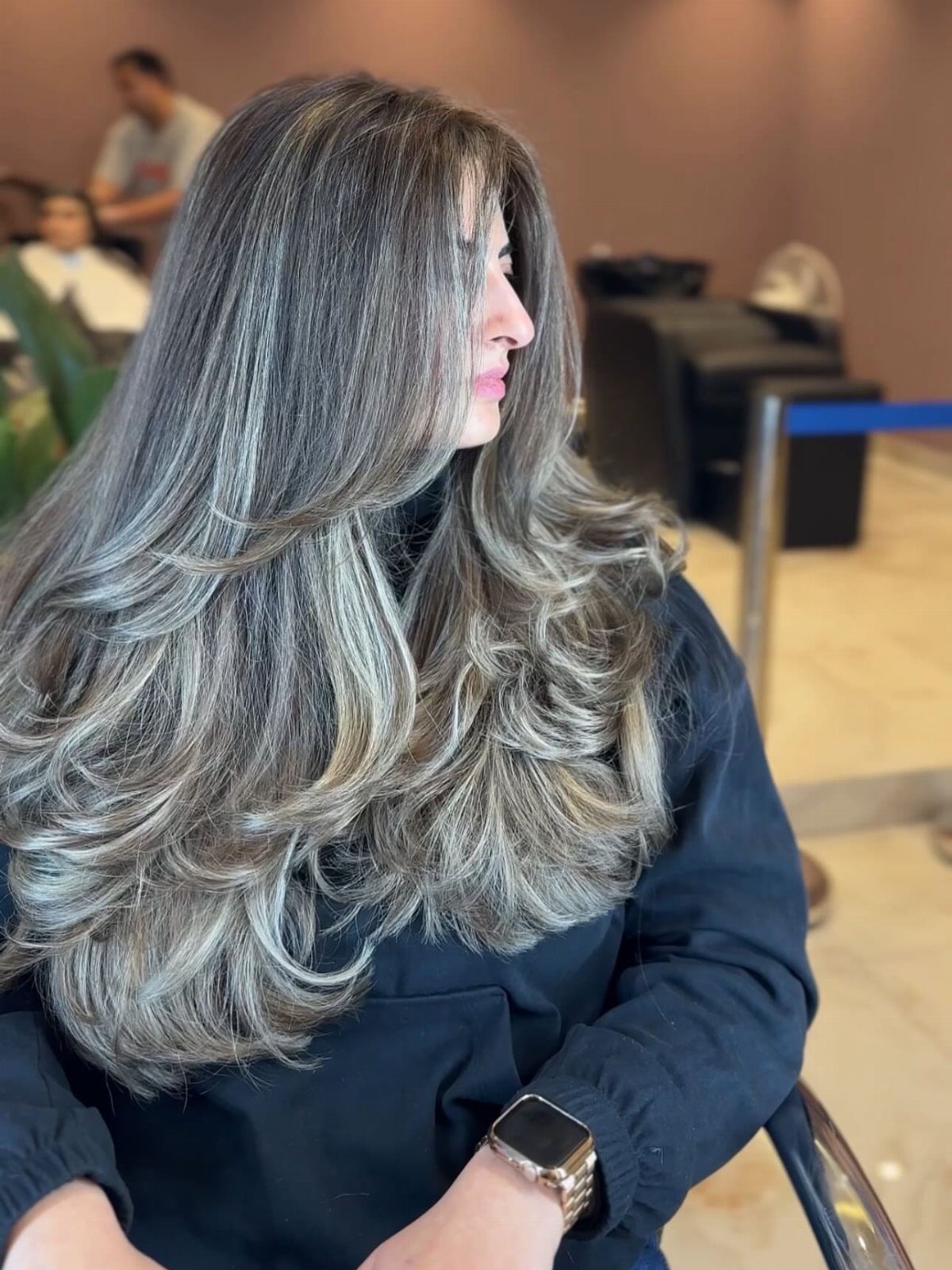
Silver or gray against brown skips warmth entirely, and the look is deliberate, not sun-kissed. Cool brunettes who want contrast without going blonde will find it sharper than ash and less likely to read yellow.
The color needs lift to reach that metallic tone, and that lift fades, so expect toner appointments between full sessions. Layered hair helps the silver pieces stand out instead of blending flat.
14. Highlighted Brown Bob
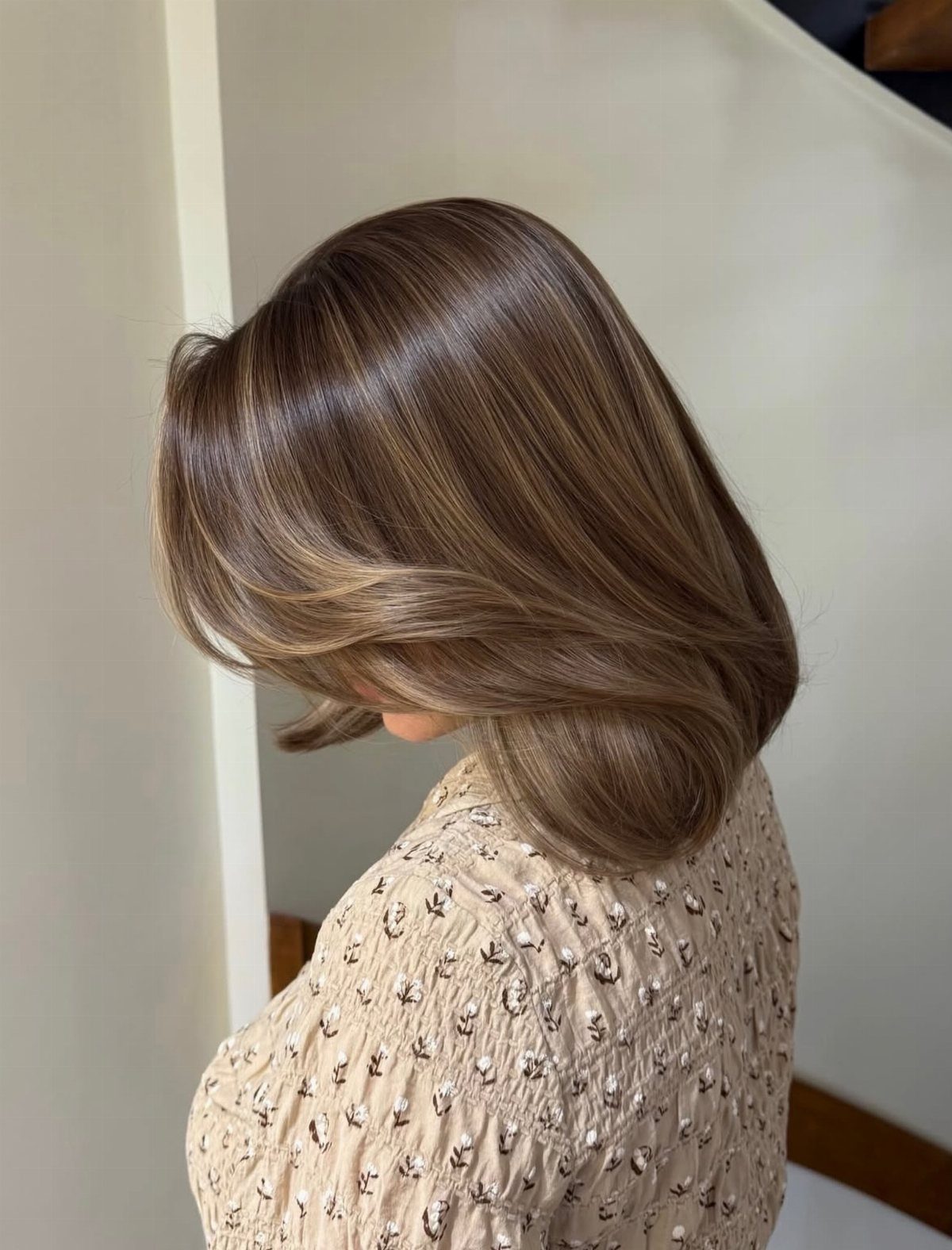
A bob shorter than shoulder length keeps the weight of a highlight closer to your face, and caramel or honey tones placed at the front brighten without needing length to show them.
Layers let the color move as the hair does.
Shorter hair means more frequent trims, so the cut stays sharp and the ends healthy. If you’re growing out highlights, a bob trims away older color faster than long hair would.
Frequently Asked Questions
What kind of highlights go with dark brown hair?
Caramel and honey highlights are the safest picks for dark brown hair because they add warmth without harsh contrast, and both grow out softly.
Bronze and tonal brunette highlights work if you want subtle dimension that barely shows regrowth. Ash blonde or silver-gray suit cool skin tones and deliver sharper contrast, though they need regular toner to stay from turning brassy.
What hair colors look best on people with cool undertones?
Ash blonde, champagne and mushroom brown all avoid warmth and sit cleanly against cool skin.
Ash blonde gives the most contrast but fades toward brass, so plan for toner visits. Champagne is softer and less stark, while mushroom brown stays earthy and subdued without any gold creeping in.
Which highlights suit Indian skin?
Caramel and honey highlights tend to flatter warm Indian skin tones because the golden base blends naturally and reads as sunlight rather than a color shift.
If honey reads too bright, bronze brings the same warmth with more restraint. Anyone with cooler undertones can try champagne or beige blonde for brightness that stays neutral instead of orange.