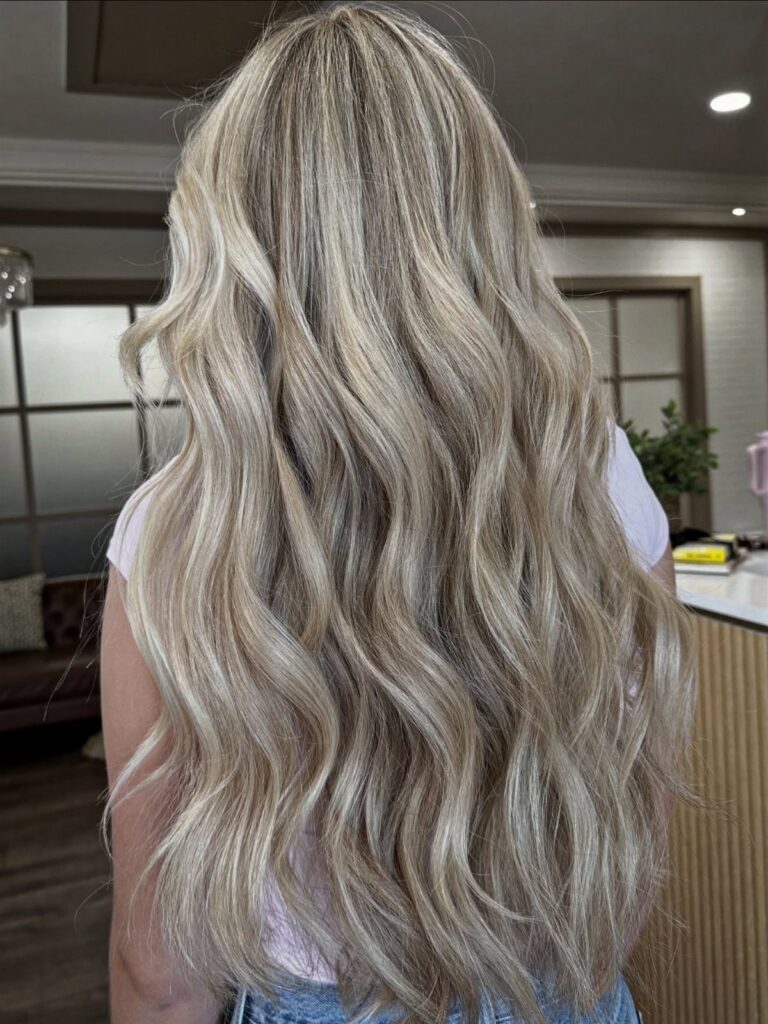
Blonde highlights run from soft honey warmth on brunette to icy platinum, plus techniques like balayage, babylights and foil highlights that decide where the color lands.
1. Bronde
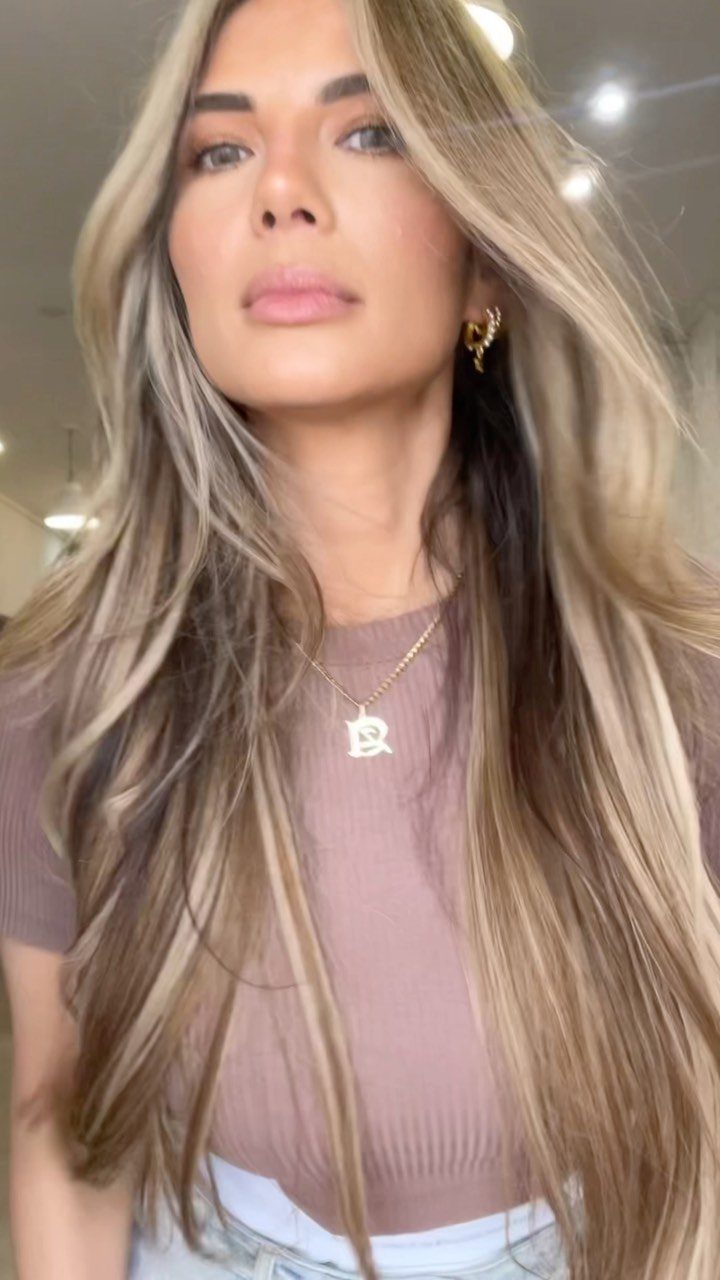
Bronde sits right between brown and blonde, giving you lift without committing to full blonde. The tone softens darker hair while keeping enough depth at the root that regrowth blends in naturally for weeks.
If you’re brunette and want lighter ends without constant touch-ups, this is the one I’d choose. It works on most skin tones because the blend lets your colorist adjust warmth or coolness to match.
Ask for highlights that graduate from your natural root to blonde ends.
2. Golden Blonde
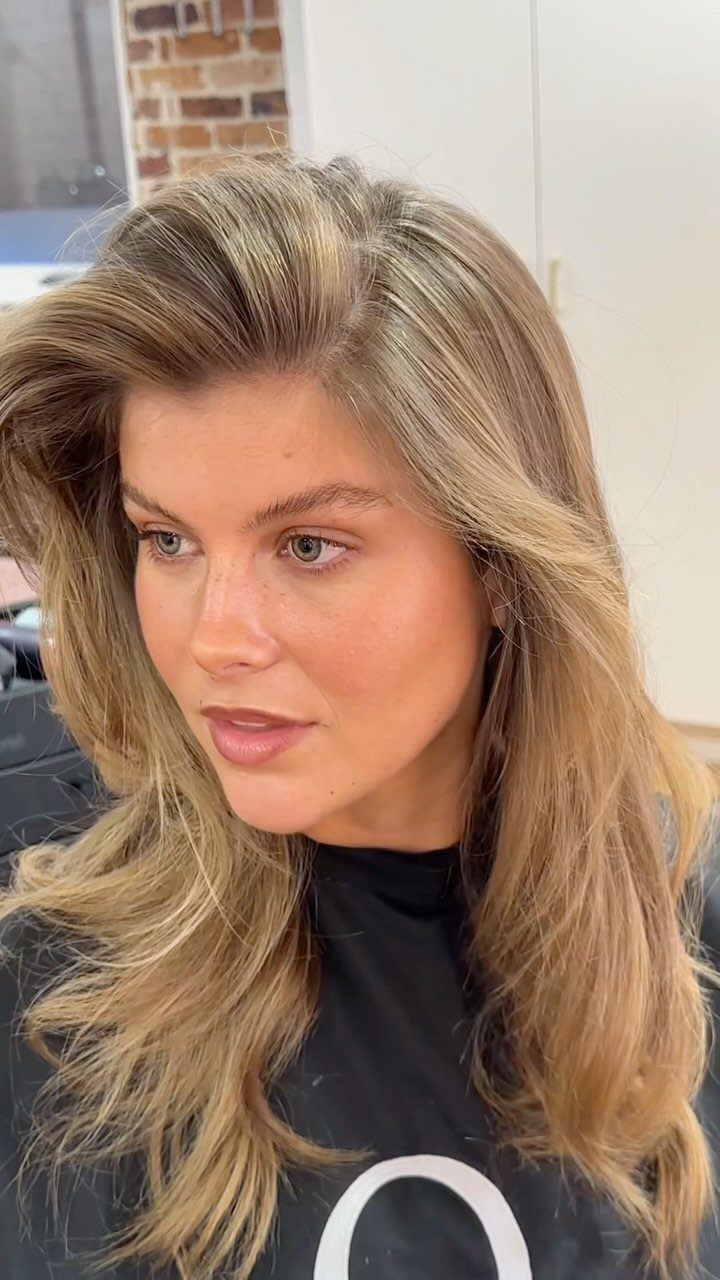
Golden blonde highlights bring warmth and brightness to the mid-lengths and ends, giving hair that sun-warmed look without an all-over dye job. The tone reads honey rather than ash, so it suits warm and neutral skin tones particularly well.
This works best if your base is light to medium brown. Going from dark brown to golden blonde in one session risks damage, so plan for 2 visits if you’re starting darker.
The grow-out is forgiving because the warmth blends naturally with most brunette roots. Gloss treatments every 6 weeks keep the gold from turning brassy.
3. Ash Blonde
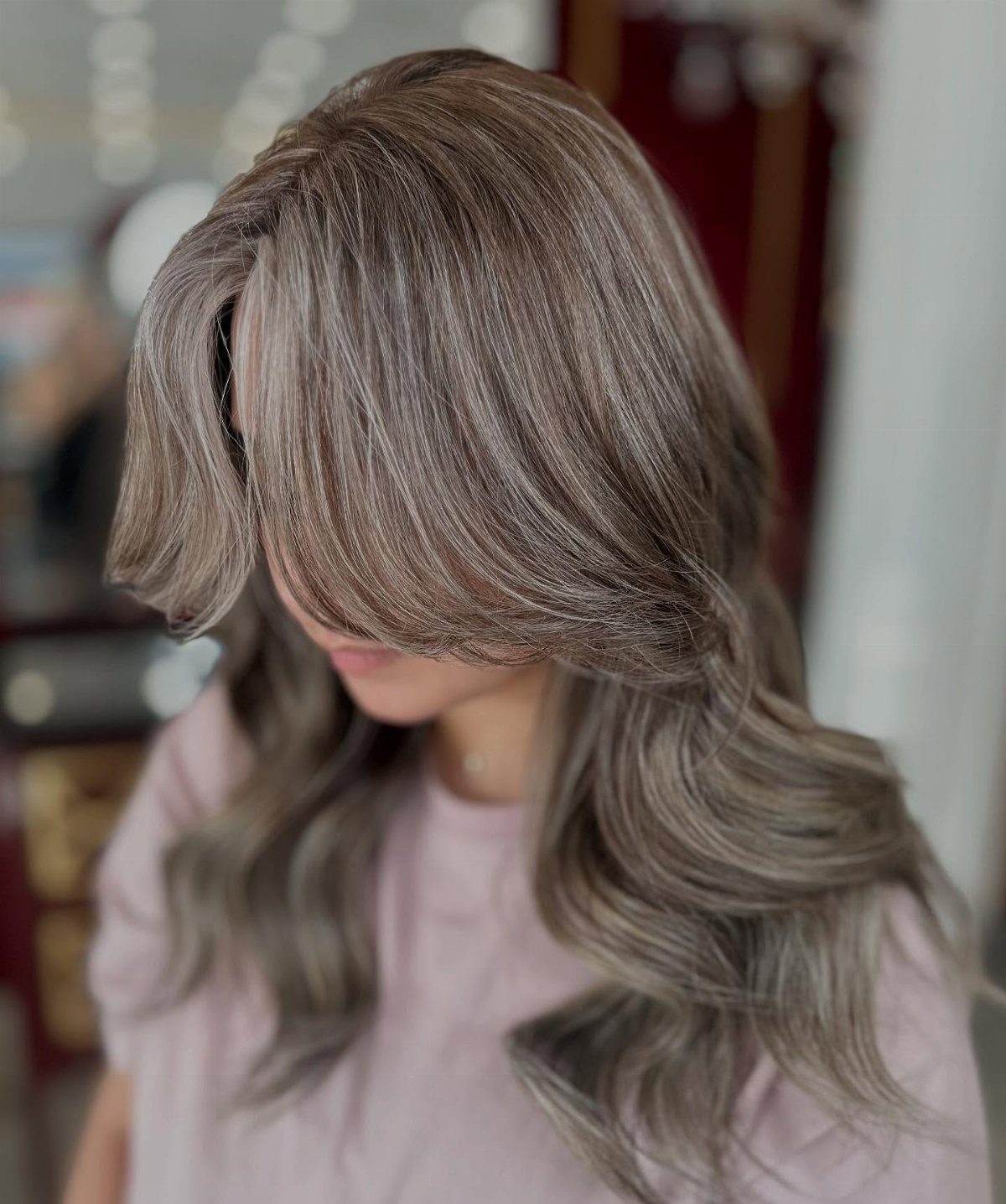
Ash blonde skips the yellow and leans cool, giving you that matte, almost grayish blonde finish. It’s the opposite of golden and works beautifully on cool or neutral skin tones.
Getting there from warm-toned or previously colored hair takes toner, sometimes more than one round, because any remaining warmth will push through.
If your natural base is warm brown or red, maintenance is higher since those tones resurface as the toner fades.
I like this on people who want blonde but don’t want the sunny, beachy effect. It’s modern and low-contrast, especially when paired with a rooted finish.
4. Almond Latte Bronde
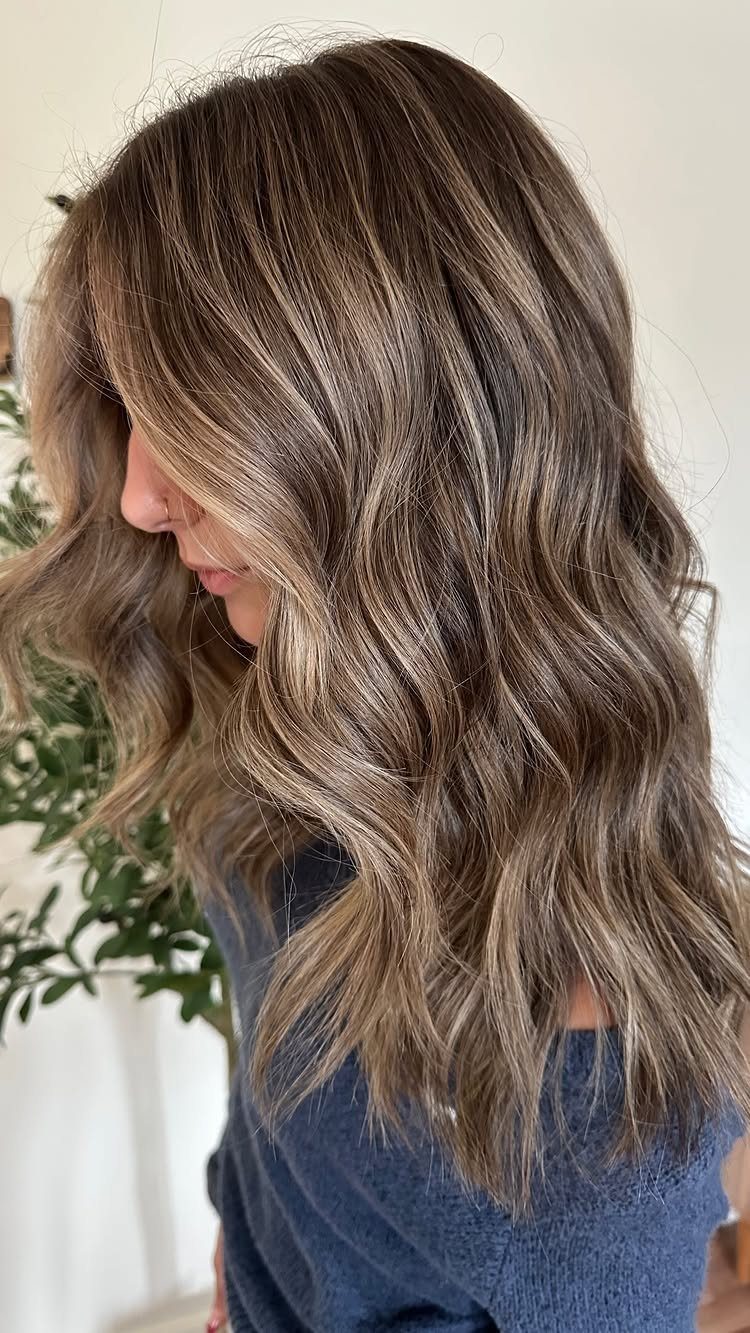
Almond latte bronde layers golden-caramel ribbons through a brunette base, with deeper lowlights adding dimension underneath. The result is warmer and more detailed than a simple bronde, with movement that shows up whether the hair is straight or wavy.
This suits medium to dark brunettes who want richness without going flat.
Plan for foil or balayage work to get the separation between the ribbons and the lowlights. The grow-out is soft because the darker pieces stay close to your natural color.
5. Platinum Blonde
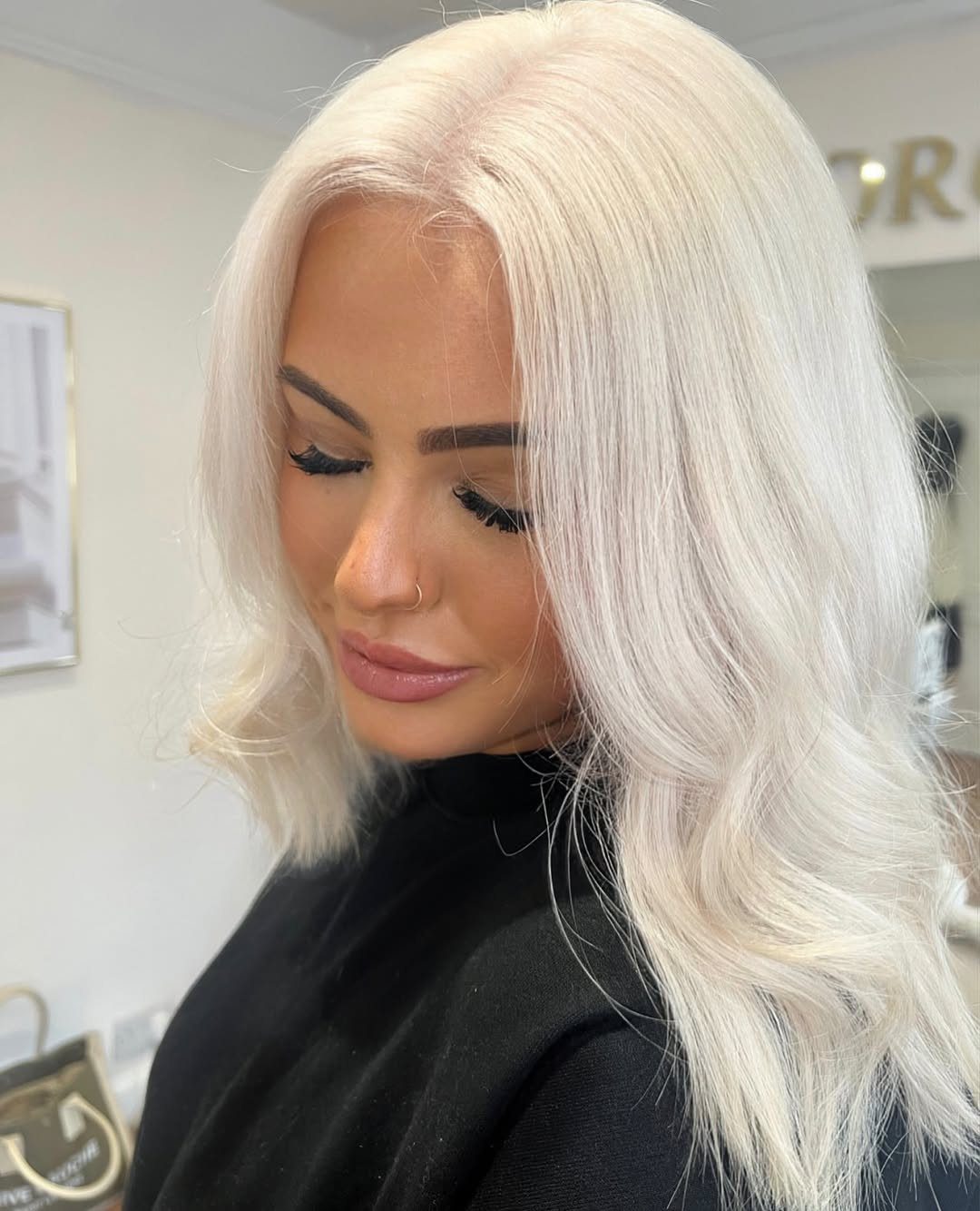
Platinum blonde is the lightest you can go, a near-white shade that can be painted in as highlights or worn as an all-over color. It’s bold, high-maintenance, and requires bleaching to lift out all underlying pigment.
If your hair is darker than light brown, getting to platinum means multiple sessions spaced weeks apart to protect the hair. Toner keeps the yellow out, and it fades so you’ll be back for another round before long.
This suits cool skin tones best, though a warmer platinum with a touch of cream can work on neutral tones. Expect purple shampoo to become a regular part of your routine.
6. Caramel Blonde
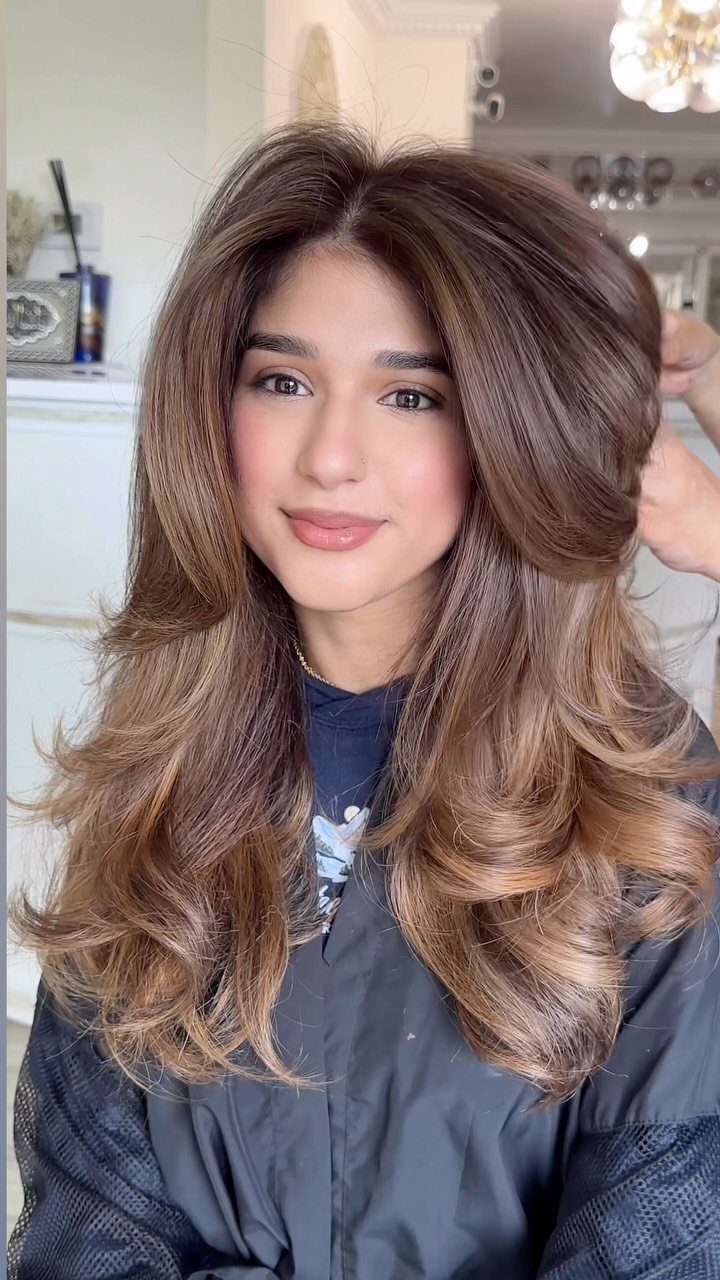
Caramel blonde highlights add warmth without going fully golden, blending naturally into brunette hair with a soft, dimensional finish. The tone is rich rather than bright, so it suits people who want lighter pieces that still feel grounded.
This works particularly well if your base is medium to dark brown, because the caramel sits close enough in tone to blend beautifully as it grows out. If your skin tone is warm or neutral, it will suit you.
Balayage is the usual method here, painted freehand to mimic where the sun would naturally lighten your hair. Maintenance is lower than all-over color, since the regrowth blends instead of announcing itself in a hard line.
7. Golden Platinum
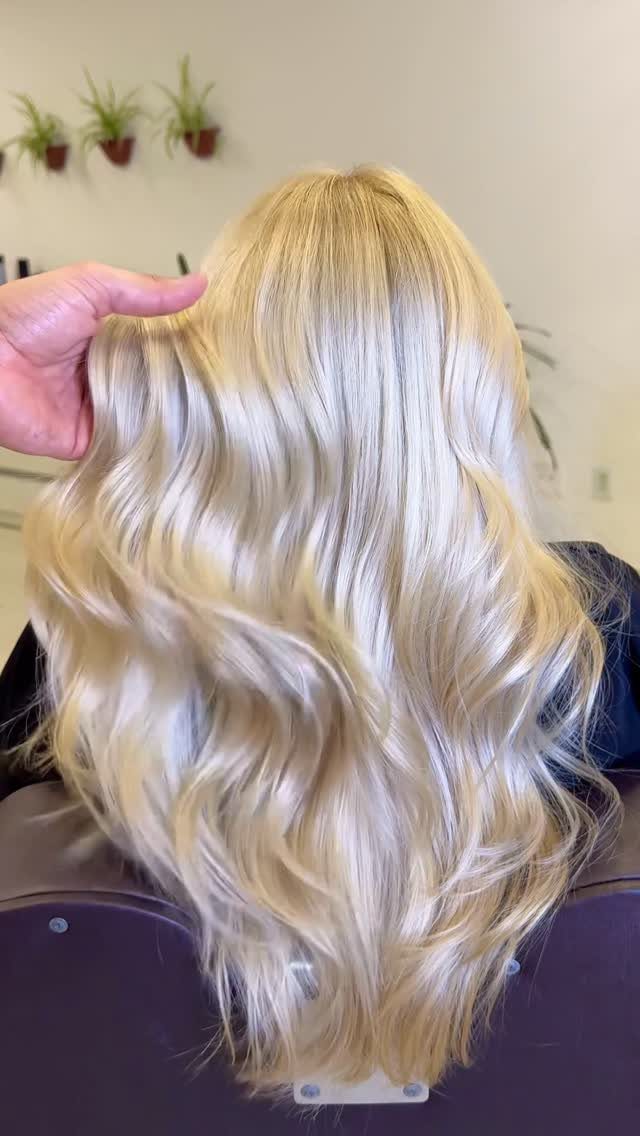
Golden platinum blends the brightness of platinum with just enough warmth to keep it from reading icy. The result is a soft, high-lift blonde that suits neutral and some warm skin tones better than straight platinum.
Getting there still requires bleaching to a very pale base, then toning with a warmer finish instead of cool ash.
The upkeep matches platinum: regular toning to control fade, and purple or blue shampoo depending on which direction the color drifts.
If you want the impact of platinum but find pure white too stark, this is the version I’d try first.
8. Sun-Kissed Balayage
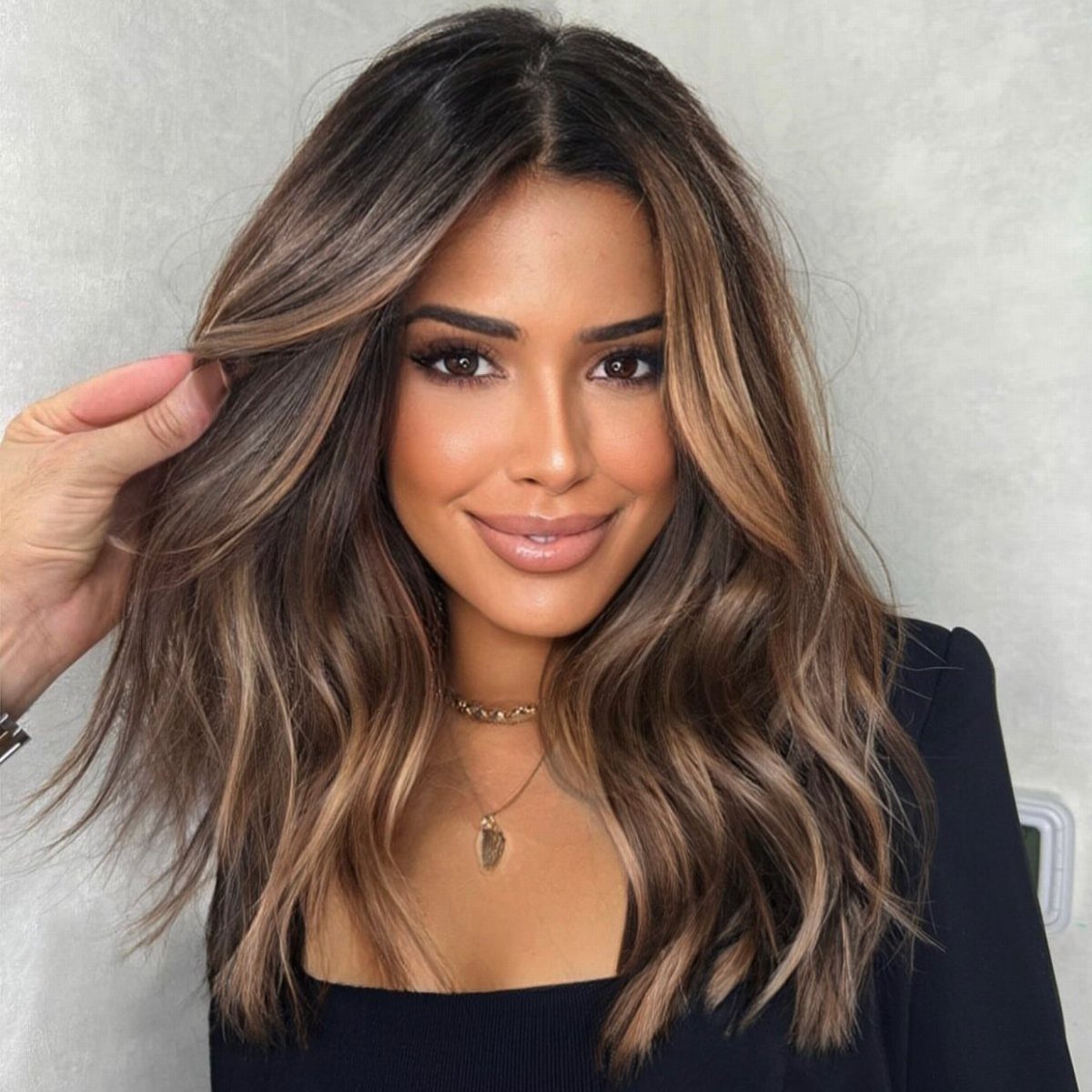
Sun-kissed balayage paints blonde through the mid-lengths and ends in a way that mimics natural lightening, with a soft blend from root to tip. The placement is irregular rather than uniform, so it reads organic instead of processed.
This suits people who want blonde without high contrast or a heavy root shadow. The darker base stays close to your natural color, so grow-out is slow and forgiving.
Ask for hand-painted balayage with a soft melt at the root. Maintenance is lower than foil highlights because there’s no hard line to soften as it grows.
9. Babylights
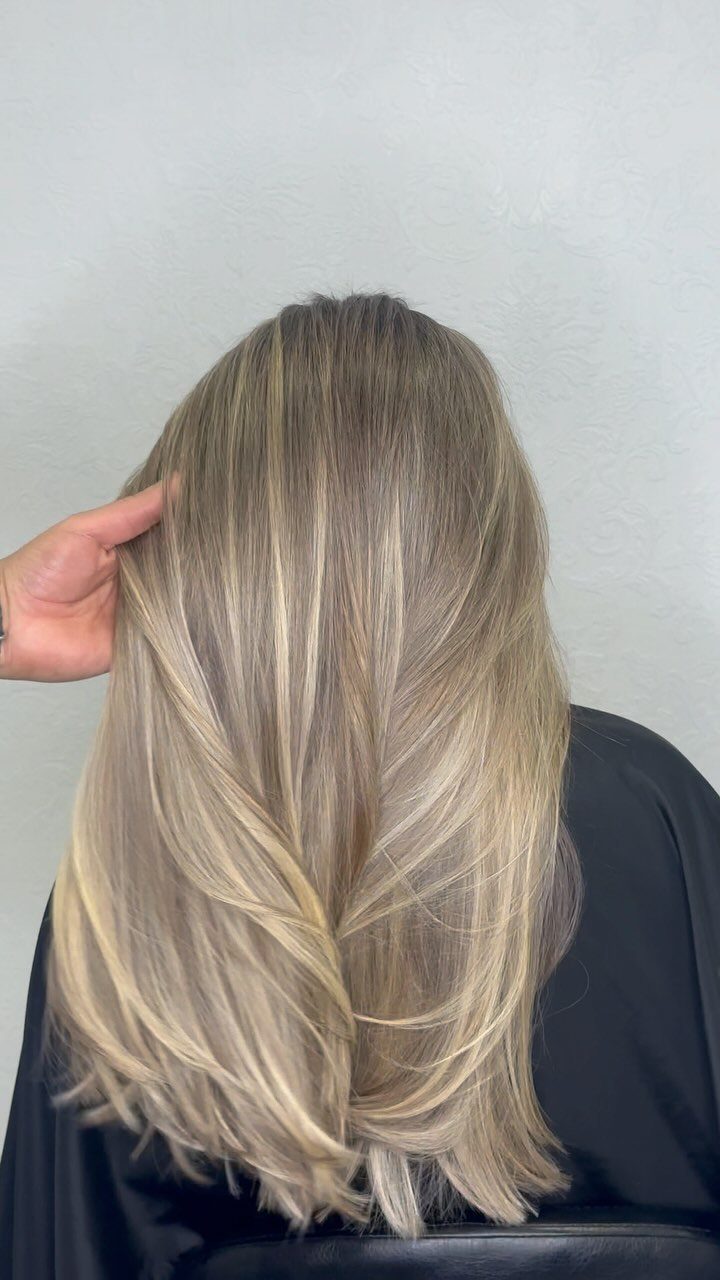
Babylights are painted or foiled in sections finer than traditional highlights, creating dimension that reads subtle even up close. The effect is closest to how children’s hair lightens naturally in the sun, with soft variation rather than bold ribbons.
This works well if you want to lift your color without making the highlights obvious. The fineness means they blend beautifully as they grow, so touch-ups can stretch longer than most highlight methods.
The application takes longer than standard highlights because of the section size, so expect to spend more time in the chair.
10. Champagne Blonde
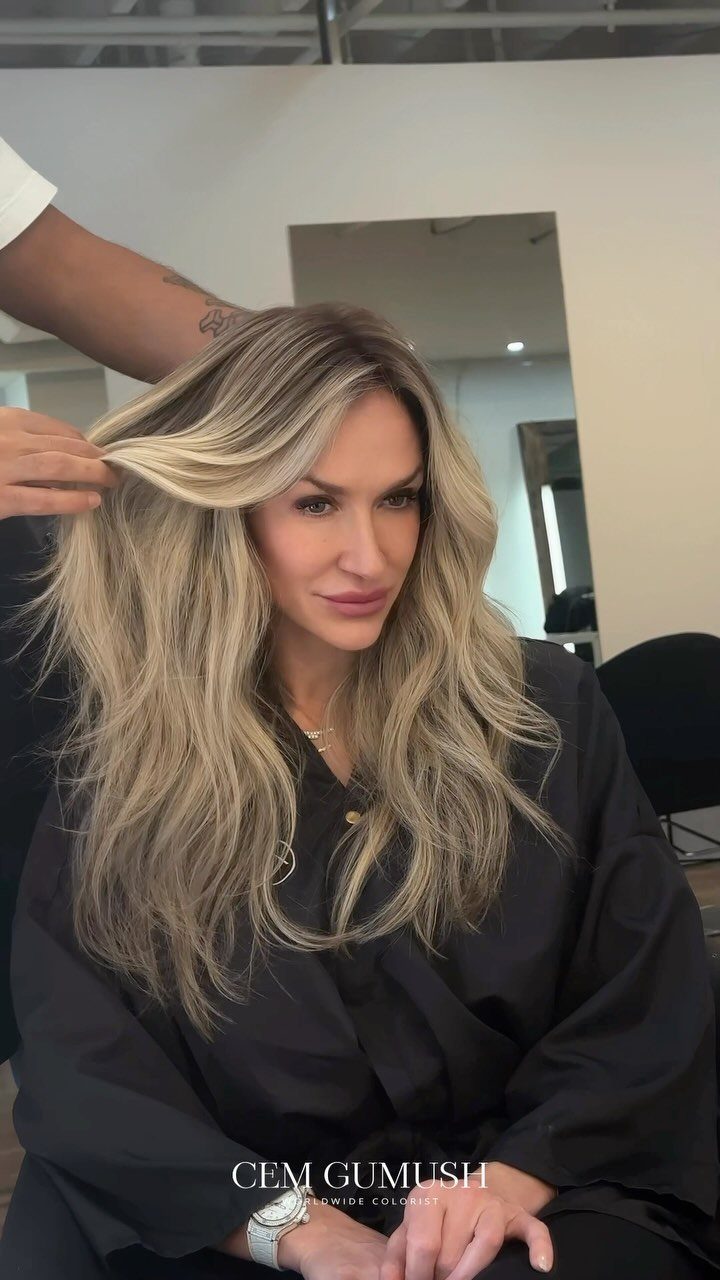
Champagne blonde leans cool without going ashy or gray, landing in that soft, pale territory with just a hint of warmth. The tone is understated and works well on people who want blonde that feels polished rather than beachy.
This suits fair to medium skin tones, particularly cool and neutral undertones. If your base is darker than medium brown, plan for 2 sessions to lift the hair safely without damage.
Toner is part of the routine here to keep the champagne tone from slipping toward yellow or brassy.
11. Honey Blonde
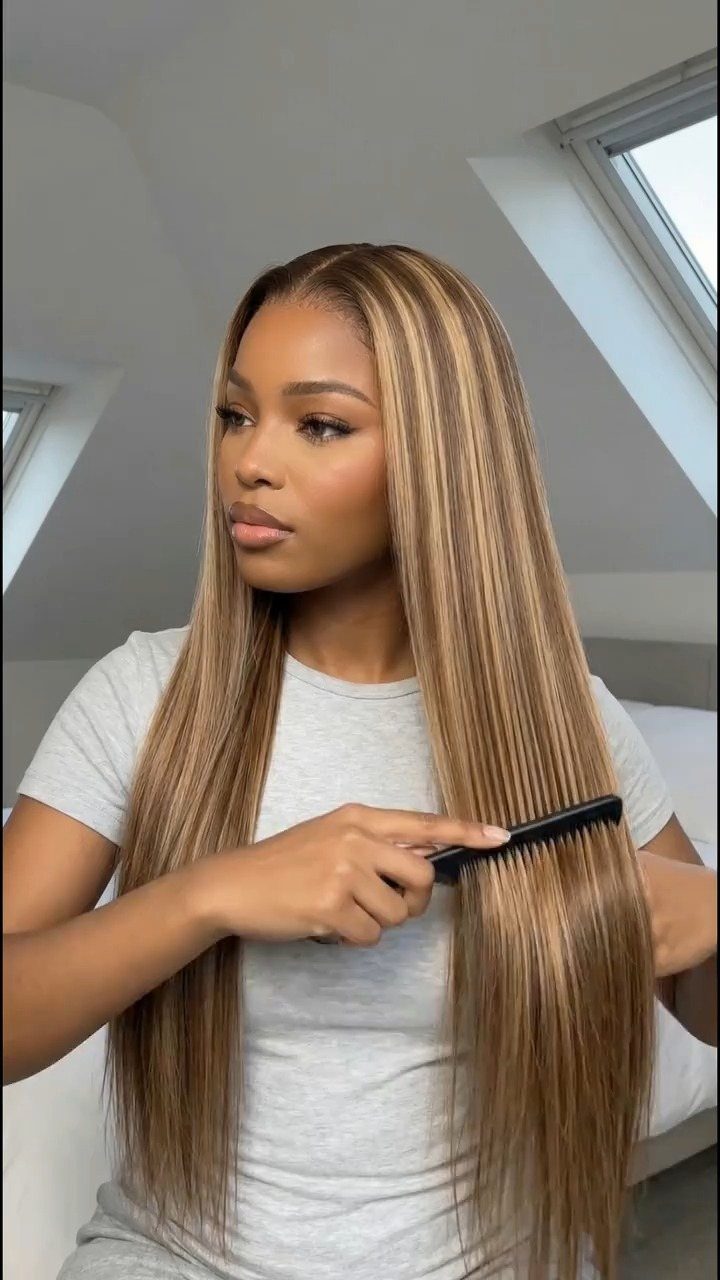
Honey blonde adds warmth and lift through golden tones that catch the light, bringing brightness to brunette hair without a full color change. The shade sits between caramel and golden blonde, with enough richness to stay dimensional.
This works particularly well on medium brown bases, where the honey tones blend naturally and soften as they grow out. It flatters warm and neutral undertones most.
Balayage or foil highlights are both options depending on how much placement control you want.
12. Strawberry Blonde
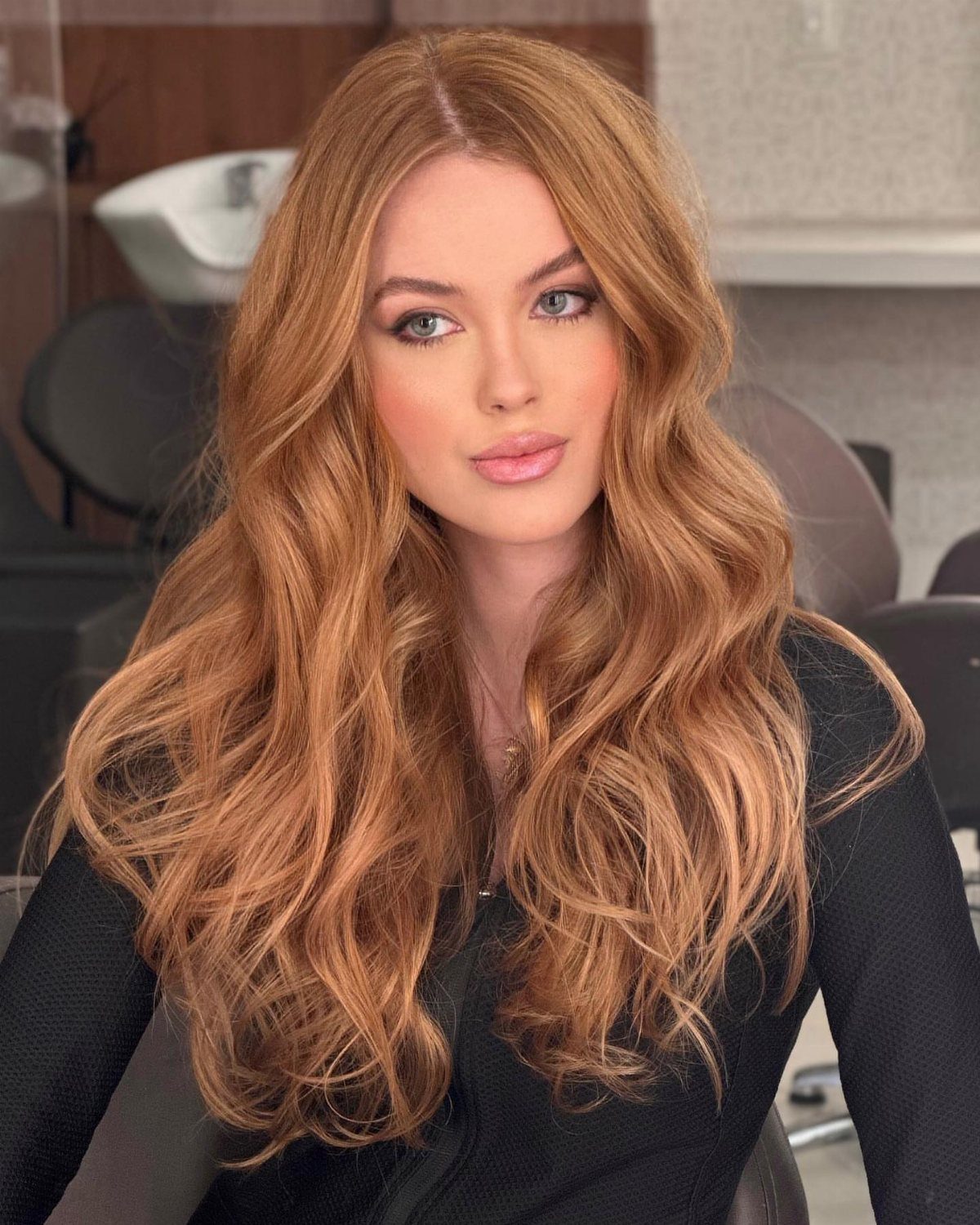
Strawberry blonde combines red and blonde tones in equal measure, giving you a warm, peachy finish that sits between the 2 colors. It’s softer than copper but bolder than plain blonde.
This suits people with warm or neutral skin tones and works best if your natural base has some warmth to start with. Going from cool-toned hair to strawberry blonde means fighting your natural undertones, so maintenance is higher.
The red tones fade faster than blonde, so plan for regular gloss or toner to keep the balance. If your base is light brown or lighter, this is achievable in one session.
13. Sunny Blonde
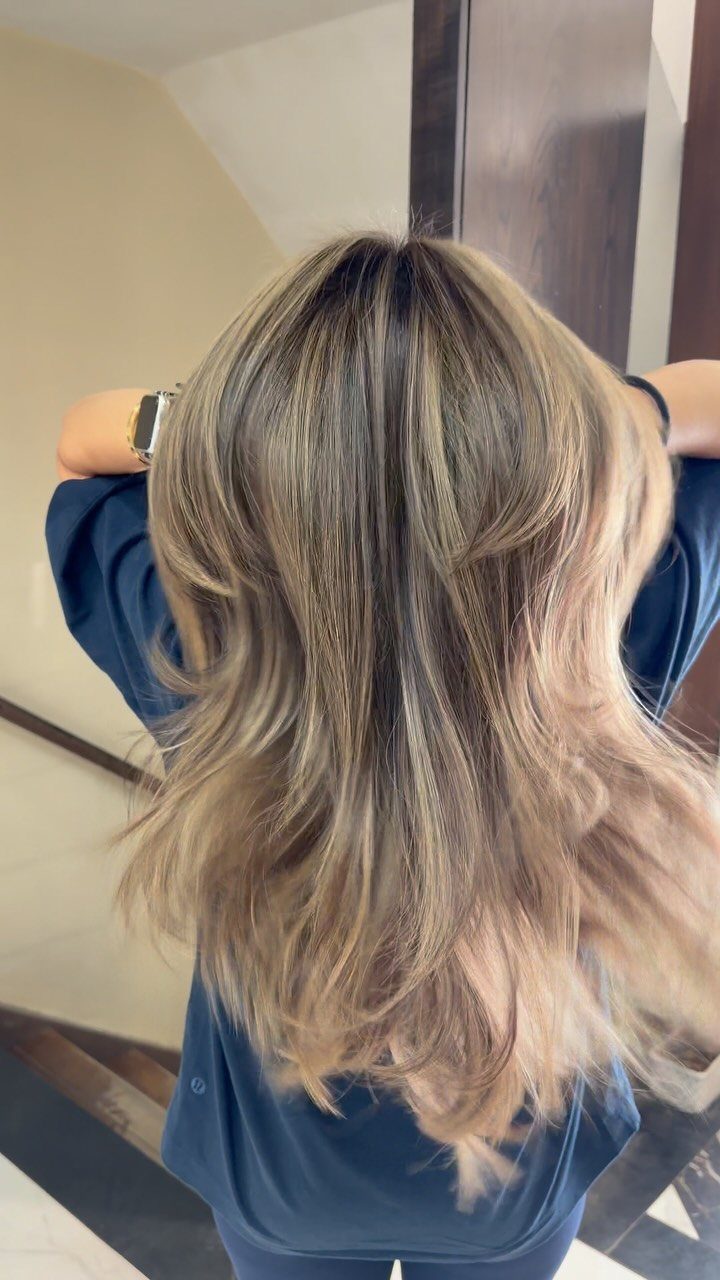
Sunny blonde adds sandy warmth to ash or darker blonde bases, brightening the hair without pushing it into full golden territory. The highlights sit close enough in tone to the base that they read as dimension rather than contrast.
This works if you want lift that stays understated. The sandy tone keeps the blonde from looking too cool or too warm, so it suits most skin tones.
The grow-out blends naturally because the highlights don’t stray far from the starting shade. Toning keeps the warmth from drifting brassy.
14. Natural Blonde
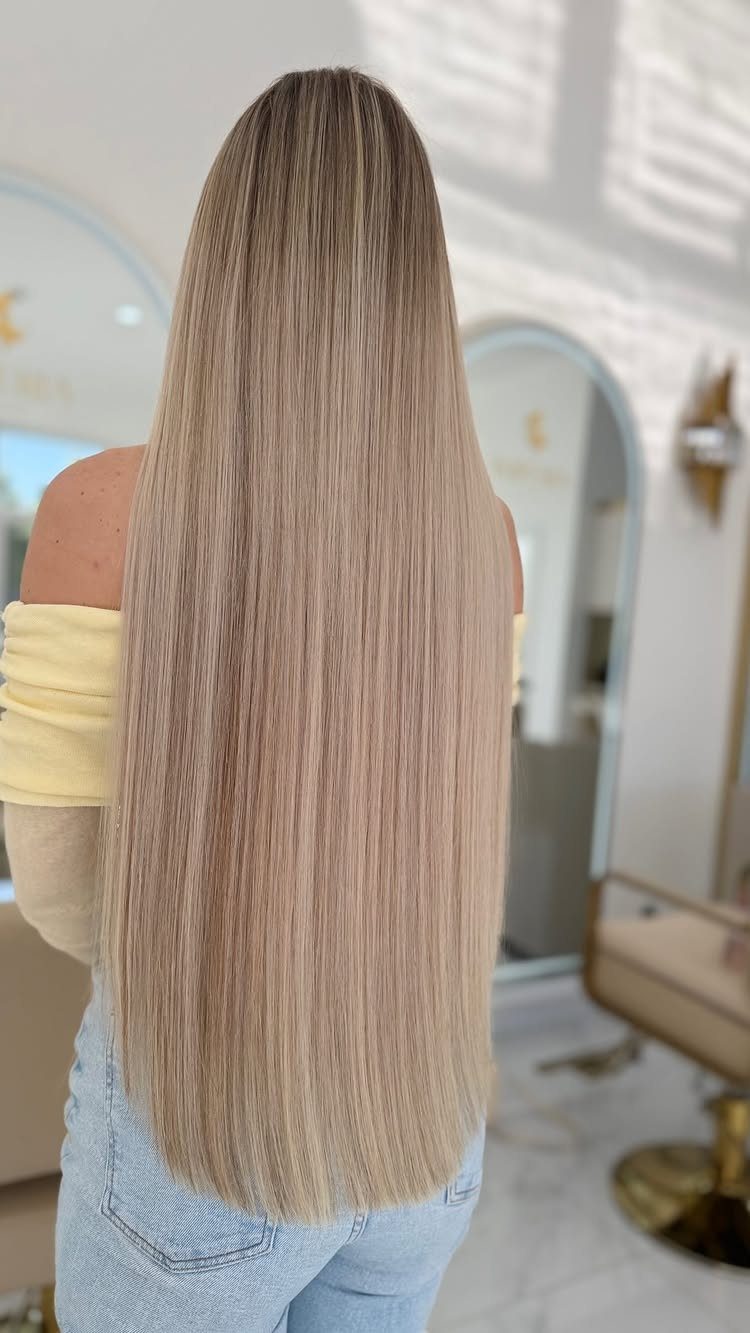
Natural blonde keeps the variation and movement that real blonde hair has, with highlights placed to look like they happened on their own. The result is subtle enough that people notice the hair, not the color work.
This suits people who want to brighten their natural blonde without making it obvious they’ve had anything done. The placement mimics where sun would naturally lighten, so regrowth stays soft.
Ask for fine highlights or babylights that stay close to your natural tone, just a shade or two lighter.
15. Chic Vanilla Blonde
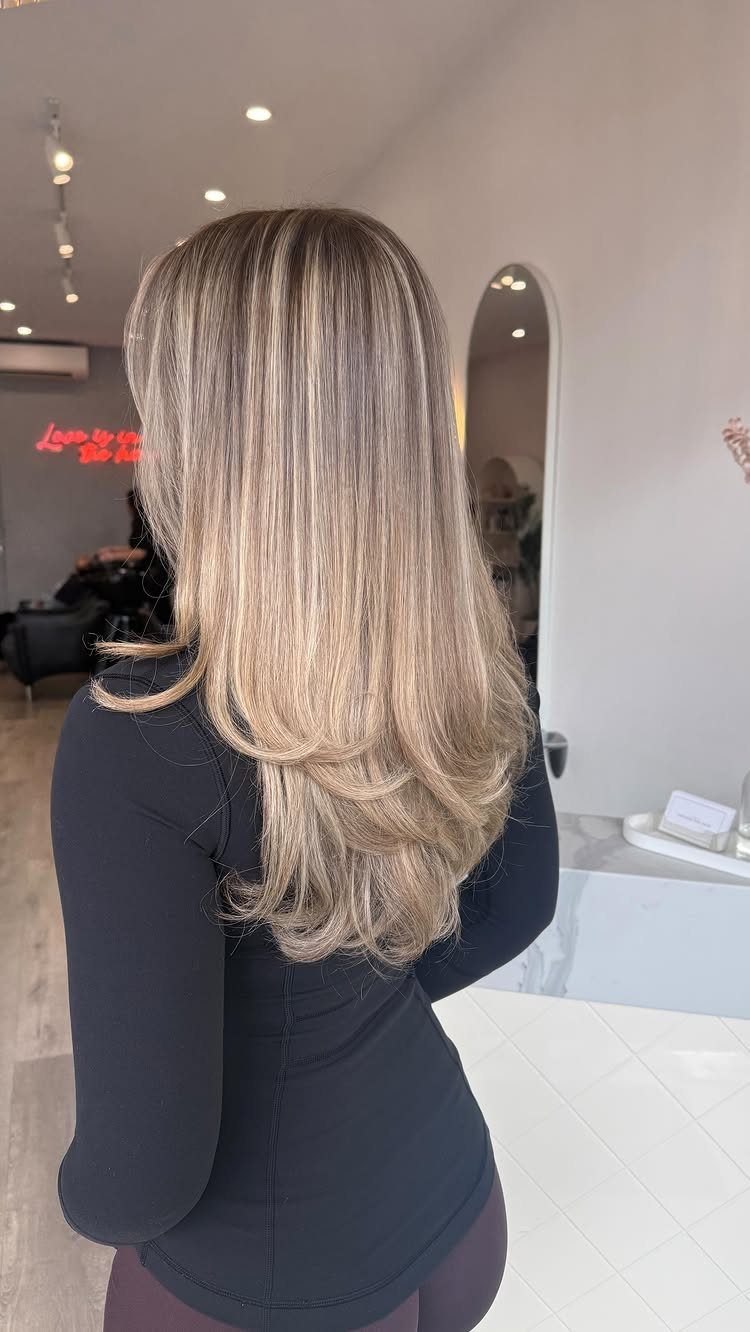
Chic vanilla blonde lands between cool and warm, giving you a creamy, pale finish that doesn’t lean icy or golden. The balance makes it versatile, suiting a wider range of skin tones than strict cool or warm blondes.
This works well if you want a soft, polished blonde that feels modern without being stark. The creamy tone needs regular toning to stay balanced, since both cool and warm undertones can push through as it fades.
The root shadow visible here keeps maintenance lower, since the contrast between the darker base and the vanilla ends is intentional.
16. Honey Tan
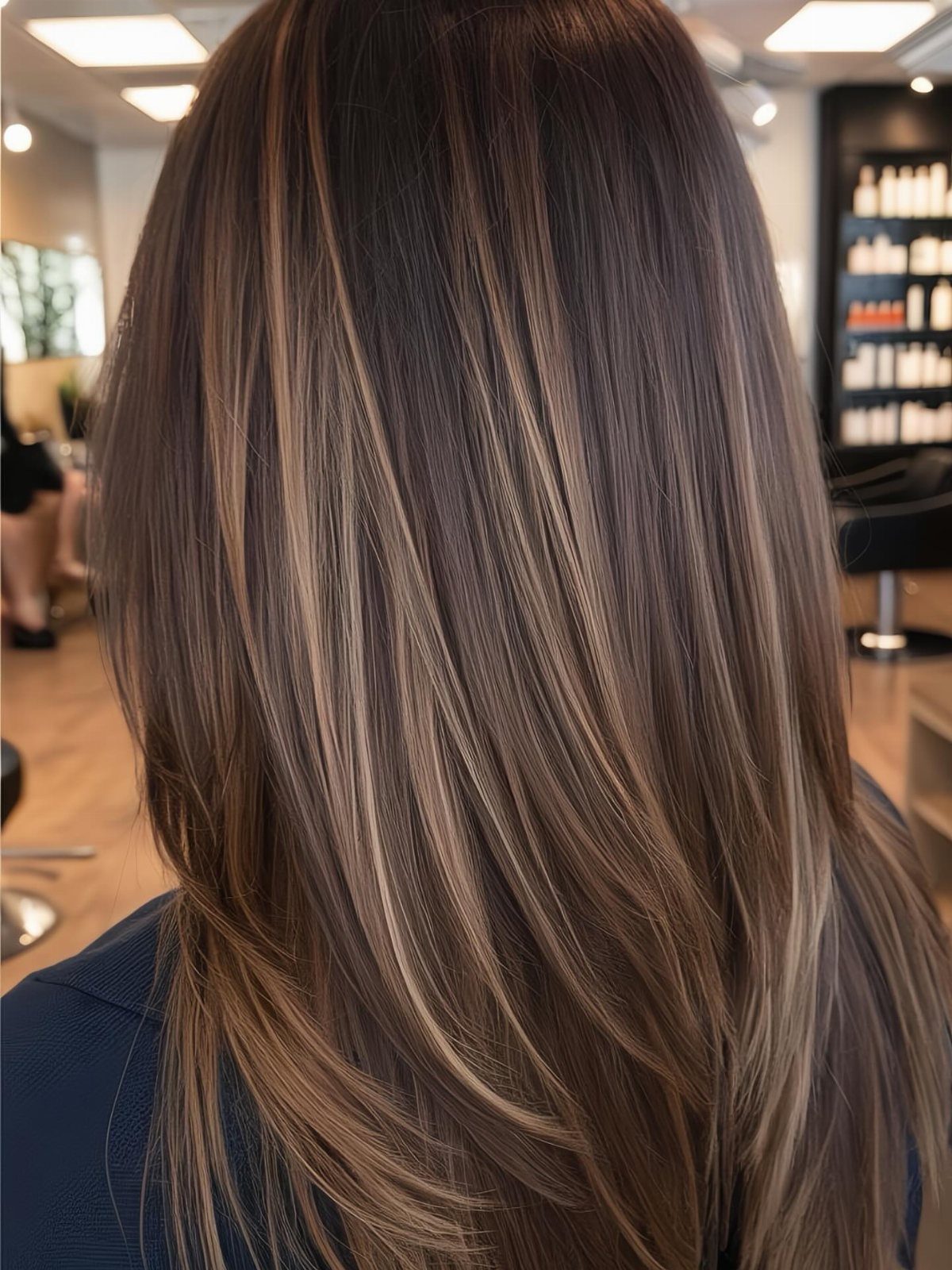
Honey tan layers warm honey-blonde streaks through a brunette base, giving you brightness in select pieces rather than all over. The mixed-highlight effect adds dimension without a full color shift.
This suits people who want noticeable lightness but prefer to keep most of their natural color intact.
Foil or balayage places the streaks where you want them. The contrast is higher than a blended balayage, so touch-ups matter more if you want the placement to stay defined.
17. Butter Blonde
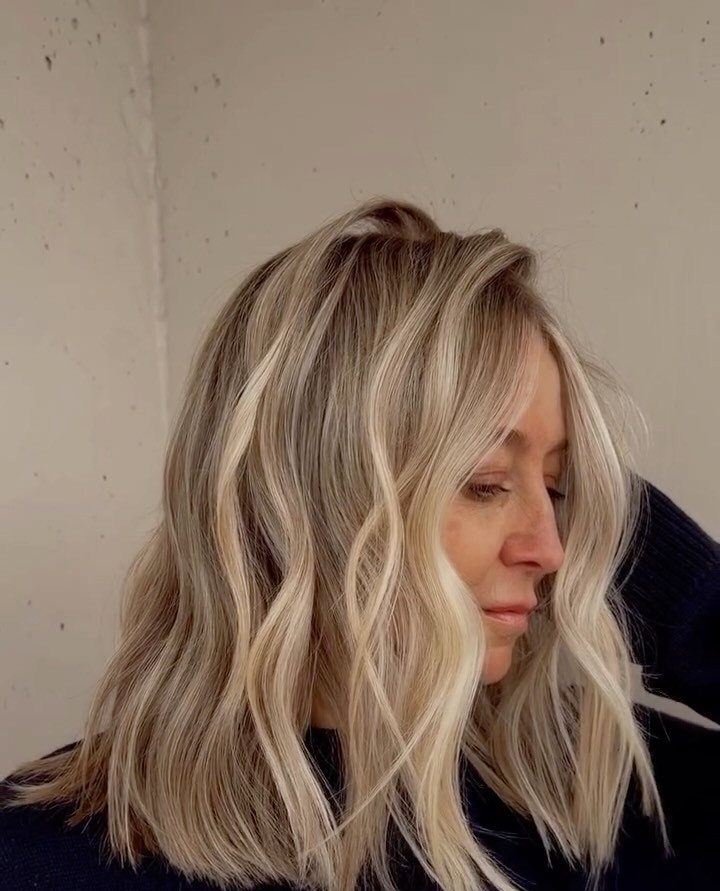
Butter blonde is bright and creamy, kept several inches away from the roots so regrowth doesn’t interrupt the color for months. The rooted approach makes this a lower-maintenance version of all-over blonde.
This suits people who want bold blonde without frequent salon visits. The contrast between the darker root and the bright ends is intentional, so the grow-out works in your favor rather than against it.
Darker bases need multiple lifts to reach that brightness safely.
18. Creamy Platinum
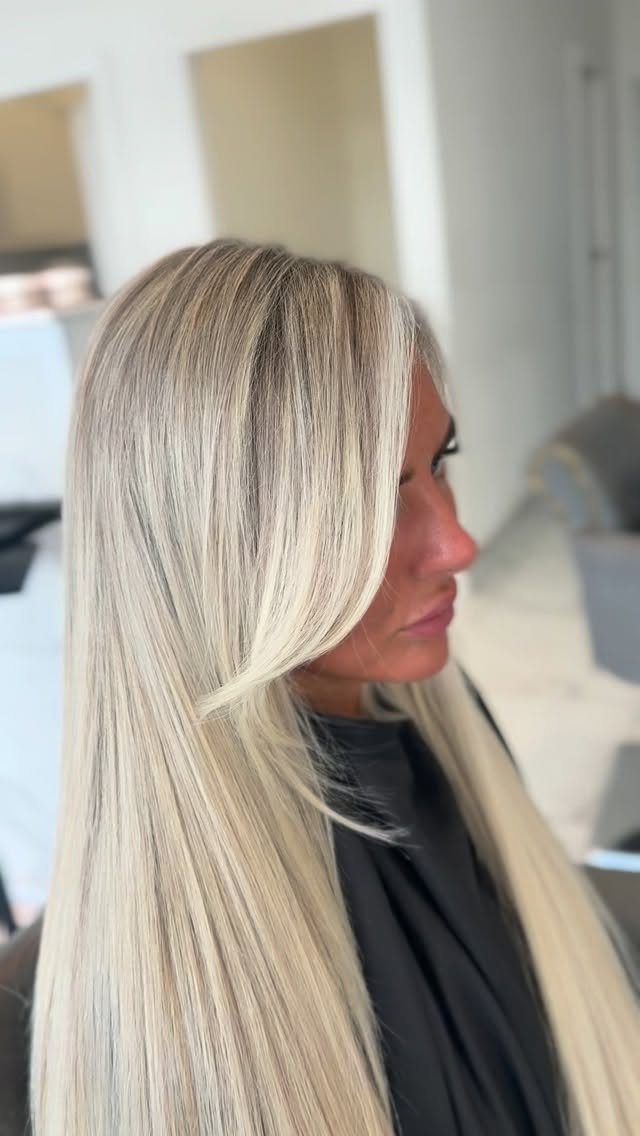
Creamy platinum softens the starkness of traditional platinum with a warmer tone, giving you high-lift blonde that feels less icy. The result is bright without being clinical.
The creamy finish works on neutral and some warm undertones where straight platinum would clash.
19. Mushroom Blonde
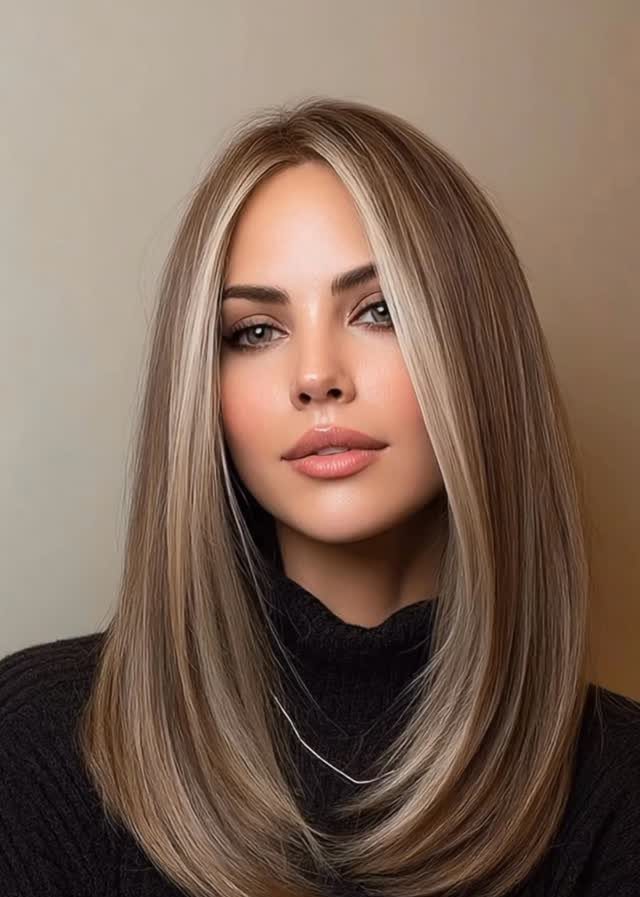
Mushroom blonde mixes cool ash and soft beige tones into a muted, low-contrast finish that sits between blonde and brunette. The result feels understated rather than bright.
For anyone after cooler, softer blonde that skips warmth and gloss. Cool and neutral skin tones carry this best, since the ashy base can wash out warmer complexions.
The subtlety means grow-out stays soft, but the cool tones fade toward brassiness over time, so toning matters if you want to keep the muted finish intact.
20. Sunshine Balayage
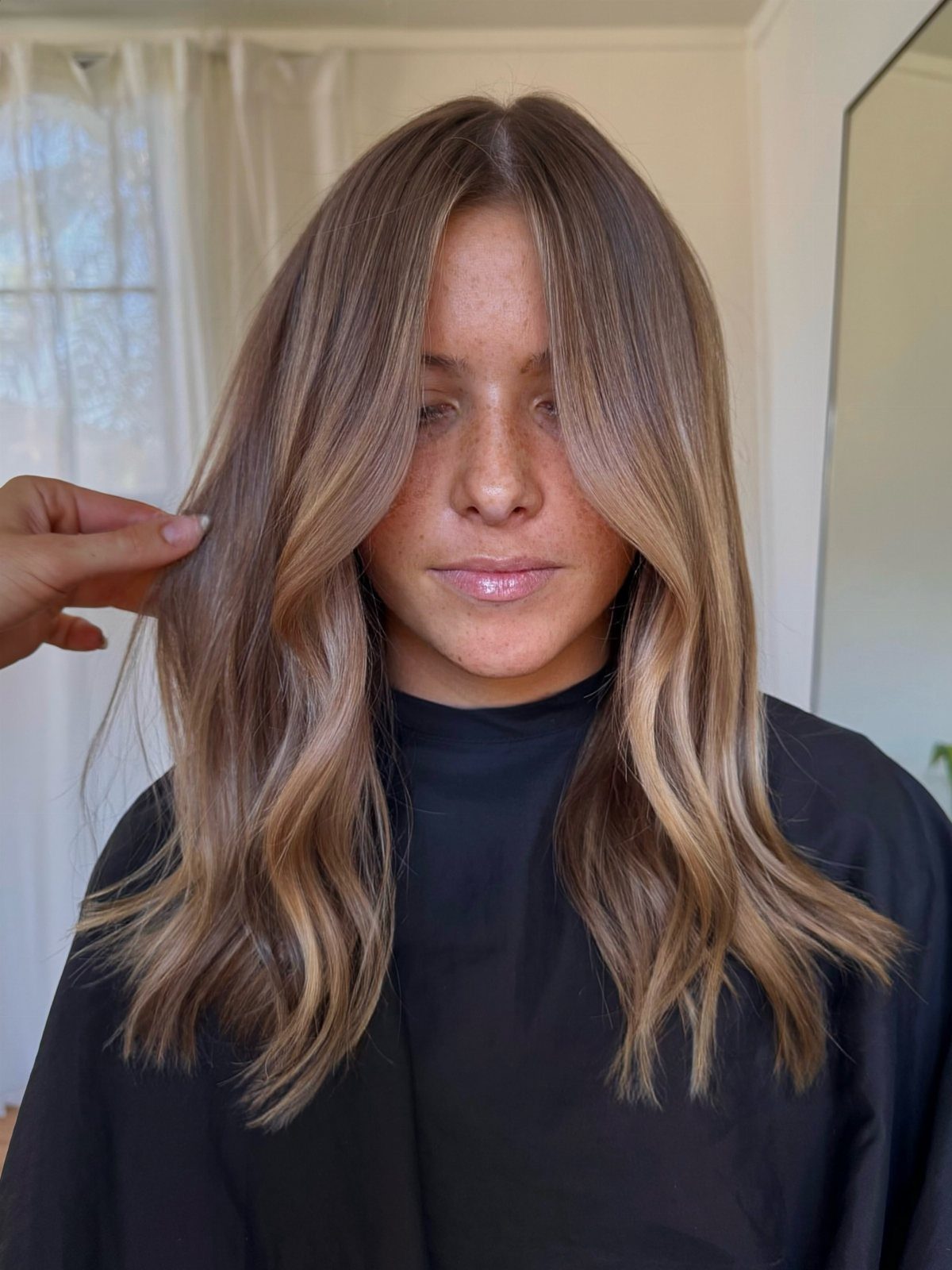
Sunshine balayage brightens a golden blonde base with lighter pieces painted through the ends, keeping the warmth consistent from root to tip. The result is bright without contrast.
This works if you already have blonde or light brown hair and want more brightness without changing the tone. The lighter pieces catch the light but stay close enough to the base that the effect feels cohesive.
The placement concentrates color at the ends, so regrowth blends naturally and touch-ups can stretch longer than full highlights.
21. Bright Blonde Balayage
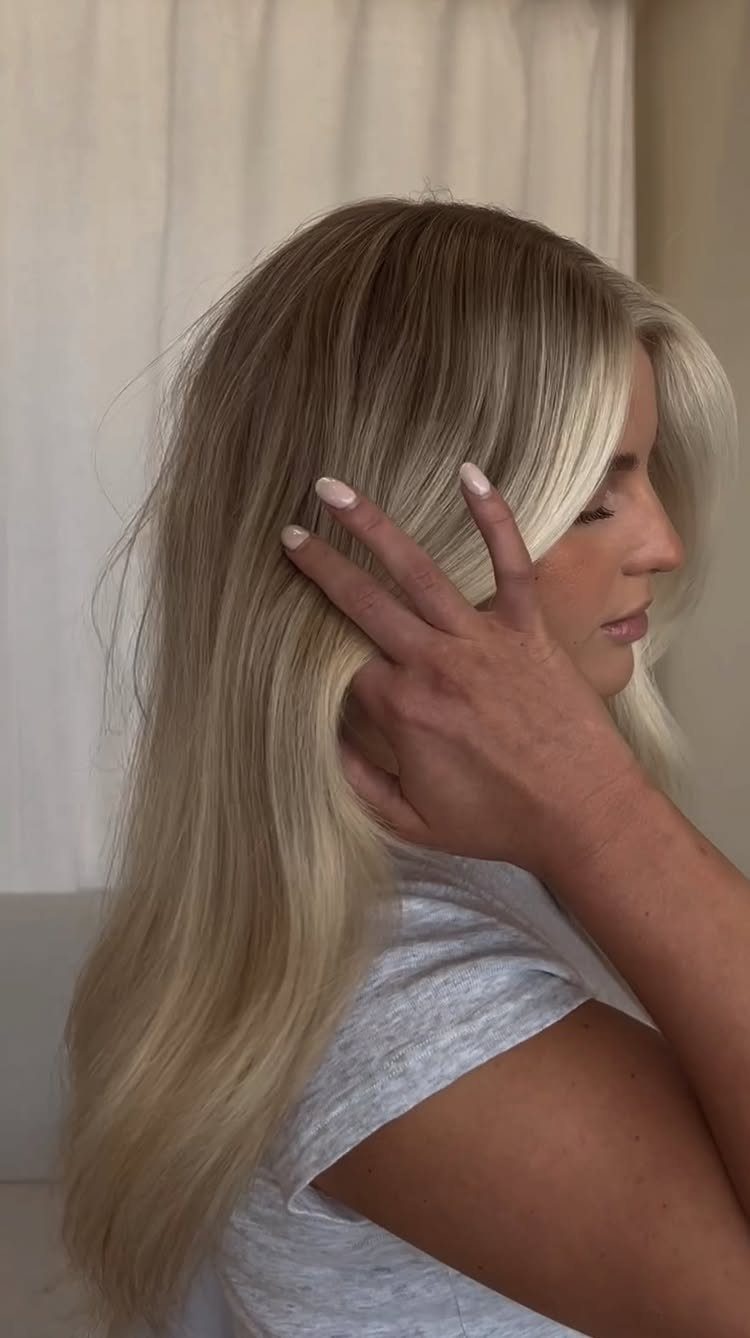
Bright blonde balayage weaves light-blonde shades throughout the hair for high impact without uniformity. The brightness is deliberate, with lighter pieces placed to stand out rather than melt into the base.
If you want high-impact blonde that still reads dimensional rather than flat, this does it. The woven placement gives you variation instead of flat color, so the brightness reads dimensional rather than processed.
Plan for bleaching to lift the hair high enough for that level of brightness, and expect toning to keep the light pieces from drifting yellow.
22. Subtle Blonde Balayage
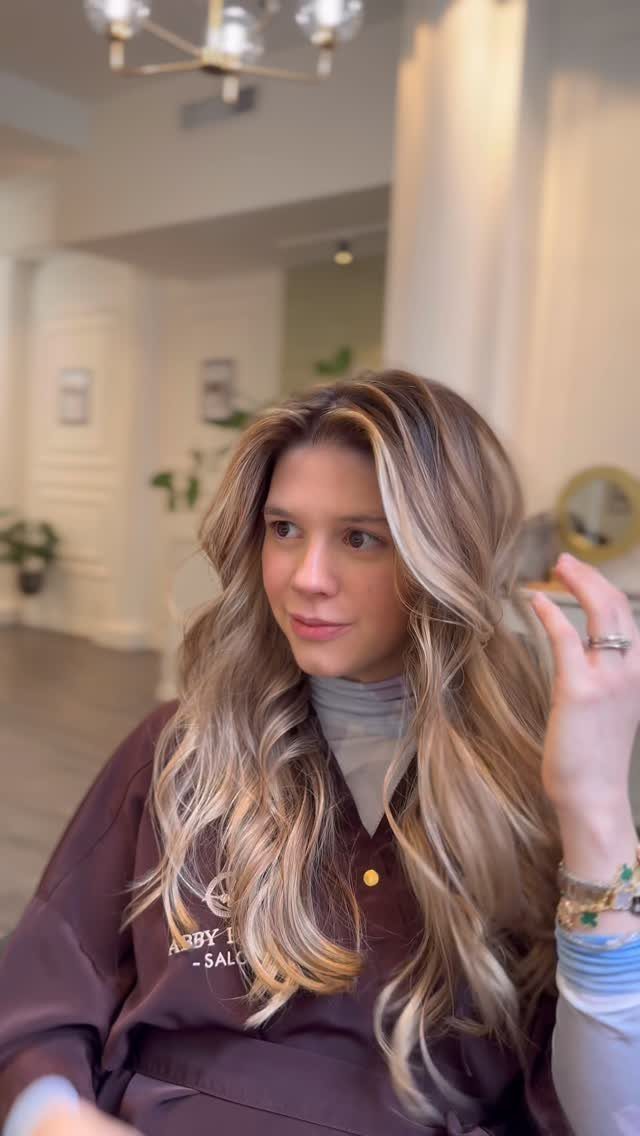
Subtle blonde balayage weaves light blonde through a darker sandy base, keeping the contrast low so the lightness reads soft rather than bold.
The sandy base keeps the overall effect grounded, so the blonde brightens without taking over.
23. Face-Framing Blonde Balayage
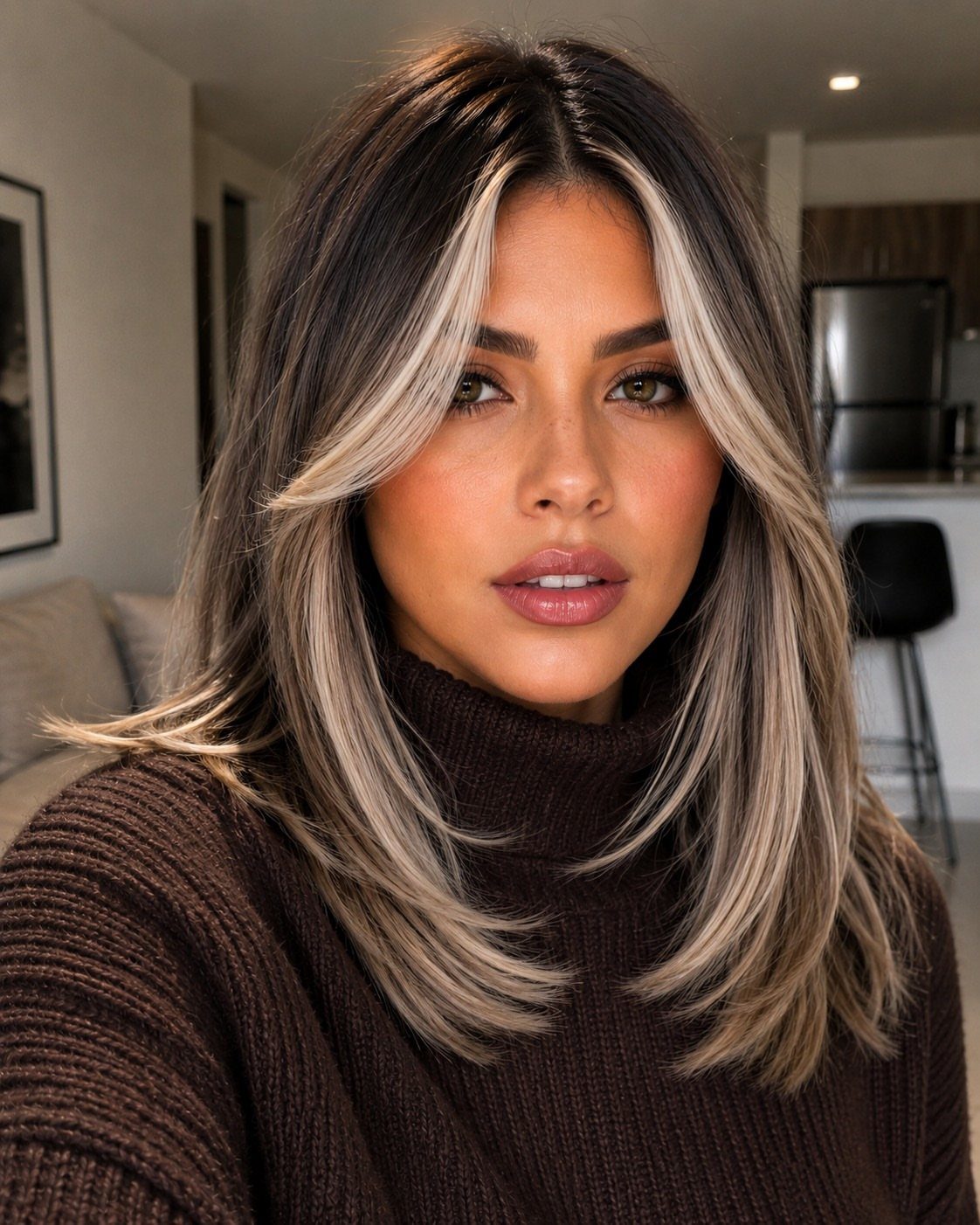
Face-framing blonde balayage concentrates the lightest pieces around the hairline and front sections, leaving the rest darker or blending gradually toward the back. The result brightens the face without committing to blonde all over.
This suits people who want the impact of blonde where it matters most. The darker roots and back sections keep maintenance lower, since most of the hair stays close to your natural color.
The placement draws attention forward, so it works particularly well if you want dimension that flatters your face shape without a full color change.
24. Babylight Blonde Balayage
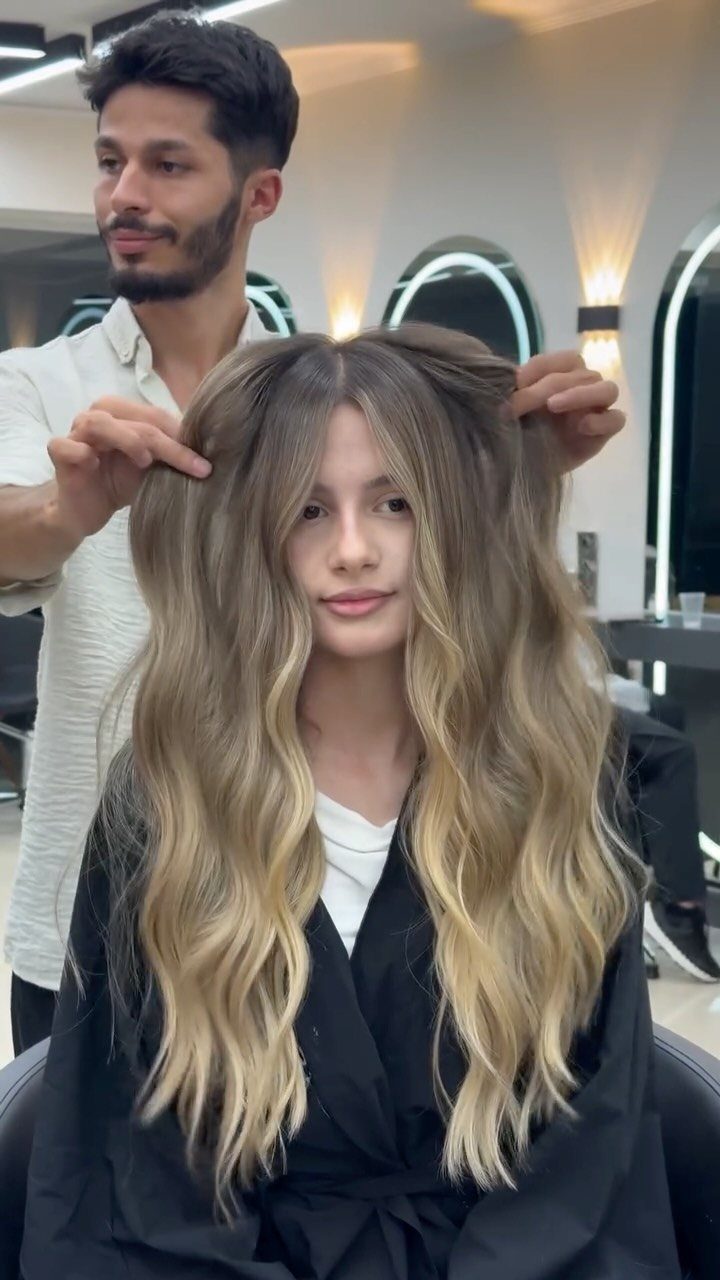
Babylight blonde balayage combines the fine, delicate sections of babylights with the hand-painted placement of balayage, giving you dimension that reads natural and sun-kissed. The result is softer and more detailed than standard balayage alone.
The application takes longer because each section is so fine, but the dimension lasts through several weeks of regrowth without looking dated.
25. Naturally Curly Hair with Beautiful Blonde Highlights
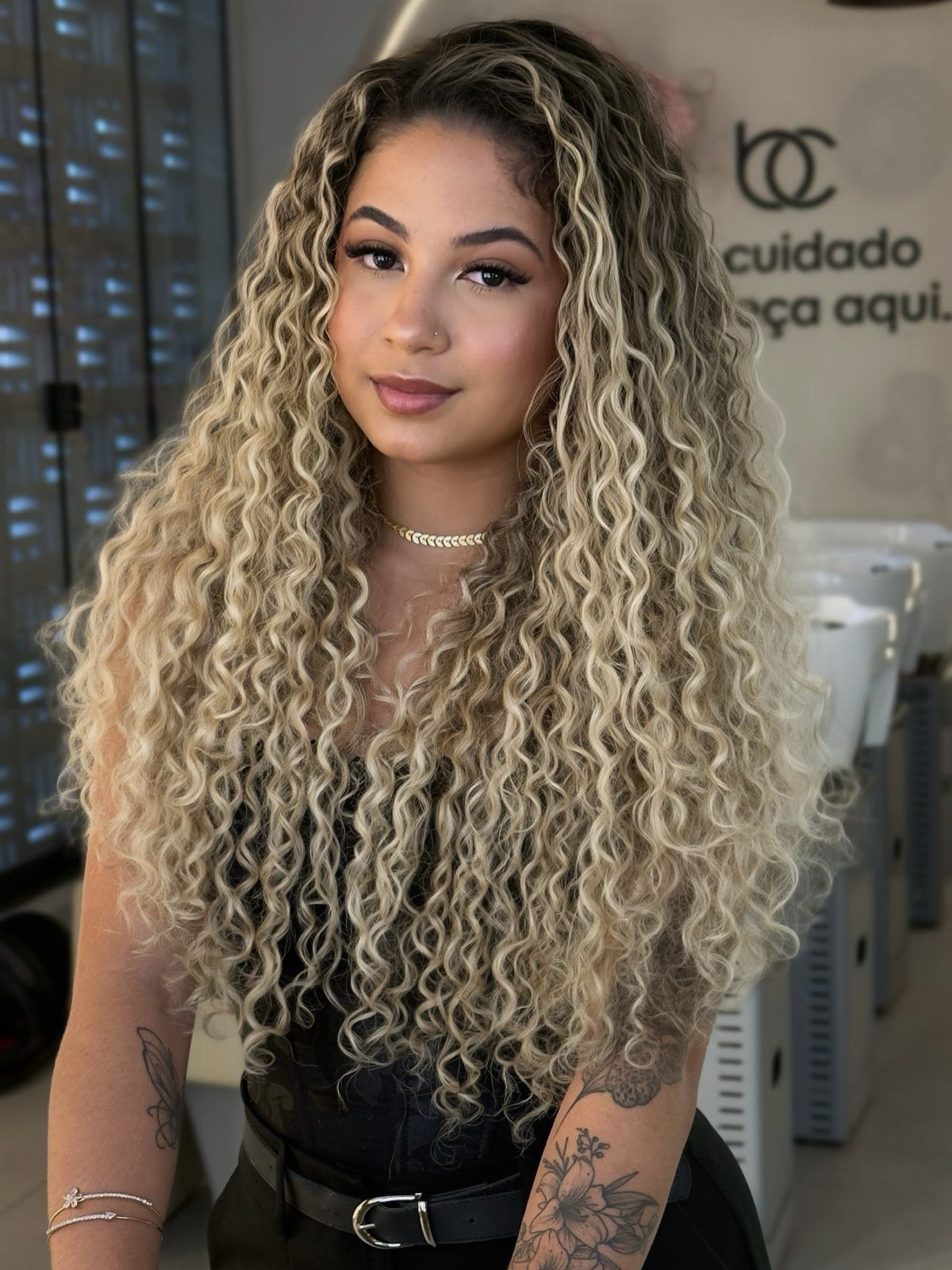
Curly hair takes blonde highlights differently than straight hair because the curl pattern catches and reflects light unevenly, so the dimension reads even more pronounced. The blonde pieces here lift the natural curl without fighting its texture.
If you have curls and want blonde, ask your stylist to work with the curl pattern rather than against it.
Painted highlights follow the natural shape of each curl section, so the blonde moves with the hair instead of sitting flat.
Curly hair is often drier than straight hair, so condition between sessions and keep the bleach application time controlled to avoid damage that disrupts the curl.
26. Soft Blonde
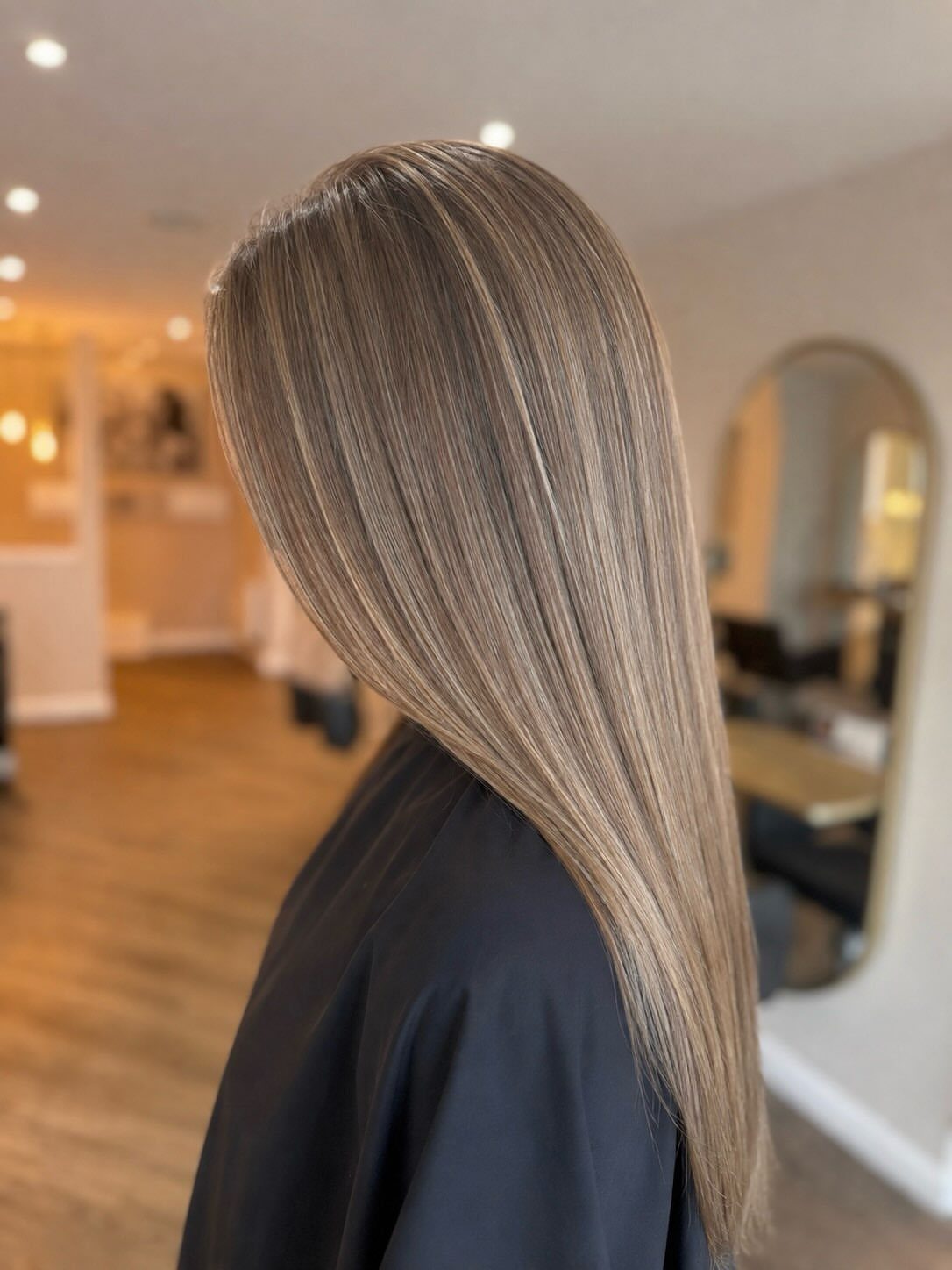
Soft blonde highlights on brown hair stay close to the base tone, lifting just enough to add dimension without bold contrast. The subtlety here keeps the brown dominant and the blonde secondary.
Ask for a fine weave or babylights if you want lift that blends this softly.
This suits people who want brightness without committing to a full blonde shift.
27. Balayage
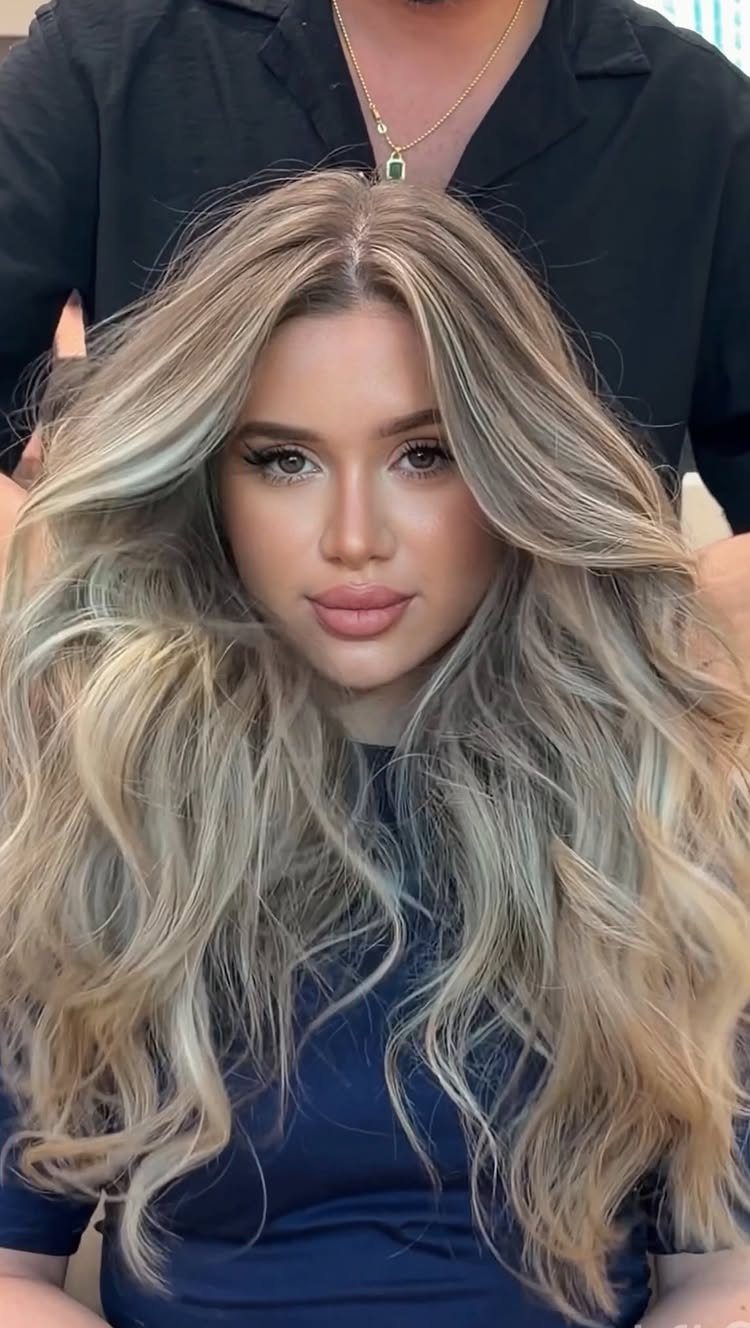
Balayage is hand-painted rather than foiled, so the blonde blends gradually from root to tip without hard lines. The application gives you control over placement, concentrating the lightest pieces where you want them.
Ask for balayage if you want blonde that looks lived-in rather than fresh from the salon. The technique suits most hair types and works with your natural color rather than covering it entirely.
28. Cool Blonde
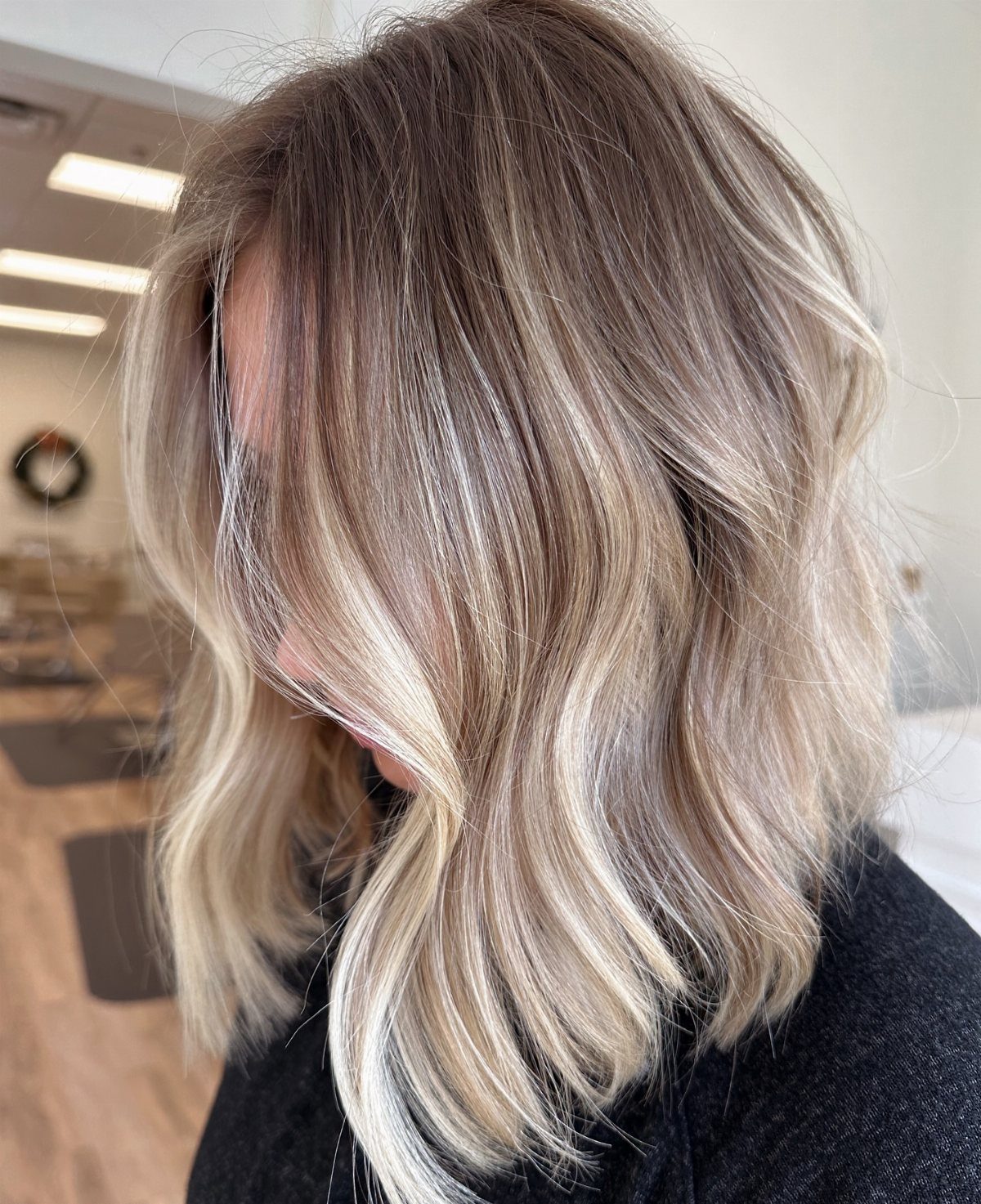
Cool blonde leans ashy without tipping into silver or gray, giving you blonde that feels modern rather than warm or brassy. The tone suits fair to cool skin tones best, where golden blonde can look too warm.
Toner keeps the cool shade from fading toward yellow, so plan for regular toning between color sessions.
If your base is darker than light brown, reaching cool blonde safely takes multiple lifts. One session on dark hair usually lands you brassy, not cool.
29. Silver White
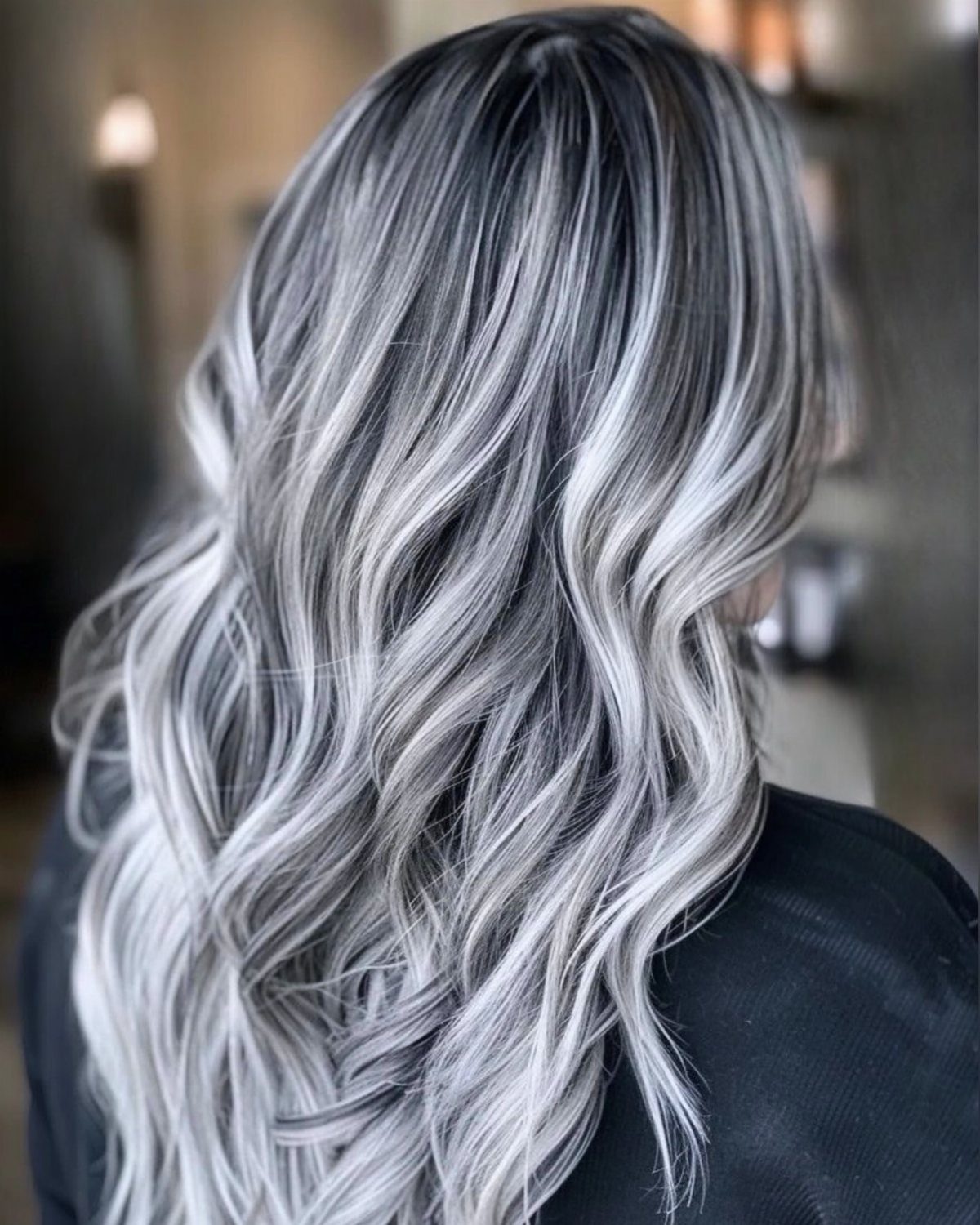
Silver-white blonde is the coolest end of the spectrum, removing nearly all warmth for an almost metallic finish. The result is striking and high-contrast, especially against darker roots.
This tone requires lifting the hair to very pale blonde before toning, so expect multiple sessions if your base is darker than medium blonde. The maintenance is high because even slight fading shifts the silver toward yellow.
Purple shampoo between salon visits keeps the silver tone from warming, but regular toner is part of the upkeep if you want the color to stay true.
30. Ice Blonde
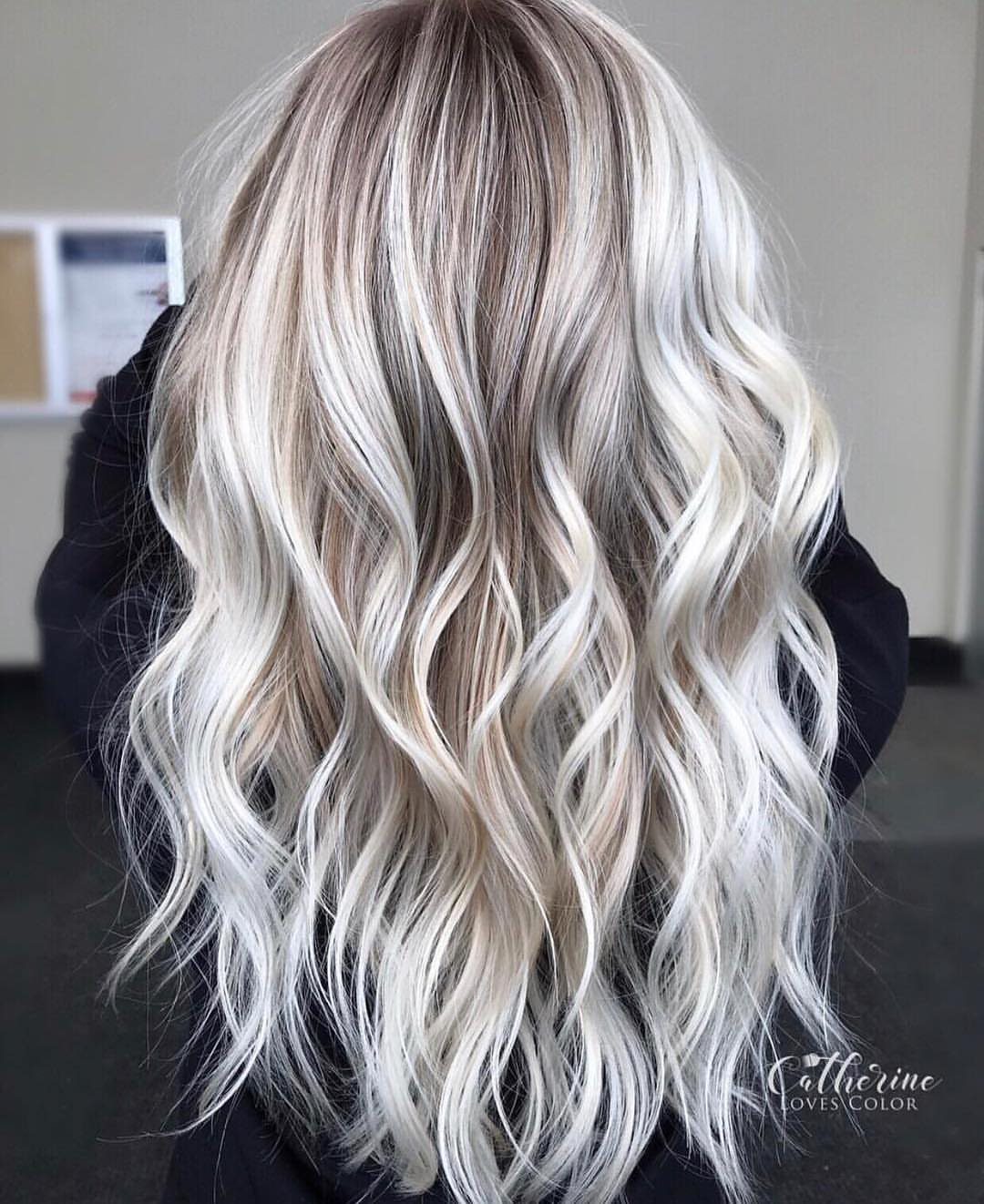
Ice blonde is platinum with a hint of cool tone, bright and high-lift without going fully silver. The blend here keeps the brightness even from mid-lengths to ends, so the color reads smooth rather than patchy.
This requires multiple bleach sessions on most bases to lift safely without breakage. The lighter the starting point, the fewer sessions you need.
Toning keeps ice blonde from slipping yellow, and the cooler the tone, the more often you’ll need it. Plan for regular salon visits to maintain both the lift and the tone.
31. Undone Blonde
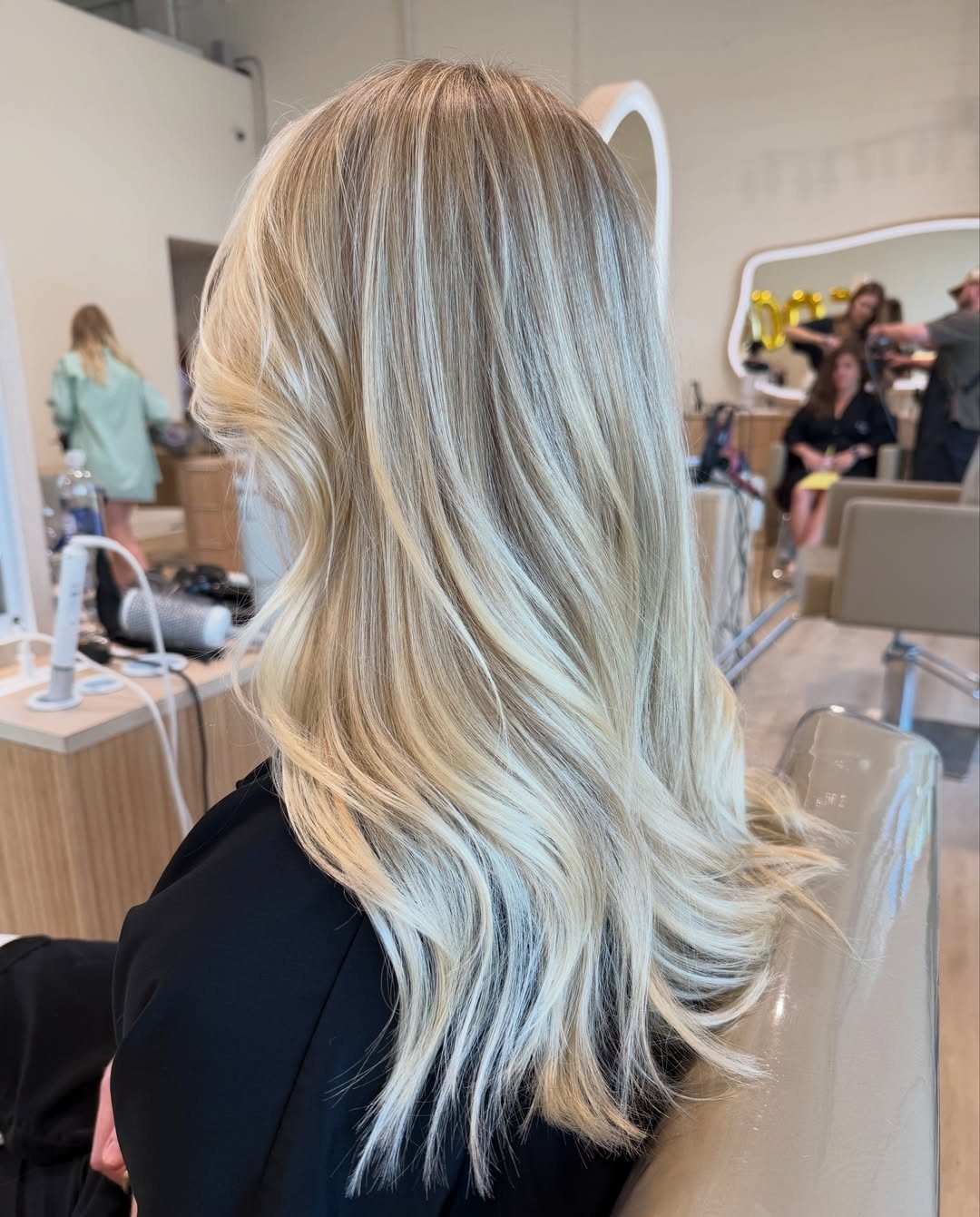
Undone blonde blends darker roots into bright blonde ends with a deliberately smoked-out transition, so the contrast works with regrowth instead of against it.
The darker root zone extends far enough down that new growth stays part of the look for months.
This suits people who want bold blonde without the commitment of constant salon visits. The transition is intentional, so you skip the visible line that comes with traditional highlights.
The ends need the same maintenance as any bright blonde, regular toning to keep the pale finish from drifting yellow, but the rooted approach stretches the time between full color appointments.
32. Dishwater Blonde
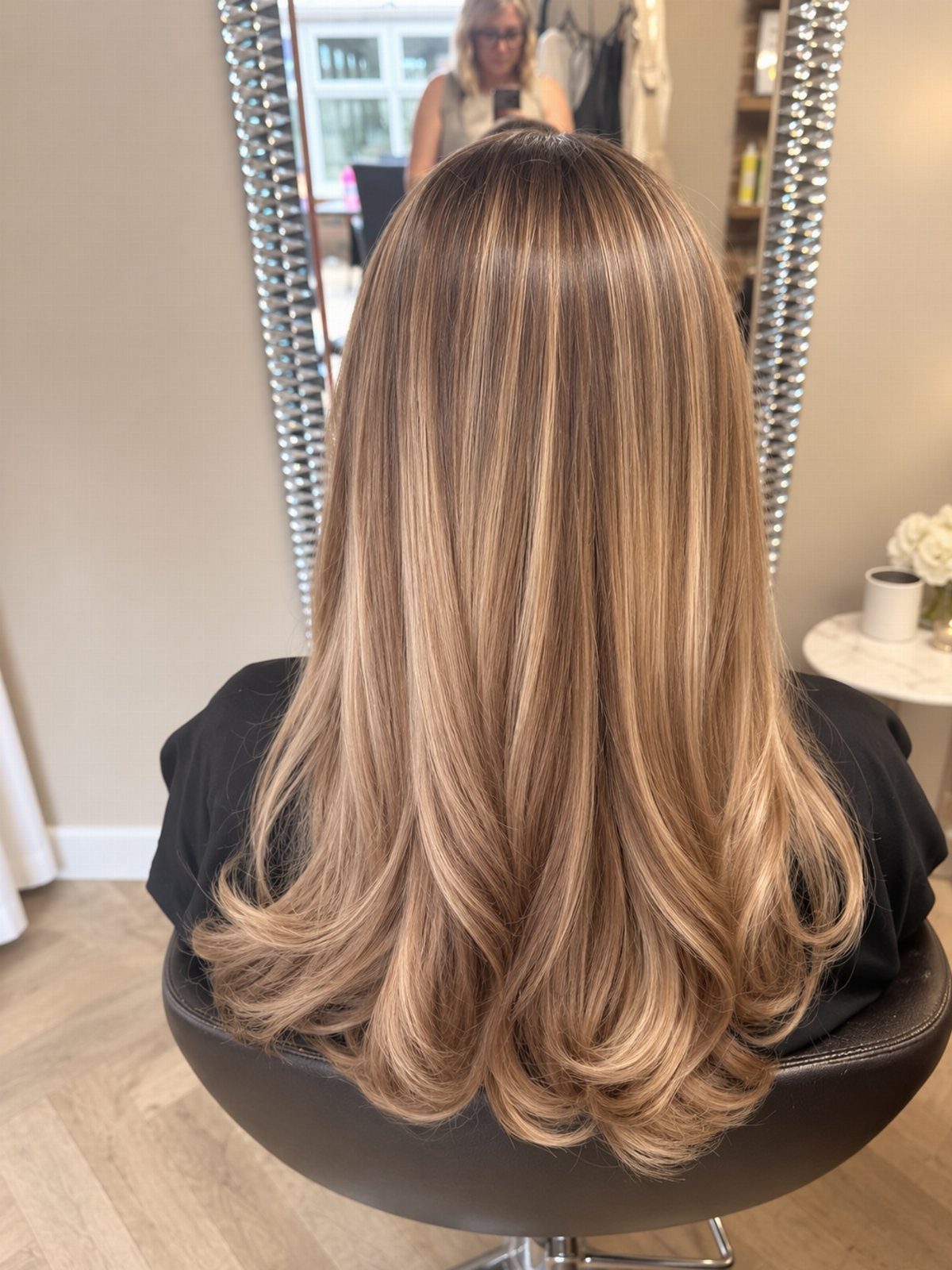
Dishwater blonde is naturally cool-toned blonde with soft highlights that stay understated rather than bright. The name comes from its muted, lived-in quality, blonde that looks like it hasn’t been fussed over.
It lands somewhere between beige and grey without tipping warm, and the finish stays quiet rather than glossy.
The cool tone keeps it from reading golden or brassy, but that same coolness can fade toward yellow over time, so toning keeps it true.
The softness of the highlights means regrowth blends naturally, and the overall effect stays casual rather than polished.
33. Coconut Blonde
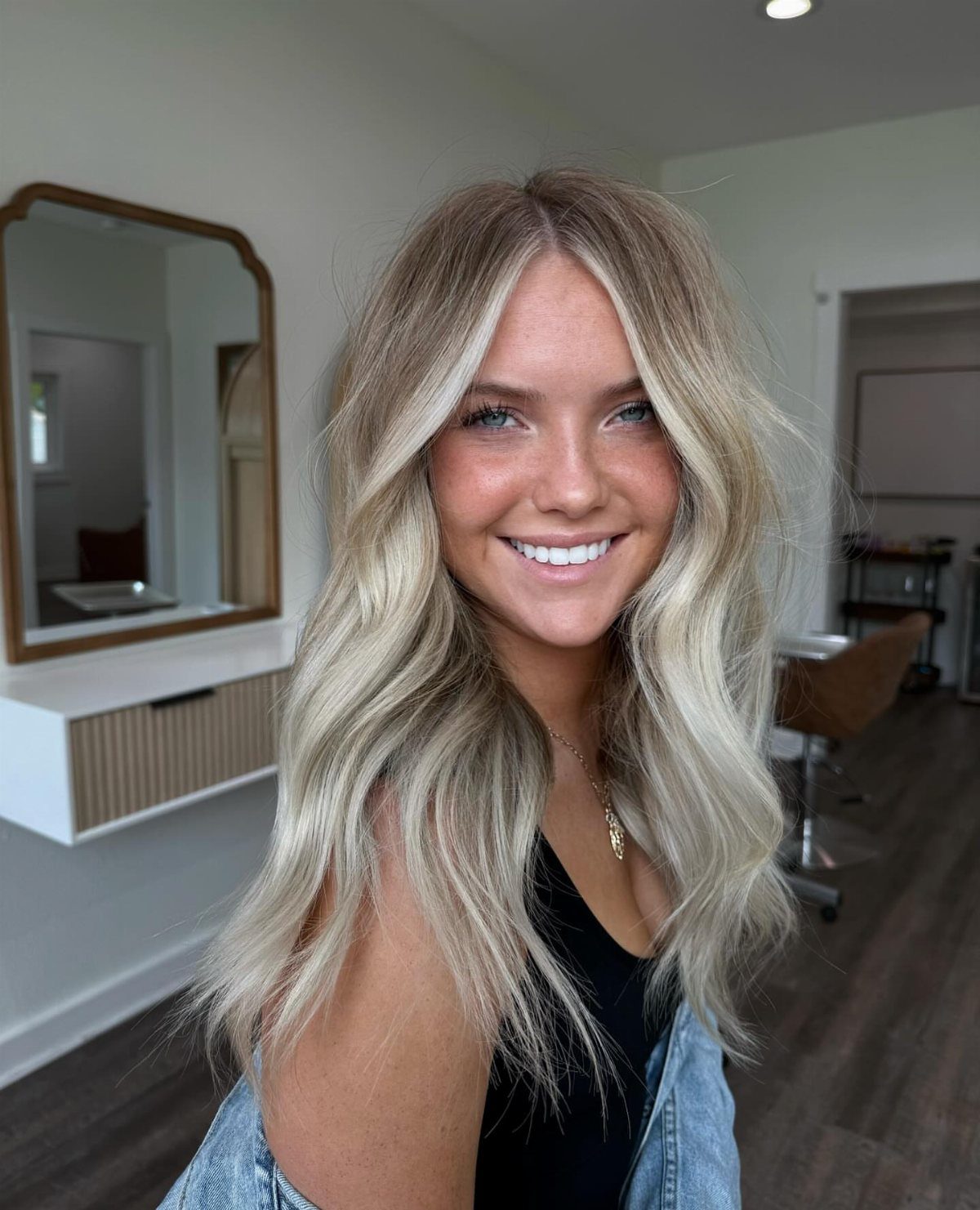
Coconut blonde layers toasted highlights through ashy blonde, warming the cool base just enough to add dimension without shifting the overall tone. The toasted pieces sit mostly through the ends, brightening without overtaking the ash.
This works if you have ashy blonde hair and want warmth that complements rather than competes. The placement keeps the base color intact while the lighter ends catch the light.
The toasted tone is warmer than the ash but stops short of golden, so the two stay balanced. Ask for hand-painted highlights if you want the placement to stay concentrated at the ends.
34. Selenite Blonde
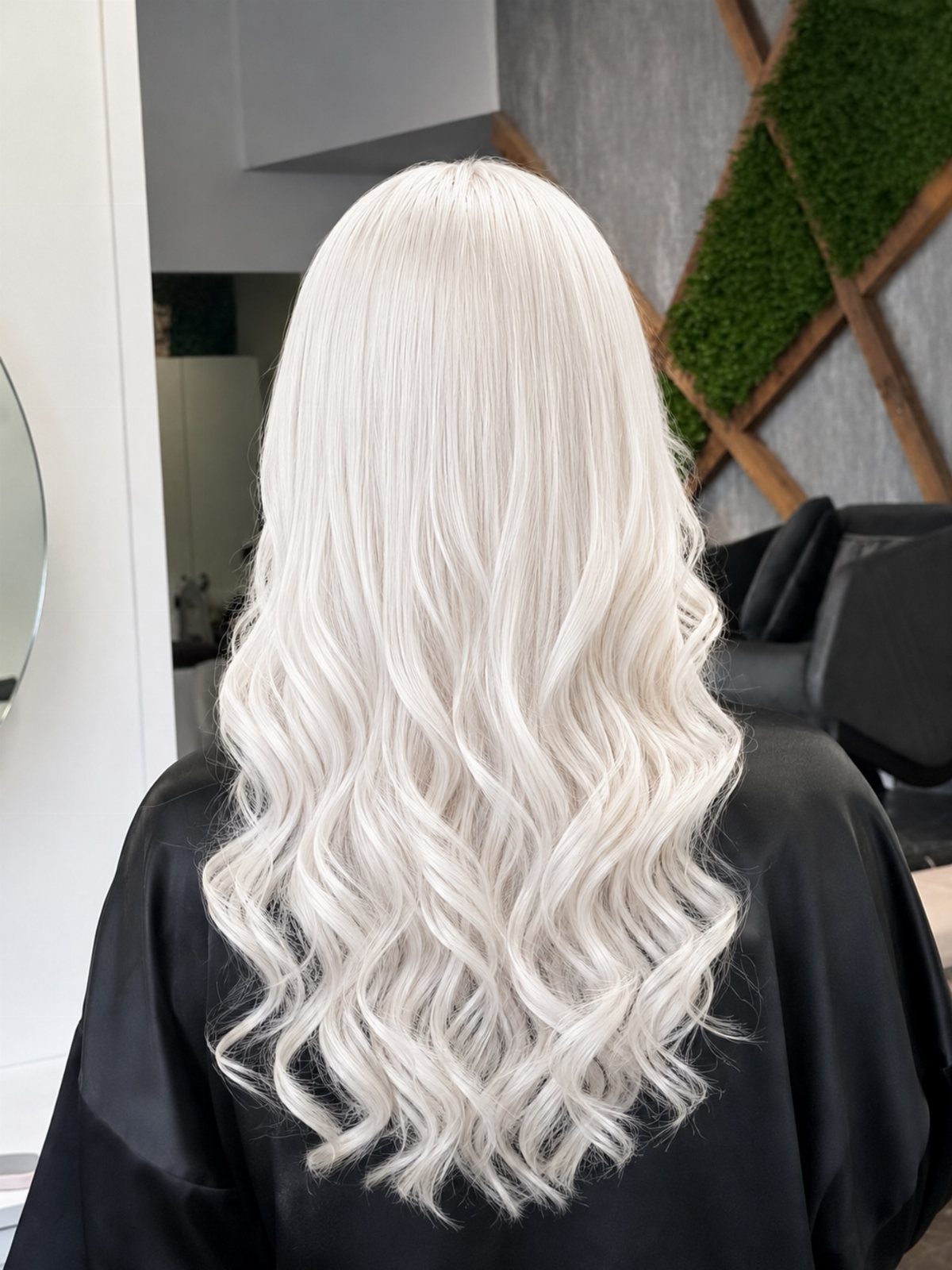
The color sits pale and creamy, one notch warmer than platinum but still very lifted and bright. The creamy tone softens the starkness of platinum without adding noticeable warmth.
For anyone who wants very light blonde that feels softer than ice or platinum. Getting there means lifting to a very light blonde first, and if you’re starting darker than medium blonde you’ll need more than one appointment.
The creaminess keeps it from washing out neutral and some warm skin tones the way straight platinum can, but the high lift still needs regular toning to stay pale and prevent yellowing.
35. Gradient Blonde
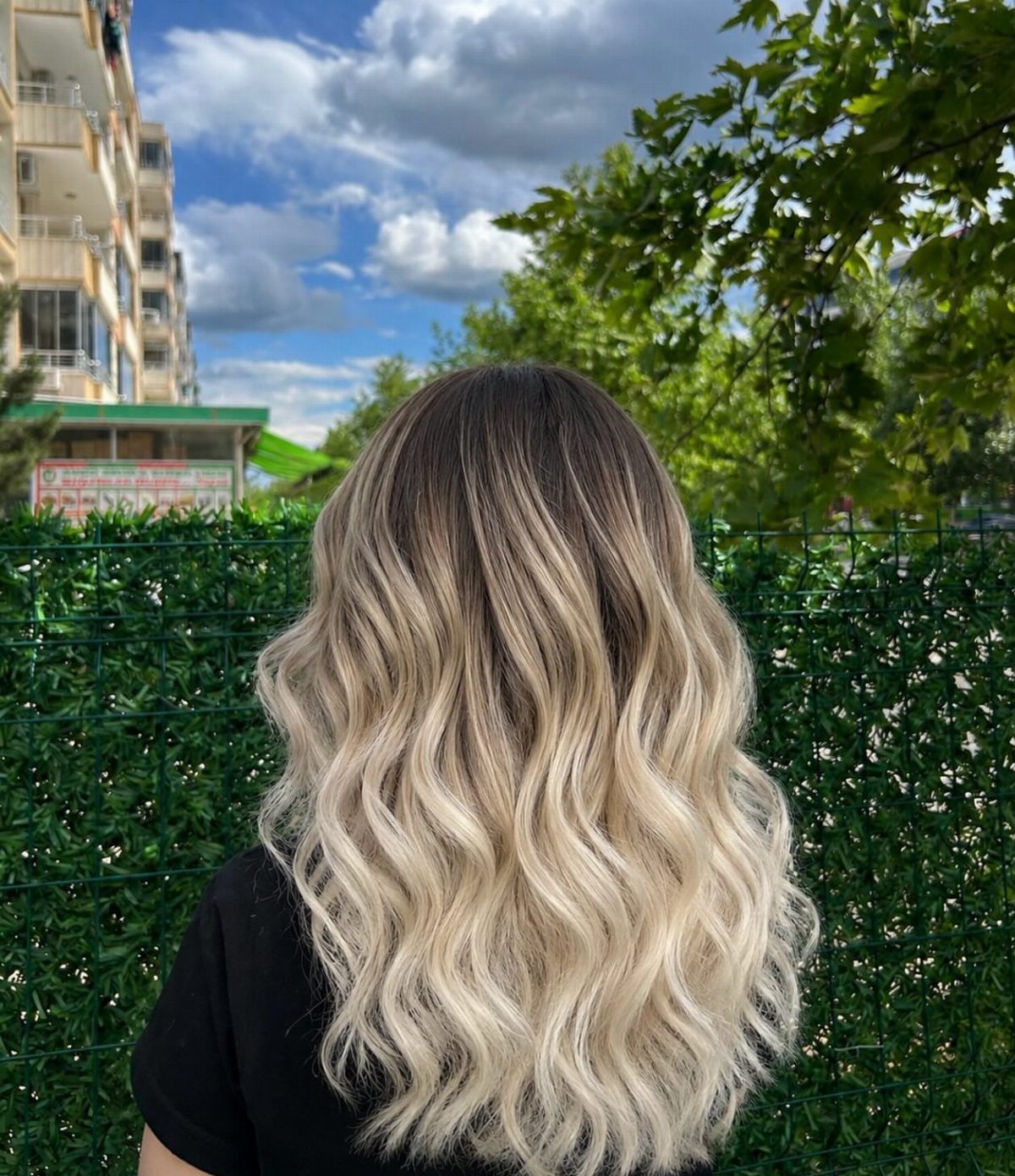
Gradient blonde fades gradually from dark roots to pale blonde ends, blending the transition so smoothly that no single line marks where one shade stops and the next starts. The look reads dimensional and grows out without obvious lines.
This suits people who want blonde that grows out gracefully. The gradual fade means regrowth blends naturally into the existing color, so touch-ups can stretch several months without looking dated.
The darkest roots anchor the look, and the lightest ends need regular toning to stay pale.
36. Frosted Blonde
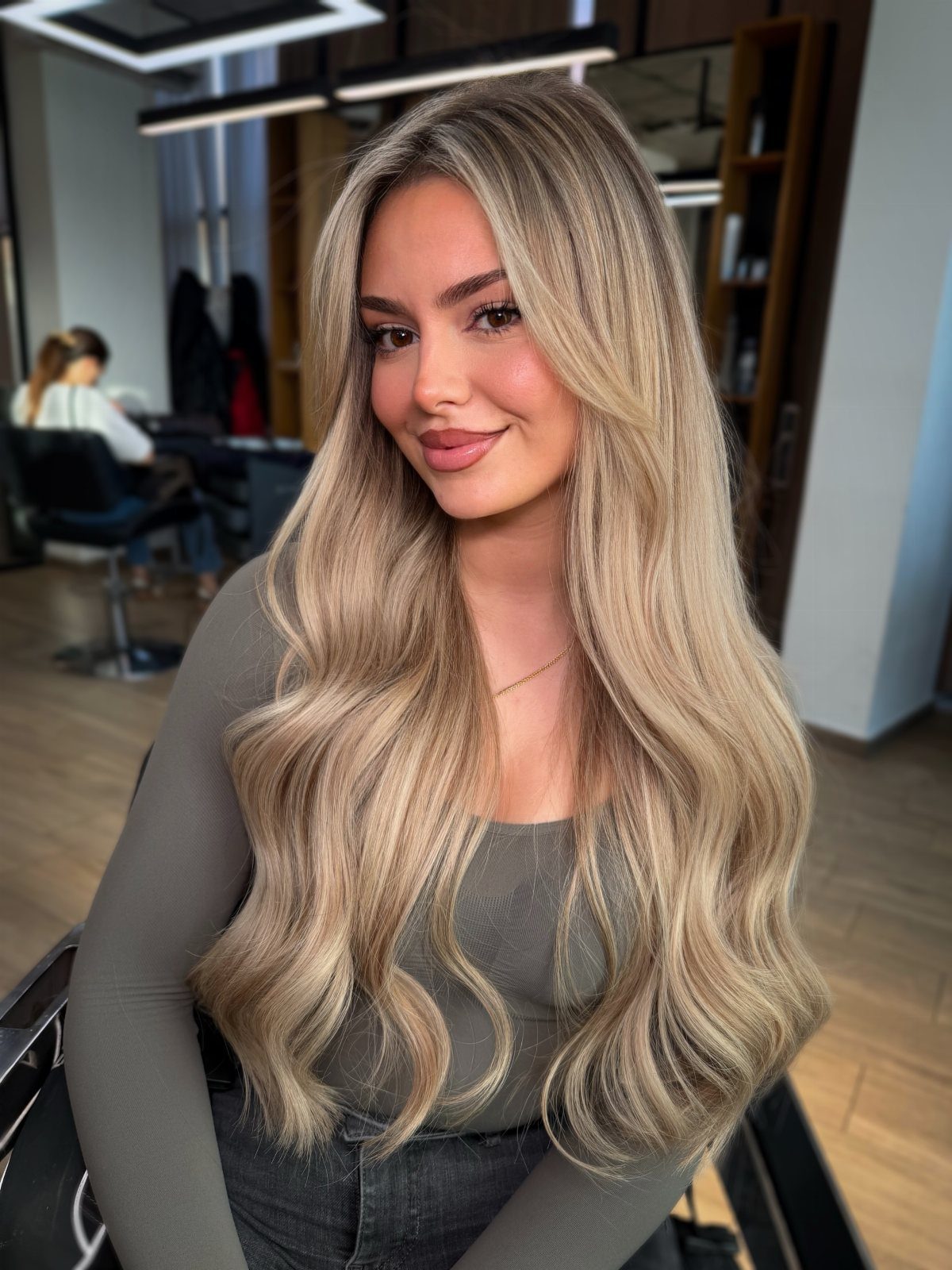
Frosted blonde scatters cool, pale highlights through longer hair, creating contrast between the lighter pieces and the darker base. The highlights are intentionally dispersed rather than blended, so the effect reads bold and dimensional.
If you want visible blonde but would rather not commit to coloring everything, this strikes that balance. The cool tone keeps the highlights from looking brassy, but they need regular toning to stay pale as they fade.
The scattered placement works particularly well on longer hair, where the highlights have more length to catch light and create movement.
37. Playboy Blonde
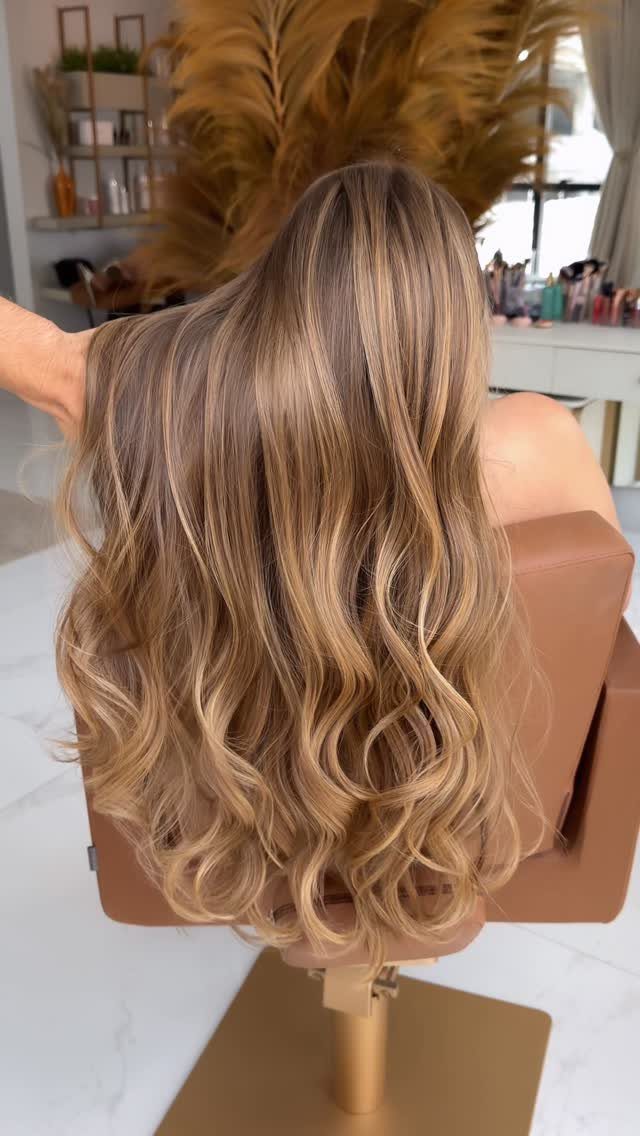
Playboy blonde highlights warm golden tones through the hair, brightening without going cool or ashy. The warmth keeps the blonde grounded and sun-kissed rather than stark.
If you lean warm or neutral and want something that reads golden rather than cool, this works. The golden tone reads soft and lived-in, and the warmth holds up better between toning sessions than cooler blondes that fade toward yellow.
If you want bright blonde but prefer warmth over ash, this is the direction to ask for.
38. Full Head Highlights
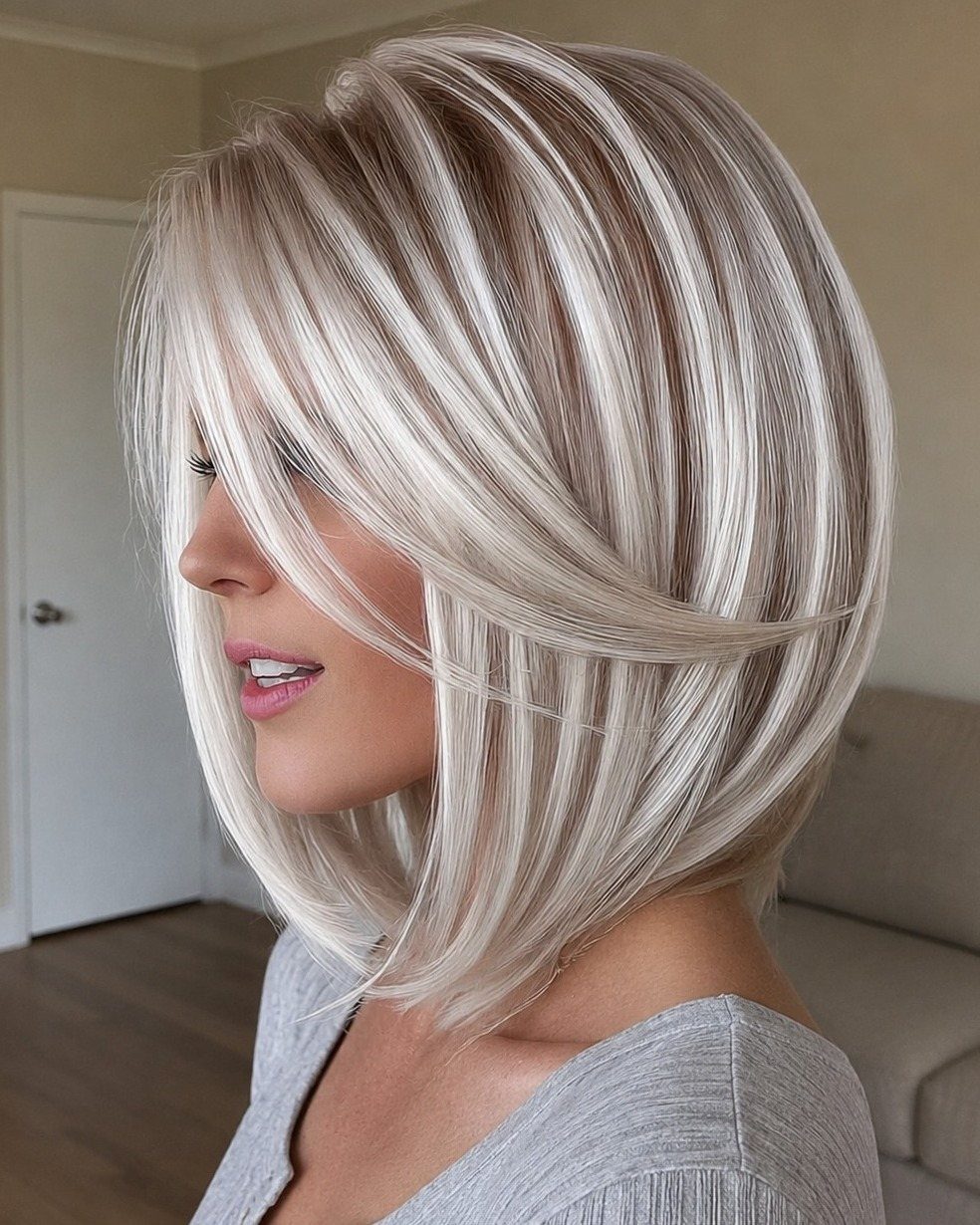
Full head highlights place color through sections across the entire head, front to back and top to underneath, so the blonde covers more ground than partial placement. The result is brighter and more uniform than half-head or face-framing options.
If you want dimension everywhere and you’re ready to commit, this is the route that covers the most ground. The sectioned placement keeps some dimension, so the blonde reads varied rather than flat.
Plan for longer appointment times because the application covers the whole head, and expect more frequent touch-ups as regrowth becomes visible across all sections rather than just the top.
39. Half Head Highlights
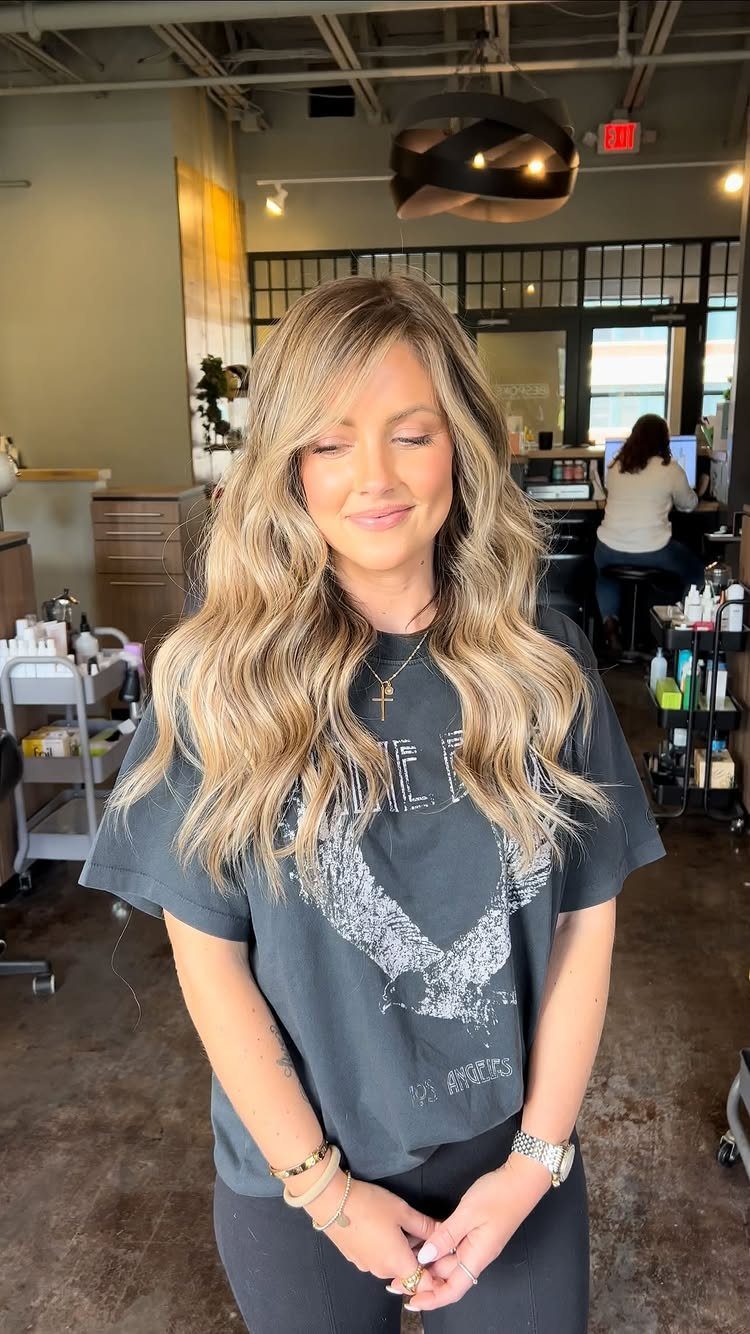
Half head highlights concentrate on the crown, sides, and top layer, leaving the underneath sections darker or untouched. The result brightens the visible hair without coloring everything, so the overall effect stays dimensional and the regrowth less obvious.
This suits people who want noticeable blonde without the time or cost of full coverage. The darker underlayers anchor the look, and when you pull your hair up the contrast between the 2 adds depth.
Appointment time and price both run lower than full head highlights, and touch-ups stretch longer because most of the regrowth sits underneath where it blends naturally.
Choosing Shades for Undertones
If you’re not sure which category you fall into, check your veins in natural light.
Blue or purple veins point to cool undertones, green veins to warm. If you can’t tell either way, you’re likely neutral.
A professional undertone assessment gives you certainty if you’re between shades or planning a big lift.
One test: try lipsticks in cool blue-based shades versus warm yellow-based ones and see which feels right. The one that looks natural rather than off tells you which direction to lean.
Getting this right the first time means less correction later.
Highlight Upkeep and Hair Care
I book a touch-up every 6 to 8 weeks to keep regrowth from showing and the tone looking right.
Deep-conditioning masks matter at least every 2 weeks, since bleaching dries hair out. Wash in cool water to keep the cuticle closed, and use heat protectant every time you style.
UV protection keeps the sun from fading your color, and chlorine or salt water will wreck it faster than anything else. A hat or leave-in protectant does the job.
Preparing for a Salon Visit
Bring photos to your appointment. Visuals cut through vague descriptions and show your colorist what you actually want, not what the words might mean.
Name the exact blonde you want: platinum, honey, buttery, icy, whatever word pins it down. Share your full color history too, because previous treatments affect how your hair lifts and what the colorist can do in one session.
Your stylist can assess your hair’s underlying pigments and condition in ways you can’t from the outside.
Get a trim first if your ends are damaged or brittle. Lightening fragile hair makes it worse, and the broken pieces won’t hold color evenly anyway.
Frequently Asked Questions
What hair color looks best with blonde highlights?
Blonde highlights suit nearly every base color when the tone matches your undertones. Ash blonde works on cool or neutral skin, golden and caramel suit warm tones, and bronde blends beautifully into brunette bases.
The right shade depends on whether your skin reads warm, cool, or neutral rather than the darkness of your starting color.
What are the blonde highlight trends for 2026?
Face-framing balayage, babylights, and champagne blonde are all current, along with rooted platinum and honey tan streaks that keep maintenance lower. Color stays closer to your natural base and the pieces are blended so that the grow-out line barely registers.
Which blonde hair is most attractive?
The most flattering blonde matches your skin tone rather than aiming for one universal shade. Warm skin suits gold and honey, cool skin suits ash and champagne, and if you fall somewhere between your colorist can tip bronde either direction.
Can blonde highlights cover grey hair?
Blonde highlights diffuse grey rather than covering it completely, blending the grey into the lighter pieces so the contrast softens.
The effect adds dimension and makes regrowth less obvious, but it won’t give you full coverage the way all-over color would.
What is the difference between balayage, highlights, and ombré?
Balayage is painted freehand so the lightness builds gradually and looks like the sun did it.
Highlights use foils for more structured, precise placement and brighter lift. Ombré starts dark at the root and fades steadily lighter down the length, no ribbons or pieces.
How much does a blonde balayage cost?
Balayage typically costs $350 to $800 depending on your location and colorist. The technique takes longer and requires more skill than foil highlights because the placement is custom and hand-painted, so the price reflects the artistry and time in the chair.
How long does balayage last on blonde hair?
Balayage grows out softly enough that you can stretch touch-ups to 3 to 6 months between appointments. The hand-painted placement blends naturally as it grows, so there’s no hard line to announce regrowth the way foil highlights can.
Can I do blonde balayage at home?
Balayage at home usually turns patchy, brassy, or uneven because the technique requires trained placement and an eye for how the color lifts.
DIY attempts often need professional correction, and the risk of breakage from improper bleach application is high enough that the salon visit is worth it.
What is the best blonde hair color for your skin tone?
Warm skin tones suit honey, golden, and caramel blonde because the warmth echoes your natural undertones.
Cool skin tones look best in ash, platinum, and champagne blonde, which lean toward matte and pale rather than sunny. A professional can analyze your undertone and adjust the shade to fit.
How often should you visit the salon with blonde hair?
Plan for salon visits every 6 to 8 weeks to refresh toner and gloss, unless you prefer the grown-out root look that techniques like rooted platinum and balayage are designed to support.
Toner fades faster than the lift itself, so the visit keeps the tone from drifting brassy.
How do you maintain blonde hair?
Purple shampoo keeps brassiness under control, and washing in cool water slows color fade.
Use a weekly hair mask to counter dryness from bleach, protect your hair from UV and heat, and avoid chlorine and salt water. Regular toner and trims keep the color fresh and the ends healthy.
What type of blonde highlights should I get?
Babylights give you fine, subtle dimension that mimics natural lightening, while balayage places color freehand for a soft, blended finish.
Face-framing highlights brighten where it matters most without committing to blonde all over, and foil highlights give you brighter, more defined ribbons.
The right choice depends on how much contrast you want and how often you’re willing to touch it up.
How to choose the perfect shade for your hair type?
Match the warmth or coolness to your skin first, then pick how light you want to go.
Warm tones suit golden and caramel blonde, cool tones suit ash and platinum, and darker bases need softer caramel or bronde to avoid harsh contrast.
Fragile or dry hair does better with caramel, honey or darker blonde because you lift less and the hair holds up.





