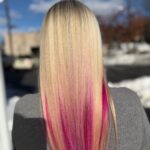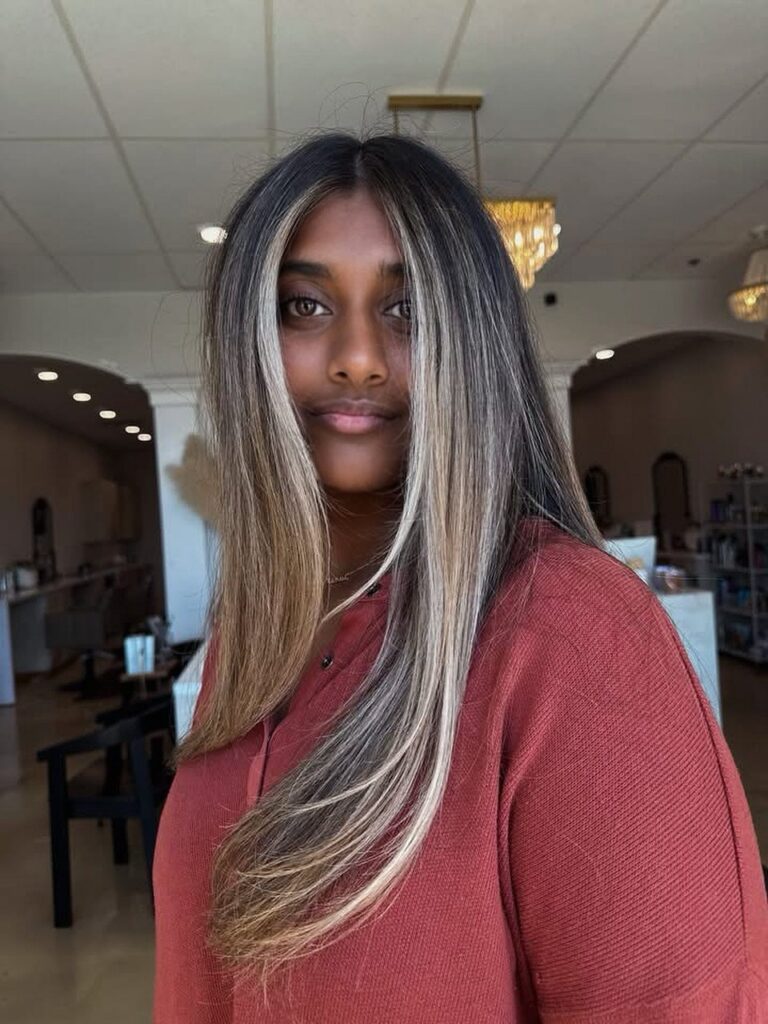
Blonde on dark hair gives you everything from face-framing money pieces to platinum streaks that require multiple lightening sessions.
The deciding factor is how often you can get back to the salon: foil highlights show regrowth faster and ask for more frequent appointments, while balayage and ombre start dark at the root so you can wait longer between visits.
Ash tones fade toward beige and need regular toning to stay cool, honey and caramel warm up as they soften, and any blonde on very dark or red-toned brunette takes longer to lift in the first session.
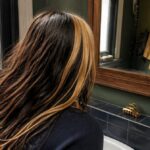
1. Money Piece
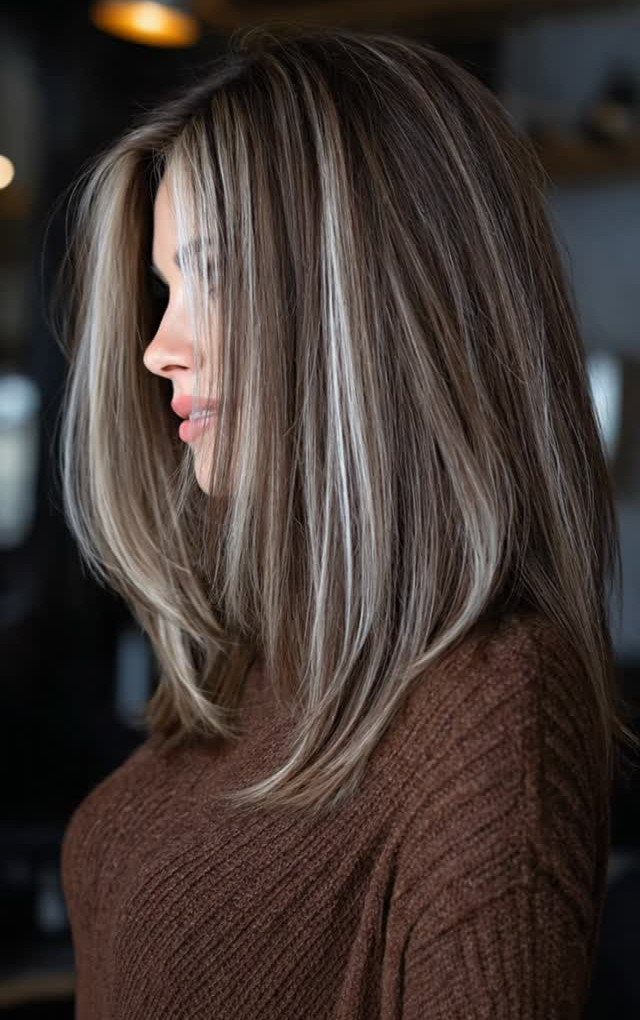
Two thick sections of hair, one on each side of the face, lifted several shades lighter than the rest.
The contrast is what makes it work: dark hair stays dark everywhere else, and those bright panels frame your face without touching the crown or back.
It’s a low-commitment place to start if you’re testing how blonde looks on you.
The stylist only works on 2 sections, so it’s faster and cheaper than highlighting your whole head. You’ll still need a root touch-up once the regrowth line starts showing.
2. Honey Highlights
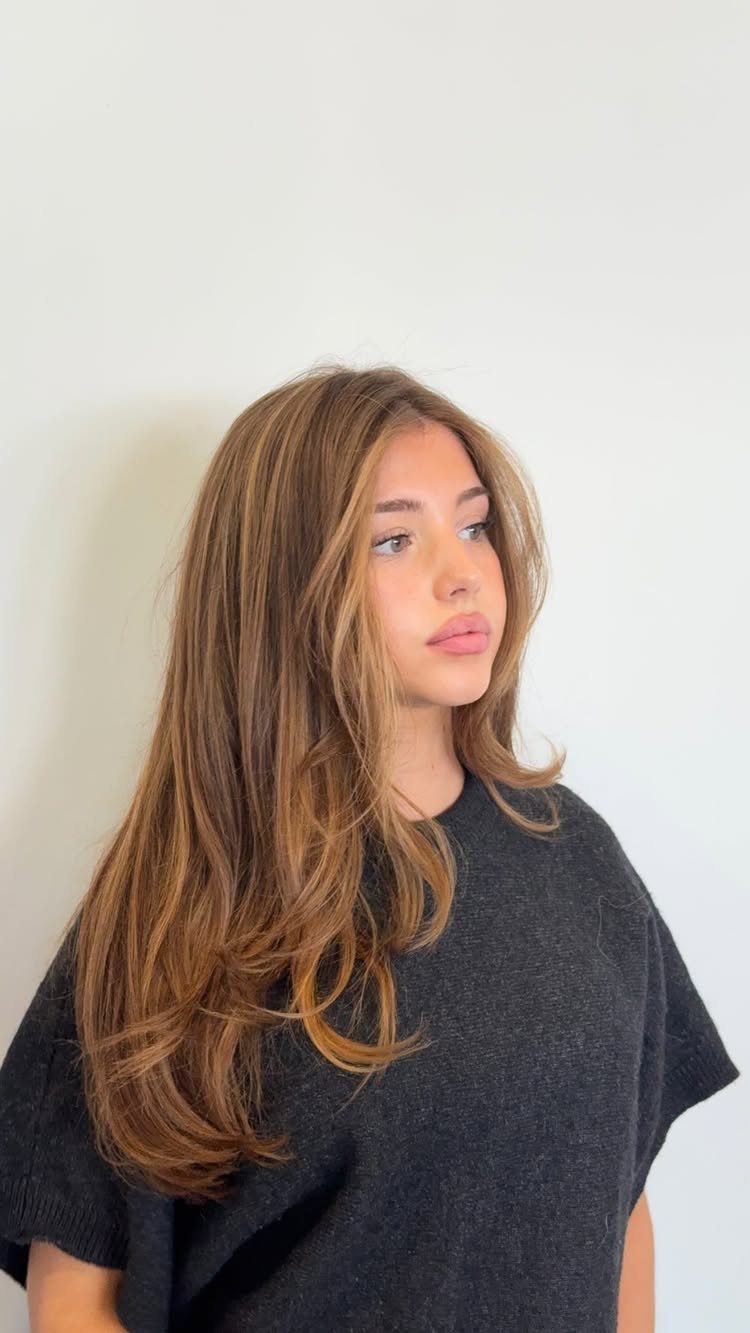
Honey tones sit between golden and caramel, warm enough to read as blonde but not so pale they jump off dark hair. Scattered through brunette lengths, they pick up light without looking striped.
Ask for highlights that stay within 2 or 3 shades of your base color.
Anything lighter needs more upkeep, and honey shades fade warmer rather than brassy when they soften between appointments. That buys you a few extra weeks before the color starts looking tired.
3. Ombre Highlights
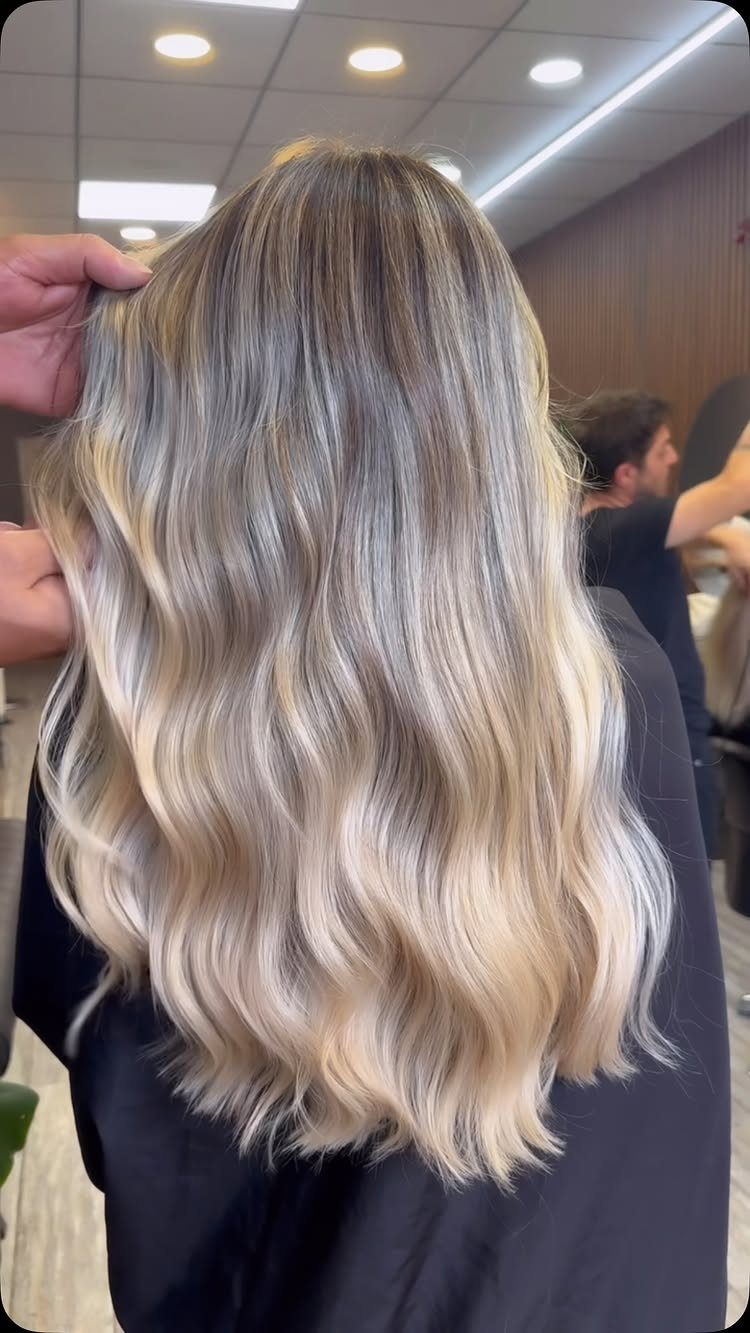
The color starts close to your natural shade at the roots and gradually lightens toward the ends, landing on pale blonde. It’s a different technique than balayage: ombre gives you a clear gradient rather than scattered pieces.
Because the roots stay dark, regrowth blends in. You can go months without needing a retouch, which makes it one of the lowest-maintenance ways to wear blonde on dark hair.
The longest pieces take the most lightening, so expect a long first appointment when you begin with very dark brown or black.
4. Golden Blonde Highlights
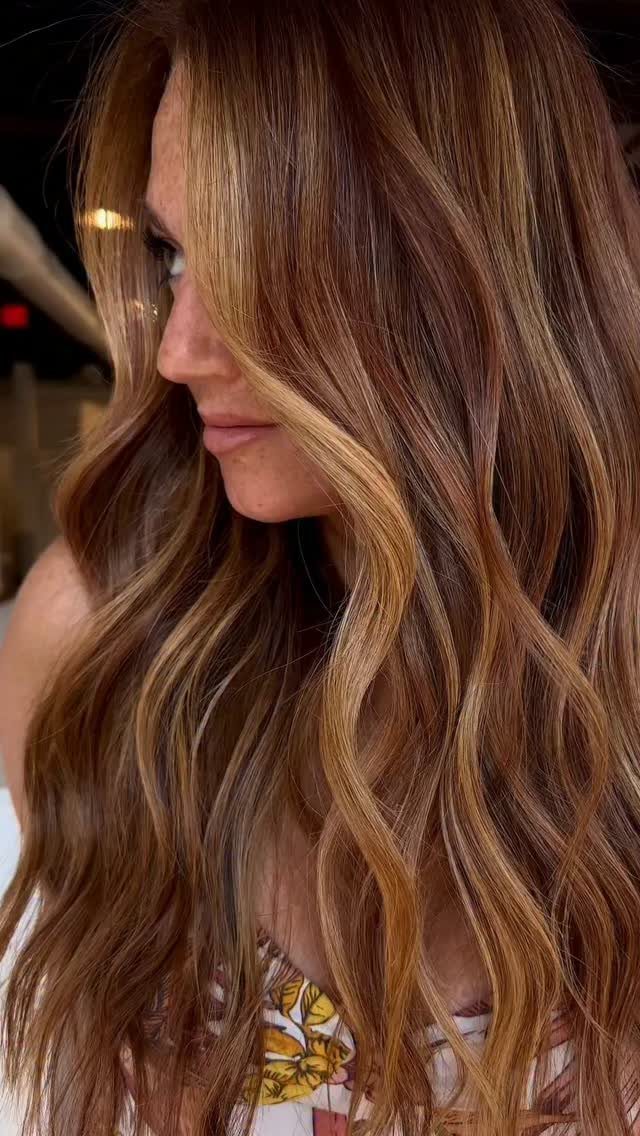
Golden blonde adds warmth without the orange undertones you sometimes get with cheaper highlighting kits. The pieces pick up yellow and amber rather than ash or platinum, and they suit warm skin tones more than cool ones do.
Placement matters here. If the highlights are concentrated around your face and through the top layers, they’ll show up more when your hair is down.
Scattered too evenly, golden blonde loses definition under indoor lighting. I’d ask the colorist to focus them where daylight hits.
5. Ash Blonde Highlights
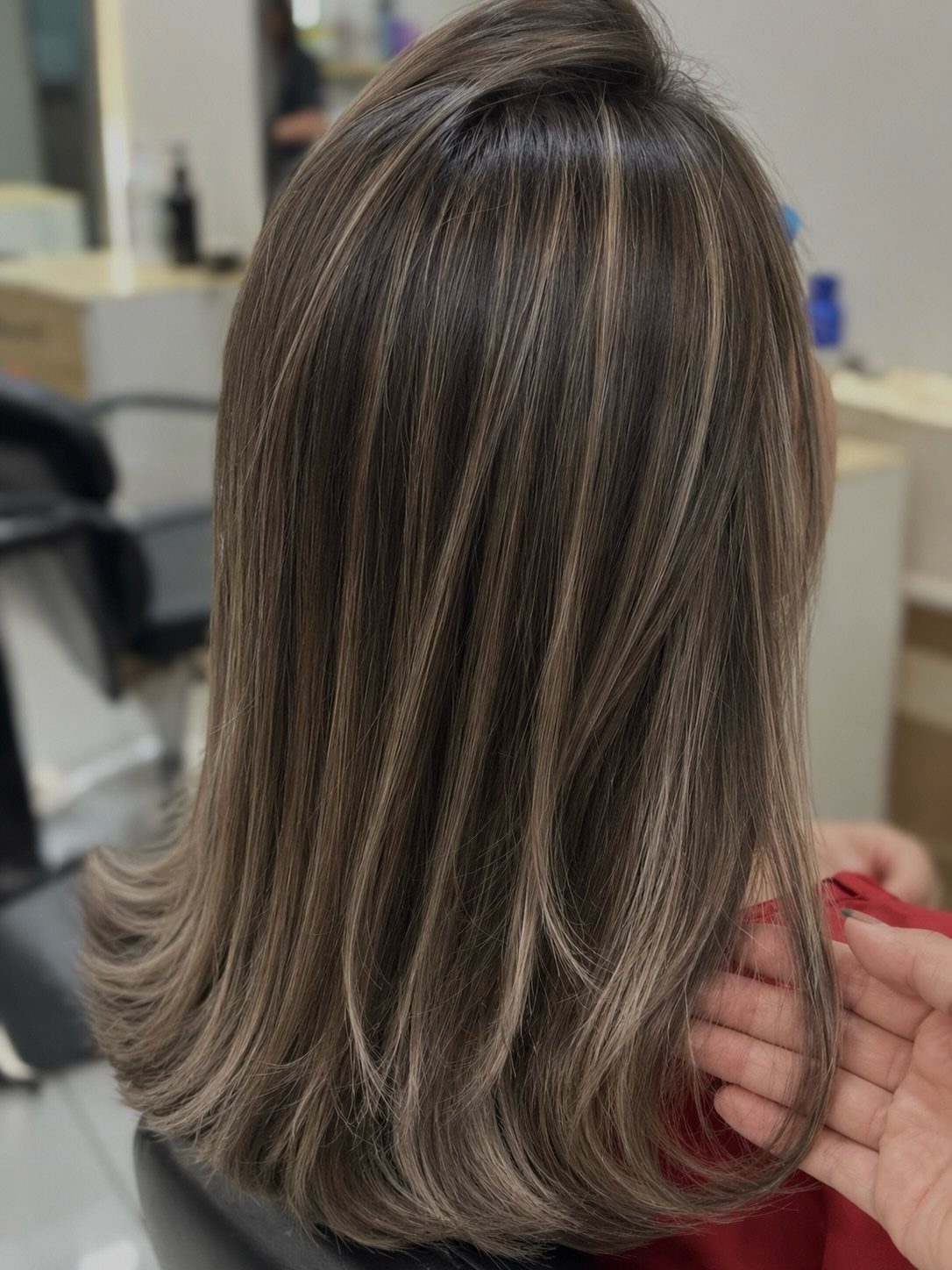
Ash blonde pulls cool and silvery, with no warmth in it at all.
On dark brown hair, that cool tone creates sharper contrast than honey or caramel ever would. It reads modern rather than sun-kissed.
Ash needs more upkeep. Ash blonde fades to a pale beige that can look dull if it sits too long, and dark hair often has red or orange pigment underneath that fights cool tones.
Most stylists will tone ash highlights regularly to keep them from warming up. If your natural base has any red in it, expect the first session to take longer.
6. Honey-Blonde Ribbons
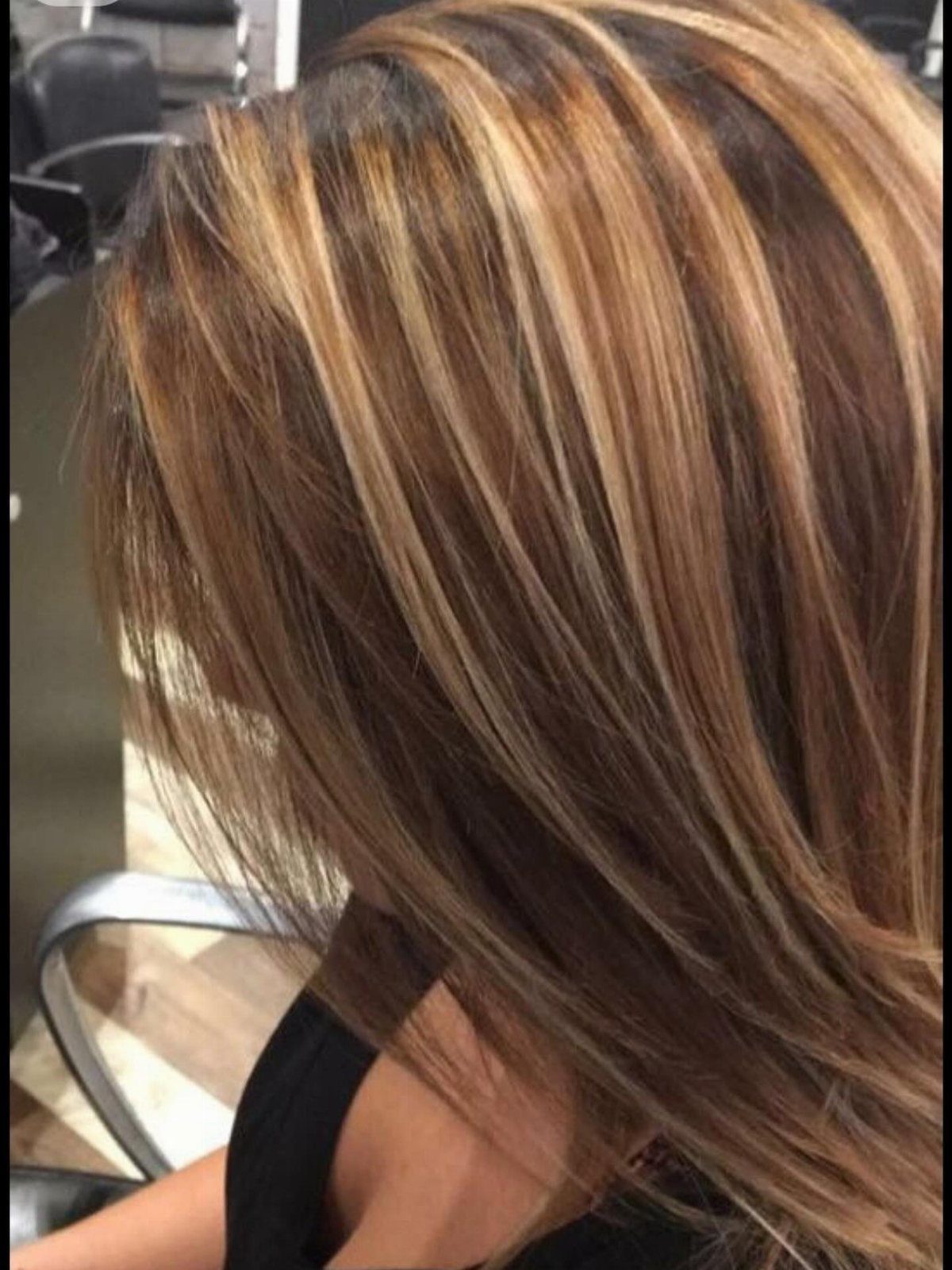
Thick, vertical sections of honey blonde woven through brown hair, each one wider than a standard highlight. They’re painted on rather than foiled, which gives the edges a softer finish than traditional foils would.
The width is what sets ribbons apart from regular highlights. Each piece is chunky enough to see as its own stripe when your hair moves, but the color blends at the edges so it doesn’t look blocky.
If you want dimension without a lot of contrast, this is the version to ask for.
7. Face-Framing Highlights
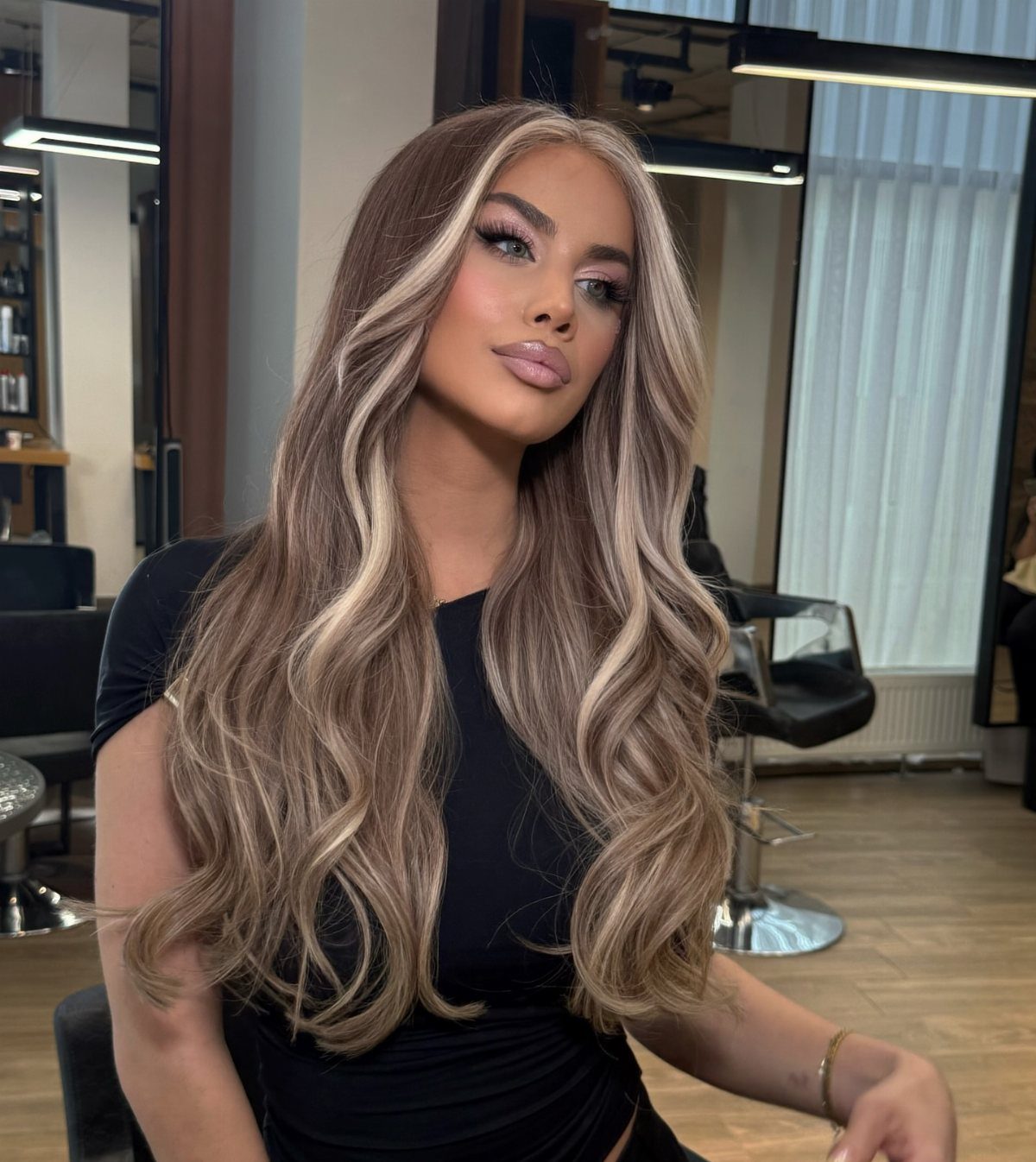
Blonde pieces concentrated around the hairline and temple, leaving the rest of your hair dark. The brightest sections sit where they’ll catch light when you’re facing someone.
If you don’t want blonde all over but still want the lift it gives your face, this is the version that does it.
The stylist only lightens the front, so the appointment is shorter and the cost lower than full highlights. Regrowth at the hairline shows faster than it would further back, so touch-ups come around sooner.
8. Blonde Babylights
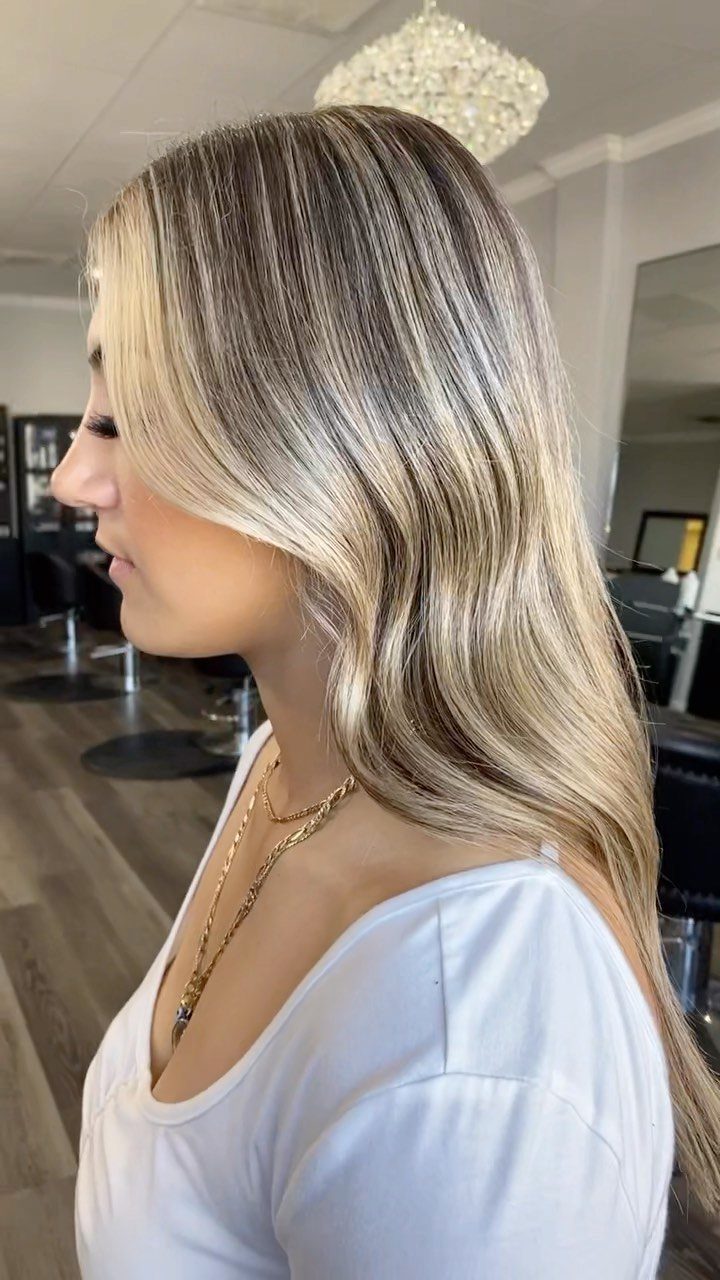
Fine ribbons of blonde, each one narrower than a standard highlight, scattered through dark hair. The pieces are delicate enough that they blur together from a distance and read as a glow rather than distinct stripes.
Because each section is so fine, the application takes longer than regular highlights.
The result is subtle, which makes babylights a good fit if you want dimension without obvious contrast. The fineness also means regrowth is less visible as it grows out.
9. Dimensional Brown Hair
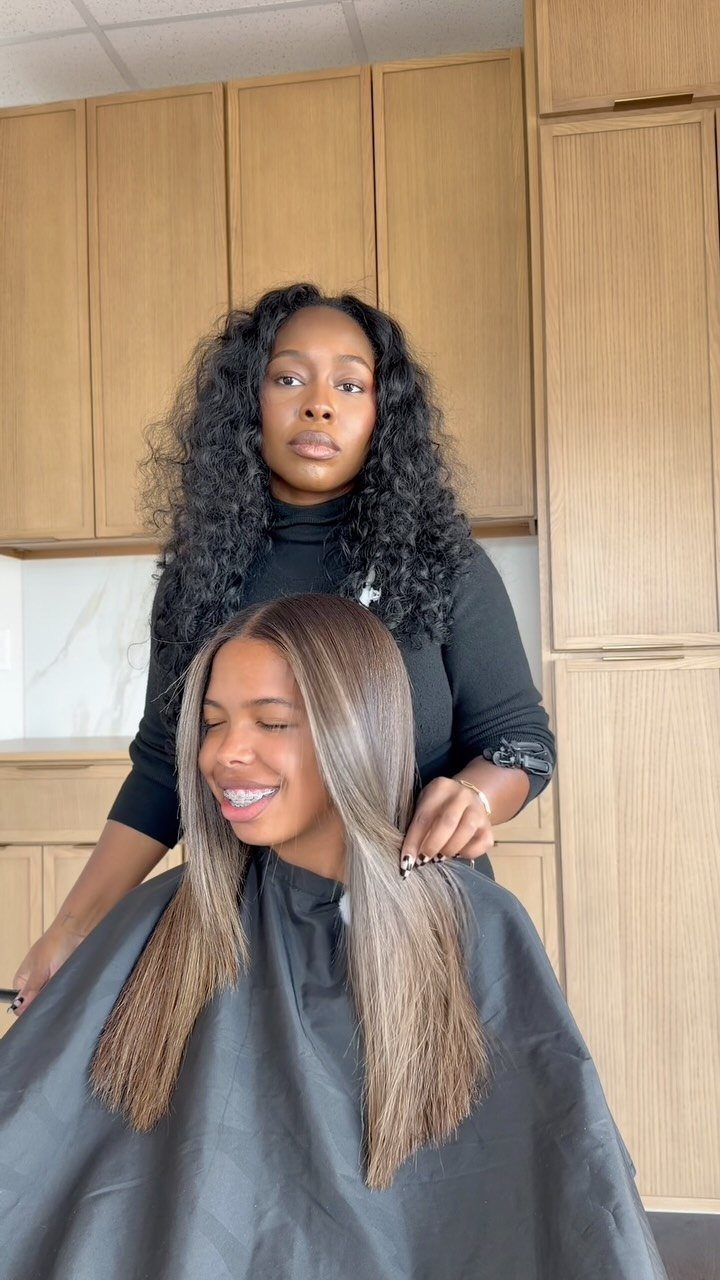
Lighter tones worked through brown hair so it doesn’t sit flat under indoor light.
The lightest pieces often land around the face, where they lift your features the same way face-framing highlights do, but dimension continues through the rest of the hair in smaller, scattered sections.
You’re after movement, not high contrast.
If your hair is one solid color and you want it to look less heavy without committing to obvious blonde, this is the middle option. Blonde around the face keeps it from reading as all-over color correction.
10. Bronde
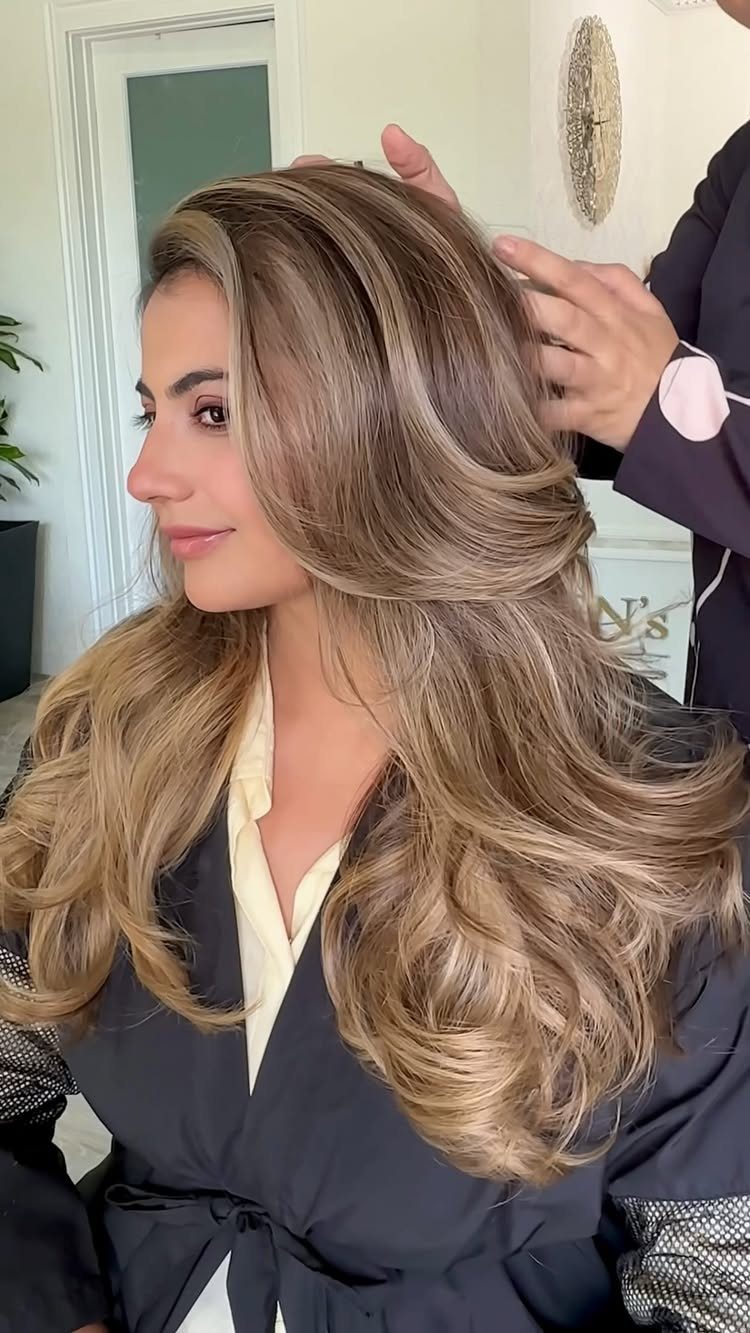
Brown and blonde woven together so neither one dominates. The base stays brunette, but blonde pieces are scattered densely enough that the overall color reads somewhere between the two.
It suits you if you can’t decide whether you want to be blonde or keep your brunette base, because bronde gives you both. The blend softens regrowth lines, so it grows out more gracefully than high-contrast highlights.
The downside is that it can look muddy if the tones aren’t balanced right, so the colorist needs to place enough blonde to keep the brown from swallowing it.
“When a brunette asks for blonde highlights, the aim is to create lightness that feels refined and effortless—not retro,” explains colourist Brigita Latiseviciute from CULt Hairdressing.
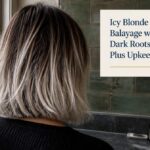
11. Dark Brown Ash Balayage
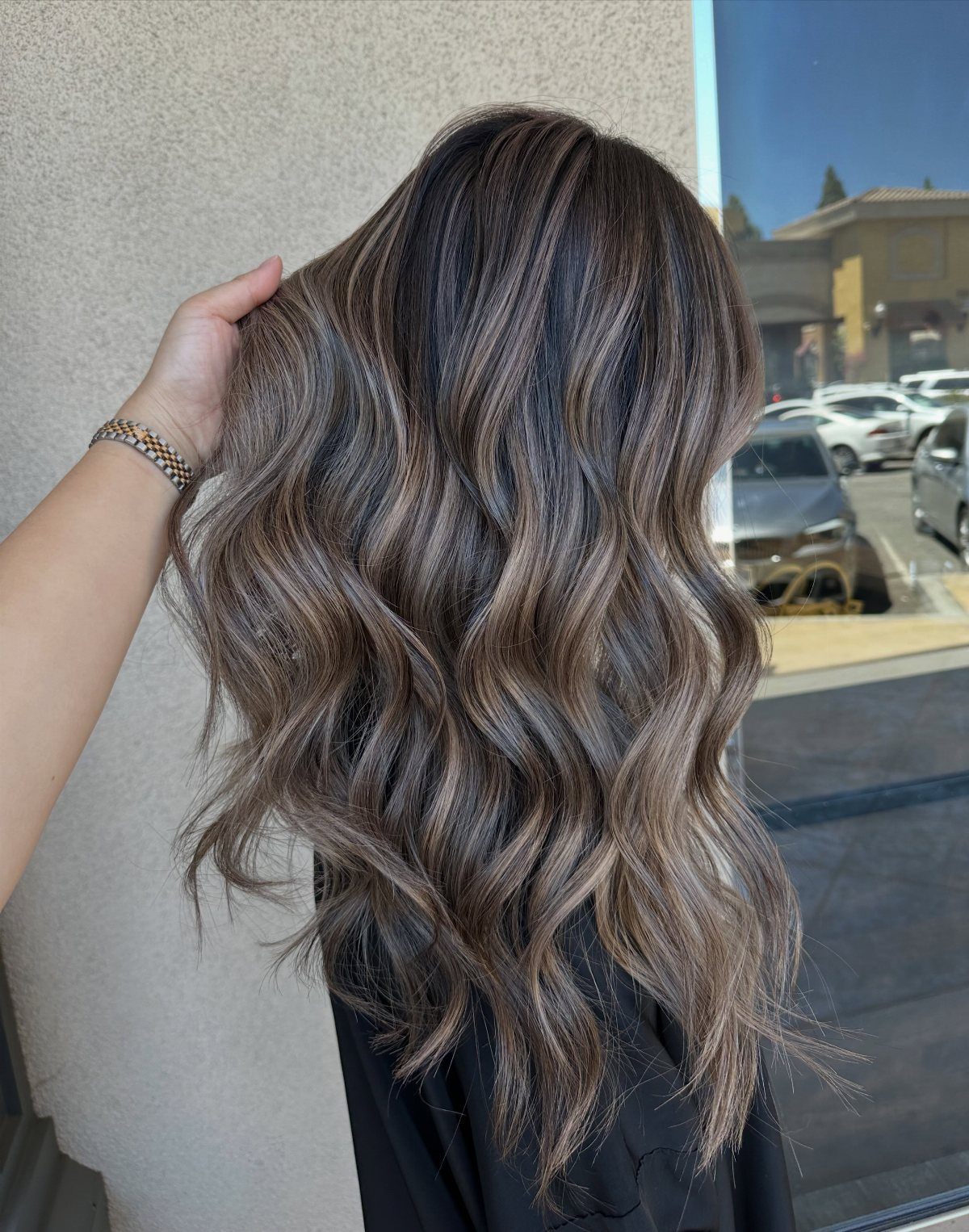
Ash blonde painted onto dark brown hair, concentrated through the mid-lengths and ends rather than starting at the root. Balayage gives you softer edges than foil highlights, and the cool ash tone keeps the blonde from reading warm or brassy.
The root stays untouched, so regrowth isn’t an issue the way it is with highlights that begin at the scalp.
Ash tones fade toward beige over time, so you’ll need toning appointments between color sessions if you want to keep the cool finish sharp.
12. Smoky Brunette Hair
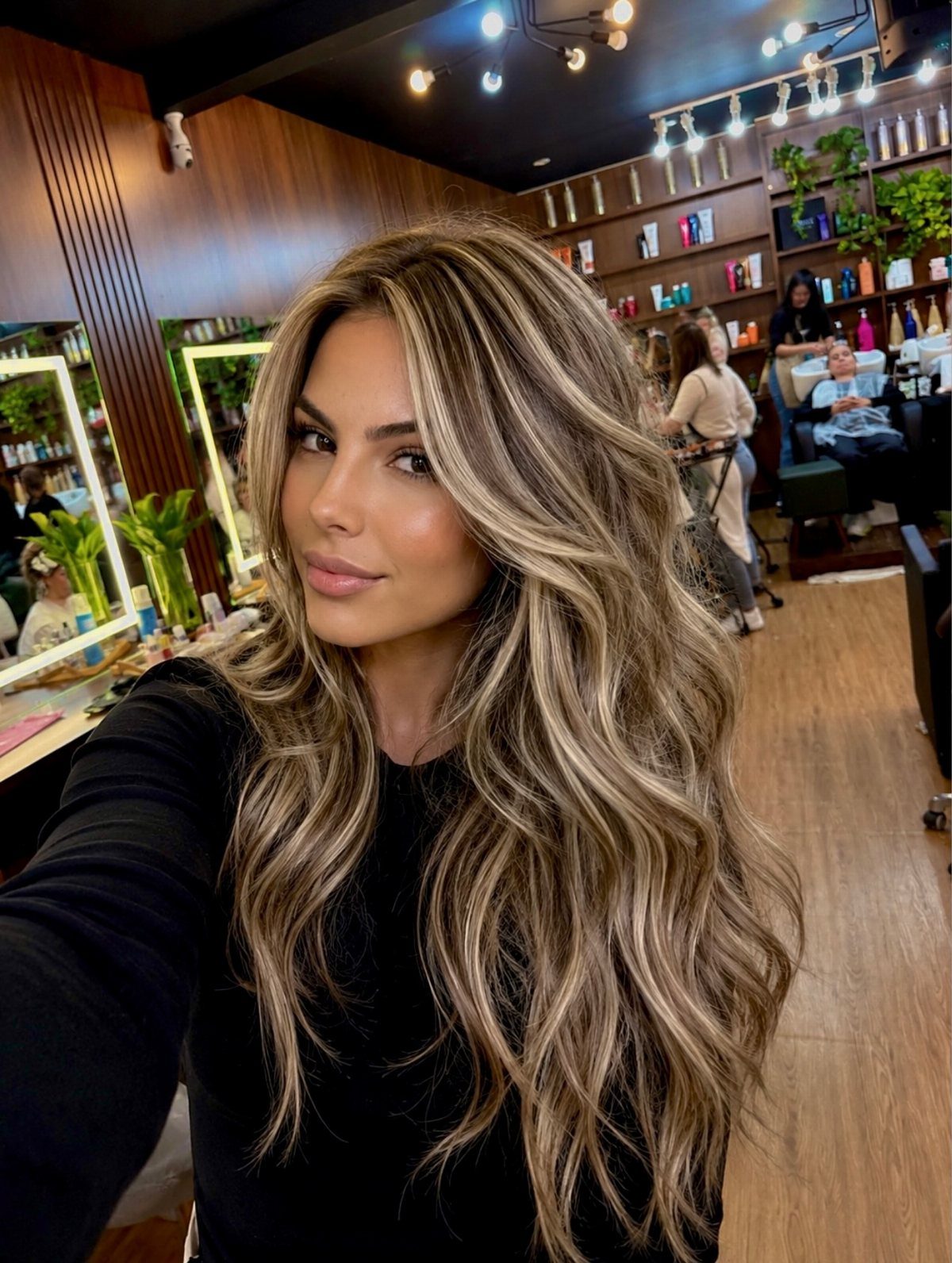
A cool-toned brunette base with ash or silver-toned blonde highlights. The brown itself leans gray rather than warm, which keeps the overall color from pulling red or orange.
Cool skin tones carry this better than warm ones.
If your natural brunette has red undertones, the colorist will need to lift and tone them out before the smoky finish will hold. The upside is that smoky brown looks polished under indoor lighting, where warmer browns can look flat.
13. Sandy Brown with Ash Blonde Highlights
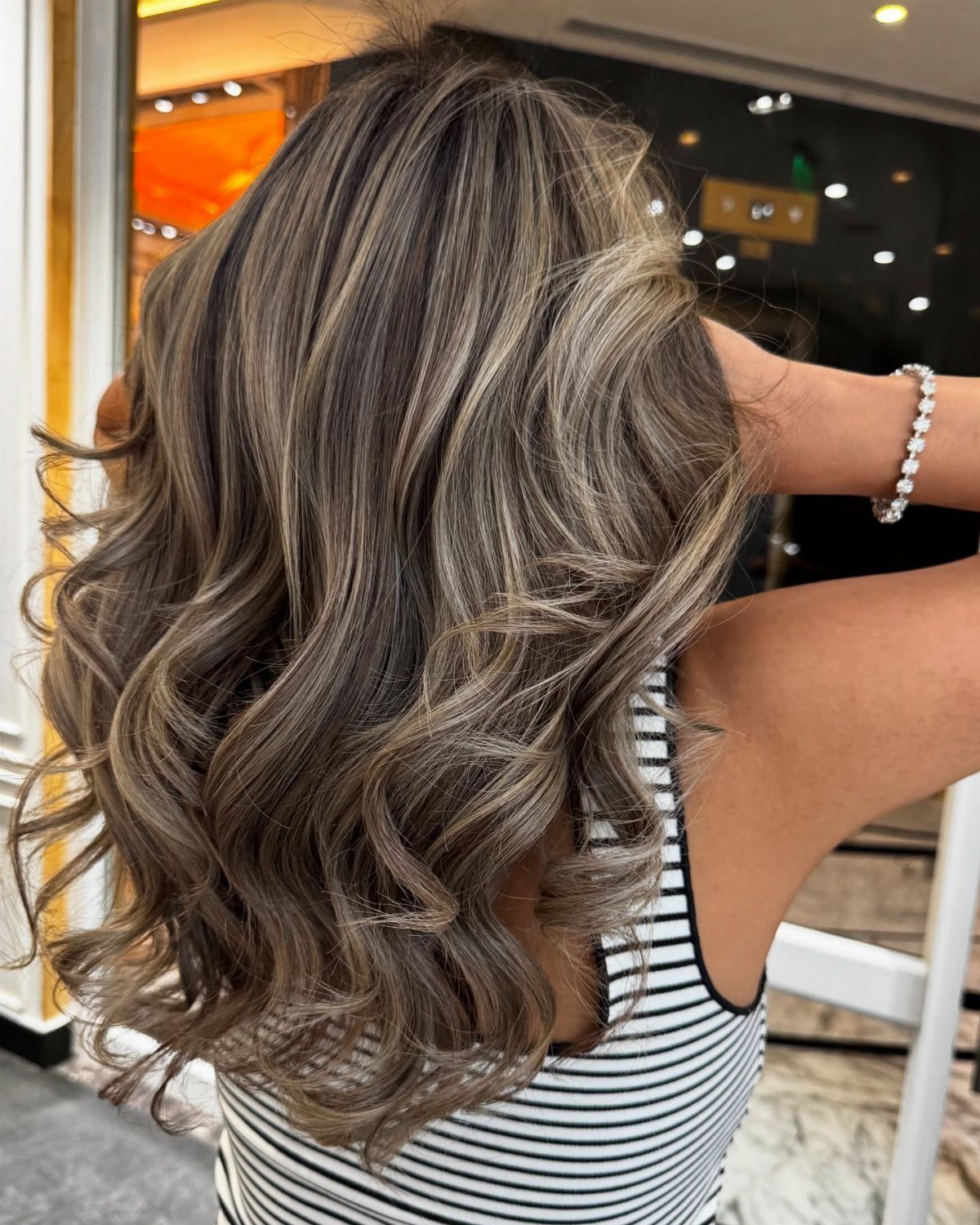
Sandy brown sits one shade darker than blonde, and ash highlights close that gap without warmth. The cool blonde pieces keep the base from looking brassy, which matters if your sandy brown has any red or gold running through it.
This is a gentler shift than going straight to platinum, and the root blend is easier to manage because sandy brown and ash blonde share the same temperature.
If you’re moving toward blonde but don’t want to start with high contrast, this gets you most of the way there.
14. Textured Highlighted Layers
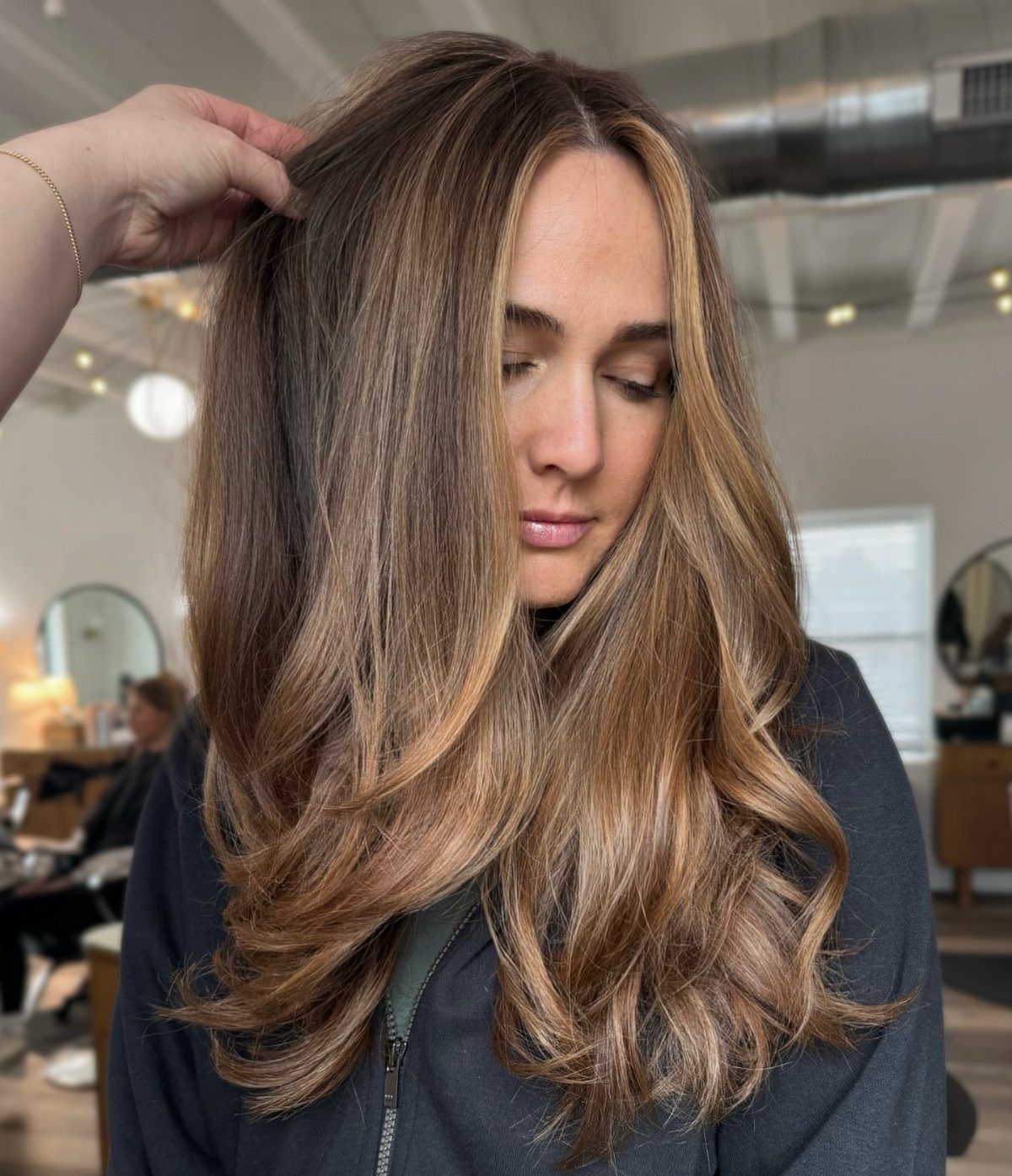
Layers cut into textured waves let highlights show through the movement rather than sitting flat. The pieces catch light differently depending on how the hair bends, so you get more dimension without needing dense color placement.
Choppy layers work better here than blunt-cut lengths.
The unevenness breaks up the blonde so it doesn’t stripe, and shorter pieces around the face lift your features the same way face-framing highlights do. If your hair holds a wave naturally, the texture will do half the work.
15. Light Caramel Balayage
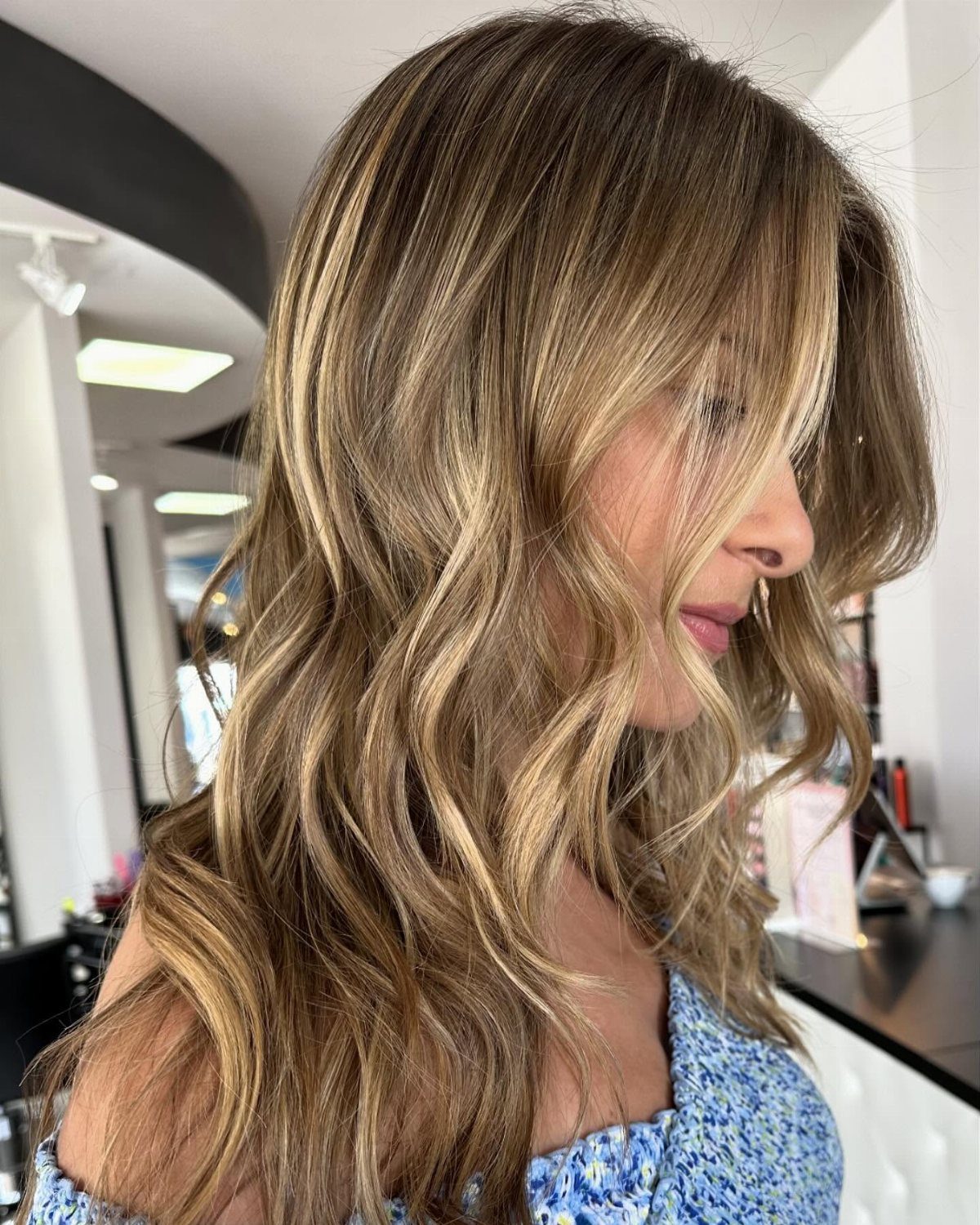
Light caramel leans warmer than honey, with a reddish undertone that softens dark brown without looking orange. The color shifts depending on the light: under direct sun you get amber and copper, indoors it reads closer to toffee.
The warmth suits medium to warm skin tones better than cool ones. If your base has natural red in it, caramel will blend more smoothly than ash or cool blonde would.
Balayage placement keeps the roots dark, so regrowth stays subtle and you can stretch appointments longer than you would with foil highlights.
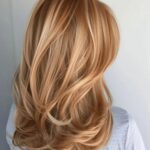
16. California Blonde
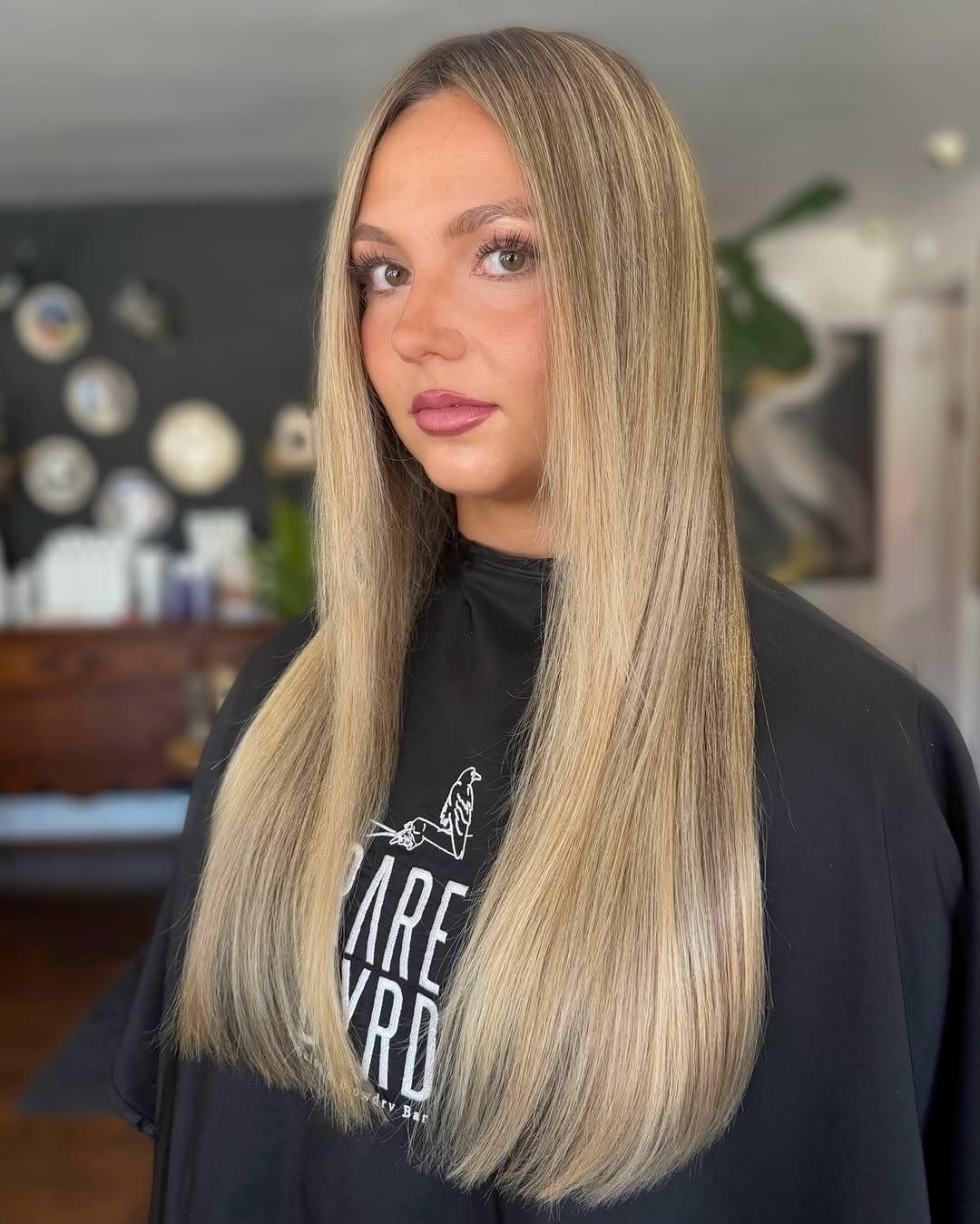
Blonde pieces scattered through a light brown base, dense enough that the overall color reads as blonde with brown lowlights rather than brunette with highlights.
The blend is soft, and the contrast stays low so it looks like sun exposure rather than salon work.
Jennifer Aniston made this the reference point for California blonde on brunettes, and it still holds.
Keep the blonde pieces warm enough that they don’t turn ash, but stop before you hit platinum. Fine pieces blend into the base color better than thick chunks, so you get an overall lift instead of stripes.
17. Caramel Highlights
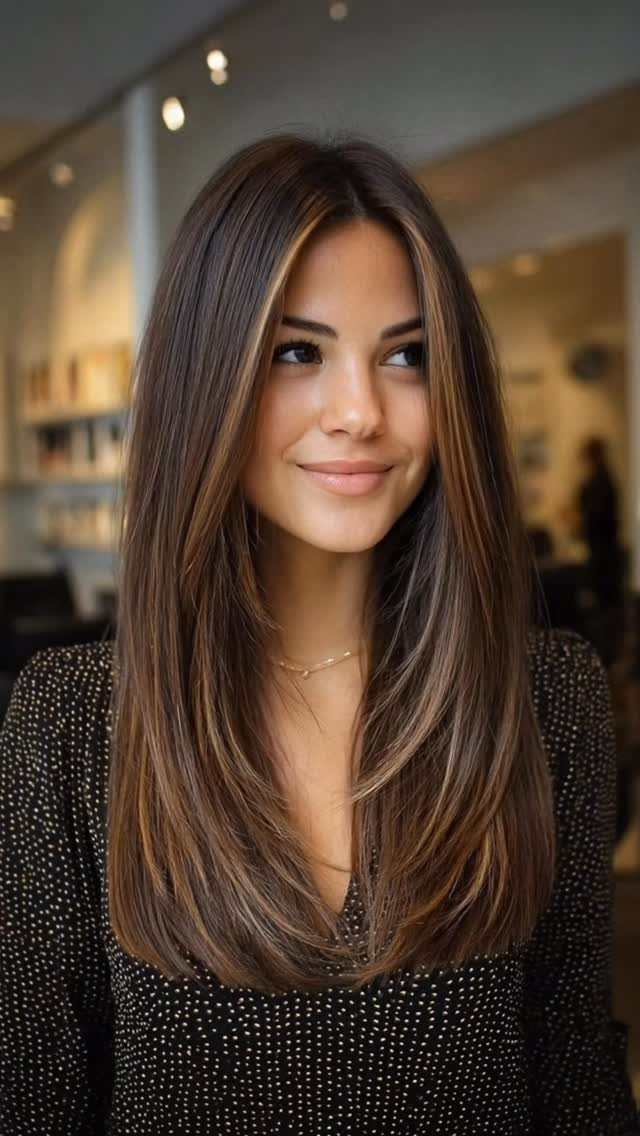
Caramel lands between honey and golden blonde, warm enough to lift brown hair without jumping off the base. Scattered through brunette lengths, the pieces add richness rather than brightness.
The tone works on most skin tones because it doesn’t pull cool or brassy.
If you want warmth but honey feels too light, caramel gives you the same effect with less contrast. It fades gracefully, softening toward a lighter brown rather than going dull, which buys you time between touch-ups.
18. Dirty Blonde
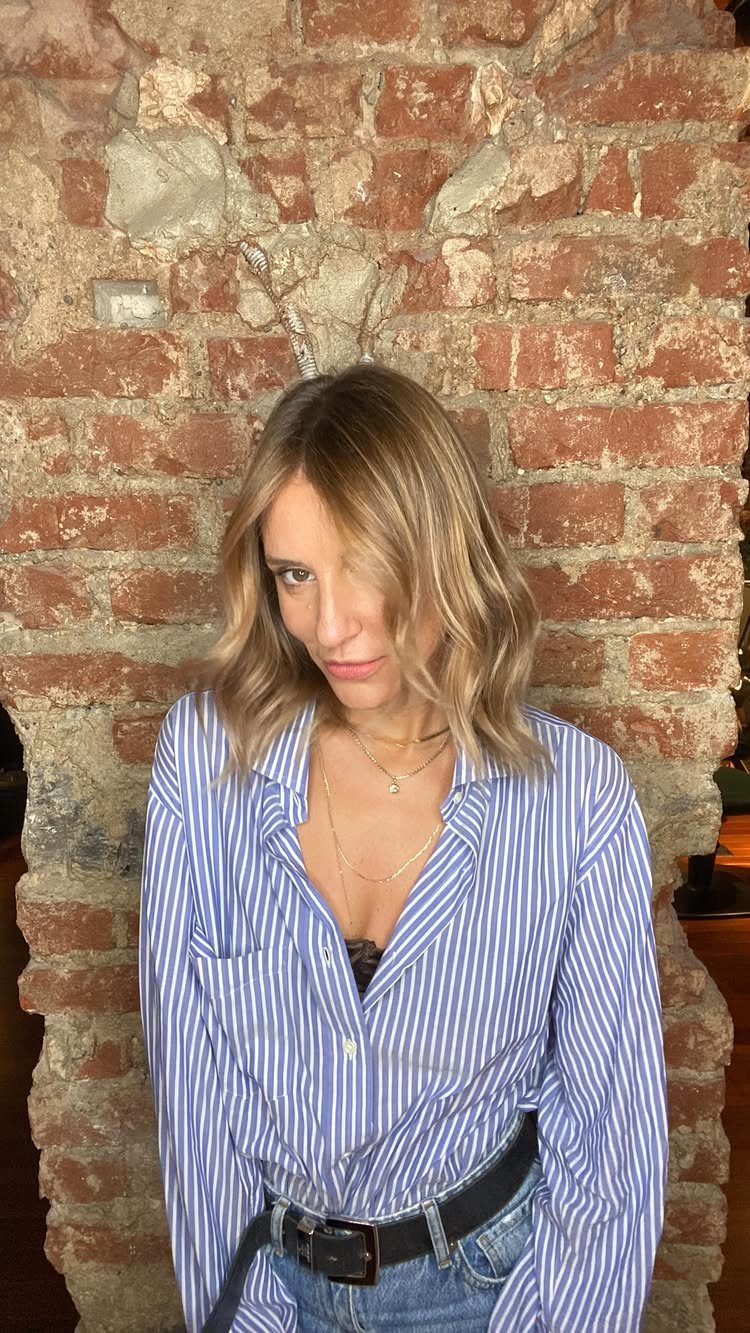
Dirty blonde starts with a brown or dark blonde base and adds lighter blonde through the lengths, stopping short of full blonde. The result sits between brunette and blonde, with visible roots that read as intentional rather than grown out.
The darker root keeps maintenance lower, and the lighter ends give you the lift blonde brings without the upkeep platinum demands.
19. Caramel Midlights
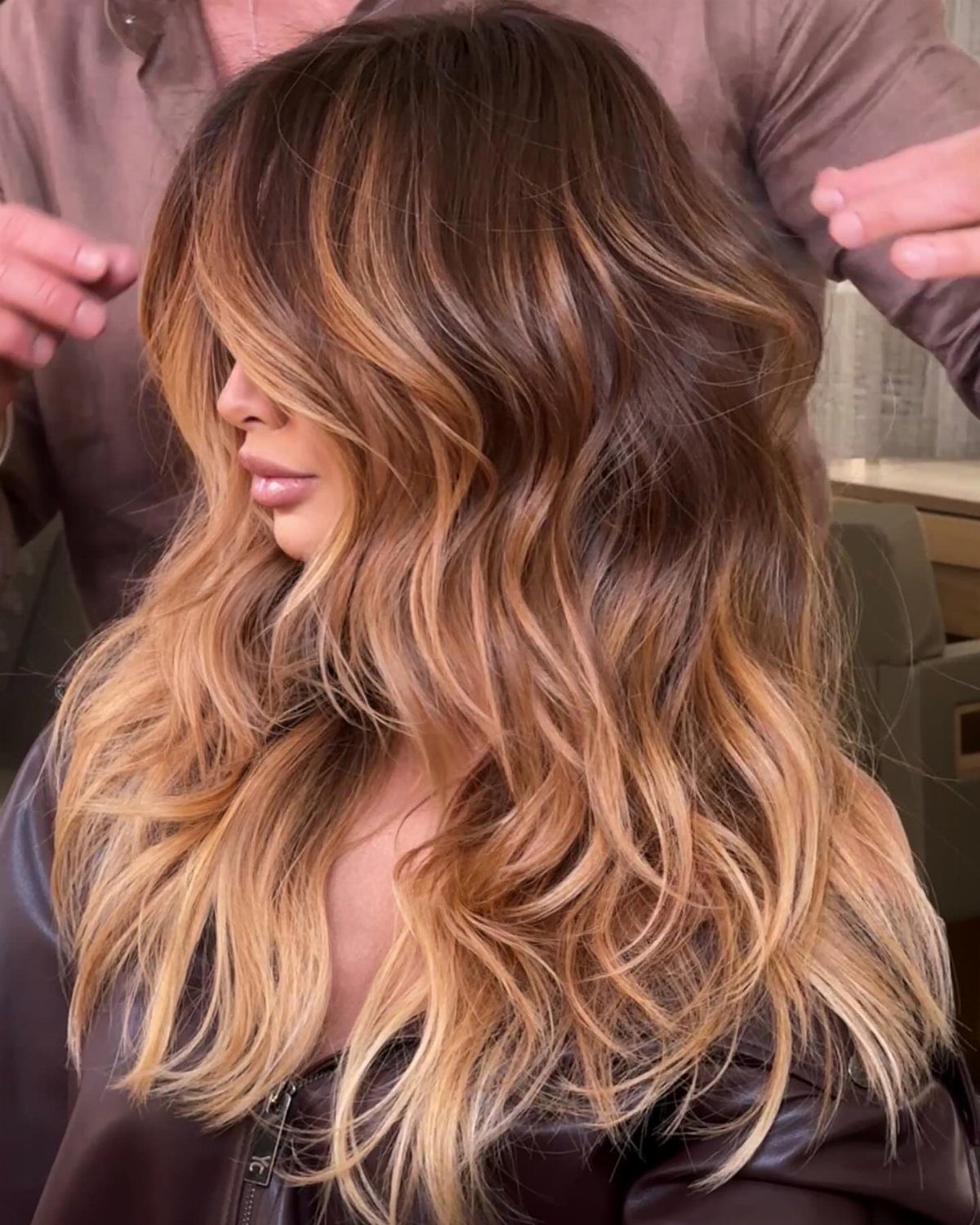
Caramel sits between the highlights and the base, filling the gap so the color doesn’t jump from dark to light in one step. Instead of stopping at two tones, you get three.
The middle shade softens the transition and gives you more depth than straight highlights would. If your base is very dark and you want blonde pieces without harsh lines, the caramel layer does the blending work.
It also means the colorist can place fewer bright highlights and still get dimension, which cuts down on the time spent lightening.
20. Sand Reverse Balayage
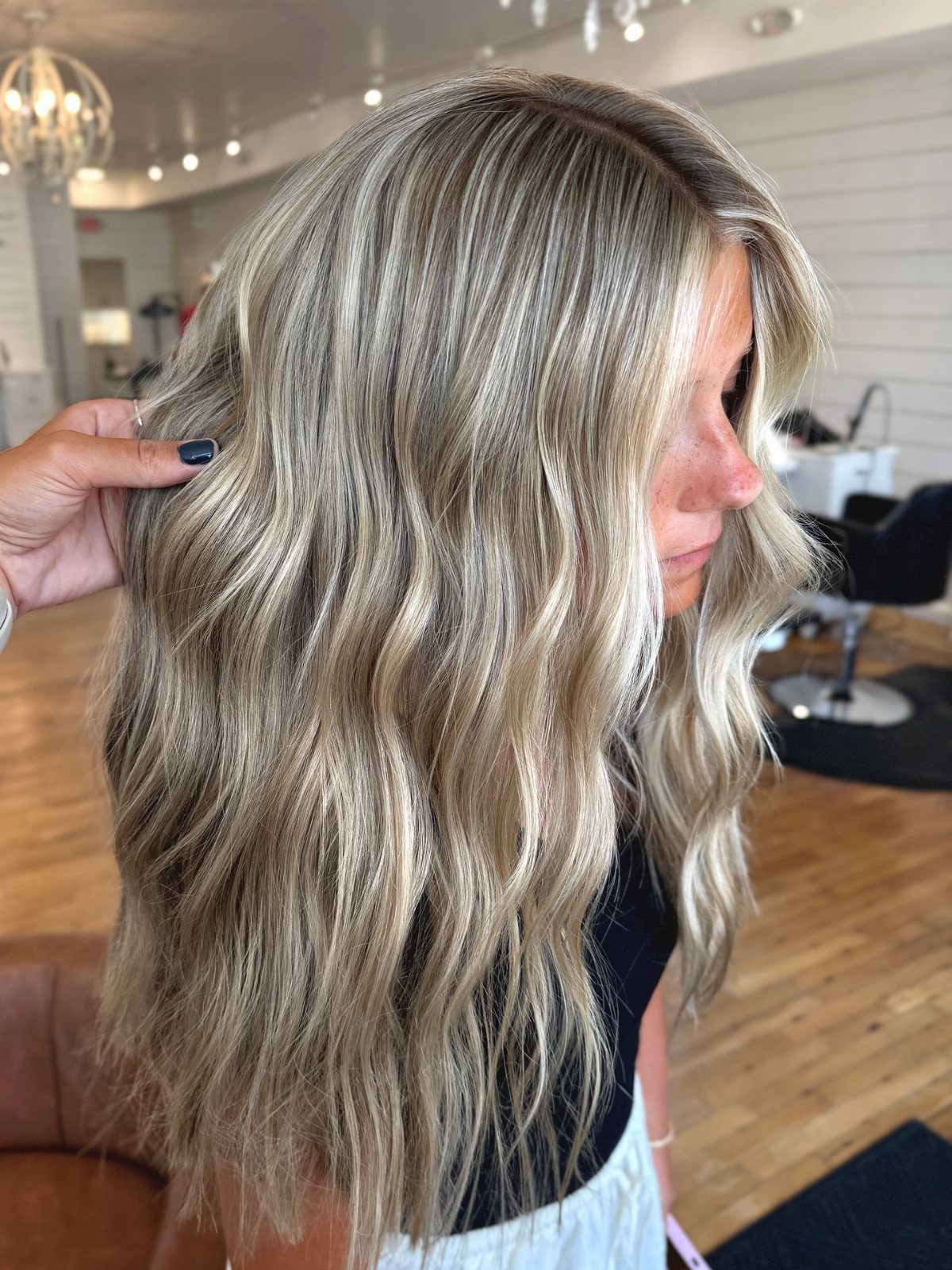
The stylist paints darker color back into blonde or lightened hair, concentrating it near the roots and scattering it through the lengths. Instead of lifting dark hair toward blonde, reverse balayage brings depth back to hair that’s already light.
It works if your blonde has turned too pale or flat and you want a more natural root shadow without letting regrowth take over.
The darker pieces anchor the blonde and give you dimension without another round of bleach. Sand tones keep it cool and neutral rather than warm.
21. Dark Chocolate Foilayage
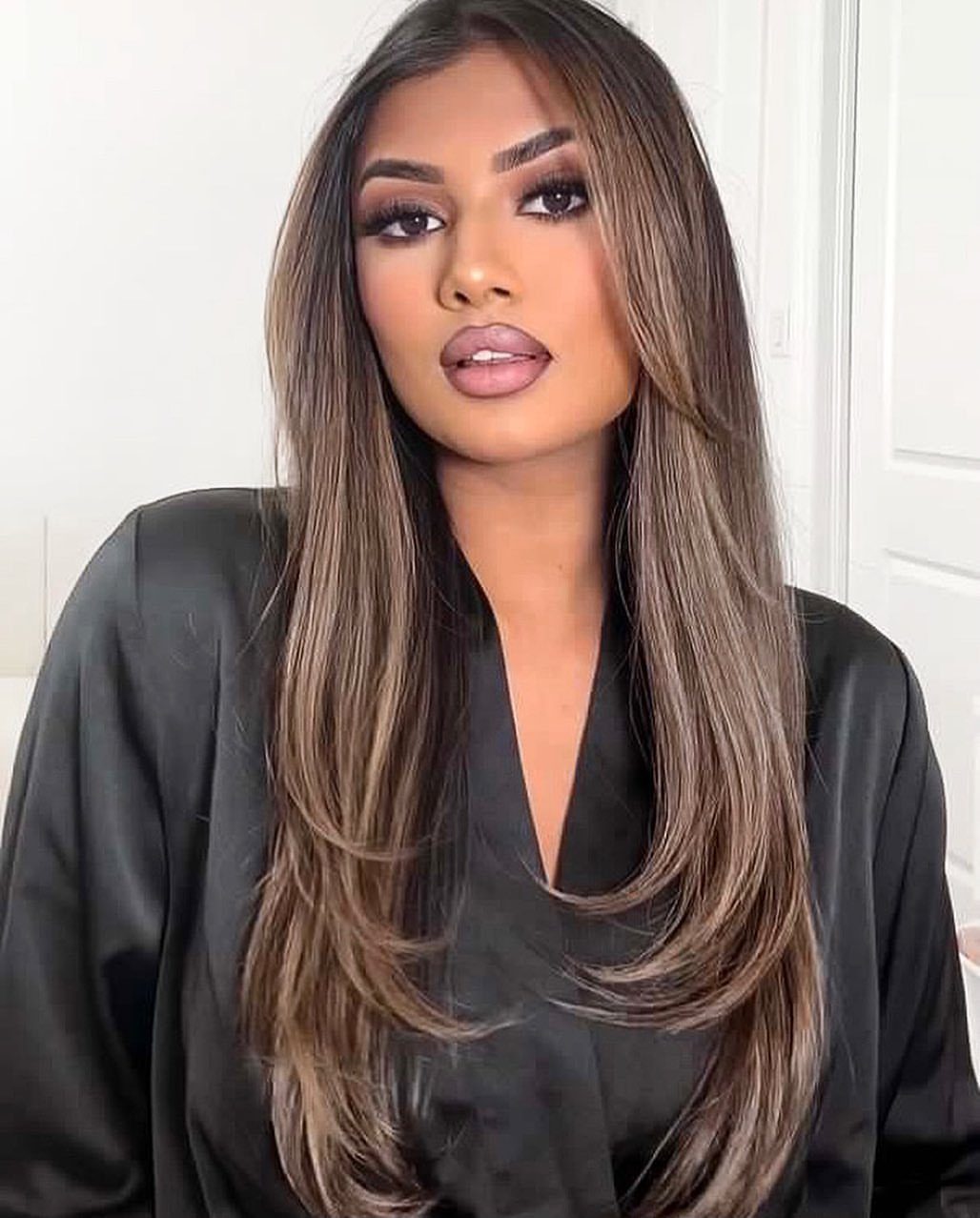
Foilayage combines foil and balayage: the colorist paints blonde onto dark hair and wraps sections in foil to lift them faster, then blends the edges by hand.
Paired with a dark chocolate base, the honey pieces warm up the brown without pulling orange.
The foil gives you more lift than open-air balayage would, so the blonde shows up brighter against the deep base.
If your hair is very dark and you want visible honey highlights in one session, foilayage cuts the processing time down.
22. Highlighted Dirty Blonde
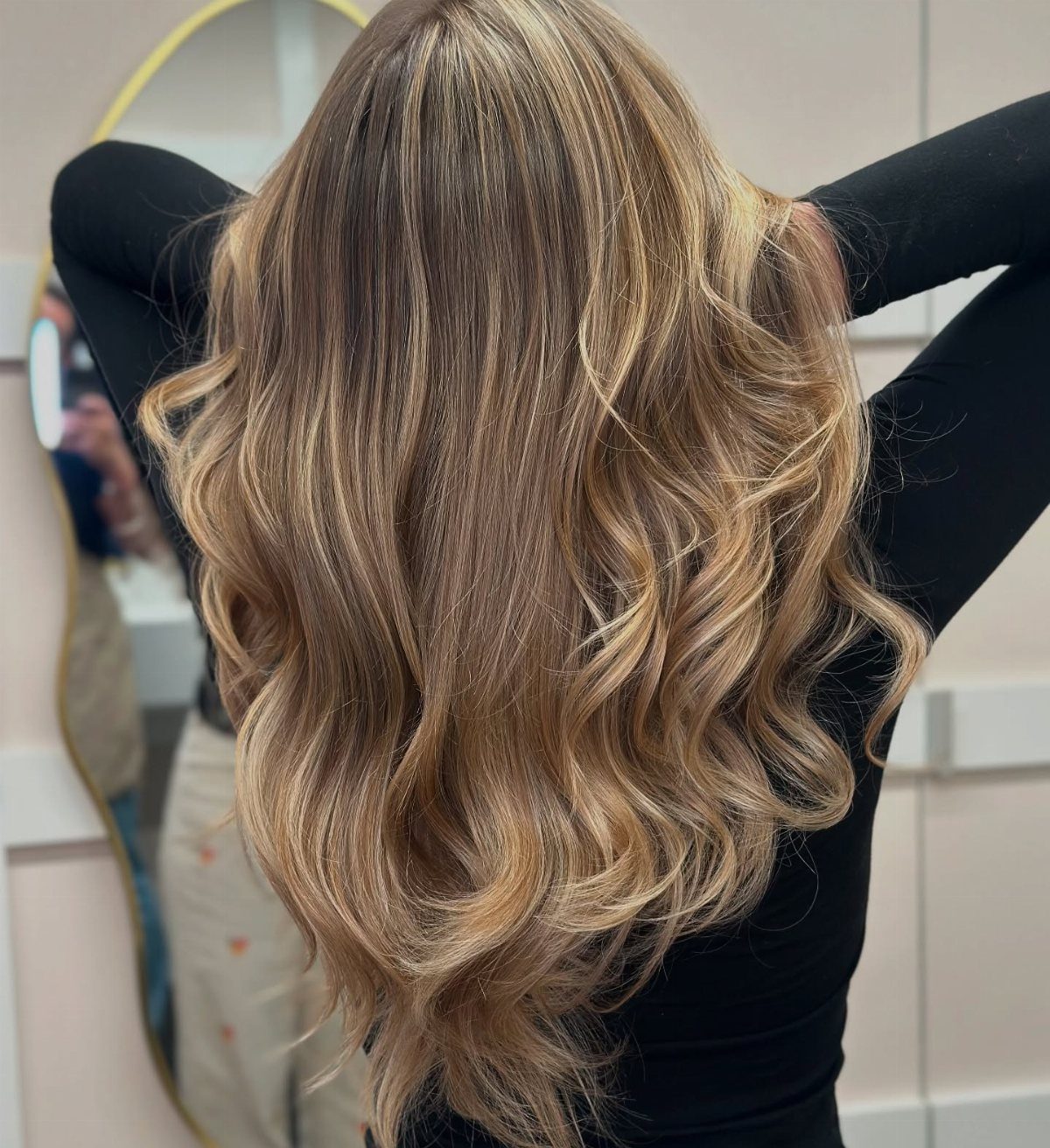
The alternating temperature keeps the blonde from reading flat or one-note. The mix keeps the blonde from looking flat, because warm pieces read golden under direct light and cool pieces balance them out indoors.
If you want dirty blonde with more movement, the dual-tone highlights give you that without adding a third color.
The contrast between warm and cool is subtle, so the blend stays soft and regrowth doesn’t announce itself the way it would with a single bright tone.
23. Dark Creamy Blonde
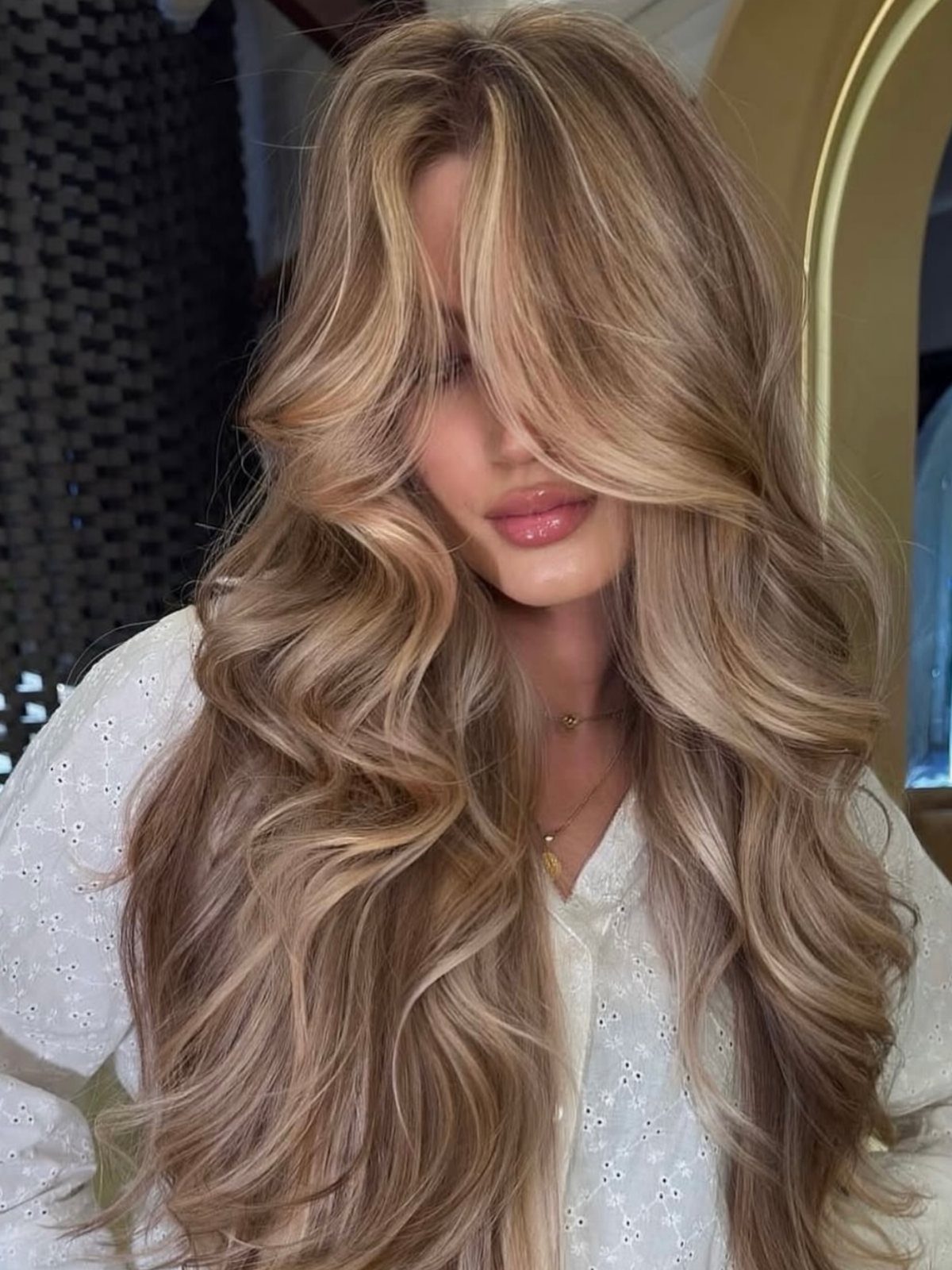
Creamy blonde leans warm without pulling gold or brass, and painted through a dark blonde base it softens the contrast between root and highlight. The tone reads buttery rather than ash or platinum.
This works when your starting color sits close enough to blonde that the foils can get there without a long processing time.
The warmth keeps the color from looking icy, and because the base and the highlights sit close in value, regrowth blends in rather than creating a hard line.
24. Dimensional Blonde Balayage Locks
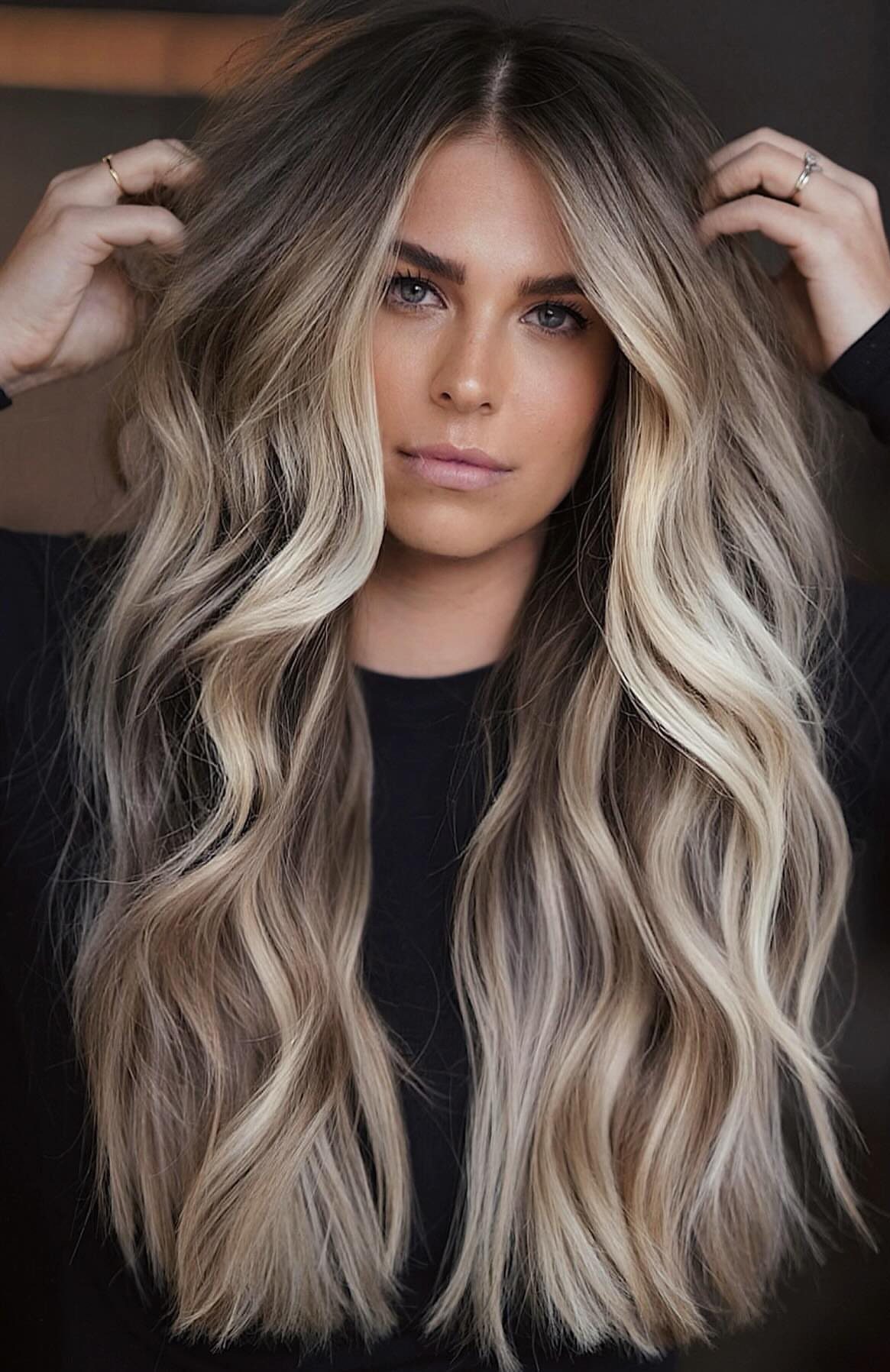
Ash-blonde pieces painted onto darker hair in a way that gives you tonal variation rather than solid stripes.
The balayage technique keeps the roots untouched, and the scattered placement means the blonde shows up differently depending on how the hair falls.
The dimension comes from varying how much blonde sits in each section. Some pieces are lifted fully to ash, others stay closer to the base, and the mix keeps the color from reading flat.
If your hair has natural wave or texture, the blonde will catch light through the movement and give you more depth than a single-process color would.
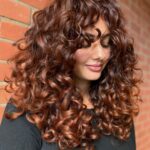
25. Natural Curls with Blonde Highlights
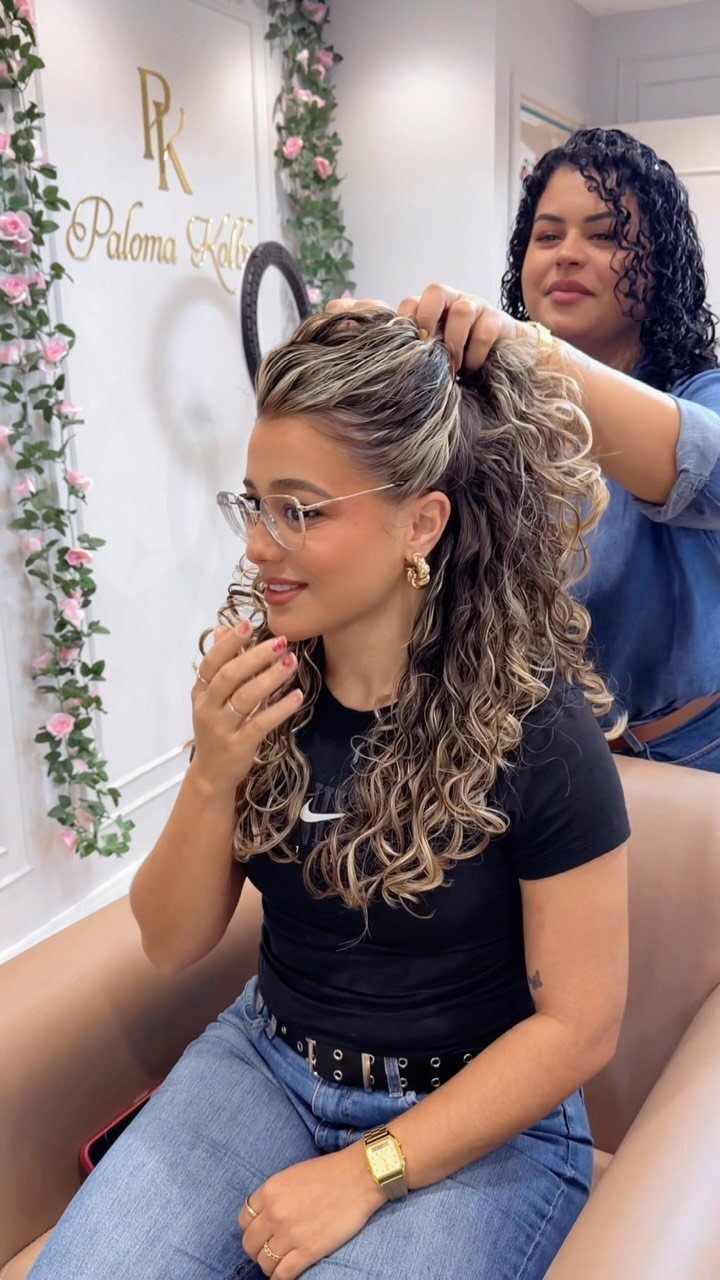
Curls show off blonde highlights better than straight hair because the spiral shape catches light at different angles.
Each curl turns the blonde piece visible, then hides it again as the hair moves, so you get dimension without needing heavy color placement.
Blonde sits on the outer edge of the curl where light hits first, which means the colorist doesn’t need to saturate every section.
If your curls are tight, fewer highlights give you the same impact that loose waves would need more color to achieve.
26. Gradient Highlights
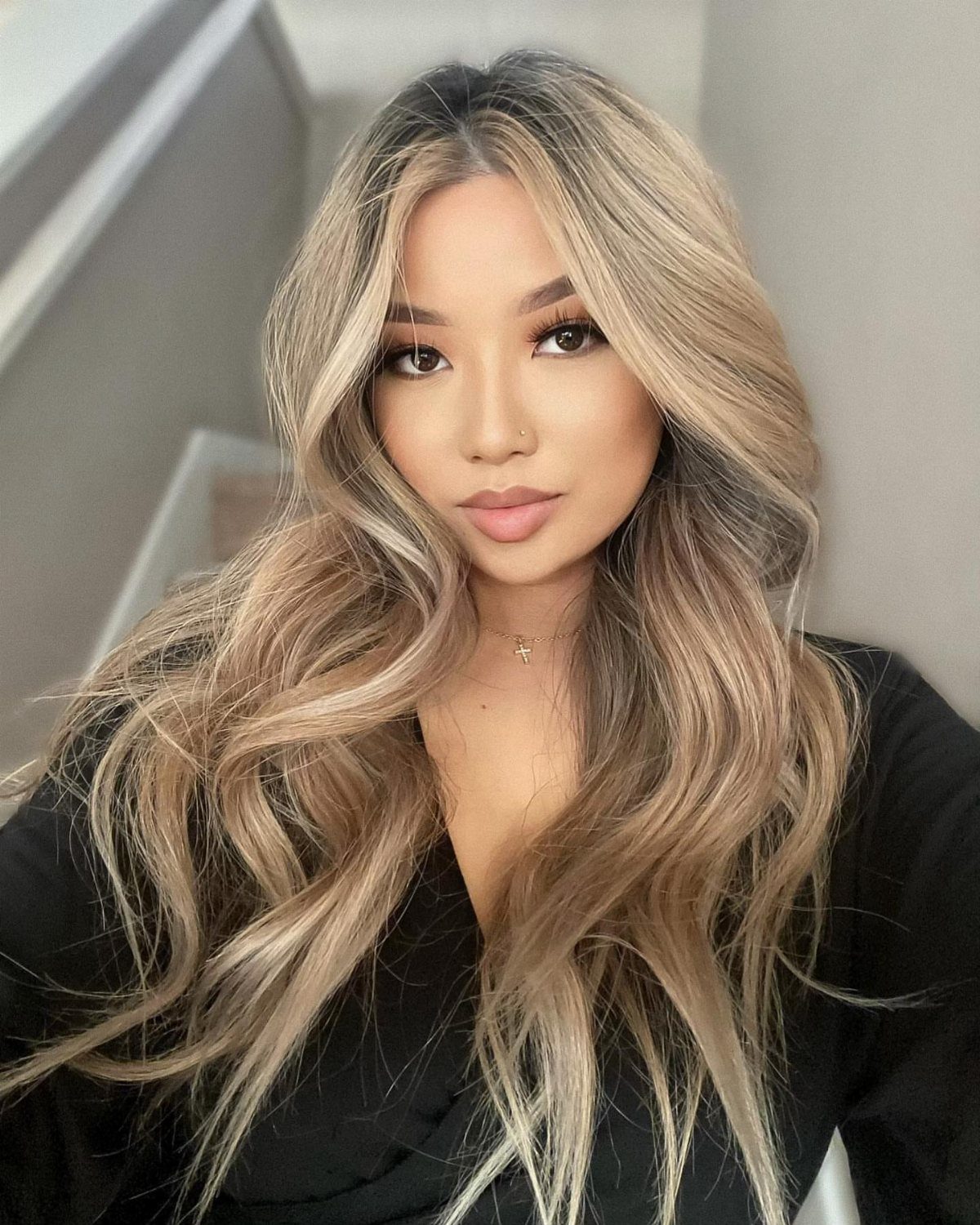
3 shades of blonde layered from root to end, starting with honey near the base and lightening through butter to icy blonde at the tips.
The gradient keeps the transition smooth so you don’t see where one tone stops and the next begins.
Regrowth blends itself out as the honey at the root holds close to your natural color, while the lighter ends deliver the brightness you’re after.
If you want blonde but can’t decide between warm and cool, the gradient lets you carry both.
27. Cool Silver Highlights
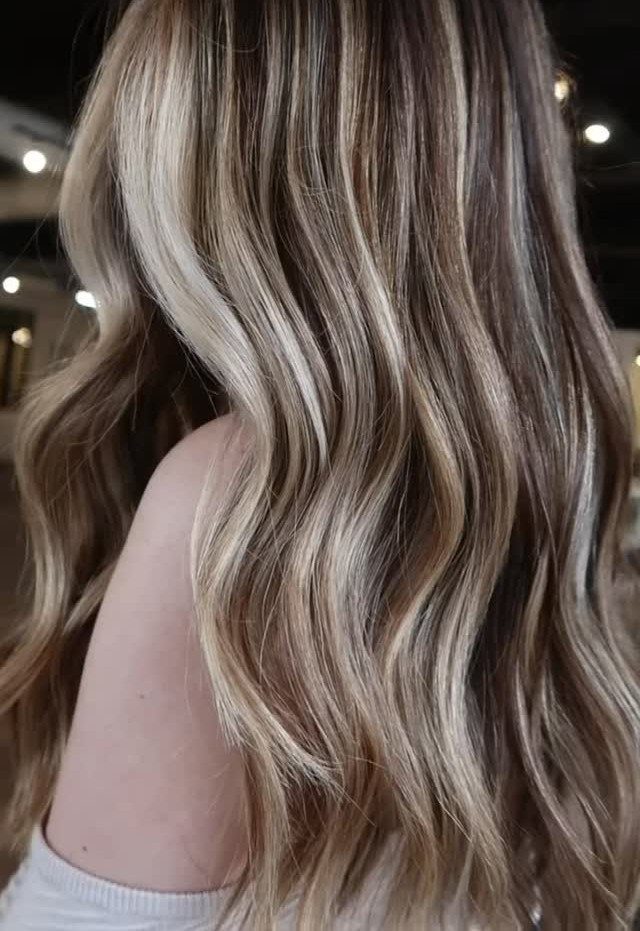
Silver-toned blonde painted through brunette lengths, leaning fully cool without warmth or gold. The contrast is high, so the silver reads sharp against the dark base rather than blending into it.
Any underlying warmth in your base has to be neutralized first, or the silver will pick up brass and fade fast.
The upside is that silver highlights don’t fade toward brass the way warm blonde does, so the color stays truer between appointments.
28. Platinum Streaks
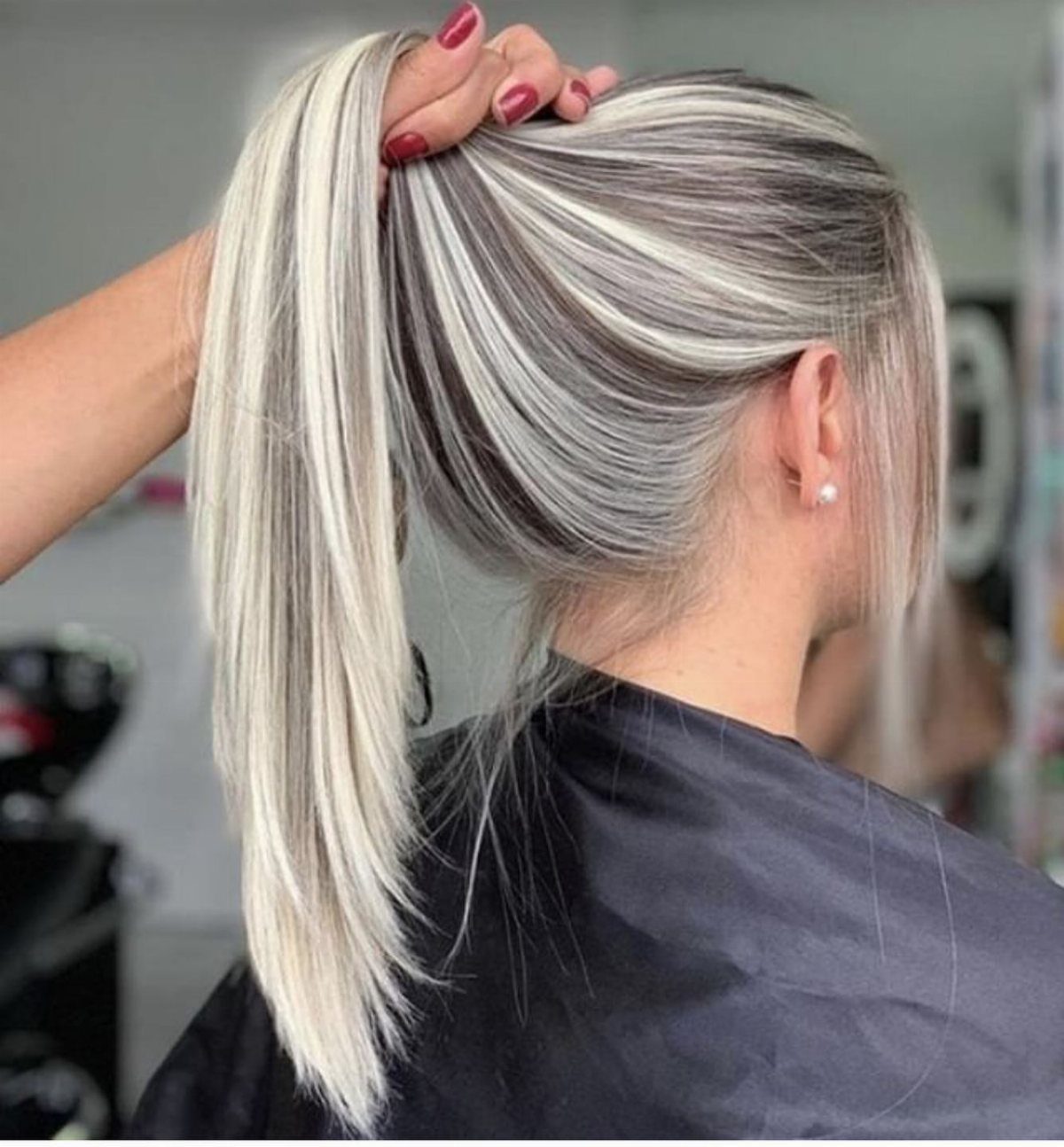
Broad platinum sections painted through dark ash-brown, wide enough that each streak reads as its own panel of color rather than scattered highlights. The contrast is deliberate, and the placement is bold rather than blended.
This works if you want blonde that announces itself instead of mimicking sun exposure.
The thick streaks mean fewer foils than scattered highlights would need, but the lift to platinum takes longer than honey or caramel would. Ash-brown keeps the base cool so the platinum doesn’t look jarring next to warm brunette.
Coloring Technique and Upkeep
Foil highlights are applied from the root, so they lift the hair brighter and more uniformly than balayage, but you’ll see a hard line of regrowth within 4 to 6 weeks. That means more frequent appointments.
Balayage highlights give you brightness without the maintenance full foils demand.
For scheduling, plan on salon visits every 4 to 6 weeks if you’re doing highlights, every 3 to 4 months if you’re doing balayage.
At-home Color Care
Switch to color-safe shampoo and conditioner, and make sure they’re professional-grade rather than drugstore formulas. The difference shows up in how long the tone holds before it starts shifting.
Schedule toning appointments at the salon to keep blonde highlights from turning brassy. I use a blue-toned shampoo every few washes to stop the warm tones in highlighted brunette hair from shifting too brassy.
Bleached highlights need a deep conditioning mask weekly to keep the mid-lengths from snapping. Bleach always causes some damage, and the mask keeps the lightened pieces from drying out or breaking off as they grow.
The color-safe products matter more than you’d think. Regular shampoo strips tone faster, and once brassiness sets in, you can’t fix it at home.
Frequently Asked Questions
Do blonde highlights look good on dark hair?
Yes, blonde highlights create contrast and dimension on dark hair, and you have dozens of warm and cool tones to choose from.
How often you want to sit in the salon chair matters just as much as your skin tone, because the lighter you go, the more frequently you’ll be back for toning and root work.
What are the trendy blonde highlights for 2026?
Right now, buttery golden tones and barely-there placement are having a moment, plus anything that reads differently under natural light versus indoor lighting. The focus is on soft, blended tones rather than high-contrast platinum or icy blonde.
What are the best blonde highlights for brunettes?
Honey, caramel, and golden blonde work well for warm skin tones, while ash and silver suit cooler complexions.
What color highlights look good on brown hair?
Brunettes can pull off honey, caramel, champagne blonde, or even ash blonde, depending on what suits your coloring.
Your best option depends on whether your skin leans warm or cool, how bold you want the result to look, and how many weeks you’re happy to go between appointments.