They add depth by sitting a few shades darker than the rest of your hair, which stops blonde from looking flat under indoor light.
Match the tone: cool ash blondes need ash brown or taupe, and anything with gold or honey in it calls for a warmer caramel or chestnut lowlight.
Go more than 2 or 3 shades darker and you risk it looking muddy, particularly on very light platinum bases where contrast shows fast.
Plan for salon visits every 6 to 8 weeks, and use purple shampoo once or twice a week to keep the blonde from going brassy between appointments.
1. Platinum Hair with Ash Lowlights
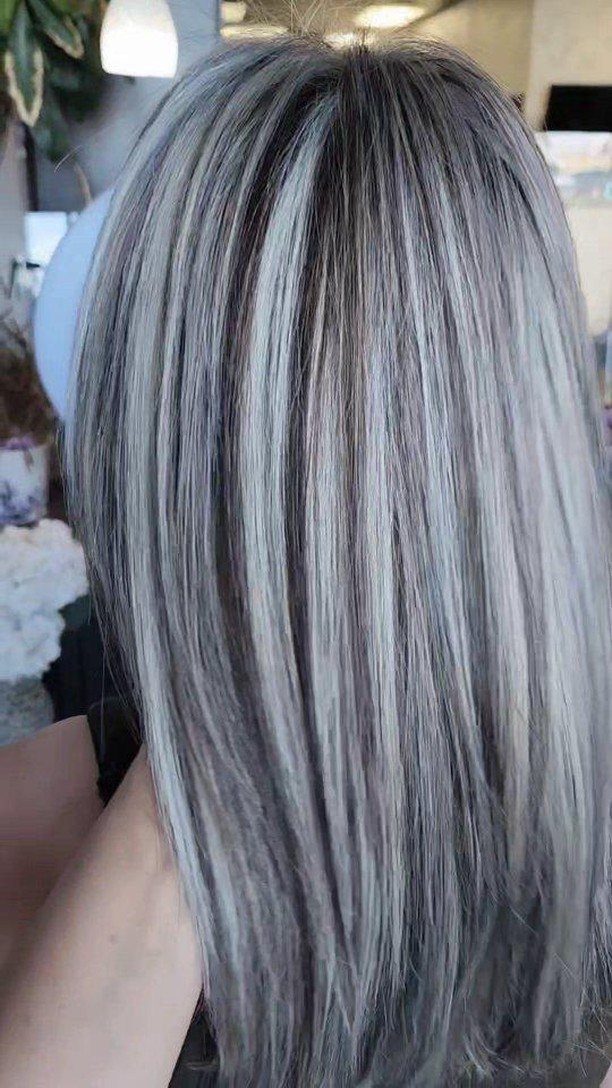
Lowlights in ash grey or taupe give platinum a dimensional finish, so it looks less flat and more lived-in. The darker pieces sit from mid-shaft to ends, breaking up what would otherwise be a solid block of white-blonde.
It suits people who want the brightness of platinum but worry it will look too stark or grow out with a harsh line.
The lowlights soften the contrast as roots come in, which stretches the time before you need a touch-up.
2. Caramel Blonde Lowlights
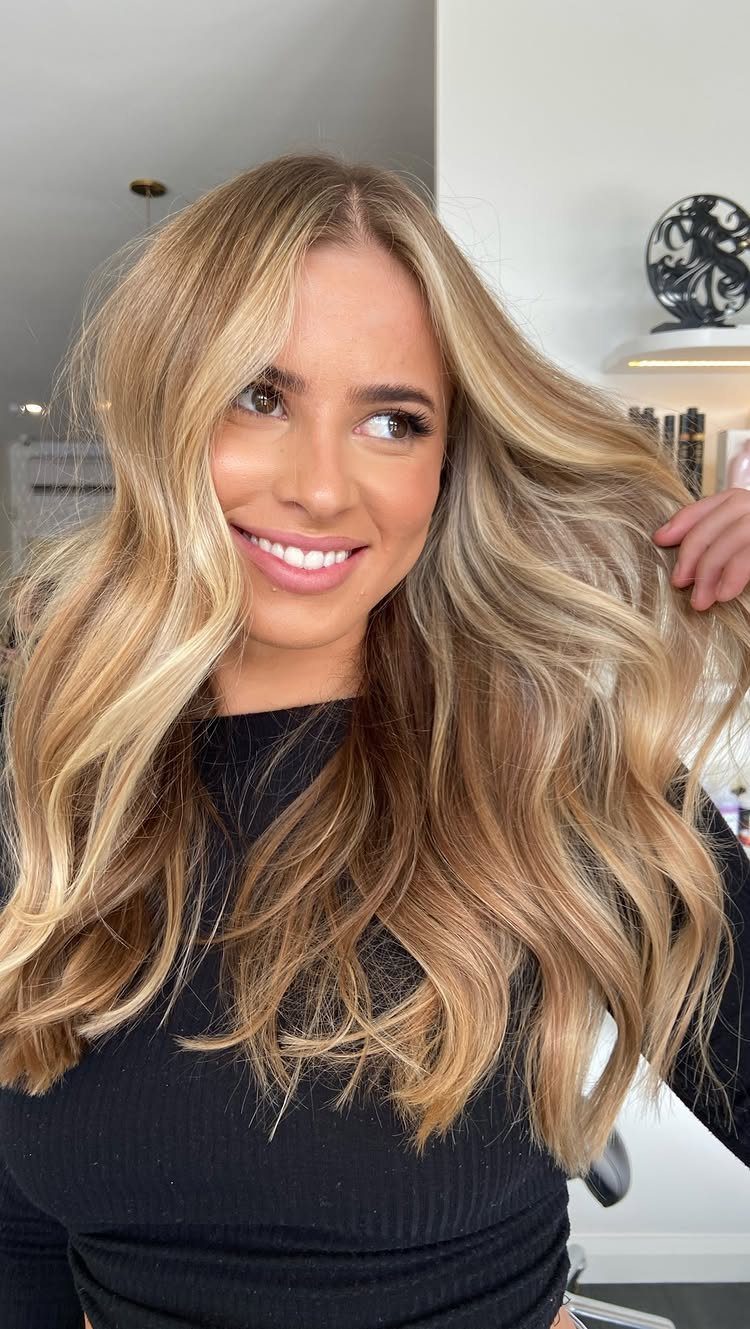
Caramel lowlights warm up a blonde base without pushing it fully into bronde territory. The darker pieces sit in subtle ribbons through the length, giving you depth without covering too much of the lighter tone.
I like this when someone wants dimension but doesn’t want to go cooler or ashy.
The warmth stops it looking flat, and it grows out gently since the lowlights blend into most natural root colors. If the placement is soft enough, you can wait longer before booking another appointment.
3. Dirty Blonde with Lowlights
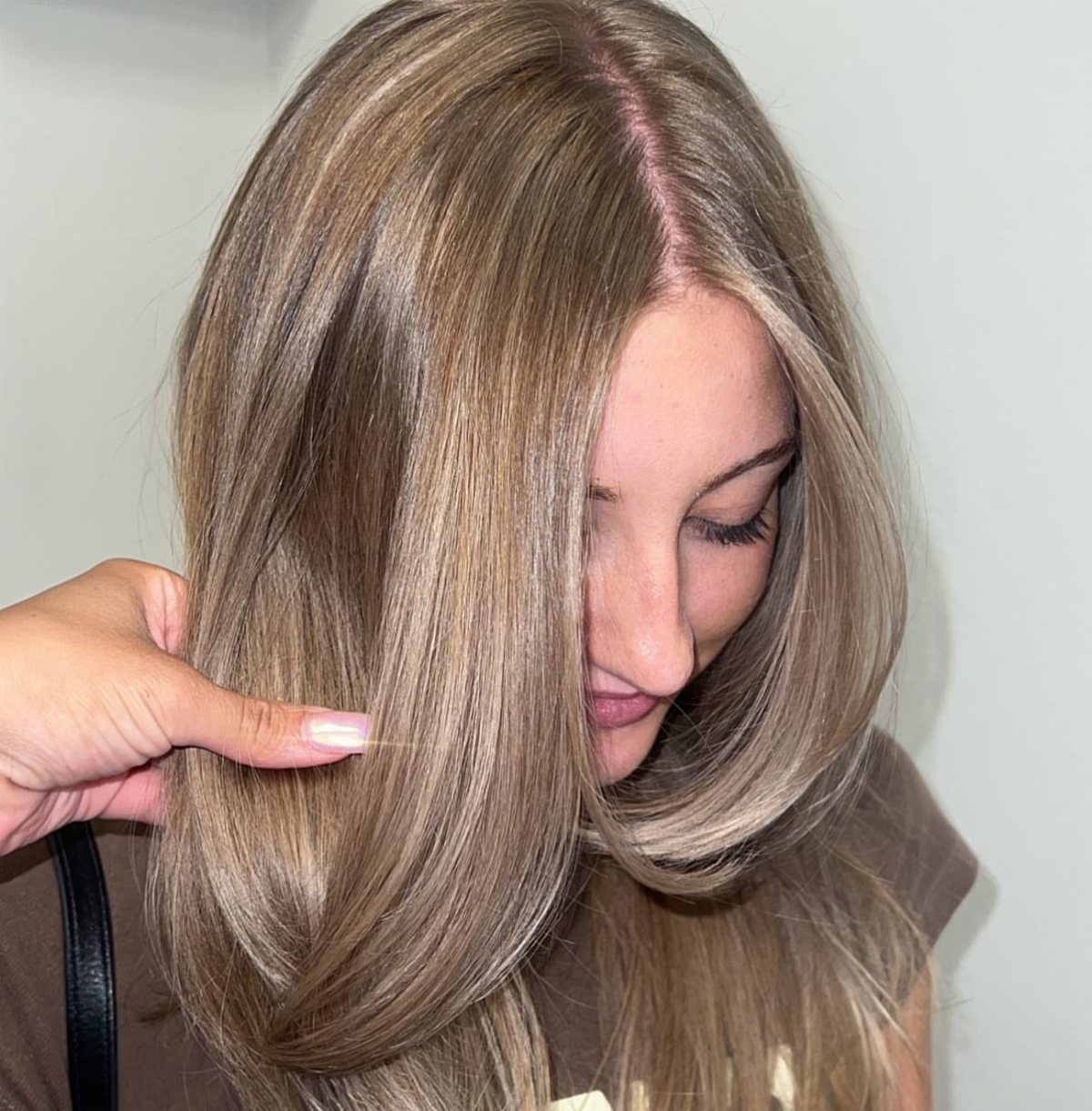
Lowlights a couple of shades darker than your dirty blonde base give the color more movement, especially when hair is long.
The darker sections sit from mid-shaft down and break up the single tone that can otherwise look flat under indoor lighting.
This is a good option if you’re between colors and want something that looks intentional without committing to a true brunette.
The lowlights grow out smoothly, and most stylists will place them so they blend with your natural root as it comes in.
4. Strawberry Blonde Hair
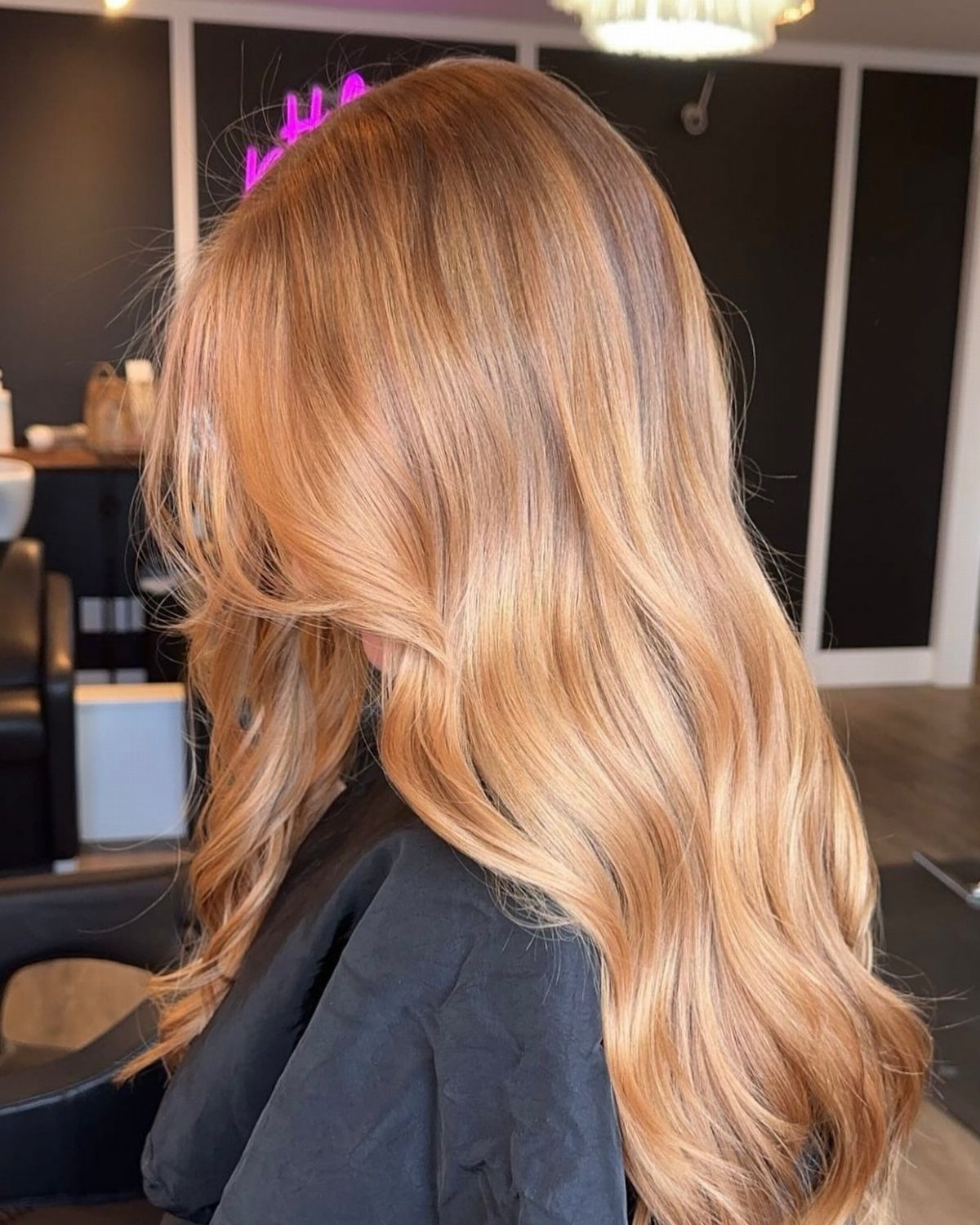
Strawberry blonde gets more dimension when you add lowlights a shade or two darker, usually in a deeper copper or auburn. The contrast brings out the peach and rose tones in the lighter sections, so the color looks richer overall.
If your natural base is close to medium brown, the lowlights will blend into your root as it grows, which keeps the grow-out softer and buys you more time between appointments.
This works well on longer hair where the color can show its range from root to tip.
5. Ash Blonde with Milk Chocolate Lowlights
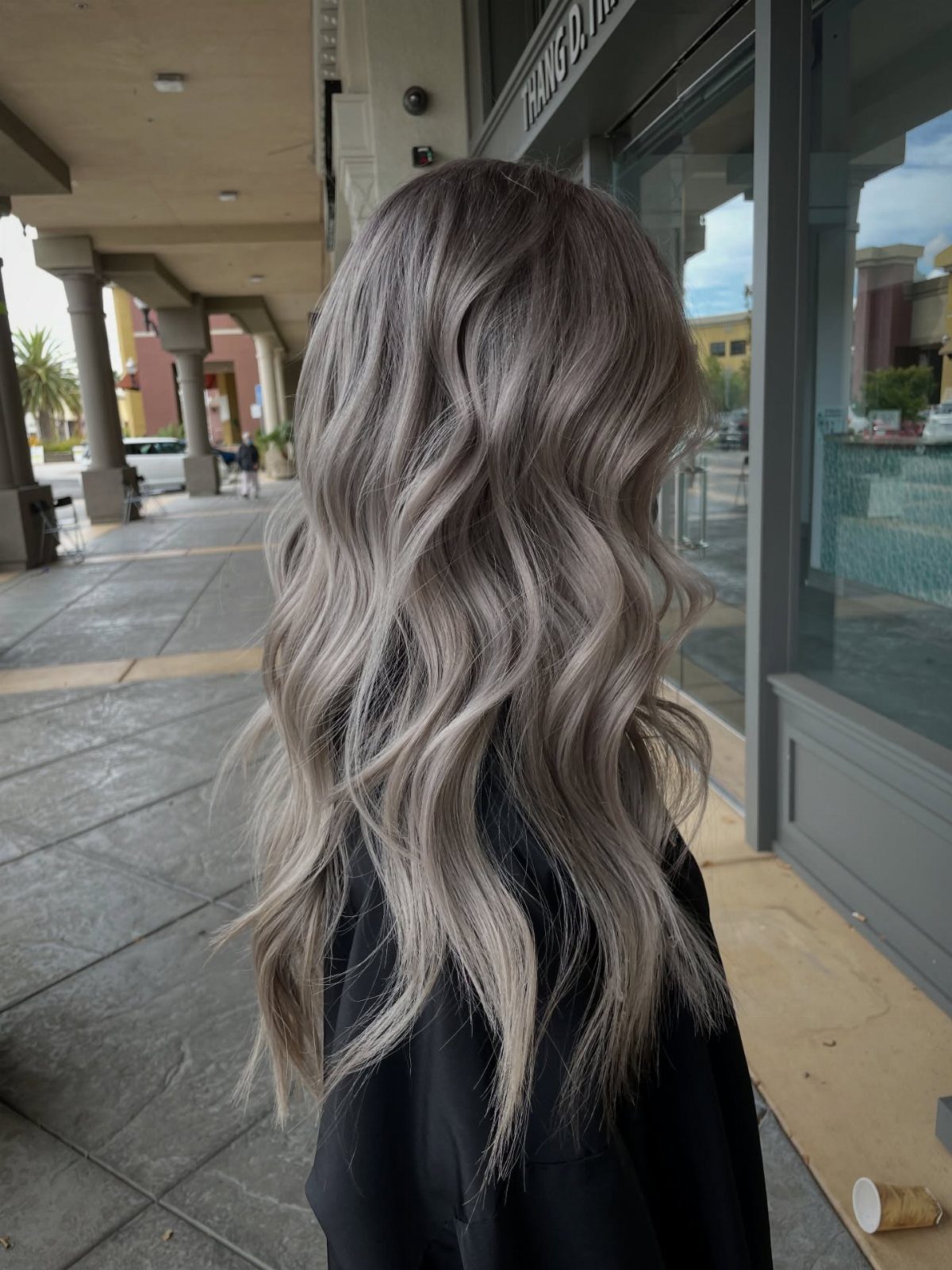
Cool ash blonde paired with milk chocolate lowlights gives you a high-contrast look that stays neutral in tone. The darker pieces sit through the length in fine ribbons, so the overall effect is dimensional rather than striped.
This combination suits someone who wants to stay blonde but add noticeable depth.
The lowlights also soften the grow-out, since most natural roots fall somewhere between the 2 tones. Maintenance is easier than solid platinum because the darker sections give you coverage as new growth comes in.
6. Honey Blonde with Brown Dimension
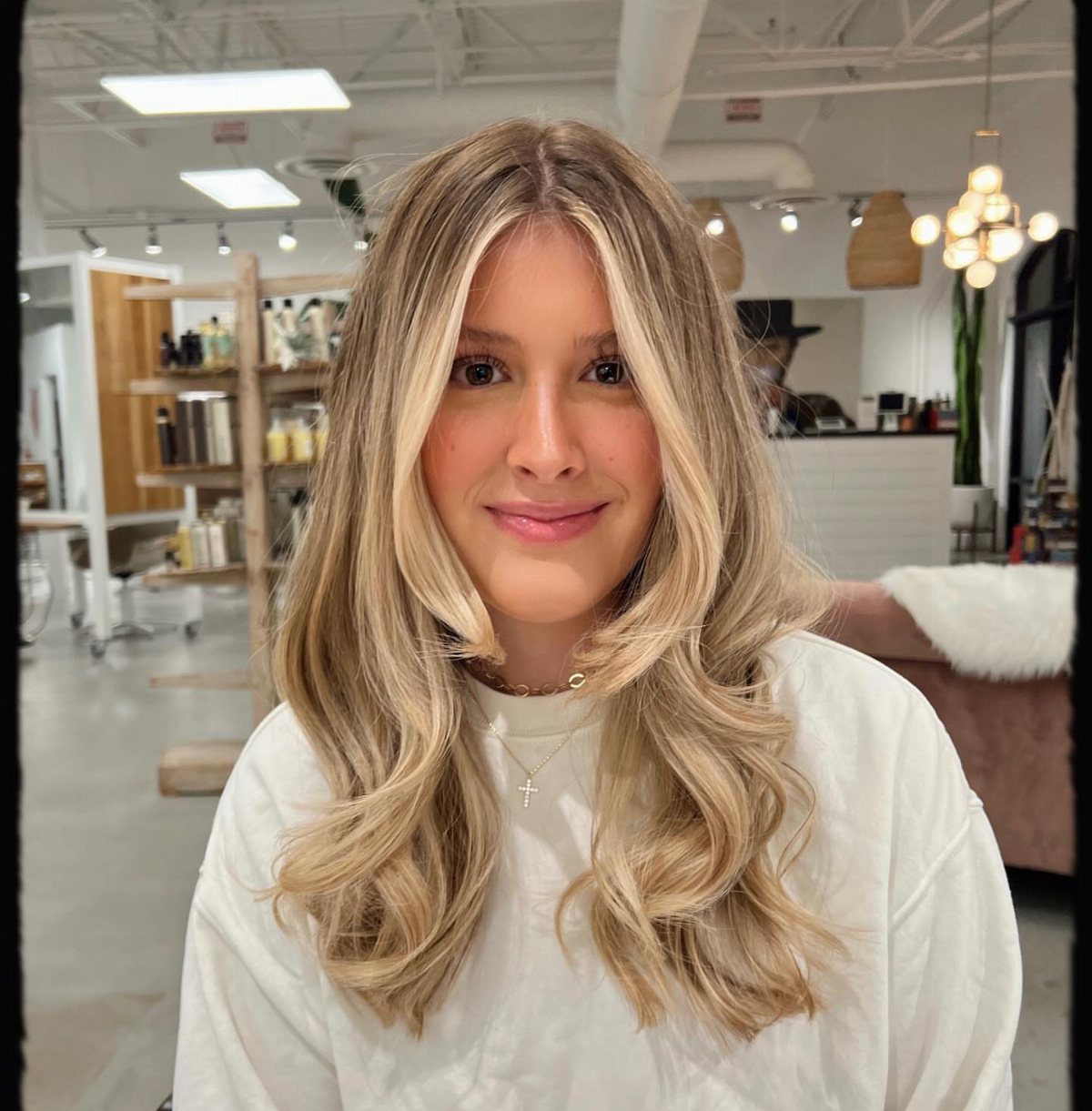
Brown lowlights dropped into a honey blonde base give the color depth and keep it from looking too golden or one-note.
The darker sections usually sit in the underlayers or woven through the mid-lengths, so you get movement when the hair is down or styled in waves.
This is a good choice if you want a warm blonde but don’t want the flat, all-over gold that can read brassy under certain lighting.
The brown tones also blend into most natural root colors, so grow-out is softer and you can stretch appointments.
7. Blonde Hair with Highlights and Lowlights
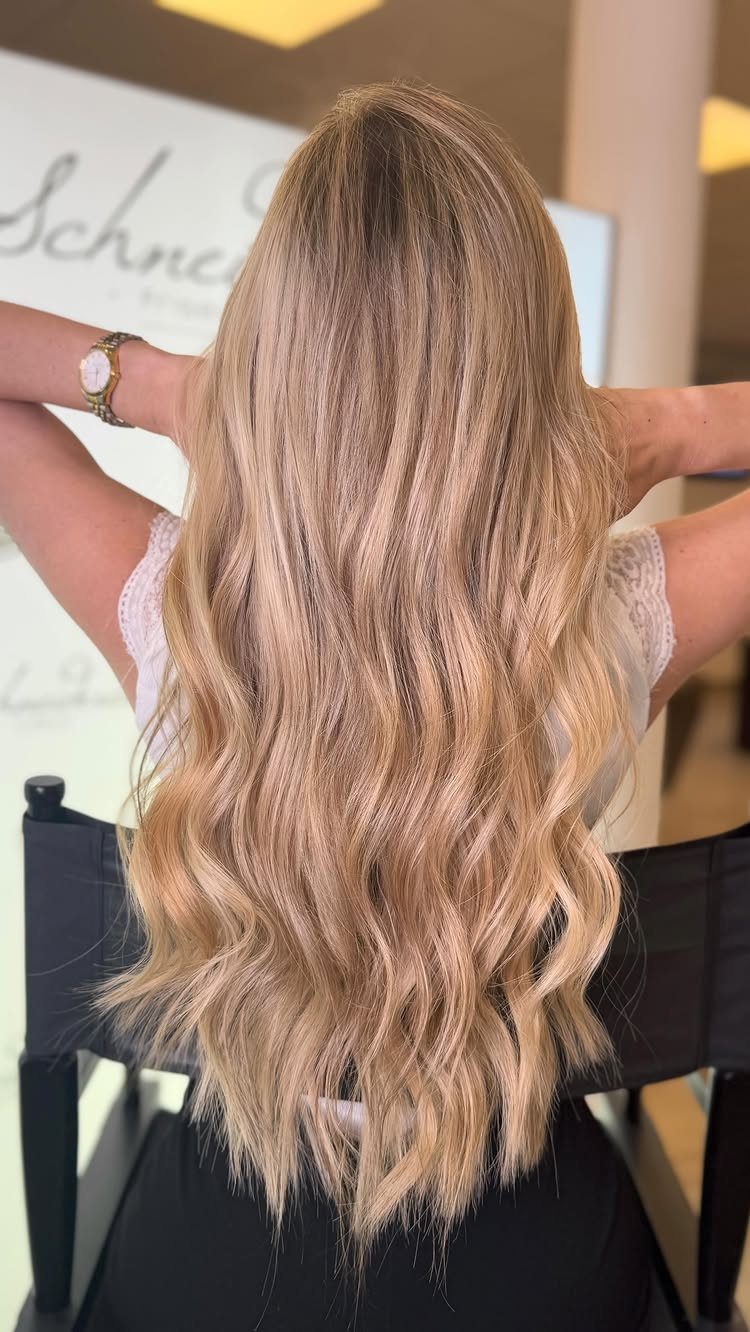
Highlights and lowlights together give blonde hair more range than either technique alone.
The highlights lift sections toward platinum or champagne, while the lowlights drop others toward honey or light brown, so the overall color reads as textured rather than flat.
This works well if you want a blonde that looks natural and doesn’t need constant upkeep.
The mix of tones means your root grows into a blend instead of a hard line, and you can stretch touch-ups longer when your natural color sits close to the darker lowlights.
8. Blonde Balayage with Lowlights
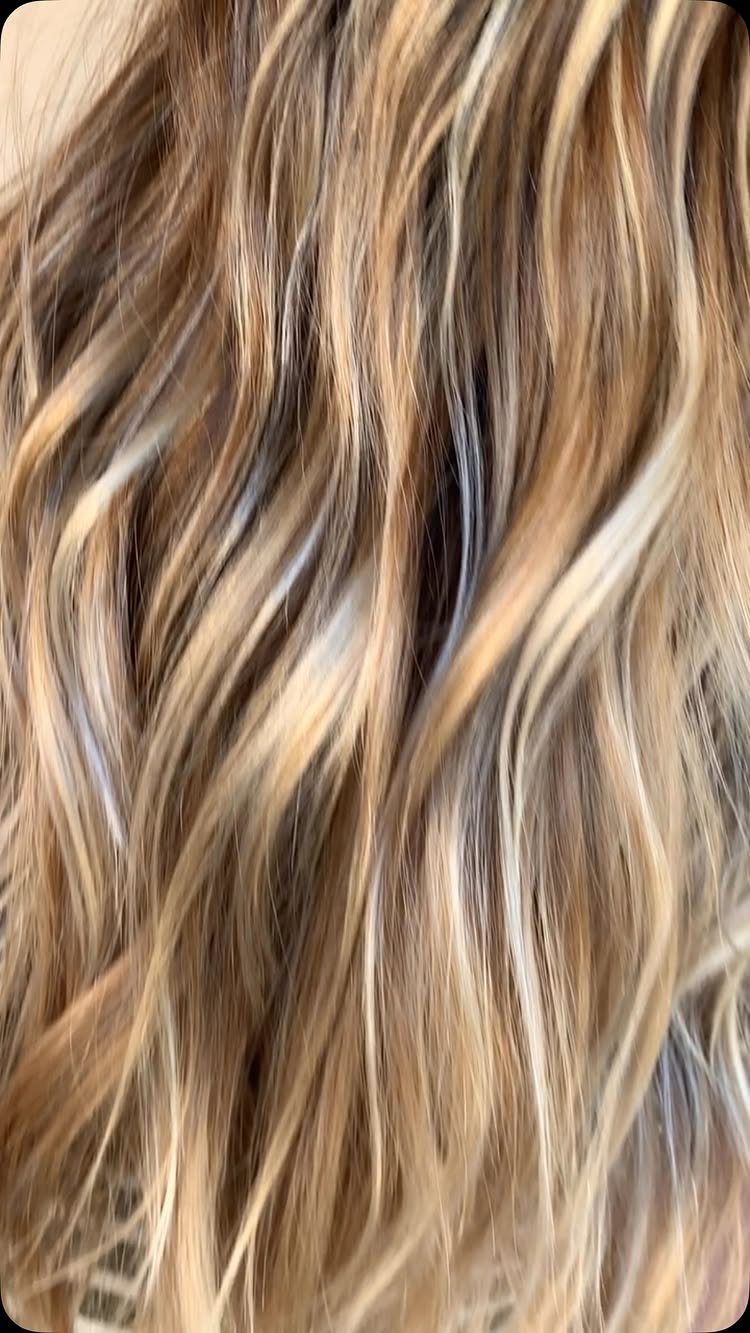
Balayage lets the colorist paint lowlights in a way that mimics how hair lightens naturally, with darker pieces concentrated near the root and lighter ends.
The hand-painted placement means the lowlights don’t sit in uniform sections, so the finished color has more movement.
If you’re starting from brunette, expect 2 or 3 sessions to build up the blonde without overprocessing.
Spacing the lightening over multiple appointments keeps the hair in better condition and gives you a color that grows out softly, since the root area stays darker by design.
9. Blonde Hair with Copper Lowlights
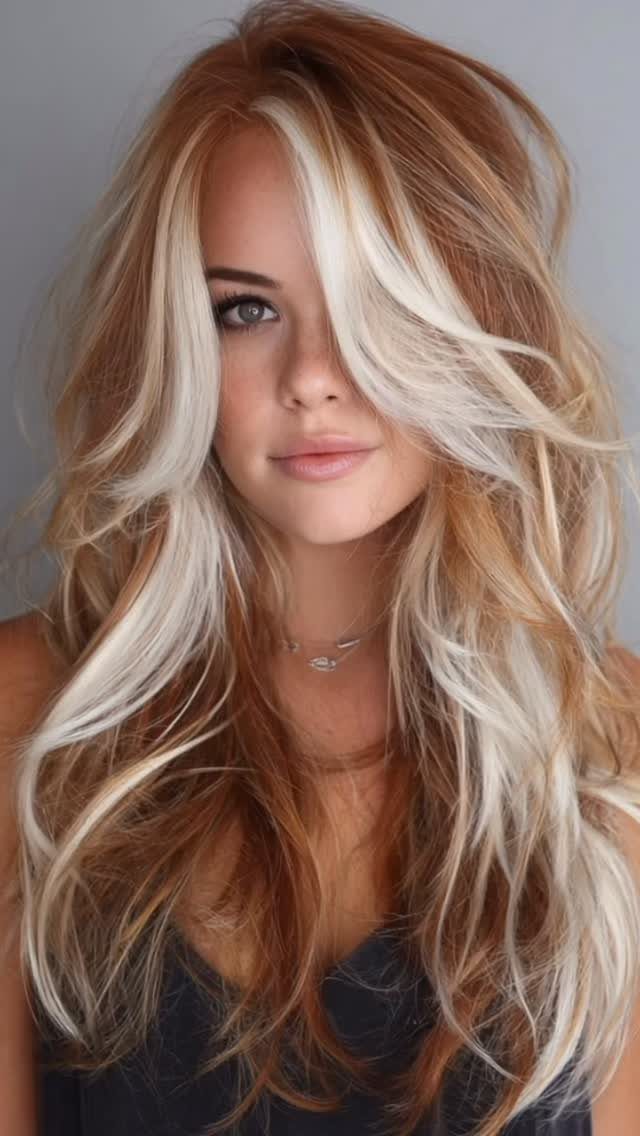
Copper lowlights add a warm punch to blonde layers without pushing the whole head red.
The copper sits in ribbons through the length, usually concentrated around the face where it catches light and brings out any natural gold in the base color.
This works if you want warmth but don’t want to go full strawberry blonde. The copper tones blend into most medium brown roots as they grow, so maintenance stays manageable.
10. Blonde Hair with Shadow Root
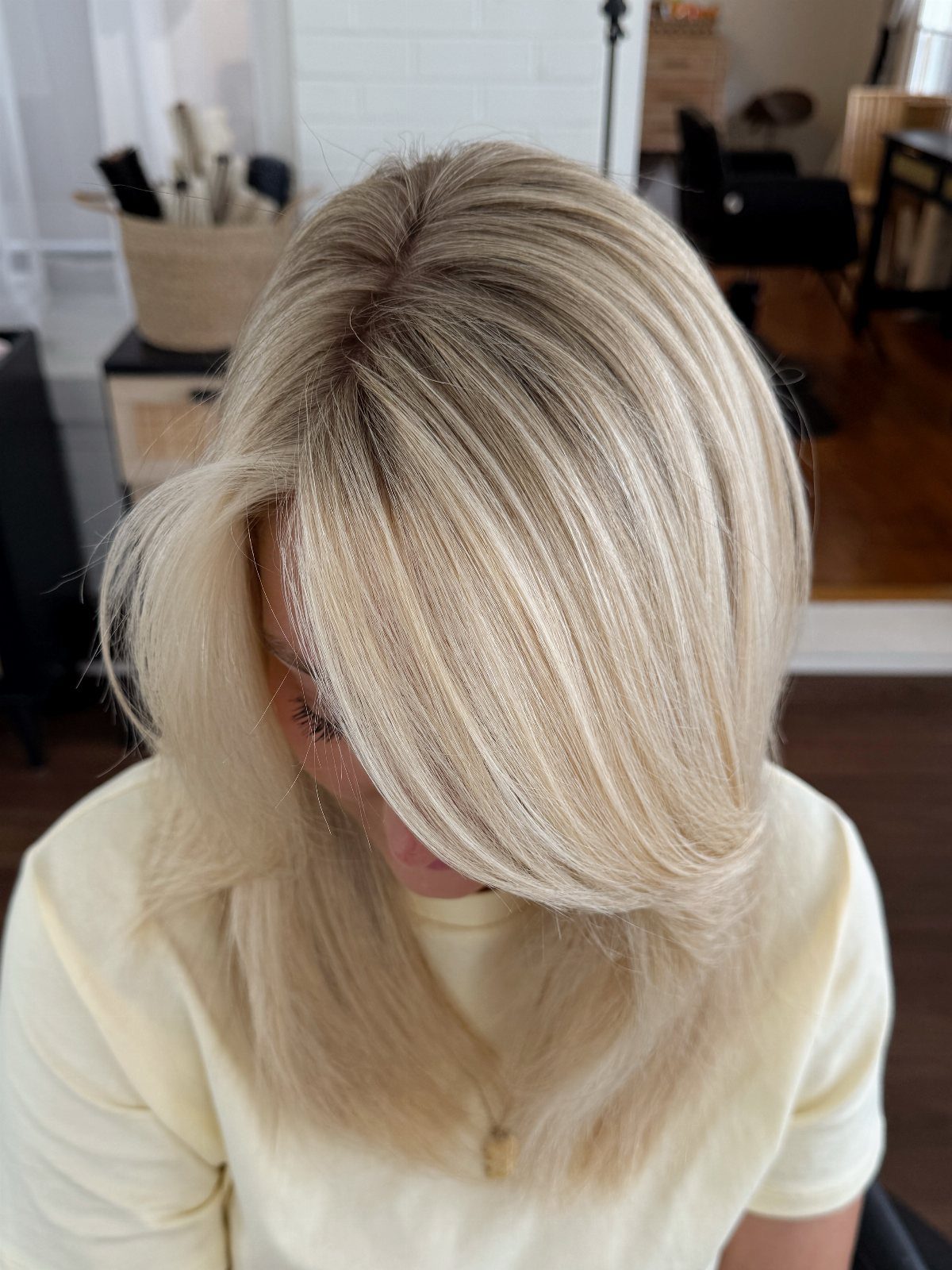
A shadow root keeps the top section darker than the rest of the blonde, so new growth blends in as it comes through.
The transition from root to blonde is soft, not a line, which means you can go longer between salon visits.
The darker root area also protects the hair closest to the scalp from repeated lightening, so the texture holds up better over time.
11. Icy Blonde Hair Color
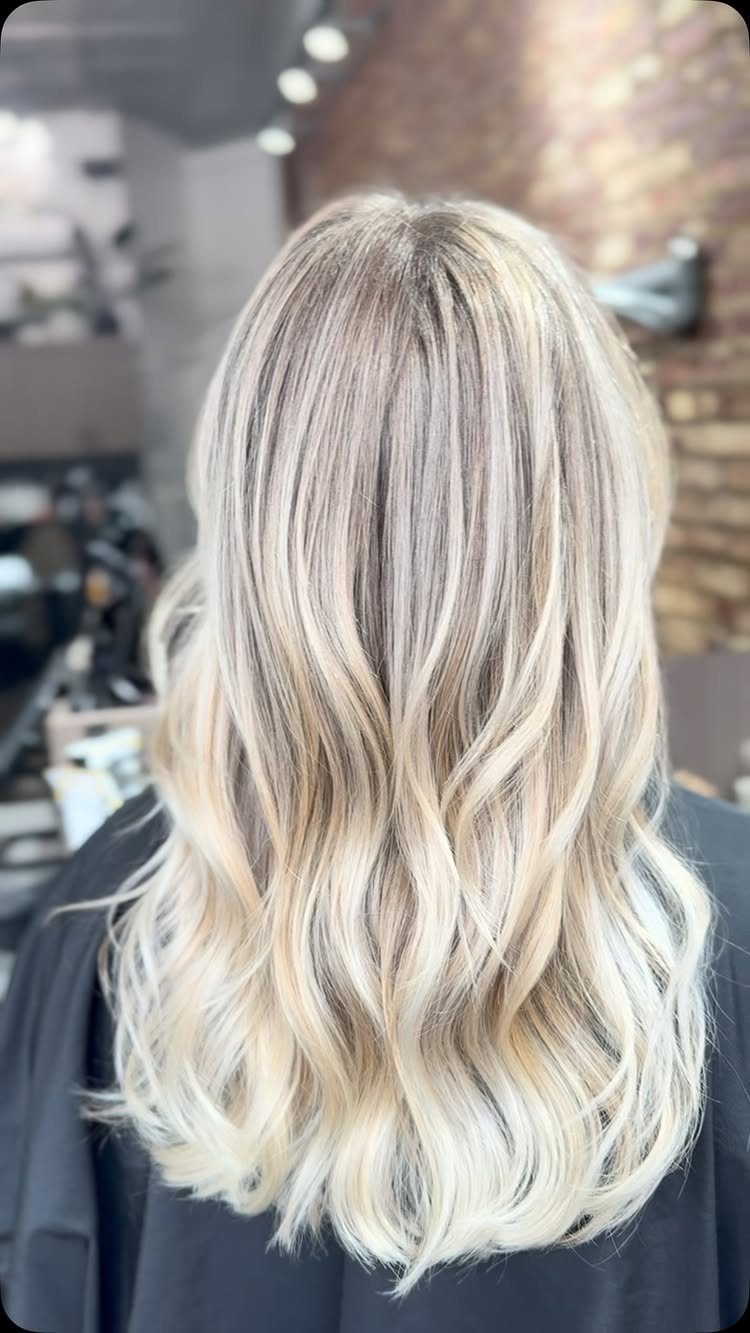
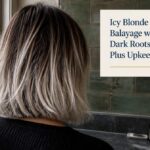
Icy blonde with lowlights gives the color depth without warming it up. The lowlights sit a few shades darker, usually in ash or cool beige, so the contrast stays neutral and the blonde doesn’t read flat or one-dimensional.
This works when you want the brightness of icy tones but need dimension to keep it from looking too stark. The darker sections also soften the grow-out, so you can stretch appointments without a harsh demarcation line at the root.
12. Icy Blonde with Brunette Lowlights
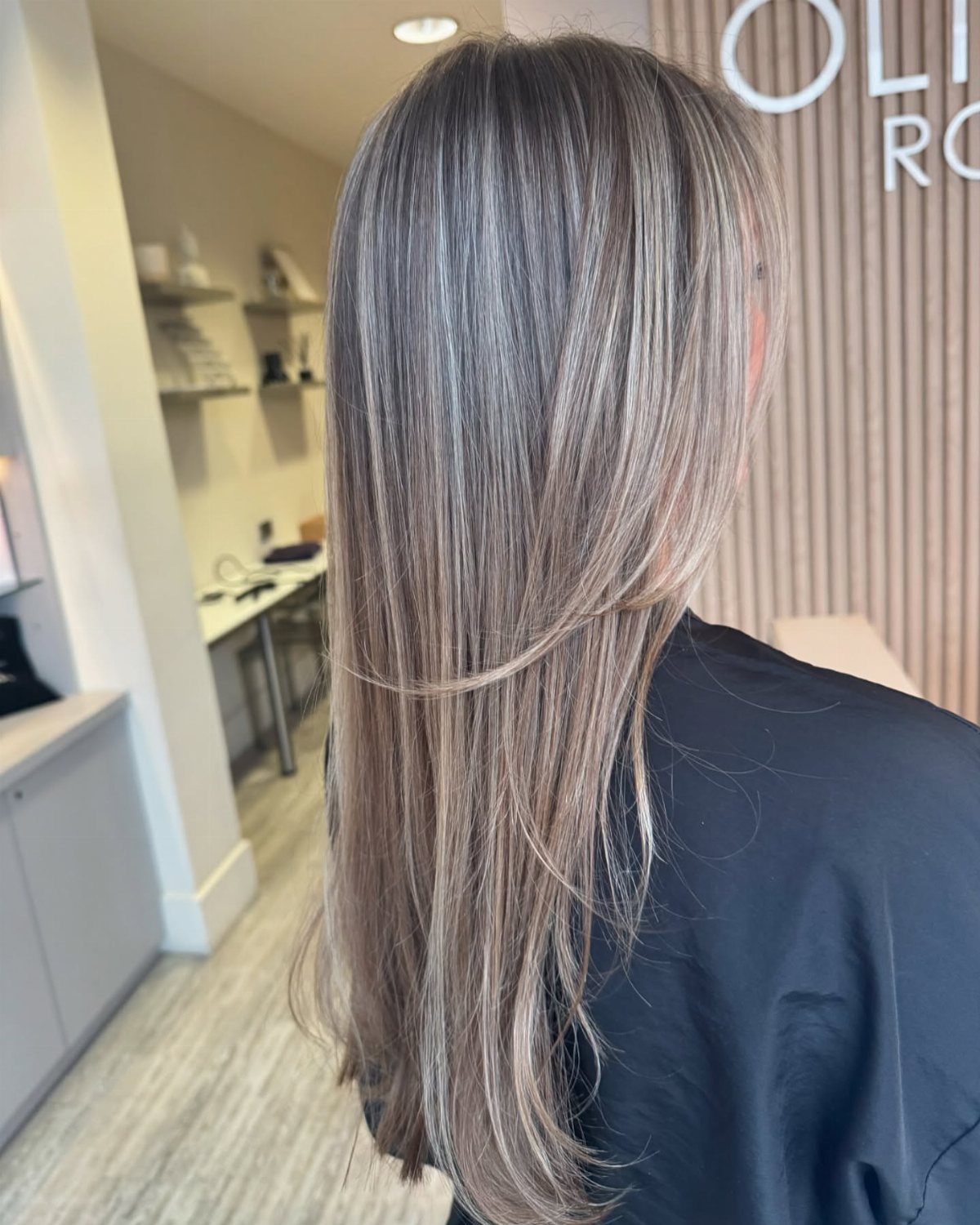
Icy blonde with brunette lowlights is a good middle step if you’re thinking about going darker but aren’t ready to commit.
The brunette sections sit through the length, giving you a preview of what a deeper color would look like without covering the blonde entirely.
The lowlights can be concentrated near the root or woven through the mid-lengths, depending on how much brunette you want to see.
If you decide you like it, the next session can add more; if not, the blonde stays the dominant tone.
13. Dirty Blonde on White Base with Lowlights
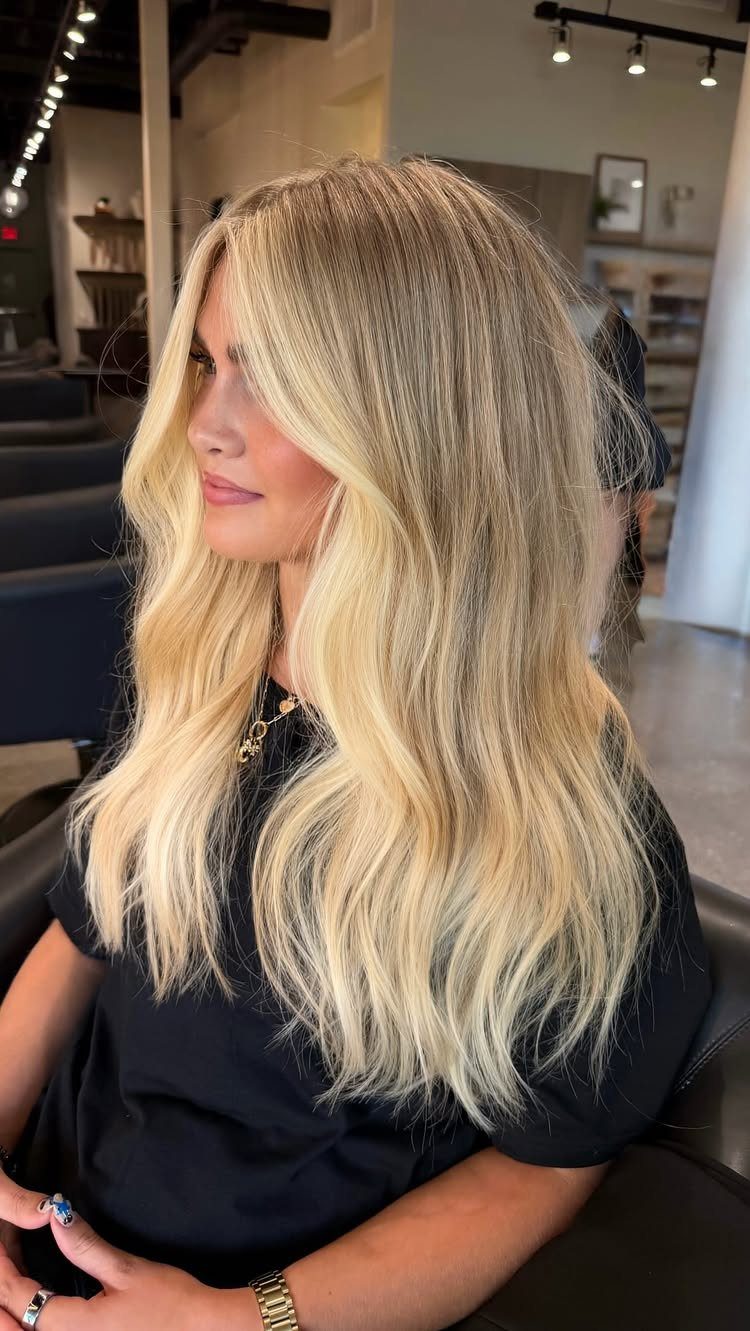
A white-blonde base with dirty blonde lowlights gives you a softer version of platinum. The lowlights sit through the length and take away the starkness of an all-over icy tone, so the color looks less severe and more natural.
The contrast is gentle enough that most people can stretch appointments longer than they would with solid platinum, since the darker sections blur the line as roots come in.
If you’re worried a bright blonde will wash you out, the lowlights add back some warmth and dimension.
14. Blonde with Dark Lowlights
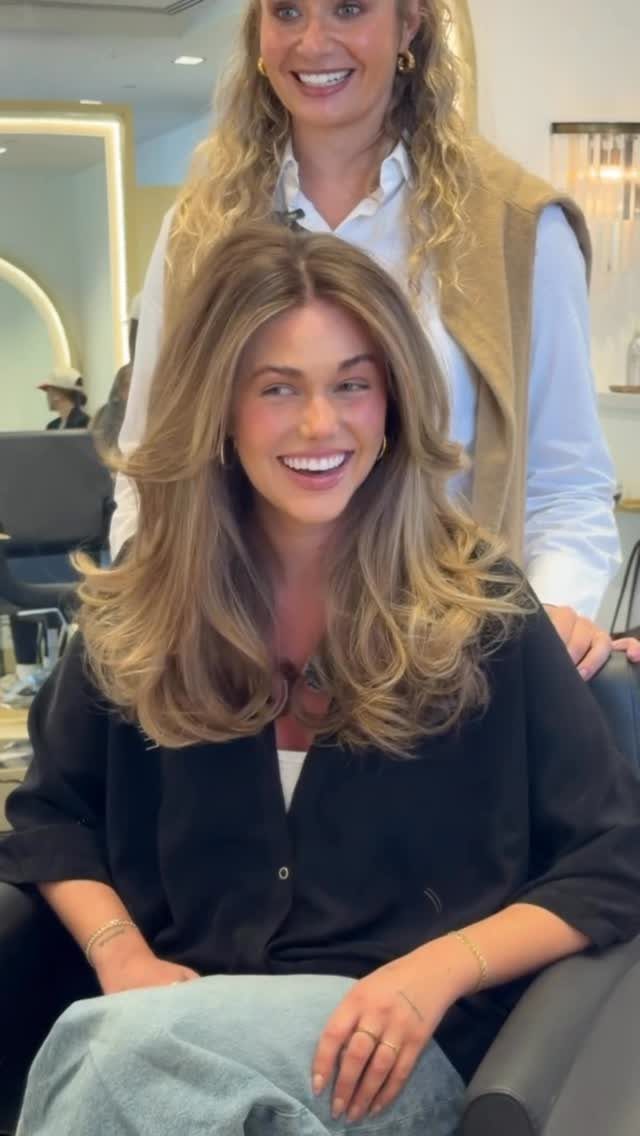
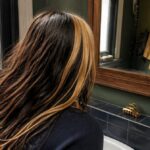
Dark lowlights against a blonde base create bold contrast, so the color reads as intentionally dimensional rather than subtly blended.
The darker sections usually sit in wider ribbons or panels, giving you a look that shows distinct tones instead of a soft gradient.
This suits someone who wants a high-impact color without going full brunette.
The lowlights also make grow-out less noticeable, since the darker pieces sit closer to most natural root colors. If your hair is long, the contrast shows best when it’s worn down or in loose waves.
15. Light Blonde with Lowlights
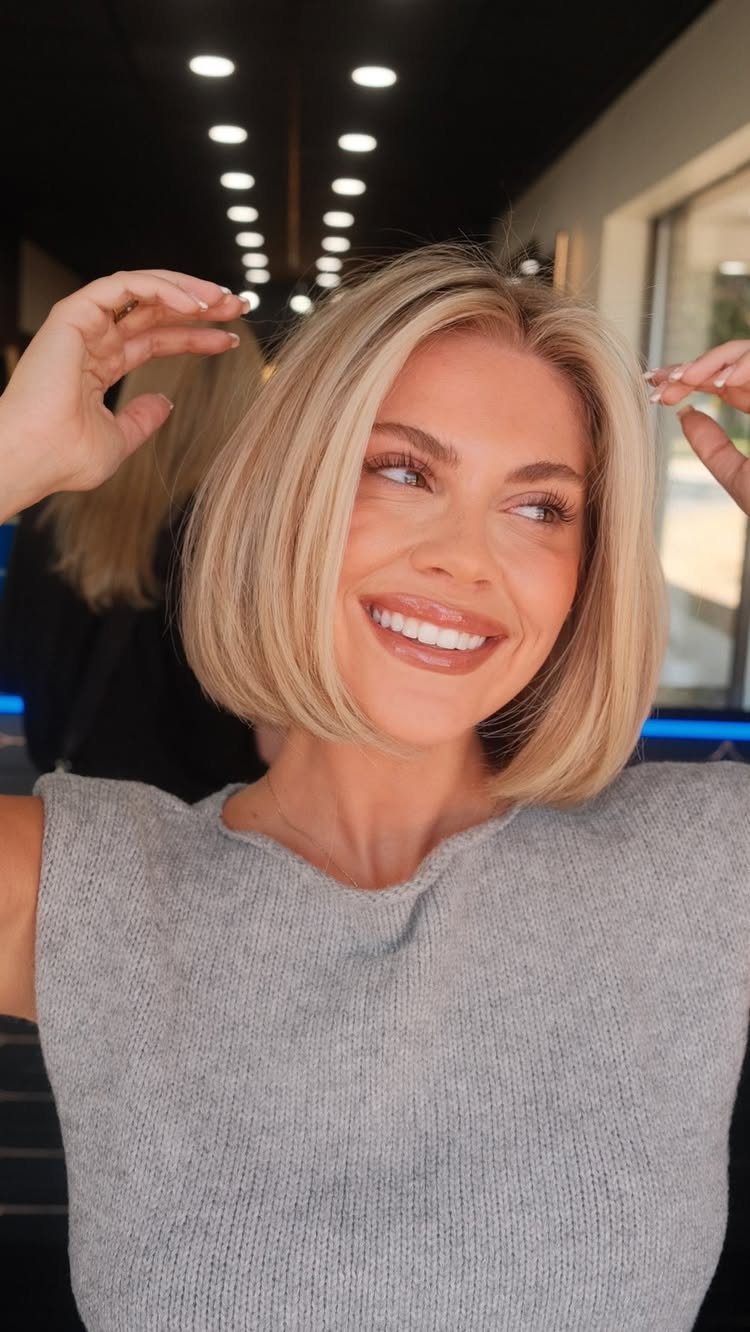
Lowlights a few shades darker than a light blonde base keep the color soft but stop it from looking flat. The darker sections usually sit through the mid-lengths and ends, so the color has movement without a strong contrast.
This works well on shorter cuts like a bob, where the lowlights can define the shape and add depth without needing a lot of length to show.
Your roots will come through softly, because the placement follows the natural line rather than fighting it.
16. Medium-Length Multi-Dimensional Blonde Hair
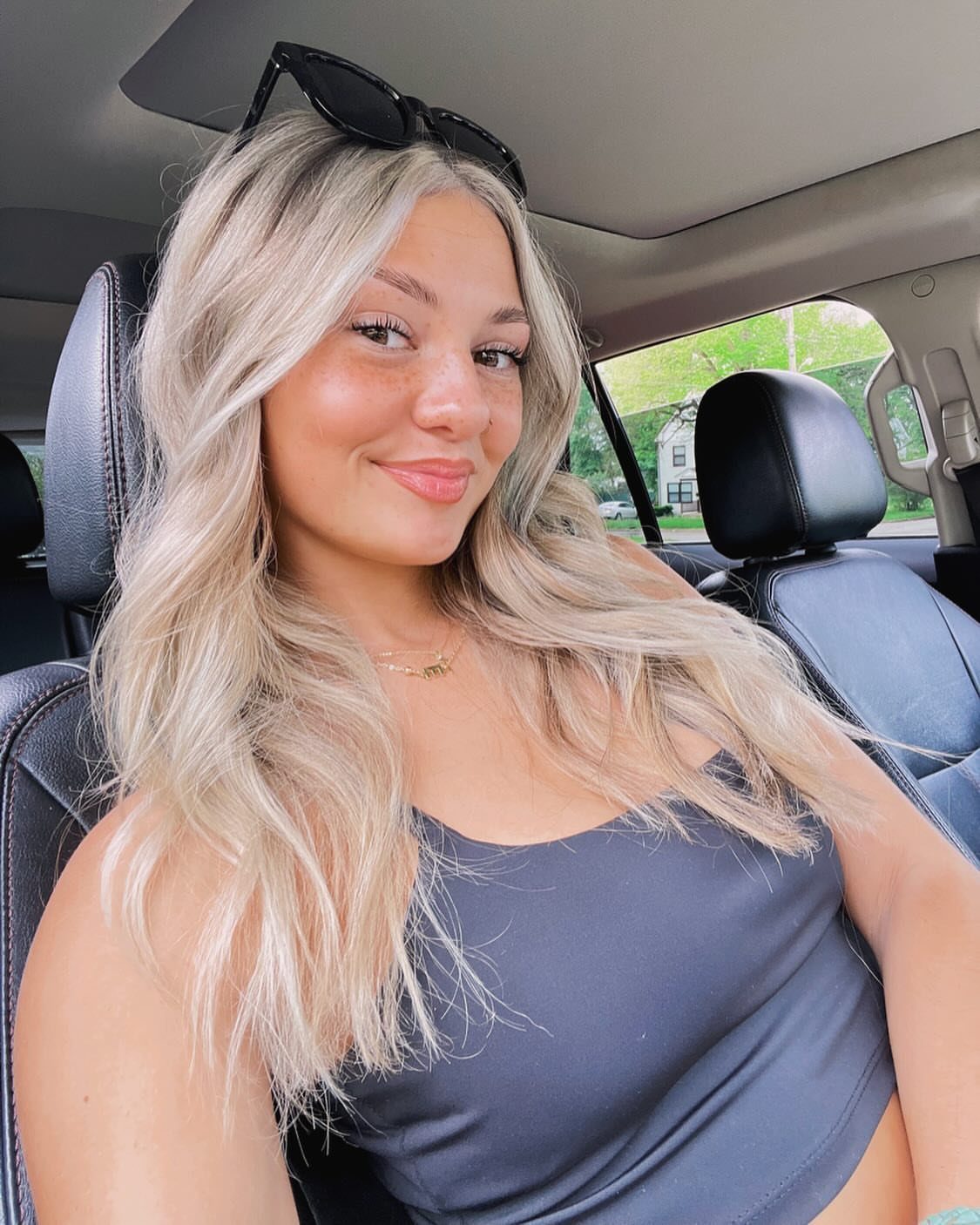
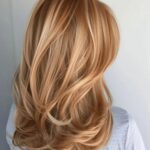
Multiple tones woven through medium-length blonde hair give the color depth and keep it from reading as a single flat shade.
The variation in tone usually ranges from light champagne to deeper honey or beige, so the overall effect is textured and natural-looking.
This length shows dimension well because the hair is long enough to display several tones but not so long that it needs constant upkeep to avoid looking dry at the ends.
The blended placement also means you can wait longer between appointments, since the color transitions softly from root to tip.
17. Long Blonde Hair with Lowlights
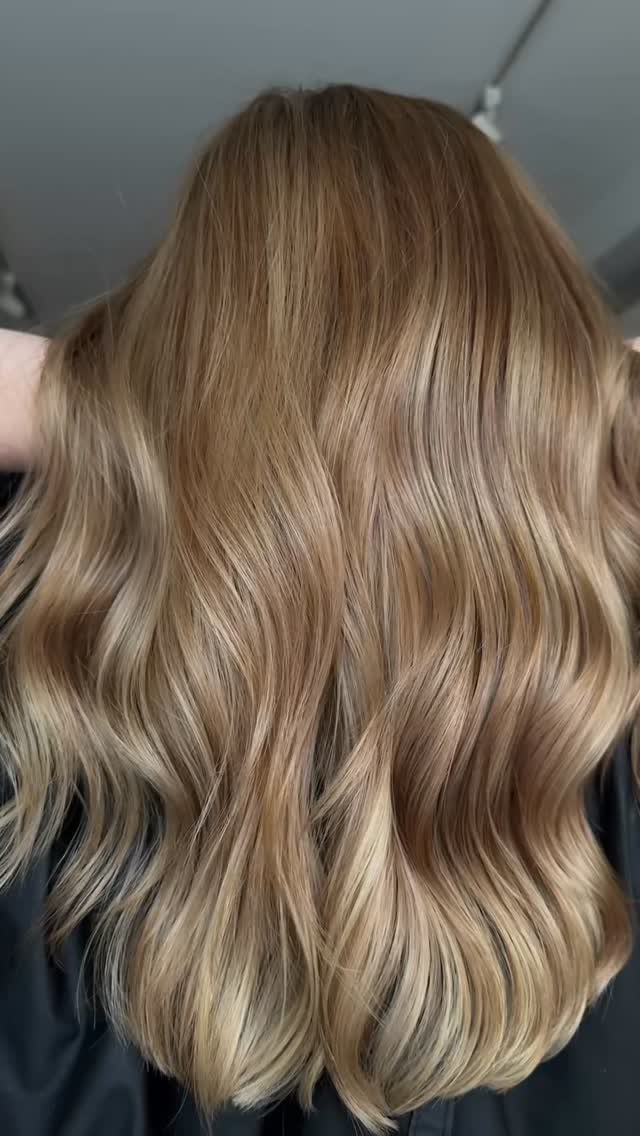
Lowlights give long blonde hair dimension that shows when the hair moves. The darker sections sit through the length in fine or medium ribbons, breaking up what would otherwise read as one tone from root to ends.
Long hair benefits from this because the extra length lets the color show its full range, and the lowlights keep the ends from looking washed out or overly processed.
If your natural root is close to the lowlight shade, grow-out blends in smoothly and you can stretch touch-ups.
18. Very Short Hair with Lowlights
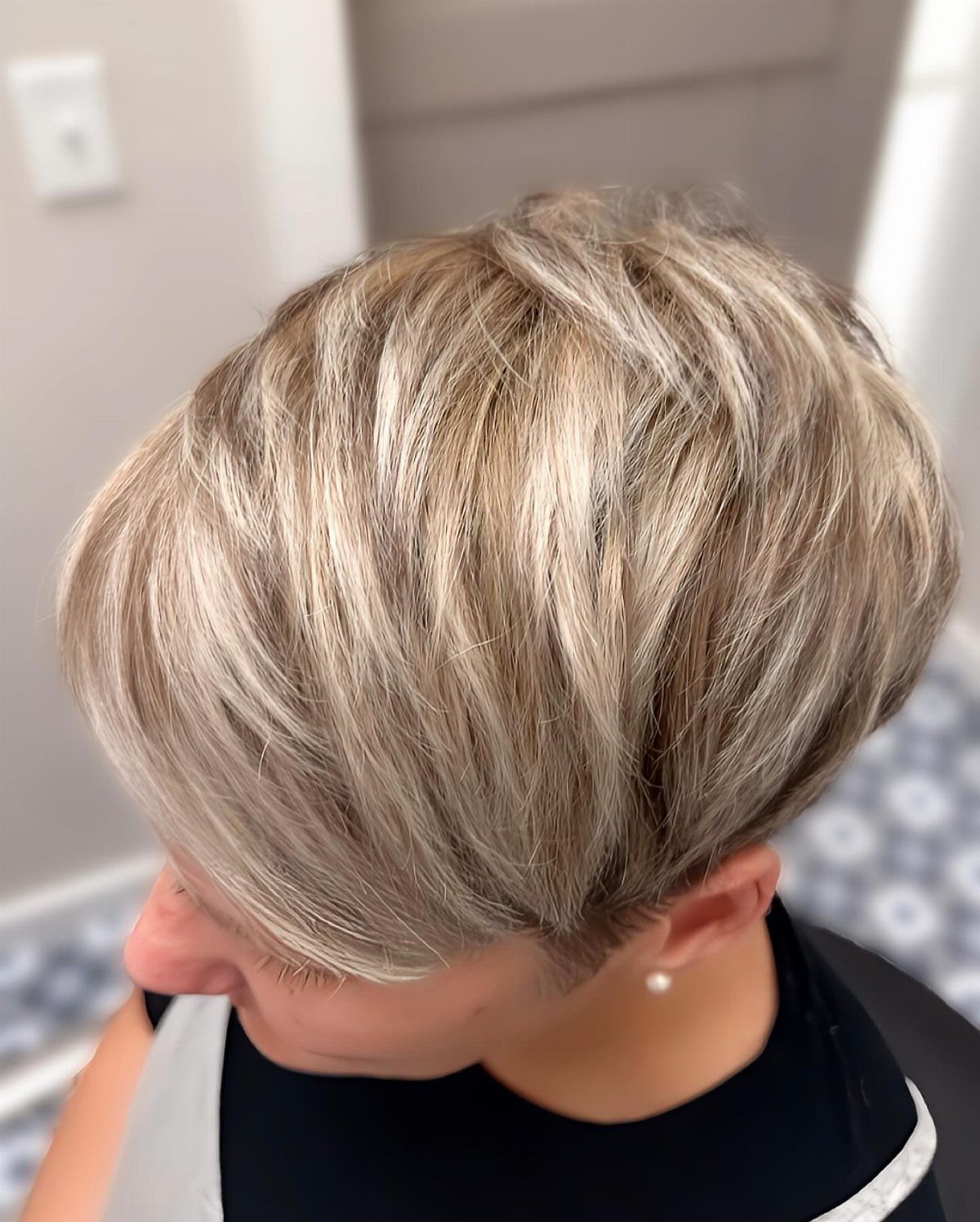
Lowlights on a short blonde pixie add definition to the layers and give the cut more texture. You get dimension from the contrast itself, not from how light travels down a long piece of hair.
Short hair shows this placement clearly because every section is visible, which means the colorist can use the lowlights to emphasize the shape of the cut.
Maintenance is lower than on longer hair since there’s less length to retouch, and most pixies get trimmed often enough that the color stays fresh between appointments.
19. Blonde Hair with Red Lowlights
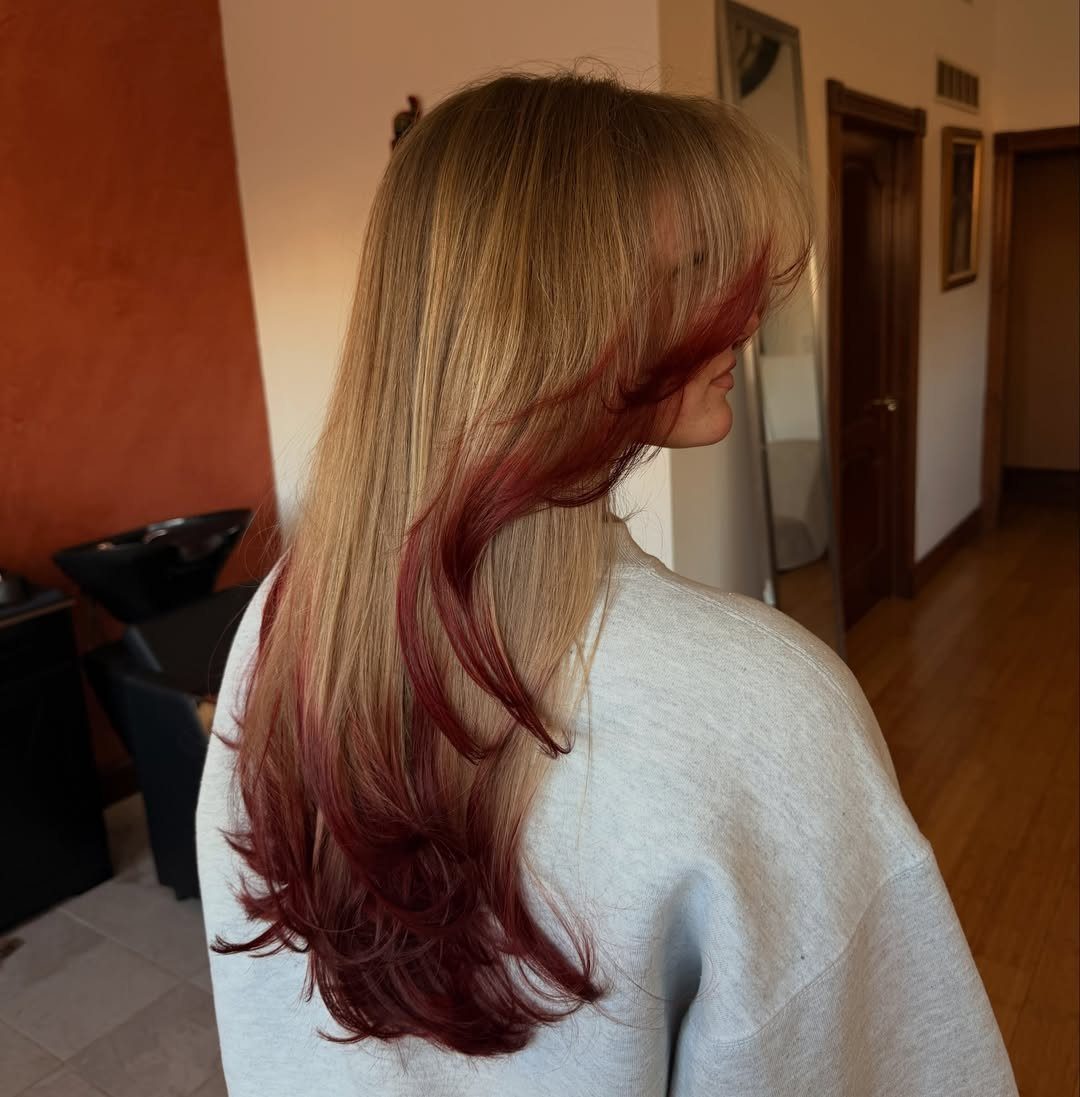
Red lowlights woven into blonde hair give you a warm, high-contrast look without committing to an all-over red.
The red sits in sections through the length, usually concentrated underneath so it shows when hair moves or when you pull it to one side.
If copper feels safe but you want more contrast, red lowlights give you that without losing the blonde base.
The red tones will fade faster than the blonde base, so plan for a gloss or toner between full color appointments to keep them saturated.
20. Blonde Curly Hair with Lowlights
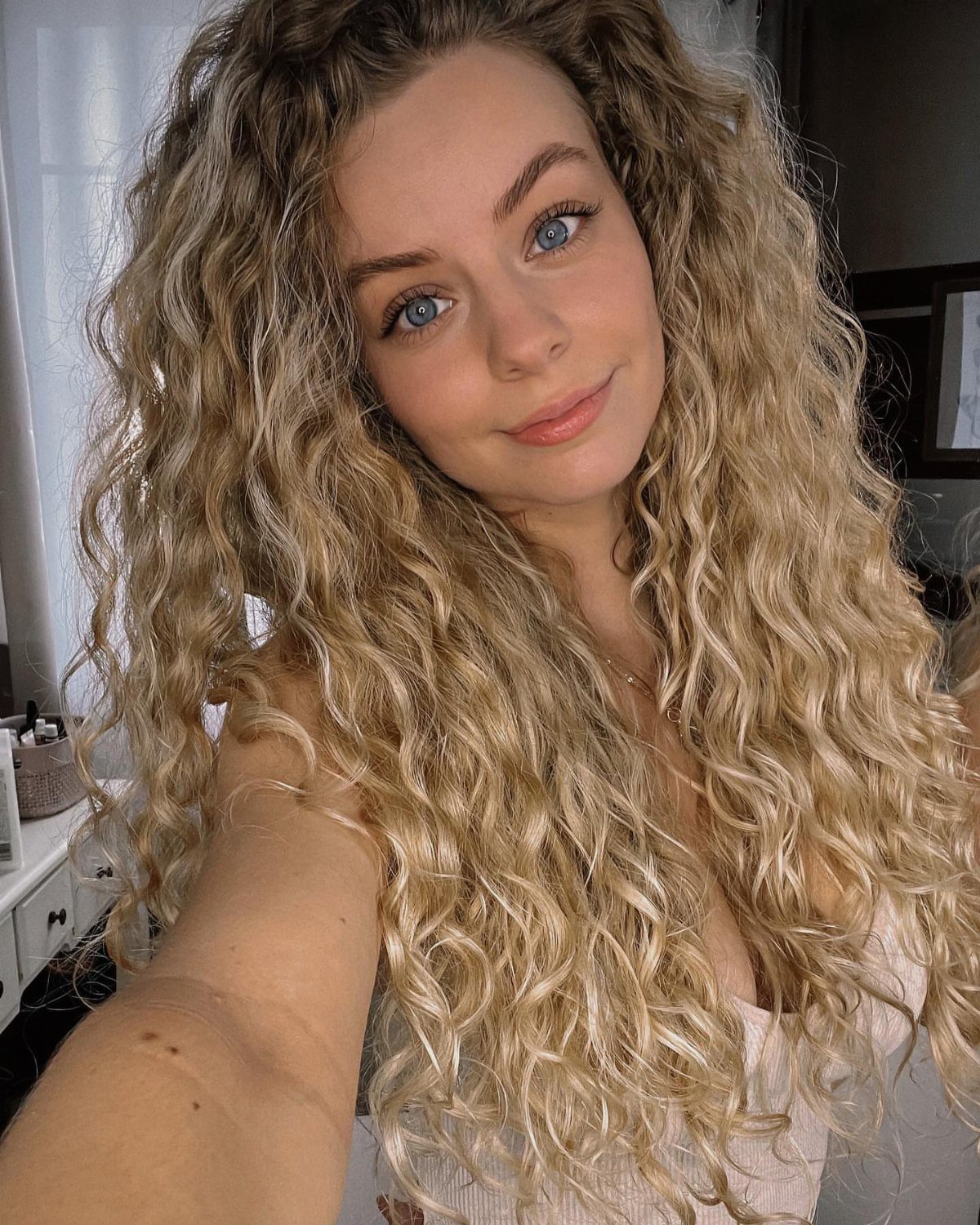
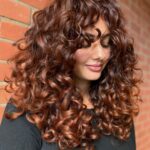
Curls show lowlights differently than straight hair because each curl catches light at a different angle, so the darker sections create depth without looking like distinct stripes.
The lowlights sit through the layers and let the blonde ends stay bright, which keeps the overall color from feeling heavy.
If your curls are fine, the added dimension can make the hair look fuller. The placement usually follows the curl pattern rather than a straight grid, so the color moves with the texture.
21. Dark Blonde with Money Piece
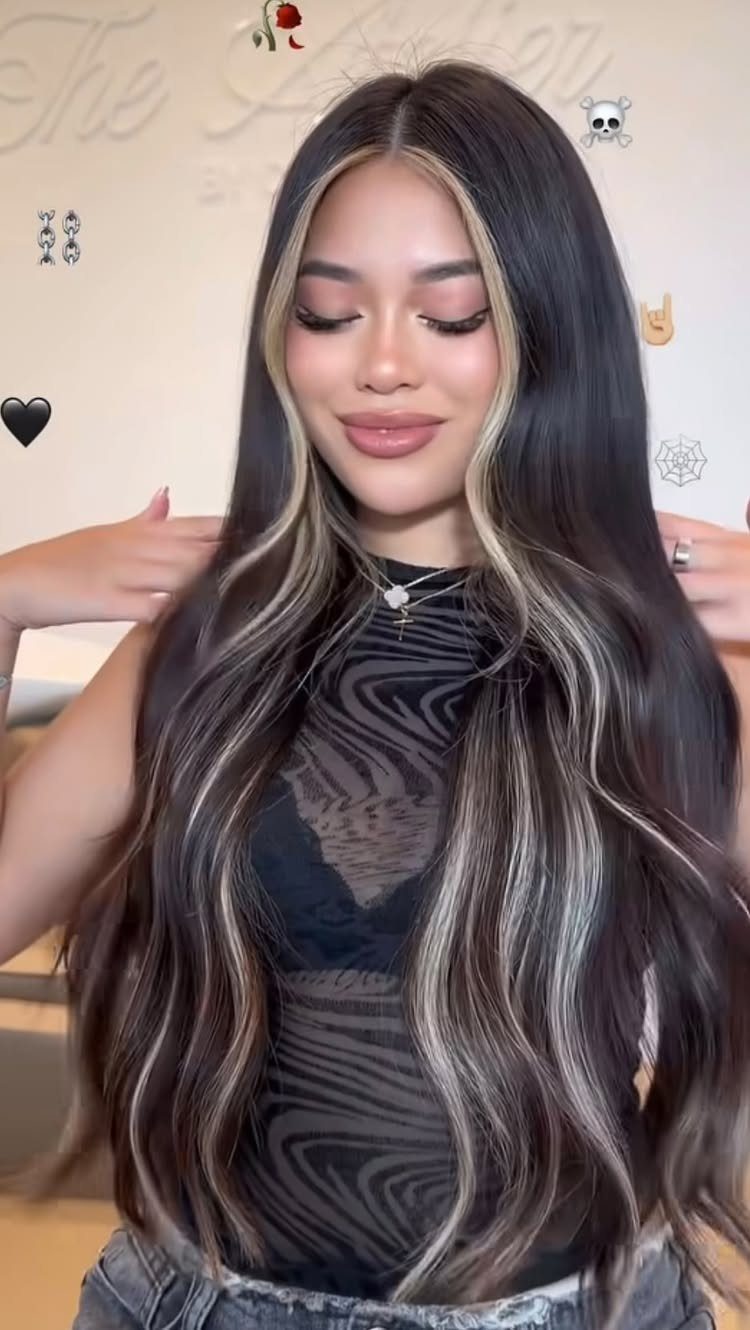
A money piece brightens the front sections while the rest of the hair stays a richer, darker blonde. The lighter pieces frame your face and lift your overall look without the upkeep of full highlights.
This is a low-maintenance option if you want some brightness but don’t want to lighten the entire head.
The face-framing placement also means you can see the color when your hair is up or pulled back, so you get the effect even in a ponytail.
22. Blonde Grey Hair with Lowlights
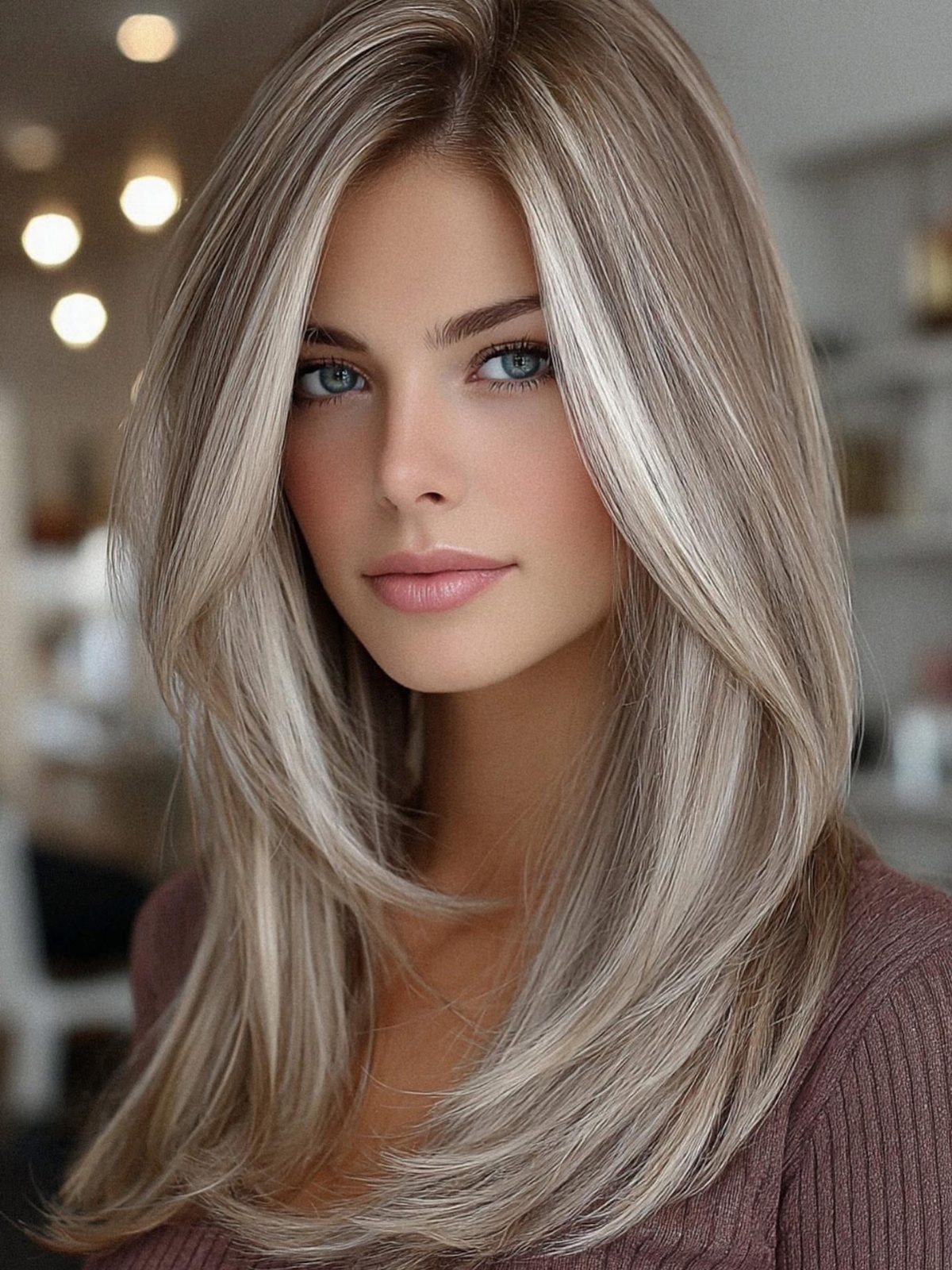
Lowlights give blonde-gray hair more dimension and keep it from looking too cool or flat. The darker sections sit through the length and break up the silvery tone, so the color reads as intentional rather than washed out.
This works well if you’re blending natural gray with blonde and want the overall color to look cohesive.
23. Blonde Hair with Beige Lowlights
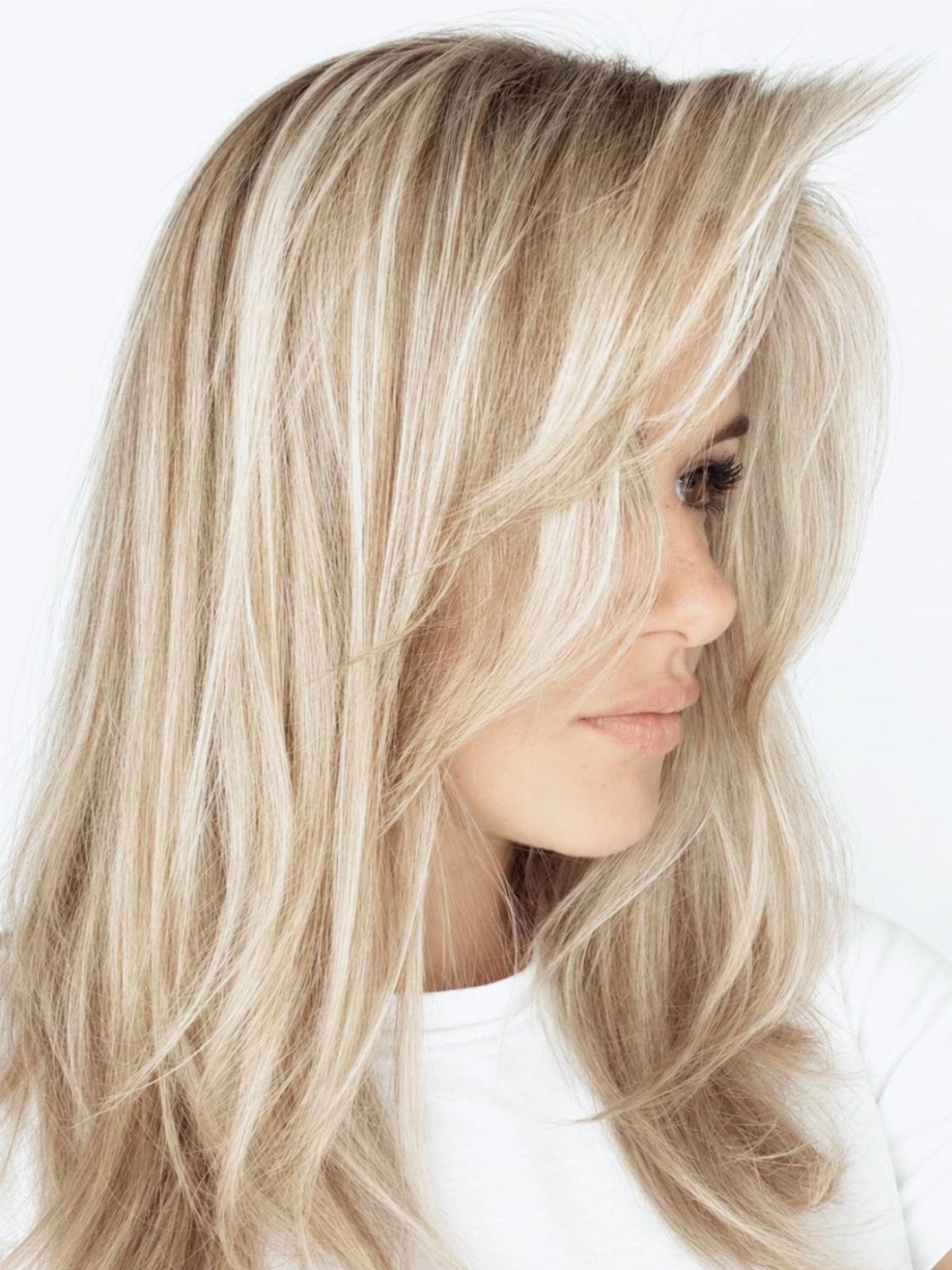
Beige lowlights keep blonde hair neutral without adding warmth or going too cool. The beige sits close enough to the blonde base that the contrast is soft, so the color looks dimensional but not striped.
This is a good choice if you want depth but don’t want the lowlights to stand out as a separate tone.
The subtle difference means grow-out is gentle, and you can stretch appointments longer than you would with a higher-contrast placement.
24. Long Blonde Bob with Lowlights
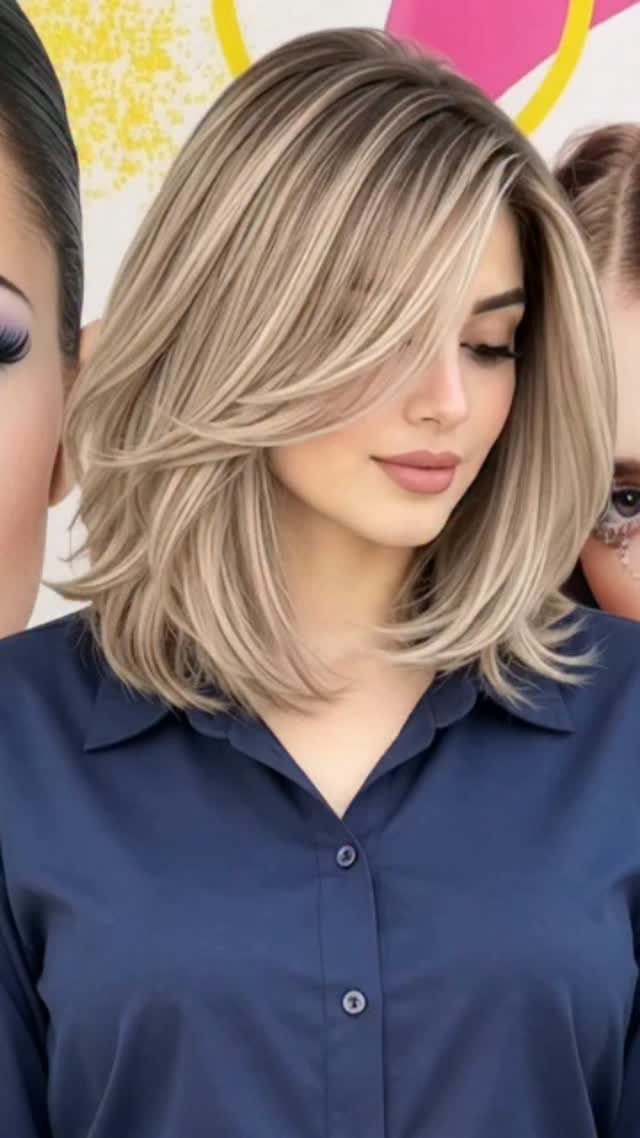
Lowlights on a long bob give the cut shape and dimension, especially when the hair is angled or layered.
A bob gets trimmed often enough that the color stays fresh without needing frequent root touch-ups.
25. Long Blonde Middle Part Waves with Lowlights
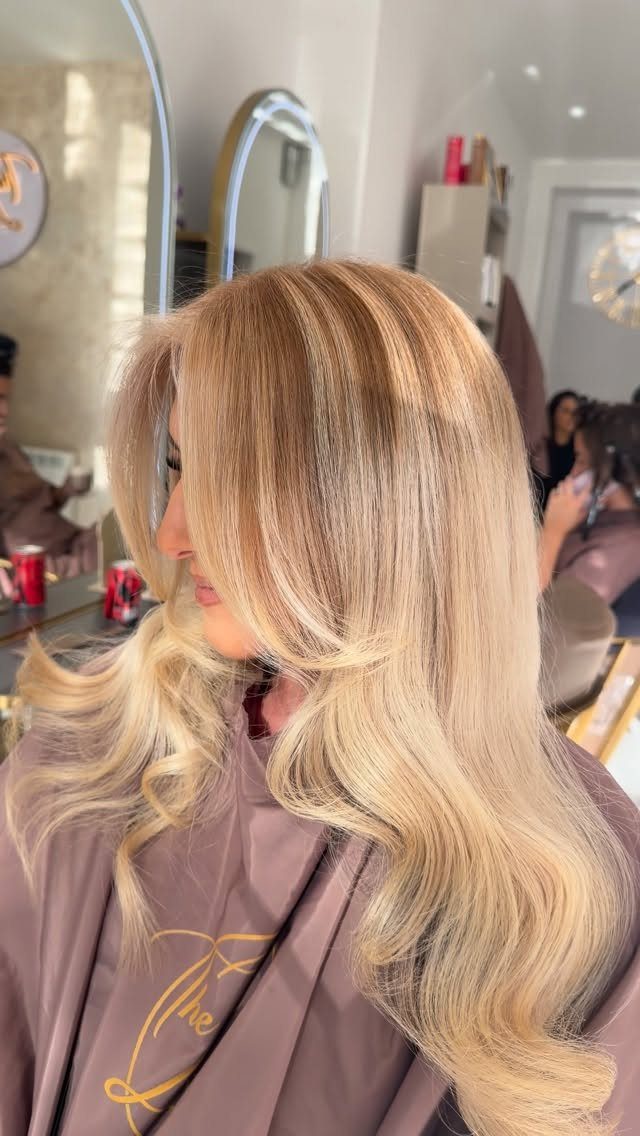
A middle part with long waves lets the lowlights show on both sides of the face, so the dimension reads symmetrically.
This styling works with the lowlights rather than covering them, so you get the full dimensional effect the color was meant to create.
26. Easygoing Blonde Hair with Lowlights
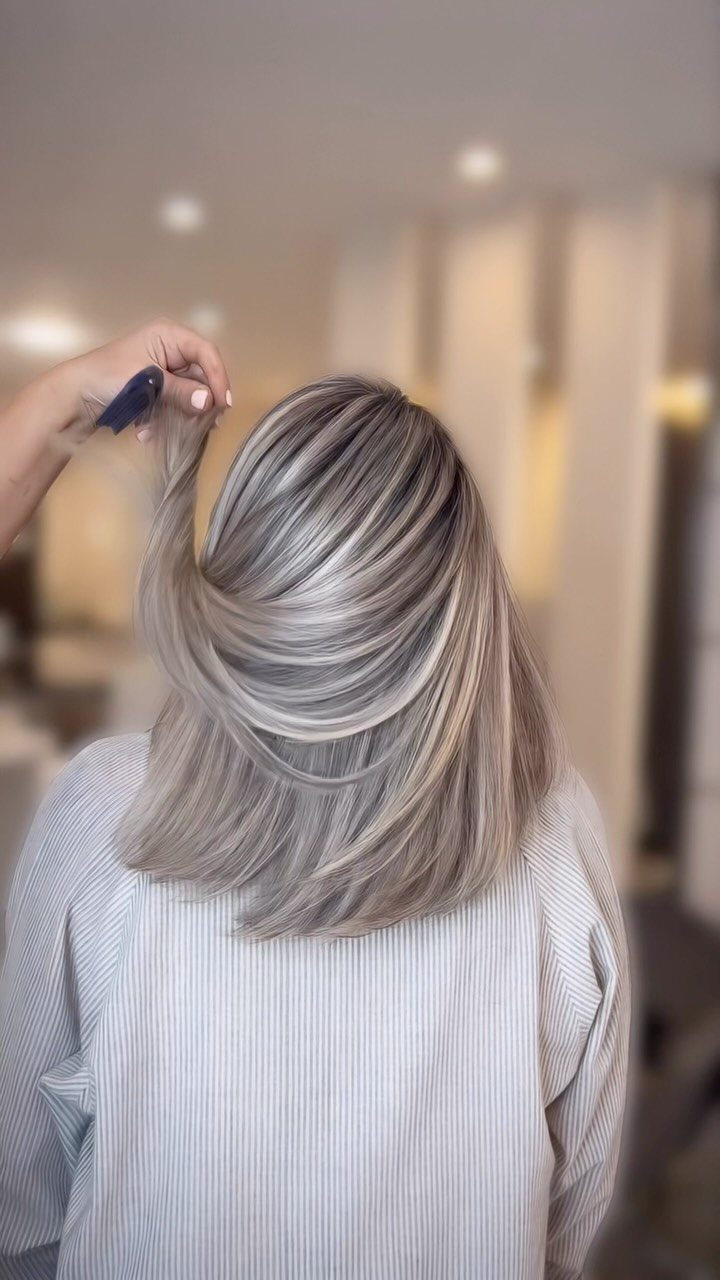
Lowlights placed loosely through shoulder-length blonde keep the color from feeling too structured or precise. The darker sections blend softly into the base, so the overall look stays relaxed and natural rather than high-maintenance.
This suits someone who wants dimension but doesn’t want the color to look freshly done all the time. The softer placement also means grow-out happens gradually, so you can go longer between touch-ups.
27. Dimensional Balayage
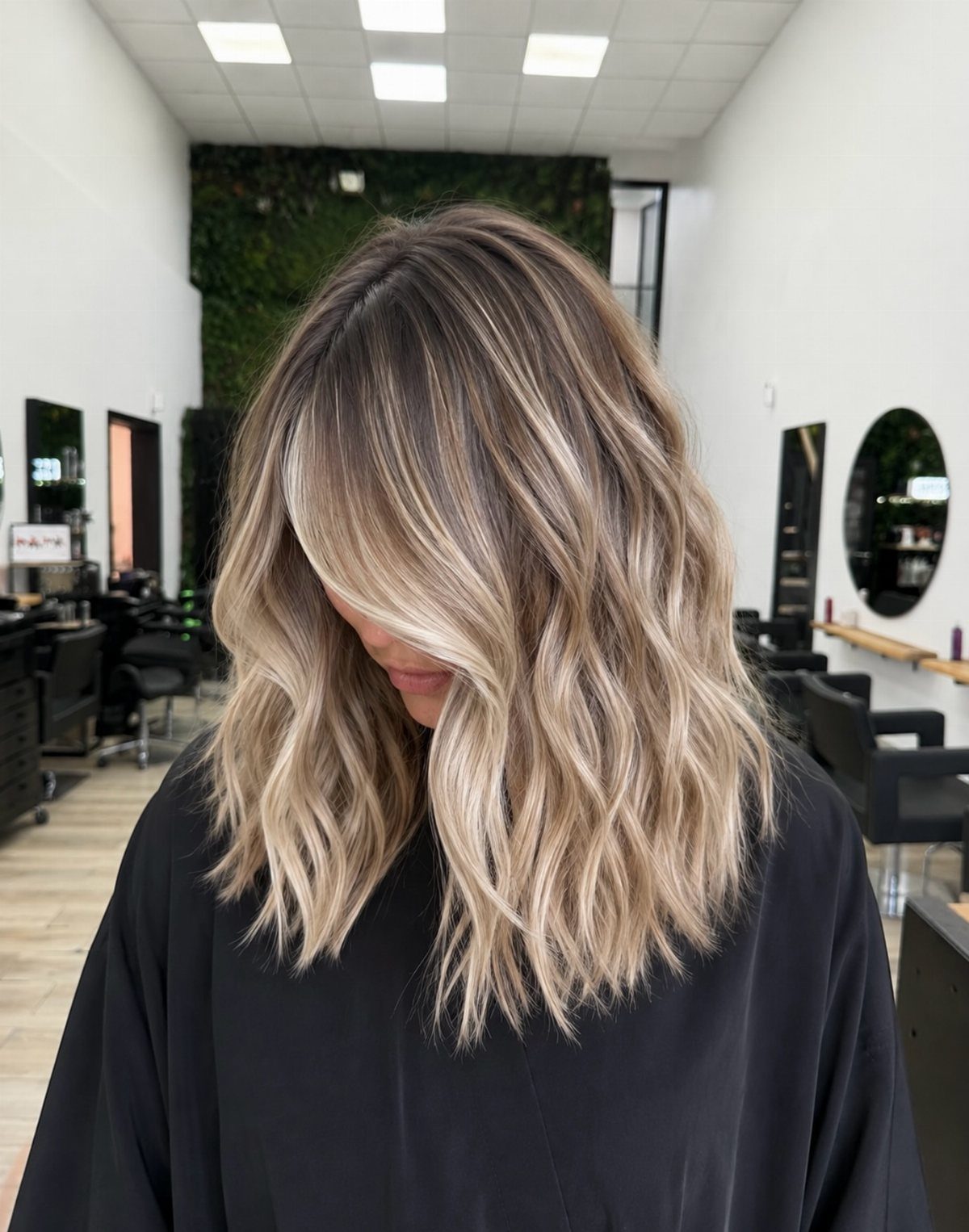
Hand-painted balayage builds dimension by layering several tones through the length, so the color shifts as light hits it from different angles.
The darker sections sit where shadow would naturally fall, and the lighter pieces come forward, which gives the hair depth and movement.
This technique creates a color that looks textured rather than flat, and the soft transitions mean the dimensional effect shows whether the hair is straight or wavy.
28. Blonde Hair with Transitional Lowlights
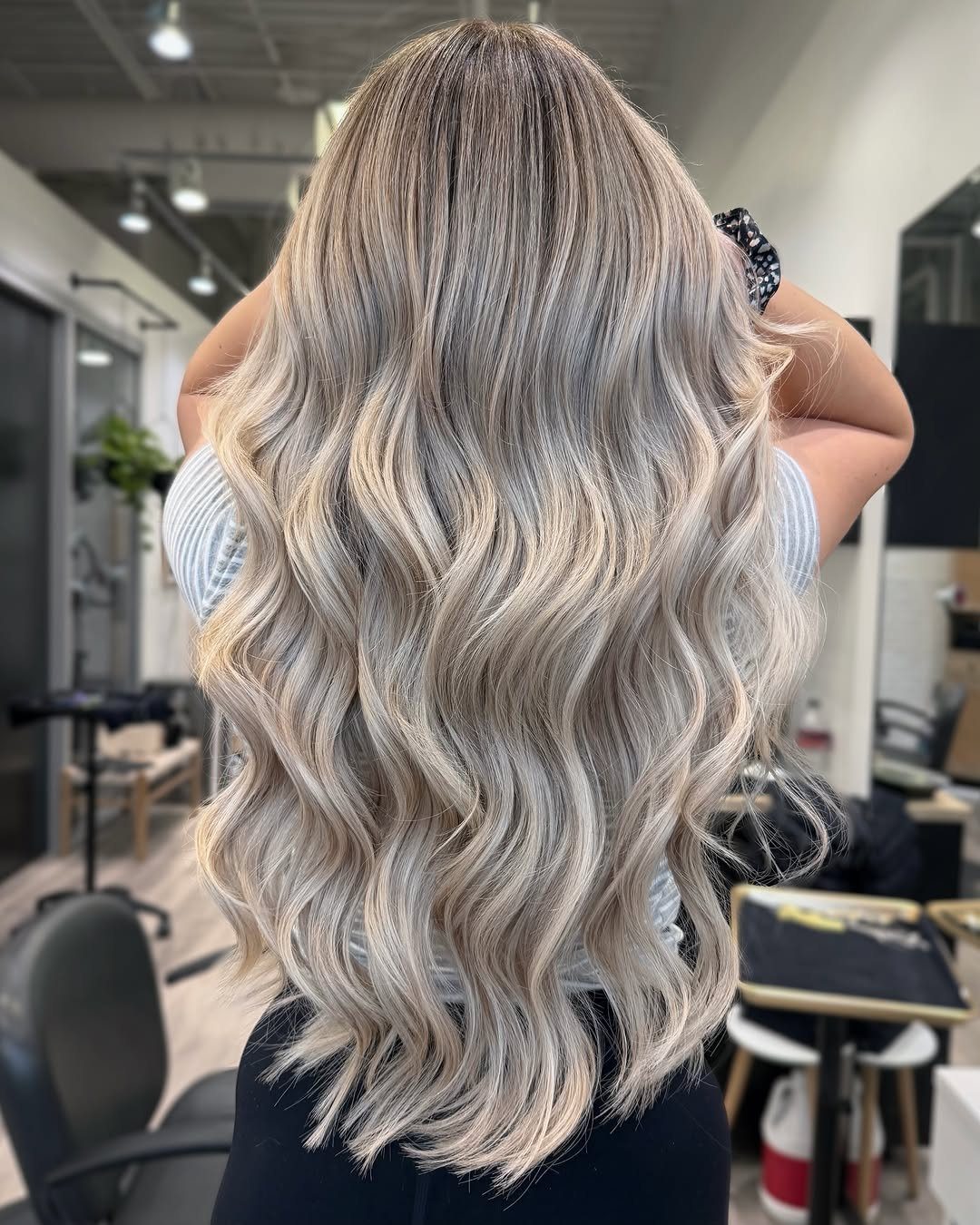
Lowlights that blend gradually from darker roots into lighter ends soften the line between natural regrowth and colored hair. The transition happens over several inches rather than at one point, so new growth comes through without a sharp contrast.
This placement stretches the time between salon visits and keeps the color looking intentional as it grows, since the darker sections near the root are part of the design from the start.
29. Bronde Balayage with Honey Tones
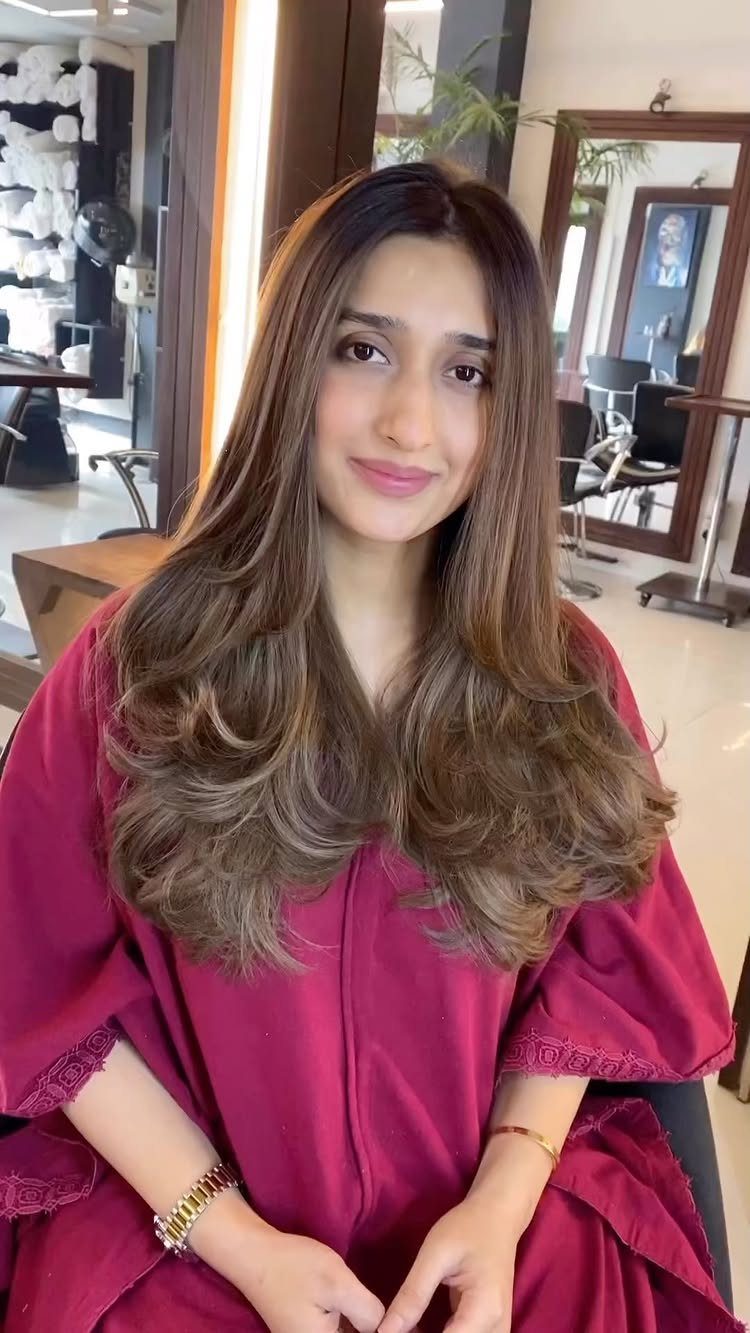
Bronde sits between blonde and brunette, and honey lowlights keep the color warm without tipping it fully blonde.
This works if you want brightness but still want the overall color to stay closer to brown. The balayage placement keeps the roots darker, so maintenance stays lighter than with full blonde.
30. Light Brown Bob with Blended Tones
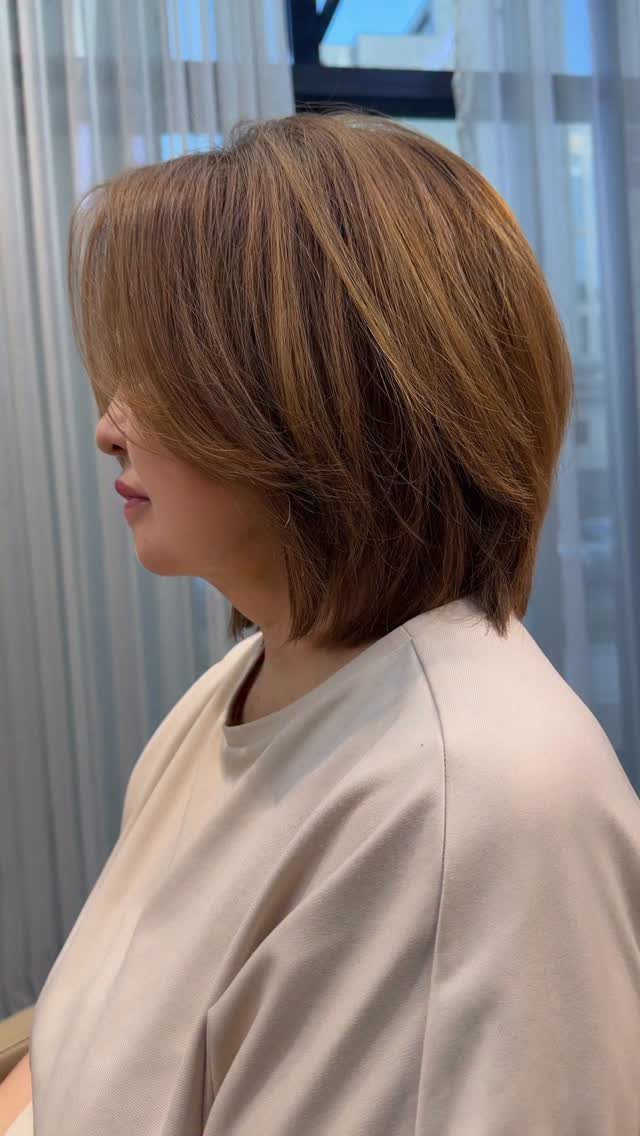
Several blonde and brown shades blended through a light brown bob give the color movement without distinct sections. The tones sit close enough together that the overall effect is soft and cohesive, not striped.
A bob shows this blending well because the length is short enough that the color stays fresh between trims, and the cut itself gets reshaped often enough that the dimensional placement keeps working with the layers.
Choosing Lowlight Shade and Placement
Anything beyond that can look muddy, especially on platinum, where too much contrast reads as a mistake instead of dimension.
Match the tone to what’s already there.
Cool blondes suit ash brown lowlights, while honey or caramel bases work better with warmer brunette shades. If your blonde has any gold in it, a cool lowlight will clash.
Placement matters more than you’d expect.
Color Care and Salon Upkeep
Use a nourishing shampoo and conditioner made for color-treated hair, something that rebuilds bonds and adds moisture back after processing.
Redken Acidic Bonding Concentrate or a similar sulfate-free pair will keep the color from fading too fast and stop the hair from feeling stripped.
Purple shampoo once or twice a week keeps the blonde from going brassy, but don’t overdo it.
Too much toning shampoo dries the hair out, and if that happens a glossing service at the salon can add moisture and shine back without another full color appointment.
A weekly mask helps, especially if the blonde base was lightened more than a few levels. Shu Uemura Ultimate Reset or Redken Extreme Bleach Recovery both work on damaged hair without weighing it down.
Plan for salon visits every 6 to 8 weeks if you want the color to stay fresh. If you’re stretching it, expect to refresh the color every 3 months, especially around the hairline where new growth shows first.
Frequently Asked Questions
What color lowlights for light blonde hair?
Beige, ash, caramel, honey, or milk chocolate all work, depending on whether you want the color to stay cool or warm up.
Stay within 2 or 3 shades of your base so the lowlights add depth without looking striped. Beige and ash keep the tone neutral, while caramel and honey bring warmth without pushing the color into full bronde.
Can I add lowlights to my blonde hair?
Yes.
Lowlights give blonde hair dimension and keep it from looking one-note, and they blend naturally as your root grows in. Keep the lowlights within 2 shades of your base so the contrast stays soft and doesn’t read as stripes.
How do you break up blonde hair?
Lowlights add darker depth, while highlights lift sections lighter, and both techniques give blonde more range than a single tone.
What are lowlights on hair?
Lowlights are strands dyed 1 or 2 shades darker than your base color, while highlights lift sections with bleach.
Can lowlights cover gray hair?
Lowlights placed near grays can camouflage them by blending the darker tone through the rest of your color.
Will purple shampoo lighten my lowlights?
No. Purple shampoo tones the lighter blonde sections to keep them from going brassy, but it won’t lighten the darker lowlights.