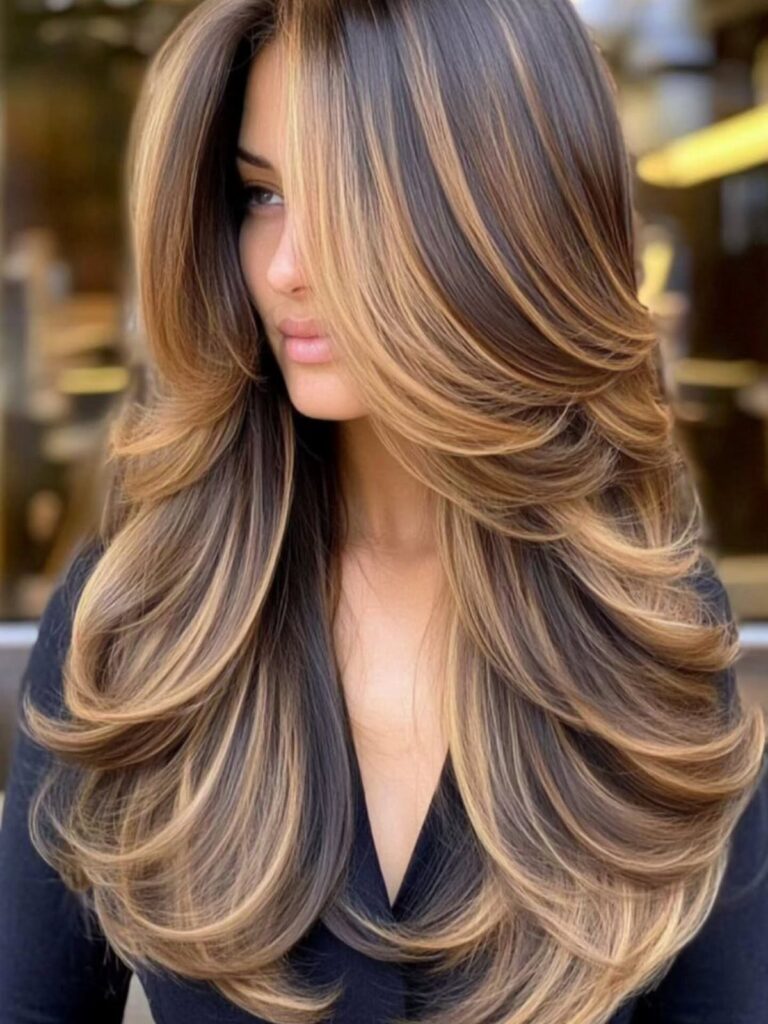
Face-framing pieces lighten just the front for less cost and easier regrowth, while high-contrast blues and purples need monthly color to stay vivid. Ombre keeps the root line dark so you skip the regrowth appointments.
Ash and mushroom tones suit cool skin better than caramel or honey, which read brassy if your undertone doesn’t match. A gloss every 6–10 weeks keeps lifted sections from turning brassy, and color-safe shampoo slows fade between visits.
1. Face-Framing Highlights
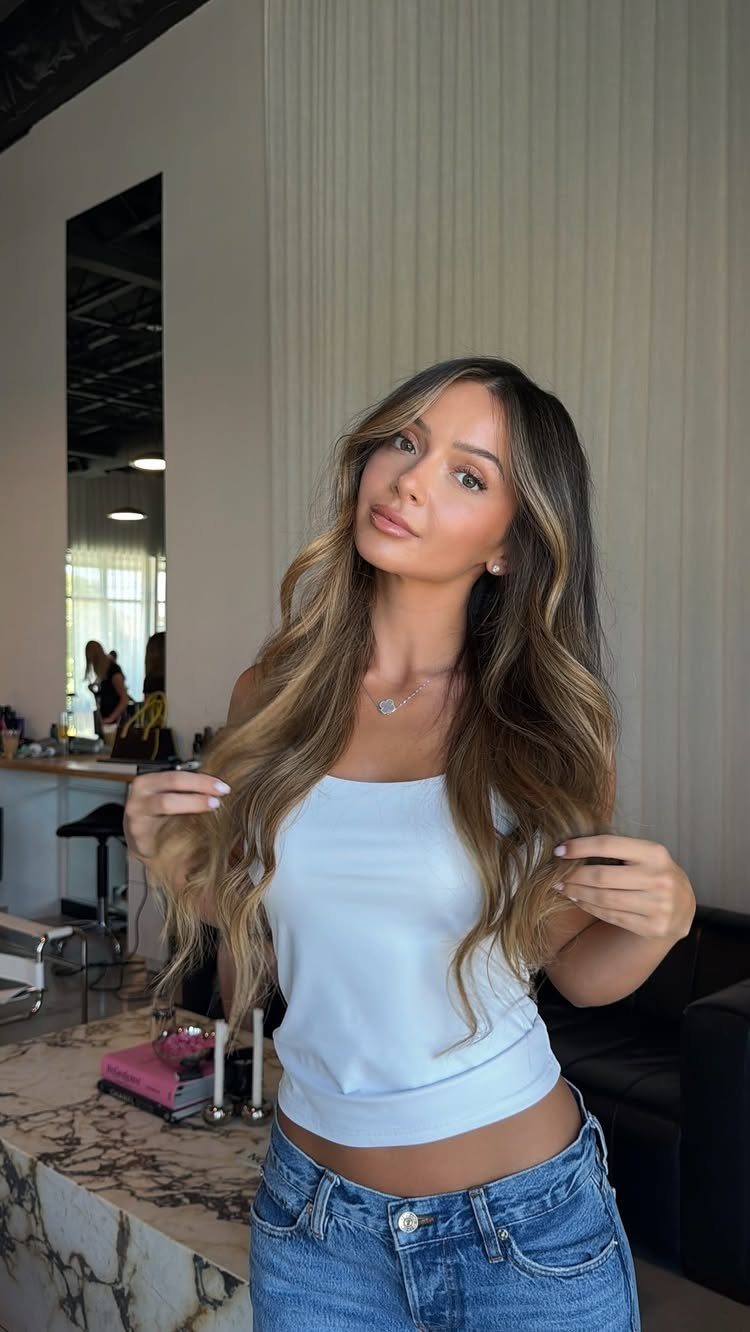
Lighter pieces right around the face do the brightening work without asking the rest of your hair to change.
That makes this the cheapest way I know to try a lighter shade on brown hair, since only a small section gets lifted.
Because those strands sit next to your skin, the shade matters more than the amount. Pick one that flatters your skin tone, and ask your stylist to keep it soft where it meets the darker base.
If you want something low-key, this is where I would start.
2. Ash Highlights
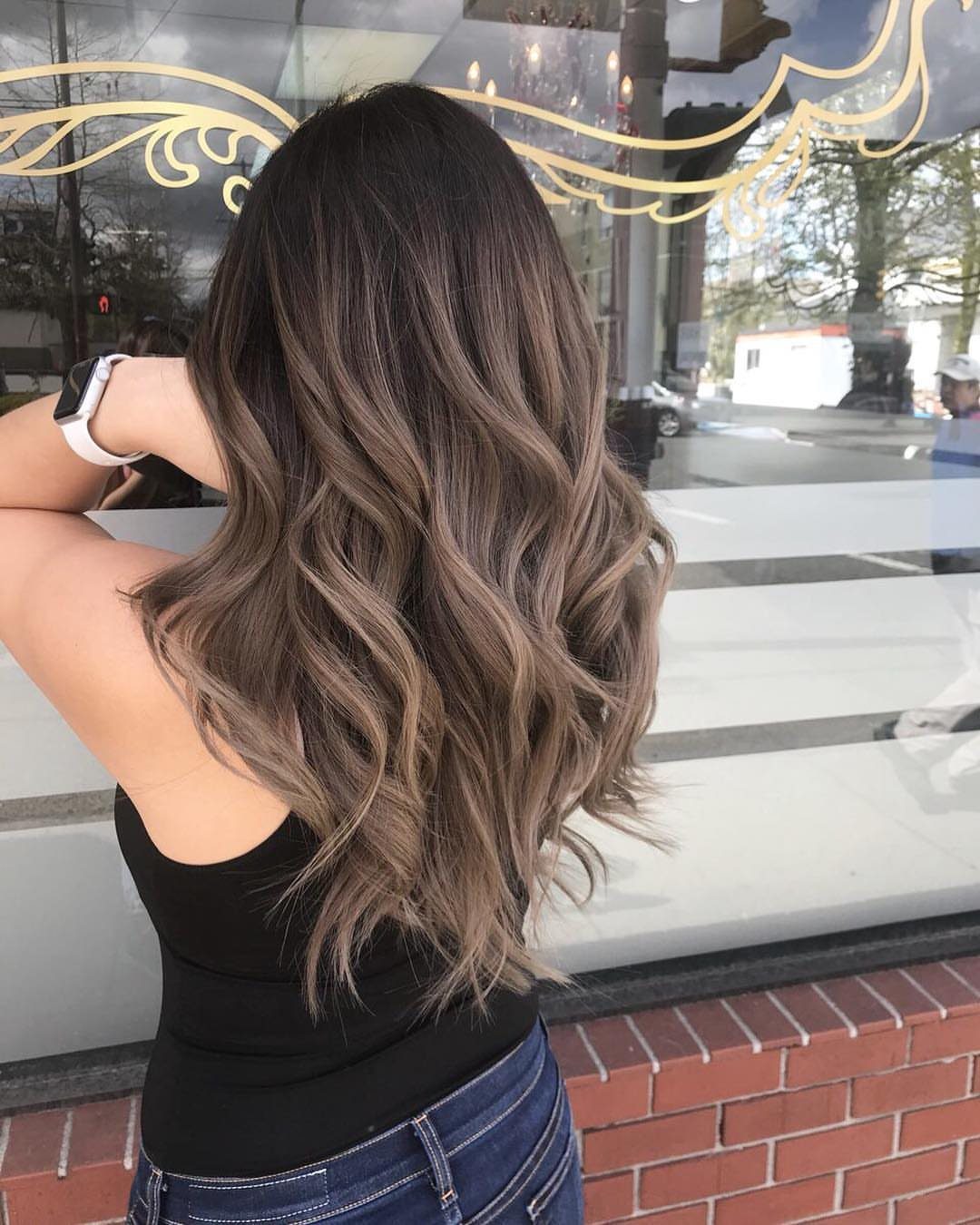
Cool ash tones give brown hair a crisp, modern contrast that warm highlights rarely manage. The ash-blonde pieces read silvery against the brown, and that clean separation is the whole appeal.
Cool shades suit people who find golden tones brassy next to their skin, so check your undertone before booking.
I would ask for the ash to be blended into the brown rather than stacked in stripes, which keeps it from looking harsh.
Expect more contrast than with caramel or honey, and say so up front if you want it quieter.
3. Balayage Highlights
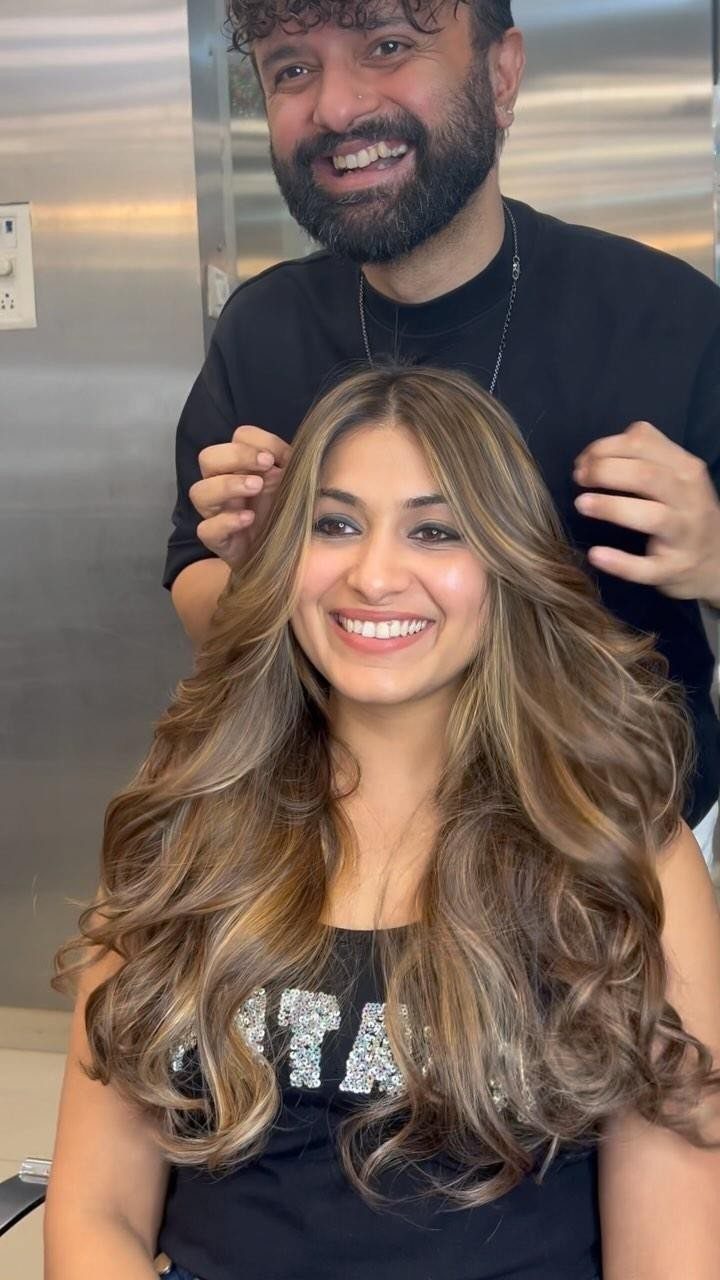
Balayage means the color is painted on by hand, so there are no foil lines and no stripes that start at the same distance from the scalp.
Every section gets placed by eye, which is why the finish looks soft, blended and lived-in.
For brown hair, I like it because the root stays natural and the lightness gathers toward the ends. When you show a photo to your stylist, point to where you want the brightest area to sit.
Wavy hair shows off the painted pieces especially well.
4. Mocha Ribbon Highlights
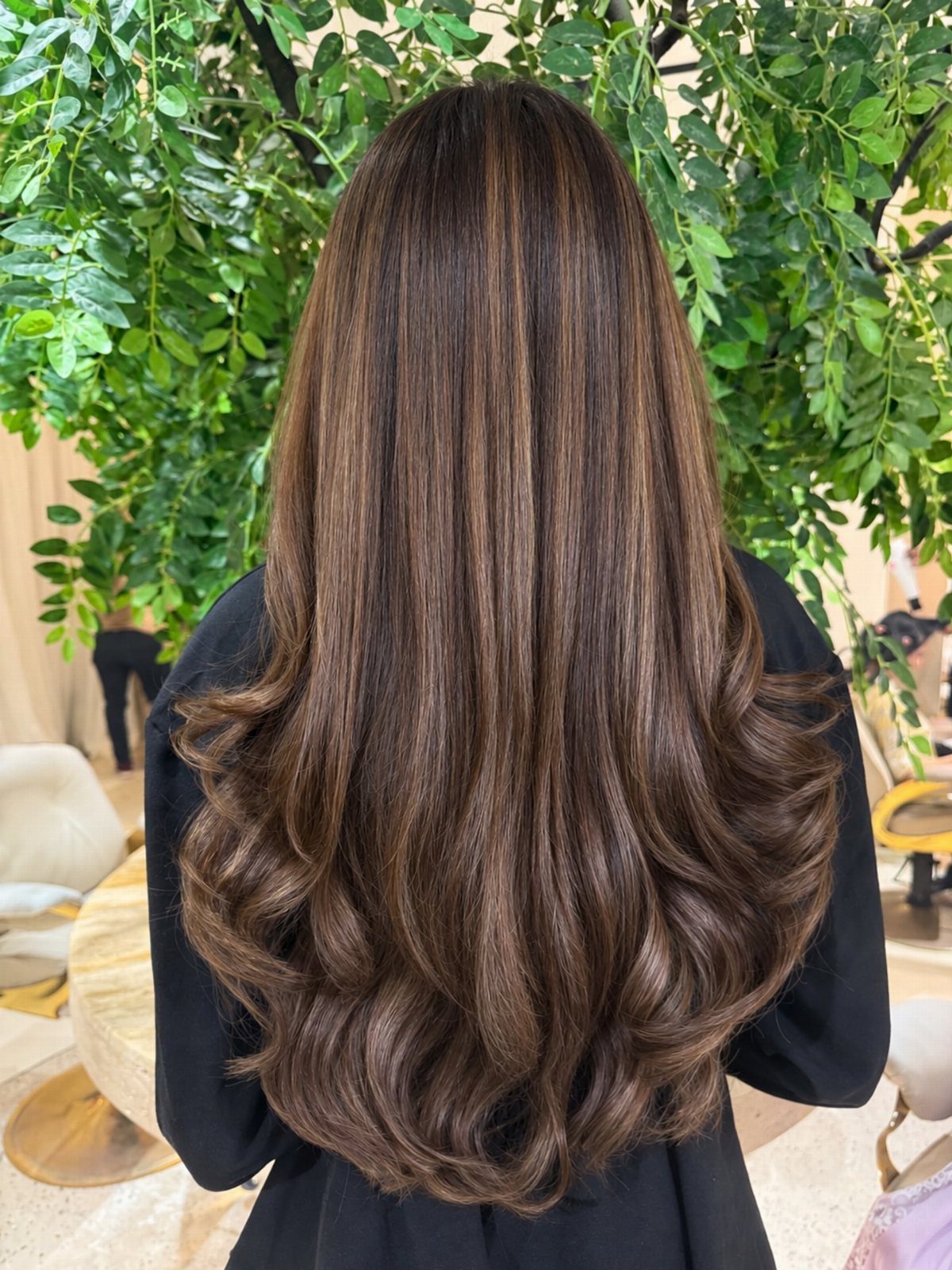
Thin brown ribbons woven through the hair give it depth you notice in movement more than at rest. Mocha sits close to your base shade, so the effect is dimension rather than a color change.
That closeness is the draw for anyone nervous about going lighter. Ask for ribbons a shade or two off your natural brown, and leave them fine rather than chunky.
Soft curls at the ends help the ribbons catch light and show the layering.
5. Bronde Highlights
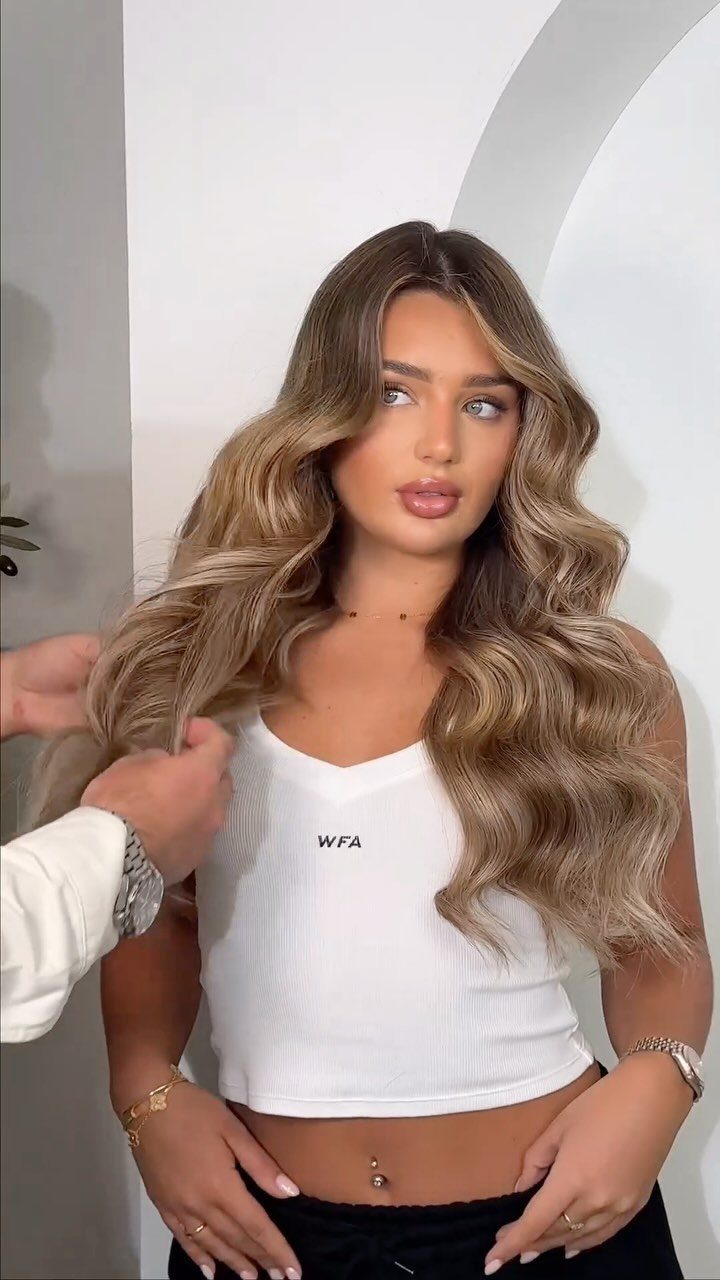
Bronde sits between brunette and blonde, and I think it is the most wearable way to go noticeably lighter from dark hair. The blend means brown and blonde share the same strands, so no single shade dominates.
It suits you if you want a clear change but dread a harsh line at the root. Ask your stylist for a gradual shift from the brown base into the lighter pieces, with the blonde kept soft and blended.
Bring a photo and name the exact level of lightness you want.
6. Soft Beige Blonde
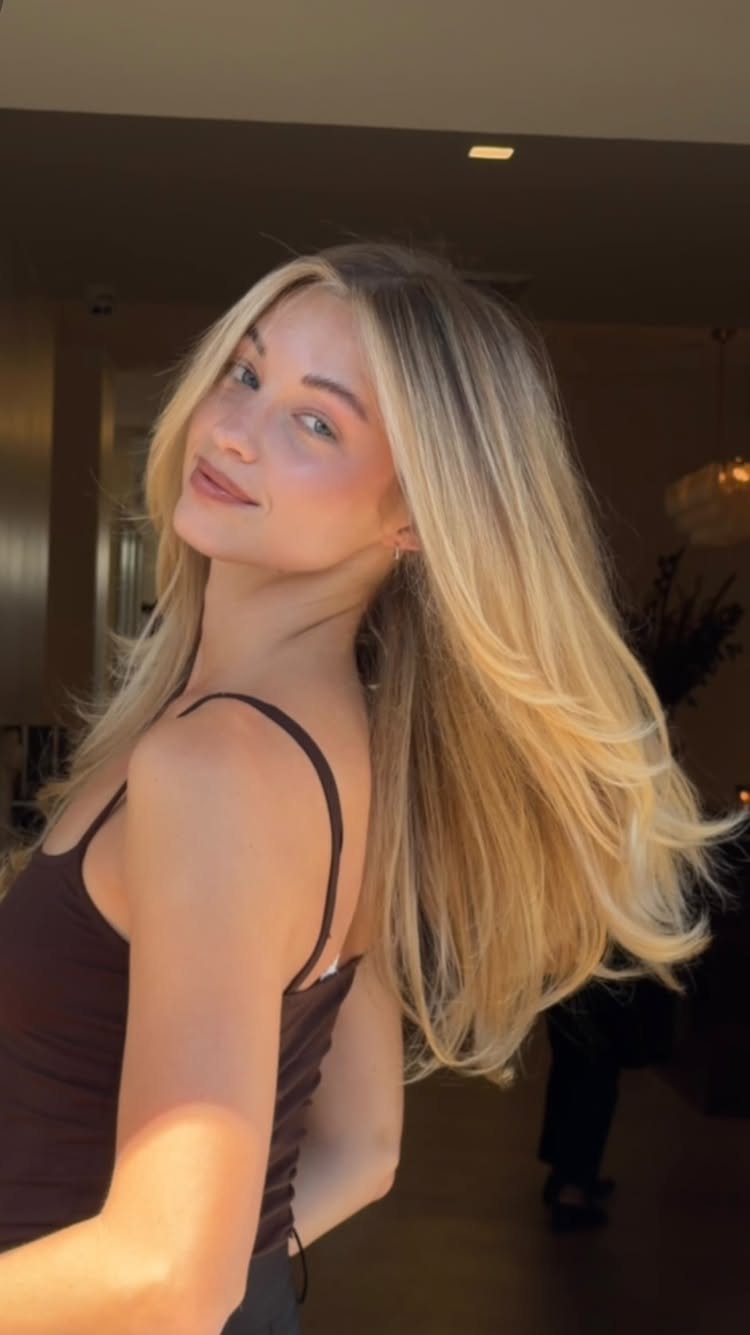
A neutral beige blonde brightens brown hair without turning it into a full blonde. The color stays soft because it lacks the strong gold or ash that makes other blondes feel louder.
One tip from the stylist behind this look: focus the lightness around the face, and carry it to the back of the neck so it still looks blended when you wear a ponytail.
Hair pulled up shows the back, and a color that stops at the front can look unfinished there.
I would choose this over a bolder blonde if your base is brown and you want it to stay subtle.
7. Gray Highlights
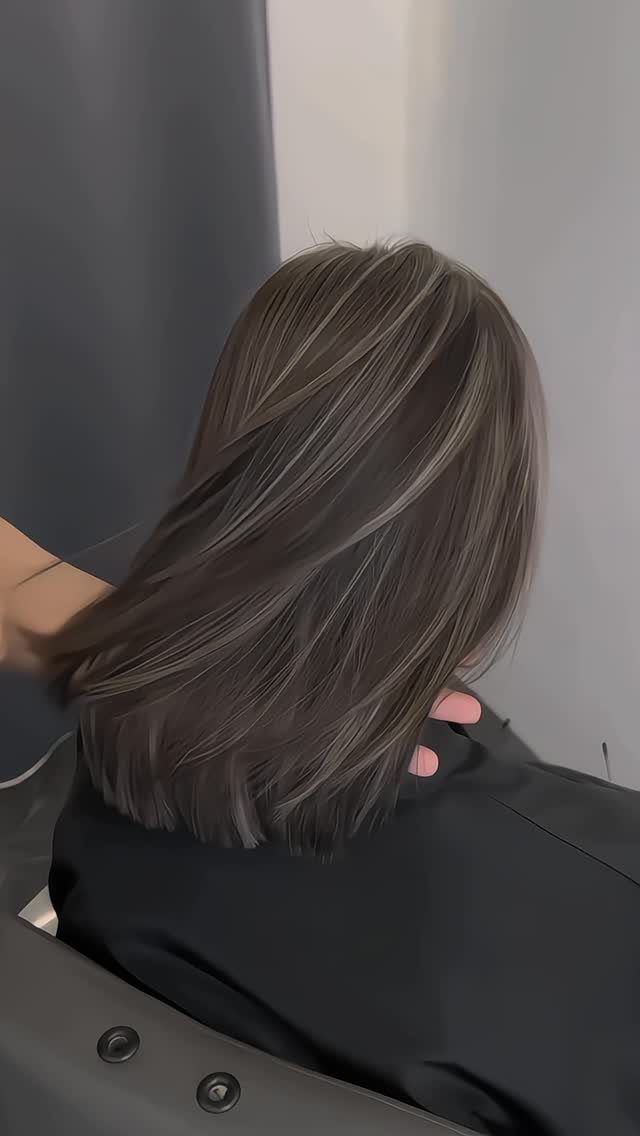
Silver-gray ribbons woven through brown hair make incoming gray regrowth less obvious, which buys you months between touch-ups if you’re growing out color. The cool tone sits close enough to natural gray that new roots blend rather than announce themselves.
Fine ribbons rather than wide panels are what I would ask for, since they let the gray shift in gradually against the brown.
This works best if your natural gray is already starting to come through and you want to meet it halfway instead of covering it.
8. Chocolate Highlights
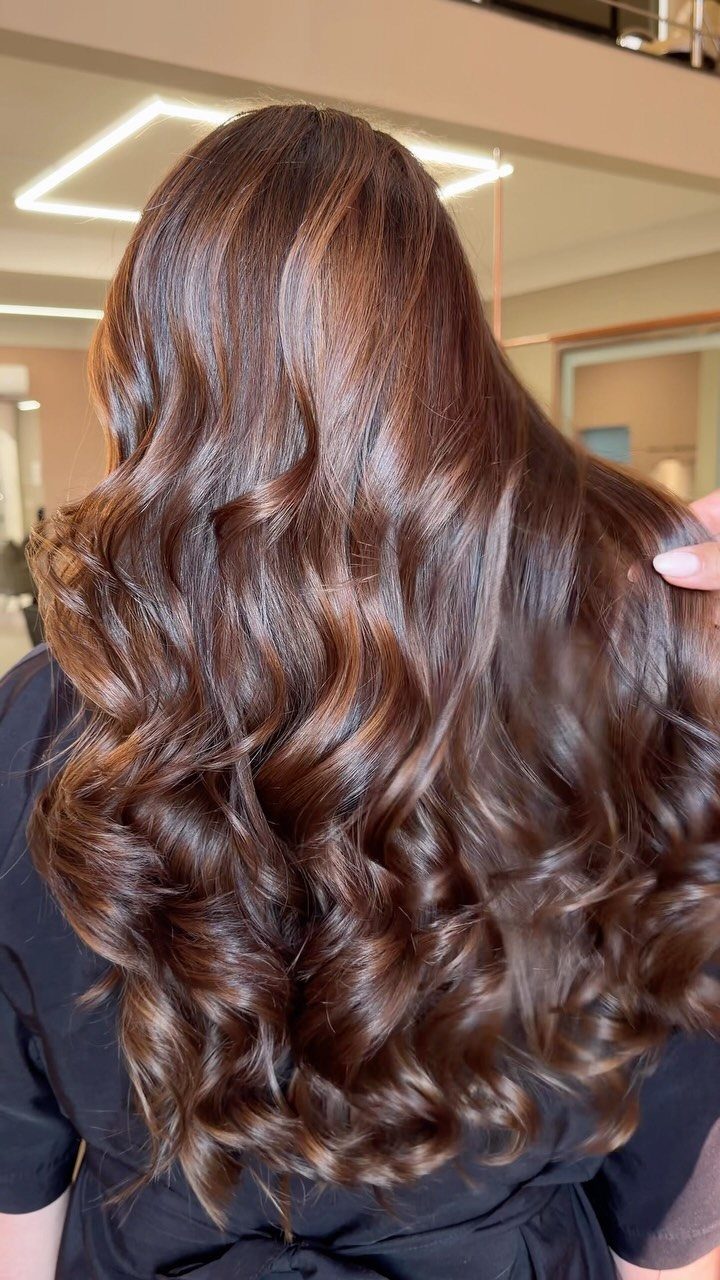
Brown highlights on brown hair give you depth without a color change. The chocolate pieces are just a shade or two darker or richer than your base, so what you get is movement and layering rather than brightness.
This suits you if you want dimension but find lighter tones too high-contrast or too much upkeep. Ask your stylist to keep the ribbons varied in width so the color catches differently as you move.
Wavy or curly hair shows the layering best.
9. Caramel Highlights
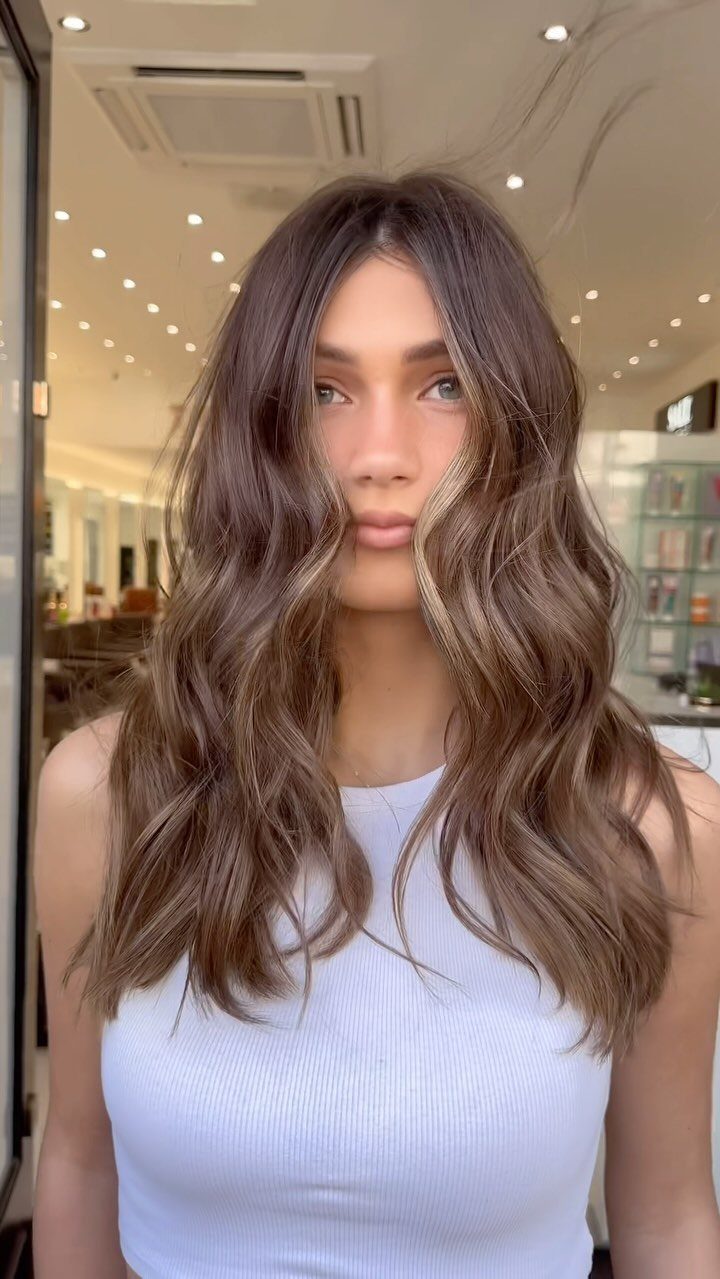
Warm caramel ribbons catch light without reading as blonde, which makes this the middle ground between subtle and bold. The golden tone suits warm skin better than cool, so check your undertone before booking.
I like caramel for anyone who wants noticeable brightness but worries a full blonde will feel too far from their natural color. Ask for the ribbons to concentrate around the face and fade into the brown at the roots.
10. Honey Highlights
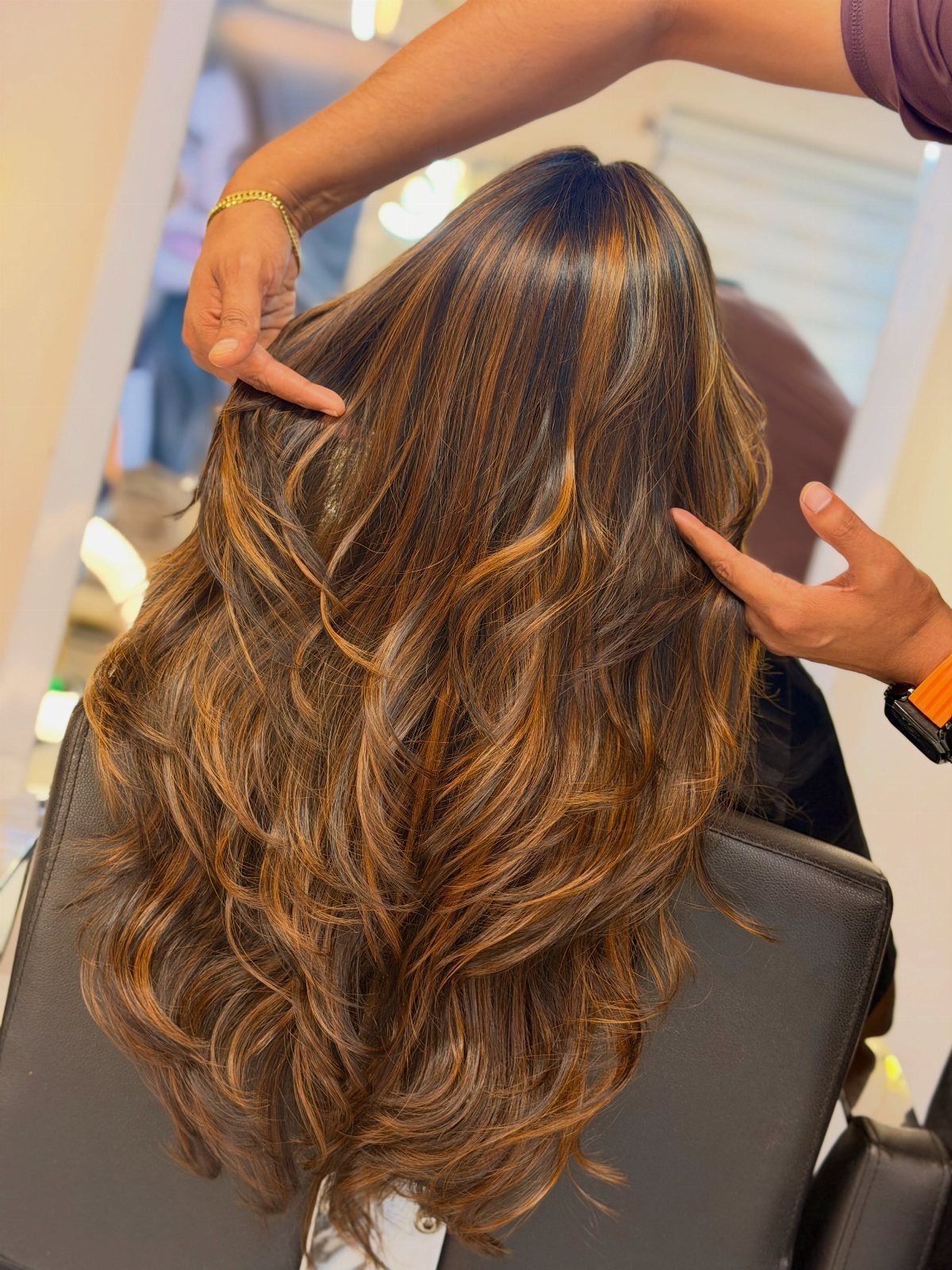
Honey highlights are brighter and more golden than caramel, so they give you a stronger lift without bleaching the whole head. The color sits closer to blonde, which means more contrast against a dark brown base.
That brightness suits you if you want a clear change and are willing to book regular touch-ups to hold it.
Honey that is softly blended into the base color grows out much better than hard stripes, so I would say that to your stylist up front.
11. Mushroom Highlights
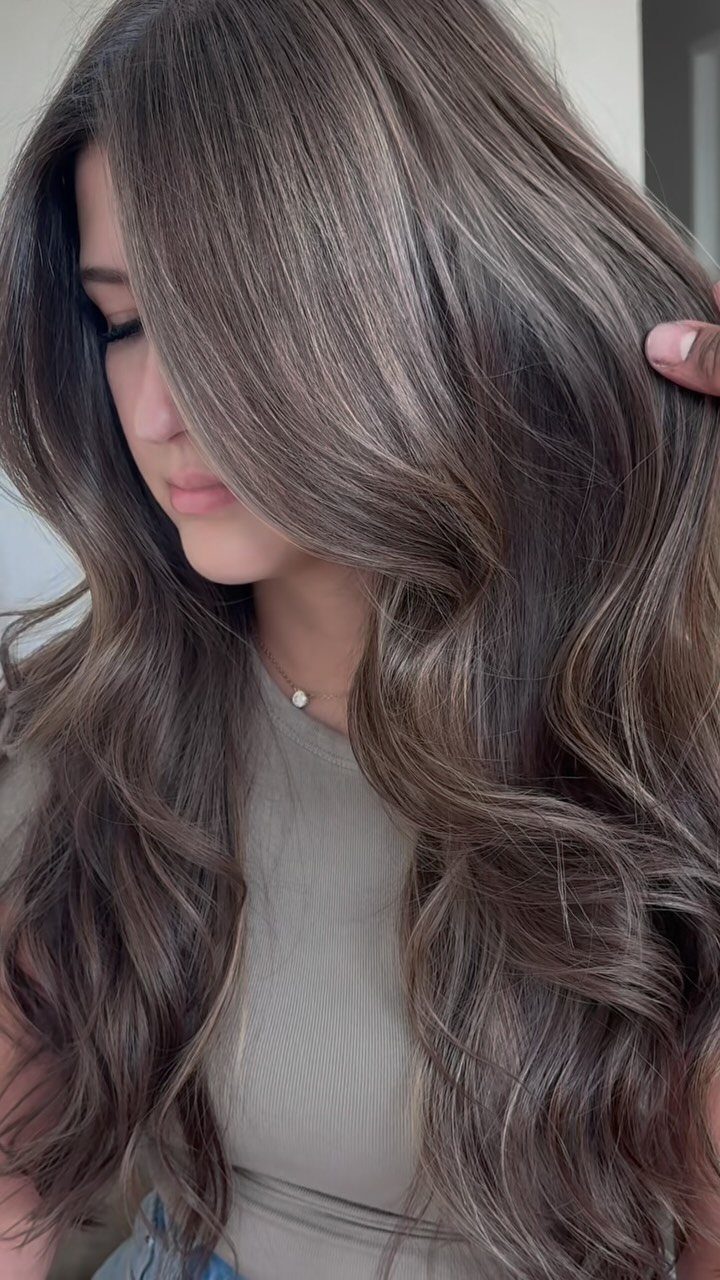
Earthy beige and taupe tones give brown hair subtle dimension without warmth, which suits anyone who finds golden highlights brassy next to their skin.
The cool, muted finish stays quiet and blended, so the color reads as natural depth rather than an obvious change.
I would choose this if you want something low-maintenance and soft. Mushroom works best as thin, layered strands that show when the hair moves and almost disappear when it sits still.
12. Toffee Highlights
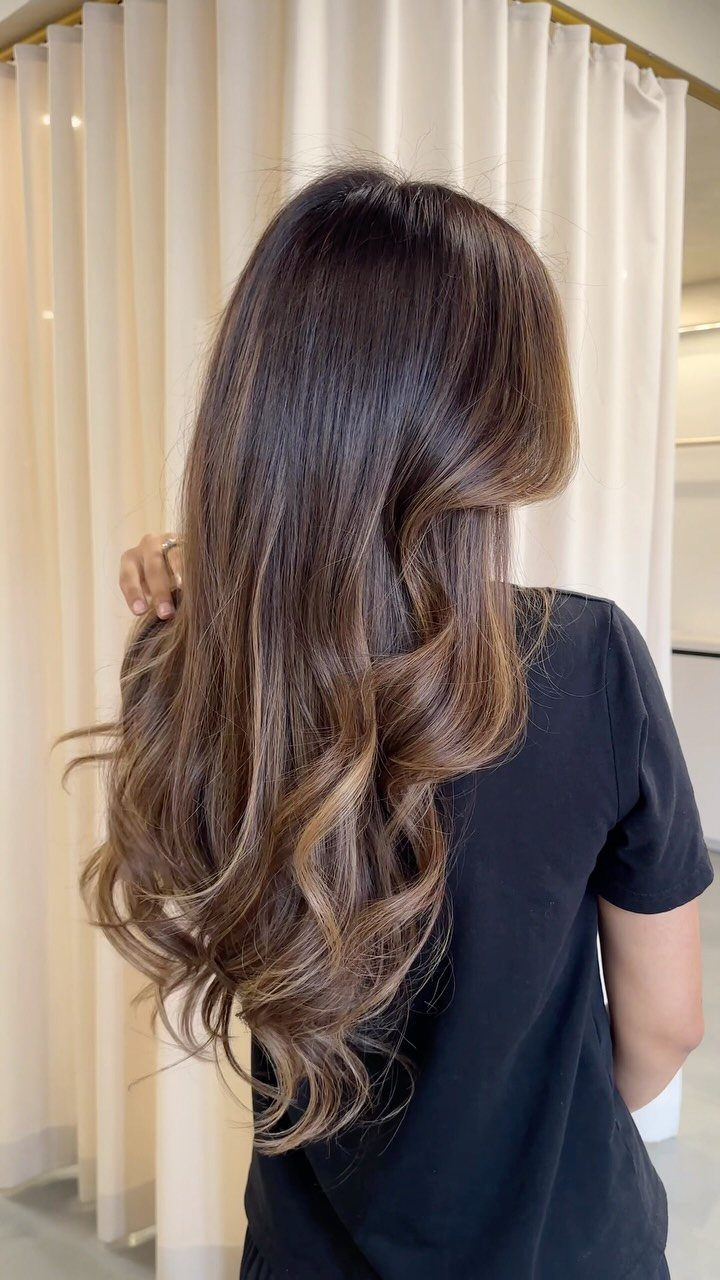
Toffee sits between caramel and beige, so you get warmth without going fully golden. The creamy tone adds softness and light without the high contrast of honey or the coolness of ash.
This suits you if you want a balanced result that flatters most skin tones and grows out gently.
Ask your stylist to place the toffee pieces through the mid-lengths and ends rather than at the root, which keeps regrowth from showing fast.
13. Ombre Highlights
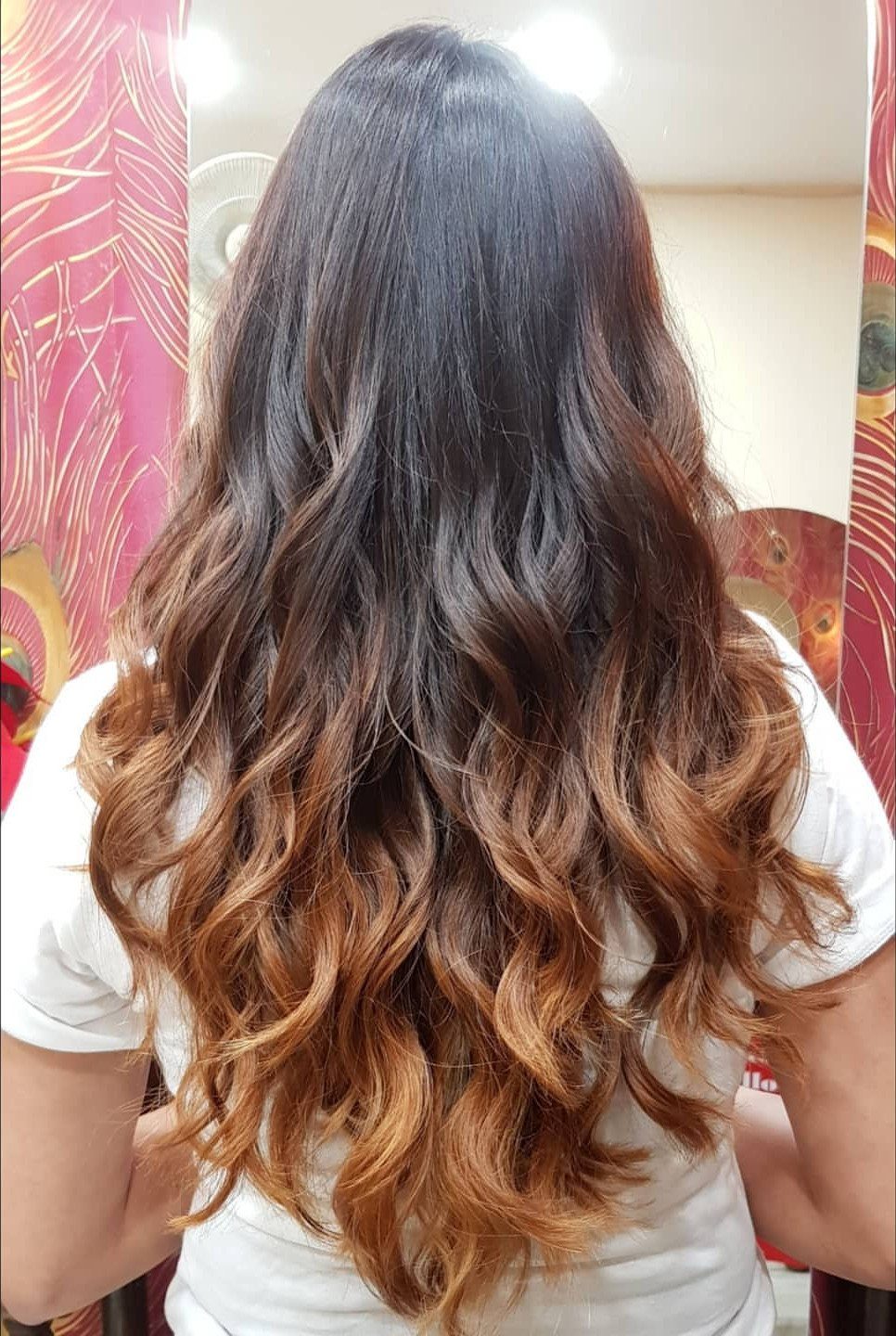
Ombre keeps the root fully dark and shifts to lighter ends, so you get the brightest color without ongoing root touch-ups. The gradient is deliberate and high-contrast, which makes this bolder than balayage.
That permanent dark root is the reason I would choose ombre if you want to go lighter but can’t commit to monthly salon visits.
The color lives at the ends, so when it fades or grows, you trim rather than retouch.
On brown hair, ombre tends to land in the warmer end of the spectrum: caramel, honey and toffee tones show up most often.
14. Champagne Highlights
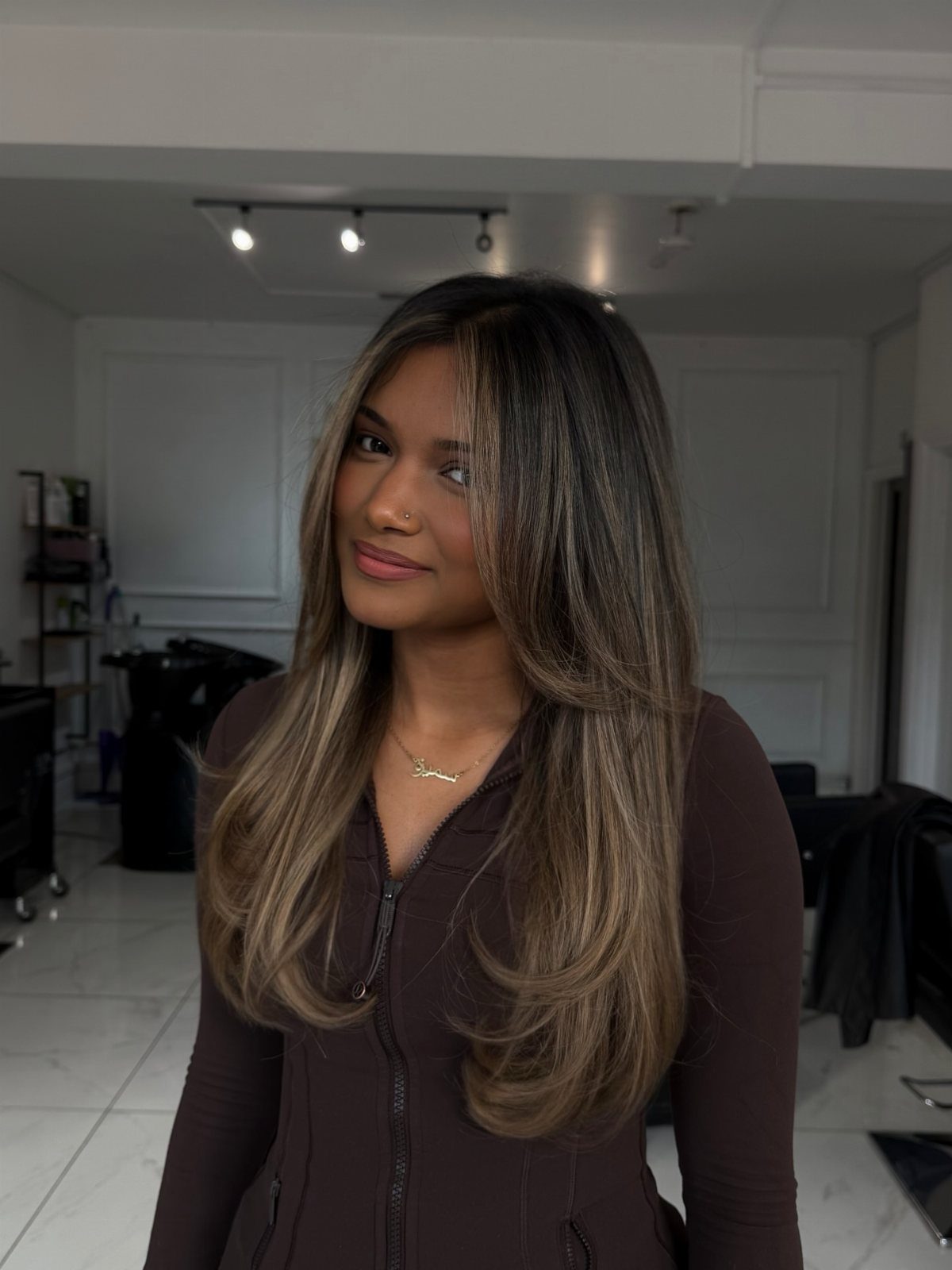
Champagne sits between beige and blonde, with a muted, almost silvery finish that adds light without warmth. The cool tone keeps it from reading as brassy, which makes this a good fit if golden highlights don’t flatter your skin.
15. Cinnamon Highlights
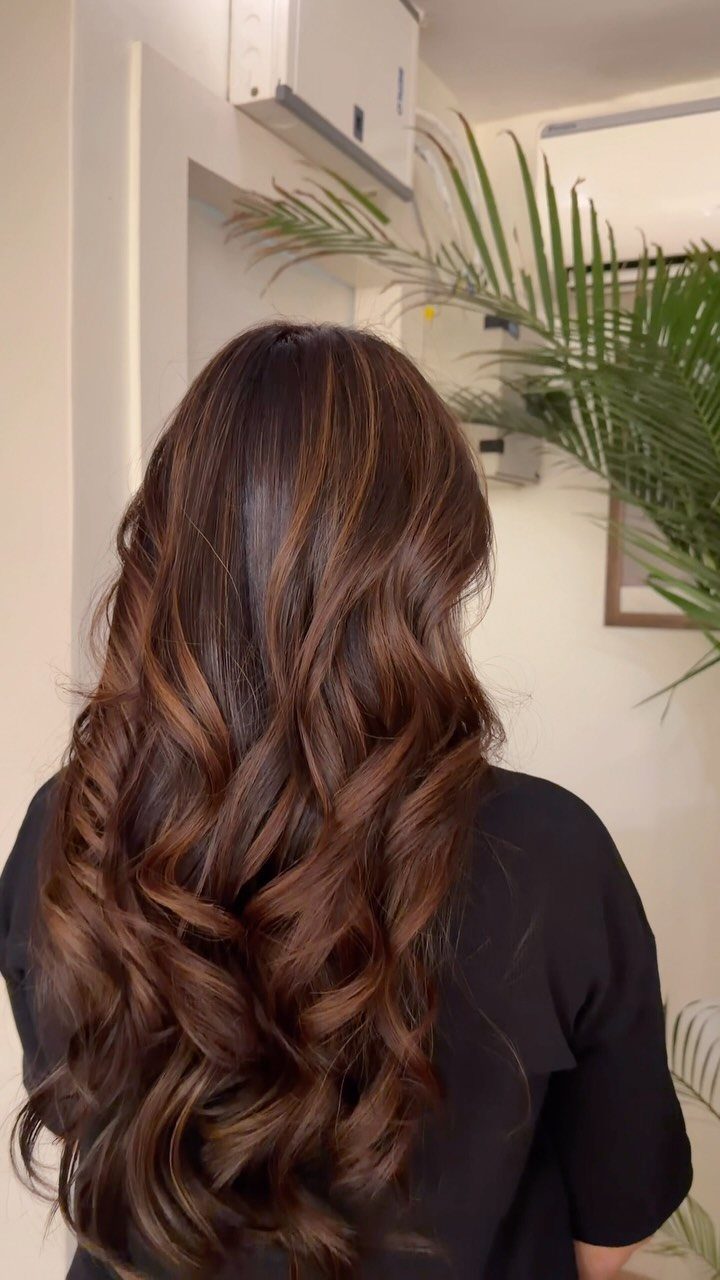
Red-brown ribbons warmed with cinnamon give you a richer version of your natural shade without lifting it to blonde. The color stays within the brown family, so the change is subtle and the upkeep is low.
This suits you if you want dimension that doesn’t require bleach.
I would ask for a soft blend at the root so regrowth stays gentle.
16. Red Highlights
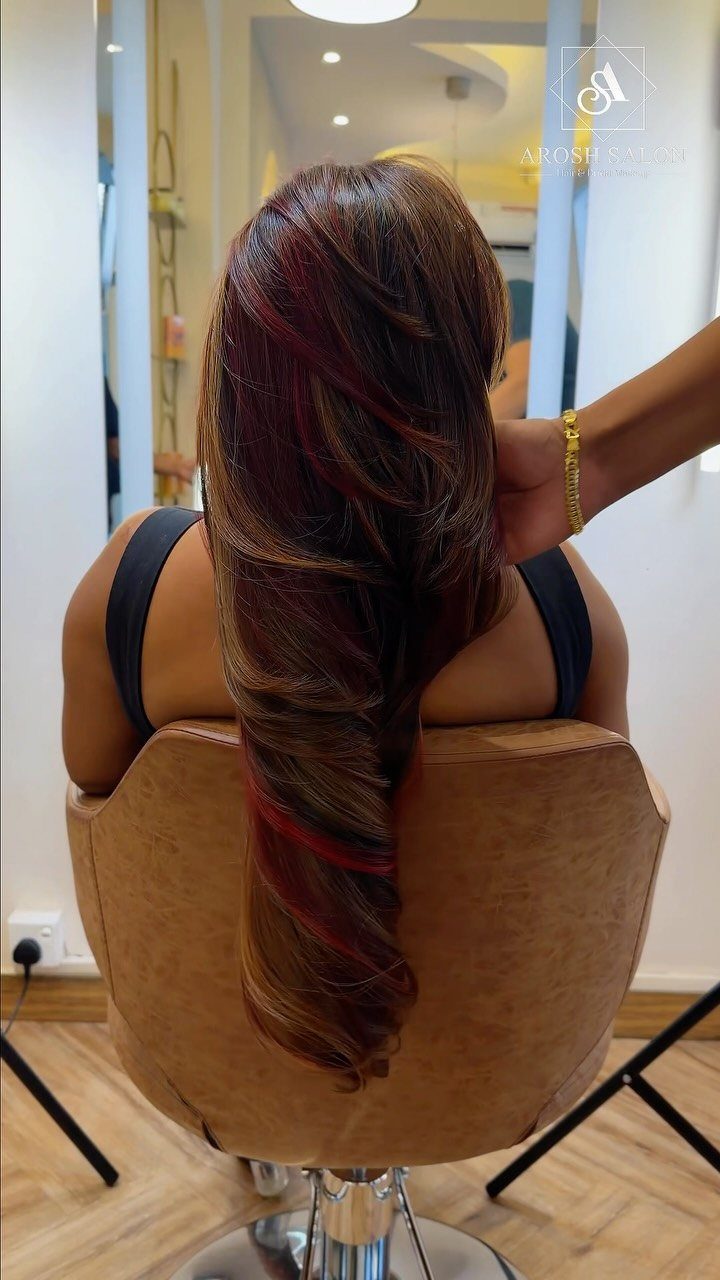
Red ribbons woven through brown hair give you a playful color shift that still reads as natural in most light. The red catches when the hair moves, so the effect is more dynamic than a single flat shade.
I like this for anyone ready to try color but not ready to leave the brown base behind. Ask for fine ribbons rather than wide panels, which keeps the red from overwhelming the brown.
Cherry and auburn are the most common red tones on brunette hair.
17. Copper Highlights
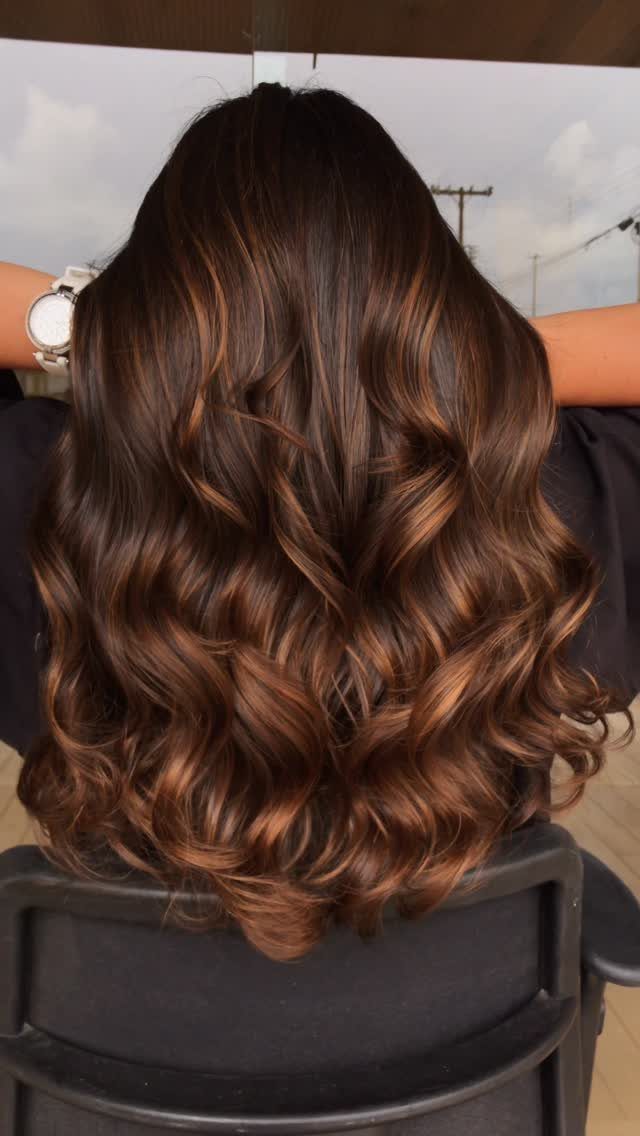
Metallic copper ribbons stand out sharply against dark brown, so this is the boldest warm highlight you can add without going blonde. The contrast is high, and the upkeep reflects that.
Copper suits you if you want a clear color statement and don’t mind booking touch-ups as the tone fades. I would ask for the ribbons to concentrate through the mid-lengths and ends, which keeps the root from needing constant retouching.
Curls and waves show the copper layering best.
18. Pink Highlights
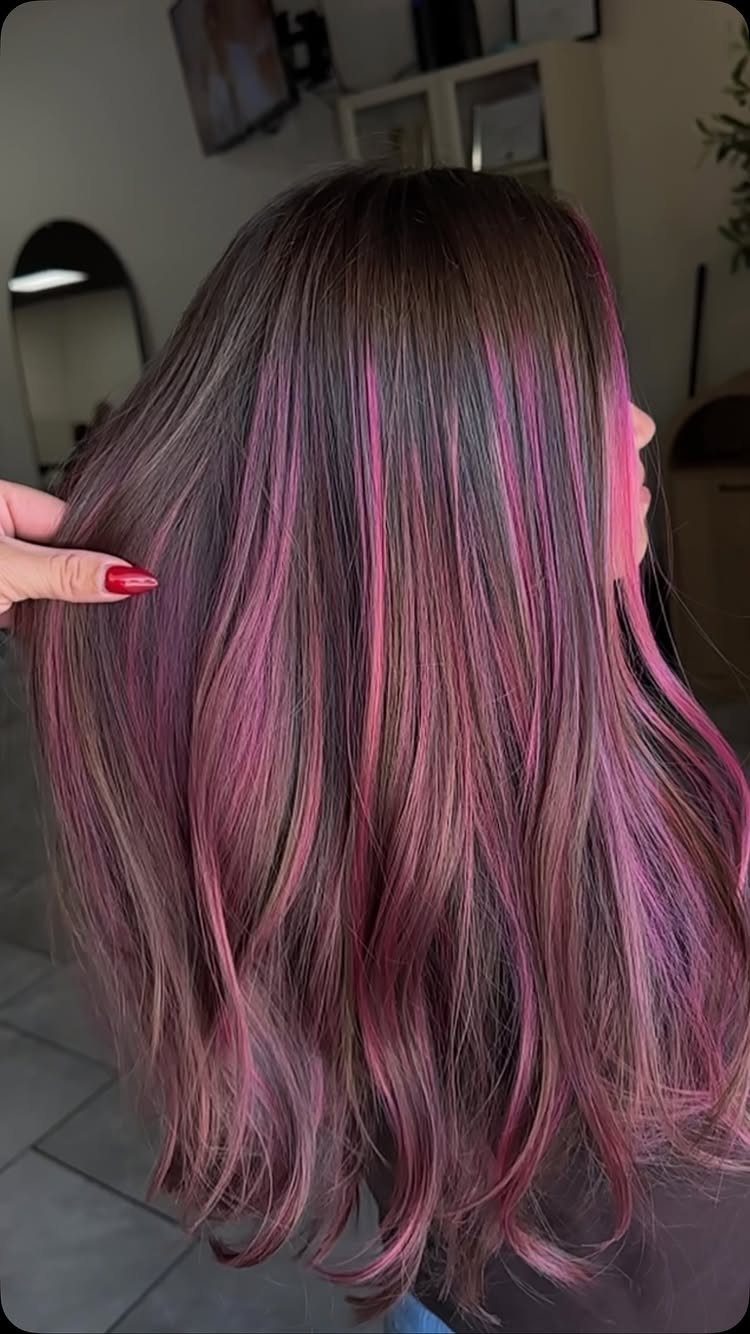
Dusky rose ribbons add a blush-toned pop that feels softer than bright pink but still registers as color. The muted tone sits closer to your natural brown, so the pink reads as an accent rather than a takeover.
Rose tones fade faster than brown or blonde, so expect to refresh the color every 4 to 6 weeks to hold the pink.
I would place the ribbons around the face and through the top layers.
19. Blue Highlights
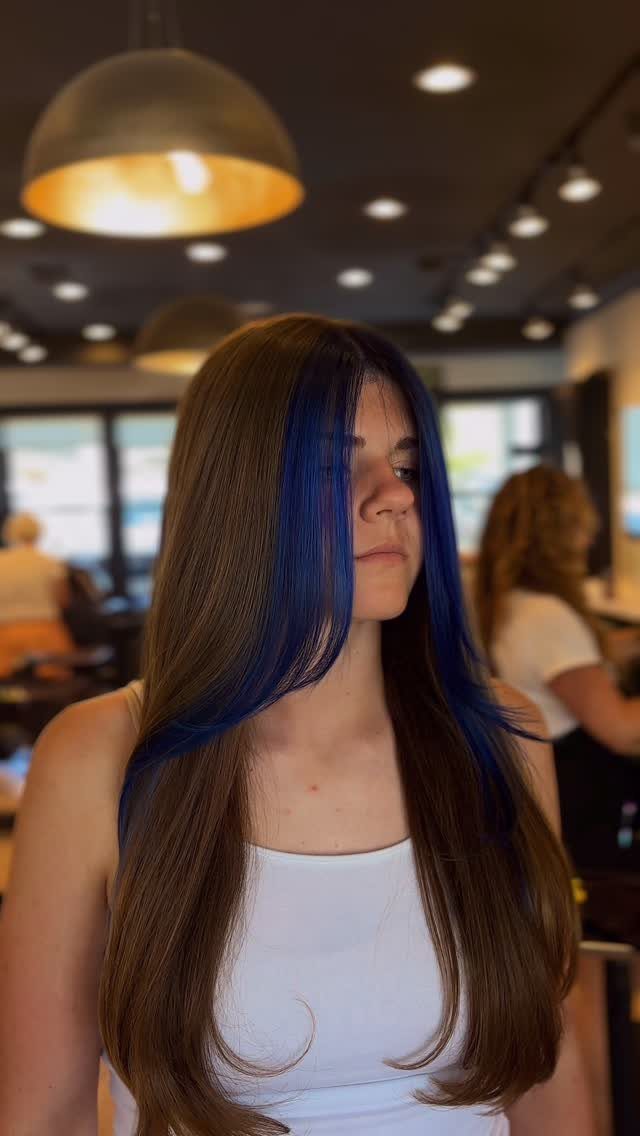
Bright blue panels against dark brown give you the highest-contrast color shift before leaving natural tones entirely. The oceanic shades catch light in a way that warm or pastel ribbons don’t, so the blue reads bold even in low light.
I would keep the blue concentrated around the face or through the top layers, which lets you pull it back when you need a quieter look.
20. Purple Highlights
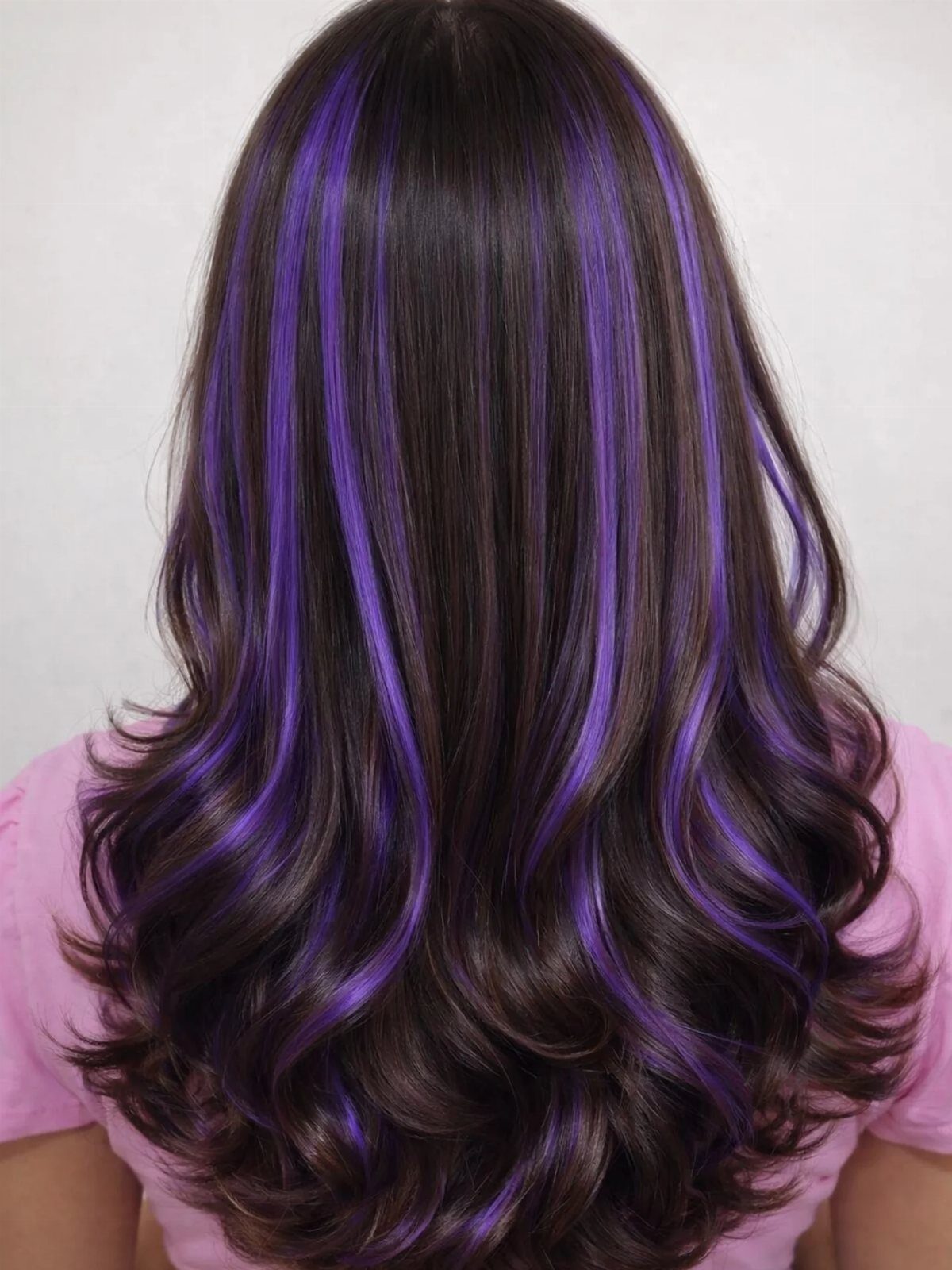
Vivid violet adds a creative pop that still feels wearable against dark hair. The purple sits in the cool end of the spectrum, so it flatters more skin tones than warm reds or coppers.
Purple fades faster than your brown base, so plan to refresh it every month if you want the color to stay saturated.
I like this best as wide panels rather than fine ribbons, which gives the purple enough weight to show when the hair moves.
Curled ends help the color catch and reflect light.
21. Chili Red Highlights
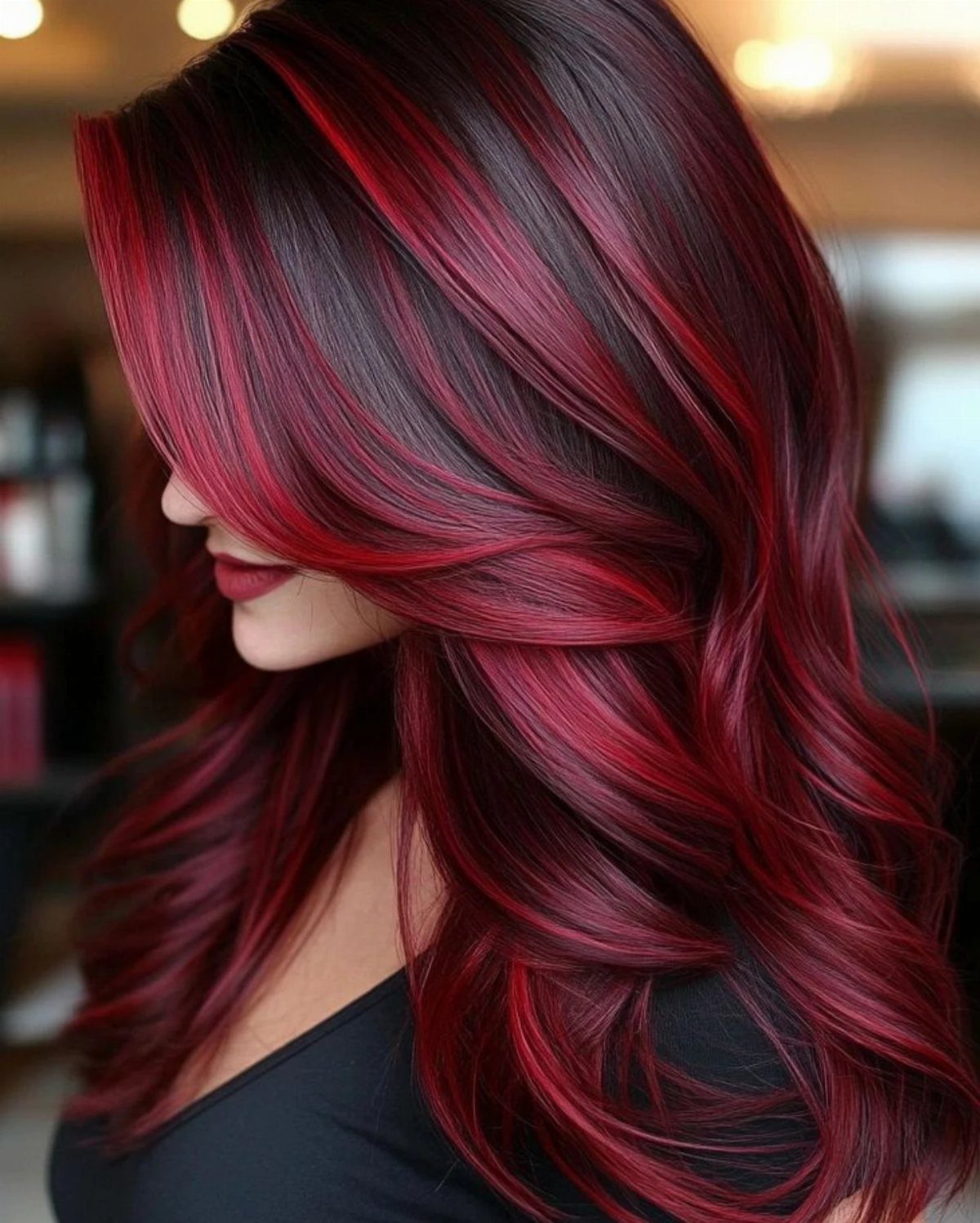
Thick red ribbons give you a spicy, saturated finish that stands out more than fine highlights. The chunky placement means the red dominates in movement and shows clearly even when the hair sits flat.
Red tones fade faster than most other colors, so you’ll be back in the chair or at the sink more often than you would with caramel or honey.
I would ask for the ribbons to vary slightly in width, which keeps the finish from looking too uniform.
22. Natural Highlights
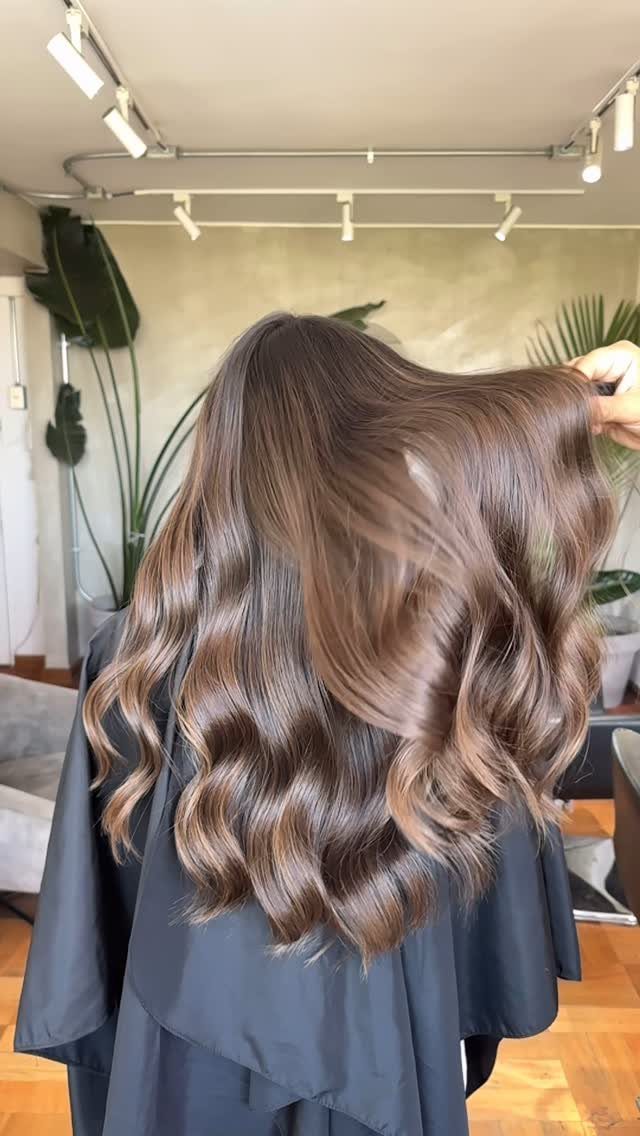
Subtle ribbons one or two shades lighter than your base give you dimension that reads as lived-in rather than freshly colored. The lift is gentle enough that regrowth blends itself, which makes this the lowest-maintenance highlight option on the list.
I like this for anyone who wants movement and light without committing to a color change. The ribbons should be fine and varied in placement, not chunky stripes.
Highlight Upkeep and Hair Care
A gloss appointment every 6–10 weeks stops the lift from going orange or dull. Touching up the face frame every 12–16 weeks handles the regrowth people actually see, then a full pass every 4–6 months evens out the rest.
Between salon visits, switch to color-safe shampoo and wash 2–3 times a week rather than daily. Weekly deep conditioning or a mask keeps lifted hair from drying out, which matters more once bleach has opened the cuticle.
Gloss appointments cost less than a full highlight session and do most of the work to keep the color looking intentional. If you skip them, the tone shifts faster than the regrowth shows.
Choosing Tone and Lift
Matching your highlight tone to your skin’s undertone is a useful starting point, but it only works if your hair can lift cleanly to that shade.
Going too light in one session risks orange tones, harsh contrast, dryness or breakage, so a gradual plan that lifts in stages will get you there with less damage.
Lifting too little leaves cool tones flat or muddy, since ash and beige need enough brightness behind them to read as intended.
If your hair has been colored before, the previous dye affects how evenly the new color takes, so bring that history to the consultation.
Foiling traps heat and processes more evenly, which gives you brighter, higher-contrast results than balayage. That’s why foil works better when you want graphic, high-contrast pieces, though you’ll need to keep up with appointments to hold the lift.
For more contrast, swap brunette layering for the drama of brown hair with blonde highlights. Try BlondorPlex for up to 9 levels lift, and tone in shades of ash blonde (for cool skin tones) or golden blonde (for warm skin tones).
Frequently Asked Questions
What highlights look good on brown hair?
Caramel, honey, and toffee give you warm, natural brightness that flatters most skin tones.
Ash, mushroom, and champagne work if you want cool contrast without warmth, and mocha or chocolate ribbons add dimension without leaving the brown family. Pick your tone based on your undertone and how much lift you want.
What are the downsides of highlighting your hair?
Lifted hair can turn brassy between gloss appointments, and high contrast or chunky stripes can look harsh if the blend isn’t soft.
Bleach opens the cuticle and dries the hair, so you need conditioning treatments to keep it from breaking. Tone fades faster than the base color, which means more frequent touch-ups.
Which is lighter, honey or caramel highlights?
Honey is lighter and more golden.
Caramel sits closer to brown with a creamy warmth, so it reads as subtle. Honey gives you more contrast and a brighter lift without going all the way to blonde.
What do peekaboo highlights look like?
They sit underneath the top layers and stay hidden when your hair lies flat. You see them in movement, when you curl the ends, or when you pull your hair up.
Can you highlight black hair?
Yes.
Darker hair takes longer to lift and needs more care to avoid damage, so plan on 2 or 3 appointments if you want significant brightness. Start with subtle lift and build from there.
How do I keep brunette highlights from turning brassy?
A toner or gloss appointment every couple of months keeps warmth in check before it turns brassy.
Switch to color-safe shampoo, wash less often, and use a weekly mask to keep lifted hair from drying out. Skipping the gloss is where most people lose the color they paid for.
What’s the difference between balayage and highlights?
The freehand application means color starts mid-length or lower, so roots stay untouched and regrowth blends naturally. Foils use heat to lift color faster and brighter, giving you sharper contrast but more visible regrowth that needs touch-ups sooner.





