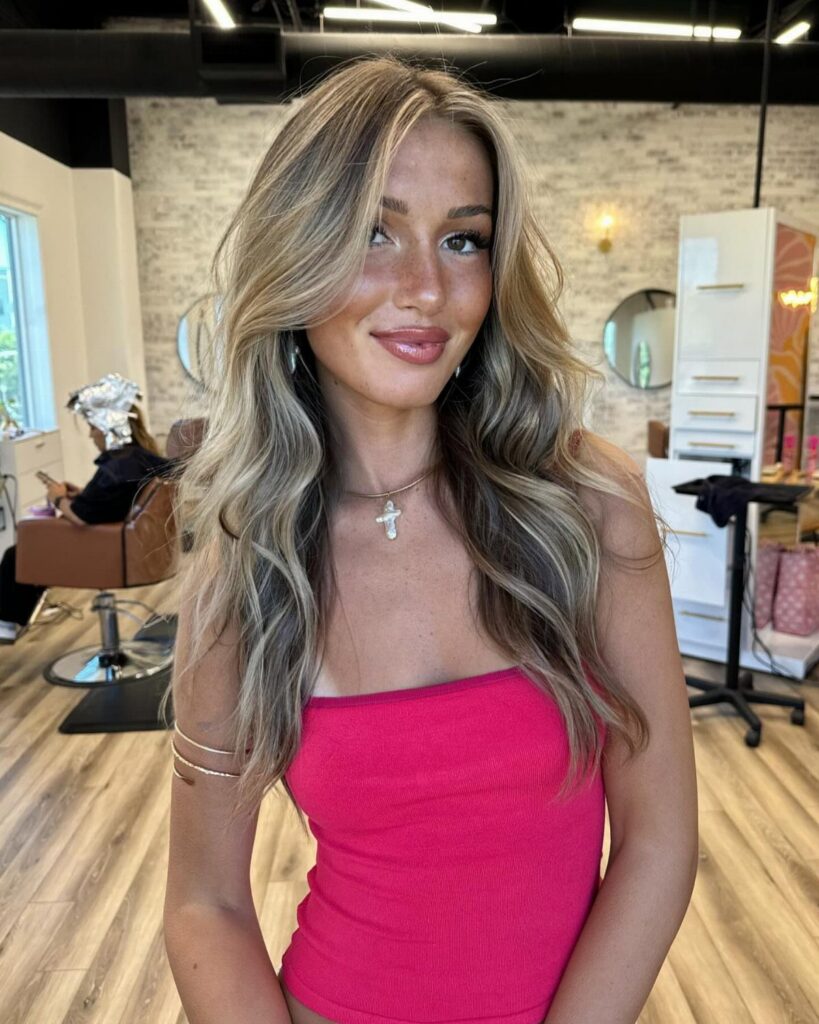
Dirty blonde with highlights moves between rooted balayage that stretches touch-ups longer and high-contrast streaks that announce themselves.
Starting from a base darker than medium blonde, plan on 2 or 3 appointments before the highlights read pale, because lifting that far in one sitting is how hair ends up fried.
Dimension matters more than brightness alone: lowlights woven through lighter sections stop the color from looking flat, and darker pieces underneath or between highlights make fine hair look fuller.
The method decides maintenance as much as the tone does, since hand-painted sections blend regrowth softly while foil highlights show a harder line as roots grow in.
1. Dirty Blonde Balayage
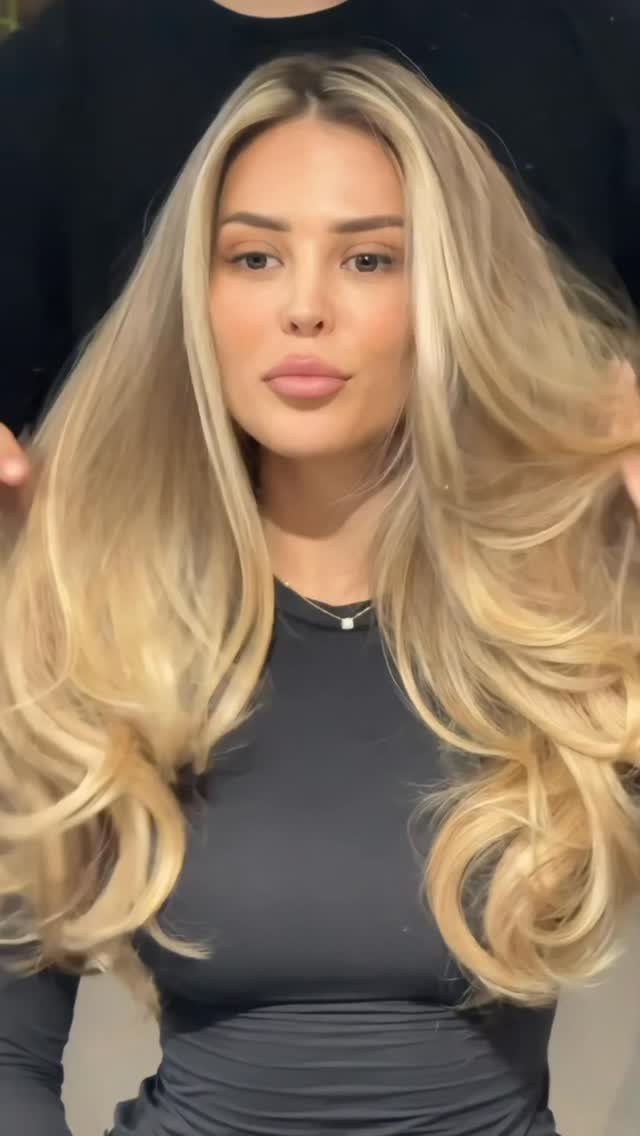
Hand-painted lighter strands placed through darker roots give dirty blonde balayage the dimensional lift that feels lived-in. The darker base keeps the color grounded while the painted sections catch light.
If maintenance matters, this method is gentler on scheduling than foils. Regrowth blends softly because the roots stay close to your natural color, so touch-ups can stretch longer than most highlight styles.
Ask for balayage if you want brightness that builds gradually from mid-lengths to ends. The technique skips the scalp entirely, which keeps heat damage minimal and lets you go longer between appointments.
2. Dirty Blonde Lowlights
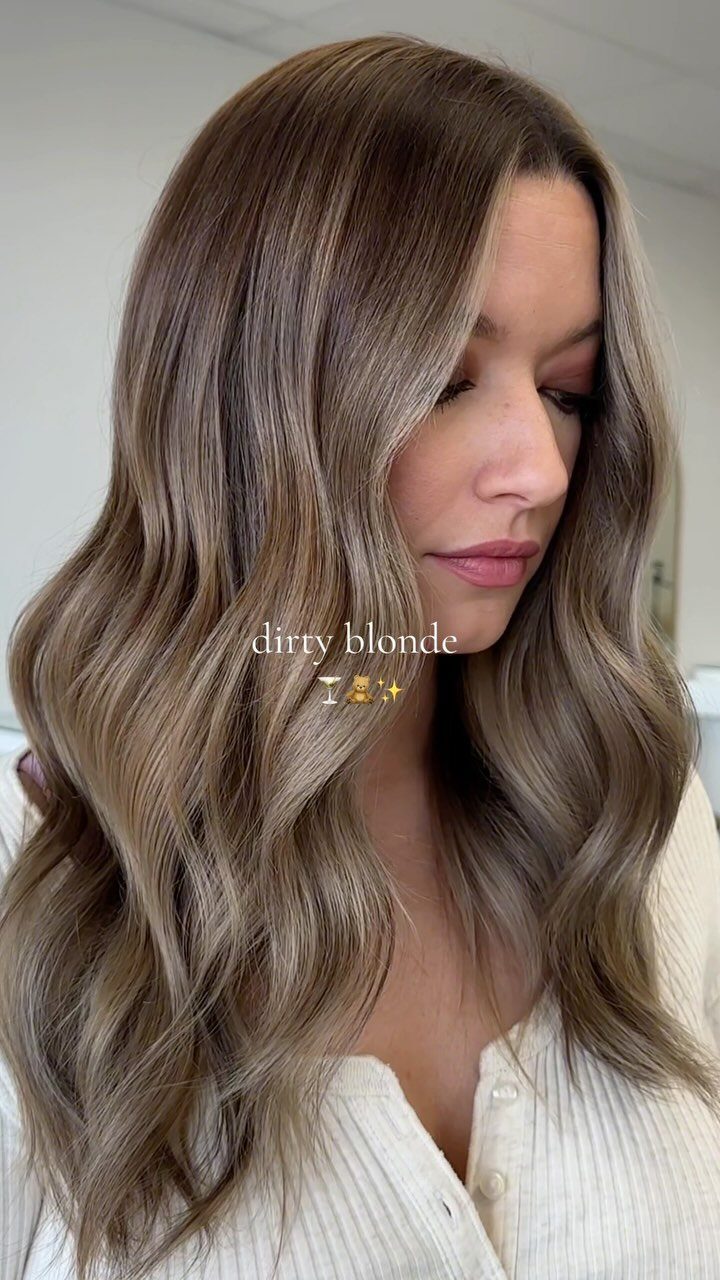
Darker blonde or soft brown pieces woven through lighter hair add the shadow and contrast that stop dirty blonde from looking flat. Lowlights bring back depth after bleach or balance out overly bright highlights.
If your blonde has gone too pale or lost dimension, lowlights bring it back without starting over. The darker strands sit underneath or between lighter sections, so the color reads richer and more natural.
This works particularly well on fine hair that needs more visual weight. The contrast makes the hair look fuller and gives movement to one-length cuts that otherwise sit heavy.
3. Honey Blonde
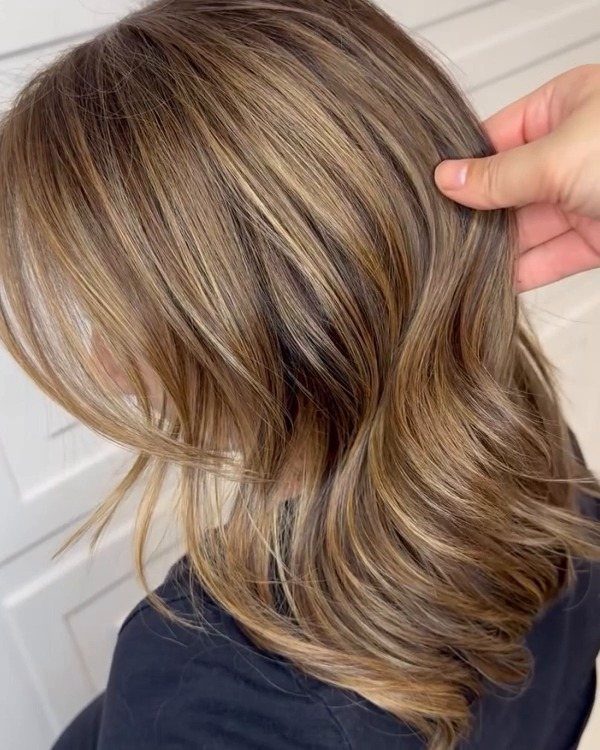
Warm honey strands brighten dirty blonde without pulling it fully golden. The color sits between caramel and pale blonde, and the warmth softens cooler ash bases.
Honey highlights work on most natural starting points, from medium brown to light blonde. If your base has any red or copper, the honey tones blend smoothly rather than clashing.
The warmth reads especially well on medium to olive skin tones. It reflects light softly and can make the overall color feel sun-touched without looking overly processed or brassy.
4. Ash Dirty Blonde
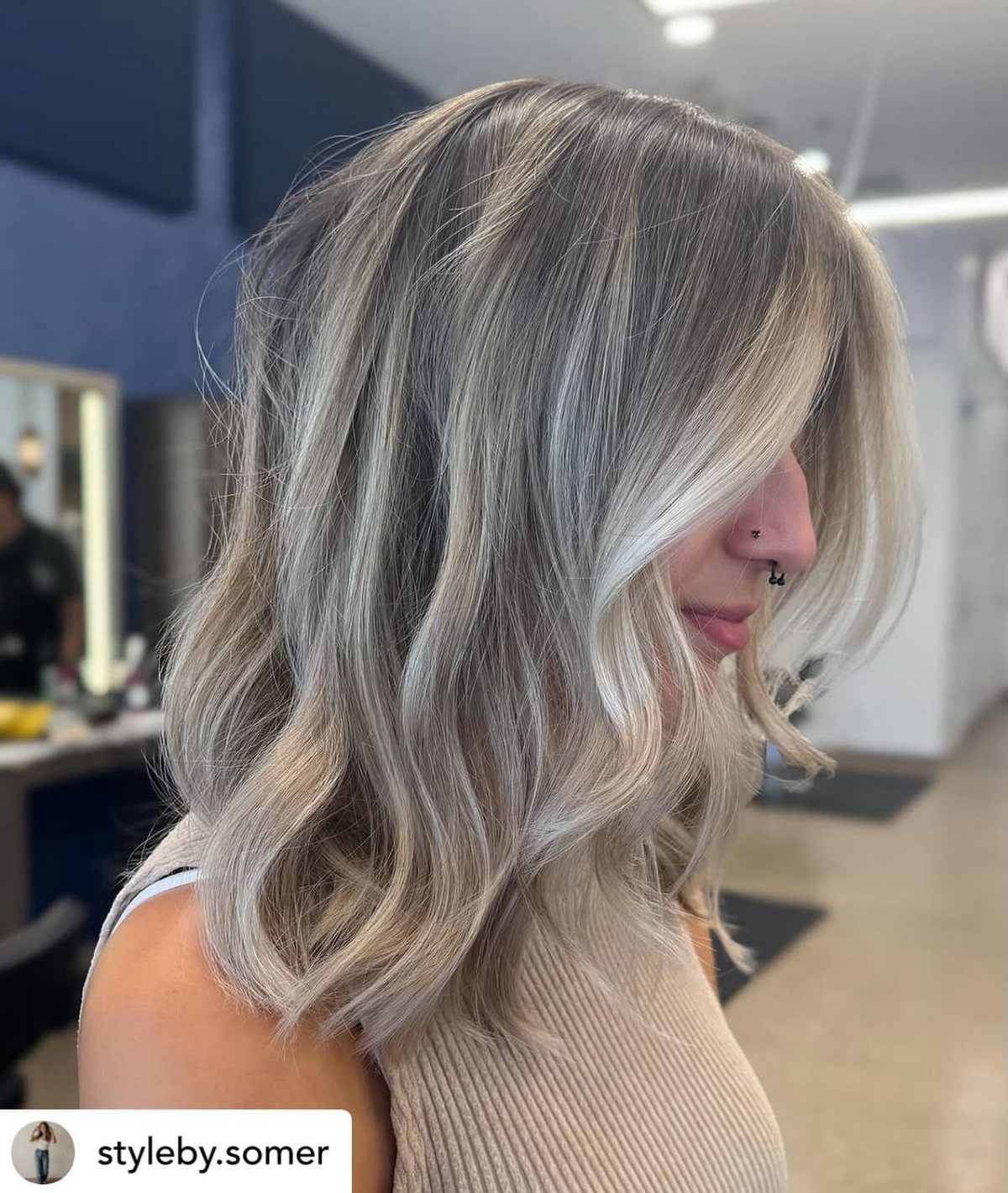
Cool, smoky tones shift dirty blonde away from gold and into neutral or slightly steel-toned territory. Ash keeps brassiness out and gives the color a modern, muted finish.
If your hair leans warm naturally, ash tones require violet or blue toner to hold the color. Plan on toning regularly at home or in the salon, because warmth creeps back faster on hair that starts darker.
This suits cool or neutral skin tones particularly well. On warm complexions, ash blonde can look flat, so test it with a semi-permanent version first if you’re unsure.
5. Dirty Blonde Highlights
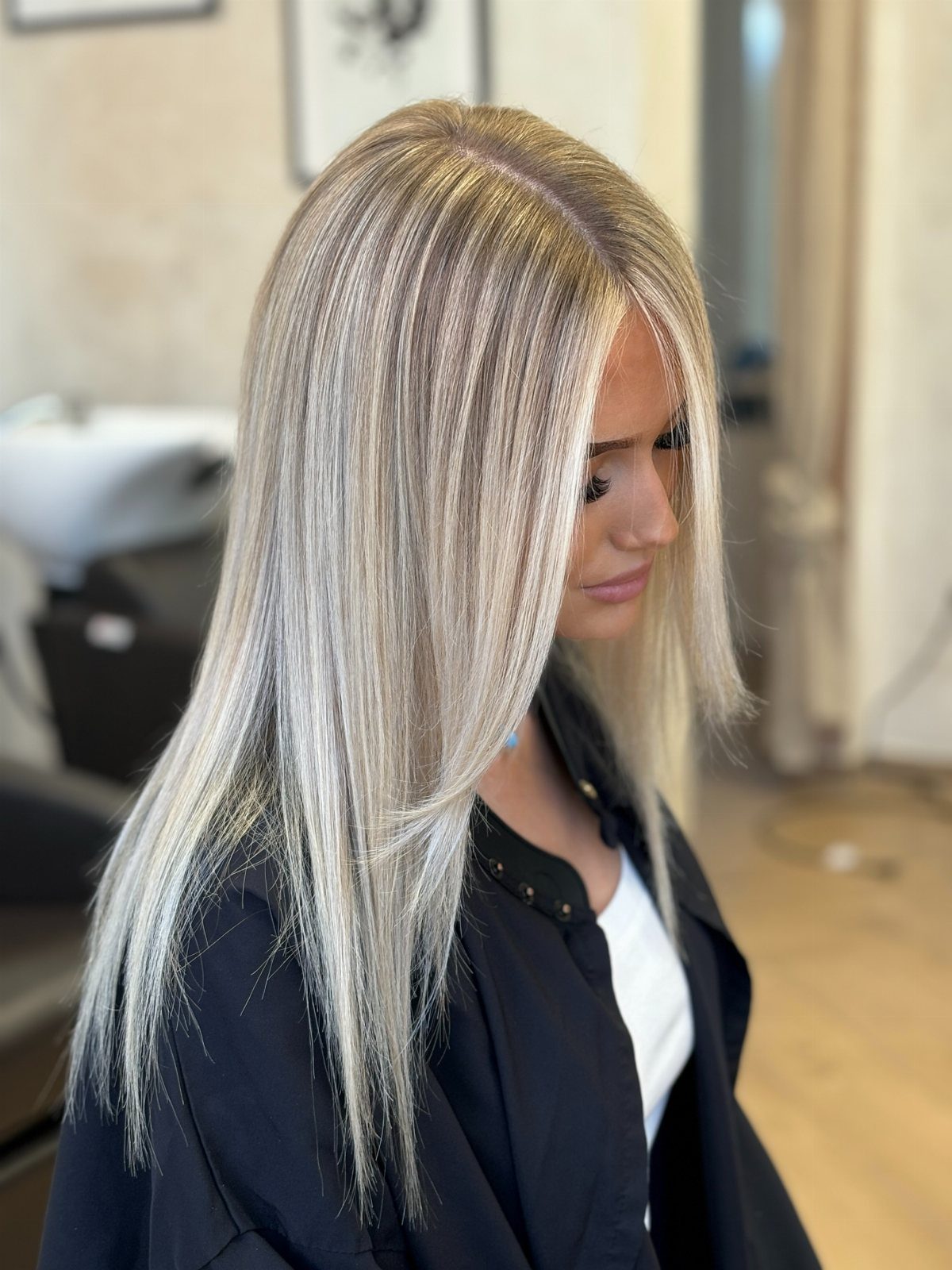
Lighter pieces placed through a dirty blonde or brunette base add brightness and definition without changing the whole head. Highlights can be bright and bold or subtle and blended, depending on how much contrast you want.
Traditional foil highlights give sharper, more controlled lift than balayage. The foil traps heat and processes the color more evenly, so if you want bright white-blonde pieces, this method gets you there faster.
If you’re starting from medium to dark brown, expect 2 or 3 sessions to reach pale blonde highlights without damage. Going slowly protects the hair and keeps the color looking intentional rather than patchy.
6. Dirty Blonde Ombre
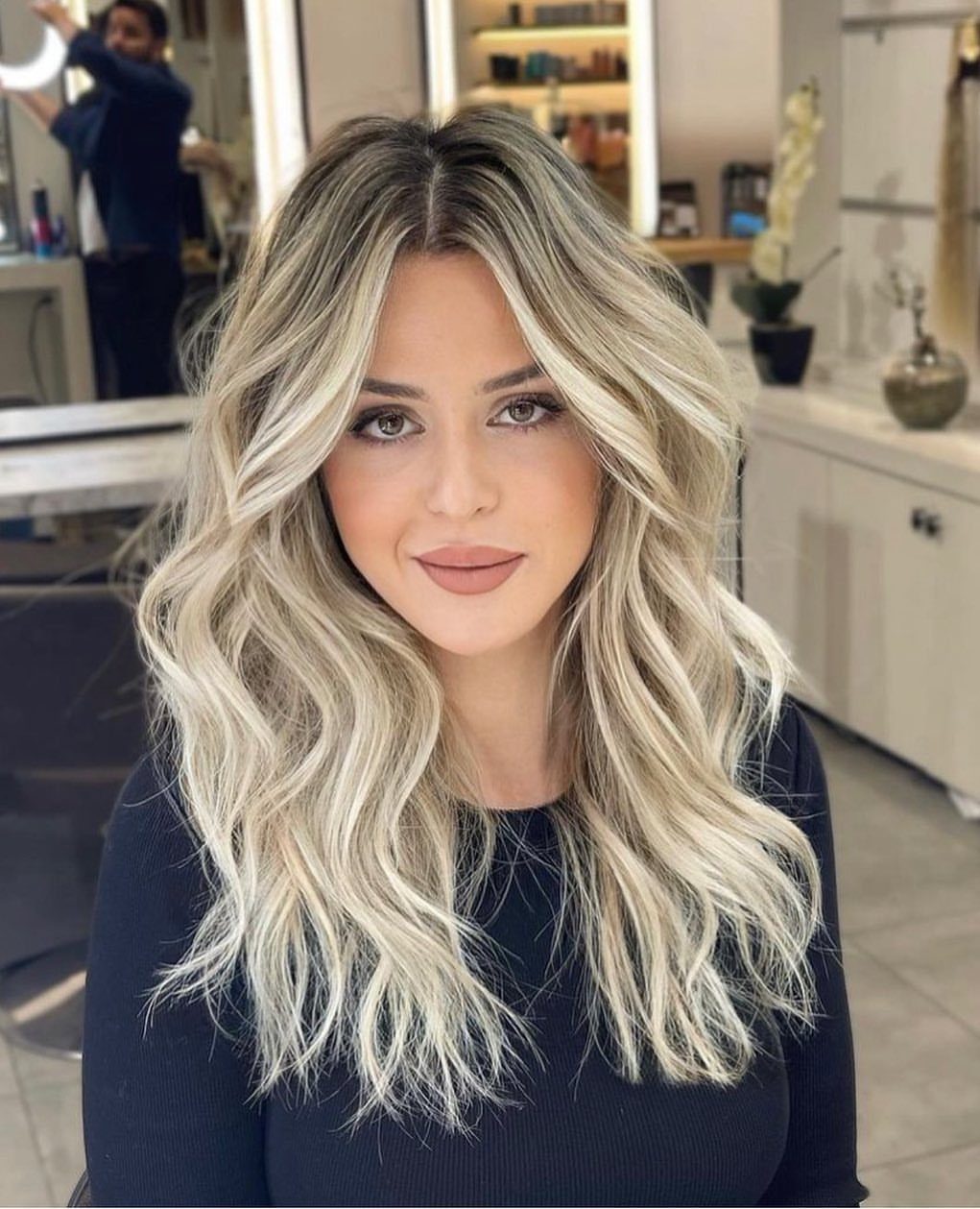
Dark roots that gradually lighten into blonde ends give dirty blonde ombre the soft transition that keeps it from looking grown-out. The color shifts from brown or deep blonde at the roots to pale or golden blonde below the mid-lengths.
Ombre requires less frequent touch-ups than highlights because the roots are meant to stay dark. Refresh the ends regularly to keep the blonde from turning brassy.
If your hair is naturally darker, ombre lets you try blonde without bleaching the whole head. The darker roots also protect your scalp and reduce the overall processing time in the chair.
7. Rooted Dirty Blonde
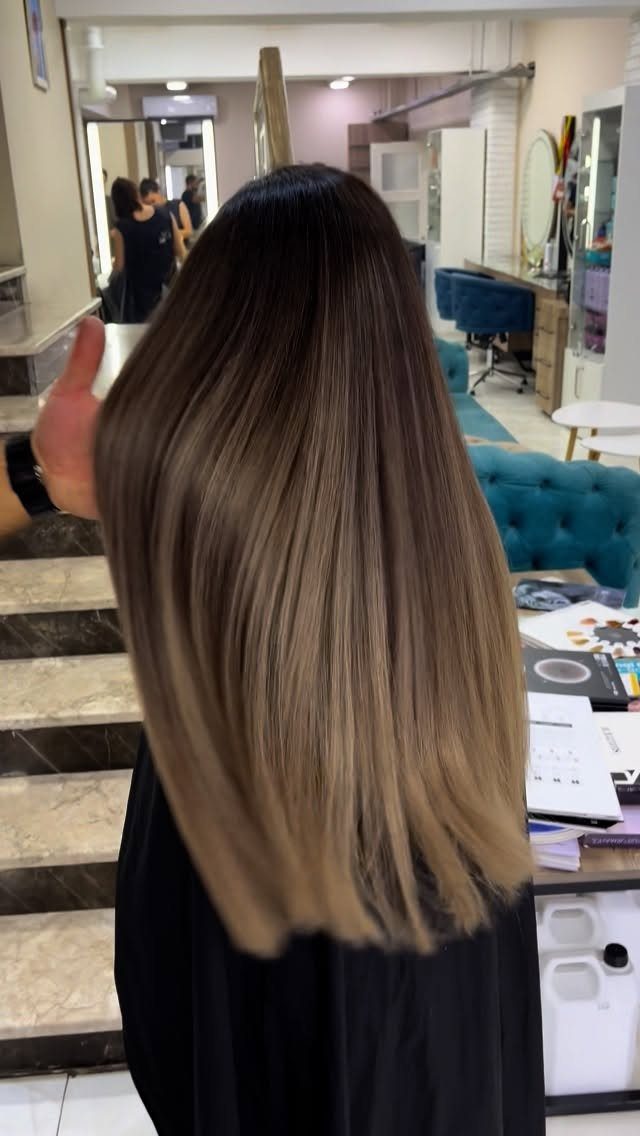
Darker roots left visible against lighter blonde lengths give the color a softer, more natural progression. The contrast adds dimension without requiring frequent salon visits to keep the color looking intentional.
If you want to reduce how often you sit in the chair, rooted dirty blonde stretches appointments longer than all-over color.
The darker section at the scalp blends into the blonde below, so regrowth fades gradually rather than showing a hard line.
This suits anyone who wants blonde but prefers lower maintenance. The root shadow also protects the scalp from repeated bleaching.
8. Dirty Bronde
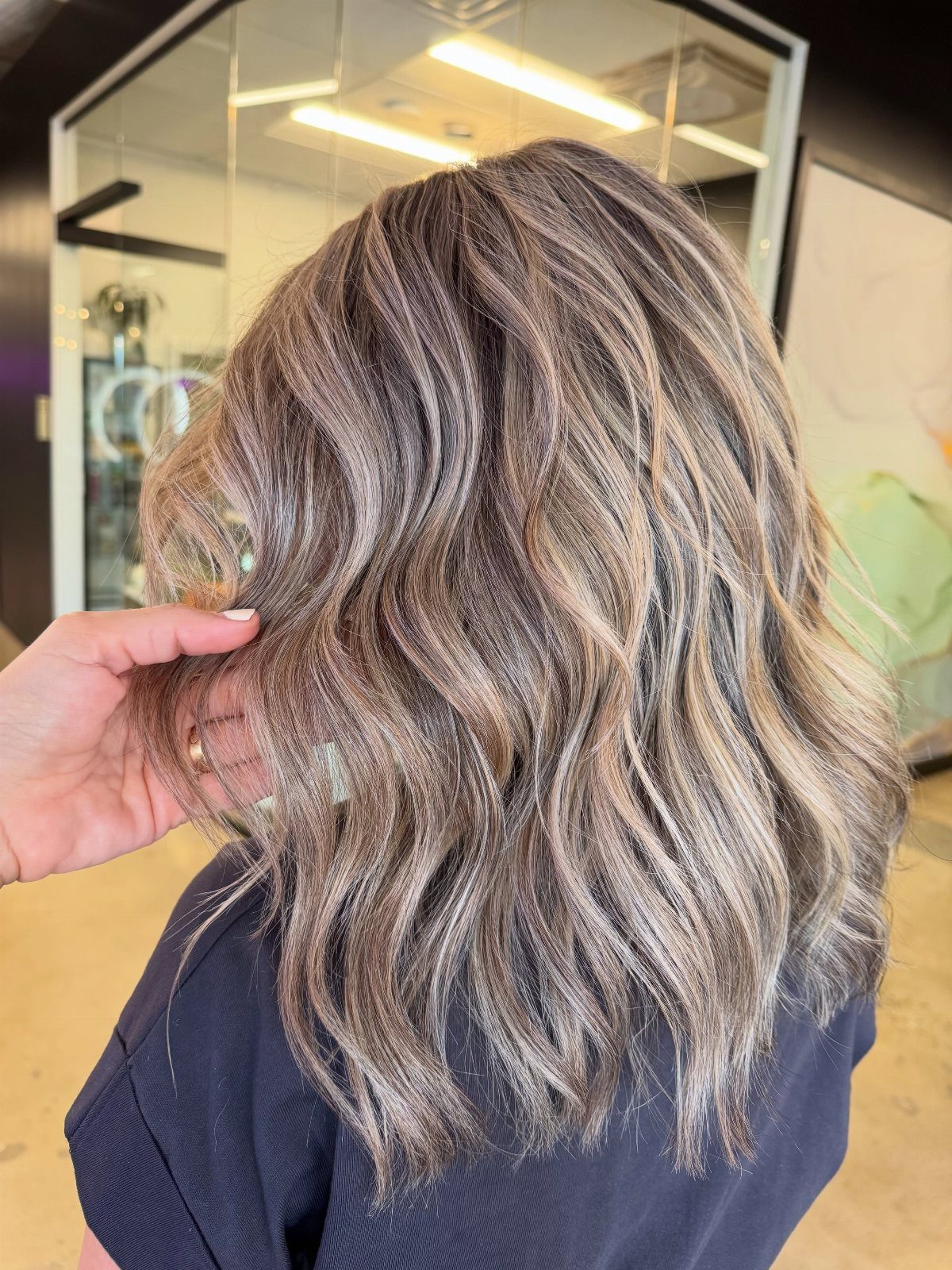
Brown and blonde tones woven together give this look its name and its richness. The brunette pieces stay dominant while the blonde highlights brighten without taking over.
If your natural color sits somewhere between brown and blonde, dirty bronde holds both and lets you keep more of your base. The mix reads warmer than ash blonde and softer than full brunette.
It gives you lighter hair without the upkeep of all-over color. The brown anchors the color and keeps it grounded.
9. Golden Blonde Highlights
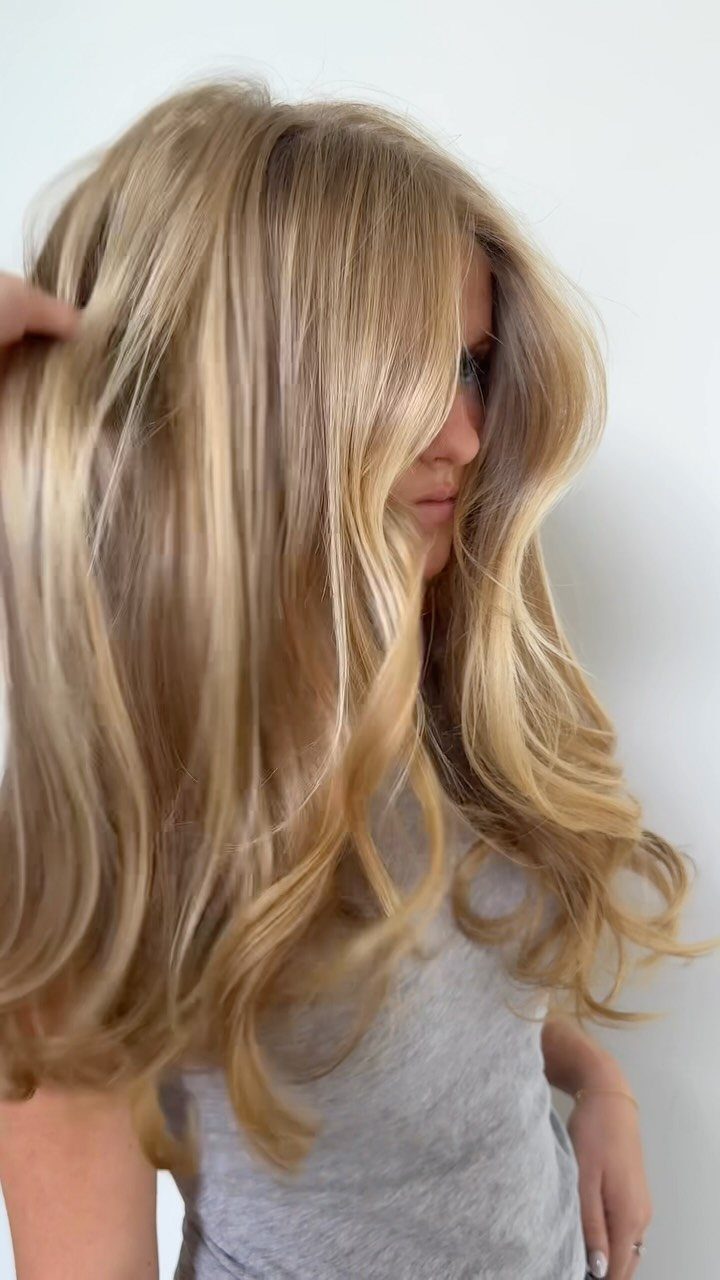
Warm golden pieces lift dirty blonde with richness rather than coolness. The highlights catch light and add movement, especially on wavy or textured hair where the dimension shows through each layer.
If your complexion has yellow or peachy undertones, the gold blends smoothly without clashing.
Expect the color to shift toward brass over time, especially if your water has mineral content. A purple shampoo tones down orange but can dull the warmth you wanted, so use it sparingly.
10. Light Dirty Blonde
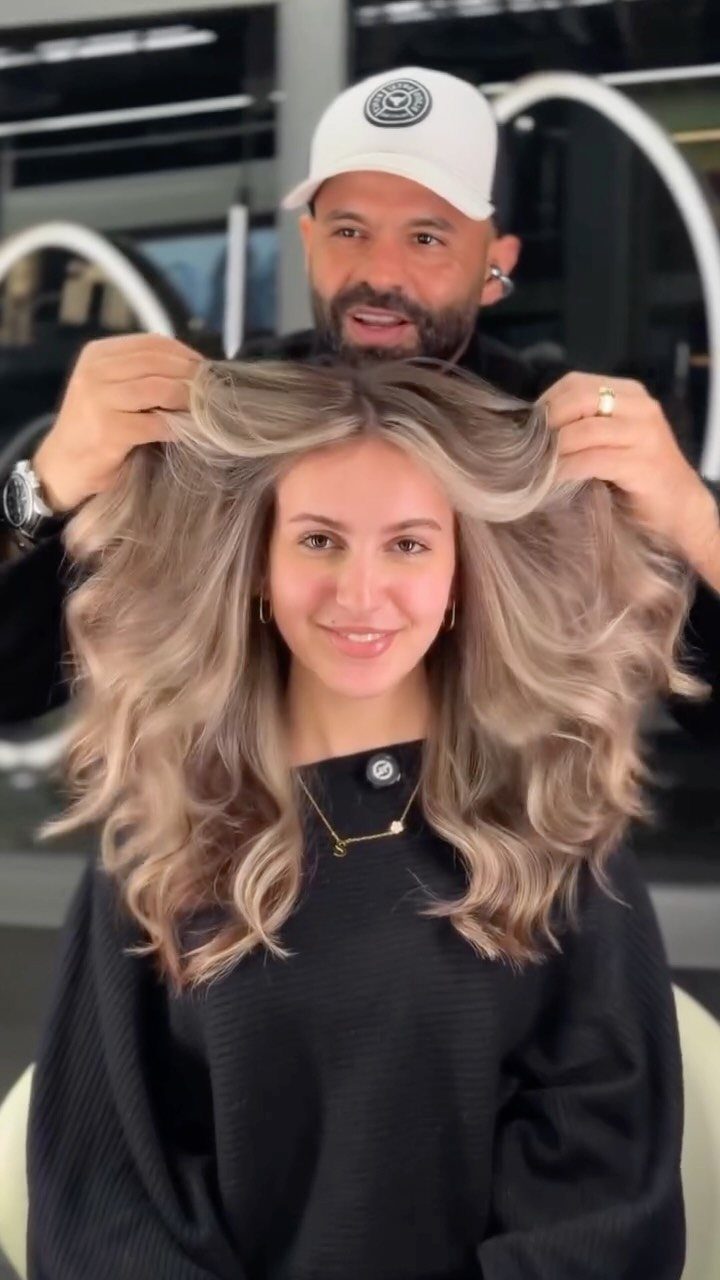
Pale dirty blonde brightens the color closer to traditional blonde while keeping enough depth to avoid looking washed out. The lighter tone opens up the face and feels fresher than deeper dirty blonde shades.
If you’re lifting from a darker base, this takes more processing time and likely multiple sessions to reach without damage. Protect the hair with bond treatments during bleaching and regular conditioning after.
Light dirty blonde suits fair to medium skin tones and works especially well with cool or neutral complexions. On deeper or olive skin, the color can look too pale and lose contrast.
11. Platinum Ash Blonde
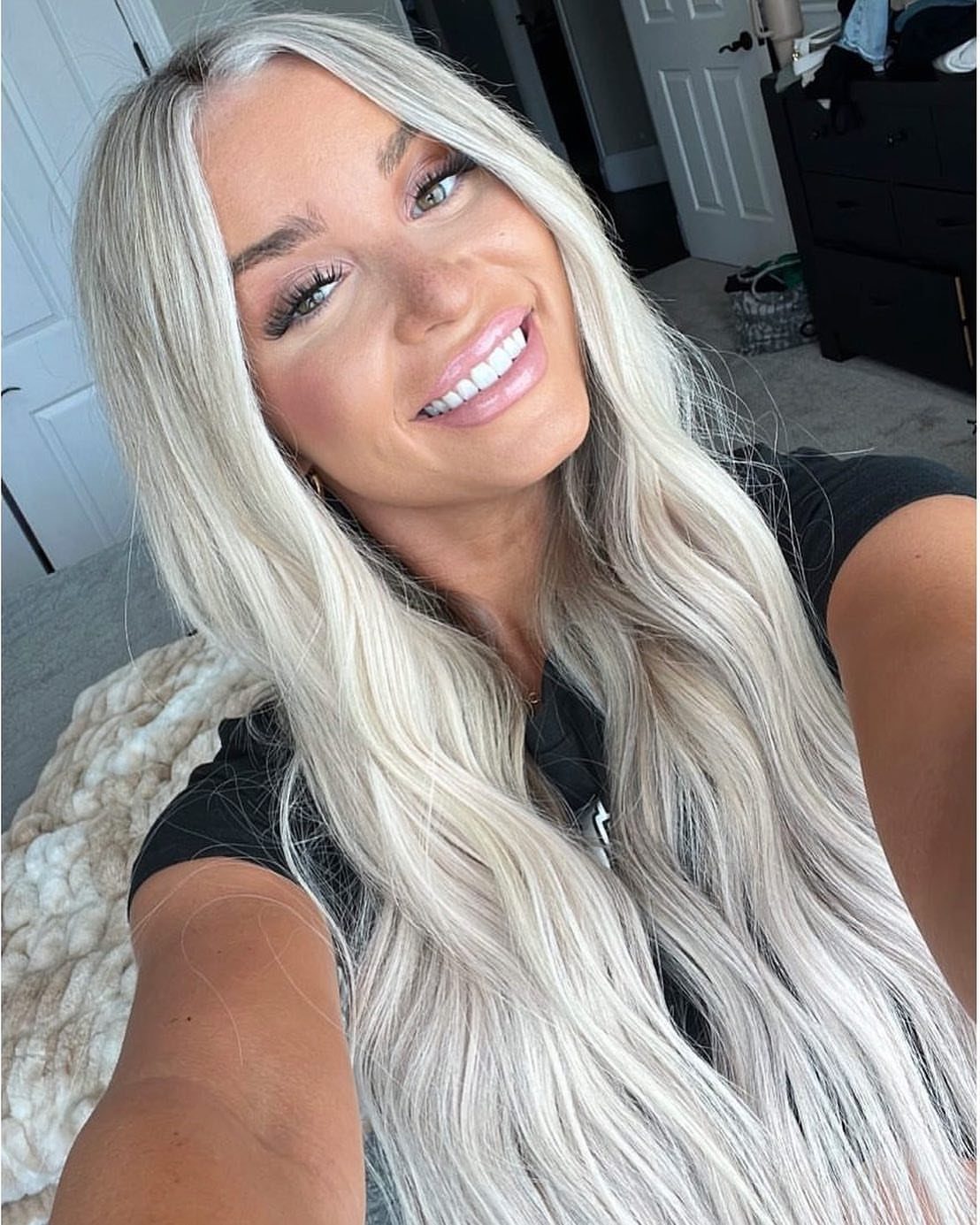
Cool white-blonde strands with ash undertones take dirty blonde into bold territory. The platinum finish reads icy and modern, and the ash keeps any warmth from creeping in.
This requires serious lightening and regular toning to hold the color. Hair that starts darker needs multiple sessions, and the upkeep is frequent because warmth shows up fast on lightened hair.
Platinum ash suits cool skin tones with pink or neutral undertones.
On warm complexions, the coolness can look too stark. Fine hair shows the color beautifully but may struggle with the damage from repeated bleaching.
12. Dark Dirty Blonde
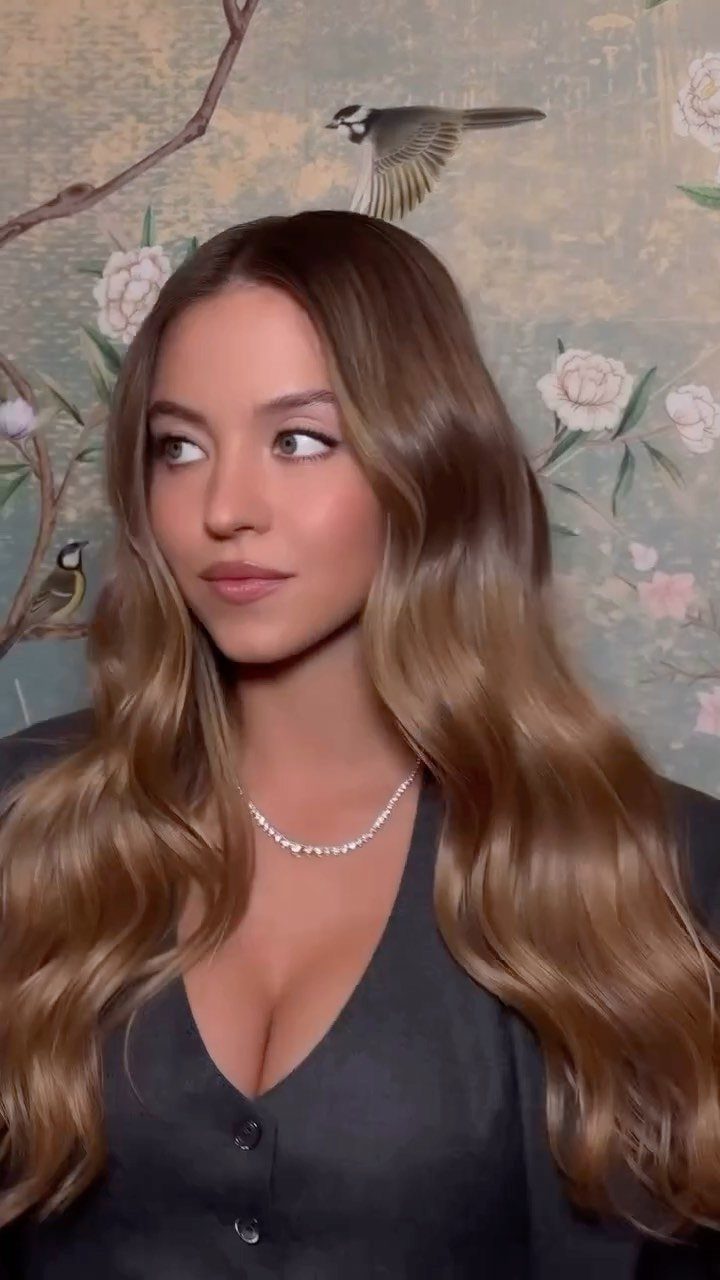
Staying closer to brown keeps the blonde subtle and easier to maintain. The color sits between brunette and blonde, with just enough lift to add warmth and dimension without straying far from your natural root color.
If you want the softer look of dirty blonde but don’t want frequent touch-ups, this is the lowest-maintenance version. The darker tone blends easily with regrowth and requires less processing than lighter shades.
Dark dirty blonde suits anyone hesitant to go fully blonde. The color stays rich and grounded, and it works across most skin tones without clashing.
13. Face-Framing Highlights
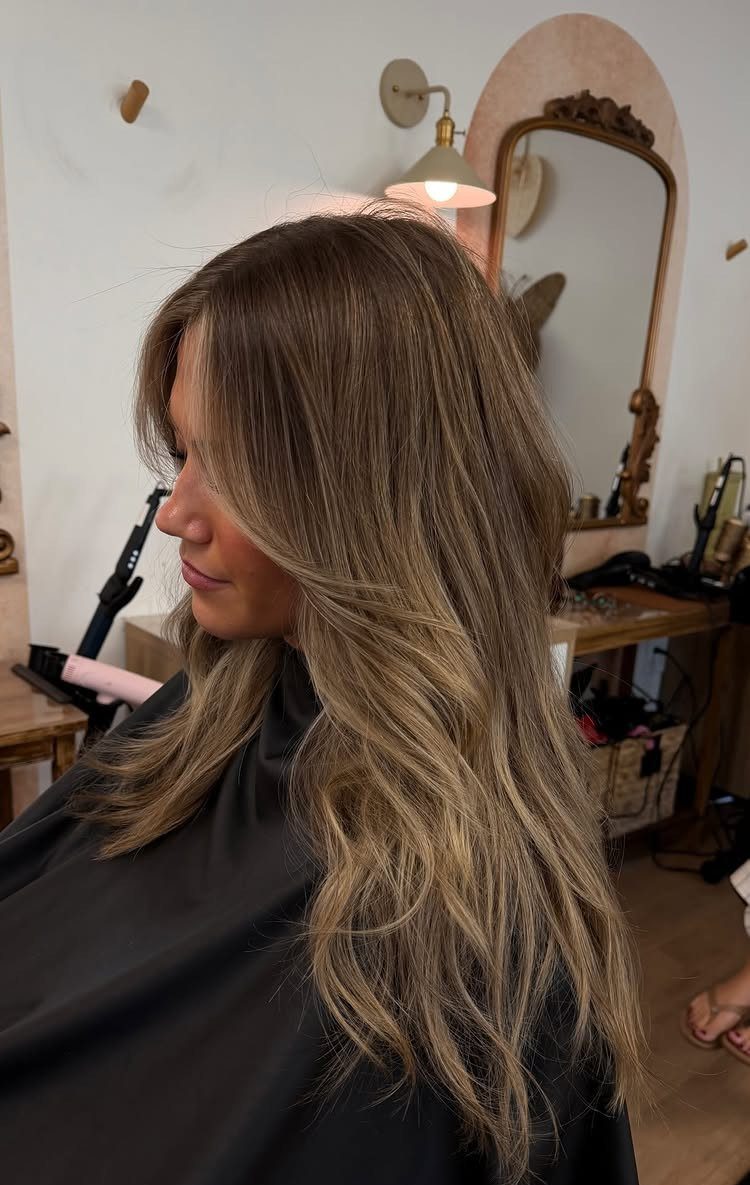
Lighter pieces placed close to the face pull attention forward and brighten the complexion. The highlights sit around the front hairline and through the shortest layers that fall near the cheekbones and jawline.
This gives you the brightness where it shows most without coloring the whole head. The rest of the hair stays darker, so upkeep stays manageable and the contrast adds depth.
If you already have dirty blonde hair, face-framing pieces lift the front without touching the back. Ask for placement that follows your face shape rather than a straight vertical stripe, so the color moves with the hair.
14. Caramel Dirty Blonde
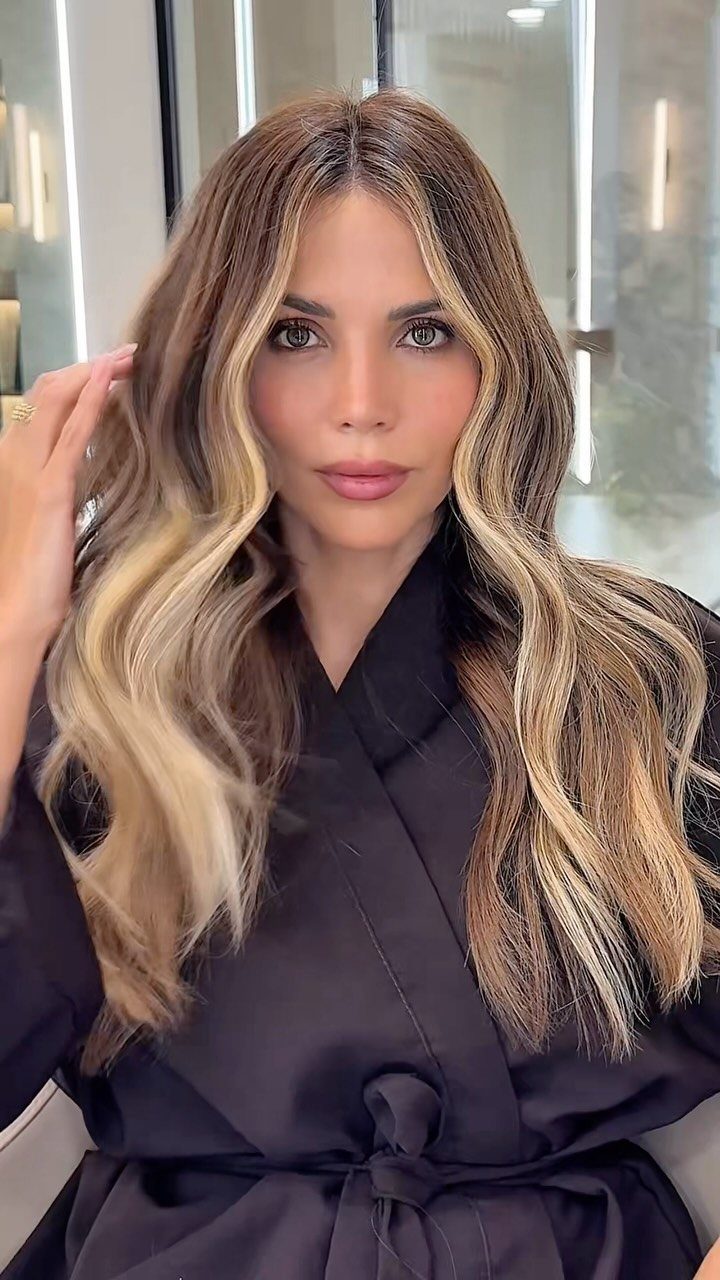
Warm caramel tones woven through a darker blonde base add richness without pulling the color fully golden. The caramel sits between honey and amber, so it brightens while keeping the overall color anchored.
Medium to warm skin tones carry this best. The warmth complements olive and peachy complexions without clashing, and the dimension shows clearly on wavy or textured hair.
If your base is cooler or ash-toned, caramel pieces add warmth back in and soften the overall color. The contrast keeps the hair from looking flat while staying natural enough for minimal touch-ups.
15. Wheat Blonde
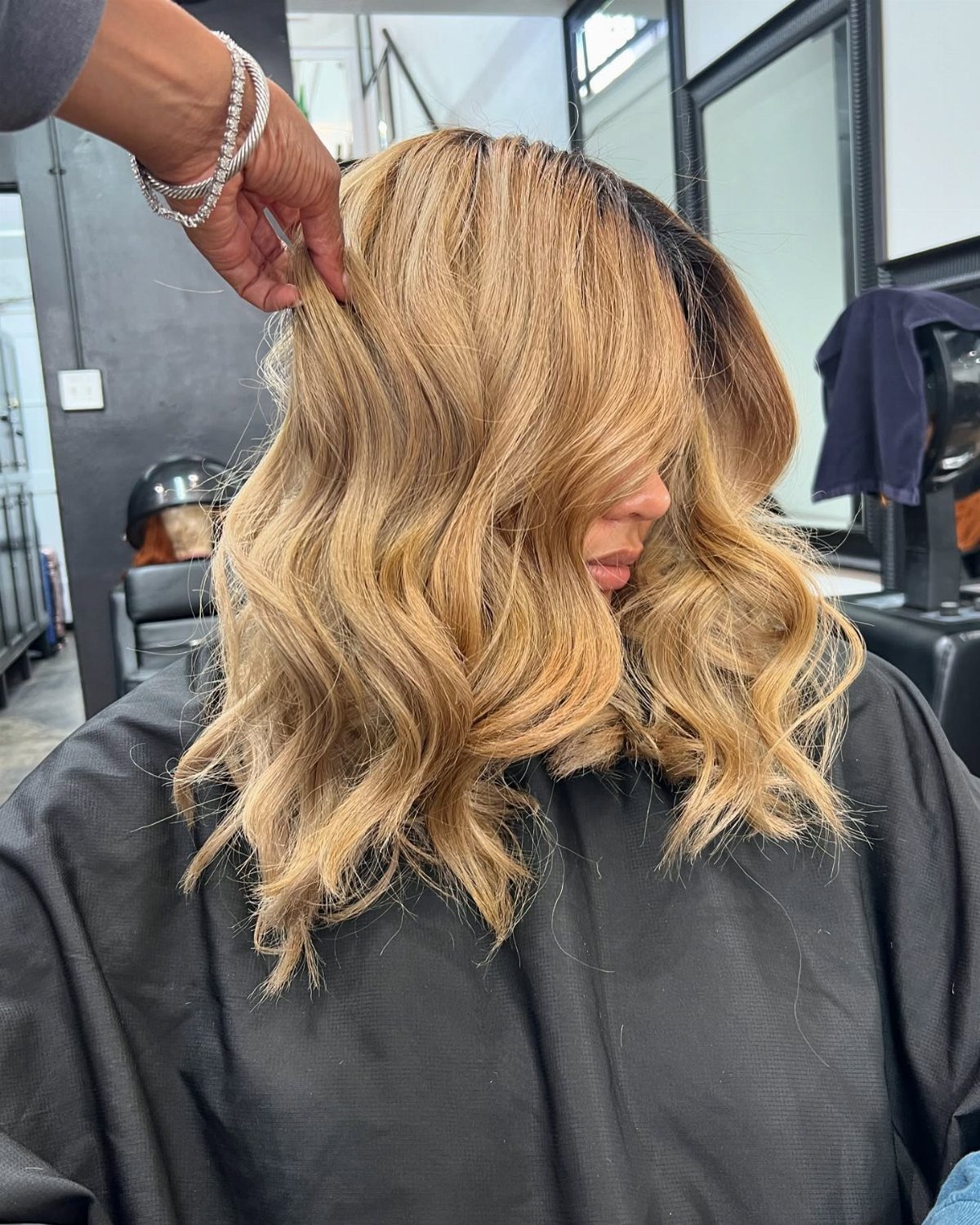
Soft wheat tones sit between pale blonde and honey, giving the color a polished, medium-blonde finish. The tone leans slightly warm but stays neutral enough to avoid looking brassy.
Wheat blonde works well on light to medium starting colors and suits fair to medium skin tones. The color reflects light gently without the stark brightness of platinum or the heavy warmth of gold.
If you want a blonde that feels refined without going too pale, wheat tones give you that middle ground. The color holds well with regular toning and looks natural on hair that started light brown or dark blonde.
16. Pink Highlights
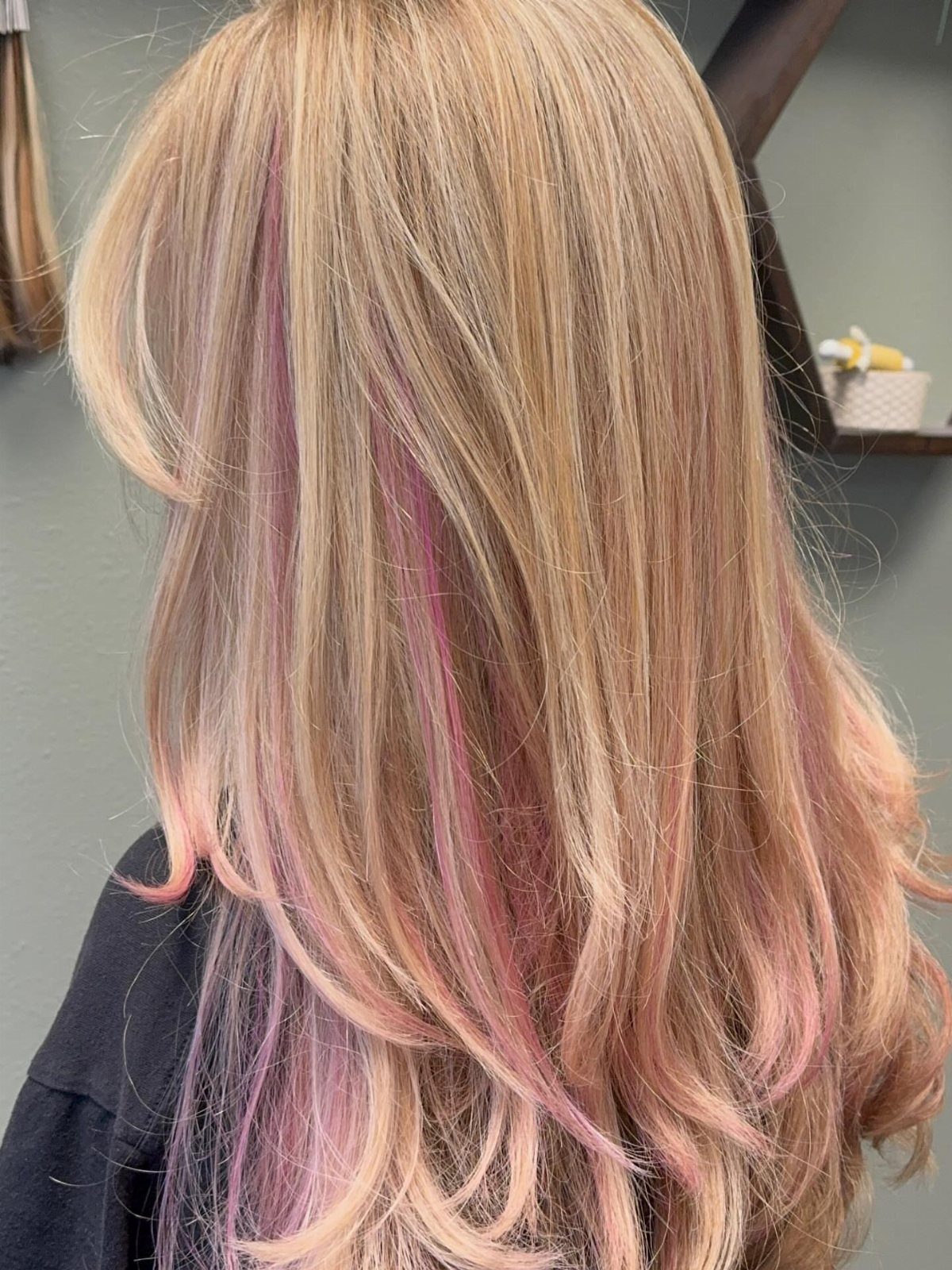
Thin pink strands mixed through dirty blonde add a soft accent without overwhelming the base color. The pink can lean pastel or brighter depending on how bold you want the contrast.
Pink fades faster than most colors, so expect to refresh it more often if you want the tone to stay visible.
Semi-permanent formulas give you the color without permanent commitment, and the pink washes out gradually rather than leaving a hard line.
This works best on hair that’s already lightened. Darker bases need bleaching first to let the pink show through clearly.
17. Subtle Dirty Blonde Highlights
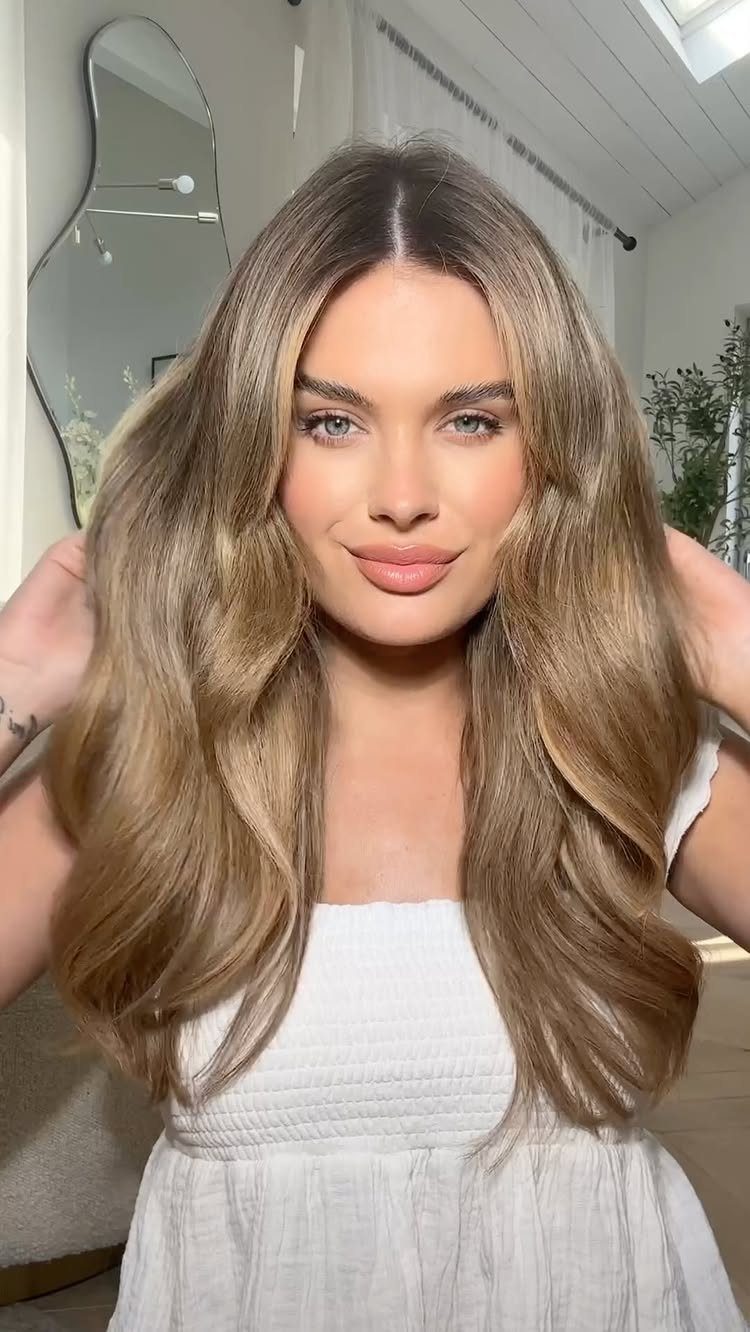
Soft, closely matched highlights add dimension without announcing themselves. The lighter pieces sit only a shade or two above the base, so the color reads natural rather than heavily processed.
If you want movement and texture without a dramatic shift, subtle highlights give you that lift. The color blends easily with regrowth, so touch-ups can stretch longer than bolder highlights.
One maker left their formula on for 30 minutes for a gentle result but noted you could go 45 minutes for more brightness. Starting conservatively lets you test the lift before committing to a stronger contrast.
There’s no rule saying dirty blonde hair has to remain within the confines of shades that grow naturally from the scalp. Throw in some pink highlights to keep your hue fresh.
— Hair.com
18. High-Contrast Streaks
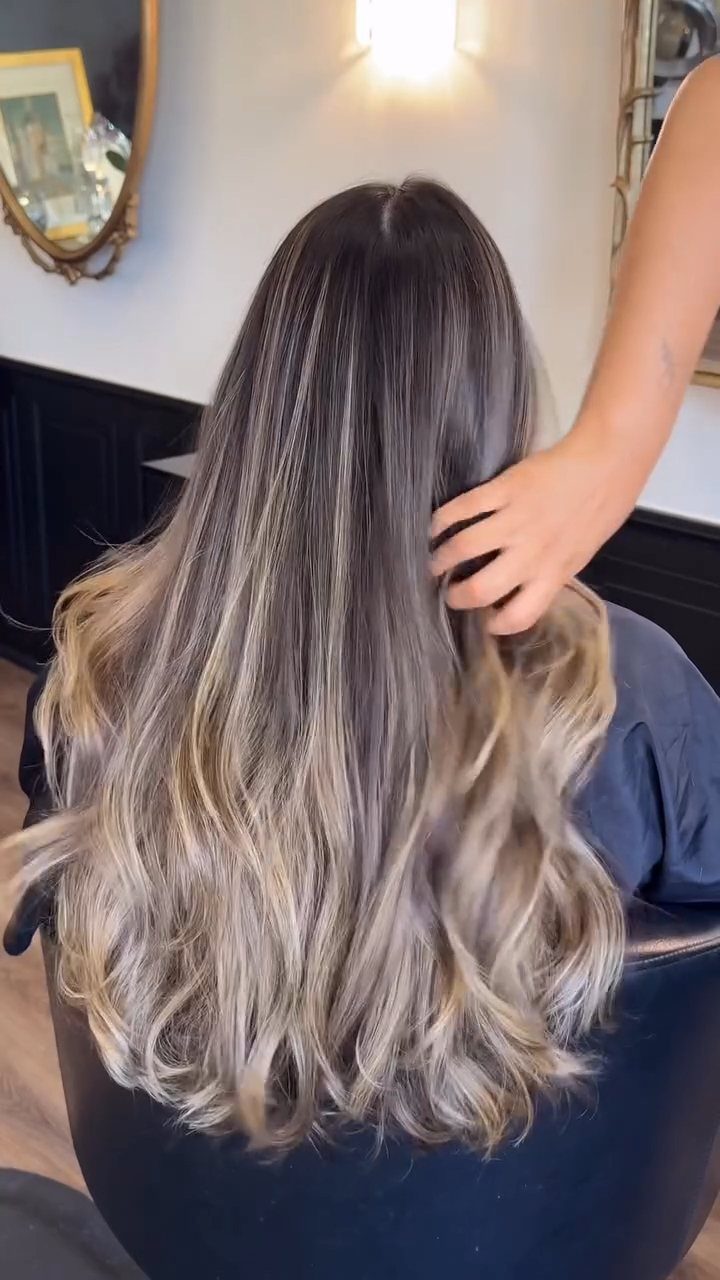
Bright blonde pieces separated clearly from a darker base create bold, visible contrast. The streaks catch light and stand out rather than blending softly, so the color reads graphic and intentional.
This suits anyone who wants their highlights to make a statement. The streaks can be chunky or thin depending on the placement, but the contrast stays strong either way.
Upkeep requires regular toning to keep the blonde from turning brassy, and the roots will show more obviously than with blended highlights. If low maintenance matters, this is not the method that delivers it.
19. Beachy Blonde Waves
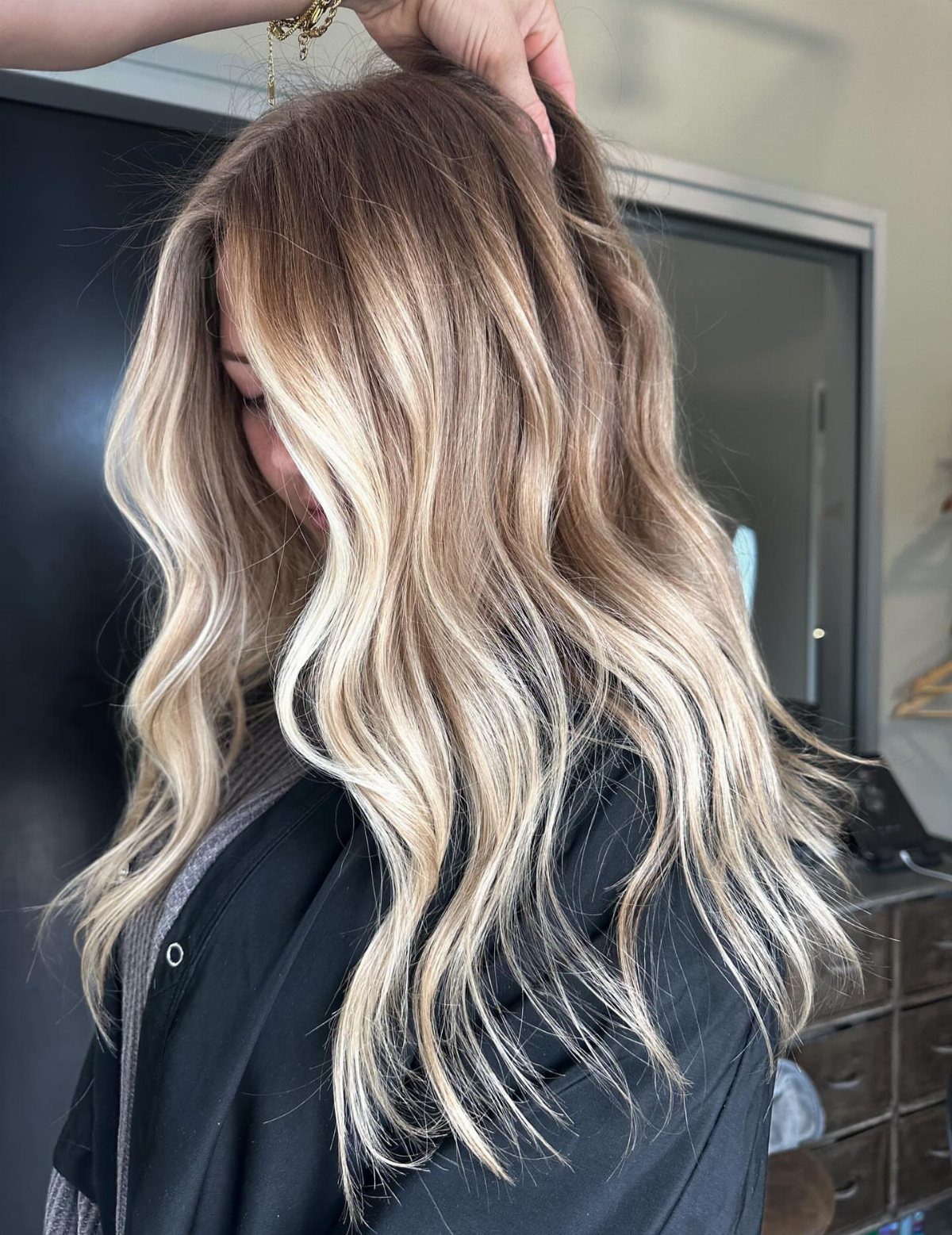
Loose waves bring out the dimensional lift in dirty blonde highlights better than straight hair. The texture catches light at different angles, so the lighter and darker pieces show through each layer instead of blending flat.
If you already have wavy hair, a texturizing spray or sea salt spray enhances the natural movement without heat styling.
On straight hair, a large-barrel curling iron or wand creates the wave pattern, but keep the sections loose rather than tight.
The look suits medium to long lengths where the waves have room to form. Short hair can carry the color but won’t show the same movement.
20. Dirty Blonde Shag
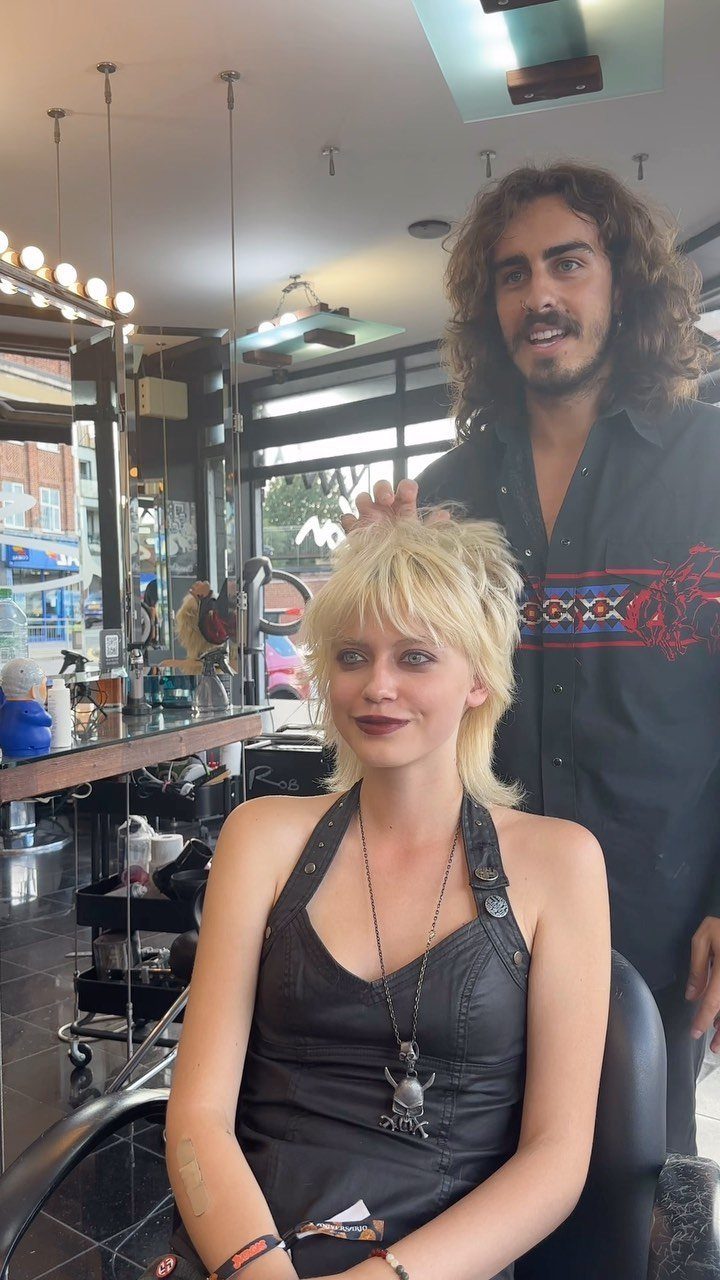
Choppy layers and textured ends give the shag its signature shape, and dirty blonde adds dimension that moves with the cut. The color shifts through each layer, so the lighter pieces stand out where the hair kicks out or flips.
Micro bangs intensify the look and suit someone who wants an edgier frame. If you prefer softer bangs, curtain or wispy fringe tones it down while keeping the shag intact.
The cut grows out with intention rather than losing its shape, so you can stretch haircuts longer than blunt styles. The color needs regular toning to hold the blonde, but the rooted base keeps touch-ups manageable.
21. Sandy Blonde Hair Color
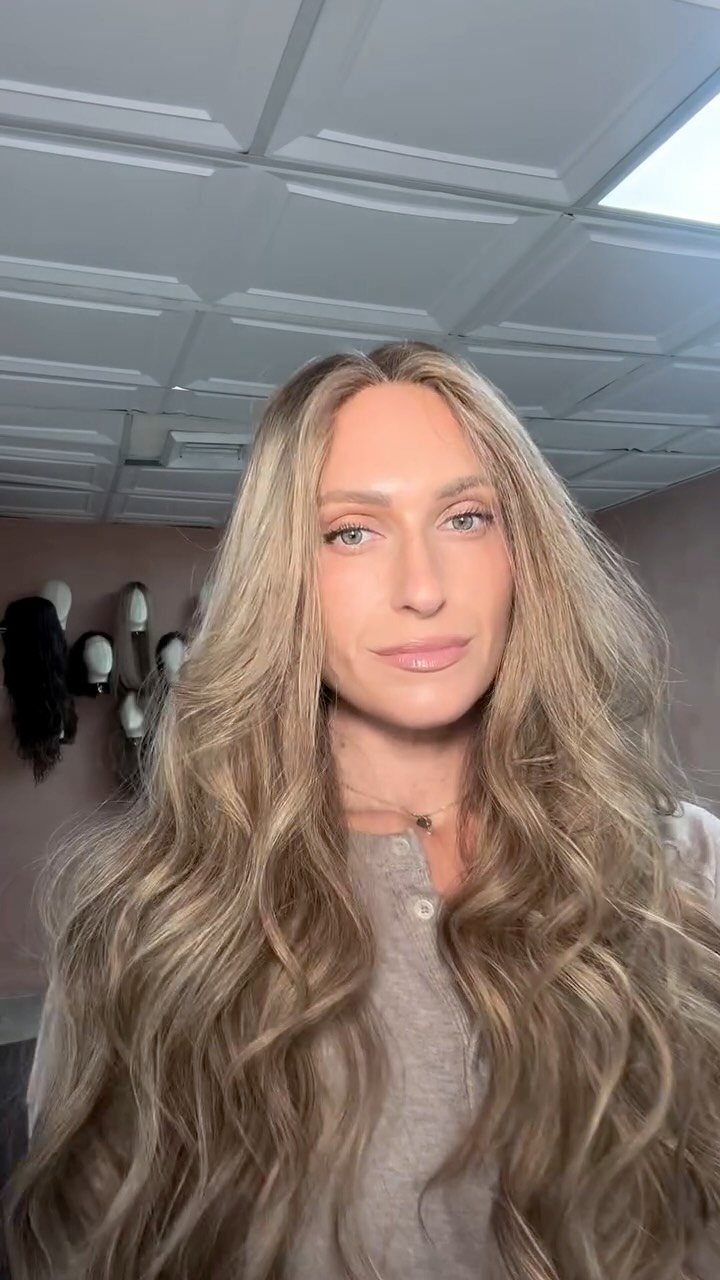
Sandy blonde sits between beige and honey, giving the color a soft, neutral warmth that works across most skin tones. The tone reads natural rather than heavily processed, and the lighter highlights add brightness without pushing the color too pale.
If your base is light brown or medium blonde, sandy tones lift the color gently without major processing. The result feels sun-touched rather than salon-bright.
Waves and texture show off the dimension better than straight hair, so if your hair is naturally straight, consider a wave or loose curl to bring out the lighter pieces.
22. Vanilla Blonde
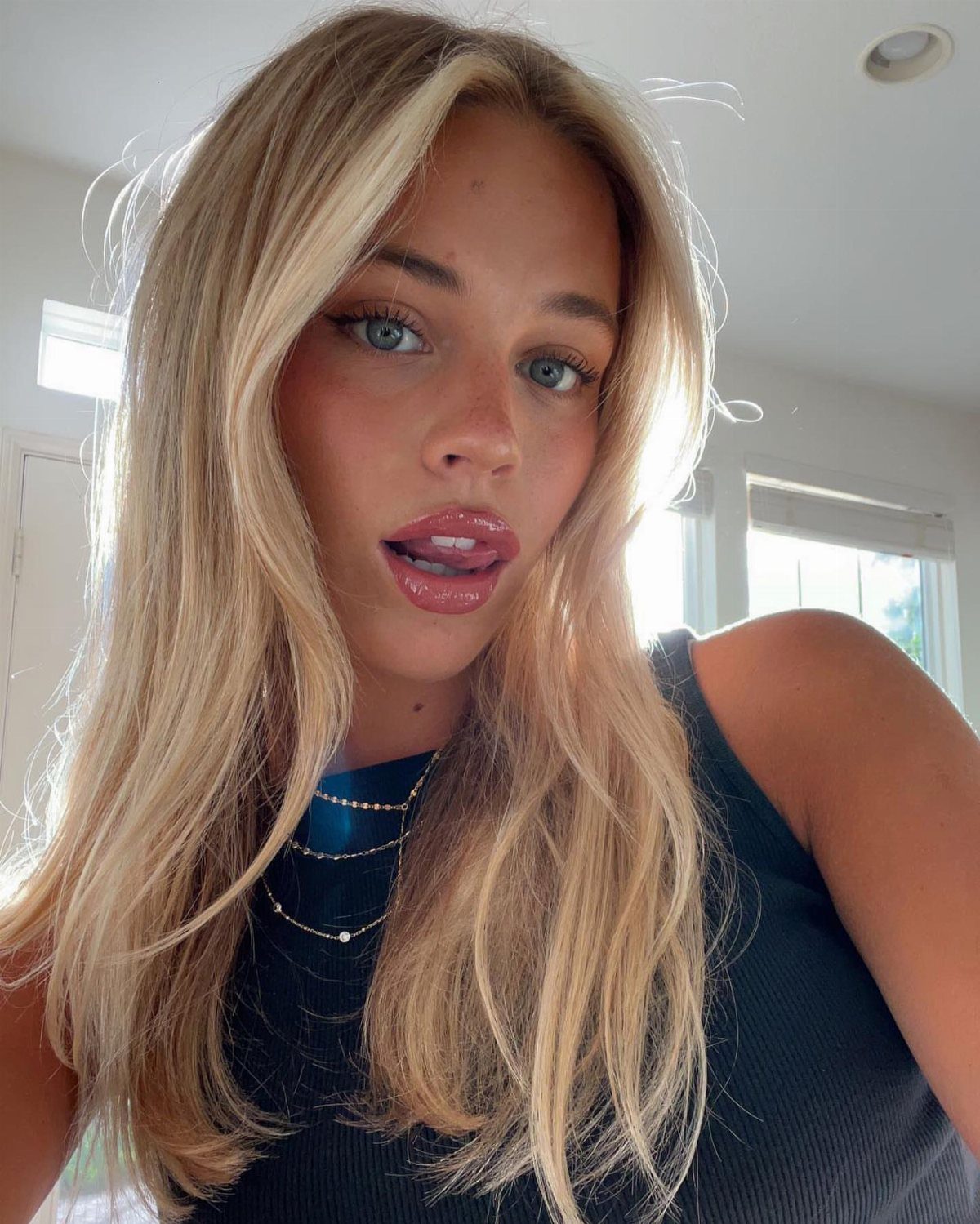
Creamy, soft blonde tones with subtle dimension give vanilla blonde its polished look. The color stays light without going stark, and the mix of slightly darker and lighter pieces keeps it from reading flat.
Vanilla blonde fades warmer over time, so regular toning keeps the creamy tone from shifting brassy. Purple shampoo helps, but use it sparingly to avoid dulling the softness you wanted.
23. Auburn Highlights
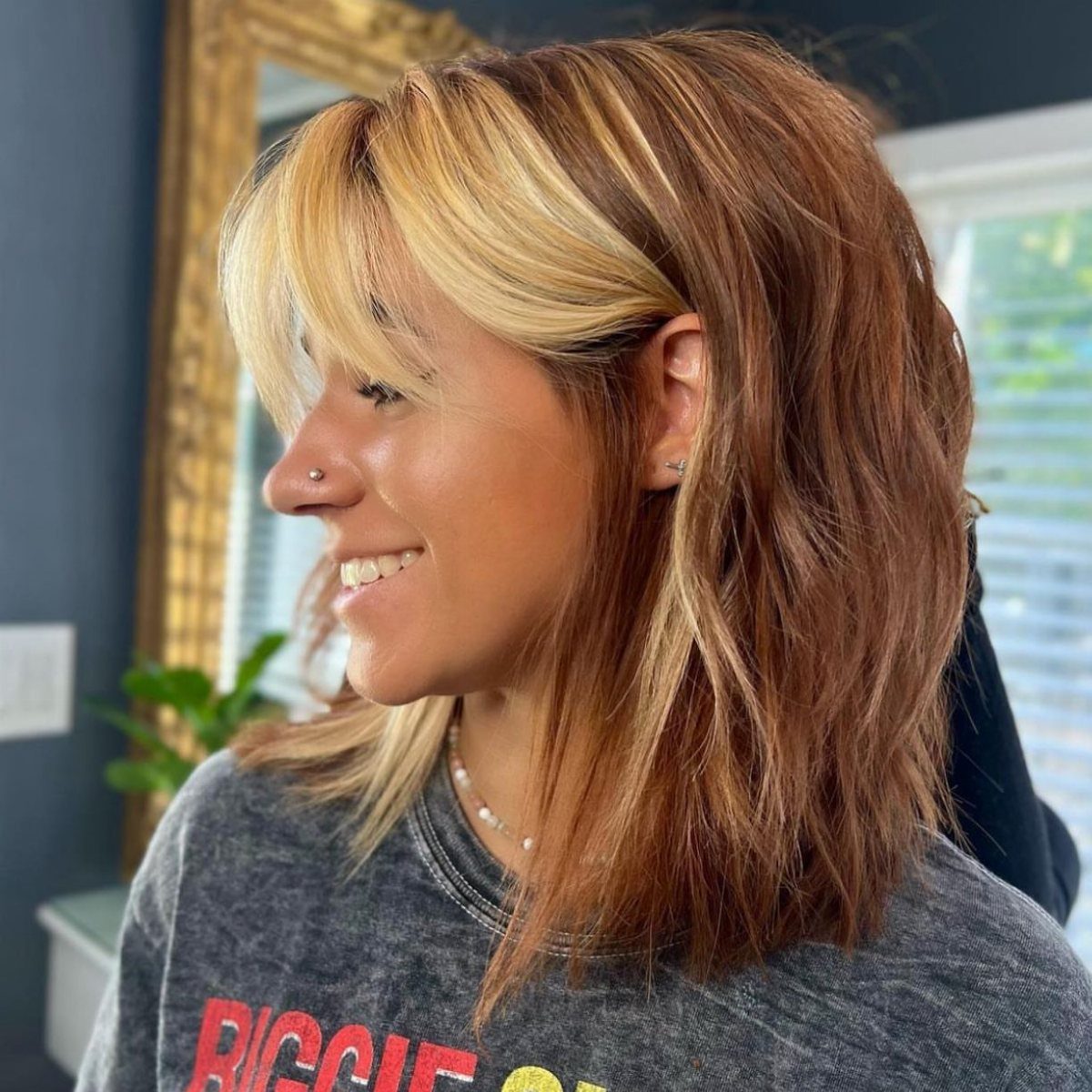
Auburn pieces woven through dirty blonde bring in red-gold warmth that deepens the overall color. The highlights sit darker than blonde but brighter than brown, so the contrast adds richness without overpowering the base.
This works best on medium to warm skin tones where the red undertones blend smoothly.
The warmth also shifts as it fades, sometimes pulling orange, so tone as needed to keep the red-gold intact.
24. Rose Gold Highlights
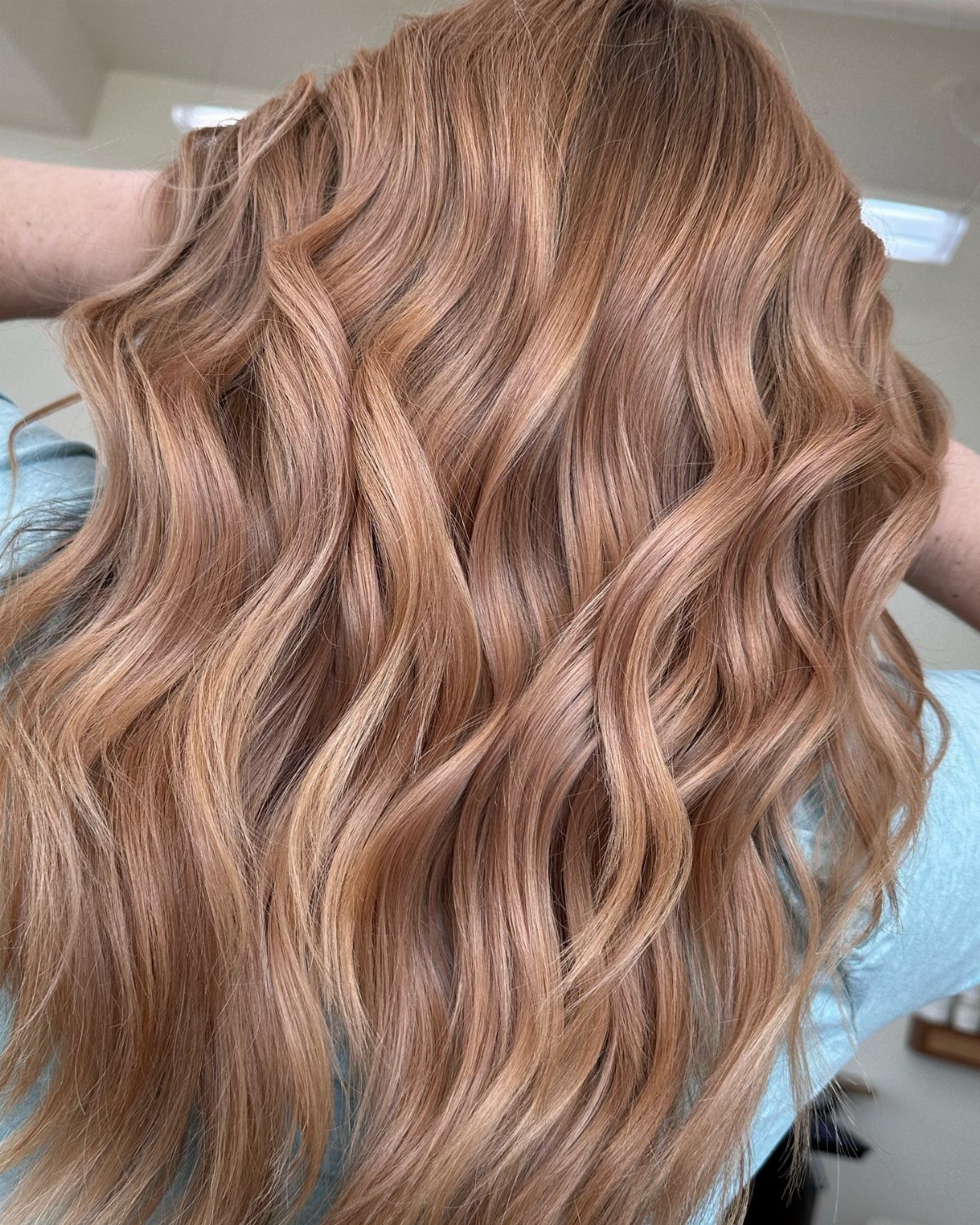
The rose tones sit softer than bright pink and blend more naturally with blonde.
Rose gold fades softly over several weeks rather than in one go, though you’ll still book touch-ups more often than you would for plain blonde.
Darker bases need bleaching first for the rose to show clearly, and the color shows best on light to medium blonde rather than deeper dirty blonde.
25. Mint Green Highlights
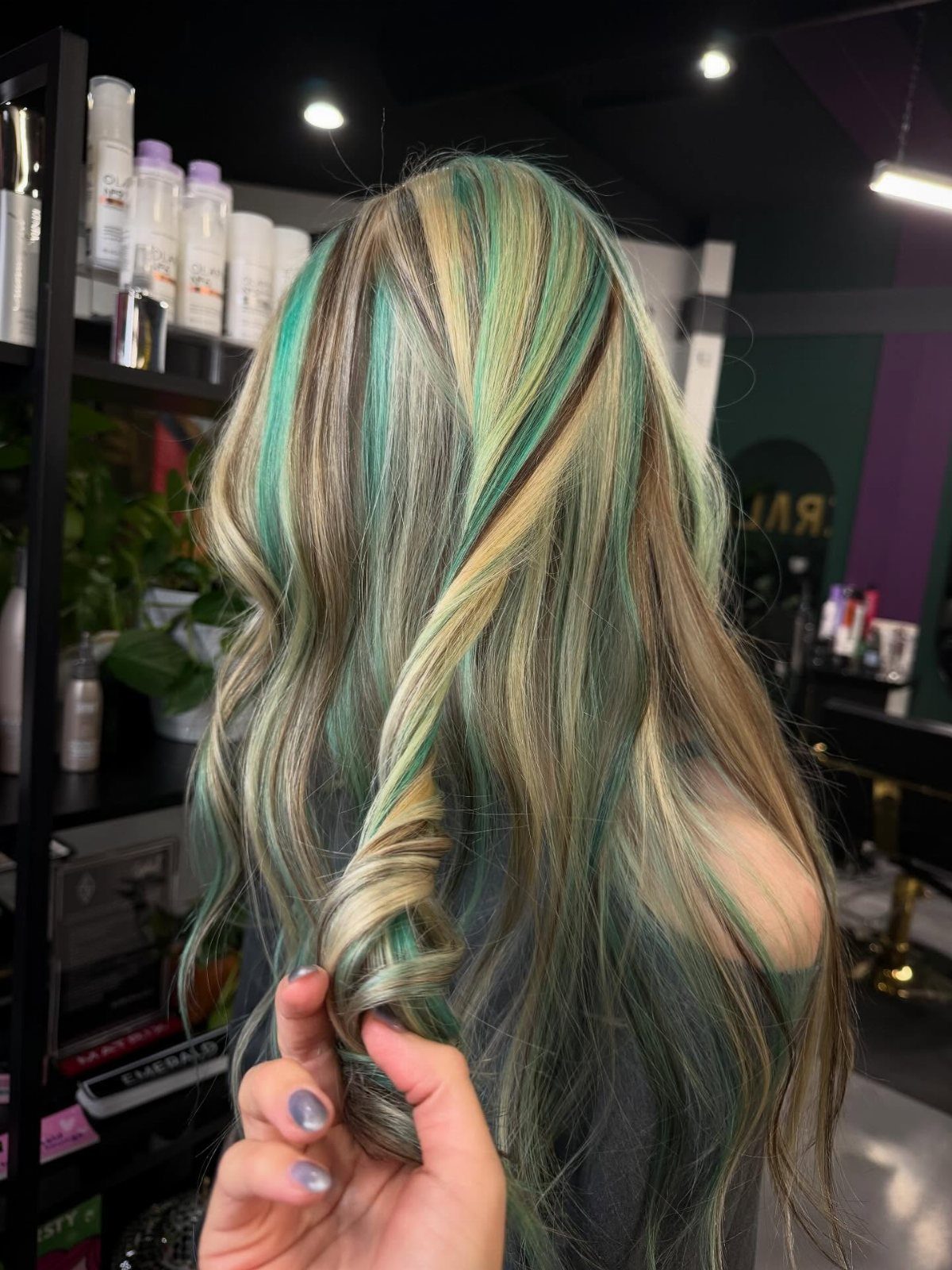
Pale mint streaks offer a softer alternative to bolder fashion colors while still standing out against dirty blonde. Green runs cooler than turquoise and leans pastel rather than neon, keeping things playful.
Mint fades fast, so plan to refresh the color or let it wash out. Semi-permanent formulas give you the tone without long-term commitment.
Hair needs to be lightened first for the mint to show clearly. On darker dirty blonde, the green may look muddy or barely visible without pre-bleaching the sections where the color goes.
26. Blue-Tinted Ash Blonde
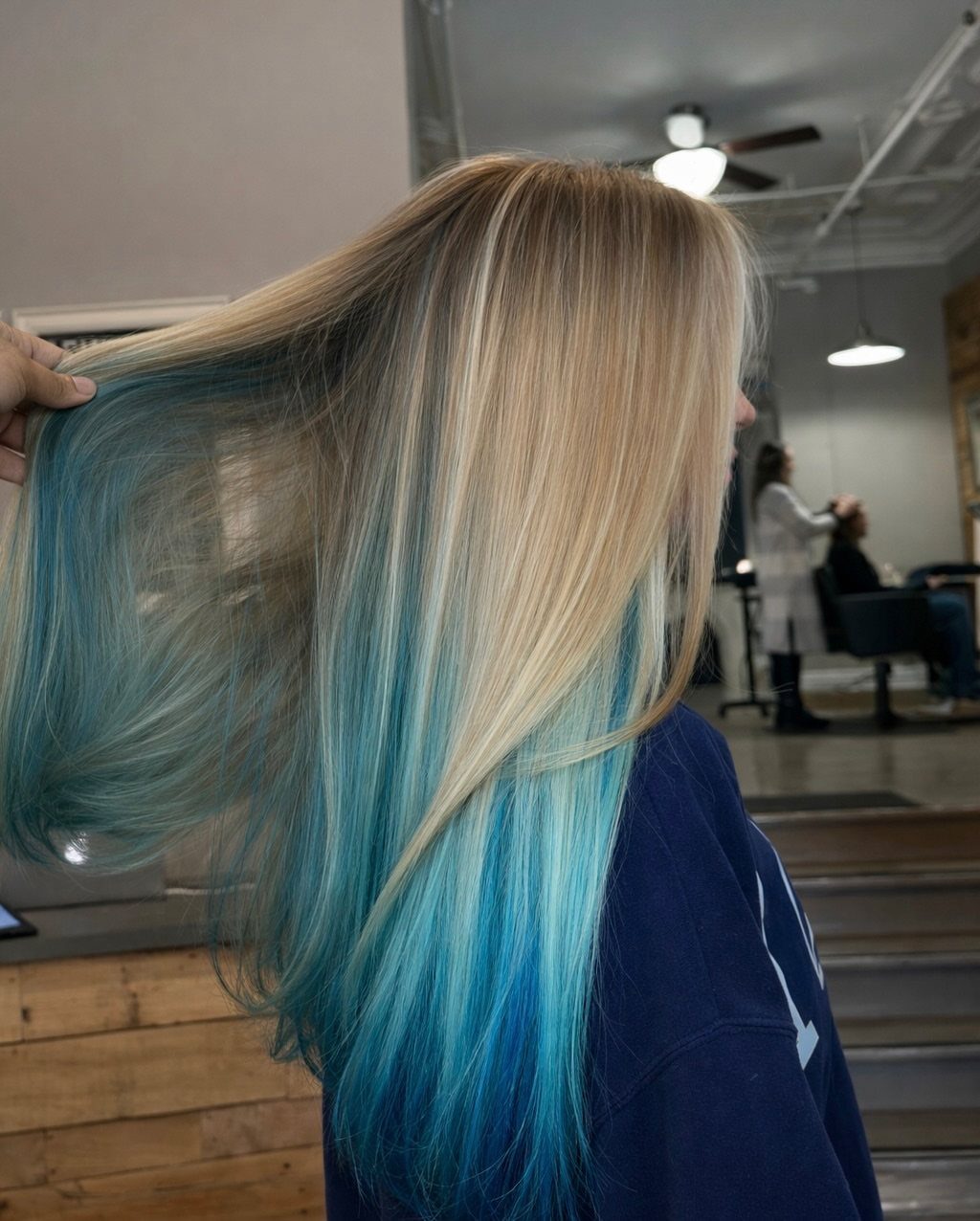
Cool blue tones layered into ash blonde deepen the icy quality and add an unexpected accent. The blue can sit at the ends, underneath, or woven through the top layers depending on how visible you want it.
Like most pastel tones, blue washes out faster than standard blonde and needs regular touch-ups to stay saturated. The fade is gradual rather than abrupt, so the color softens over time instead of disappearing all at once.
You need hair lightened to pale blonde for the blue to show. Darker bases need bleaching first, and the cooler the starting tone, the clearer the blue reads.
27. Dirty Blonde Pixie
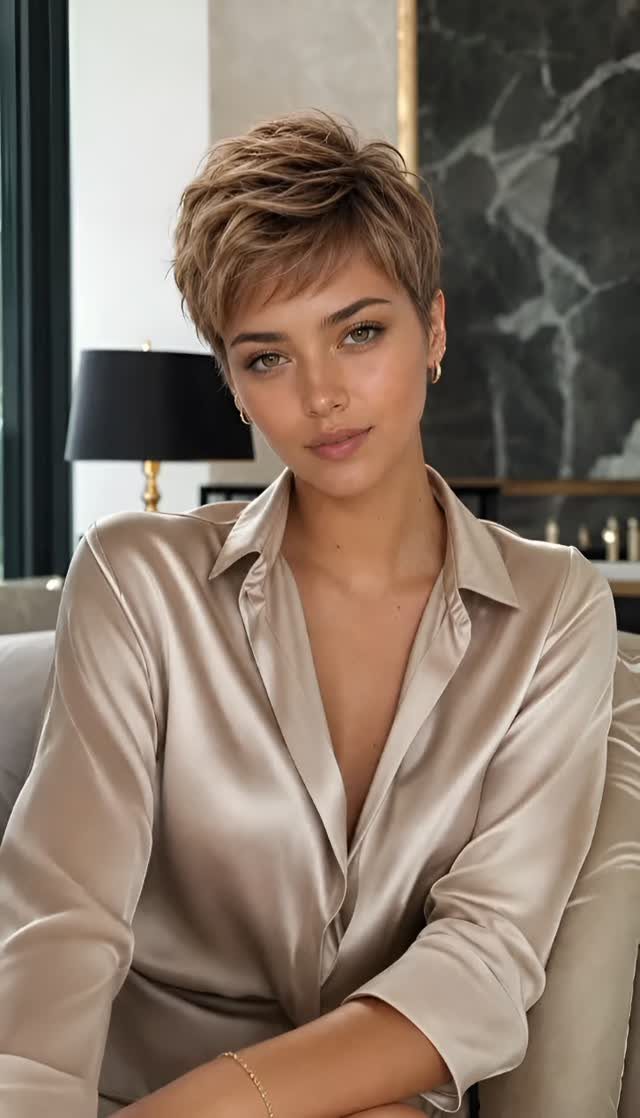
Short cuts show off the dimensional lift in dirty blonde without needing length to carry the color. The darker roots anchor the style and give the lighter pieces something to contrast against, so the blonde reads brighter.
Pixies grow out faster than longer cuts, so the shape needs regular trims. The color, though, can stretch longer between touch-ups if you keep the root intentionally darker.
Short hair dries quickly and holds texture with minimal product, and the dirty blonde adds dimension without requiring heat styling to show it.
28. Long Dirty Blonde Layers
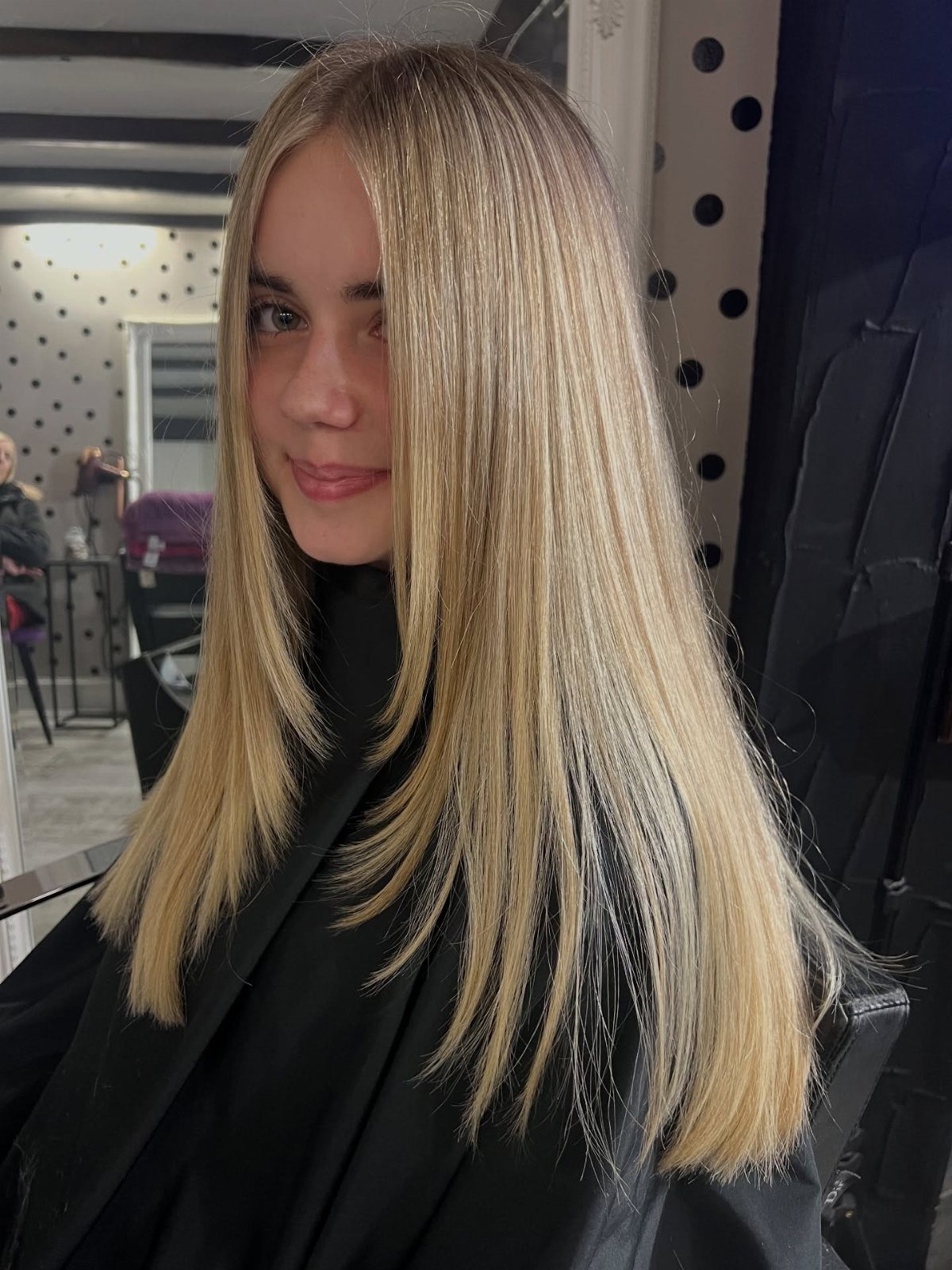
Layers remove weight from long hair and let the color move through different lengths rather than sitting flat. The lighter pieces show at the ends and through the mid-lengths, so the dimension reads clearly even when the hair hangs straight.
If your hair is thick or heavy, layers help it move and reduce bulk without losing length. On finer hair, keep the layers longer and less choppy so you don’t sacrifice fullness.
Long layers work across most textures, and the color needs less frequent touch-ups than shorter styles because regrowth blends more gradually.
29. Dirty Blonde with Bangs
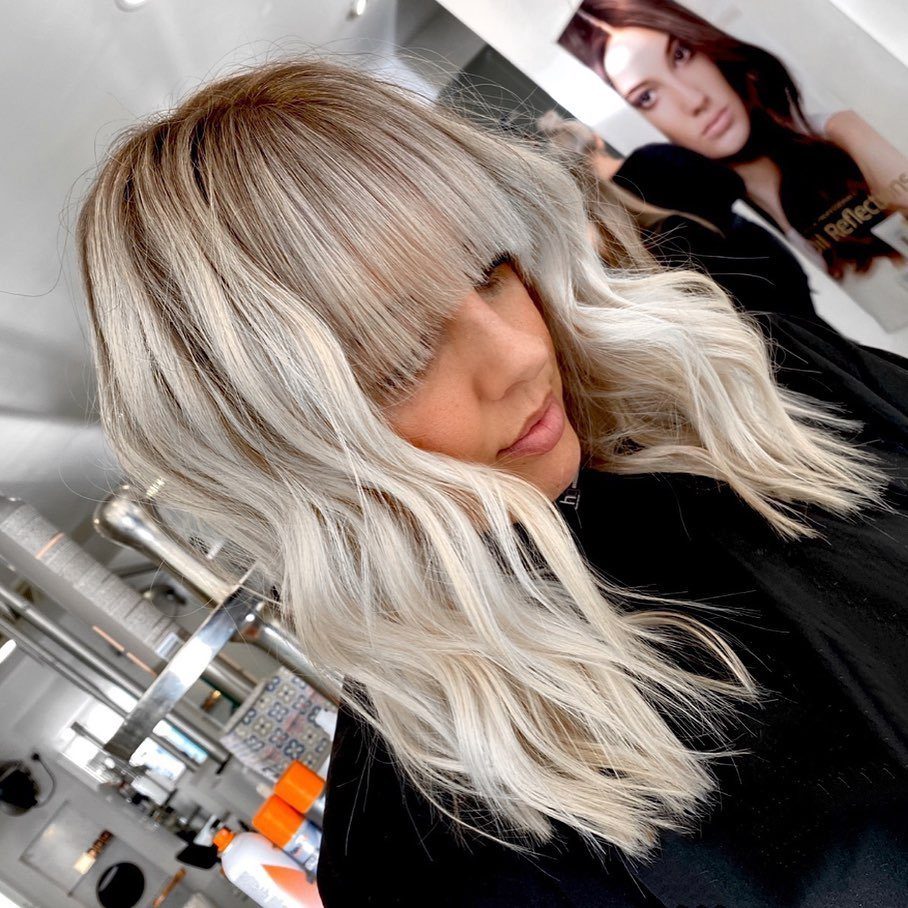
Bangs bring the lighter pieces forward and frame the face directly, so the dirty blonde color sits right where it shows most.
Full bangs create a blunt line across the forehead, while softer curtain or wispy bangs stay lighter and blend into the rest of the hair.
If you want dimension in the bangs themselves, ask for highlights that follow the same placement as the rest of your hair. Solid bangs show the base color more clearly, so you’ll see regrowth faster there than through the lengths.
Bangs need trimming every few weeks to stay out of your eyes. The rest of the cut can stretch longer, but the fringe grows quickly.
Color-treated Hair Care
Shampoo and conditioner made for color-treated hair protect the tone and keep fading slower than regular formulas. Purple shampoo neutralizes brass when used once weekly, but it brightens and tones without lightening, so it won’t change your base color.
If you’ve bleached to reach dirty blonde, dryness shows up fast. A weekly mask treats damage and softens the hair, especially after multiple sessions in the chair.
Purple conditioner works alongside the shampoo to keep the cool tones from slipping warm.
Use the pair once a week or only when you start to see orange creeping in, so you tone without overdoing it and dulling the warmth you wanted to keep.
Maintenance and Grow-out
Dirty blonde asks less of your calendar than brighter blonde because the tone sits closer to natural roots.
All-over color requires regular appointments to keep the line from showing. If low maintenance matters, choose a method that leaves the roots darker or blended rather than lifting the whole head evenly.
Starting from a darker base means more frequent visits at first to lift the color safely.
Frequently Asked Questions
What color highlights go best with dirty blonde hair?
Honey, caramel, wheat and subtle blonde pieces sit closest to dirty blonde and look the most natural. Pick warm tones like honey or caramel if your base leans cool, or ash if you want to keep brass out.
Highlights only a shade or two lighter than your base blend with regrowth, so they also last longer between visits.
What skin tone does dirty blonde hair look good on?
Dirty blonde can work on most skin tones if you match the shade’s undertone to yours. Ash and cool versions suit cool or neutral skin, while honey, caramel and golden versions flatter medium, olive, peachy or yellow-toned skin.
Cool ash shades can turn flat and a little gray against warm skin, so test a semi-permanent version before you commit to a permanent one.
What is dirty blonde hair?
Dirty blonde is a muted medium-to-dark blonde that blends wheat, ash and light brown tones. The brown in it keeps it softer and easier to maintain than platinum or icy blonde, especially if your natural base is darker.
How can I add dimension to dirty blonde hair?
Lowlights in darker blonde or soft brown put shadow back into hair that has gone too pale, and that contrast is what makes the color look rich instead of flat.
Balayage, face-framing highlights and loose waves also show off the contrast between light and dark strands. Lowlights and precise placement are best done by a colorist.
Can I go from dirty blonde to a lighter blonde?
Yes, and a stylist can do it gradually with highlights or balayage so it looks natural.
From a darker base, plan on 2 or 3 appointments spaced weeks apart if you want pale blonde, because rushing it in one sitting is how hair breaks.
Ask for a bond builder in the lightener, then keep up with a weekly conditioning mask so the strands stay strong.





