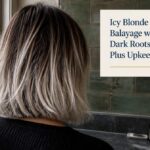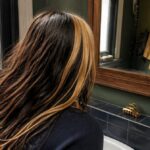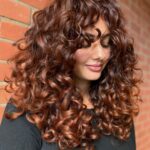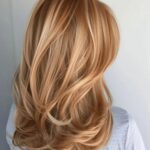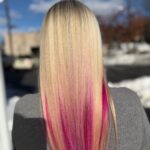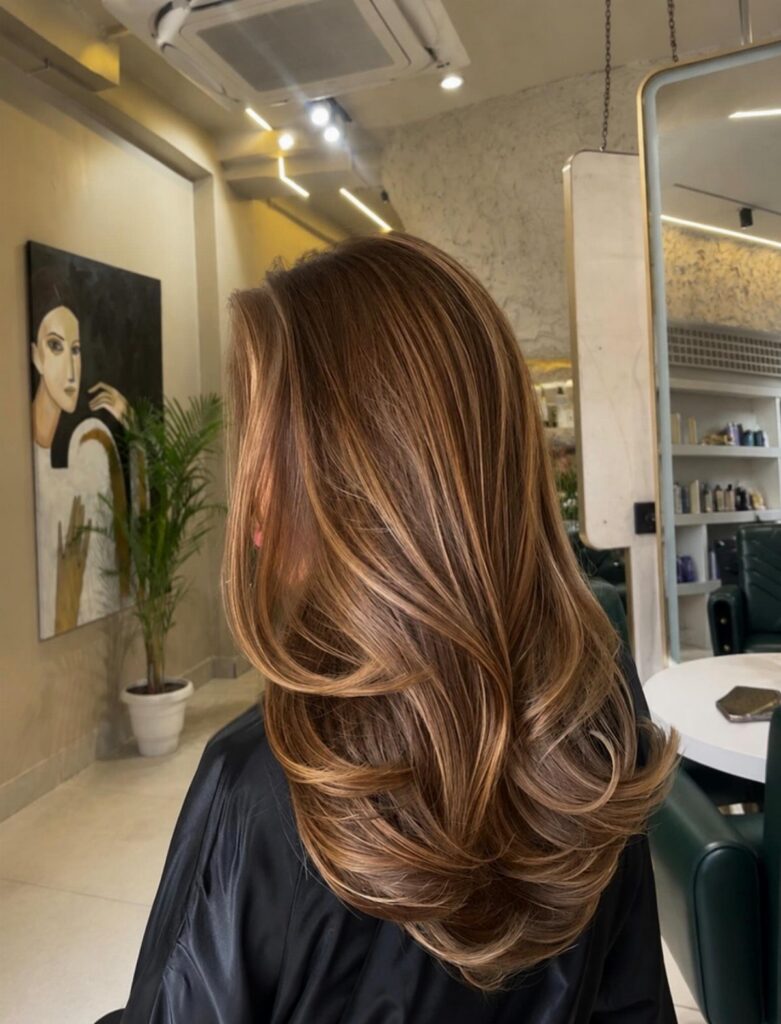
The range runs from subtle ribbons of light brown that add texture without a color shift to high-contrast blonde pieces set against a deep brunette base, with caramel, bronde and copper sitting in between.
1. Caramel Balayage
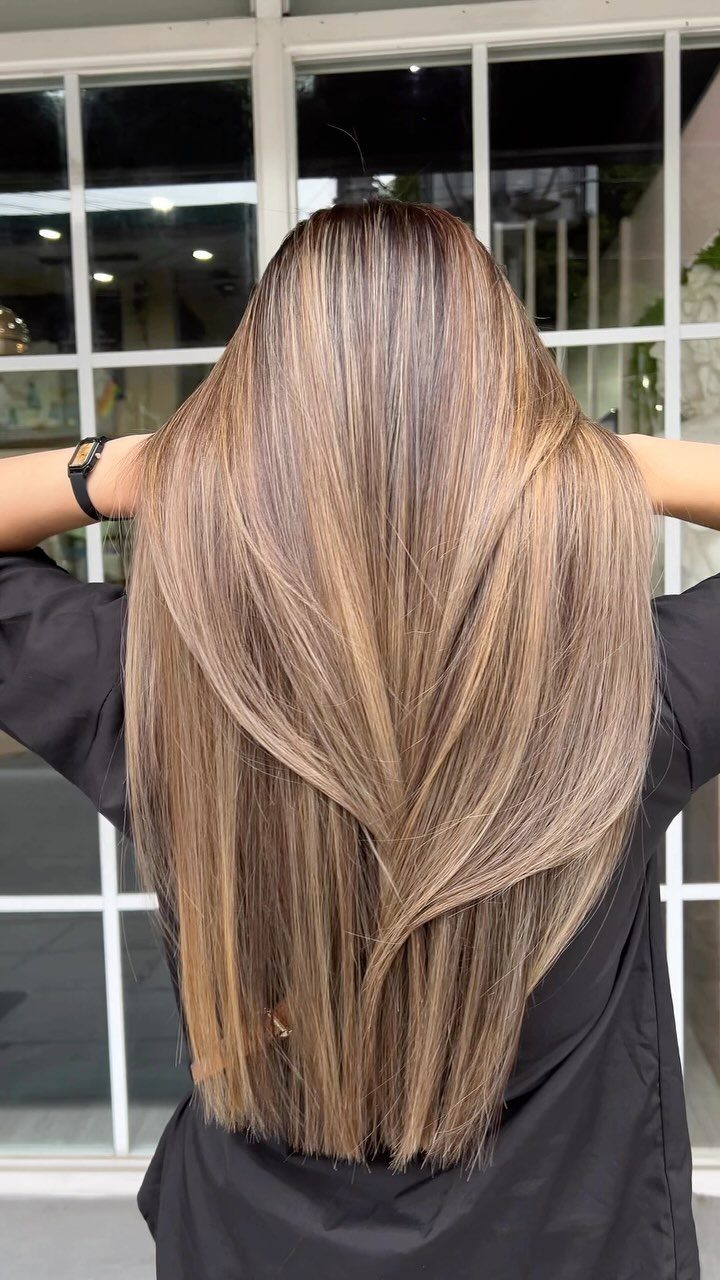
Caramel sits warmer and richer than honey, lifting the base just enough to read in daylight without pushing into blonde territory.
The warmth keeps it from looking ash or too cool, which can wash out anyone with yellow or golden undertones in their skin.
The color gets painted through mid-lengths and ends by hand, keeping the root zone dark so regrowth stays soft. The blend stays gradual enough that regrowth looks intentional rather than overdue.
If your base is very dark, expect 2 sessions to lift the color without brassiness.
2. Bronde Balayage
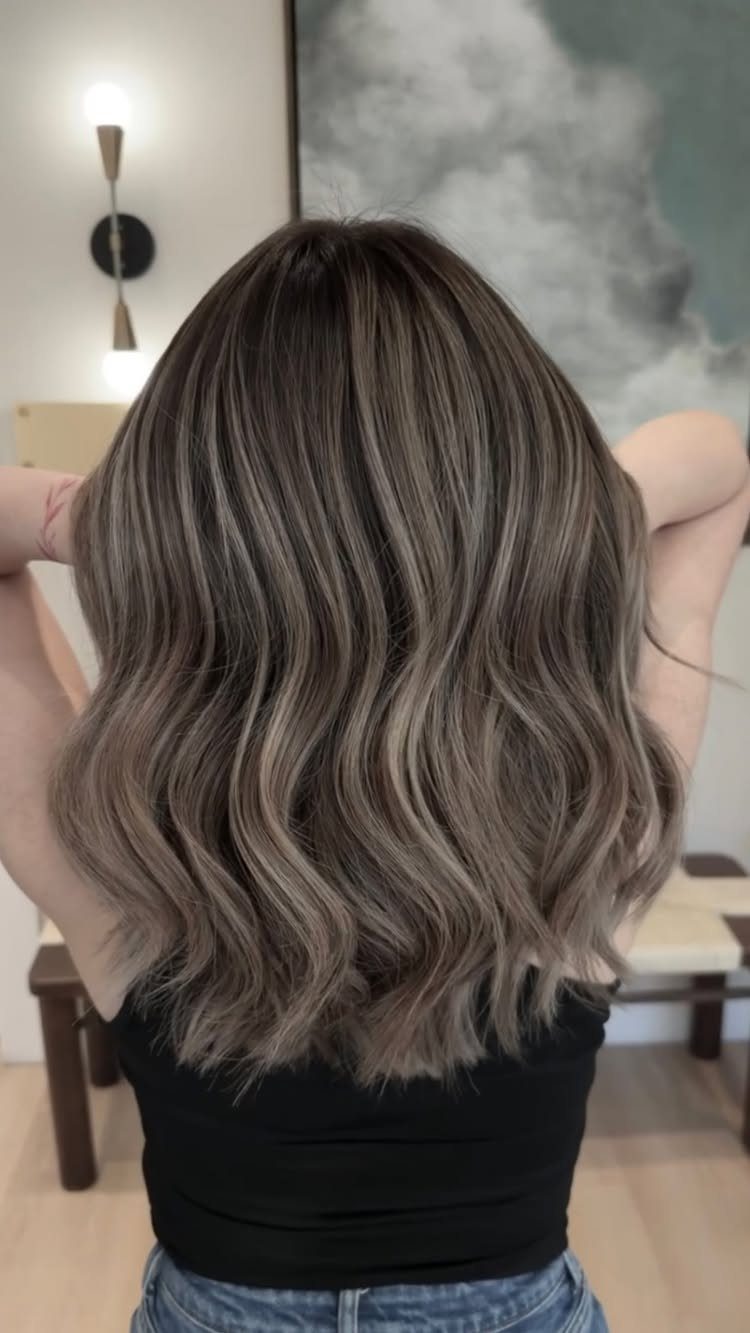
Bronde sits right between brown and blonde, usually a level 6 or 7, and reads as the most natural option if you want noticeable brightness but no commitment to full blonde maintenance.
The placement matters more than the color itself.
Balayage keeps the brown base intact and adds blonde only where the sun would hit: around the face, through the crown, and on the ends. Regrowth stays soft and the look holds without needing frequent appointments.
It suits most skin tones because the blend keeps both warm and cool tones in play.
3. Chocolate Brown
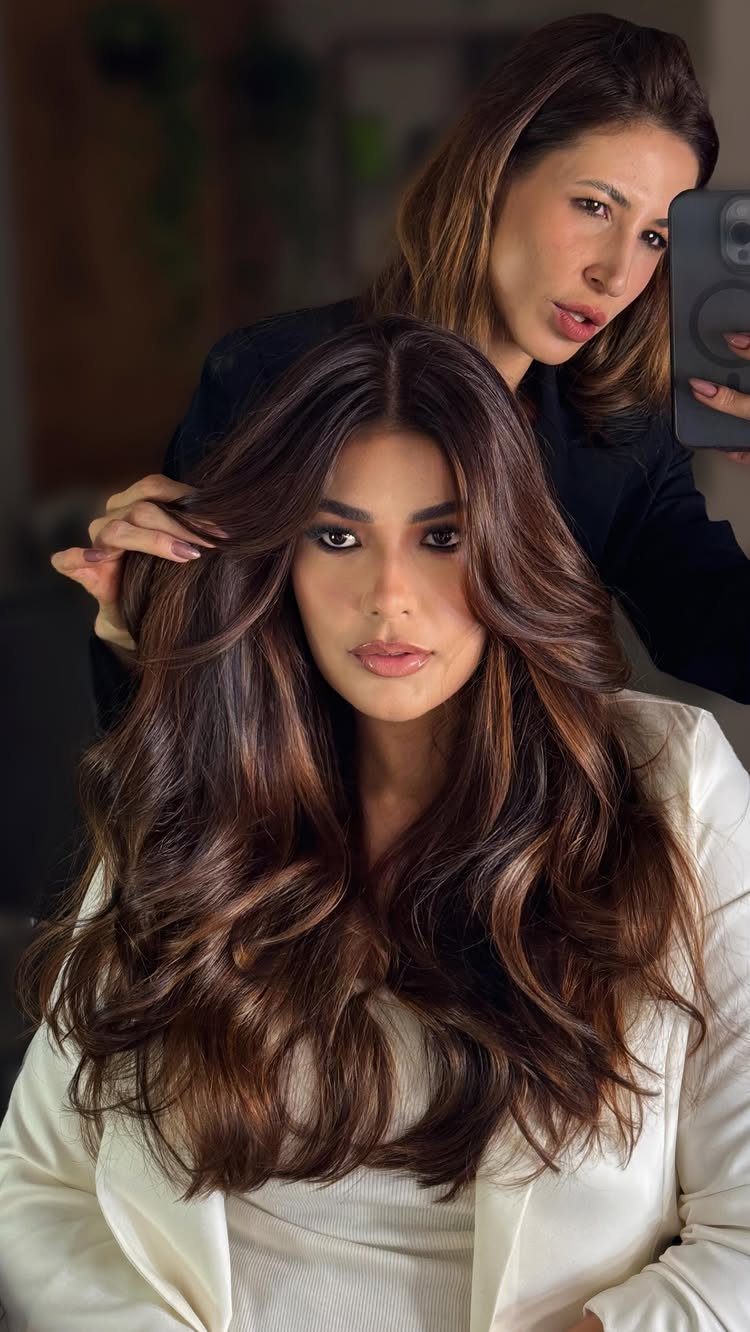
Rich brown highlights layered over a dark base add dimension you can see in direct light but stay subtle enough for anyone who wants movement without a color shift.
The technique keeps the tones close, usually within 2 shades of each other, so the contrast stays low.
This grows out invisibly, which makes it the easiest balayage to maintain.
It suits anyone who wants the texture and depth balayage gives but prefers to stay fully brunette.
4. Golden Blonde Balayage
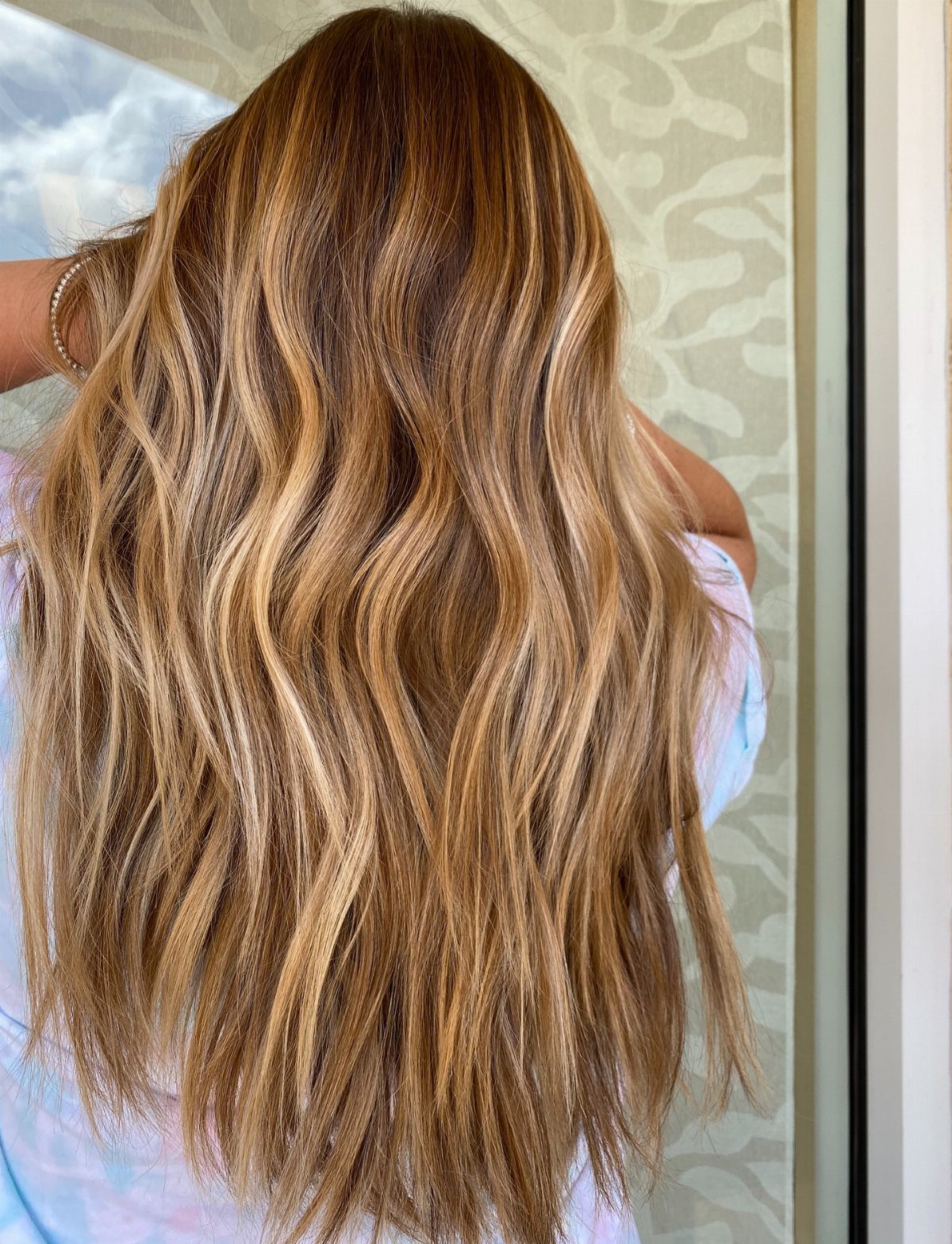
Golden blonde tones lift a deep brunette base by several levels, usually to a level 8 or 9, and the warmth keeps it from turning brassy or ashy.
This takes more upkeep than caramel or bronde because the lift is higher. Tone every 6 to 8 weeks to stop the blonde shifting orange.
It suits warm and neutral skin tones best. If you’re cool-toned, ask for ash blonde instead.
5. Copper Balayage
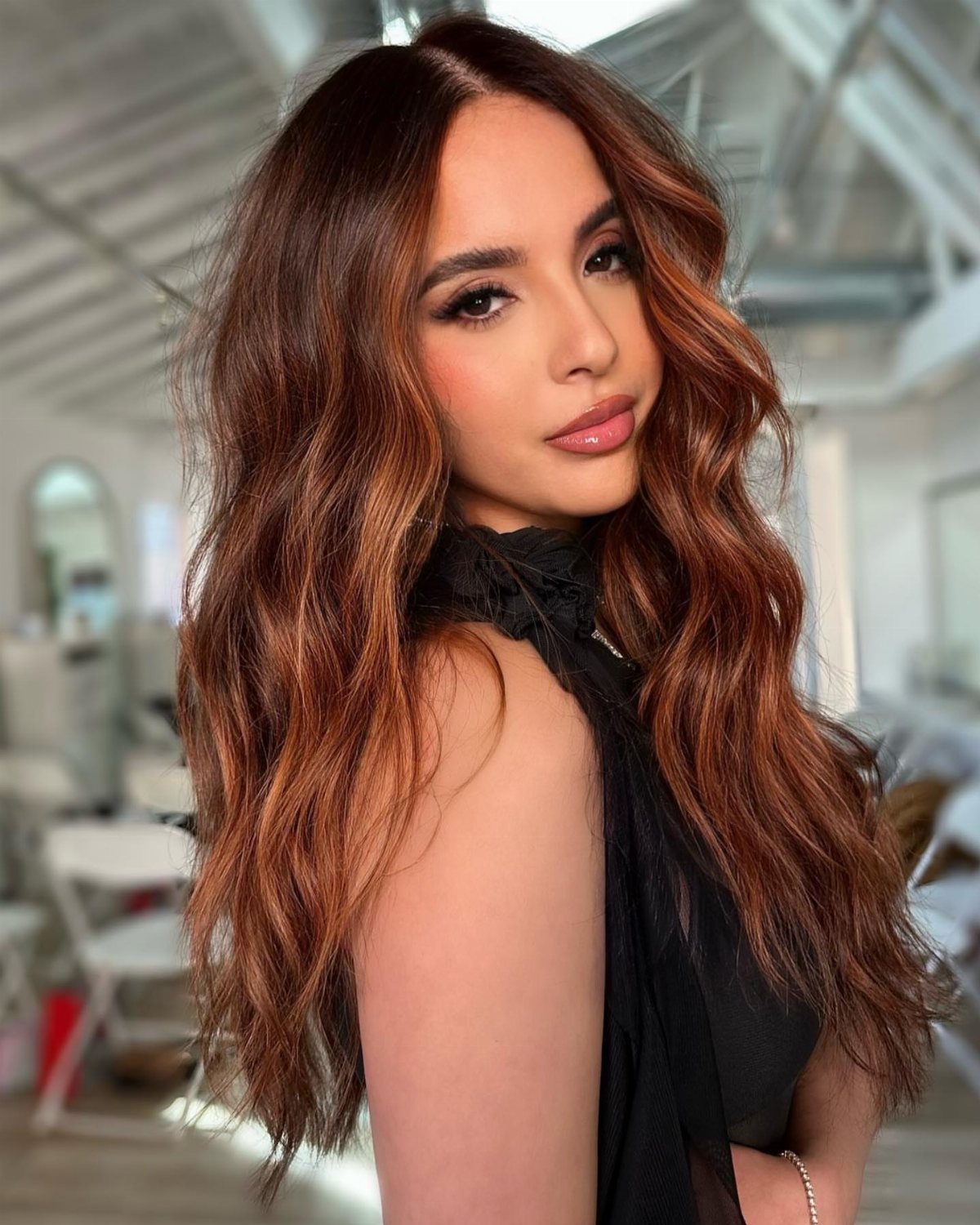
Copper and auburn bring warmth that reads richer and more saturated than caramel or gold, with red undertones that make the shift more obvious. The lift usually runs 2 to 3 shades brighter than the base and concentrates from mid-lengths down.
Copper fades faster than most other balayage shades because red pigment is made of large molecules that have a hard time settling deep into the hair and rinse out quickly.
A color-depositing conditioner every few washes keeps the tone from fading flat.
It suits warm skin tones and anyone with natural red or gold in their base color.
6. Sun-Kissed Balayage
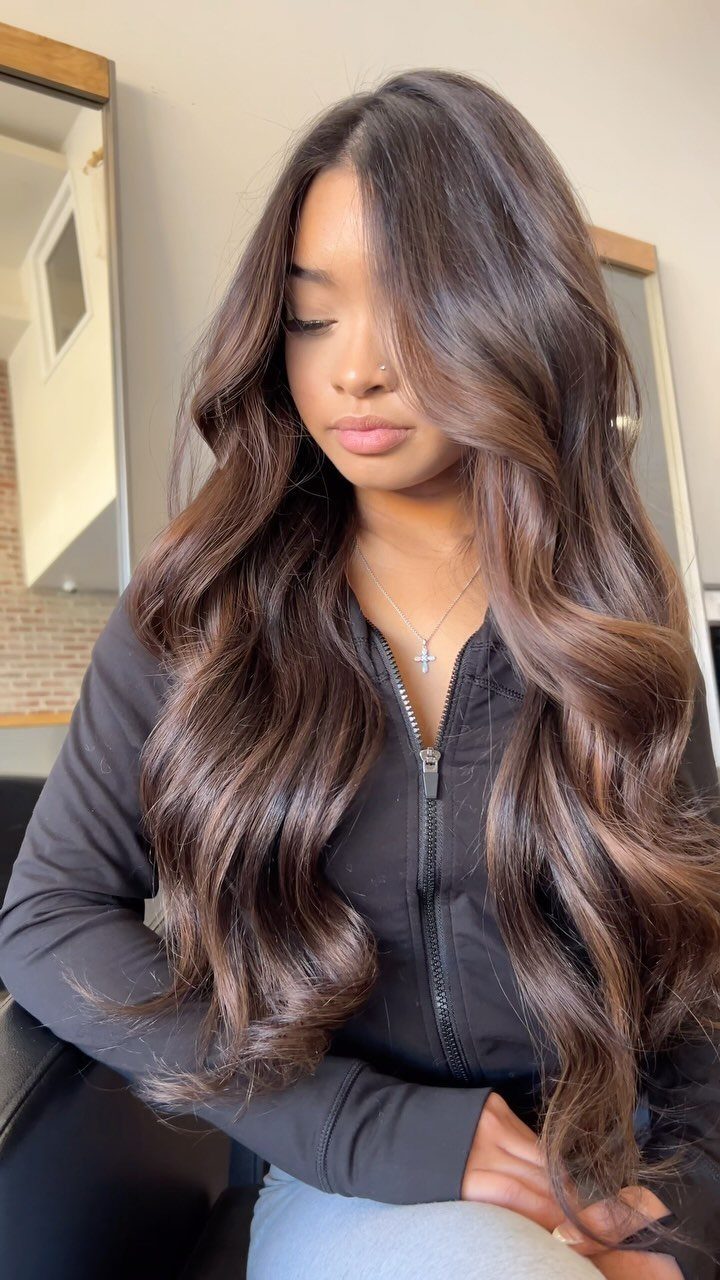
Soft, warm highlights scattered through the mid-lengths and ends mimic the way hair lightens naturally after a summer outside.
The tones stay close to the base, usually just 1 to 2 shades lighter, and the blend is diffused enough that no single piece stands out.
This is the lowest-maintenance balayage because the grow-out is almost invisible.
Ask for hand-painted placement that concentrates around the face and crown, where the sun would actually lighten first. That keeps it looking natural instead of randomly placed.
One of the easiest and most low-maintenance hair-coloring techniques, balayage involves the stylist painting onto the hair with a brush dipped in lightener, rather than using foils (as is done with traditional highlights).
— Yahoo
7. Multi-Toned Balayage
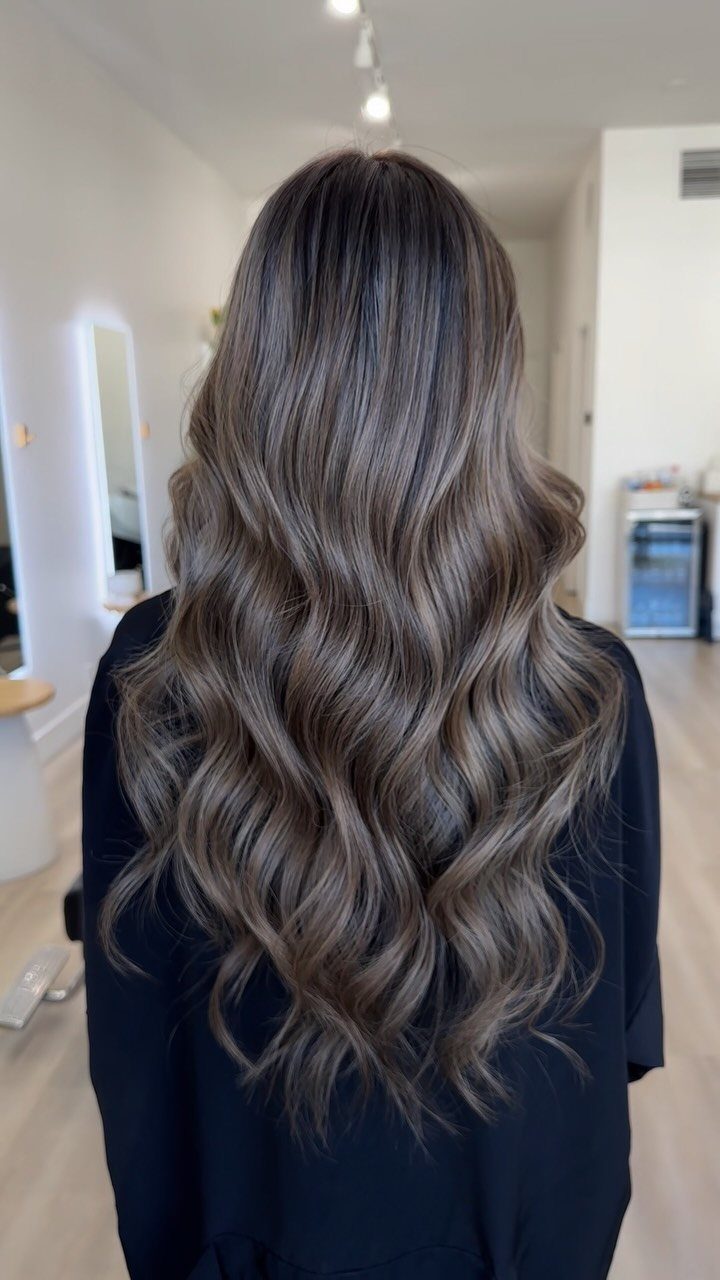
Layering several shades through the lengths creates movement you’ll see every time your hair shifts, with darker pieces grounding the lighter ones so the dimension reads more naturally than a single highlight tone would.
The technique works best with at least 3 different shades, each blended into the next so no line shows where one stops.
That takes longer than a single-color balayage and usually costs more, but you get depth that looks lived-in rather than freshly painted.
Ask your colorist to keep the tones within the same family so they read as cohesive rather than patchy.
8. Light Brown Balayage
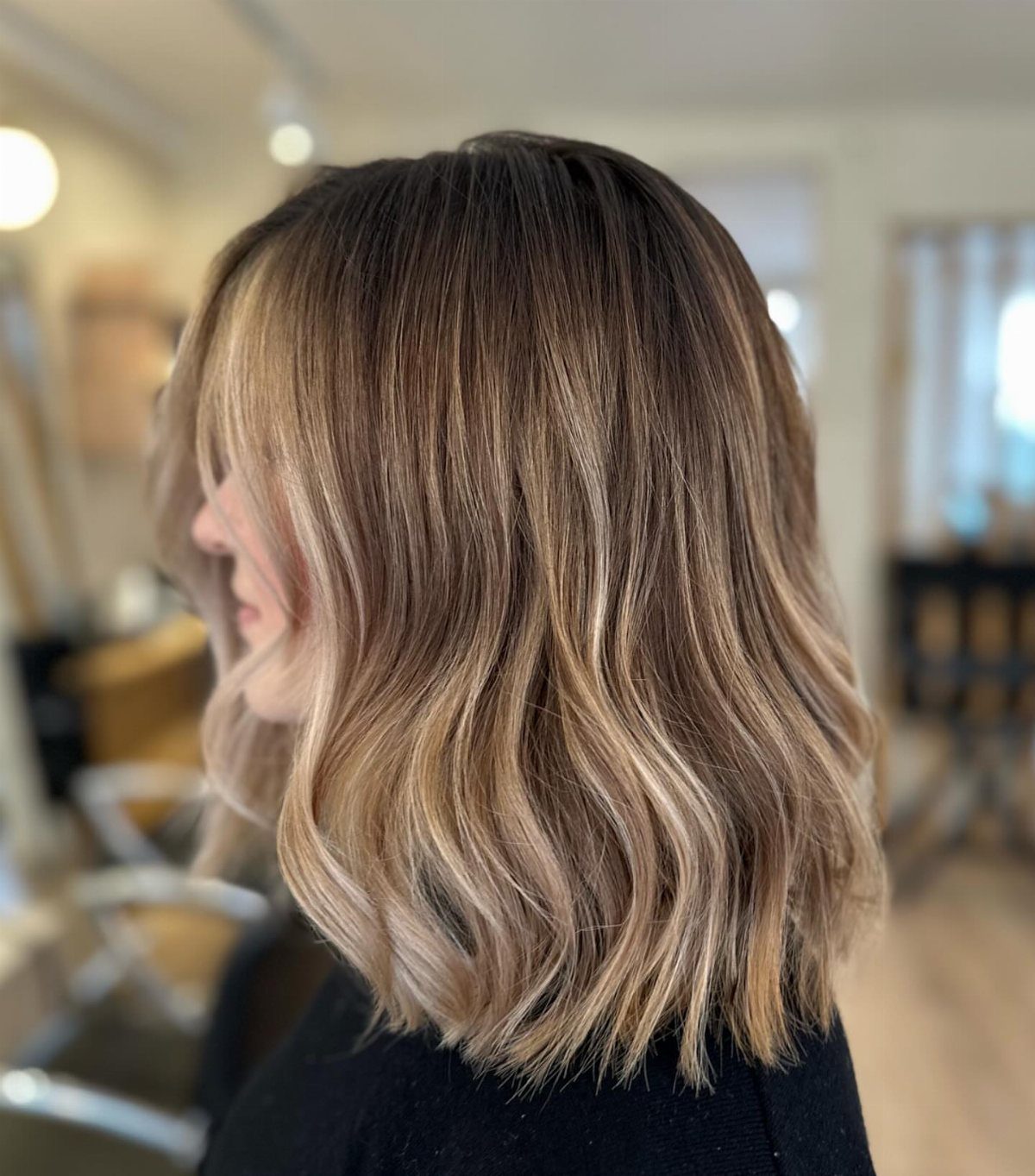
Lifting the base to a soft light brown and adding blonde through the ends keeps the contrast gentle enough for a first balayage or anyone who wants brightness without a stark shift.
The blonde sits close to the light brown base, usually just 1 to 2 levels apart, so the grow-out stays invisible and regrowth doesn’t feel urgent.
That makes this easier to maintain than golden blonde or bronde, which both need more frequent toning.
If your natural base is darker than level 6, expect a double process to lift it evenly before the balayage goes in.
9. Curly Hair Balayage
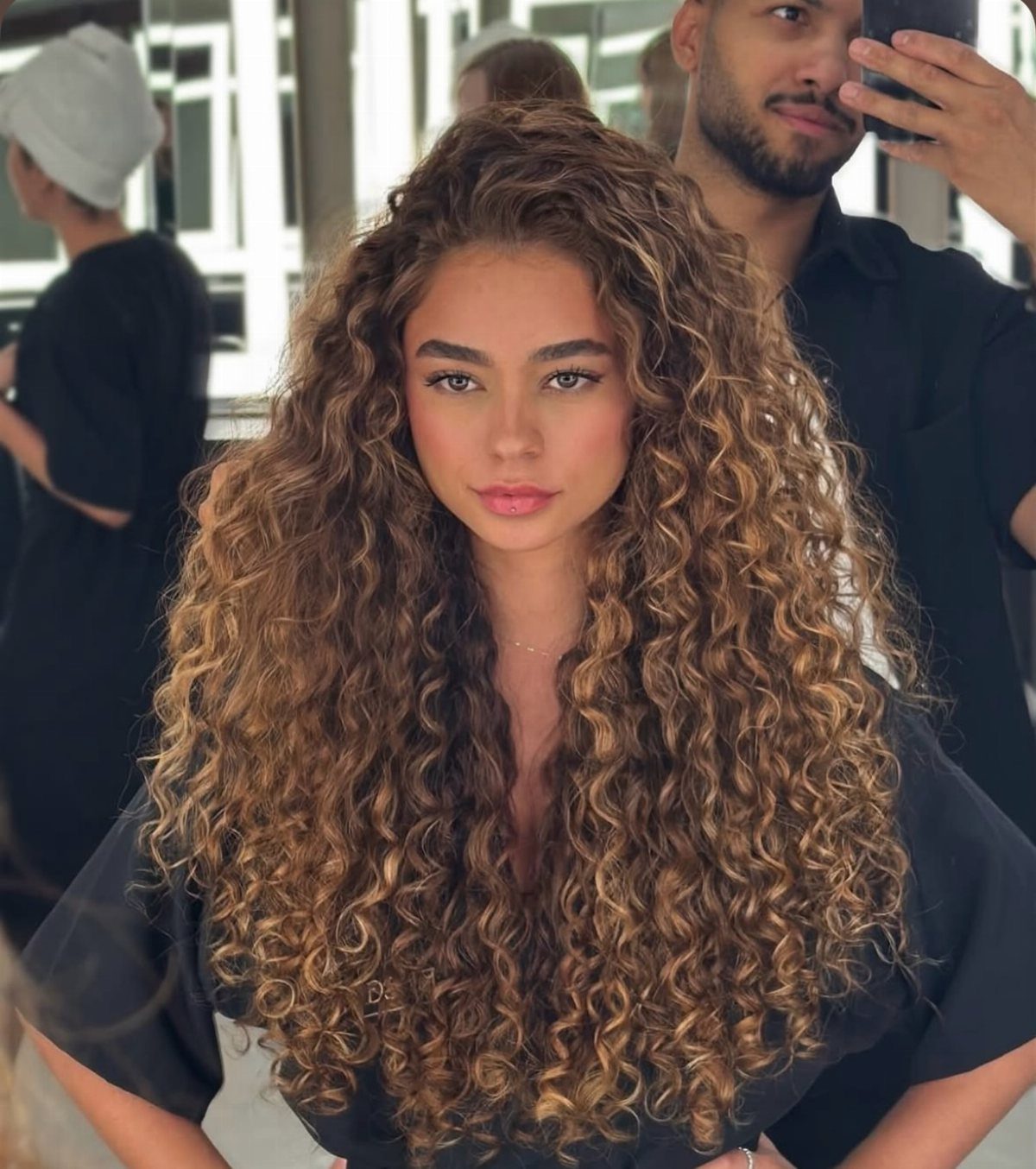
Balayage on curls highlights the shape and movement already there, with lighter pieces catching light on the outer curve of each curl.
The placement follows the curl pattern rather than being painted in straight lines, which keeps the color from looking flat when the hair moves.
Curly hair lifts faster than straight because the cuticle is already more porous, so processing time runs shorter.
That also means it can dry out more easily after color, so a deep conditioner every week keeps the texture from turning rough.
The color shows more dimension on curls than it would on straight hair because every twist catches light differently.
10. Honey Money Pieces
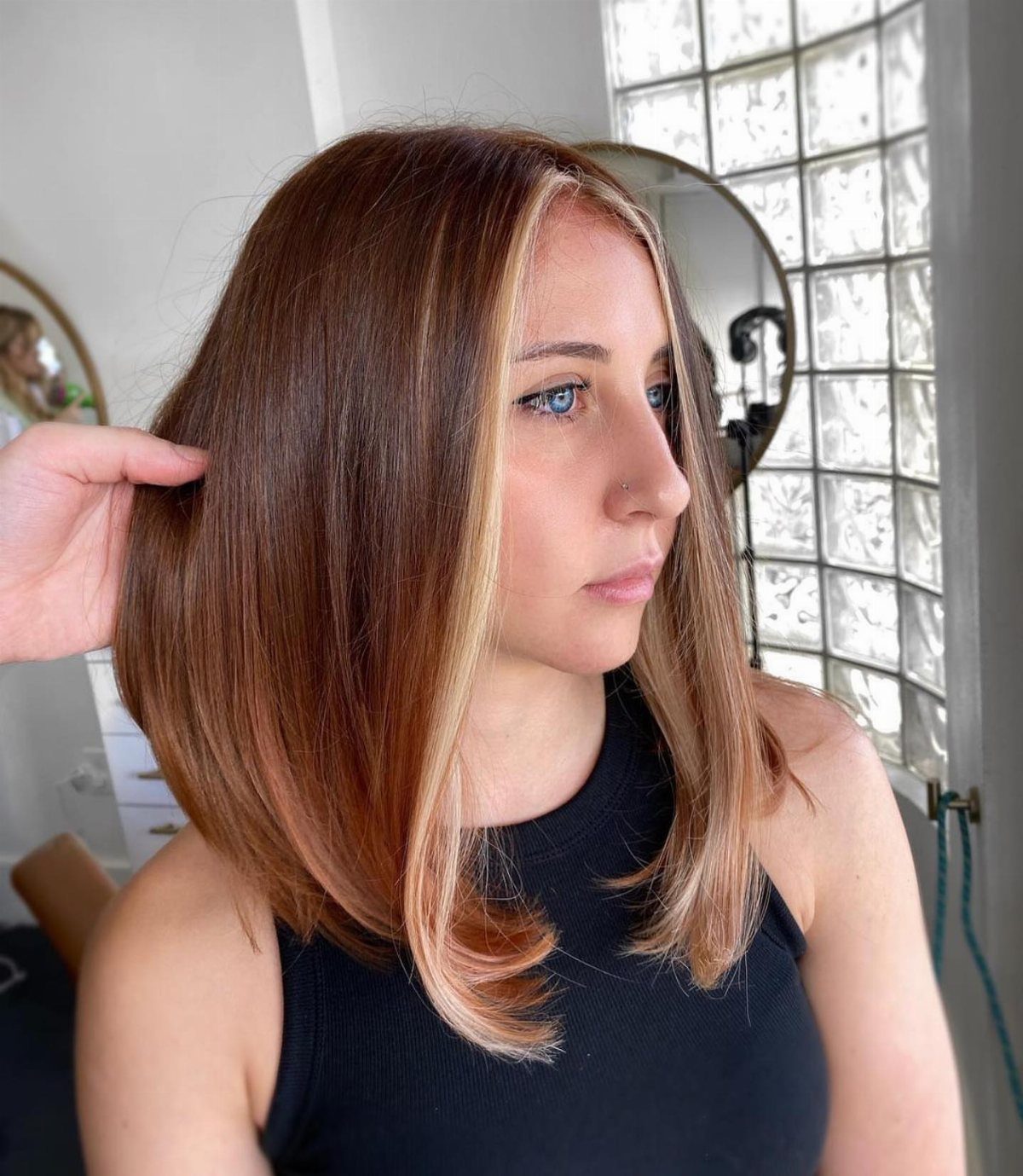
2 thick sections of honey blonde framing the face brighten the whole look without committing to all-over color. The rest of the hair stays close to the natural base, so the contrast centers where it lifts your features most.
Money pieces grow out softer than full highlights because the dark root blends into the face-framing pieces rather than sitting in a stripe. Refresh regularly to keep the brightness up front without needing to touch the back.
This suits anyone who wants a noticeable change but prefers most of their hair untouched.
11. High-Contrast Balayage
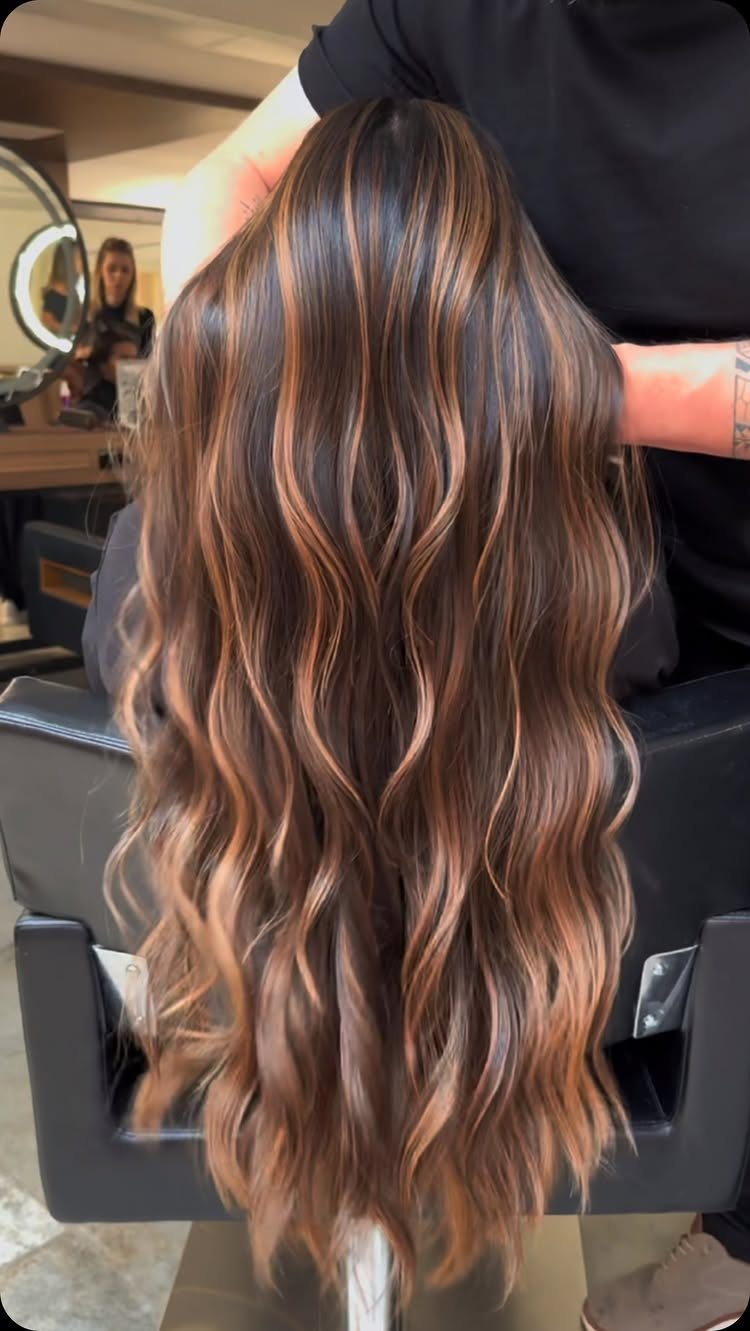
Bright blonde or caramel pieces set against a deep brunette base create separation you can see from across a room, with more lift and less blending than softer balayage styles.
This takes more upkeep because the tonal jump is wider, usually 4 or more levels, and regrowth shows sooner. Regular toning keeps the blonde from shifting brassy, and a gloss on the darker sections keeps both tones sharp.
It suits anyone who wants a bold change and doesn’t mind the maintenance that comes with it.
12. Honey-Brown Highlights
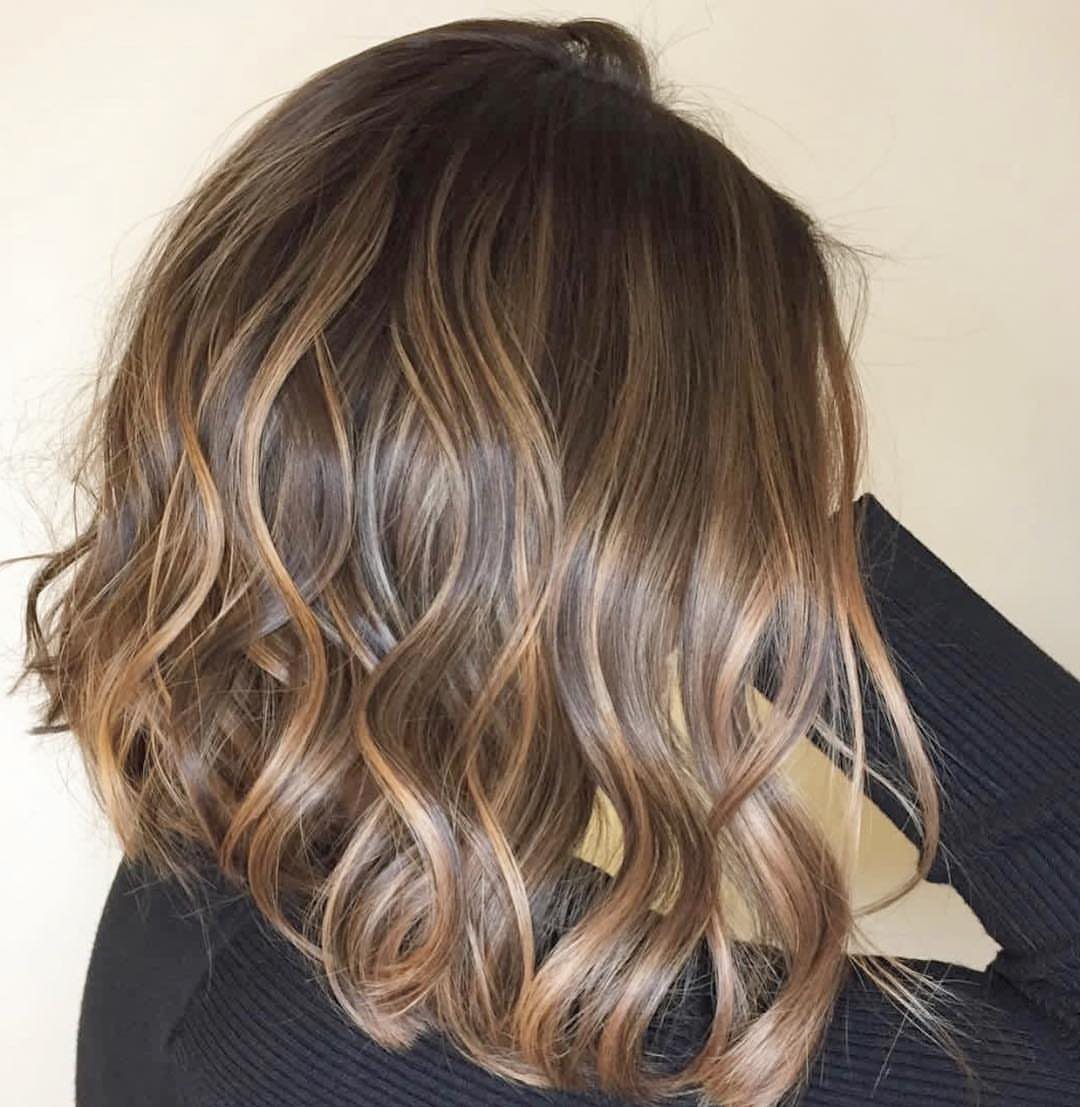
Keeping the highlights within the brown spectrum adds texture and movement without lifting into blonde, which makes the color look more natural and grow out softer.
The tones usually range from chestnut to honey, all staying warm and close enough that no single piece reads as a different color.
This suits anyone who wants dimension but prefers to stay fully brunette, and it works especially well on warm or neutral skin tones where golden browns already look natural.
Refresh less often than higher-contrast balayage, because the regrowth blends into the base invisibly.
13. California Beach Balayage
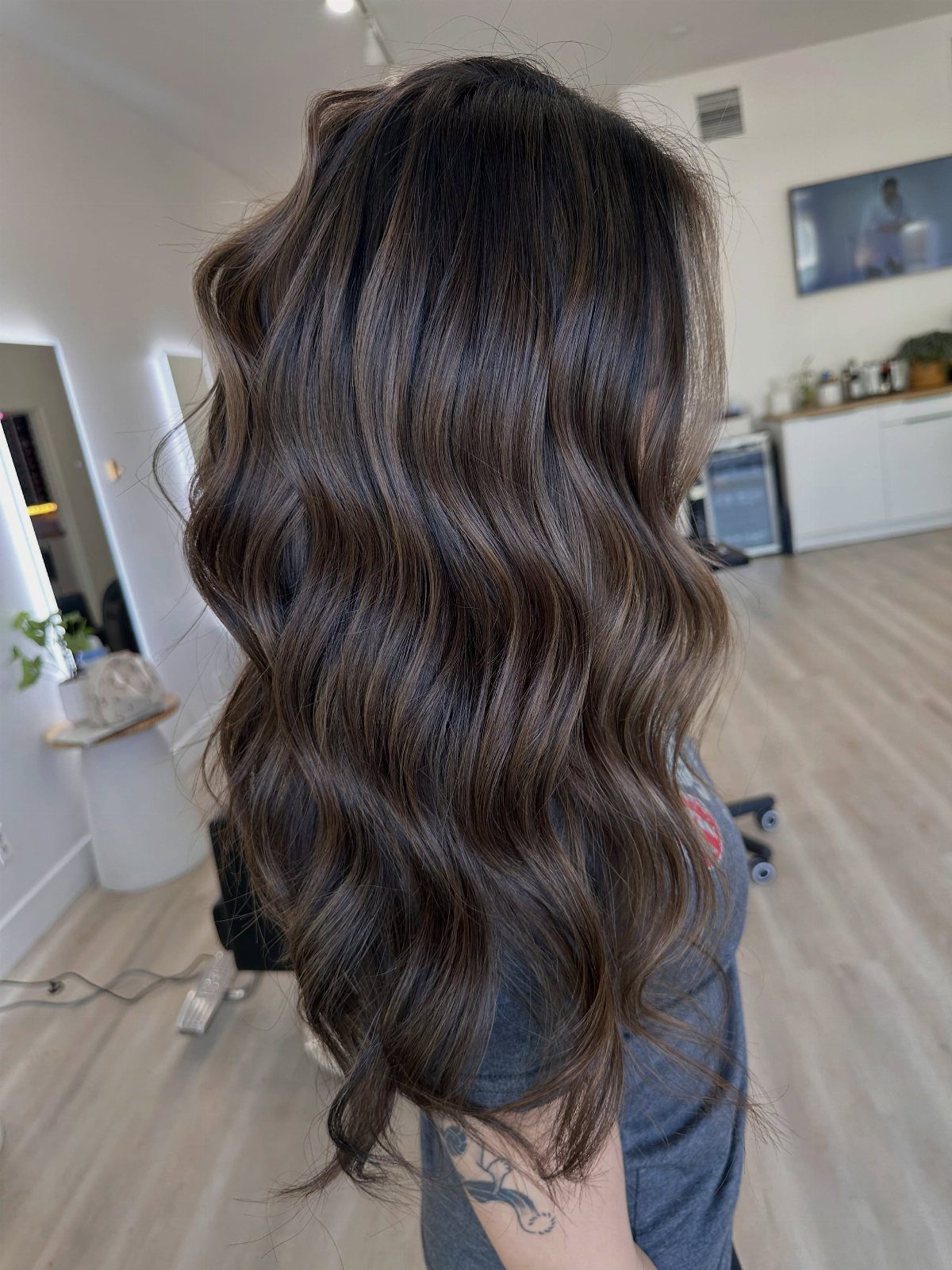
Softer placement and wider spacing between the lightened pieces give this the low-maintenance, lived-in feel California beach hair is known for.
The blonde or caramel tones scatter through the lengths rather than concentrating in one zone, so the dimension reads as natural wear rather than fresh color.
Diffused highlights and an untouched base mean regrowth stays invisible for months.
Ask for hand-painted placement with extra space between each section to keep the look open and airy.
14. Dark Brown Baby Balayage
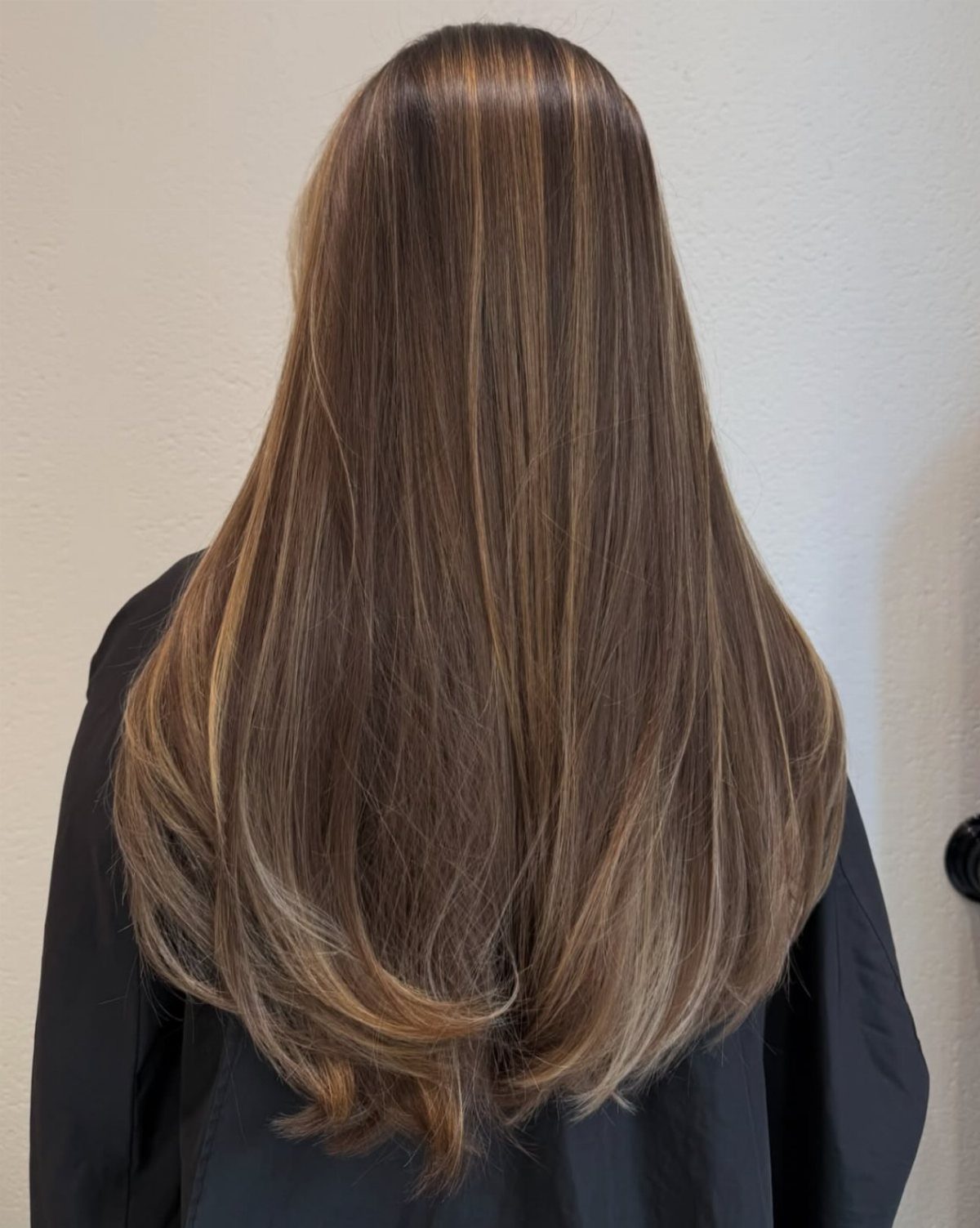
Fine ribbons of light brown woven sparingly through a dark base add just enough lift to catch light without shifting the overall tone. The pieces stay thin and widely spaced, so the effect reads as texture rather than color change.
The subtle lift means regrowth is nearly invisible, so you can stretch touch-ups.
If you’re trying balayage for the first time and want to see how you feel about it before committing to more contrast, this is the safest starting point.
15. Hailey’s Luxe Brunette Hair
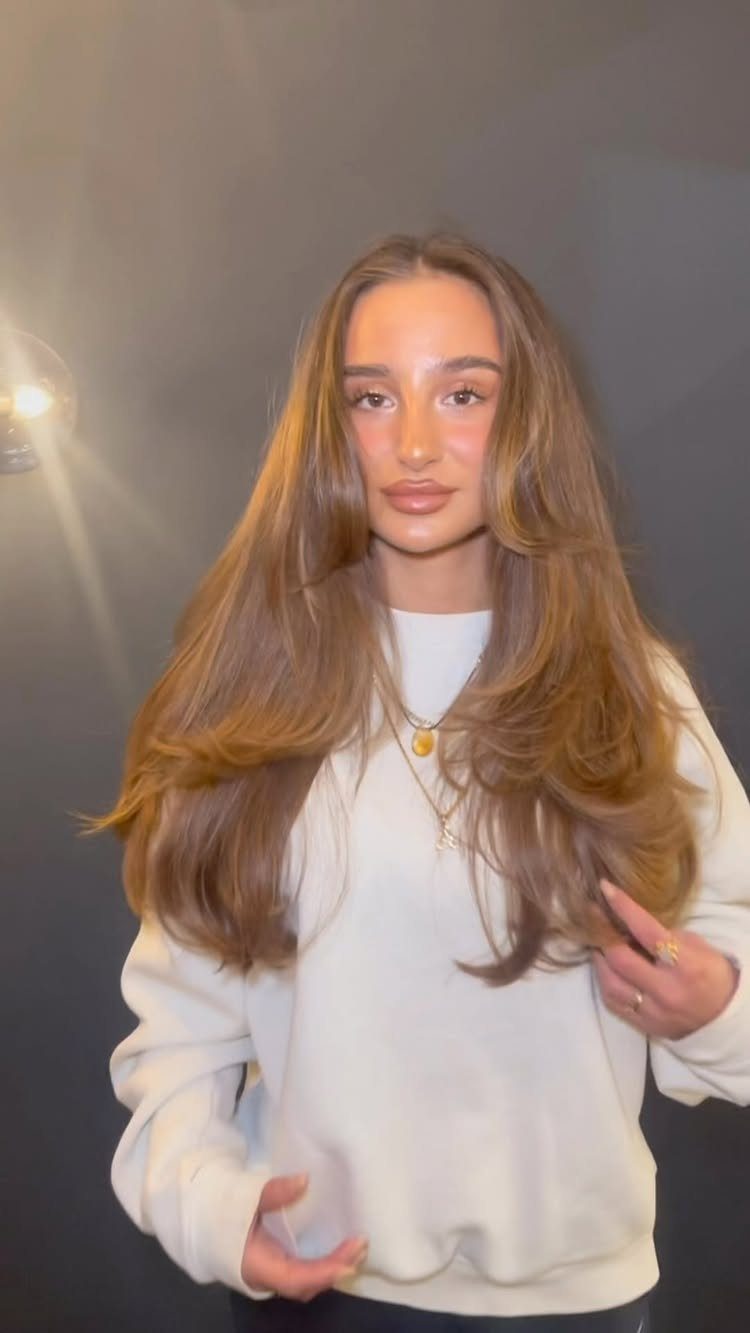
Soft, buttery highlights blended seamlessly into a medium brown base give that polished, expensive look without obvious contrast or maintenance.
The blend is smooth enough that regrowth never looks overdue, which keeps the color looking fresh between appointments. That polished effect comes from the melt, not from the amount of blonde.
If you want a balayage that looks refined rather than beachy, ask for blended placement and a gloss finish.
16. Cinnamon Brown Balayage
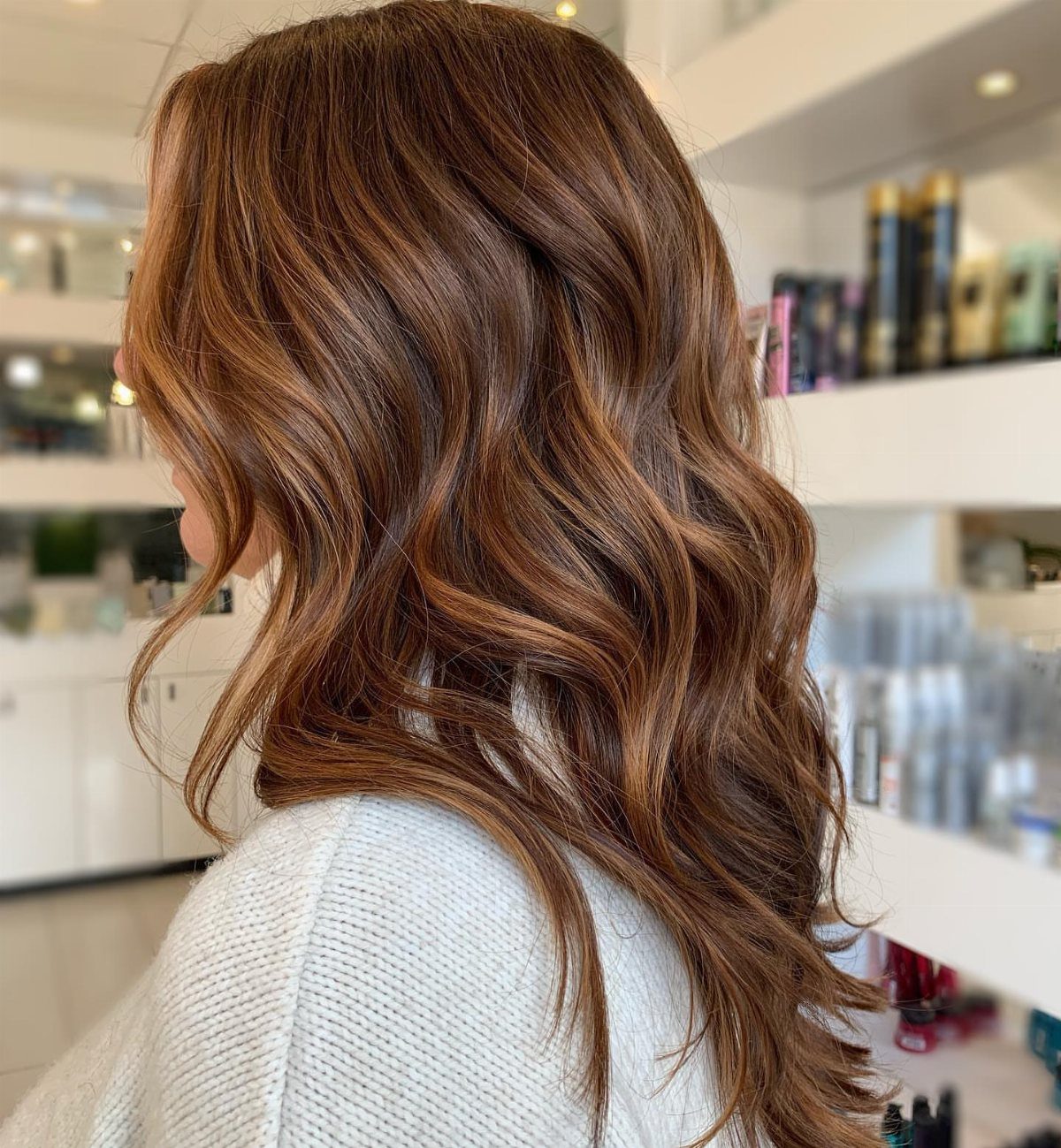
Warmer and more saturated than caramel, cinnamon sits somewhere between auburn and golden brown, with red-orange undertones that catch light without reading as fully copper. The color lifts the base by 2 to 3 shades and concentrates through the mid-lengths and ends.
Ask for cinnamon rather than auburn if you want warmth without committing to full red.
17. Face-Framing Balayage
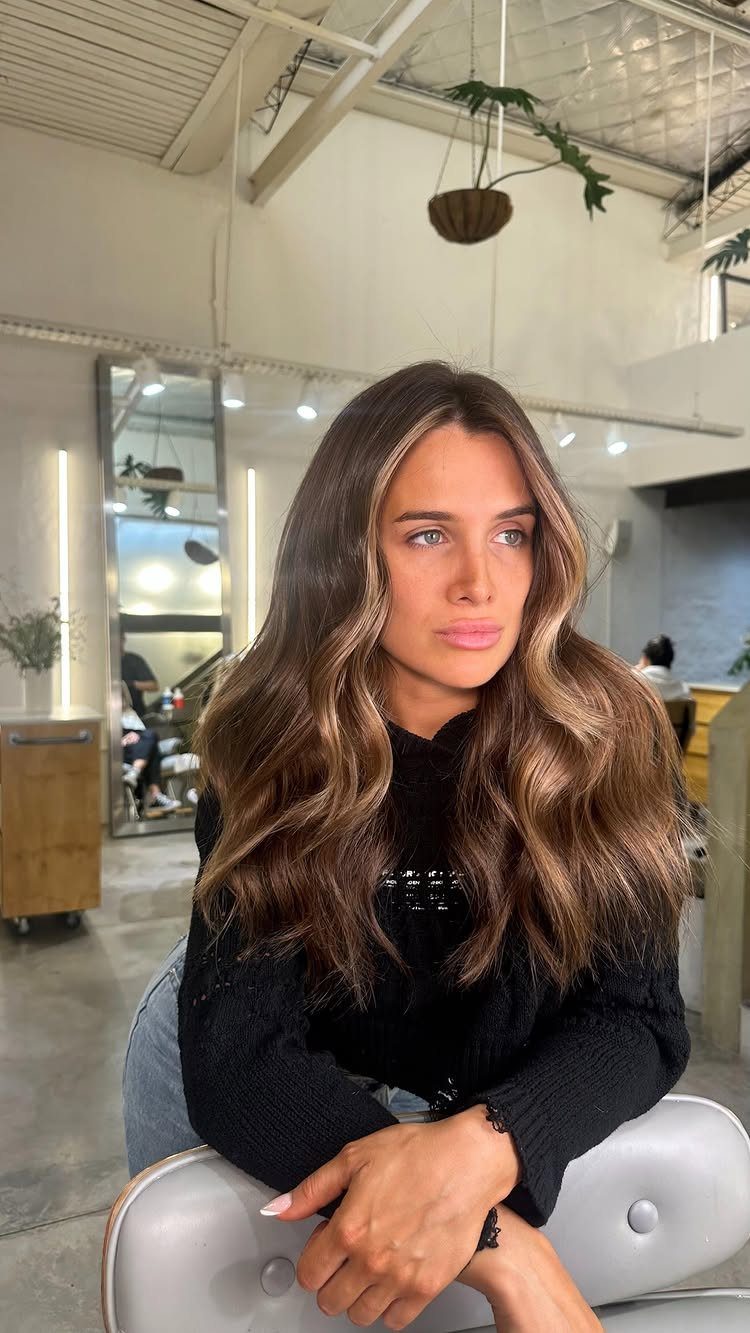
Concentrating the color around the face and leaving the back darker keeps the focus where it brightens your features most, with the rest of the hair staying close to the natural base.
The lighter pieces sit thickest from temple to cheekbone and blend out as they move toward the back.
This takes less time and costs less than all-over balayage because fewer sections get painted, and the grow-out stays soft since the root area is left untouched.
If you want noticeable brightness but prefer most of your hair unchanged, this gives the lift up front without the commitment of full balayage.
18. Chestnut Balayage
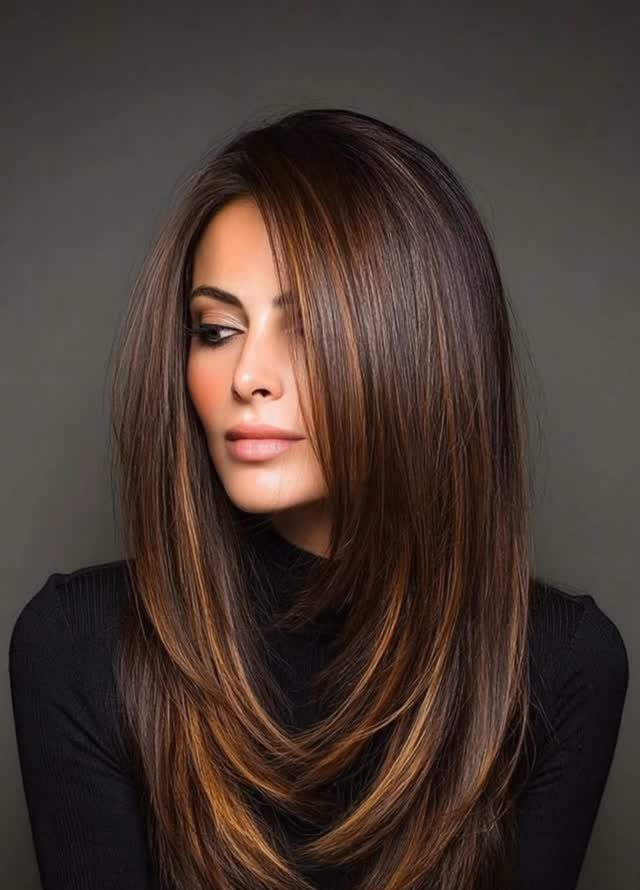
Rich, warm brown tones with subtle red undertones add depth and shine without pushing into auburn territory.
Regrowth blends invisibly because the tonal shift is so gradual.
Ask for chestnut if you want warmth and movement but prefer to stay fully brunette with no blonde pieces.
19. Mushroom Brown Balayage
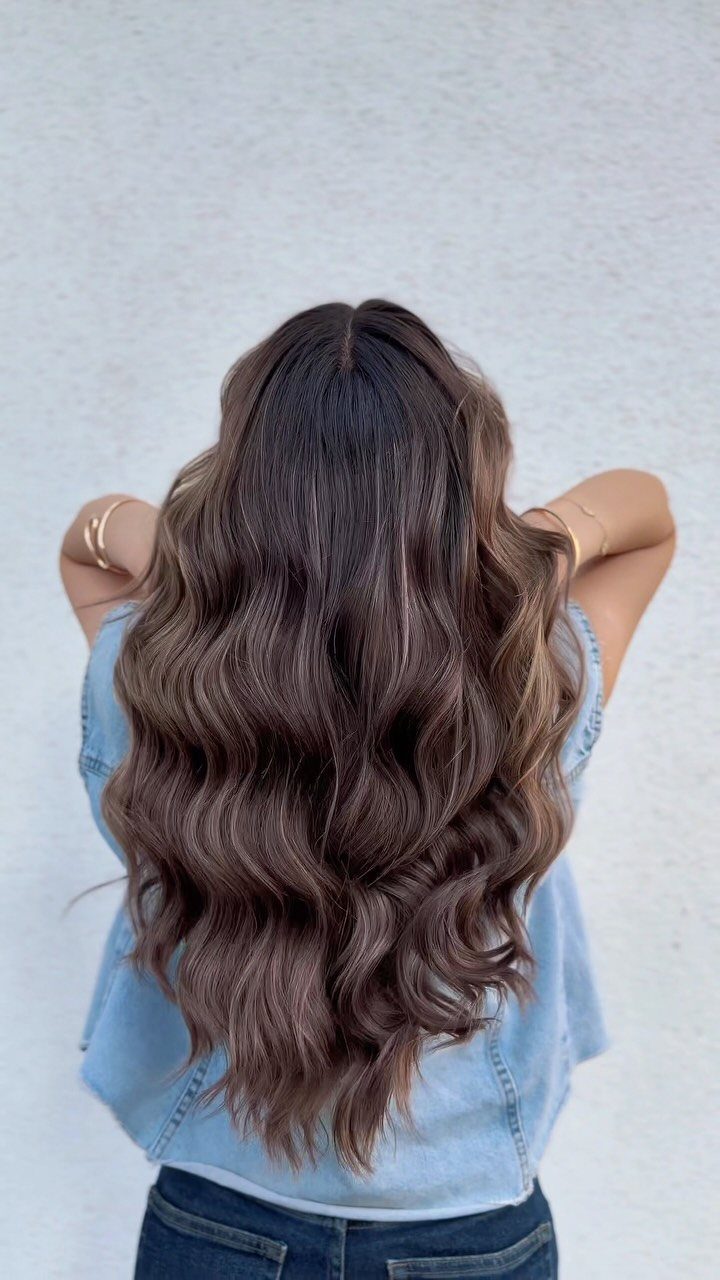
Cool taupe and beige tones lighten a brown base without any warmth, which gives this a muted, smoky finish that suits cool skin tones better than caramel or honey ever would.
If your natural base pulls warm or has gold in it, expect a toner to neutralize that first. Otherwise the mushroom tones will fade orange instead of staying ashy.
20. Mocha Balayage
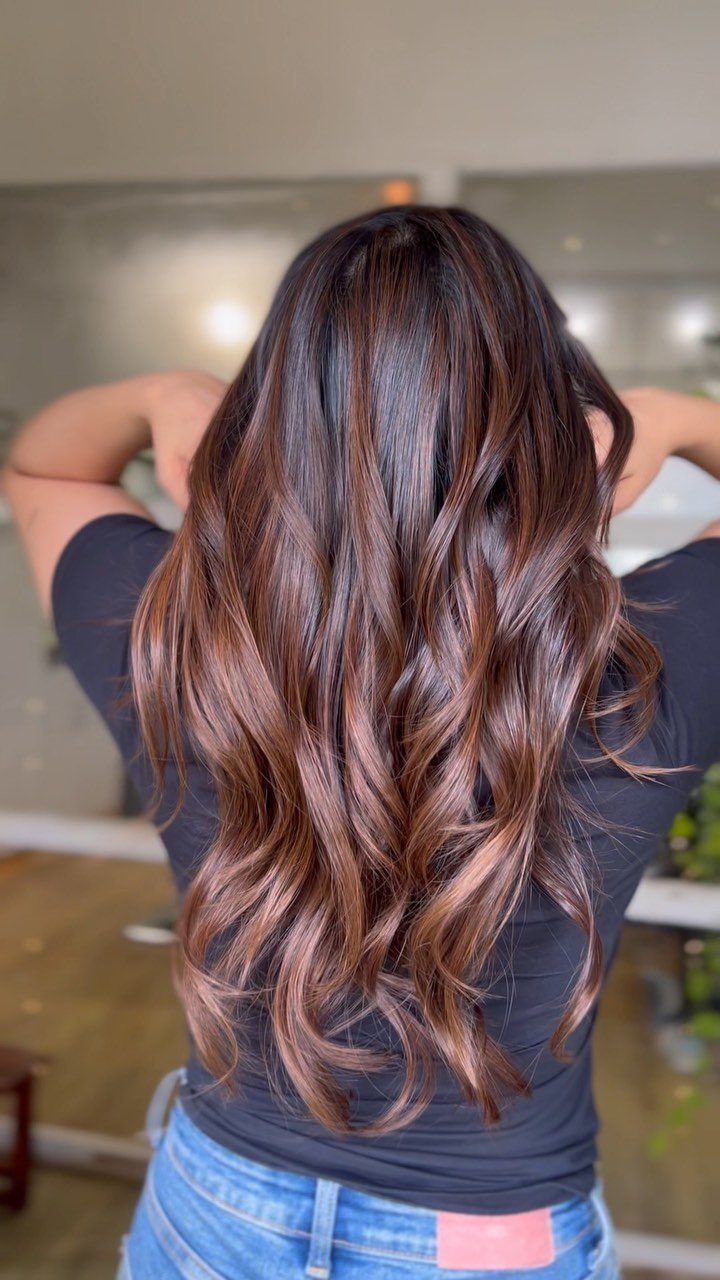
Deep coffee-brown highlights layered into a dark base add richness and depth without lifting into blonde, so the overall tone stays dark and grounded.
The shift is subtle enough that regrowth blends invisibly, which makes this one of the lowest-maintenance balayage options.
If you want movement and dimension but prefer to keep your hair dark, mocha gives you texture without the brightness or upkeep that comes with lighter tones.
Color Care After Application
Wait 3 days after your appointment before washing to let the color set fully. When you do wash, use a sulfate-free shampoo to keep the pigment from stripping out faster than it should.
A deep conditioning treatment once a week keeps the hair from drying out after the lift, especially if you went several levels lighter.
If your balayage sits in the dark brunette range, blue shampoo cuts through any orange or brassy shift. Lighter caramel or golden brown balayage holds up better with purple shampoo, which keeps the tone cool and stops it dulling.
If you skip the toning step, expect the color to shift warmer and duller within a few weeks.
Salon Prices and Refreshes
Full balayage, painted through all the hair, costs $200–$400 or more depending on the salon and the stylist’s experience.
Toner refreshes every 6 to 8 weeks keep the color from shifting brassy or dull, and those run $50–$100 per session. That toner appointment matters more if you went lighter or chose golden or caramel tones, which fade warmer faster than deeper browns.
Balayage itself needs a refresh after 4 to 6 months, though the grow-out stays soft enough that you can stretch it longer if the blend was done right.
Prices vary by location and the salon’s reputation, so ask for a quote before booking.
Frequently Asked Questions
What is a brown balayage?
Brown balayage uses a hand-painted lightener that creates soft highlights without the striped lines you get from foil.
The colorist paints the lightener freehand directly onto the hair for a gradual blend, or wraps sections in foils for brighter contrast on darker bases.
After lifting, a toner is applied to create the final shade, whether caramel, ash brown, or mocha.
Can I go darker with a balayage?
Yes, reverse balayage adds deeper tones like espresso, mocha, and chocolate brown back into over-lightened hair to restore depth and balance.
This technique works best if your highlights feel too bright or your hair has lost dimension, and it creates a more natural blend by reintroducing darker shades between the lighter pieces.
Will balayage look natural on me?
Balayage can look subtle with just a few blended highlights close to your base color, or bold with high-contrast lighter ends and thick ribbons of color.
Balayage can sit subtle or high-contrast, but both grow out softer than foiled highlights because the painted placement keeps roots darker.
What to look for in an at-home balayage kit?
Choose a kit with a low-volume developer, 20 volume maximum, for slow, controlled lift, and a creamy non-drip formula that stays where you paint it.
Check that the kit includes toner to neutralize brassiness, and skip box dyes labeled balayage because the pre-set shades can be unpredictable.
Which brunette balayage color is best for your skin tone?
Warm skin tones suit golden browns, caramel, and honey because those shades echo the yellow or gold already in your complexion.
Cool skin tones look better with ash blonde, mushroom brown, or taupe because warmth can wash them out. If you’re neutral-toned, you can wear either warm or cool shades depending on preference.