Your starting shade decides which of these looks fits: blonde and dirty blonde bases take caramel as warmth, while brown, chestnut and mocha bases take it as lift, and the closer the caramel sits to your own color, the longer you go between visits.
1. Caramel Blonde Balayage
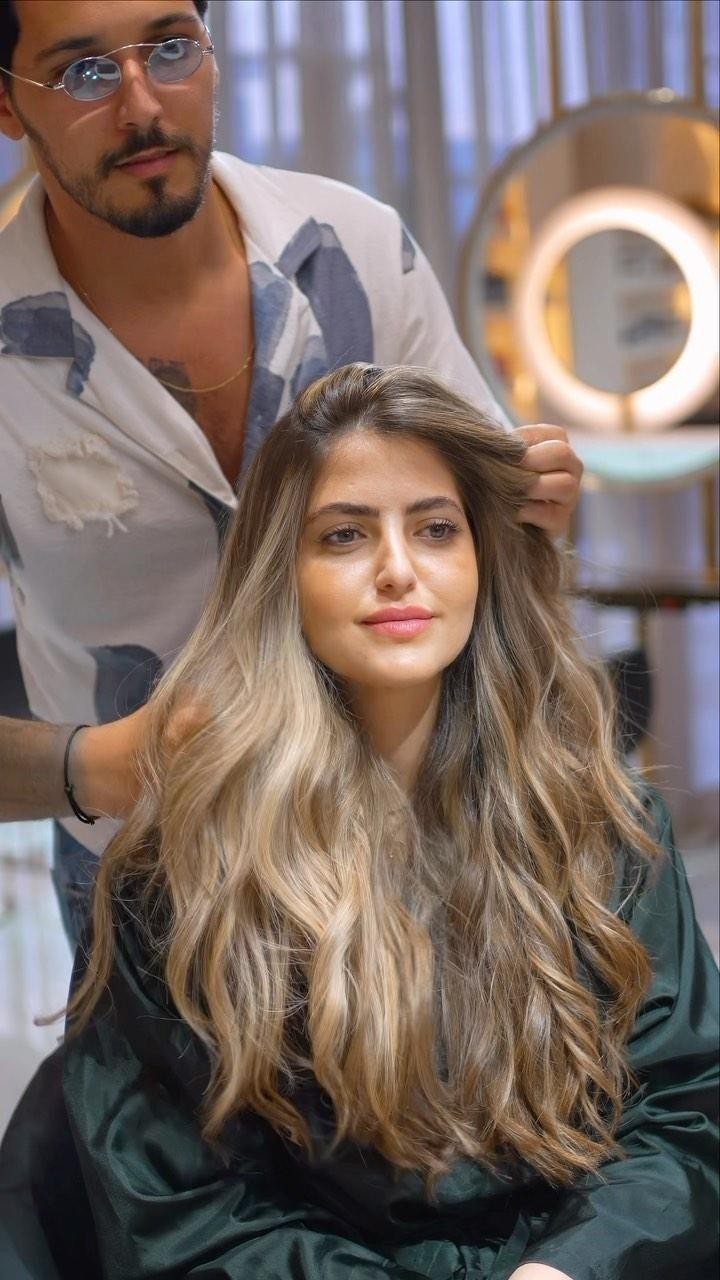
Caramel painted through the lengths blurs the line between your base and the lift, so nothing looks striped or obvious. The color melts from root to tip, so regrowth blends itself out as it grows.
I like this one for anyone starting from a natural blonde base who wants warmth without going full brunette. The technique keeps the roots darker and lifts gradually, so appointments stretch longer if the blend is soft enough.
Ask for hand-painted balayage and bring a photo that shows how far up the lightness should start.
2. Caramel Highlights
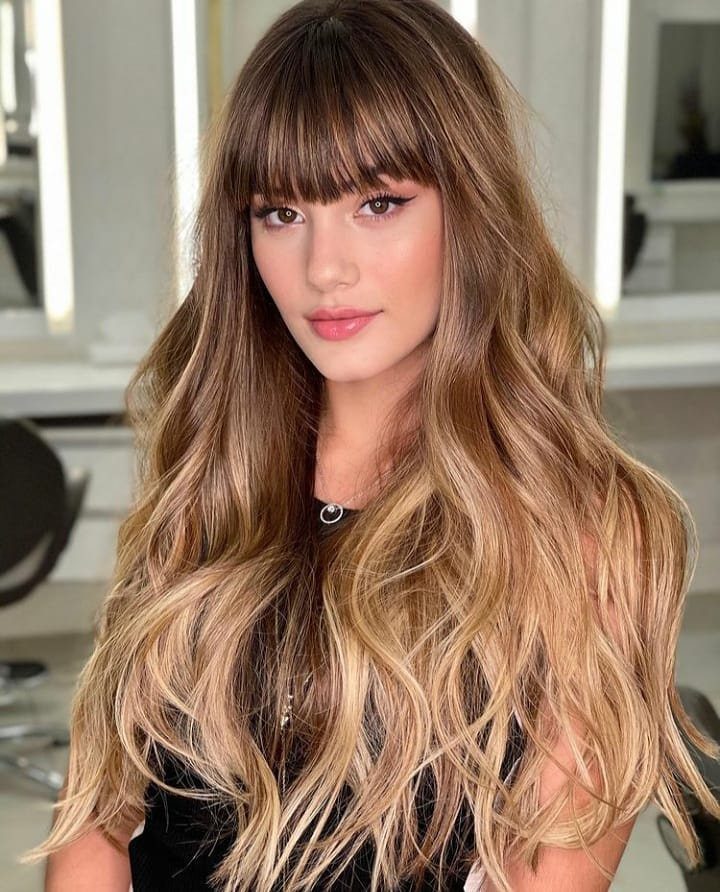
This look starts with a darker base, then lifts select pieces to caramel so the highlights read warm and dimensional against the depth underneath. The result reads darker overall but still catches light where the highlights sit.
It works if you want dimension without looking too bright, and the darker underlayer gives the caramel ribbons something to contrast against. The bangs here stay closer to the deeper tone, which frames the face without adding another maintenance point.
Plan for a toner if the caramel pulls too orange between visits.
3. Blonde Hair with Caramel Highlights
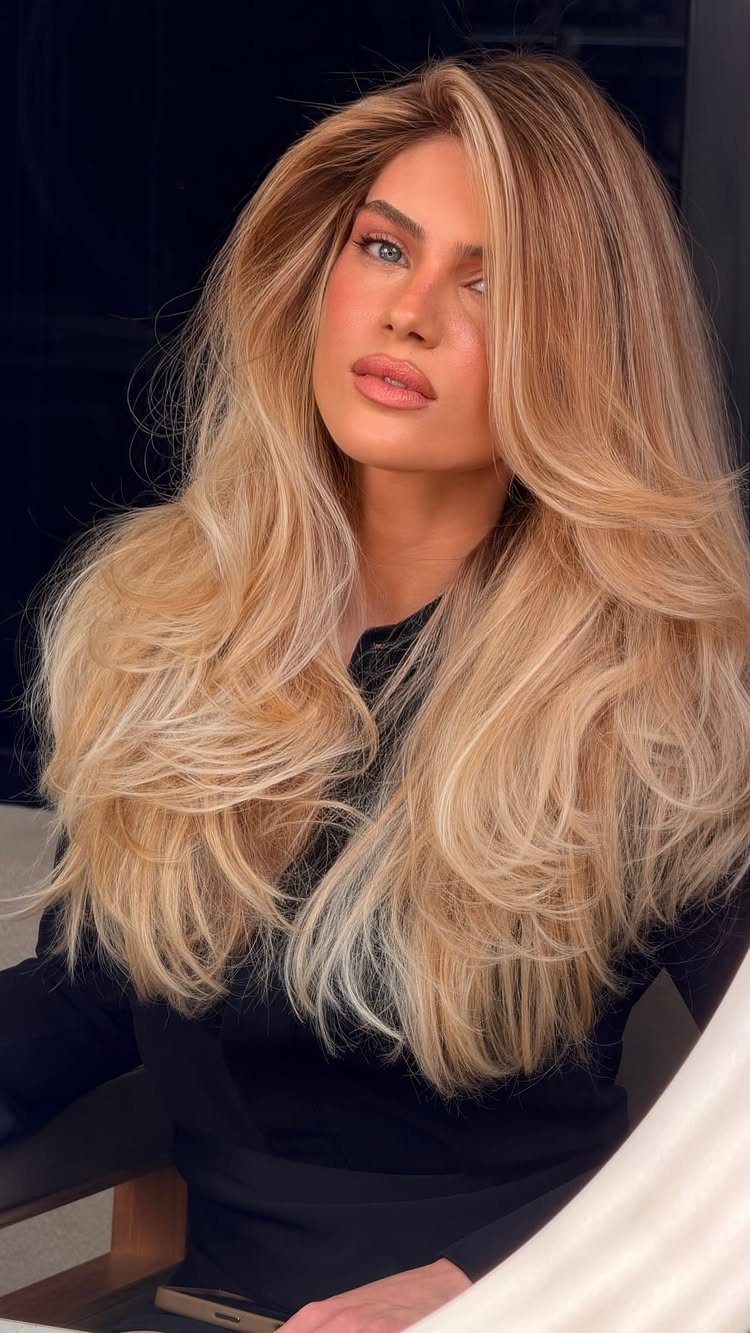
Warm, golden blonde with caramel ribbons running through it gives you a glowy, multi-tonal finish that reads rich instead of flat. The base stays light enough to reflect warmth, and the caramel adds depth where the light hits.
The tones layer on top of each other, so the color shifts depending on how the hair moves.
A purple shampoo will cool the blonde too much here, stick with a color-safe formula instead.
4. Brown Hair with Caramel and Blonde Highlights
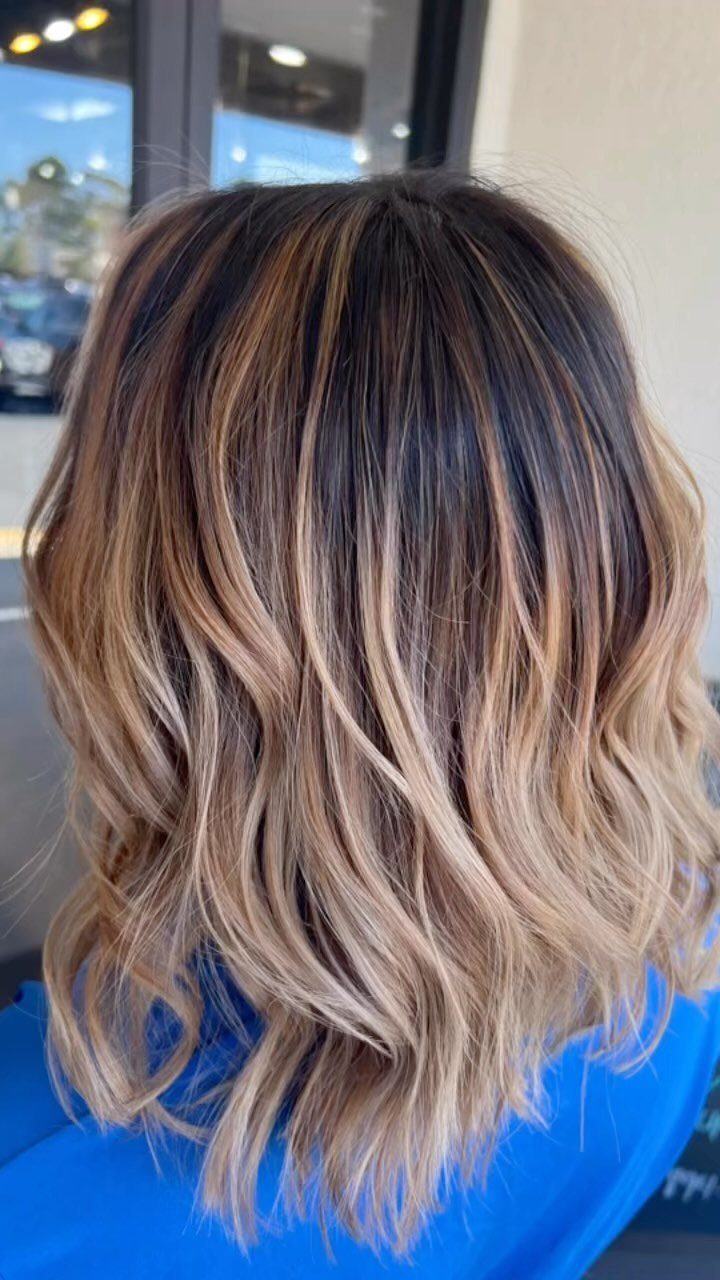
A light brown base with caramel blonde highlights scattered through keeps the color soft and dimensional without turning the whole head blonde. The mix of tones gives you movement and catches light in a way solid color never does.
This works well if you’re starting from natural brown and want to lighten gradually. The caramel sits close to your starting point, so regrowth blends instead of announcing itself.
Ask for a blend of caramel and blonde rather than one or the other, that gives the colorist room to layer the tones.
5. Dark Blonde Hair with Caramel Highlights
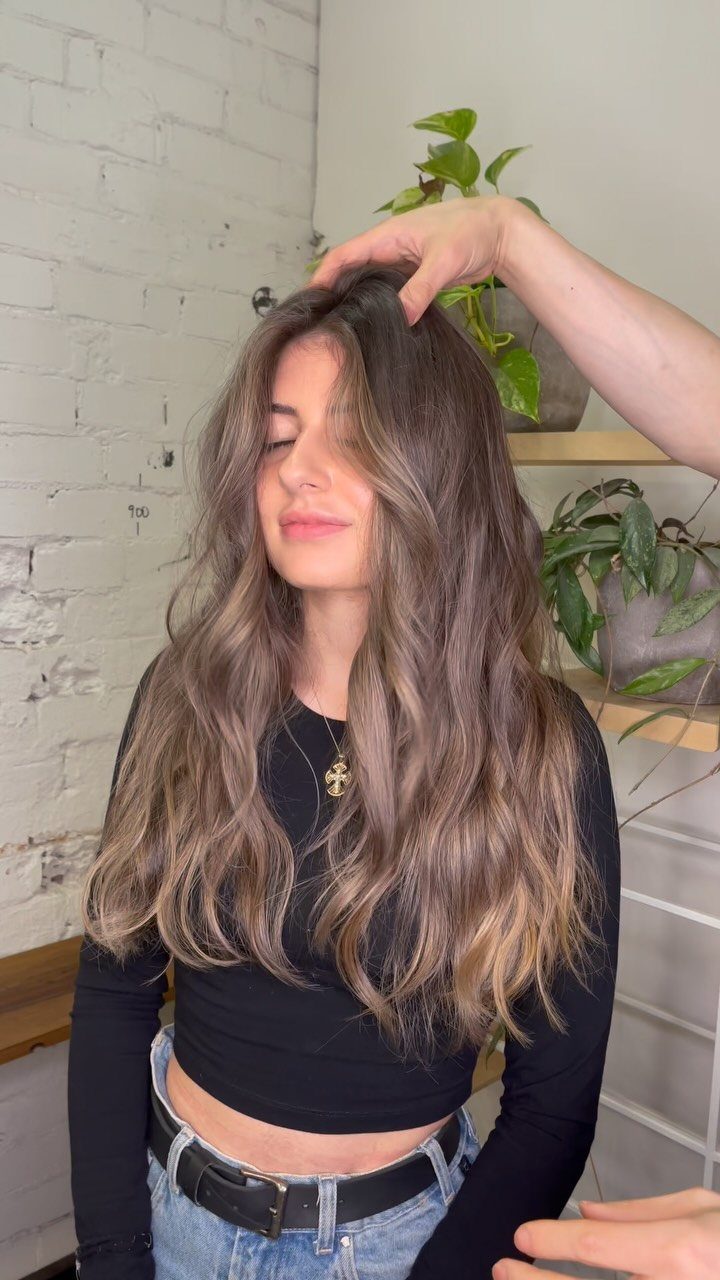
A scattering of lighter caramel ribbons through dark blonde mid-lengths and ends lifts the color just enough to add dimension without taking you into full blonde territory.
The placement here focuses on where hair naturally lightens in the sun, so the effect reads subtle.
This suits anyone who wants a low-commitment color shift. The caramel sits close to the dark blonde base, which means less contrast and longer time between touch-ups.
If your hair pulls warm already, ask the colorist to keep the highlights on the neutral side so they don’t turn brassy.
6. Dirty Blonde Hair with Caramel Highlights
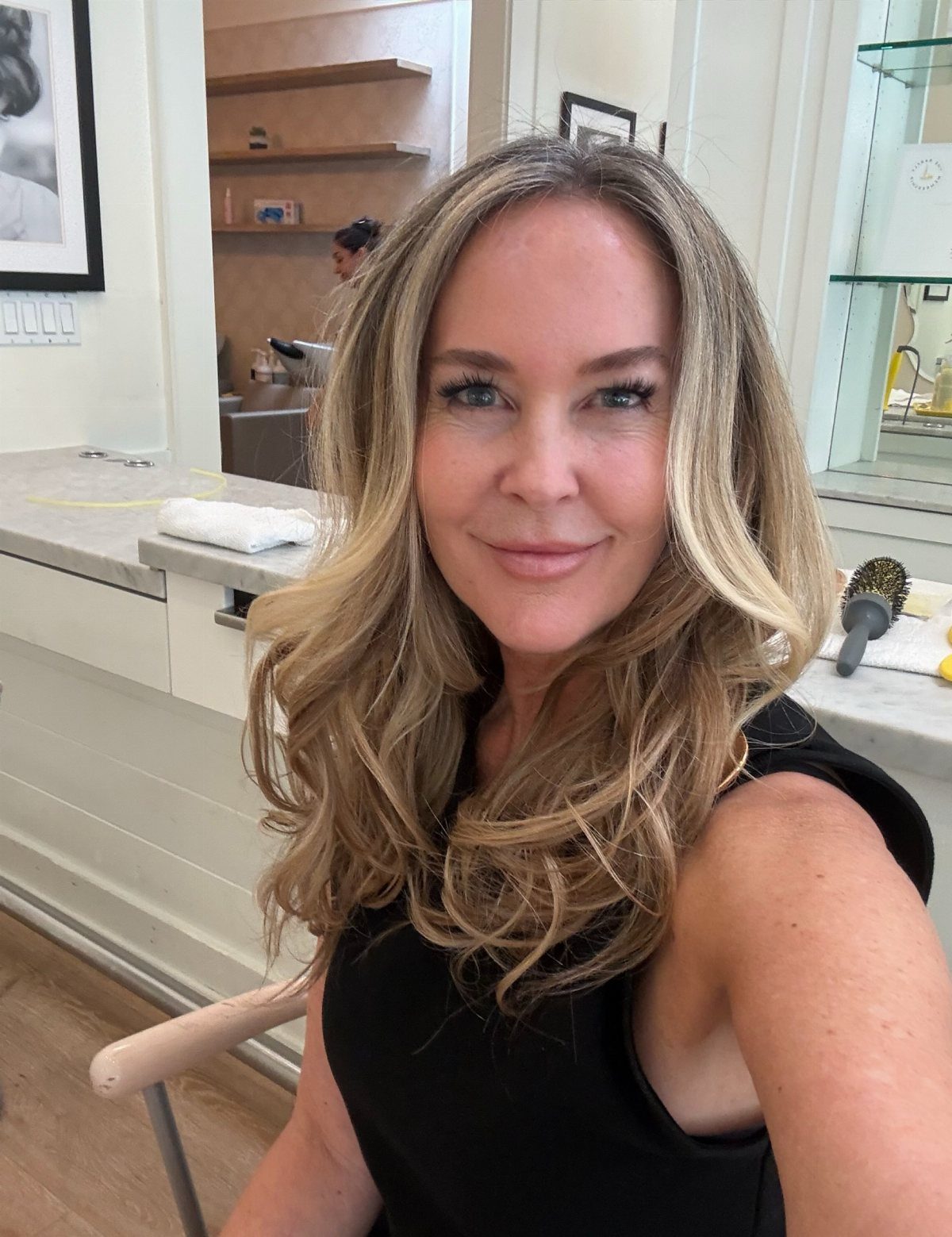
Caramel highlights brighten a lived-in mix of dark brown lowlights and golden tones, giving you depth and dimension in the same pass.
The warm ribbons lift the overall look without erasing the darker pieces underneath, so the color reads layered instead of flat.
This setup suits anyone working with naturally dirty blonde or light brown hair who wants warmth without going full golden blonde.
Ask for a balayage technique with both caramel highlights and lowlights so the colorist builds dimension instead of just lifting.
7. Brown Hair with Highlights and Lowlights
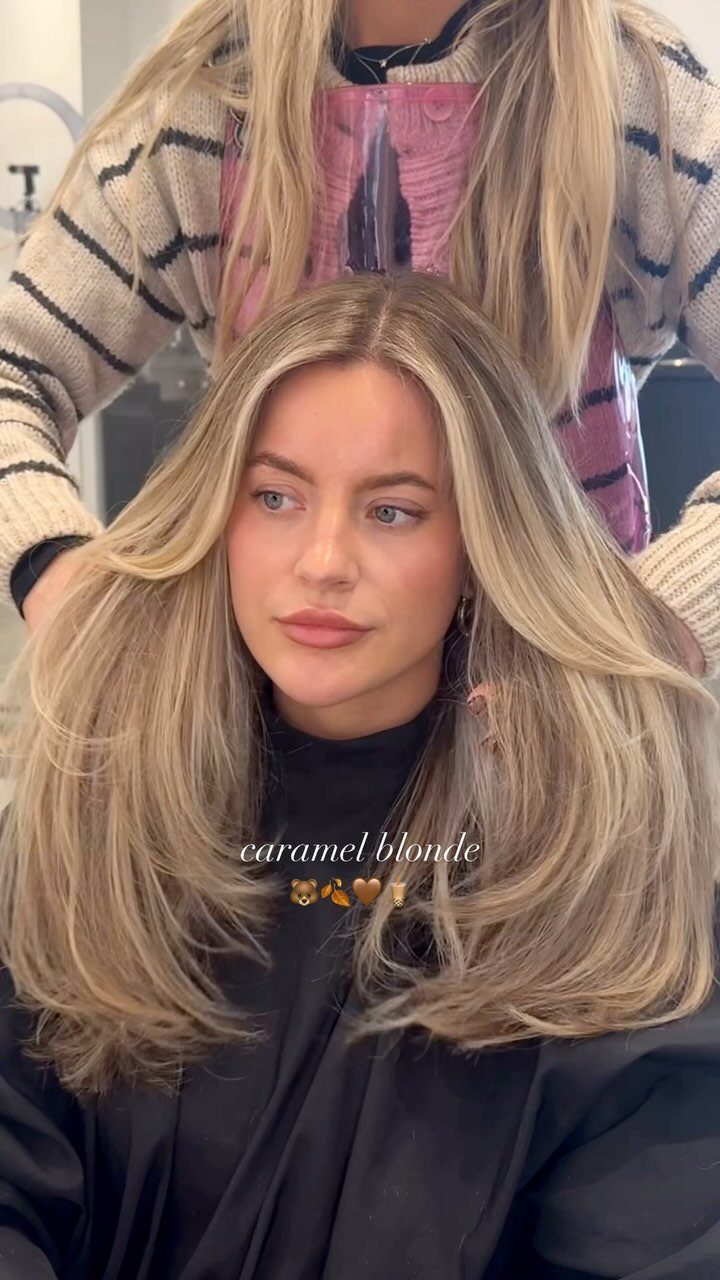
Layering caramel highlights with darker brown lowlights through a brown base gives you movement in both directions.
The lowlights drop depth back in, the caramel lifts select pieces, and the two together make the color look intentionally layered instead of just lightened.
This suits anyone starting from medium to light brown who wants dimension without choosing between going lighter or darker. The technique does both in the same appointment, so the result reads richer than a single-process color.
Ask for both tones placed through the mid-lengths and ends, not just one or the other.
8. Brown-Blonde Bob
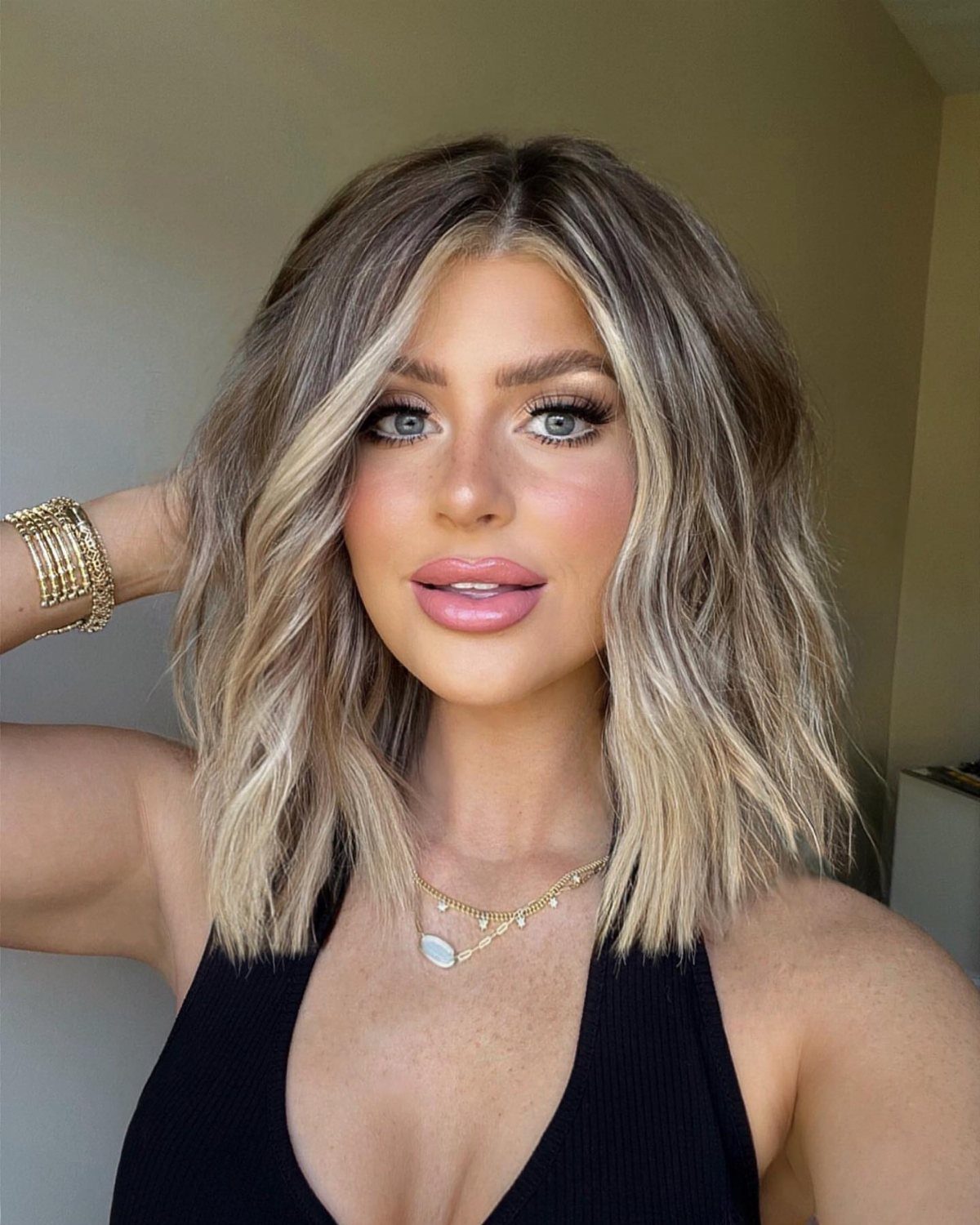
A bob cut to shoulder length with layers shows off dimensional color better than one-length hair because the movement separates the pieces.
Face-framing highlights in caramel or blonde lift the front while the back holds a deeper brown, so the cut reads intentionally varied.
The shorter length makes the color easier to maintain since there is less hair to tone and less damage to manage as it grows.
Short layers mean the highlights sit closer to the root, so the front will need a refresh more often to stay bright.
9. Curly Hair with Highlights
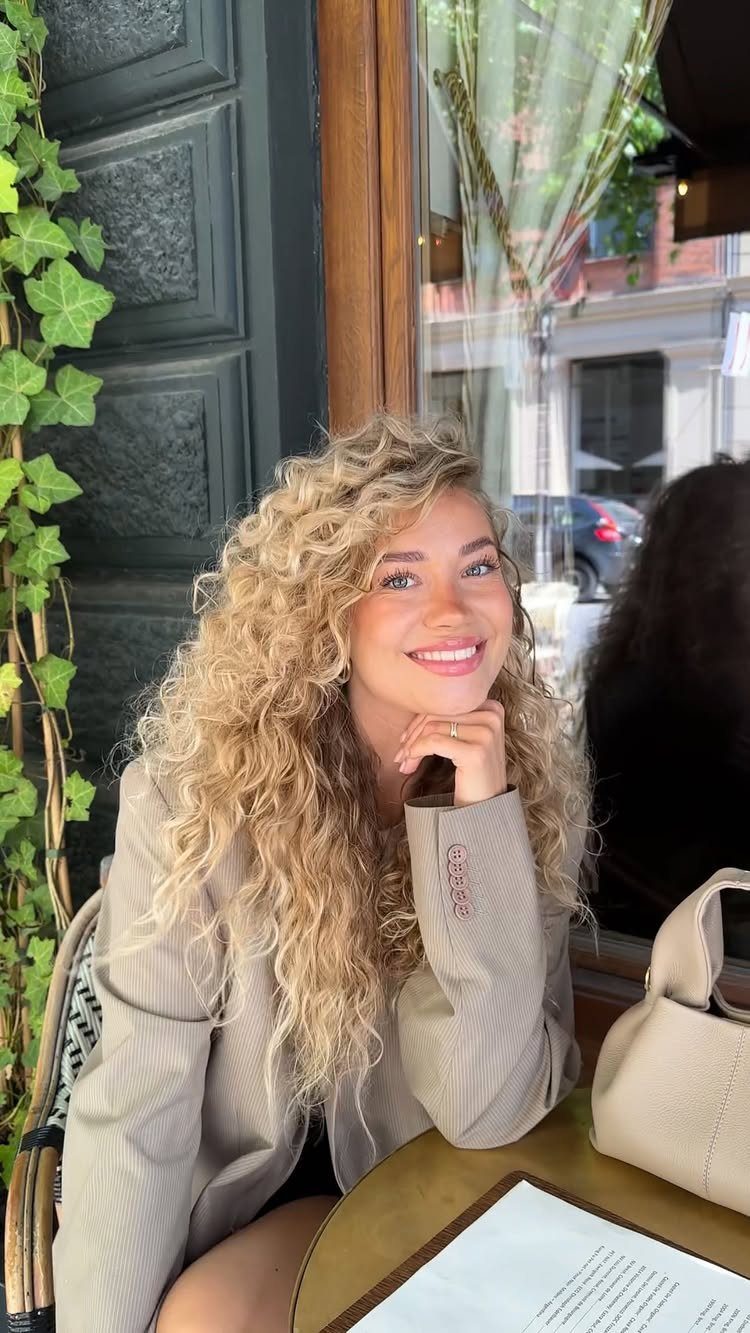
Curls catch light differently than straight hair, so highlights placed through them show up as flashes of color when the hair moves rather than as solid ribbons.
Caramel tones woven into blonde curls give you dimension without making each curl look striped.
The technique works best when the colorist paints the highlights onto the surface of the curl pattern rather than sectioning it flat, so the lift follows the shape of the hair.
Curly hair holds moisture differently, so a leave-in conditioner keeps the color from looking dull between washes.
10. Dark Brown with Highlights
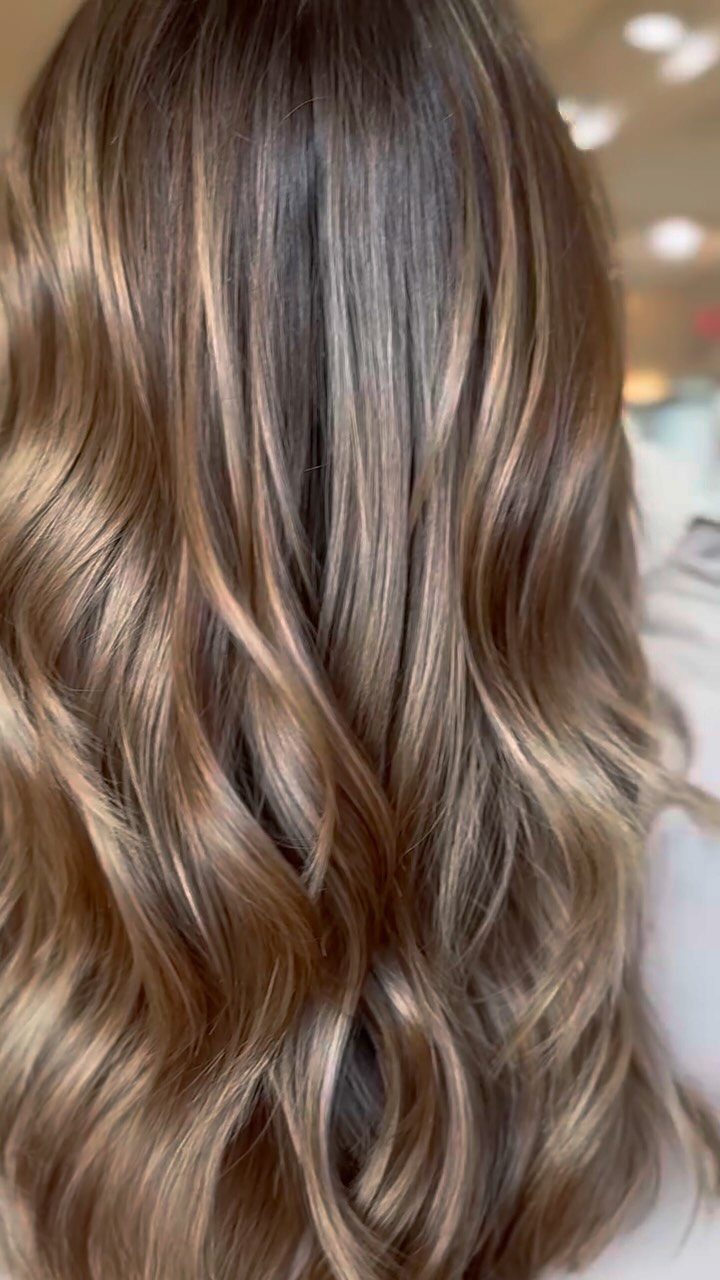
Starting from a dark brown base and lifting gradually through caramel into blonde at the ends gives you a natural-looking shift that mimics how hair lightens on its own.
The transition stretches over several inches, so no single line divides the tones.
This setup suits anyone who wants lighter ends without bleaching the whole head or keeping up with root touch-ups. The dark base grows out cleanly, and the blend does most of the maintenance work for you.
If the ends lift too light, a gloss in caramel or beige tones them back down without adding another process.
11. Mushroom Blonde with Highlighting
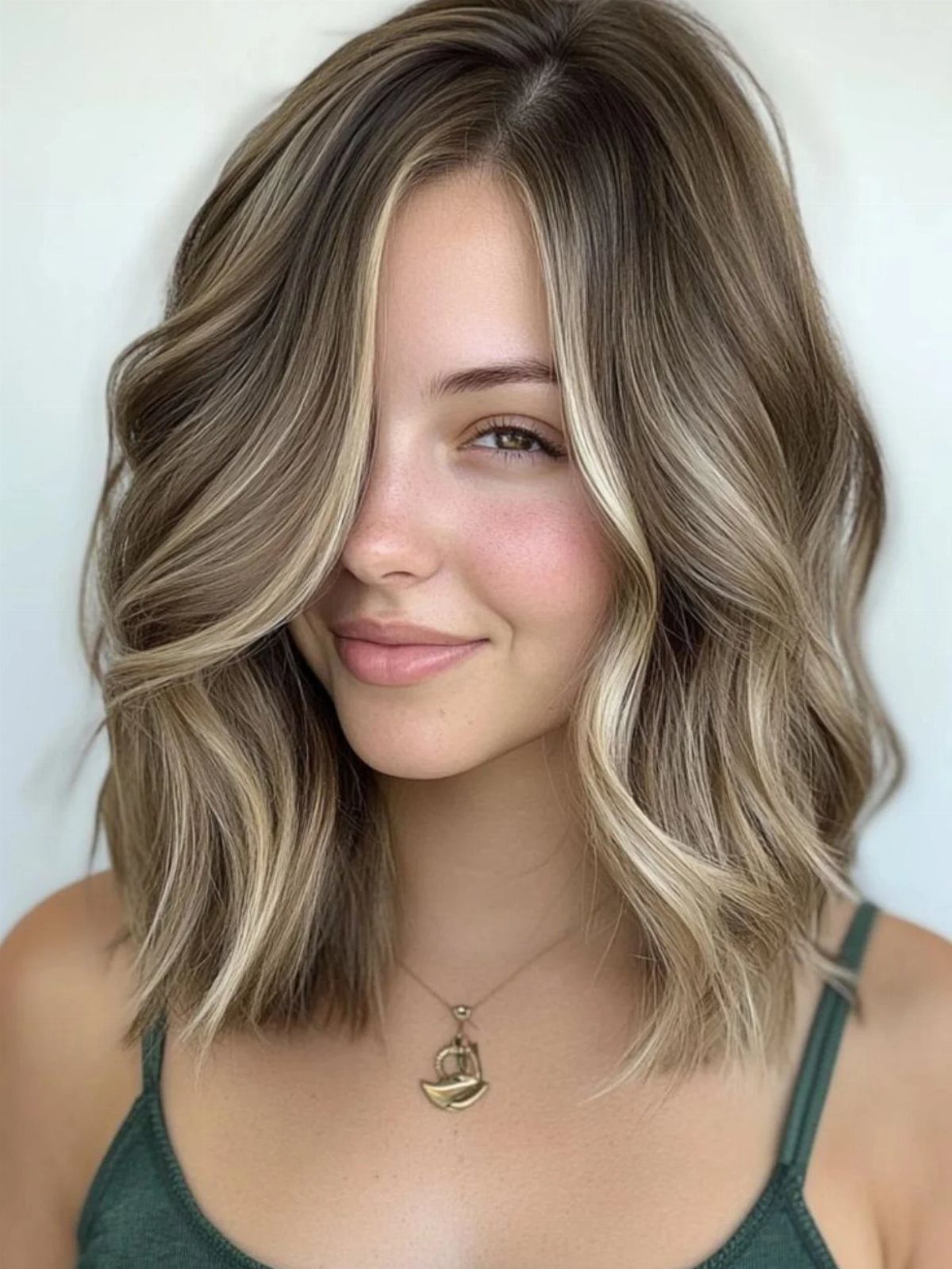
Mushroom blonde sits in the cool, ashy range, so adding fine caramel or beige highlights warms it just enough to keep the color from looking flat. The warm streaks break up the matte finish without pushing the whole head golden.
This works if you like the neutral base but want a bit more dimension. The highlights stay fine and scattered, so the mushroom tone still reads as the main color.
Ask for babylights or a fine weave rather than chunky pieces, the mushroom base is subtle and the highlights should match that.
12. Highlighted Chestnut Hair
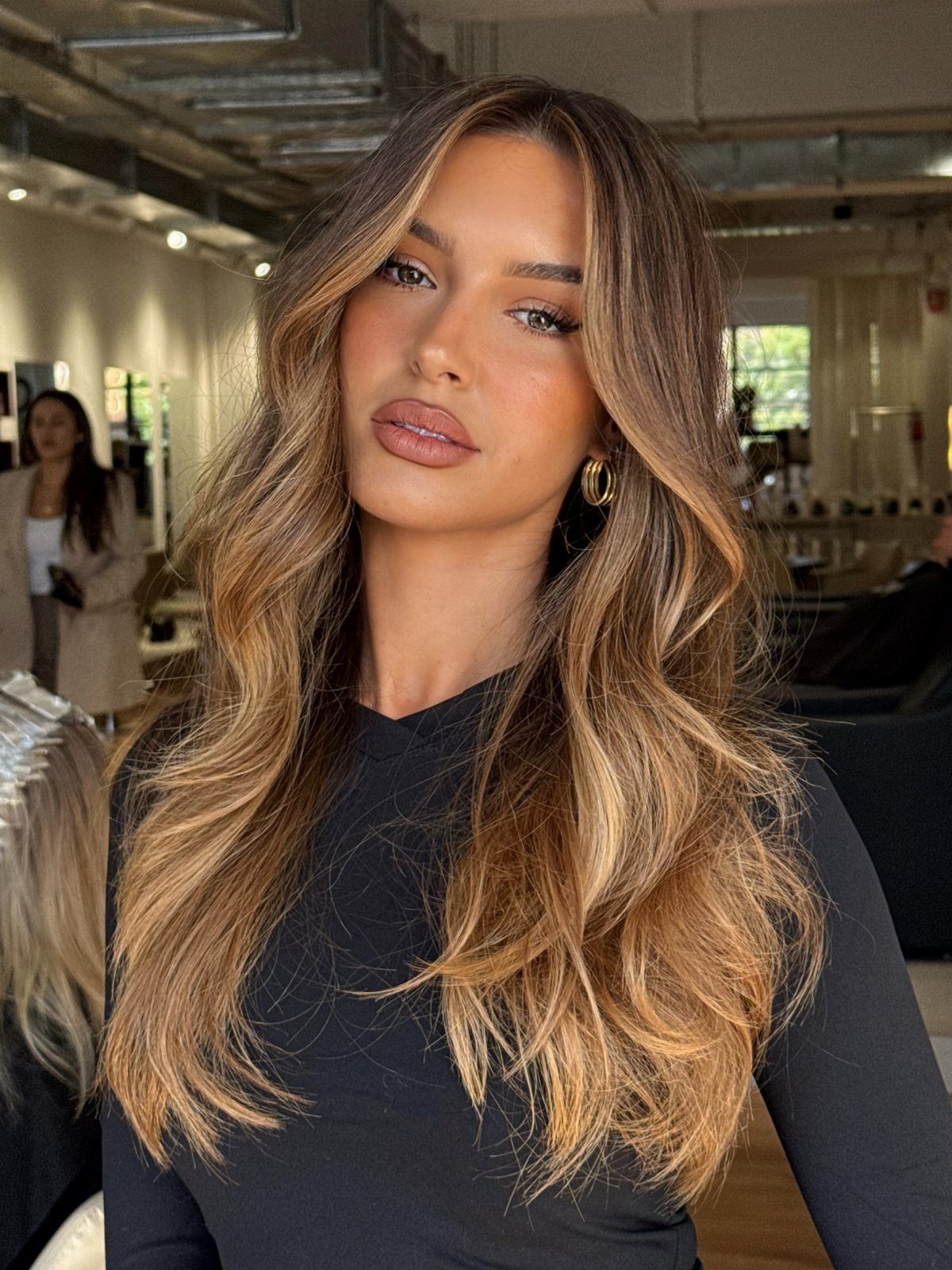
Chestnut as a base sits deeper and redder than plain brown, so caramel highlights lift it without canceling the richness underneath.
The warm ribbons brighten the overall look while the chestnut anchors the color so it does not read too light.
This suits anyone starting from medium to dark brown with red or warm undertones who wants dimension that works with the base instead of fighting it.
A color-depositing conditioner in copper or caramel keeps both tones rich between salon visits.
13. Golden Ombre Balayage
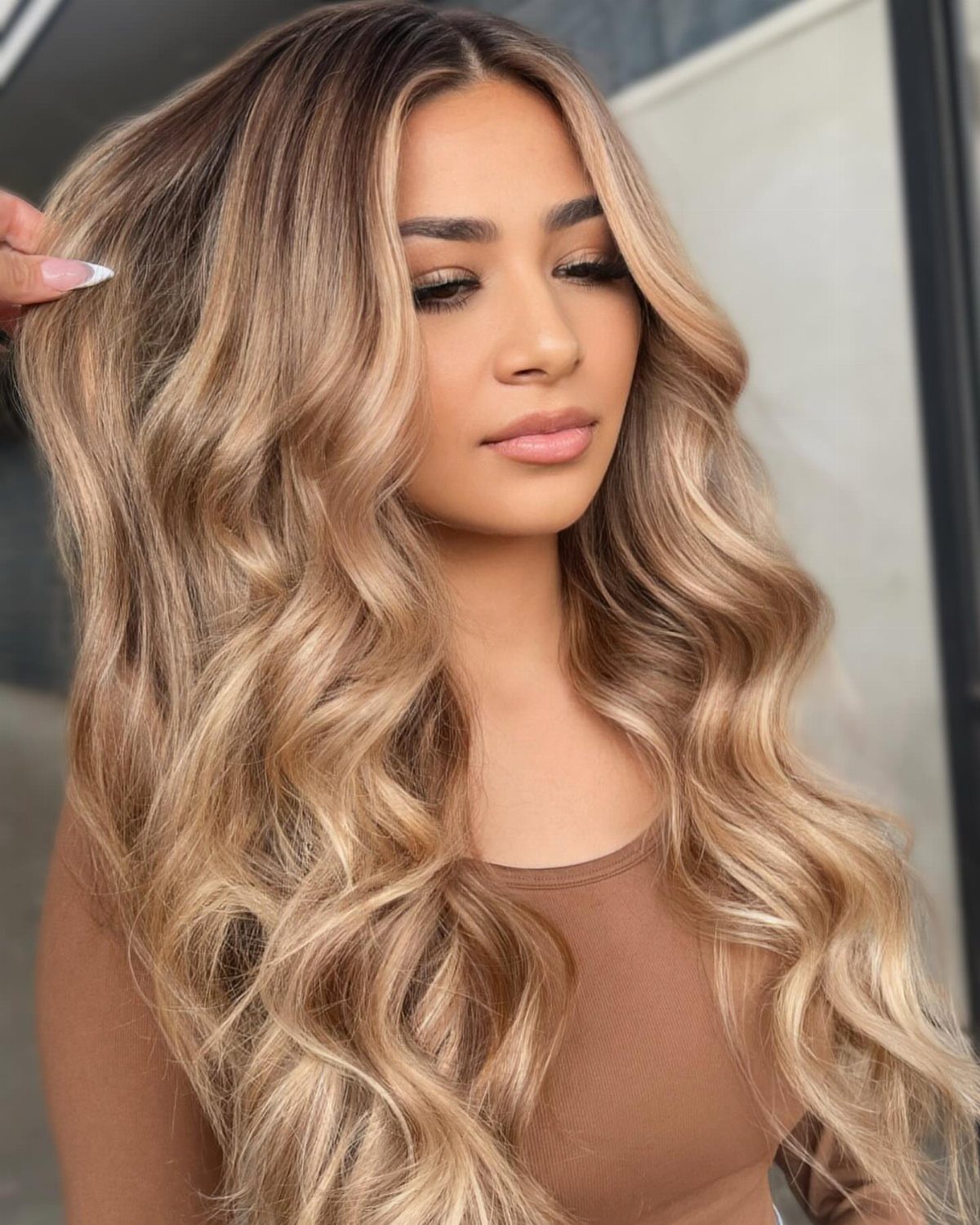
Dark roots stretching into golden blonde lengths make this the version where regrowth is least of your worries. The shadow at the top is part of the design, so a new inch of natural color looks planned.
Long waves suit it well because the color travels along each curve.
A gloss now and then keeps the gold from drifting flat.
14. Long Blended Caramel Locks
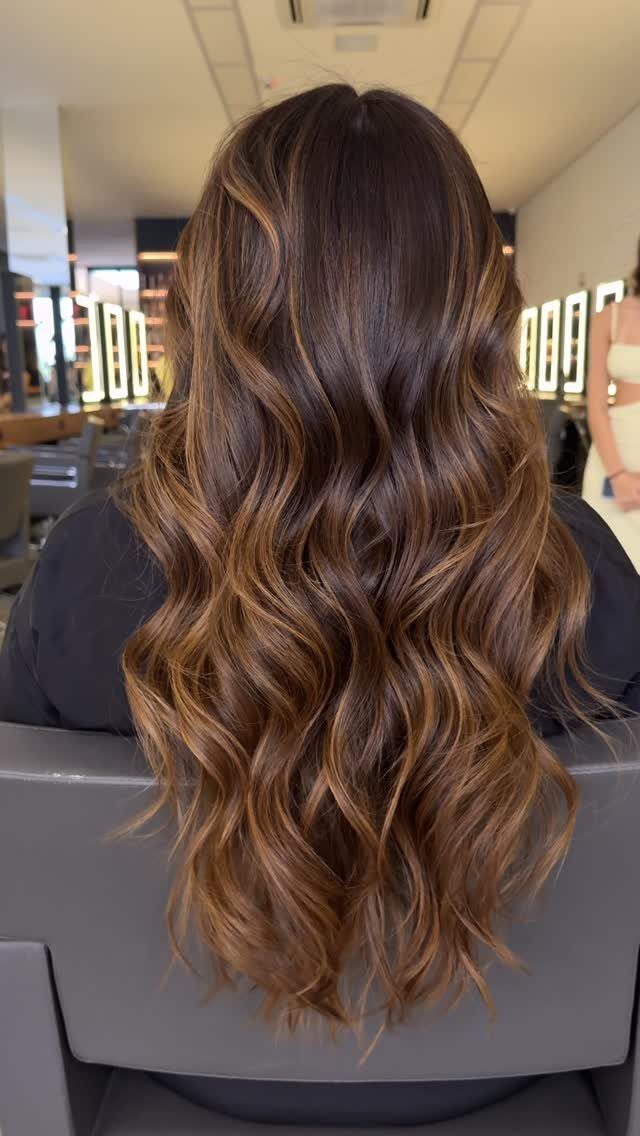
On long hair, caramel has room to blend into the natural color over many inches, which is why this look rarely shows a hard edge. The brown stays dominant and the warmth sits in it like light on a wall.
Ask your colorist to keep the caramel close to your own shade so the transition stays soft. Waves help, since the bends scatter the highlights instead of lining them up.
Long lengths take longer to color, so expect a longer appointment than shorter hair needs.
15. Glossy Honey Highlights
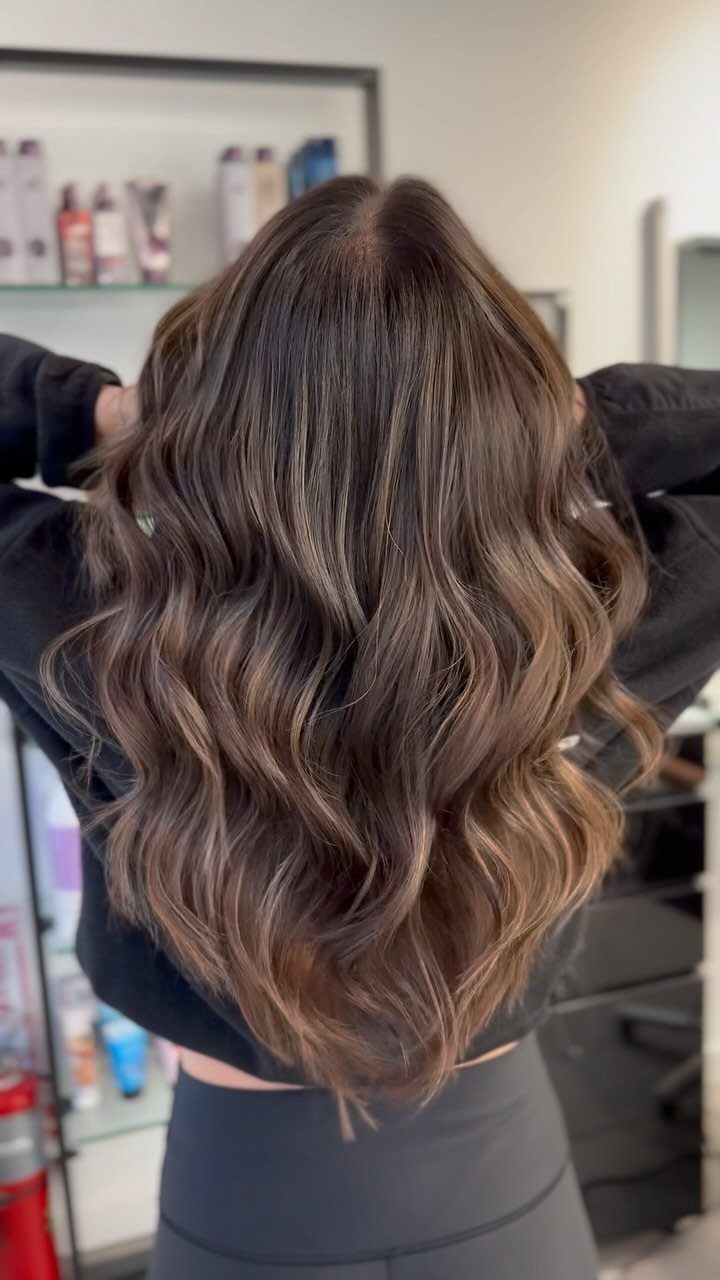
Honey on brunette hair reads glossy because the highlights stay close in depth to the base, and big loose curls give that shine a surface to bounce off. Volume does half the work here.
I would pick honey over a paler blonde if you want brightness without much contrast. Ask for the honey to be woven in fine pieces so it shimmers rather than stripes.
Curling takes some time each morning, so decide whether you will style it or let it air-dry in waves.
16. Warm Honey Highlights
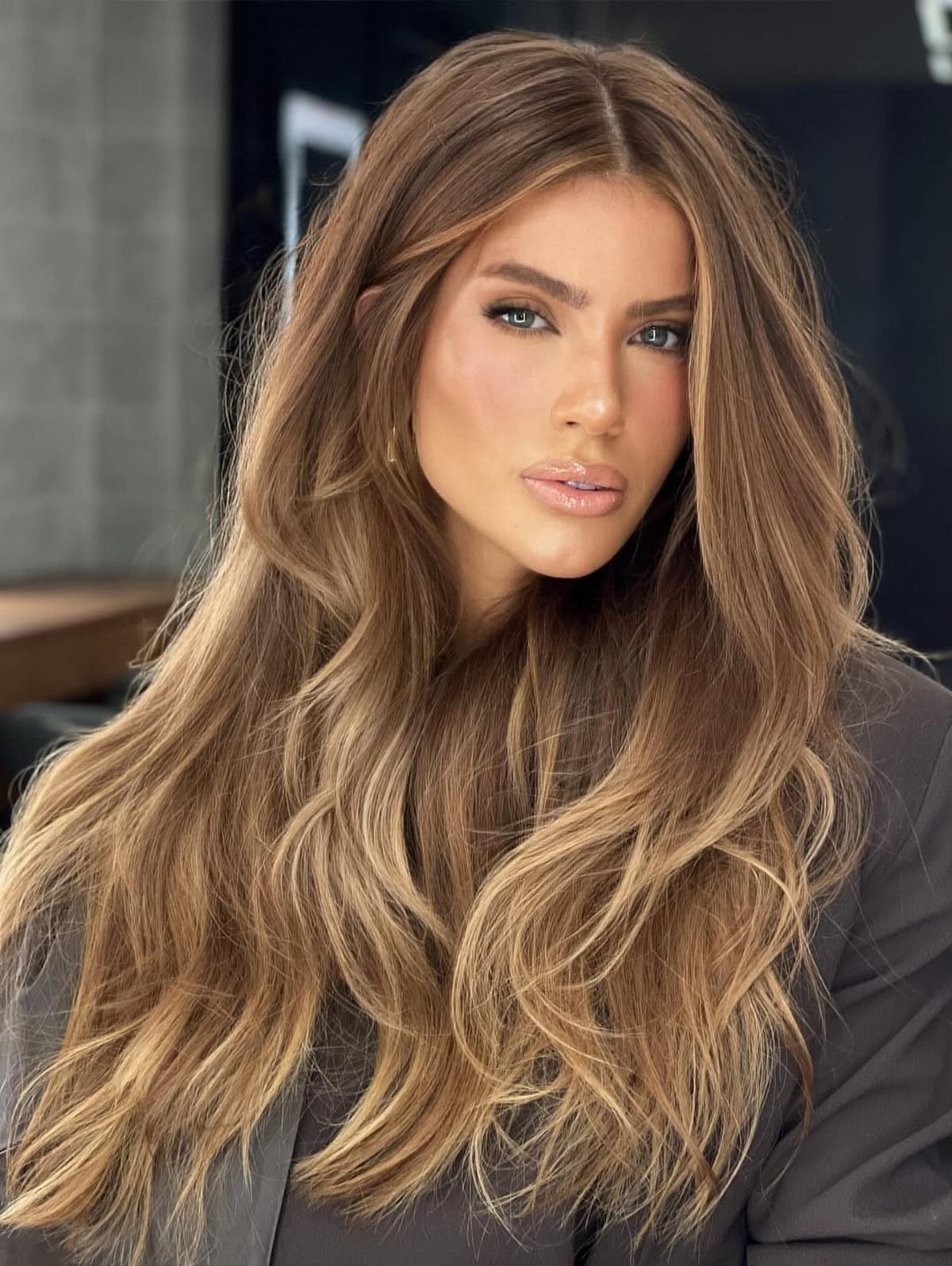
Honey works best when it echoes your skin undertone, so choose the shade before you choose the technique. Warmer, golden complexions tend to glow next to honey, while cooler ones may want it slightly softer.
If you can’t tell which you are, try the jewelry test: gold looks better on warm skin, silver on cool. Tell your colorist the result and let them pick the exact tone.
Soft waves keep the color looking easy, and you can skip heavy styling.
17. Mocha Brown with Caramel
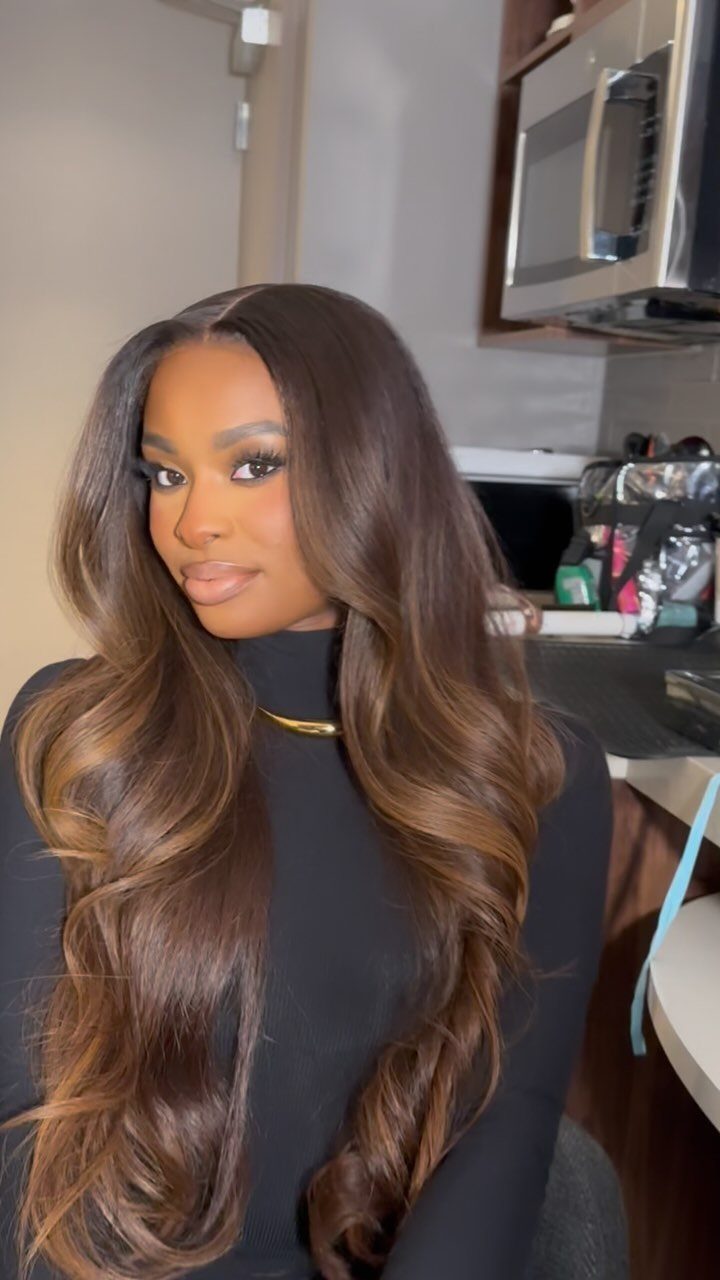
Mocha brown gives the base a cool-leaning richness, and a few caramel pieces add warmth right where it flatters the face. The two sit close enough that the color reads as one deep shade with light inside it.
This is a good move if you want brunette without going flat. Ask for caramel placed around the face and through the curls, not packed at the roots.
Skip the heavy lift: a modest lightening keeps the mocha looking glossy rather than dry.
18. Brunette Hair with Babylights
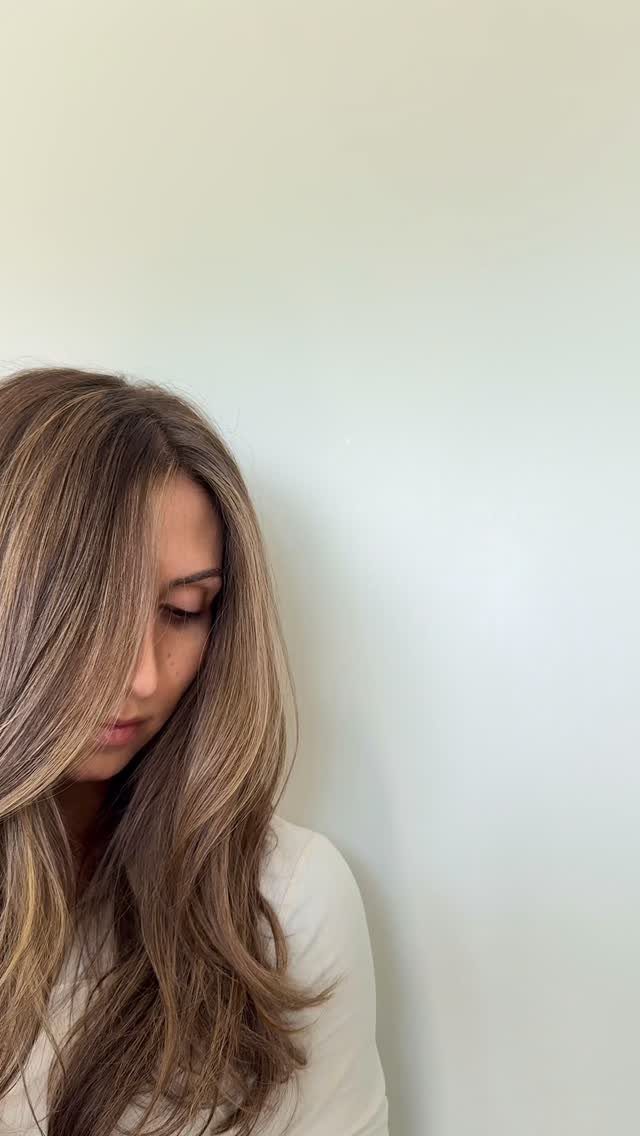
Babylights are very fine highlights, sometimes only a few strands wide, which is why they look like sun exposure instead of a salon visit. On brunette hair they brighten the whole head by a small, even amount.
I prefer them to chunky foils for anyone nervous about going lighter, because the change is gentle and the grow-out is quiet. Ask for a fine weave and a shade only slightly lighter than your own.
Fine sections take longer to paint and foil, so plan on a longer appointment, often an extra hour or more compared with a standard highlight.
19. Face-Framing Blonde Highlights
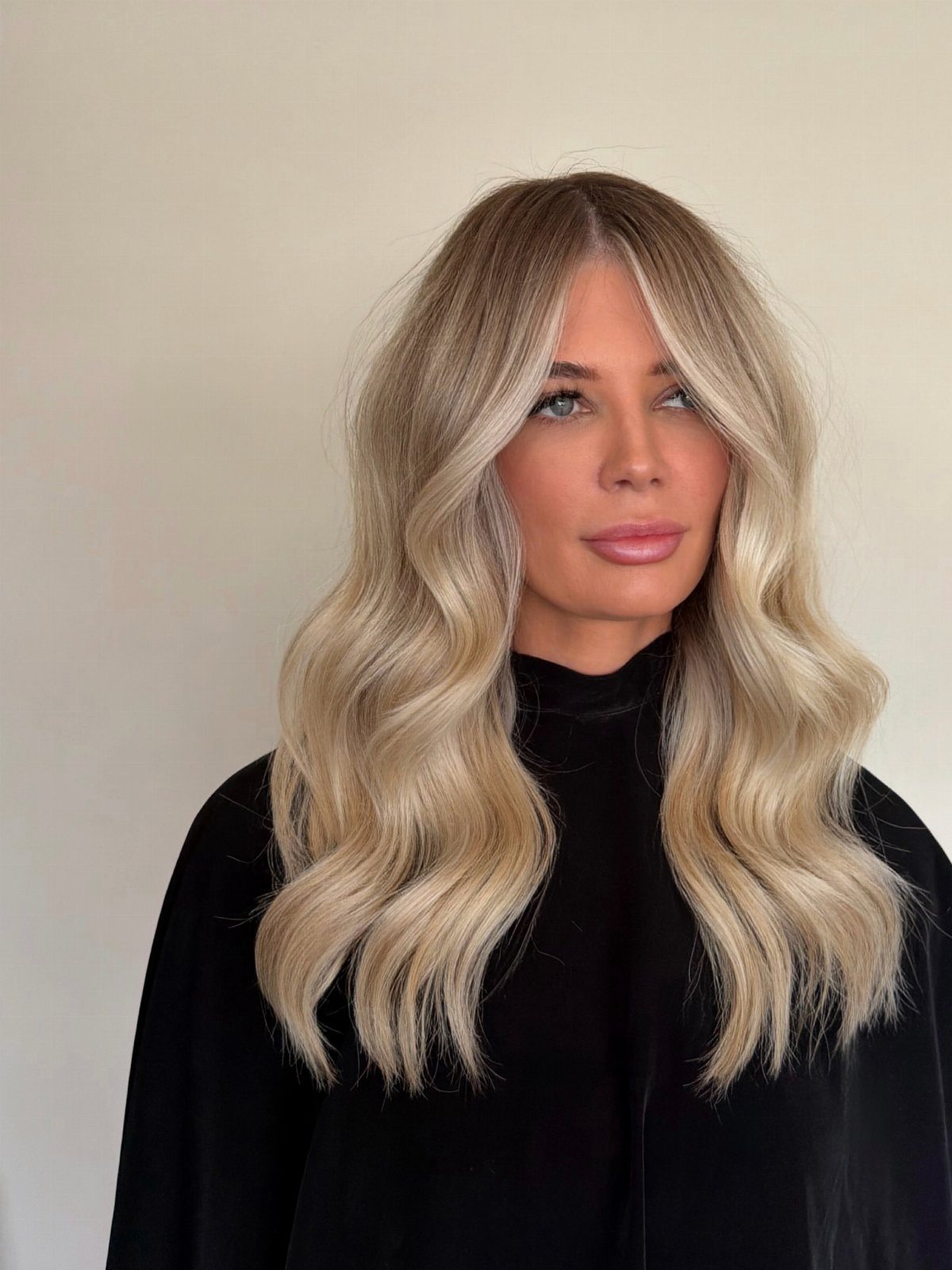
A soft, warm face frame is the lightest way to wear this blonde: just the front pieces brightened, so the light lands right beside your eyes and cheekbones. On long waves it reads gentle rather than striped.
I would keep the tone mildly warm and close to the rest of the blonde. If you want more glow, add tiny babylights all over as an option; they blend the frame into the length.
20. Blonde and Caramel Highlights
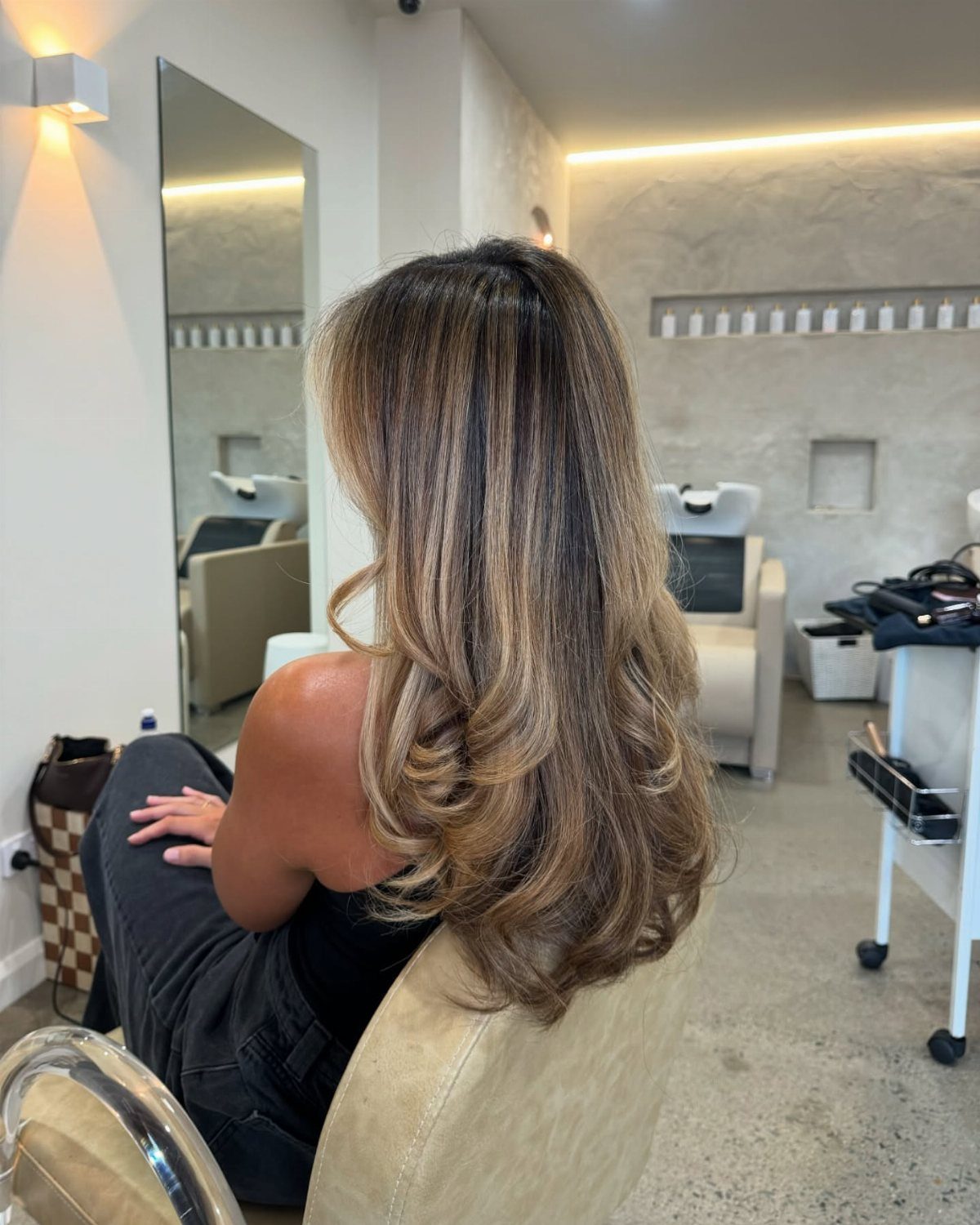
Several shades of blonde and caramel blended through a brown base give the hair a 3D look, because each strand sits at a slightly different depth. Long layers help, since the cut shows off each tone as the hair moves.
Ask for a few highlight shades rather than one, so the colorist can blend them instead of stacking a single color. Brown stays the main color, which keeps the whole look rich.
21. Shoulder-Length Highlighted Locks
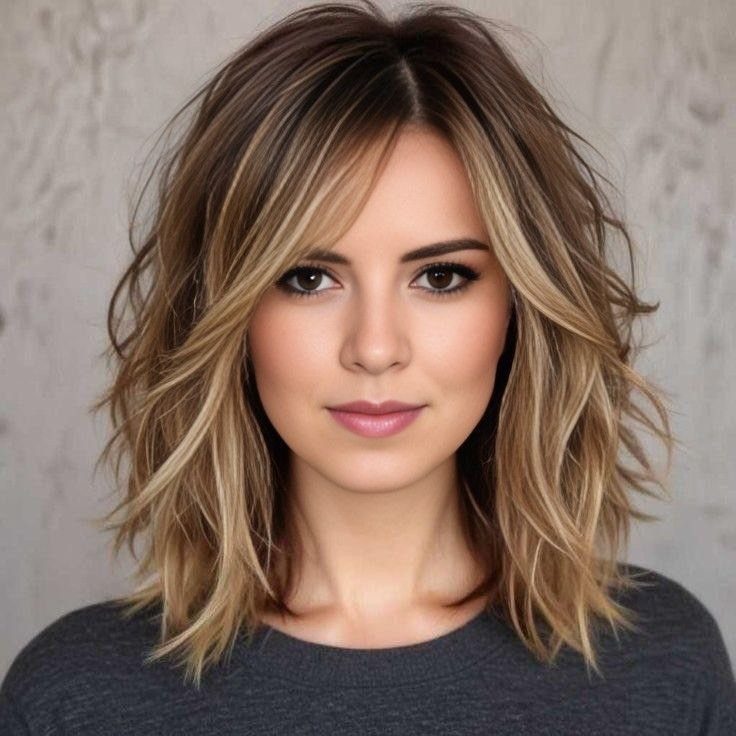
Chunky caramel pieces on dark shoulder-length hair add gloss and a clear pop of color. Because the highlights are bold, they stand out against the dark base and suit tousled waves well.
If you like contrast, I would pick this over fine babylights. Shoulder length keeps the effect easy to read, with the caramel showing in every wave.
Ask for caramel with a touch of blonde rather than something too pale.
22. Golden Caramel Layers
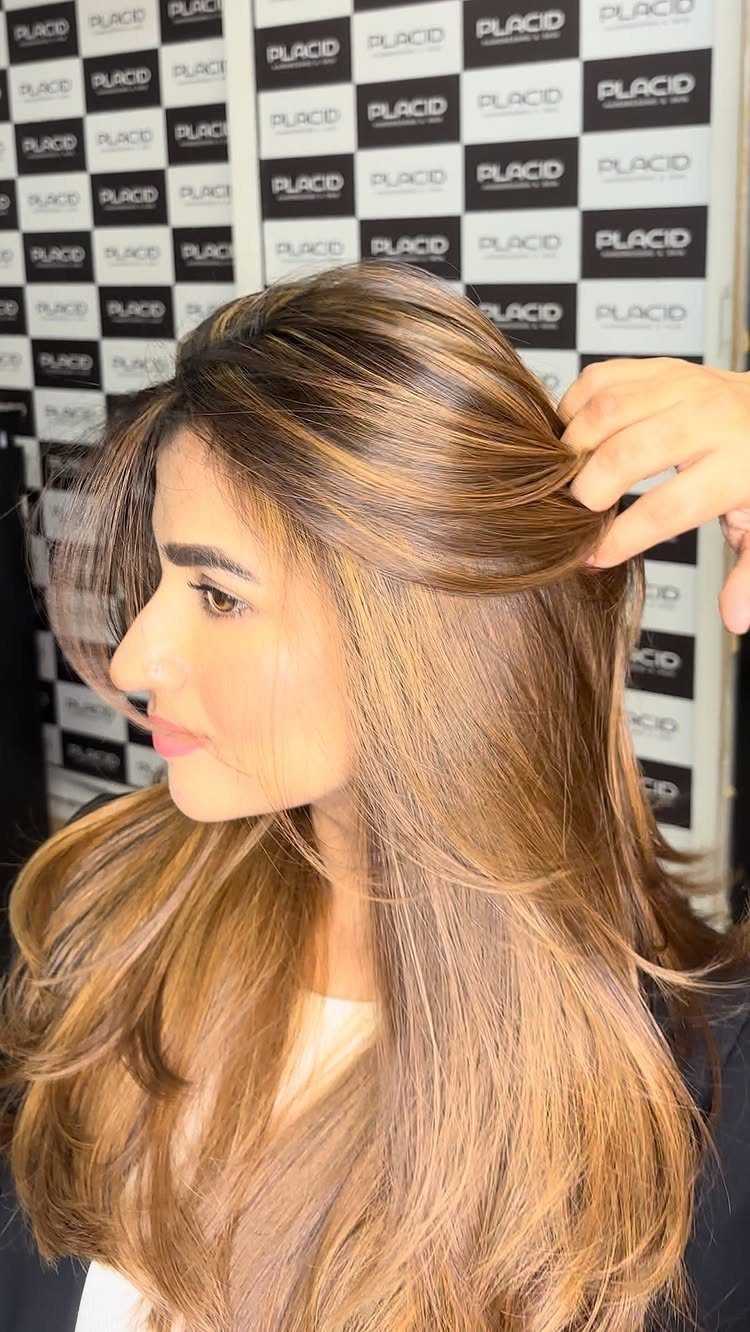
Long layers in light brown, threaded with golden blonde and caramel, let the color travel through the lengths instead of sitting in one band. Each layer catches a different shade, so the hair looks full and sunlit.
Caramel and gold layers look best when the 2 tones melt into each other from the mid-lengths down, so ask for them to be blended through the ends instead of painted as separate stripes.
I like keeping the light brown base visible between them, since that keeps the look soft and warm.
When layered with blonde, you get an expensive-looking brown-meets-gold shade that boasts a sun-kissed effect. Some confuse caramel blonde with honey blonde or a Jennifer Lopez-esque bronde hue, but caramel is deeper than honey blonde and lighter than the typical beachy bronde.
23. Blonde Waves with Caramel
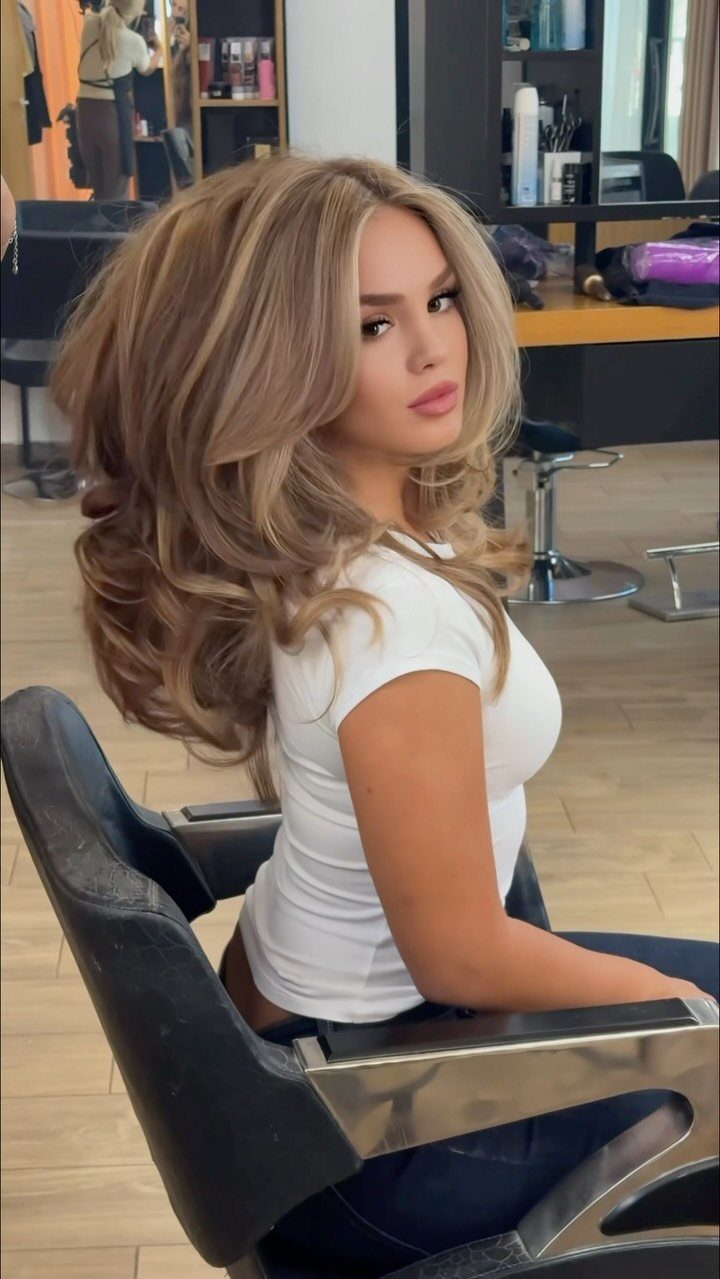
Long blonde waves carry caramel best when the warm pieces are blended through the lengths rather than sitting in a few clear stripes. The waves bend the color, so the caramel shows as depth instead of lines.
I would ask for the caramel slightly deeper than the blonde, so the contrast stays soft. Showing a stylist this look by name, blonde with caramel blended through, gets you closer than just saying highlights.
24. Blonde with Beige Streaks
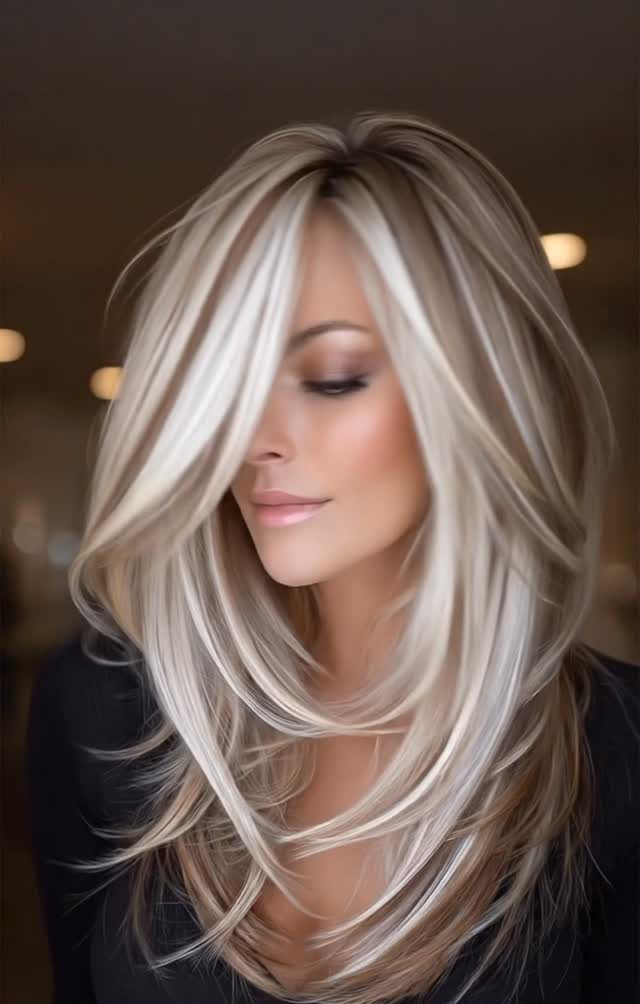
Pale highlights mixed with darker beige-brown streaks give long layered blonde more contrast than a single tone could. The darker pieces act like shadows, so the lighter blonde looks brighter beside them.
This suits anyone who finds all-over blonde flat. Ask for both shades by name, pale blonde and beige-brown, so the colorist places the dark streaks between the light ones rather than at random.
Layers show off the contrast best.
Frequently Asked Questions
What color hair is caramel with blonde highlights?
It is a warm, golden-brown blend with a sun-kissed look.
Picture a mid-depth golden brown with a few lighter ribbons running through it: darker than honey blonde, but warmer and lighter than a true bronde, with the pale pieces adding brightness and shine.
On a light, golden blonde base, the caramel ribbons add depth where the light hits, so the color reads multi-tonal instead of flat.
Does caramel look good on blondes?
Yes, caramel adds depth and warmth to blonde hair, so it looks rich instead of flat.
Hair that already leans golden can go brassy fast, so I’d tell the colorist to pick neutral or slightly beige tones for the light pieces.