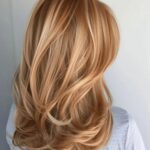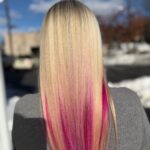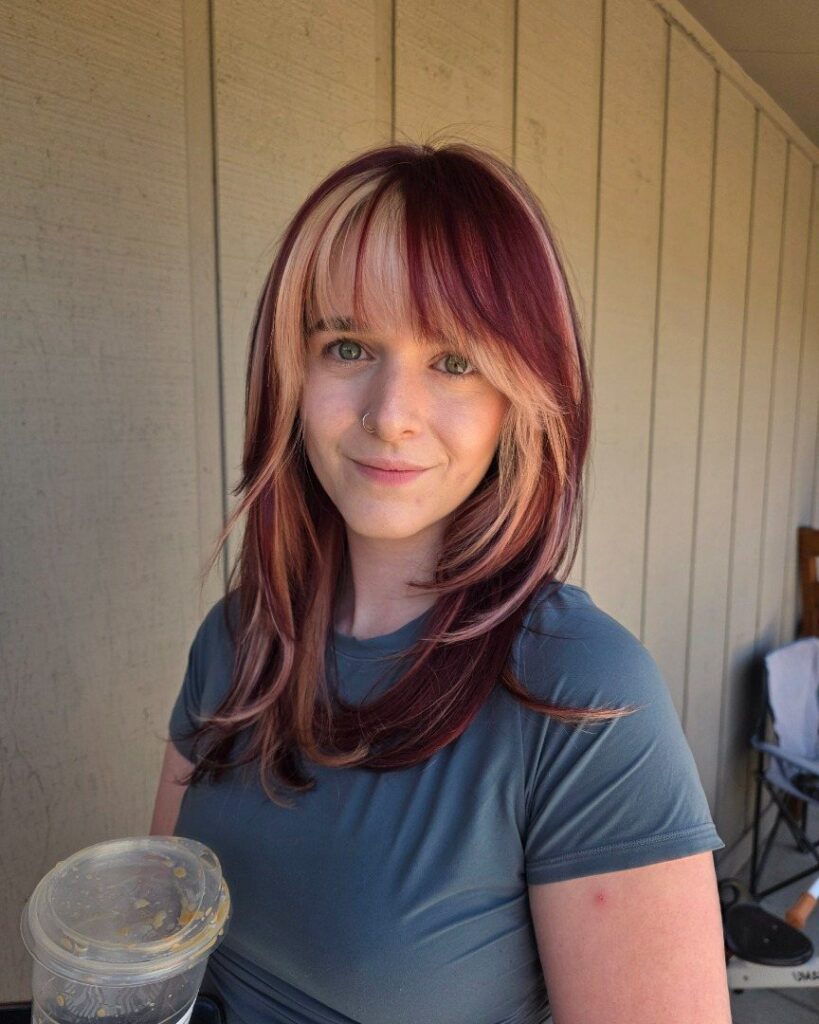
Blonde highlights on red hair range from fine scattered pieces that grow out soft to chunky money pieces and bold streaks that show regrowth faster.
The choice comes down to how often you’re willing to sit for touch-ups: face-framing blonde needs refreshing every 8 to 10 weeks to look intentional, while balayage through the mid-lengths and ends stretches longer because the root line stays softer.
1. Ginger-Red Hair with Strawberry-Blonde Highlights
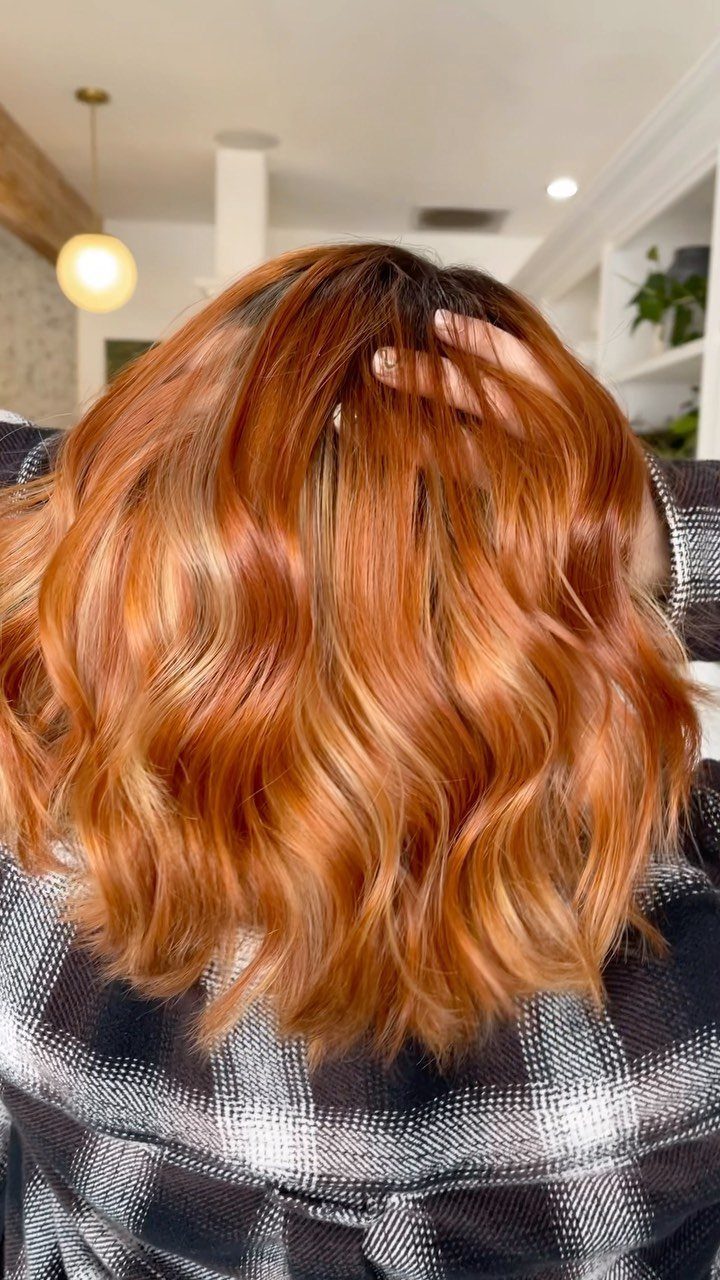
Ginger-red hair with blonde highlights brings warmth and dimension without needing a full color change. The blonde pieces catch light and break up solid red, which reads softer and more natural than flat single-process color.
Starting from ginger or light auburn, a colorist can add highlights with foils or balayage in one session. Darker red needs pre-lightening first, which adds time and cost.
Upkeep depends on placement. Face-framing pieces show regrowth faster than highlights scattered through the mid-lengths and ends, so budget for a refresh every 8 to 10 weeks if you want them looking intentional.
2. Red Hair Face Frame
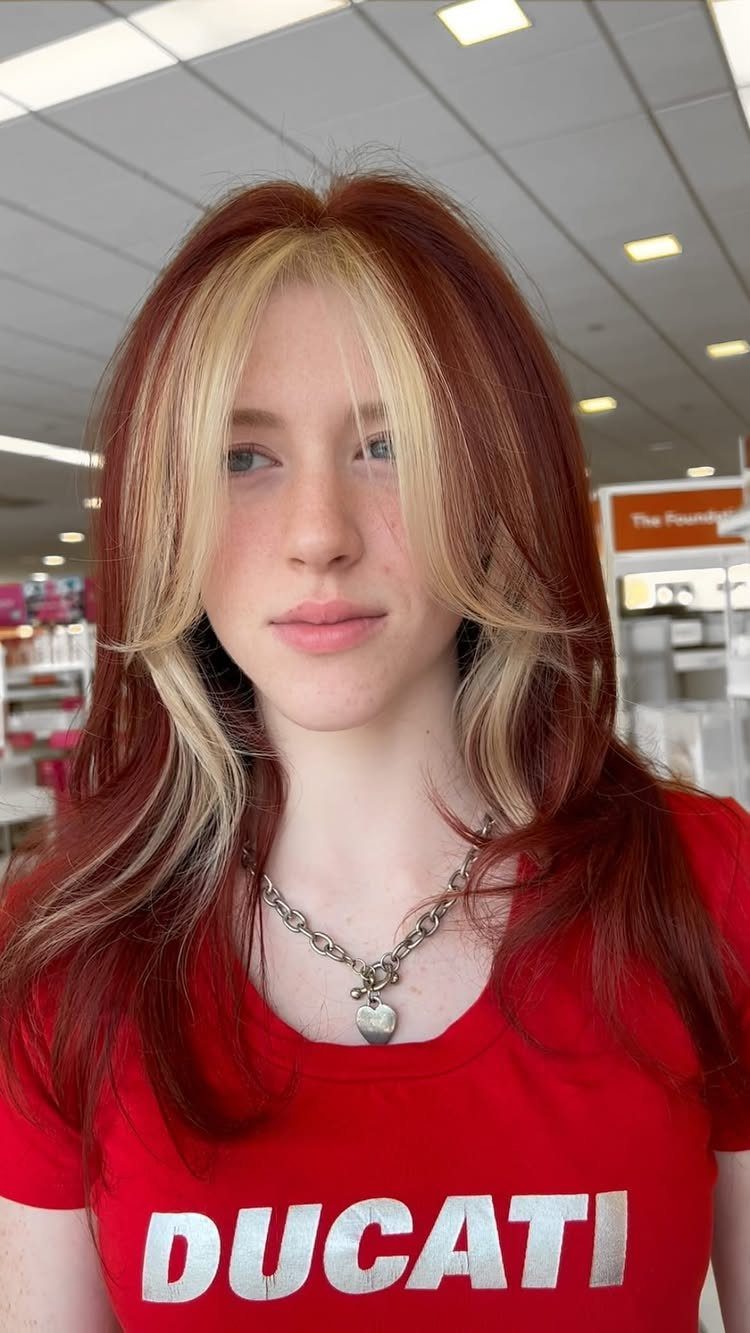
Face-framing highlights put blonde only where it changes your face, leaving the rest red. Two or three pieces on each side open up your features and catch daylight without the cost or damage of a full highlight.
This is faster and cheaper than all-over color. A stylist can paint or foil just the front sections in under an hour, and you skip toning the back.
Regrowth is visible at the part, so this works best if you’re comfortable with a little root or you’re planning regular touch-ups. If you part your hair in different places, the grow-out softens and looks more lived-in.
3. Blonde Money Piece
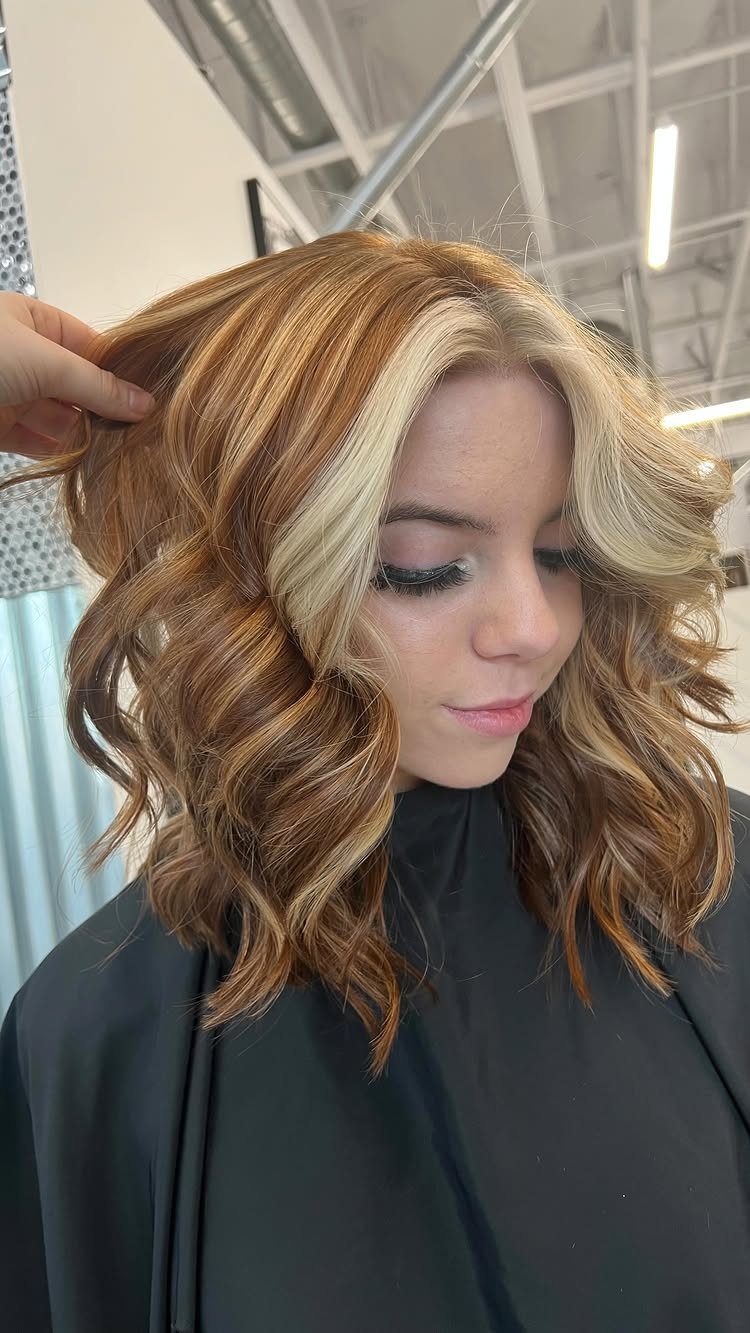
A money piece is two bright blonde sections framing the face, usually starting at the part and running down past the cheekbones. The contrast with red hair is high, so it reads bold and deliberate.
The colorist typically foils the front pieces separately, lifting them several levels lighter than the rest.
Toning keeps them from pulling brassy against red. One maker used 9n and 9g shades after lifting for clean blonde.
Because the pieces are so light, regrowth shows within a month.
If you don’t want to be back in the chair that often, ask for the money piece to start an inch or two back from the root so it grows out with softer contrast.
4. Mahogany Hair with Strawberry-Blonde Highlights
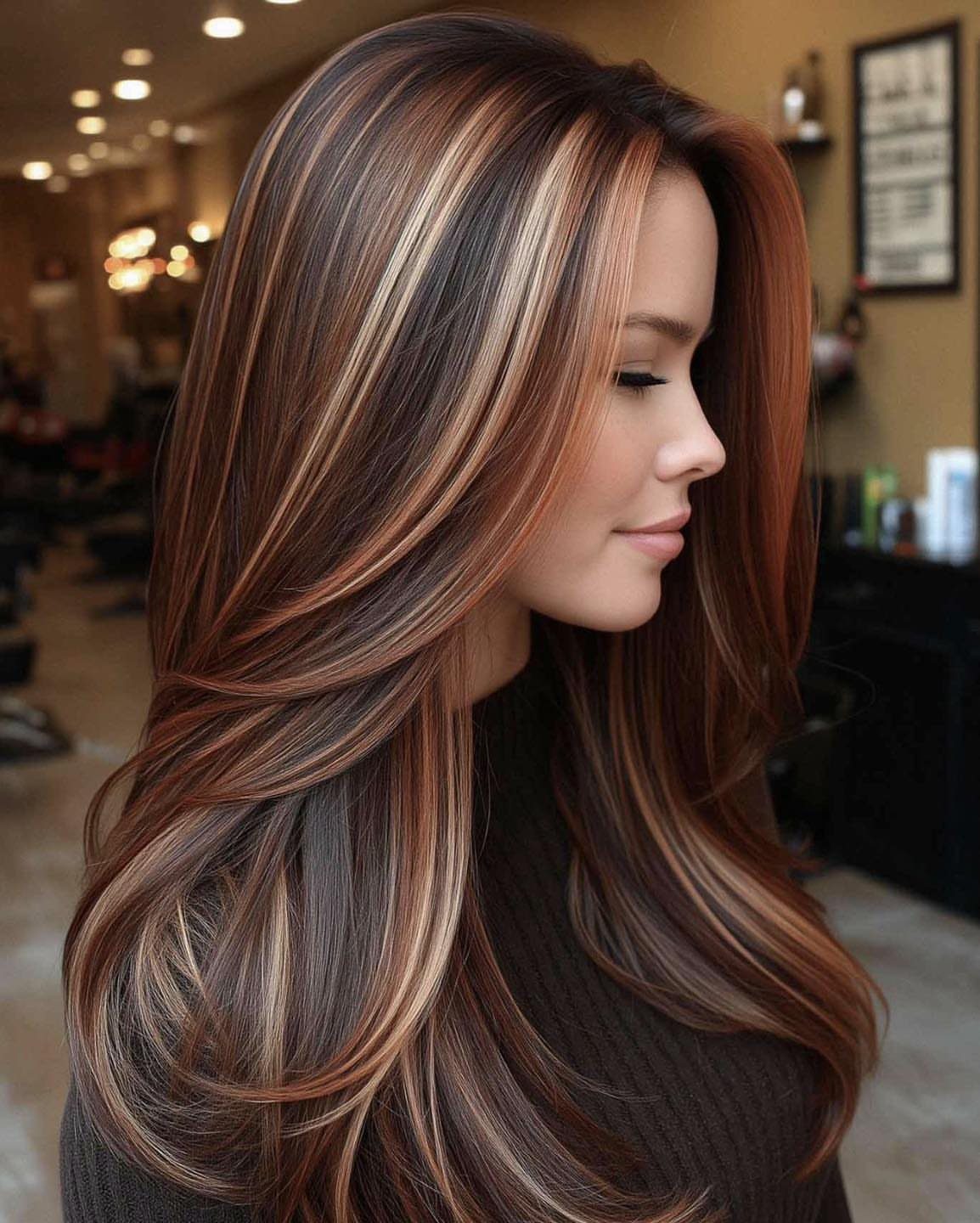
Mahogany is a deep brown-red that sits cooler than auburn, and blonde highlights against it create strong contrast without looking brassy. Mahogany makes the blonde pieces pop more than they would on lighter red.
Layered hair shows this off well because the highlights catch through the movement and don’t flatten into stripes. If your mahogany is from a box dye, tell your colorist so they can adjust the lifting process.
Maintenance is similar to other red-and-blonde mixes: the blonde grows out visibly, and the mahogany fades faster than your natural color would. Plan for regular toner and highlight maintenance if you want it looking sharp.
5. Copper Red Blonde Highlights
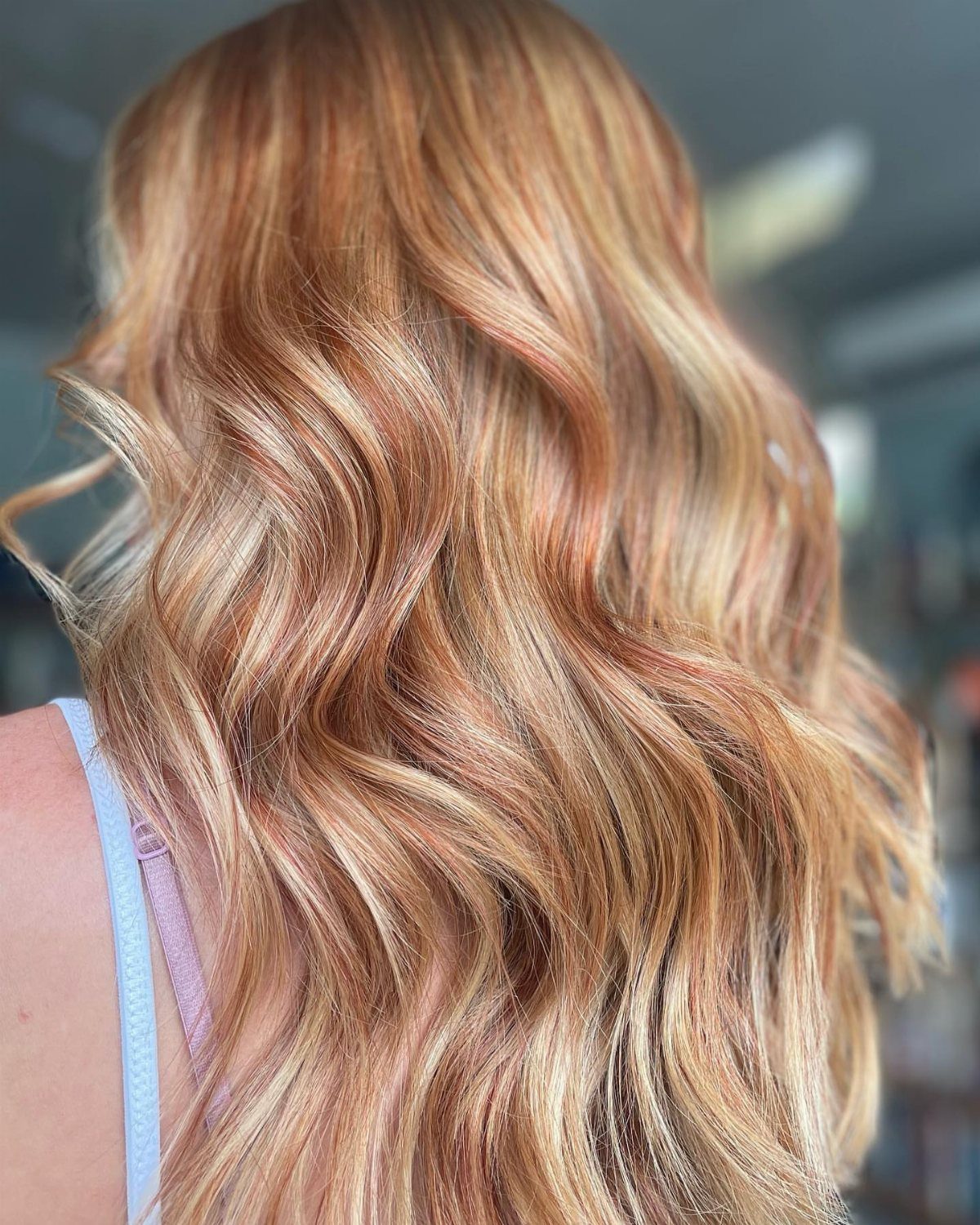
Copper-red with blonde highlights gives you warmth and contrast at the same time. The copper reads more orange-toned than auburn, so the blonde pieces lighten the whole look without cooling it down.
If you’re starting with natural red or light brown, a colorist can lift to blonde in one session. Darker bases need pre-lightening, which takes longer and costs more.
Blonde on copper fades to gold or peach rather than ash, so it holds warmth longer between toners.
That makes it easier to stretch appointments, but it also means you can’t get a cool-toned blonde highlight on this base without fighting the underlying warmth every few weeks.
6. Peachy Red Strawberry-Blonde Balayage
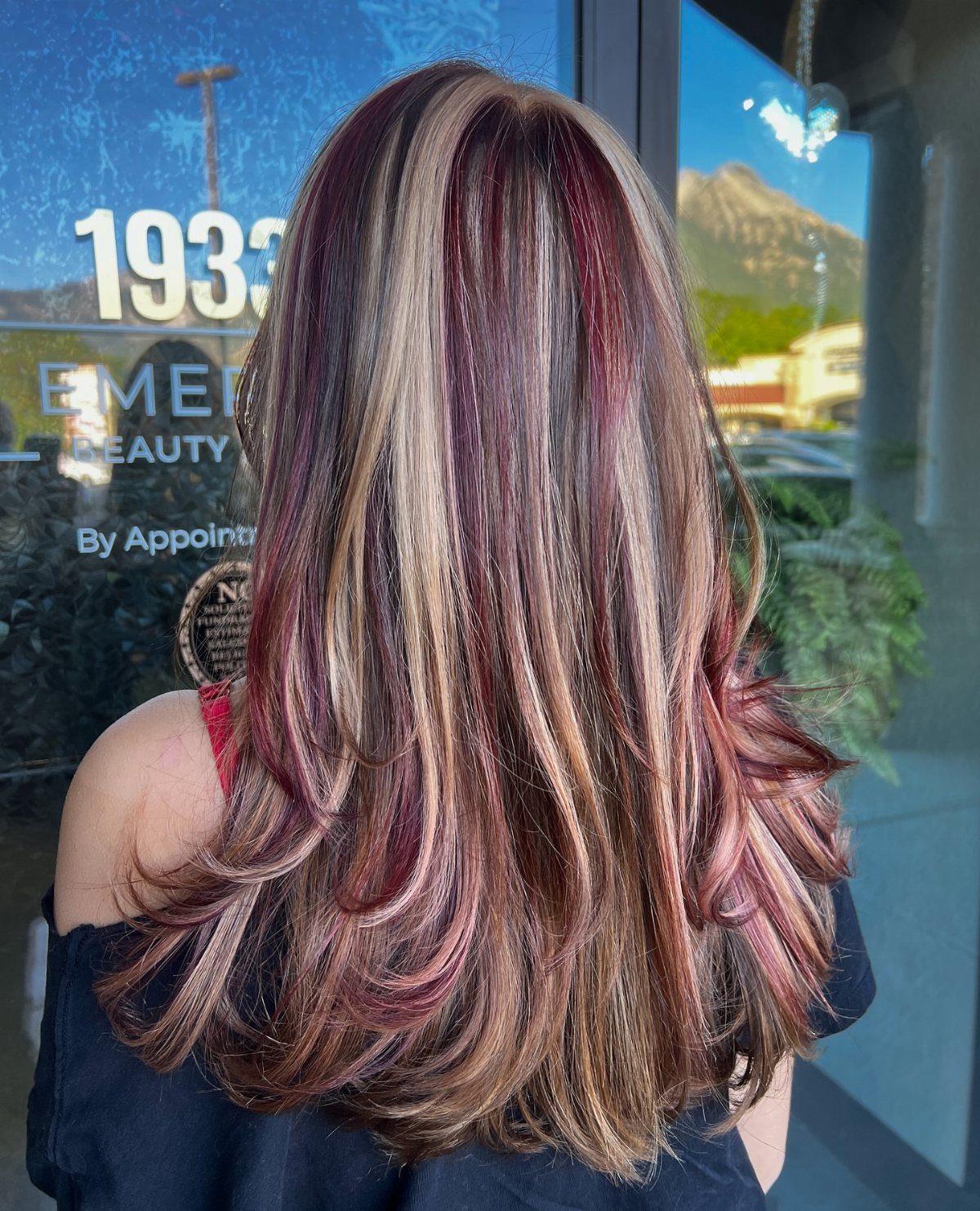
This balayage mixes red, blonde, and brown in soft bands of color that shift as the hair moves. The technique blends multiple tones without hard lines, so regrowth is less obvious than it would be with foiled highlights.
Because balayage is painted freehand, the colorist can place lighter pieces where your hair naturally catches light and keep the deeper tones underneath for dimension.
That gives you a lived-in look from the start rather than something that only looks good fully grown out.
It takes longer and costs more. A full balayage with this many colors means a long appointment, and you’ll need regular toner refreshes to keep the blonde and red from fading flat.
7. Dark Curly Red Highlights
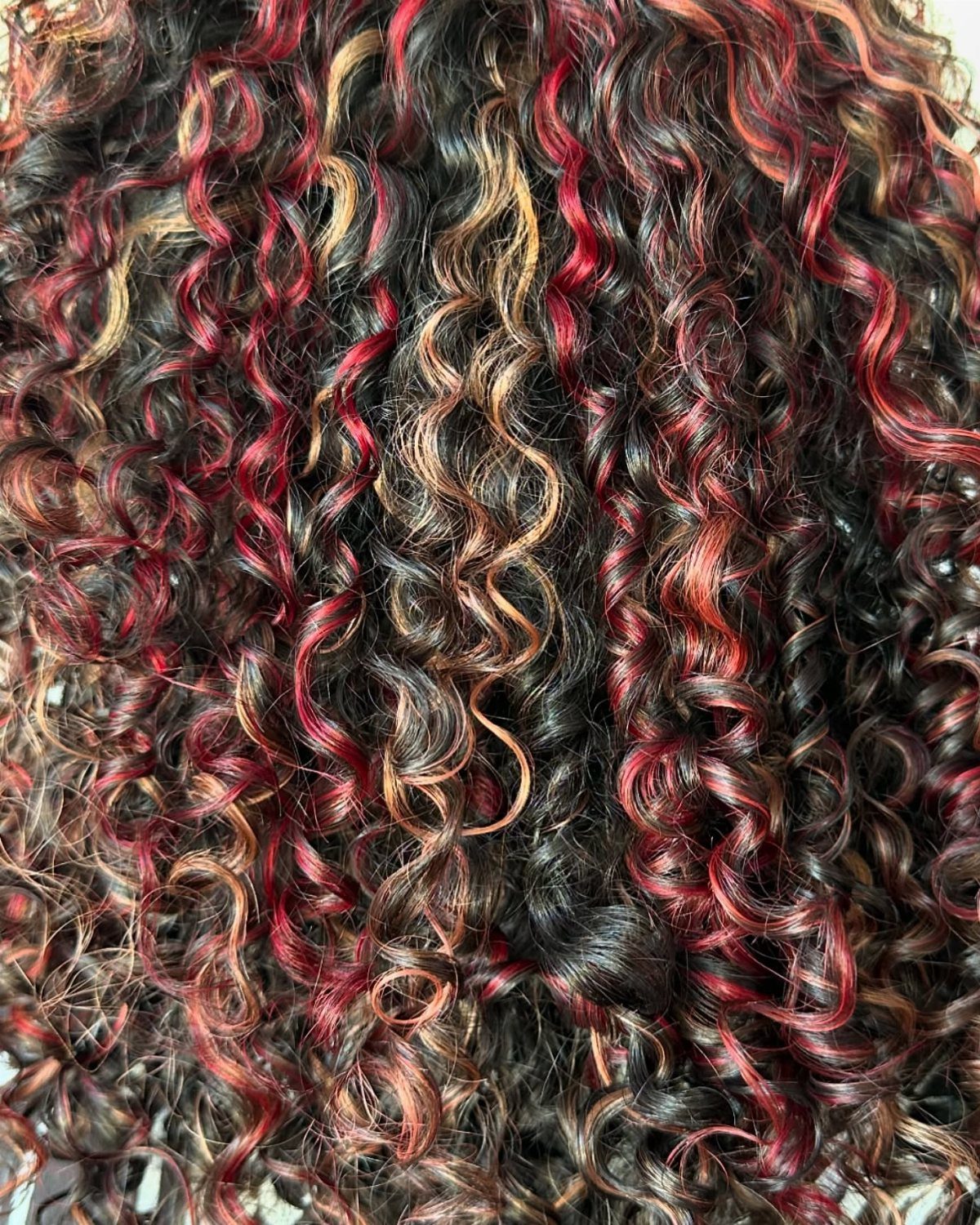
Red highlights on dark curly hair lift the whole look without bleaching the full head. The curl pattern catches light differently on each piece, so even a few highlights read as full dimension.
Curly hair is more fragile than straight, so lifting dark bases to red takes careful work. A colorist familiar with curls will adjust the developer strength and processing time to avoid breaking the curl pattern.
Because curls stack and overlap, you see less scalp than you would on straight hair, which means regrowth is less obvious and you can stretch touch-ups longer.
8. Ginger Red Highlights
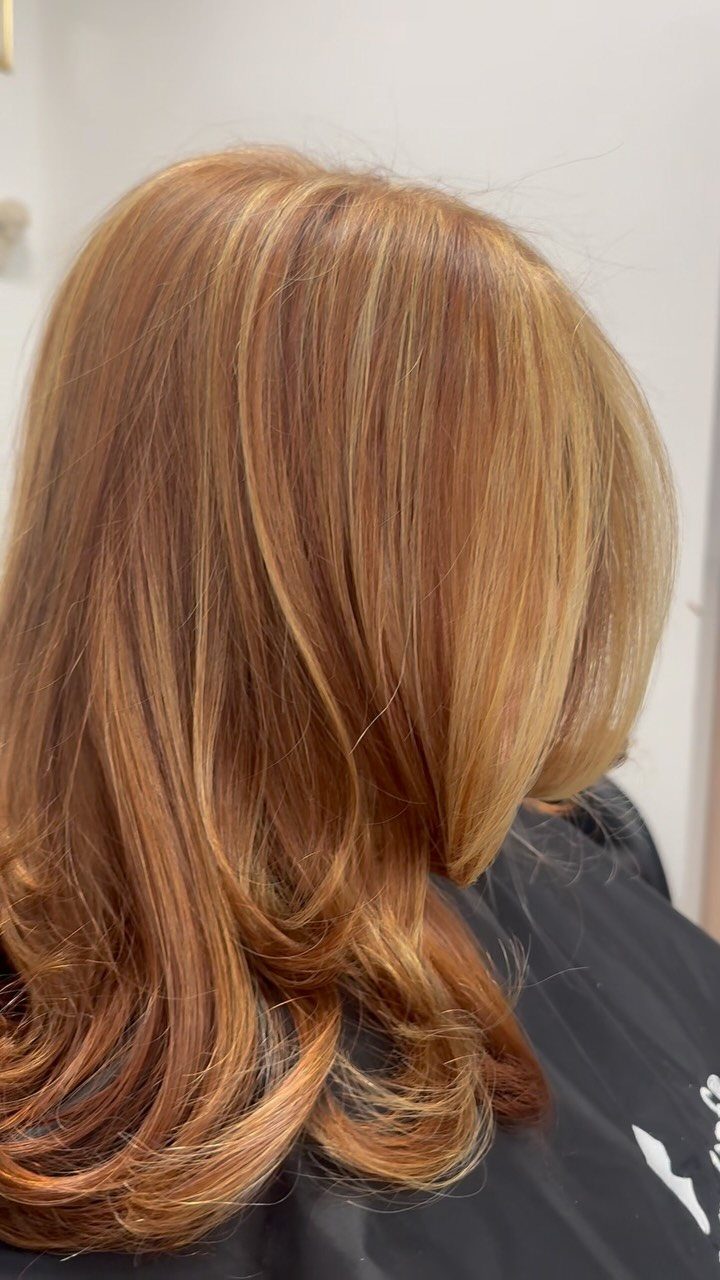
A few shades lighter than your ginger base gives you depth and movement without jumping straight to platinum. The result is softer and grows out less obviously because the difference between base and highlight is small.
The closer your starting color is to the highlight shade, the less damage and the shorter the appointment.
This works well if you want movement and light but don’t want to commit to bold contrast or frequent upkeep.
9. Red Brown Caramel
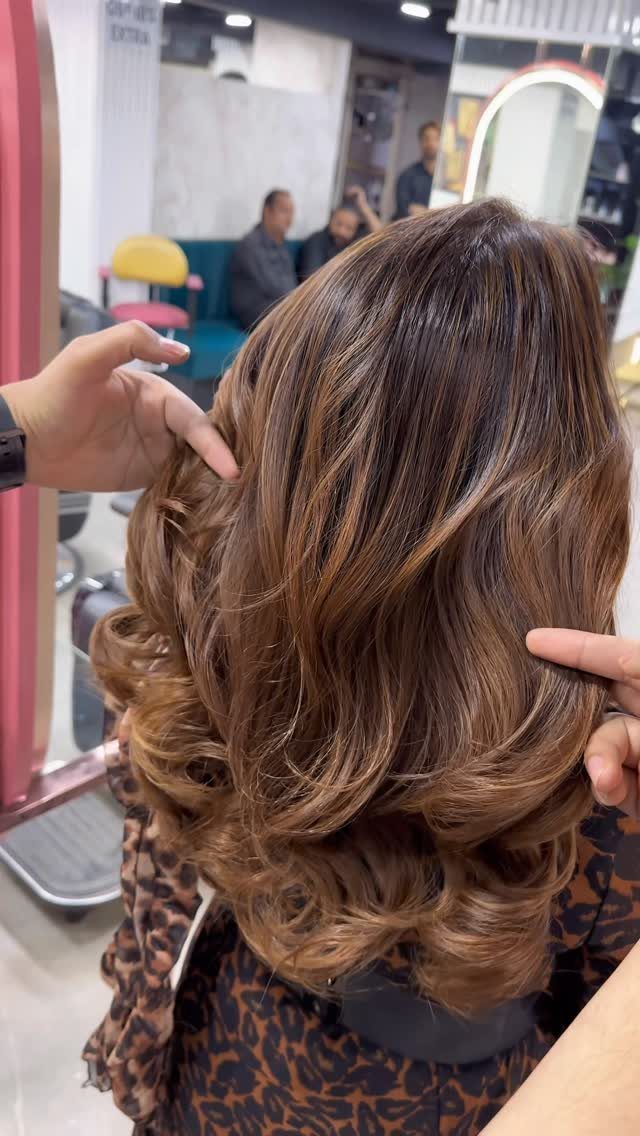
Caramel highlights on red-brown hair sit warmer than blonde but lighter than the base, which gives you dimension without cooling down the overall tone. The result is subtle enough that regrowth blends rather than drawing a hard line.
Because the caramel is only a few levels lighter, a colorist can place highlights with balayage or foils in one session. Processing time is shorter than it would be for platinum, and the hair takes less damage.
If you want the highlights to stay warm as they fade, ask for a caramel or honey toner rather than an ash-based one.
10. Auburn Hair
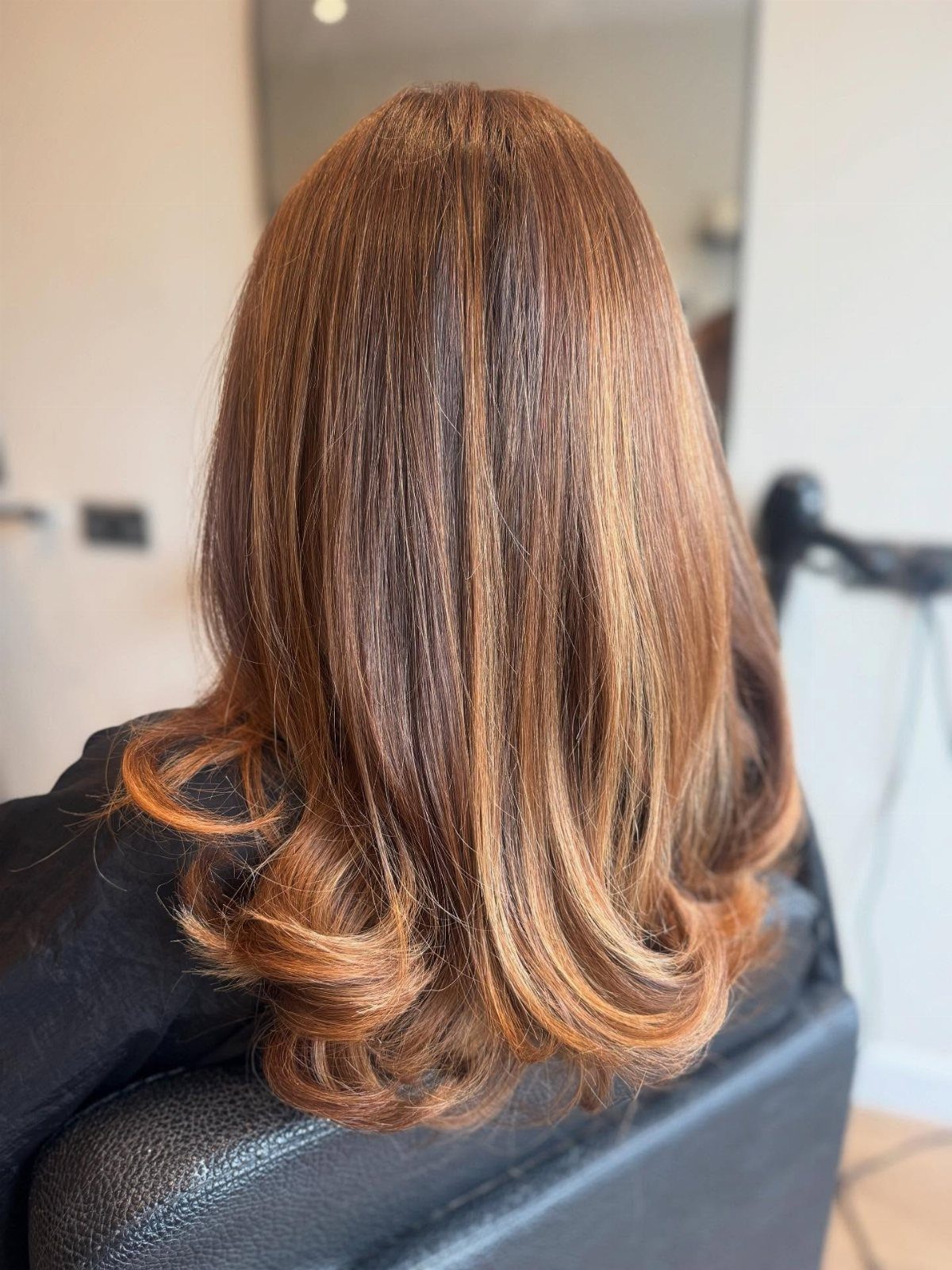
Orange highlights on auburn hair bring warmth and brightness without going blonde. The orange reads copper in natural light and lifts the auburn base without the cooler contrast blonde would give.
A colorist can place the highlights with foils or balayage, depending on whether you want defined pieces or a softer blend. Orange fades to gold, so the color stays warm between toners.
This suits you if you want the dimension of highlights but prefer to keep the whole look in the warm range. It also grows out softer than blonde on auburn because the tonal difference is smaller.
11. Copper Balayage
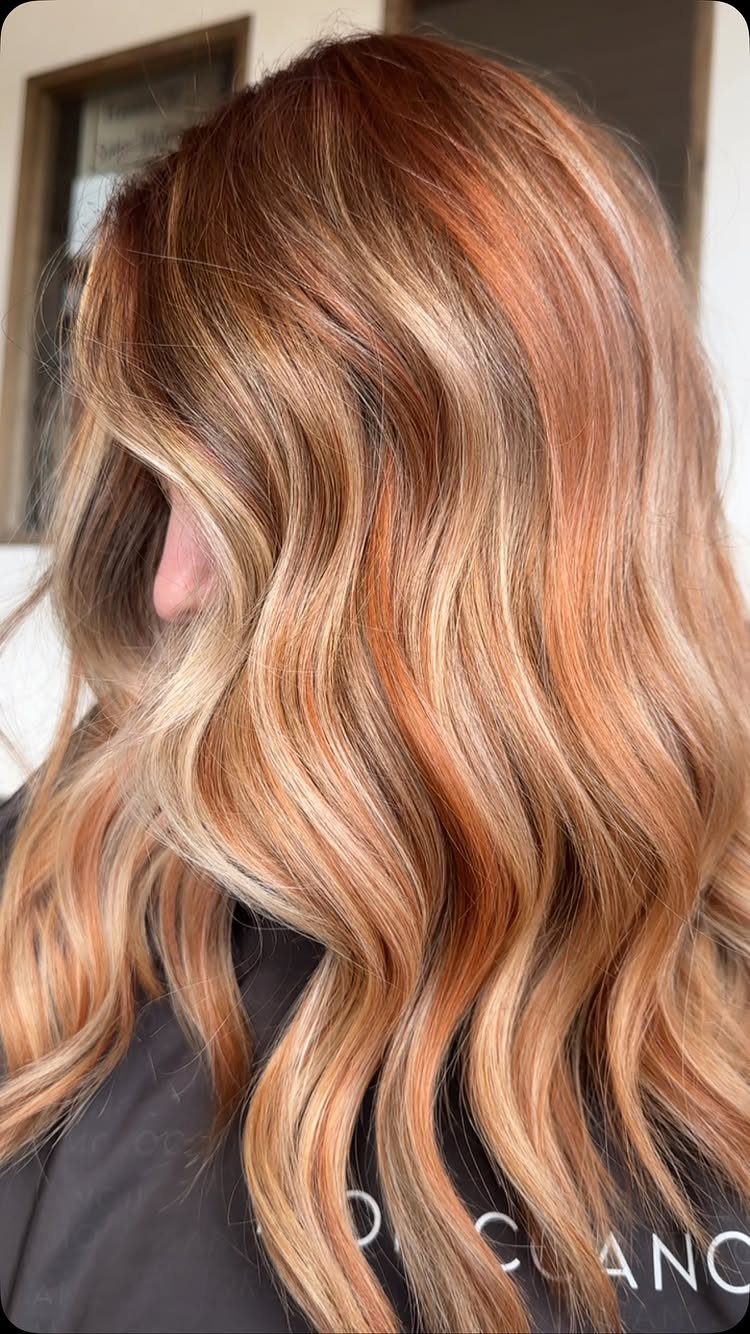
The colorist paints the lighter pieces where your hair would naturally catch light, which gives you a lived-in look without waiting for it to grow out.
Because the technique is freehand, you get softer transitions than you would with foils.
Toner fades faster than your base, so if you want the blonde looking clean you’ll need salon visits for that alone.
12. Vibrant Red Hair
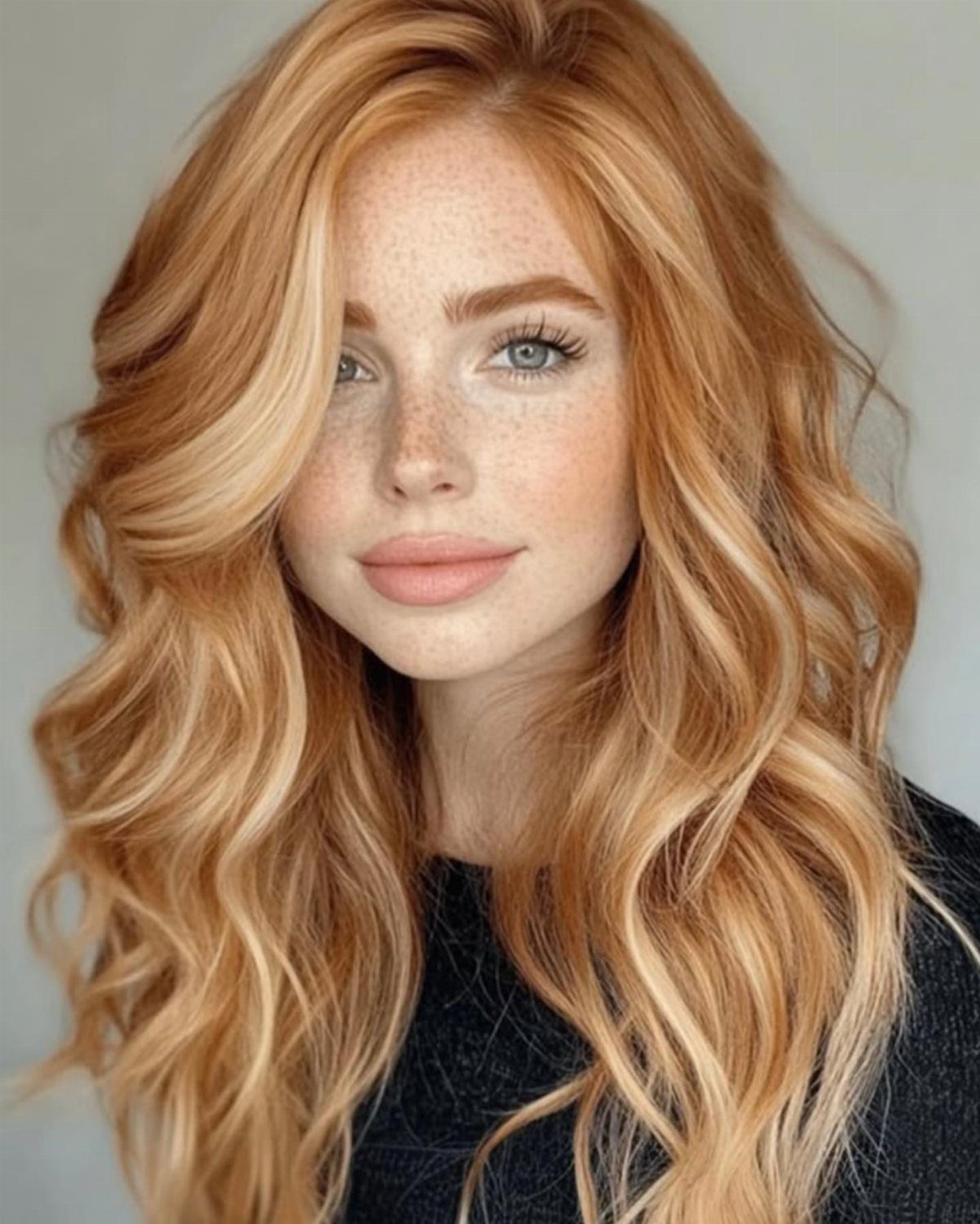
Blonde highlights through long wavy red hair catch light as the hair moves, which gives you dimension without needing color all over.
The waves show off the contrast better than straight hair would because each turn brings a different shade forward.
Face-framing pieces open up your features and work well if you want the highlights to change your look without covering the full head. A colorist can add more through the mid-lengths and ends for a fuller effect.
Long hair means more surface area, so a full highlight takes longer and costs more than it would on shorter lengths. Regrowth shows less on waves than on straight hair because the texture breaks up the line.
13. Copper Red to Blonde Ombre
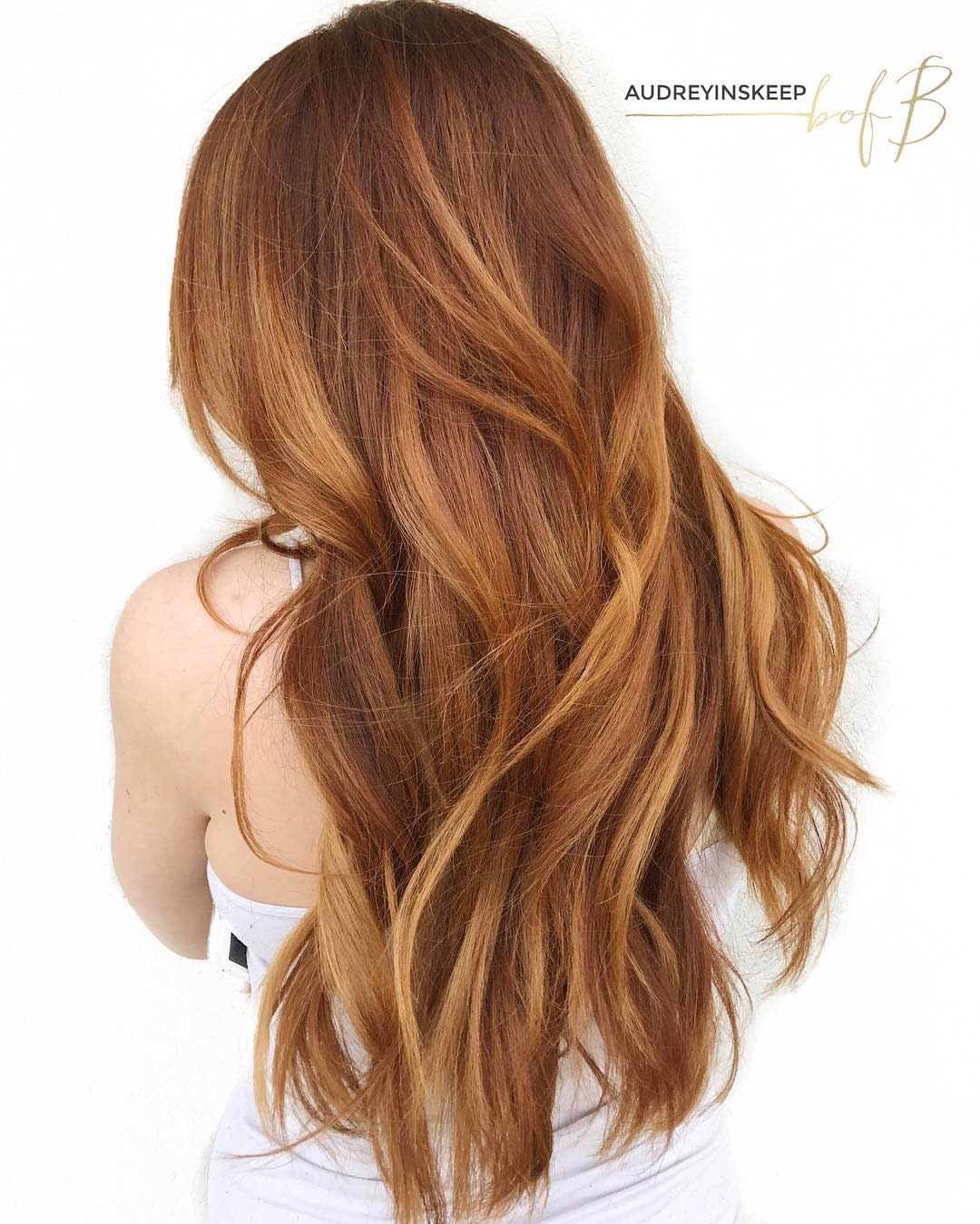
Copper-red fades into blonde through the mid-lengths and ends, creating an ombre that keeps the warmth up top and lightens as it moves down. The color shifts softly from root to end, so you can go longer between touch-ups.
Ombre takes longer to process than face-framing pieces because the colorist has to lift the ends several levels and blend the transition zone. Expect a longer appointment and higher cost than a partial highlight.
Once it’s done, you can leave it alone. The grow-out is built into the look, so you only need to refresh the blonde when it fades or the line rides too high.
14. Play of Copper
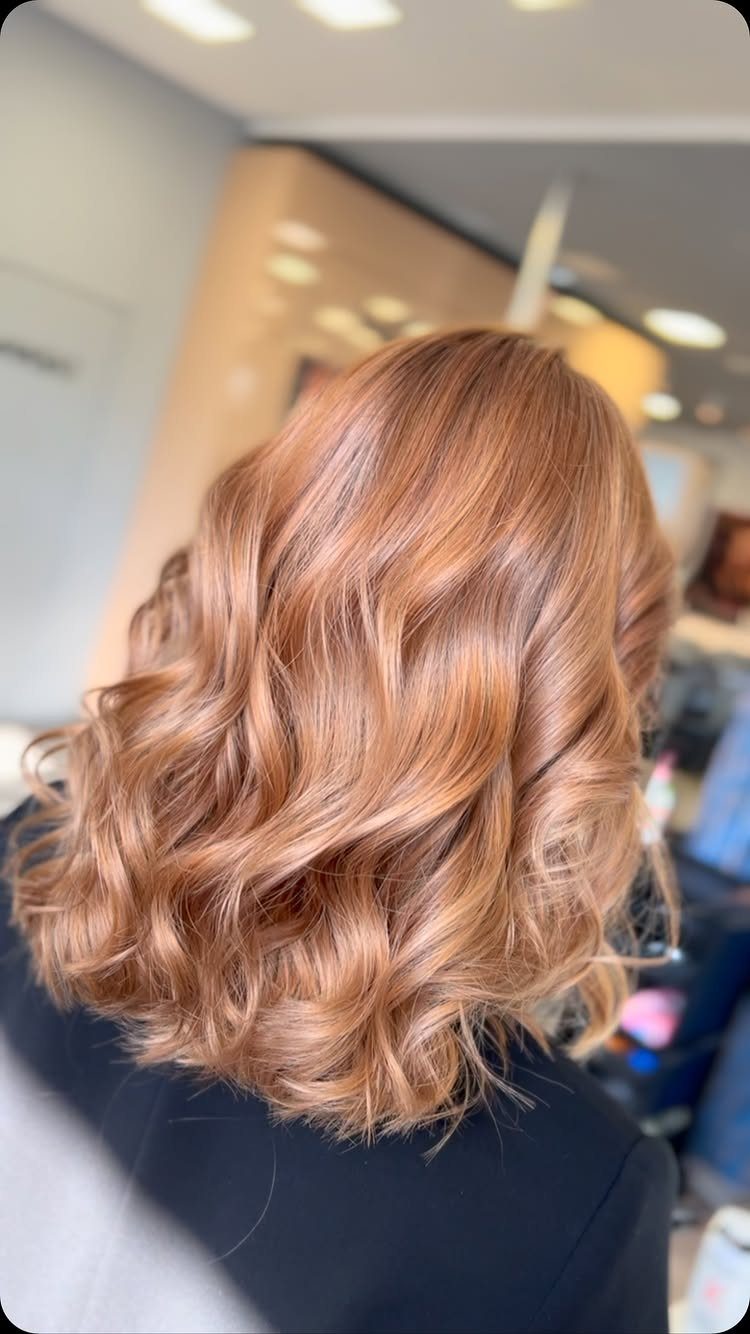
Shadow roots with copper highlights layered over a copper base give you depth at the scalp and dimension through the rest.
The darker root blends into the lighter copper pieces, so you get movement without needing to touch up the regrowth every few weeks.
A colorist paints or foils the lighter copper through the mid-lengths and leaves the root shadowed, which shortens processing time and reduces damage near the scalp.
Because the base and highlights are both copper, the color reads warm and cohesive. It grows out softer than red-to-blonde would, and you can stretch appointments longer.
15. Auburn Copper Highlights
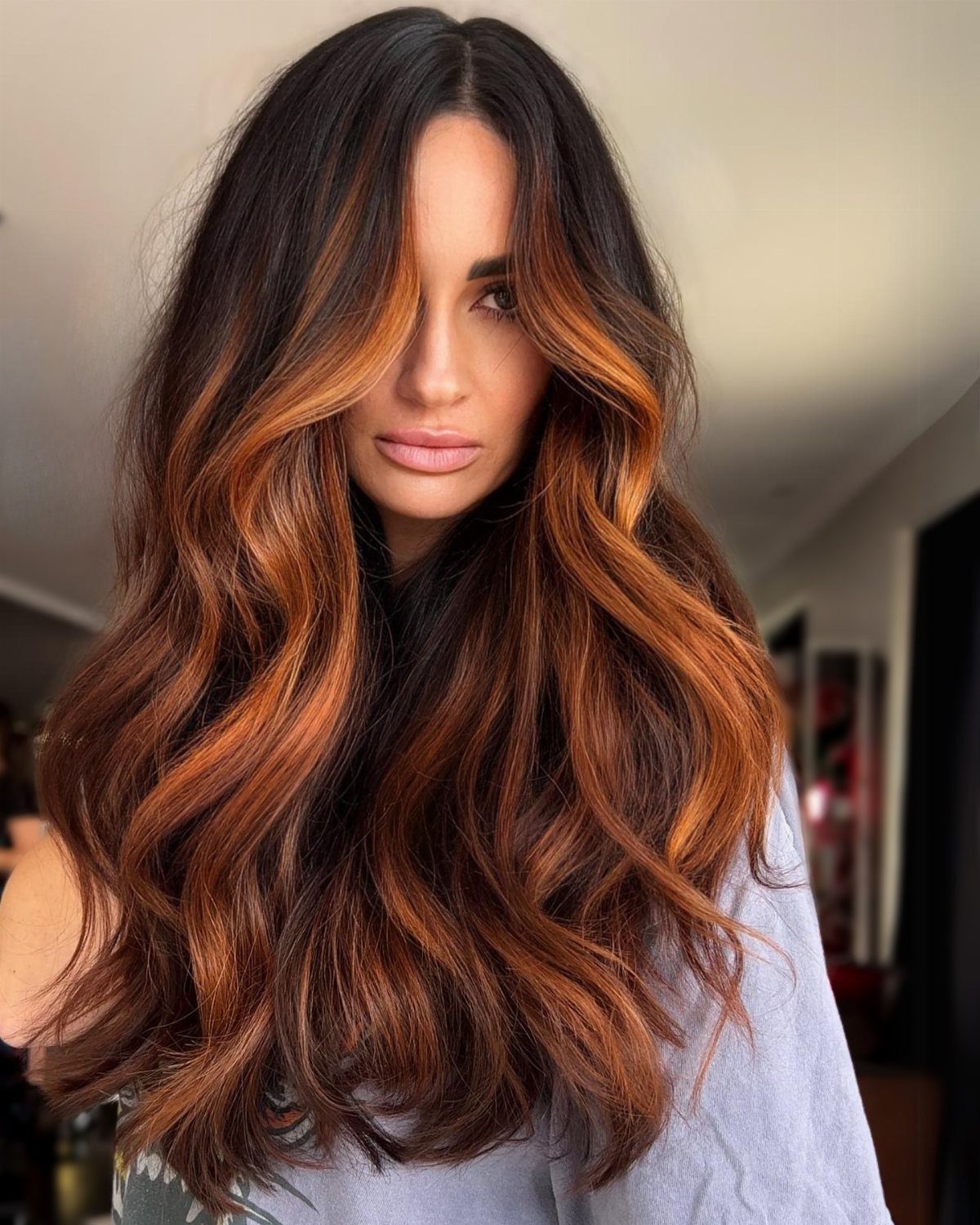
Auburn with copper highlights sits warmer and brighter than auburn alone, but not as light as auburn with blonde. The copper catches light without cooling down the base, so the whole look stays in the warm range.
A colorist can pull auburn up to copper in a single appointment. Because the lift is smaller, you’ll spend less time in the chair than you would going blonde.
When copper does fade, it turns warm gold instead of ash, so it looks better longer. That makes it easier to maintain than blonde on auburn if you want to stretch your appointments.
16. Peek-a-Boo Highlights
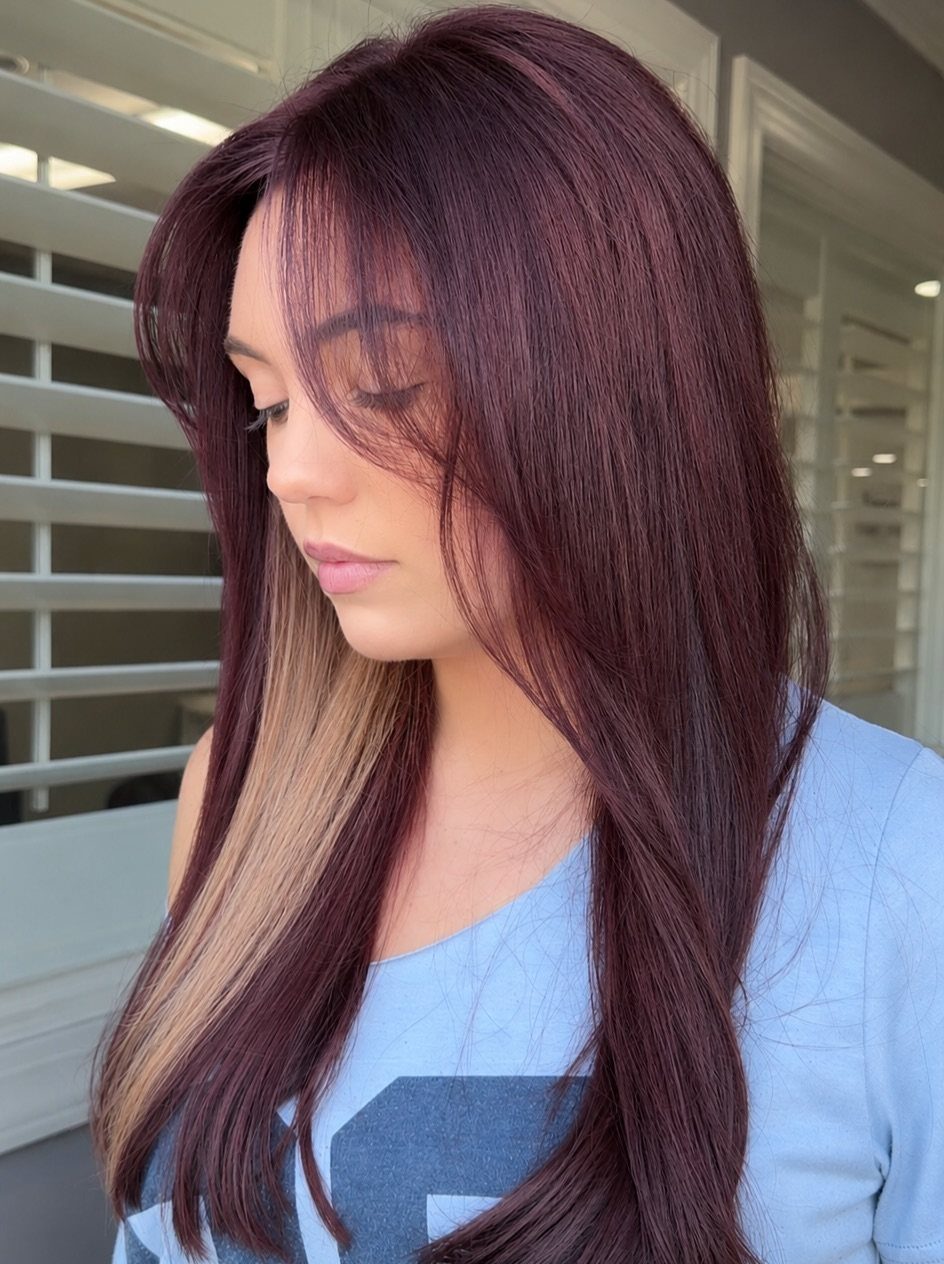
Blonde highlights sit underneath the top layer, hidden until the hair moves or is pulled back.
The contrast is high because the blonde is several levels lighter than the burgundy-red on top, but the placement keeps it from reading loud all the time.
A colorist sections the underlayer separately and foils or paints just those pieces, leaving the top layer untouched. Because the blonde is underneath, you see less of the regrowth line when it grows out.
This suits you if you want bold color that you can show or hide depending on how you style it. It also works well in professional settings where full bright highlights might not fit.
17. Crimson Blonde Streaks
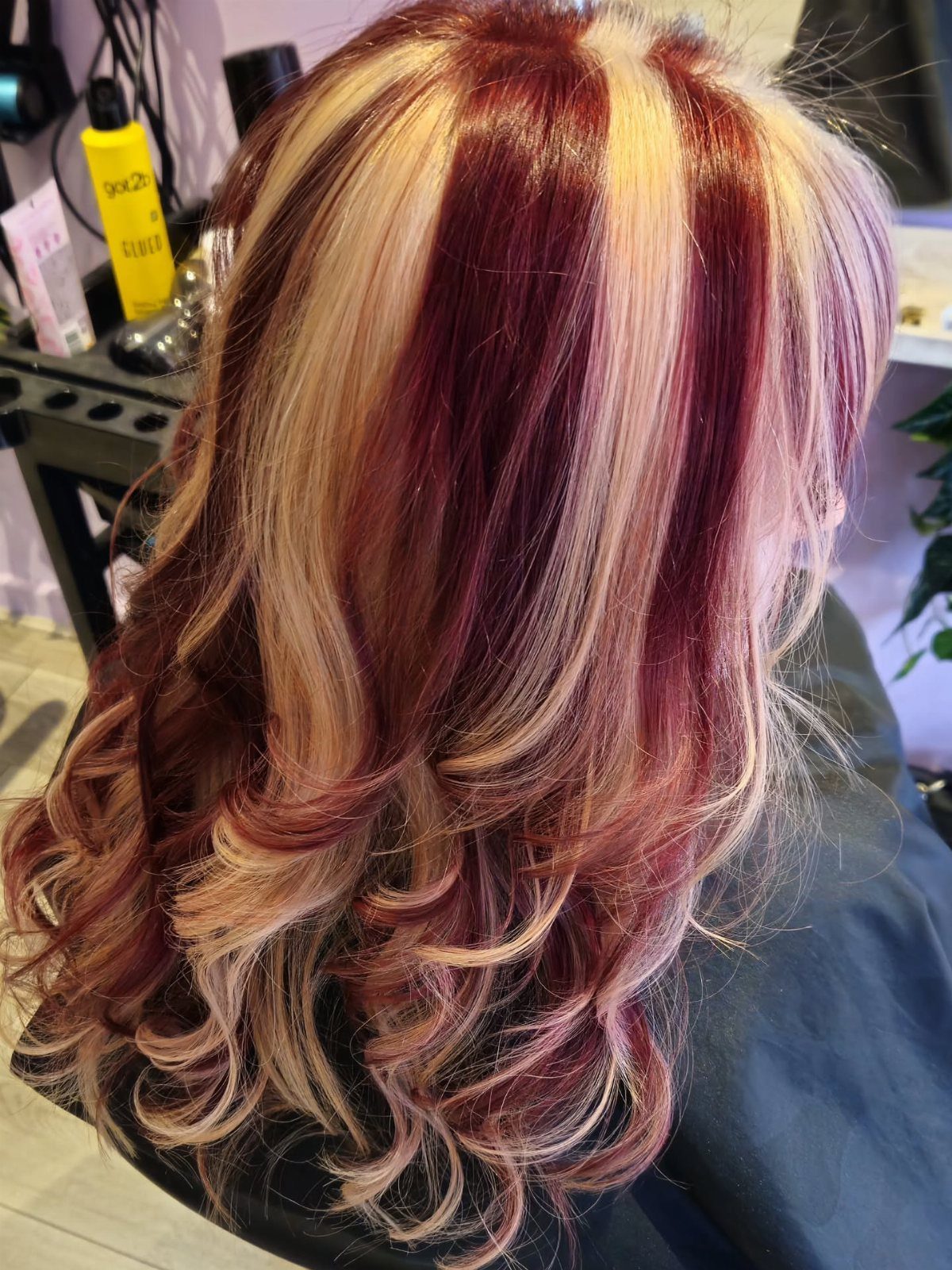
Blonde highlights in wide sections through crimson hair create bold, graphic contrast. The placement is intentional rather than blended, so each blonde piece reads as a separate streak instead of melting into the base.
The crimson has to stay bright, or the whole thing reads muddy. If the red has faded or turned dull, the blonde pieces will look washed out instead of standing out.
High contrast means high maintenance.
Both the blonde and the crimson lose intensity faster than natural shades, so keeping them sharp means regular toner and color refresh. This is not a low-upkeep choice.
18. Rose Red Blonde Streaks
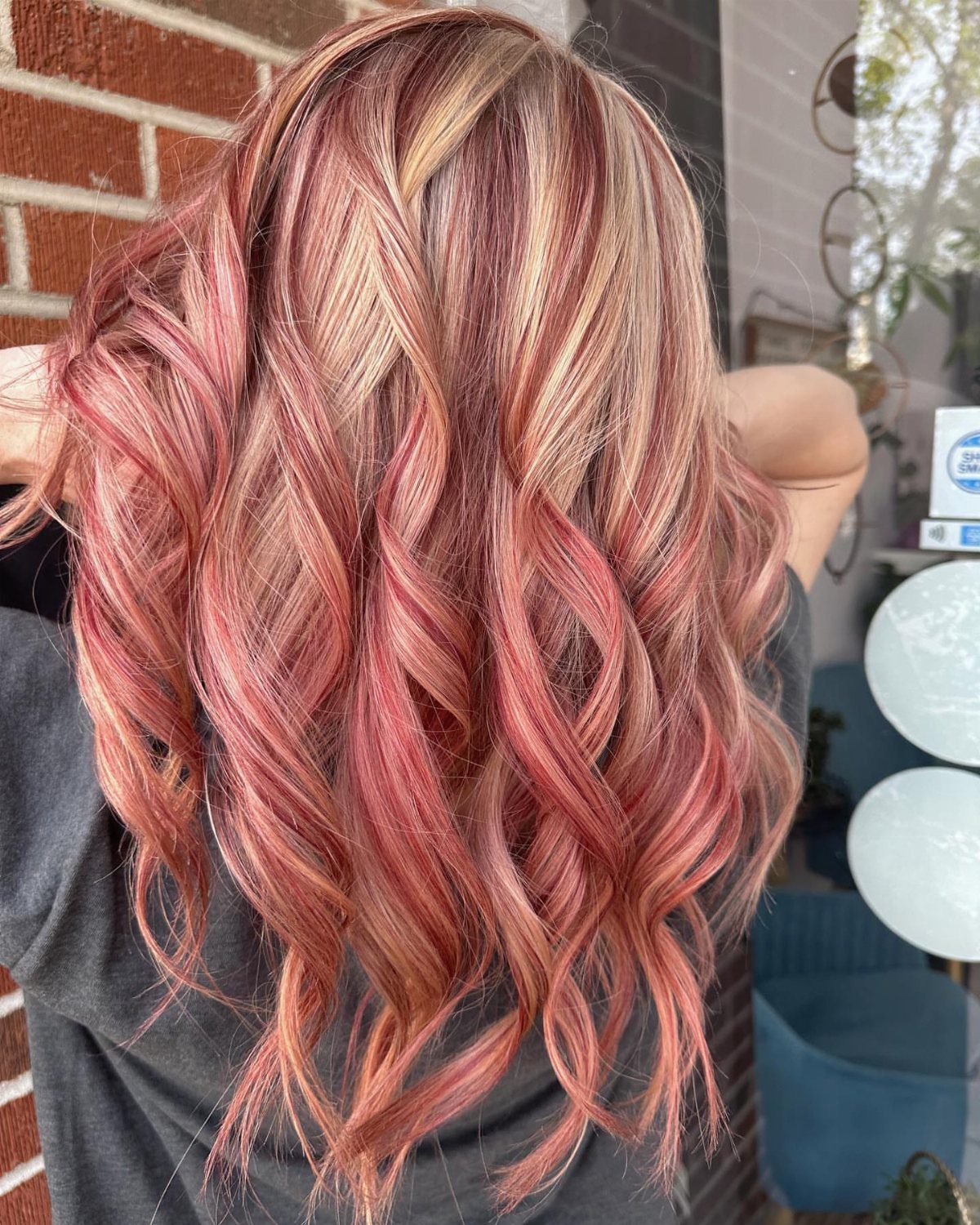
Rose-red with pale blonde streaks gives you a soft, cool-toned version of red and blonde.
The rose is less orange than copper or auburn, and the blonde is lifted light enough to read almost platinum, so the overall look sits cooler than most red-and-blonde mixes.
Rose-red is usually a fashion color applied over pre-lightened hair, which means the blonde pieces can be placed during the same lightening step.
That cuts down on chair time, but both will fade and need color refresh at the same pace.
Because both colors are fashion tones, maintenance is frequent. Rose fades to pink or peachy blonde, and the pale blonde can shift brassy without toner, so keeping it looking deliberate means regular salon visits.
19. Red Brown Multitone Highlights
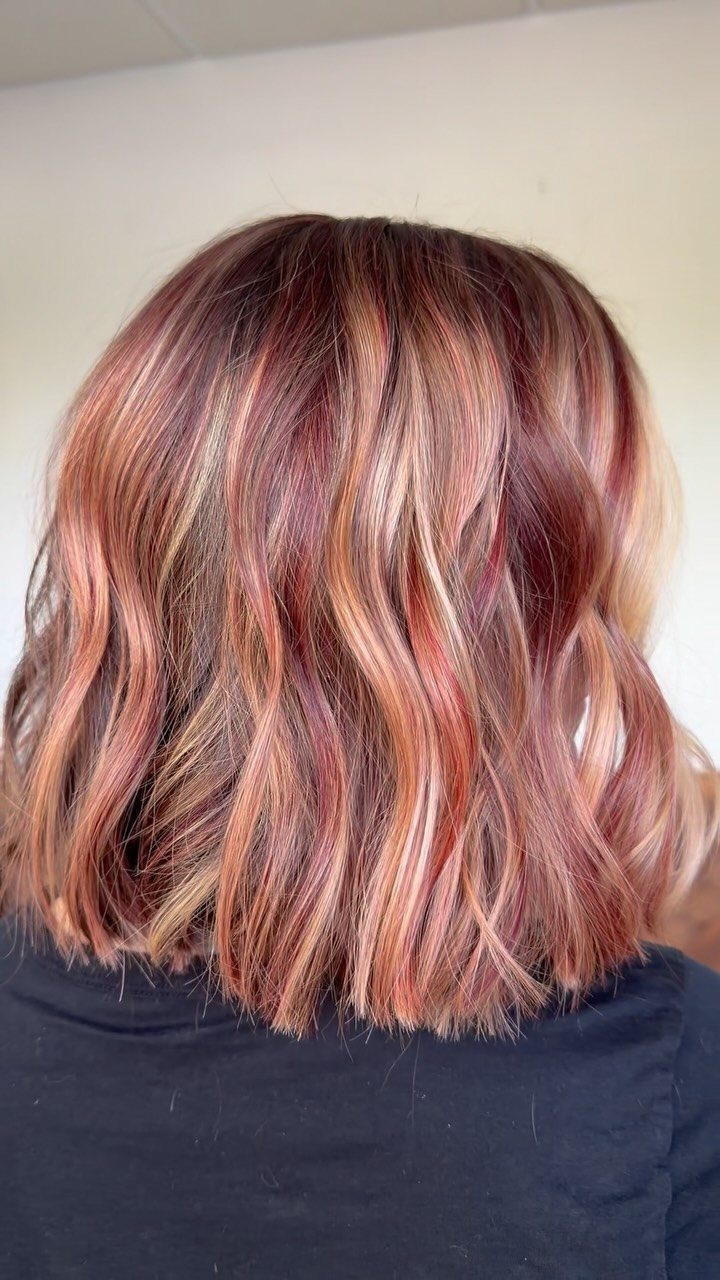
Mixing blonde, copper, and pink highlights through a red-brown base gives you several tones at once instead of one uniform color. The waves show off the different shades as the hair moves, so you get dimension without needing heavy contrast.
Because you’re working with multiple colors, a colorist needs to place each one separately, which makes the appointment longer and more expensive than a single-tone highlight.
All 3 tones fade at different rates, so keeping them balanced means regular toner or color refresh.
This suits you if you want a multi-dimensional look and don’t mind the upkeep that comes with it.
20. Auburn Blonde Highlights
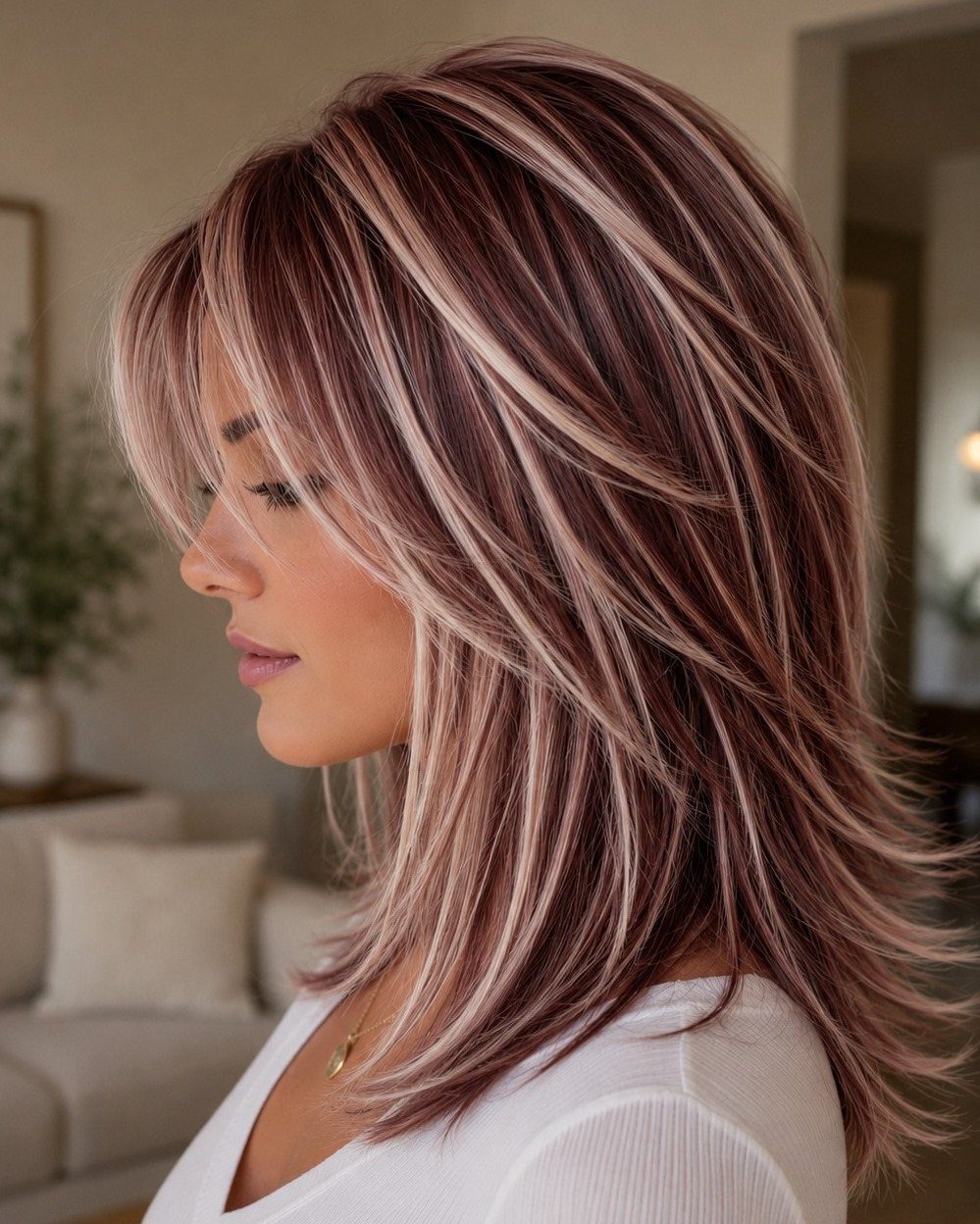
Blonde highlights through layered auburn hair lighten the overall look without covering the base. The layers show off the contrast better than one-length hair would because each piece catches light differently.
Regrowth on auburn-to-blonde shows more than it would on closer tones, so you’ll need regular touch-ups to keep the line from sitting obvious.
21. Auburn Copper Blonde Mix
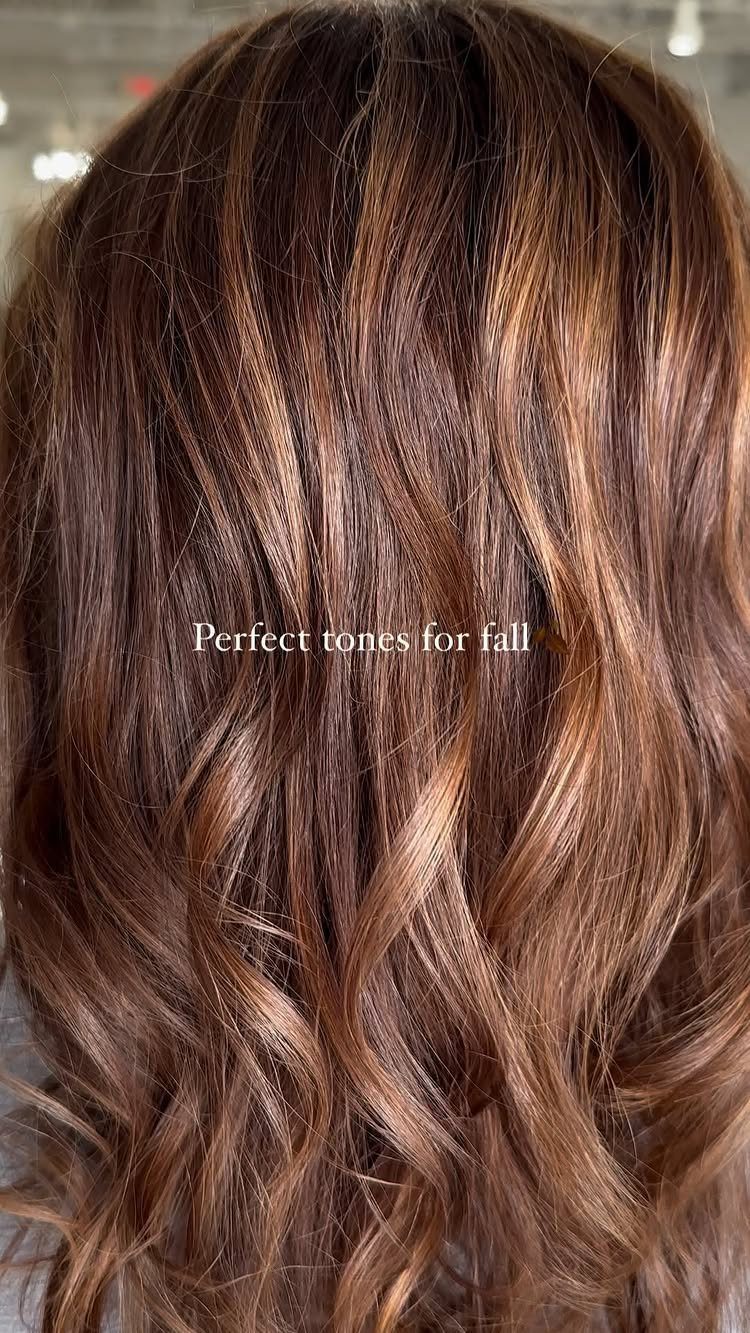
Layering copper and blonde highlights through auburn hair gives you warmth at multiple levels. The copper sits closer to the base than the blonde does, so the overall effect is softer than auburn-to-blonde alone would be.
A colorist can place both tones in one session, either with foils or freehand balayage. Because you’re lifting to 2 different levels, the appointment takes longer than a single-color highlight.
The copper and blonde fade to different shades of gold, so the color stays warm as it grows out.
22. Red Hair with Blonde Highlights
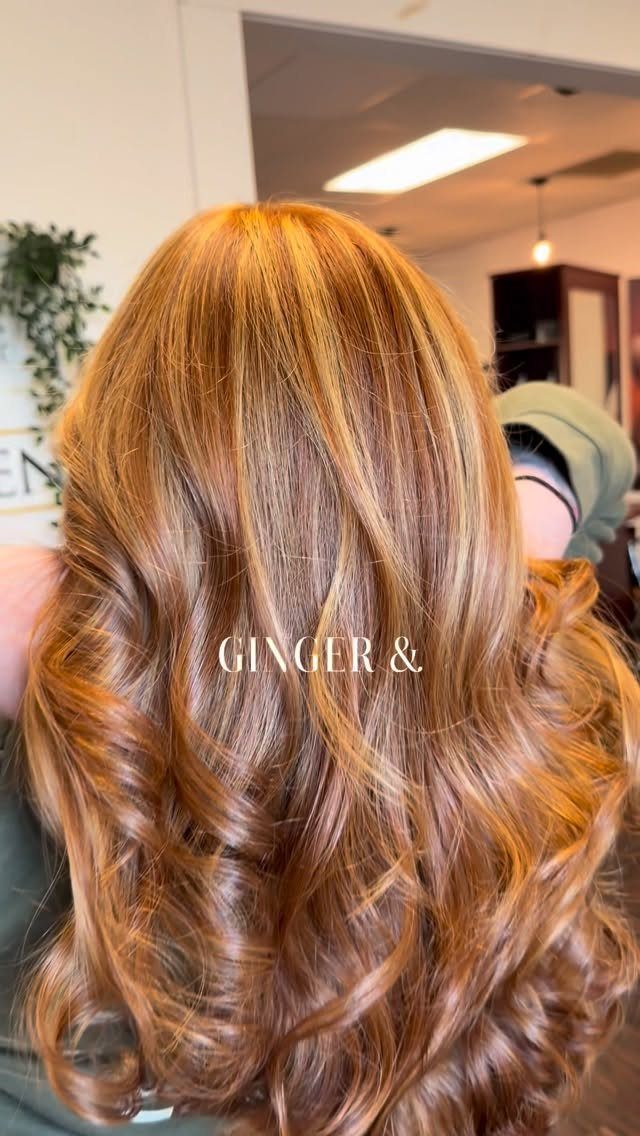
Blonde highlights through long red hair give you contrast and movement without losing the red base.
If you want the blonde looking clean and not brassy, you’ll need toner refreshes between color appointments.
23. Curly Red Blonde Highlights
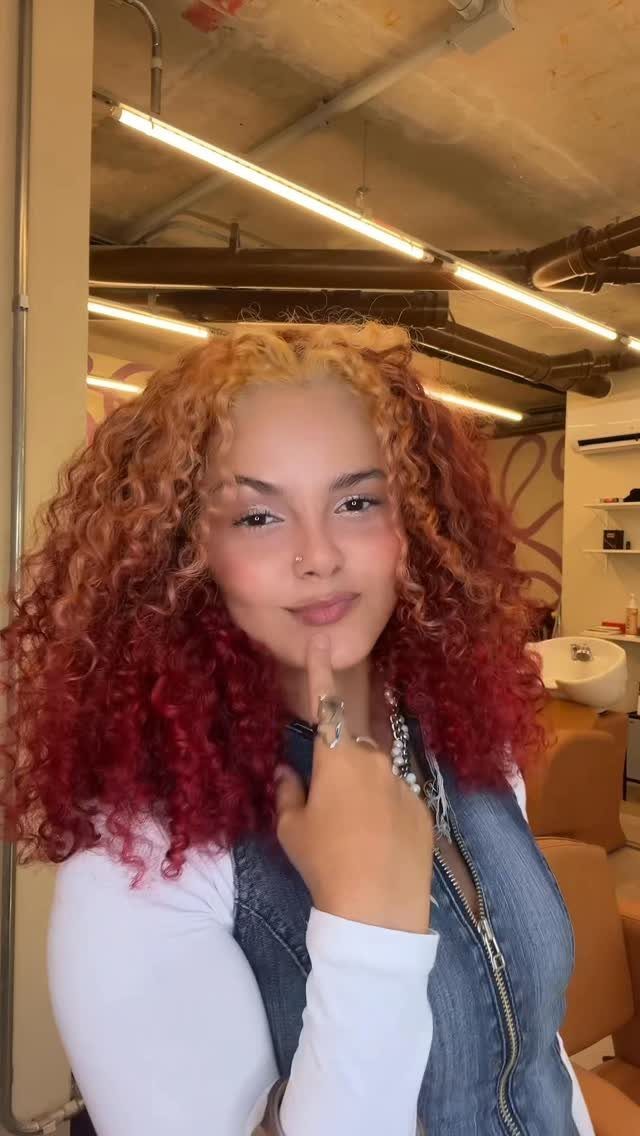
The curl pattern shows off the blonde pieces as they stack and overlap, so a few well-placed highlights give you more dimension than the same amount would on straight hair.
24. Short Red Blonde Highlights
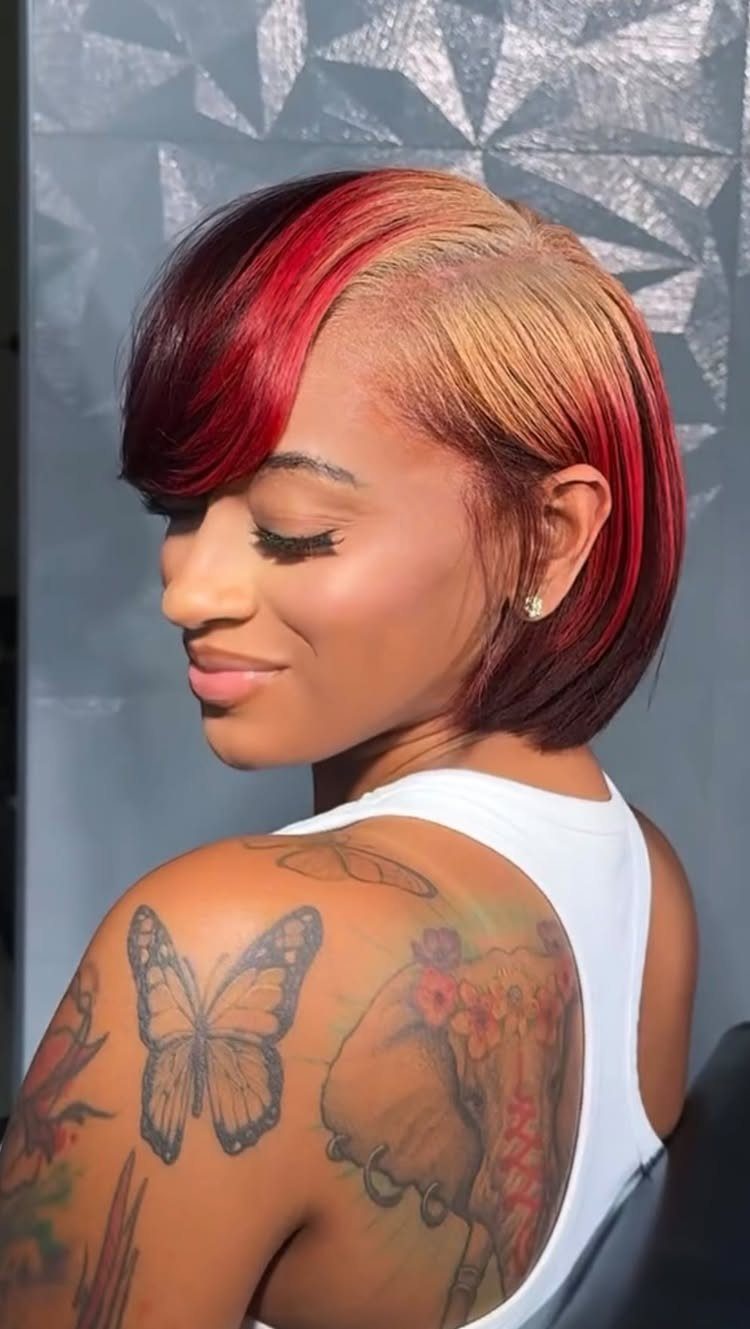
Blonde highlights through a short red bob create graphic contrast because the length shows off the color placement without the softening effect longer hair would give.
The shorter cut means less hair to lighten, so the appointment is faster and less expensive than it would be on longer lengths.
A side-swept style or sleek bob shows the blonde pieces more clearly than a tousled or curled finish would, so the placement matters.
A colorist can add face-framing blonde or place it through the whole head, depending on how much contrast you want.
Short hair shows regrowth faster than long, so you’ll need touch-ups more often to keep the blonde sitting where you want it.
25. Fine Blonde Highlights on Red
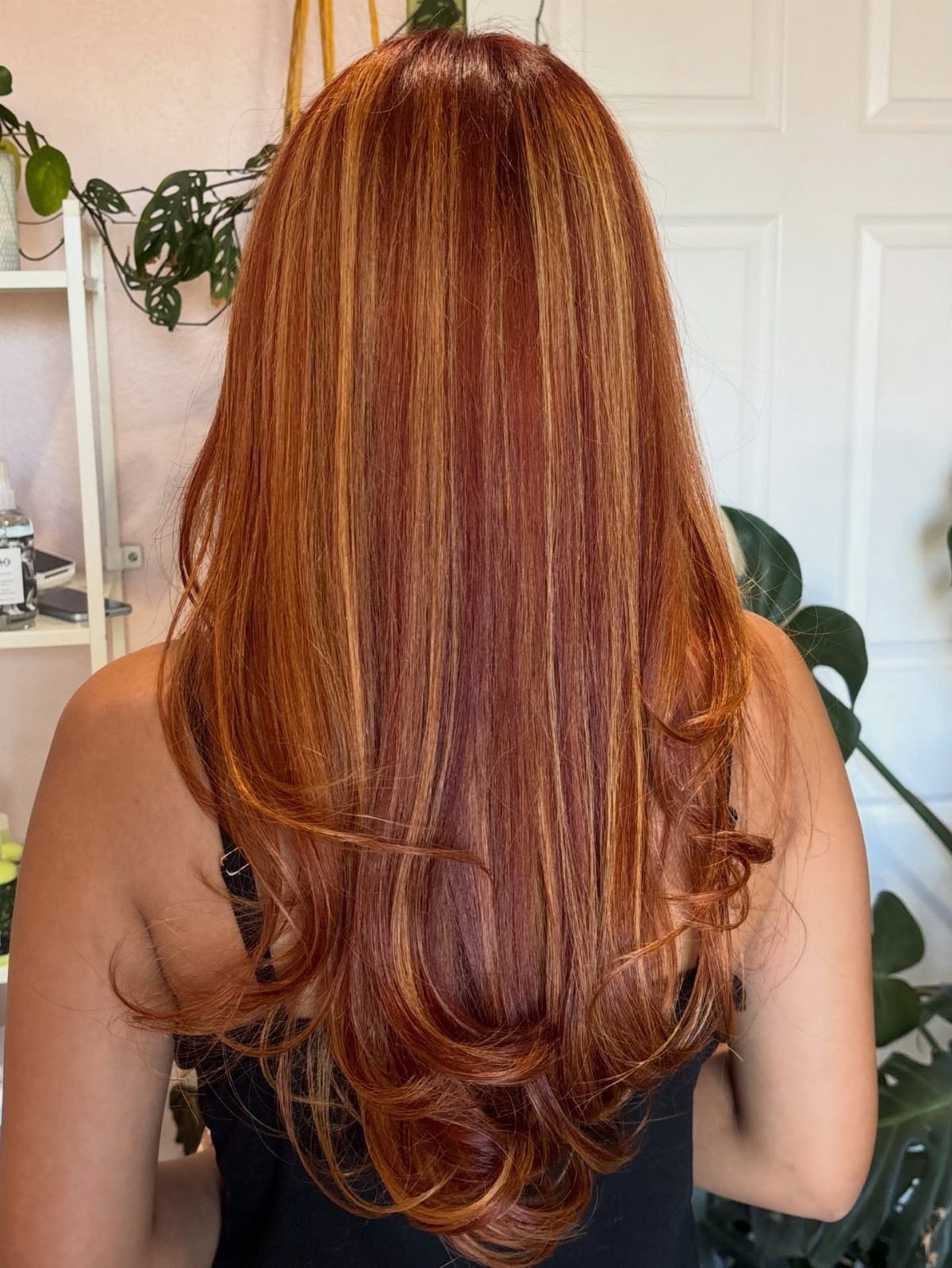
Fine blonde highlights through long auburn hair give you lift without bold contrast. The narrow placement keeps the overall color warm and cohesive, so the blonde reads as dimension rather than a separate tone.
Because the highlights are thin, they blend into the base as the hair moves, which makes regrowth less obvious than chunky sections would.
You can ask for fine foils if you want even brightness, or request balayage for a softer finish.
This suits you if you want the lightness of blonde without losing the auburn base or committing to high-contrast color.
26. Red Brown Blonde Streaks
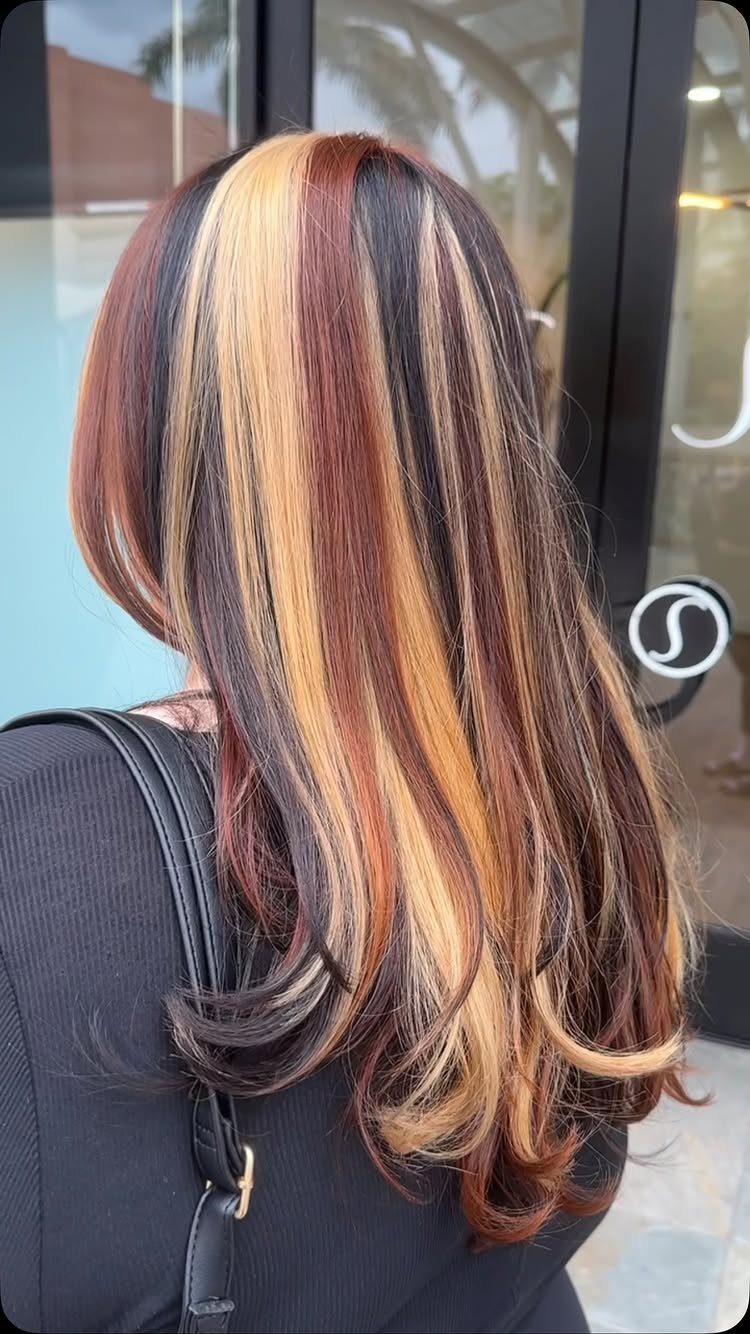
Blonde and copper-red highlights layered through long dark brown hair give you warmth and brightness in separate sections. The blonde lifts the overall look, and the copper-red keeps it from reading cool or brassy.
The colorist applies both shades in one session, typically using foils to keep each tone exactly where it belongs. Because the process involves two different lift levels, expect to spend more time in the chair than a standard highlight session.
The copper fades to gold and the blonde needs toner to stay clean, so you’ll be managing 2 separate colors between touch-ups.
27. Burgundy Blonde Highlights
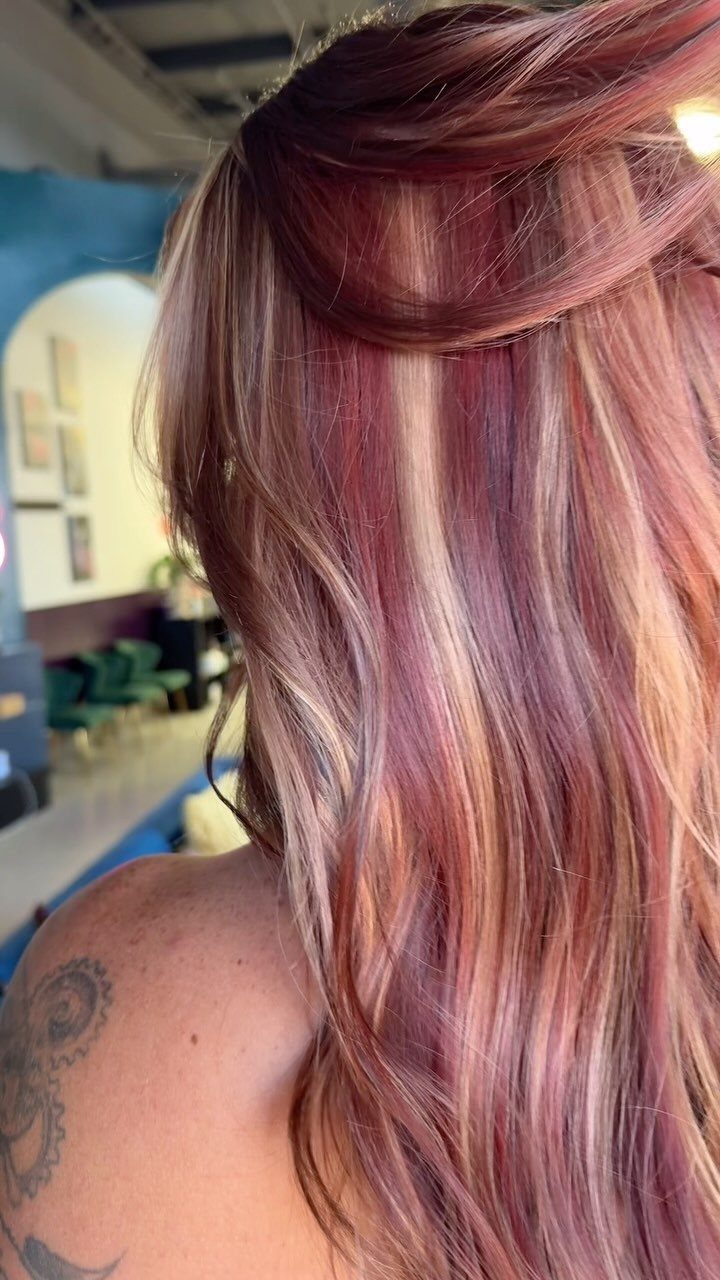
Pale blonde and pinkish highlights through long burgundy hair create a cool-toned, multi-dimensional finish. The blonde is lifted several levels, and the pink softens the contrast between the burgundy base and the pale pieces.
Both the burgundy and the pink are fashion colors, so they fade faster than natural tones. Keeping the look sharp means regular color refresh and toner appointments, and how often depends on your hair’s fade rate.
This works if you want a softer, cooler take on red and blonde and you’re prepared for the maintenance.
28. Red Blonde Chunky Highlights
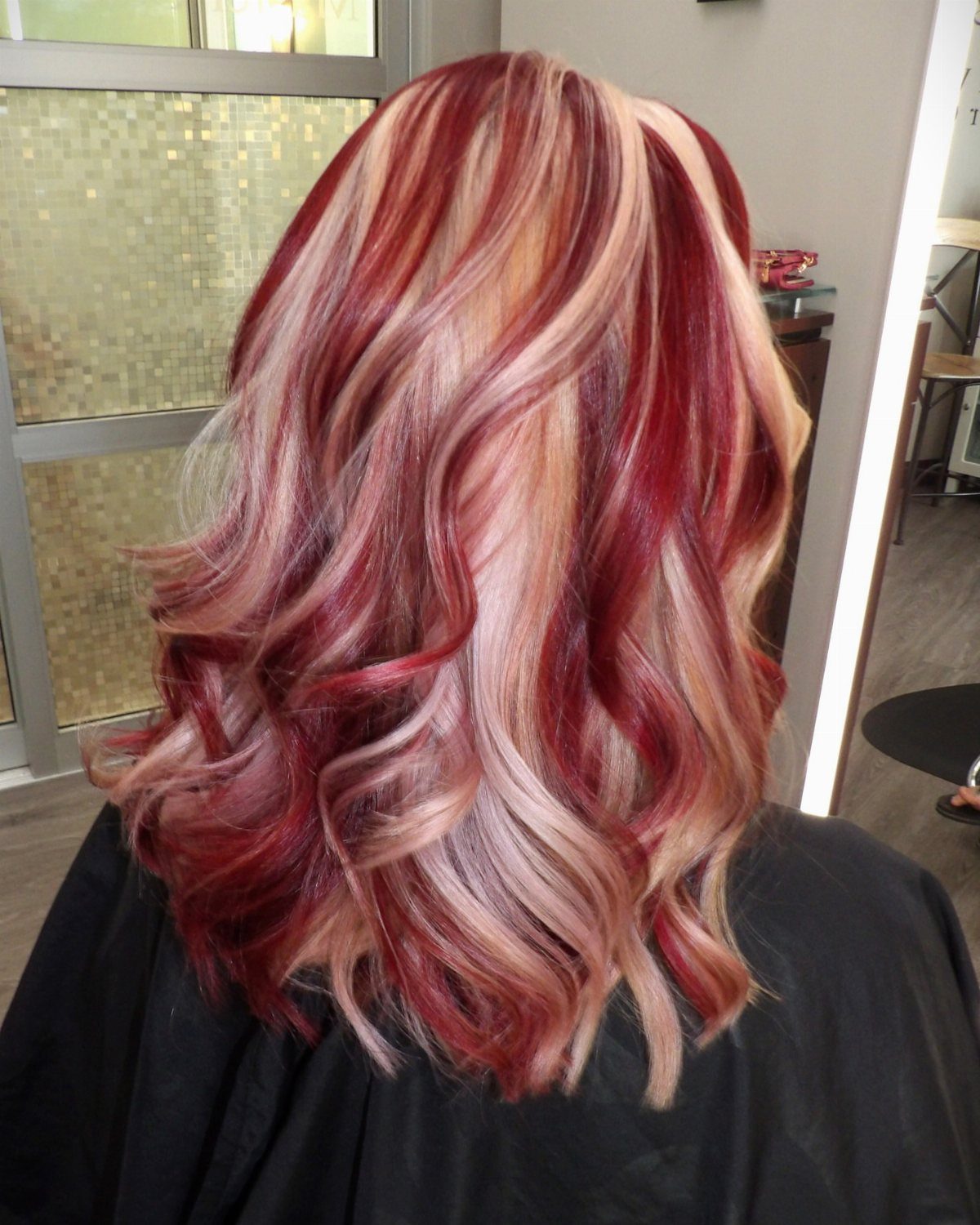
Wide blonde panels running through red hair give you high-contrast, graphic stripes. Each blonde piece is placed deliberately, so it stands on its own instead of melting into the base.
Chunky highlights take less time to apply than fine ones because there are fewer sections to foil, but the contrast means regrowth shows up fast.
Keeping the look crisp means regular touch-ups, and the blonde will need toner to stay from turning brassy between appointments.
This works if you want bold, defined color and you’re prepared for the upkeep.
29. Red Blonde Balayage
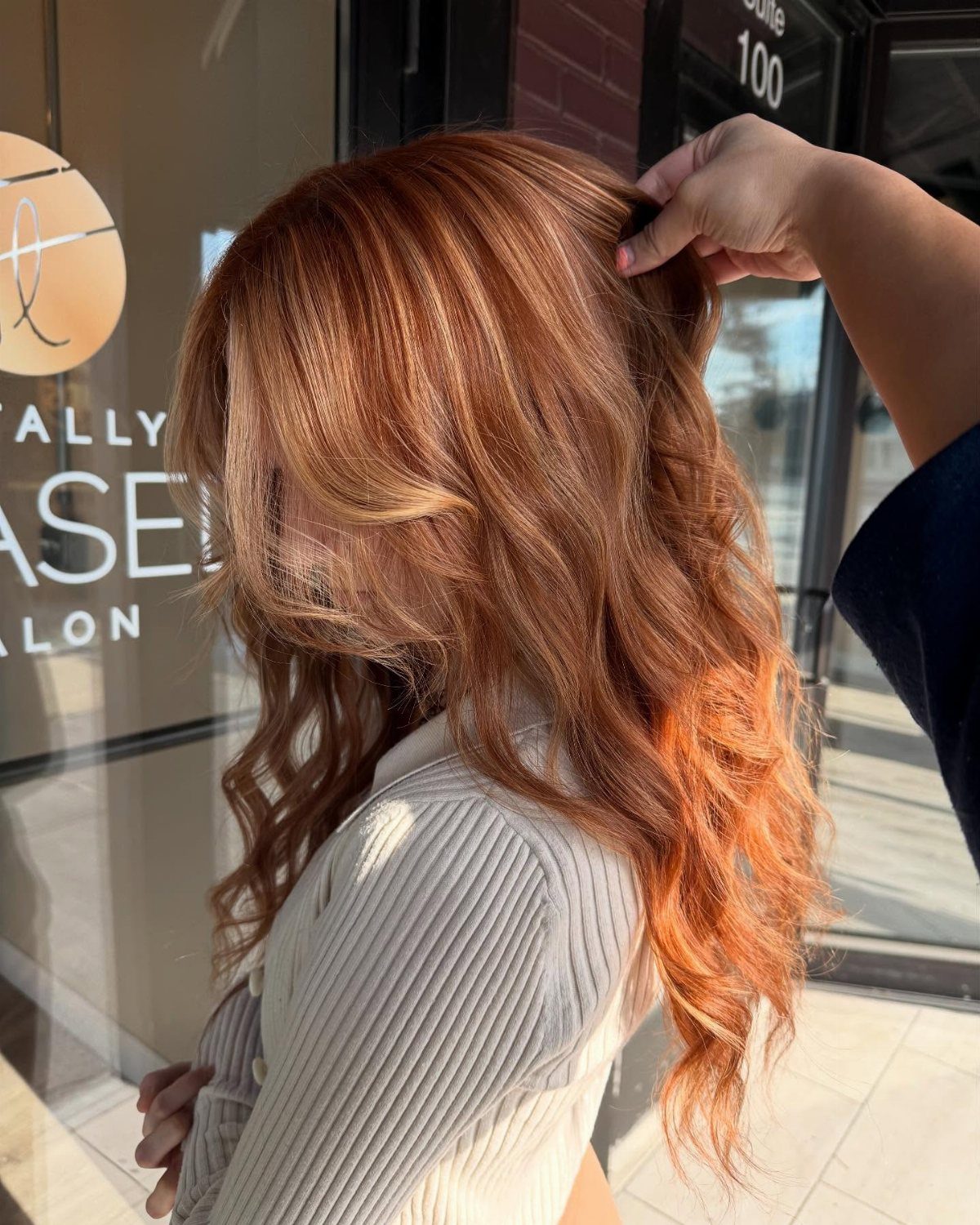
Blonde worked through the mid-lengths and ends of wavy copper-red hair creates a balayage that gets lighter as it travels down.
A colorist paints the blonde freehand, placing it where the hair would naturally catch light. The technique gives you softer transitions than foils, so the grow-out is built in and you can stretch appointments longer.
The blonde will need toner to stay clean, especially if your water is hard or you use heat tools often.
30. Red Blonde Streaks
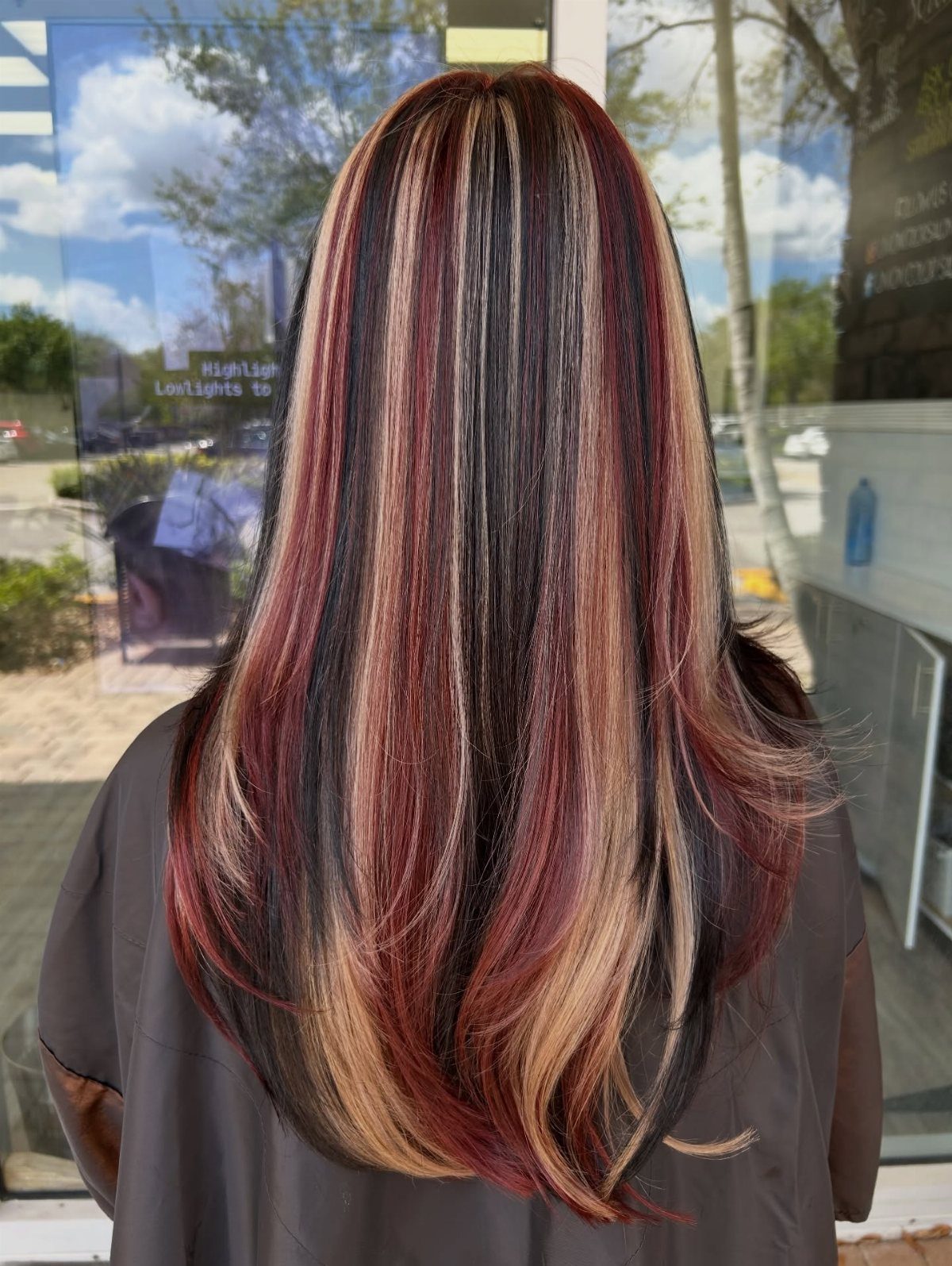
Fine blonde streaks placed through dark red or burgundy hair give you a graphic, high-contrast result. The blonde pieces are placed close together but stay separate, so the overall effect is striped rather than blended.
Because the streaks are fine, a colorist can place them with thin foils for precision.
The contrast is bold, so regrowth shows more than it would on softer placement, and the blonde will need regular toner to keep from shifting brassy.
This works if you want defined, multitone color and you’re ready for regular touch-ups.
31. Bright Red Blonde Streak
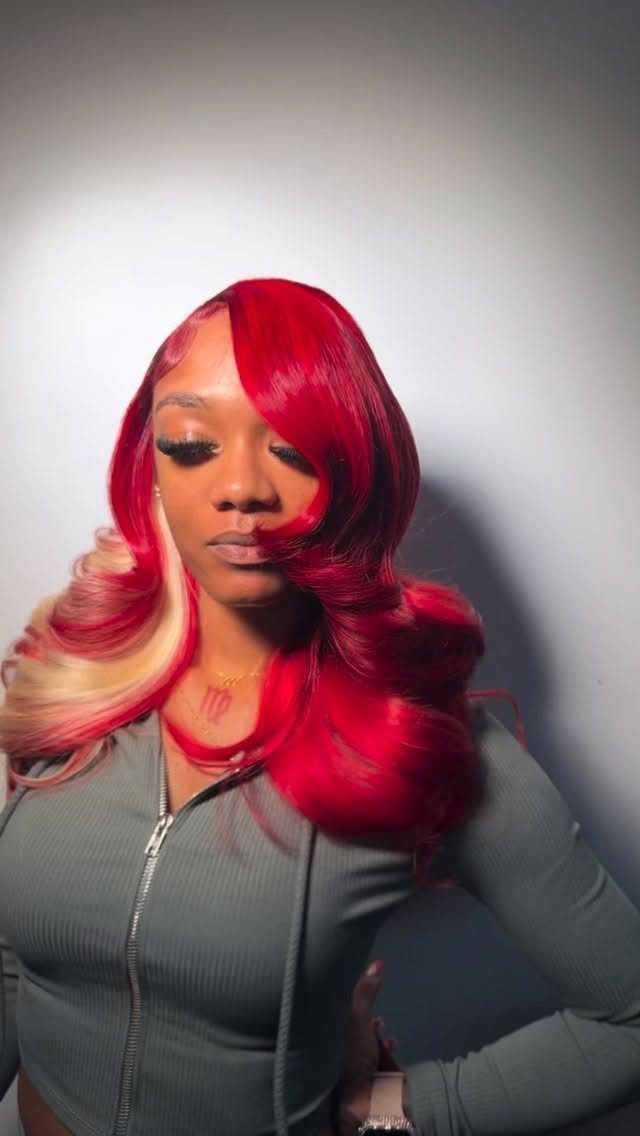
One wide blonde streak on the side creates a bold panel of contrast without needing blonde all over. The placement is deliberate, so it reads as a single graphic piece rather than scattered highlights.
A colorist can lighten just that section in foils, leaving the rest of the red untouched. Because it’s one piece, the appointment is faster than full highlights would be.
The blonde will need toner to stay clean between touch-ups, and regrowth shows clearly because the contrast is high. This works if you want a statement piece and you’re ready to maintain it.
32. Red Hair Blonde Bangs
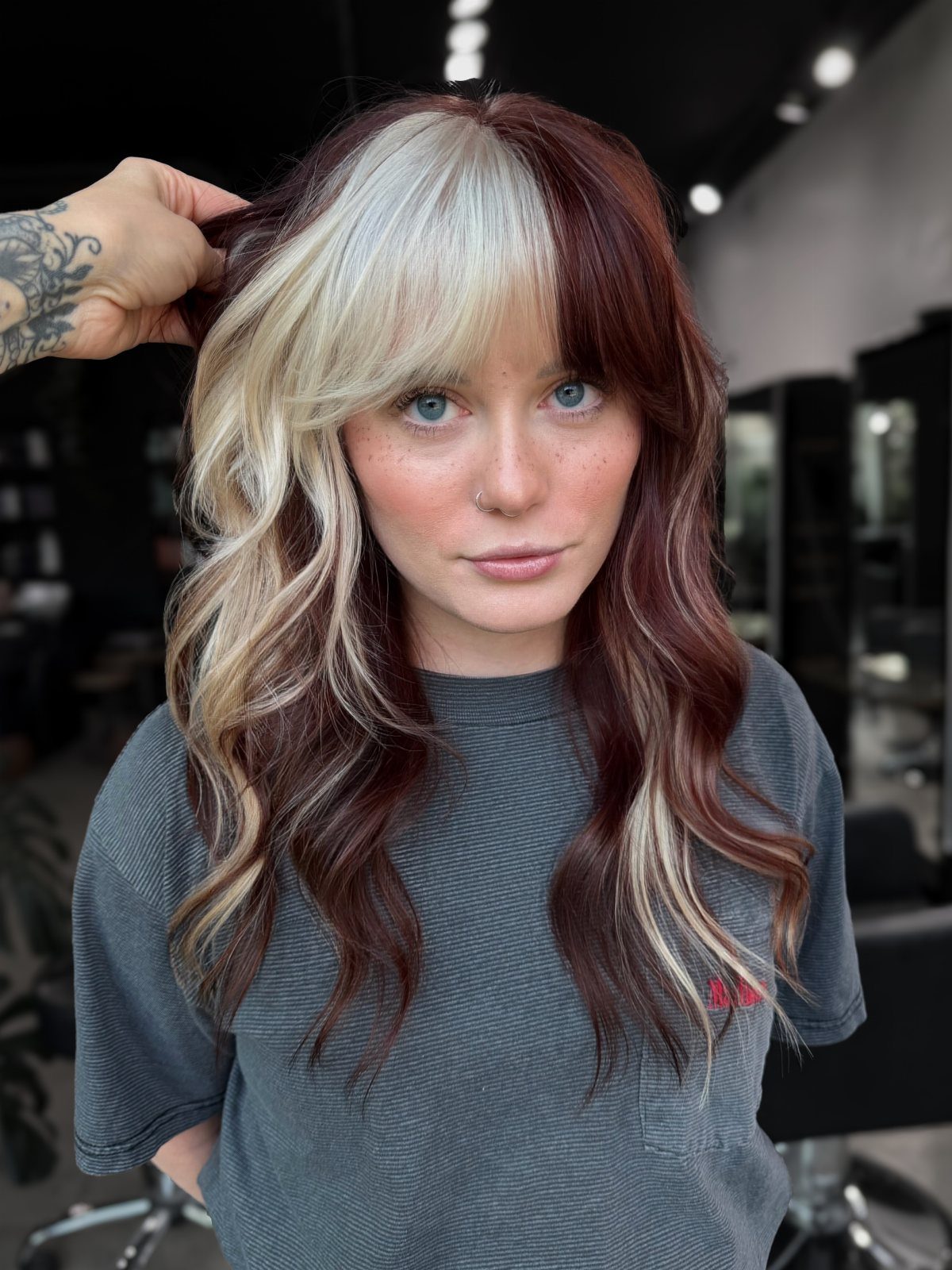
A broad blonde section swept across the bangs and down one side lightens the front while leaving the rest red.
The placement frames the face and creates contrast where it shows most, so you get impact without coloring the whole head.
Because the blonde sits at the hairline, regrowth becomes visible faster than it would on mid-lengths or ends. Keeping the line clean means more frequent touch-ups than balayage or interior highlights would need.
This suits you if you want bold front contrast and can commit to regular salon visits.
Choosing Technique and Upkeep
When you book the appointment, ask whether your colorist works with balayage or foils. Balayage blonde highlights on red hair mean fewer visits if you’re stretching appointments.
Foils give you more control over placement and lift, so if you want defined face-framing pieces or you’re going several levels lighter, foils can get you there faster.
Your budget and how often you’re willing to come back both matter.
Balayage typically costs more up front but buys you time between touch-ups. Foils cost less per visit but show regrowth sooner, so the total evens out depending on how long you wait.
Color Processing and Care
Lifting dark red to bright blonde takes time, and if you’re going from a deep base to platinum the appointment stretches longer and costs more. The darker the starting point, the more sessions or processing you’ll need.
Red bleeds.
Once the blonde is in, red can stain it or turn it pink, especially in the first few washes. Cold water at the rinse stage and a color-protecting shampoo will buy you a few extra weeks.
If you’re keeping copper, a color-preserving shampoo holds the vibrancy longer between salon visits.
Matching Color to Features
If your skin leans olive, a darker red with cool or neutral undertones will look more polished than anything warm or fiery, which can pull orange.
Get the base color right for your skin first, then the highlights can add depth without clashing.
Warm skin and dark eyes suit deeper reds like ruby, which hold richness without needing to go light.
Long layers work well on oval and heart-shaped faces because they frame the features and let the color shift as the hair moves.
Texture and face shape both change how the highlights read, so mention both when you’re talking through placement with your colorist.
Frequently Asked Questions
Can redheads get blonde highlights?
Yes, blonde highlights on red hair add dimension and light without changing the base color.
If your red is naturally light or auburn, yes, highlights can go in during a single appointment; darker shades usually call for a lifting session before the toner.
What highlights look best on red hair?
The ones that read most natural sit just 2 or 3 shades above your base, enough to catch light without drawing a hard line between the two colors.
For warmer tones, copper or caramel highlights stay in the same range and grow out softer than blonde would.