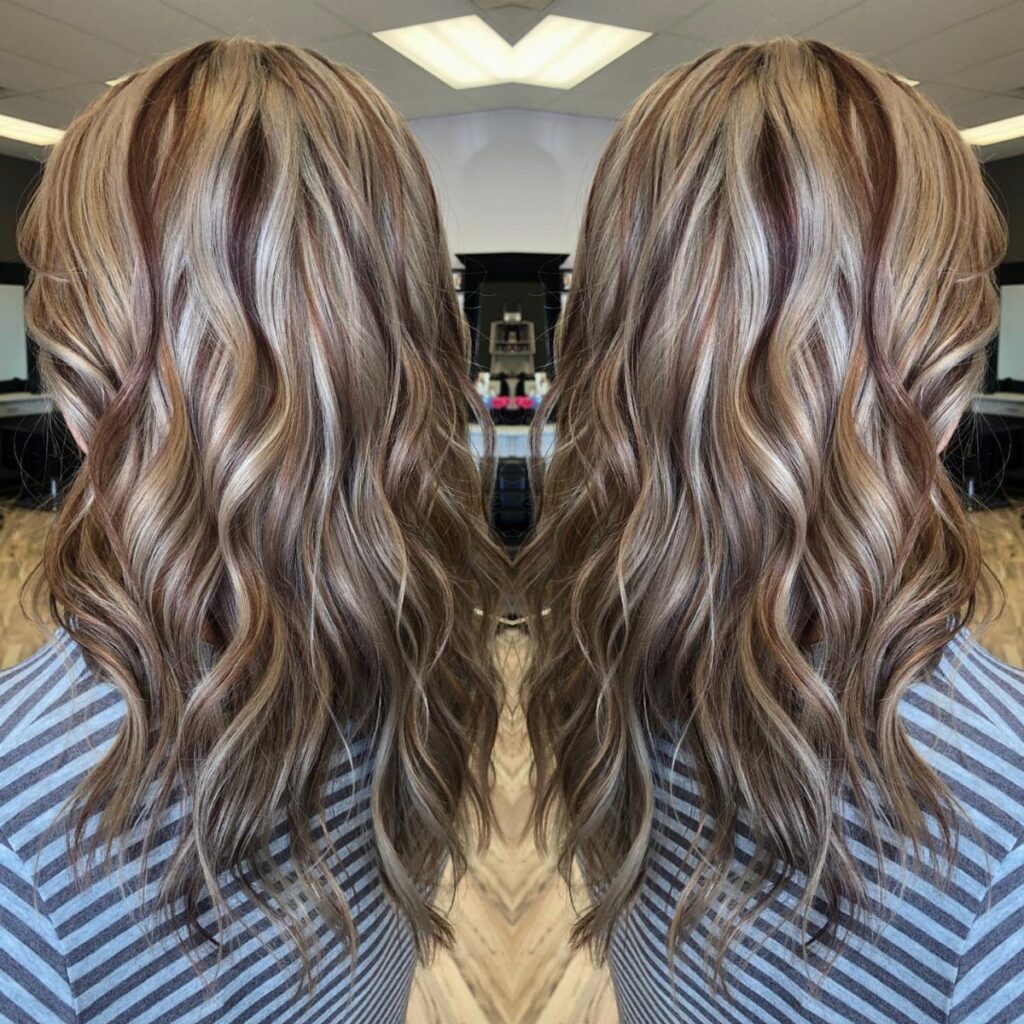
Blonde highlights paired with lowlights give you dimension that looks deliberate rather than flat, whether the contrast reads soft and honey-toned or sharp with platinum against dark ash-brown.
If you want brightness without losing depth, the lowlights anchor the color so the blonde lifts where it should without washing out your base.
Face-framing pieces concentrate the lightest color where it shows most and simplify upkeep, while full balayage with lowlights woven through adds ribbons of shadow in the mid-lengths and ends.
Three-tone placement, from platinum to beige to caramel, takes more foils and longer appointments but stops the color reading as one block.
1. Golden Blonde Brown
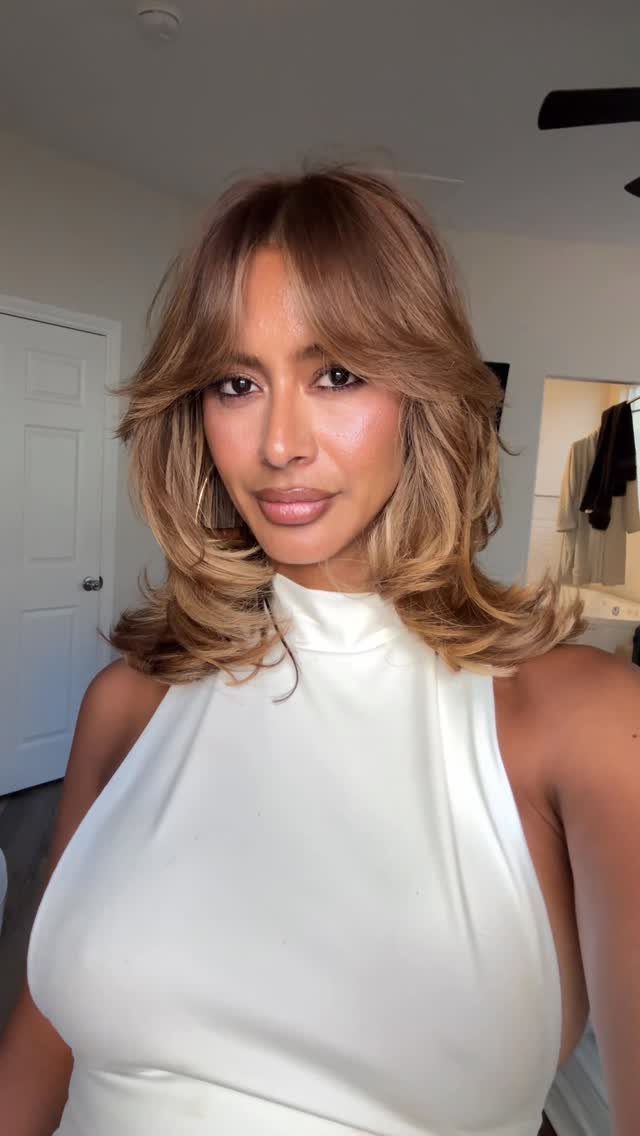
Golden blonde highlights lift the brightest sections while warm brown or caramel lowlights hold the depth underneath.
I like this approach when someone wants dimension without going too light overall, since the lowlights anchor the color and keep the contrast soft instead of striped.
Ask for ribbons of golden blonde at the top and front, with brown lowlights placed in the underlayers. The blend reads warm and layered, not blocky.
When you’re starting dark, the lowlights can match what you already have and the highlights do the lifting. On lighter hair, you’ll need both added.
2. Ash Blonde Dark Lowlights
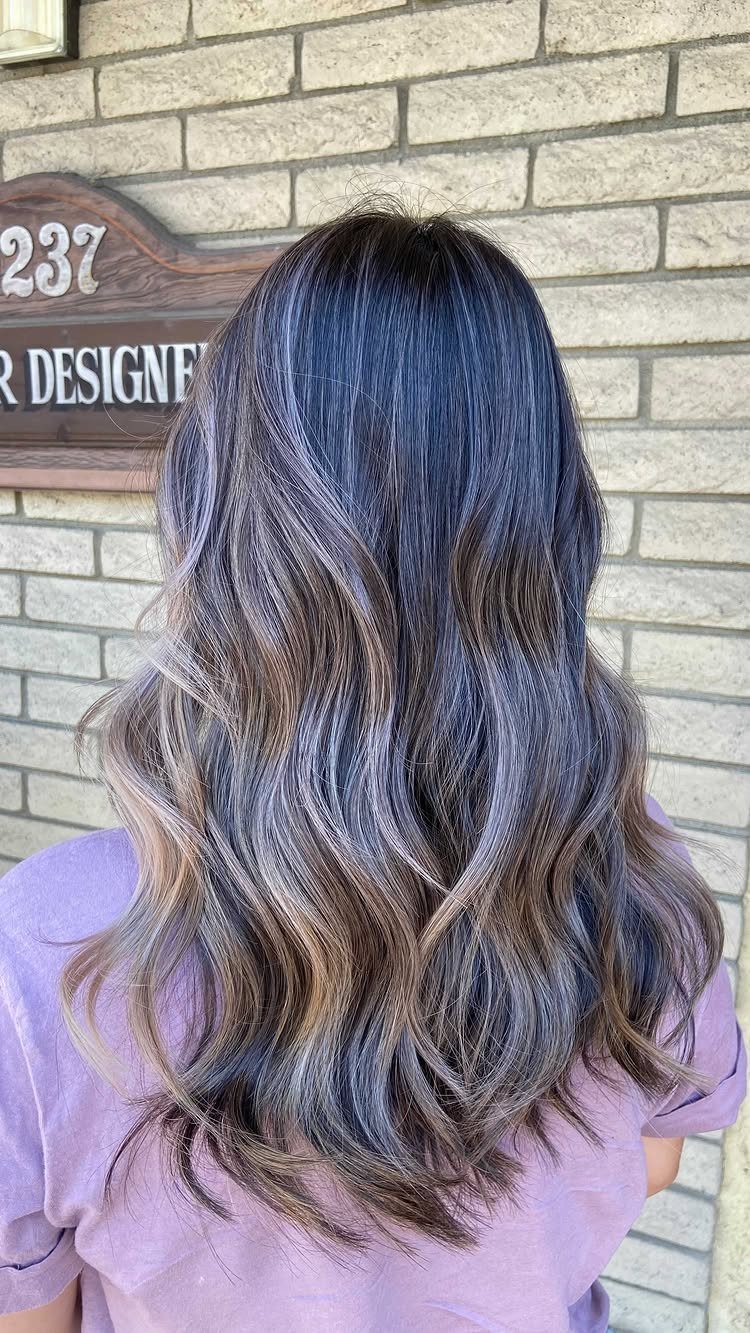
Icy platinum or silver highlights sit against dark ash-brown lowlights for high contrast without warmth. The cool tones keep the look sharp instead of blended, so the placement matters more than in a softer balayage.
This reads best on longer hair where the darker color shows through and the silver sits in ribbons rather than all over. If your natural color is warm, you’ll need toner on repeat so the ash doesn’t turn brassy.
3. Blonde Face Framing
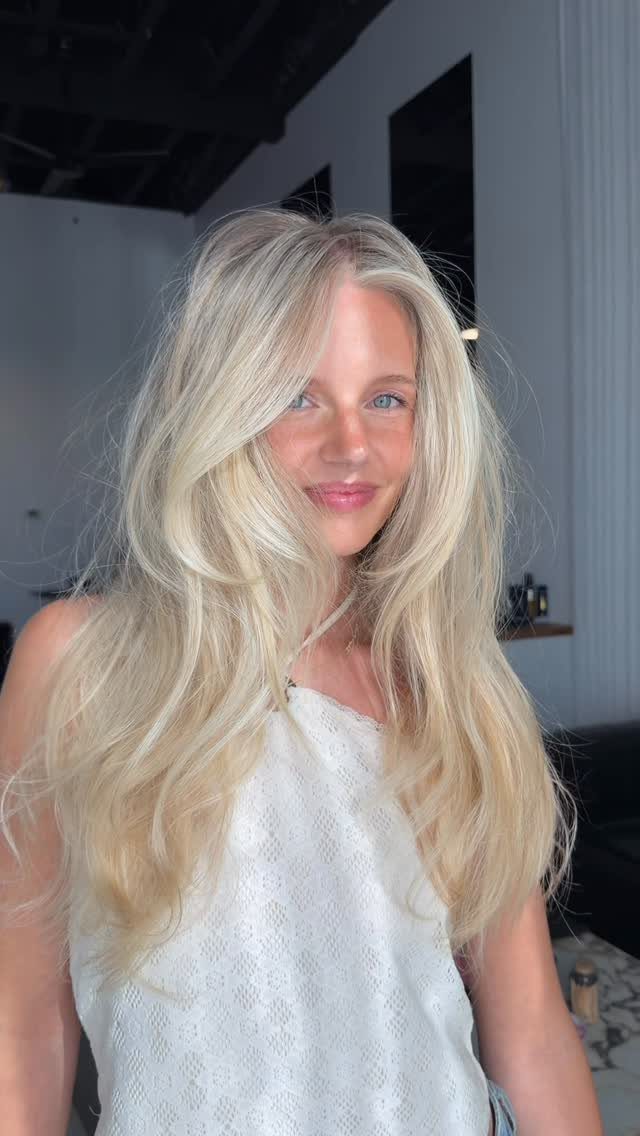
Creamy blonde pieces frame the face and catch light around the hairline, while the rest of the hair stays darker or more blended. The brightness concentrates where it shows most, so upkeep stays simpler than a full highlight.
Ask for face-framing foils or painted sections starting an inch or two back from the hairline.
The rest can stay your base color or receive softer highlights farther back. Retouching the front keeps it bright without processing everything each time.
4. Blonde with Red
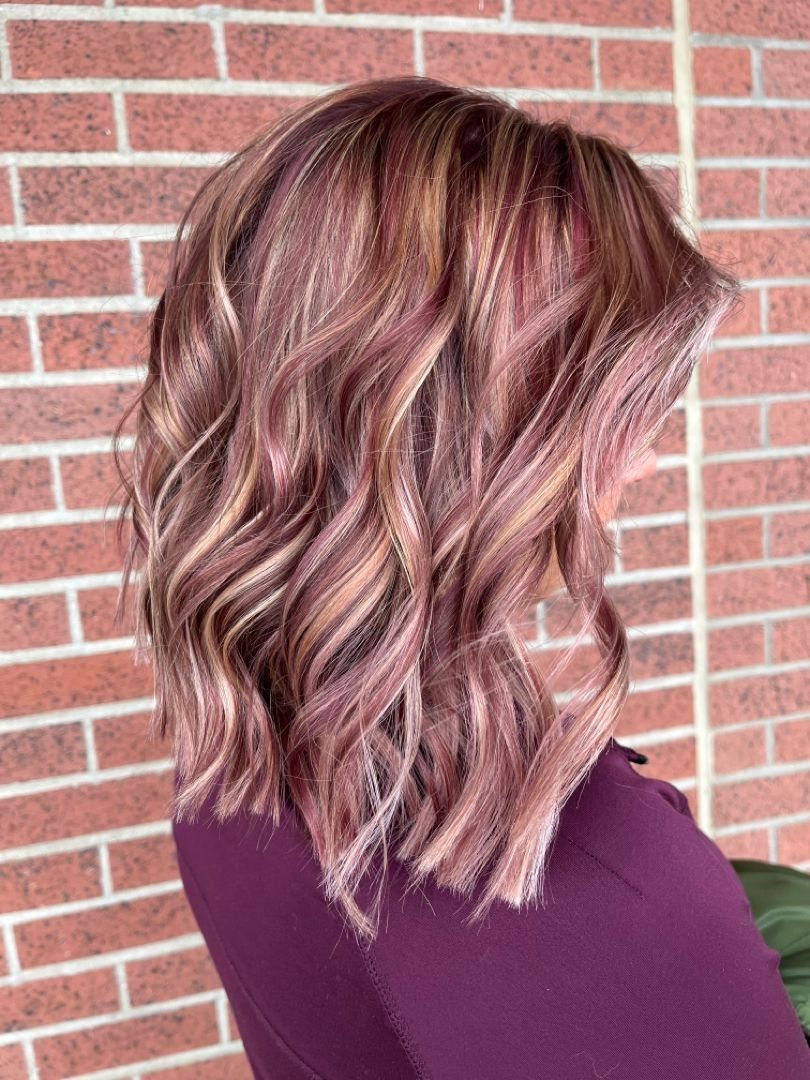
Blonde highlights pair with red, auburn, or rose-toned lowlights for warmth that reads deeper than honey but not as dark as brunette. The red holds longer than you’d expect if the lowlights are placed underneath rather than all over.
This looks right when you’re already warm or strawberry blonde.
On cool-toned hair, the red can pull orange as it fades. Plan to refresh the red or let it soften into copper.
5. Dirty Blonde Dimension
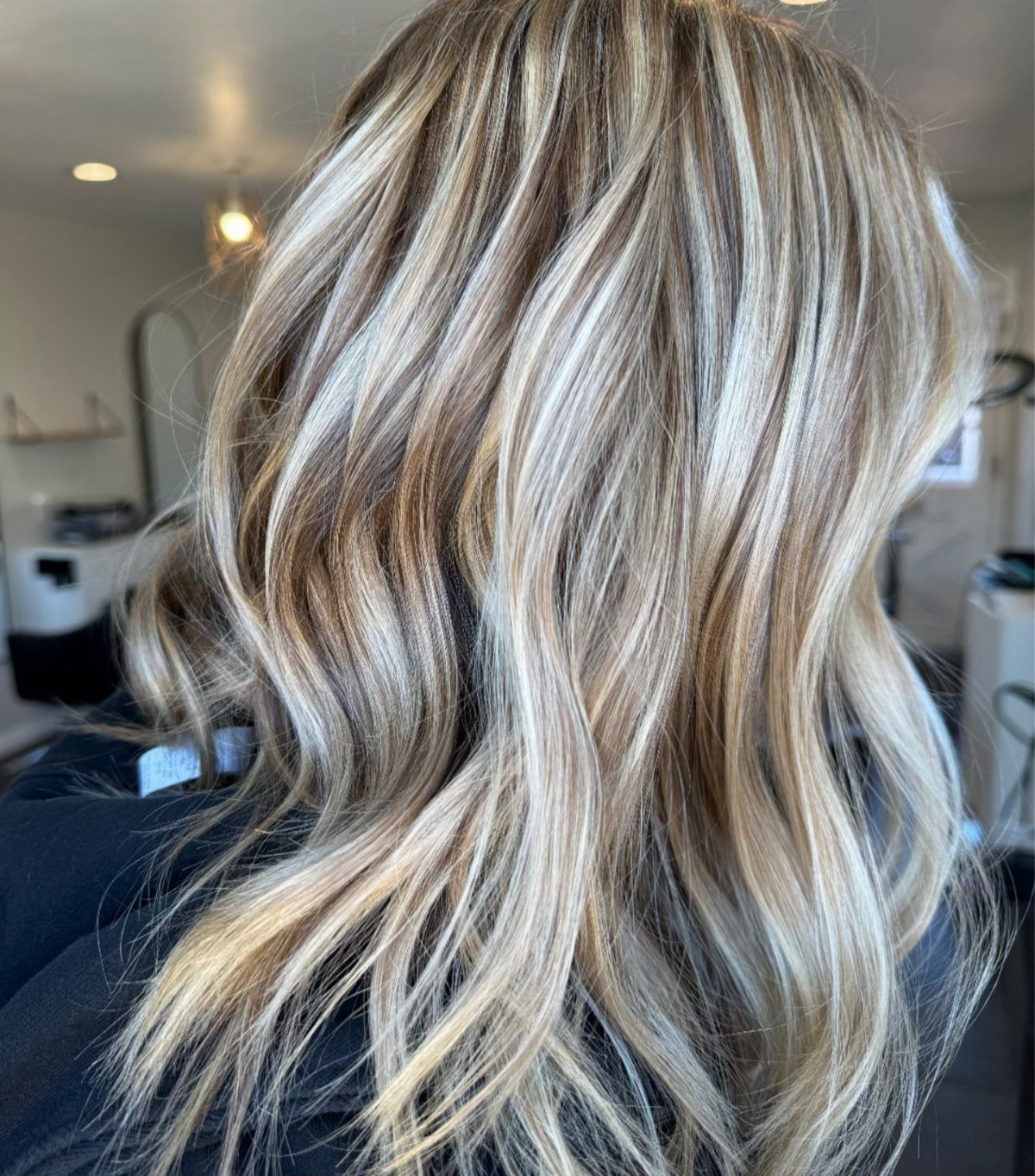
A darker blonde or dirty-blonde base gets beige, creamy, or pale blonde highlights with subtle lowlights woven through for dimension that stays natural. The mix keeps the color from looking flat without pushing it too light.
The highlights sit close to your base tone, usually one or two shades lighter, so regrowth blends instead of announcing itself. Lowlights go in sparingly to break up the blonde and add shadow where the hair would naturally be darker.
6. Soft Honey Contour
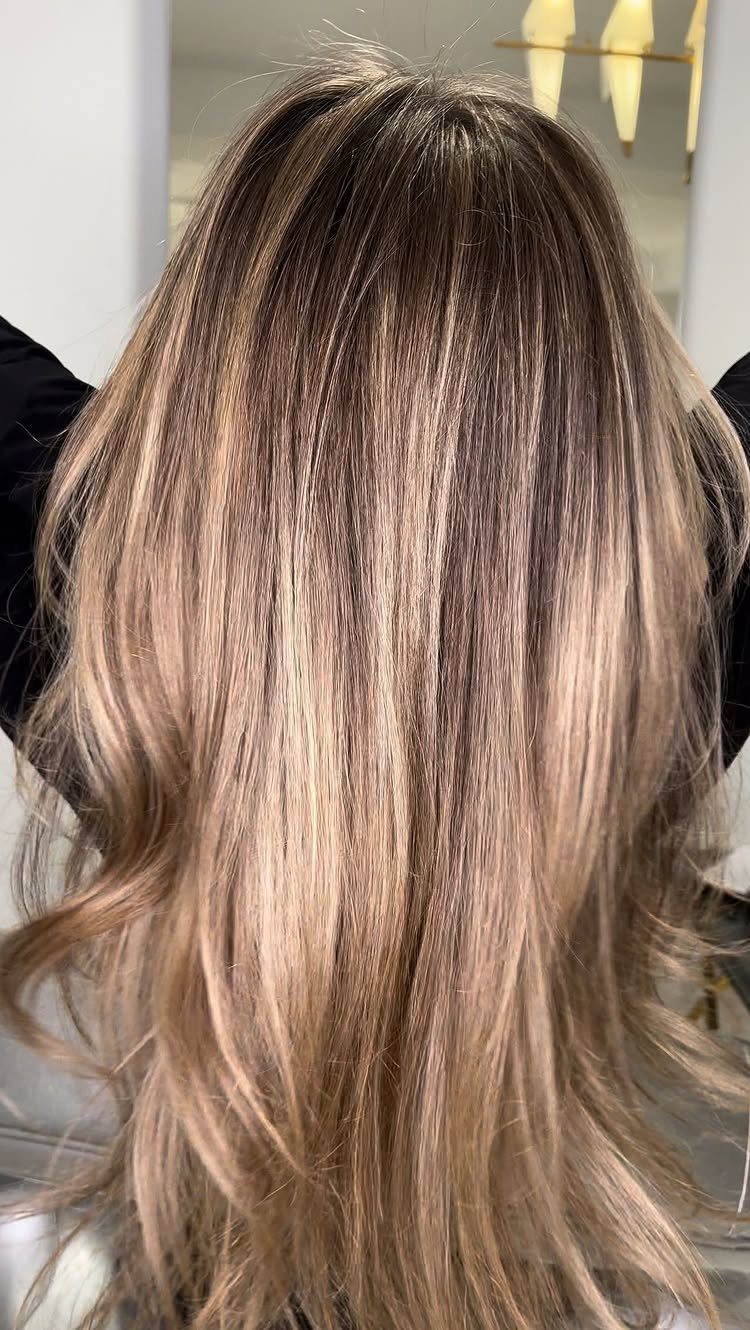
Honey ribbons blend into brunette without a hard line between the two. The blonde sits warmer than beige and lighter than caramel, so it brightens without going cool or ashy.
This works well if you want blonde around the face but prefer to keep most of your brunette base untouched.
7. Blonde Balayage Lowlights
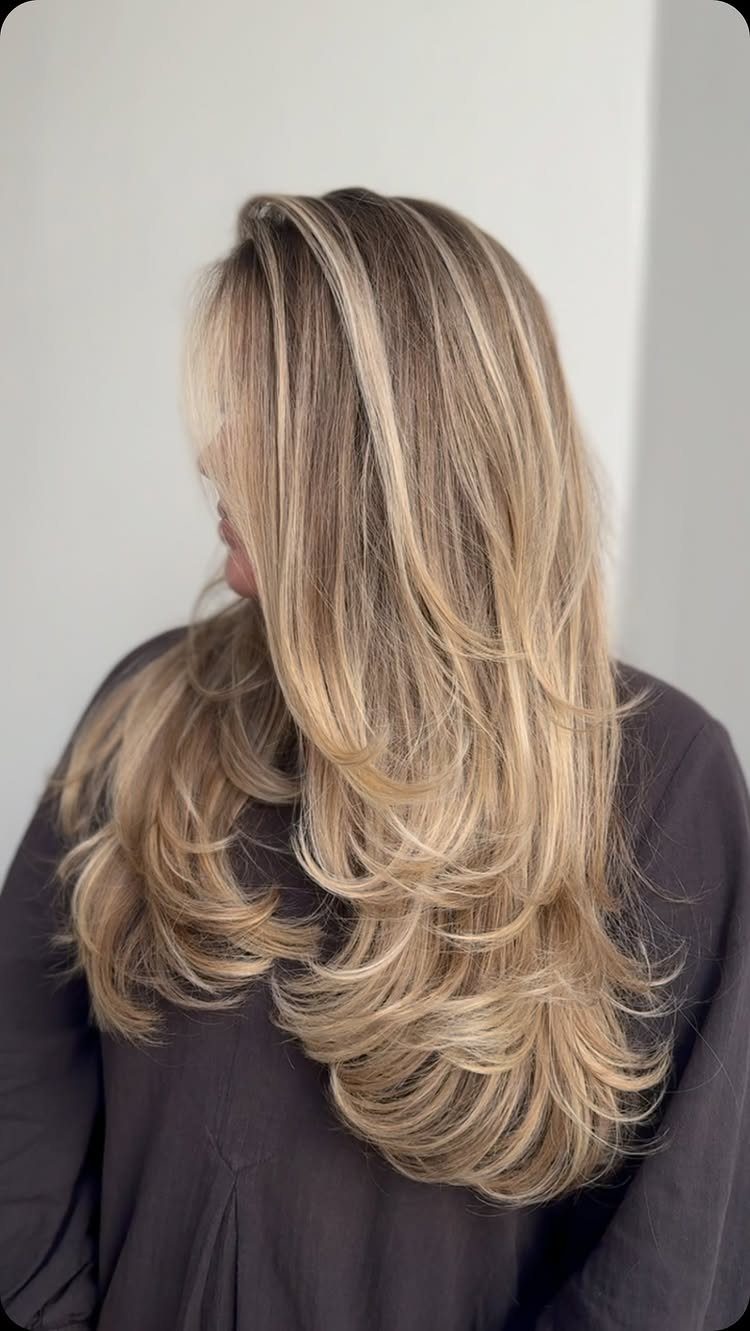
Painted blonde balayage lifts the hair in ribbons, and darker brown lowlights sit between them to hold depth through the mid-lengths and ends.
The lowlights keep the color from looking too light or one-note, so the blonde reads dimensional instead of flat.
The placement matters: the blonde sits where the hair would naturally lighten, and the lowlights go in the sections that would stay shadowed. Ask for balayage highlights with lowlights woven through rather than stacked on top of each other.
This gives you dimension without the sharp lines foils leave behind.
8. Chestnut Blonde Waves
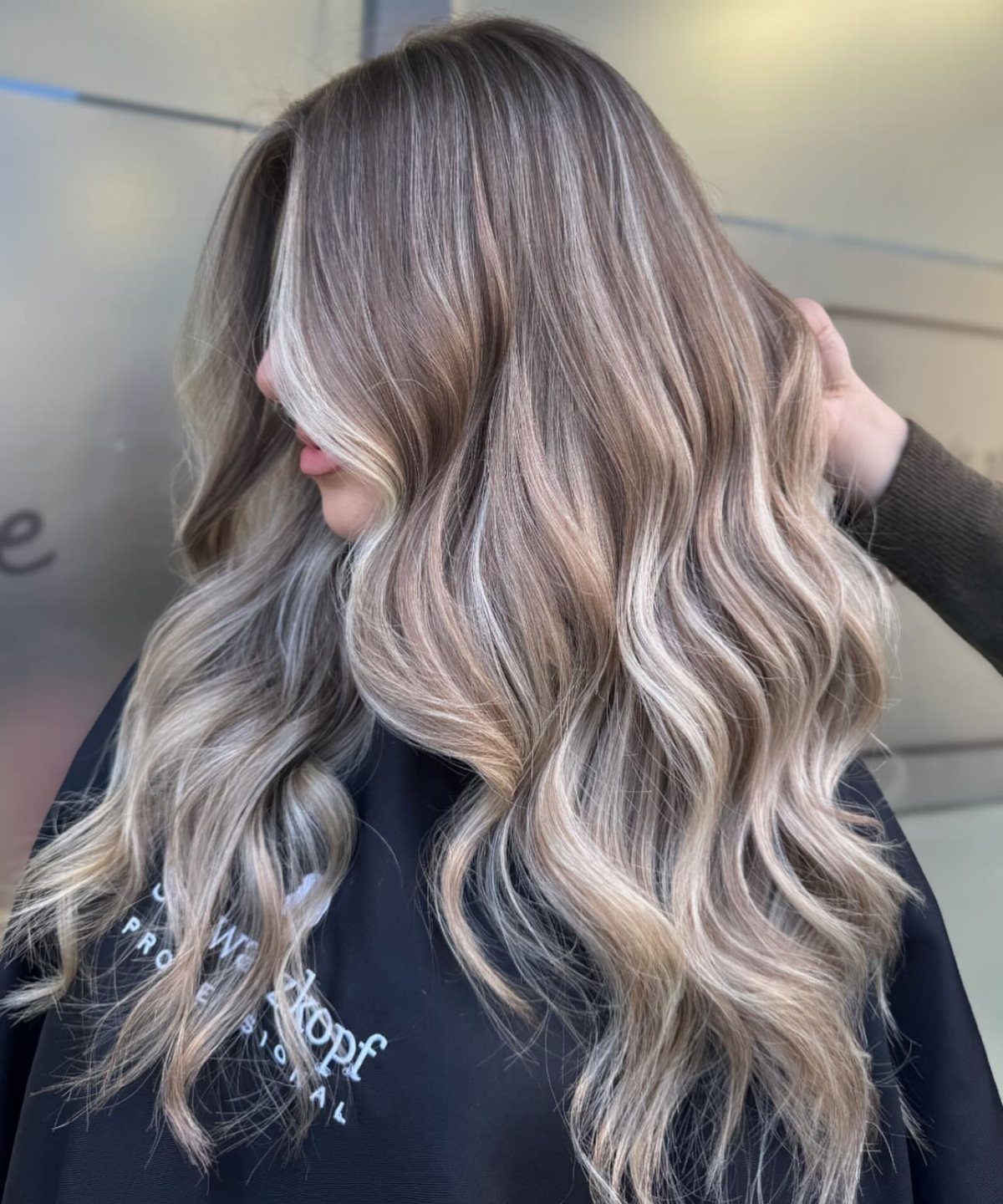
Cool brown lowlights ground pale blonde highlights, with the root left dark and ash-toned for contrast. The blonde sits lighter than beige and the brown reads cooler than caramel, so the overall color stays neutral rather than warm.
The waves help: they show off the ribbons of color and let the lowlights sit underneath without disappearing. On straight hair the contrast can look striped, but texture softens the transitions.
If your roots are naturally warm, expect toner appointments to keep the cool brown from turning muddy as it fades.
9. Platinum Beige Caramel
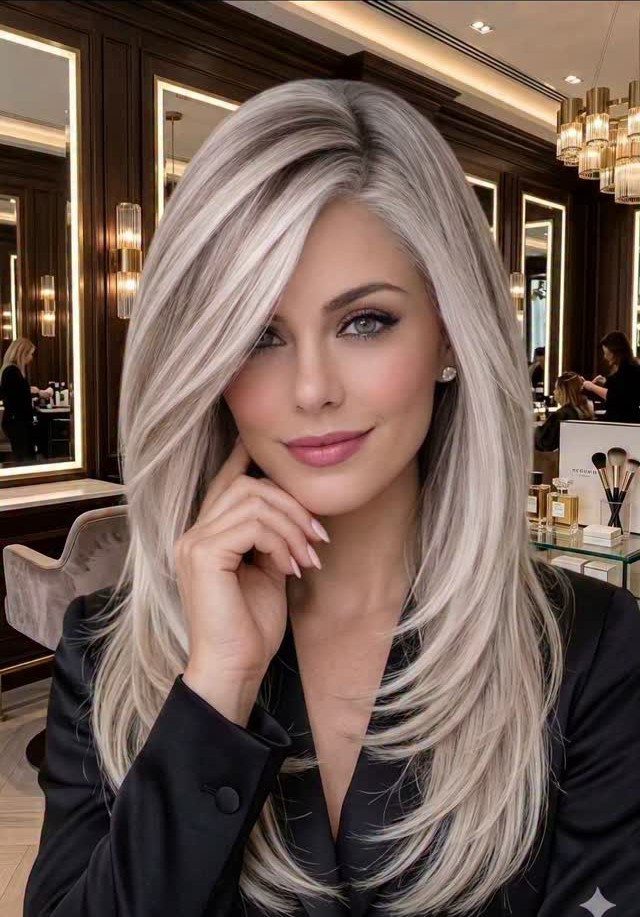
3 shades of blonde woven together, from platinum at the brightest sections to beige through the mid-lengths and caramel for warmth at the base.
The caramel adds warmth so the platinum doesn’t drain your face, and the contrast between the two stops it reading as one solid block.
This takes more foils than a two-tone highlight, since each shade needs its own placement. The platinum sits at the top and around the face, the beige fills the middle, and the caramel anchors the underlayers.
Retouching means managing three colors instead of one, so plan for longer appointments.
Frequently Asked Questions
What hair color looks best with blonde highlights?
Warm brown, caramel, or chestnut lowlights pair well with blonde highlights since they hold depth and keep the contrast soft instead of flat.
Golden or honey blonde highlights sit naturally over brunette, while cooler ash-brown lowlights work with platinum or silver blonde for sharper contrast.
Red or auburn lowlights add warmth to blonde without going as dark as brown, though they fade faster unless placed underneath.
What are the blonde highlight trends for 2026?
Face-framing blonde that concentrates brightness around the hairline while leaving the rest darker or softer stays popular because upkeep is simpler than full highlights. Platinum, beige, and caramel woven together in ribbons gives dimension without reading as one solid block.
How to put lowlights on blonde hair?
Lowlights go into the underlayers and sections that would naturally stay shadowed, woven between the highlights rather than stacked on top.
If you’re already blonde, the lowlights should sit one or two shades darker than your base to add dimension without making the color look striped.
Strategic placement mimics where your base color would cast shadow, usually closer to the roots and underneath sections.
What color is ash blonde with highlights?
Ash blonde with highlights typically means a cool beige or ash-brown base with platinum, silver, or icy blonde highlights threaded through for contrast.
The ash tone keeps the color neutral rather than warm, so it reads sharper than a honey or golden blonde. You’ll need toner on repeat to stop the cool shades from turning brassy as they fade.





