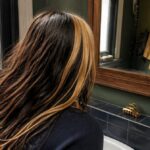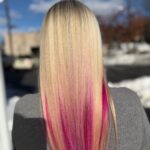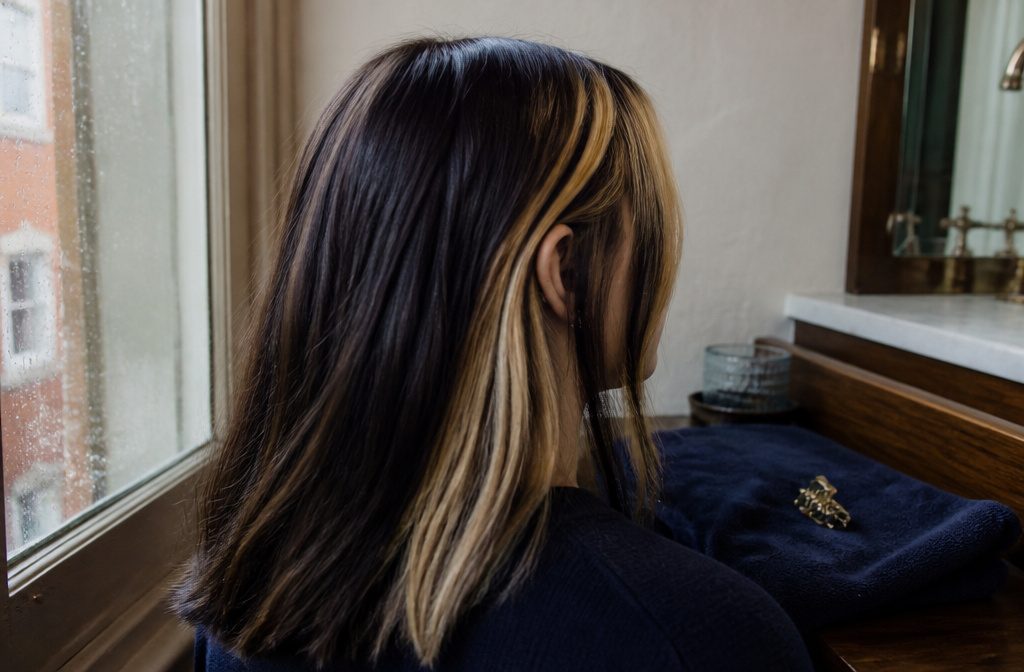
Y2K chunky highlights give you visible panels of color half an inch to an inch wide that sit against your base with graphic contrast.
They cost more upfront than subtle balayage because the lift is higher and the placement takes deliberate sectioning, and the look falls apart fast if you don’t tone weekly or protect the lifted pieces with bond-builders during the bleaching process.
What Y2K Chunky Highlights Are and Why They’re Back
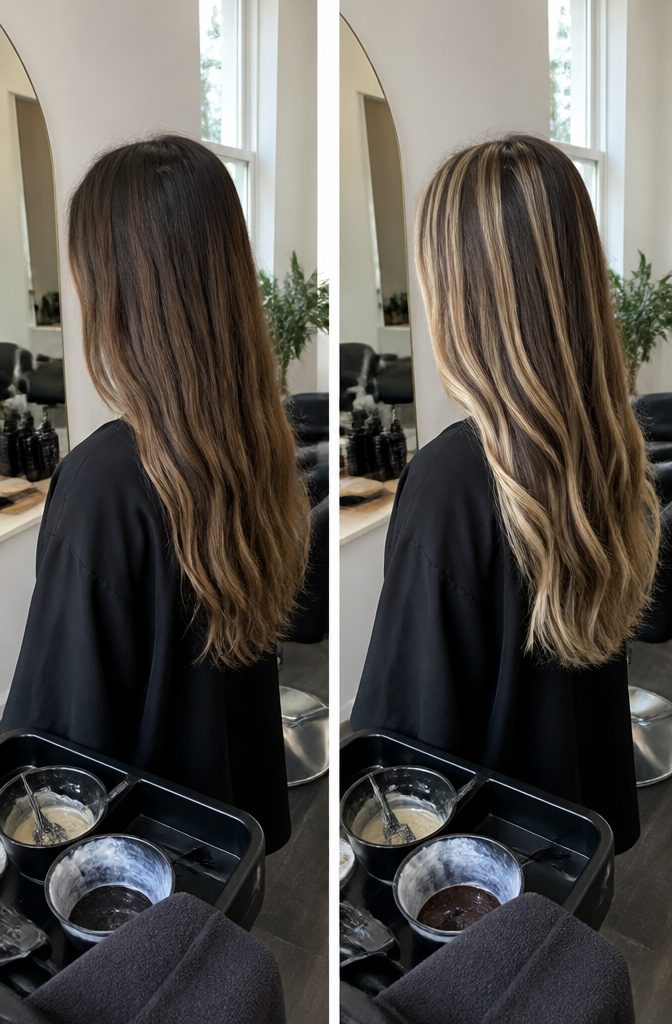
Chunky highlights are visible panels of color that sit distinctly against your base, creating the high-contrast look that defined late-’90s and early-2000s hair.
The sections are half an inch to an inch wide, applied from root or mid-length to the ends with clear definition rather than blending into the surrounding hair.
That graphic stripe is what makes them chunky, and it’s why they read as intentional blocks rather than a soft glow.
The 2022 version slimmed down slightly and added refinement at the roots. Some colorists use balayage or babylights near the scalp to soften the line where the highlight starts, then let the contrast build through the lengths.
The result is still bold but less severe than the flat-ironed bleach stripes of the original era.
Colorists should always consider the size of the highlight based on the density of the client’s hair, as the thinner the hair, the smaller the chunky highlight should be.
That sizing matters because too-wide sections on fine hair create harsh blocks rather than dimension.
Balayage, by contrast, uses a freehand painting technique that blurs the transition from dark to light with no clear edge. Chunky highlights are the opposite: structured sectioning, full saturation, and a stripe that doesn’t diffuse.
1. The Width That Makes Highlights Chunky
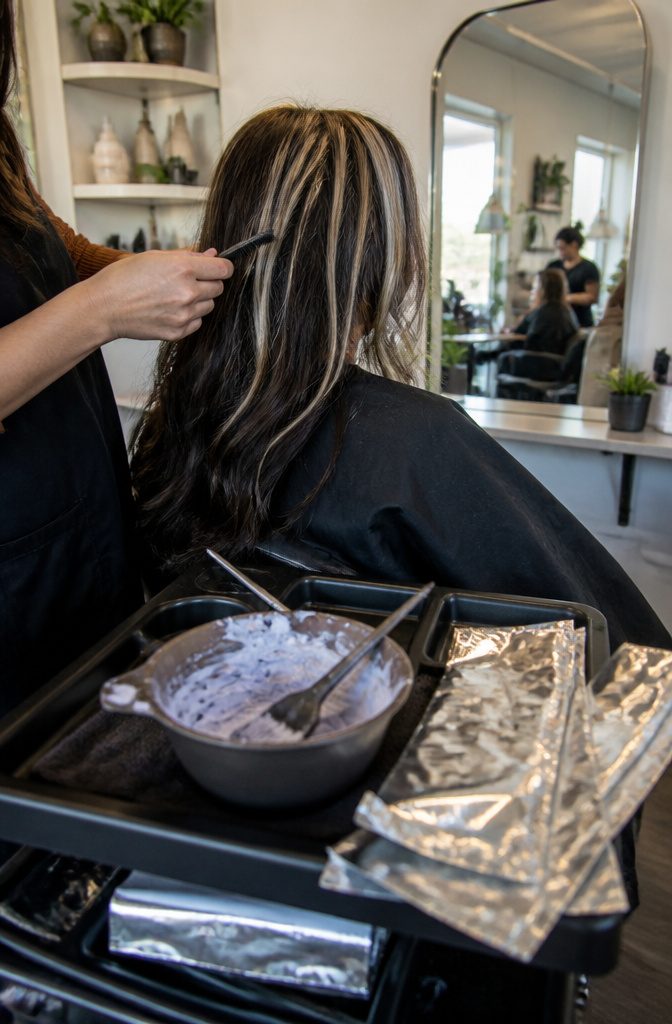
The sections themselves are usually half an inch to an inch wide, compared to the finer, blended pieces you’d get with balayage or babylights.
That width is what creates the visible contrast. You see defined panels of color rather than a soft melt, and the look reads as intentional blocks rather than sun-kissed dimension.
The modern version leans toward the slimmer end of that range, closer to half an inch than the full-inch chunks that dominated the early 2000s.
Still chunky enough to register as separate pieces, but not so thick that the highlights become solid stripes.
Stylists place these wider sections strategically to frame the face or add pops of brightness without covering the whole head in one continuous layer of foil.
2. Choosing the Right Shade for Your Base
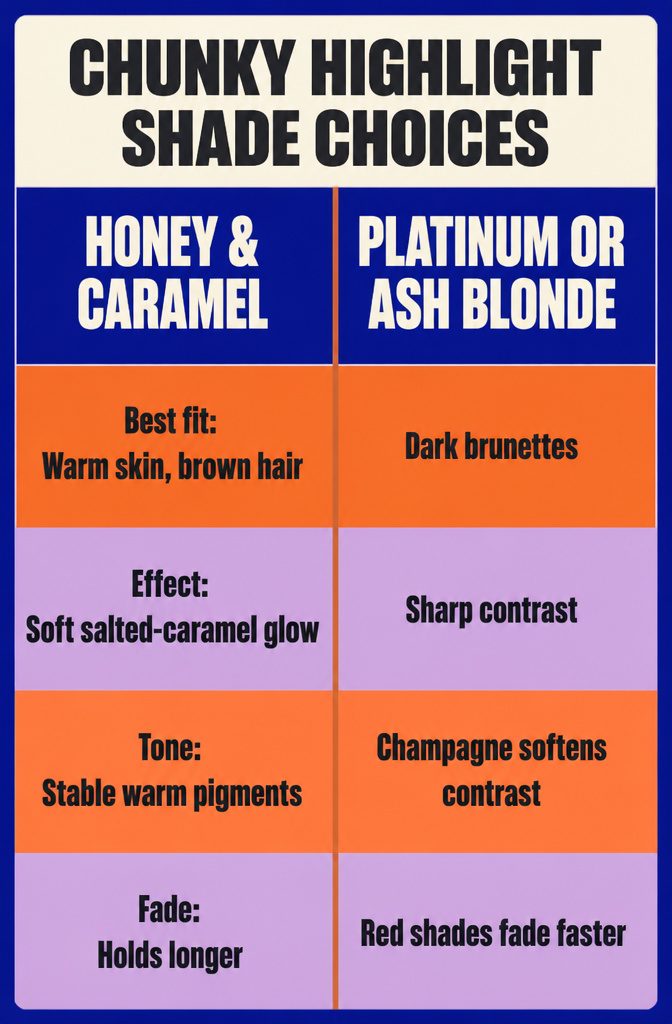
The shade you pick matters more than the placement. Staying within two to four levels of your natural base gives a modern chunky look that reads as dimension rather than costume.
Go six levels up and you land in high-contrast skunk stripe territory, which can work if that is the aesthetic you want but reads less Y2K and more early 2000s pop-punk.
Honey and caramel are the safest bets for warm skin tones or chocolate brown hair.
These tones create a salted caramel effect that reflects light without looking harsh, and they hold up better over time because warm pigments are more stable on brown hair.
You skip the risk of highlights turning gray or violet between appointments.
For sharp contrast on dark brunettes, platinum or ash blonde does the job.
Champagne blonde softens the jump. Chestnut red, sunset copper, and ruby red bring warmth without going blonde at all, though red fades faster and needs more frequent gloss treatments to stay saturated.
3. Where to Place the Highlights
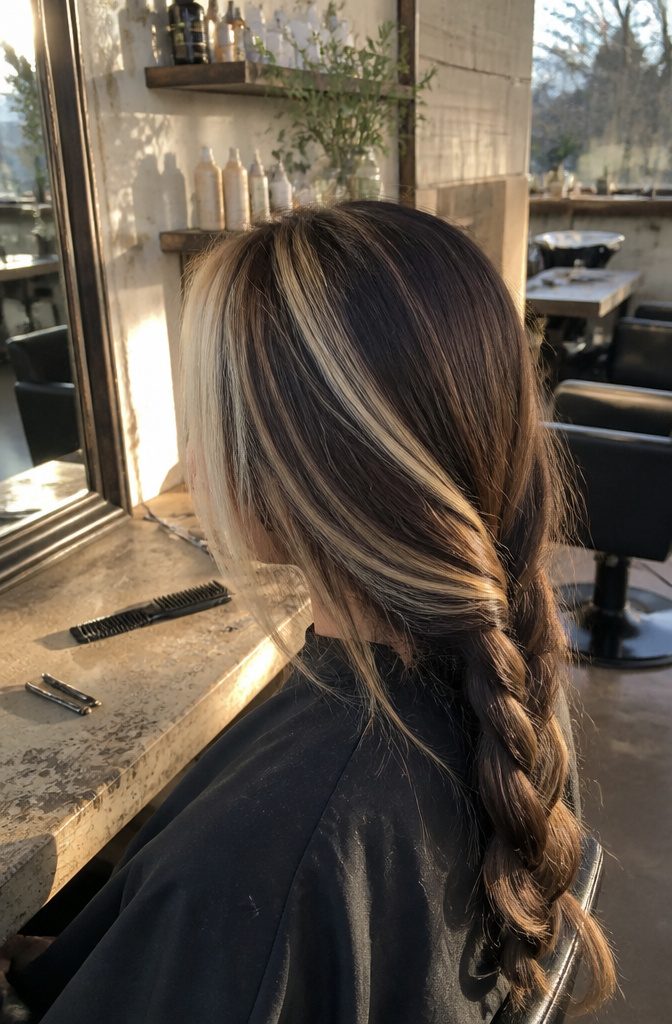
Money pieces are where most of the chunky highlight action happens now. The technique takes two thick sections right at the front hairline and lifts them several shades lighter than the rest of your hair.
It frames your face with the brightest contrast, which is why it works so well in photos and why it went viral in the first place.
You get the visual punch of going blonde without actually committing most of your head to it.
Modern chunky highlights are placed strategically rather than scattered all over. Think panels and blocks that create contrast where you want it, not a uniform pattern from root to ends.
The width runs somewhere between half an inch and a full inch, which is slimmer than the Y2K original but still thick enough to read as deliberate chunks rather than soft balayage ribbons.
The placement pays off when your hair moves.
Because the color sits in thicker ribbons, the contrast shows up clearly in braids, ponytails, and textured styles. You get a graphic, styled look without having to do much.
4. Matching the Look to Your Hair Texture and Density
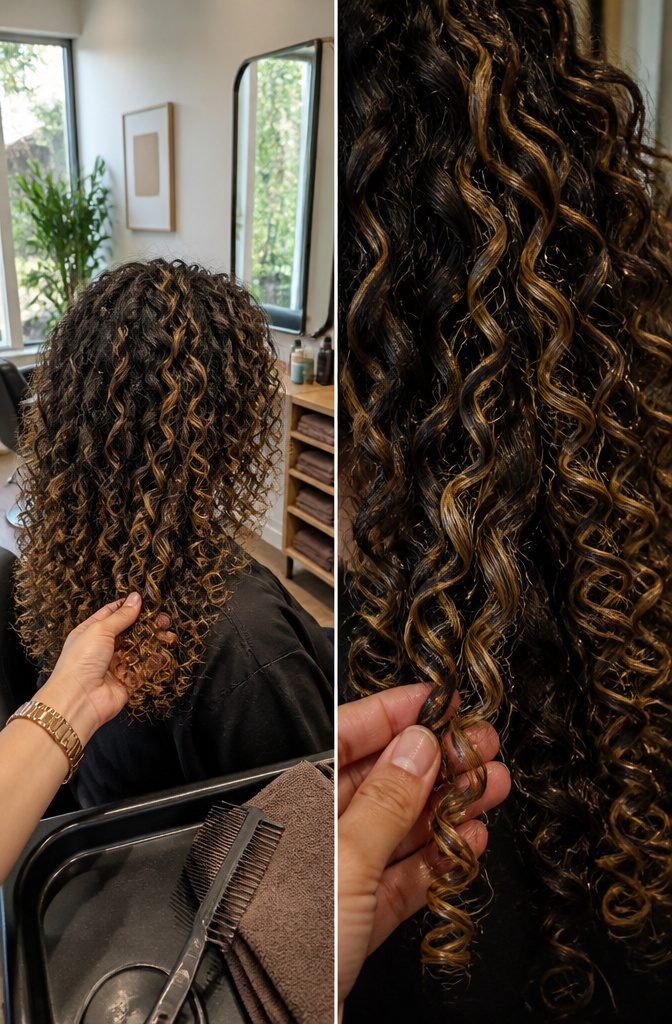
Thinner hair needs smaller chunks to keep the contrast from looking stark.
Wide sections on fine strands can read as blocky rather than intentional, so most stylists will pull narrower pieces and space them more deliberately. The eye still catches the contrast, but the look feels layered instead of segmented.
Denser hair can take wider sections without looking harsh. The thickness softens the edges naturally, and the highlights sit into the hair rather than floating on top of it.
I’ve noticed that coarser textures also hold the placement better between appointments, since the weight keeps the sections from blending as quickly.
Curls change the math entirely. A colorist working with curly hair will often highlight curl by curl rather than pulling straight sections, following the natural spiral so the lighter pieces move the way the rest of the hair does.
Straight or wavy hair gives more flexibility in where the chunks land, which means you can place them around the face, through the crown, or in panels along the back depending on where you want the contrast to hit hardest.
5. How to Request the Look at the Salon
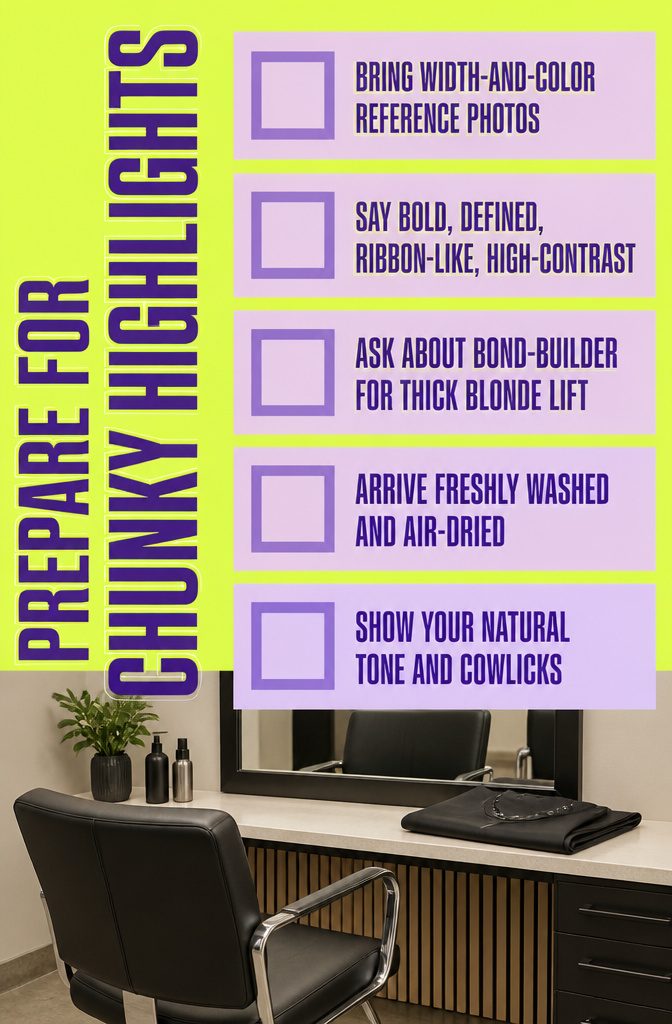
Salon communication gets easier when you show exactly what you mean. Start with these:
- Bring reference photos that clearly show highlight width and color. The stylist needs to see the size of the pieces you want, not just the general vibe.
- Describe the look as bold, defined, ribbon-like, or high-contrast. Those words translate better than "chunky" alone, which can mean different things to different colorists.
- Discuss hair health upfront, especially if you’re lifting dark hair to blonde in thick sections. Ask about adding a bond-builder to the lightener to protect your strands.
- Come with freshly washed, air-dried hair. A colorist can see your true tone and level that way, plus any cowlicks that might affect placement on days you skip styling.
6. Maintaining the Color Between Appointments
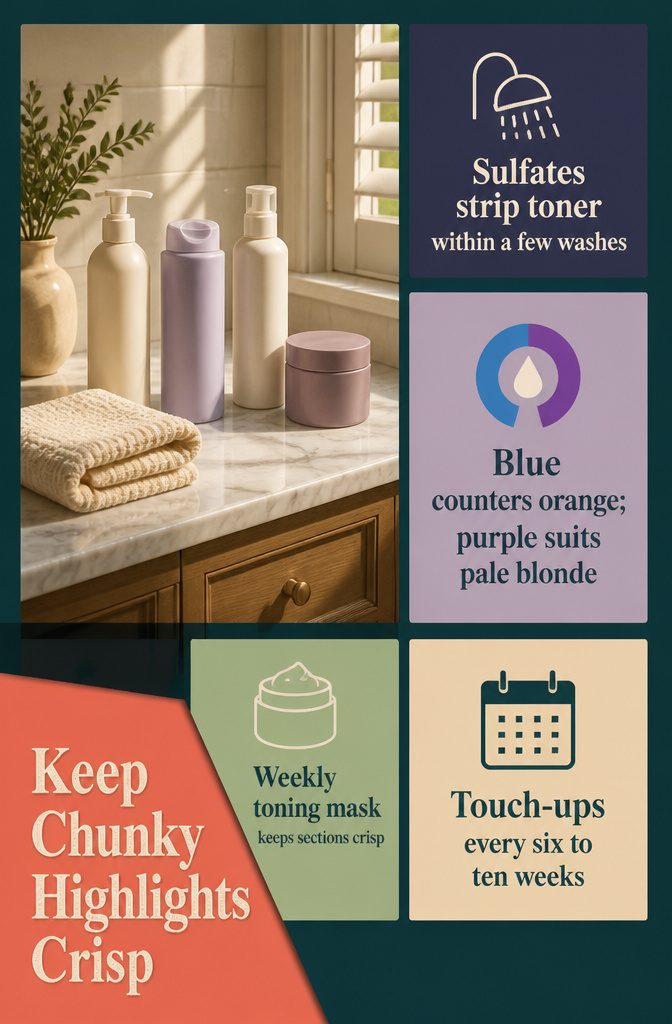
Sulfate-free, color-safe shampoo is the starting point. Sulfates strip toner from your highlights within just a few washes, and with chunky sections, any fading reads as sloppy instead of lived-in.
I add a blue or purple toning shampoo to the rotation depending on how light the highlights sit.
Blue neutralizes orange for brunettes with lighter pieces; purple works better once the color pushes toward pale blonde. A weekly toning mask seals the cuticle and keeps the high-contrast sections looking crisp instead of brassy.
Product-wise, RUSK conditioner with Violet 2 handles platinum, gray, silver, or blonde hair without stripping. Moroccanoil makes a mask in six colors, including lilac and bordeaux, that deposits temporary color while conditioning.
Aloxxi shampoo brings olive oil, jojoba oil, avocado oil, hydrolyzed keratin, silk amino acids, and ten antioxidant botanical extracts to protect from UV damage and prevent fading.
Use a thermal protectant, lower your heat settings, and rinse with cool water on wash day to keep the deeper base from bleeding into the lighter panels.
Touch-ups land every six to ten weeks to maintain the crispness of the sections. How close the color sits to the roots and how much blend you want will push that schedule earlier or later.
Protecting Your Hair When Lifting Dark Color to Blonde
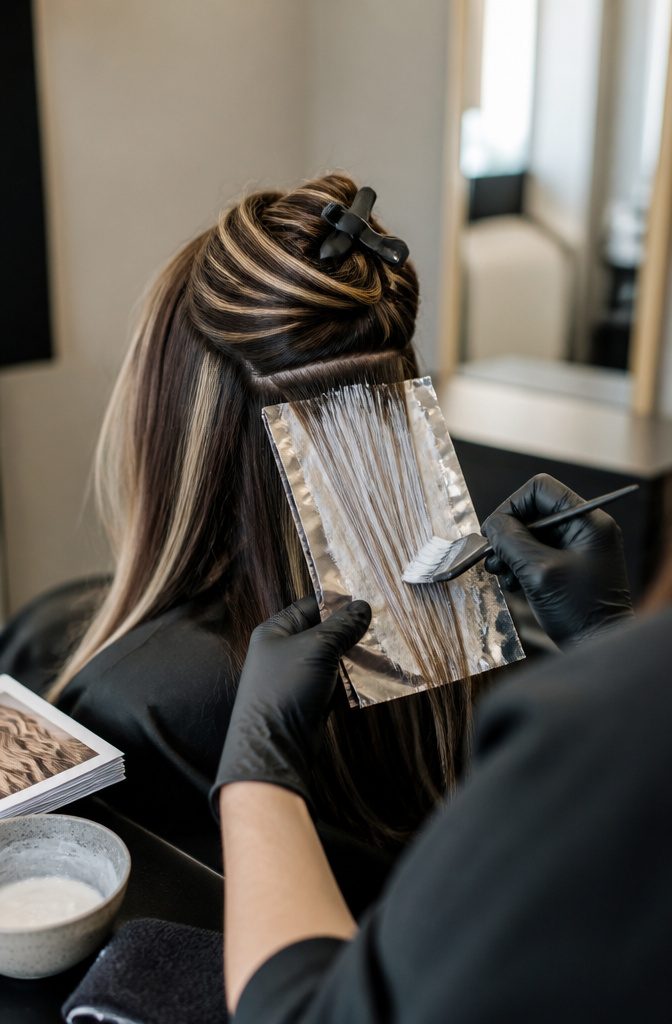
Lifting dark hair to blonde in thick, defined sections strains the hair, and the higher the contrast you want, the more strain it takes.
The bigger the jump from brunette to platinum or ash, the more lift the lightener has to do, and the more vulnerable the hair becomes.
That is where bond-builders come in. Ask your stylist about adding a bond-builder to the lightener to protect the structural integrity of each strand while it is being lifted.
Bond-builders work by reconnecting broken disulfide bonds inside the hair shaft, keeping it stronger and more elastic through the bleaching process.
A good stylist will balance your desire for bold, ribbon-like highlights with the long-term health of your base color, so the blonde stays shiny and resilient rather than dry and brittle.
Bring reference photos and use words like "defined," "high-contrast," and "ribbon-like" so your stylist knows exactly how much lift and width you are after.
Styling to Show Off the Contrast
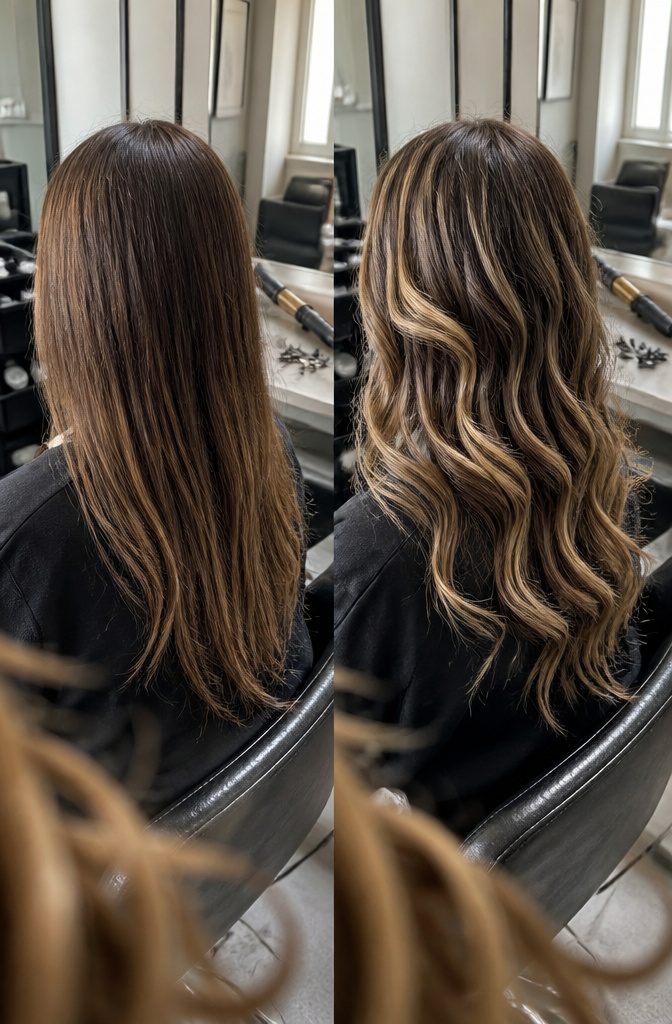
Beach waves make the highlight ribbons weave in and out of the darker base, creating a 3D effect that adds dimension and makes the hair look thicker.
The twisting motion of the curls shows off the chunky placement without flattening the contrast, so you get depth rather than just stripes.
Sleek, straight styling does the opposite. When you flat-iron the hair, the strips of color sit clearly visible against the base, highlighting the geometric precision of the technique.
This is the classic 2000s way to wear chunky highlights, and it remains one of the best routes if you want to show off the high-contrast nature of the color work.
The hair lies flat, the ribbons run end to end, and nothing softens the lines.
I reach for waves when I want the look to feel lived-in and textured, straight when I want the full graphic impact of the placement. Both work, the choice just depends on how bold you want the contrast to read.
Frequently Asked Questions
Are chunky highlights still in style in 2026?
Modern versions run closer to half an inch than a full inch, often with softened roots. Face-framing money pieces are the most popular way to wear them now.
What are the best chunky highlight colors for different hair tones?
Honey and caramel suit warm skin tones and chocolate brown hair, and they hold up well because warm pigments are stable on brown.
Platinum or ash blonde gives dark brunettes sharp contrast, and champagne blonde softens the jump. Chestnut red, copper, and ruby red add warmth without going blonde, but they fade faster and need more frequent glosses.
Can I get chunky highlights on box-dyed hair?
Box dye can leave unpredictable pigment and buildup in the hair, so have a colorist look at it before you book.
Lifting dark hair to blonde in thick sections already strains the strands, so tell your stylist about any box color up front. Ask about adding a bond-builder to the lightener to protect the hair.