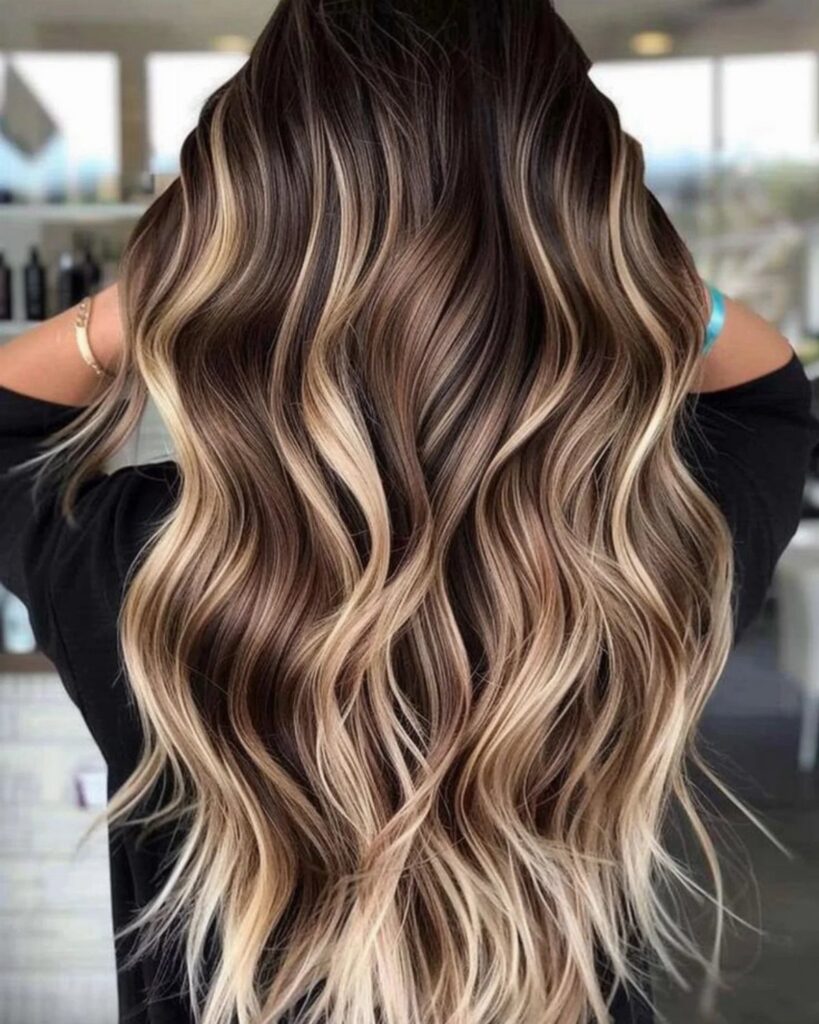
The depth ranges from dark honey that holds brown and amber through to platinum money pieces that lift the front hairline several levels lighter.
Your starting color decides how far you can push the warmth in one session: if you’re medium to dark brown, honey balayage or caramel highlights give dimension without full-head bleach, but all-over honey blonde requires pre-lightening and multiple rounds if your base is darker than light brown.
1. Caramel Honey Blonde
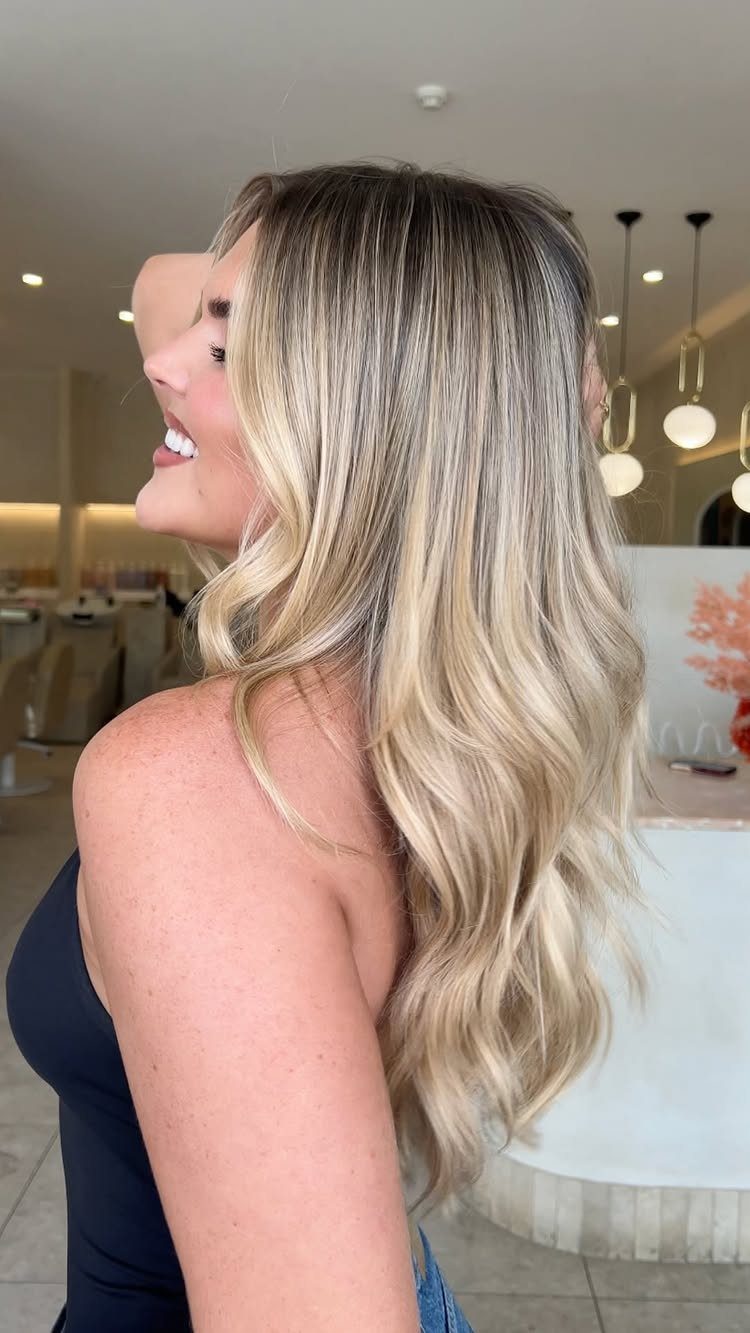
This is honey blonde softened with caramel and bronze, so you keep natural depth at the root instead of lifting everything to pale gold.
The warmth leans brown rather than platinum, so the transition from root to ends stays soft and grows out less visibly.
If you have medium to dark brown hair, the shift to this shade feels warmer without requiring a full head of bleach. It reads as multidimensional blonde without the upkeep or the flat single tone that comes with all-over color.
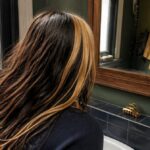
2. Pale Caramel Blonde
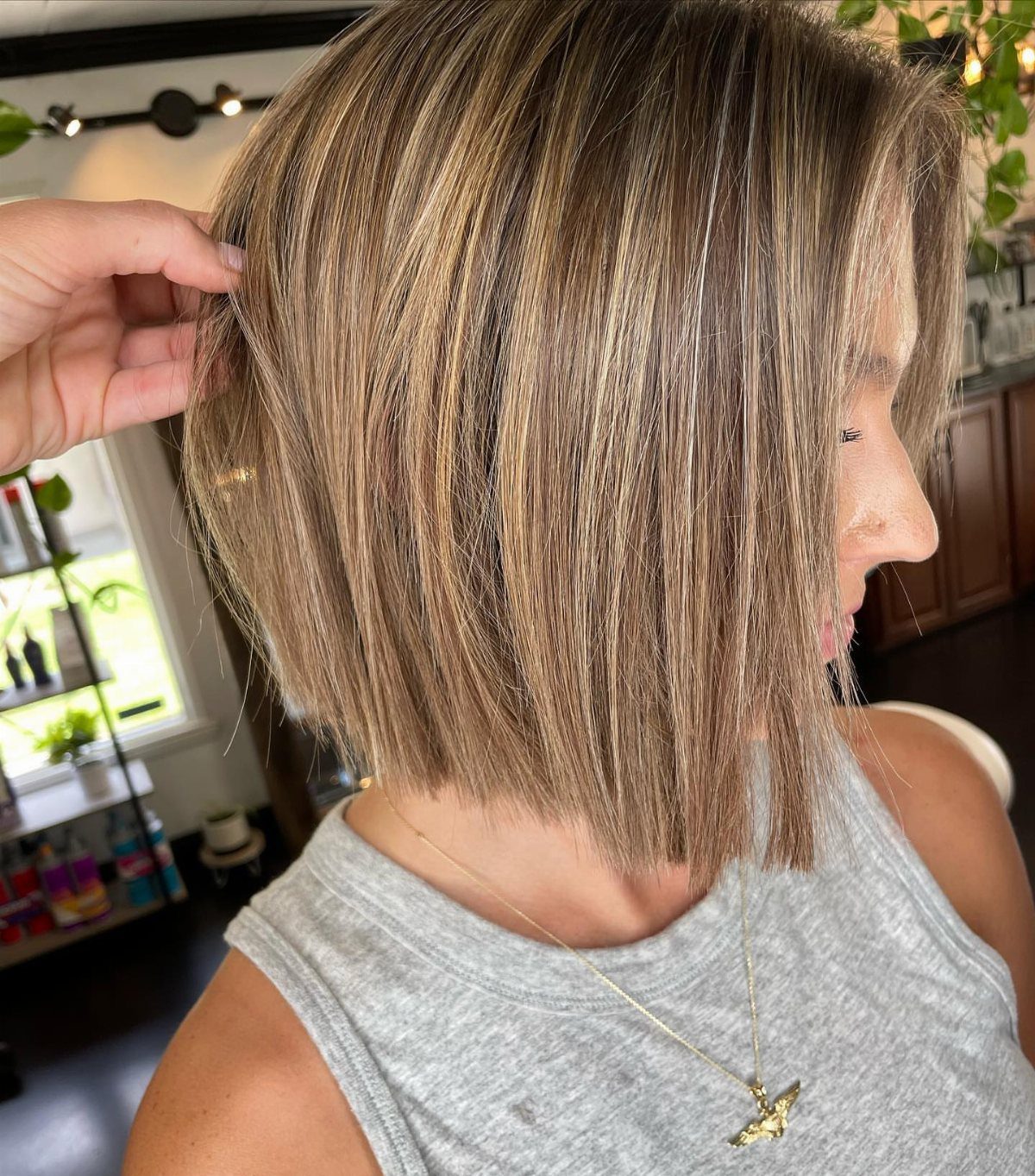
This look keeps a darker caramel base and runs pale blonde streaks through the top layers, which gives contrast in an inverted bob where the front is longer than the back.
The lighter pieces frame the face and catch light when the hair moves.
An inverted bob shows dimension better than a one-length cut because the stacked back sits darker and the longer front carries the pale streaks.
If your hair is already medium blonde or light brown, the pale pieces can be painted in without lifting the whole head.
The contrast here is higher, so roots show sooner.
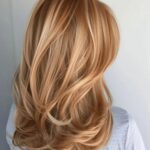
3. Honey Blonde Highlights
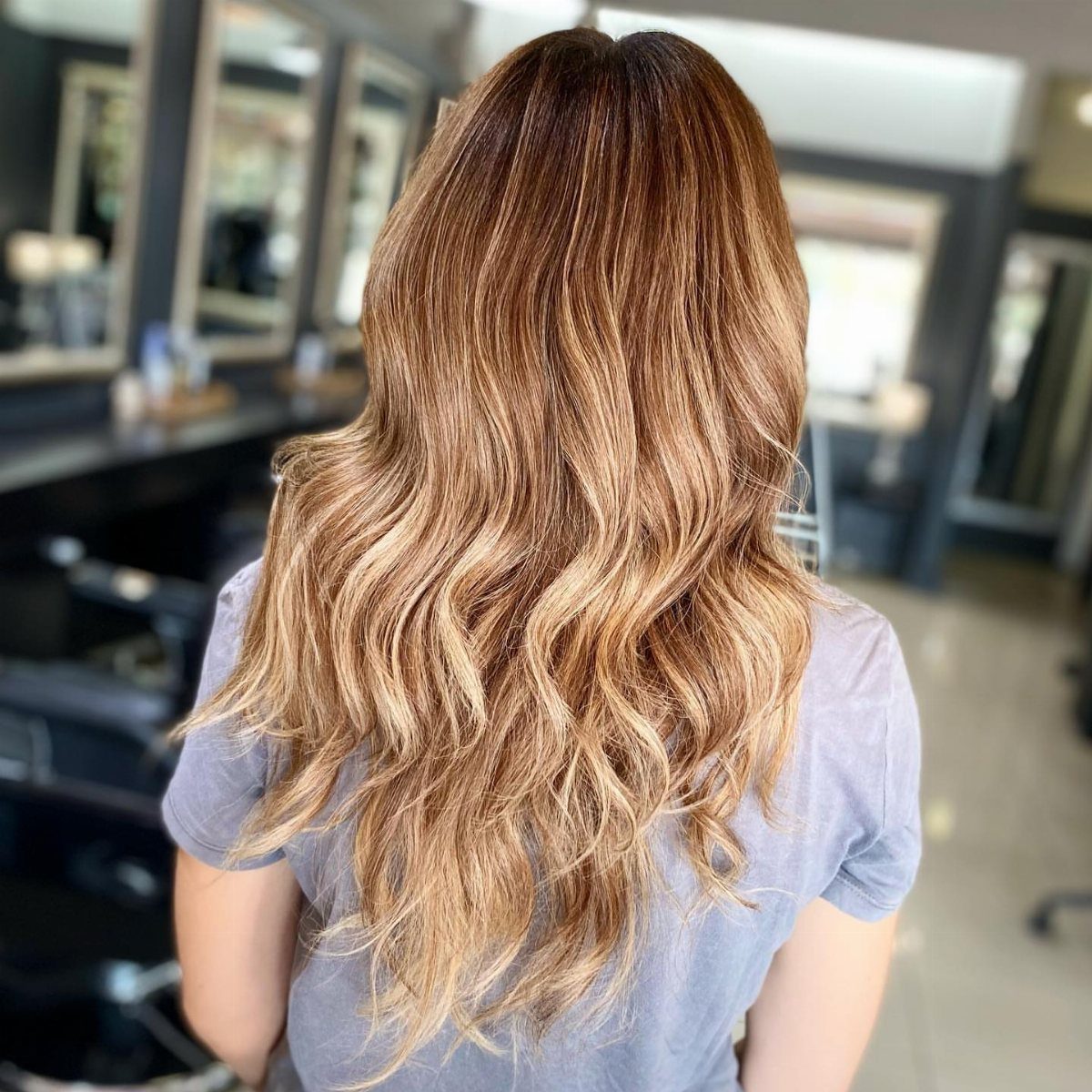
Honey highlights are painted or foiled into the mid-lengths and ends, adding warm gold without changing your base color. They work on brunette, medium blonde, or even darker hair, and the warmth keeps the lift from reading cool or ashy.
I like this option when you want brightness but not a full color change, because your natural shade stays in control.
The placement is usually scattered through the top layers, so the highlights catch light at the crown and around the face without covering every inch.
Upkeep is moderate.
4. Dark Honey Blonde
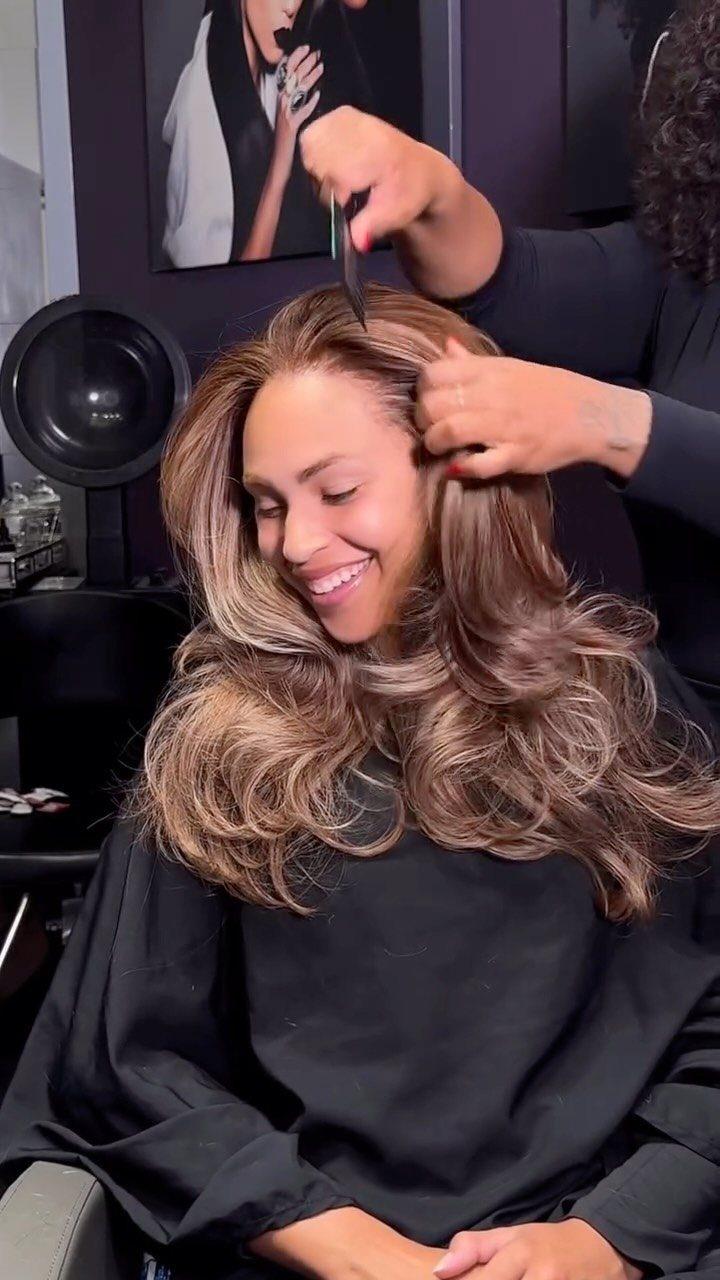
Dark honey blonde holds more brown and amber than pale honey, so the roots stay rich and the overall look feels deeper.
The honey tone is still there, it just sits a few shades darker, which means less contrast with your natural color and longer time between salon visits.
The darker depth also holds up better in winter or when your skin tone is cooler, because the gold does not overwhelm.
The root line is softer than with pale blonde, so regrowth looks like intentional dimension instead of a miss.
5. Honey Bronde
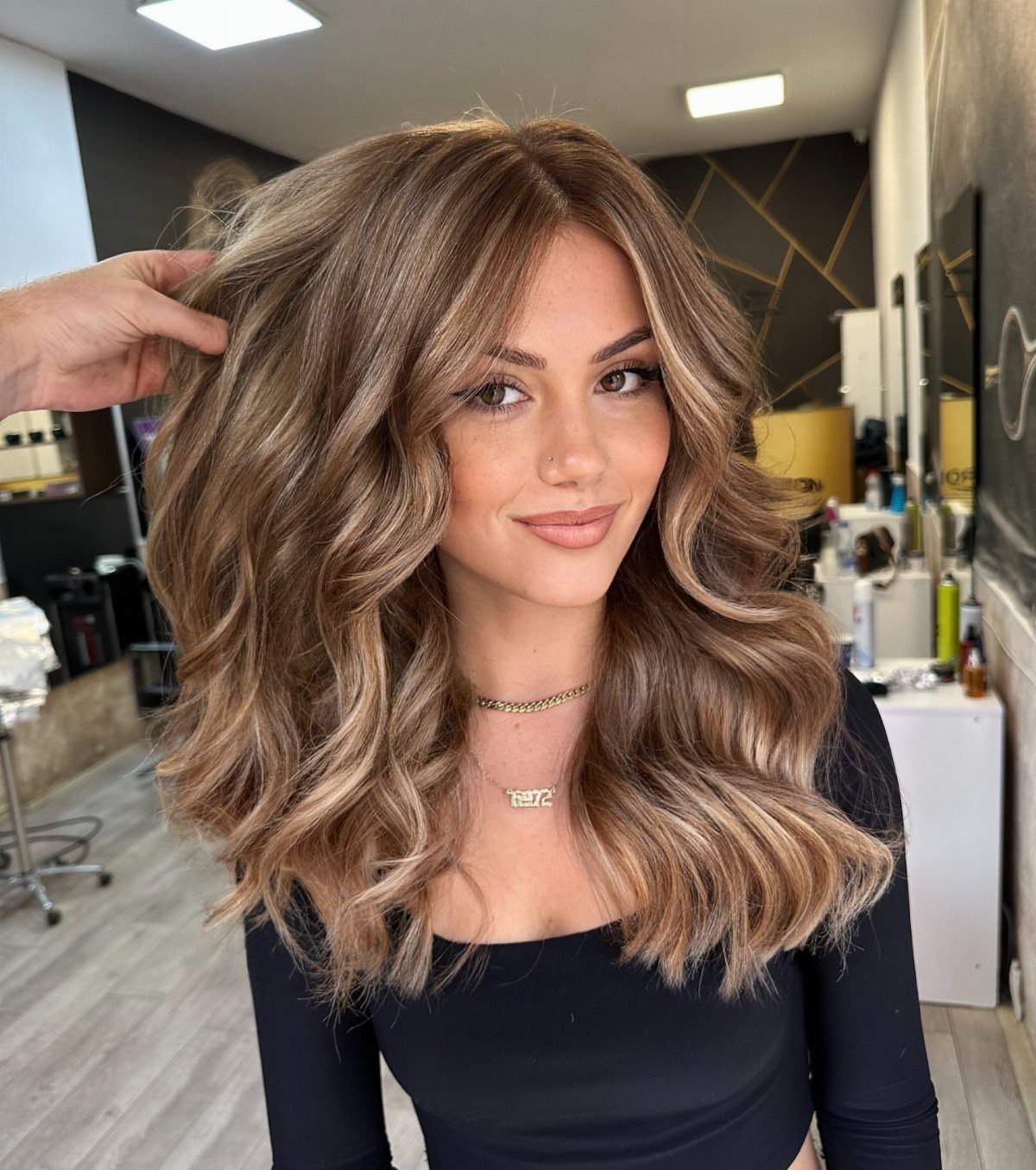
Honey bronde is the midpoint between brown and blonde, where the base stays brunette and the honey warmth is painted through in balayage or highlights.
The depth is brown, the tone is golden, and the result is warmer than plain bronde without crossing into full blonde.
This is my choice when you want to lighten without leaving brunette behind.
The honey keeps the warmth high, so the blonde reads golden instead of neutral or cool. It suits medium to dark brown hair that wants dimension without a drastic color shift.
The honey pieces blend into the brown instead of sitting on top of it.
Despite the name, honey blonde isn’t one exact shade. “A honey blonde is light in level, neutral warm in tone, with an intentional gold reflect,” explains celebrity hairstylist Matt Rez.
6. All-Over Honey Blonde
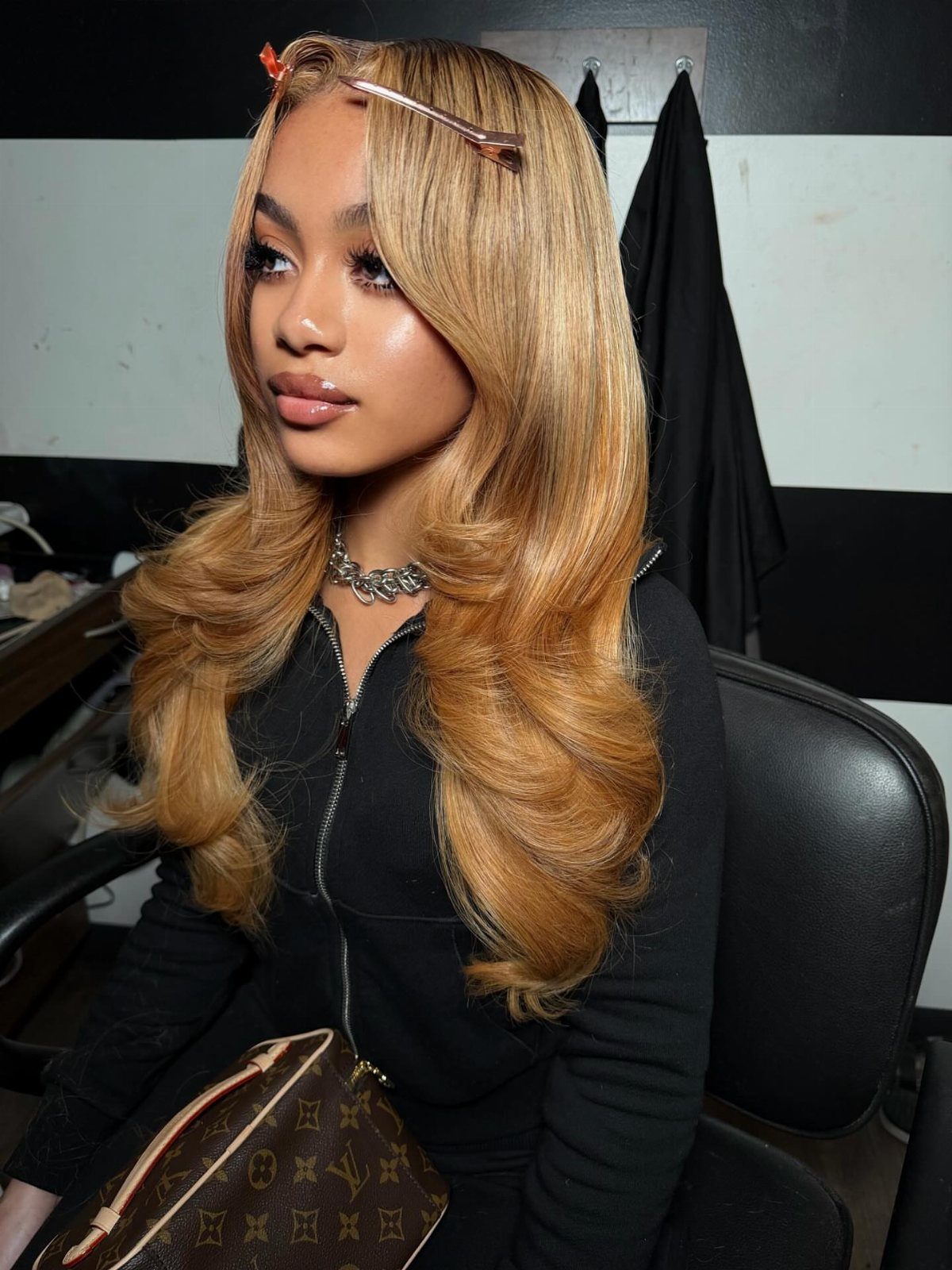
All-over honey blonde means the color is applied to the full head instead of being confined to highlights or balayage, so the result is a solid honey-blonde shade with no contrasting base.
The tone is warm gold, and the coverage is complete.
If you want honey blonde as your main color, not an accent, this is how you get it.
The application takes longer than highlights because every section needs to be lifted and toned, and if your starting color is medium to dark brown, you may need more than one session to reach this level without damage.
Upkeep is higher.
7. Subtle Golden Honey
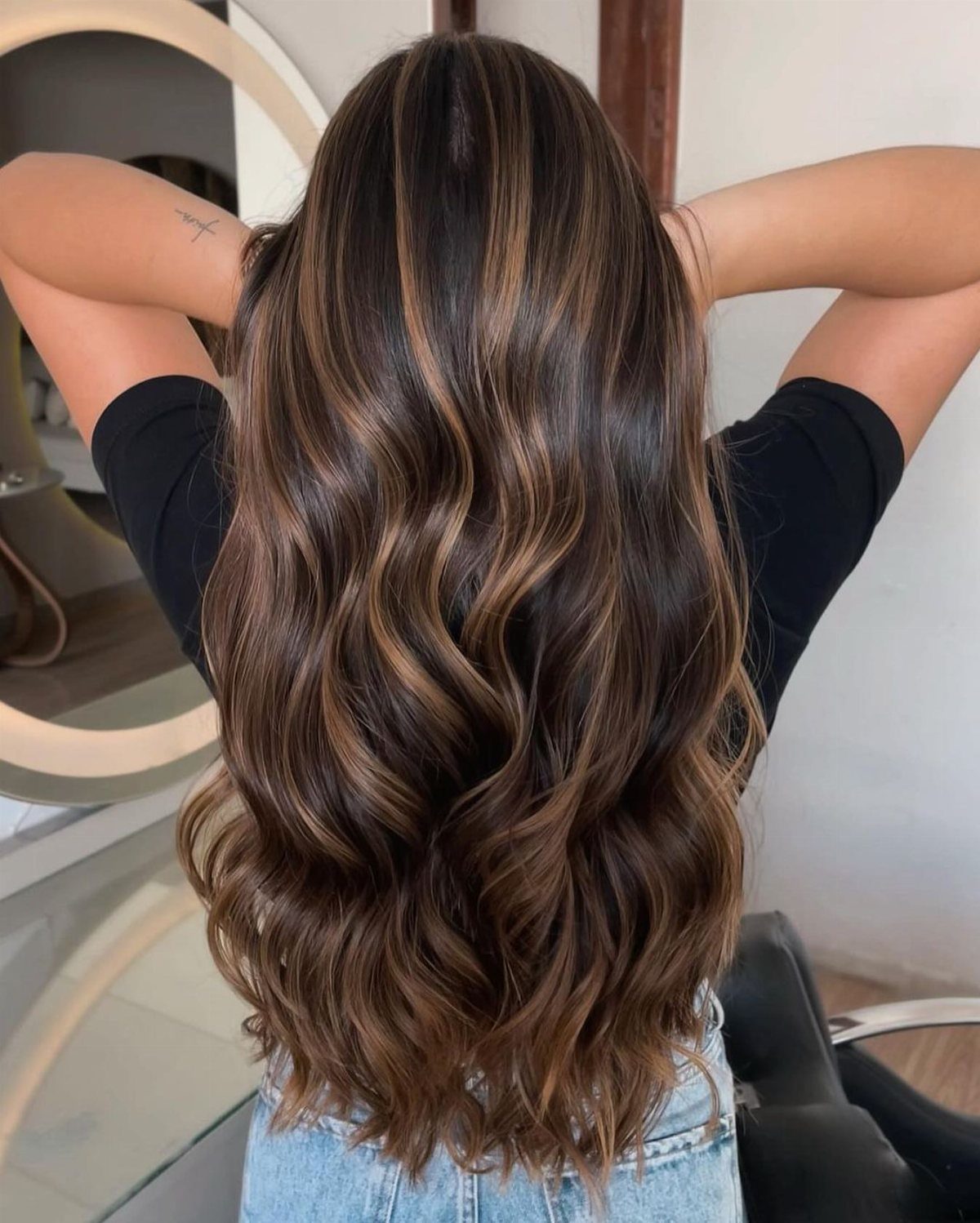
This is honey painted just through the top layers, so the color stays close to the natural brown and the lift shows up as dimension instead of a full highlight job.
The golden tone is warm but not bright, which means the change reads subtle even in direct light.
The placement here is concentrated at the crown and through the lengths where movement happens. If your hair is already medium brown, the lift to honey is small enough that one session usually gets there without pre-lightening.
The subtlety means less frequent touch-ups, because regrowth blends instead of announcing itself.
8. Soft Bronde Ombre
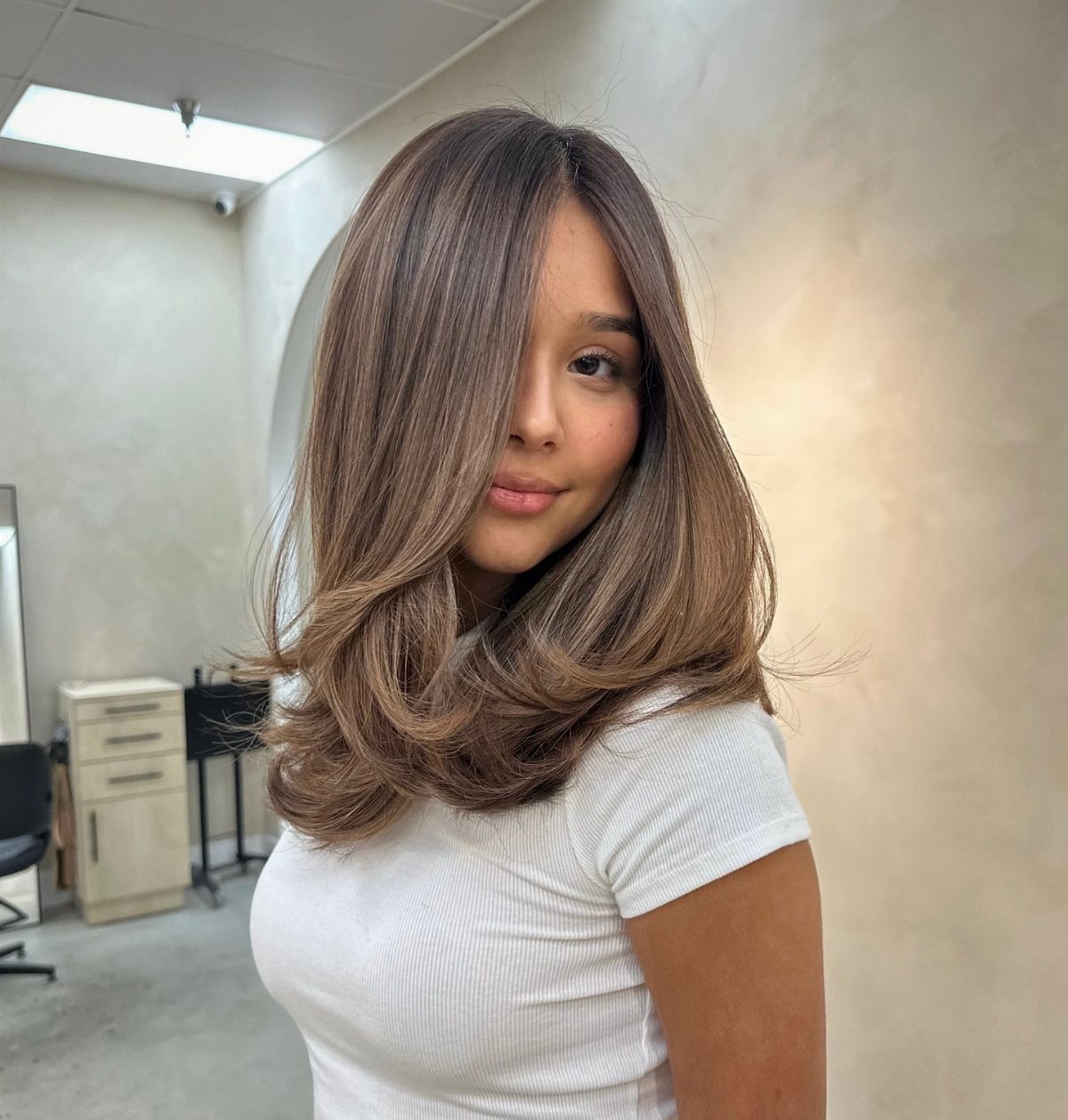
Soft bronde ombre starts dark at the roots and gradually lightens to honey blonde at the ends, so the transition is smooth and the dimension is vertical.
The darker top half keeps the root line soft, and the lighter ends catch light without needing full coverage.
I like this option when you want the brightness down low, because the face-framing pieces stay warm without going pale.
If your hair is naturally medium to dark brown, the ombre lets you add honey blonde where you want it while leaving the roots untouched.
The darker top half means root appointments stretch longer.
9. Honey Blonde Balayage
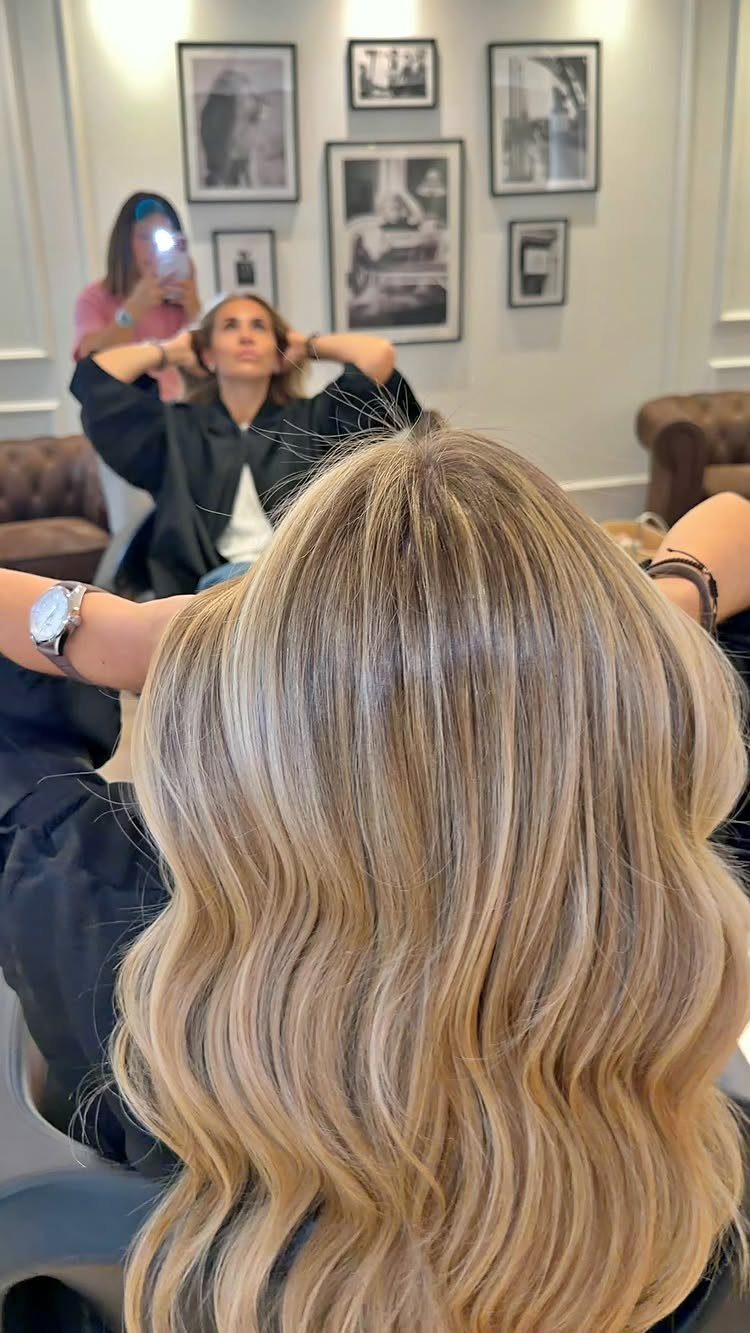
Balayage is hand-painted, so the honey blonde is brushed onto the surface in irregular sections instead of being woven into foils.
The result is softer than traditional highlights because the color placement is less uniform and the roots are left darker for a lived-in look.
The application takes longer than foil highlights because each section is painted individually, but the grow-out is gentler. If your base is medium brown or darker, balayage lets you add honey brightness without a harsh line at the scalp.
Touch-ups are needed far less often than with traditional highlights.
10. Classic Honey Blonde
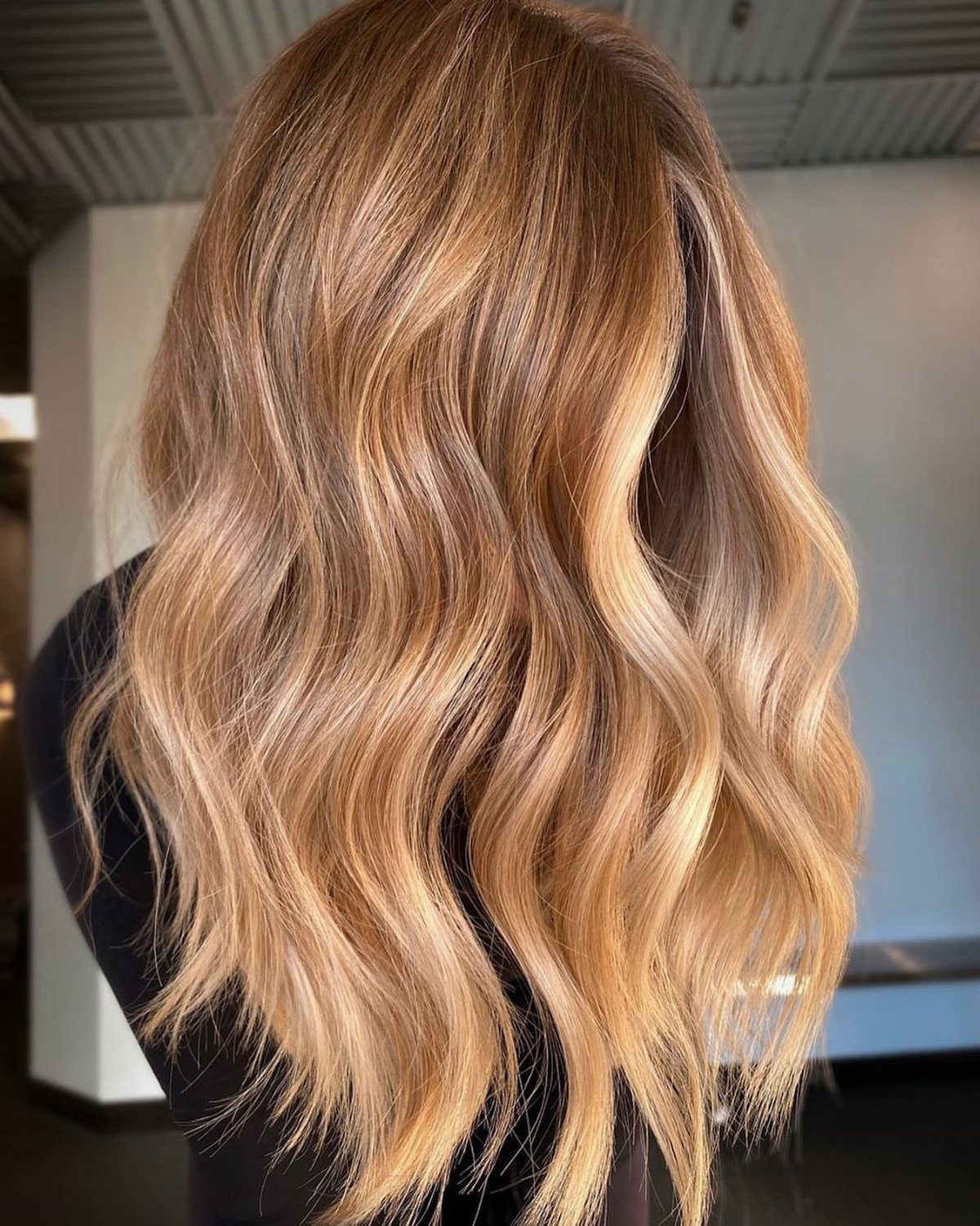
Classic honey blonde is dimensional, so the color is built from multiple tones instead of one flat shade.
The base is warm blonde, the highlights are lighter gold, and the lowlights are light brown, which gives depth and keeps the color from looking processed.
The mix of tones means the hair looks fuller because the variation mimics natural sun-lightening.
If you are starting from light brown or medium blonde, the shift to classic honey blonde is manageable in one session with foil highlights or balayage.
The darker lowlones extend the time between root touch-ups.
11. Beige Honey Blonde
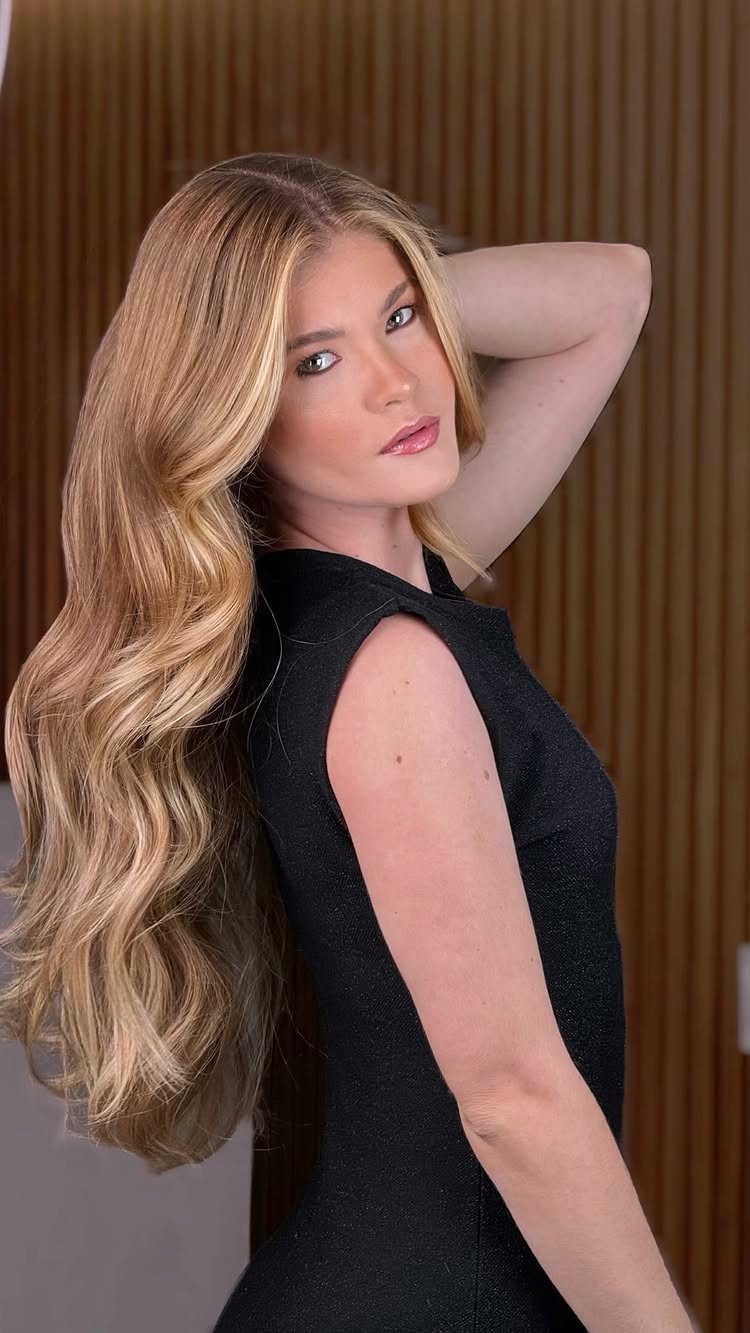
Beige honey blonde cools down the warmth by adding a neutral beige undertone, so the result is honey without the intense gold.
The base is blonde, the warmth is there, but the overall tone is softer and less saturated than standard honey.
If your skin tone is cool or neutral, beige honey gives you the honey look without the orange cast that can happen with purely golden blonde.
The toner here is slightly cooler, which means it may fade faster than a warmer honey and need a refresh every 6 to 8 weeks.
The neutral tone also suits gray eyes and fair skin better than warm gold.
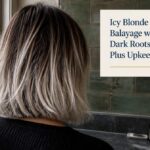
12. Platinum-Blonde Honey Money Pieces
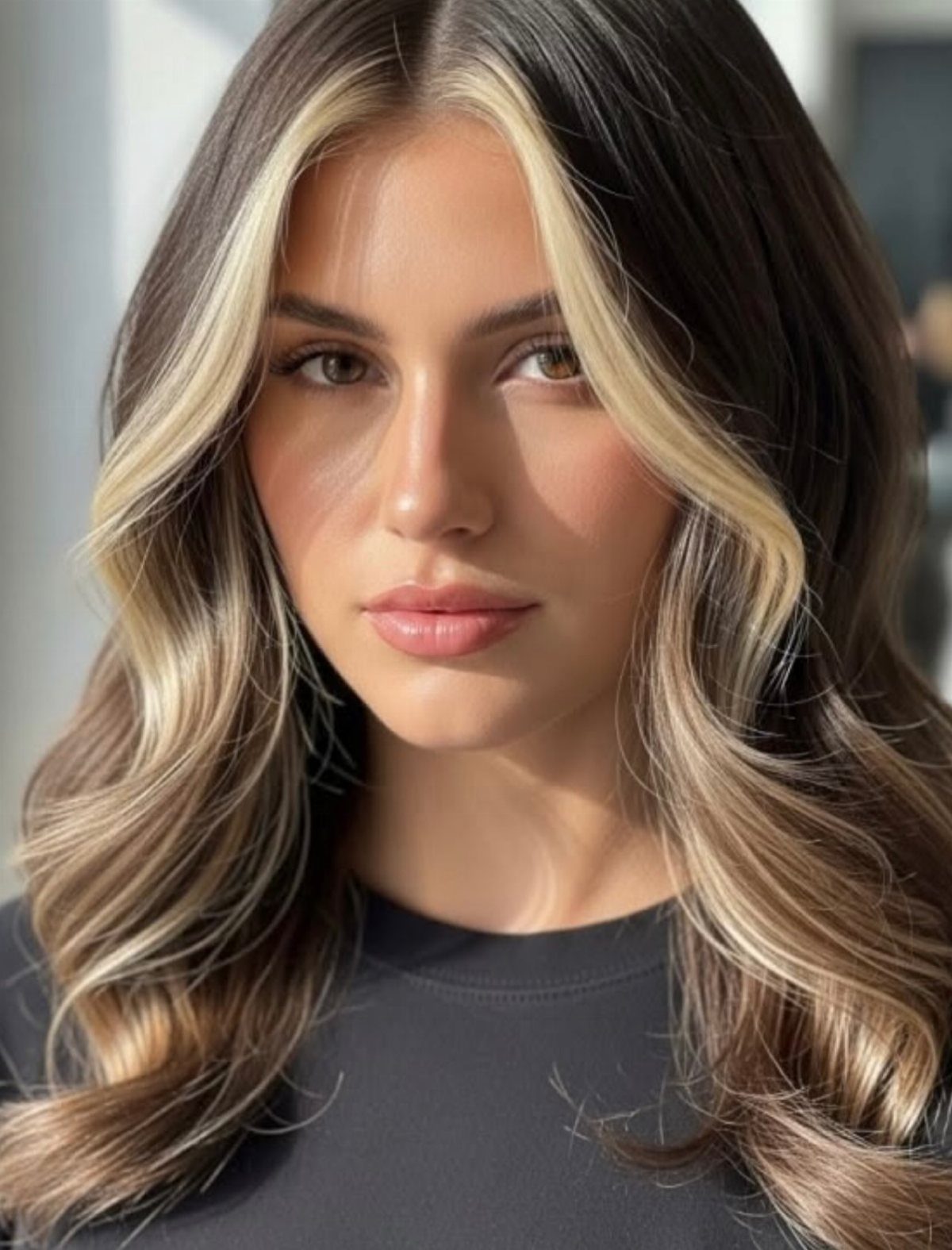
Money pieces are thick, face-framing highlights that sit at the front hairline and extend down the sides, so the color is concentrated where it catches light near the face.
Here the pieces are platinum or pale honey, and the roots are left dark on purpose, which keeps the contrast high and the upkeep low.
The darker roots mean you can go longer between appointments because the regrowth is part of the look.
If your base is medium to dark brown, the lift to platinum money pieces requires bleach, so the front sections will need bond repair and regular toning to keep the brightness from turning brassy.
The rest of the hair stays untouched, so damage is limited to the front pieces.
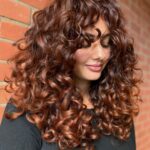
13. Copper Honey Blonde
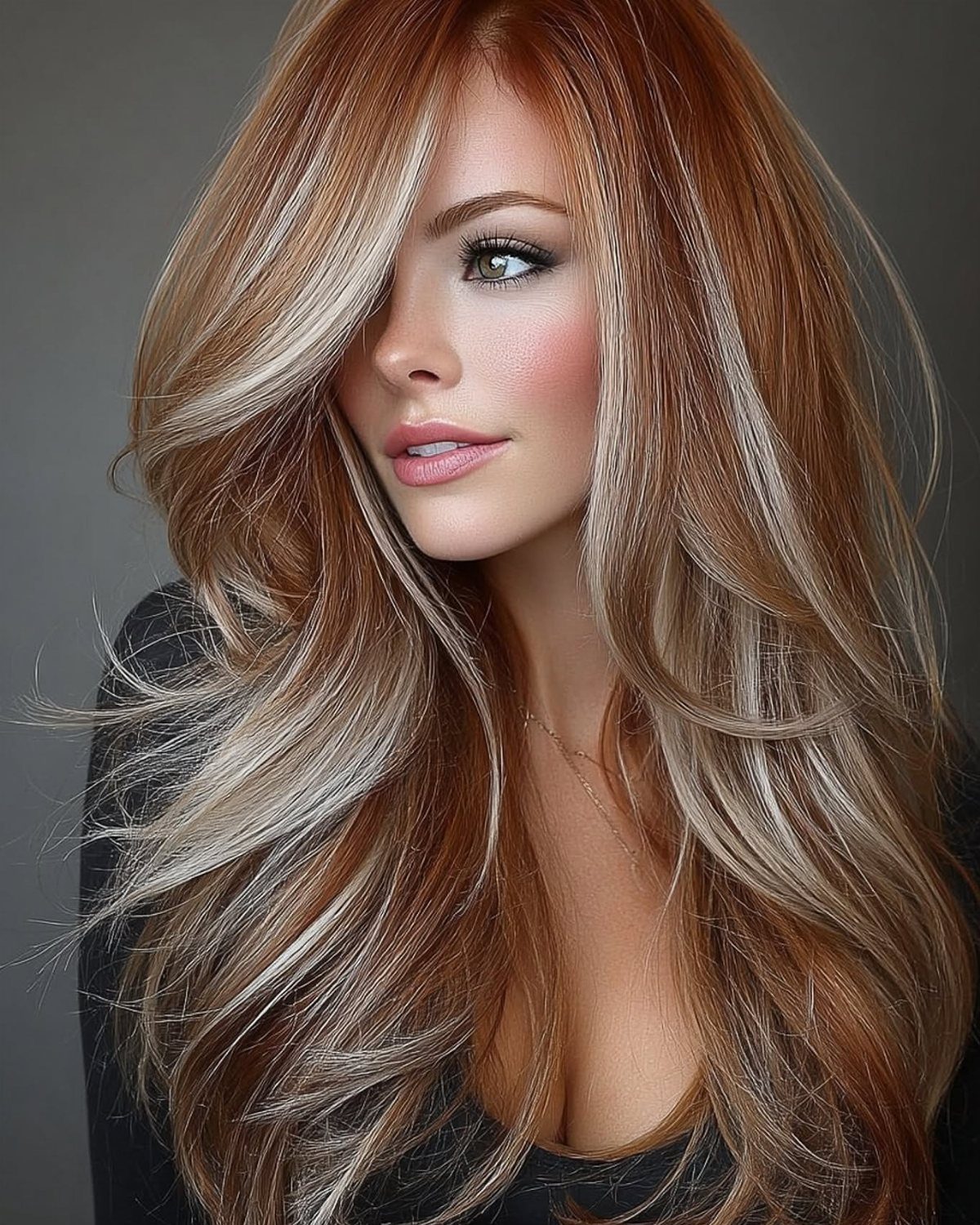
Copper honey blonde adds red-gold warmth to the honey base, so the blonde leans closer to penny and amber than pure gold.
The copper keeps the color from looking neutral or ashy, and the overall tone stays blonde instead of crossing into red.
If your natural hair has warm undertones or existing red, the copper integrates more easily than cool-toned blonde. The red tone fades faster than gold, so expect to refresh the color more often to keep the copper visible.
14. Honey Highlights Around the Face
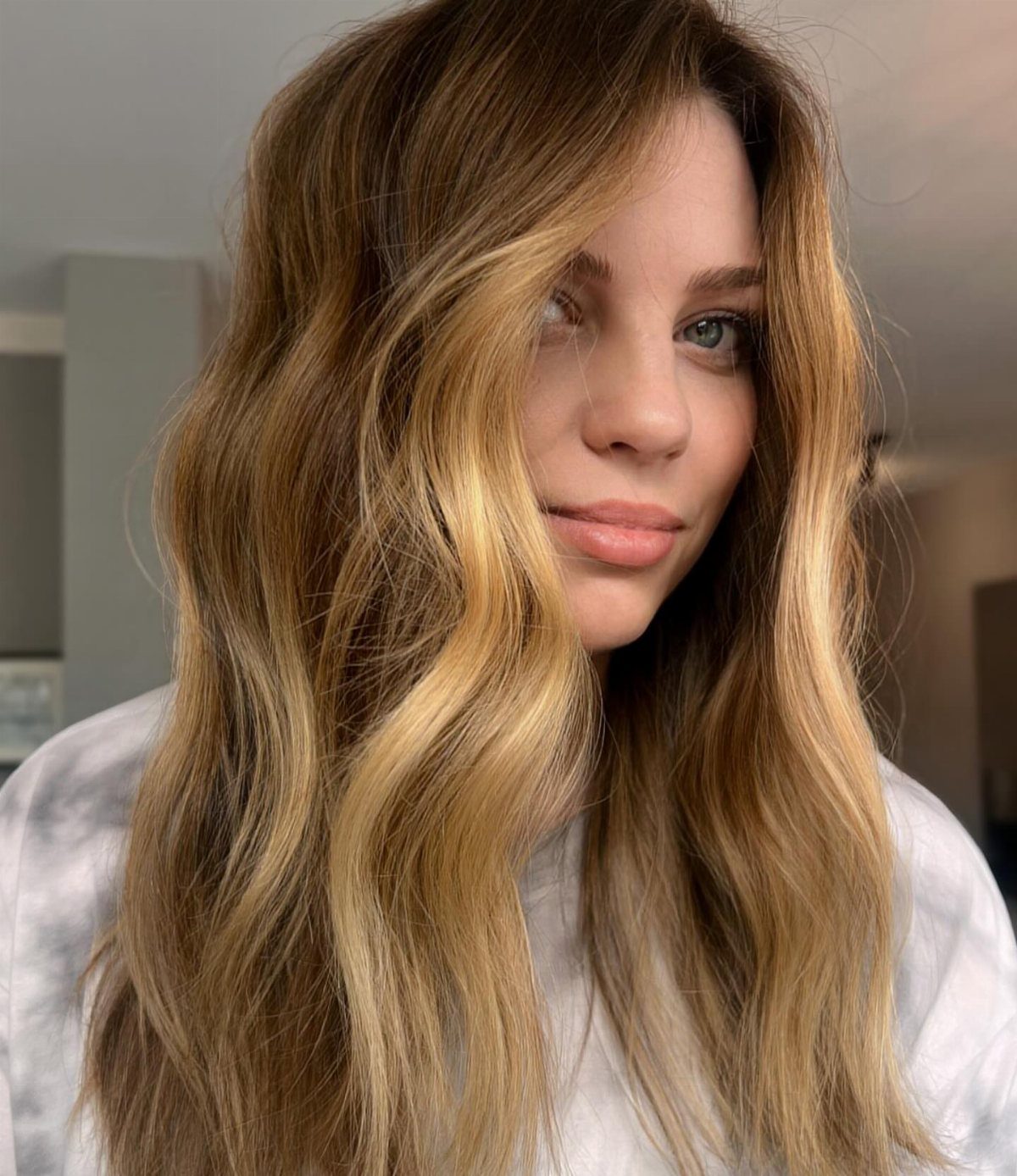
The honey pieces sit at the hairline, temple, and around the face instead of being scattered through the full head.
The placement concentrates brightness where light hits first, so the color frames your face without changing the rest of your hair.
This option keeps color appointments shorter because only the front sections are lifted.
15. Vanilla Honey Blonde
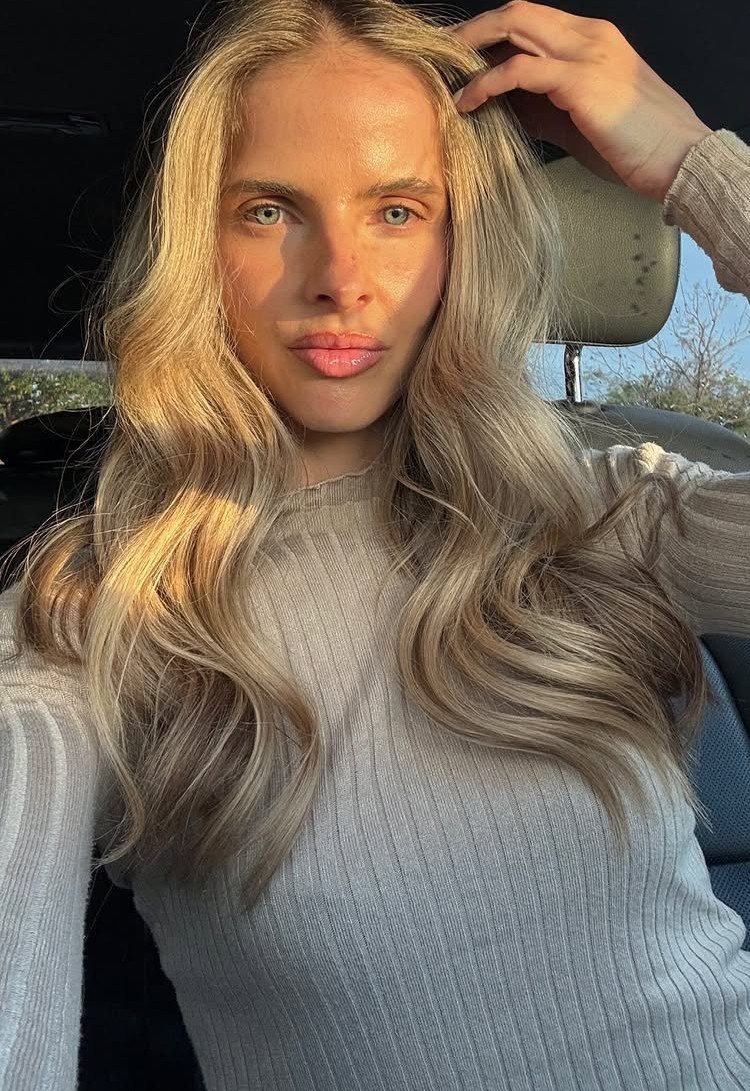
Vanilla honey blonde pulls back the gold and adds a creamy, almost neutral tone, so the result is lighter and less saturated than classic honey.
The warmth is still there, it just sits softer and reads closer to pale blonde with a hint of honey instead of full golden warmth.
The lighter tone requires more lift if you are starting from medium brown, which usually means bleach and toning to reach this level.
The creaminess fades faster than deeper honey, so plan for regular toning to keep the vanilla from turning brassy or yellow.
16. Honeycomb Blonde
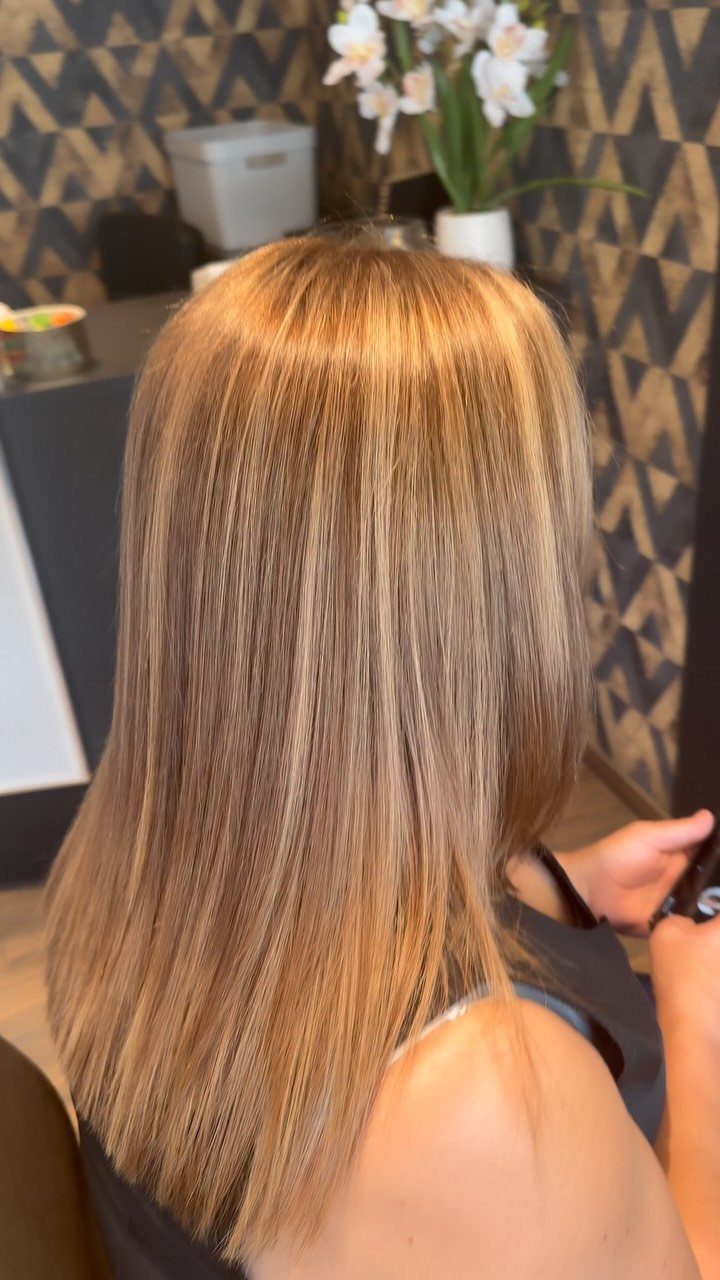
Honeycomb blonde layers multiple shades of warm blonde and golden honey through the hair, so the color has visible variation instead of one flat tone.
The highlights sit lighter than the base, and the overall effect is richer and more dimensional than a single honey shade.
The mix of tones catches light at different angles, which adds fullness and movement.
17. Thick Honey Highlights
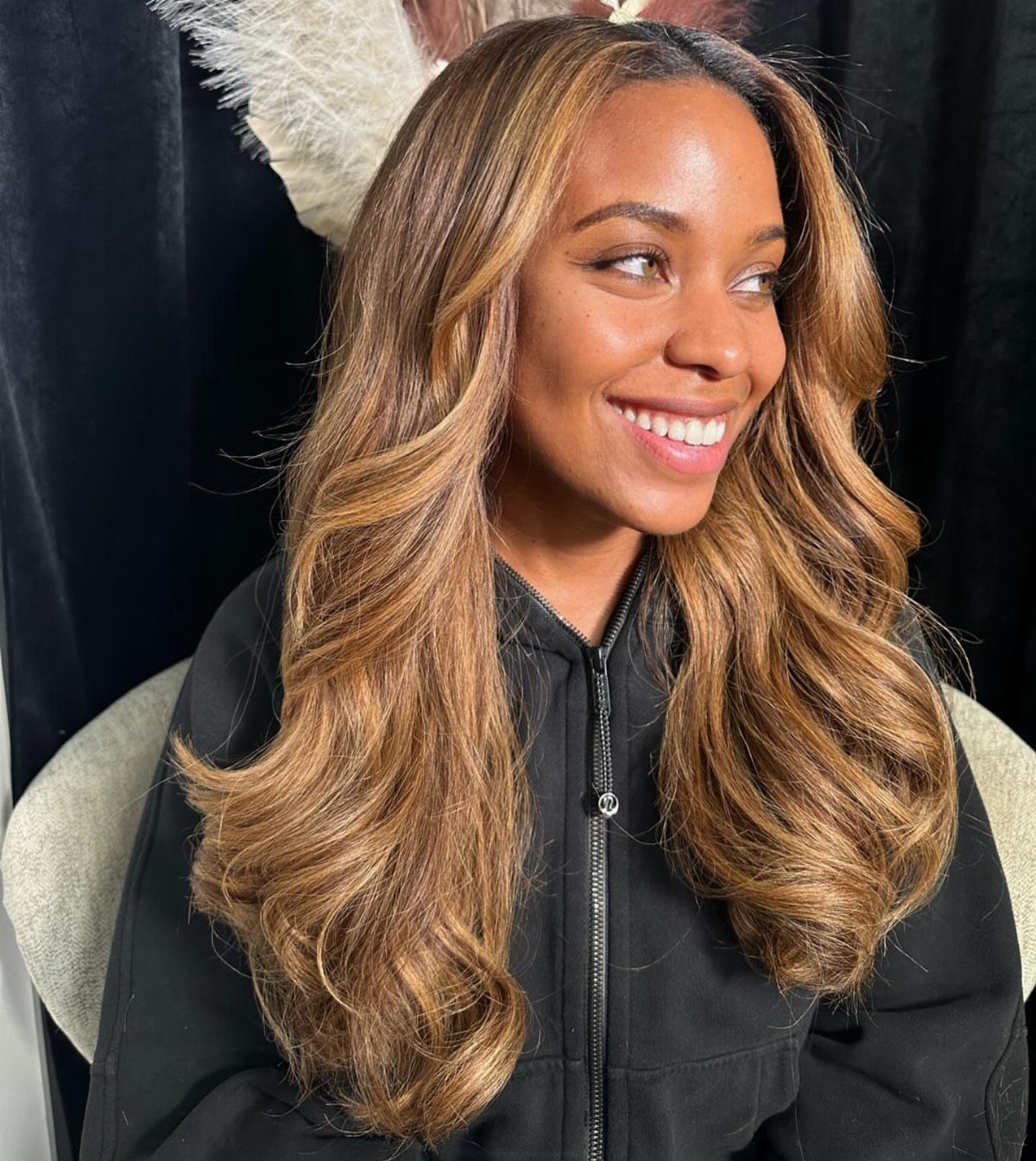
Thick highlights mean each painted or foiled section is wider, so the honey pieces show up as bold ribbons of color instead of fine, scattered strands.
The broader placement gives more contrast and more brightness, particularly around the face where the pieces frame the hairline and jawline.
The width makes them faster to apply than fine highlights, but the contrast means roots appear sooner. If you want noticeable dimension and are prepared for more frequent touch-ups, this is the placement that delivers it.
18. Honey and Wheat Highlights with Side-Swept Bangs
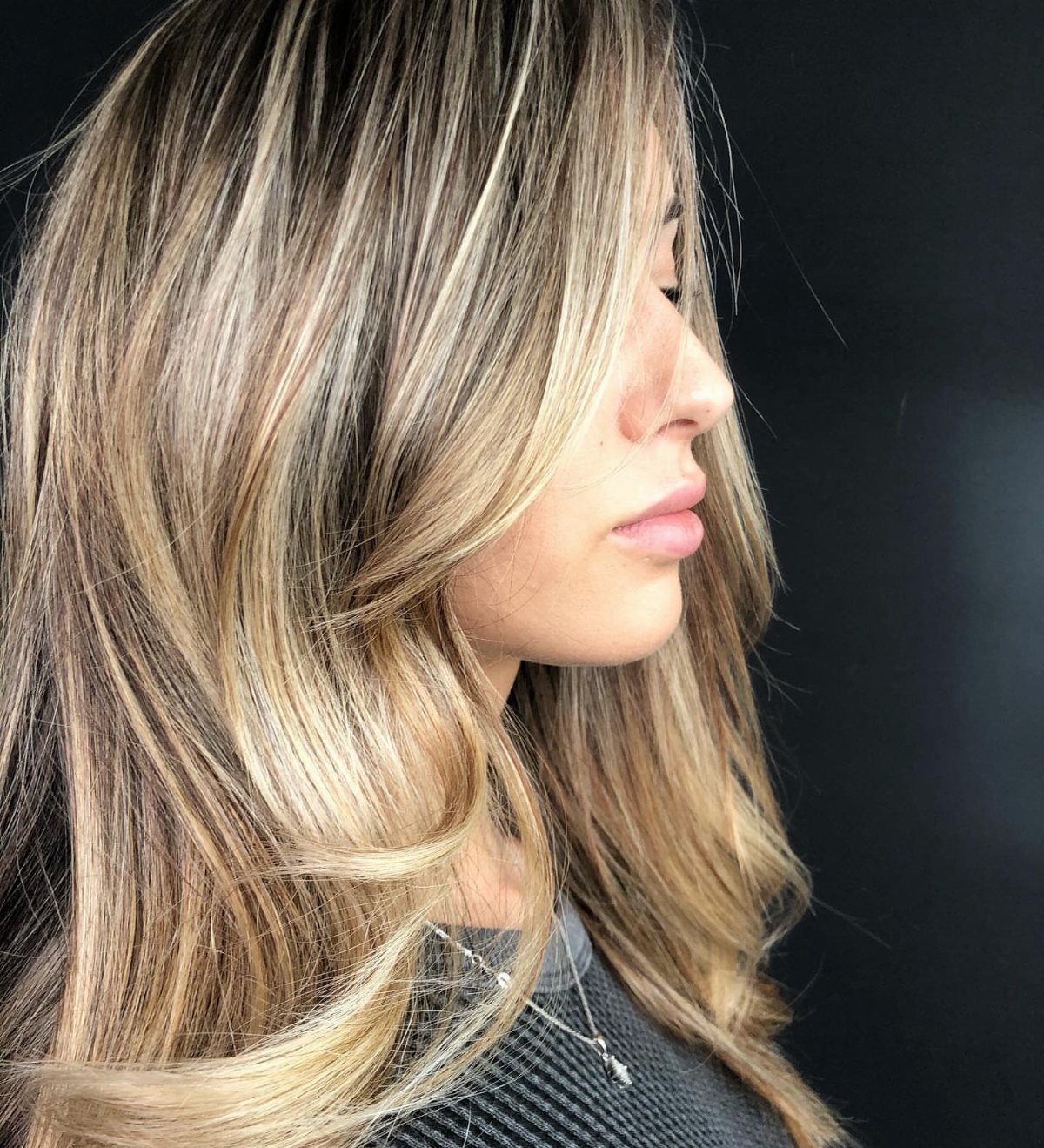
Wheat highlights are cooler and less golden than pure honey, so the mix of the 2 gives both warmth and brightness without leaning too far into gold.
The combination adds dimension because the wheat sits lighter and the honey adds depth, and both work through the length rather than sitting at the ends alone.
Side-swept bangs change where the highlights fall, because the fringe pulls the lighter pieces across the forehead and temple. The movement shows off the color better than blunt bangs, which can hide the front sections entirely.
19. Sandy Blonde Side Part
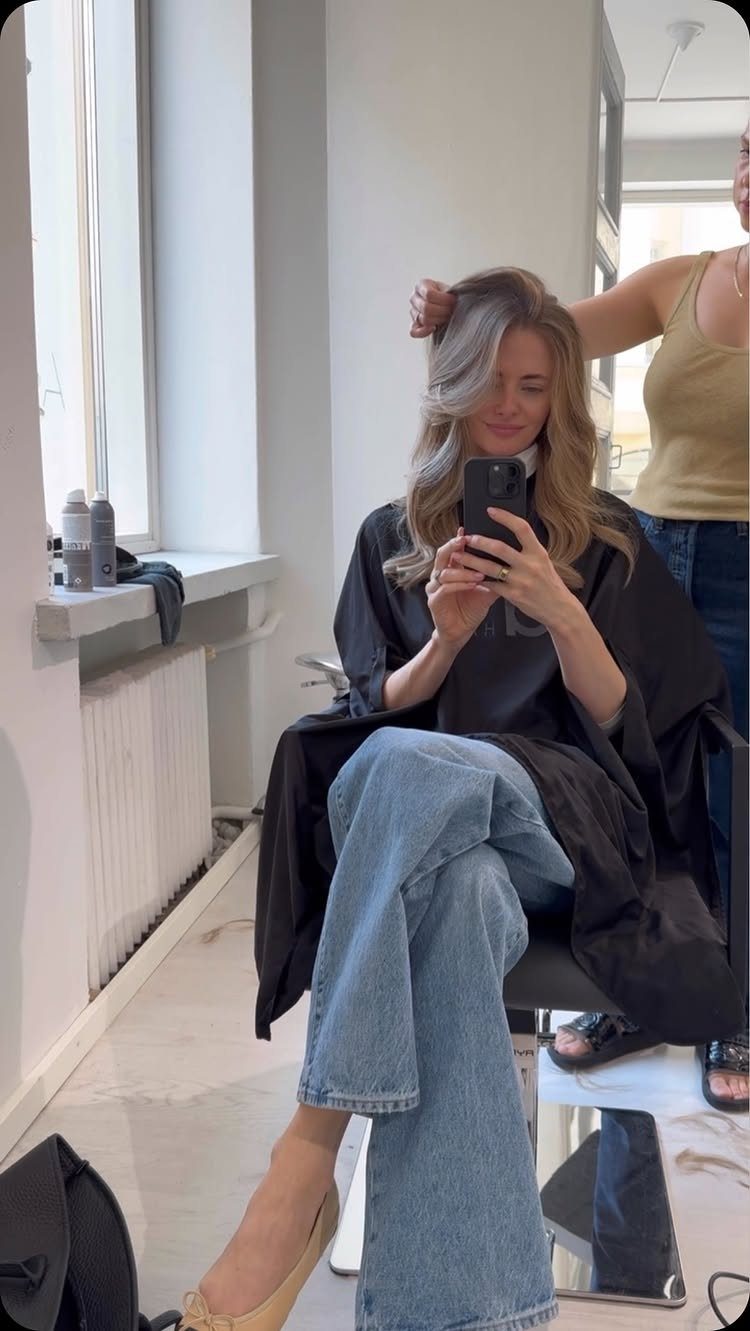
Sandy blonde sits between honey and wheat, cooler than full honey but warmer than ash, so the tone stays neutral enough to suit most skin types without washing out fair complexions.
The side part adds volume at the crown because the hair lifts away from the scalp on one side, and the slight combover means the part line stays soft instead of slicing through.
If you have naturally straight or wavy hair, the side part shows off the dimension in sandy blonde better than a center part, because the color catches light across the forehead and temple.
Maintaining Tone and Hair Health
Color-safe shampoo and conditioner keep honey blonde from fading faster than it needs to. Sulfate-free formulas hold tone longer because they strip less of the deposit with each wash.
Purple shampoo pulls out unwanted brass, but use it sparingly if your honey blonde is meant to stay warm. Once a week is enough to correct orange or yellow without stripping the golden tone entirely.
Hydrating masks and bond-repair treatments matter more after bleach. If your honey blonde required pre-lightening, the structure is weaker and needs regular repair to prevent breakage.
Heat protection and sun protection both stop color from oxidizing. Glosses add shine and refresh tone between appointments, and limiting heat styling means less fading overall.
Choosing Shade by Complexion
The result looks radiant instead of fighting your undertone.
Deep skin suits deep caramel honey, which brings richness and depth without washing out your natural color.
Salon Versus At-home Color
At-home color works well for simple, all-over changes when you are starting from light blonde to light brown and the lift needed is moderate.
Uniform, single-process color is manageable with box dye if your hair is not dark, previously colored, or uneven.
Anything that involves hand-painted color, foils, mixing multiple shades or lifting more than a level or 2 is a salon job.
If your starting color is dark or you want precise placement like money pieces or face-framing streaks, a colorist controls the process better than you can at home.
Tell your colorist you want dimension that starts softly a few inches from the root and melts through the lengths.
Use the words warm, soft, natural, and golden so the result mimics how sunlight hits hair. Ask for painted highlights that grow out without a hard line, finished with a toning gloss to add warmth.
Frequently Asked Questions
What color is honey blonde with highlights?
Honey blonde is a warm, light-to-medium blonde that blends golden, amber, and light-brown tones, and highlights add brighter pieces through the mid-lengths and ends without changing the base color.
The gold keeps it from turning icy or flat, so you land on warmth instead of beige. Strands sit where the sun would catch them naturally: crown, temples, the pieces that fall forward.
What skin tone does honey blonde look good on?
Honey blonde suits warm, neutral, cool, olive, fair, and deep skin tones when the shade is adjusted to match your undertone.
Golden honey works on warm complexions, beige honey softens cool tones without fighting them, and deep caramel sits on darker skin without fading into the background.
Because the palette runs from pale gold to deep amber, most people can land on a version that flatters.
Which honey blonde shade should I choose?
Choose according to your skin tone, natural base, desired warmth, and how much upkeep you can manage.
If you lean warm, go richer and more amber; if you’re cool or neutral, pick softer beige tones; if your base is dark, keep brown in the mix so the blonde reads like dimension instead of a full lift.
Lighter shades require more frequent toning, while darker honey extends time between appointments.
How do I maintain honey blonde hair color?
Use color-safe, sulfate-free shampoo and conditioner to hold tone longer, and add purple shampoo once a week to correct brass without stripping the golden warmth.
Weekly moisture and bond repair keep bleached hair from snapping, and a leave-in with UV and heat blockers stops the color from turning brassy or dull.
A gloss every few weeks brings the tone back and makes the surface look polished again.
Should you go honey blonde at home or visit a salon?
Box color works fine if you’re starting light and the shift is small, like blonde to light brown or the reverse.
Balayage, foils, custom blends, or lifting several levels all need a professional who can watch the hair and adjust as it processes.
Dark starting points and precise work like money pieces or face frame need someone who can section, time and tone better than most of us can manage in a mirror.