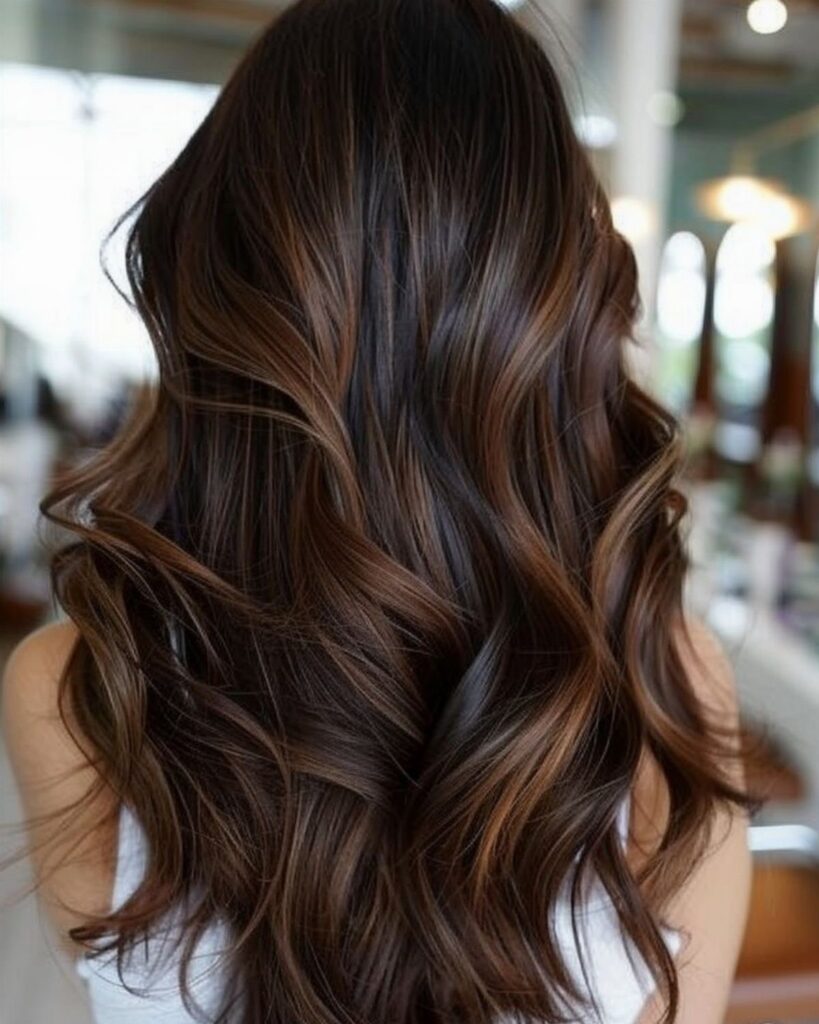
The range runs from chocolate babylights that barely lift off your base to ice blonde highlights that require multiple bleach sessions.
If your skin leans warm or golden, caramel, copper and bronze sit best; cool or neutral complexions take ash brown, taupe and mushroom tones without the color turning muddy or brassy.
Babylights blend for months because the strands are so fine, but red highlights fade faster than any other color and need a refresh sooner.
Face-framing highlights cost less and take less time than a full head because the color sits only around your face, not through the entire length.
1. Babylights
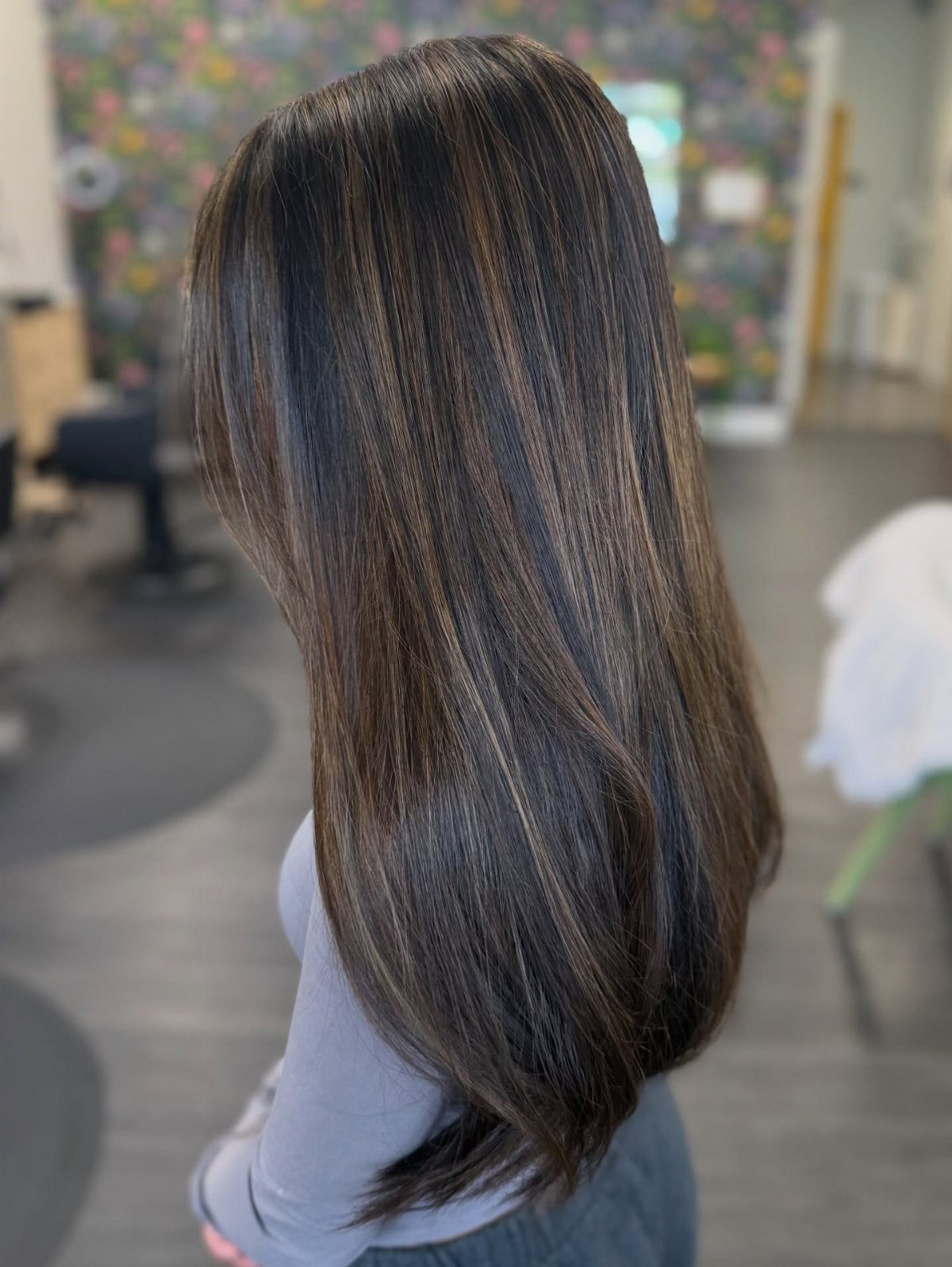
Babylights are fine, scattered highlights placed near the scalp the way childhood sun would hit the hair naturally. The strands stay delicate enough that your natural brunette still reads as the main color.
For a low-commitment first step into highlights, this is it.
The contrast is subtle, and because the lightened pieces are so thin, new growth blends as it grows. You can stretch appointments without an obvious line.
Ask your colorist to keep the lightened pieces no more than a shade or two above your base. Any further and you lose the soft, natural effect.
2. Copper Highlights
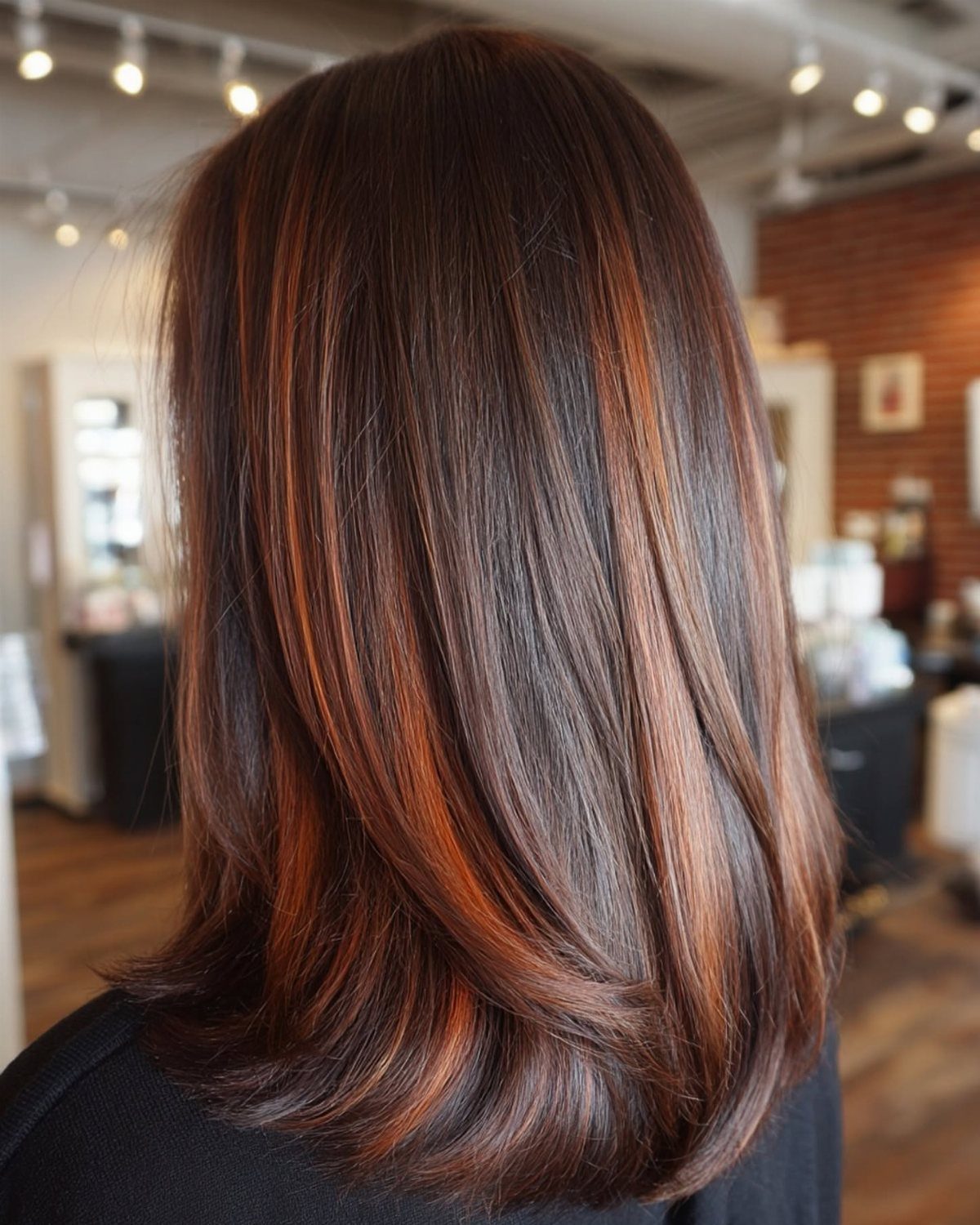
Copper highlights bring a vivid, red-toned warmth that stands out clearly against dark brunette hair. The color is bold enough to read as intentional, not sun-faded.
This suits you if your skin has warm or golden undertones. Copper can pull brassy on cooler complexions, so if you lean pink or neutral, ask for a softer auburn instead.
The color holds better on virgin or minimally processed hair.
If you have previous color, your stylist may need to lift the base slightly to get the copper to show through. Expect to refresh the tone every 6 to 8 weeks, as red pigments fade faster than other shades.
3. Subtle Ombre
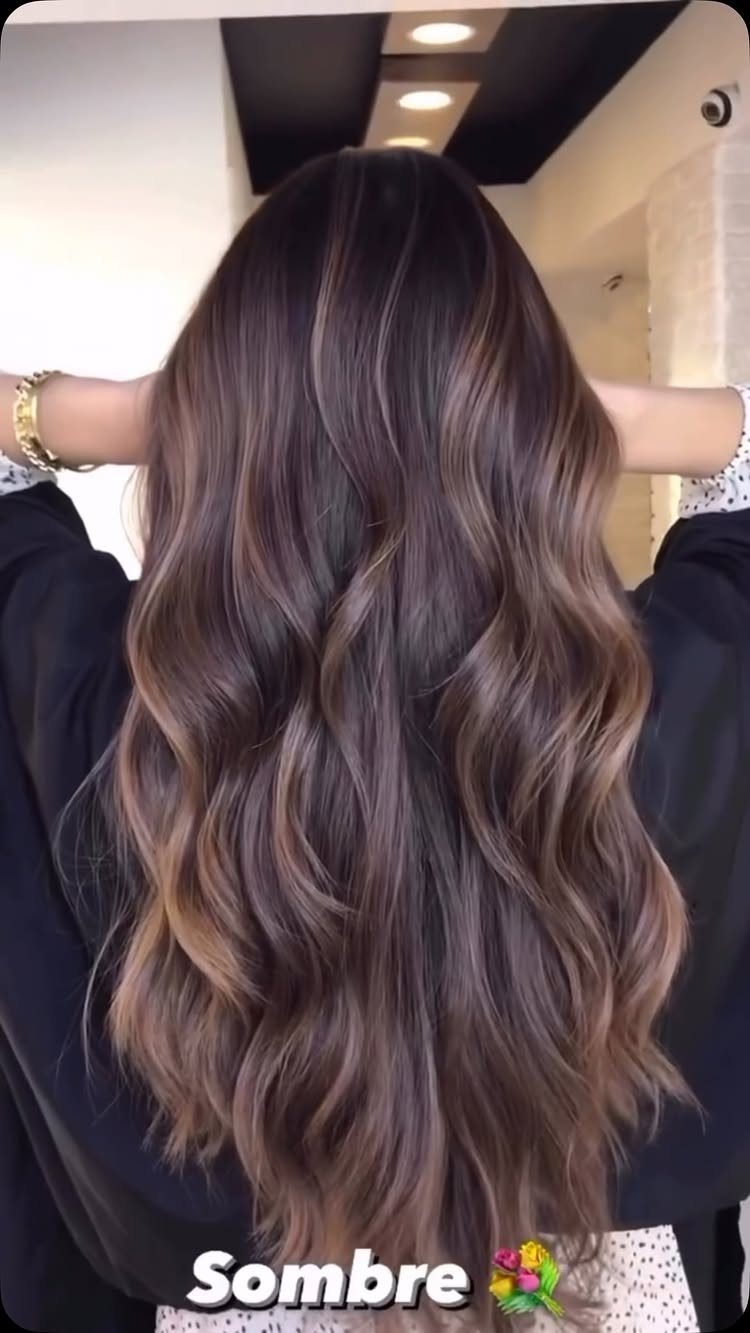
The shift is soft enough that you see dimension, not a two-tone split.
This is one of the lowest-maintenance color options.
Your natural dark stays at the scalp, so new growth is invisible. You only need a touch-up when the lighter ends start to fade or if you want to refresh the tone.
The lighter section usually sits from mid-length down, which means it works on hair that is past shoulder length. If your hair is shorter, the fade has less room to develop and can read as a blunt contrast instead.
4. Caramel Babylights
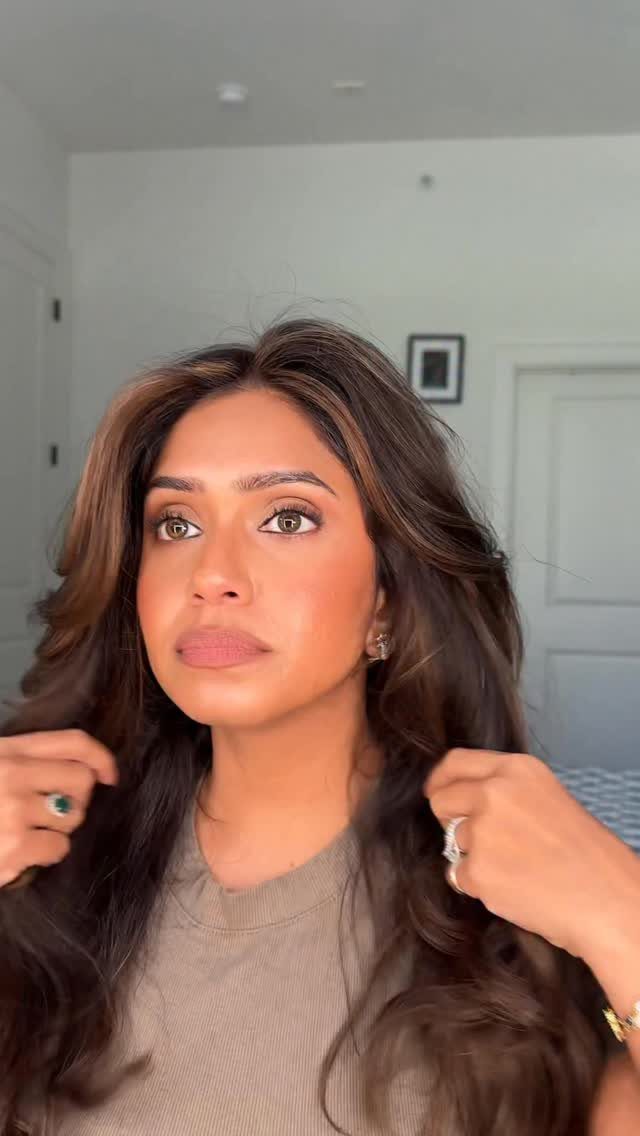
Caramel babylights are fine, warm highlights scattered through dark brunette hair. The caramel tone adds a golden lift without covering much of the base color.
The placement is what keeps this subtle. The lightened pieces are thin and spaced far enough apart that the dark hair still dominates.
If you hold a section up to the light, you see the caramel strands; in most lighting, the overall effect is just warmer and slightly brighter.
This suits medium to warm skin tones.
On cooler complexions, caramel can read orange. If you lean cool, ask for a honey or golden brown instead, which has less red in the mix.
5. Black-to-Brown
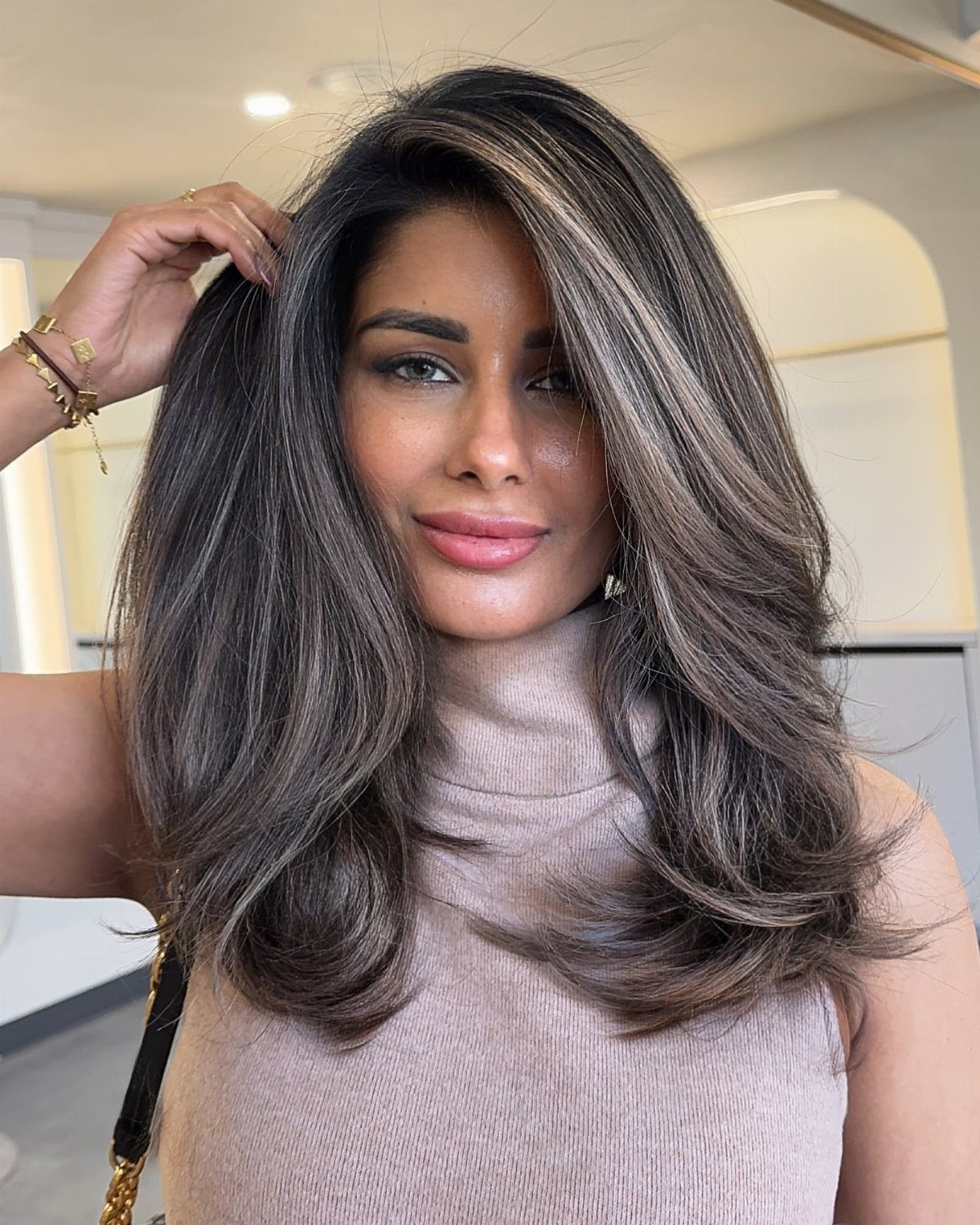
Black-to-brown highlights add warm brown pieces to hair so dark it reads as black in most lighting. The contrast is enough to create dimension without a dramatic color shift.
This works well if you want to soften a very dark base without committing to a lighter overall color.
The brown highlights catch the light and break up the solid black appearance, but the hair still reads as dark from a distance.
Your colorist will likely use a low-volume developer to lift the black slightly, then tone it to a warm brown.
If your hair is naturally black, the lift may pull red or orange before it reaches brown, so the toning step matters.
6. Subtle Highlights
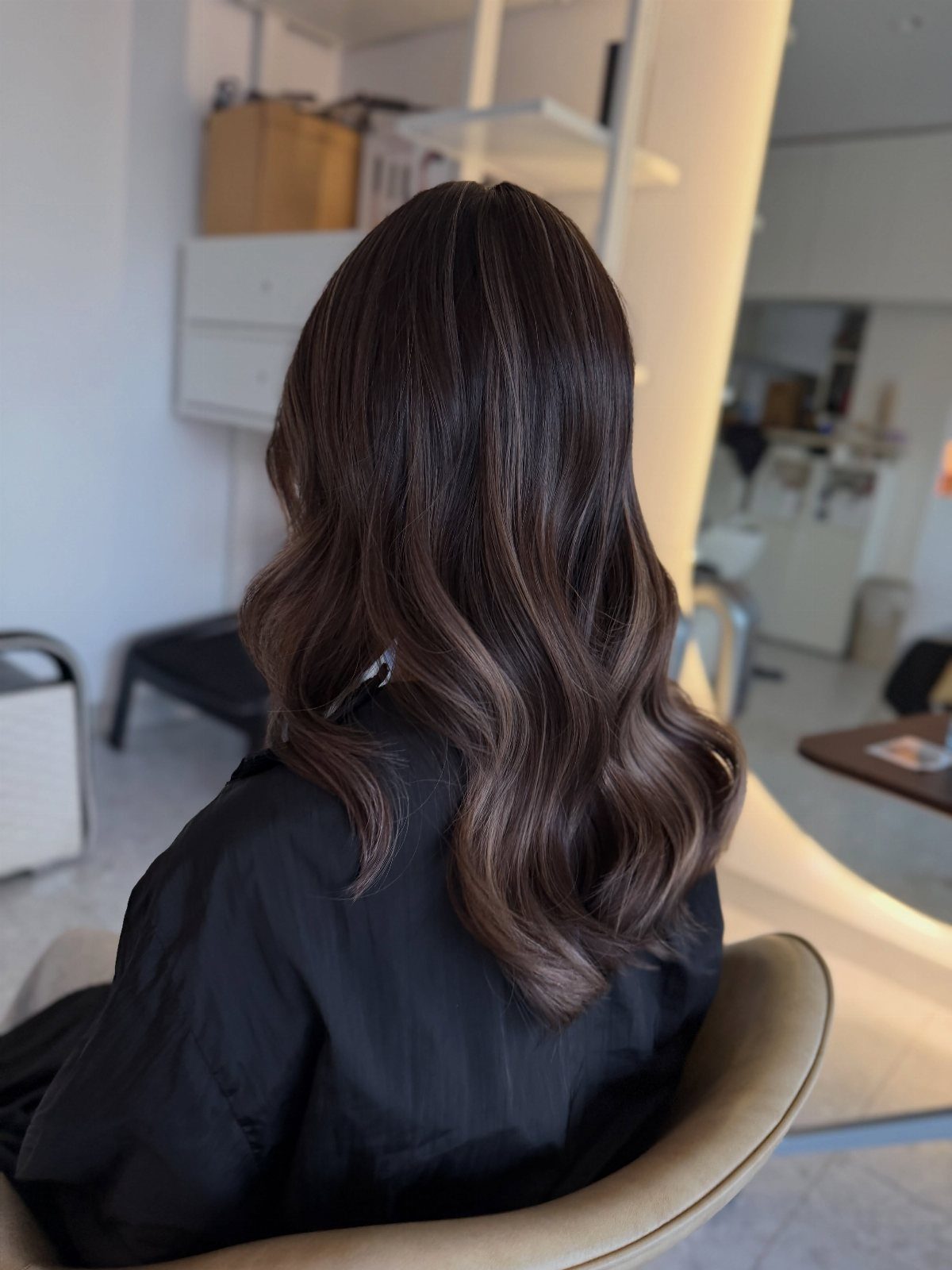
Subtle highlights sit a shade or two lighter than your natural color, adding dimension without changing the overall look. The effect is restrained and close to what the hair might do on its own.
This is a good first move if you are unsure how much contrast you want.
The placement can be traditional foils or balayage, depending on how soft you want the lines. Foils give a more uniform result, balayage gives a softer fade.
The upkeep is manageable. Because the highlights are close to your natural color, regrowth blends in after a few weeks.
7. Face-Framing Highlights
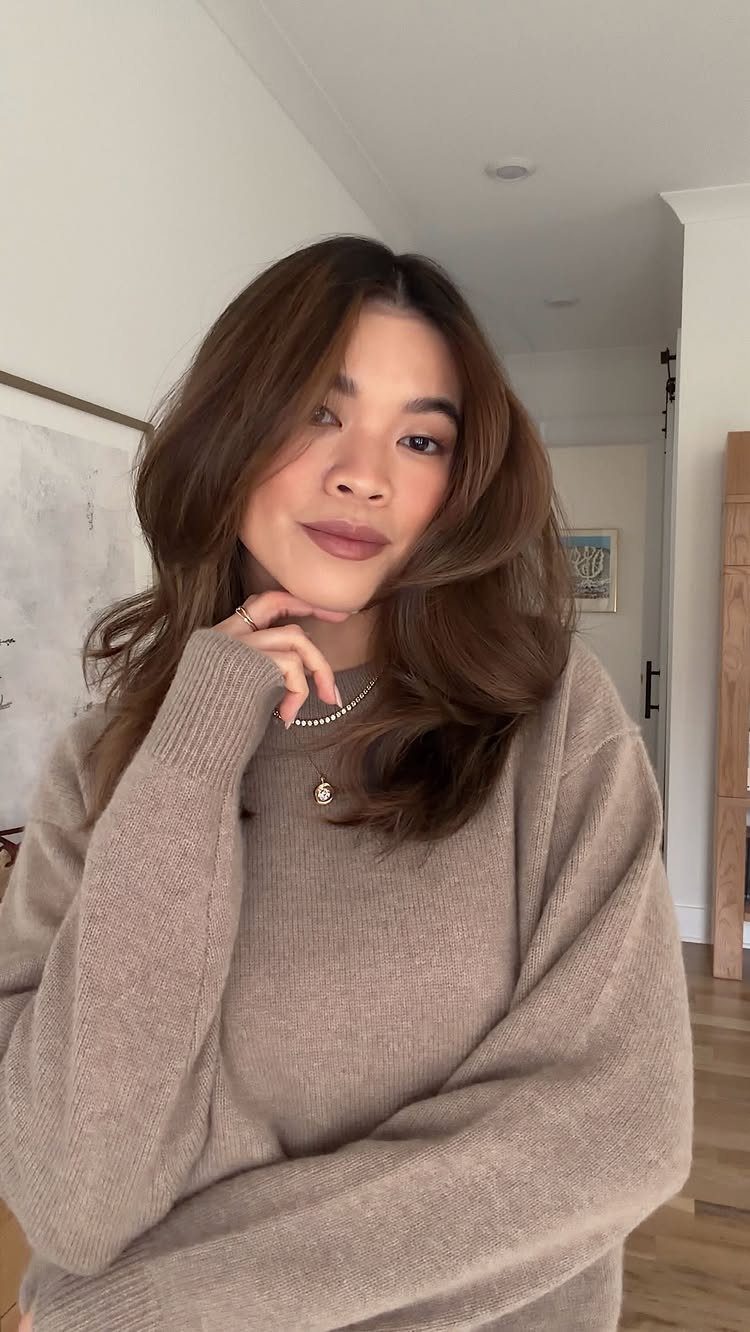
Lighter pieces placed around the face brighten the front without touching the rest of the head. The contrast draws attention to your eyes and cheekbones, and the warmth opens up your complexion.
This gives you color where it matters most if you want dimension but do not want to sit for a full highlight session. The application takes less time, uses less product, and costs less than an all-over service.
Any wider and the effect stops reading as face-framing.
8. Caramel Balayage
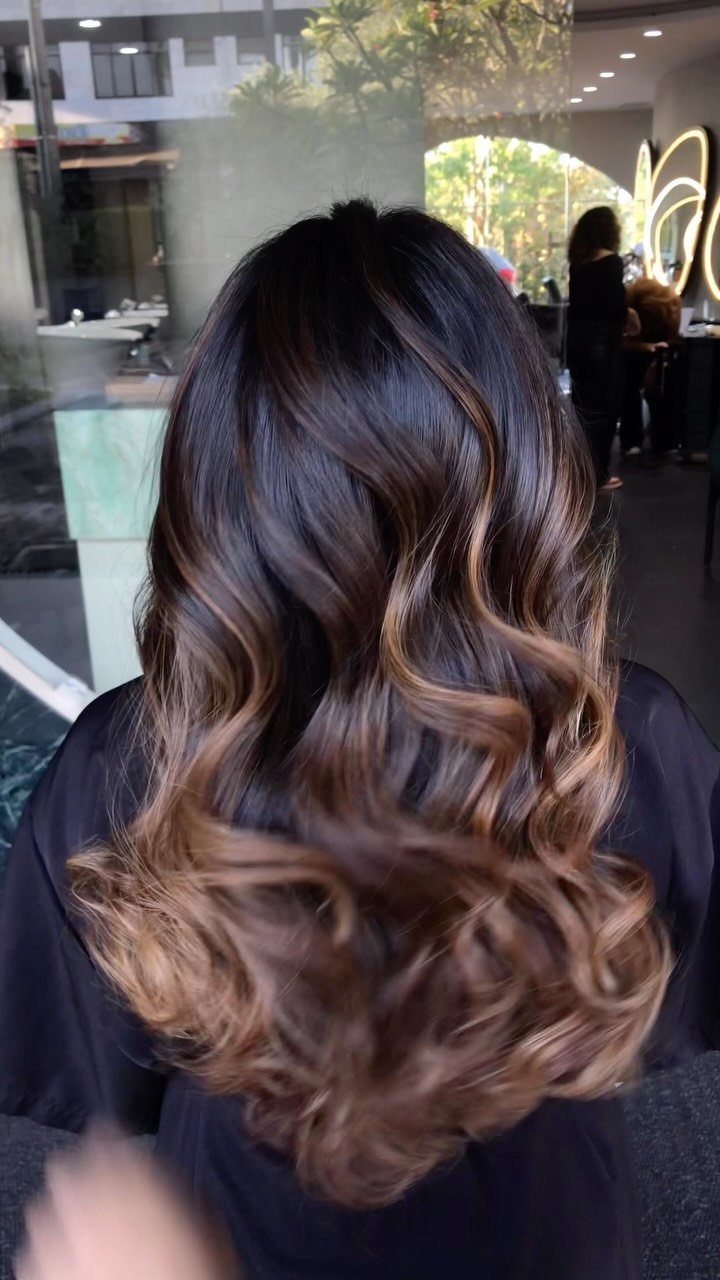
Balayage means the color is hand-painted onto the surface of the hair rather than woven into foils. Caramel tones are brushed through the mid-lengths and ends, leaving the roots untouched.
The transition from dark to caramel is soft and gradual, so regrowth blends in as the hair grows.
Because the placement starts midlength and softens toward the ends, regrowth is gradual and you can stretch appointments longer without a visible line.
This works best on hair that is shoulder length or longer, where the colorist has enough length to fade the caramel from dark to light.
9. Bronze Highlights
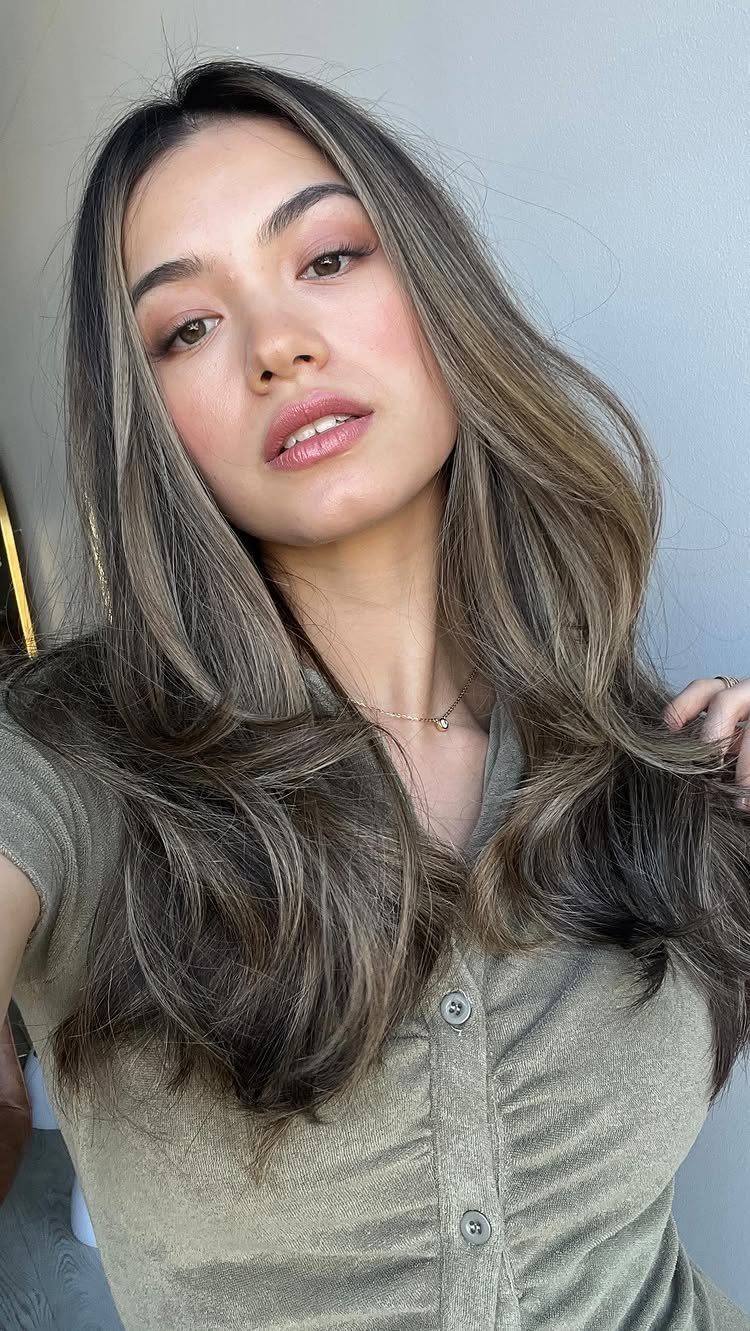
Bronze sits between caramel and copper, warm enough to add richness without the intensity of red. The tone reads as a muted gold with a hint of brown underneath.
If you have cool undertones, bronze can look muddy; ask for a cooler ash brown or mushroom tone instead.
The color holds longer than copper or red highlights because it contains less red pigment.
10. Chestnut Highlights
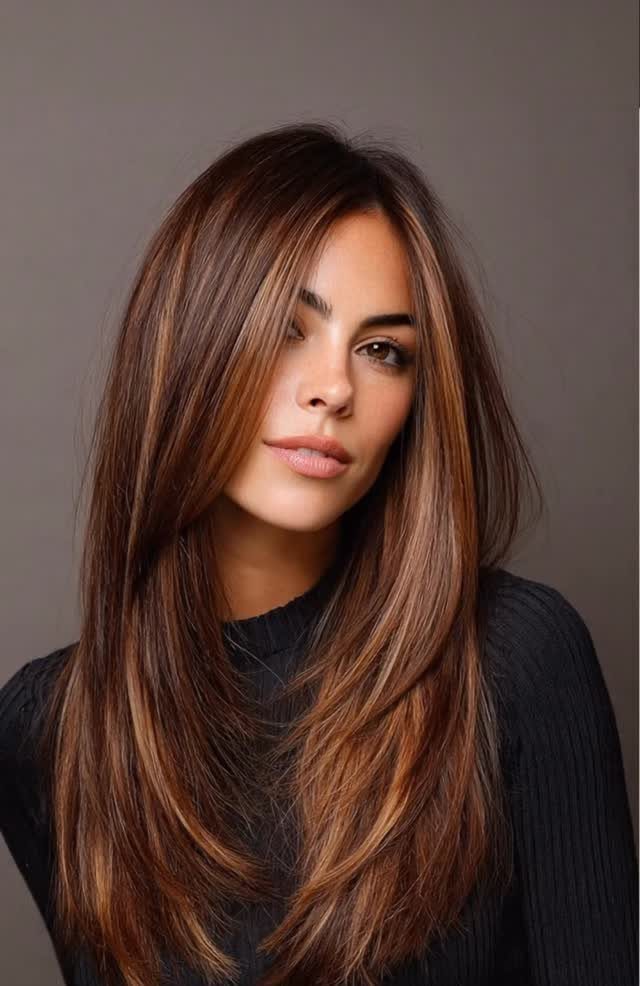
Chestnut is a medium brown with a warm base, sometimes leaning slightly red. The color adds depth without lifting the hair to a lighter shade, so the overall effect stays close to your natural brunette.
This is a low-contrast option that suits anyone who wants a change but does not want to commit to blonde or obvious color. The highlights blend easily with dark hair, and regrowth is less noticeable than with lighter shades.
If your hair pulls red when lightened, chestnut works with that instead of fighting it.
11. Chocolate Brown Highlights
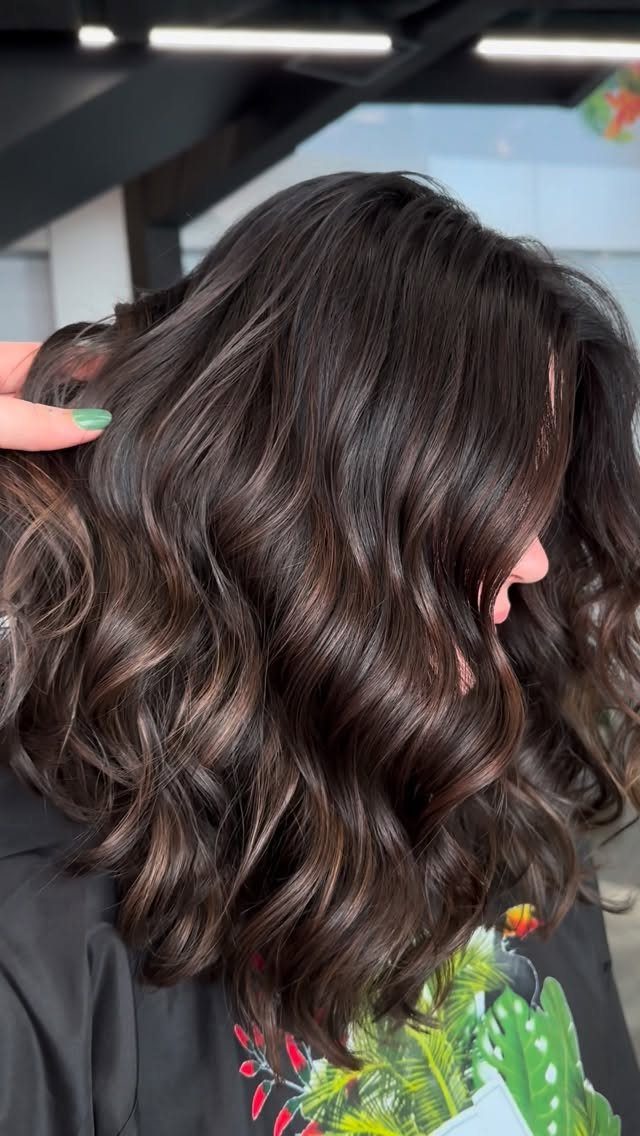
Chocolate highlights stay in the brown family, adding depth and dimension without a visible shift toward blonde or red. The color is close enough to dark brunette that the highlights read as shadow and light rather than separate strands.
This suits you if you want a subtle change that does not require regular toning or frequent touch-ups.
The contrast is minimal, so this works best in styles with layers or texture where the highlights can catch the light.
12. Cinnamon Highlights
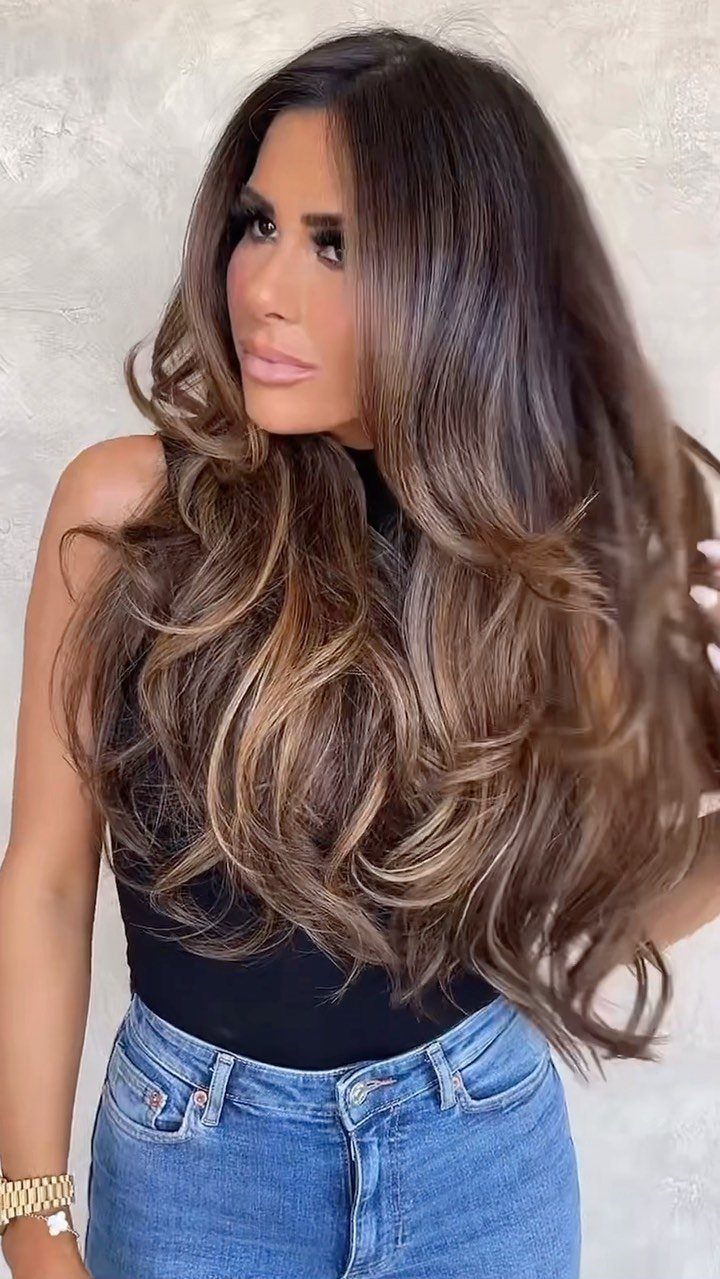
Cinnamon is a warm brown with red undertones, more subtle than copper but bolder than caramel. The color adds warmth without the intensity of a full red or auburn highlight.
Red fades quicker than brown, so be ready to come back sooner if you want the warmth to stay strong. A color-safe shampoo helps slow the fade between appointments.
13. Peek-a-Boo Highlights
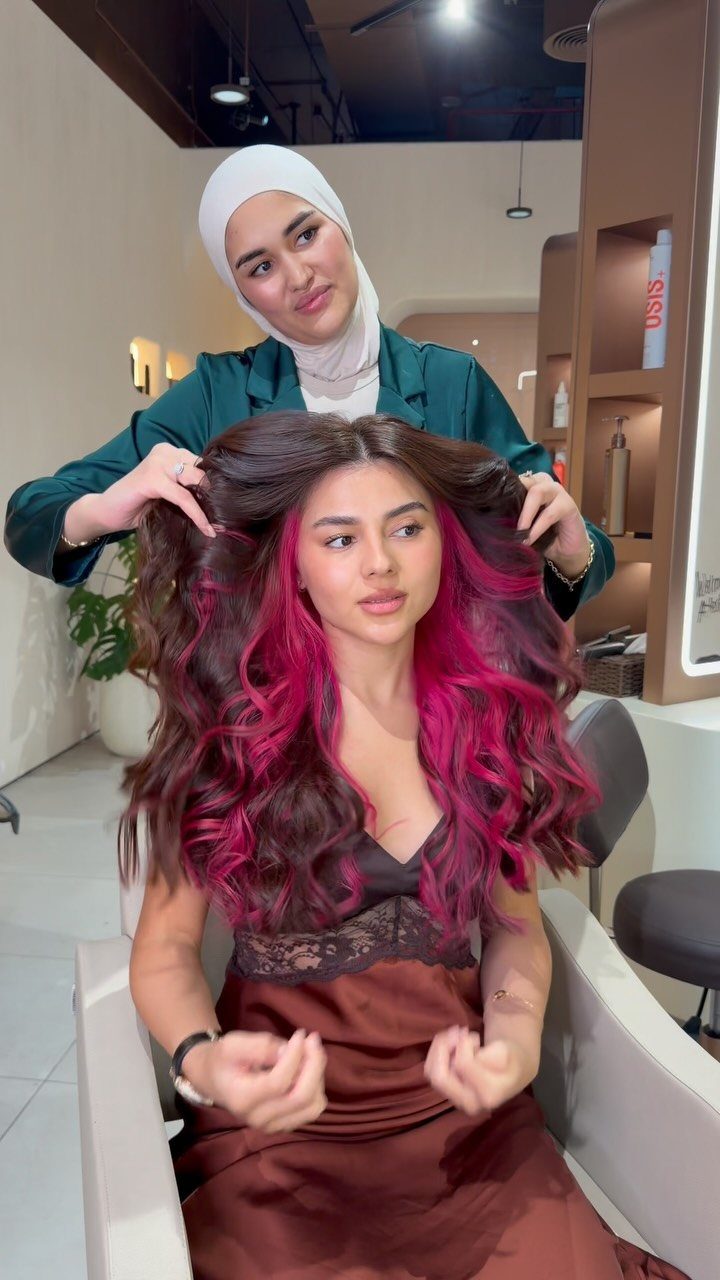
The color hides under the top layer of hair and shows only when you move, tuck a section behind your ear, or wear the hair up.
The contrast can be as bold as you like because the placement keeps it occasional.
The hidden placement means regrowth is invisible, and you only need to refresh the color when it fades, not when roots grow in.
Ask your colorist to place the highlights on the underlayers, starting an inch or two below the part line. Any higher and they start to show all the time.
14. Warm Blonde Balayage
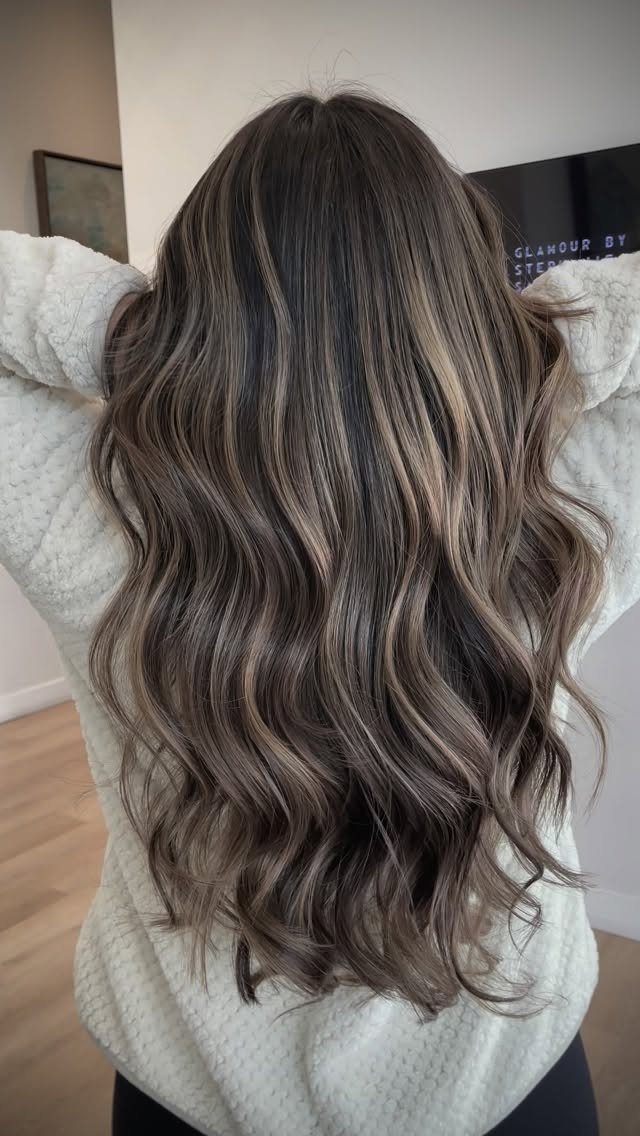
Warm blonde balayage hand-paints golden blonde through the mid-lengths and ends of dark brunette hair. The tone is honey or buttery, not cool platinum, so the contrast stays warm and blended.
This is a bigger lift than caramel or bronze, so expect multiple sessions if you are starting from virgin dark hair. Your colorist may need to lighten the hair gradually to avoid damage and keep the blonde from pulling orange.
The tone needs upkeep. Warm blonde can fade brassy, so plan to use a purple or blue shampoo every few washes to keep the gold from turning yellow.
15. Toasted Dark Brown
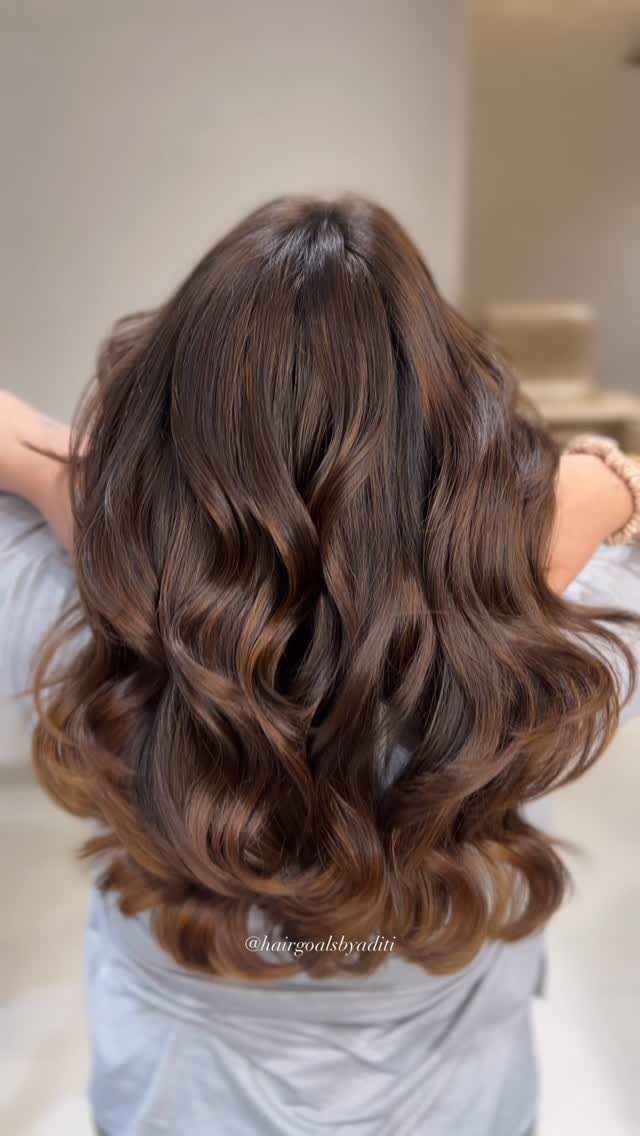
Toasted dark brown is a subtle, warm brown placed through the mid-lengths and ends, close enough to the base that the contrast is soft.
The muted tone suits choppy cuts and textured styles, where the slight color shift catches the light on layered ends.
On blunt, one-length hair, the effect is less visible because there is less surface area for the color to show through.
16. Blonde Ribbon Highlights
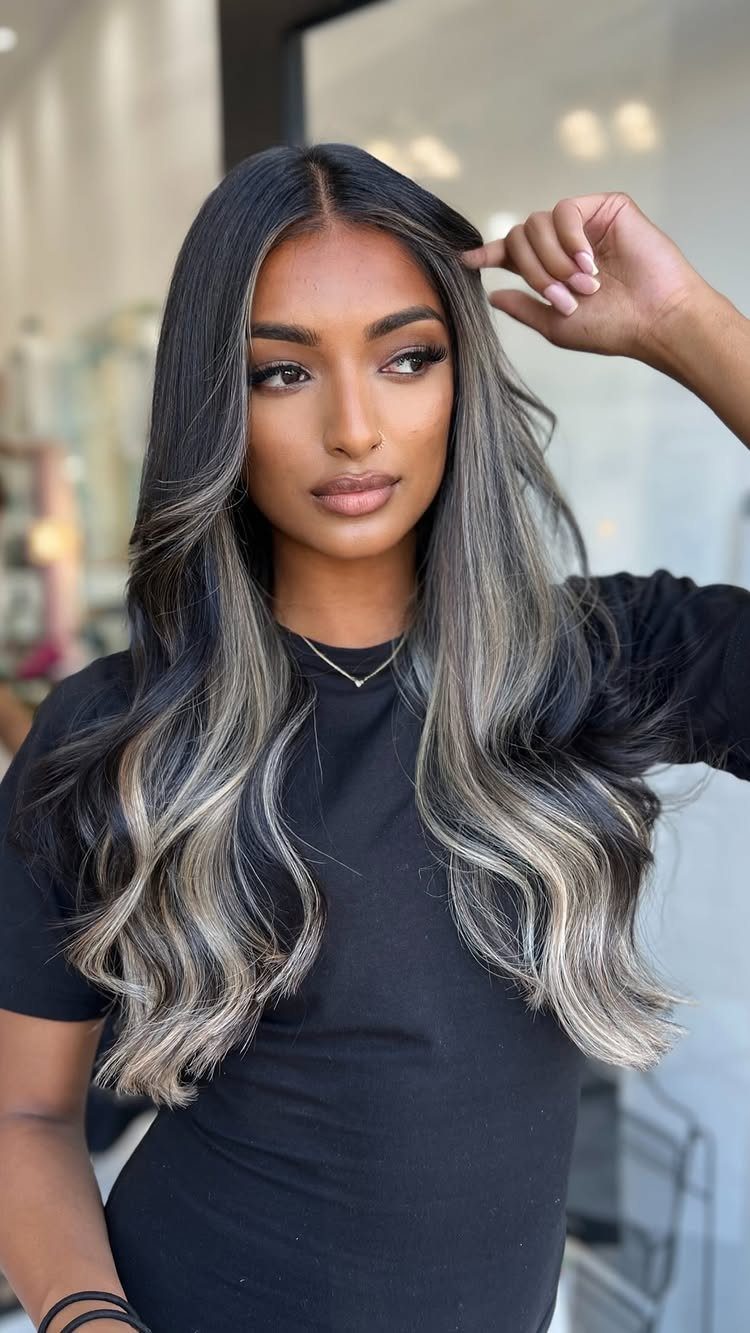
Ribbon highlights are thick, vertical sections of blonde painted through the hair, wider than traditional highlights but blended at the edges to avoid a striped look. The placement gives a bold contrast that still reads as modern, not dated.
This suits you if you want noticeable color without going fully blonde. The ribbons are chunky enough to make a statement but blended enough that the dark base still shows through.
The upkeep is similar to full balayage. Because the blonde is concentrated in wide sections, you will see regrowth as it grows in.
17. Red Highlights
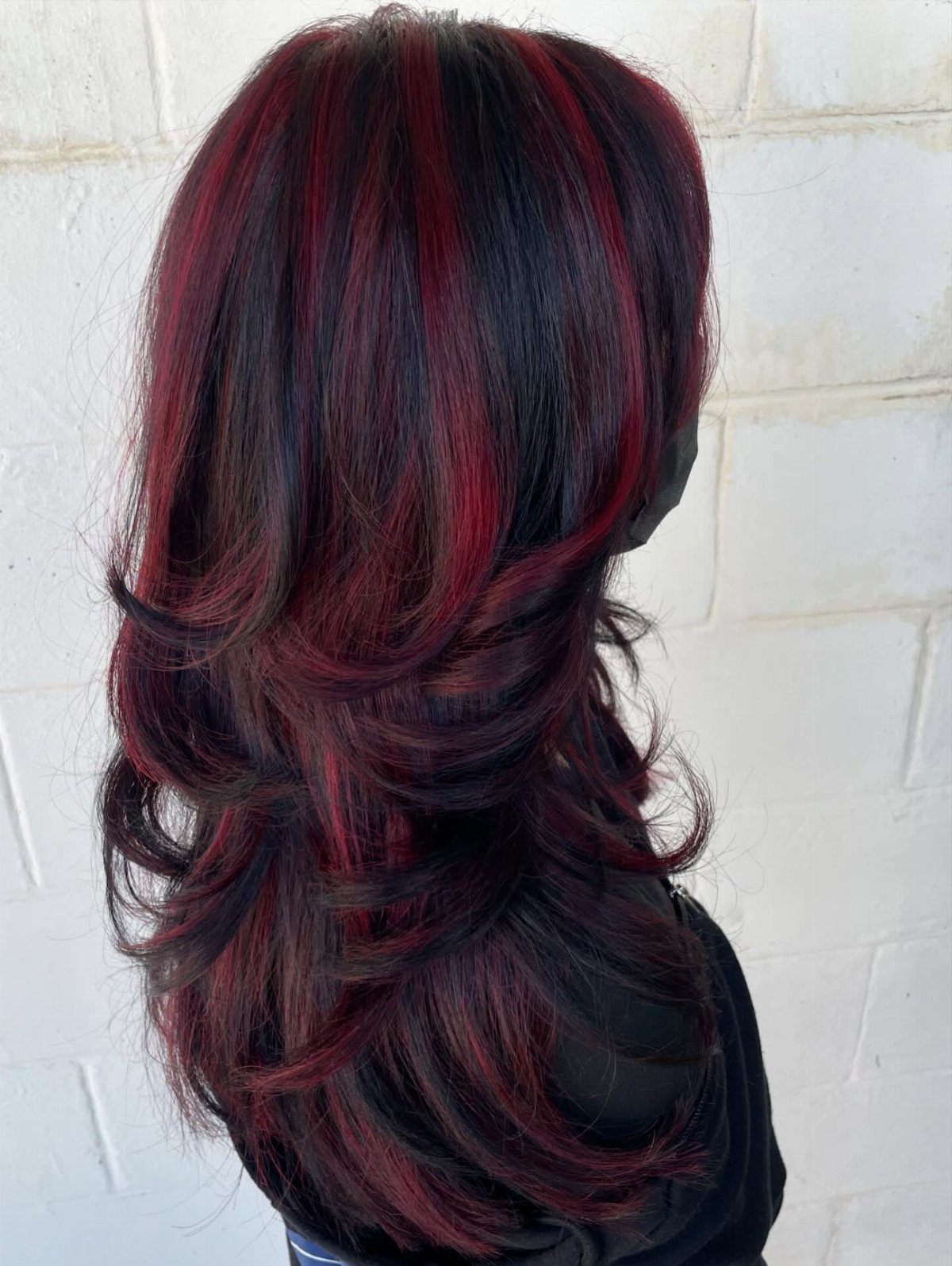
Red highlights add vivid, true red strands to dark brown hair. The contrast is sharp and intentional, not subtle or sun-kissed.
The red pulls warm without veering orange, so it tends to sit better on skin that already has golden or neutral undertones.
On cool complexions, red can clash, so if you lean pink, ask for a burgundy or plum tone instead, which has blue undertones that sit better with cooler skin.
Red fades faster than any other color. Red fades faster than most colors, so expect to book a refresh sooner, and use a sulfate-free shampoo to keep the tone from slipping too quickly.
The color will lighten to orange or copper as it fades, so maintenance matters if you want the red to stay vivid.
18. Hazelnut Balayage
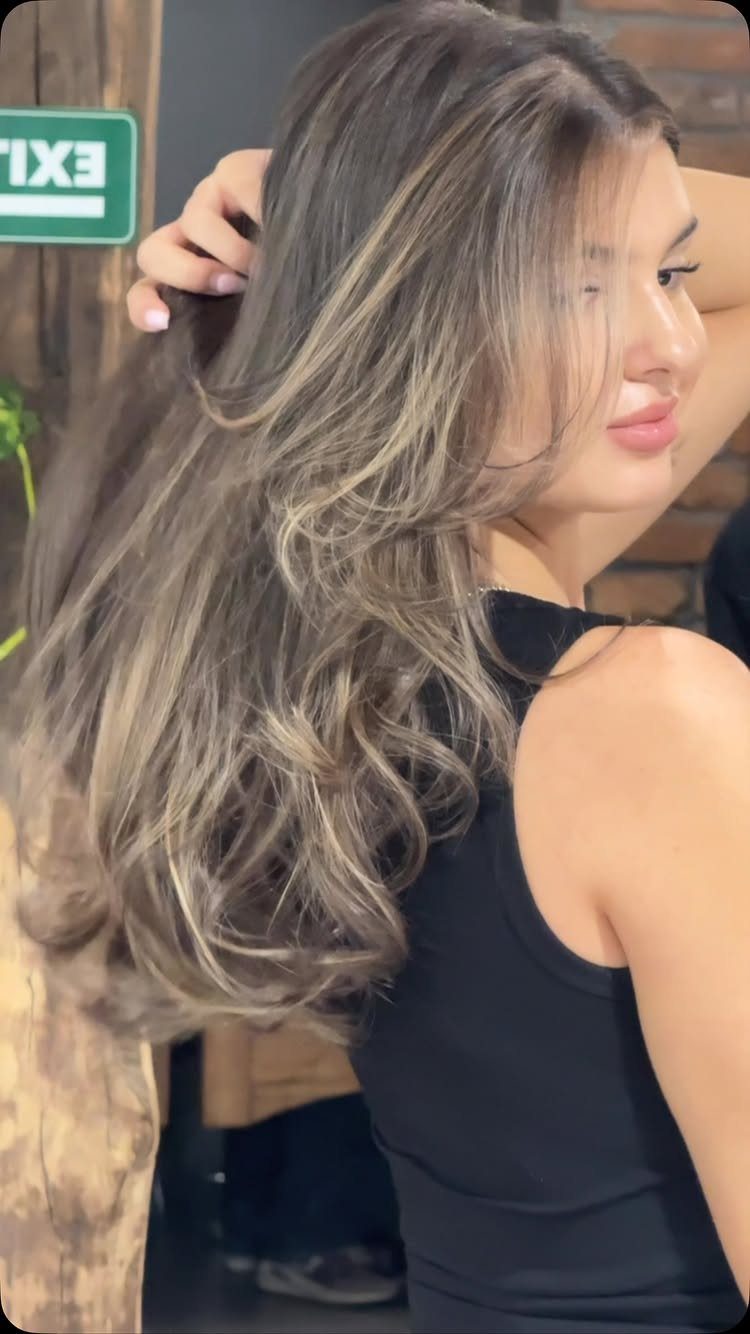
Hazelnut is a neutral brown with a soft golden undertone, lighter than chestnut but warmer than ash. The tone brightens dark brunette hair without shifting it into caramel or blonde territory.
This suits nearly every skin tone because the warmth is restrained. If you are unsure whether warm or cool tones suit you, hazelnut sits in the middle.
The tone holds longer than blonde or red because it does not need heavy lifting or bold pigment, so regrowth blends instead of announcing itself.
19. Golden Sun-Kissed Highlights
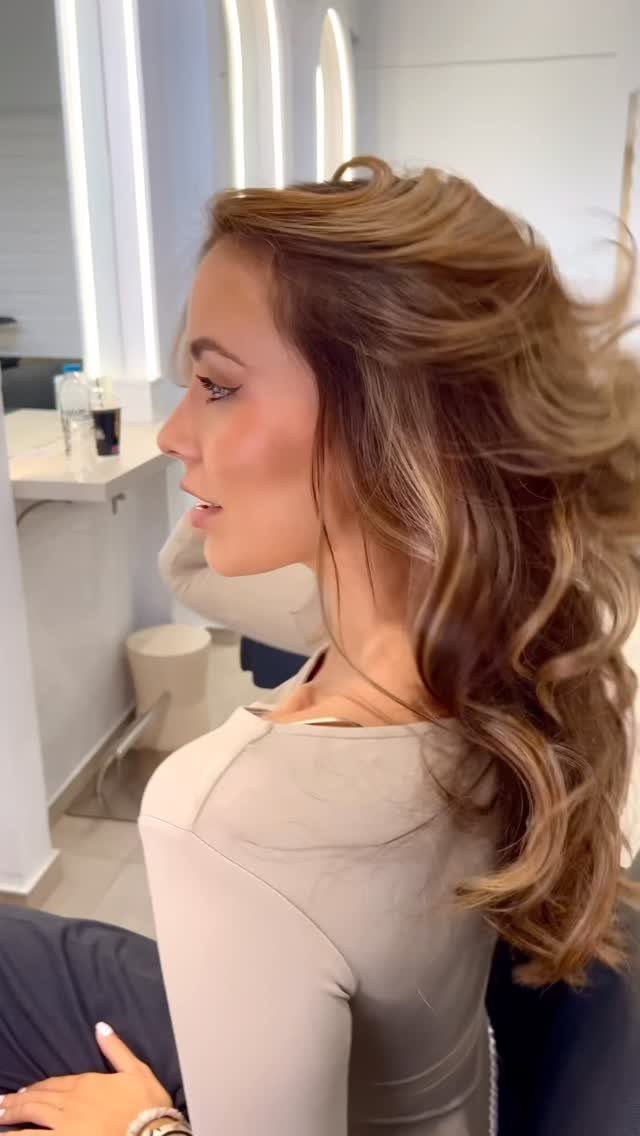
Golden highlights scattered through dark brunette hair give the impression of natural sun lightening, warm and unforced.
The placement is soft and diffused, not concentrated in one area. The colorist paints the lighter pieces through the mid-lengths and ends, where sun exposure would naturally lighten the hair.
Because the contrast is gentle and the placement mimics what happens naturally, regrowth is nearly invisible.
20. Dark Brown and Toffee Highlights
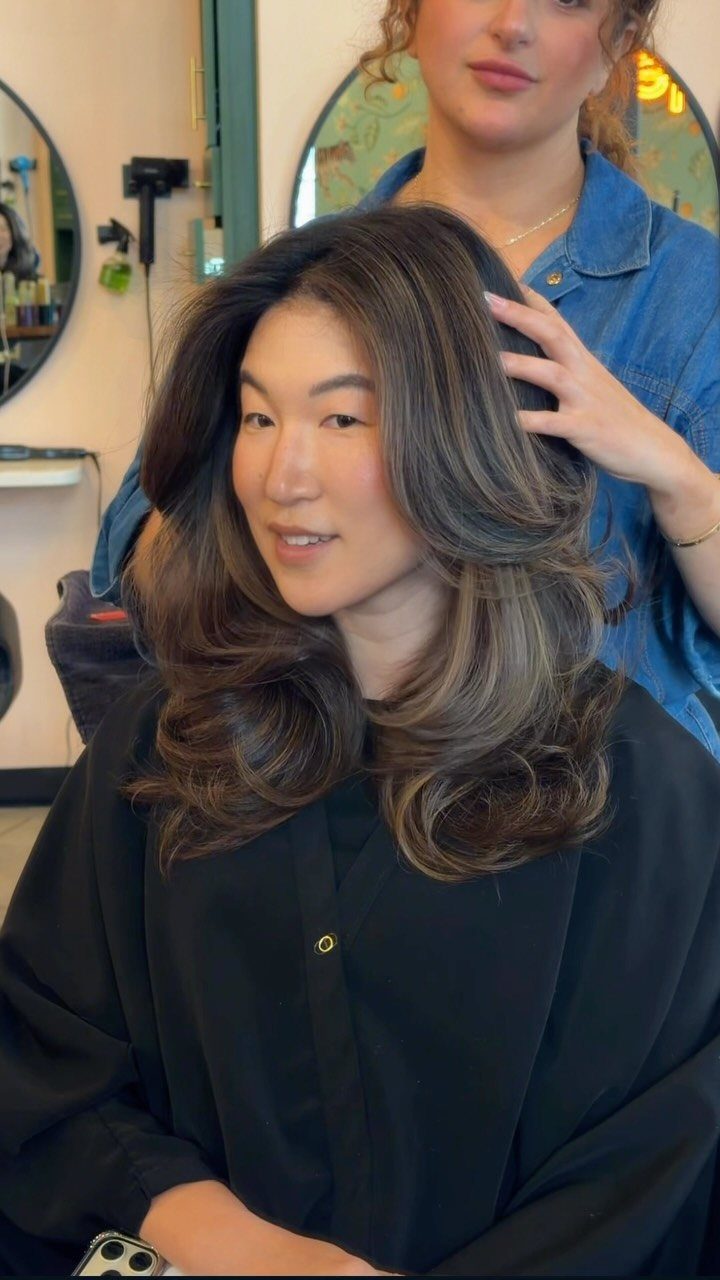
Toffee highlights are a warm, medium brown with a golden base, lighter than the dark brunette but still grounded in brown.
The contrast is noticeable but still restrained. Toffee catches the light and creates separation, so the hair reads as richer and more dimensional without a drastic color change.
21. Warm Brown Balayage
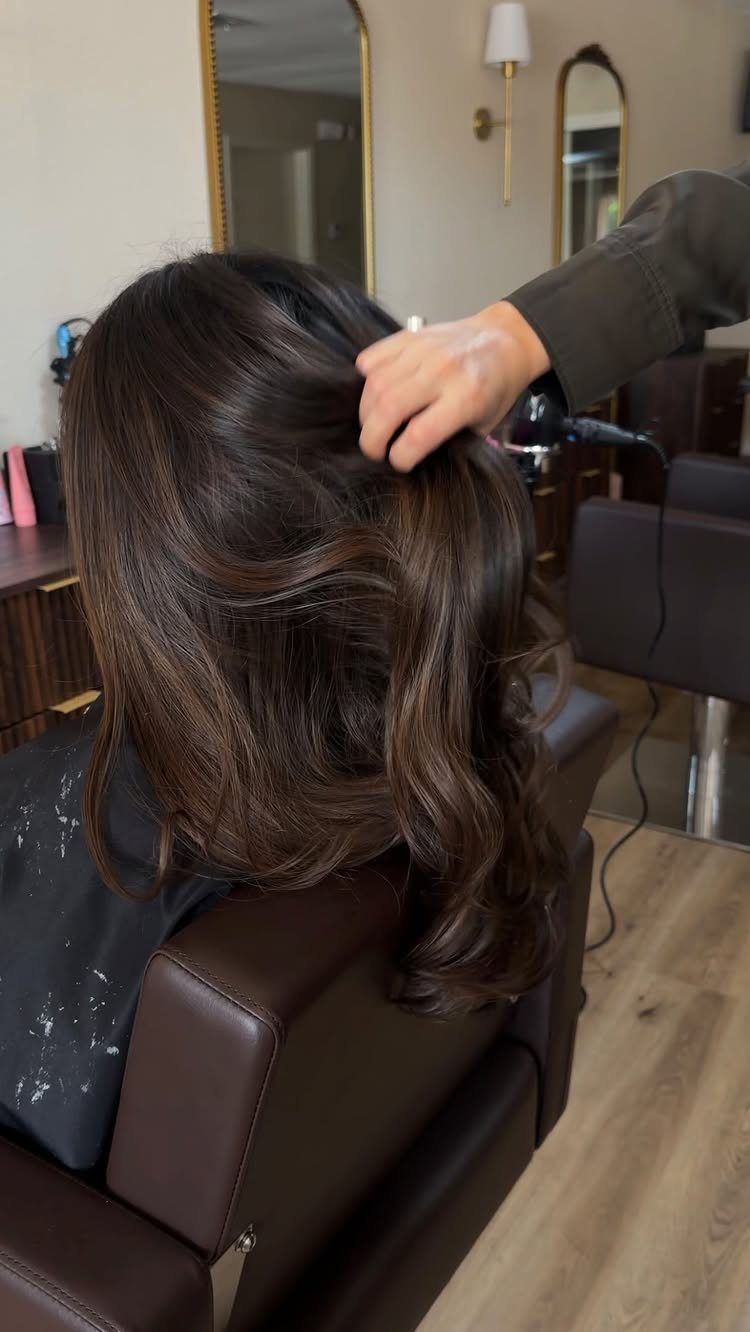
Warm brown balayage stays close to your natural color, lifting the hair just a shade or two lighter. The tone is a softened version of the base, not a departure from it.
Because the color is so close to the root, regrowth blends in as it grows. The difference between your natural hair and the balayage is subtle enough that there is no visible line as new growth comes in.
This suits you if you want dimension without contrast, or if you are testing out balayage for the first time and want to keep the change minimal.
22. Caramel Fade
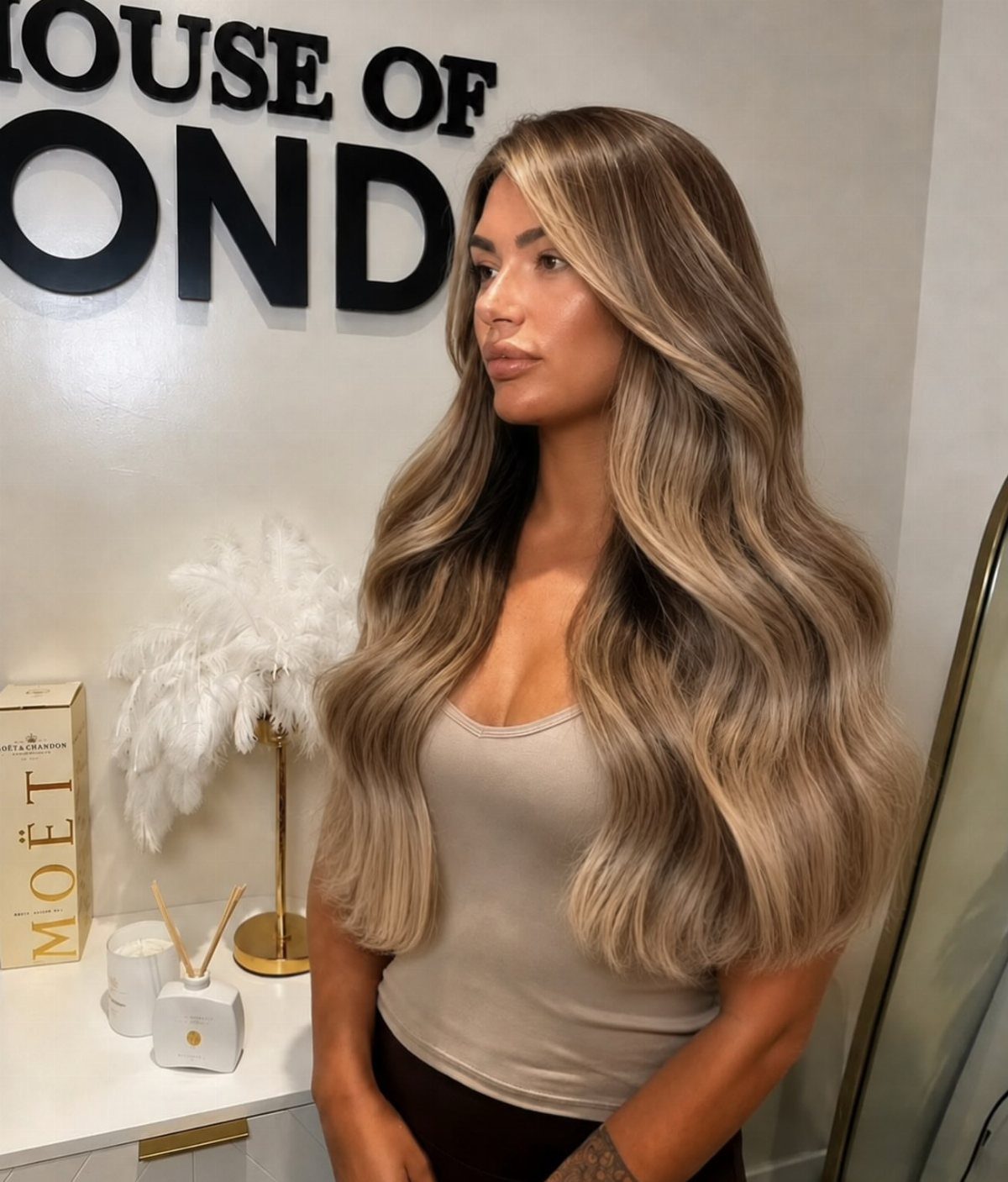
The color sits dark at the root and pulls lighter through the lengths, finishing at caramel blonde.
Because the roots are left dark and the lightening happens only from mid-length down, regrowth is invisible.
This suits hair that is past shoulder length, where there is enough room for the color to transition. On shorter hair, the fade can look abrupt because there is less length to blend through.
23. Ash Brown Highlights
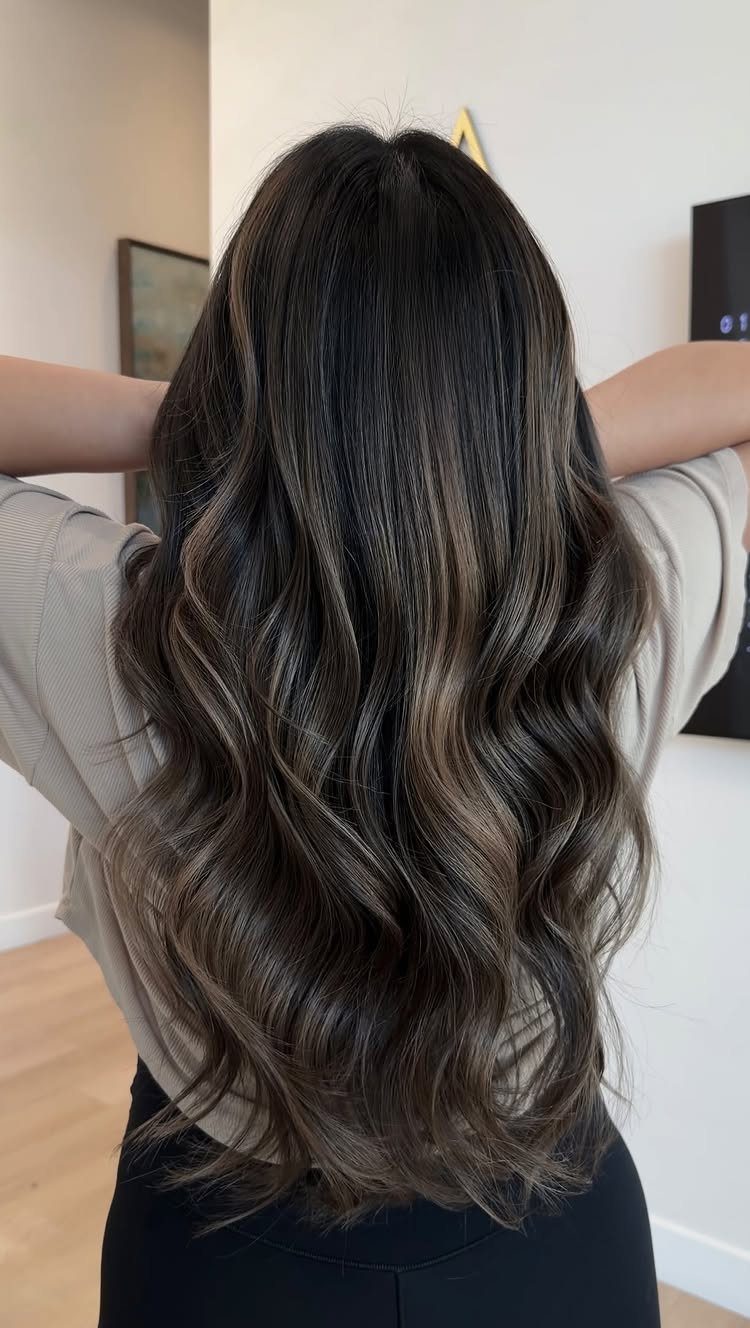
Ash brown highlights are cool-toned, with no gold or red in the mix. The color lightens the hair slightly without adding warmth, so the overall effect stays muted and modern.
If you have warm undertones, ash brown can look flat or gray; caramel or hazelnut will sit better with your complexion.
The tone can fade green if your hair has previous color buildup or mineral deposits from hard water. A clarifying shampoo before the appointment helps prevent that, and a purple shampoo between visits keeps the ash from turning brassy.
24. Bronde Balayage
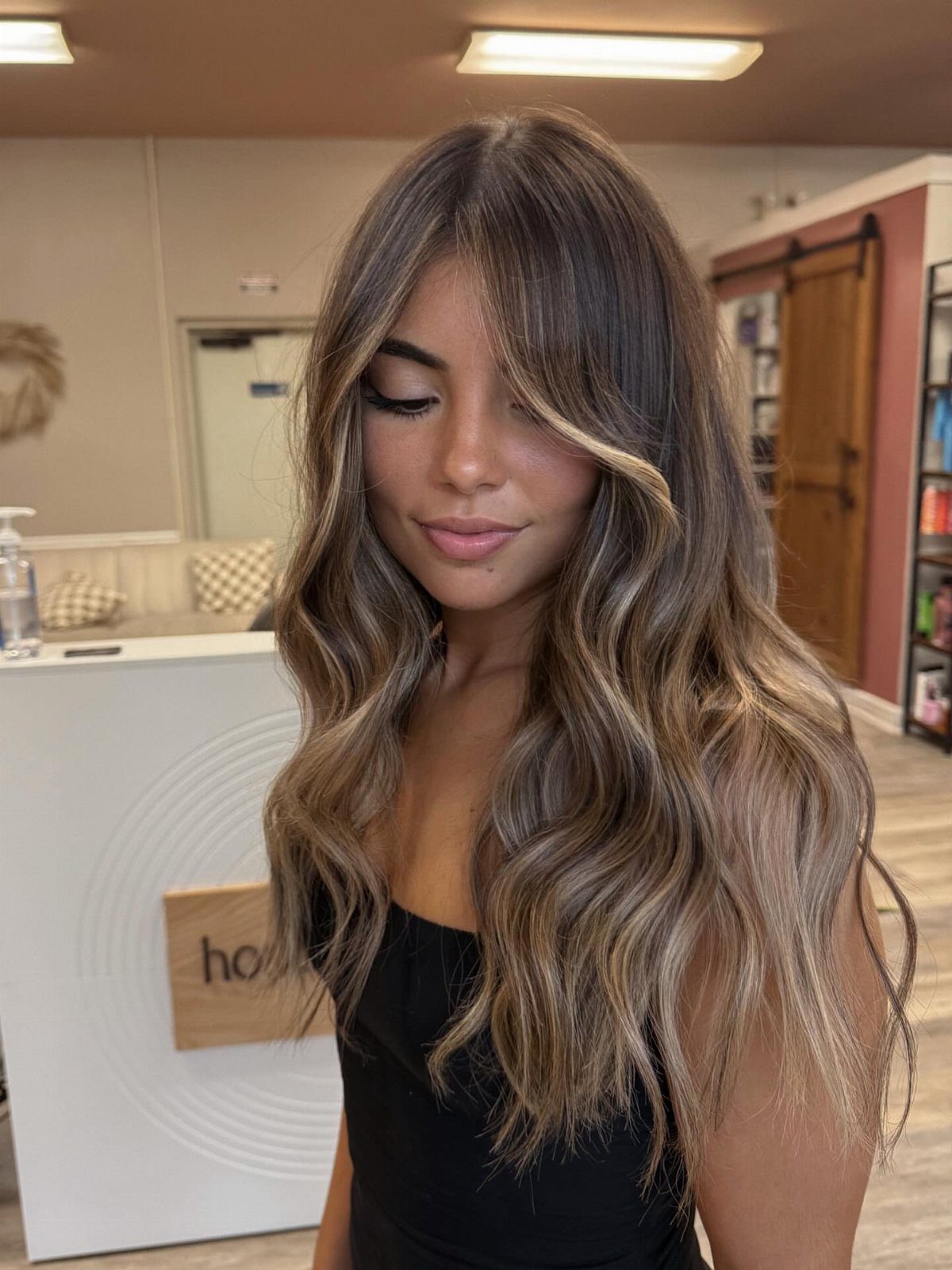
Bronde is a blend of brown and blonde, where the 2 colors are painted together so the result reads as neither fully blonde nor fully brunette.
The effect is softer than full blonde highlights but brighter than staying entirely brunette. The blend gives dimension without a strong line between the 2 colors.
The colorist has to lift the hair gradually to reach blonde without pulling orange, then tone it to blend with the brown.
25. Partial Highlights

Partial highlights cover only the top layer, the face-framing sections, or a concentrated area like the crown. The rest of the hair stays untouched.
This suits you if you want color around your face but do not want the upkeep or commitment of full highlights. The placement focuses the lightness where it shows most, and the dark base underneath keeps the overall look grounded.
Because the majority of your hair remains uncolored, the cost is lower and the appointment is shorter than full highlights.
26. Mushroom Brown Highlights
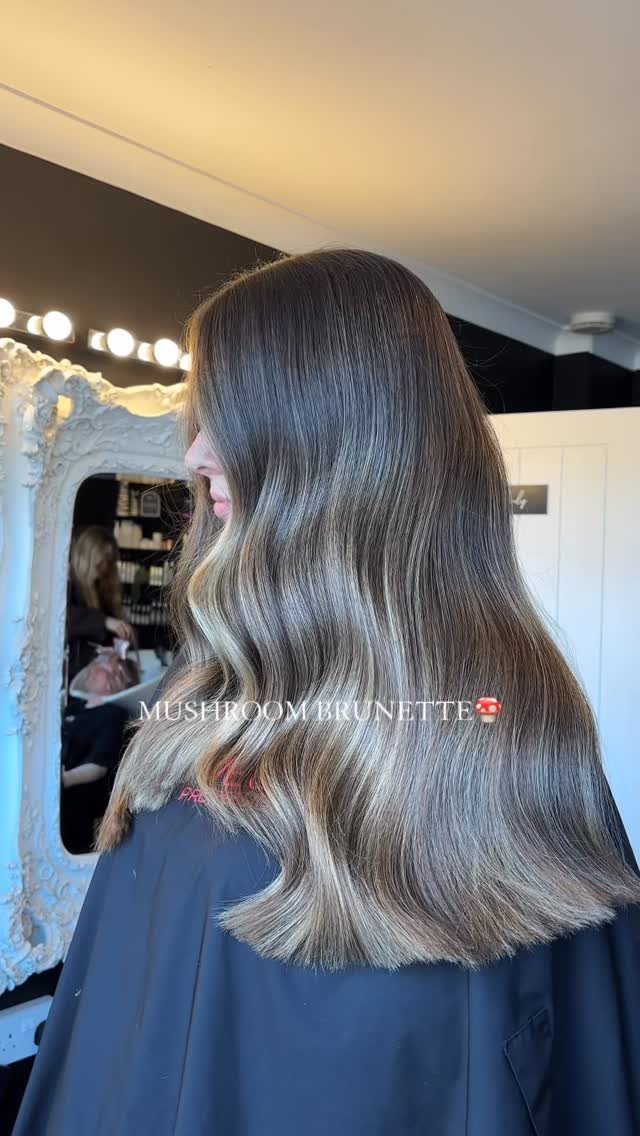
Mushroom brown sits between ash and taupe, a cool, muted tone with gray undertones. The effect is subtle: you get shape and movement without any contrast that reads as bright.
The color works best on cool or neutral skin tones. If you lean warm, mushroom can read flat or dull; stick with caramel or hazelnut instead.
Roots stay hidden as the hair grows because the difference between base and highlight is minimal. The effect is soft and earthy, not high-contrast.
27. Milk Chocolate Highlights
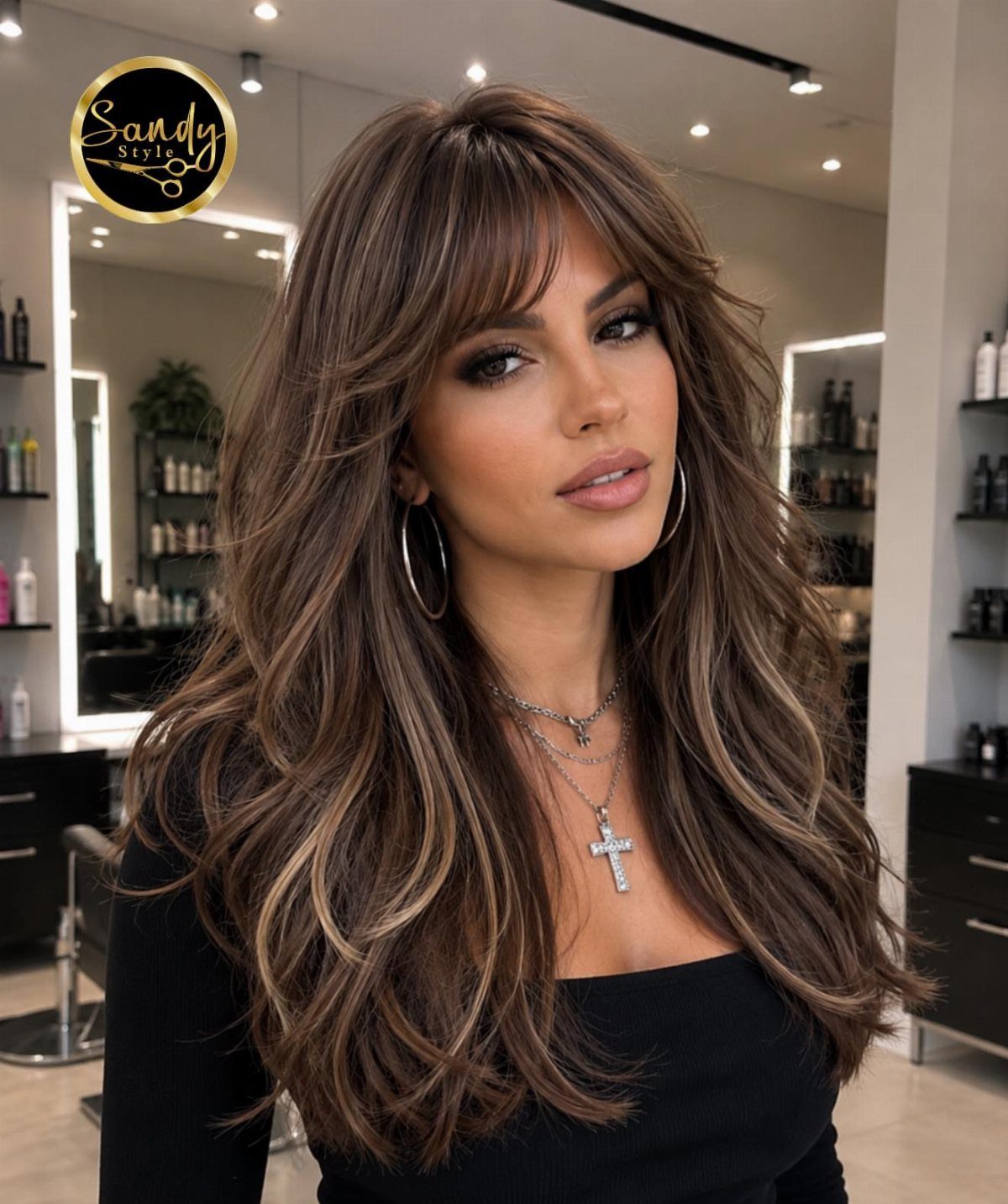
Milk chocolate highlights are a warm, glossy brown with a golden finish. The tone is richer than chestnut but softer than copper, adding warmth without turning red.
The warmth sits close enough to dark brown that it feels like light catching the hair, not color placed on top.
This suits you if you want a warm, natural-looking shift that does not need heavy toning or frequent touch-ups.
28. Taupe Highlights
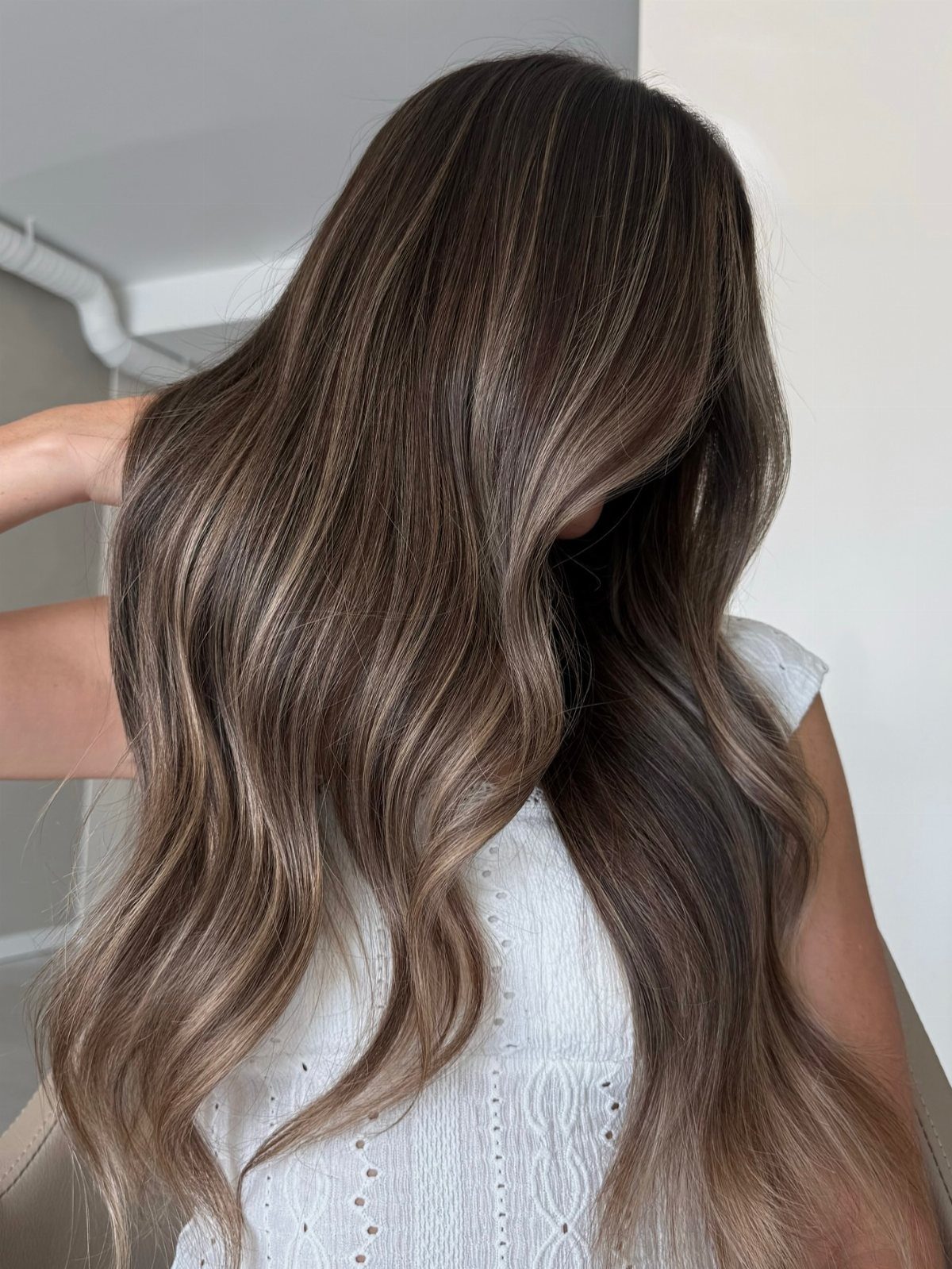
Taupe is a cool brown with violet undertones, softer than ash but still firmly on the cool side. It cools down brunette without pulling orange or gold through.
On warm skin the tone can flatten out and look dull; a warmer highlight like amber or toffee will feel more balanced. On cool or neutral complexions, the violet base complements without clashing.
The color holds longer than blonde because it requires less lift, so regrowth is less noticeable and the tone stays truer between appointments.
29. Thin Highlights
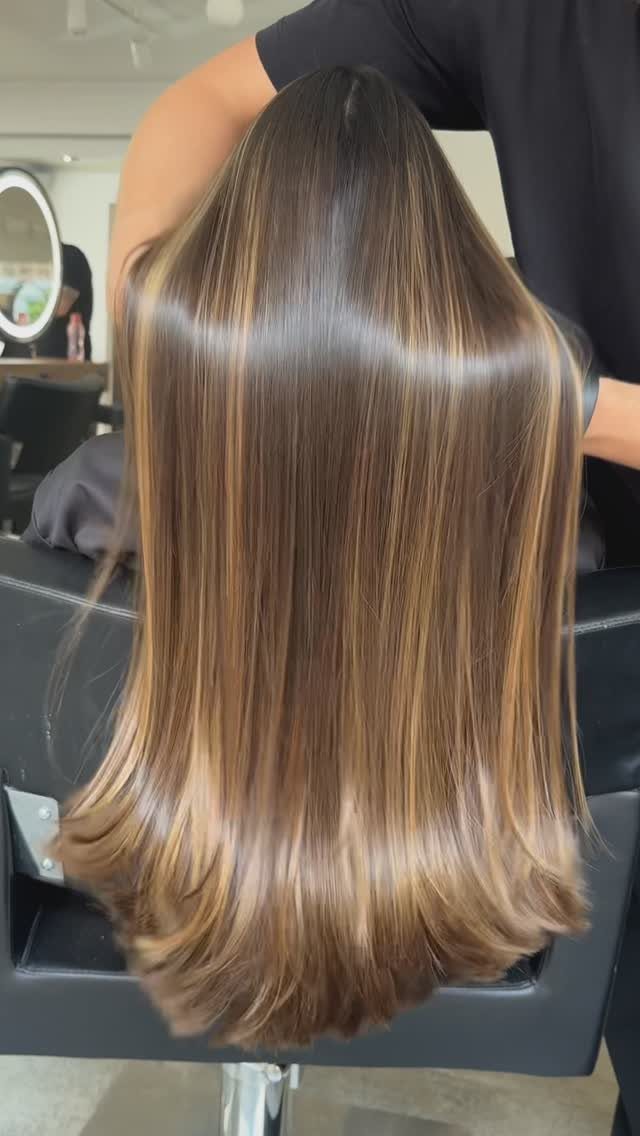
Thin highlights are fine, closely spaced strands of lighter color woven through the hair. The placement is delicate, so the contrast stays subtle and the highlights blend into the base.
Because the strands are narrow, the effect reads as texture and shine rather than bold color. This suits you if you want dimension without obvious lightness.
The fine placement means you can stretch appointments longer. Regrowth is less visible because the highlights are scattered and thin, not concentrated or chunky.
30. Chocolate Brown Babylights
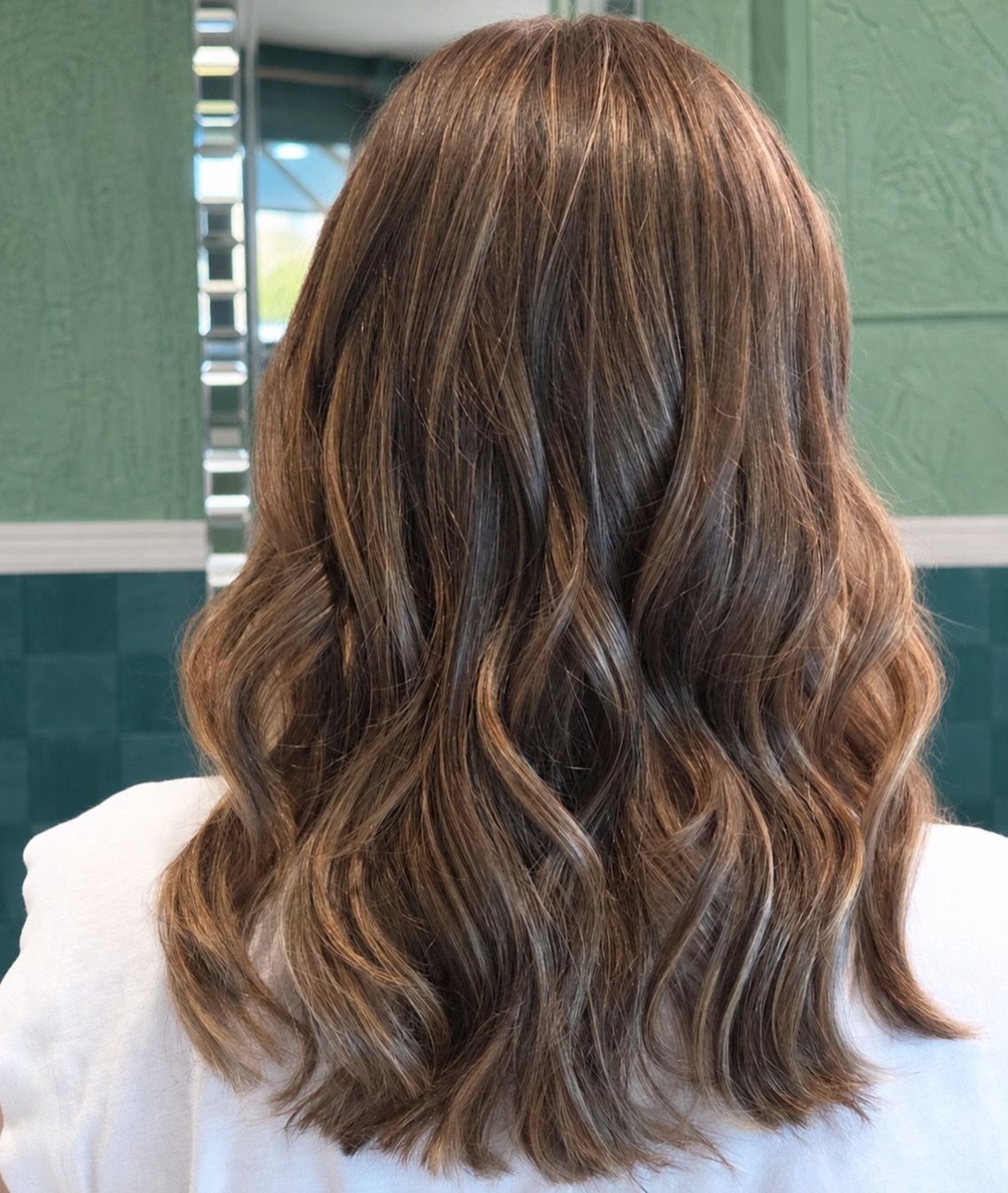
Babylights are ultra-fine highlights painted through the surface of the hair to mimic the way sunlight catches on individual strands. When done in chocolate brown, the tone stays close to the base, so the effect is dimensional rather than light.
You get texture and richness without the kind of lift that announces itself as lightened hair. This suits you if you want movement and texture but do not want to introduce warmth or contrast.
Because the strands are so thin and the tone barely moves off your base, you won’t see a line even months out.
31. Ice Blonde Highlights
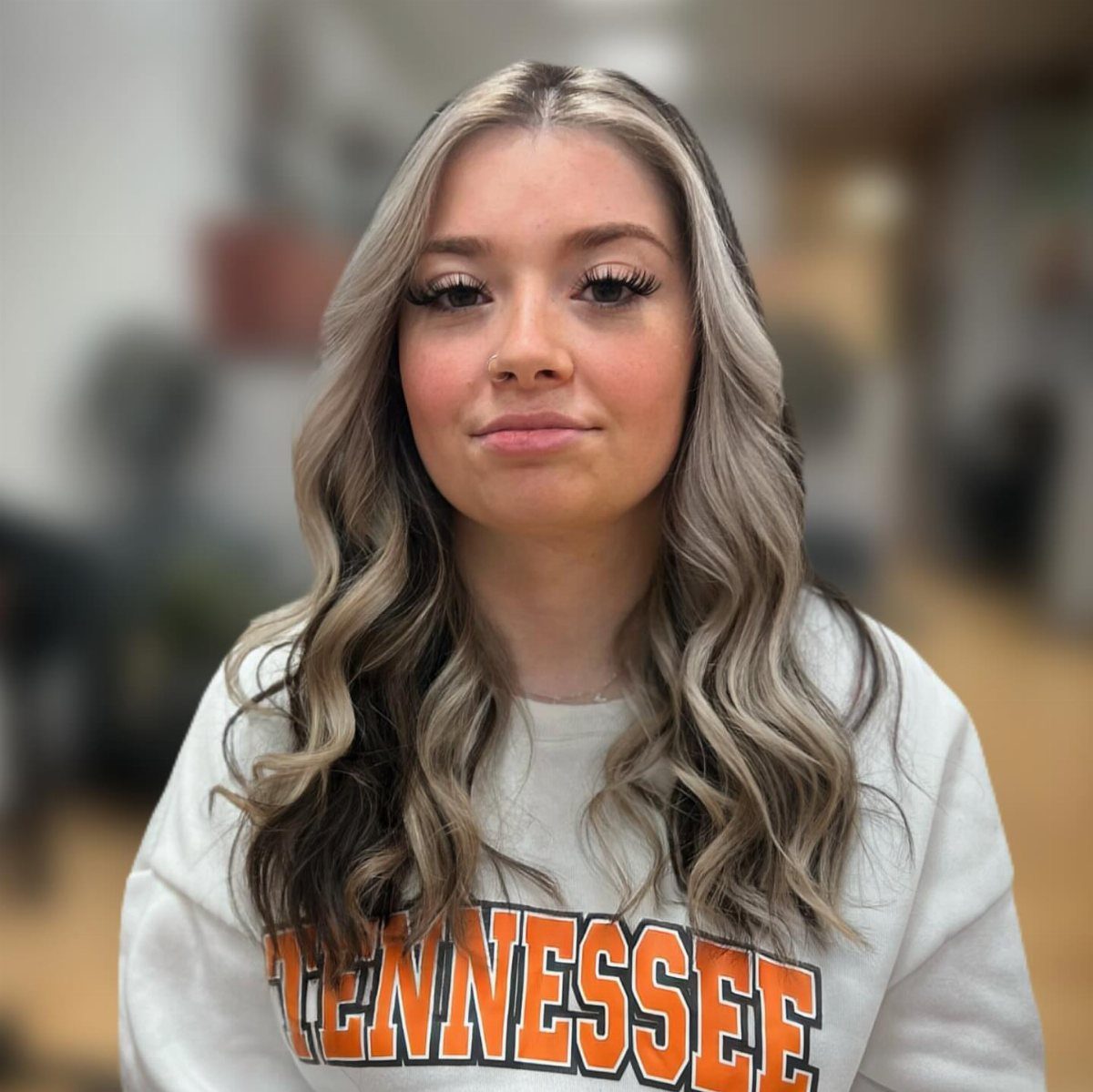
Ice blonde highlights are platinum or silver-white strands placed through dark brunette hair. The contrast is stark and intentional, the kind of look that gets noticed immediately.
The lift required is heavy. To go from dark brown to ice blonde without turning orange, the colorist has to bleach the hair multiple times, so expect damage if your hair is fine or previously colored.
The tone pulls cool, nearly gray, so it sits better on cool or neutral complexions. On warm skin, the icy tone can look harsh.
Upkeep is constant. The blonde needs toning every few weeks to keep it from yellowing, and the regrowth is visible the moment it comes in.
32. Highlights and Lowlights in Several Tones
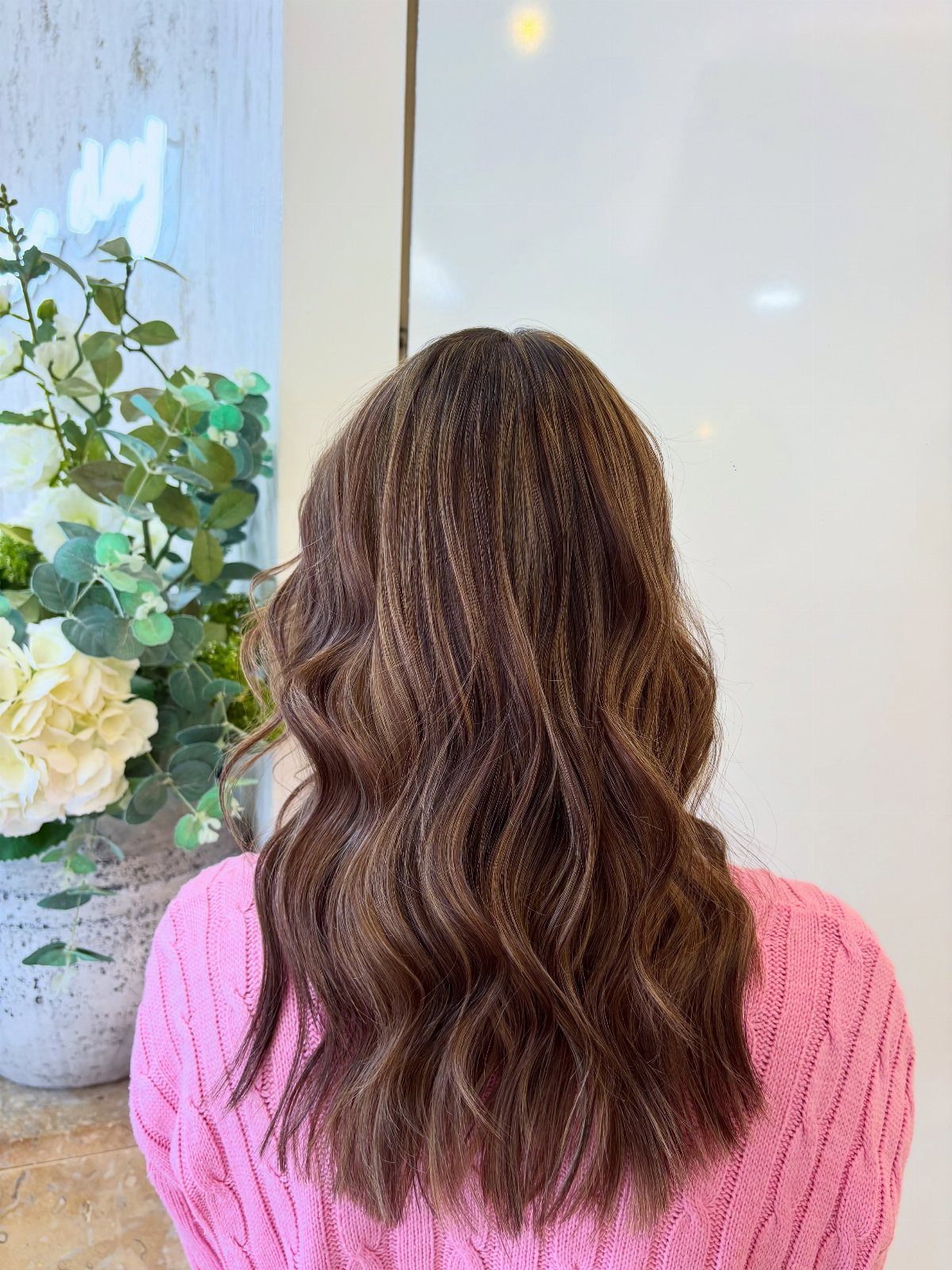
Highlights and lowlights layered together create depth by mixing lighter and darker tones through the same head of hair. The lighter strands brighten, the darker ones add contrast, and the combination gives a richer, more textured look than highlights alone.
This suits you if your hair feels flat or one-dimensional. The mix of tones adds movement and makes the hair read as fuller.
Because both lighter and darker shades are woven through, regrowth blends better than it does with highlights alone. The variation in tone disguises the line where new growth meets colored hair.
33. Highlighted Layers
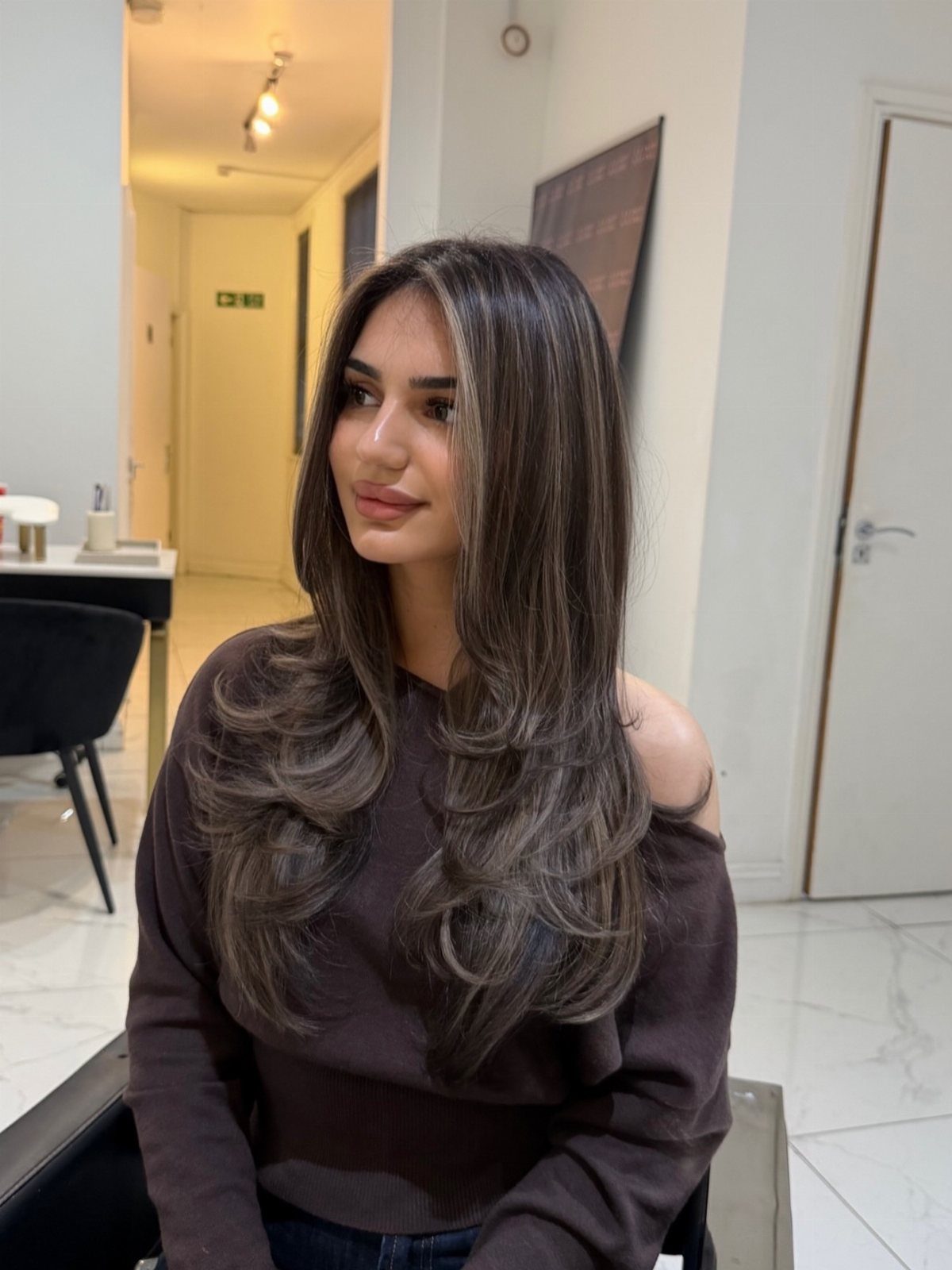
Highlights placed through layered hair emphasize the cut by catching light on each individual layer. The color follows the shape of the cut, so the layers show up more clearly.
This suits you if you have a layered cut and want the hair to read as dimensional and textured.
The placement matters.
If the highlights are concentrated only on the top layer, the effect is visible. If they are scattered evenly through all the layers, the result is softer but still adds movement.
34. Chocolate Ombre
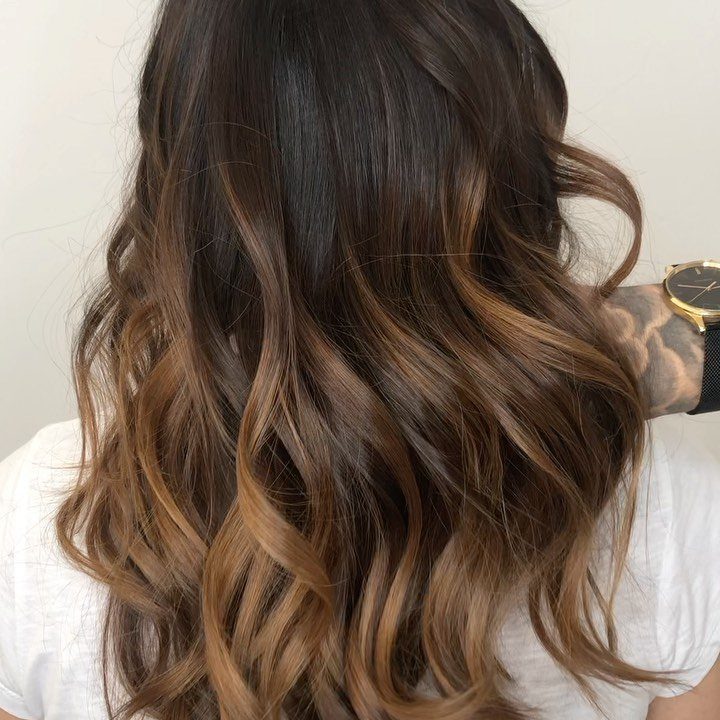
Chocolate ombre starts dark at the root and blends into a lighter chocolate brown through the mid-lengths and ends. The shift is gradual, so the 2 tones melt into each other rather than sitting in separate blocks.
The color is designed to grow out without a line, so you can stretch appointments longer than you would with traditional highlights.
35. Auburn Balayage
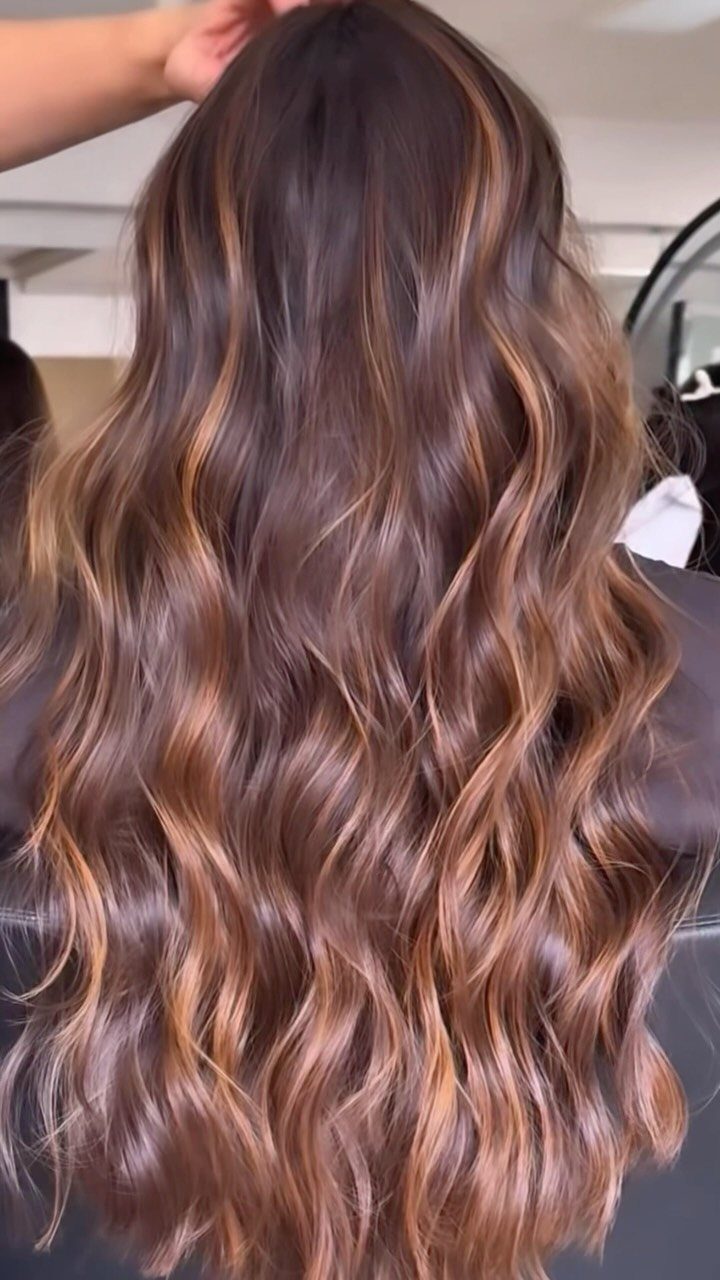
Auburn balayage hand-paints rich, reddish-brown tones through dark brunette hair. The color is warm without turning bright red, and the placement is soft enough that the dark base still shows through.
The tone suits warm and neutral skin.
Auburn fades faster than brown because red pigment lifts out quickly.
36. Contrasting Highlights
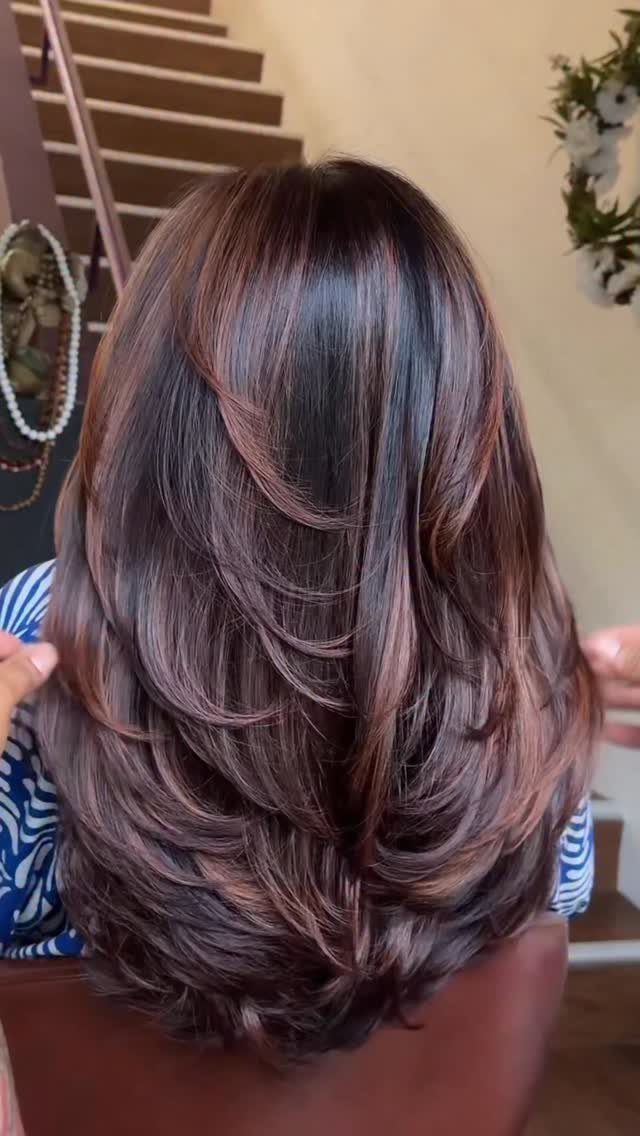
Contrasting highlights are bold, noticeable strands that sit several shades lighter than the base. The effect is high-impact without the commitment of going fully blonde.
The contrast is intentional, not blended, so the lighter sections stand out clearly against the dark.
Regrowth is visible because the difference between the base and the highlights is strong. If you want low-maintenance color, this is not it.
Choose Tones by Undertone
If you burn easily and silver jewelry sits better than gold, you likely have cool undertones.
If you tan easily and gold looks right, you are warm. If both metals work, you are neutral.
Neutral undertones can pull from both sides: bronde, beige blonde, and soft chestnut sit in the middle.
If your natural hair already has golden or reddish glints when it catches light, that is warm hair.
If it looks ashy or silvery, that is cool. Match the highlight tone to both your skin and your hair’s undertone for the most natural result.
Frequently Asked Questions
What color highlights are best for dark brown hair?
Warm tones like caramel, honey, and golden blonde brighten dark brown hair and add softness, while cooler shades like ash brown, mushroom, or mocha create a modern, muted contrast.
Bronde balances blonde and brown for a natural blend. Choose based on your skin tone: warm or neutral skin suits caramel and bronze, cool skin works better with ash or mushroom.
Do highlights damage dark brown hair?
Lifting dark hair opens the cuticle, and without a conditioning routine the strand can turn brittle.
Use a color-safe shampoo, limit heat styling, and get regular trims to keep the hair healthy. Darker hair needs more lifting to reach blonde, so the lighter you go, the more care the hair needs.
Can you highlight hair at home with box dye?
Subtle warm tones like caramel or chestnut can work at home if you’re comfortable with the process.
Dramatic blonde highlights are better left to a colorist, especially on dark hair, which can pull orange and may need multiple sessions to lift cleanly.
Are lowlights or highlights better for brunettes?
Highlights add brightness by lifting the hair a few shades lighter, while lowlights add depth by placing darker tones through the hair.
Most brunettes layer both for depth, but if you want lift and warmth you can run highlights on their own.
What hair highlights look younger?
Warm tones like caramel, honey, and golden blonde reflect light and add softness, which opens up the face and creates a fresh, radiant effect.
These shades sit well with most brunettes and avoid the flatness that can come with darker, solid color.
Which brown color is best for black hair?
Warm browns like chestnut, caramel, or cinnamon add dimension to black hair without the heavy lifting blonde requires. Brown against black is a close call, but light still picks it up and stops the color looking flat.
Can I put highlights in my hair after dying it?
You can, but previously dyed hair takes longer to lift and may need multiple sessions to avoid pulling brassy.
The darker the existing color, the more gradual the process should be, and toning afterward helps keep the highlights from looking orange.





