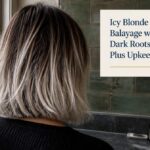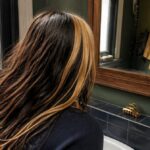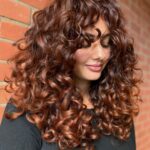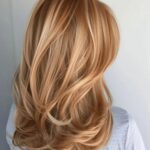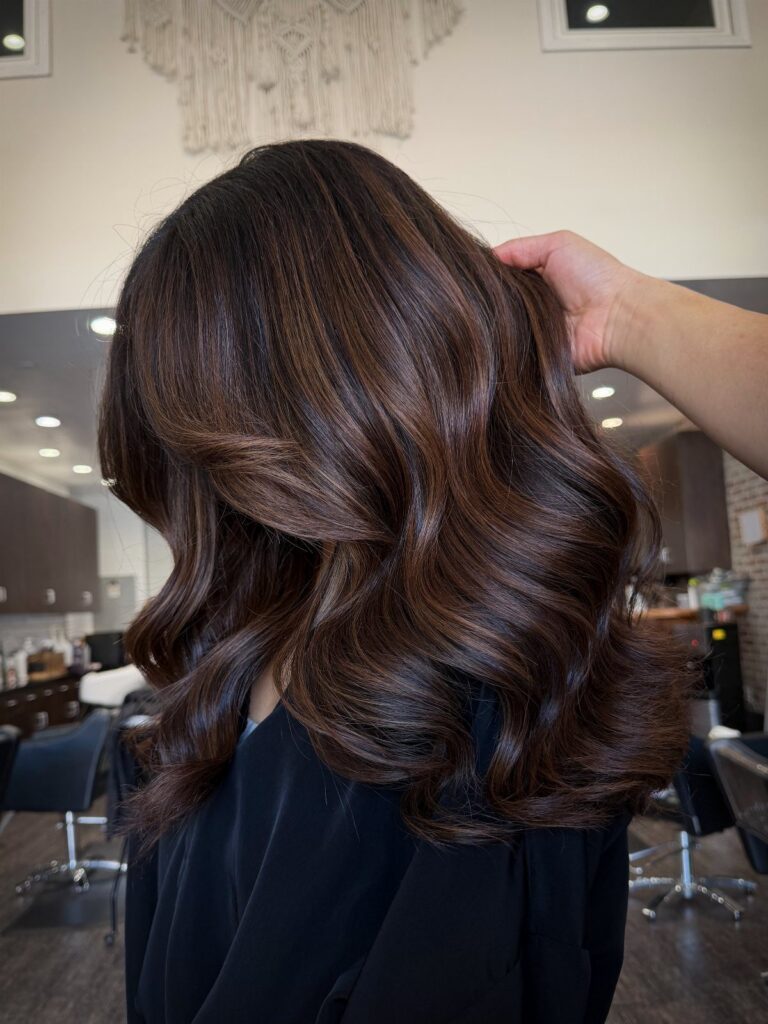
The tone you pick matters as much as the placement: you can go subtle with close-to-root shades, warm with copper or caramel, cool with ash or mushroom brown, or high-contrast with blonde or champagne.
If your skin pulls warm, caramel, golden or cinnamon shades will brighten without clashing; cooler skin suits ash, mushroom or beige blonde better.
Red-based tones like copper and chili red wash out faster than other highlight colors, so count on using a color-depositing shampoo weekly if you want the shade to stay vivid.
1. Red Highlights
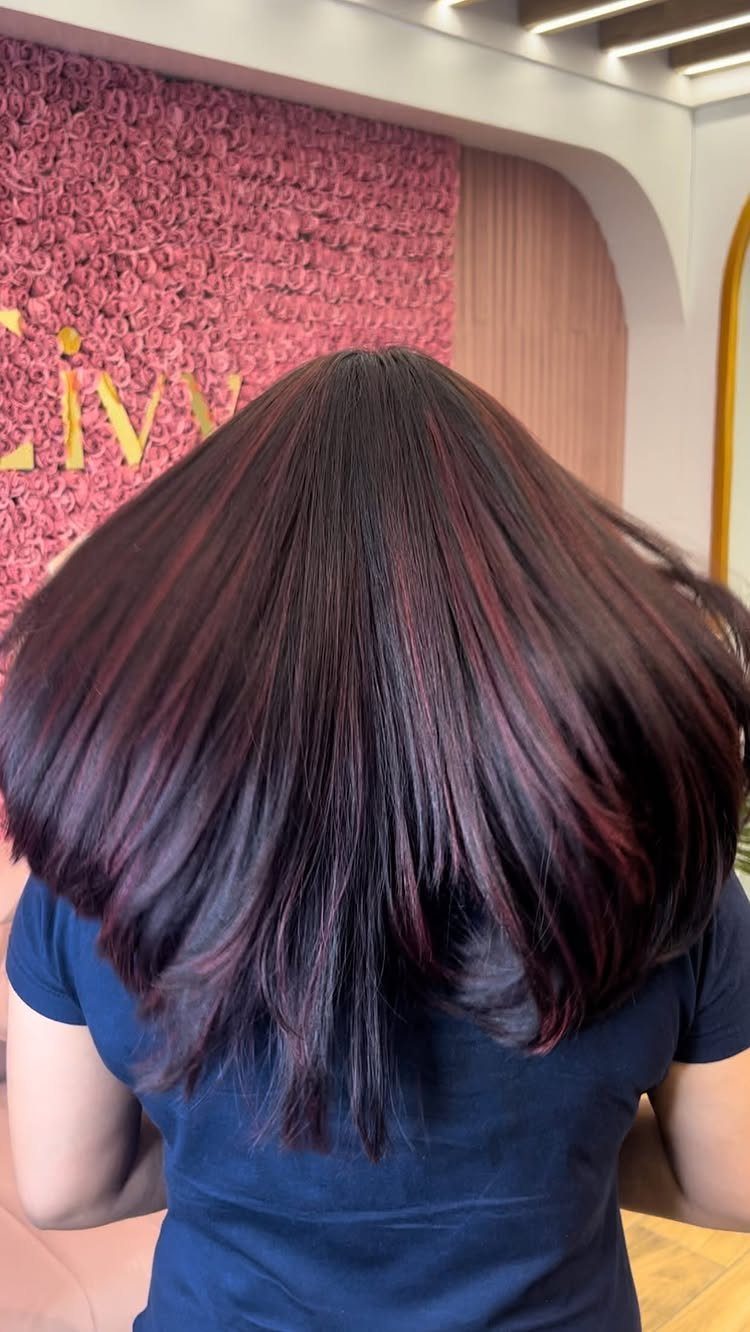
Cherry-red ribbons weave through dark hair for a playful, high-contrast finish. The color adds depth and catches light, so movement shows more texture than a solid would.
Red this saturated needs regular upkeep. Reds fade faster than most other tones, and a color-depositing shampoo once a week helps keep the intensity between salon visits.
If you want warmth without full red, ask for auburn or mahogany instead.
2. Blonde Highlights on Brown Hair
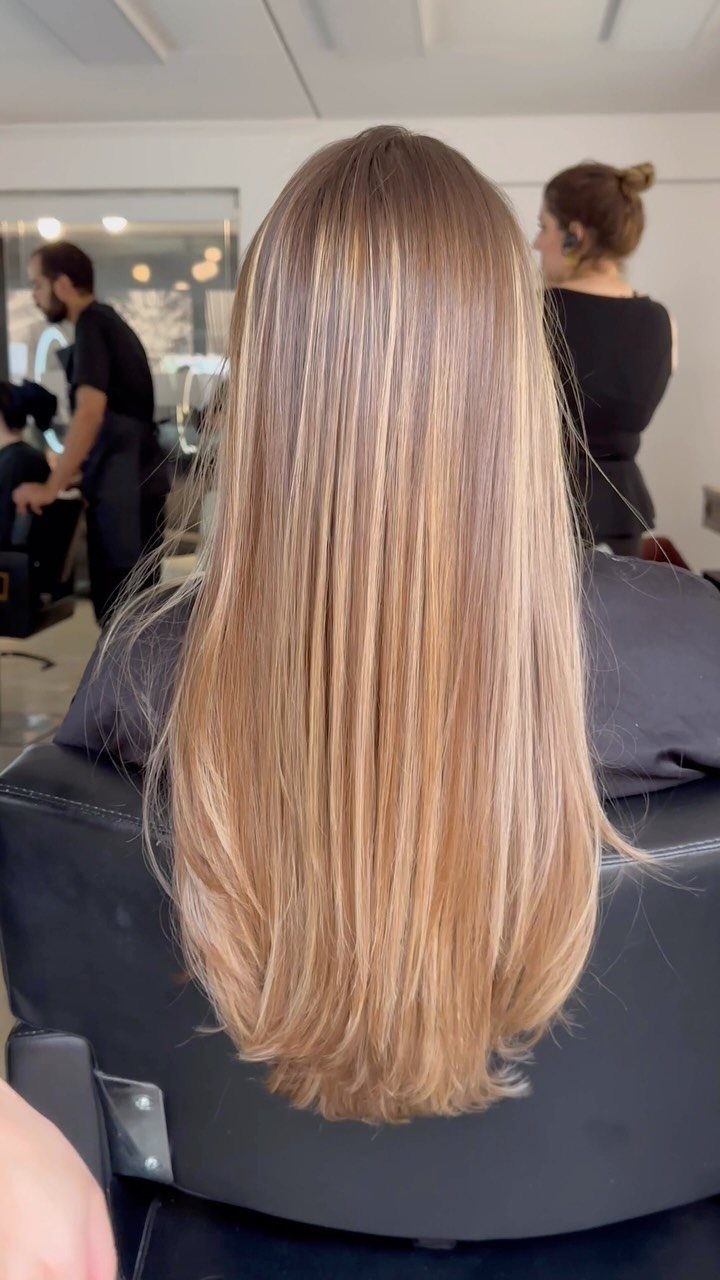
Blonde pieces brighten brown hair with a range that runs from natural-looking ribbons to striking contrast.
The amount of lift decides how bold the result looks: lifting a couple of shades keeps it soft, while platinum against dark brown reads more dramatic.
Tone matters.
Golden blonde suits warmer skin, while ashy or beige blonde works better with cool undertones. If you’re not sure which camp you fall into, the jewellery test usually helps: gold pieces look best on warm tones, silver on cool.
Upkeep depends on placement. Highlights that start an inch or two from the root grow out more gracefully than ones placed right at the scalp.
From ultra-subtle inklings of auburn and copper to blatant swipes of bleach blonde, it doesn’t matter what shade of brown hair you start with—the possibilities for a gorgeous set of fresh highlights are infinite.
3. Copper Highlights
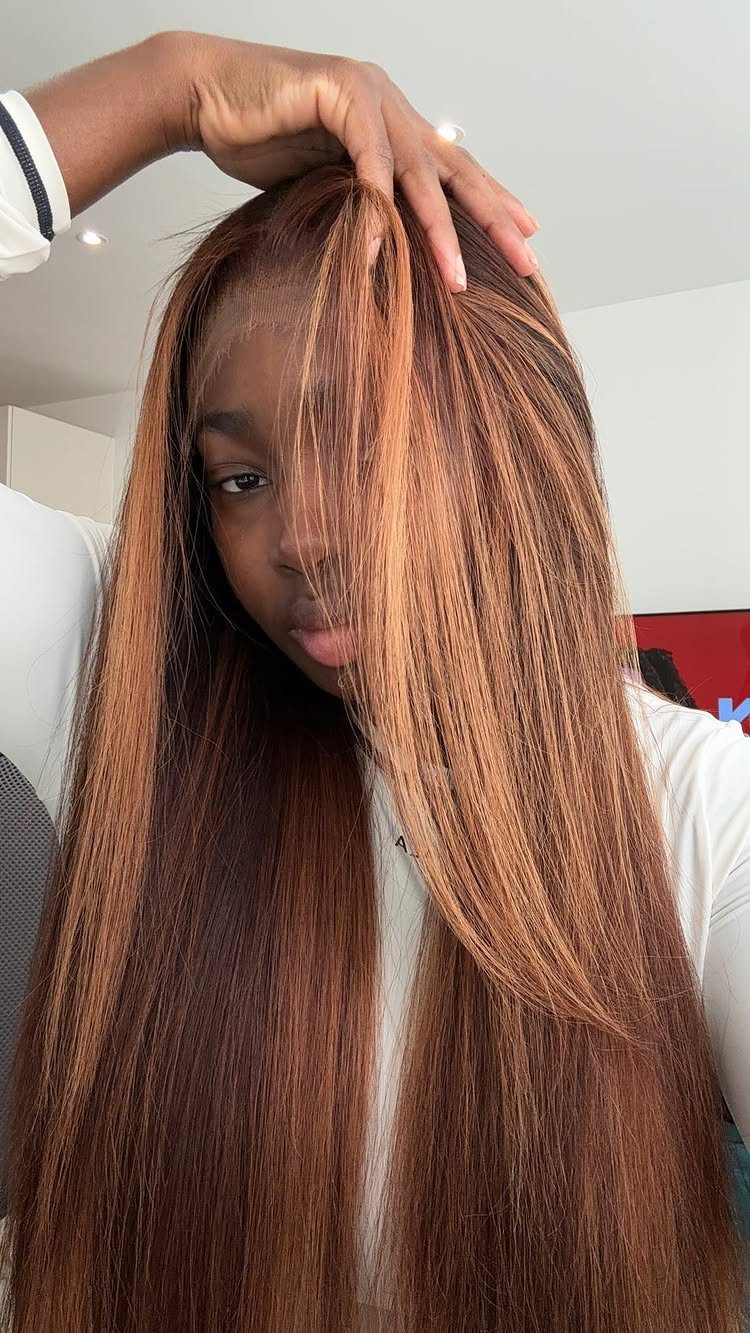
Copper highlights bring a red-leaning warmth that stands out against brown hair. The result is brighter and more eye-catching than caramel or golden tones, with a metallic quality that reflects light differently.
Copper flatters warm skin tones and those in between. On cooler skin, auburn or rose gold sits better without clashing.
Like other red-based shades, copper fades quickly.
A sulfate-free shampoo slows the fade, and a copper-toned conditioner holds the tone between appointments. The shade needs regular upkeep to stay this vivid.
4. Caramel Face-Framing Babylights
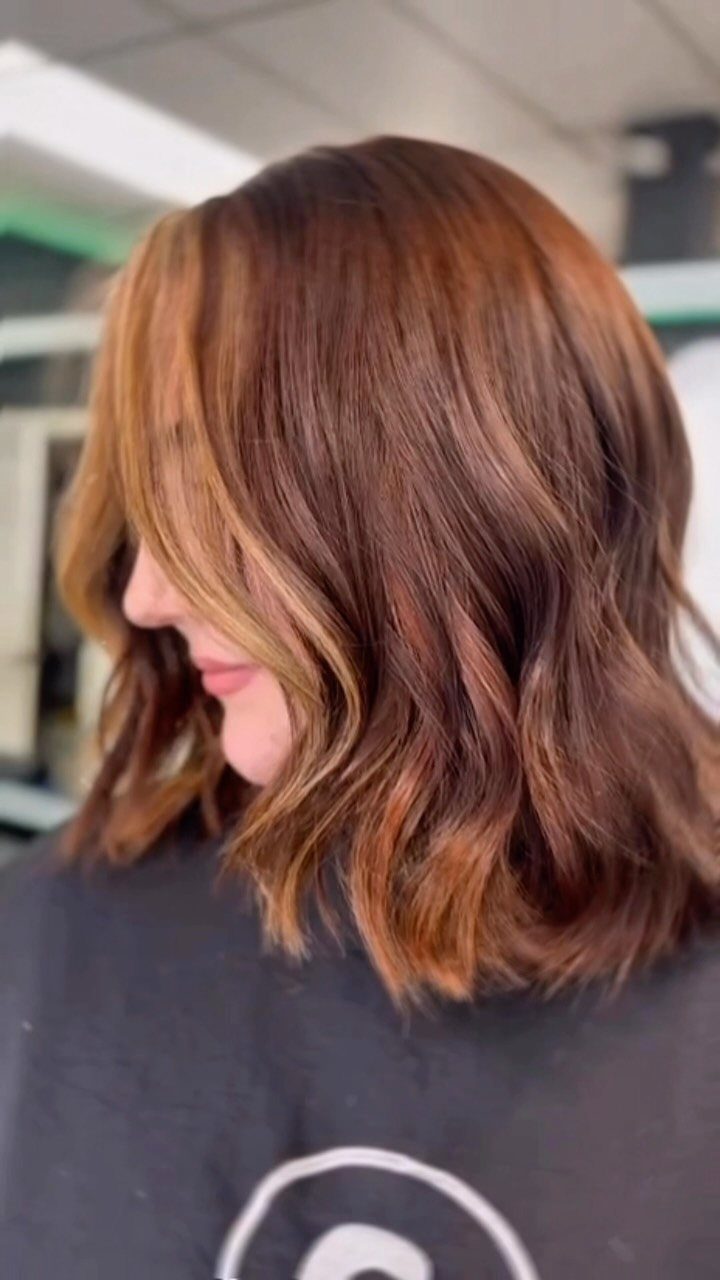
A handful of lighter strands around the face brighten the overall look without committing to highlights all over. Babylights are finer than traditional highlights, so the grow-out stays soft and the maintenance window stretches longer.
Caramel tones add warmth and suit most skin tones, especially if your hair already pulls warm. If your natural color is cooler, ask for a beige or honey blonde instead.
Because the lightened pieces sit only at the front, this option costs less and takes less time in the chair than a full highlight.
5. Warm Brown Highlights on Black Hair
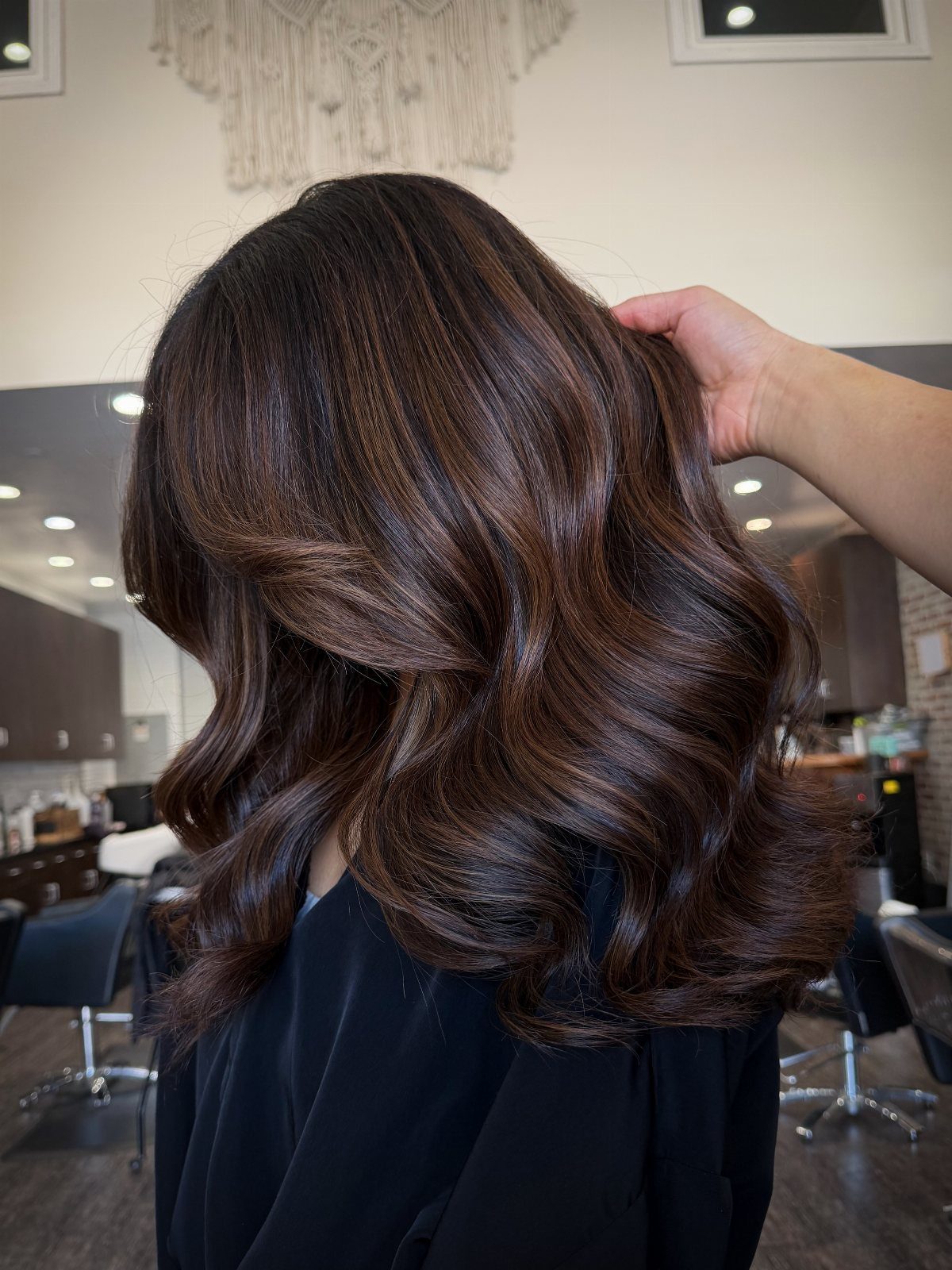
Warm brown highlights lift ultra-dark hair without a dramatic color shift. The result adds dimension and catches light, so hair that reads as one flat tone gains visible layers.
Because the base is so dark, even a few shades of lift show clearly.
Chocolate, chestnut or mocha tones work well and grow out more subtly than blonde would. If your hair pulls cool, ask your colorist to add warmth to the brown so it doesn’t turn ashy.
A purple shampoo isn’t necessary here since the highlights stay in the brown family rather than blonde.
6. Brown-on-Brown Highlights
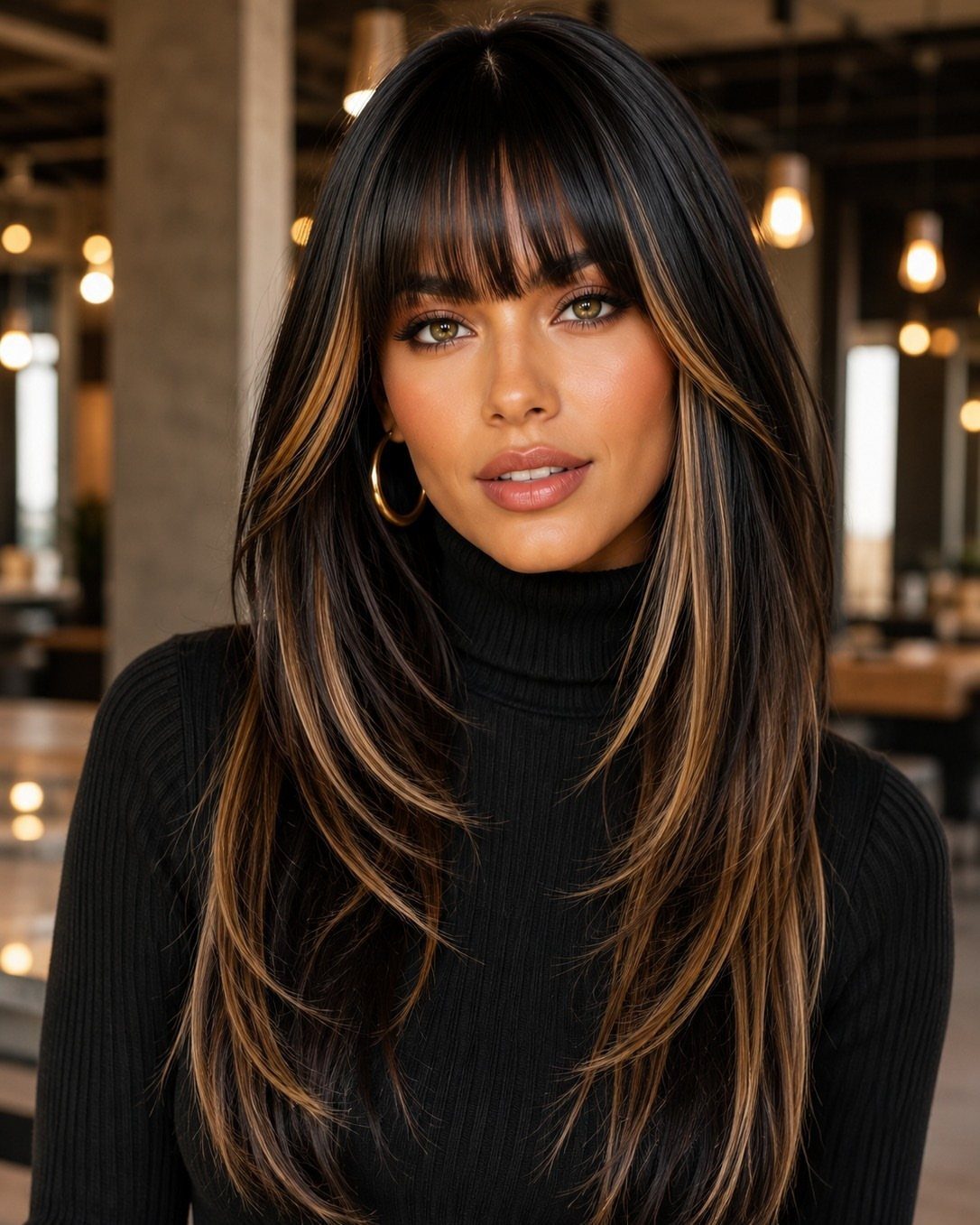
Tonal brown highlights stay in the same color family as the base, so the result adds depth without a bold shift. The contrast is subtle, which means grow-out is gradual and maintenance is lower than with blonde or red.
This approach works particularly well if you want movement and dimension but don’t want your hair to read as "highlighted" from across a room.
Lighter brown tones can be placed throughout or just at the ends, depending on how much lift you want.
A gloss treatment between appointments keeps the tone rich and prevents any brassiness.
7. Ash Brown Highlights
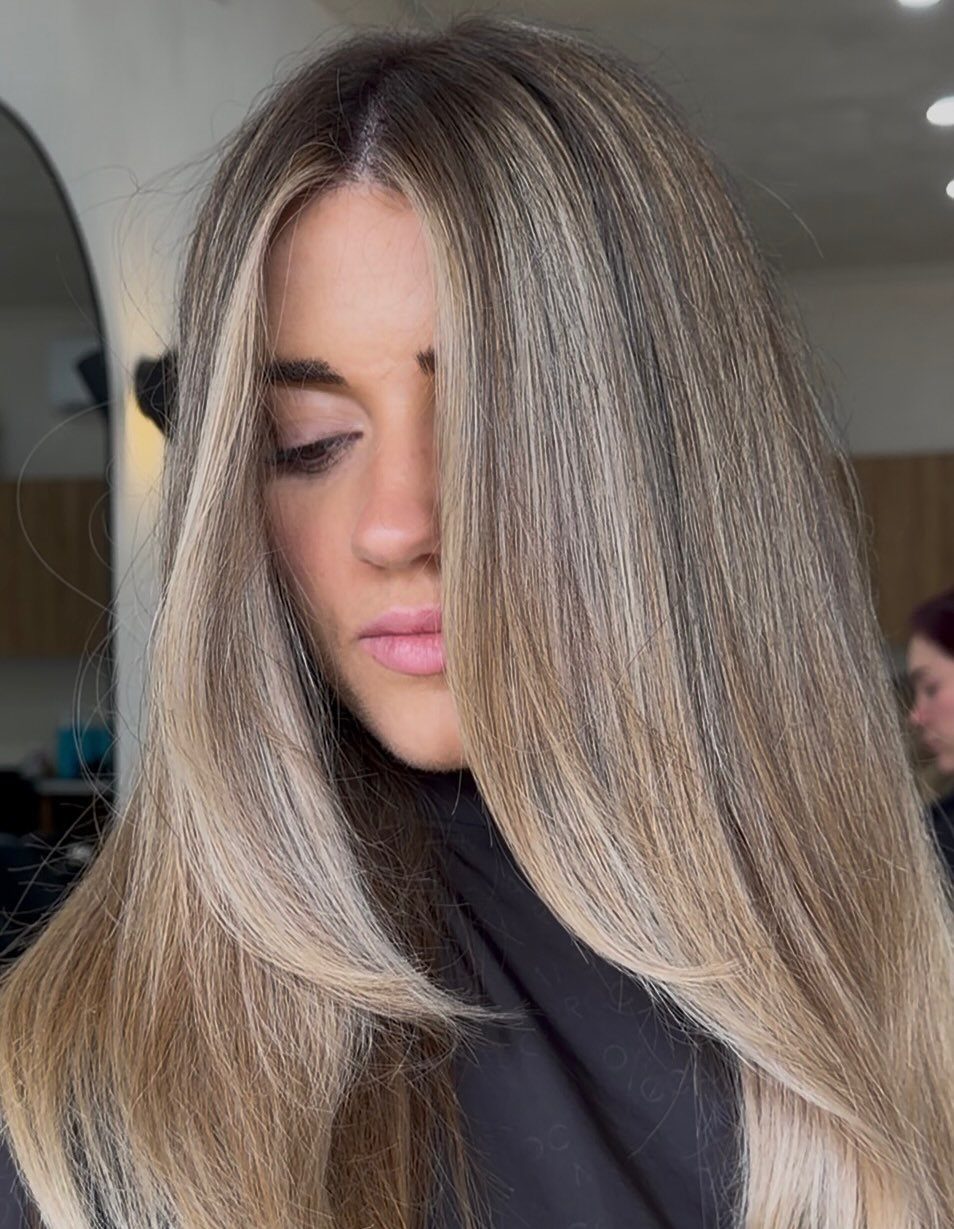
The cool gray undertone keeps things light without pulling warm or brassy. The tone leans gray-beige, which suits cooler skin tones and anyone who wants lift without orange or brass.
Ash shades require toning to stay neutral.
Without it, they can shift warm or muddy as they fade. A purple or blue shampoo used every few washes helps maintain the cool tone between salon visits.
If your hair pulls very warm naturally, ash brown can be harder to achieve and may need more frequent toning appointments.
8. Pink Highlights
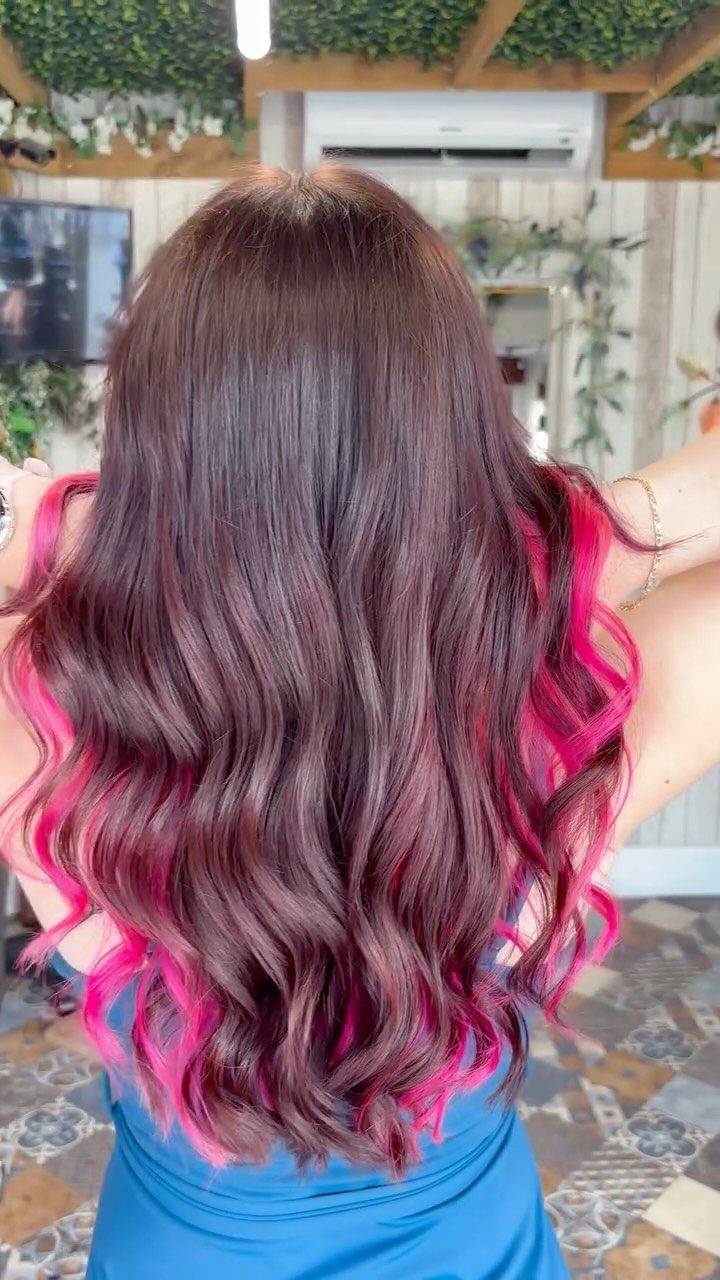
Bright pink ribbons bring bold color to a dark brown base. The contrast is softer than neon pink but still reads as a deliberate color choice, and the pink catches light differently than natural tones do.
Pink fades faster than most colors, so plan for touch-ups every 4 to 6 weeks or accept the fade as part of the look. A color-depositing conditioner extends the vibrancy between appointments.
The darker your base, the more lift the hair needs before the pink goes on, which can mean more processing time and a higher price.
9. Blue Highlights
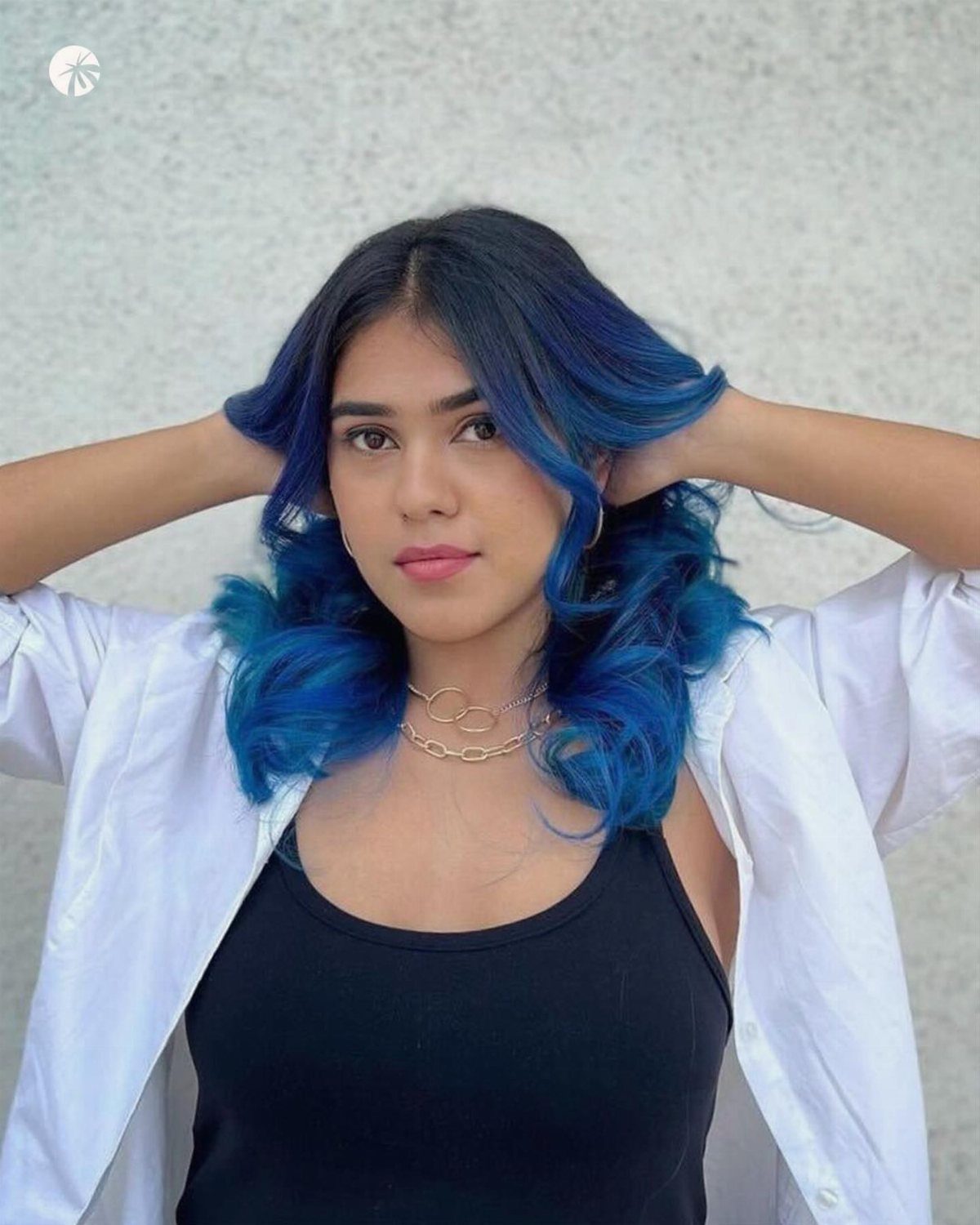
Oceanic blue pieces stand out against the depth of dark brown hair. The color adds a cool, saturated contrast that reads as intentional and playful, and it works particularly well on longer hair where the ribbons can move.
Blue fades to teal or green over time, especially if your water is hard or chlorinated. A color-safe shampoo and a blue-toned conditioner slow the shift, but the tone still softens faster than brown or blonde would.
If you want a cooler look without committing to blue, ask for silver or steel gray instead.
10. Chili Red Highlights
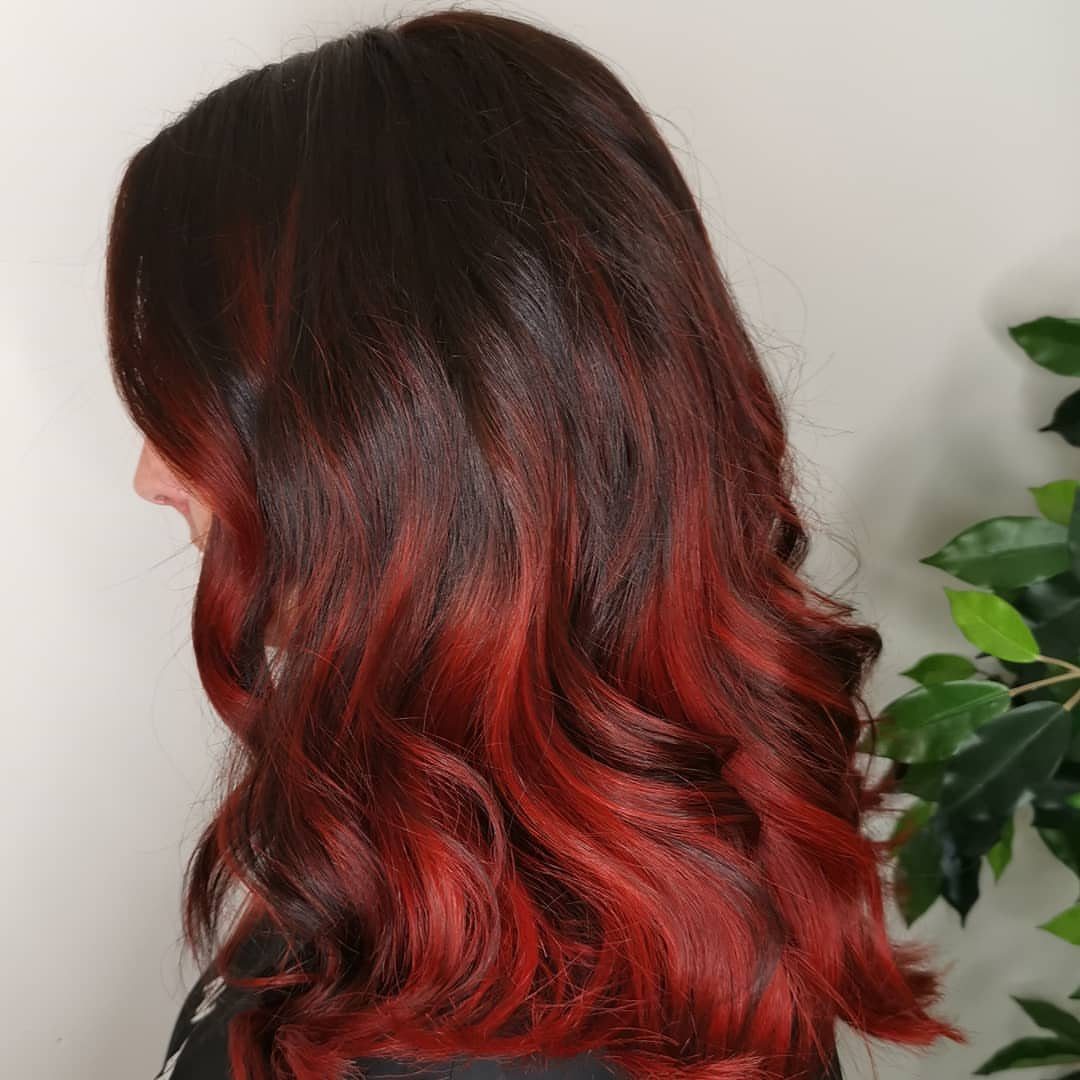
Chunky, weighty red ribbons create a spicy finish with more boldness than fine highlights would give. The wider sections make the red more visible, so the color reads from a distance and adds graphic contrast to dark hair.
Red this saturated fades quickly, and chunky placement means the fade shows more than it would with thinner ribbons. A red-toned shampoo or conditioner between salon visits keeps the intensity longer.
11. Silver Highlights on Dark Hair
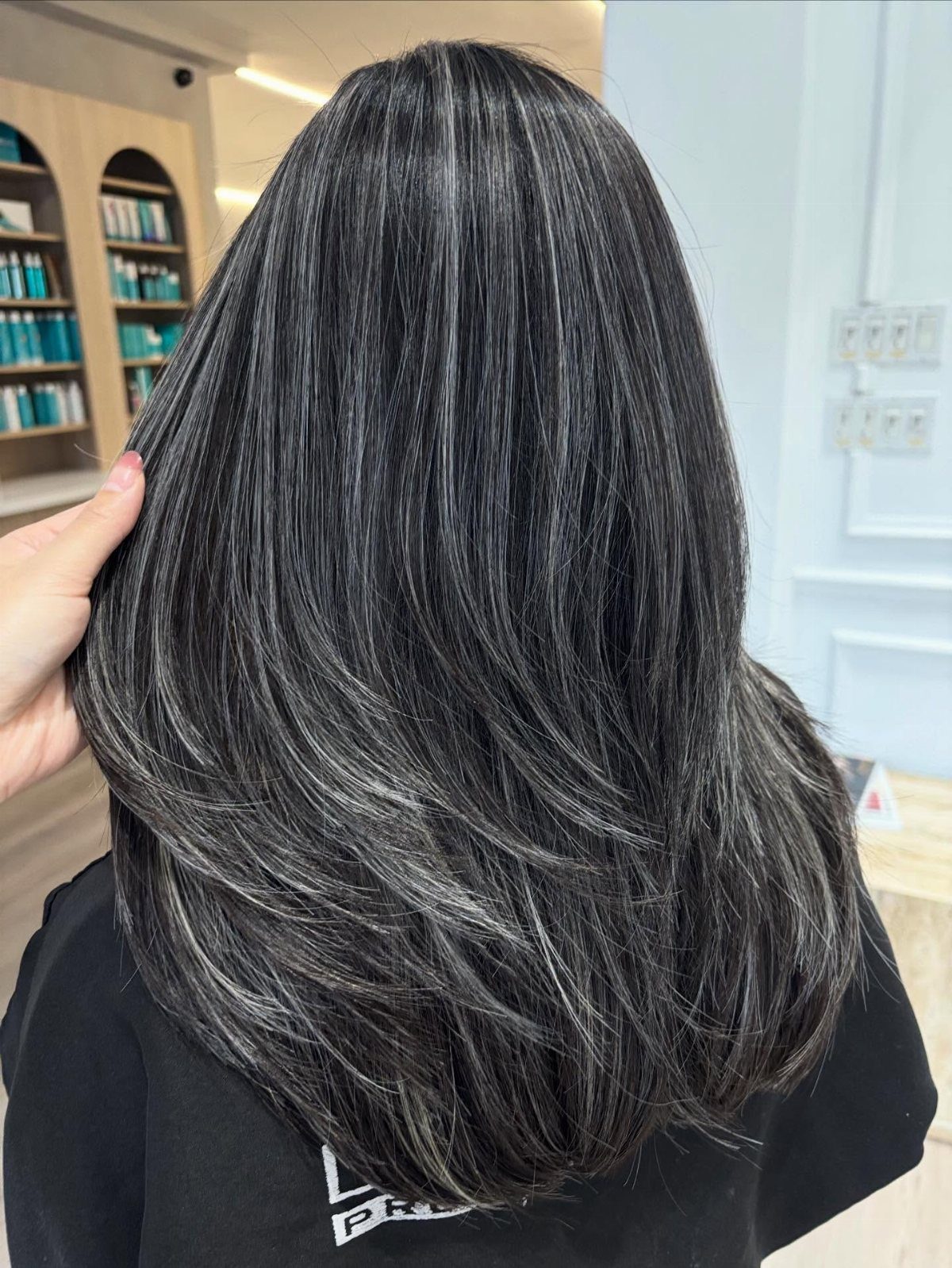
Silver ribbons blend gray regrowth into dark hair, so the transition between natural gray and dyed brown becomes less stark. The highlights also add cool-toned dimension that brightens the overall look.
Because silver sits far from dark brown on the color spectrum, the hair needs significant lift before the tone goes on. That can mean more time in the chair and a higher cost than warmer highlights would require.
A purple shampoo keeps the silver from turning brassy or yellow, and a gloss treatment every few months helps maintain the tone.
12. Balayage
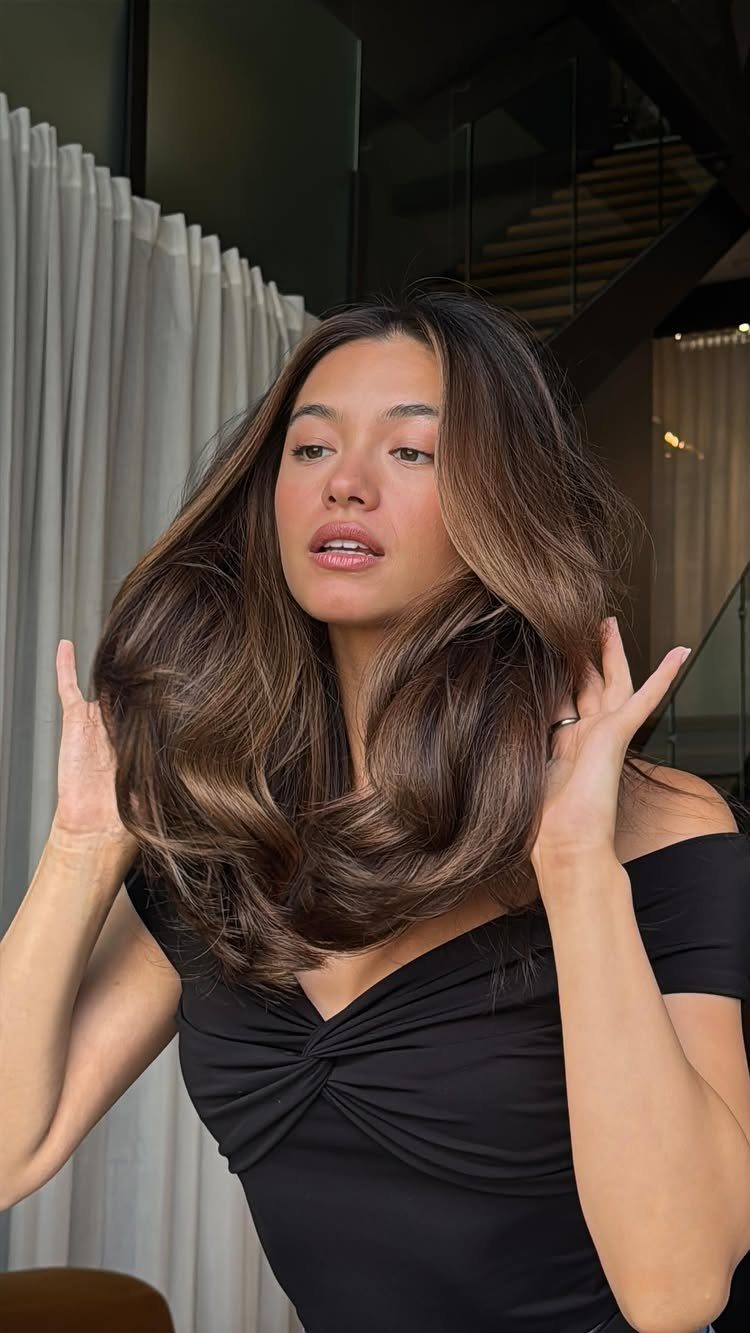
The stylist paints color onto sections by hand rather than wrapping them in foil, so the blend stays soft and the grow-out looks intentional.
The color starts deeper at the roots and gradually lightens toward the ends, so grow-out is less visible than it would be with traditional foil highlights.
Balayage costs more than foils in most salons because the technique takes longer and requires freehand skill. The result is more customized, with placement that follows the natural movement of your hair.
Maintenance is lower than with foils. The softness of the blend means you can stretch longer between appointments without an obvious line.
13. Chestnut Fade on Brunette Roots
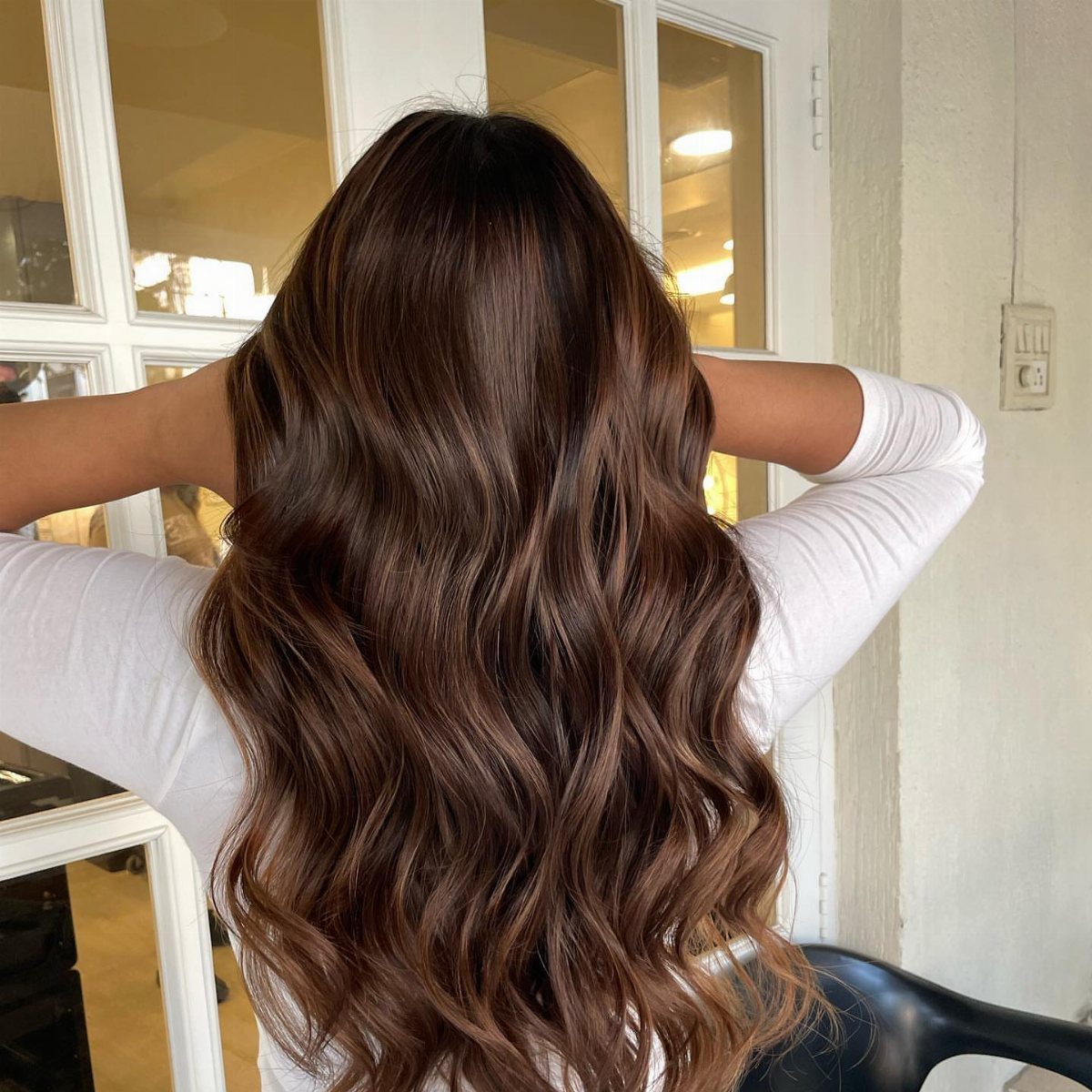
Darker roots melt into warmer, red-toned chestnut through the lengths. The transition adds dimension without a hard line, so grow-out stays gradual and the color reads as intentional rather than overdue.
Chestnut sits between brown and auburn, so it brightens without crossing into blonde territory. The warmth flatters most skin tones, particularly if you already pull golden or olive.
The roots stay dark, so grow-out is gradual. A gloss treatment halfway through keeps the red from fading flat.
14. Ashley Benson’s Brown Cinnamon Hair
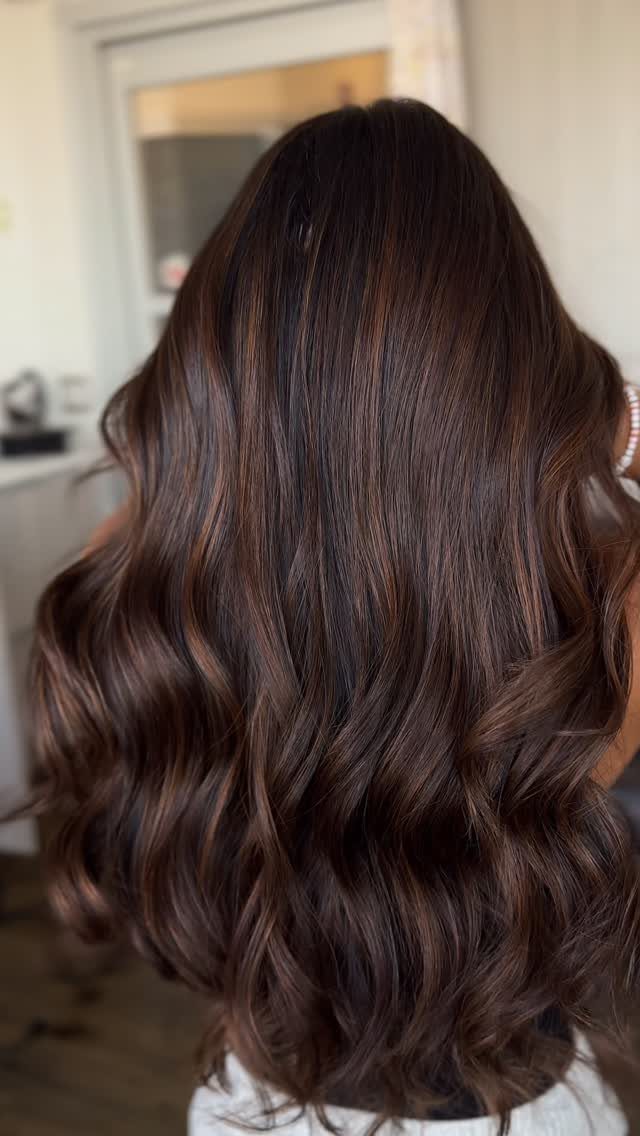
The tone is softer than copper but warmer than plain caramel, with a burnished quality that catches light without reading as a dramatic shift.
The color works well on medium to dark brown hair and suits warm skin tones. If your hair pulls cool, ask for a touch of auburn instead so the red doesn’t clash.
Cinnamon fades more slowly than brighter reds but still benefits from a color-safe shampoo and occasional gloss to hold the tone.
15. Champagne Highlights
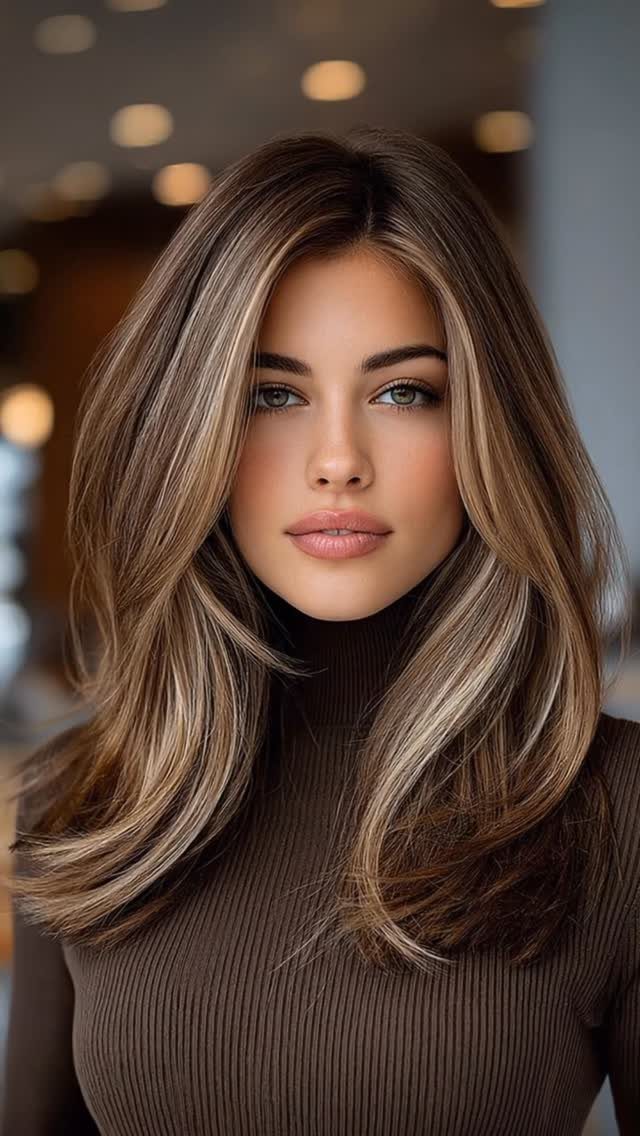
Champagne brings a muted, cool-toned blonde that leans beige rather than gold. The result brightens brown hair with a soft shimmer that stays neutral and doesn’t pull warm or brassy.
A purple shampoo keeps the champagne from shifting yellow as it fades.
The highlights can be placed all over or concentrated around the face, depending on how much contrast you want.
16. Mushroom Brown
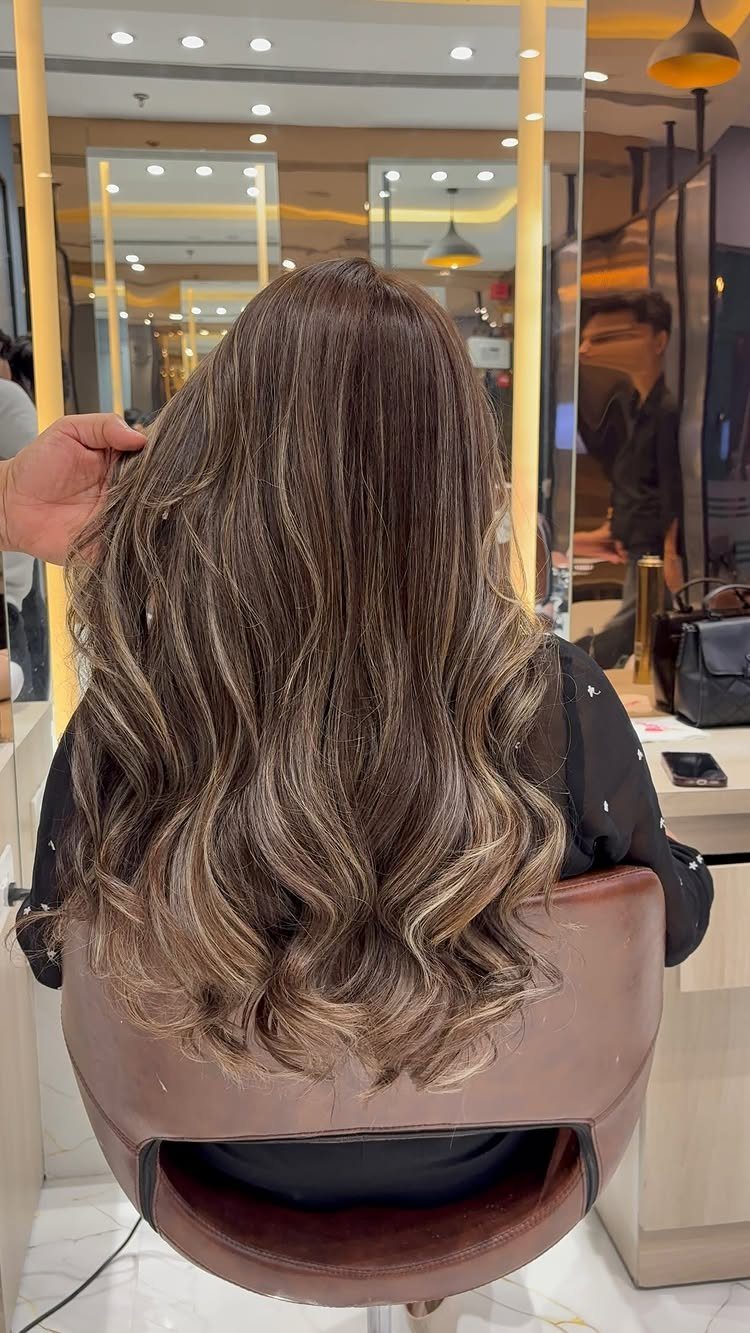
Ash, taupe and beige tones layer together for a dimensional finish that stays in the neutral brown family. The result is subtle and adds depth without a bold color shift, so the highlights read as texture rather than contrast.
Mushroom brown suits cooler skin tones and anyone whose natural color pulls ashy.
You’ll book fewer touch-ups than blonde since the tones sit close to brown.
17. Caramel Brown Highlights
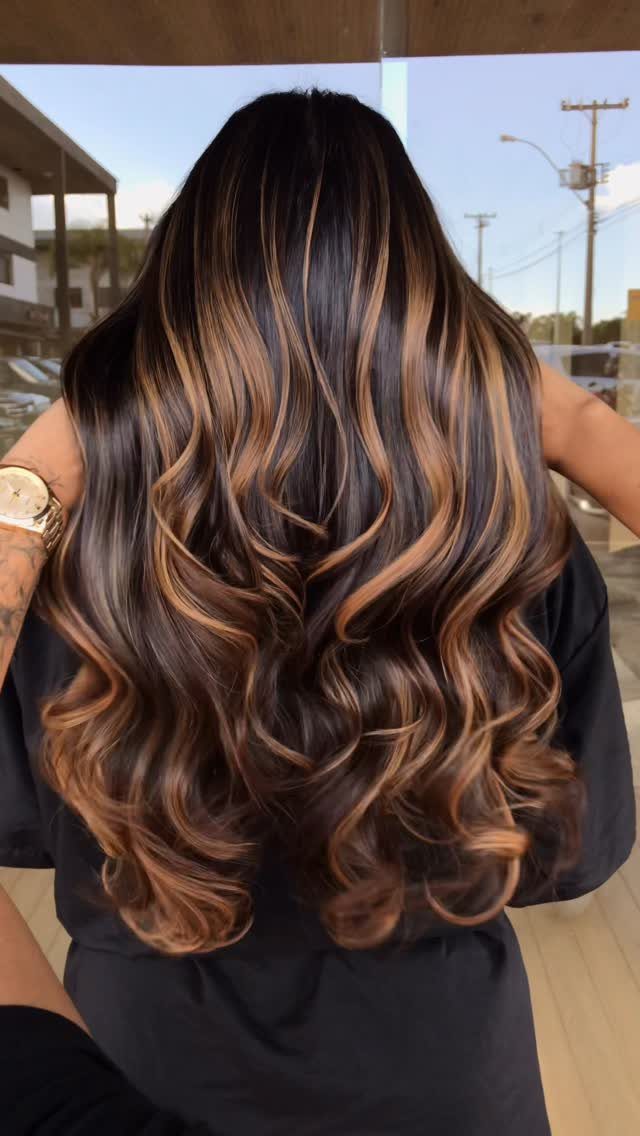
Caramel ribbons through dark brown hair add golden warmth and visible dimension. The color lifts a few shades without crossing into blonde, so the result stays in the brown family while catching more light.
Caramel suits warm and neutral skin tones. If you’re cool-toned, honey or beige blonde will sit better without clashing.
The highlights can be placed throughout or concentrated at the ends for a sun-kissed effect.
18. Face-Framing Brown Highlights
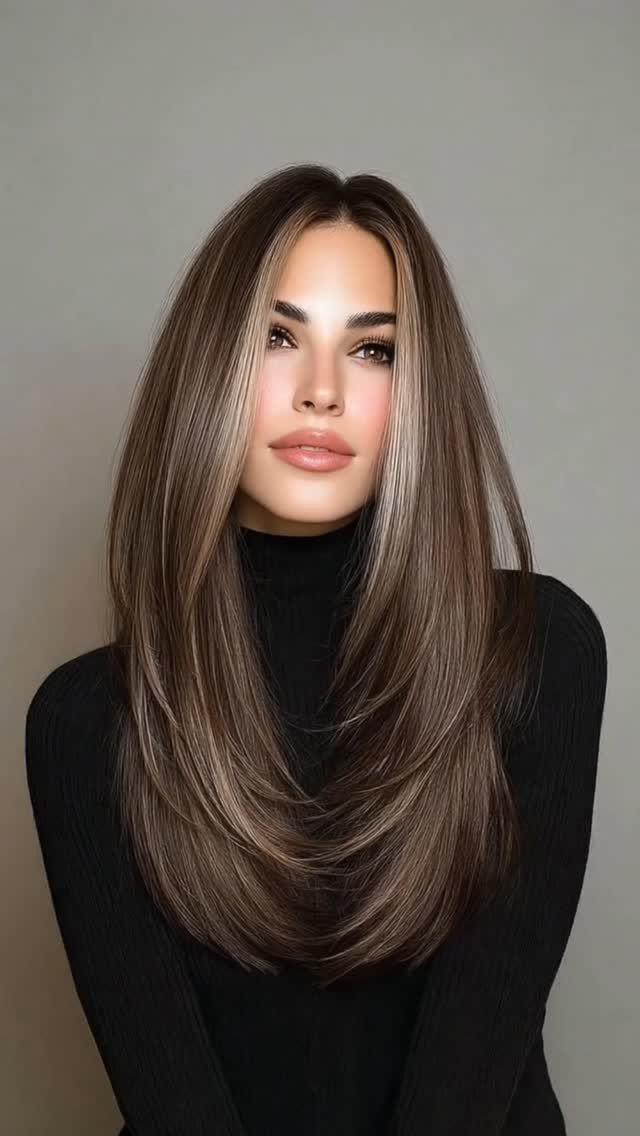
The placement draws attention forward and adds dimension where it shows most, so the effect is visible without committing to full color.
Grow-out is gradual since the contrast stays tonal.
Caramel or honey will add warmth if straight brown feels too neutral.
19. Cool-Toned Brown Highlights
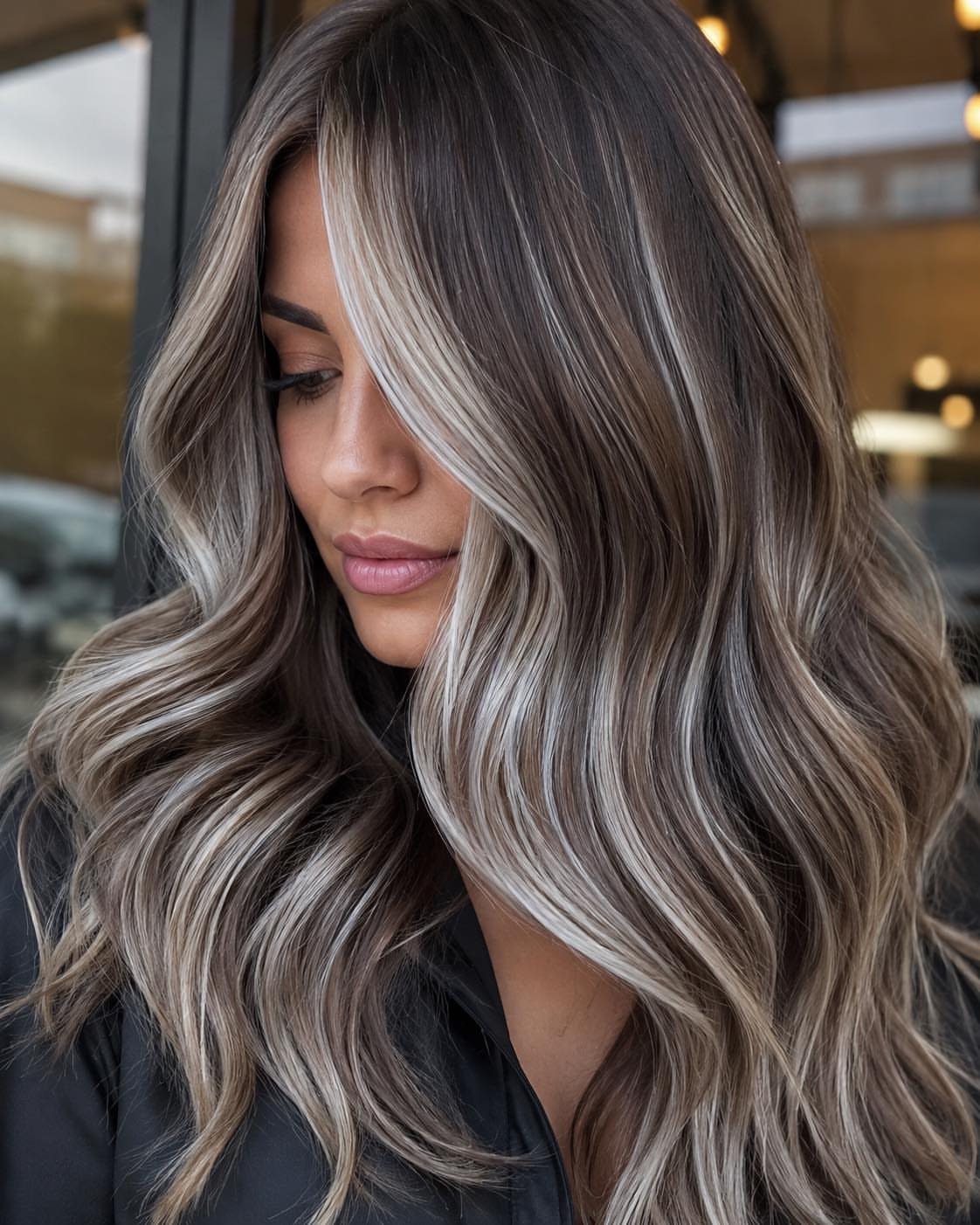
Beige and ash tones lighten brown hair without warmth, so the highlights stay neutral and work well on cooler skin. The result brightens without pulling gold or brass.
Cool tones need regular maintenance to stay that way. If brassiness starts creeping in, a purple shampoo once a week usually knocks it back.
If your hair naturally runs warm, expect more frequent toning to hold the cool shade.
20. Subtle Brown Highlights
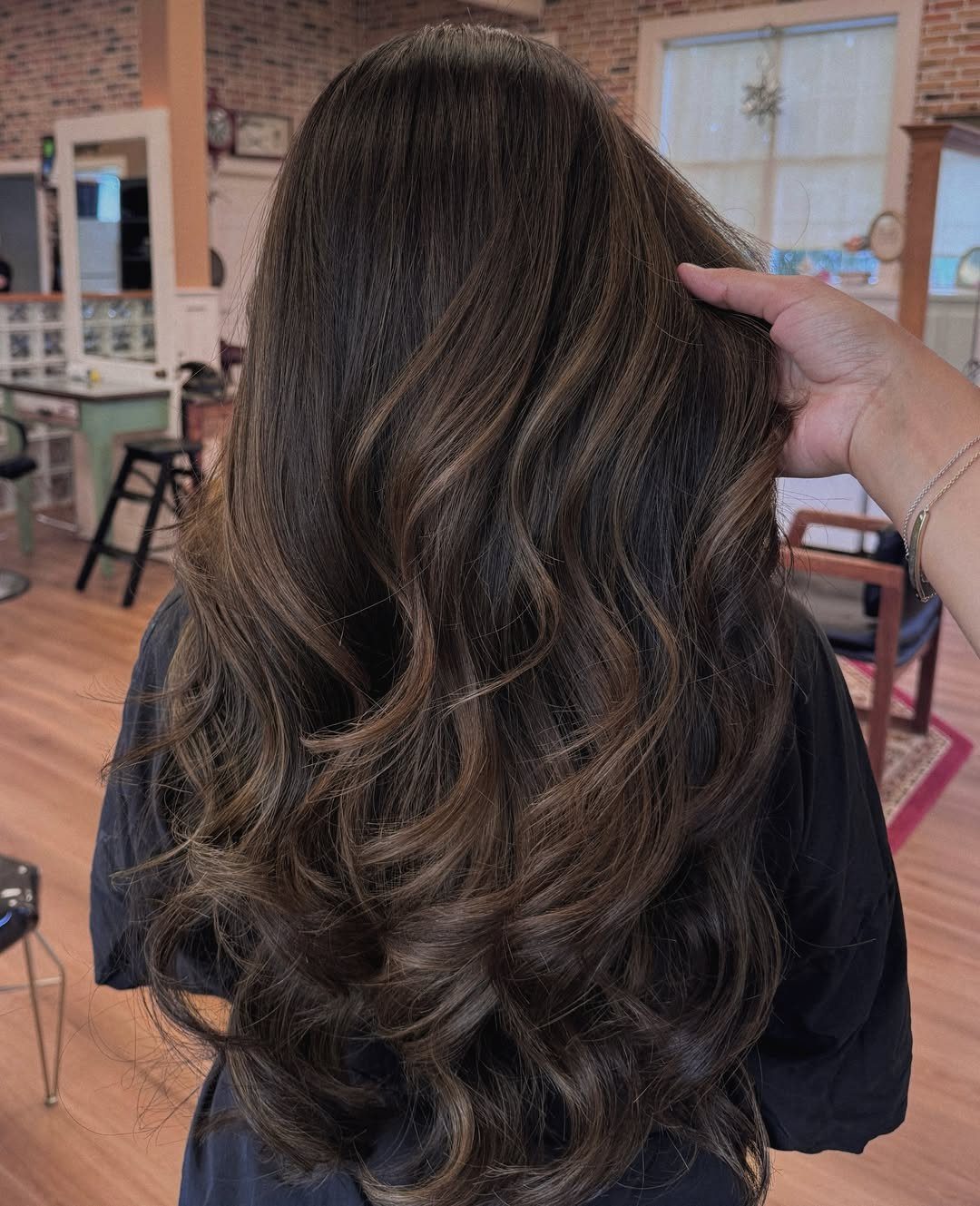
Highlights placed sparingly add dimension without announcing themselves. The lift stays close to the base color, so the result looks like natural variation rather than deliberate color work.
This approach requires less upkeep than bolder placement. Grow-out blends in gradually, and you can stretch longer between appointments without a visible line.
If you want more contrast later, the subtle base makes it easier to add without starting over.
21. Lighter Brown Highlights
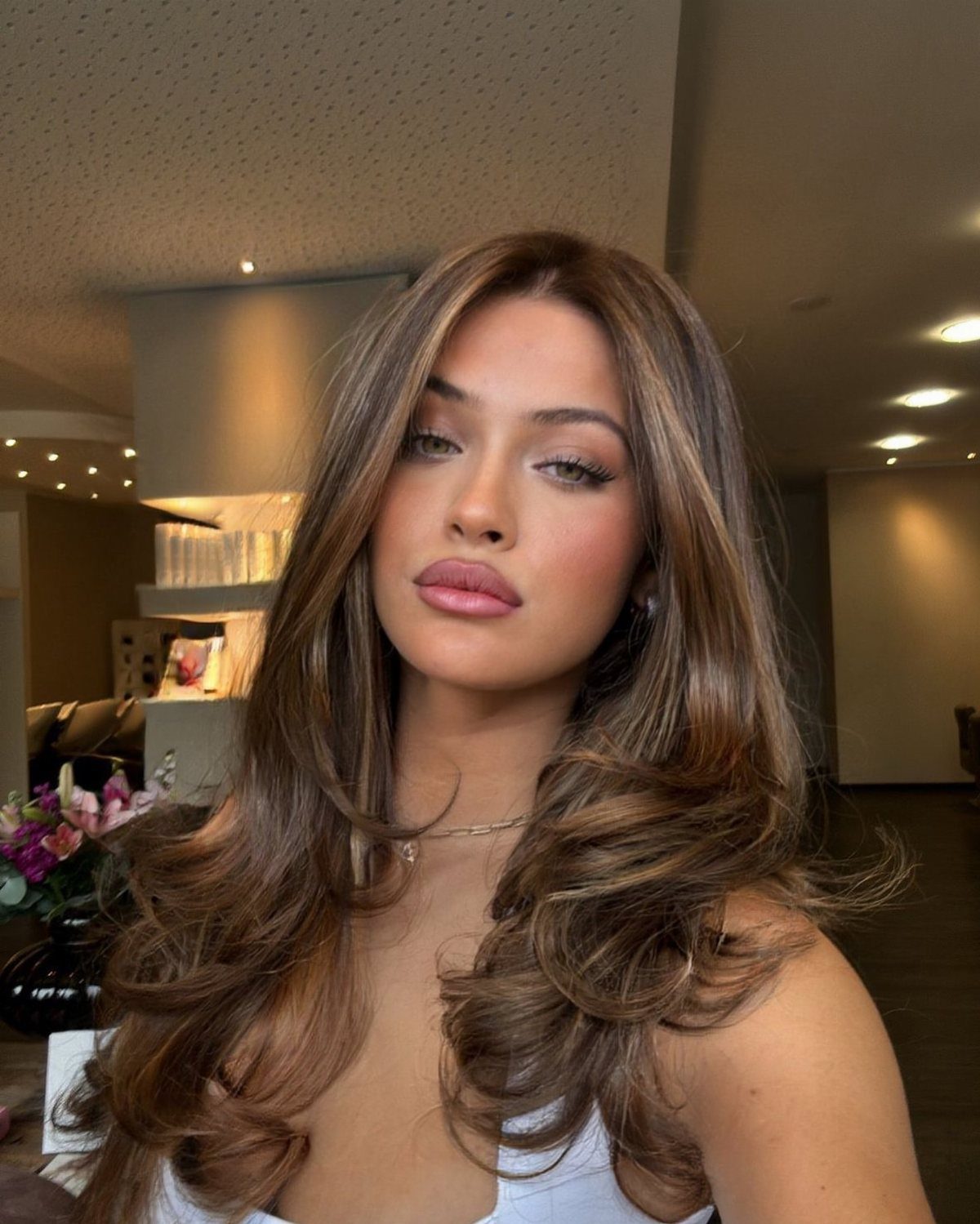
Highlights a few shades lighter than the base create visible lift while staying firmly in the brown family. The contrast adds movement and catches light without crossing into blonde territory.
You can ask for pieces scattered through the whole head or just from the ears down if you want more contrast at the ends. The lighter pieces grow out gradually since the tones stay related.
A gloss treatment between appointments keeps the color rich and prevents any dullness.
22. Golden Highlights
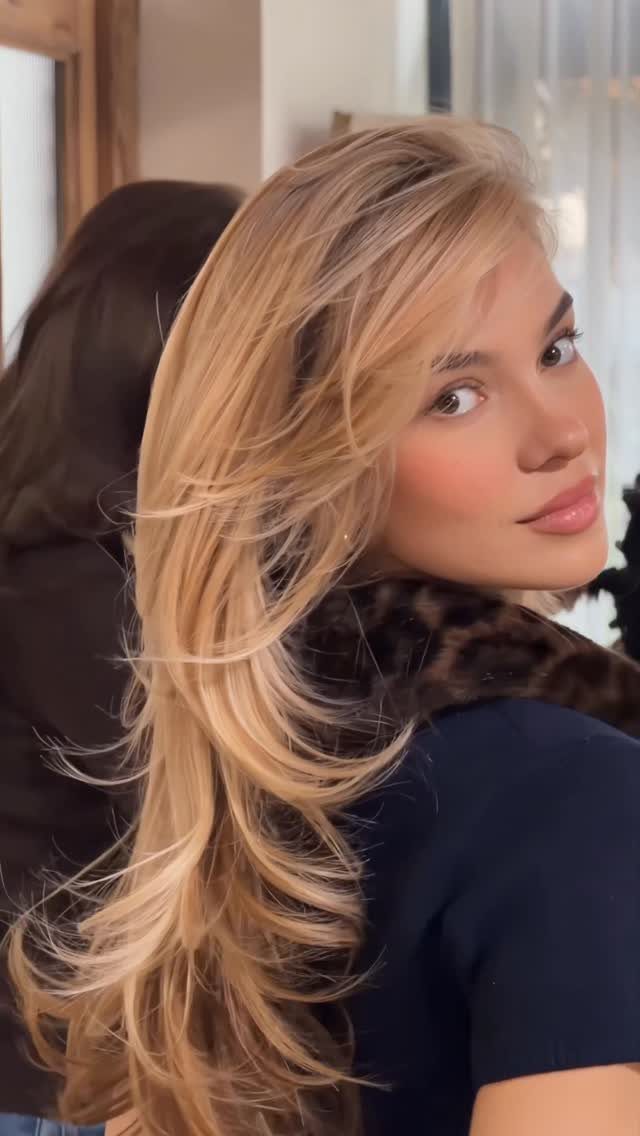
Warm honey and gold tones brighten light brown hair with a sunlit finish. The highlights add shimmer and suit warm skin tones, particularly if your natural color already leans golden.
Hard water and heat styling can turn them orange-leaning within a few weeks. A blue shampoo corrects that shift and keeps the highlights looking fresh.
Color and Moisture Upkeep
Highlights, especially lighter ones, can dry hair out during the lifting process, so a deep conditioning mask once a week helps restore moisture and keeps the color glossy.
Look for masks with argan oil, keratin or shea butter. These ingredients nourish the hair and strengthen strands that have been processed.
Washing less often helps color last longer. Most people find that gives natural oils time to condition the hair between washes.
A shine spray after styling gives highlighted hair a polished finish.
Highlighting Dark Hair
The process can take two or three appointments if you’re aiming for significant lightness, since going too fast risks damage.
Starting subtle and building over sessions gives the hair time to recover between lifts.
If you’re hoping for blonde on a dark base, expect the first session to land somewhere in the warm brown range, with later appointments taking it lighter.
A demi-permanent toner after lightening adds richness and helps the color fade more gradually, so grow-out stays soft instead of turning into a hard line.
If your stylist suggests spacing appointments a few weeks apart, that gives your hair a break and lowers the risk of breakage.
Skin Tone and Highlight Shade
Golden and honey-toned highlights add radiance and work with the warmth already in your skin.
Ash blonde keeps the look lifted without pulling brassy or orange.
If you’re neutral-toned, most shades work. Caramel, honey and mushroom brown all sit in the versatile middle and adapt to a range of undertones.
You can also ask a makeup artist at a cosmetics counter what they read your undertone as.
Frequently Asked Questions
What highlights look good on brown hair?
Warmer caramel and honey shades work well on most brown hair, and cooler ash or champagne tones keep things neutral if you want to avoid gold.
For subtle dimension, choose highlights one or two shades lighter than your base; for contrast, blonde, red or copper ribbons pop against dark brown.
The best shade depends on your skin tone: warm tones favor golden highlights, cool tones lean toward ash or beige blonde.
Are highlights or lowlights better?
Highlights lift the color lighter than your base and add brightness, while lowlights go darker and create depth.
If your brown hair looks flat or you want a sun-kissed glow, highlights bring dimension and make movement more visible. Strategic placement around the face also draws attention forward and brightens your features without full coverage.
Can you highlight black hair?
Yes, but the darker your base, the longer the lifting process takes. Significant lightness often requires two or three appointments to avoid damage, and the first session usually lands in the warm brown range before later visits take it lighter.