Your natural base color decides which of these ash blonde babylights is yours: the darker your roots, the more contrast the look carries and the sooner regrowth shows.
The list runs from soft-blended strands and shadow roots to wide silver streaks and pearly-blonde melts.
1. Ash Blonde Babylights
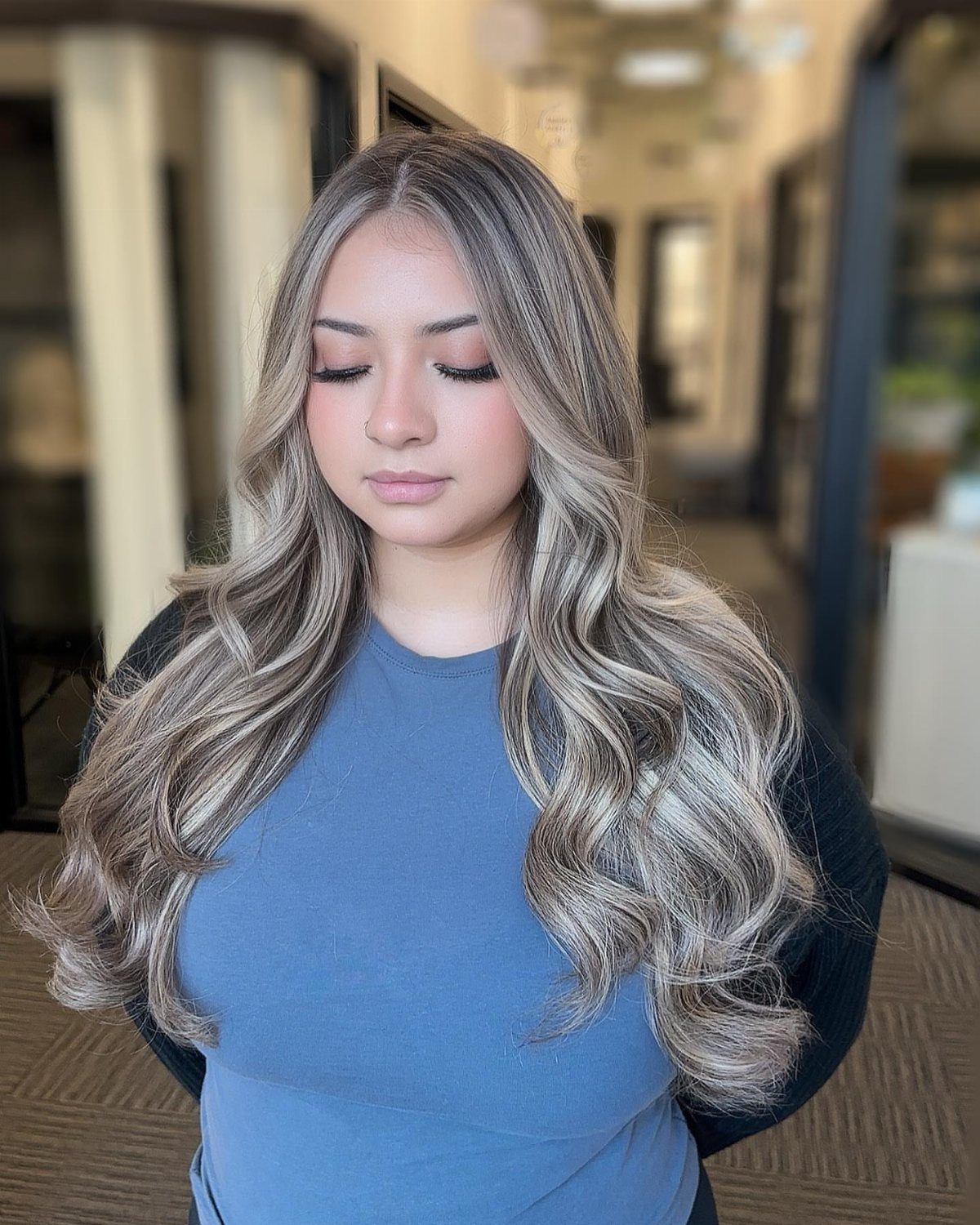
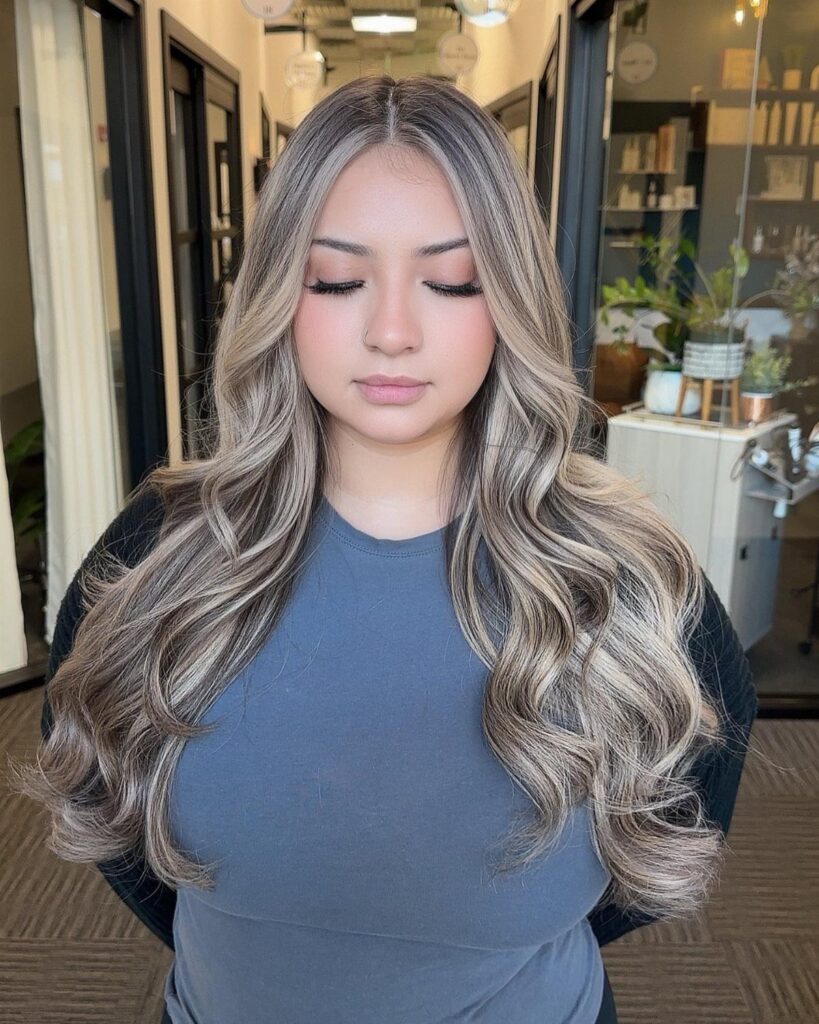
Fine, delicate strands woven through the hair give ash blonde babylights their depth.
Because the highlights are so thin, they mimic the way natural hair shifts in tone from strand to strand, so there’s no stripe or block of color to grow out.
For anyone who wants lighter hair without a hard line, this is the version I’d point to first.
Ask for "ash babylights" by name and bring a photo; the silvery cast reads best on long waves, where the light catches the layers.
2. Face-Framing Ash Blonde Balayage
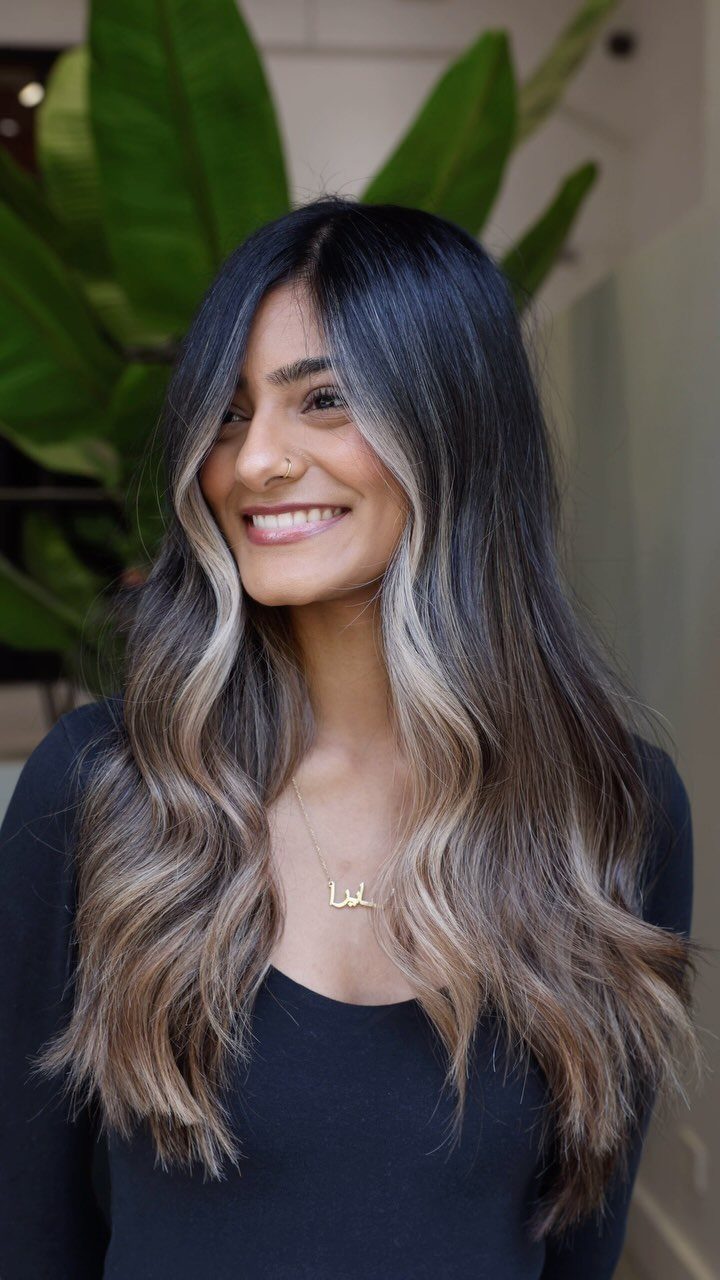
On long dark waves, a few ash blonde pieces framing the face do the work of a whole highlight session. Brightness lands right beside the cheekbones and jaw, which is where it lights up the complexion.
Ask for face-framing balayage rather than a full head, and keep the ash tone cool so it reads as soft against dark hair.
I like this for anyone who wants lighter hair but isn’t ready to commit to going blonde all over.
3. Ash Blonde Ombre
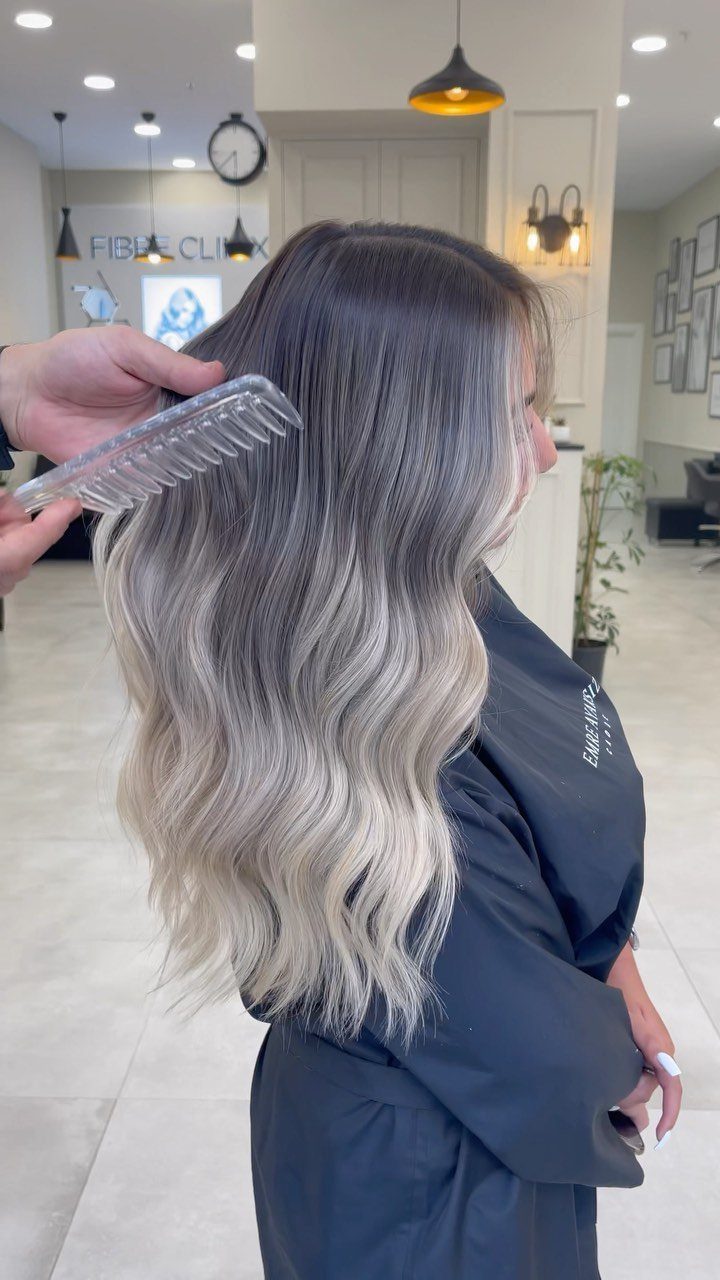
Dark roots that fade to pale ends make ash blonde ombre the highest-contrast option in this group. Color shifts gradually down the length, so the drama sits in the ends while the natural shade stays at the scalp.
Waves show the fade off best, since the curl pattern spreads the transition across the hair. Tell your stylist the blend should be soft, not a line, and bring a photo showing exactly how pale the ends should be.
4. Ash Blonde Money Piece
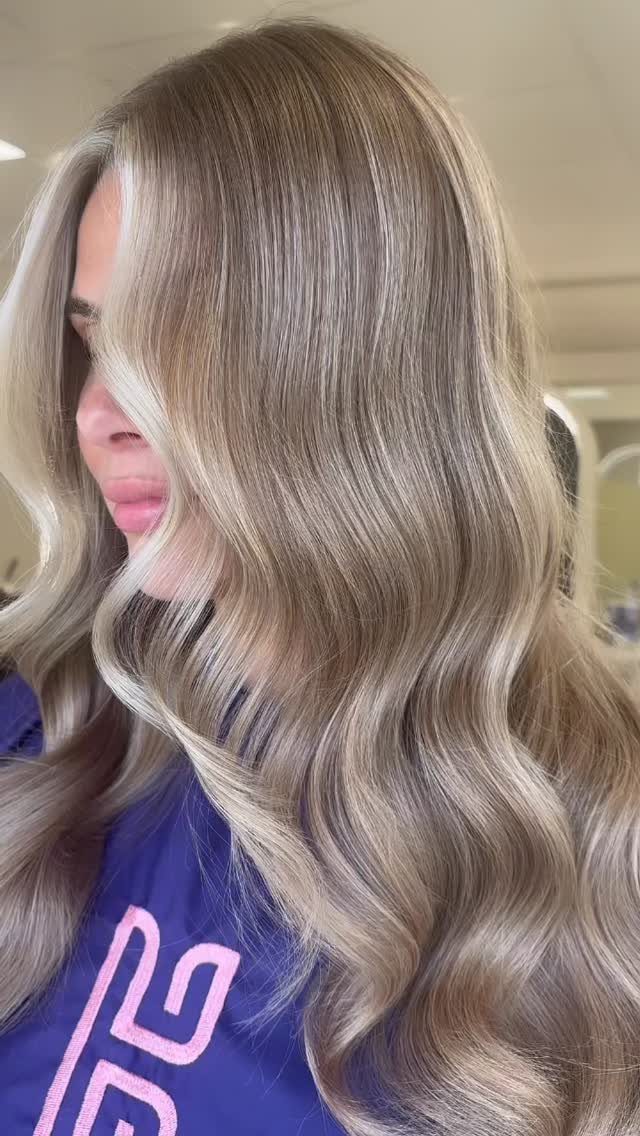
An ash blonde money piece is 2 bright strips up front, lighter than everything behind them. It’s a bold accent that sits right at the face and pulls the eye there first.
On long waves like these, the contrast stays clear even when the rest of the hair is styled loose.
If you want the brightness without recoloring everything, I’d choose this over a full highlight, and ask for the front sections to be noticeably lighter than the rest.
5. Smoky Ash Blonde
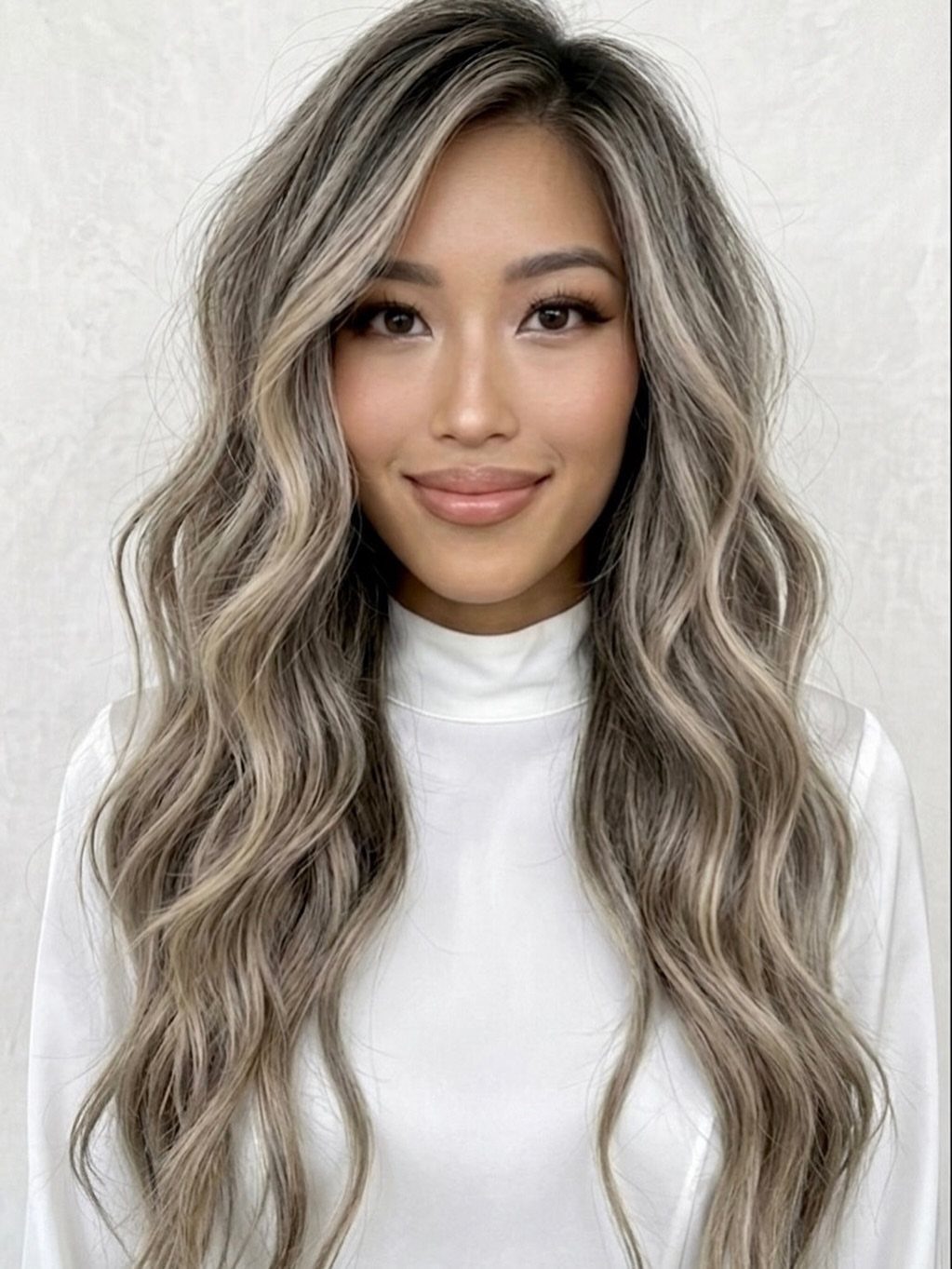
Smoky ash blonde leans dark and cool, with roots left deep so the blonde looks muted instead of bright. The result is edgier than a clean, pale blonde.
Wavy lengths give the color some movement, so the smoke reads as shading rather than flat gray.
When you ask for it, use the words "smoky" and "dark roots" together, and bring a photo so your stylist knows how deep to go.
6. Ash Blonde with Shadow Root
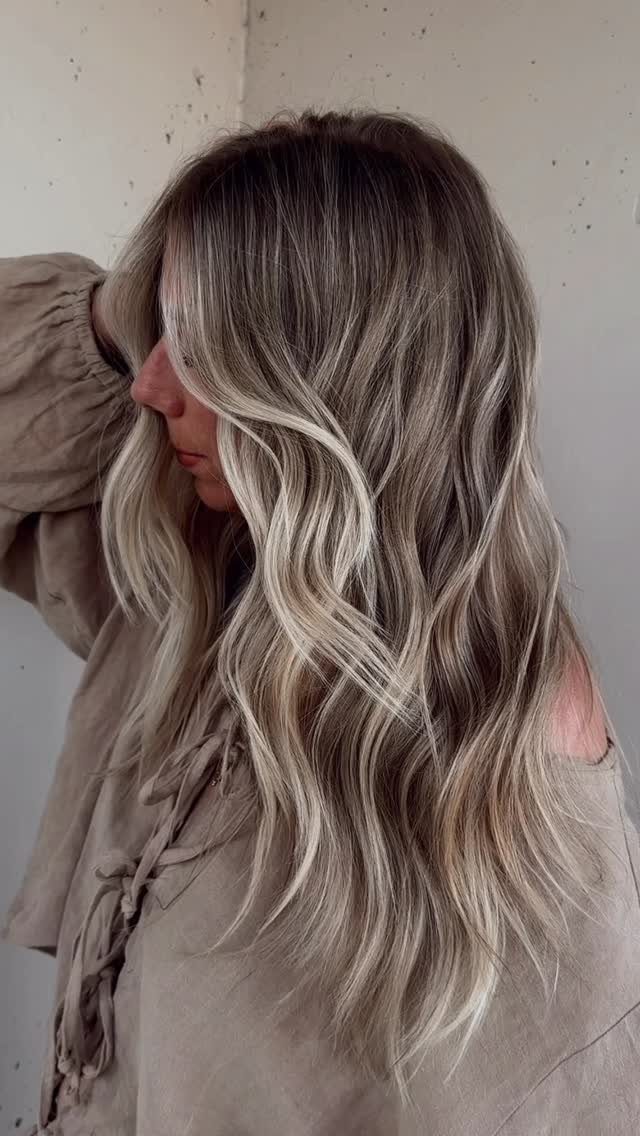
A shadow root keeps the darker color at the scalp and blends it into lighter mid-lengths and ends. That soft blend gives ash blonde a lived-in finish, with no sharp regrowth line.
I like it on long waves, where the dark-to-light shift follows the curl. Ask for the root to be "softly blended" so the transition looks smooth instead of banded.
7. Ash Blonde Melt
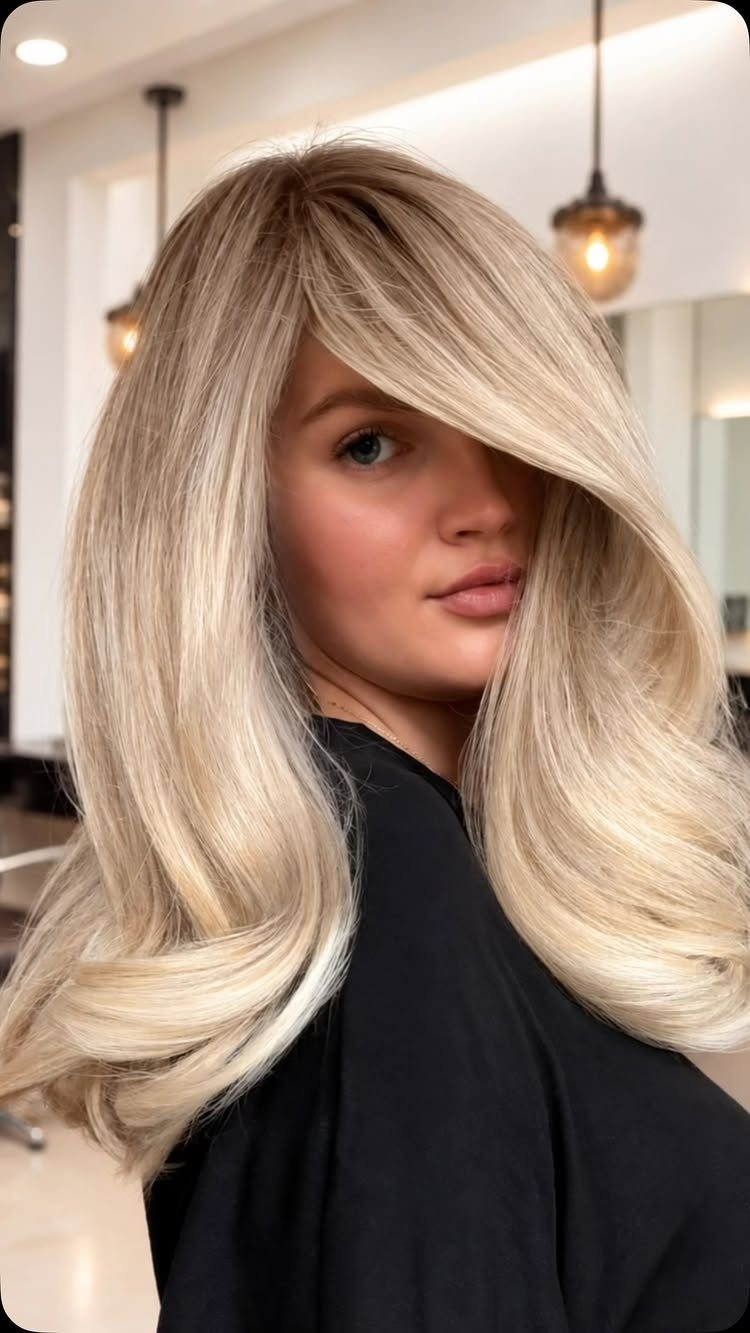
Several close shades of ash blonde, blended into one another with no visible break, give a melt its soft, multidimensional finish.
Soft curls or loose bends in the ends help a melt like this, since movement shows the ash tones shifting from root to tip, and a side-swept fringe lets the blend frame the face instead of hiding it.
Ask for a "melt" and bring a photo, since the word can mean different things from one stylist to the next.
I’d keep the shades close in depth, because a melt reads best when you can’t say where one tone stops.
8. Light Ashy Blonde
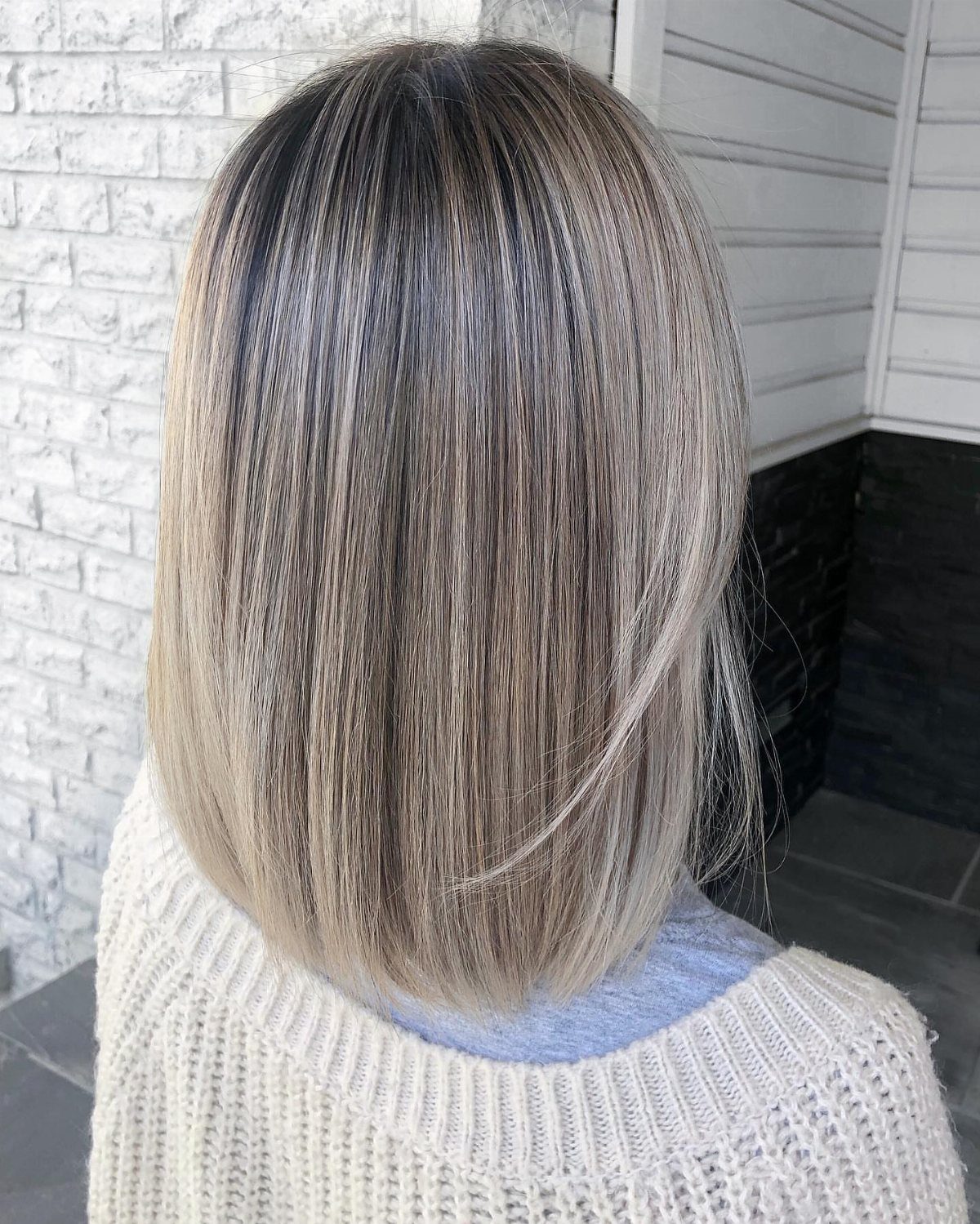
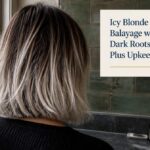
Darker smoky lowlights under a light ashy blonde keep a straight bob from looking flat. On hair this smooth and blunt, the extra depth is what you see first.
Ask for "light ash with smoky lowlights," and say you want the roots left darker too. I’d pick this over an all-over pale shade, since the dark pieces add contrast without making the blonde any warmer.
9. Light Ashy Lob
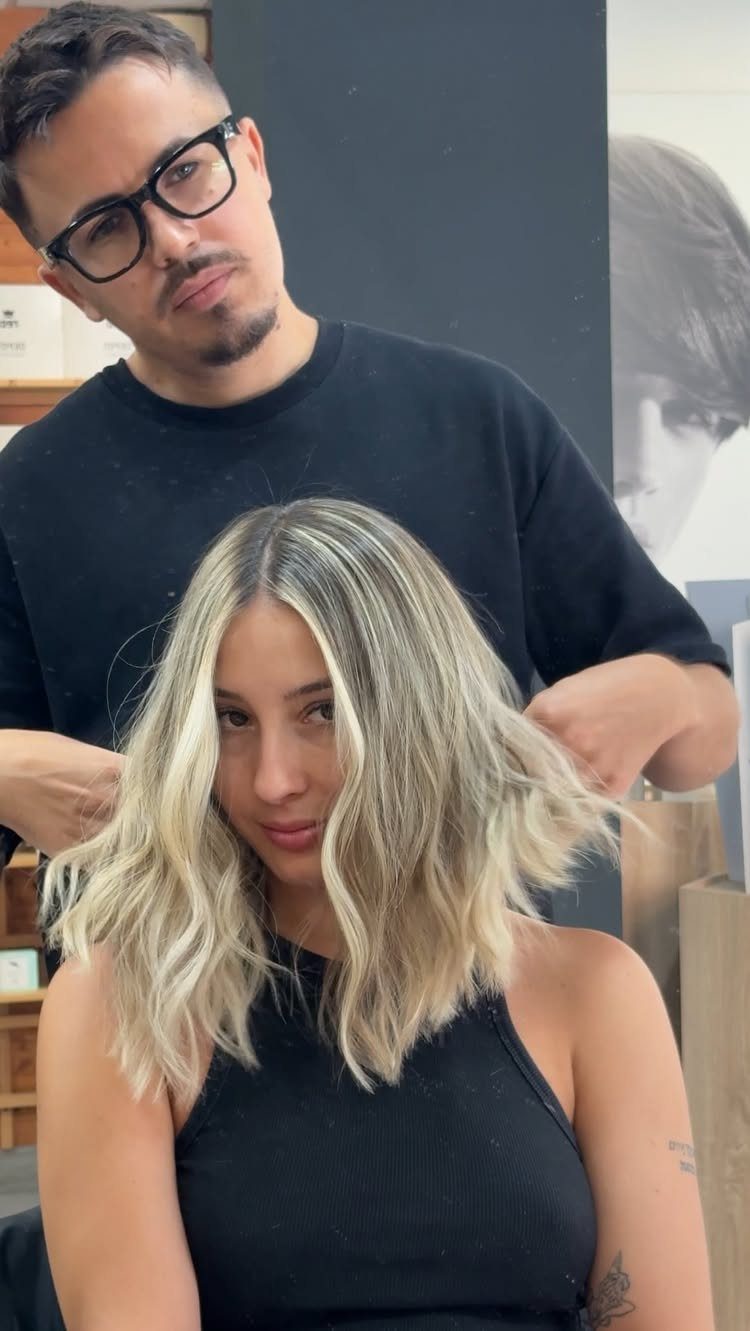
A light ashy lob with darker roots is the easiest version of this color to explain to a stylist. Name the length, say "dark roots," and bring a photo showing how deep the root should go.
Waves help here, since the bend in the hair breaks up the shift from dark to light. I like this for anyone who wants pale blonde without a bright scalp line, because the darker root makes regrowth look planned.
10. Pearly Glimmer Balayage
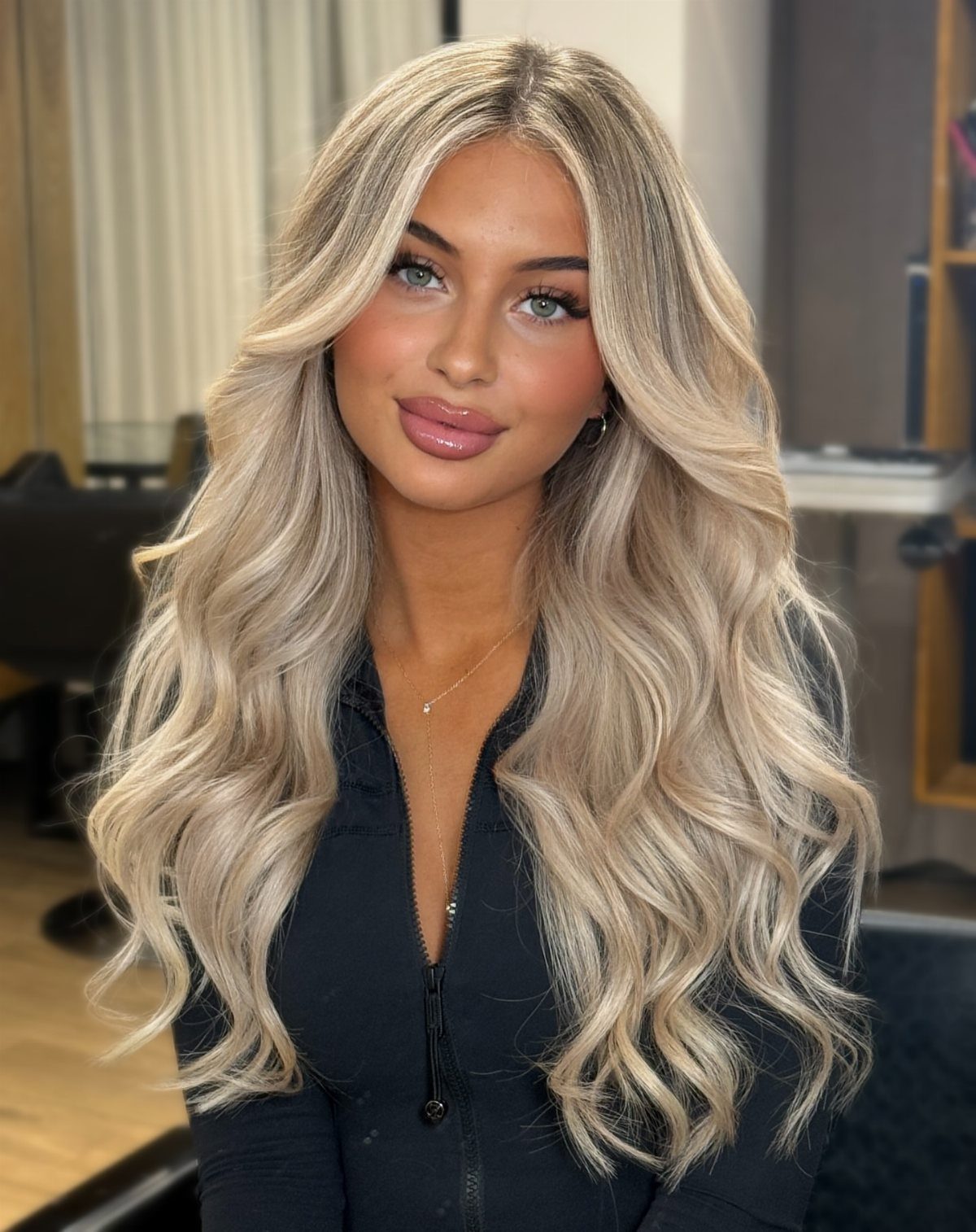
Beige and light brown tones around the crown make platinum strands look brighter by comparison. Without that darker base, the pale pieces could blend into the rest and lose their glow.
Ask for "platinum balayage on a beige root," and be clear that the crown should stay a shade or two deeper than the strands. Long waves suit it best, since the curl scatters the bright pieces through the length.
11. Long Balayaged Hair
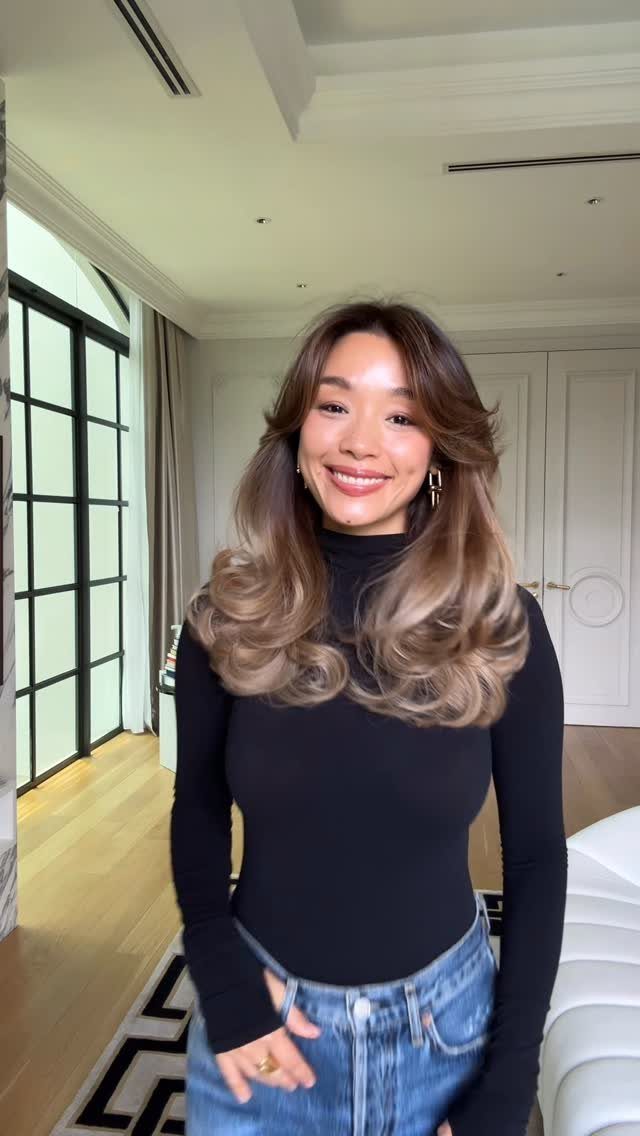
Full-head babylights finished with a glaze give long hair a bright, dimensional look. The fine strands add the lightness, and the glaze evens the tone so the blonde reads cool and polished.
Ask for both by name: "babylights all over, with a glaze." Long waves give the color room to show, and I’d choose this over chunkier highlights for a softer, more blended result.
12. Cool-Toned Bronde with Money Pieces
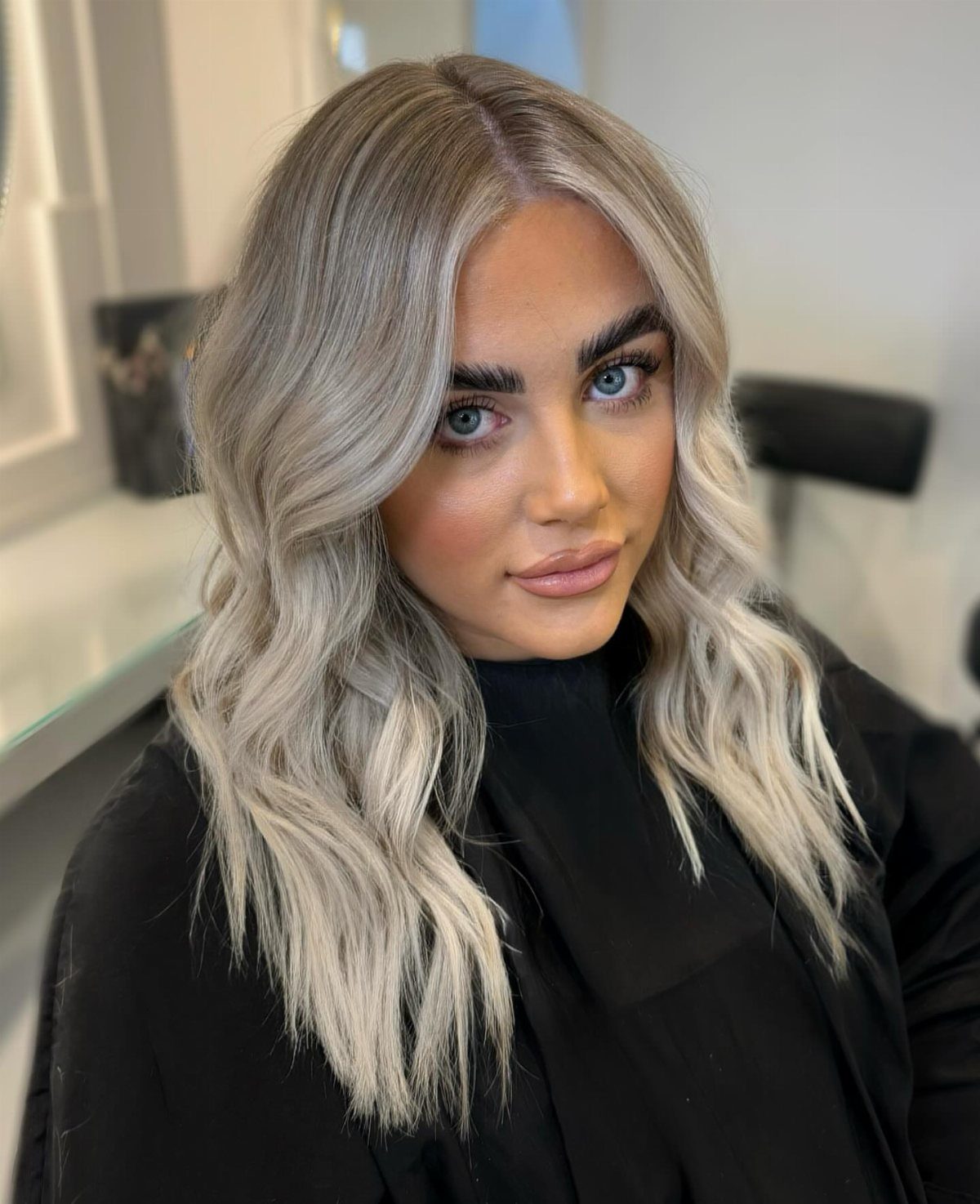
Brassy blonde cools down fast when you add depth at the root and ashy-silver pieces at the front. Blended money pieces keep the bright strips from looking stuck on, while the darker base makes the silver stand out.
Ask for "cool bronde with blended silver money pieces" and show a photo. I’d keep the blend soft so the front pieces melt into the waves behind them.
13. Rooty Light Ash with Silver Money Pieces
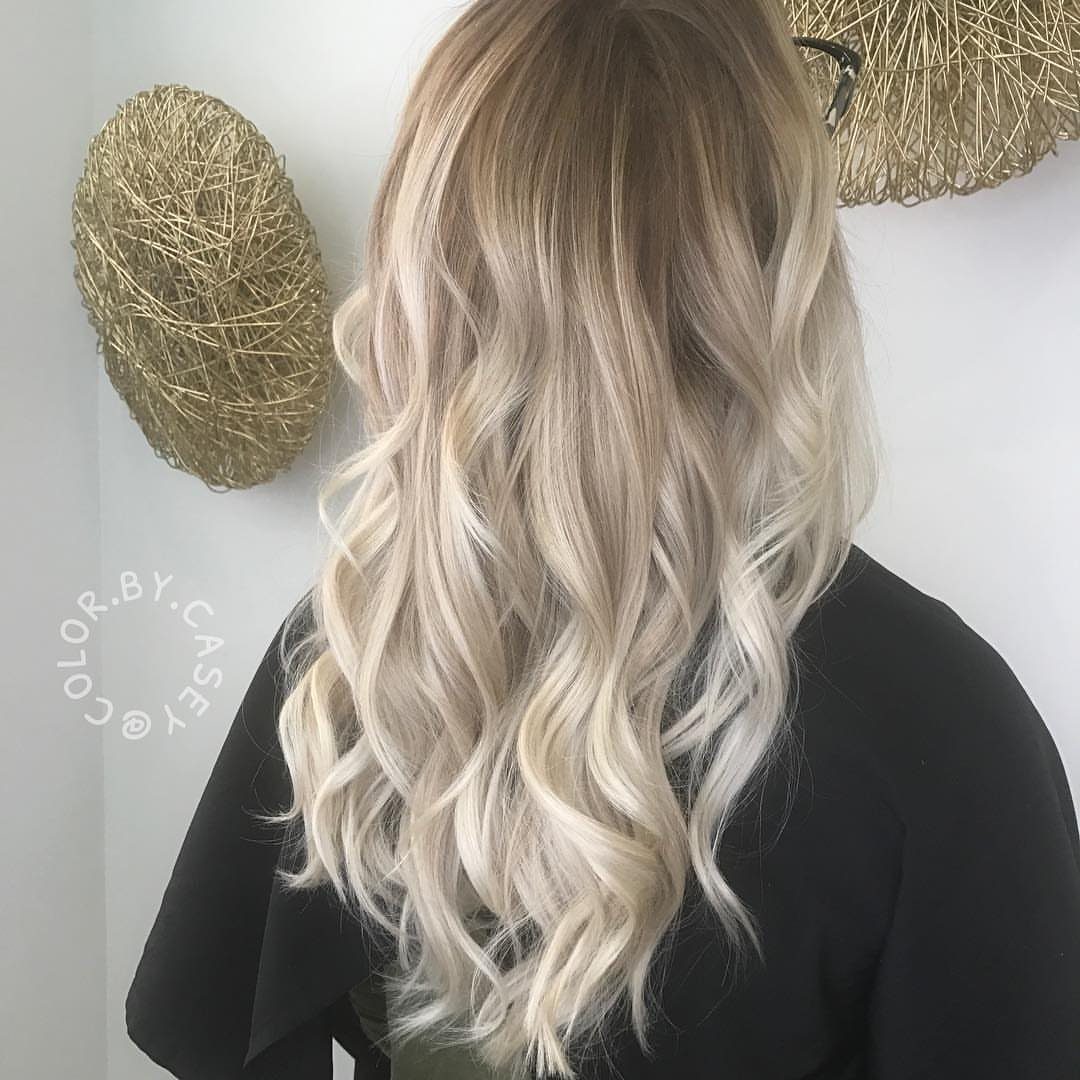
Silver money pieces against long ash blonde waves give you two kinds of brightness in one look. The silver sits up front and catches light, while the softer ash blonde fills the length behind it.
Ask for "ash blonde with silver money pieces" and bring a photo so your stylist knows where the silver should start.
Soft blending between the money pieces and the rest of the hair keeps the front strands from looking like a separate section.
14. Silvery-Lavender Lob
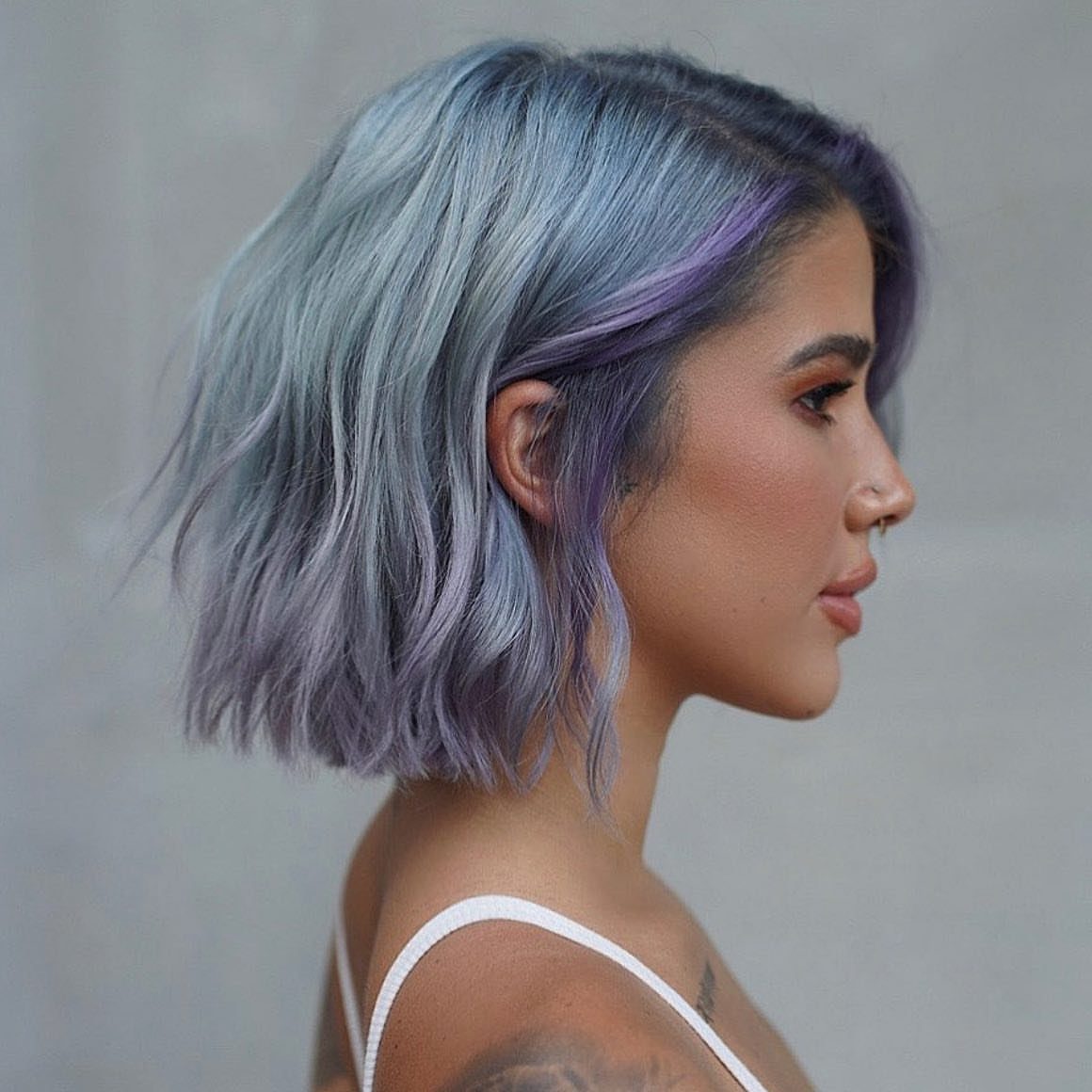
Gray, ash, lavender and silver tones blended through a shoulder-length bob give this lob its cool, soft finish. The mix keeps the color from reading flat, and the darker root makes regrowth look planned.
Wavy texture helps the shades sit next to each other without banding. I like this for anyone who wants gray-toned hair without a single flat shade, because the layered tones give the bob dimension a straight dye job won’t.
15. Creamy-Blonde Foilayage
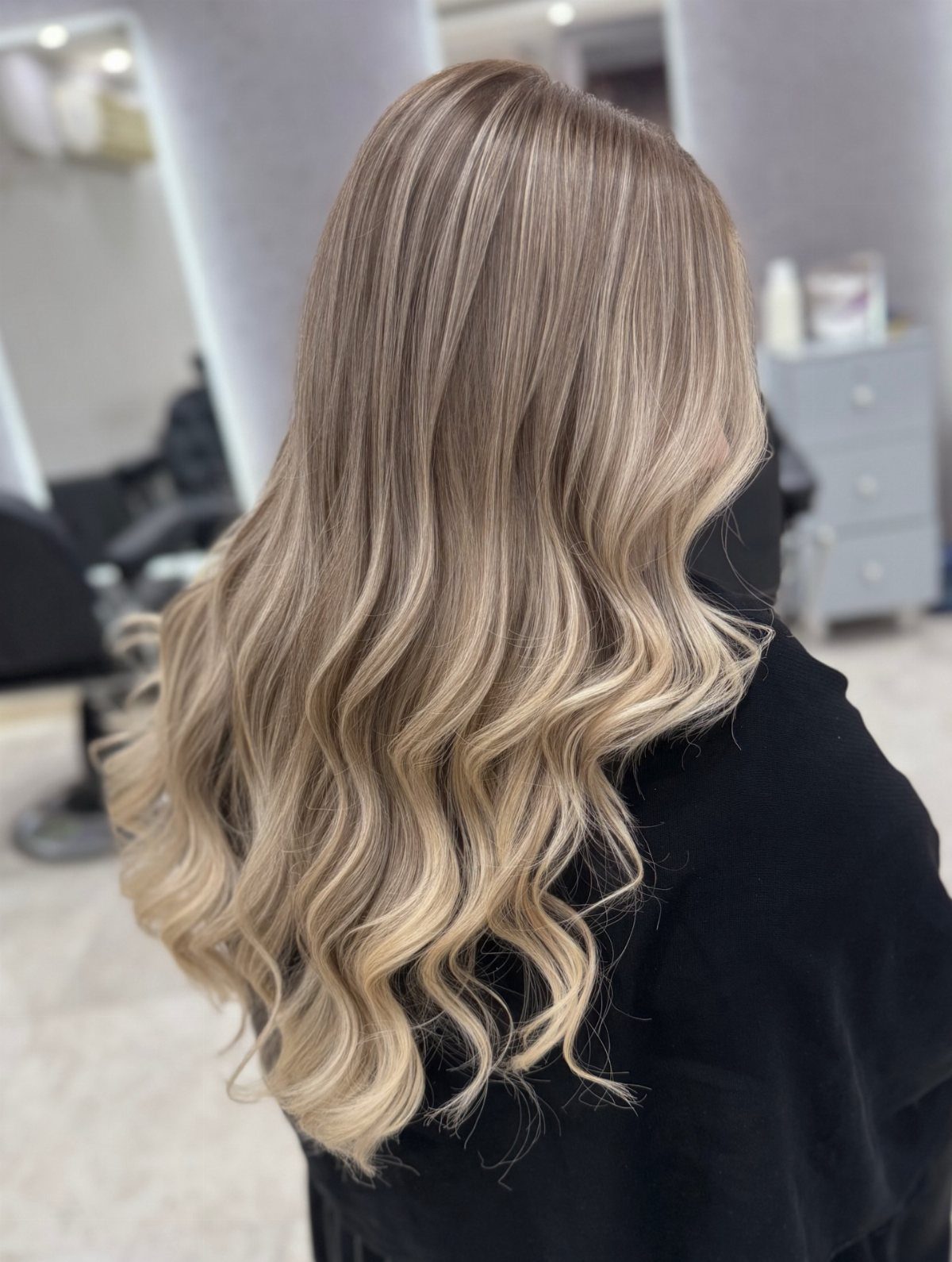
Soft beige highlights through creamy blonde give foilayage a neutral, warm finish.
Darker roots keep the blonde from starting too light at the scalp, and the beige pieces sit close enough in tone that the color reads blended instead of striped.
On warmer or darker skin, I’d choose this over a cooler ash palette, because the neutral blonde looks softer.
16. Frosted Ends
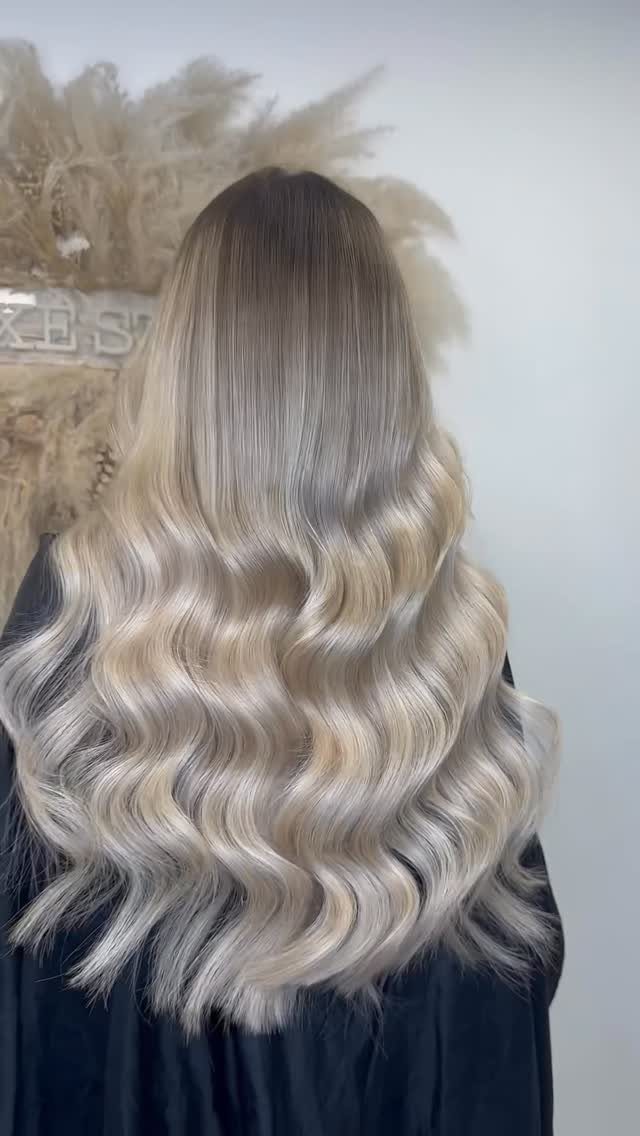
Bright white highlights land at the ends only, so the color sits where the curl bends and catches light. On medium-gray hair, those frosted tips add brightness without recoloring the full length.
When you book, name "white highlights on the ends" and tell your stylist to skip the mid-lengths. I’d pick this over a full highlight if you want the brightness concentrated where the hair moves.
17. Wavy Lob with Silver and Ash Highlights
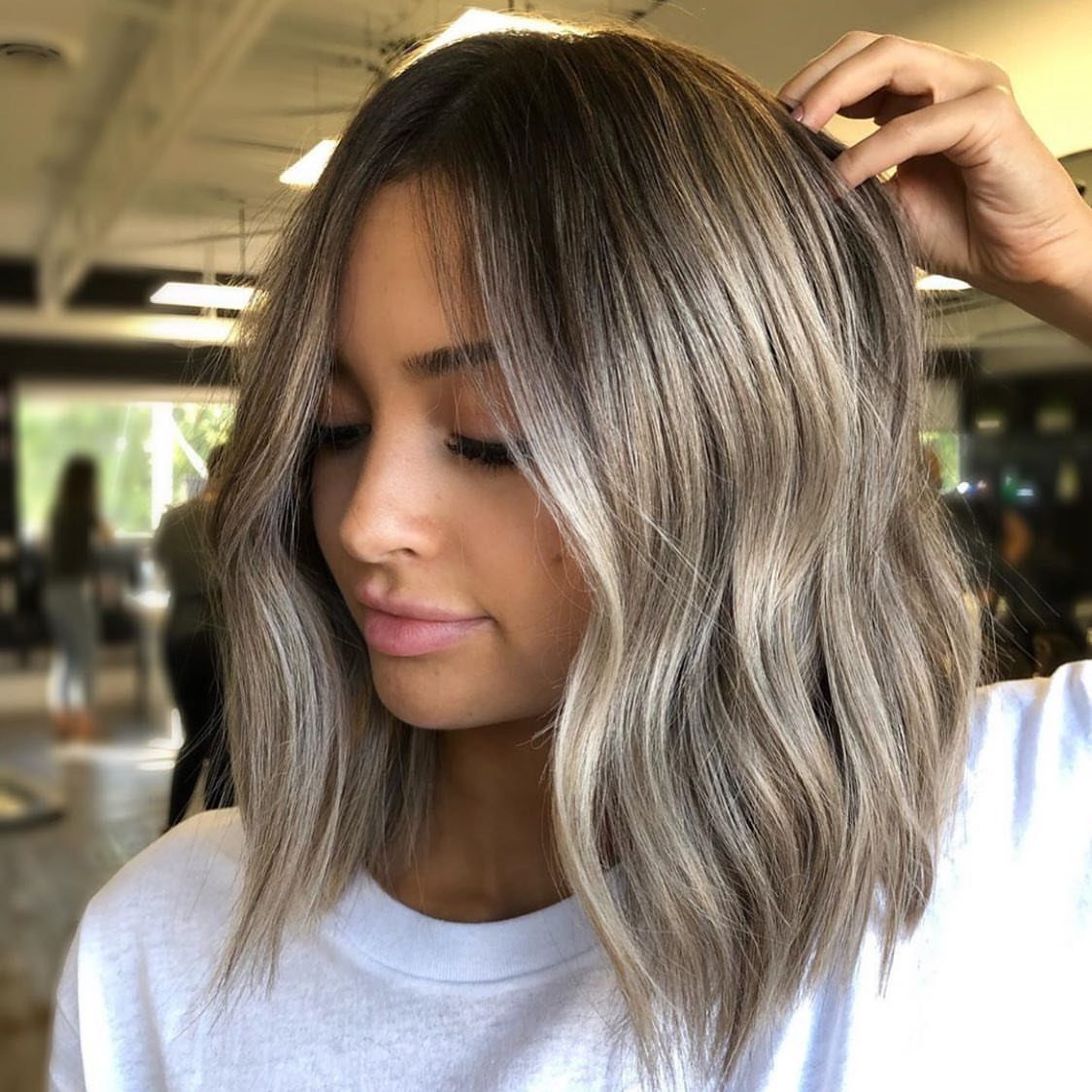
Silver and ash highlights woven through a wavy lob give the color two cool tones instead of one. The mix keeps the blonde from looking flat, and the waves let the shades sit side by side where the hair bends.
Bring a photo along with the phrase "silver and ash highlights," because that pairing is easy to misread without a visual. I like this on a lob because the shorter length keeps the color close to the face.
18. Dark Ash with Lighter Ends
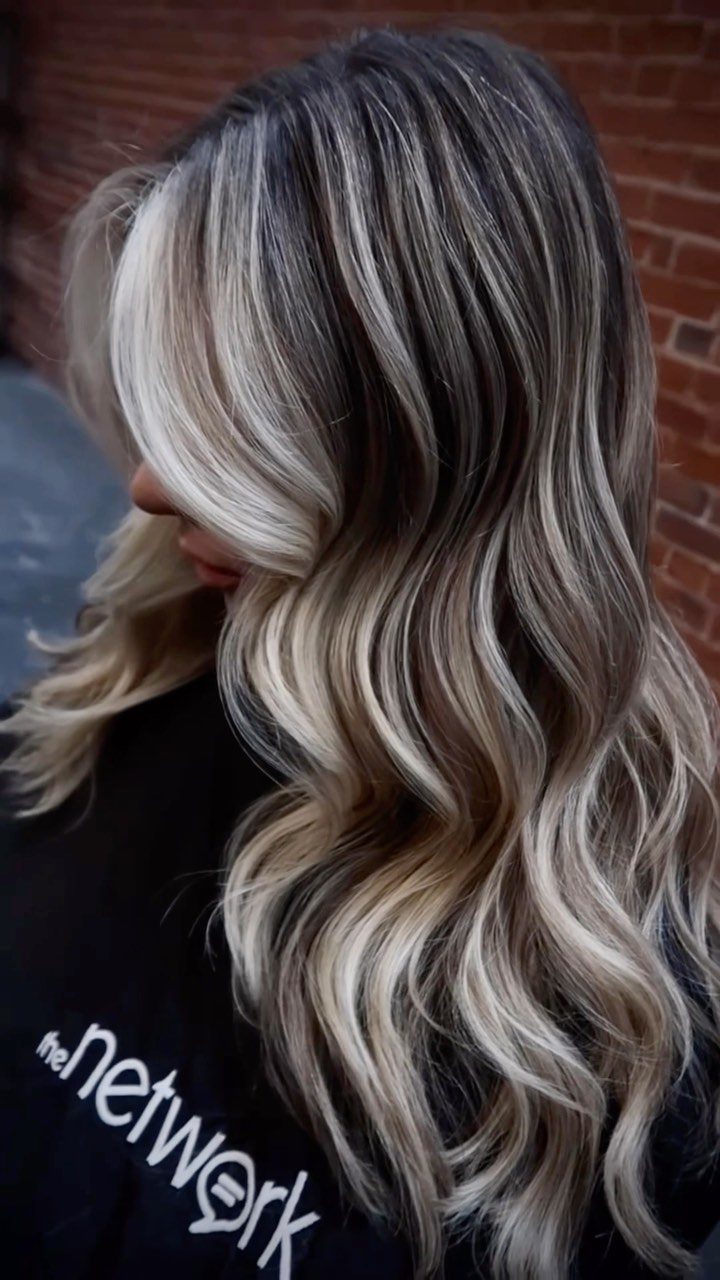
Teasylights and babylights together give dark ash hair a gradual shift to lighter ends. Teasylights add depth through the mid-lengths, and babylights brighten the ends, so the color reads dimensional instead of flat.
Ask for both techniques by name and say you want the ends noticeably lighter.
19. Bronde Colormelt
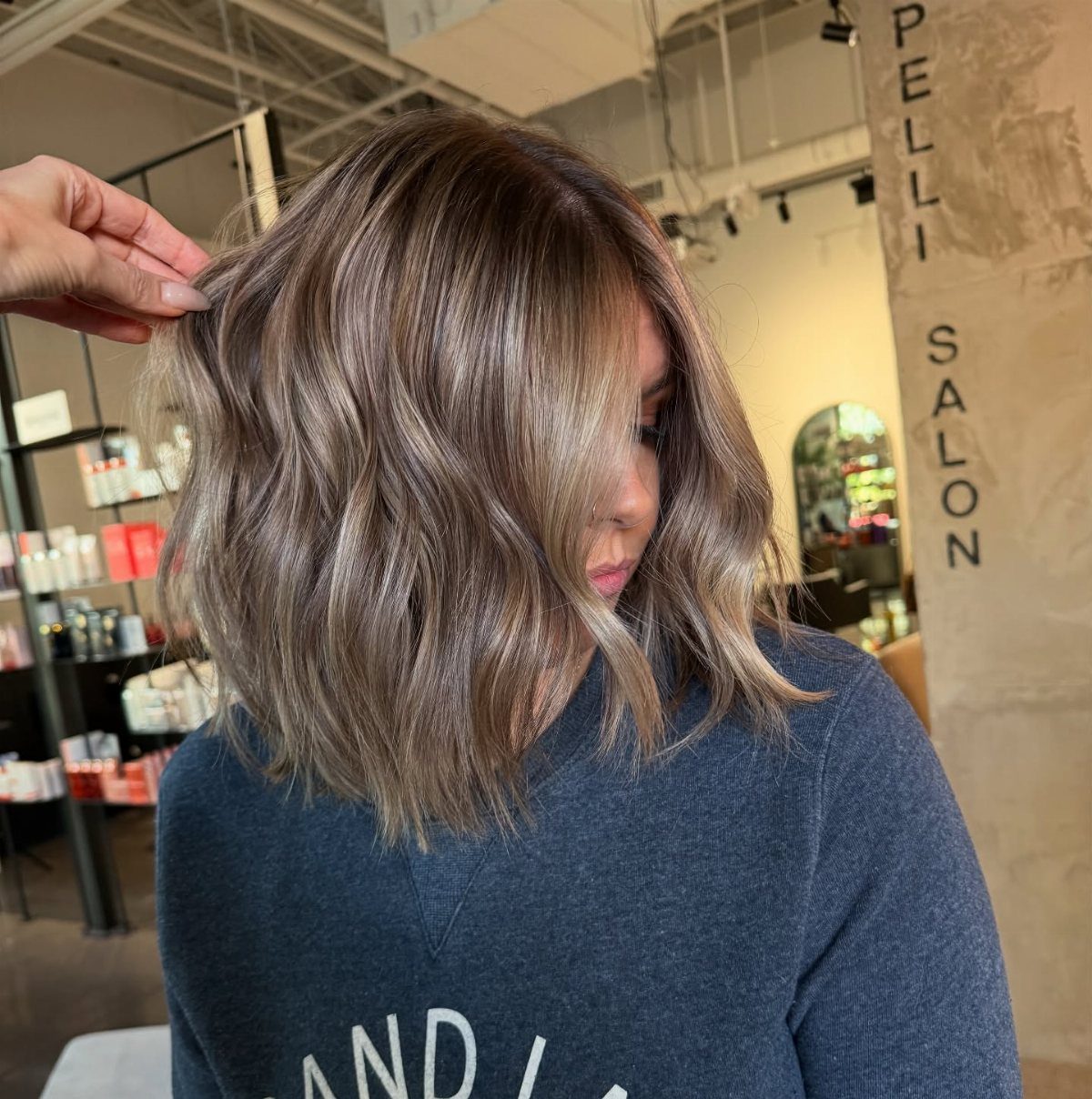
Brown, beige and platinum shades melt together so smoothly that you can’t tell where one stops. A colormelt blends the color from root to ends with no visible stripes, which is what separates it from ordinary highlights.
On shoulder-length hair, the mix of tones gives the color dimension without stripes.
Ask for a "colormelt" and bring this photo, because the word alone won’t tell your stylist how many shades to use or how deep the roots should stay.
20. Long Highlighted Ash Locks
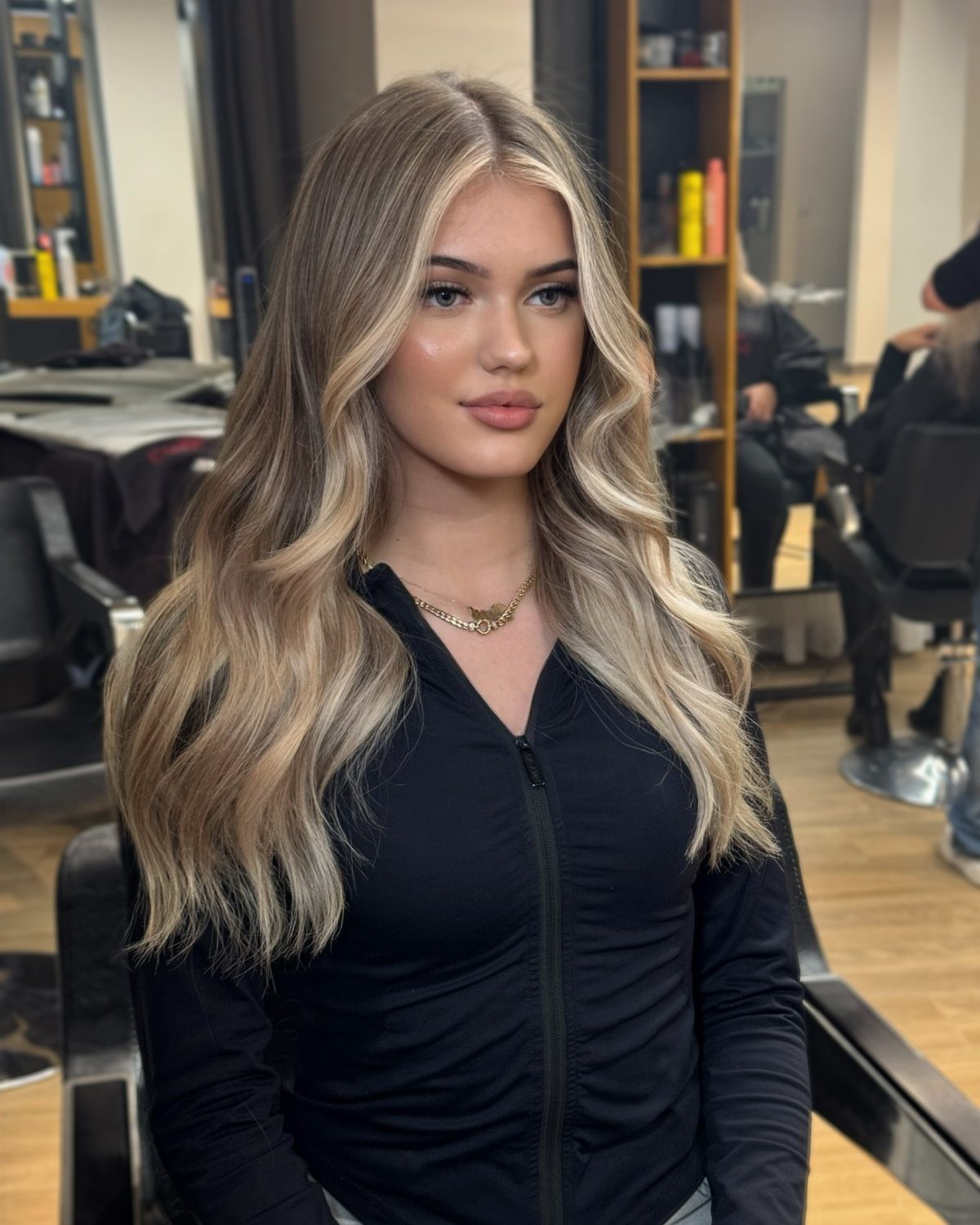
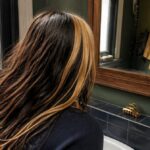
Mixed-width highlights and bright money pieces through brown hair keep the color from looking uniform. Some strands are fine, some are chunky, and the front pieces are the lightest of the lot.
Strands of mixed widths, some thin and some thicker, keep the ash blonde from looking striped and give it that grown-in finish.
I’d ask for "varied highlights with money pieces" rather than asking for everything the same width, because the uneven strands look more natural than perfectly spaced foils.
21. Shimmering Silver Blonde
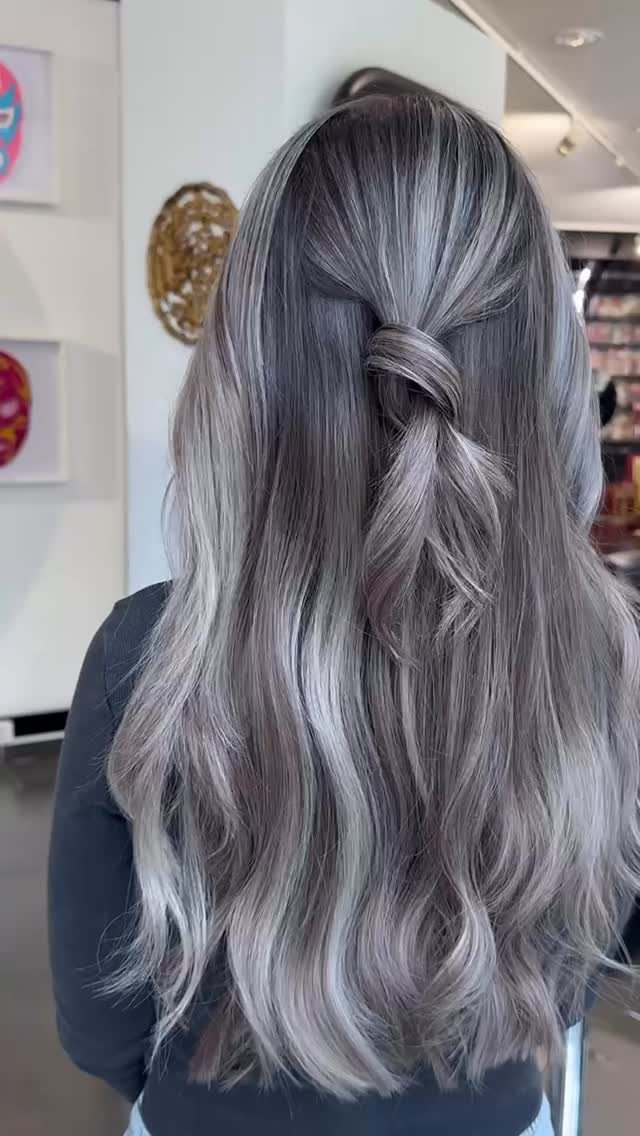
Silver highlights layered through dark bronde give the color a metallic finish. The silver catches light where the blonde pieces alone wouldn’t, and the darker roots keep the shine from reading flat.
Ask for "silver highlights on bronde" and be clear that the roots should stay dark, because the contrast is what makes the silver look metallic instead of gray.
22. Silver Blonde Front Pieces
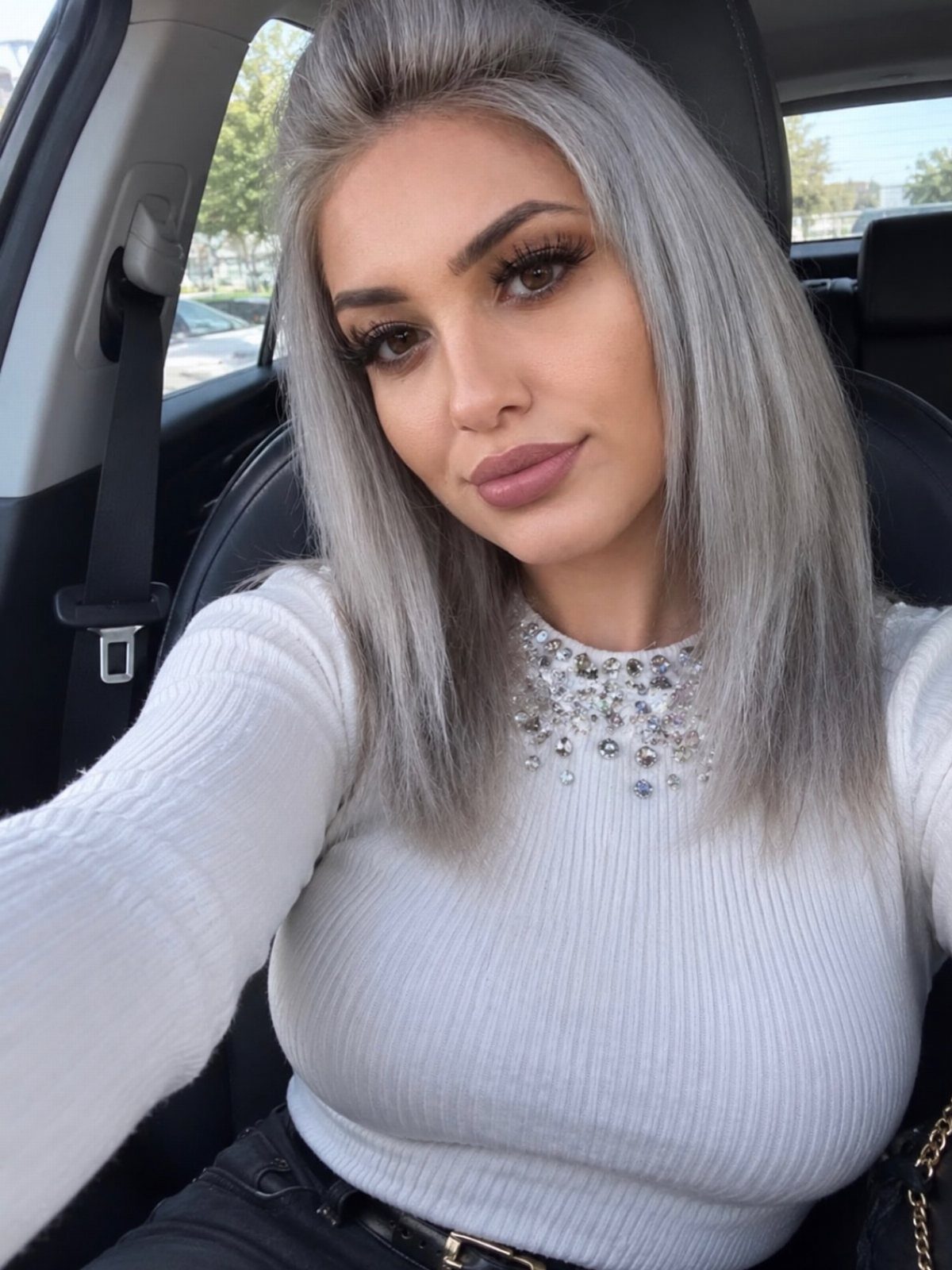
Pale front pieces against cool-toned hair put the brightest color right at the face. On straight hair like this, the contrast stays sharp, so the front strands read as an accent rather than part of a blend.
For brightness concentrated up front, I’d pick this over a full highlight: the darker lengths behind make the pale strands read brighter by comparison.
23. Streaky Dark Ash
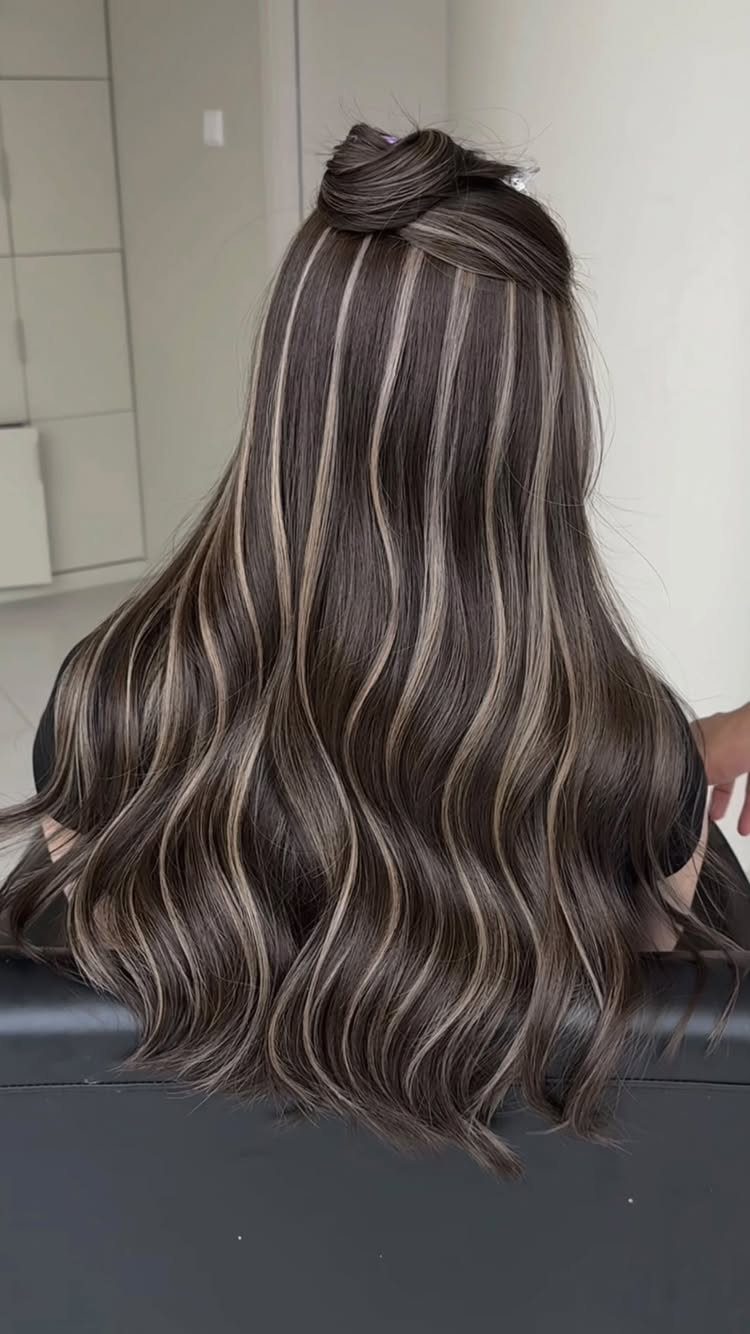
Thick silver-gray streaks through dark ash hair give the color bold contrast. These aren’t fine babylights, they’re wide enough to see individually, which makes the blonde read as deliberate stripes instead of a soft blend.
Ask for chunky highlights, not fine ones, and bring a photo that shows how wide the streaks should be.
24. Dark Brown Babylights
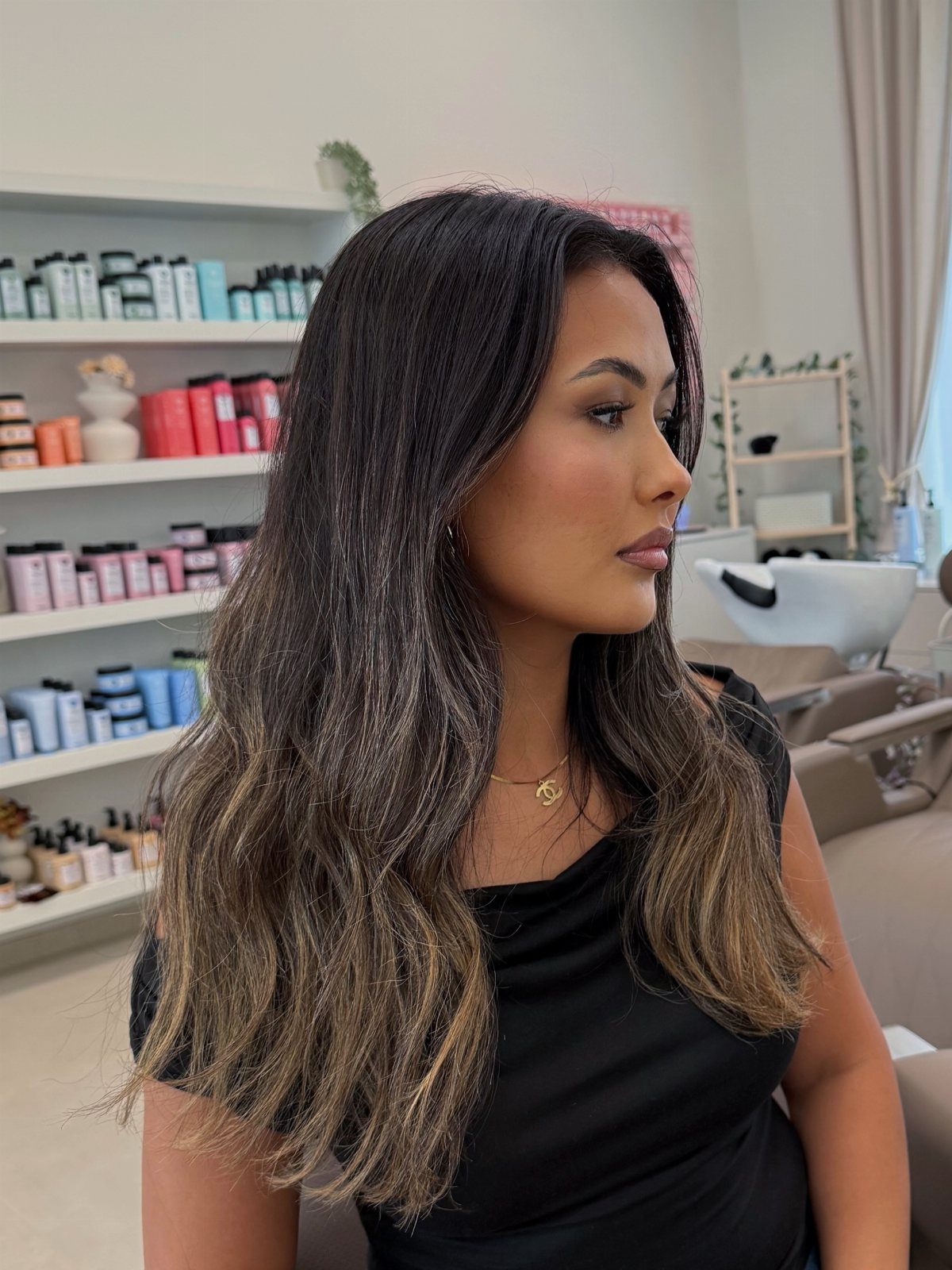
Fine ash-blonde strands through dark brown hair add brightness without changing the base color. Because the highlights are so thin, they read as dimension rather than a separate shade.
Ask for "ash babylights on dark brown" and bring a photo, because the cool tone is what keeps the highlights from pulling warm against the dark base.
25. Shoulder-Length Babylights
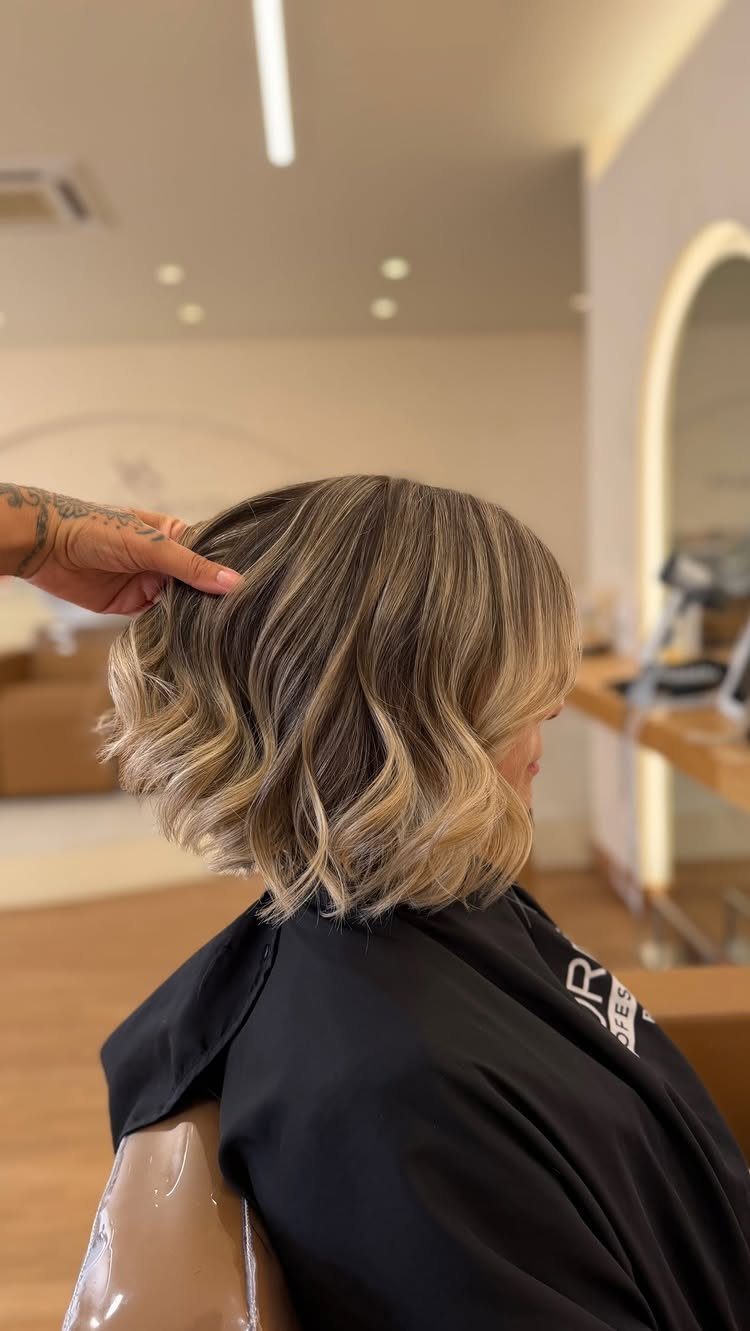
Fine highlights through a wavy bob, with the roots left dark, keep the blonde from looking like a single flat shade. Waves break up the shift from deep root to pale ash, so the color reads soft instead of banded.
Ask for "ash babylights with dark roots" and bring a photo so your stylist knows how deep the root should stay.
I’d pick this over chunkier highlights on a bob, since thin strands blend into the shorter length instead of standing out.
26. Long Wavy Ash Blonde
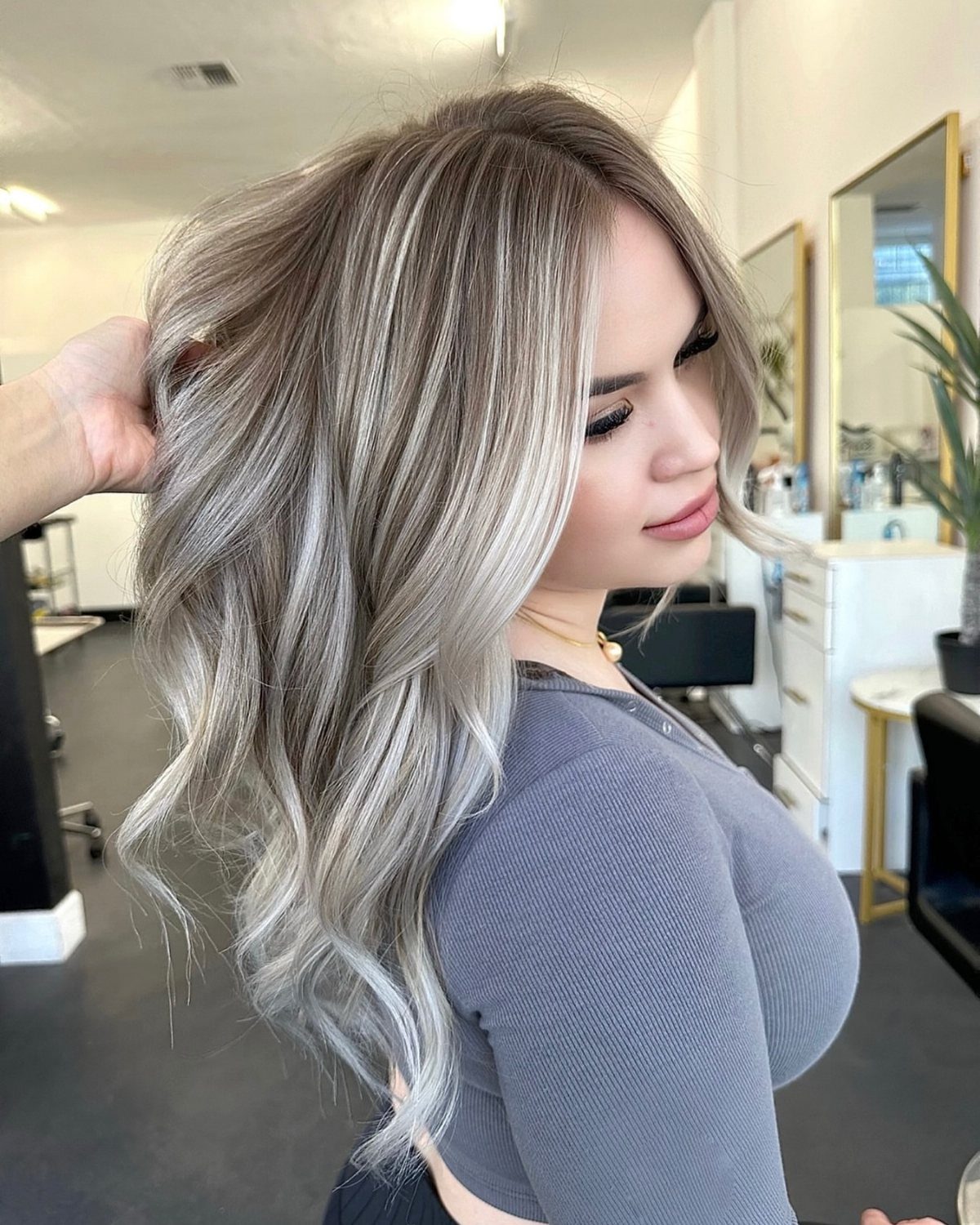
Long, loose waves carry fine pale highlights further than straight hair does, because every bend catches a different strand. Ash blonde is the base, and the thin highlights add light without a stripe you can count.
For waves, tell your stylist you want the fine, pale strands blended through the whole length, not clustered near the face.
I like this for anyone who wants brightness that looks grown in, and a loose wave is enough to show it off.
27. Long Straight Babylights
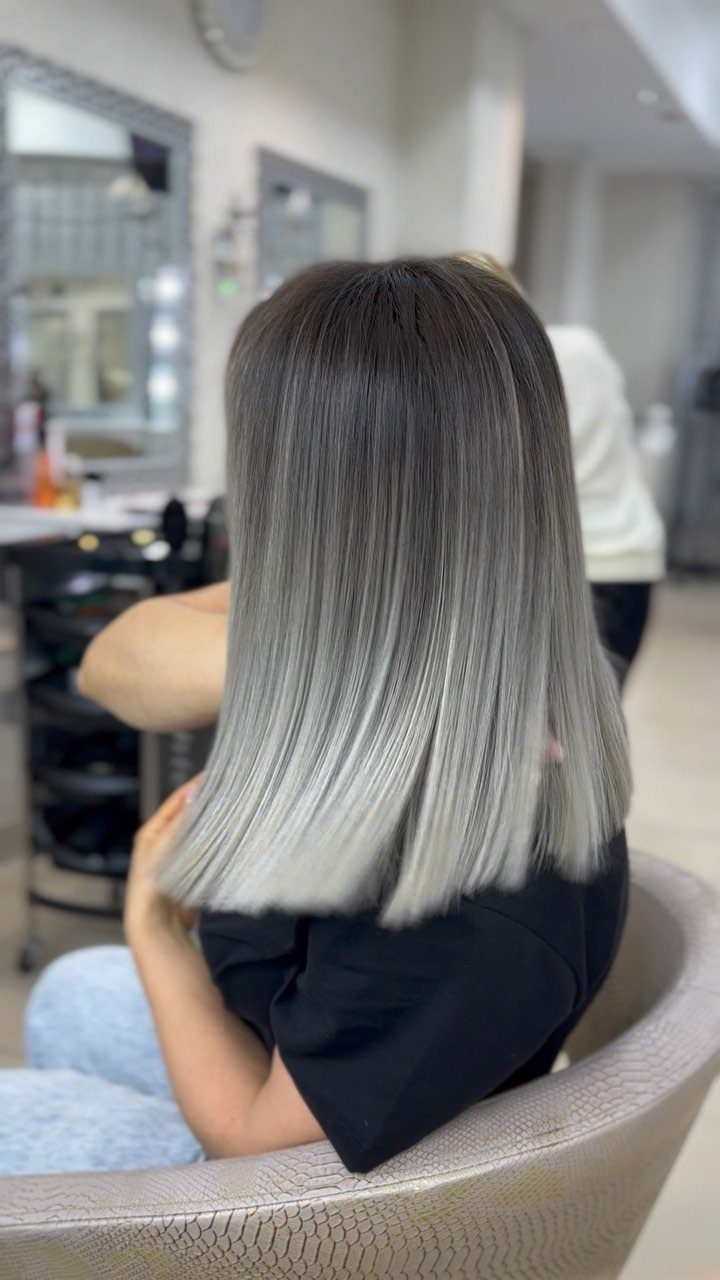
On straight hair, nothing hides the color, so the babylights have to be fine and the tone has to stay cool. Dark roots help here: they give the ash blonde a clear starting point and make regrowth look planned.
I’d choose this over a bright, all-over blonde on long hair, because the depth at the top keeps the length from looking flat.
28. Silver Ash Babylights
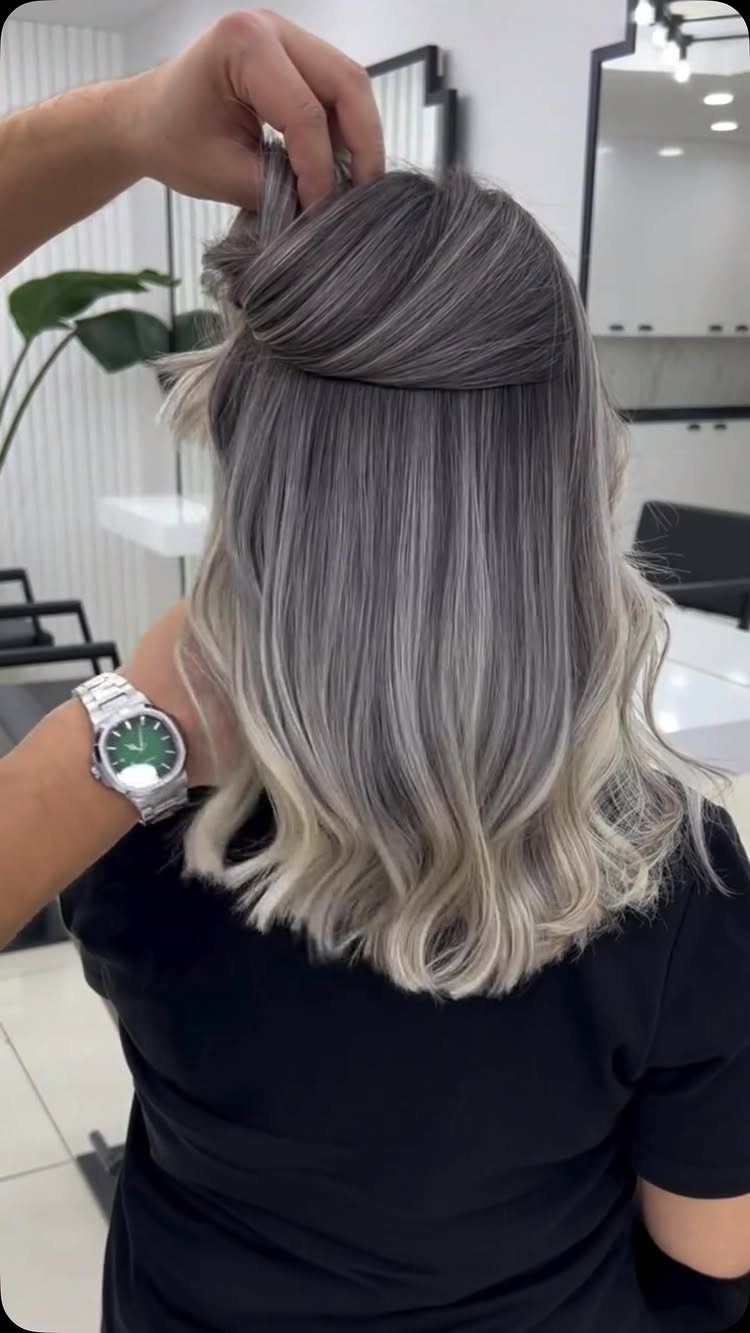
Silver-ash blonde gets its dimension from babylights, which add thin bright strands against the gray tone. Without them, a silver shade can look like one flat color.
Ask for "fine babylights on silver-ash blonde" and tell your stylist whether you want the pieces only a shade lighter or noticeably brighter.
I’d keep them close in tone for a soft look. Loose waves at the ends help here, because the bends in the hair let the paler strands catch light and show up.
Choosing Shade by Complexion
Skin tone decides whether an ash blonde looks fresh or washed out, so settle it before you pick a shade.
On fair skin, icy silver and platinum ash read as the most flattering, since the cool cast sits well against pink or neutral undertones.
Warmer honey and caramel tones are kinder to olive or darker skin, and a softer palette works better there than a stark one.
If you’re unsure which side you fall on, hold a gold bracelet and a silver one up to your face in daylight. Whichever makes your skin look clearer is a decent clue.
Then tell your stylist your skin tone along with the shade you want. A good colorist can nudge the ash warmer or cooler by a few degrees so the color suits you.
Color Care and Upkeep
Ash blonde balayage asks very little of you day to day, though a salon visit now and then is still part of the deal.
Book a touch-up somewhere between 8 and 12 weeks out; faster-growing hair and a big gap between your natural shade and the lightened pieces push you toward the short end.
The more contrast you have, the sooner regrowth shows, so lean toward the 8-week end. A softer, closer-to-natural blend can stretch toward 12.
Between appointments, wash with a sulfate-free shampoo and conditioner made for color-treated hair. Sulfates strip color faster, and ash tones fade quickly.
Purple shampoo once a week keeps brassiness from creeping in, and a rich conditioner plus a light serum bring back softness and shine. Ask your colorist which ones suit your shade, since they can recommend products matched to your hair.
Frequently Asked Questions
What hair color is light ash blonde?
Light ash blonde is a pale blonde with a cool, silvery cast instead of a golden or yellow one.
It often looks best with the roots left darker, which makes the pale shade read as planned rather than flat. A stylist can nudge the tone a few degrees warmer or cooler to suit your skin.
How to look after ash blonde hair?
Stick with sulfate-free shampoo and conditioner, because sulfates yank color out and ash fades faster than warmer shades. Plan a salon touch-up every 8–12 weeks.
How often do ash blonde highlights need a touch-up?
Book a touch-up somewhere between 8 and 12 weeks out.
Strong contrast or fast growth pushes you closer to 8 weeks. Subtle blending buys you closer to 12.
Which ash blonde shade suits my skin tone?
Fair skin with pink or neutral undertones takes icy silver and platinum best.
Olive or darker skin does better with warmer honey and caramel tones in a softer palette. Hold gold and silver jewelry against your face in natural light and see which one makes your skin look brighter.