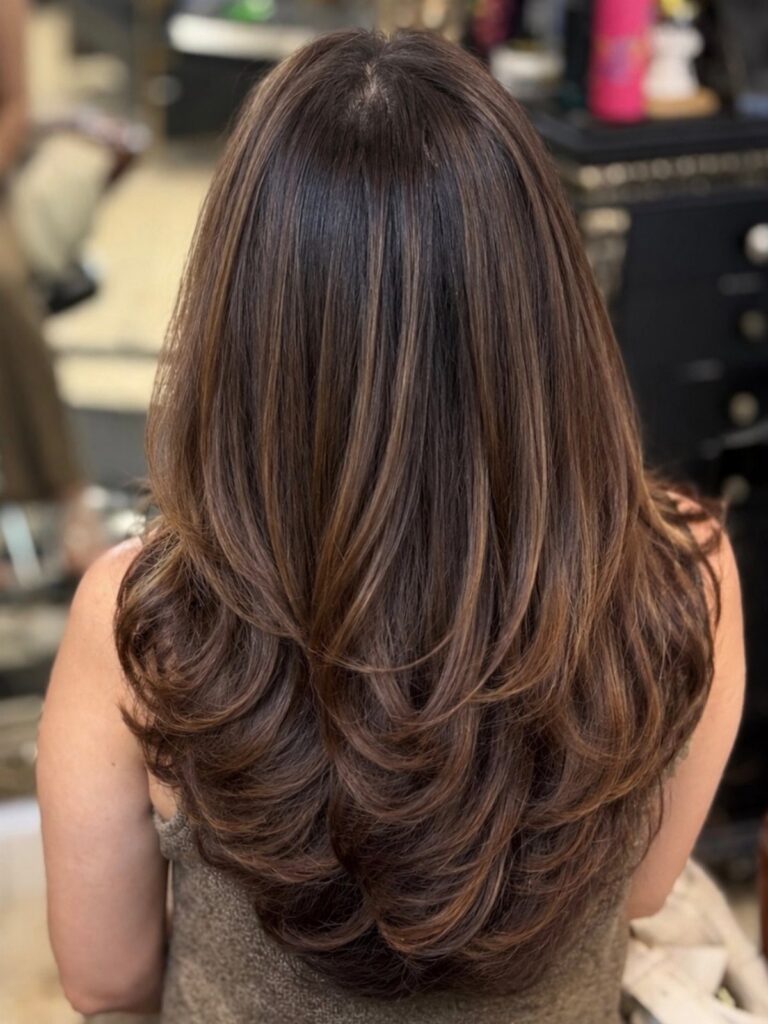
Your starting shade and how much you’ll tolerate in upkeep decide which of these highlights fits, because the list runs from Espresso Martini, a single-process gloss with no lightening at all, to blonde ribbons and rainbow pieces that need bleach and steady toning.
Dark brown or black bases do best with warm, close-to-base tones like amber, chestnut or cinnamon, while pale blonde and vivid colors mean longer appointments and more care afterward.
Red and cool ash shades fade fastest, so a color-depositing or purple toning shampoo comes with them, and balayage is the pick if you’d rather skip the chair every 6 weeks.
1. Ombré
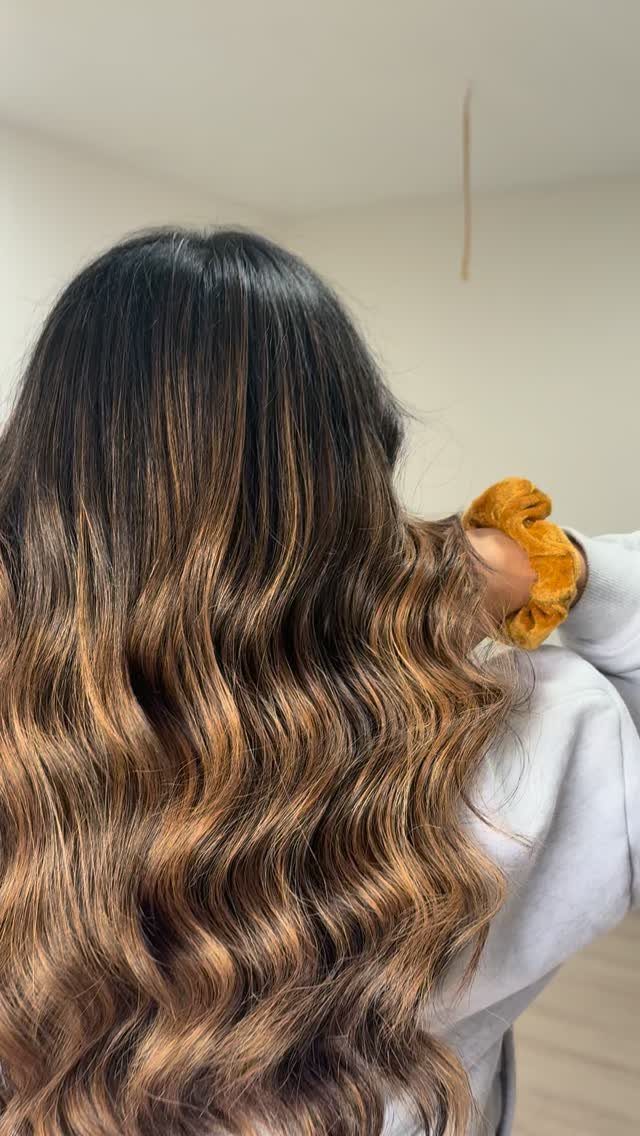
Ombré is dark at the root and gradually lightens toward the ends, with the real shift happening around mid-length. The transition can be subtle or more obvious, depending on how far apart the 2 shades sit.
It grows out cleaner than highlights since your natural root is already part of the look.
If you’re nervous about commitment or frequent salon visits, this is one of the easier options to live with. The lighter ends will need toning every few months to keep them from going brassy, but the roots themselves stay untouched.
2. Balayage
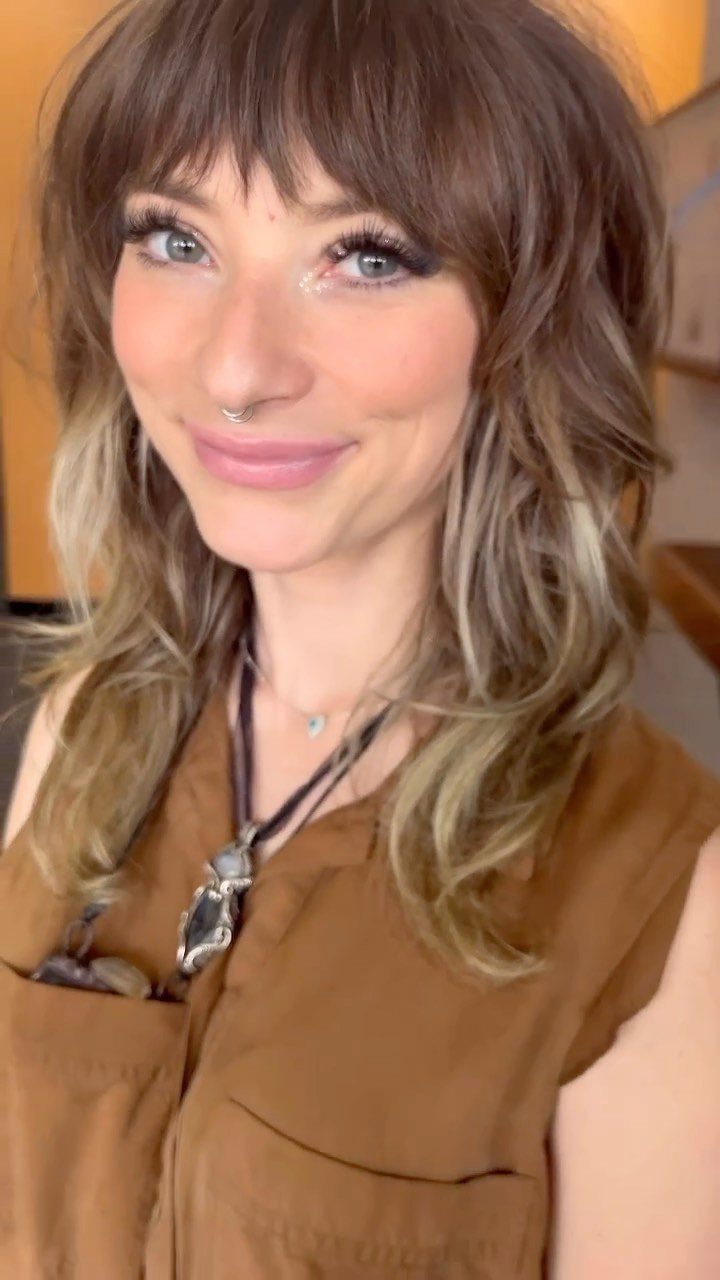
Balayage is painted on by hand, so the lighter pieces sit where they would naturally catch light rather than in uniform rows. The result reads softer and less striped than foil highlights, and the grow-out is more forgiving.
Because the color is swept through the surface rather than saturated all the way to the scalp, you can stretch appointments longer without a visible line.
If you want dimension but don’t want to be in the chair every 6 weeks, this is the move.
3. Caramel Highlights
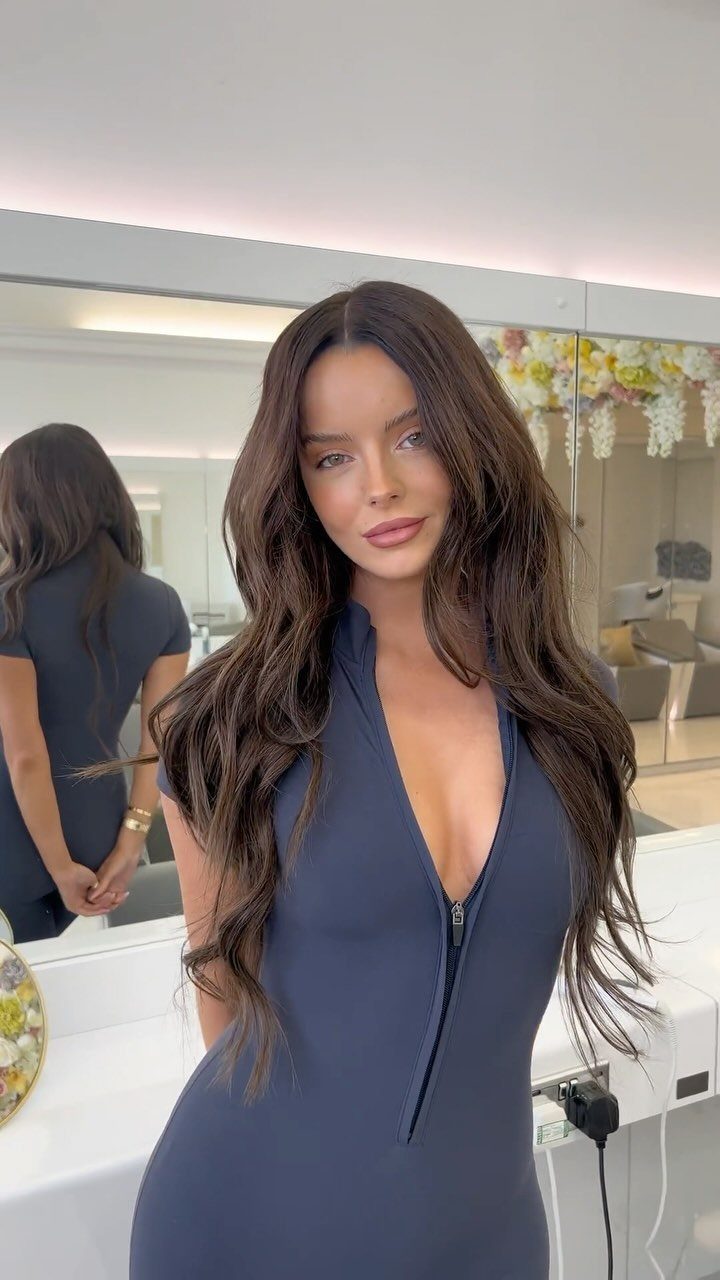
Caramel highlights bring warmth without going fully blonde. The tone sits somewhere between honey and toffee, and it works especially well if your base is a medium to dark brown.
The color lifts brunette hair without fighting against it, so the contrast feels intentional rather than stark.
Caramel fades more gracefully than cooler blondes, and it doesn’t require as much toning between visits. If your skin has warm undertones, this is one of the safest bets for a first round of color.
4. Copper Accents
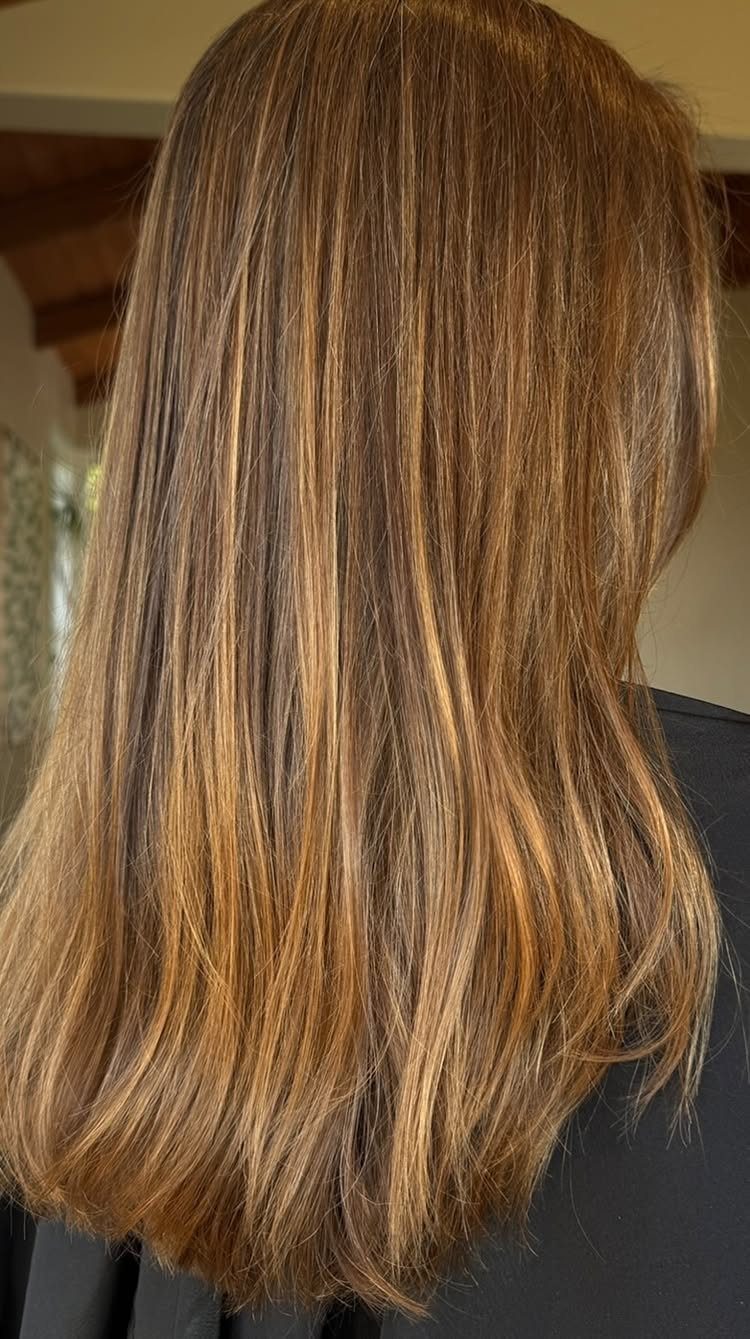
Copper brings red into the mix without fully committing to auburn. The highlights read warm and metallic, somewhere between orange and rust depending on your starting shade.
Copper fades faster than most colors because red pigment washes out more quickly, so plan on a color-depositing shampoo if you want it to last.
It suits warmer skin tones best. If you have cool undertones, the orange can pull too loud.
5. Dark Copper Highlights
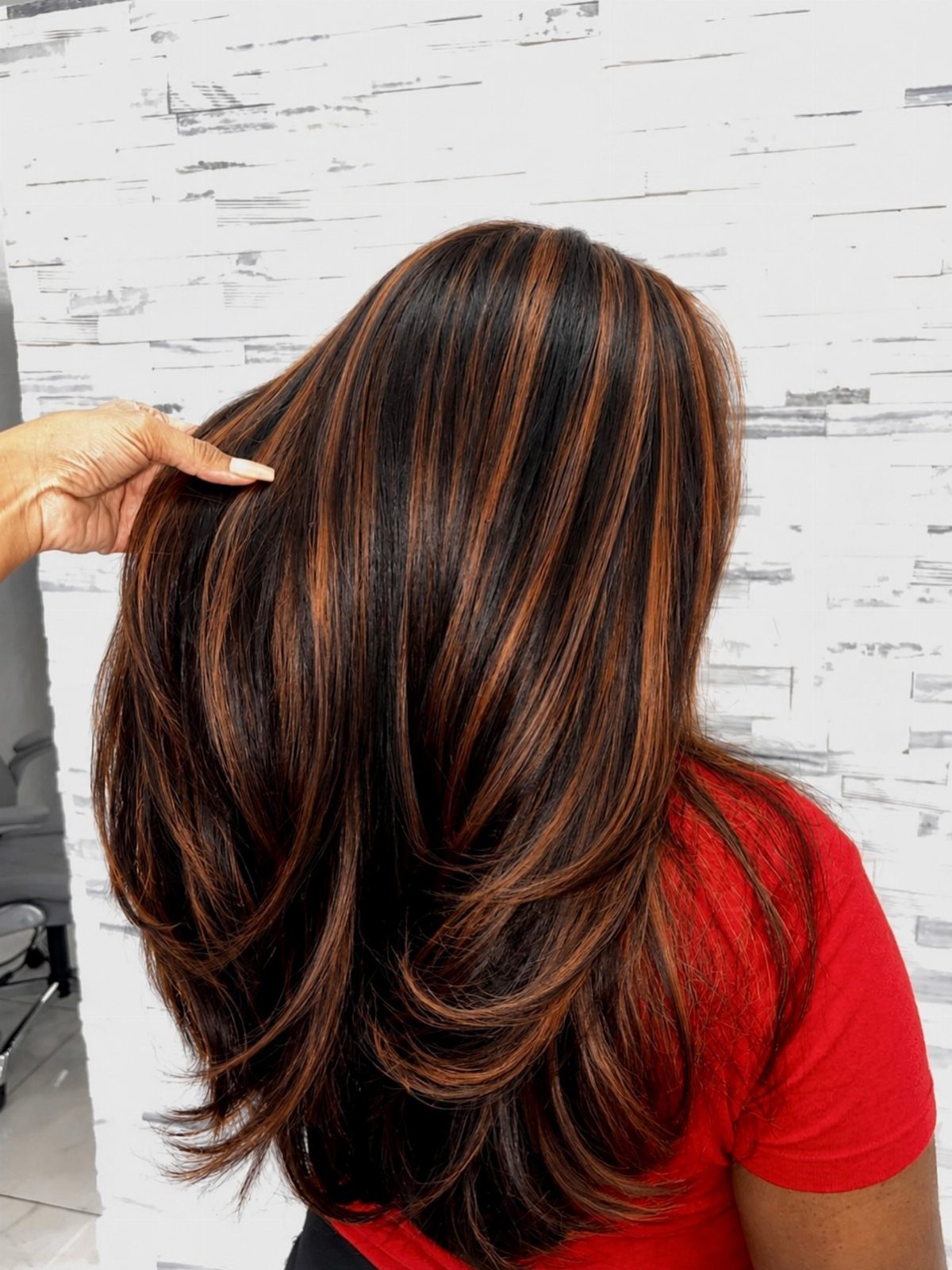
Dark copper tones down the brightness of full copper, landing closer to a muted rust or terracotta. The result is warmer than plain brown but quieter than the brighter copper shades.
This version holds up better between salon visits because the base is darker, so fading is less noticeable.
It works well if you want a hint of red without the maintenance that comes with lighter or brighter copper. If you’re testing out red tones for the first time, starting here is safer than going full flame.
6. Espresso Martini
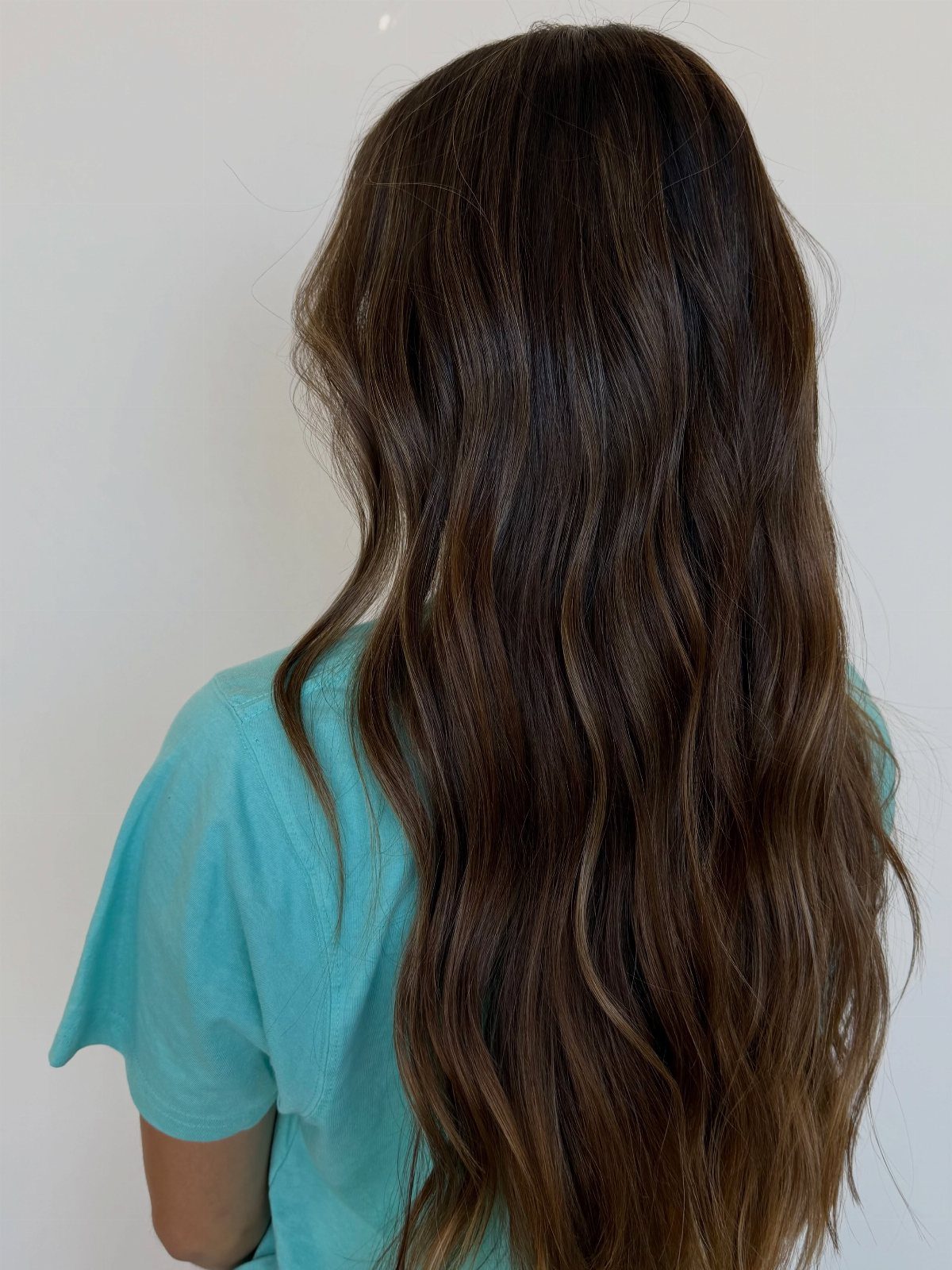
Espresso Martini is a rich, glossy chocolate brown with just enough warmth to keep it from reading flat. The color has depth but no obvious highlights, so the dimension comes from the tone itself rather than contrasting pieces.
This is single-process color rather than highlights, which means less damage and a faster appointment.
It suits someone who wants richness without lightening anything. The gloss fades after a few weeks, so a glaze or glossing treatment between full colors will keep it looking fresh.
7. Babylights
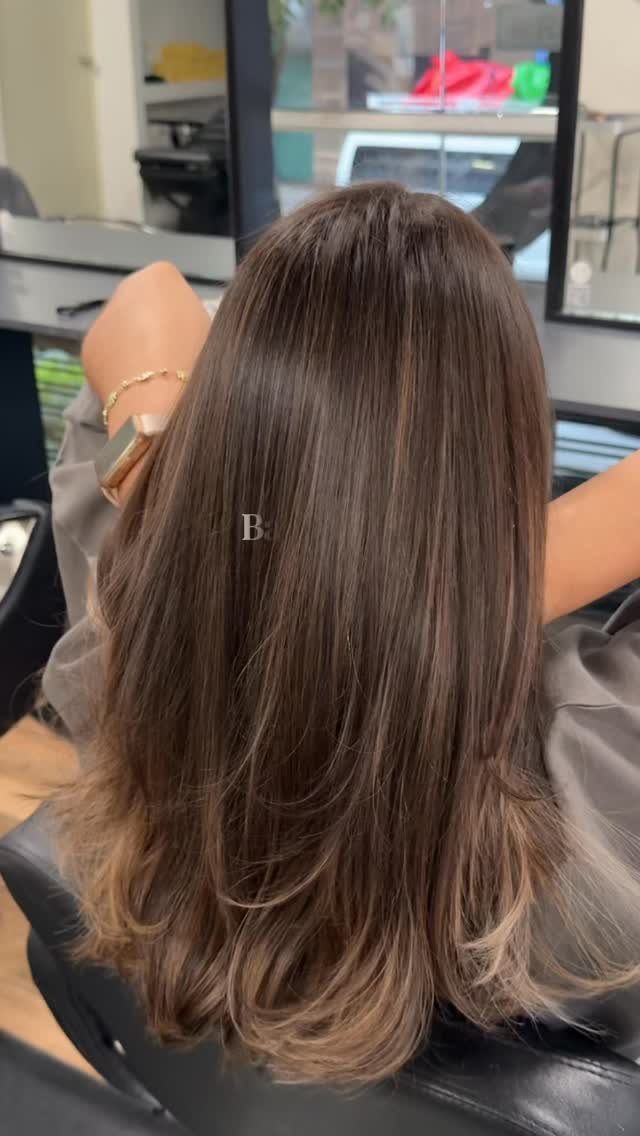
Babylights are fine, closely placed highlights that mimic the way hair lightens naturally in the sun. The pieces are delicate enough that you see dimension rather than individual strands.
The technique takes longer than standard highlights because the sections are smaller, but the result grows out softer.
If you want brightness that doesn’t announce itself, this is the subtlest way to lift brunette hair without a visible line of color.
8. Chestnut Highlights
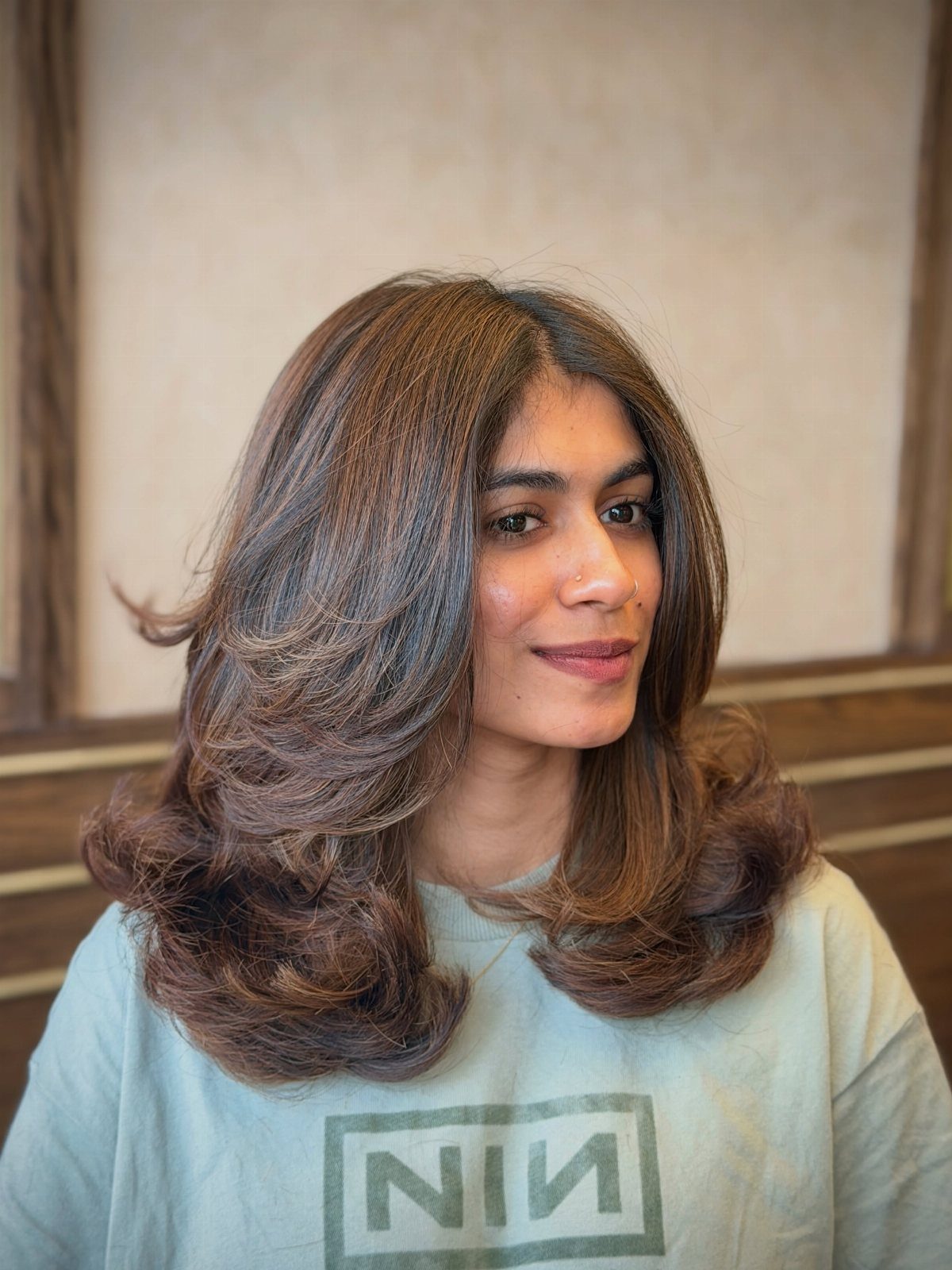
Chestnut sits between caramel and chocolate, adding warmth without the brightness of honey tones. The color is grounded enough to blend into a brunette base, so the contrast stays low.
This tone works well if you want dimension but don’t want to lighten your hair noticeably. Chestnut fades gently and doesn’t need heavy toning, which makes it easier to maintain than cooler or brighter shades.
9. Partial Face-Framing Highlights
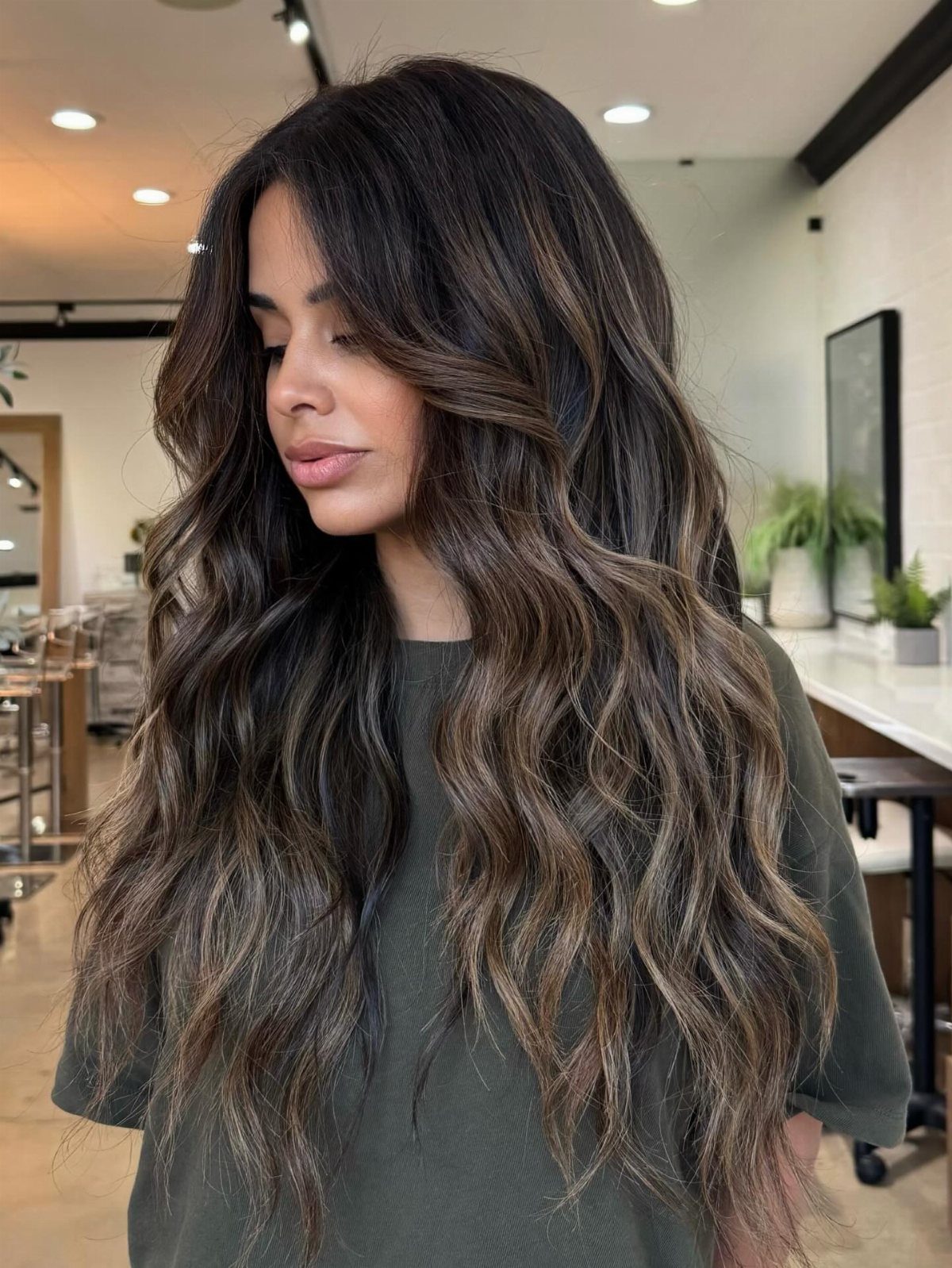
Partial highlights concentrate color around the face and skip the rest of the head. The lighter pieces sit at the front where they catch light, and the back stays your natural shade.
The appointment is shorter and less expensive than full highlights, and the upkeep is lighter because there’s less color to maintain.
If you want a visible lift without committing to a full head, this gives you the brightness where it matters most.
10. Cool Brunette
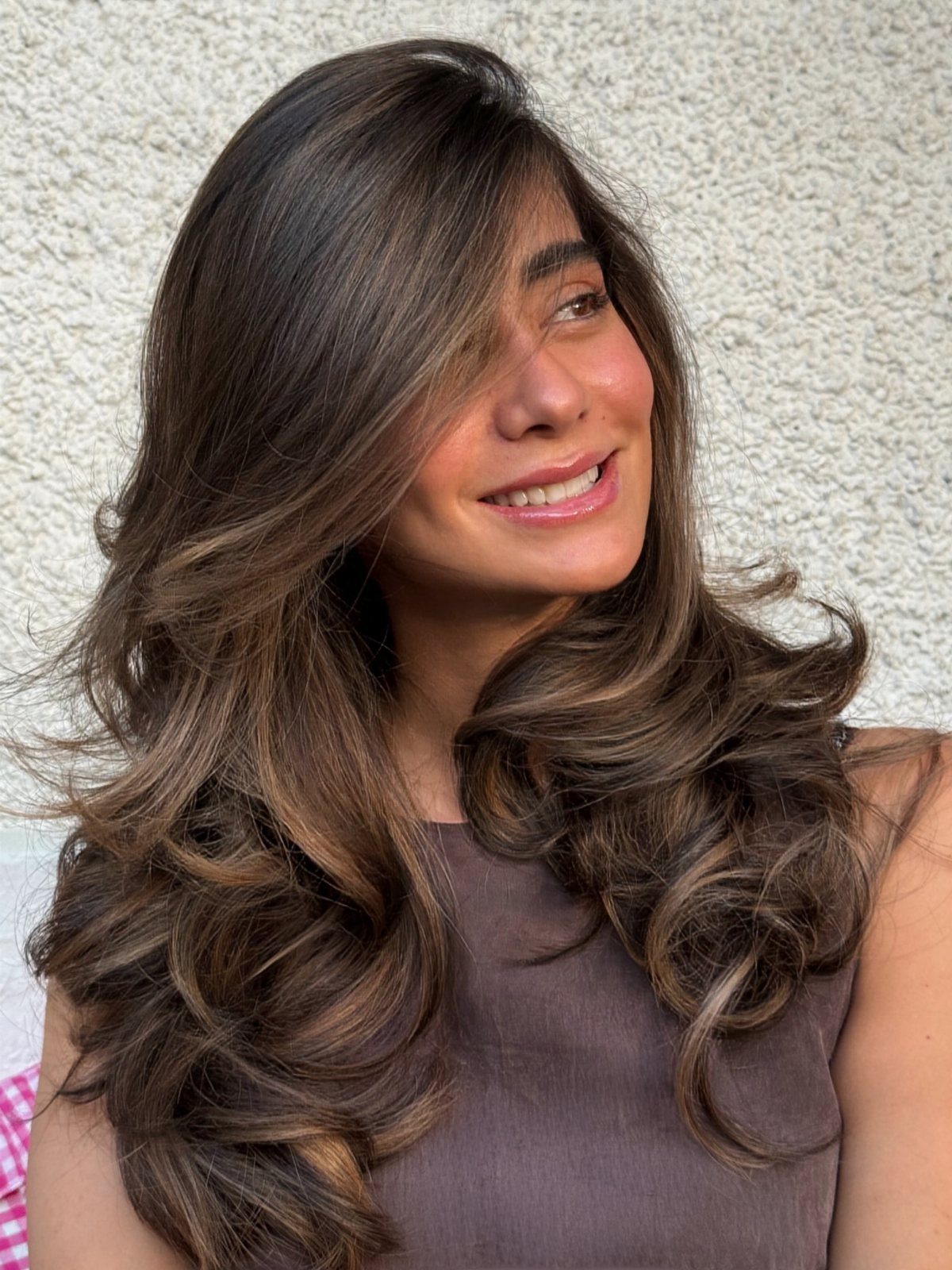
Cool brunette skips warm tones entirely and leans into ash, taupe or slate. The color reads sleek and modern, with no hint of red or gold.
Cool tones suit fair skin or cool undertones best. On warmer skin, the ash can look flat or dull.
The color needs regular toning to stay crisp, because warmth creeps back in as the toner fades. If you’re naturally warm-toned and want this look, expect to spend time keeping it that way.
11. Hazelnut Highlights
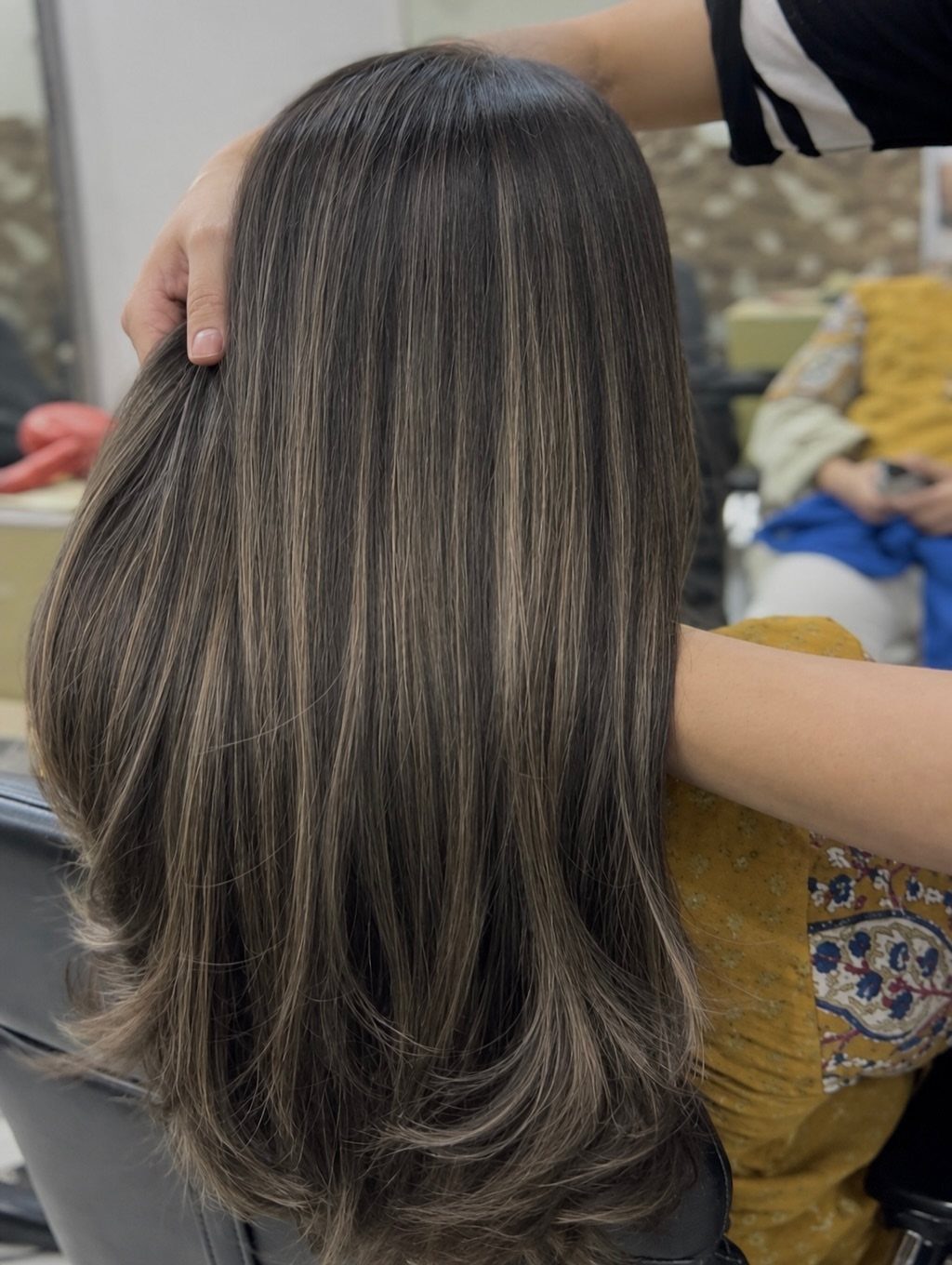
The shade sits right in the middle: brown enough to register as color, warm enough to stay soft rather than ashy. The tone sits between caramel and ash, so it works on a wider range of brunette bases without clashing.
The color is subtle enough that regrowth blends in easily, and it doesn’t require as much toning as brighter shades. If you want a low-commitment first step into highlights, hazelnut is one of the safer starting points.
12. Dark Brown Lob with Amber Ends
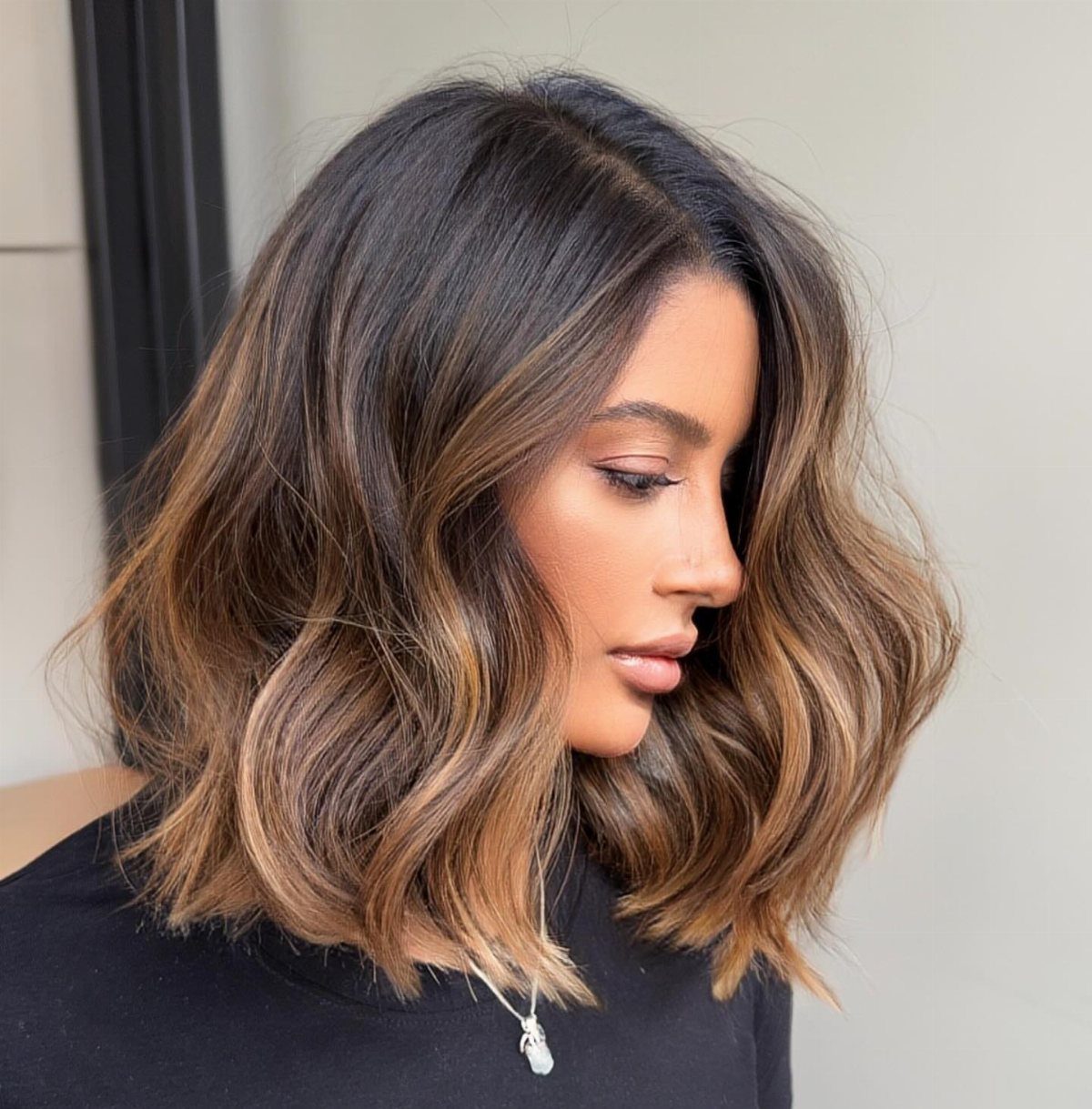
Amber highlights bring a rich, golden-brown glow to dark hair without lifting it too far. The color is warm but not overly bright, and it works especially well concentrated at the ends rather than scattered through the whole head.
The darker base keeps the look grounded, and the warmth at the ends catches light without reading as a full ombré. Amber fades more gracefully than cooler tones, so the color stays rich between salon visits.
13. Black-to-Brown
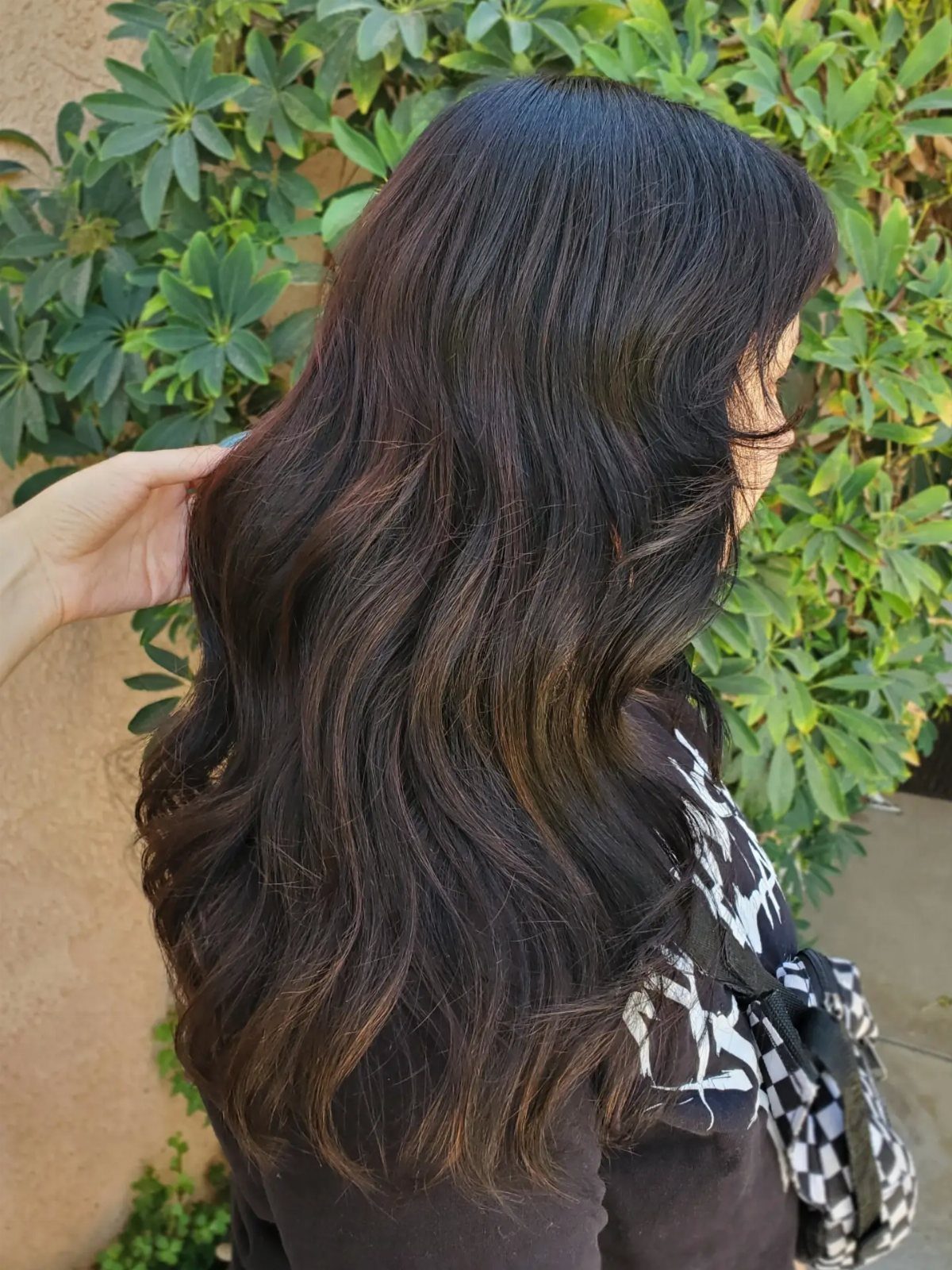
Lifting black hair to brown brings dimension without going light. The highlights stay close to the base but warm enough to show up in direct light.
Black hair requires more lift to reach brown, which means more processing time and a higher chance of brassiness.
If you’re starting from dyed black rather than natural, the color underneath may be orange or red, so expect multiple sessions to get to a clean brown.
The maintenance is lighter than going blonde, but the warmth will fade faster than the base grows out.
14. Cappuccino Blend
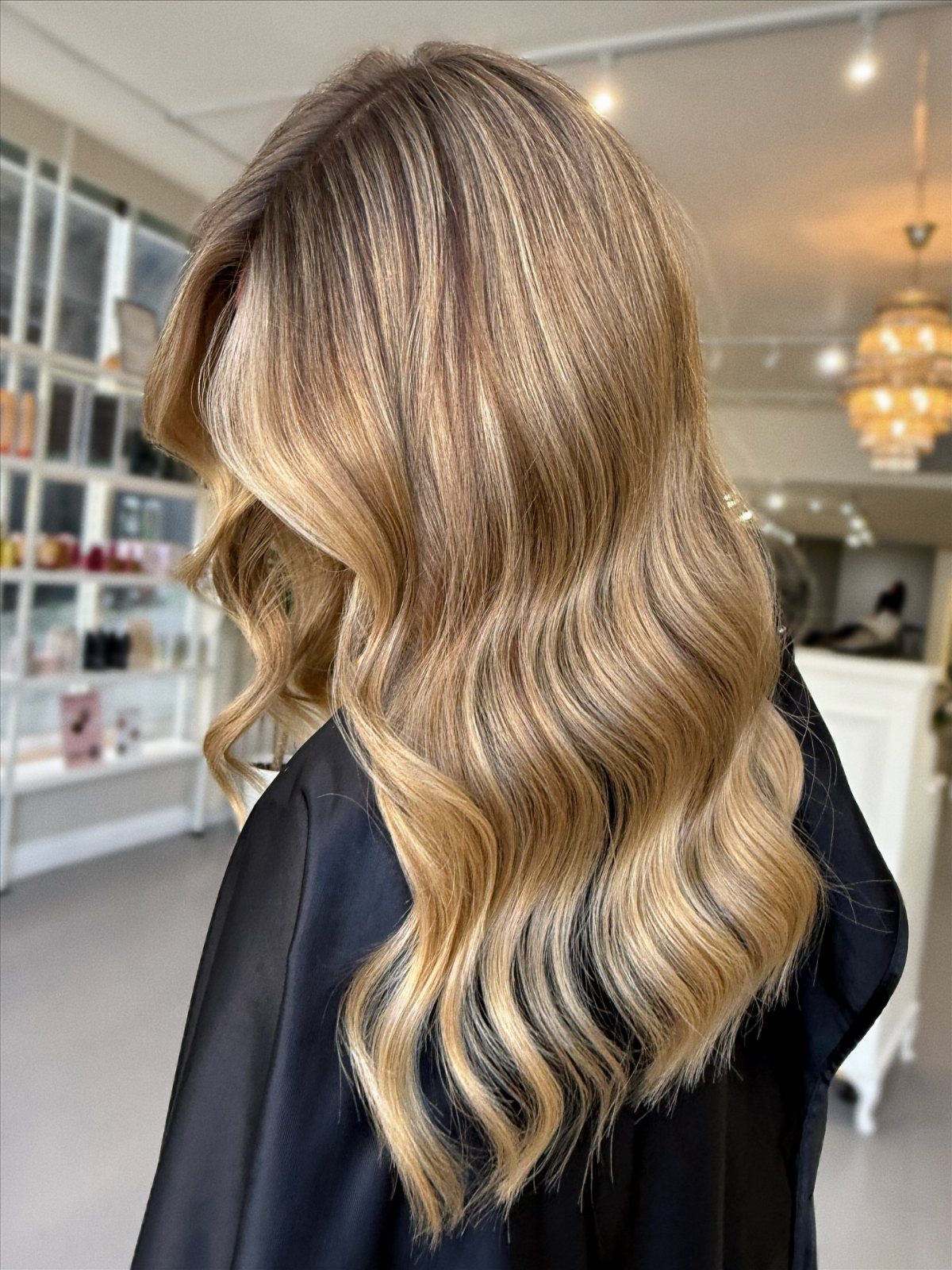
Cappuccino blend mixes warm blonde sections with a dark brunette base, creating visible contrast rather than subtle dimension. The highlights are wider and more defined than babylights, so the color reads as intentional ribbons of light.
The chunkier placement means fewer appointments because regrowth is part of the look, but the blonde will need toning to keep it from turning brassy.
15. Red Velvet
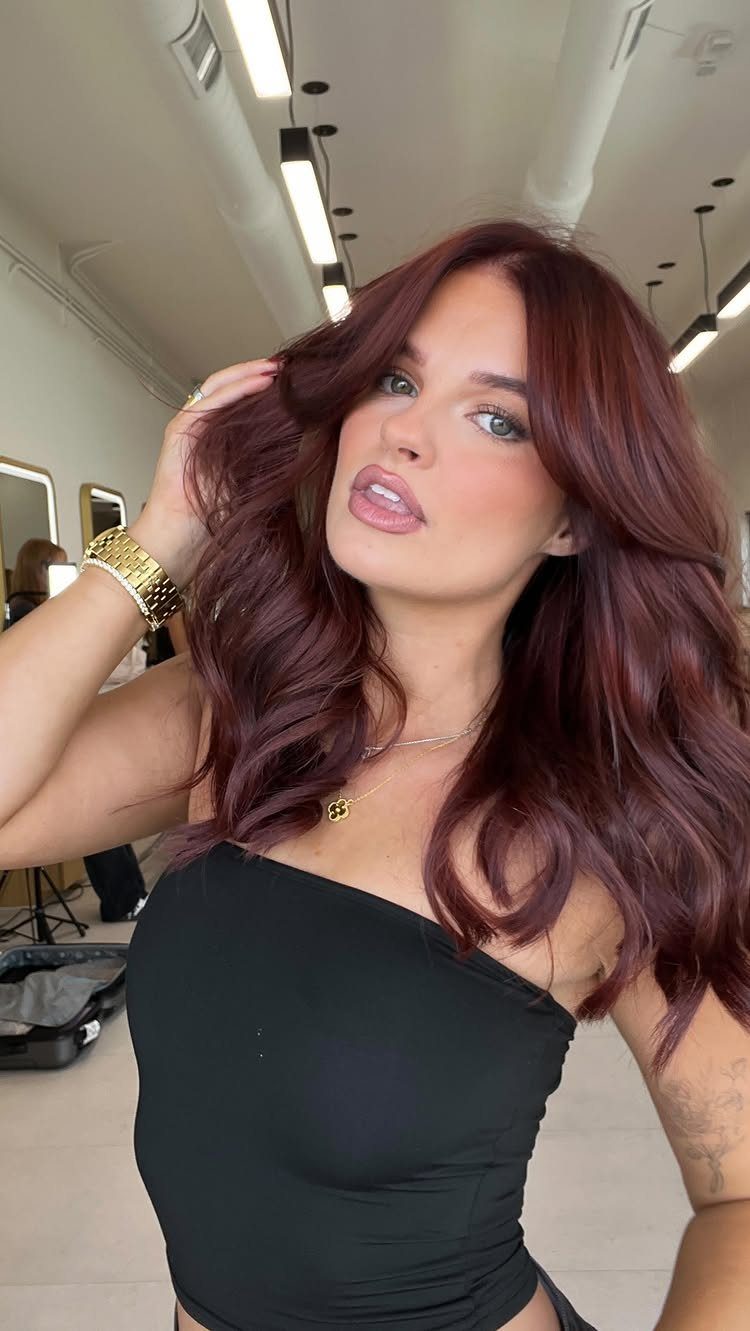
Red velvet adds rich burgundy or cherry tones to brunette hair, giving the color a deeper, more saturated finish. The red has presence without looking costume-y, particularly against deeper brown.
Red fades faster than any other color, so a color-depositing shampoo is non-negotiable if you want the tone to last longer than a few weeks.
16. Honey Blonde Highlights
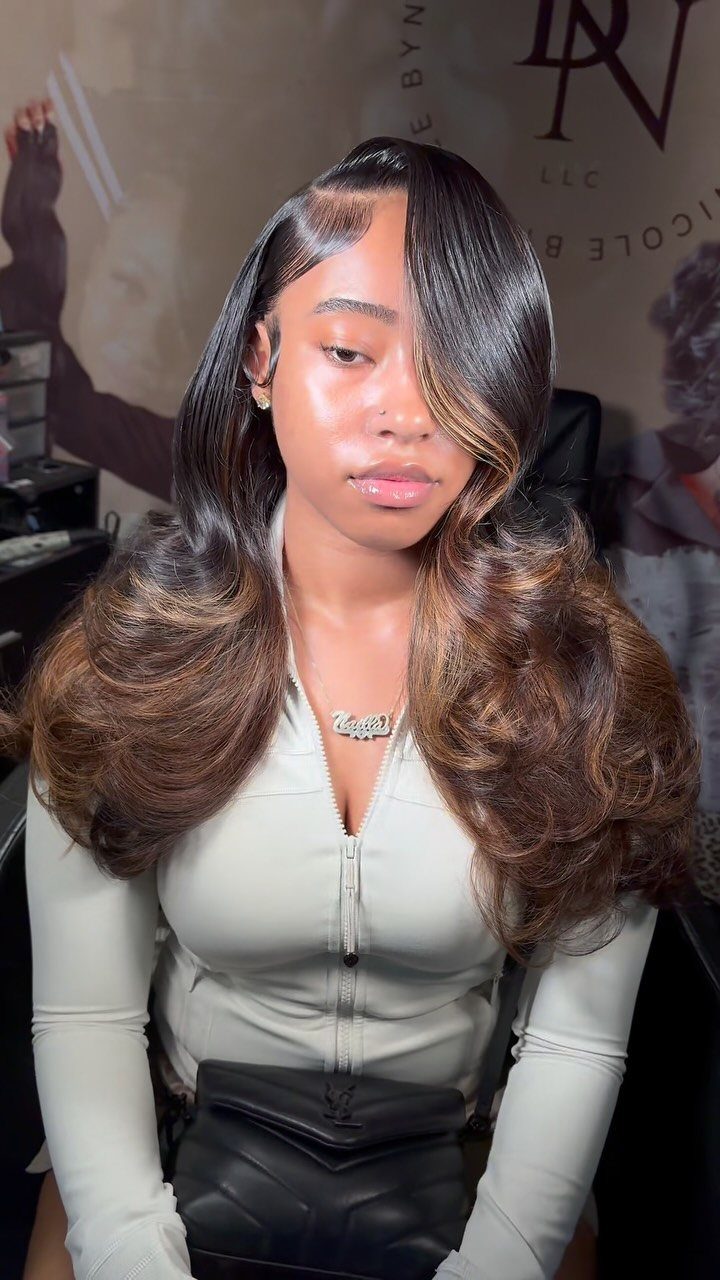
Honey blonde sits between caramel and true blonde, bringing warmth and brightness without going platinum. The color reads as sun-kissed rather than bleached, and it works well on medium to dark brunette bases.
The tone fades more gracefully than cooler blondes, so you won’t need to tone as often between appointments.
If your skin leans warm, honey blonde is one of the easiest ways to lift brunette hair without the color looking out of place.
17. Red Highlights
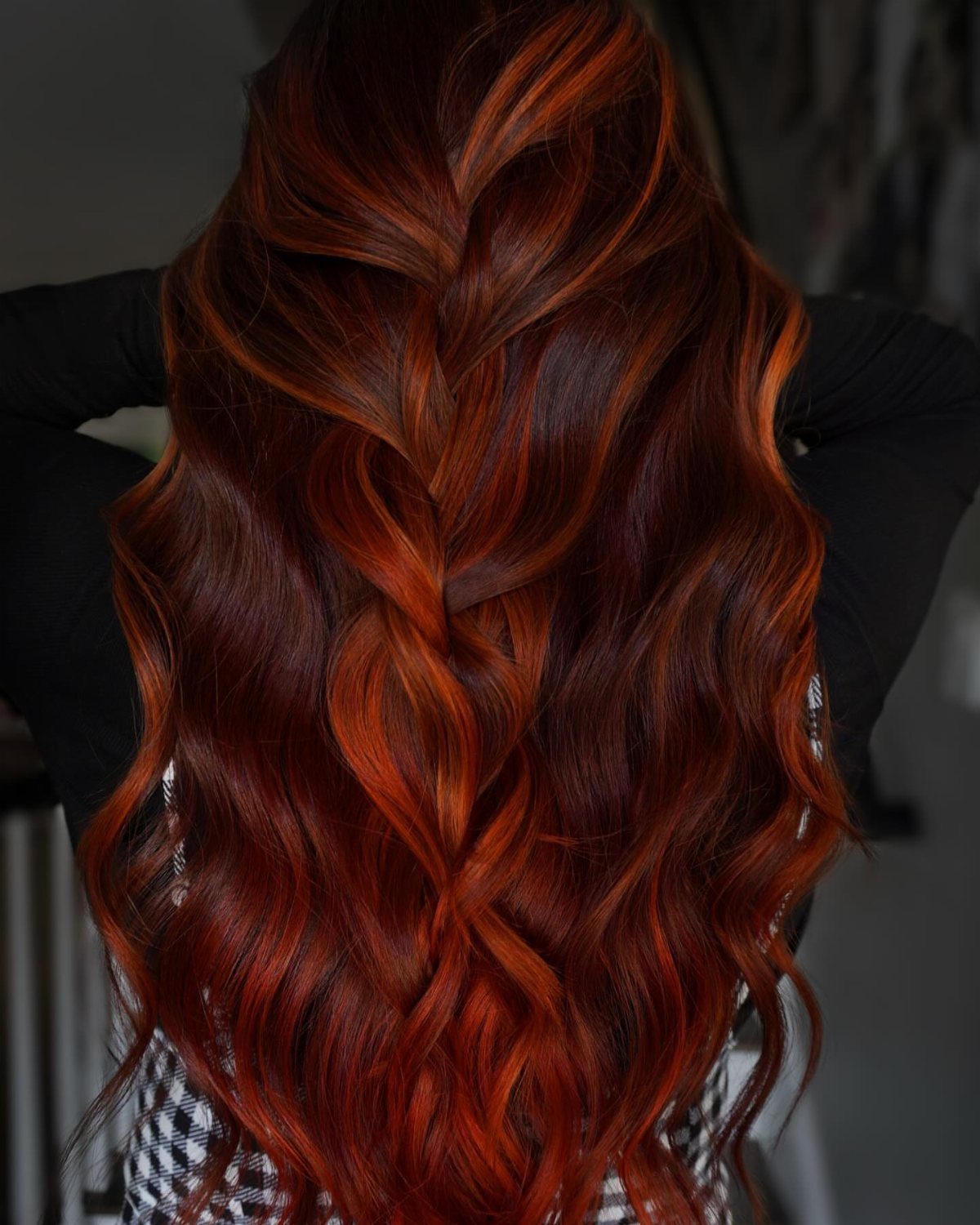
Red highlights can go subtle or bold depending on how much red you add and how far it sits from your base. Fine ribbons of auburn or copper blend in, while thicker, brighter sections make a statement.
Red pigment washes out quickly, so the color will fade noticeably between salon visits.
A red-toned shampoo will help it last, but expect the vibrancy to soften after a few washes. If you want red that stays put, go darker rather than brighter.
18. Cool Brown Highlights
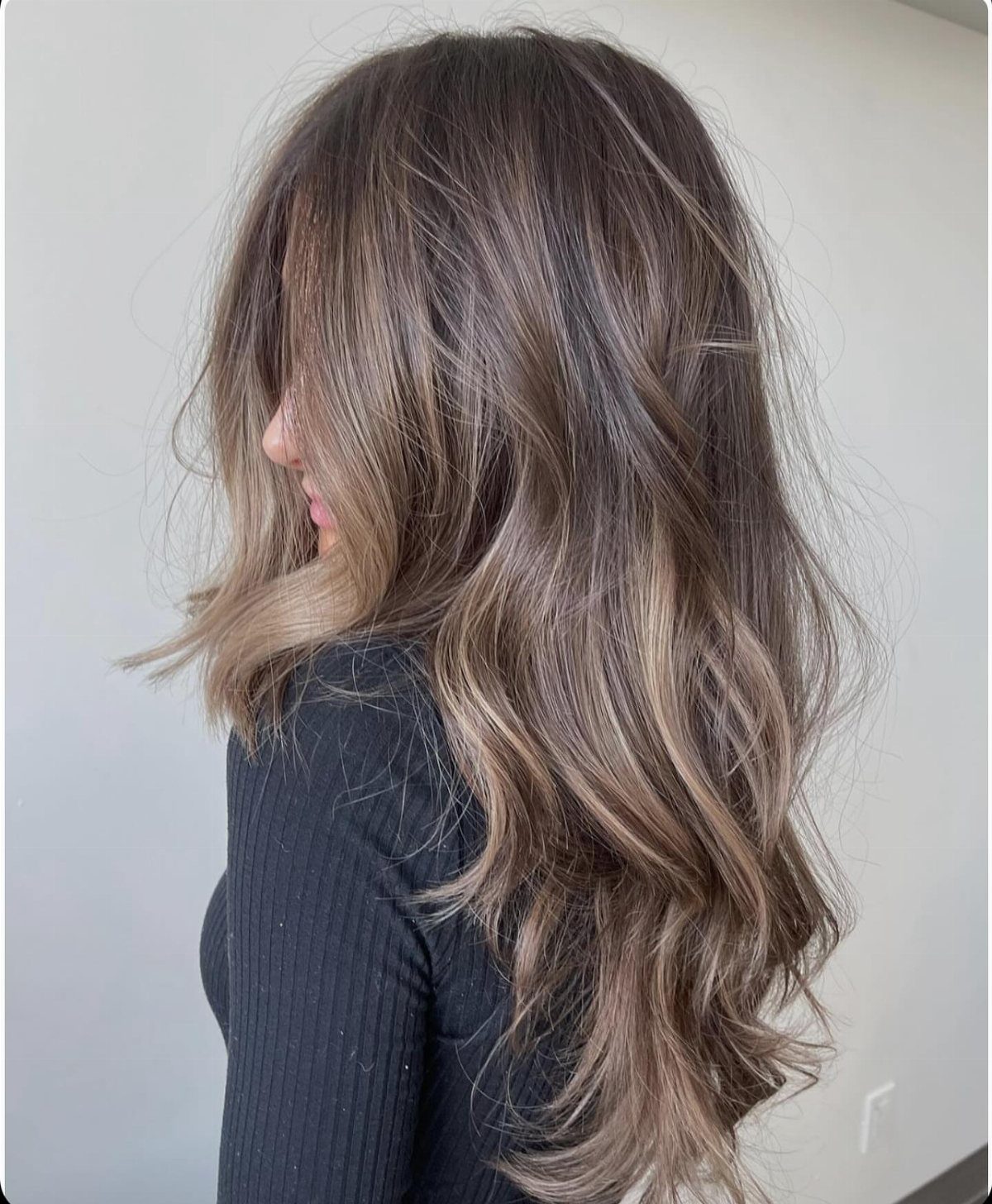
Cool brown highlights bring in ash or taupe tones instead of warmth, adding dimension without any gold or red. The result is polished and modern, especially on darker brunette bases.
Cool tones fade faster than warm ones because the ash washes out and reveals the warmer pigment underneath.
A purple or blue toning shampoo will stop the color drifting warm between appointments. If your skin has warm undertones, the ash may look flat rather than sleek.
19. Smoky Brunette Hair
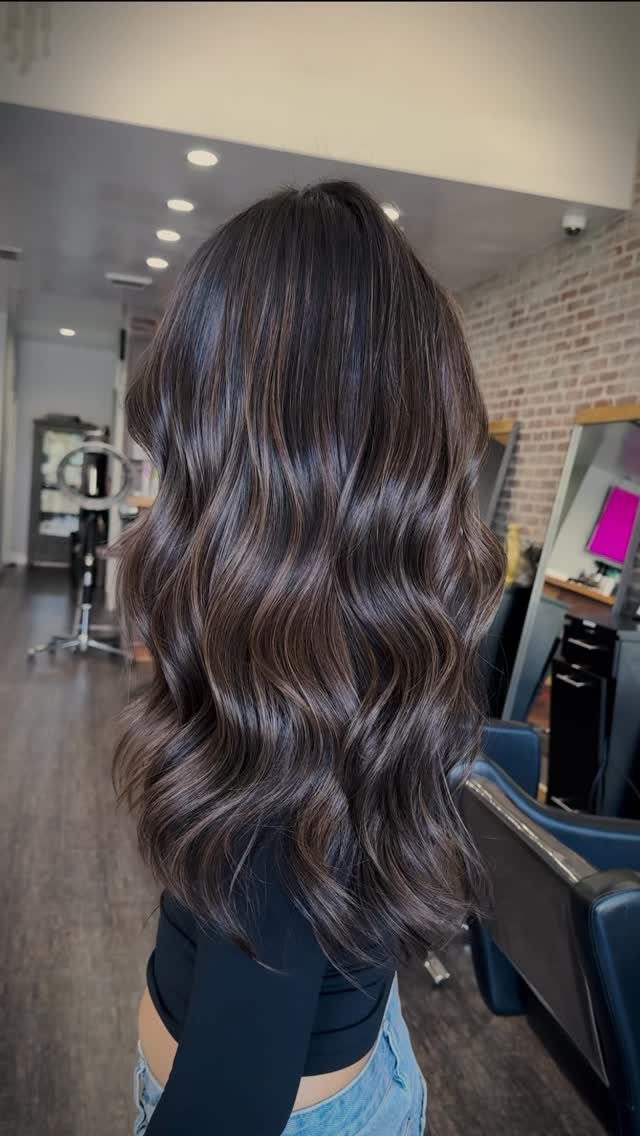
Smoky brunette is a dark brown base with soft, cool-toned lightness through the waves, so the color reads like a haze rather than stripes. The gloss here comes from keeping the tone cool and even, no warmth pulling through.
Ask for ash or smoke tones and a glaze to finish. Cool shades drift warm as they fade, so a purple or blue toning shampoo between visits keeps it smoky.
20. Cocoa Caramel Swirl
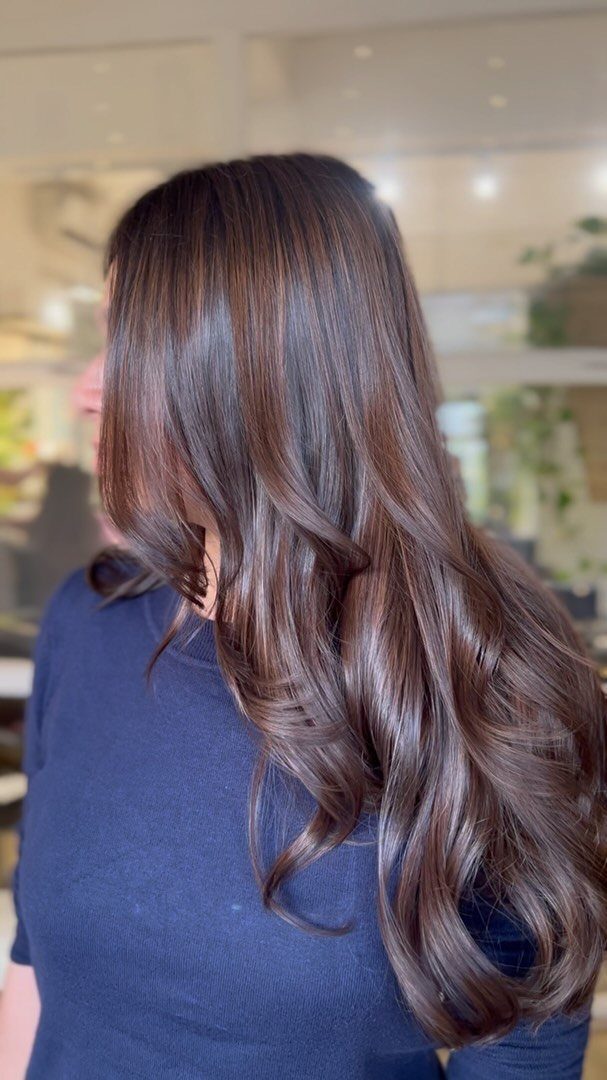
Chunky highlights are the risk with caramel on brown hair, and a multidimensional blend is the way around it. Several close shades of cocoa and caramel are woven together, so no single piece stands out.
For the stylist, ask for "blended, not banded" and bring a photo of the finish you want. On long waves like these, the soft caramel shows best when the hair is curled loosely.
“The strong stripes of caramel accentuate the curl pattern.” To get the look, ask your colorist for heavy highlights, and perhaps some balayage around the face or hairline.
— Glamour
21. Brown Cinnamon
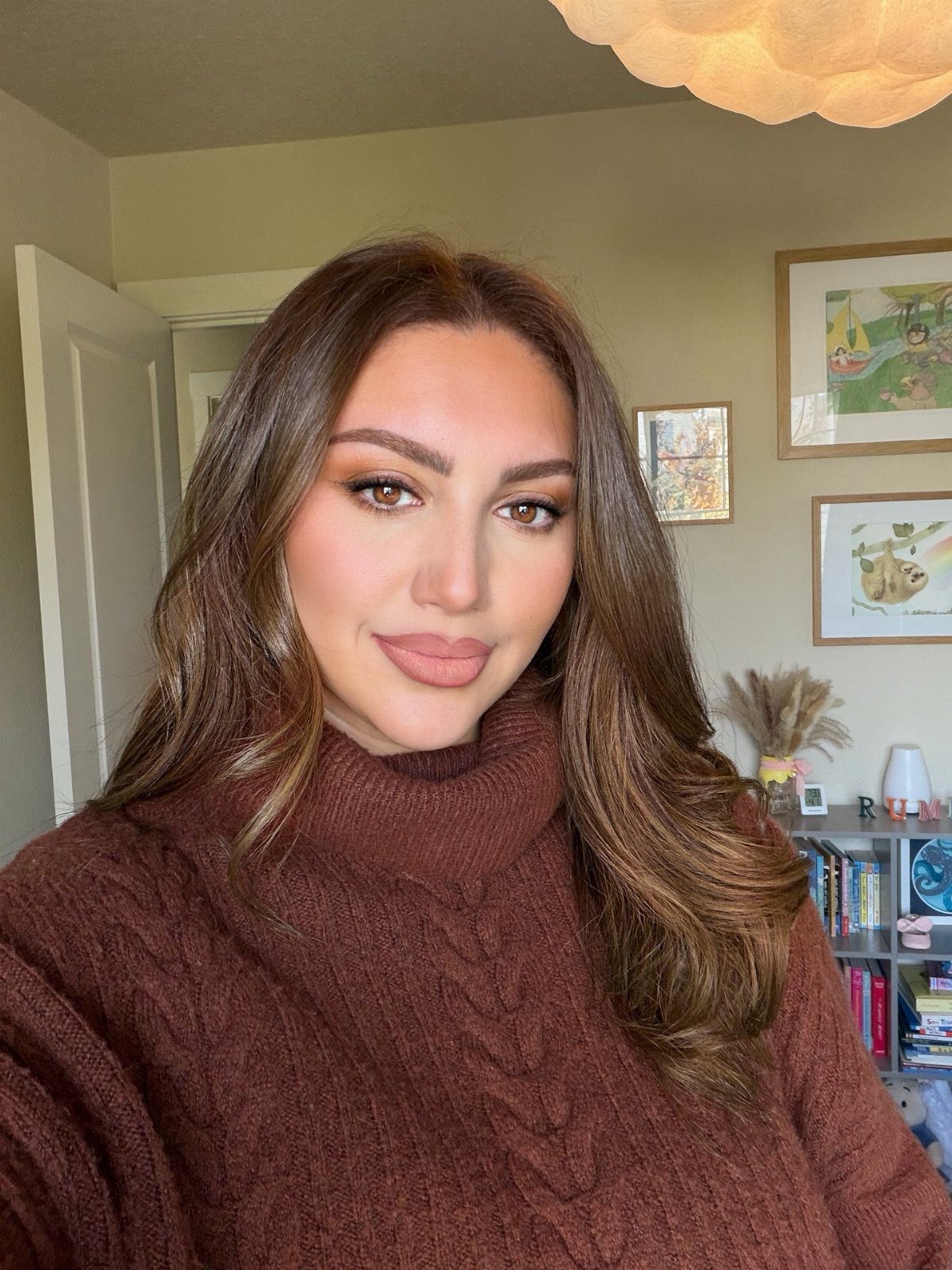
Cinnamon sits between brown and copper, adding a spicy, reddish warmth that stays quiet in most light. It reads as a finish on brown hair rather than a new color.
Because it leans red, expect it to fade faster than plain caramel, so a color-depositing shampoo helps. I would keep it fine and close to the base for the softest result.
22. Blonde Ribbon Highlights
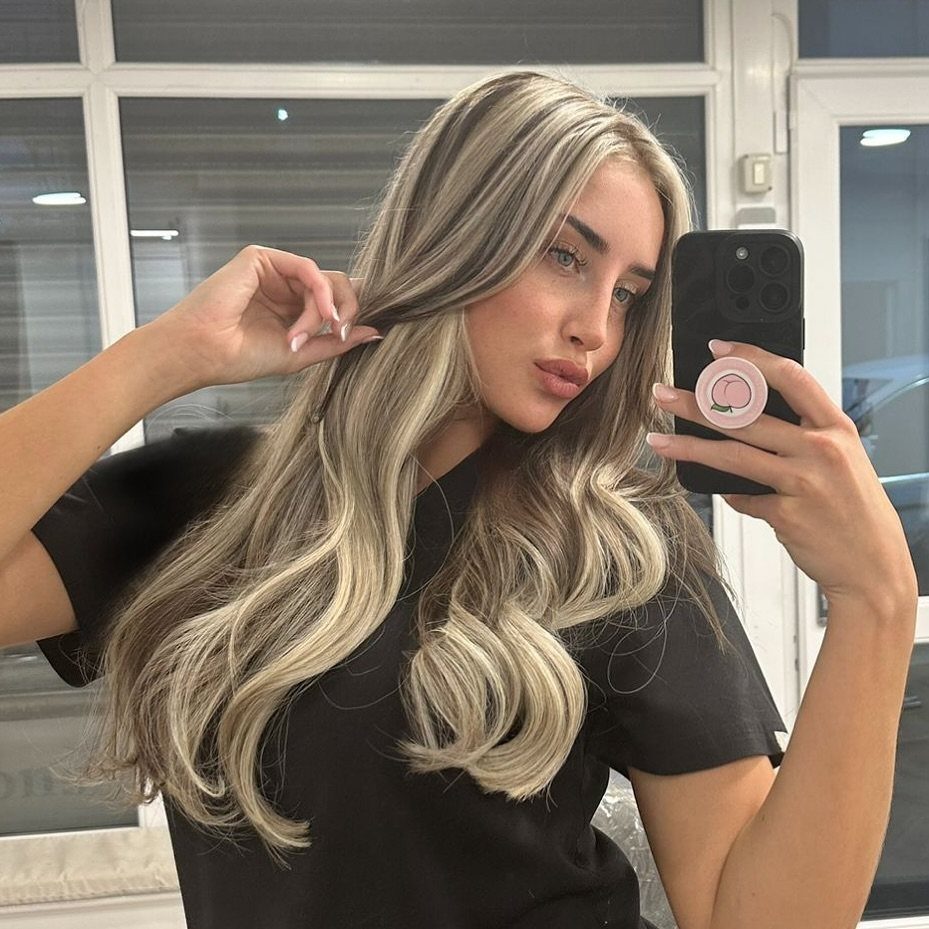
Blonde ribbons are wide, blended streaks of pale blonde laid over brunette, and the contrast is the whole point. Placed in the face-framing and top layers, they show most when the hair is worn down in waves.
Pale blonde on brown means bleach, so expect a longer appointment and a real commitment to toning, since the blonde turns brassy. Go for this if you want the change to be obvious.
23. Honey Caramel Highlights
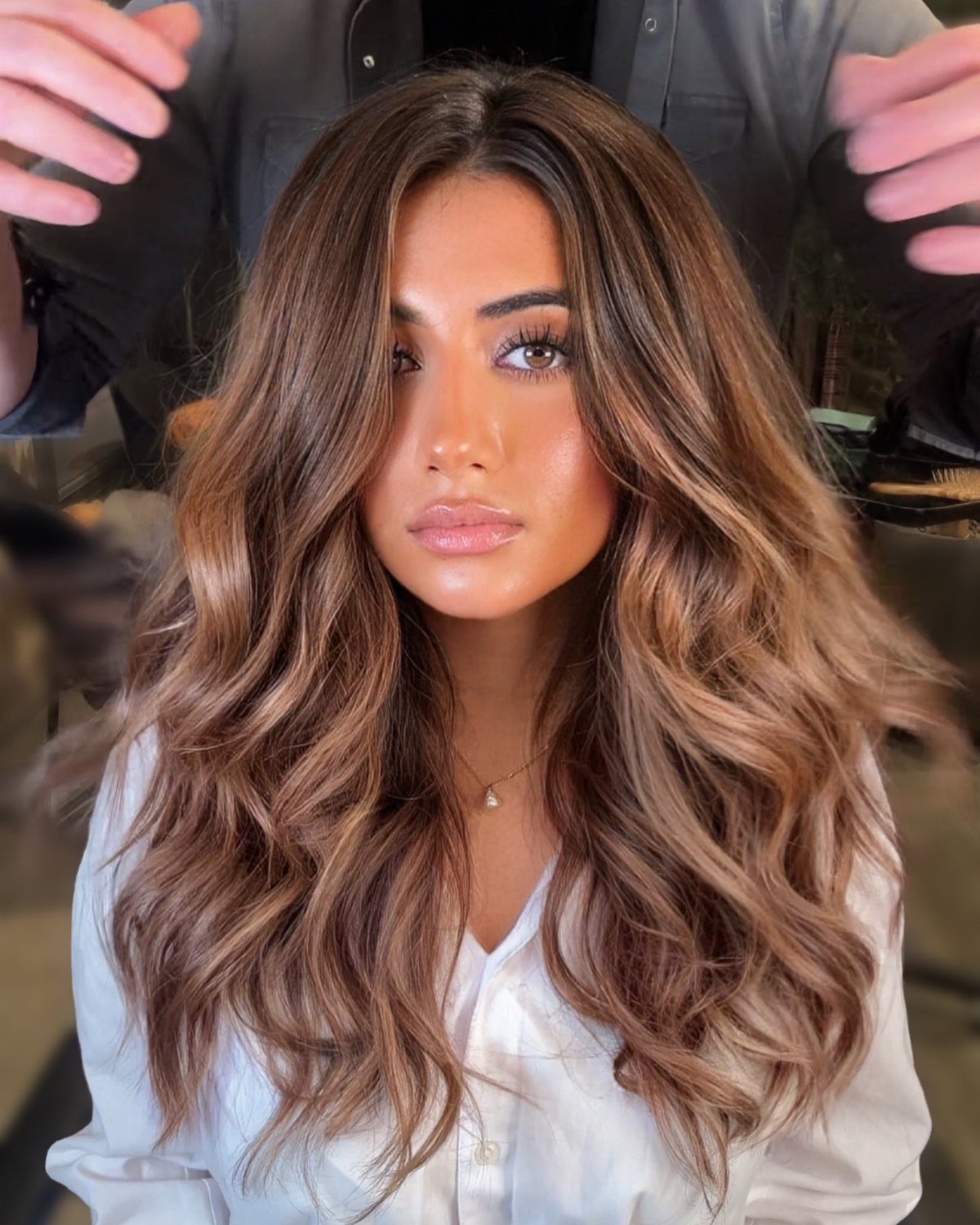
Honey and caramel layered together give brunette hair brightness from one and depth from the other. The honey catches light, while the caramel keeps the color grounded against a brown base.
Both are warm, so they fade gracefully and need little toning. If you want a lift that stays natural on medium to dark brown, I would pick this over a single-tone caramel for the extra dimension.
24. Copper Bronze Highlights
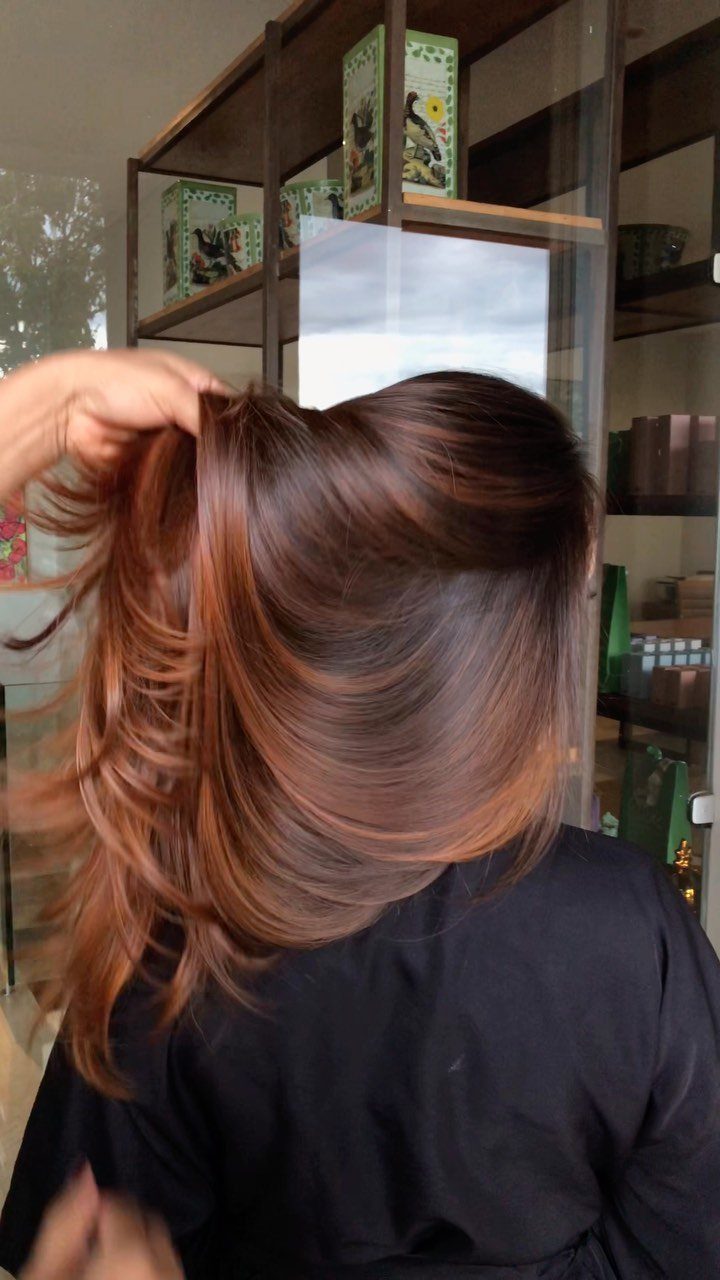
Copper bronze is a deep, golden copper laid through chocolate brown, warm enough to glow but not so orange that it clashes with the base. It reads as a seasonal shift, especially in autumn light.
Copper is red pigment, so it washes out faster than most colors, and a color-depositing shampoo helps. Keeping it golden and deep is my pick.
25. Highlights and Lowlights
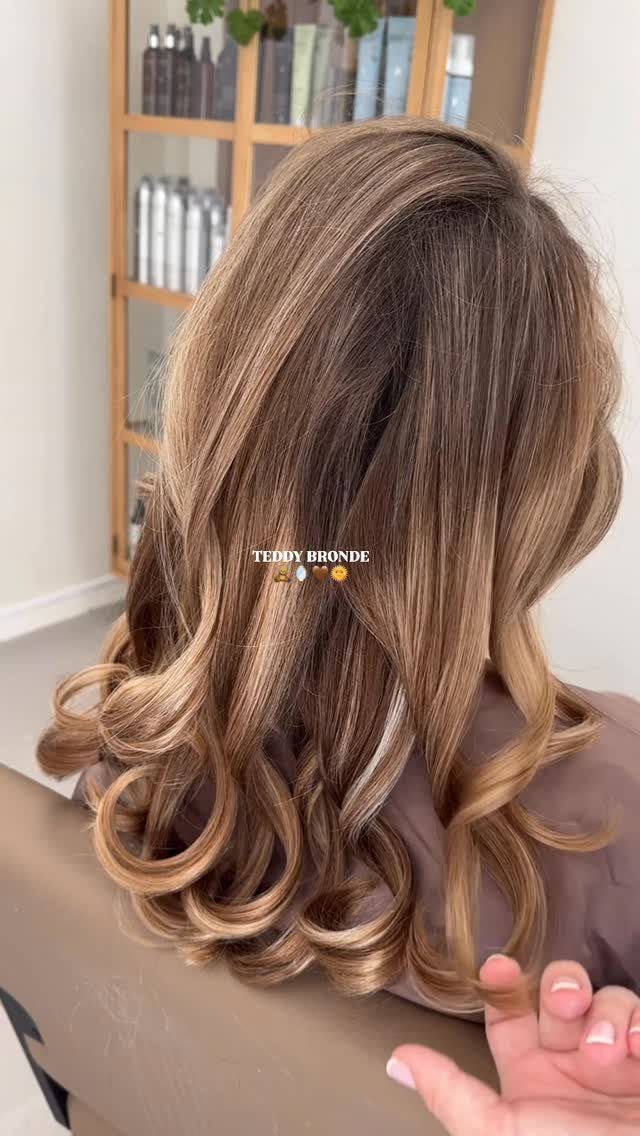
Highlights alone can look flat, and lowlights fix that by adding darker pieces between the light ones. Together they give curls like these a blended, multi-tone depth, with no single stripe doing all the work.
On curly hair this mix is forgiving, since the lighter and darker strands twist around each other and soften any line.
Book the highlights and lowlights as one service so the stylist can weigh the light and dark pieces against each other, and carry a photo that shows exactly how much contrast you’re after.
26. Rainbow Highlights
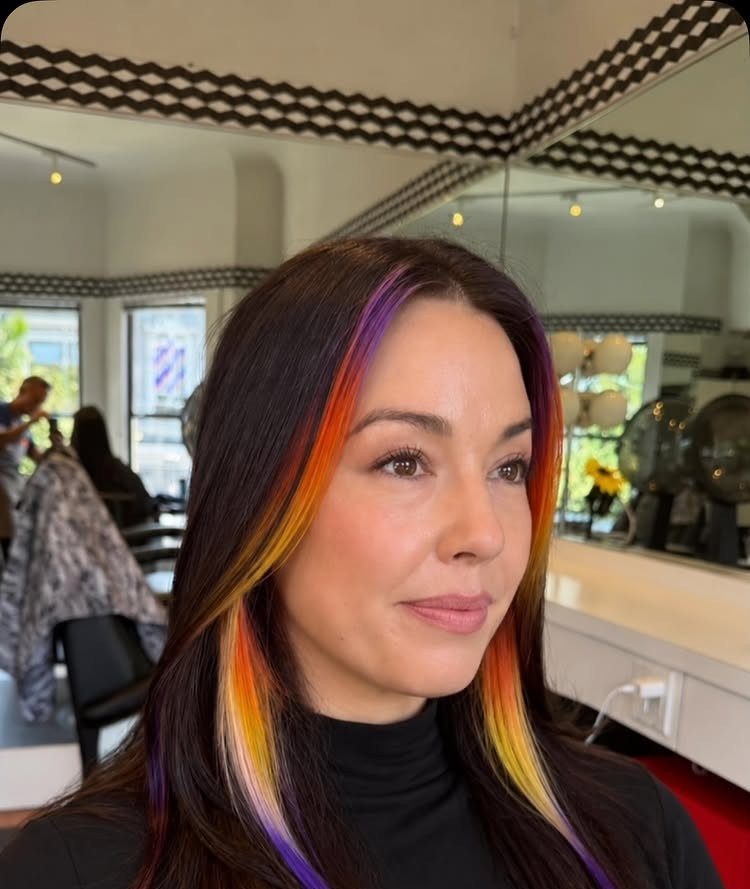
Rainbow highlights put several vivid colors into dark hair, and brunette is a strong canvas because the bright pieces stand out so sharply against it.
Keeping them near the face, as in this look, puts the color where you see it most.
Vivid shades on dark hair mean lightening first, so plan on a longer appointment and extra care afterward. If you are unsure, I would start with a few thin pieces at the front and add more later.
27. Walnut and Nutmeg Ribbons
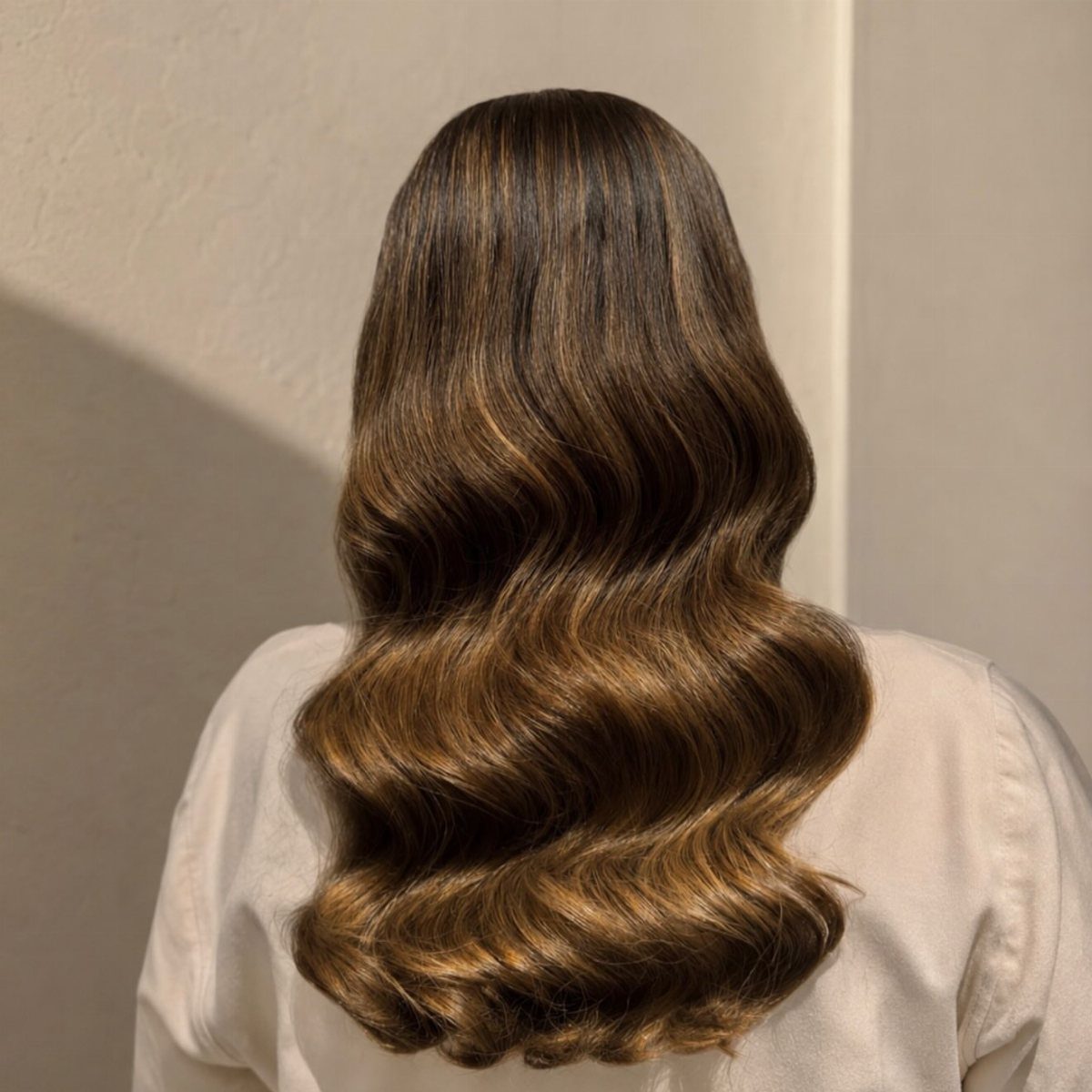
Walnut and nutmeg ribbons are soft, warm browns woven through brunette waves, close enough in tone that the color looks grown rather than applied. The effect is organic, with the ribbons showing mostly when the hair moves.
Ask for walnut and nutmeg by name, or say "warm brown ribbons, close to my base." I would keep the shades within a step or two of your natural color, since the quiet contrast is what makes this look work.
Choosing Shades by Undertone
Matching highlights to your hair’s undertone keeps the color from fighting your base. Pull a piece of hair into daylight and check what color bounces back: gold or copper points to warm, gray or silver points to cool.
Warm hair suits caramel, honey, golden blonde, amber or butterscotch.
Cool hair takes ash blonde, pearl, platinum, mushroom or smoky mocha. If your hair sits somewhere in the middle, you can mix warm and cool tones like bronde, beige blonde or soft chestnut.
Skin undertone matters too.
If your skin has gold or peach in it, stick with caramel, honey or warm chestnut highlights. Cool skin (pink or blue) pulls off cooler tones more easily.
If you’re unsure, ask a stylist or try a semi-permanent version first to see how the shade reads against your hair before committing to bleach.
Color Upkeep and Fading
Color-safe or sulfate-free shampoo keeps highlights from fading as fast. Washing every other day instead of daily helps the color hold longer, and switching to a deep-conditioning mask once a week keeps the hair from drying out.
A color-depositing shampoo or conditioner used once a week refreshes the tone between salon visits. For blonde highlights on brown hair, a purple toning shampoo controls brassiness and keeps the cooler shades from drifting warm.
Limit heat styling where you can, and always use a heat protectant before hot tools.
A gloss treatment at home or in the salon locks in shine and smooths the cuticle, which makes the color look richer even as it starts to fade.
Frequently Asked Questions
What color highlights look best on brunettes?
Warm shades like caramel, honey and chestnut are the safest picks, because they lift brown hair without fighting it.
Balayage gives a hand-painted, sun-faded look, and bronde sits between brown and blonde for a softer lift. Match the tone to your undertone: gold or peach in your skin points to warm shades, pink or blue points to cooler ones.
What are the highlight trends for brunettes in 2026?
Smoky brunette is the cool-toned look: a deep brown base with a hazy ash veil, not distinct stripes. Warm, golden brunettes that look sun-kissed have had most of the attention, and smoky tones are the elegant counterpoint.
What hair highlights look younger?
Warm tones such as caramel, honey and golden blonde tend to look the youngest.
Warm tones catch light, soften the face, and fade more gently than icy blondes, so the color holds up longer between appointments. They work best when your skin has warm undertones.
Can you highlight hair at home with box dye?
Subtle caramel or chestnut highlights are realistic at home, but dramatic blonde on dark hair is best left to a professional.
Bleaching dark brown hair often takes multiple sessions. Partial highlights, like face-framing pieces, are easier to manage yourself because you aren’t bleaching your whole head.
What do partial highlights look like?
With partial highlights, only the hairline, crown or sides get lightened, and the rest of the head stays your natural shade.
Another take is the peekaboo layer, where the lightened pieces hide underneath and show when the hair moves. They are less dramatic than a full head but still add visible brightness, with a shorter, cheaper appointment and lighter upkeep.
Do highlights damage dark brown hair?
They can, since lifting dark brown means bleach, and bleach weakens the strand when the hair gets no extra care afterward.
Darker hair needs more lifting to go light, so it takes more of a toll. Strengthening treatments, color-safe products, regular trims and glossing treatments help limit the damage.
How do I find the best brown hair color for my skin tone?
Start with your skin undertone. Warm undertones (yellow, peach or golden) suit caramel, honey and chestnut, while cool undertones (pink or blue) suit ash brown.
If you’re neutral, rich chestnut or dark cherry brown is a good place to land. Eye color and natural hair color matter too.
How do I maintain brunette hair with highlights?
Use color-safe, sulfate-free shampoo and wash every other day instead of daily. If your highlights lean blonde, a purple shampoo keeps brassy yellow in check.





