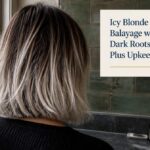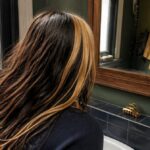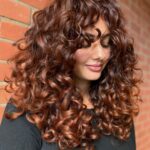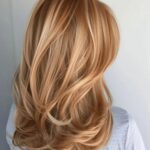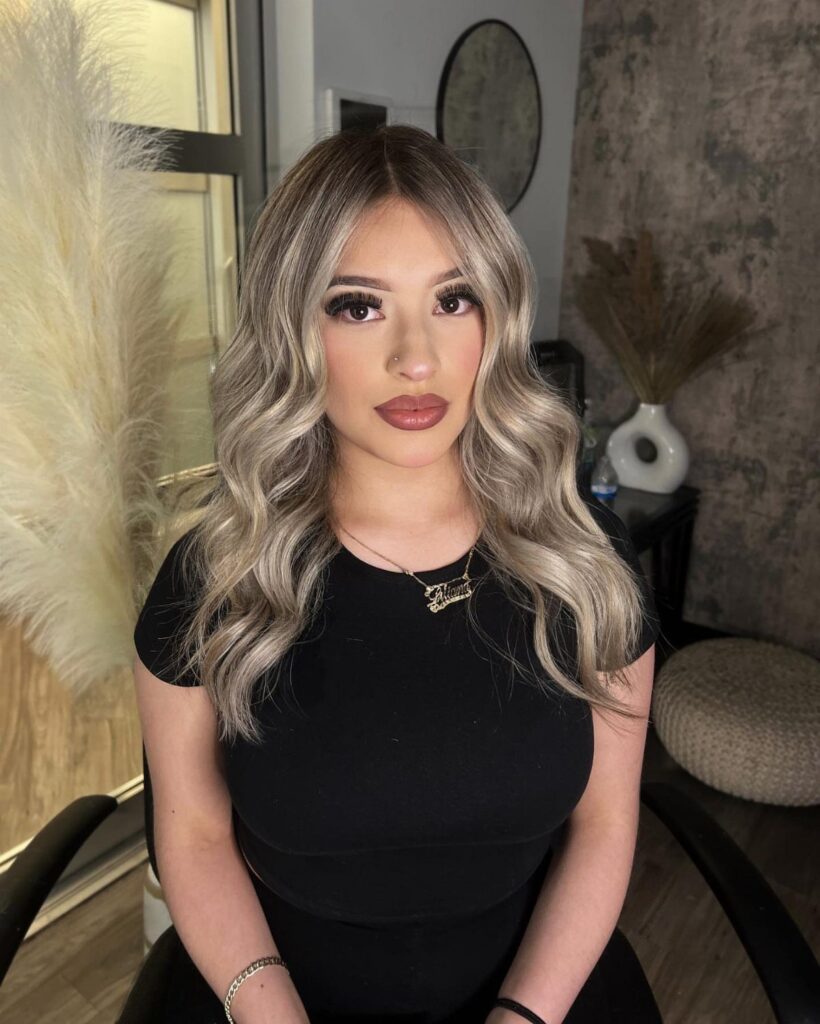
The choice comes down to how much blonde you want and how often you can get back to the salon: face-framing and money pieces sit only at the front, while heavy highlights and balayage cover most of your head.
Face-framing pieces take under an hour and grow out softer since the blonde sits only at the front, while heavy highlights cover more of your head and need touch-ups every 6 to 8 weeks to keep roots from showing.
Honey babylights use sections finer than traditional highlights, which is why they take 2 to 3 hours to apply but grow out looking like natural variation.
1. Face-Framing Highlights
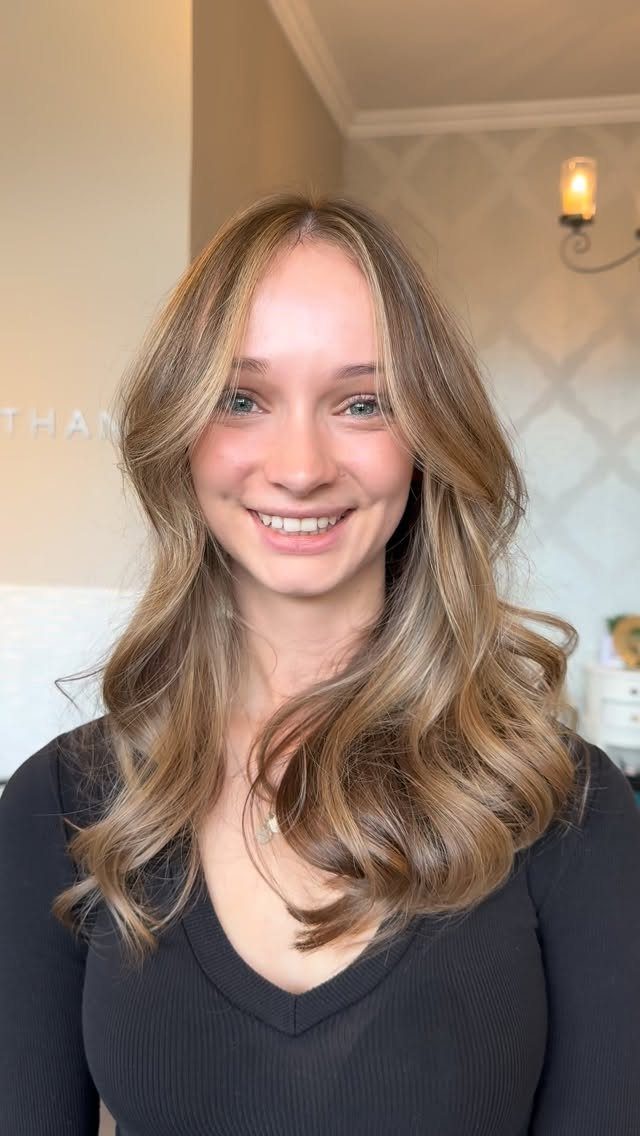
Blonde sections frame the face while the rest stays brown, so the brightness sits where it catches the most light. The contrast is immediate and does the work of lifting your whole look without touching most of your length.
I like this when you want noticeable highlights but don’t want to spend hours in foils. The placement focuses on the pieces that move around your face, which keeps maintenance lower since roots farther back blend as they grow.
Ask for bright blonde a few shades lighter than your base, concentrated from the temples down through the front layers.
2. Blonde Balayage
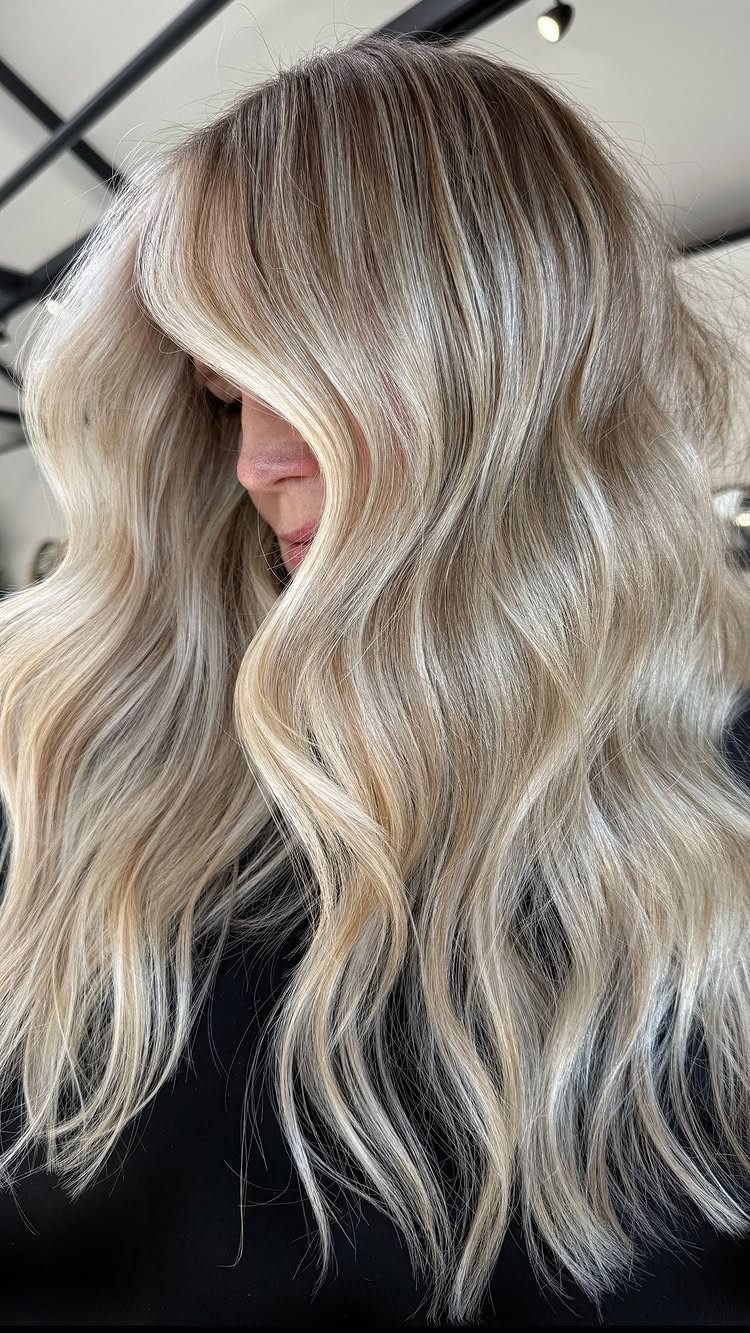
Hand-painted strokes place blonde through brown hair without the hard lines foils leave behind. The blonde sits where sun would naturally lighten it, concentrated through the mid-lengths and ends while the roots stay darker.
Balayage grows out softer than traditional highlights because there’s no uniform line of regrowth. Most people go months between touch-ups, which makes it one of the lower-maintenance blonde options for brown hair.
The blend takes longer to paint than foils, so plan for a longer appointment. The result is dimension that shifts with every turn of your head.
3. Chunky Blonde Highlights
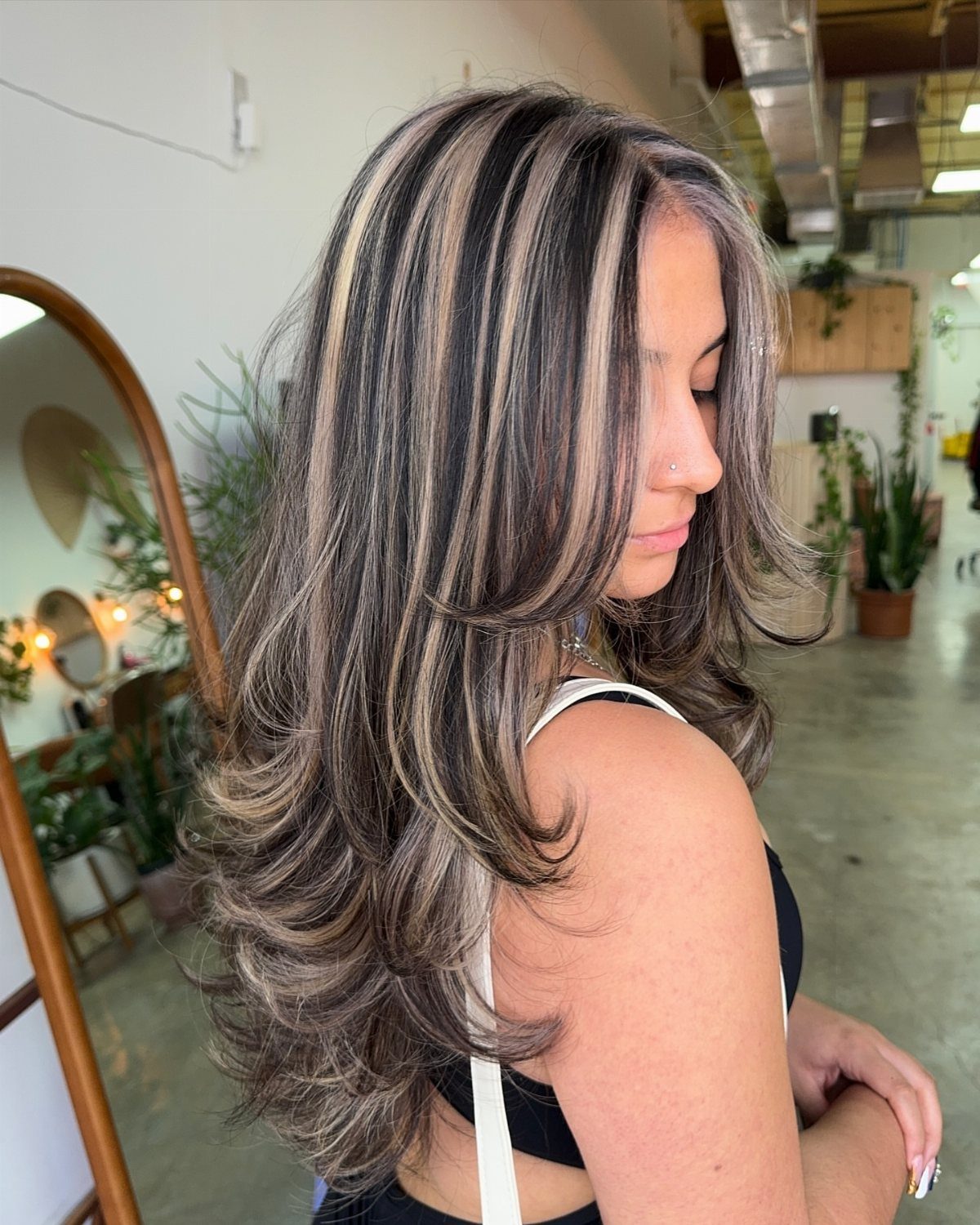
Wide sections of blonde create bold contrast against brown, with each highlight thick enough to read as its own stripe. The effect is intentional and graphic, nothing subtle about it.
Chunky highlights were everywhere in the early 2000s and the look has come back with slightly softer edges but the same high-impact placement. The width means fewer sections overall, so the process can be faster than fine highlights.
Regrowth shows up clearly once it starts coming through. Roots show clearly against wide blonde pieces, so plan on toning or touching up every 6 to 8 weeks if you want it looking sharp.
4. Brown-to-Blonde Ombre
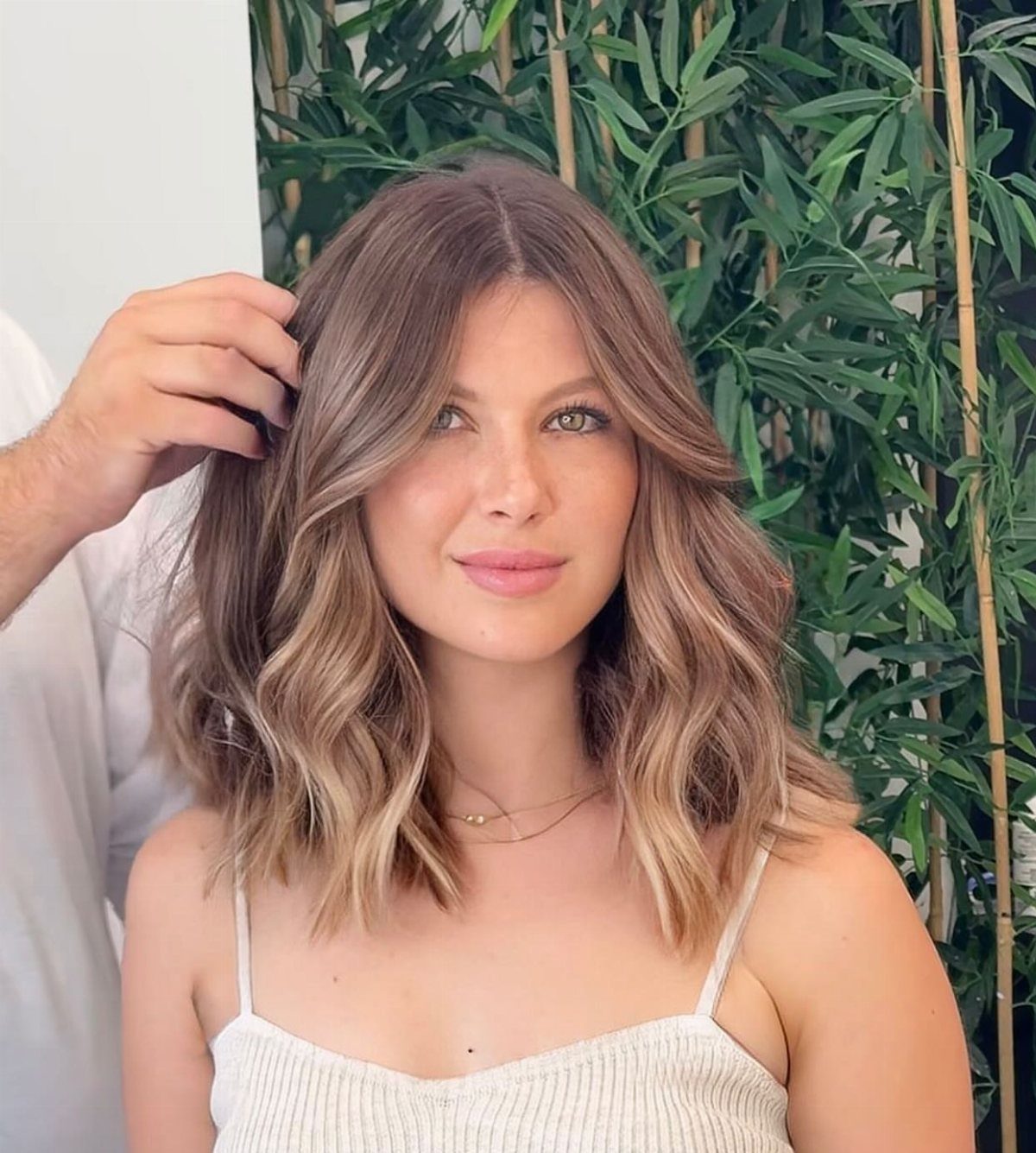
The color moves from brown at the roots down to blonde at the ends, with the shift happening gradually rather than at a single line.
The transition can span a few inches or stretch over most of your length depending on how soft you want the gradient.
Ombre works well if you want blonde without committing to root touch-ups.
The top half stays your natural brown, so regrowth blends in as it grows. You’ll still need toning every few months to keep the blonde ends from turning brassy.
The longer your hair, the more room you have for a gradual fade. On shorter cuts the shift happens faster and reads more graphic.
5. Mocha Lowlights with Blonde Highlights
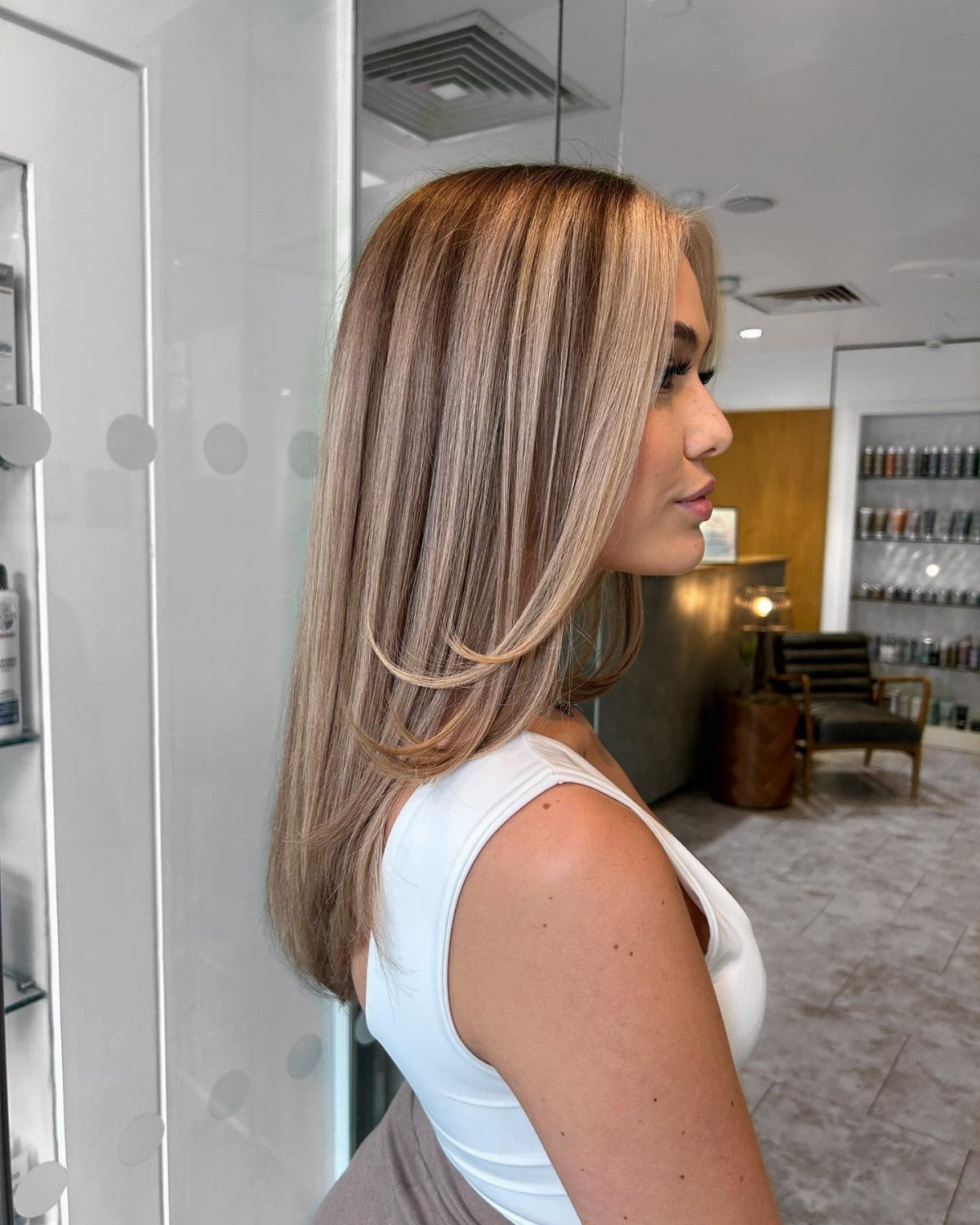
Darker mocha ribbons sit alongside blonde highlights, so the brown hair holds depth instead of looking one-note. The lowlights break up the blonde and keep the overall color from skewing too light or flat.
Adding lowlights back in after highlighting is common when blonde alone would wash out your face or when you want dimension that reads more natural.
The mocha tones stay close to your base color, usually just a shade or two darker.
The combination takes longer than highlights alone since you’re applying 2 colors, but the result has more movement and the regrowth line is less obvious when the colors alternate.
6. Honey Babylights
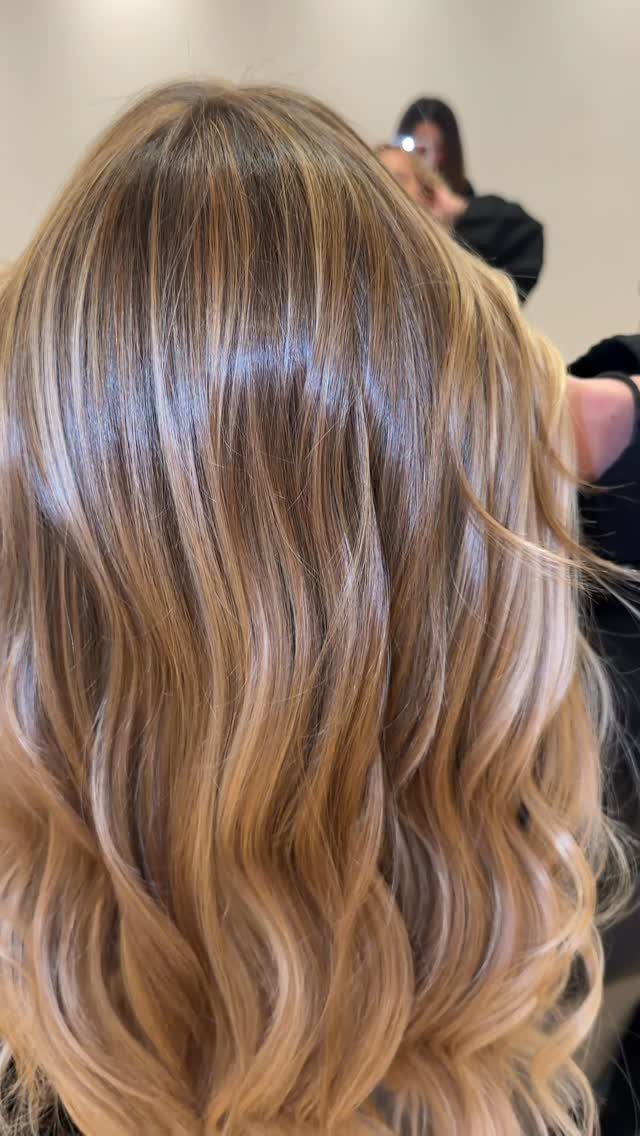
Ultra-fine sections of honey blonde are woven through brown hair, each one thinner than traditional highlights.
The fineness is the point: babylights mimic the way kids’ hair lightens in summer, so the result looks like natural variation rather than deliberate color.
Honey tones add warmth without going too yellow or brassy, which suits most brown bases. The sections are so small that they take longer to apply than standard highlights, often 2 to 3 hours depending on how much coverage you want.
Babylights grow out softly because the pieces are scattered and fine. Most people go months before needing a refresh, and even then the grow-out reads as natural dimension.
7. Brown-Blonde Color Melt
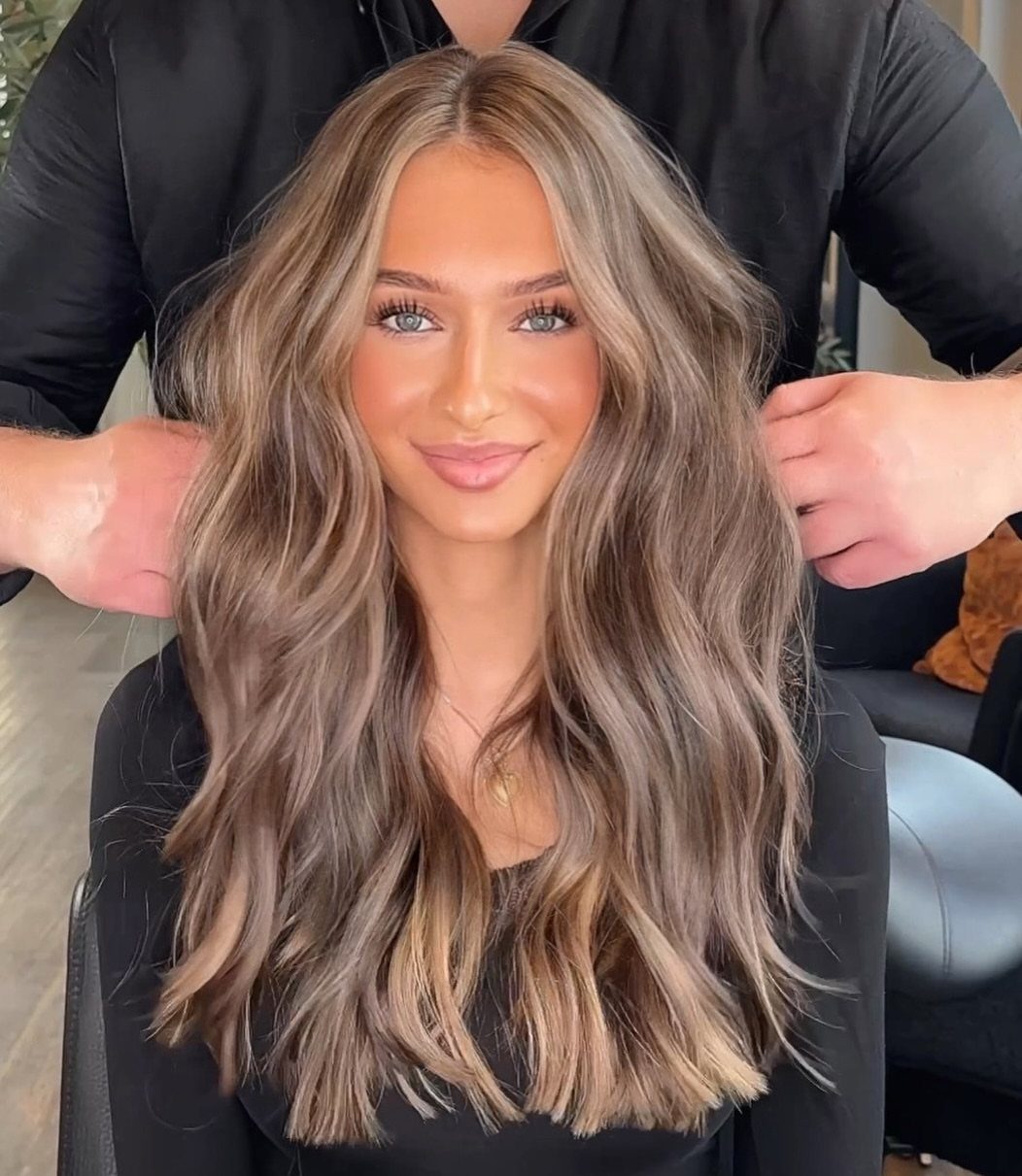
The colors blend where they meet, so brown flows into blonde without a hard line of demarcation.
The technique is all about the transition zone: blonde is applied and then worked into the brown so the shift reads as gradual rather than as 2 separate colors sitting next to each other.
Color melts take longer than standard highlights because the blending happens while the color processes. You get dimension that shifts as you move, and regrowth fades in gradually rather than drawing a hard line.
Most people refresh the blonde every 10 to 12 weeks to keep the ends from going brassy, but the root area needs less frequent work.
8. Natural Color Blocking
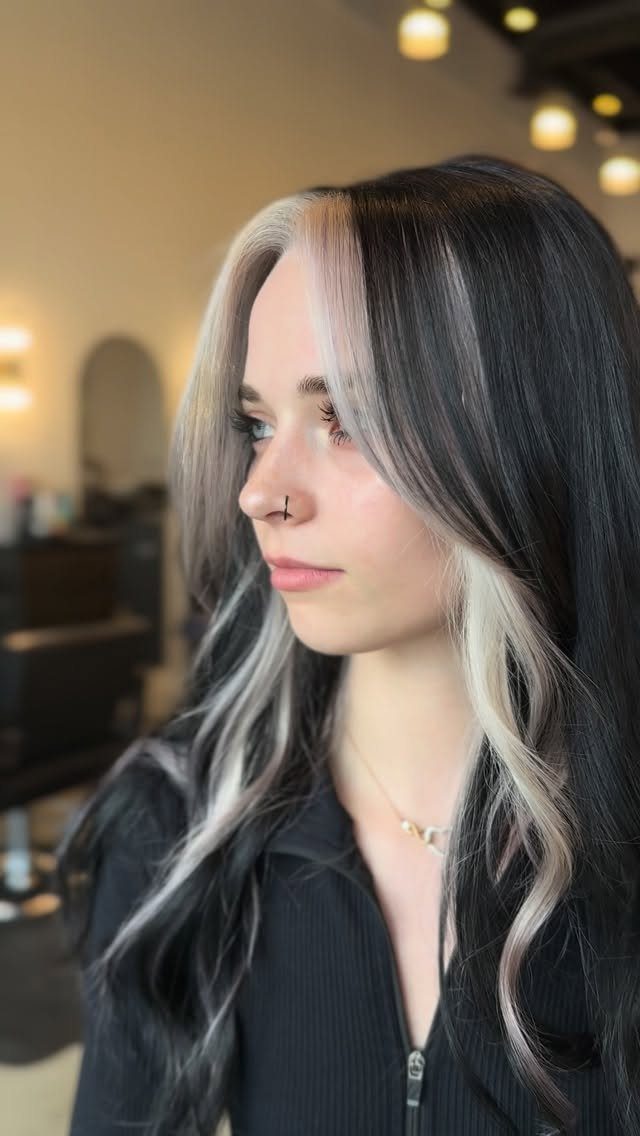
Thick blonde sections frame the face while the rest of the hair stays a solid brown, creating bold contrast instead of blended dimension. The placement is deliberate and graphic, with the blonde concentrated where it makes the biggest visual impact.
This approach suits you if you want the brightness of face-framing highlights but with more commitment and presence. The blonde reads as a statement rather than a subtle lift, so the maintenance is higher than softer options.
9. Caramel Highlights
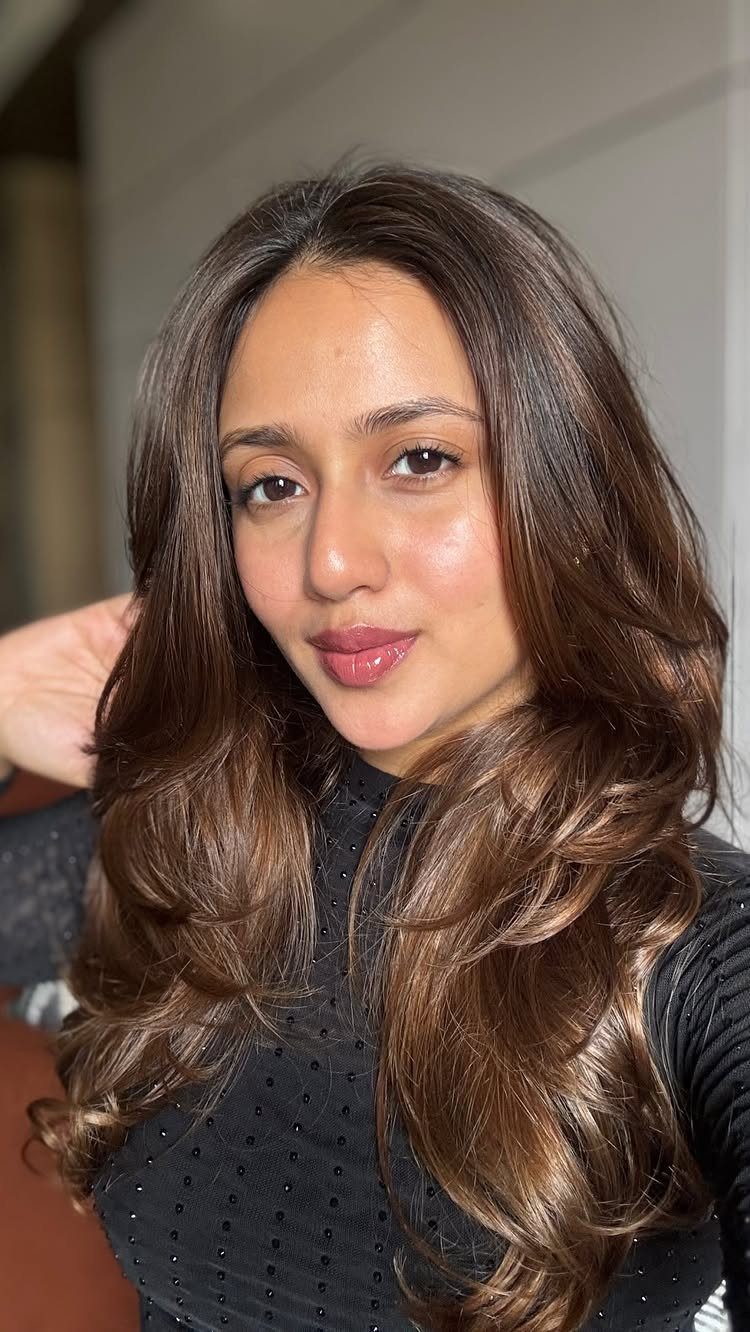
Warm caramel tones lift chocolate brown without taking it all the way to blonde, adding dimension that reads as sun-kissed rather than bleached.
The caramel sits a few shades lighter than the base, enough to create movement but not so much contrast that it looks like 2 separate colors.
This works well on dark brown hair that would otherwise look flat in one shade. The warmth suits most skin tones and avoids the brassiness that can happen when dark hair is lifted too far too fast.
Caramel fades softer than cooler blonde tones, so the grow-out tends to be more forgiving.
10. Sandy Blonde Highlights
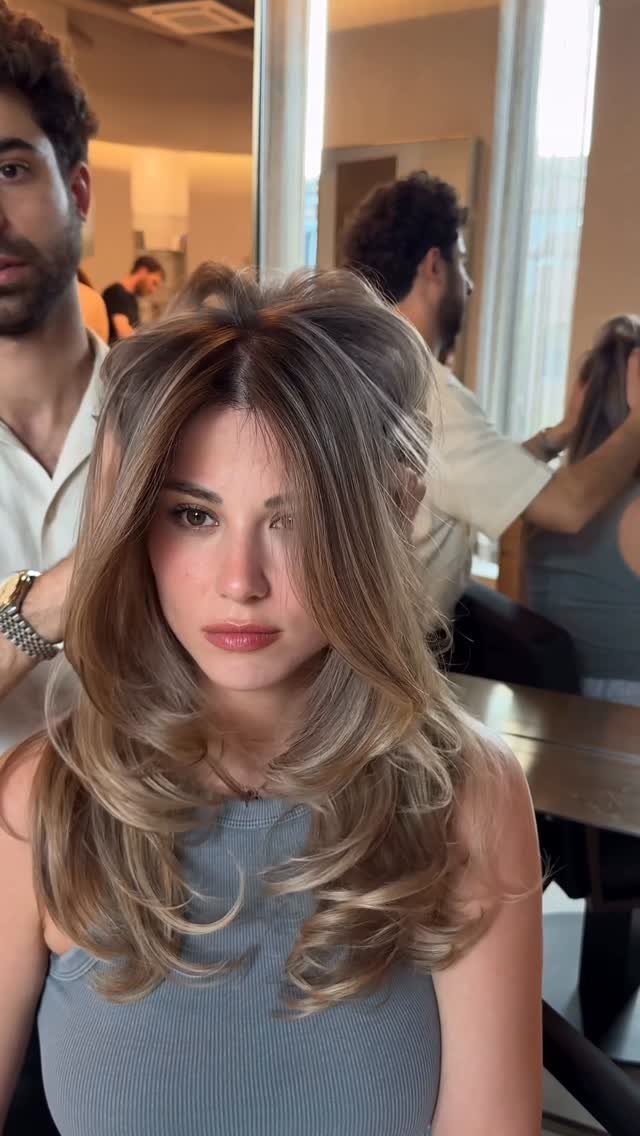
Sandy beige-blonde pieces lighten light brown hair in a way that mimics what the sun does naturally. The tone is neutral, leaning neither too gold nor too ash, which keeps the overall look soft and believable.
The technique works best on hair that’s already a medium to light brown base, since the sandy tone doesn’t create strong contrast.
If your base is darker, the highlights will need more lift to reach that beige-blonde shade, which means more upkeep.
Sandy tones can shift brassy, so plan for periodic toning to keep them looking fresh.
11. Soft Bronde Highlights
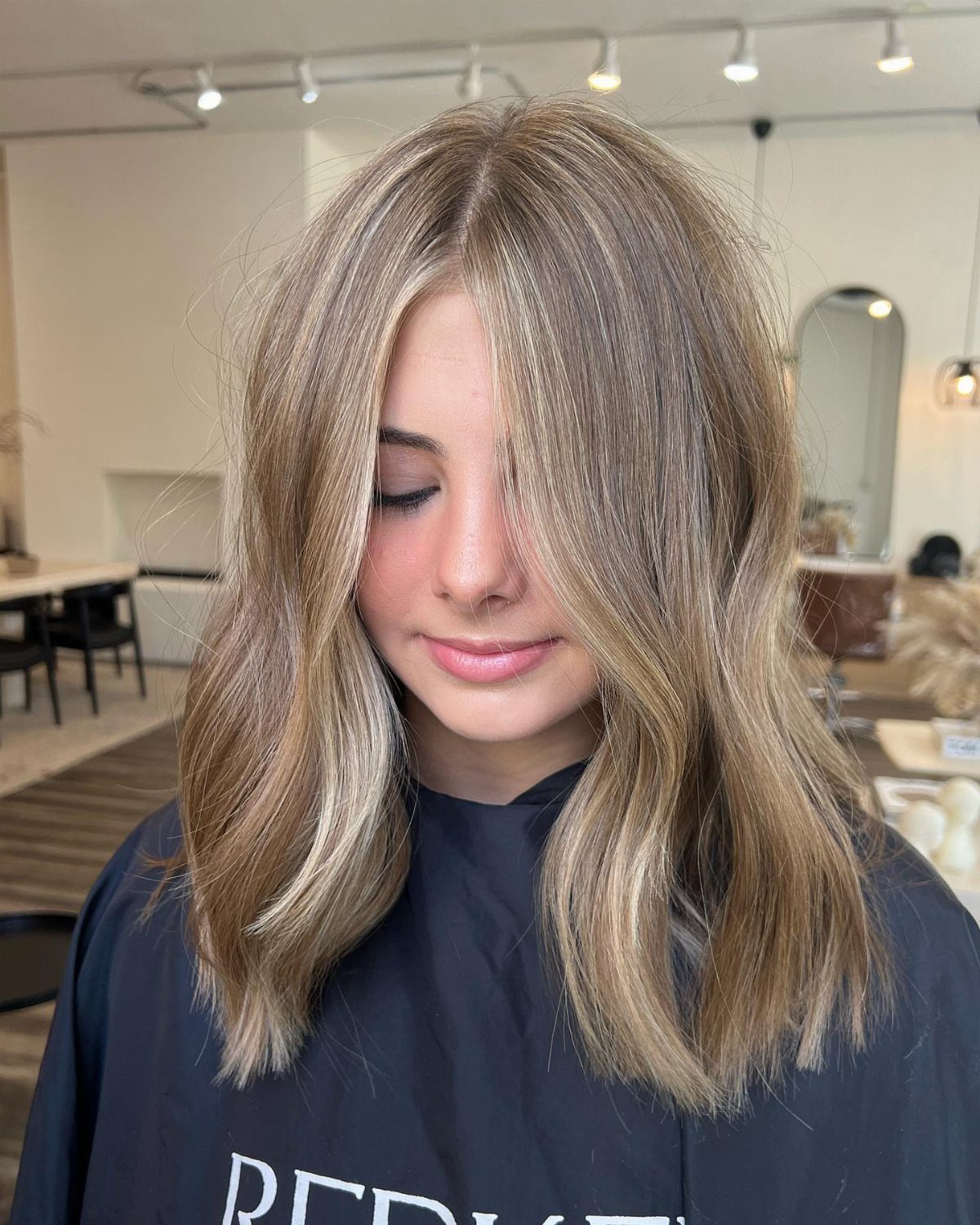
The highlights sit close to your base color, just blonde enough to add dimension without announcing themselves.
Bronde is the name for that in-between zone where the color reads as neither fully brown nor fully blonde, and the low contrast means the result looks natural even up close.
This suits you if you want movement and lift but don’t want to commit to high-maintenance blonde. The closer your highlights sit to your base shade, the softer the regrowth line and the longer you can leave them.
Bronde works across most brown bases, from light to medium.
12. Toffee Highlights
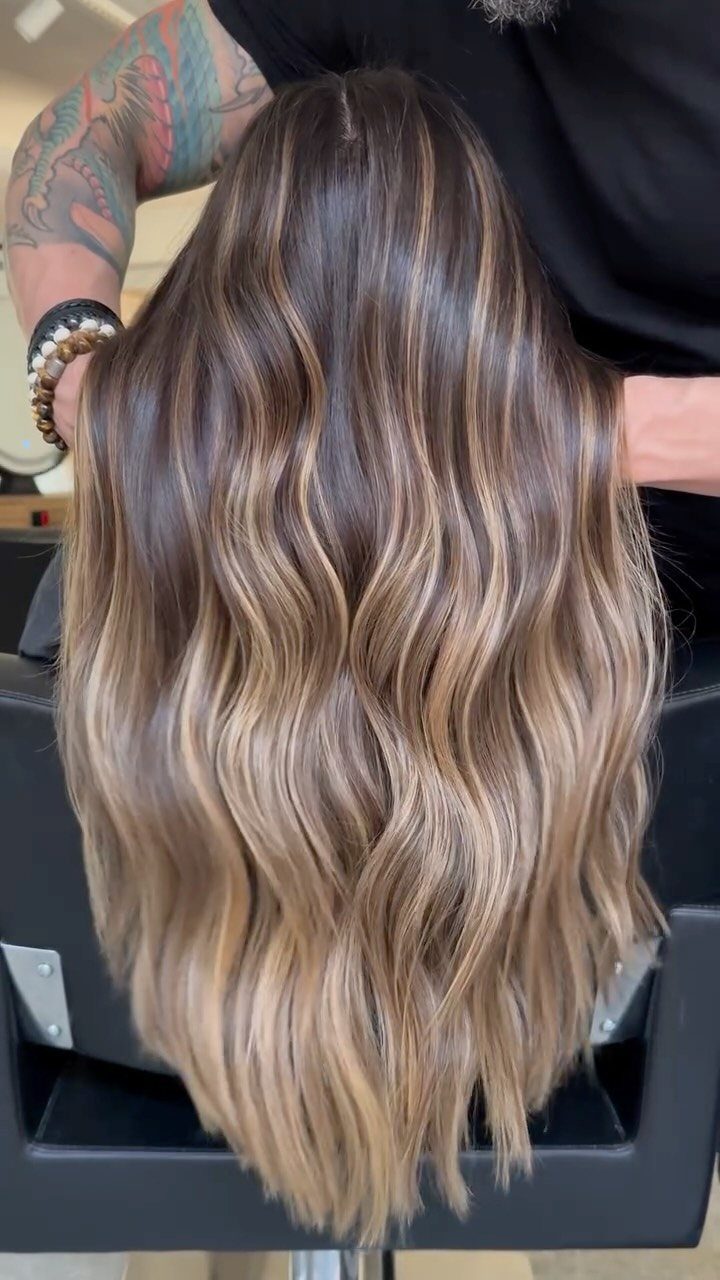
Toffee tones sit between caramel and blonde, lifting dark brown hair with warmth that doesn’t tip into orange or gold. The color is rich enough to hold depth but light enough to create visible dimension, especially in natural light.
Toffee highlights suit you if your base is a deep brown and you want lift that feels intentional but not too dramatic. The tone works with most undertones and tends to fade softer than cooler blonde shades.
Plan on toning every 8 to 10 weeks to keep the toffee from shifting too warm as it oxidizes.
13. Soft Shadow Root Highlights
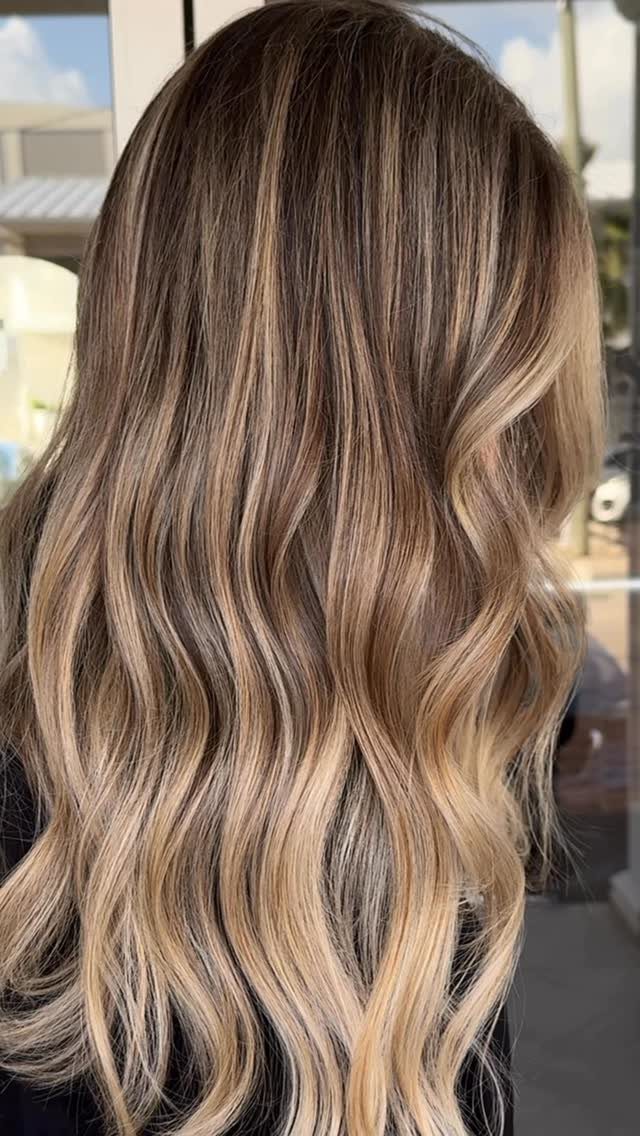
The root area is left darker and blended down into blonde highlights, so regrowth fades in gradually instead of showing a hard line.
The dark root sits close to your natural color, which means you can leave it longer between appointments.
This works well if you want blonde highlights but don’t want to be back in the chair every 6 weeks.
The soft blend at the root means the grow-out looks intentional rather than neglected, so you can stretch appointments longer than you would with traditional highlights.
14. Strawberry Blonde Balayage
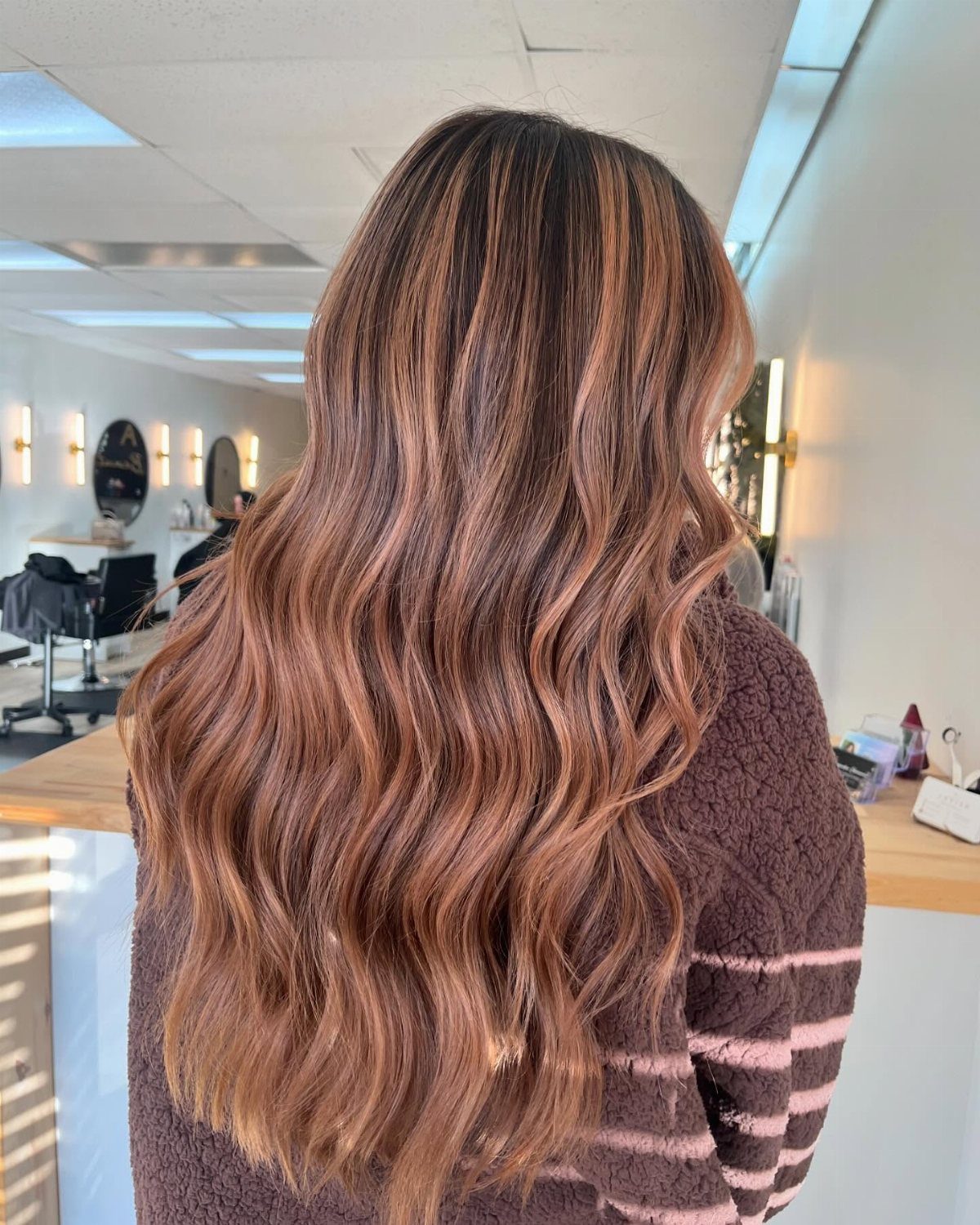
Strawberry tones bring warmth and a hint of copper into brown hair, sitting somewhere between blonde and rose gold.
The strawberry tone suits you if your skin has warm or neutral undertones. It fades softer than cooler blonde shades but can shift more orange over time, so regular toning keeps it looking fresh.
15. Money Piece Highlights
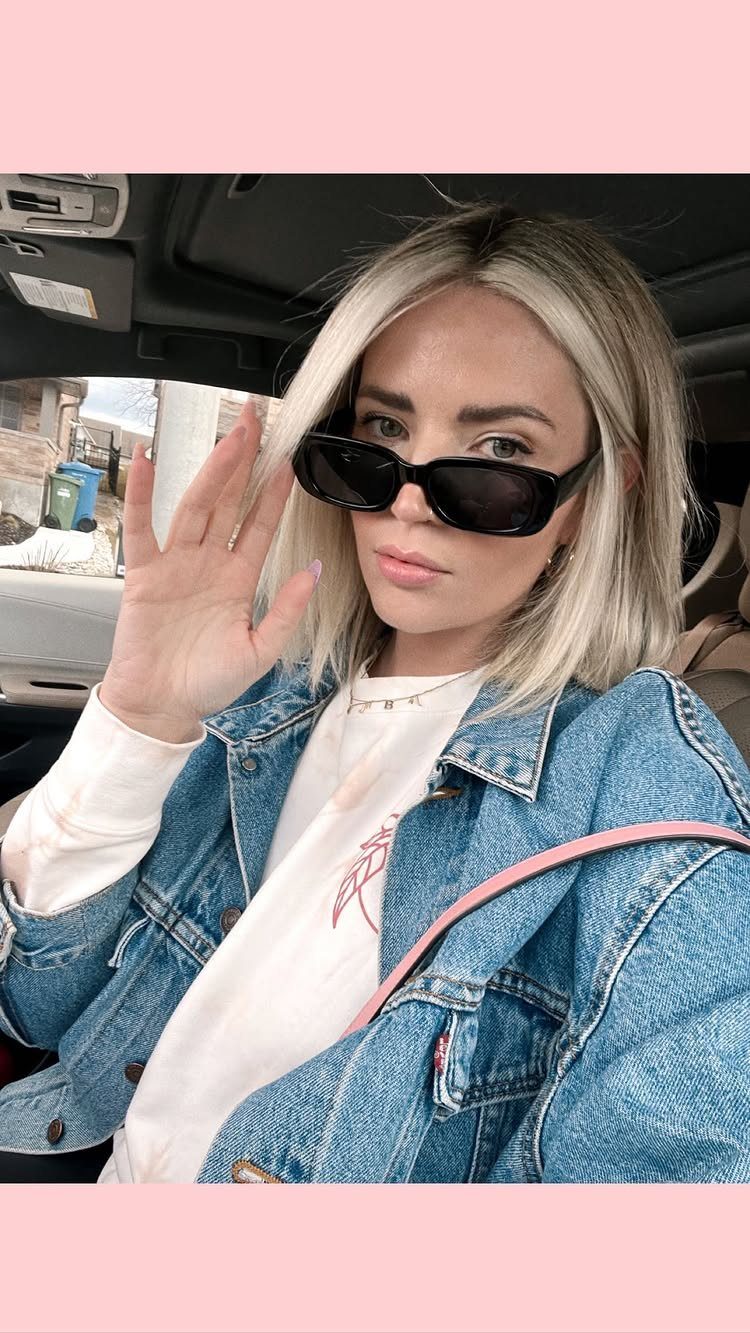
The blonde is concentrated at the front, from the temples down through the pieces that fall around your face.
Money pieces give you the brightness of full highlights without the time or upkeep. The placement takes less than an hour and grows out softer than all-over color since the rest of your hair stays untouched.
Regrowth shows up faster than balayage because the blonde sits closer to the scalp.
16. Heavy Blonde Highlights
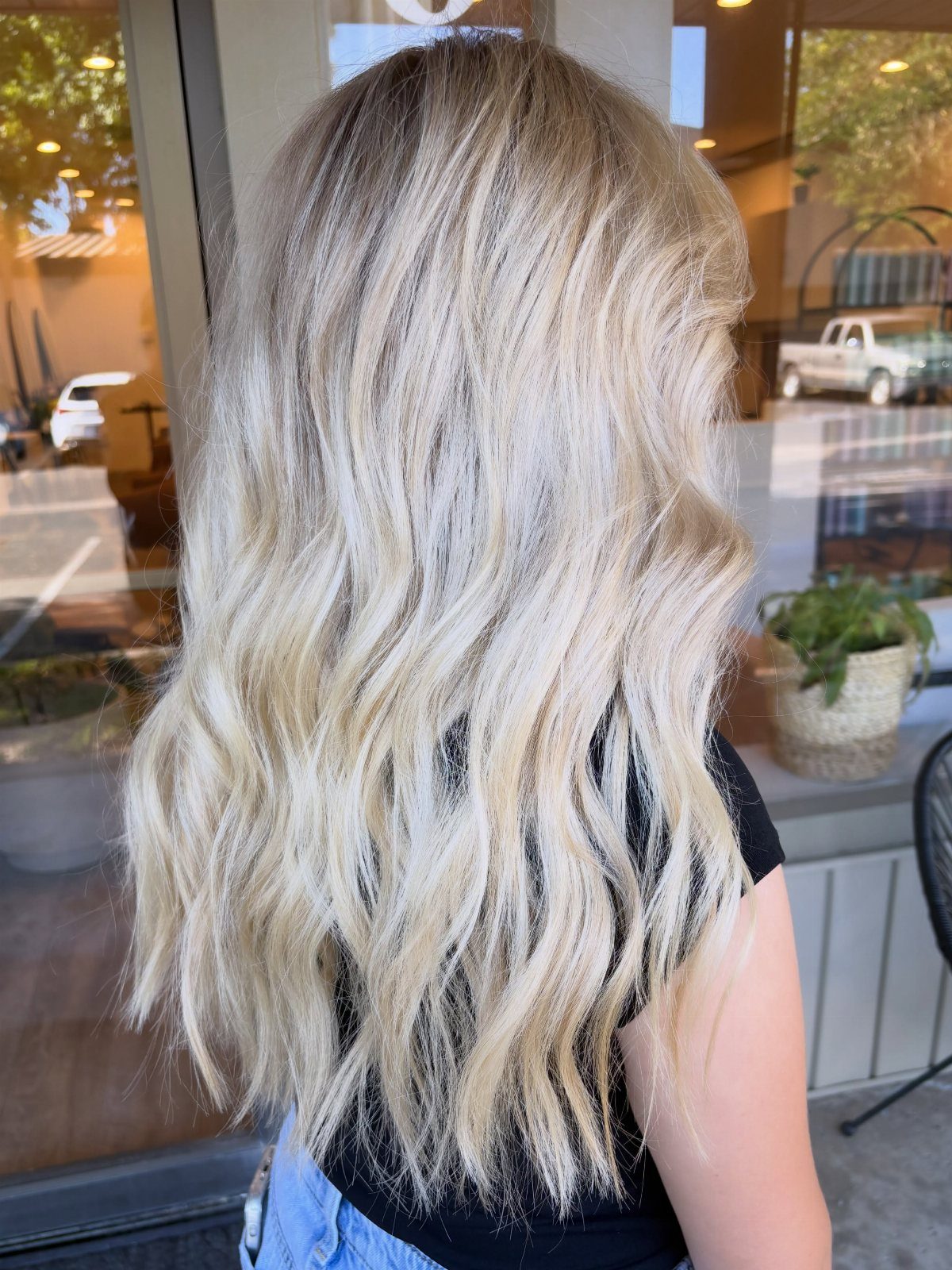
More blonde than brown covers the hair, so the overall color reads light with brown showing through as the base. The highlights are dense enough that the brown becomes the accent rather than the dominant color.
This suits you if you want a nearly-blonde result without going solid platinum. The coverage takes longer than standard highlights since more sections need lifting, so expect a longer salon appointment depending on your length and starting shade.
Roots show clearly once they come through, so maintenance is higher than softer highlight placements. Most people touch up every 6 to 8 weeks to keep the contrast looking intentional.
17. Peekaboo Blonde Sections
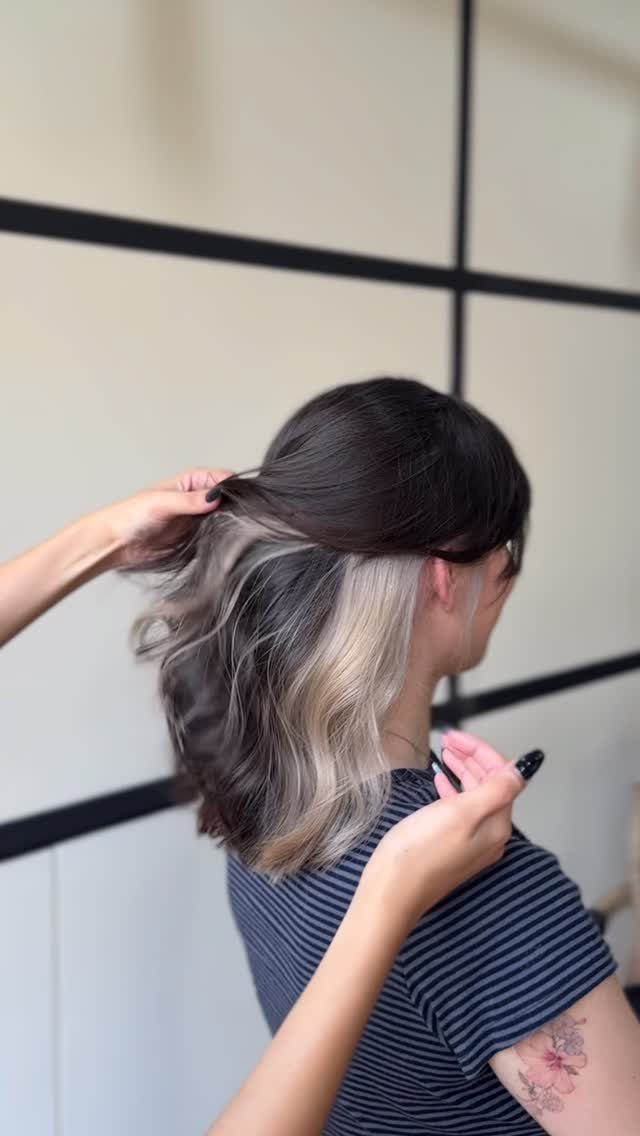
Blonde sits in the underlayers where it only shows when hair moves or is pulled up. The top layers stay brown, so the blonde becomes a hidden detail rather than the focal point.
Peekaboo placement works well if you want color that stays subtle in professional settings but shows up when you style your hair differently. The blonde doesn’t sit near the face, so it grows out without needing frequent root touch-ups.
The contrast is most visible on straight hair or when hair is worn half-up. On wavy or curly hair the sections blend more as the layers move.
18. Vanilla Blonde Highlights
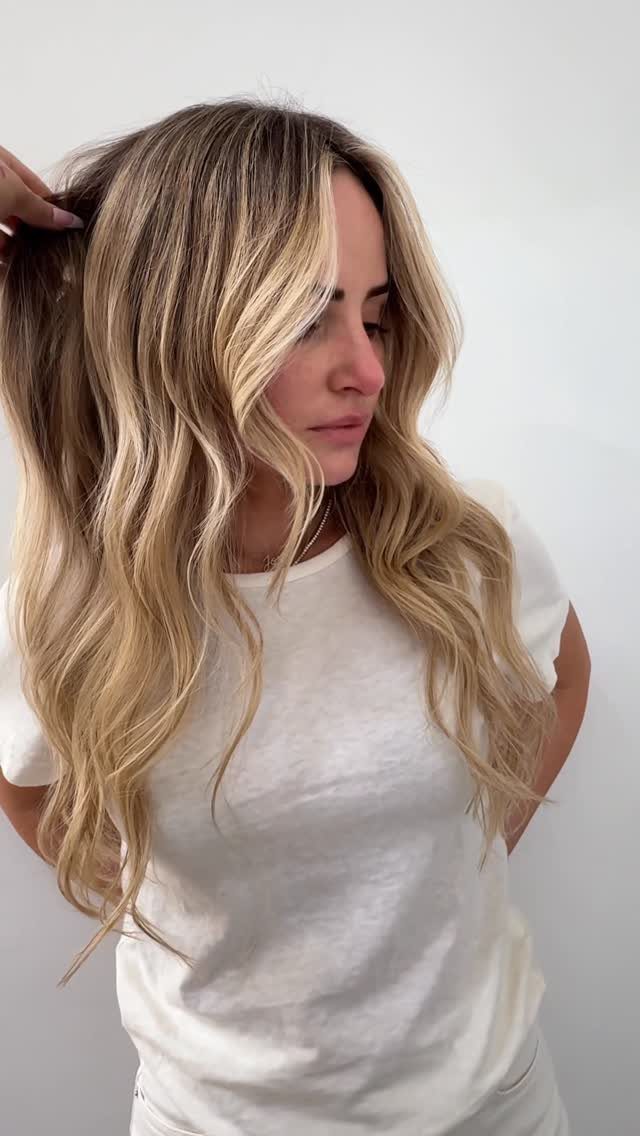
Pale creamy blonde highlights lift dark brown hair with cool tones instead of warmth, creating sharp contrast without going ashy or gray. The vanilla shade sits light enough to read as blonde but stays soft rather than icy.
This works best on dark brown bases where you want noticeable lift. The cool tone can wash out warmer skin tones, so it suits you if your complexion leans neutral or cool.
Vanilla blonde needs regular toning to keep from shifting brassy, since the lift required to reach that pale shade leaves the hair more porous.
When it’s lightened, those warm tones show first, which is why highlights on brown hair can look orange or brassy. A colorist neutralizes them with a toner: blue cancels orange and violet cancels yellow.
19. Champagne Highlights
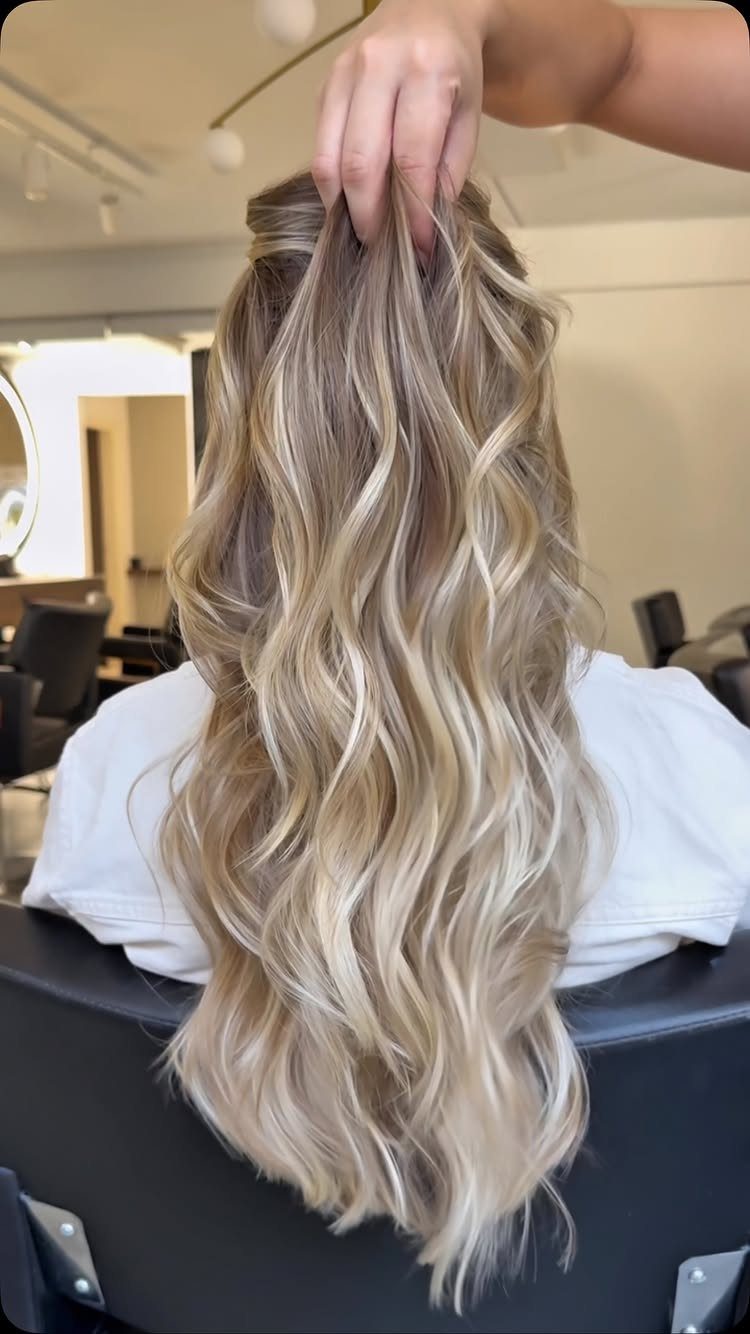
Champagne blonde sits at the pale end of warm-neutral, light enough to create contrast against brown but soft enough that the warmth doesn’t read as gold. The tone works well if you want visible lift without going cool or ashy.
The lightness means the highlights need more lift to reach that shade, so expect a longer processing time if your base is medium to dark brown.
Regrowth shows clearly once it comes through, and the pale tone needs toning every 6 to 8 weeks to keep from shifting brassy.
20. Ash Brown Foilyage Ribbons
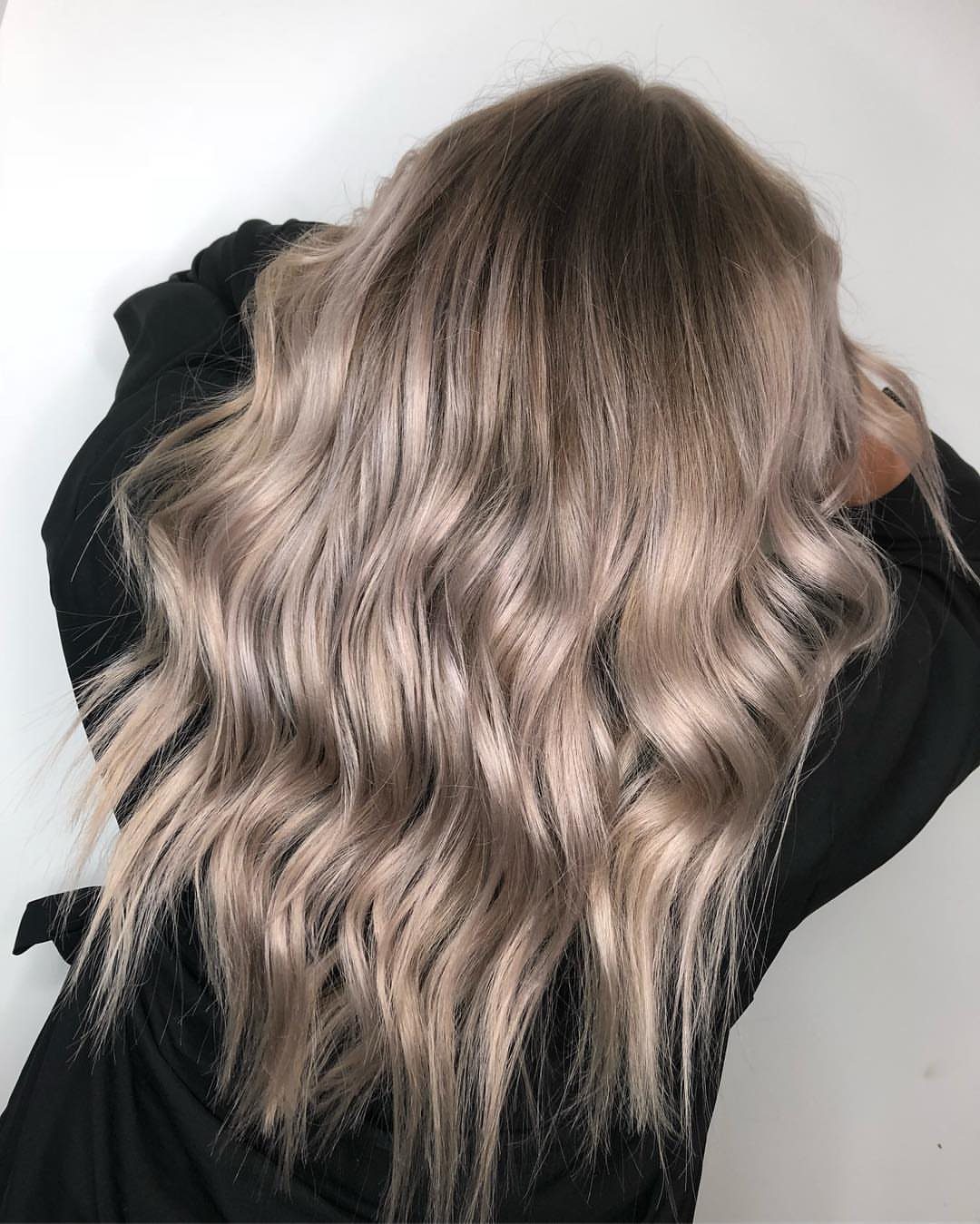
Foilyage starts as painted balayage, then the sections are wrapped in foil to develop with heat. The foil adds lift, so the blonde pieces end up lighter and cooler than they would with balayage alone.
The result is ribbons of cool mushroom blonde through brown, with more contrast than open-air balayage gives.
The technique takes longer since each painted section gets wrapped individually, but the ash tones hold better and fade less brassy than warmer blonde shades.
21. Blonde Highlights on Straight Brown Hair
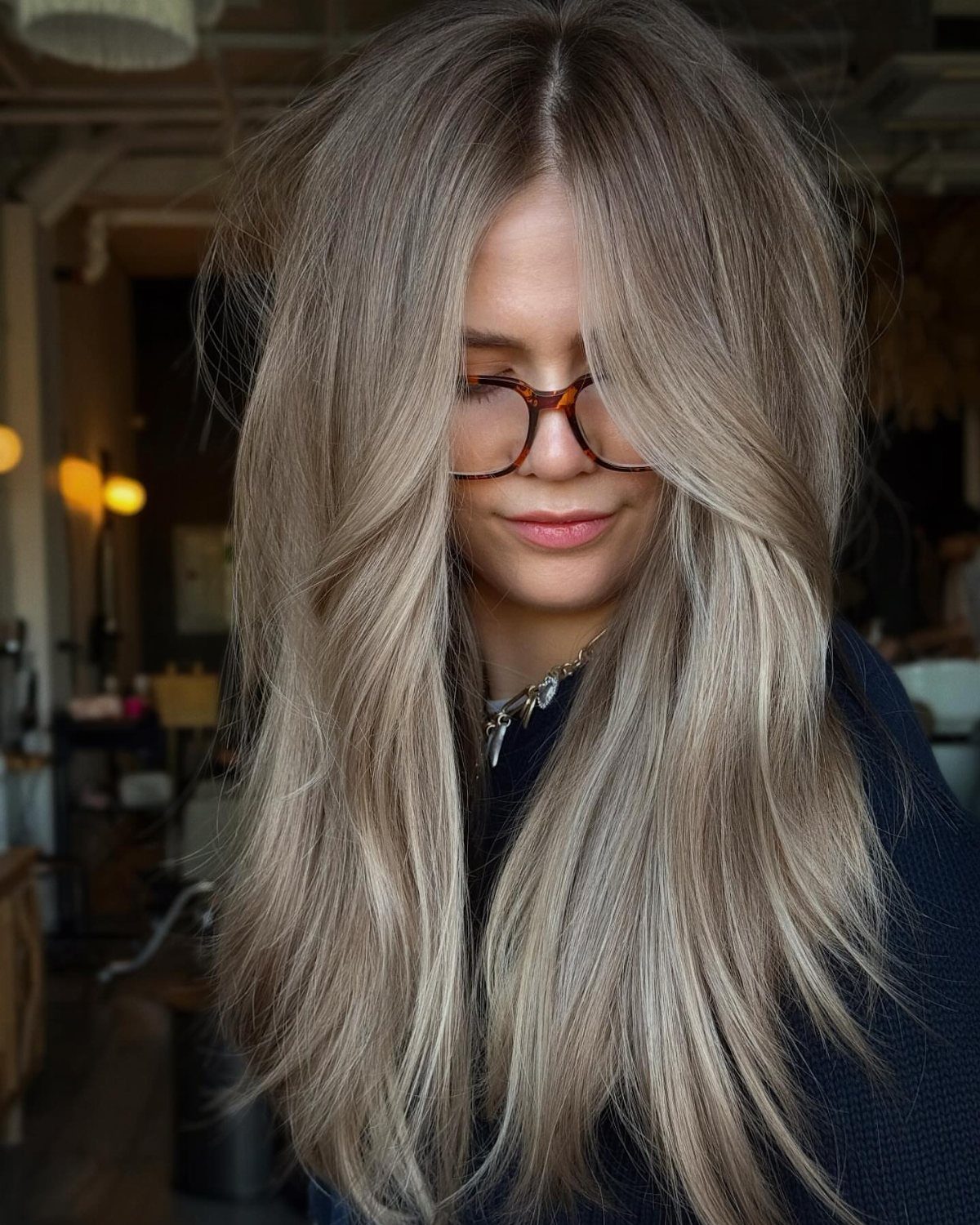
Straight hair shows highlights as clean ribbons rather than blended dimension, so placement matters more.
The sections sit visible from root to end without wave or curl to soften the line, which means the color work reads graphic rather than diffused.
Straight texture suits fine, precise highlights because the smoothness reflects light evenly. Regrowth shows up faster than it does on wavy or curly hair since there’s no texture to break up the line.
22. Herringbone Highlights Blending Early Grays
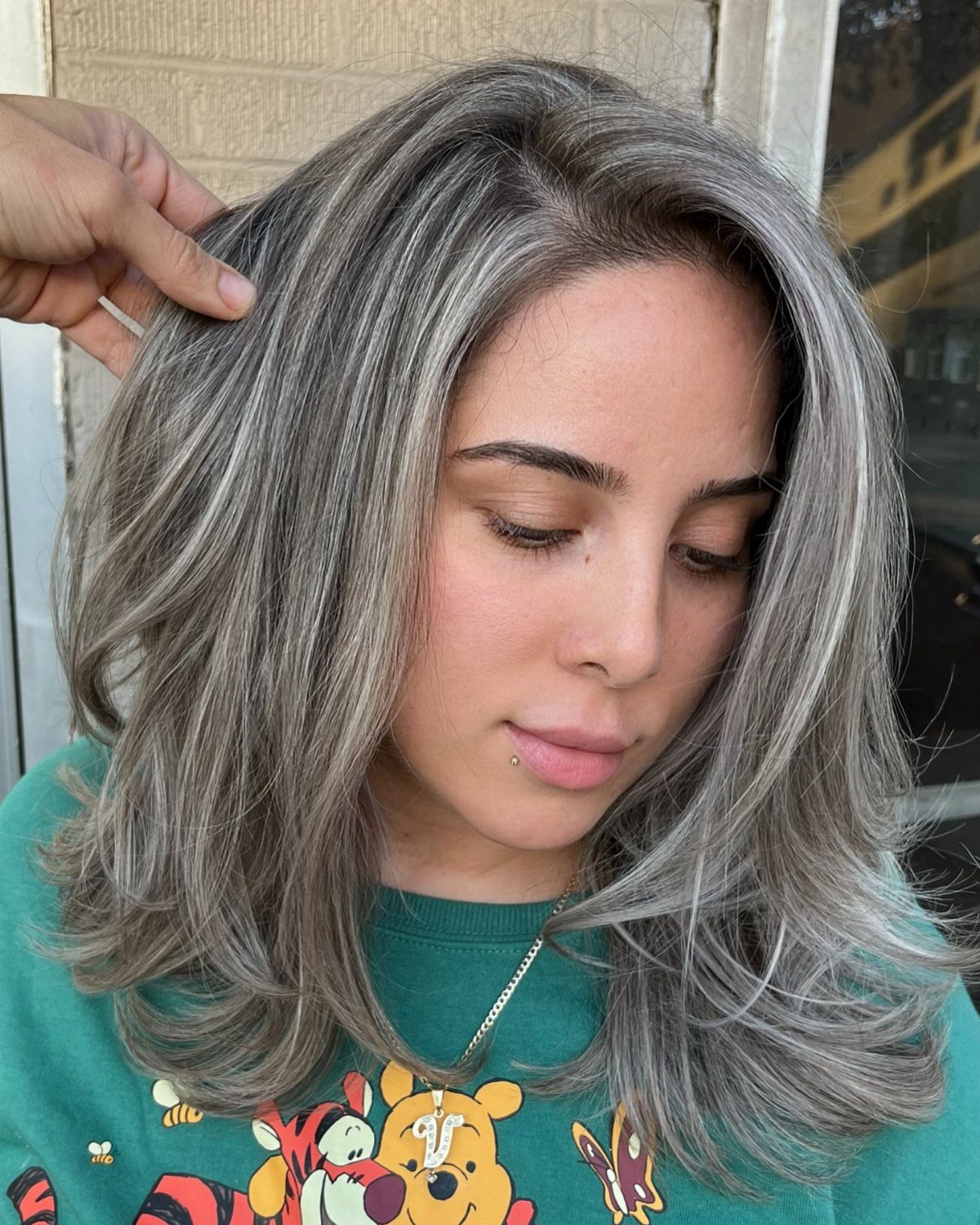
Silver-blonde highlights are woven through brown hair in fine herringbone sections, so the gray strands blend in as part of the overall pattern instead of standing out. The technique mimics natural color variation, which makes early grays look intentional.
Herringbone placement alternates direction as it moves across the head, creating a woven effect that breaks up solid color.
The silver tone sits close to natural gray, so new gray growth reads as part of the highlight rather than as regrowth that needs covering.
23. Blonde Highlights on Wavy Brown Hair
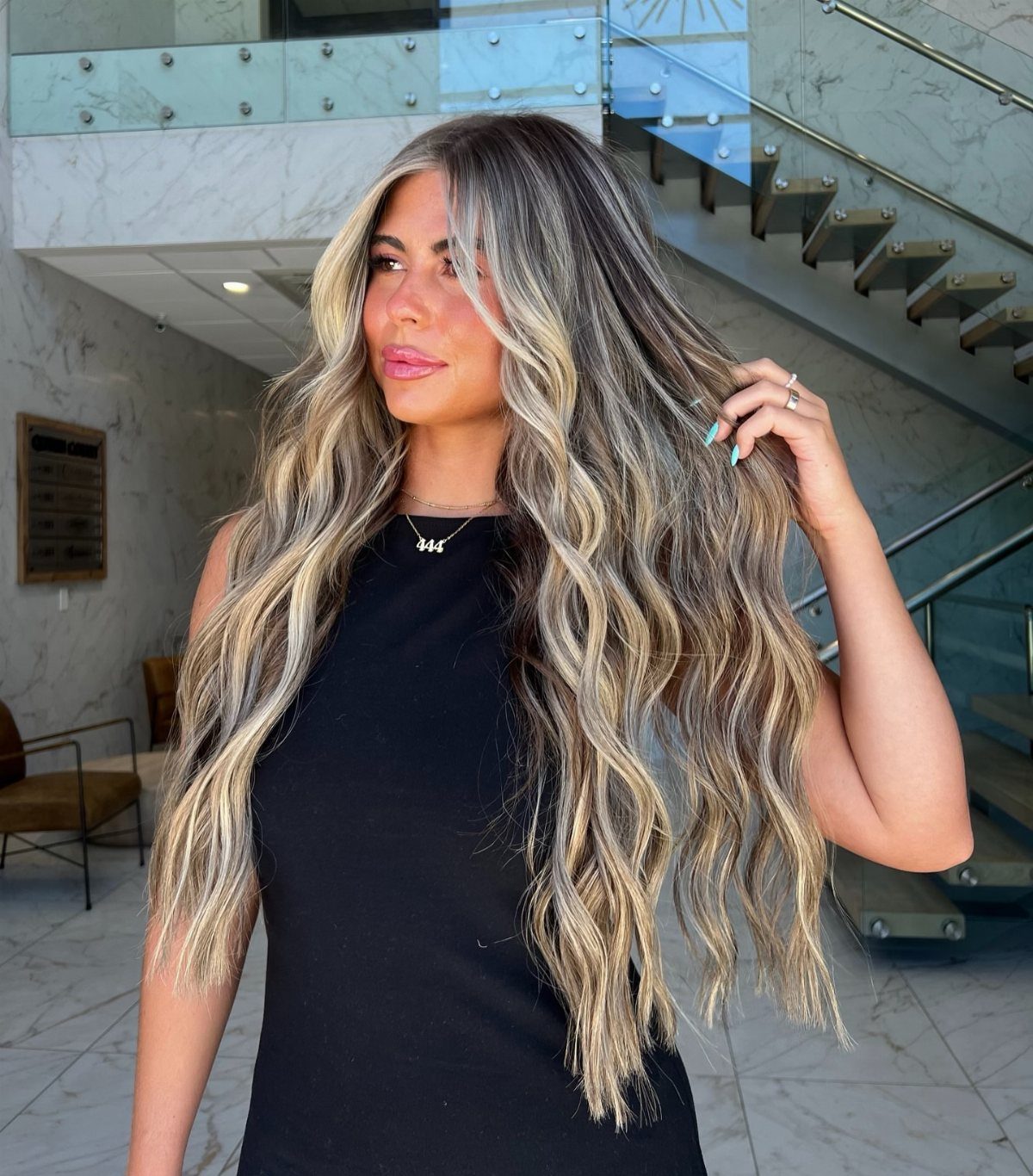
Wavy texture diffuses highlights as the hair moves, so the blonde reads as dimension rather than distinct ribbons. The waves catch light at different angles, which makes the highlights look more scattered and natural than they would on straight hair.
Blonde placement on wavy hair can be softer and less precise because the texture does some of the blending work.
The regrowth line also shows up less sharply than it does on straight hair, so you can stretch appointments longer between touch-ups.
24. Subtle Blonde Highlights for Work
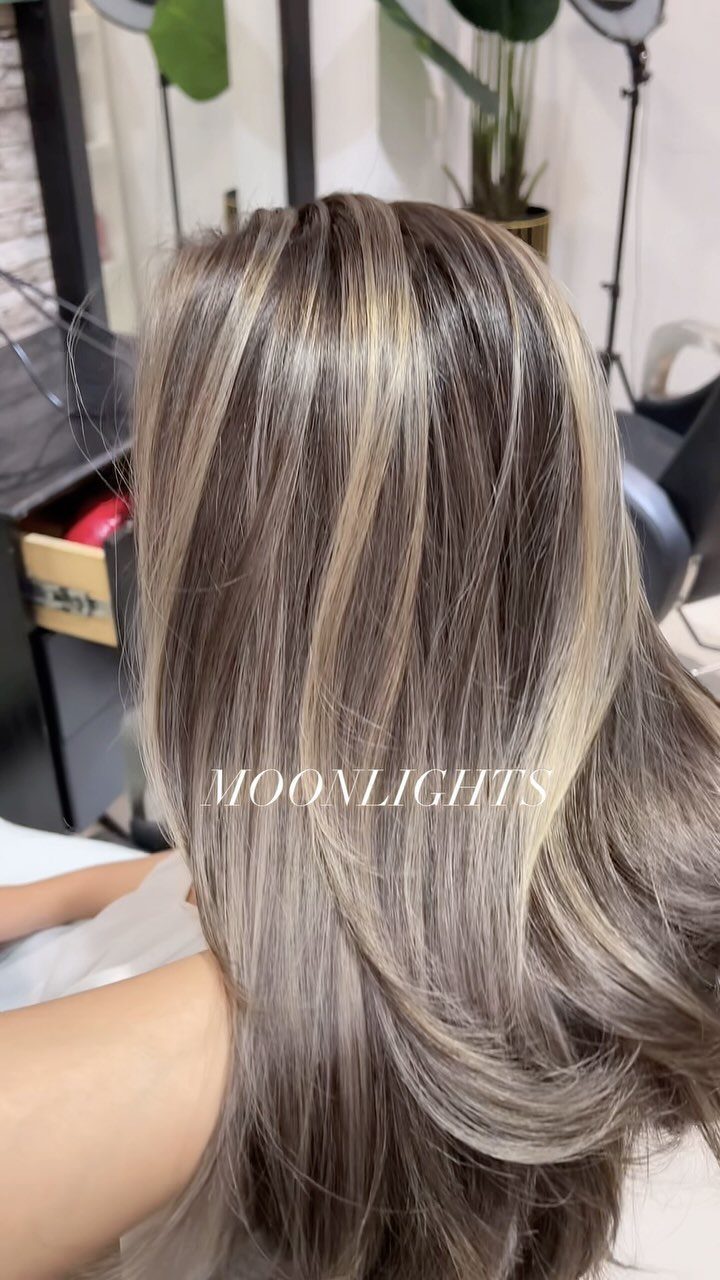
Fine blonde sections are kept sparse and close to the base color, so the result adds dimension without announcing itself. The subtlety suits conservative workplaces where bold color would read as too casual or distracting.
Subtle placement also takes less time to apply than heavy coverage, usually an hour or less depending on length.
Highlight Maintenance and Protection
Wait 48 to 72 hours after your appointment before washing, then switch to sulfate-free shampoo and lukewarm water. The sulfates strip color faster, and hot water opens the cuticle enough to let pigment fade.
Purple shampoo keeps blonde pieces from going brassy, but leave it on for 3 to 5 minutes only. Longer than that and you risk overtoning, which turns highlights dull or gray.
I treat the highlighted pieces to a deep conditioning mask once a week to keep them soft. Bleach leaves hair more porous, so a mask helps it hold moisture and stay soft.
Heat protectant goes on before every blow-dry or flat iron pass. Heat speeds up fading and pushes blonde warmer faster than you’d expect.
Sun and chlorine do the same thing, so a UV spray before you head outside or a swim cap at the pool keeps the tone where you want it.
Frequently Asked Questions
What colors match with light brown hair?
If you’re starting with light brown hair, beige and golden blondes will read as the most natural lift because they’re only a step or two away from your starting point.
Buttery or vanilla blonde creates stronger contrast if you want lift that’s more noticeable, though those lighter tones need more frequent toning to stay fresh.
What hair color looks best with blonde highlights?
Honey and caramel highlights tend to flatter warmer skin, while cooler skin gets more lift from ash or vanilla tones.
If your undertone is neutral, bronde or sandy blonde works well since both sit in that middle zone without leaning too warm or too cool.