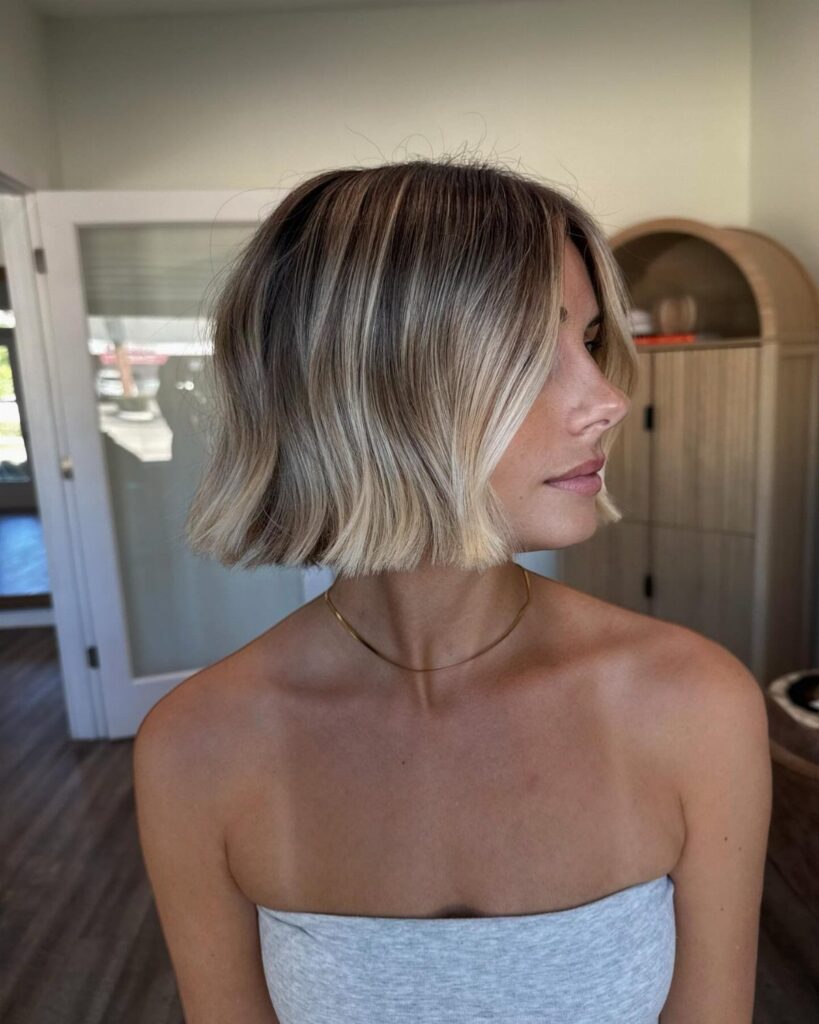
Balayage on short hair can lift your base by a single shade for subtle dimension or take you to platinum with a full lift and tone.
The placement that works depends on your cut: a pixie keeps the lightest pieces near the scalp and through the top, a lob lets the blend sit lower, and face-framing highlights concentrate color where it opens up around your face.
If you want color that grows out without looking like a mistake, dark roots that melt into lighter ends, an ombre-style fade, or subtle ribbons through the mid-lengths all give you months between appointments instead of weeks.
1. Pixie Balayage
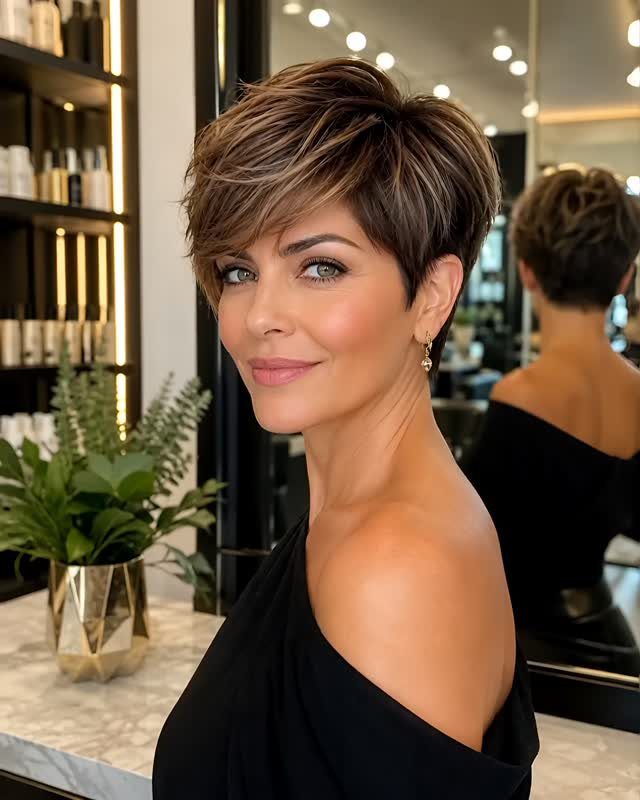
Balayage on a pixie is painted near the scalp and swept through the shortest layers, so you get dimension even when the cut sits tight against your head.
The lighter pieces catch differently as you style it, which keeps a cropped cut from reading flat.
If your pixie has texture or movement on top, balayage brings that out. On a sleeker cut, it adds visual interest and leaves the silhouette alone.
2. Face-Framing Highlights
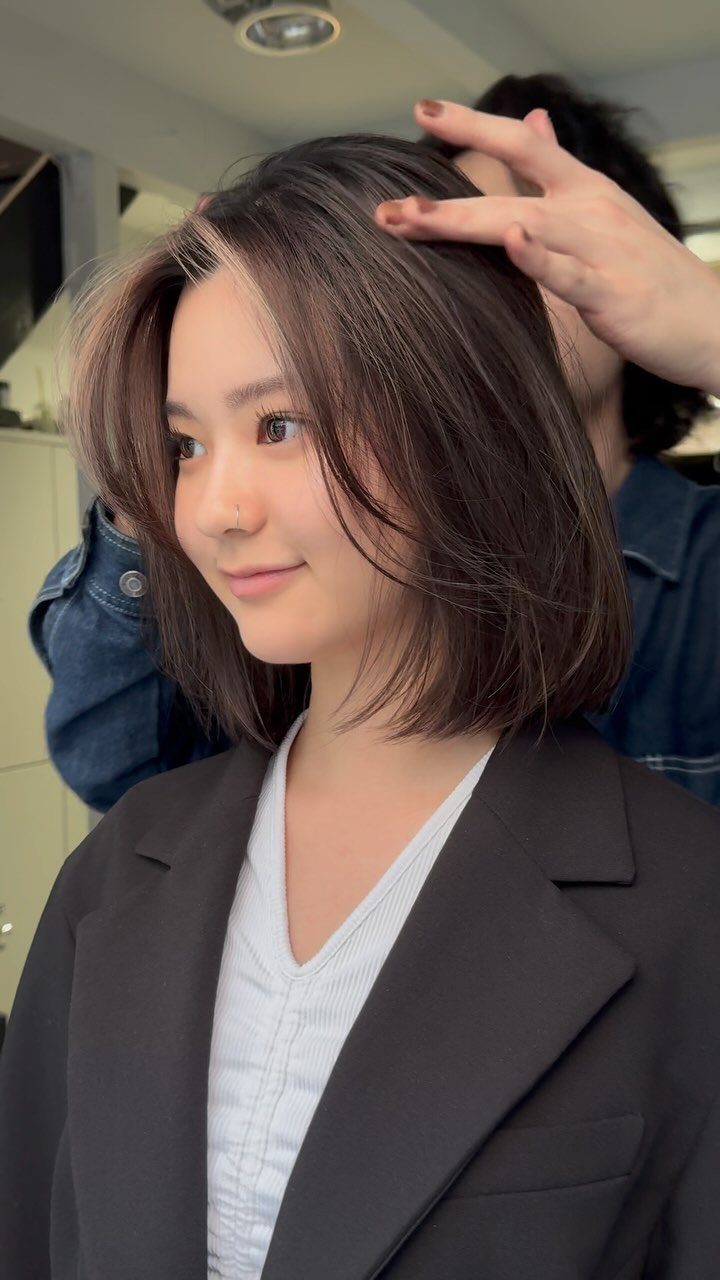
Lighter pieces placed around the hairline lift your complexion and pull the eye toward your cheekbones. The colorist paints finer sections near the temples and jaw, leaving the back darker, so the contrast sits where it matters most.
This works on bobs, lobs and longer pixies.
If your base is dark, even a few shades of lift make a visible difference. The placement grows out softly because it follows your natural frame rather than starting at a visible demarcation.
3. Blonde Balayage
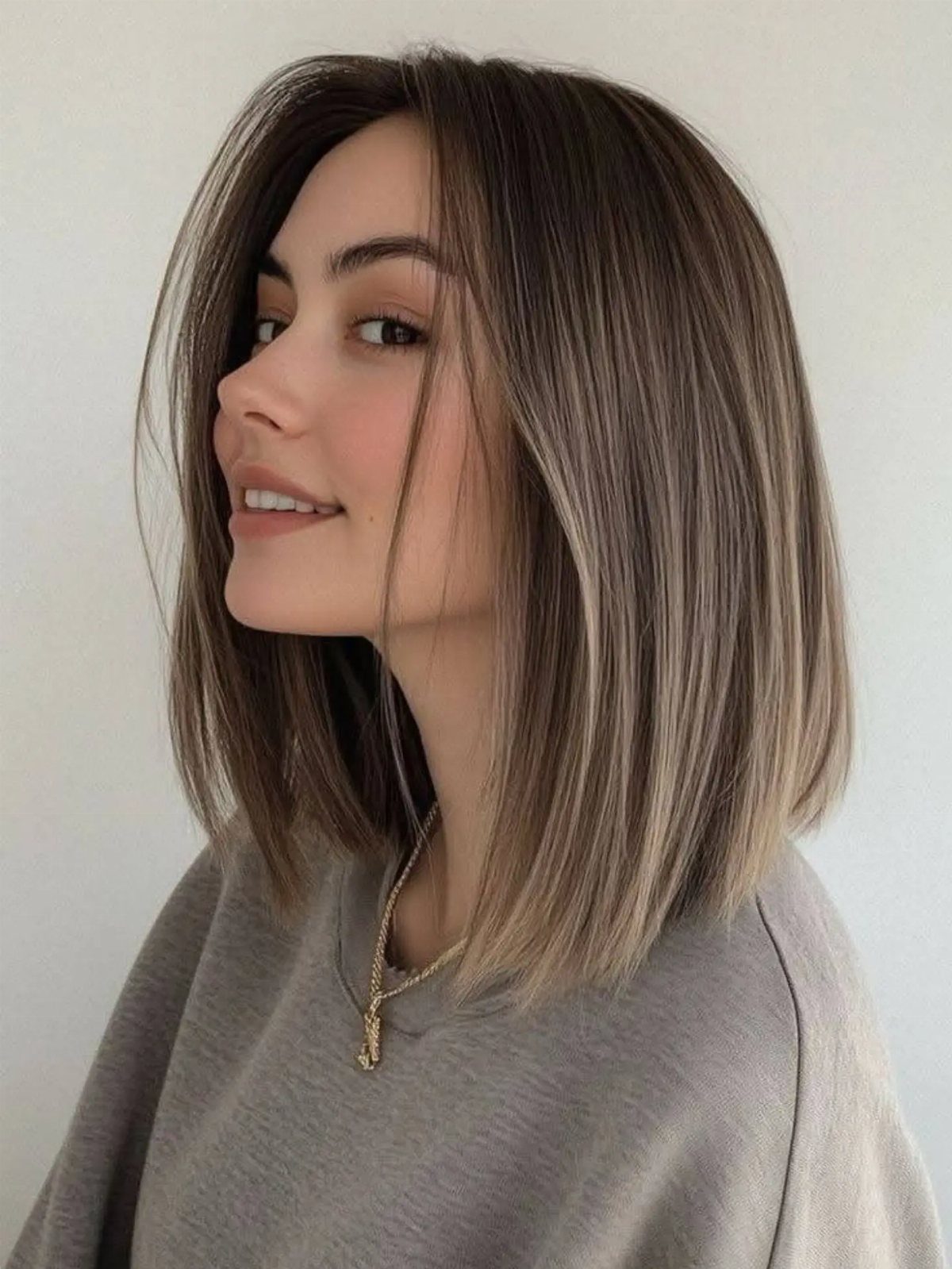
Blonde balayage on short hair means lighter sections painted through a darker base, so you get brightness but keep your roots.
The colorist can focus the lightest pieces around your face or scatter them through the ends for a more lived-in look.
How much lift you get depends on your starting color.
If you’re brunette, expect a few sessions to reach the brightest blonde without damage. Shorter hair shows the blend more clearly, so placement matters.
Toner keeps the blonde cool or warm depending on what suits your skin tone.
A quick Google search for "balayage", and you’ll most likely be served images of those with longer, lighter hair embracing the trend, but it’s important to remember the technique not only works on all hair colours, but textures and lengths too.
4. Lob Balayage
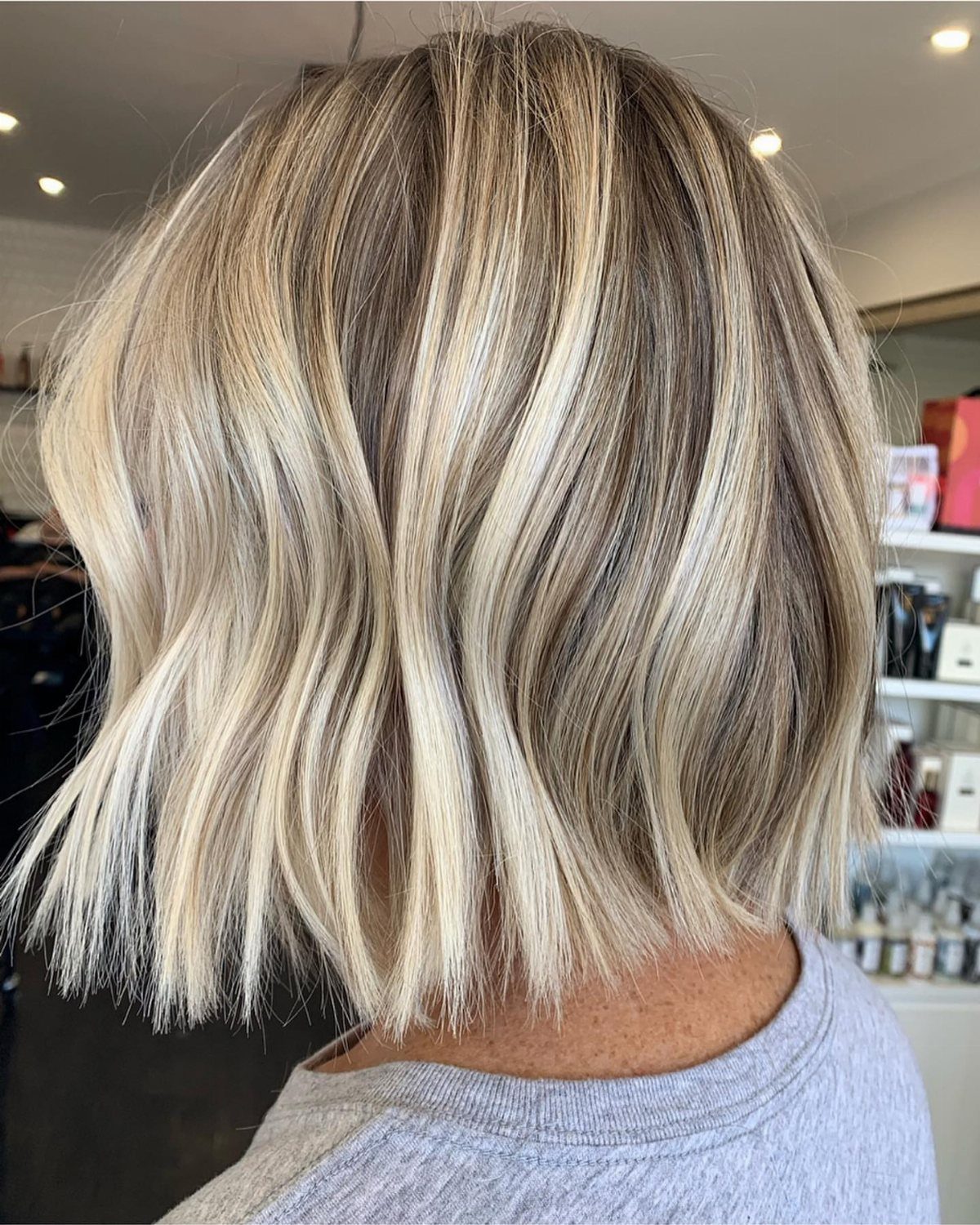
A lob gives the colorist more length to blend with, so the balayage can start higher or lower depending on how much contrast you want.
Lighter pieces can frame your face, concentrate at the ends, or run through the midlengths for a sun-kissed effect.
The extra length also means you can go longer between appointments.
If you’re growing out a shorter cut, a lob with balayage makes the grow-out phase look intentional rather than awkward.
5. Butterscotch Balayage
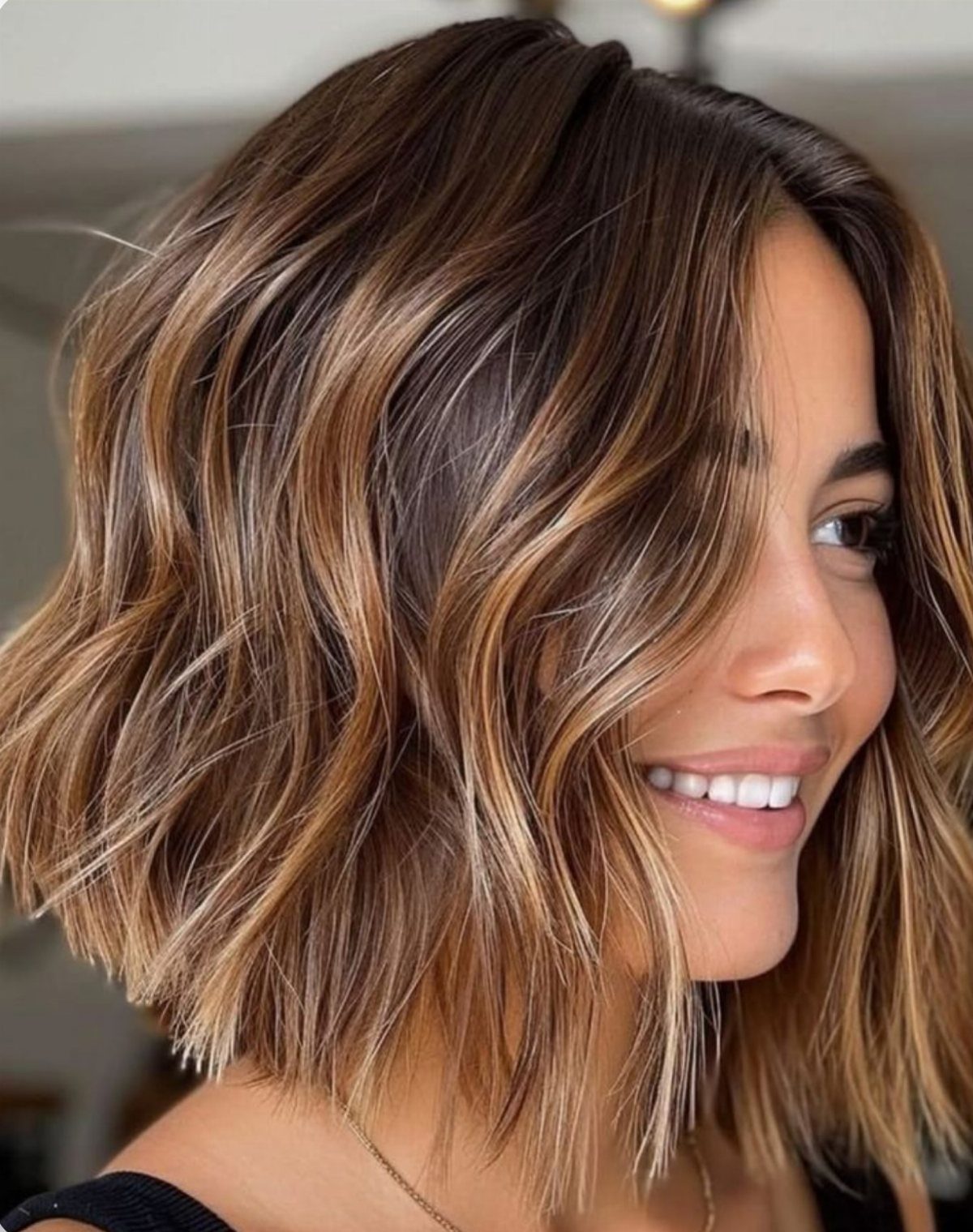
Butterscotch is a warm, golden tone that sits between caramel and honey. It reads as bright without going fully blonde, and it suits warm and neutral skin tones especially well.
The colorist lifts sections around your face and through the top layers, then tones them to that golden finish.
On short hair, butterscotch pieces catch the light every time you move, which adds warmth and dimension without overwhelming a cropped cut.
If your base is dark brown, expect a session or two to reach butterscotch without going brassy.
6. Caramel Balayage
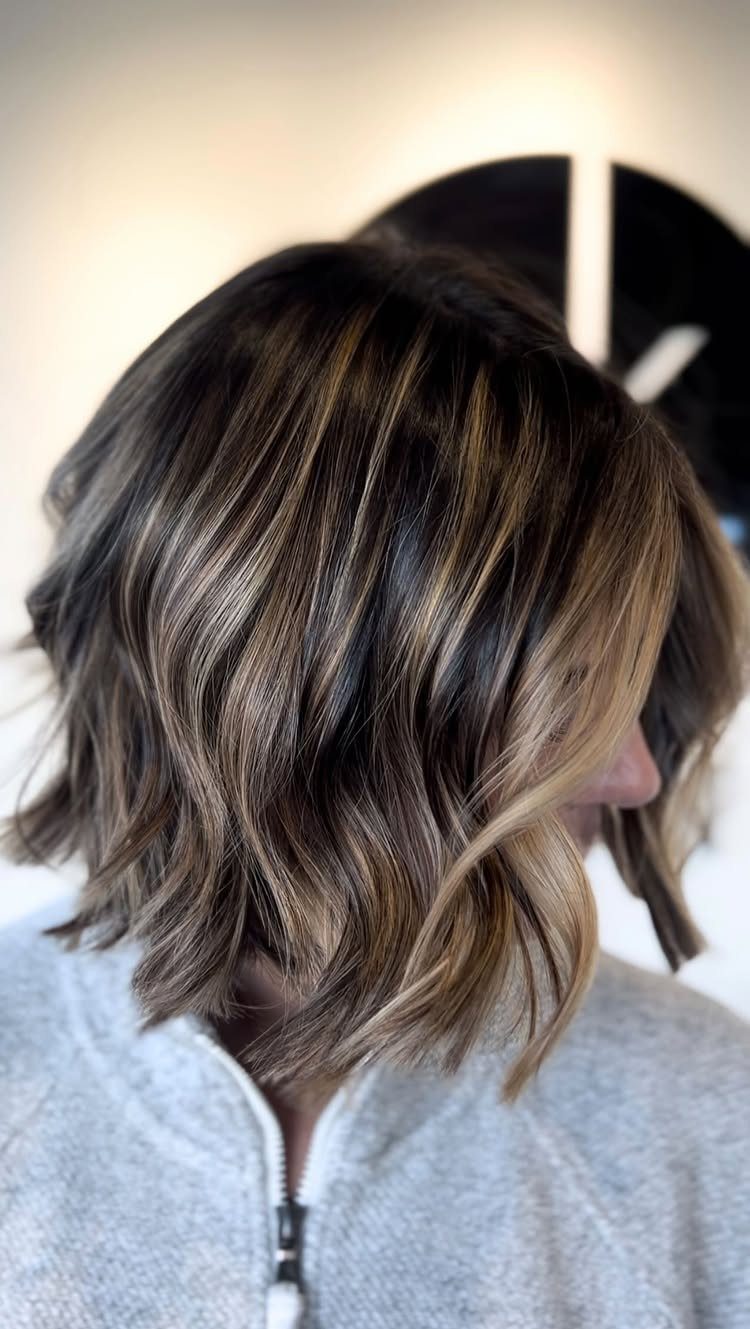
Caramel sits a few shades lighter than most brunette bases, so it gives contrast without the upkeep of blonde. The colorist paints it through the top layers and around your face, leaving the underneath darker for depth.
On short hair, caramel balayage adds warmth and movement, especially if your hair has natural texture or wave. The tone suits medium to warm skin tones and works on base shades from deep brown to lighter brunette.
Between appointments, a purple or blue shampoo once a week prevents any warmth from tipping into orange.
7. Dark Roots, Light Ends
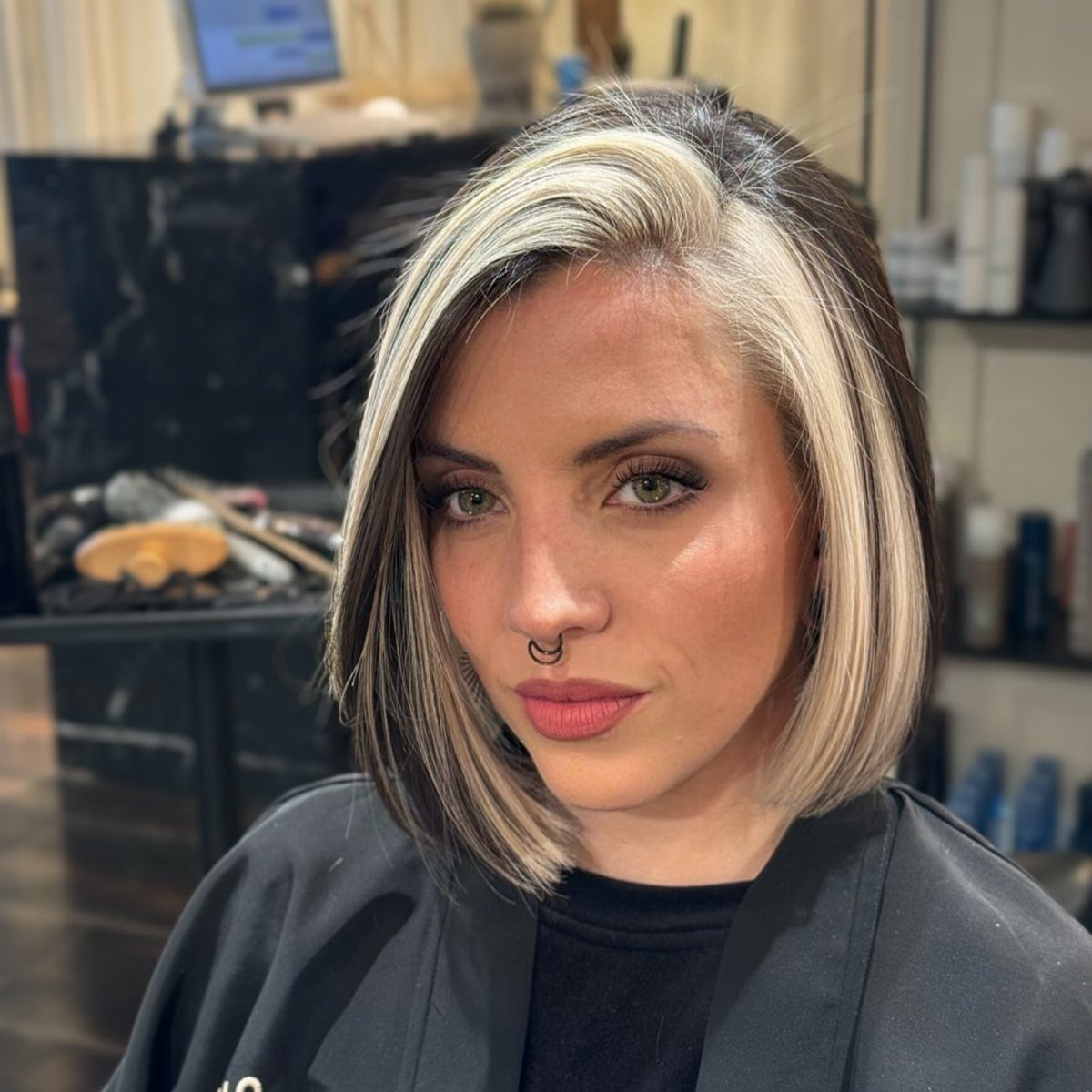
Darker roots melt into lighter ends, so the grow-out looks intentional from the start. The colorist keeps the root zone close to your natural shade and lifts through the midlengths and tips, giving you contrast without a visible line.
On a bob or lob, this means less frequent touch-ups.
The darker base also adds depth, so the lighter ends pop without looking disconnected. If you’re growing out a pixie or want color that works between appointments, this is the low-maintenance route.
8. Subtle Balayage
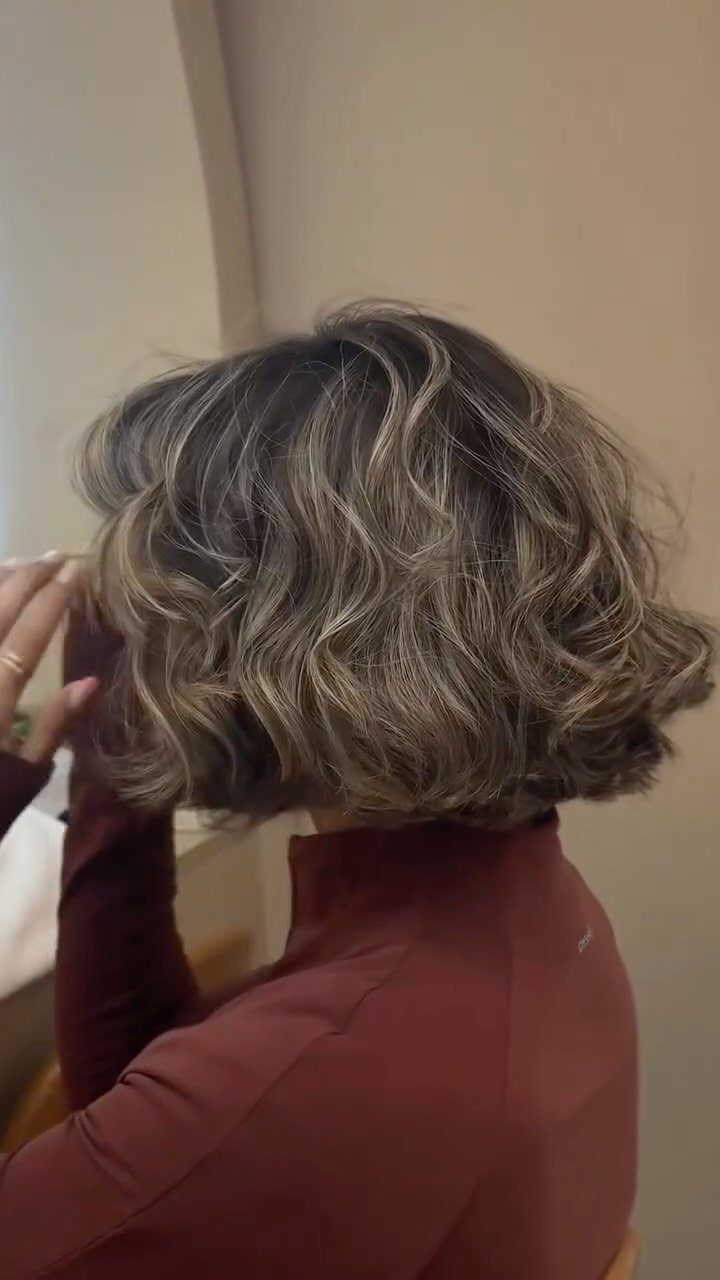
Subtle balayage lifts your base color by just a shade or two, so you get dimension without a dramatic shift.
This suits anyone who wants a change that still reads natural.
On short hair, even a small amount of lift catches the light and adds movement. If you’re not sure how light you want to go, start here.
9. Brunette Mid-Length-to-End Highlights
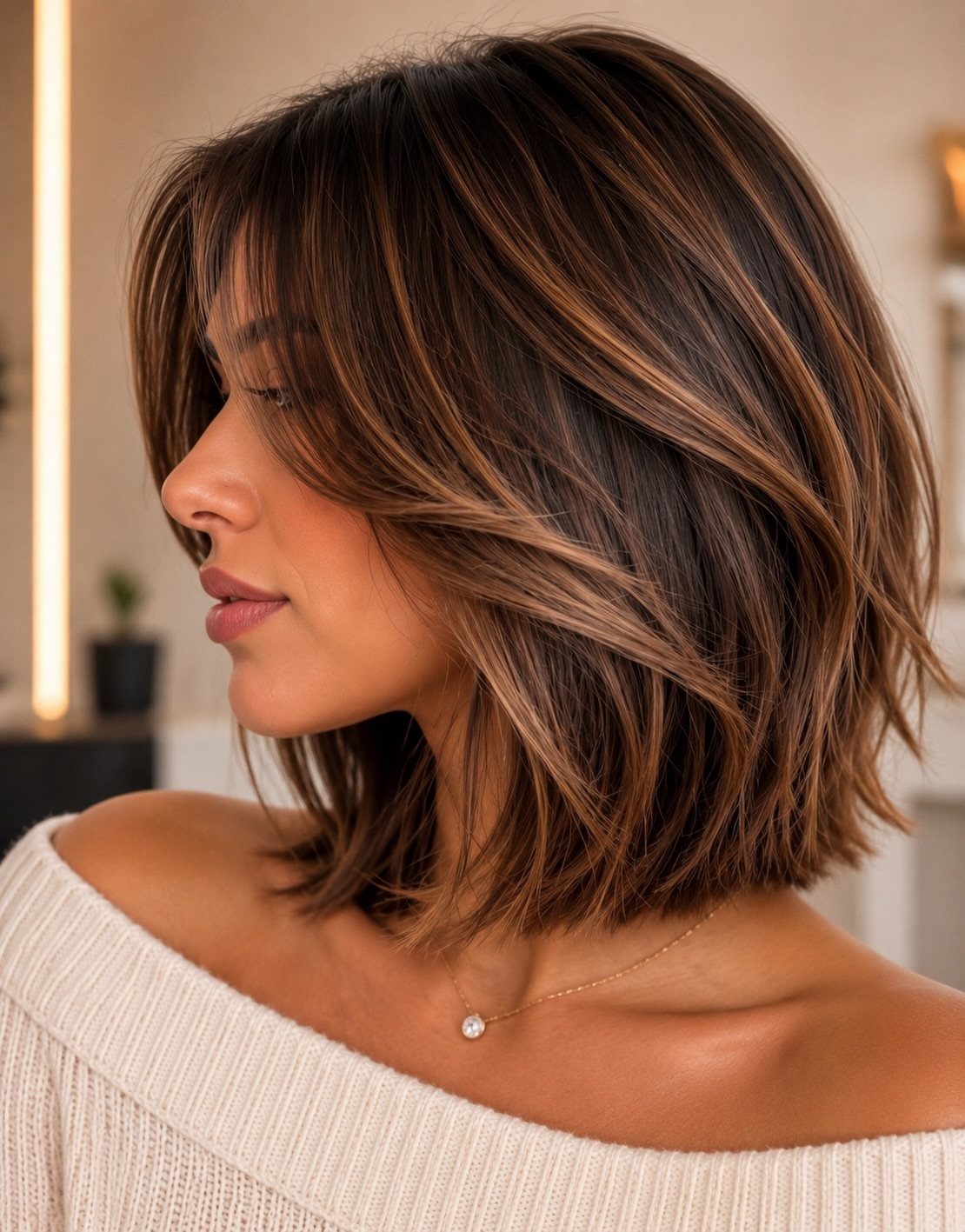
Highlights that start at the midlength and run to the ends add warmth and dimension where your hair moves most. The colorist leaves your roots and the underlayers dark, so you keep depth and the lighter pieces stand out.
On a shoulder-length cut, this placement grows out cleanly.
It works well if you want color that frames your face without committing to a full balayage. The contrast is soft but still visible, especially on brunette hair.
10. Beachy Waves
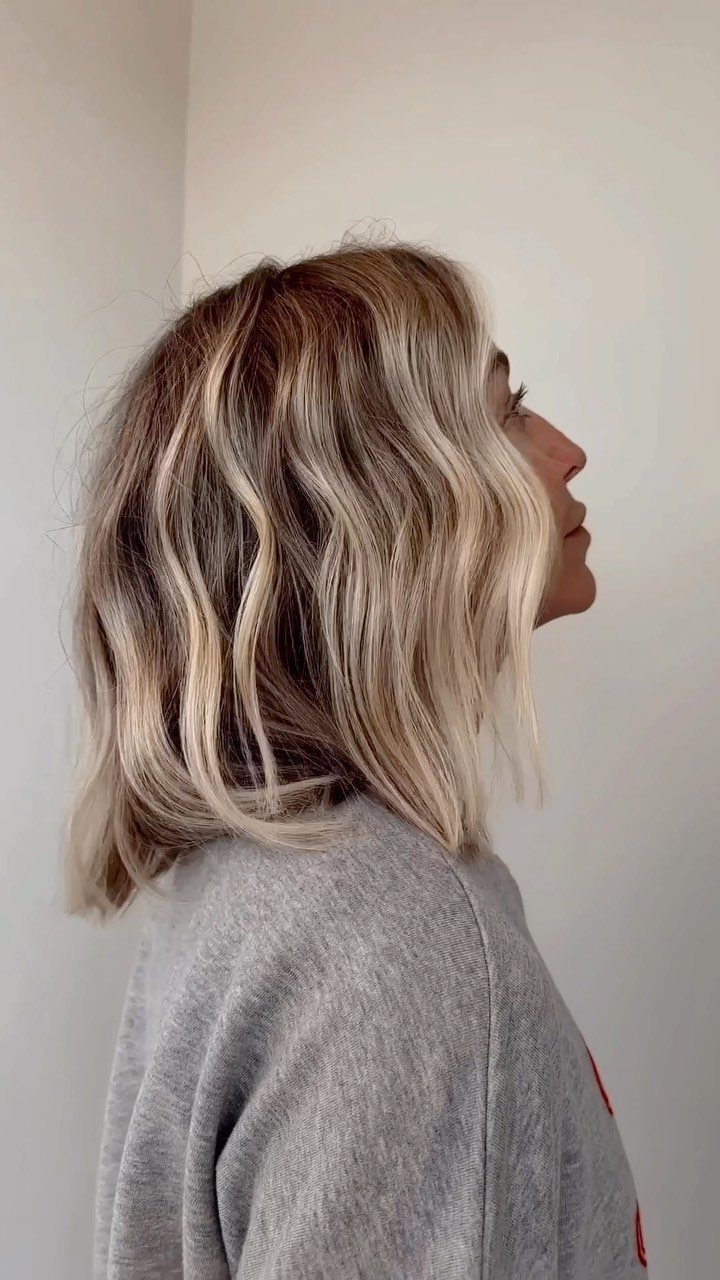
Waves show off balayage better than a straight style because the lighter pieces catch at different angles as your hair moves. Balayage is painted where waves naturally form, so the color and texture work together rather than competing.
If your hair holds a curl, a barrel or wand gives you tousled texture that lasts most of the day. On a bob or lob, waves also add volume and make the color look more lived-in.
11. Chocolate Balayage
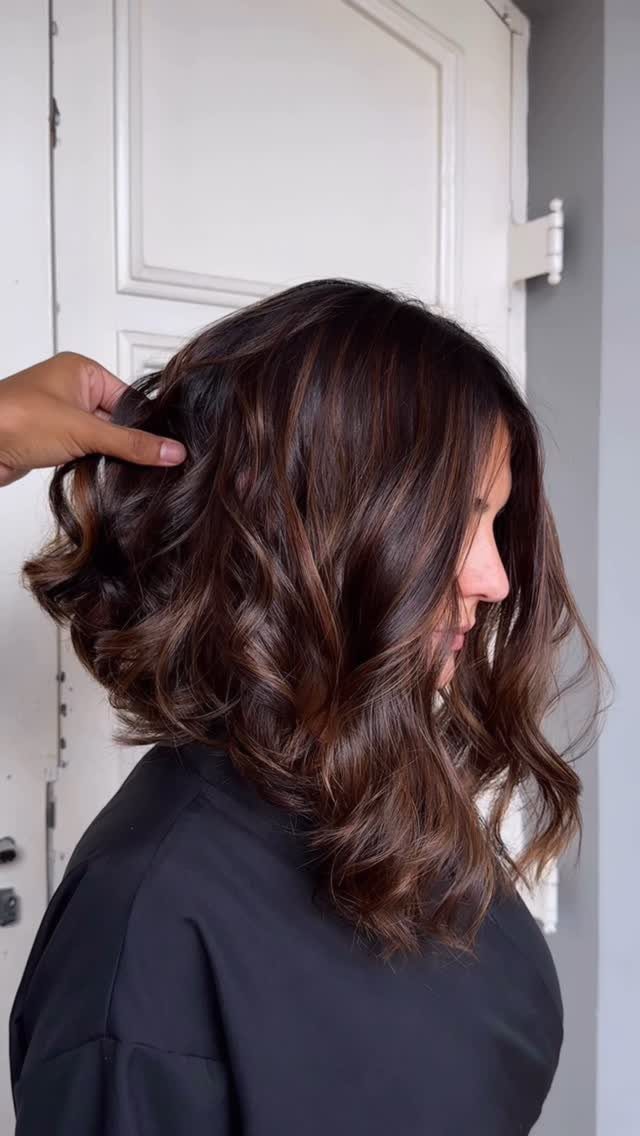
Chocolate balayage keeps your base dark and adds warmth through richer, lighter brown tones rather than going blonde. The colorist lifts sections a few shades, then tones them to a warm brown that suits deep brunettes.
This gives you dimension without high contrast, so the color reads natural and grows out softly. If you want movement in your color but prefer staying brunette, chocolate balayage delivers that without the upkeep blonde requires.
12. Auburn Balayage
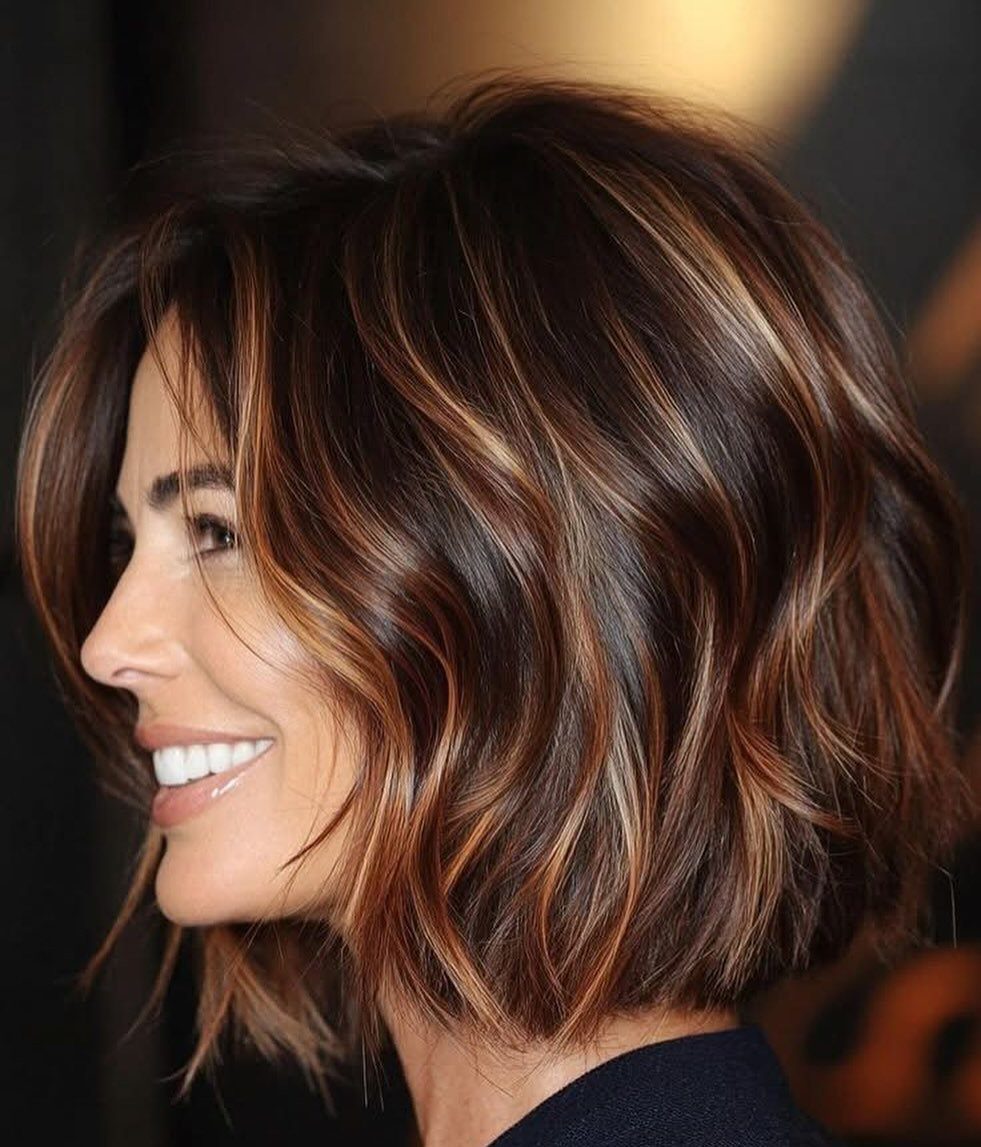
Auburn brings red and copper tones into dark hair, so the balayage reads warm and dimensional in natural light.
On short hair, auburn highlights add richness without going full red.
The tone suits warm skin tones and works especially well on brunettes who want warmth but not blonde. Between appointments, a color-safe shampoo keeps the red from fading too fast.
13. Ombre-Style Balayage
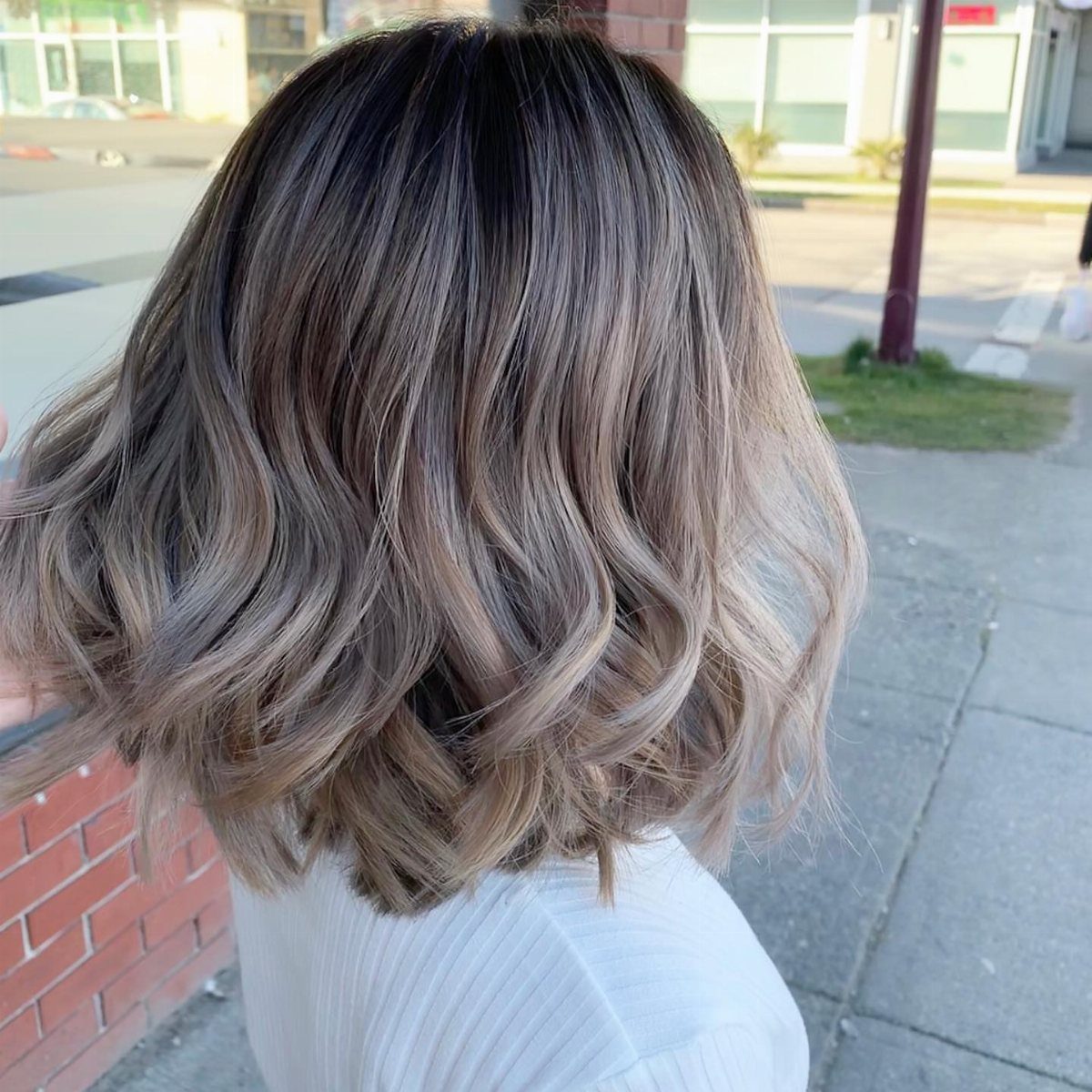
The fade runs darker at the scalp and lifts toward the ends, creating a visible gradient rather than scattered highlights. On short hair, the transition sits close together, so the blend has to be smooth or the line reads obvious.
This grows out more gracefully than a high-contrast balayage because your roots stay dark and the lighter section just moves down as your hair grows.
If you want color that doesn’t need retouching every few weeks, the ombre approach gives you that.
14. Brown Balayage
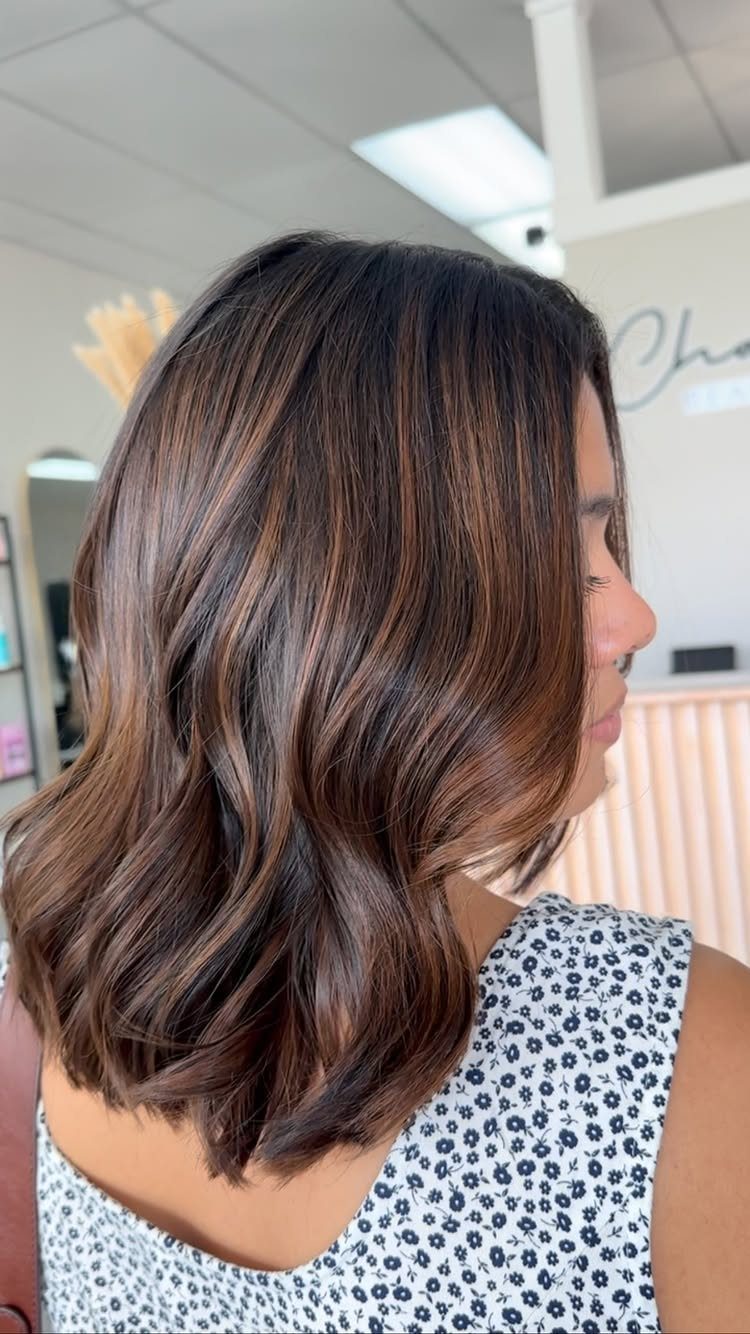
Lighter brown sections painted through a brown base give you dimension without leaving brunette.
The lift is subtle, sometimes just two or three shades, so the color reads natural and the difference shows mostly in sunlight or when your hair moves.
On short hair, brown balayage adds warmth and depth without the upkeep blonde requires. If you want a change that still feels like your own color, this is the gentlest shift.
15. Two-Toned Balayage
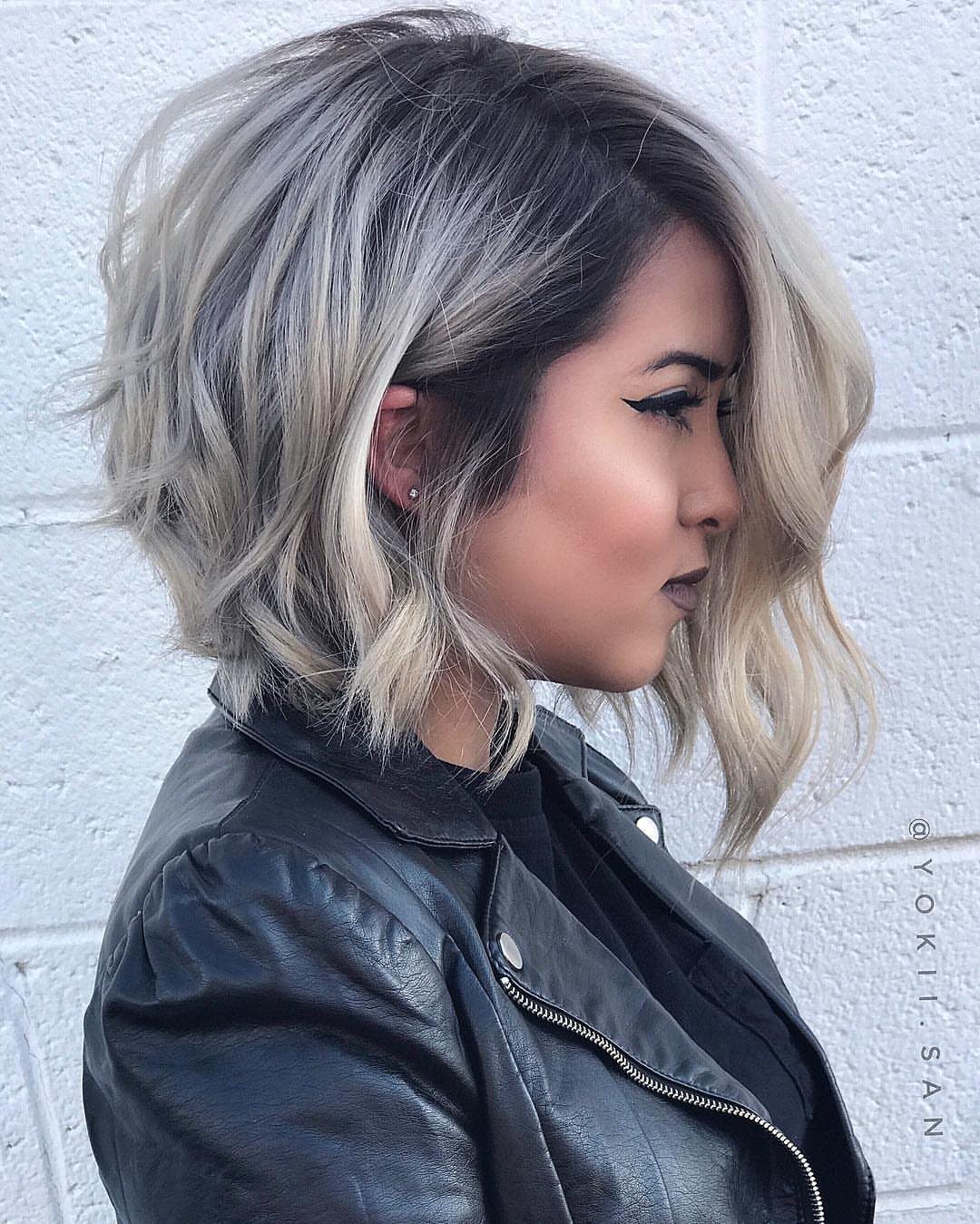
The colorist keeps your roots dark and lifts the ends to a cooler blonde or silver, creating 2 distinct zones that melt together at the midlength.
The blend means your regrowth doesn’t look like a mistake; it looks like part of the design.
On a bob, the two-tone effect is visible from the front and side, so you get impact without needing a lot of length. This suits anyone who wants contrast but doesn’t want to commit to constant root touch-ups.
16. Silver Balayage
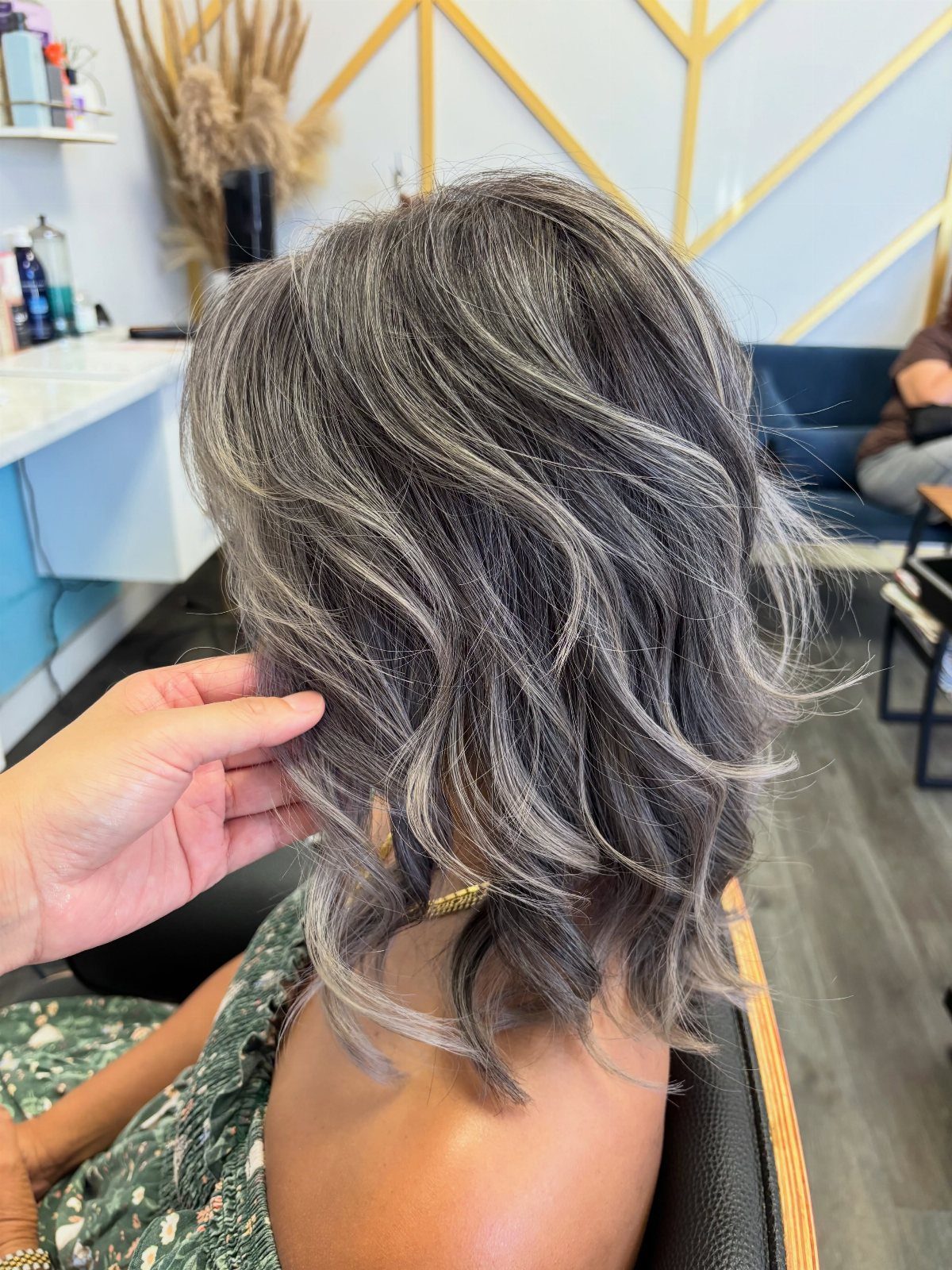
Silver balayage lifts sections to a cool, metallic finish that sits somewhere between platinum and grey.
The colorist has to lift your base pale enough for the silver toner to take, which usually means more than one session if you’re starting from dark hair.
A silver conditioner between appointments keeps the tone from slipping warm or brassy. On short hair, silver pieces catch light sharply, so the color reads high-contrast and deliberate rather than sun-kissed.
17. Peaches and Cream Hair
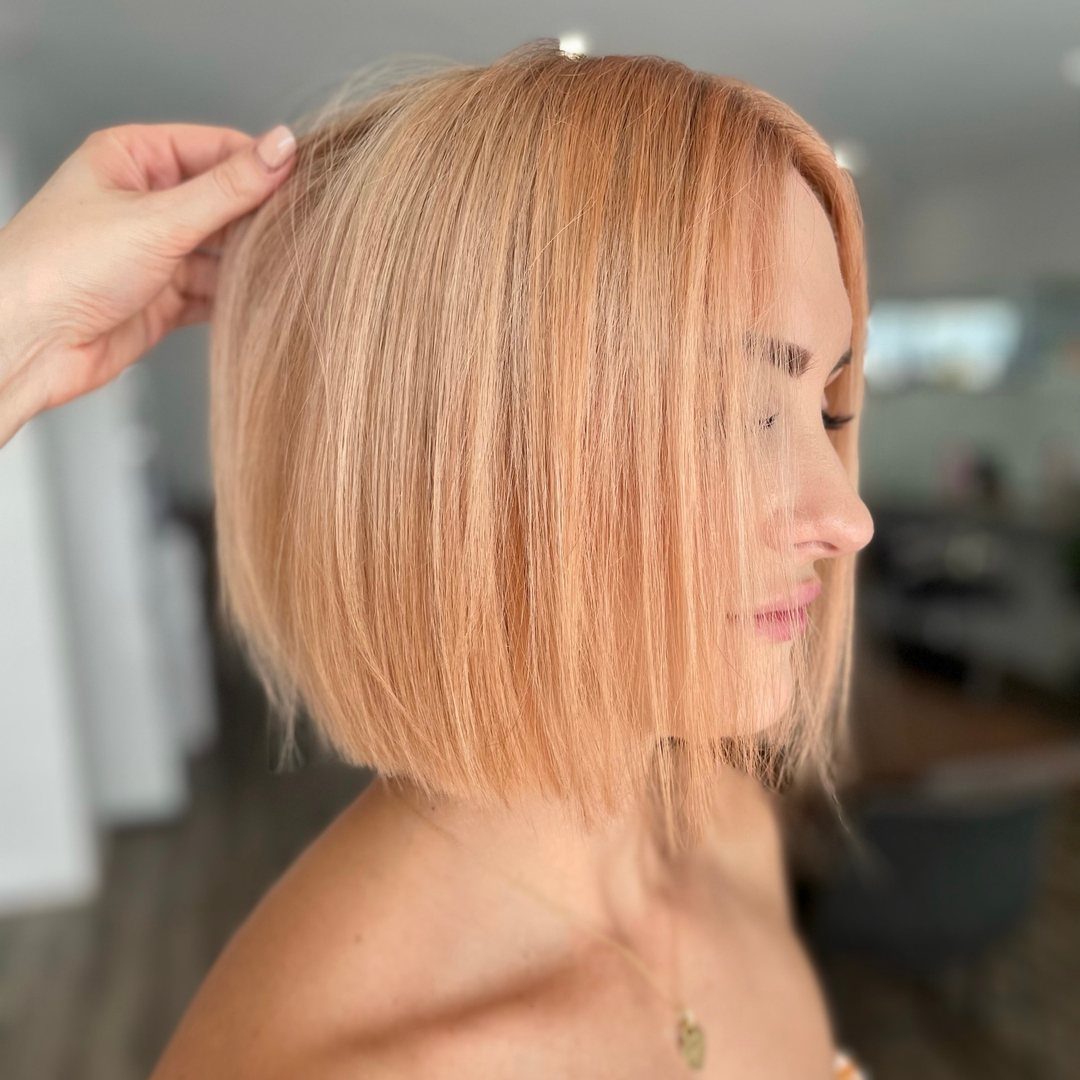
Peach tones mixed into blonde give you warmth without going orange.
On a bob, the color shows best in natural light.
It suits fair to medium skin tones and works if you want something brighter than caramel but softer than full pink. The tone fades faster than standard blonde, so expect to refresh the toner every few weeks.
18. Blonde Hair with Lowlights
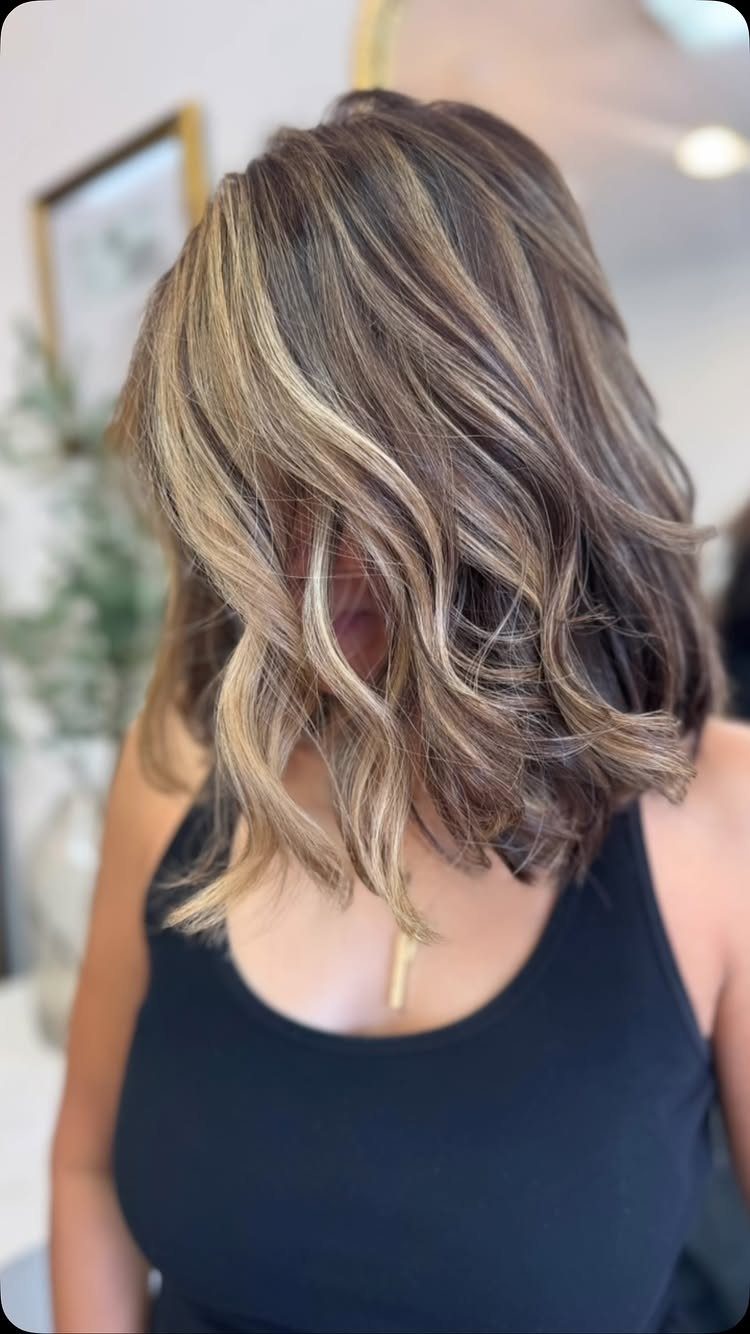
Lowlights are darker strands painted into blonde hair, so you get depth and contrast instead of flat, all-over lightness. The colorist weaves them through the underlayers and around the face, which keeps blonde from looking one-dimensional.
On short hair, lowlights add texture and make the blonde look more natural. If your blonde feels too bright or washes you out, lowlights bring it back down without covering the lighter pieces entirely.
19. Pink Balayage
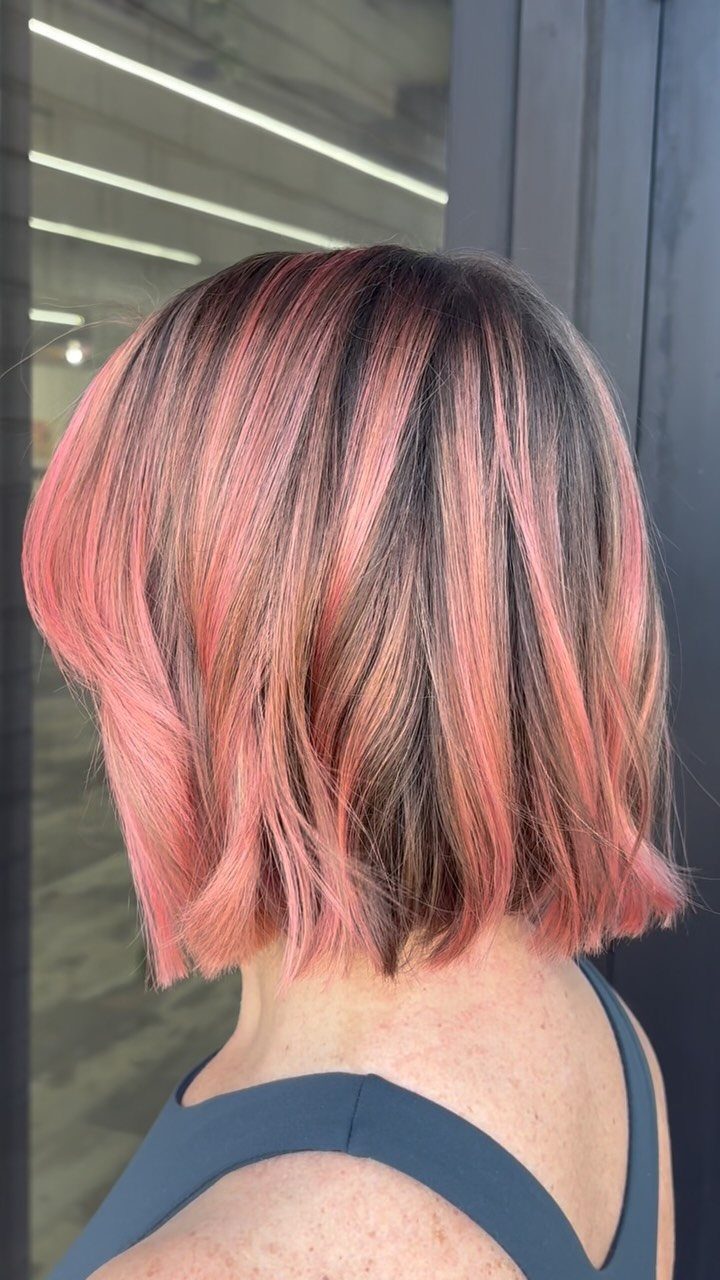
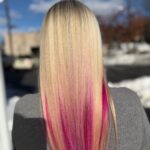
Pink pieces painted through the ends turn a short bob into something that reads playful without coloring your whole head. The colorist lifts sections to pale blonde first, then tones them pink, so the vibrancy actually holds.
On dark hair, the contrast is sharp and visible from every angle. The color fades faster than standard blonde, usually within four to six weeks, so plan on refreshing the toner or letting it soften into a pastel.
If you want color that feels deliberate rather than natural, pink delivers that.
20. Bits of Bronze
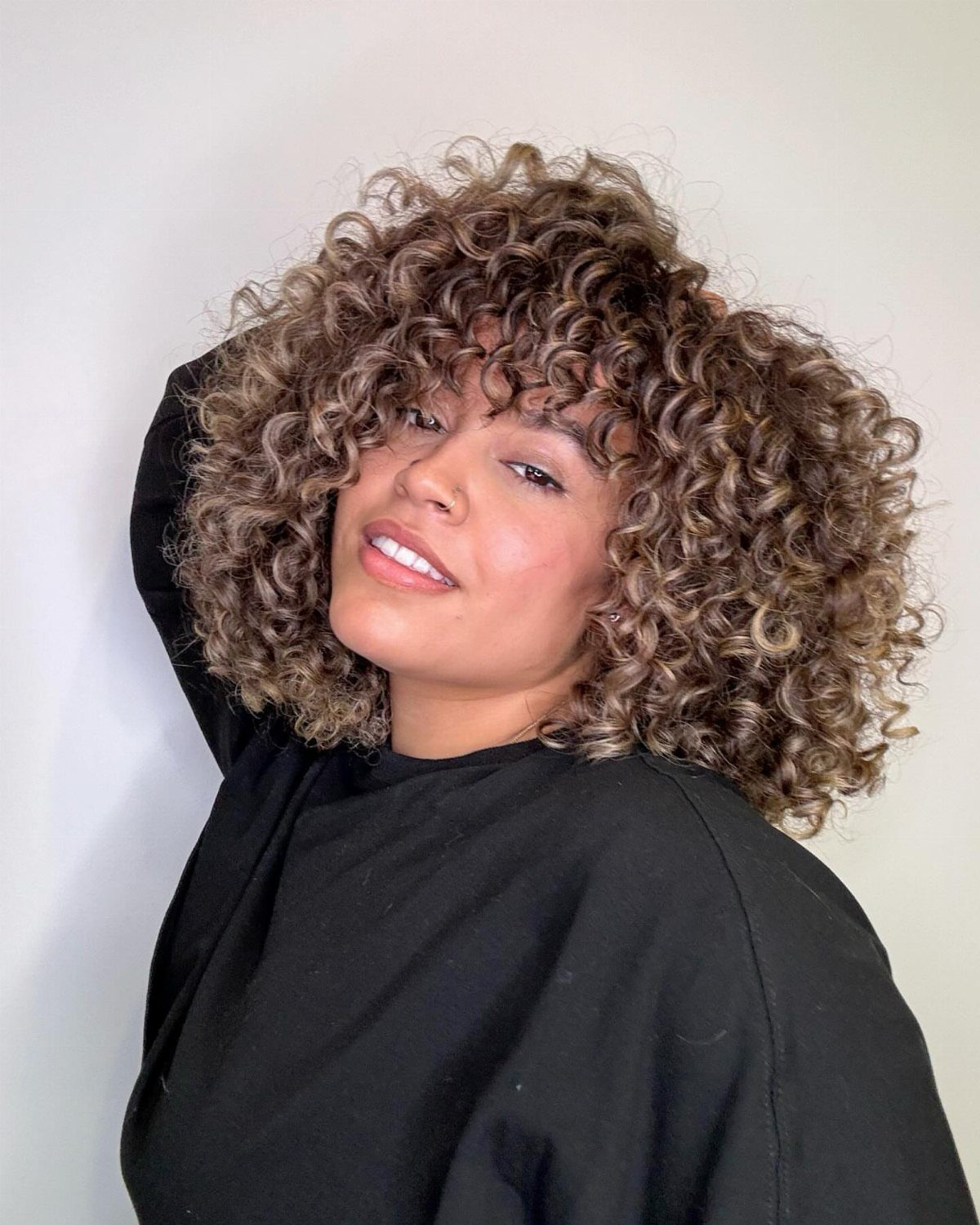
Bronze highlights on curly hair add warmth where the texture already catches light. The colorist paints lighter sections through the top and crown, leaving the roots dark, so the color moves with the curl pattern rather than sitting flat.
On a cropped cut, bronze reads rich without going fully blonde. Curls show off the dimension better than straight hair because each piece reflects differently as it coils.
Color Care Between Appointments
Color-safe shampoo and conditioner formulated for blonde hair keep the tone from shifting brassy between appointments. Wash with cooler water rather than hot, which helps color last longer.
When you do use a tool, a heat protectant cuts down on fading and damage from the lightened sections.
Deep condition regularly to keep the color looking fresh and the hair healthy. Bleach and color leave hair drier, and short cuts show that dryness faster than length does.
If your balayage pulls cool, purple or silver shampoo once a week keeps blonde and silver tones from slipping warm.
Sun and chlorine both fade color faster. A hat or UV spray protects lightened pieces outdoors, and rinsing right after swimming prevents chlorine from settling in.
Choosing Color for Personal Features
Skin undertone shapes which balayage shades read flattering rather than just light. If your skin pulls golden or peachy, honey, caramel and copper tend to work better.
Pink or blue-toned skin usually looks better with ash, platinum or chocolate brown. Neutral skin can handle either camp.
If you’re not sure which you are, think about which jewelry suits you. Gold usually means warm, silver points to cool.
Eye color and natural hair color also matter. A colorist can pick shades that lift your complexion and make your eyes stand out, and they can adjust placement based on your face shape.
Texture plays in too.
Balayage Application and Placement
On short hair, that means the colorist can follow the cut’s shape and put lighter pieces where the hair moves or catches light.
The haircut decides a lot.
Bring a reference photo. It shows the stylist what you mean by "subtle" or "bright" and gives them a placement to aim for.
Teasing or feathering softens the transition between dark and light, so the blend reads gradual rather than striped.
Frequently Asked Questions
Can I get a balayage with short hair?
Short hair takes balayage just as well as long, whether you have a pixie, a bob or anything in between. Your colorist paints lighter pieces where the hair moves or catches light, giving even a cropped cut real dimension.
What is balayage?
Balayage is a hand-painted color technique that sweeps lighter tones through your hair rather than placing them in one static area.
The result is soft, blended highlights that melt into your natural color instead of a solid stripe. Any starting color, texture or length can work if the placement suits your face and natural base.
Is balayage hair still in style?
Yes, balayage remains current because the technique adapts to individual hair color, texture and length rather than following a single trend.
The hand-painted approach creates natural dimension that suits all cuts, from pixies to lobs. Eye color, skin tone and face shape all influence placement, so the look stays personal rather than dated.
How do I prepare my short hair for balayage?
Schedule a consultation with your stylist and get a precision haircut first, since the cut shapes where the colorist can place lighter pieces.
Run a conditioning mask through your hair about a week out, skip washing the morning of, and ease off the flat iron for a few days before.
When you turn up with hair that’s dry, your colorist can see how it actually sits and decide where the color should go.
How long does balayage on short hair typically last?
You can go 3 to 6 months between sessions depending on how fast your hair grows and what you do at home.
Some people book touch-ups every 8 to 12 weeks to keep it looking fresh, but because the color graduates rather than sitting in lines, the regrowth stays soft even if you stretch it longer.