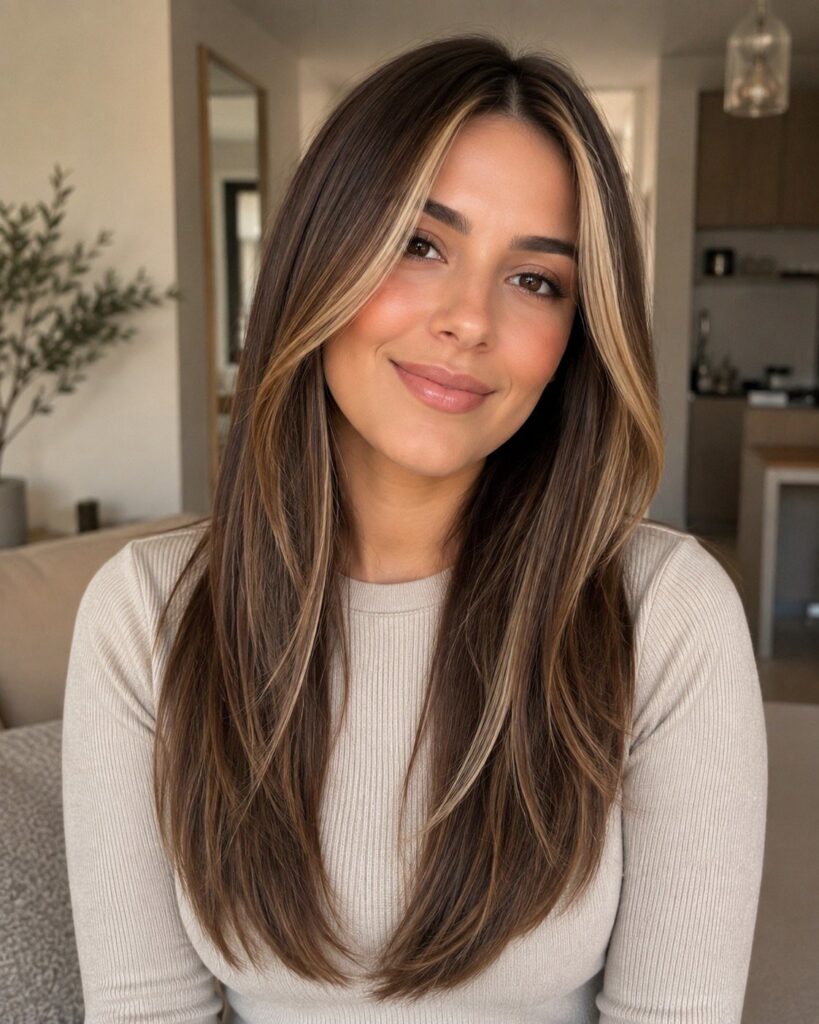
The span runs from soft babylights that barely lift the base to bright blonde ribbons that create sharp contrast, and the choice comes down to how much upkeep you’ll commit to.
Face-framing and money pieces keep the chair time short because only the front gets lifted, while full heads and ombre mean longer sessions and regular toner to keep the blonde from turning.
Root shadow balayage stretches the calendar furthest because regrowth arrives into dark that’s already meant to be there, no line to mark the weeks.
1. Face-Framing Highlights
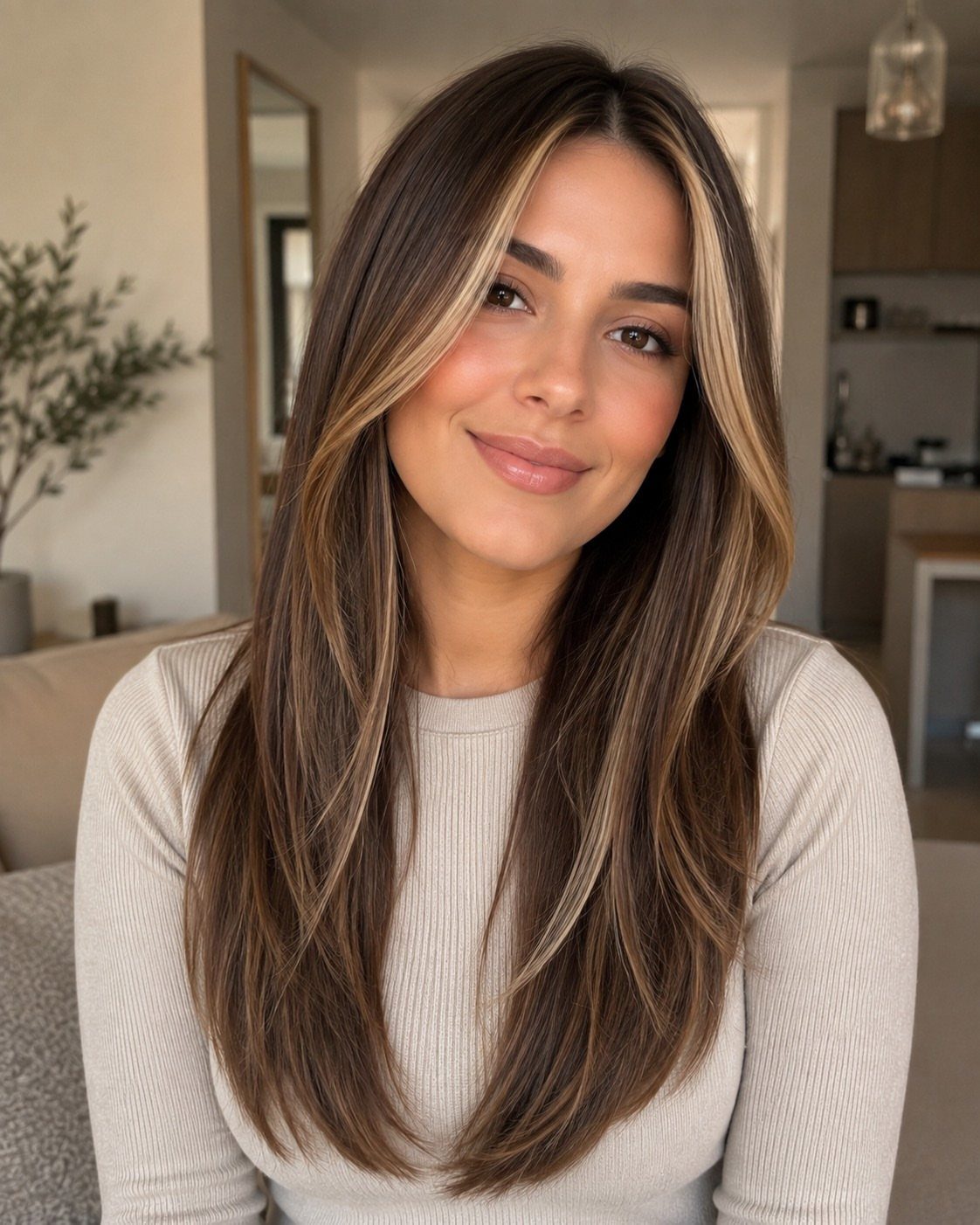
Lighter pieces along the jawline and around the face open up dark brown hair without touching the rest. The contrast gives dimension where you see it most, and the dark base still anchors everything.
Ask for highlights placed from the temples forward, stopping a few inches below the chin.
Foils give the most lift if you want a strong blonde; balayage keeps it softer. You’ll need a root touch-up as the line grows down, but the back stays untouched.
2. Caramel Highlights
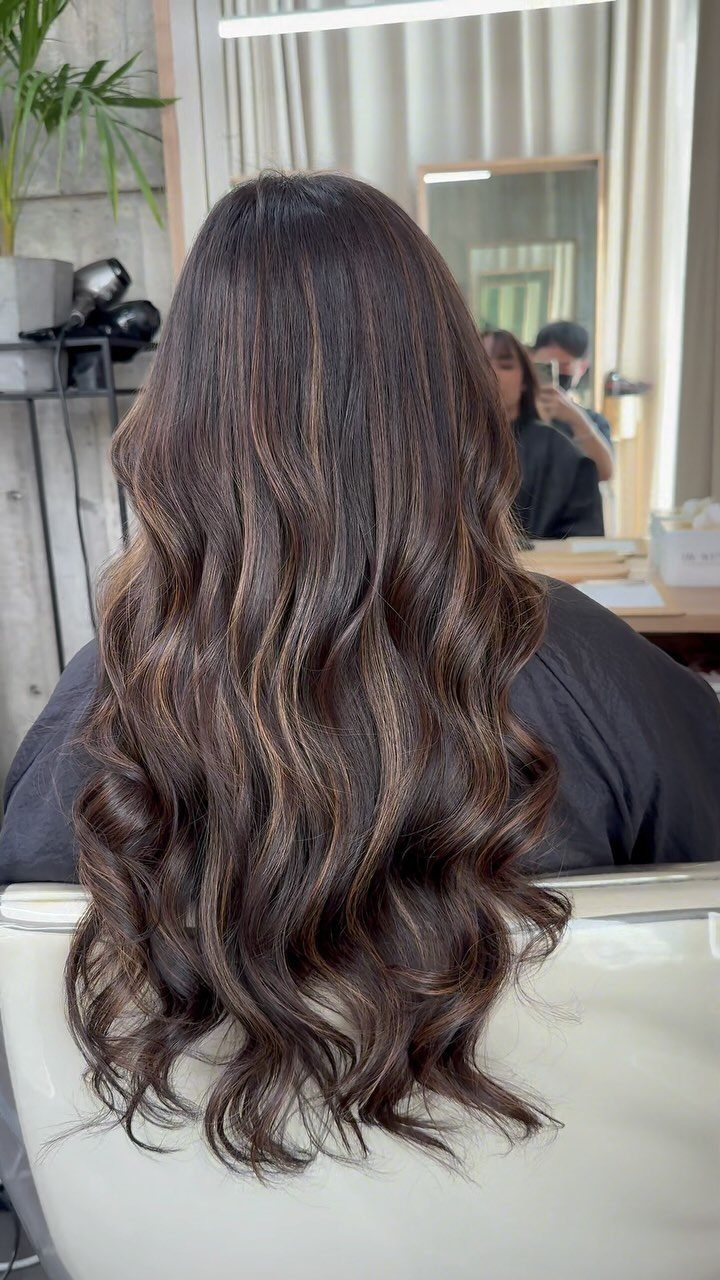
Caramel sits between your natural brown and full blonde, so it reads as warmth instead of a big color shift.
The highlights catch light without jumping out, and they blend into dark hair better than cooler tones do as they grow.
Balayage is the usual method here, painted through the mid-lengths and ends.
It grows out gently, and you can stretch appointments if the base is close to your natural color. Caramel leans warm, so it flatters most skin tones that suit gold jewelry.
3. Golden Caramel Balayage
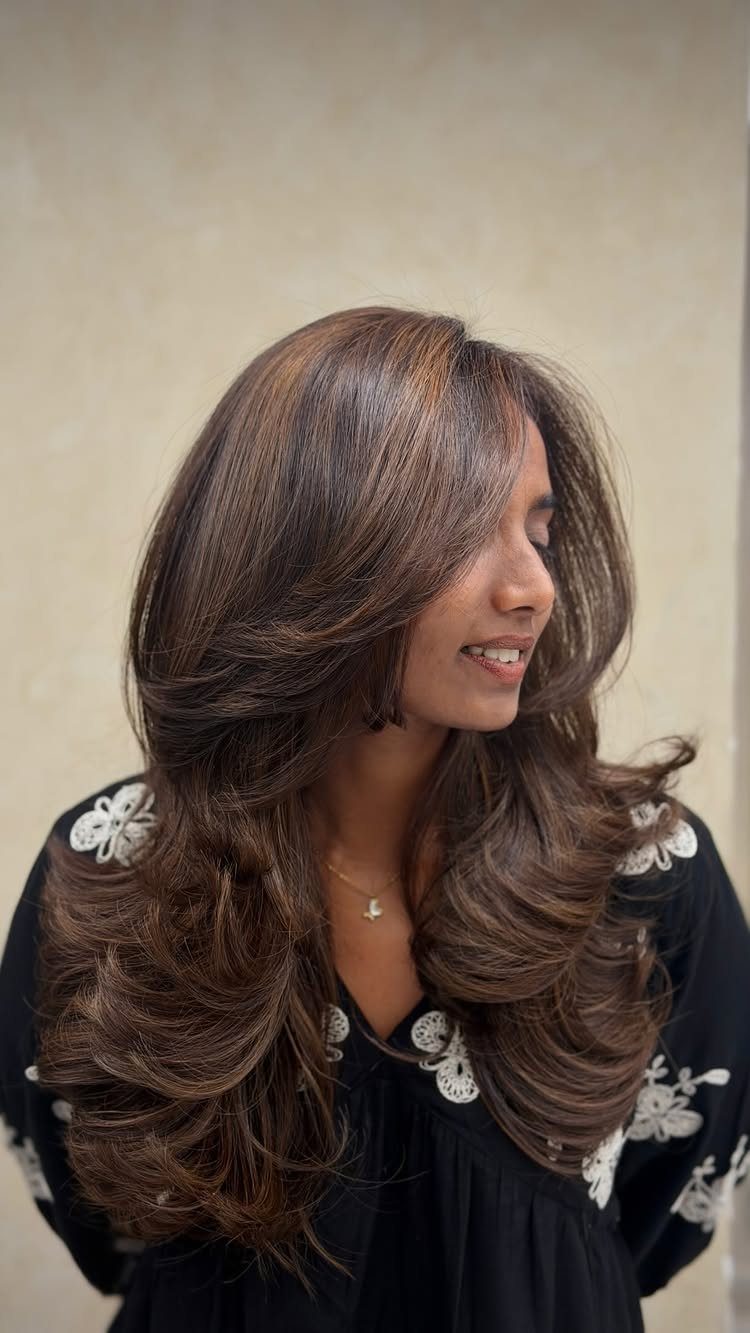
Golden caramel balayage brings a richer, more saturated warmth than straight caramel. The color has more depth, so it holds up against a dark brown base without washing out or looking too light.
The highlights are painted from mid-shaft down, leaving the roots dark.
A high-volume blowout shows off the dimension, but the color works just as well with air-dried texture. You’ll see the most glow in natural light, where the golden tones pull forward.
4. Honey Blonde Balayage
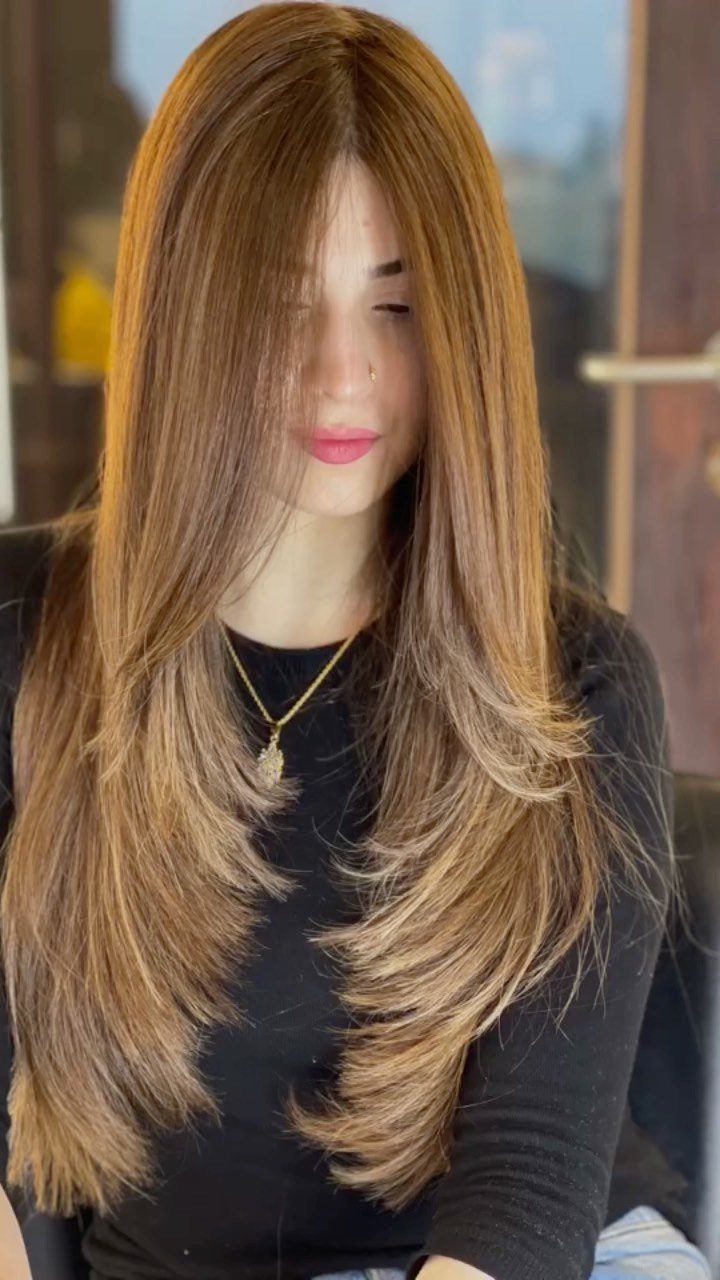
Honey blonde is lighter and warmer than caramel, with a golden undertone that mimics sun exposure. It gives you noticeable lift without going into ash or platinum territory.
Balayage keeps the application soft and lets the color concentrate toward the ends.
The grow-out is forgiving because the roots stay natural. Honey tones suit warm and neutral skin, less so if you’re very cool-toned.
5. Soft Blonde Highlights
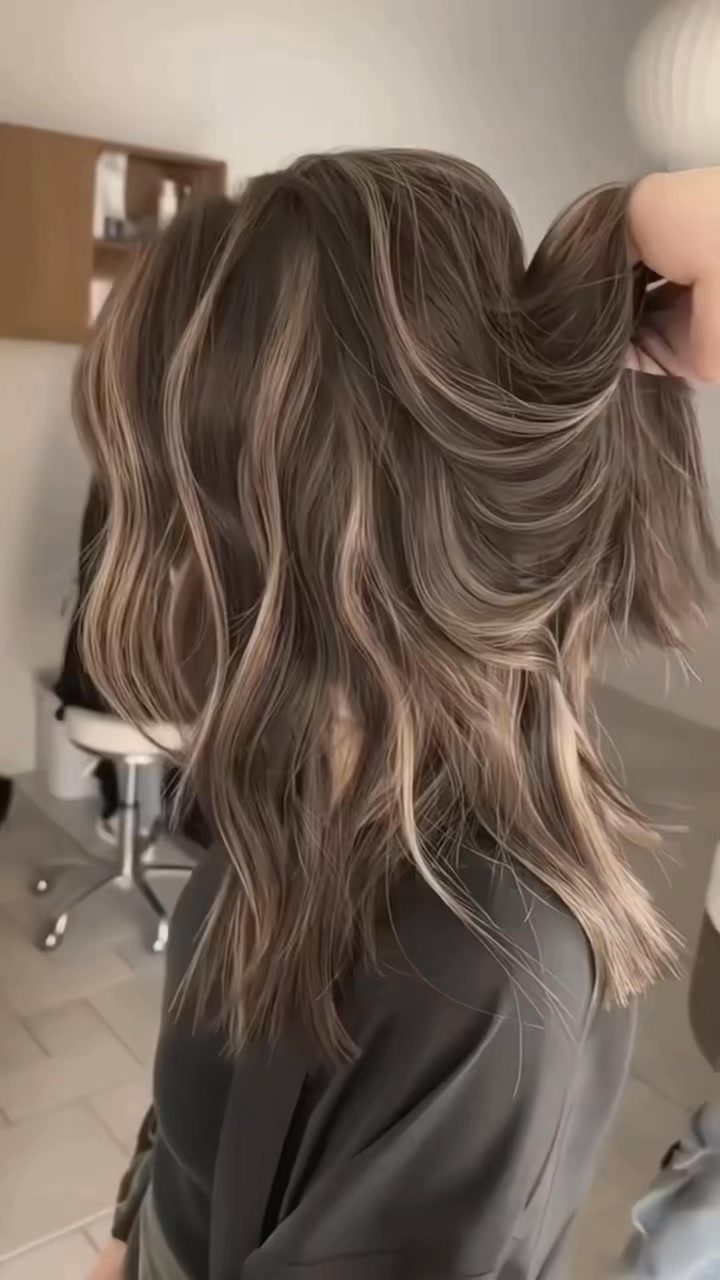
Soft champagne ribbons are finer and more delicate than thick highlights, so they brighten without taking over. The blonde is pale enough to contrast with dark brown but blended through enough that no single piece dominates.
Foils or fine balayage give you that scattered, dimensional look.
The ribbons are placed through the mid-lengths and ends, not at the scalp, so regrowth is subtle. You can stretch touch-ups depending on how quickly your hair grows and how much contrast you want to keep.
6. Ombre
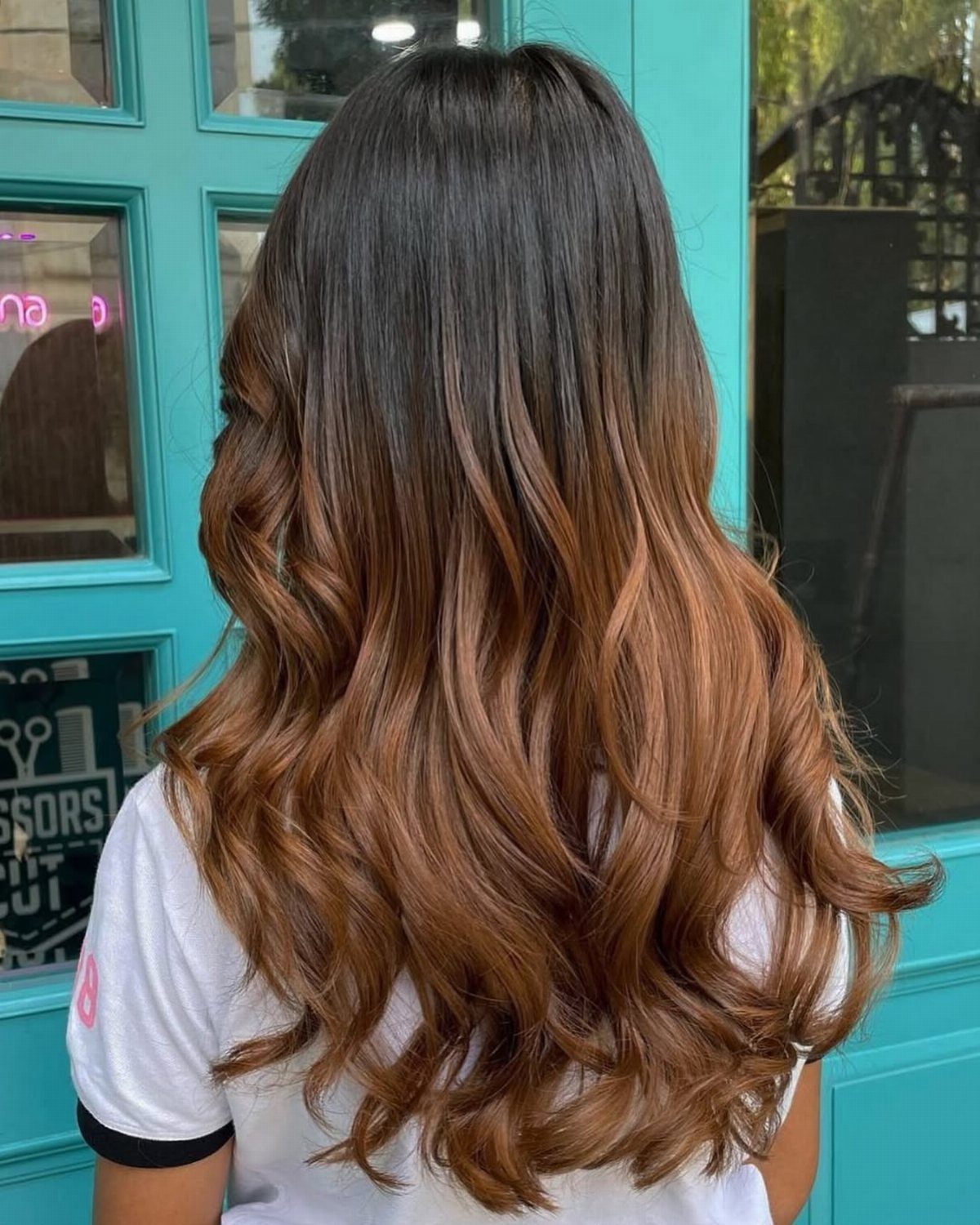
Ombre moves from a dark root to lighter ends in a gradual fade, so the color shift is visible but soft. The brunette base stays untouched, and the blonde or caramel only starts a few inches down.
The grow-out is the easiest of any highlight technique because your roots are already dark. You can go months without a touch-up, and when you do refresh it, only the ends need toner or lightening.
It suits long hair best, where there’s enough length to show the fade. Shorter hair doesn’t give the color room to transition.
Unlike all-over color, blonde highlights with brown hair grow out more softly, giving you more time between salon visits.
7. Soft Transition Balayage
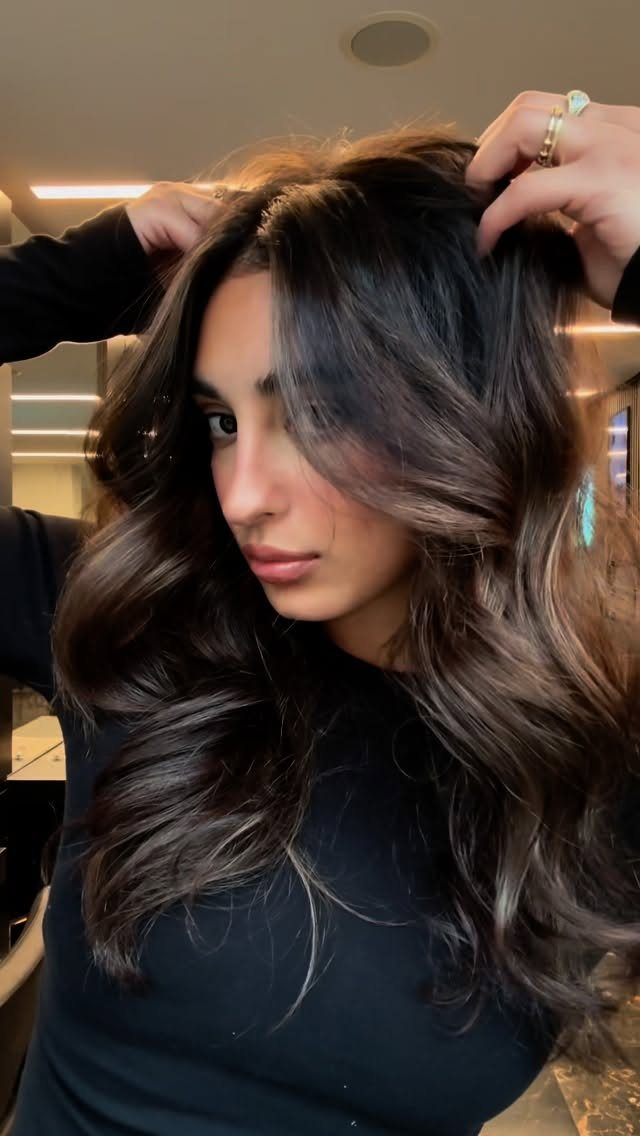
The highlights are applied with enough space between them that the transition stays gentle, blending into the brown without creating hard lines. The golden tone warms up the base color and catches light through the mid-lengths and ends.
Balayage keeps the placement soft, so you avoid the striped look foils can give.
The dark root area stays mostly untouched, which means less upkeep than all-over color. If your colorist matches the base to what you grow, you can stretch the calendar between touch-ups.
8. Ash Blonde Balayage
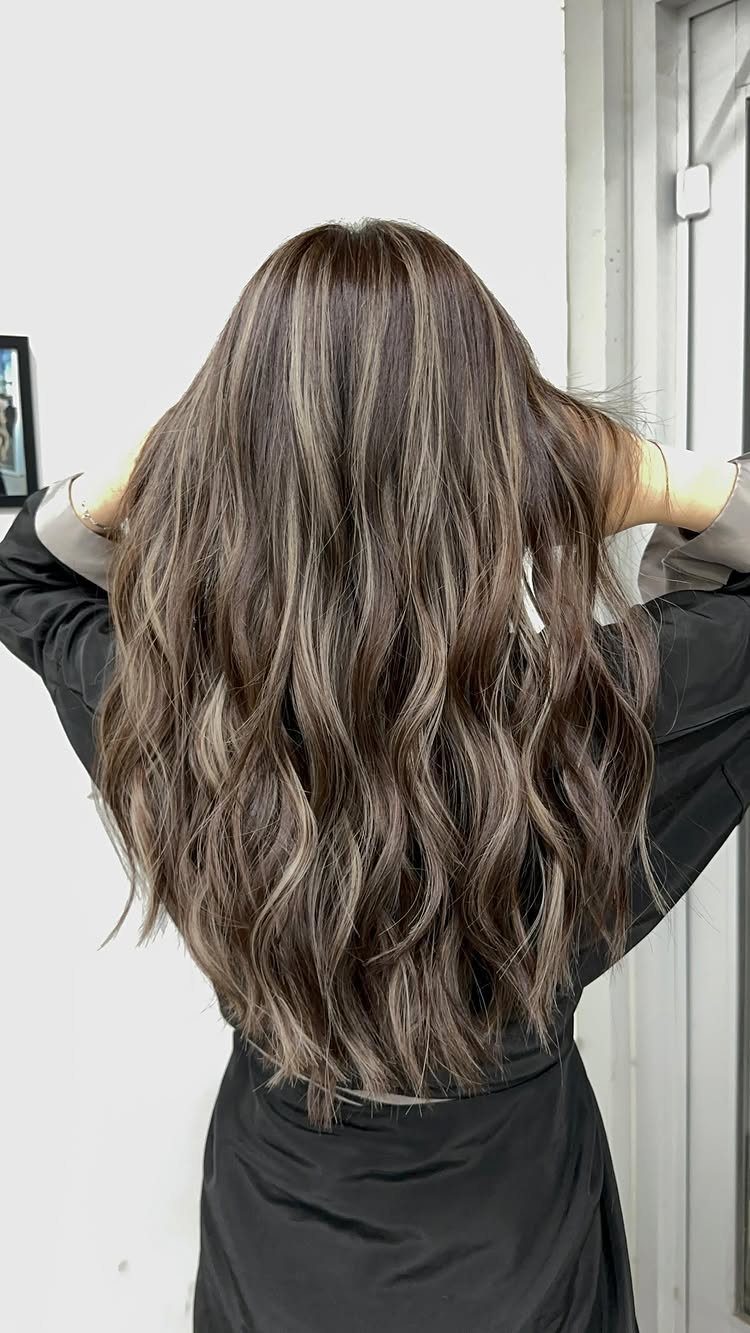
Ash blonde pulls cool and silvery, the opposite of caramel or honey. It reads as modern and muted, and the temperature contrast with dark brown makes the highlights stand out more than warm tones do.
The cooler palette suits you if you lean toward silver jewelry and blue-based colors. If your skin is warm or olive, ash can look flat or too gray.
Toning is part of the maintenance here, since ash fades to brassy yellow without it. Keep purple shampoo in rotation at home to hold the tone.
9. Bronde
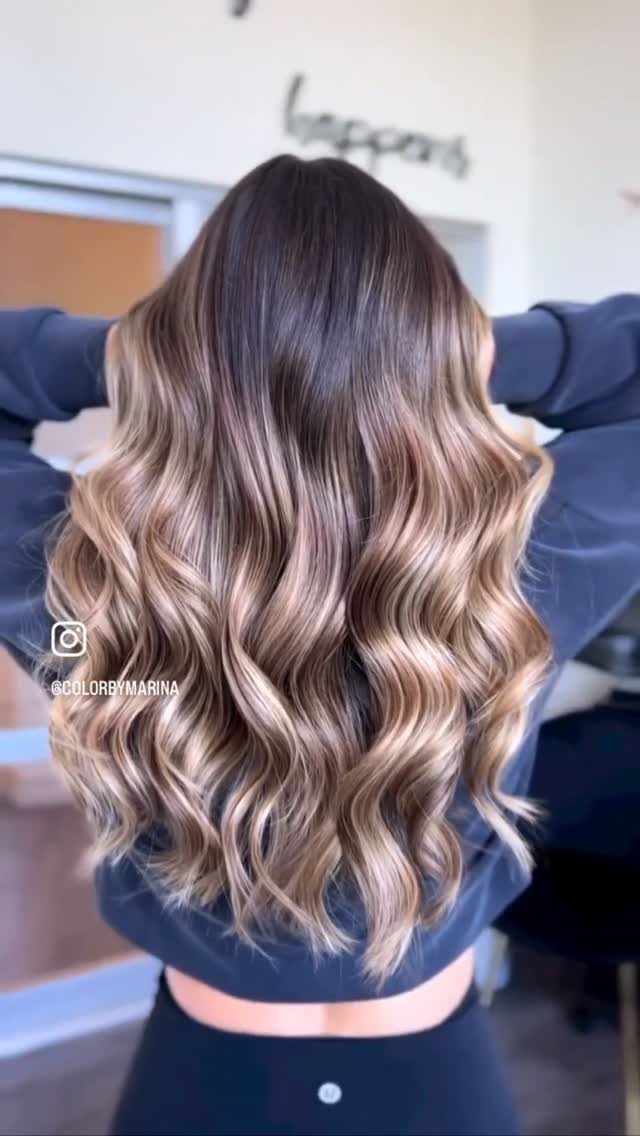
Bronde sits halfway between brown and blonde, so no one color dominates. The two blend enough that the overall effect is softer and more neutral than distinct highlights.
The technique layers blonde through a brown base with balayage or fine foils, keeping the placement scattered.
It suits most skin tones because the warmth and coolness balance out. Bronde grows out well, and because the contrast is low, regrowth is less obvious than it would be with heavier blonde.
10. Cool Brunette Blonde Ribbons
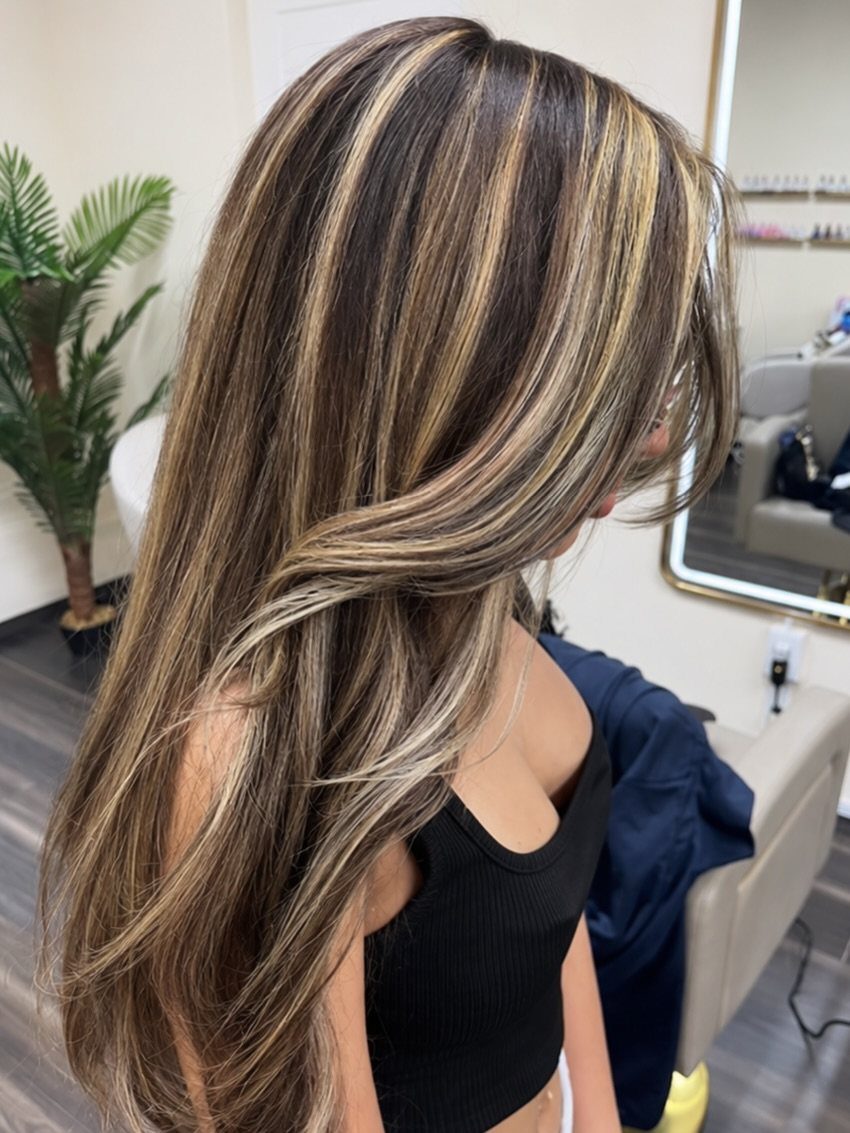
Fine blonde ribbons run through a cool-toned brunette base, giving dimension without warming up the overall color. The ribbons are narrow and spaced out, so the brown stays dominant.
This works if you want lightness but don’t want to shift into caramel or honey territory.
The cool blonde keeps the palette neutral to ashy. You’ll need toner to prevent the ribbons from going brassy, and touch-ups depend on how much contrast you keep at the root.
11. Root Shadow Balayage
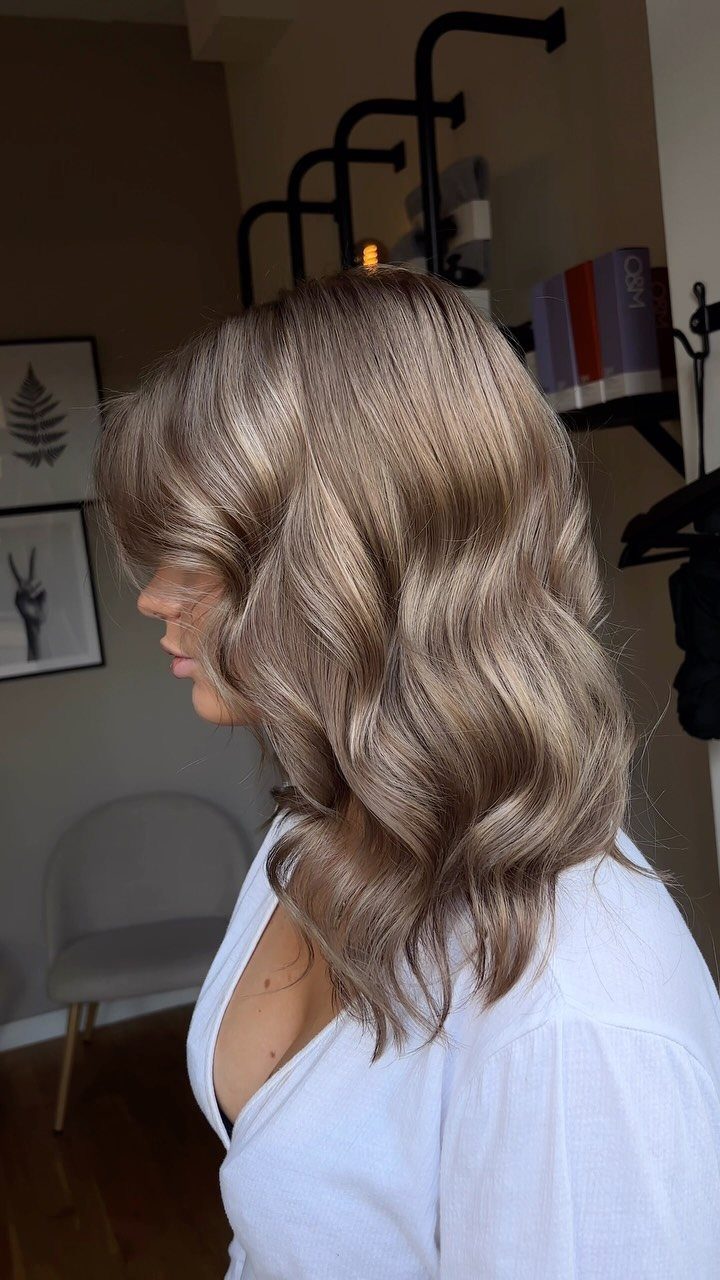
The roots are intentionally shadowed with a deeper tone, then gradually lighten into blonde ends. The shift is soft, not abrupt, so the color looks like it melted from one into the other.
Root shadowing gives you the longest stretch between appointments because the dark base is already there.
When regrowth happens, it blends into the shadow instead of creating a line. The blonde at the ends needs toning to stay buttery instead of yellow, but the roots require almost no maintenance.
12. Subtle Blonde Highlights
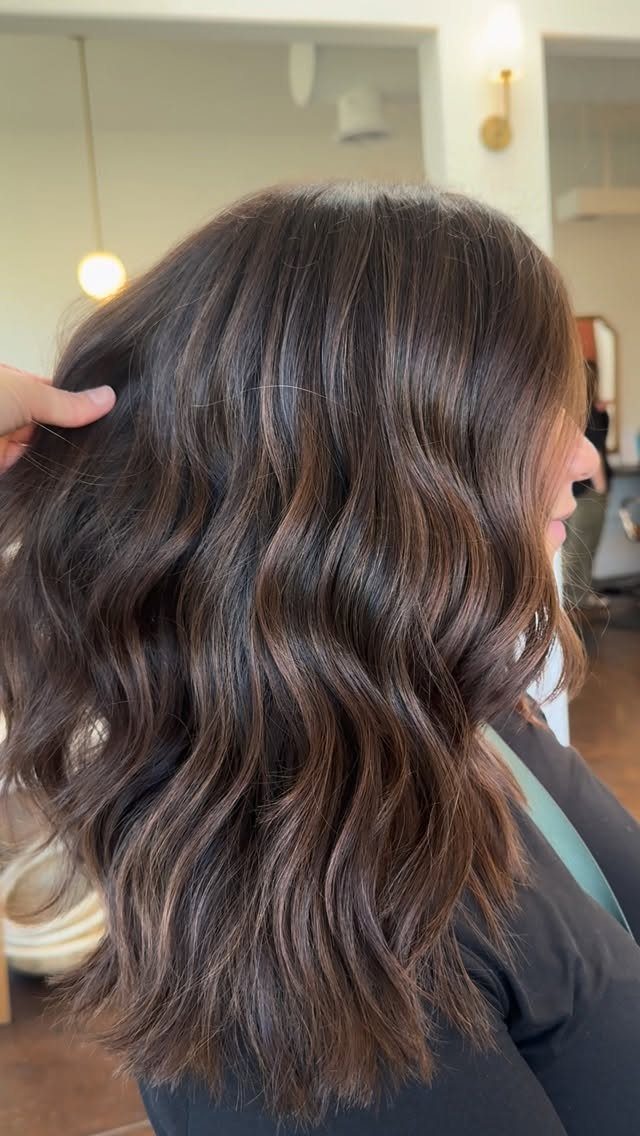
The highlights are thin enough that they read as texture and light instead of bold contrast.
Ask for fine foils or babylights if you want this level of subtlety. The placement should be irregular, not uniform, so the blonde looks natural.
The dark base does most of the work, and the highlights just lift it. You can go longer between touch-ups because the contrast is low.
13. Babylights
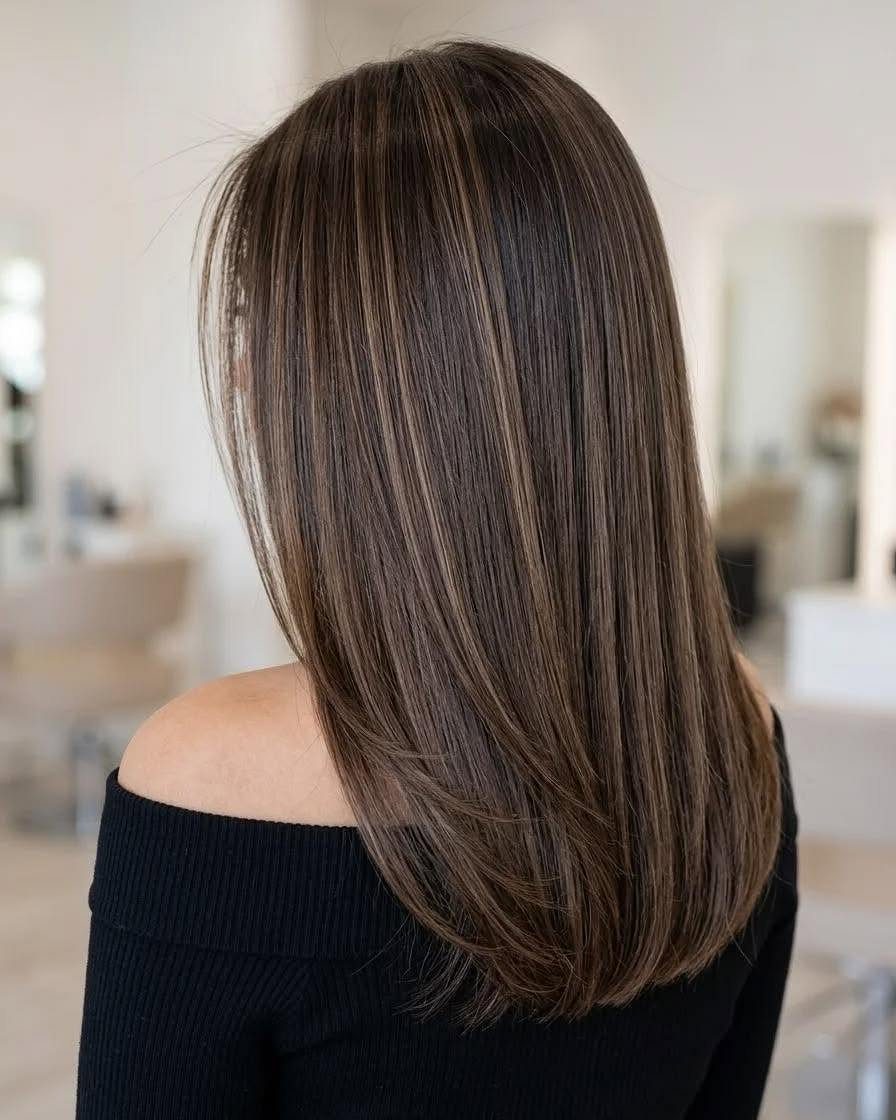
Babylights are highlight strands so fine they mimic the subtle dimension you see in a child’s hair. The pieces are delicate enough that the overall color still reads as dark brown, but the light catches differently when you move.
The technique uses very thin foils, placed irregularly through the hair.
Because each strand is so narrow, the grow-out is softer than traditional highlights. You can stretch appointments longer, and the result looks natural even as the roots come in.
14. Cinnamon Honey Face-Framing
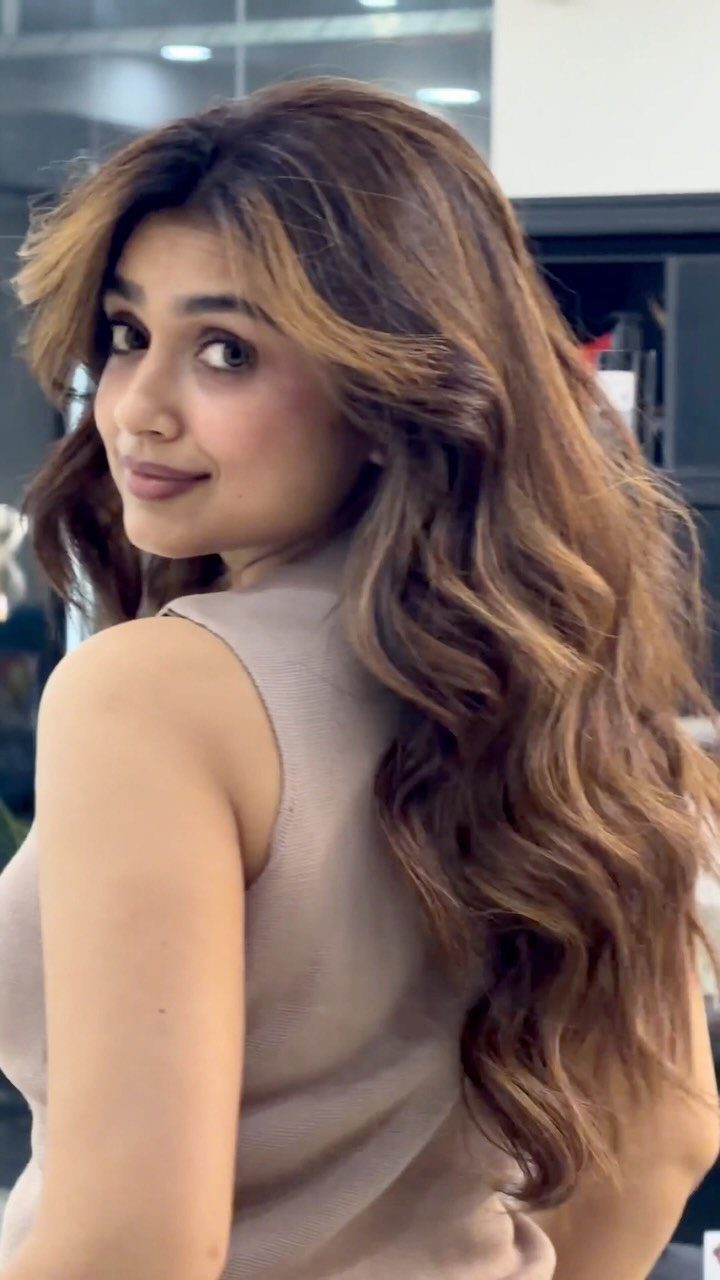
Cinnamon honey combines a warm, spiced brown base with honey blonde pieces concentrated around the face. The honey sits a few shades lighter than the cinnamon, so the framing effect is clear but not harsh.
The blonde is placed from the temples forward, leaving the back mostly untouched.
That keeps maintenance lower, since you only refresh the face-framing sections. The warmth suits golden and neutral skin tones better than cool ones.
15. Mocha Sandy Highlights
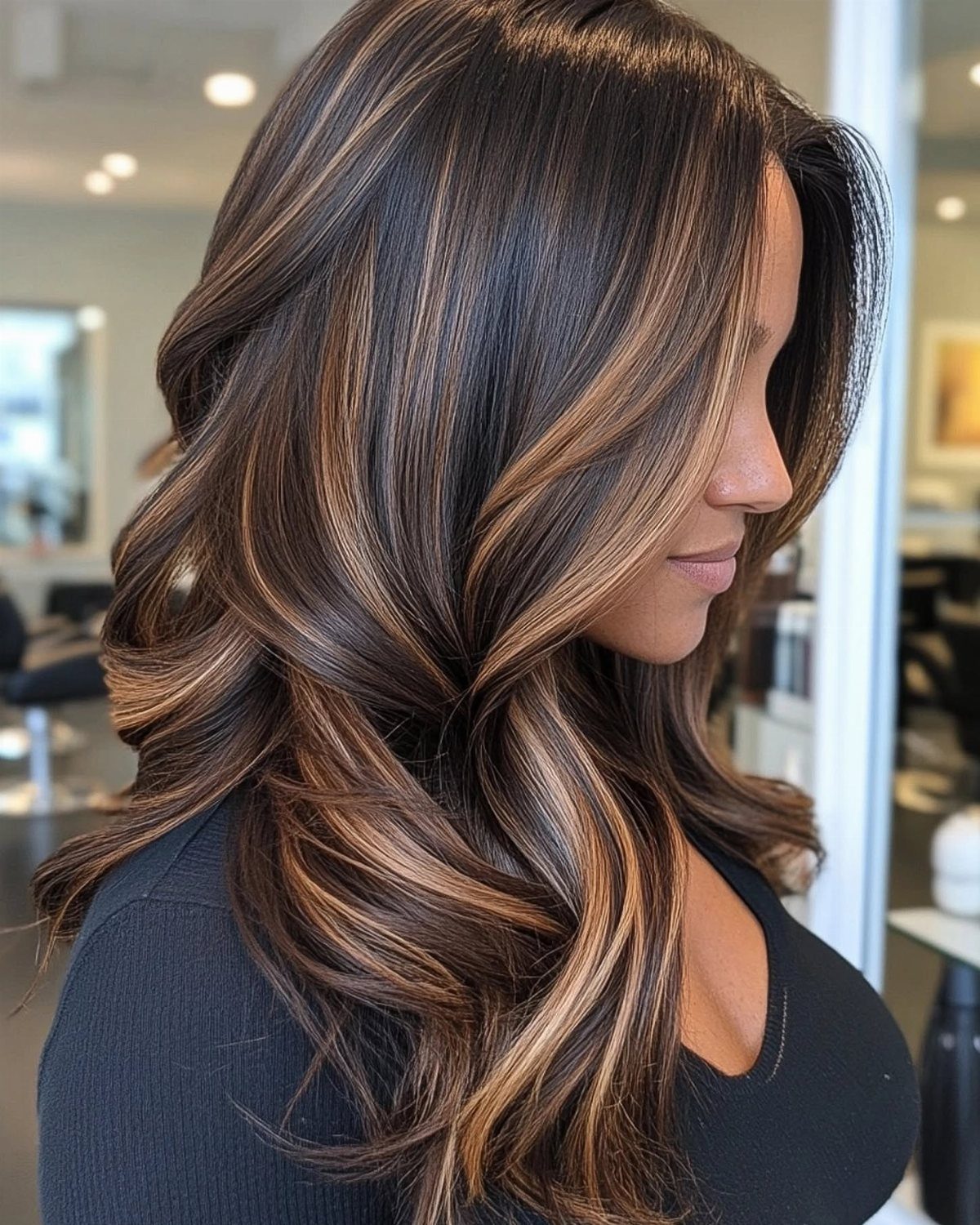
Sandy highlights are cooler and softer than caramel, giving a neutral lift that doesn’t lean warm or ashy. They blend into a mocha brown base without jumping out, so the overall look stays quiet and dimensional.
The placement is scattered, usually through balayage, to avoid stripes.
Roots blend right in as they grow. Sandy tones work across most skin tones, especially if you want lightness without the gold.
16. Buttery Blonde Money Piece
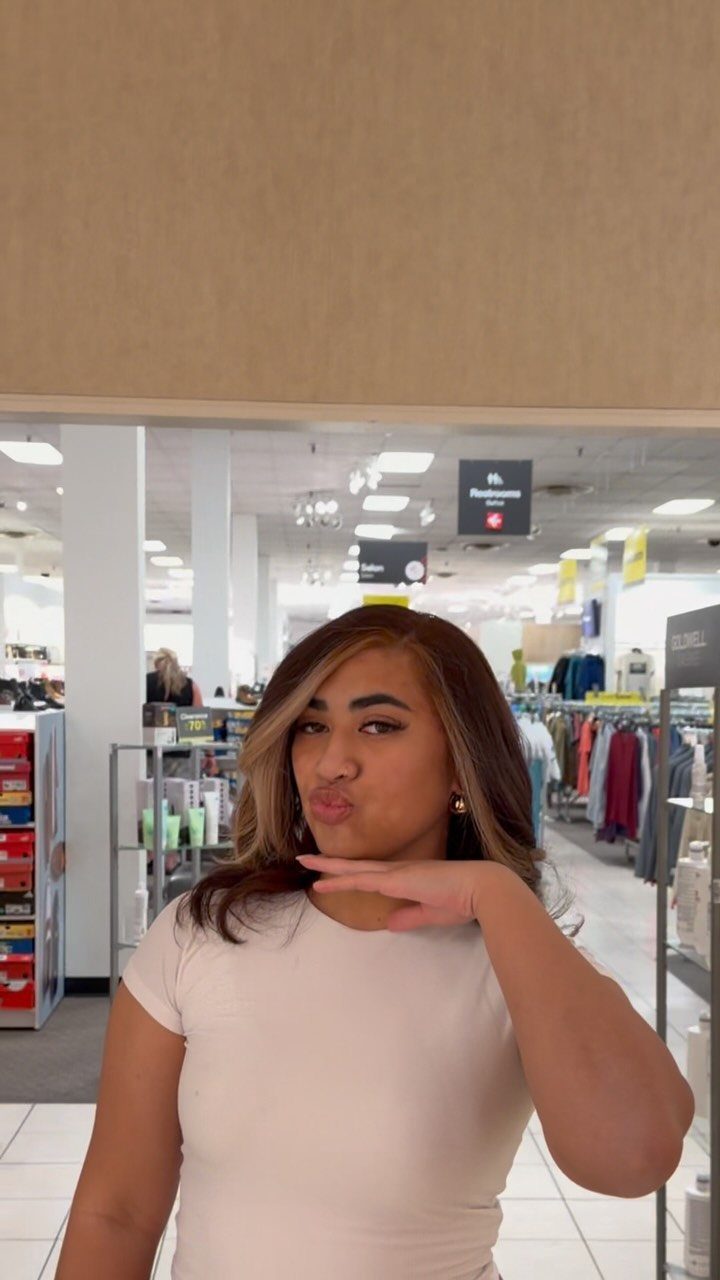
A money piece is the section of hair directly around the face, lightened to frame and brighten. Buttery blonde gives you a soft, warm contrast against a deep brunette base without going platinum.
The colorist lifts just the front sections, leaving the rest dark.
According to the creator, the roots lifted to a level 6 while the mids and ends reached 6 to 7. The grow-out shows, so the frame needs regular touch-ups to stay sharp.
17. Smoky Blonde Money Piece
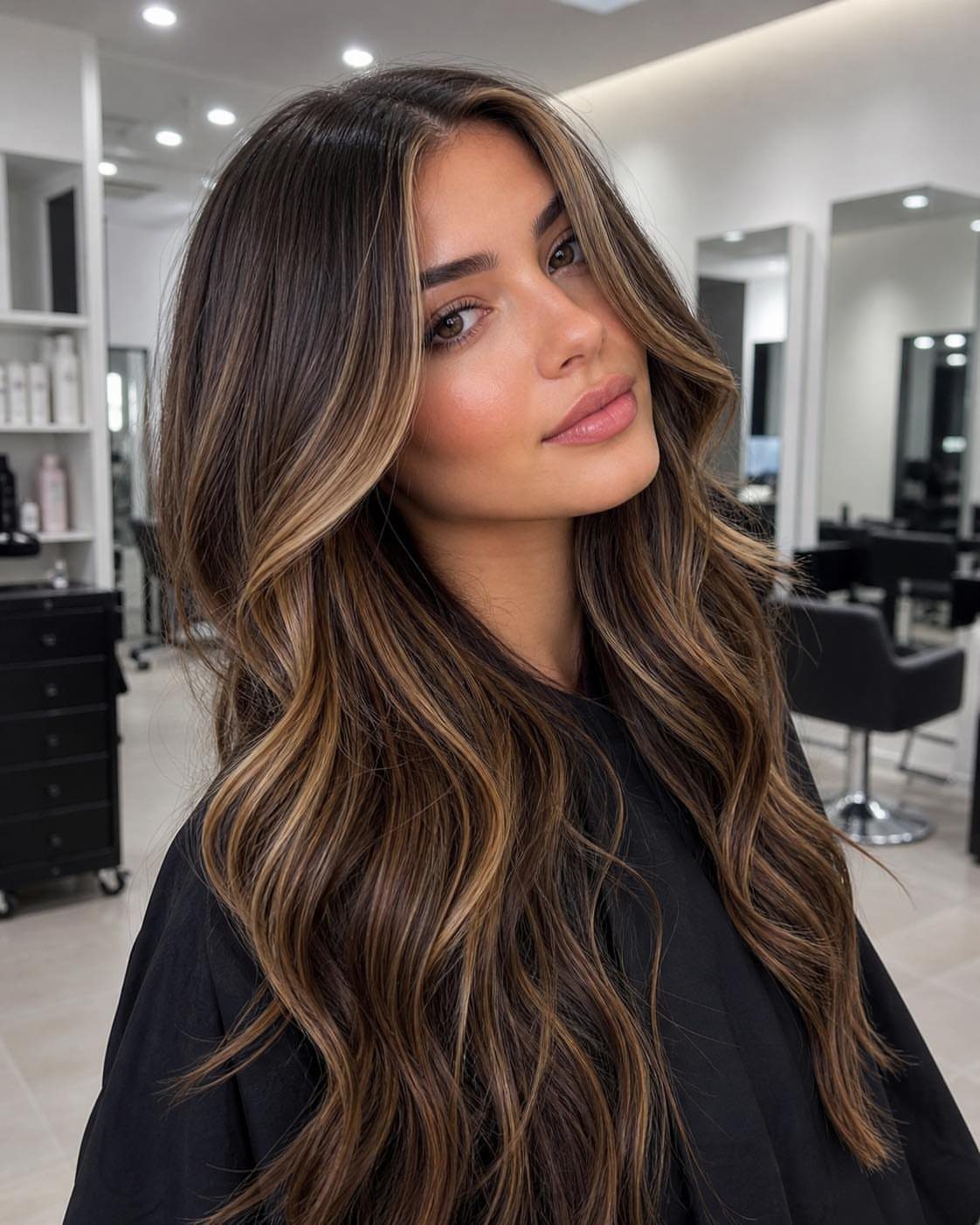
A smoky blonde money piece is cooler and more muted than buttery blonde, pulling ash instead of gold. The face-framing sections sit against a mushroom brown base, so the temperature contrast is what makes it stand out.
The blonde is kept to the front, and the rest stays dark.
You’ll need purple or blue toning shampoo to prevent the smoky blonde from warming up between appointments. If your skin leans warm, the cool tones may look flat.
18. Blonde and Silver Accents
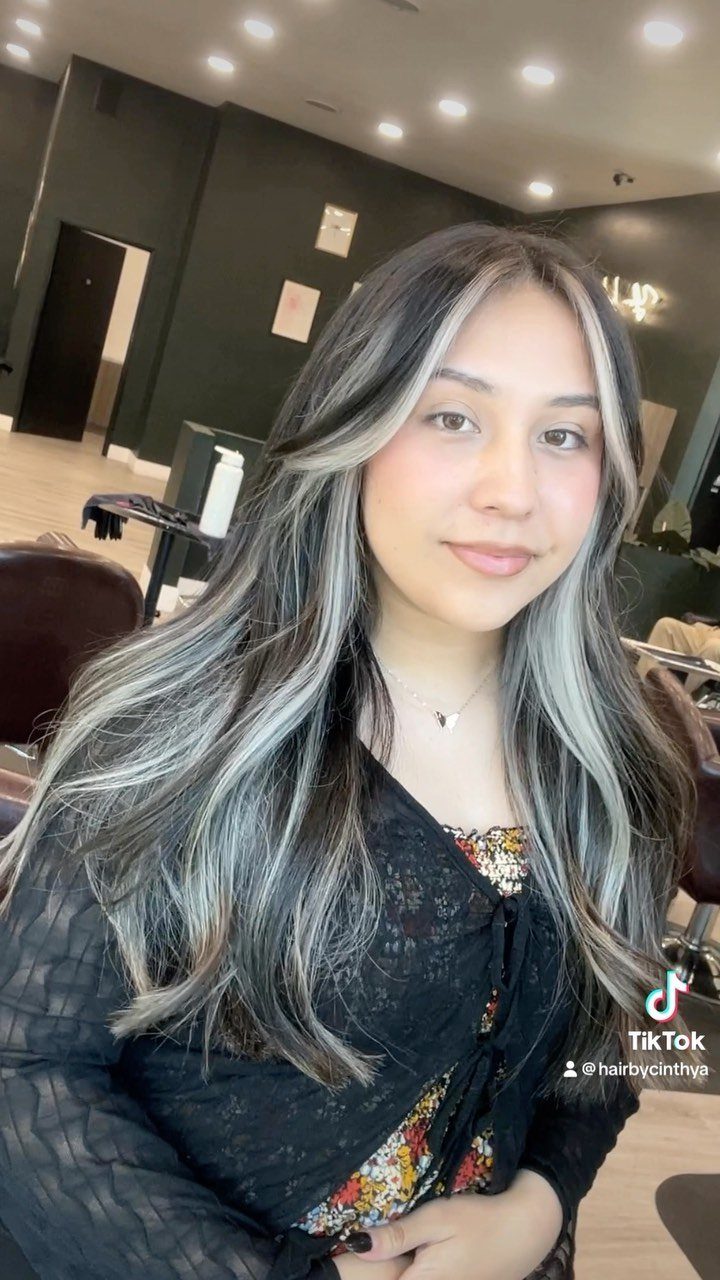
Blonde and silver accents bring a cool, dimensional finish to an ash-toned brunette base. The highlights pull neutral to icy, so the overall palette stays in the gray-blonde range instead of warm.
The placement is scattered through the mid-lengths and ends, avoiding heavy concentration in any one area. Without regular toning, the silver and blonde will fade to yellow, so purple shampoo is part of the routine.
19. Champagne Highlighted Layers
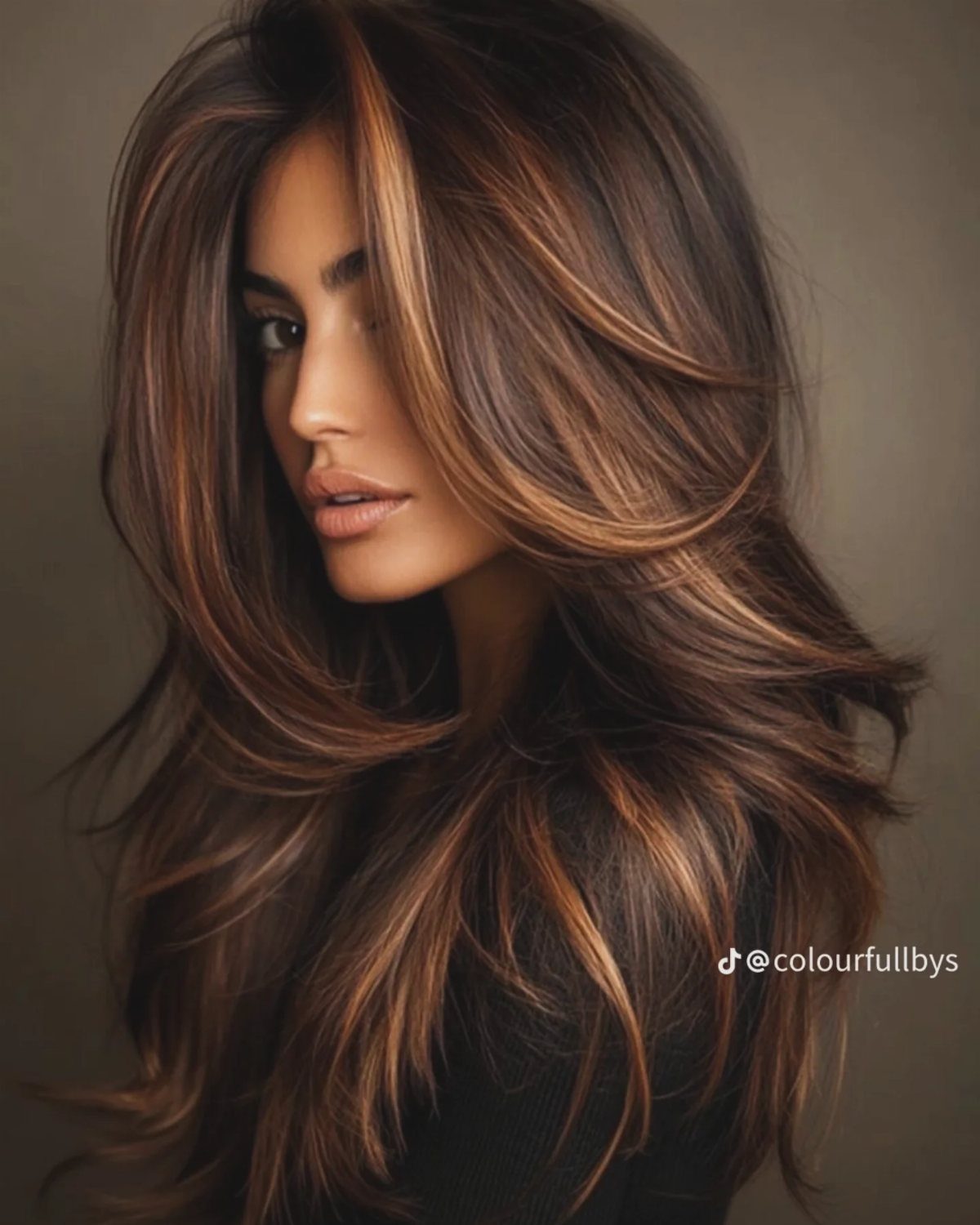
Champagne blonde highlights are pale and slightly warm, closer to beige than yellow. Layered through dark espresso brown, they catch light at each layer and give movement without adding heavy contrast.
The color works best when the highlights are placed to follow the layers, so each section shows dimension.
Balayage or fine foils both work, depending on how soft you want the blend. Champagne fades more gently than brighter blonde, so touch-ups can stretch longer.
20. Bright Blonde Ribbons
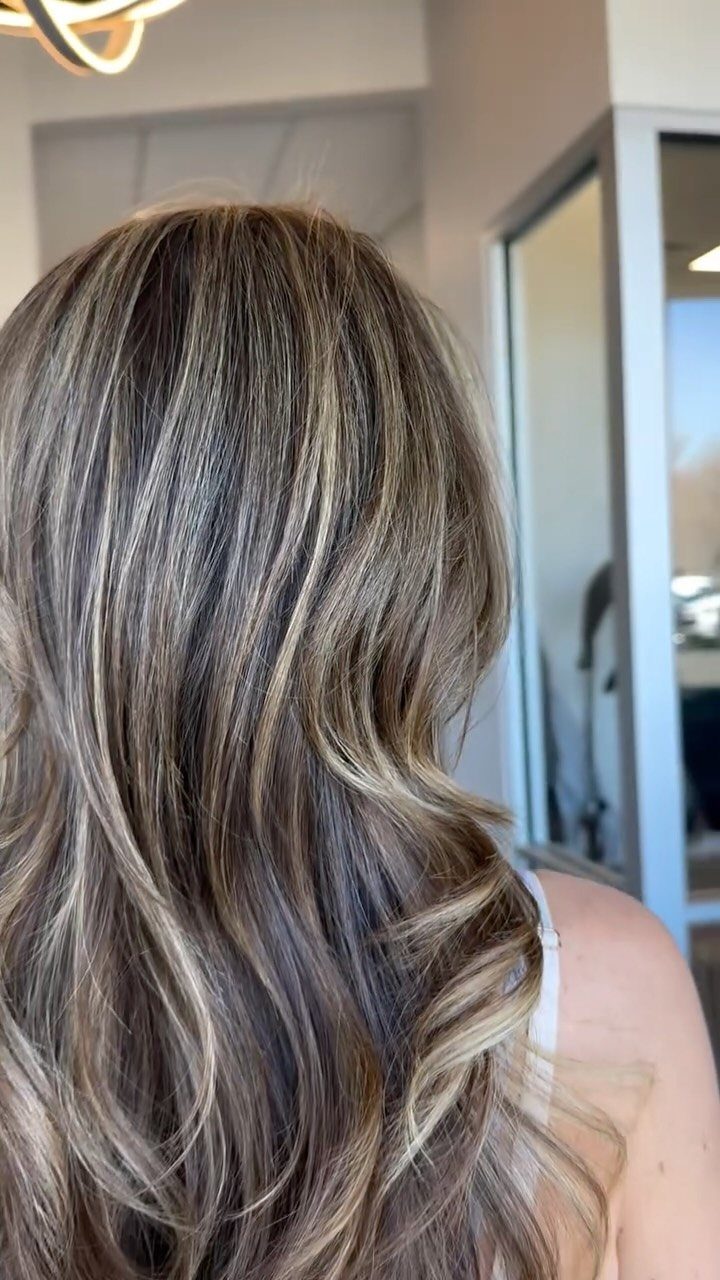
Bright blonde ribbons give you the strongest contrast against a dark chocolate base. The ribbons are thicker and more deliberate than babylights, so they stand out instead of blending in.
Foils give the most lift and keep the sections distinct.
The grow-out will show, so plan for regular root touch-ups if you want to keep the brightness sharp. This suits you if you want noticeable lightness and don’t mind the upkeep.
21. Multidimensional Highlights
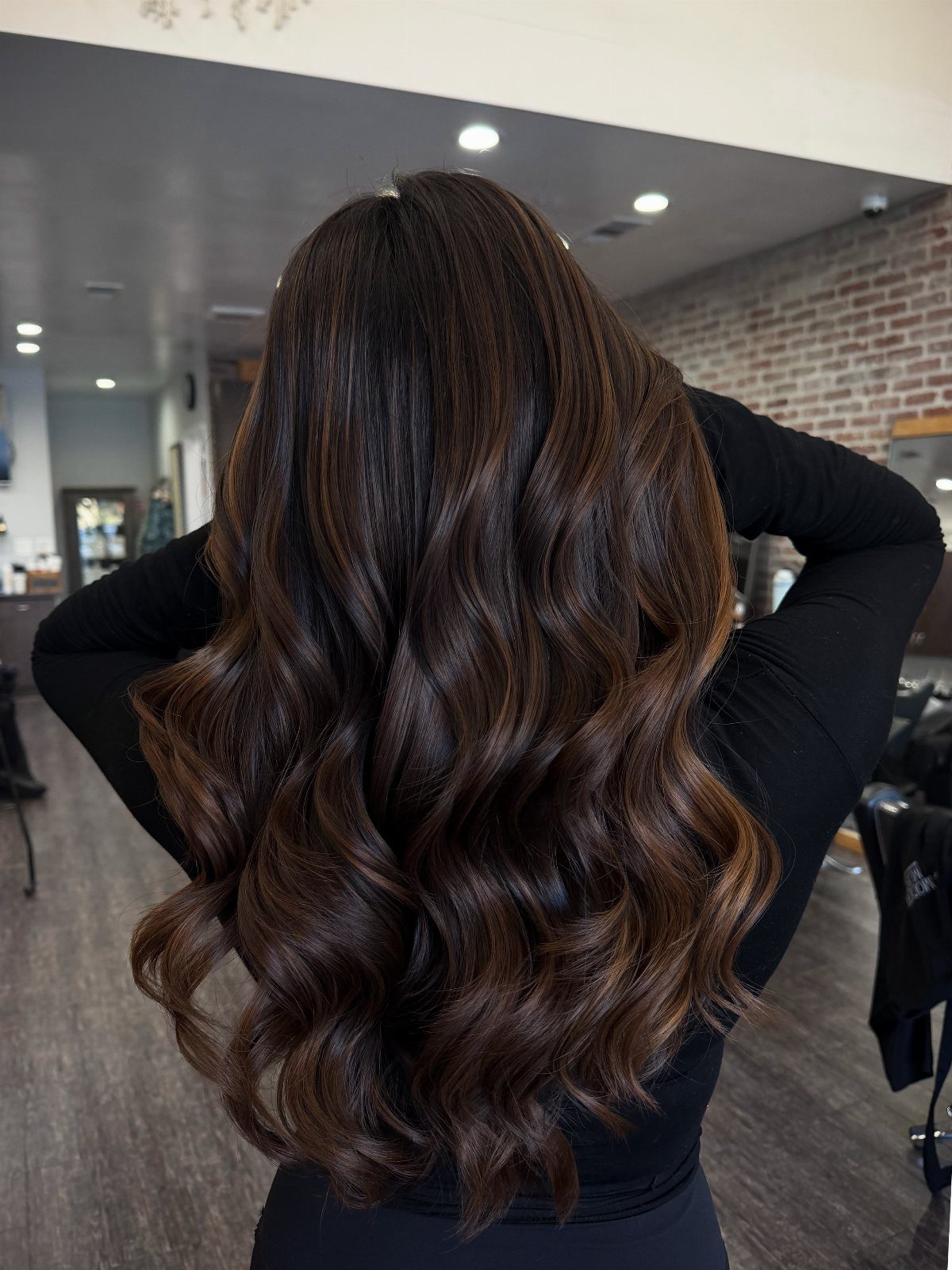
Layering multiple tones of lighter brown through a dark base gives depth without a single highlight standing out. The warmth stays subtle, so the overall color reads as rich and varied instead of striped.
Most stylists paint the color freehand rather than using foils, which gives you that soft, blended finish.
The closer the tones are to your base, the longer you can go between appointments. This option suits you if you want dimension that stays quiet and grows out softly.
Toning and Brassiness Care
L’Oréal’s EverPure line is sulfate-free and tones while it cleans, so you’re not adding a separate step.
If your highlights lean warm, like honey or caramel, skip the purple. It works for ash, champagne, and silver tones that can turn yellow as they oxidize.
Use it once or twice a week, not every wash. Too much purple can leave a gray cast, especially on finer hair or very pale highlights.
Alternate with your regular shampoo and watch how the tone shifts. If it starts looking dull or violet, pull back.
Toning shampoos don’t lift or lighten. They deposit pigment to correct warmth that’s already there, so they only work on hair that’s been lightened first.
Frequently Asked Questions
What kind of highlights go with dark brown hair?
Balayage, babylights, face-framing highlights, ombre, and foiled ribbons all work on dark brown hair.
The method you choose depends on how bold you want the contrast and how often you want to touch up. Balayage and babylights grow out softly and need less maintenance, while foiled highlights give stronger lift and more noticeable regrowth.
Are dark roots with blonde hair in style?
Yes. Root shadow balayage, ombre, and rooted balayage all keep dark roots intentionally, and the grow-out blends in instead of creating a line.
The dark base stretches appointments because regrowth is already part of the look. You only need to refresh the blonde at the ends with toner to keep it from turning yellow.
Is balayage low-maintenance?
You can go months between appointments because the color starts below the root and blends through the lengths, not at the scalp. The only regular upkeep is toning if you go ash or champagne to prevent brassiness.
Does balayage make you look older or younger?
Lighter pieces near your face catch light and soften the overall effect, which tends to read as more youthful.
Honey, caramel, and golden tones brighten your complexion and catch light, while the dark roots keep depth. The natural blend also avoids the harsh lines that can age a look.
How to go from dark brown to blonde balayage?
Transition gradually by starting with a few shades lighter rather than jumping straight to pale blonde, which keeps your hair healthier and the contrast manageable.
Choose a tone that suits your skin, warm tones like honey and caramel for most, ash or champagne if you lean cool.
Use purple or blue toning shampoo once or twice a week to hold the blonde tone and prevent brassiness, and schedule touch-ups every 8 to 12 weeks to refresh the ends.





