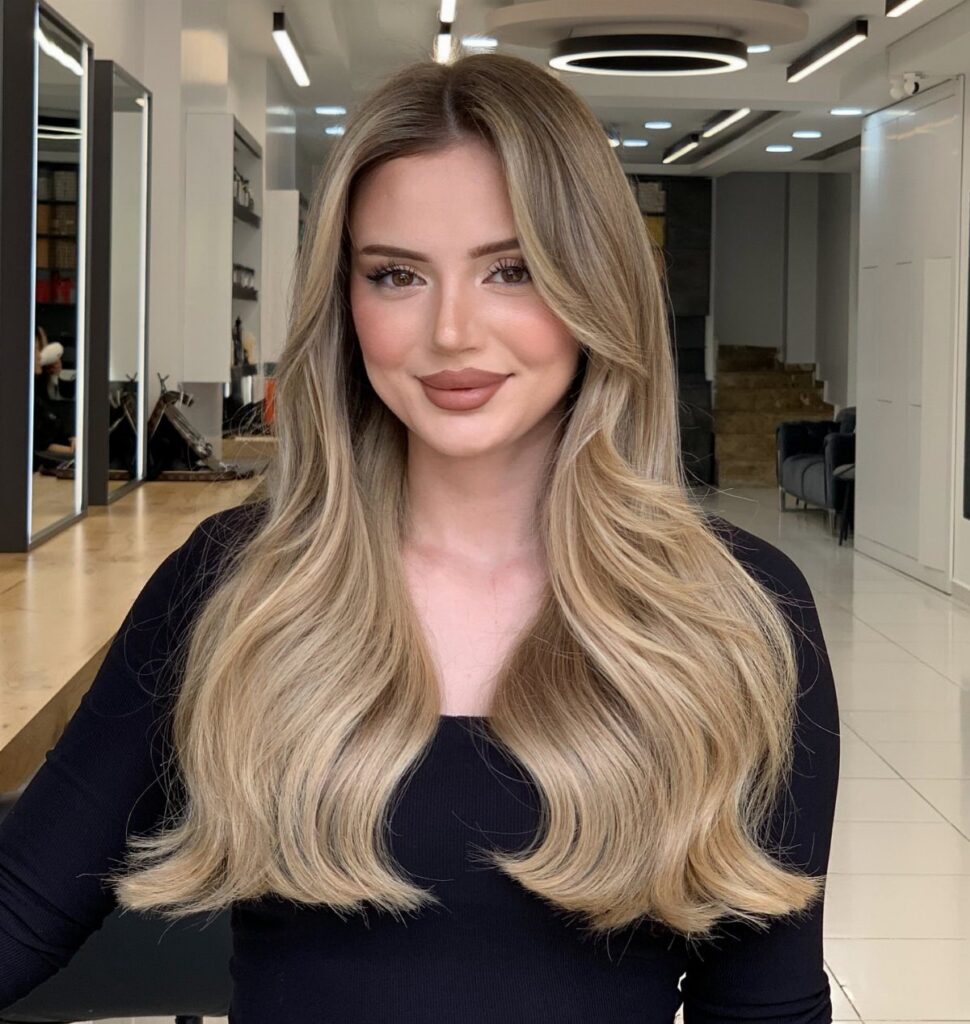
Honey blonde sits warmer than ash or platinum, which makes it easier to maintain since it fades more gracefully and doesn’t require constant toning to keep brassiness out.
If you have warm or neutral skin, the golden and caramel tones will flatter better than cool beige shades, while cooler skin tones can pull off honey that leans beige instead of gold.
1. Pale Caramel with Bright Blonde Inverted Bob
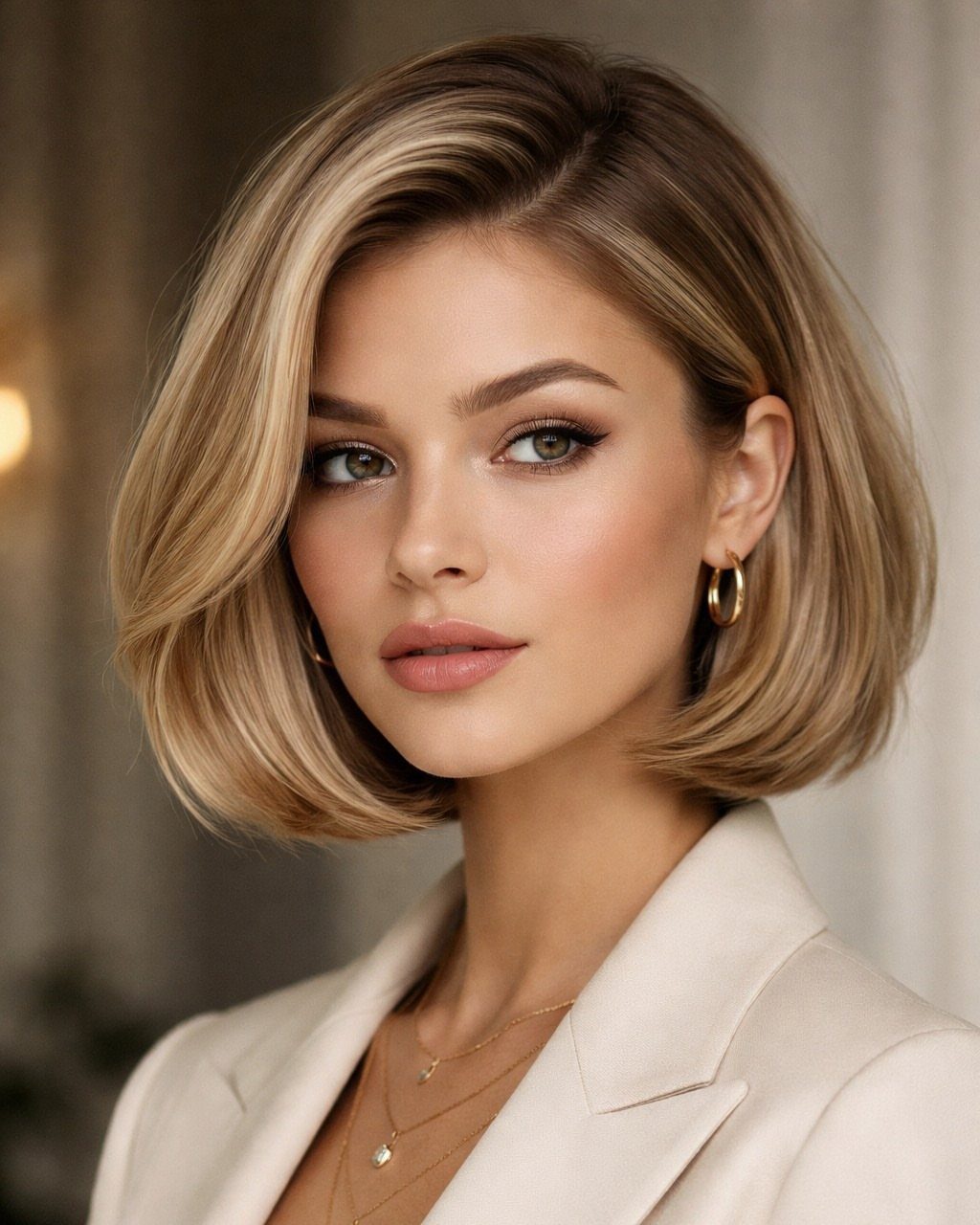
An inverted bob keeps length at the front and tapers shorter at the back, which makes it a strong frame for face-framing blonde.
The darker root gives depth and cuts down how often you need to touch up, since regrowth blends into the base instead of sitting as a hard line.
The pale caramel and brighter blonde streaks sit close together, so the color reads as dimensional rather than chunky.
If you’re working with a medium to dark brown base, ask for hand-painted highlights that concentrate around the front layers. The cut does most of the shaping work here, so the color can stay soft.
2. Toasted Honey Shade
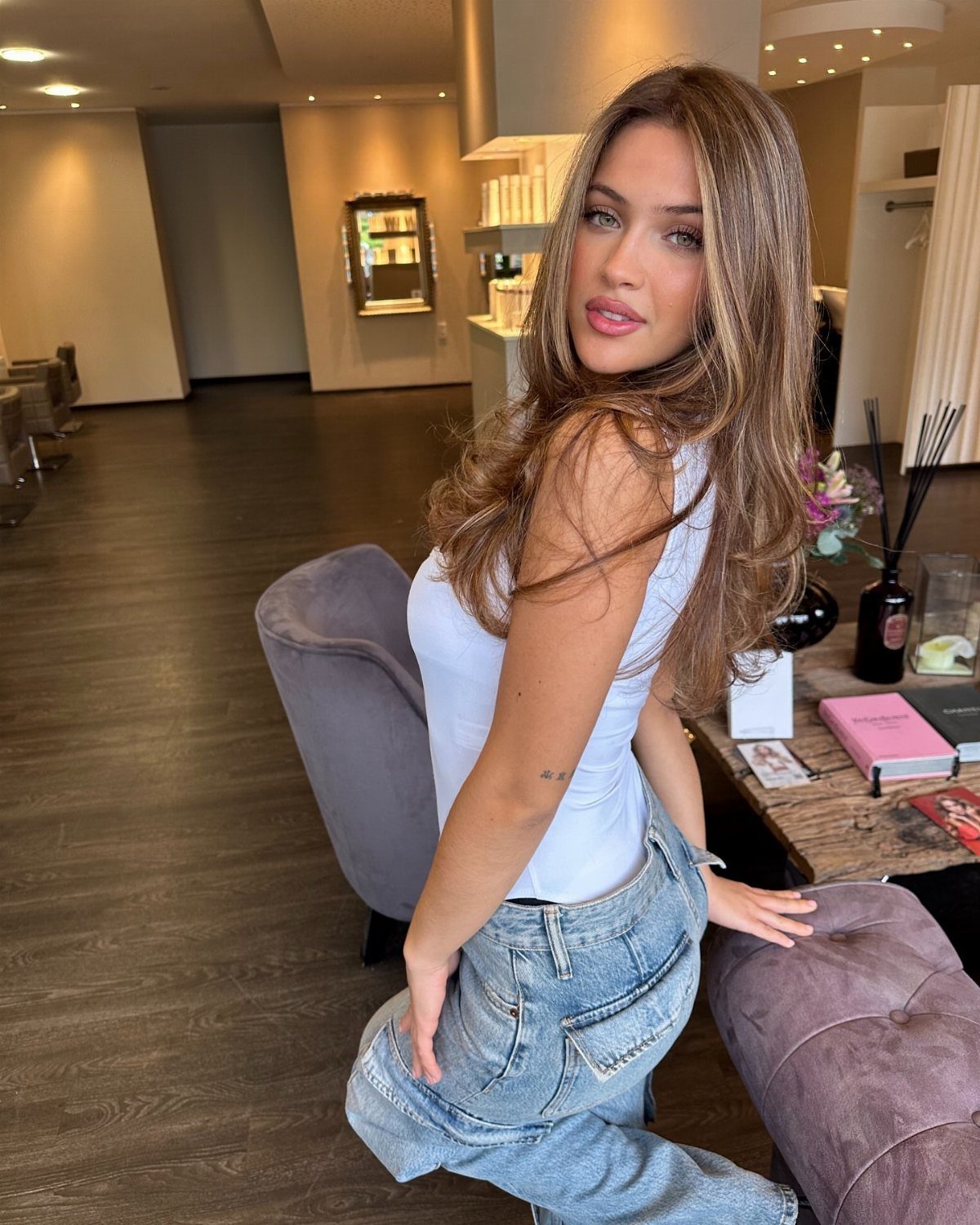
Dark honey sits between caramel and a true golden blonde, warm but not brassy. It’s a good middle ground if you want to lighten your natural color without landing in ash territory or committing to high-maintenance pale blonde.
The lighter blonde pieces here are woven through in a way that keeps the overall tone rich. That mix reads as warm and lived-in, and it grows out without a harsh line.
For anyone with a medium brown base, this is one of the easier blondes to maintain since the starting point isn’t far from where you’re headed.
3. Dark Honey Blonde
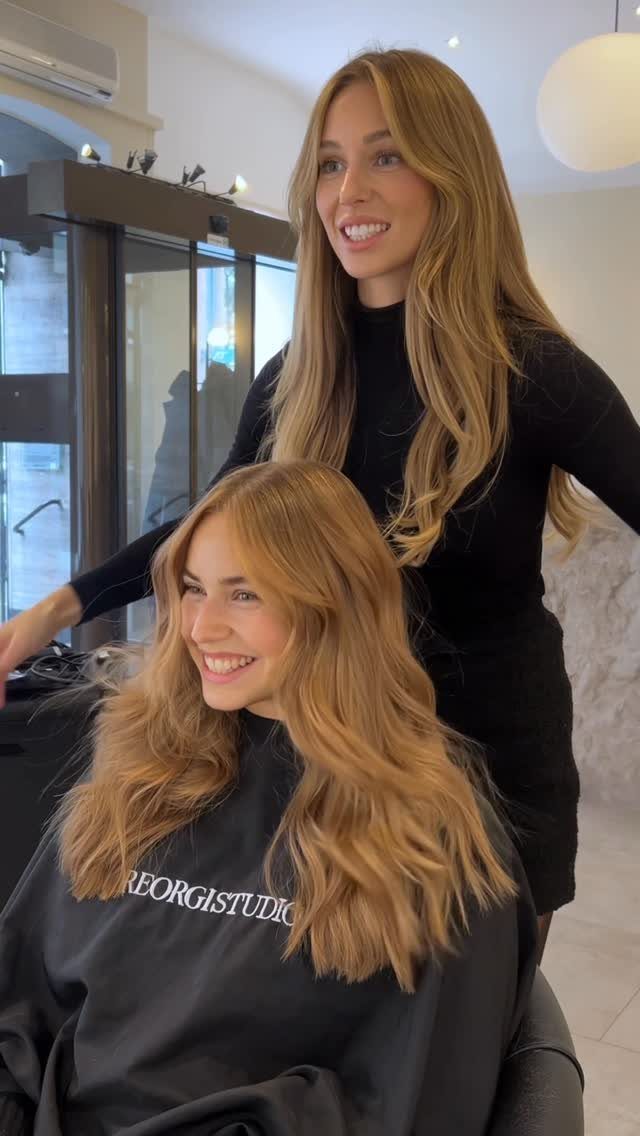
The lighter strands around the face do 2 things: they pull the eye up and add warmth where it matters most. The rest of the hair stays a darker honey, so you get dimension without going all over blonde.
This is partial highlighting. A colorist will focus the lightest pieces around the hairline and part, leaving the underneath and back closer to your natural shade.
That keeps the grow-out soft and cuts down on salon visits. If you have a warm skin tone, the honey base is flattering without reading too cool or platinum.
4. Caramel Honey Blonde Natural Curls
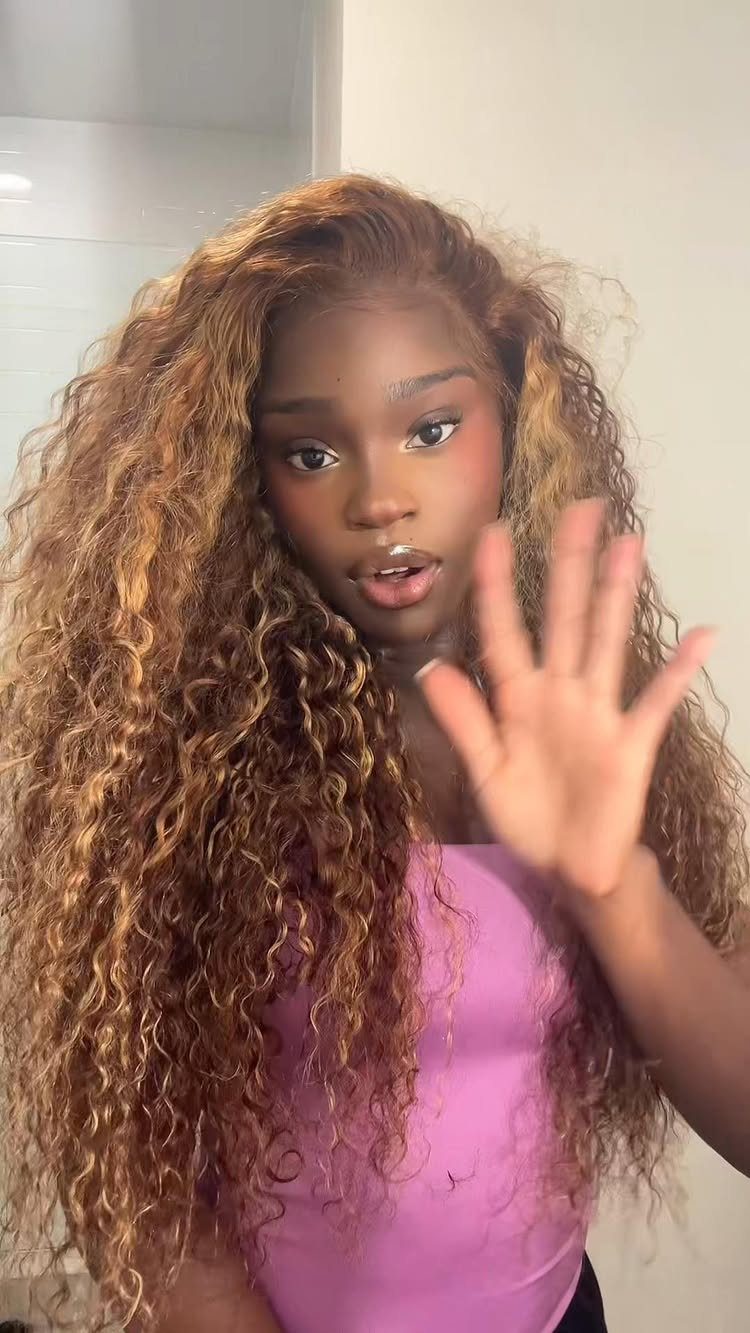
Natural curls show off color variation better than any other texture. Each curl catches light differently, so even a few well-placed caramel honey highlights give you a lot of visual movement.
The warmth in this shade works with the curl pattern instead of fighting it. If you’re adding highlights to natural curls, ask for hand-painting rather than foils.
Foils can create hard lines that show up as rings on curls, while balayage keeps the color soft and random. The honey tones sit warm enough to avoid ashy undertones, which can flatten the look of textured hair.
5. Honey Blonde Highlights
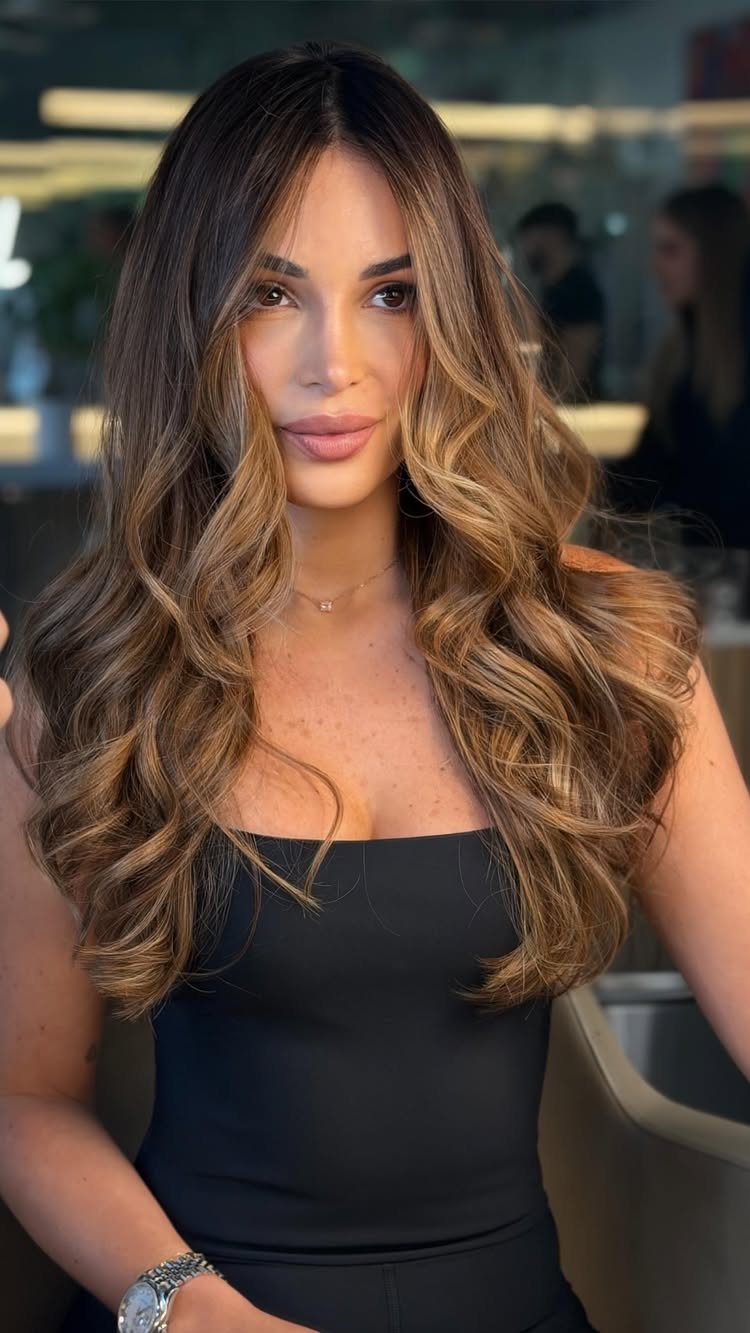
Curls pull highlights into a shifting pattern, so what looks like a lot of dimension could be fewer pieces than you think.
The honey blonde here is warm and concentrated through the mid-lengths and ends, with a darker root that anchors everything.
This is a good option if you want noticeable color but don’t want to lighten the entire head.
The curls do the blending work naturally, so the transition from dark to light reads as soft even when the contrast is strong.
Maintenance is easier than all-over blonde since the base stays close to your natural color, and the darker root gives you more time between appointments.
6. Subtle Golden Honey Highlights
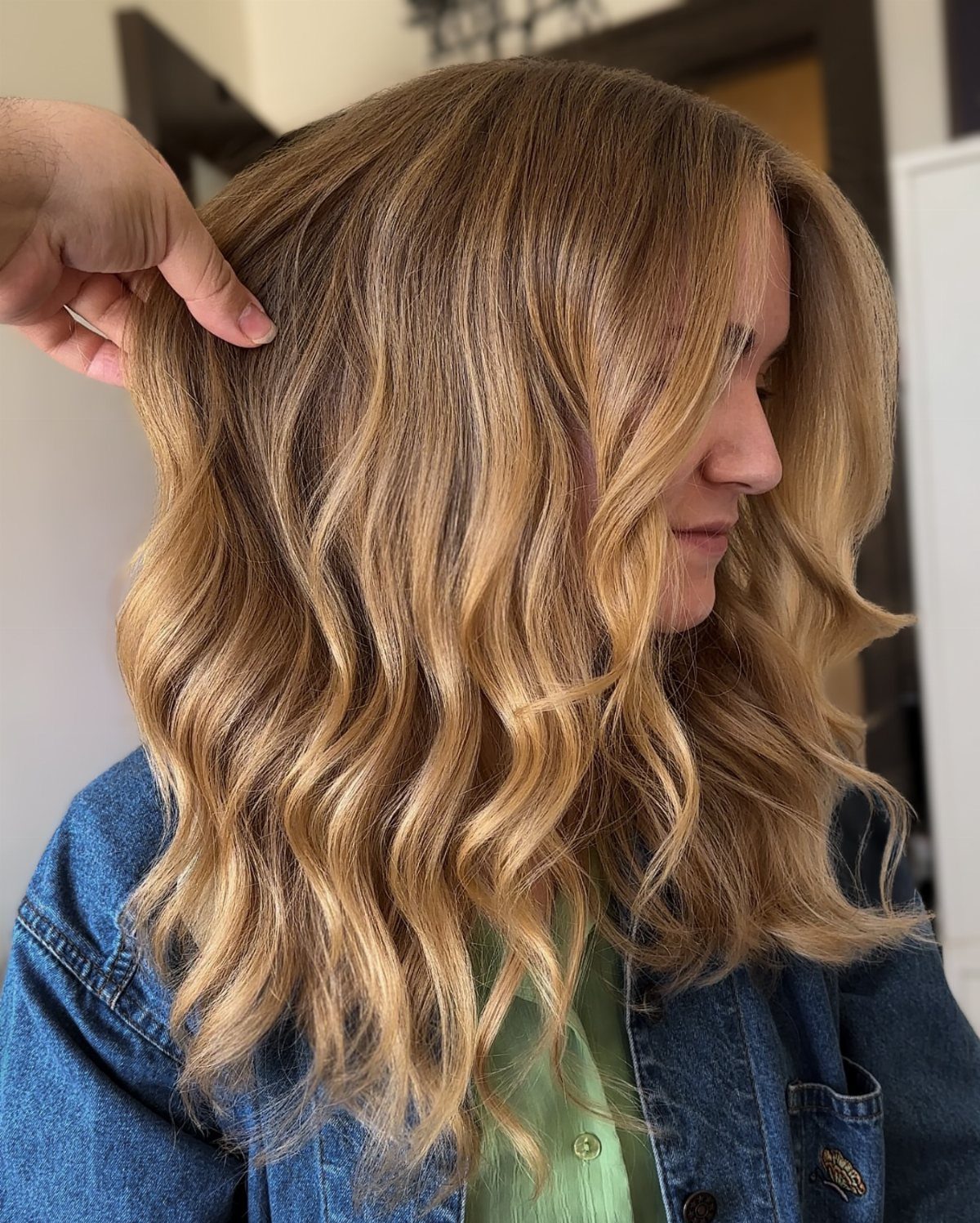
Strategic placement means the highlights sit where the sun would naturally lighten hair: around the face, along the part, and on the surface layers.
The rest stays closer to the base, so the overall effect is subtle but still lifts your natural color.
This is face-framing balayage with a light hand. The golden honey tones add warmth without making the whole head blonde, and the placement keeps grow-out very forgiving.
If your hair is light to medium brown and you want something that feels low-commitment, this is a solid first step into highlights. It’s also easy to build on later if you want more contrast.
7. Warm Creamy Blonde Shade
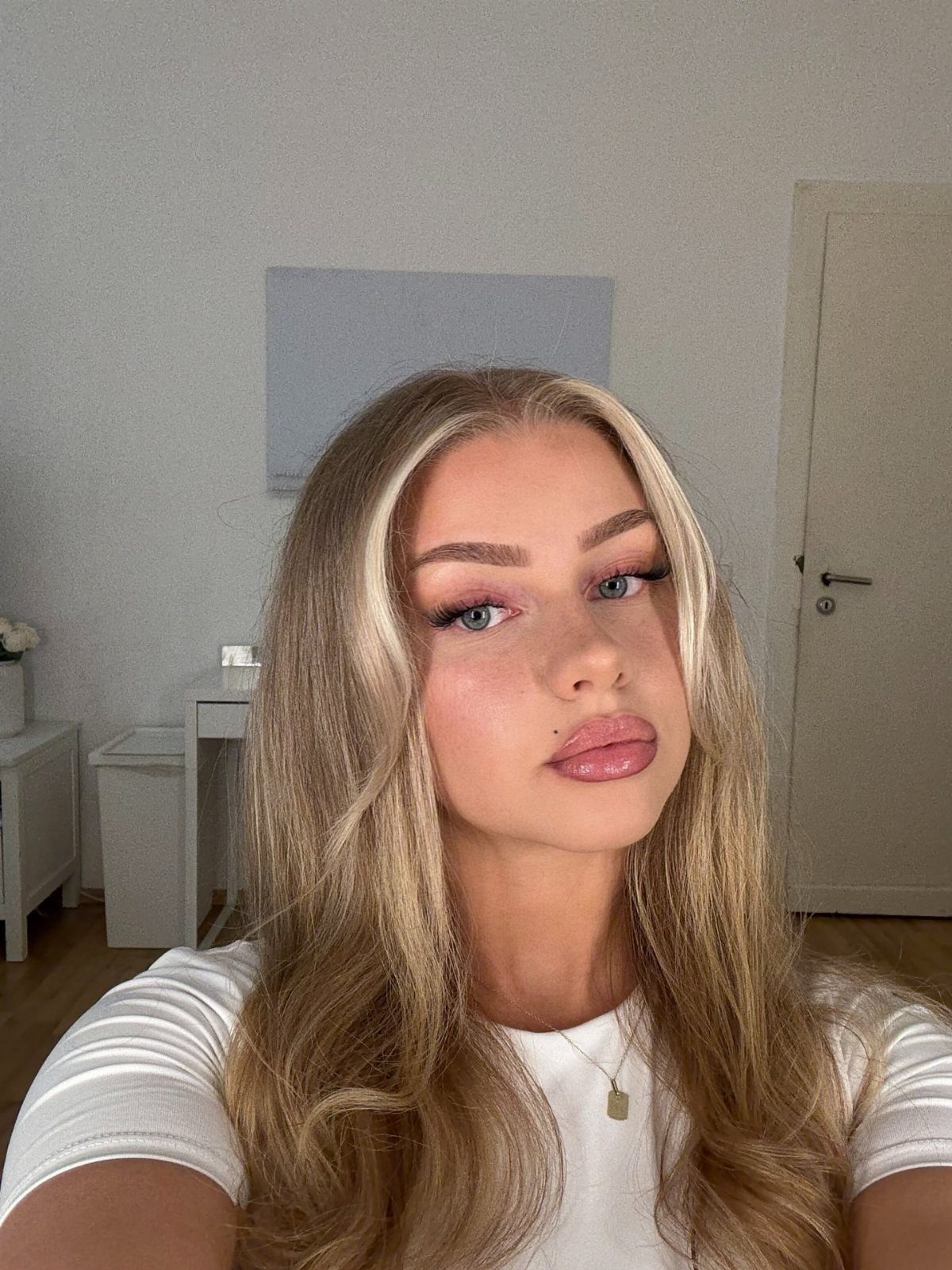
This is all-over color rather than highlights, lifted to a creamy blonde that sits warm without turning gold.
The darker root gives you breathing room between appointments, and the length of it here means you can stretch out your salon visits without the regrowth looking unintentional.
Wavy hair shows every tonal shift, so if you’re lifting from a medium brown base, ask your colorist to keep the blonde even and avoid patchiness. The warmth keeps it from reading ashy, which can look flat on wavy textures.
8. Soft Bronde Ombre
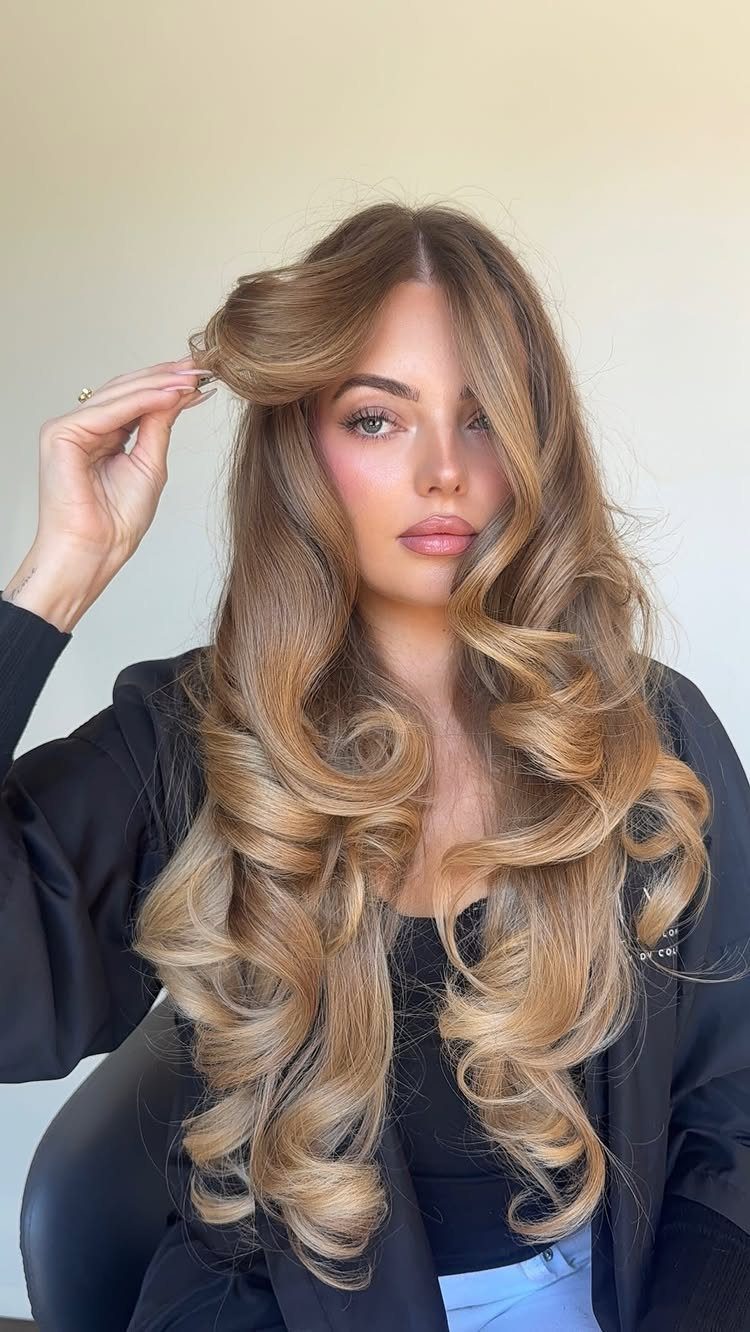
Ombre keeps the root dark and pulls blonde through the ends, so you get a strong contrast without touching up every few weeks.
The honey tones here warm up the blonde and keep it from looking too cool against the brown base.
If your hair is dark brown and you want to try blonde without committing to full coverage, this is a low-risk start.
The transition sits mid-shaft, so regrowth is invisible and you only need to refresh the ends when the tone starts to fade. Curling the hair helps blend the shift from brown to blonde.
9. Sunny Blonde with Honey Tones
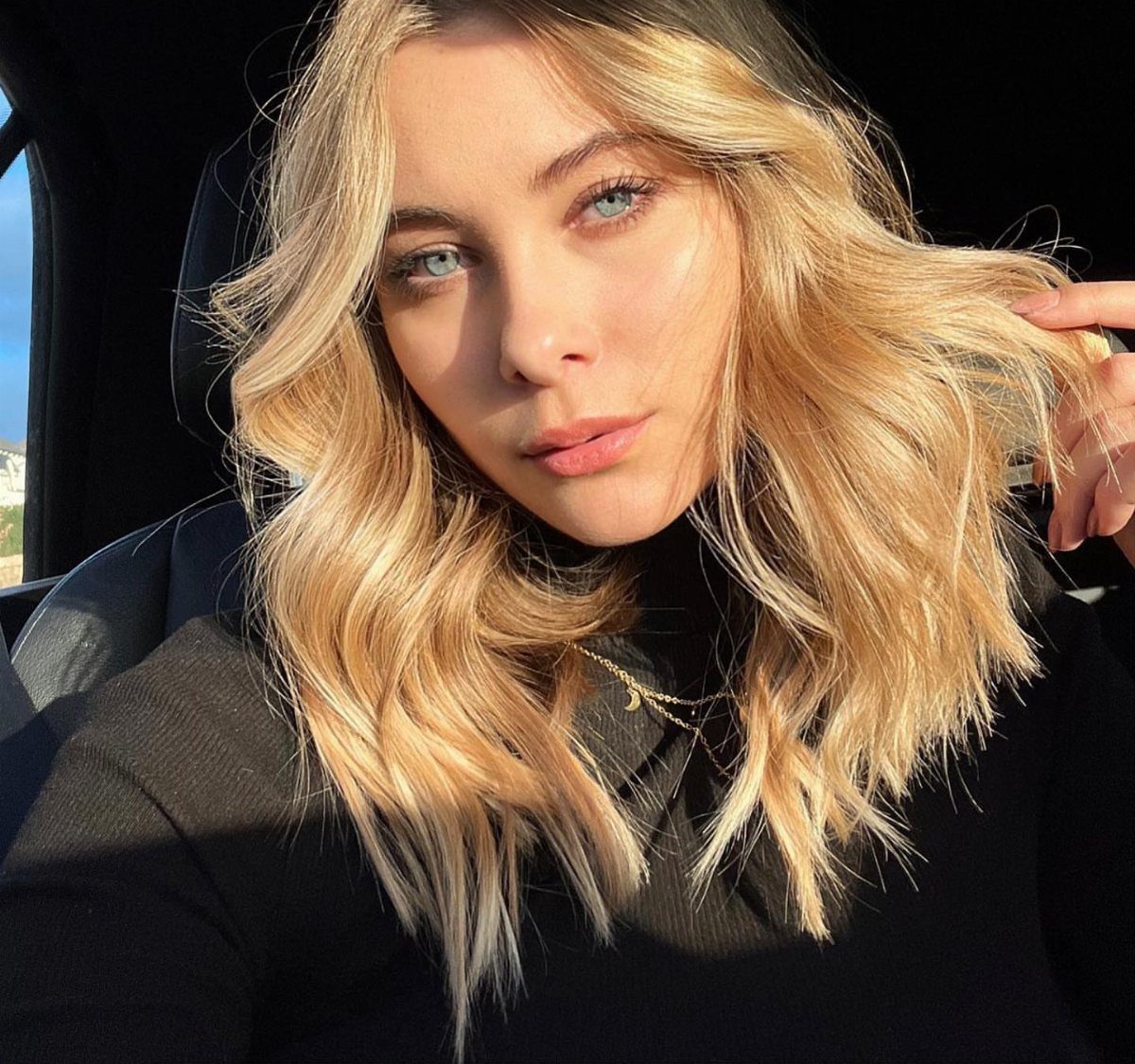
The contrast between the dark root and the warm honey blonde gives you depth and keeps the color from looking flat.
This is balayage with a lot of lift, so the blonde sits bright but the honey tones keep it from going platinum.
If you’re starting with dark blonde or light brown hair, this level of lift usually takes 2 passes of lightener.
The root shadow here is intentional and makes grow-out much easier to manage. The warmth flatters most skin tones, and sunlight picks up the gold.
10. Creamy Honey Front Highlights
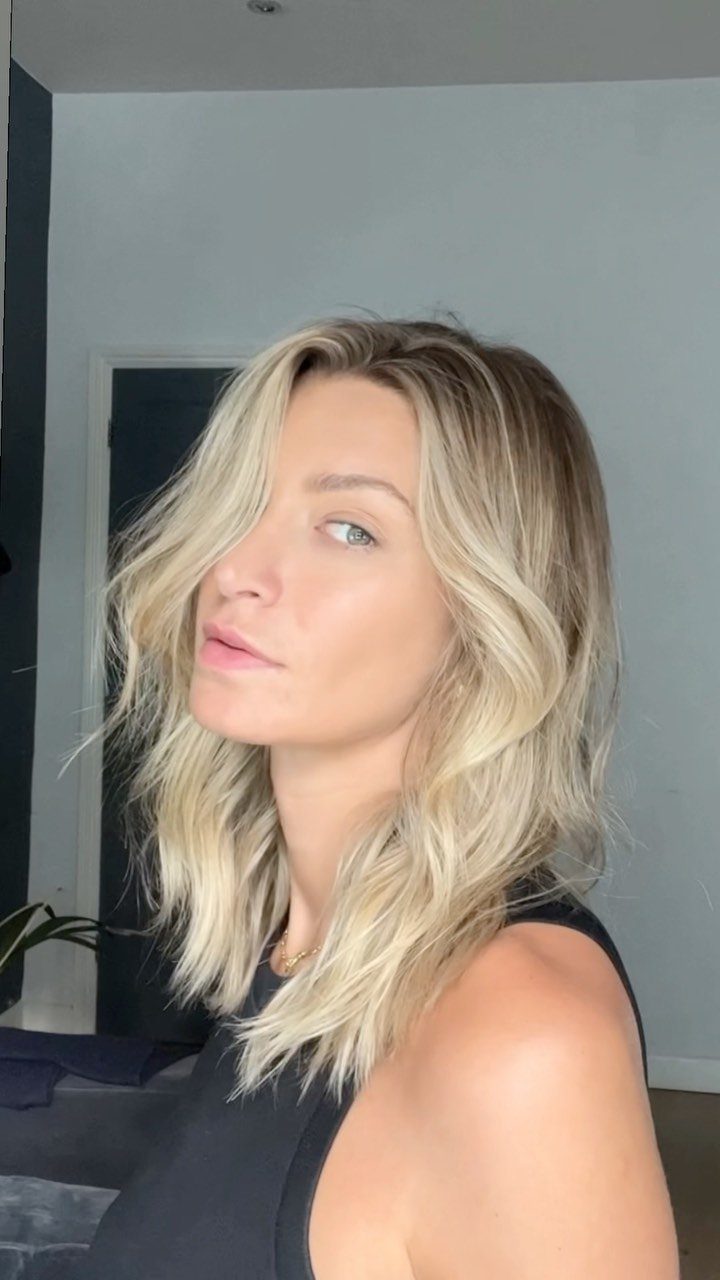
The color concentrates around the face and through the top layers, so it brightens where you see it most.
The blend of honey, caramel and blonde keeps the look soft rather than striped, and the darker base anchors the whole thing.
This is partial balayage with a focus on the front. If you don’t want to go all over blonde but still want your hair to feel lighter, this is one of the easiest ways to do it.
The placement is flattering on most face shapes, and maintenance is low since the back and underneath stay close to your natural color.
11. All-Over Honey Blonde
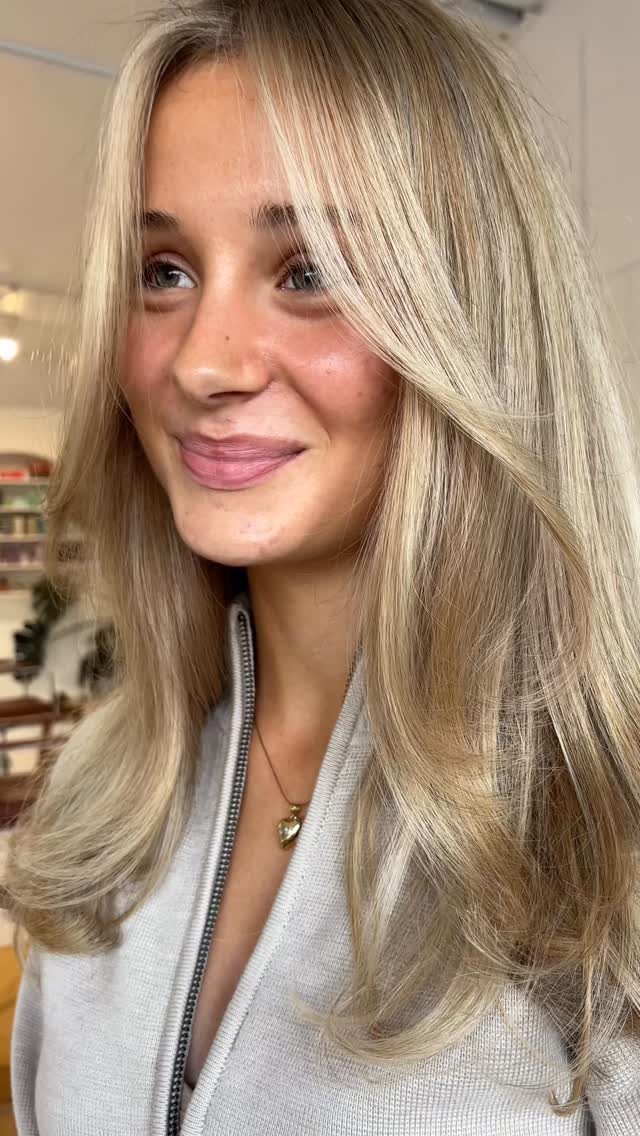
Going full honey blonde means lifting the entire head, so the color is consistent instead of dimensional. The darker root here is intentional and keeps you from needing constant touch-ups.
This is single-process blonde with a shadow root. If you’re starting from medium brown, expect a longer session depending on your hair’s thickness and how much lift you need.
The honey tone is warm and works well if you have warm or neutral skin. It requires more upkeep than highlights but gives you an even, polished look.
12. Cool-Toned Honey Balayage
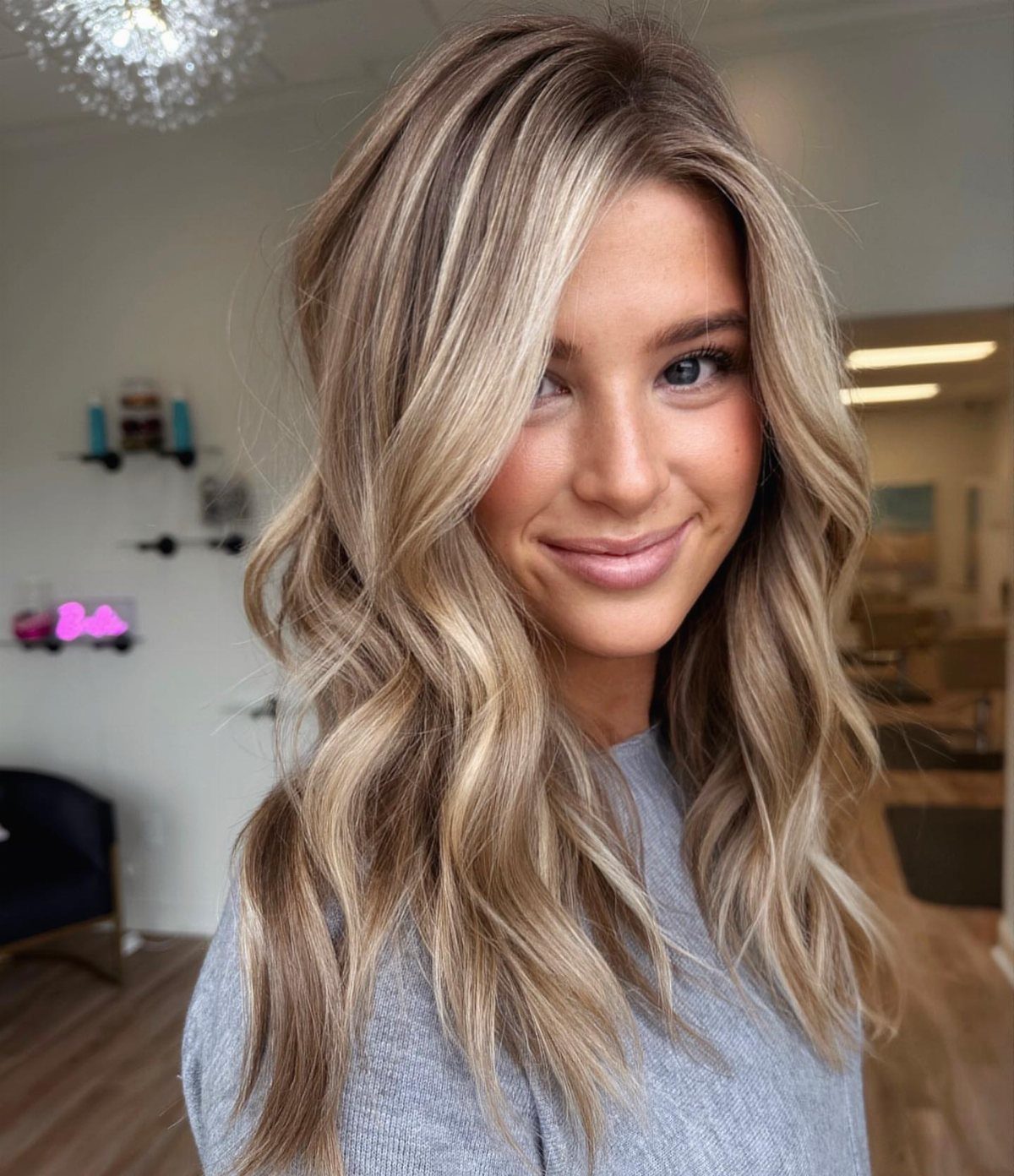
Cool-toned honey leans beige instead of gold, which keeps the blonde from pulling too warm or brassy.
If you have cool or neutral skin, this is a softer option than warm caramel tones.
The beige blonde is easier to maintain than icy platinum since it’s more forgiving when it fades, and the darker root means you can stretch out your salon visits.
Ask your colorist for a toner that pulls ash or neutral rather than golden.
13. Classic Honey Blonde
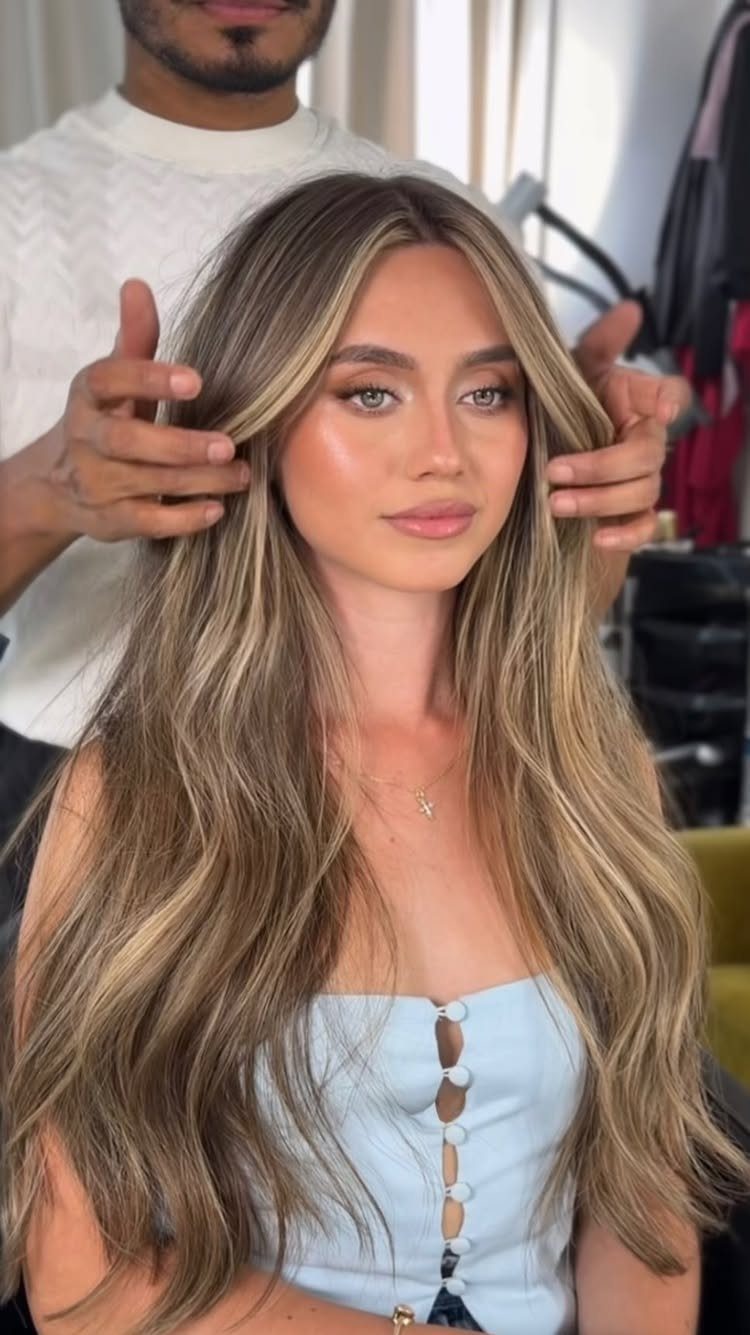
The golden flecks and light-brown lowlights here keep the blonde from looking one-note. Flat blonde can wash out on long hair, so the depth from the lowlights gives the color somewhere to go.
This is a mix of highlights and lowlights, which means your colorist foils or paints lighter and darker tones through the same session.
The honey blonde reads warm, and the brown pieces keep it grounded. If you want blonde that still feels natural, the variation does most of the work.
Despite the name, honey blonde isn’t one exact shade. “A honey blonde is light in level, neutral warm in tone, with an intentional gold reflect,” explains celebrity hairstylist Matt Rez.
14. Sunny Honey Blonde
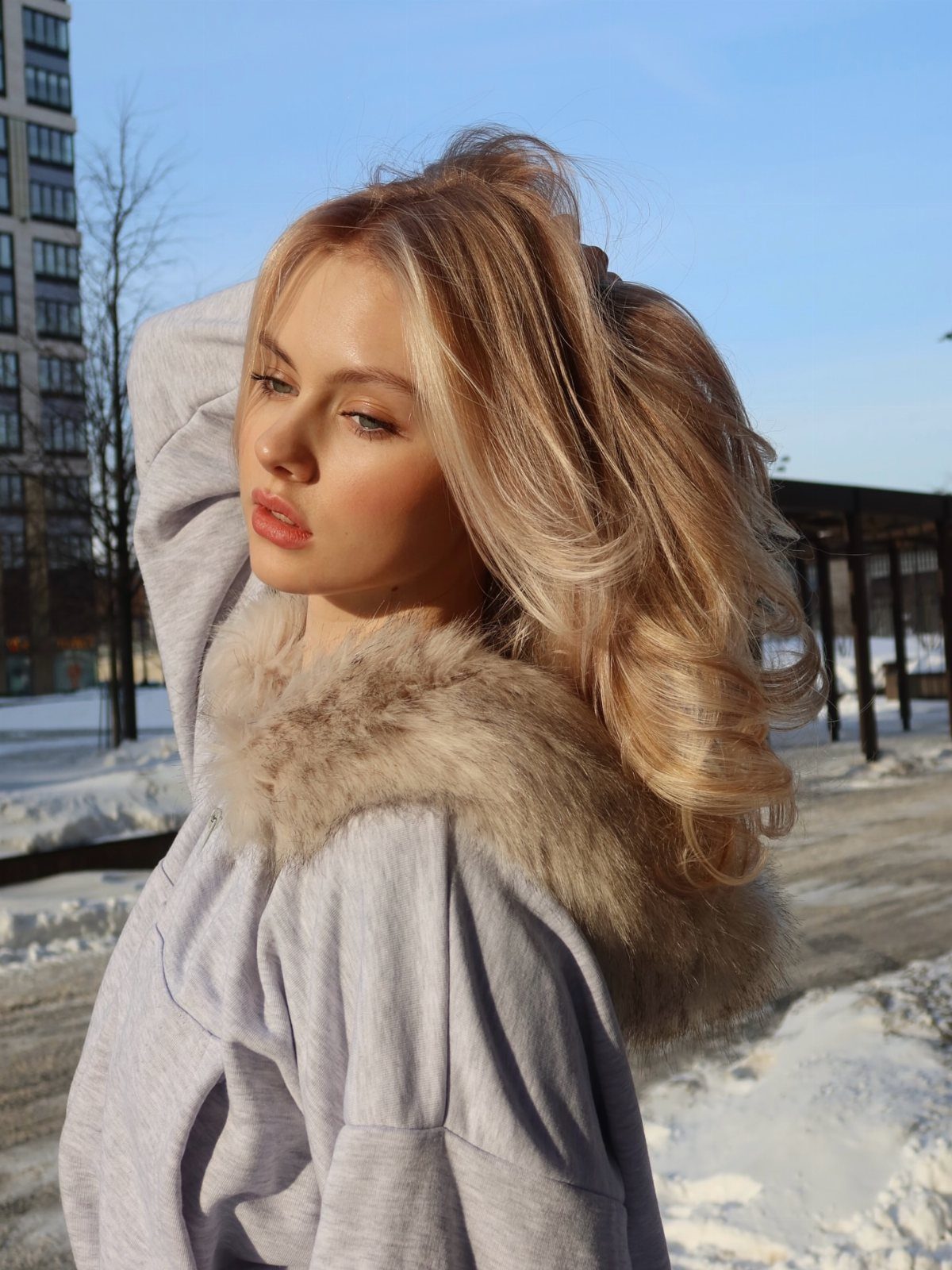
Glossy honey blonde like this needs the hair in good condition to start.
Damaged ends scatter light instead of reflecting it, so if your hair is already dry or porous, expect a round of deep conditioning before you get this kind of shine.
The tone is bright but still warm, so it flatters most skin tones without going platinum.
15. Golden Blonde Balayage
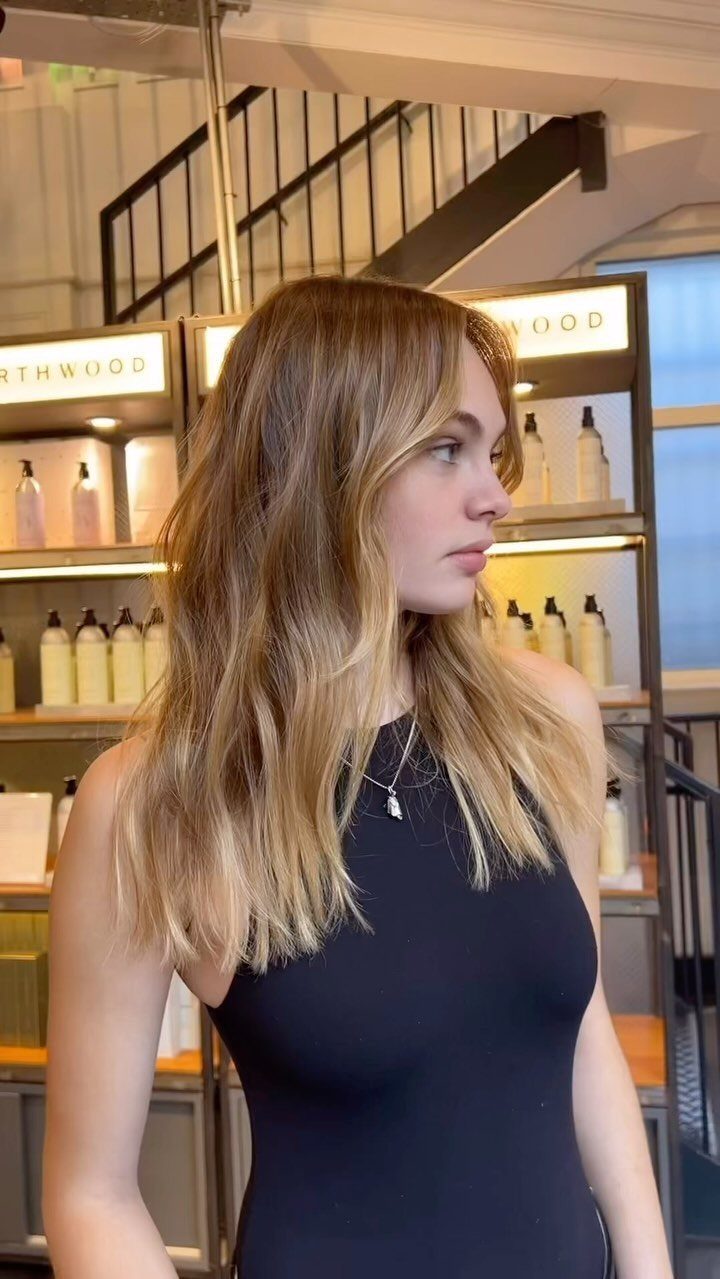
Straight hair shows every placement decision, so the balayage here has to be precise to avoid stripes.
This works well if you have naturally straight hair and want to add warmth without curling it every day.
The blend is soft enough that you can air-dry and the color still reads as intentional. The darker root means fewer appointments than all-over blonde.
16. Honey and Wheat Highlights
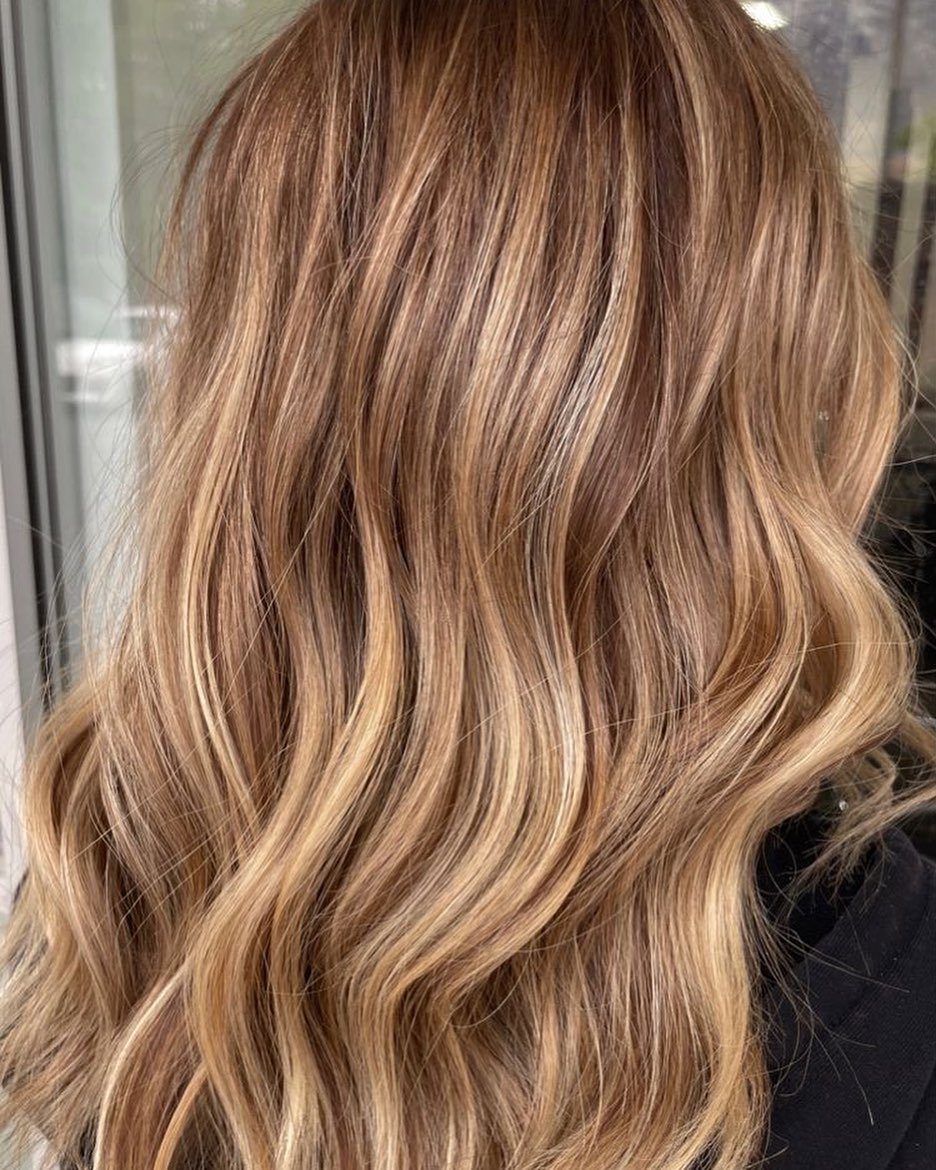
Fine highlights like this take more time to place since the colorist is working with thinner sections.
If your natural color is light brown and you want to brighten it without a major change, this is a safe move.
The highlights are subtle enough that regrowth blends in naturally, and the warm tones keep the blonde from looking ashy. Ask for foils or balayage with fine weaving if you want this level of detail.
17. Sun-Kissed Honey Beige
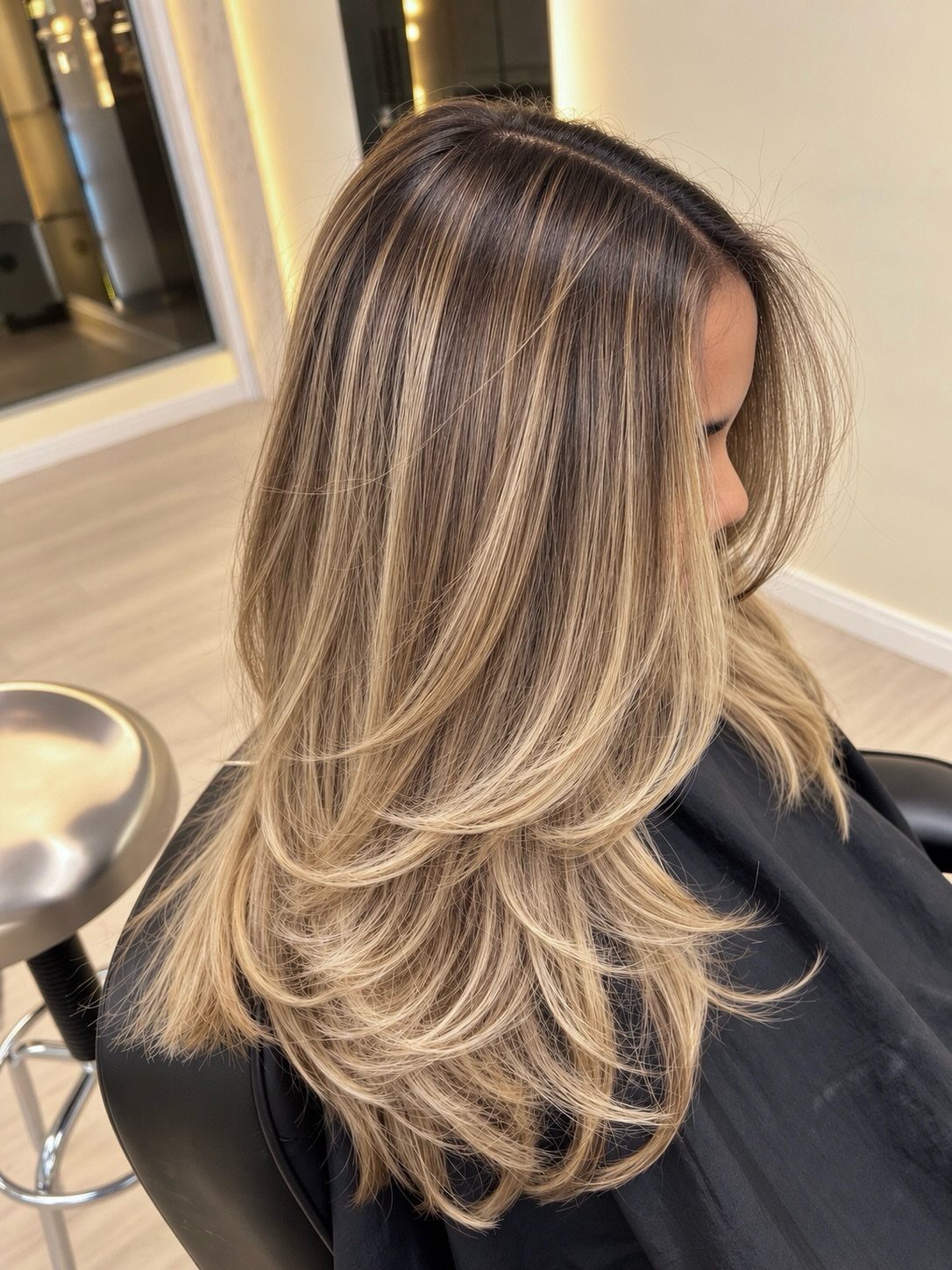
The beige tones here pull cooler than golden honey, so the blonde stays soft without turning brassy. The layered cut helps the highlights move, and the darker root makes grow-out invisible.
This is balayage with a beachy finish, which means the colorist paints the blonde through the surface layers and leaves the underneath darker.
If you want a lived-in look that doesn’t need constant touch-ups, this is one of the easiest options. The beige tone fades more gracefully than bright gold.
18. Toasted Almond Shade
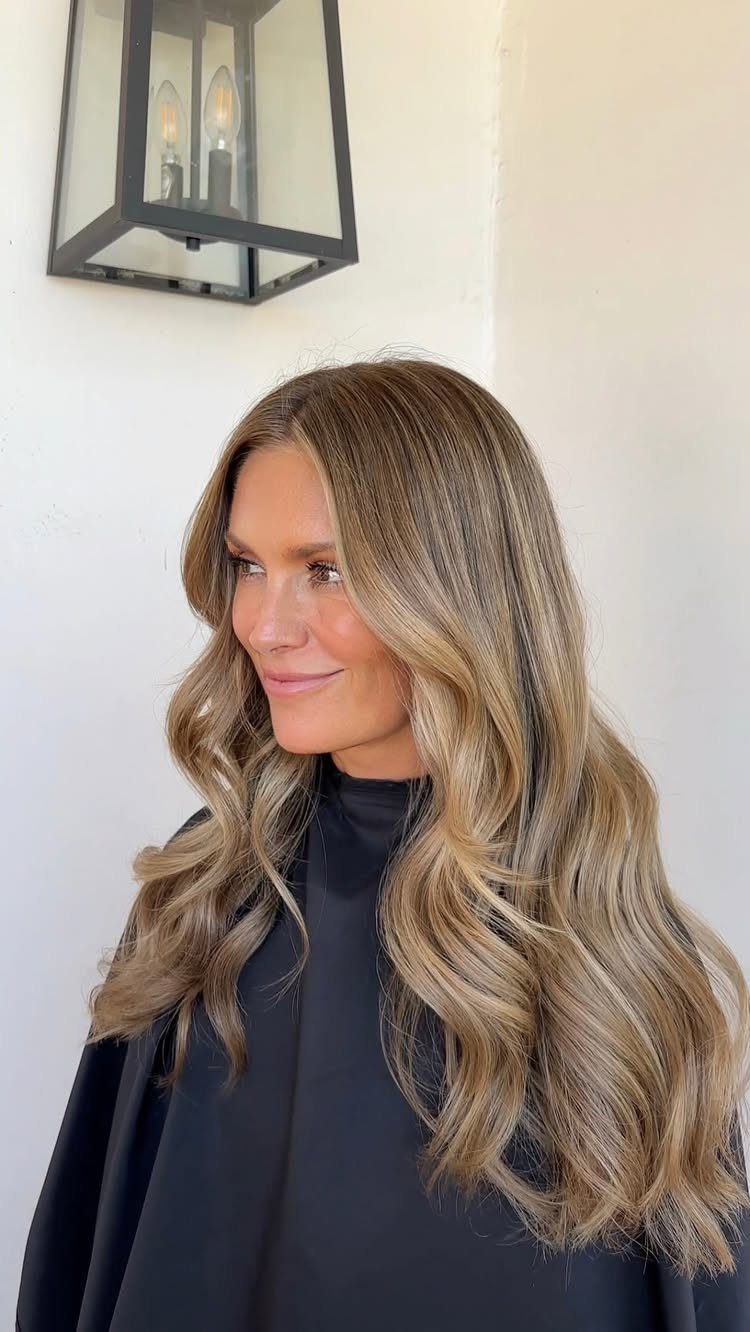
The warm blonde here lifts the face without lightening the whole head.
This is partial highlighting, and it’s a good choice if you want color that feels noticeable but doesn’t require full coverage.
The light-brown base stays intact, so maintenance is low and salon visits can stretch out longer. The warmth keeps the blonde from looking too cool against the natural color.
19. Champagne Blonde Curls
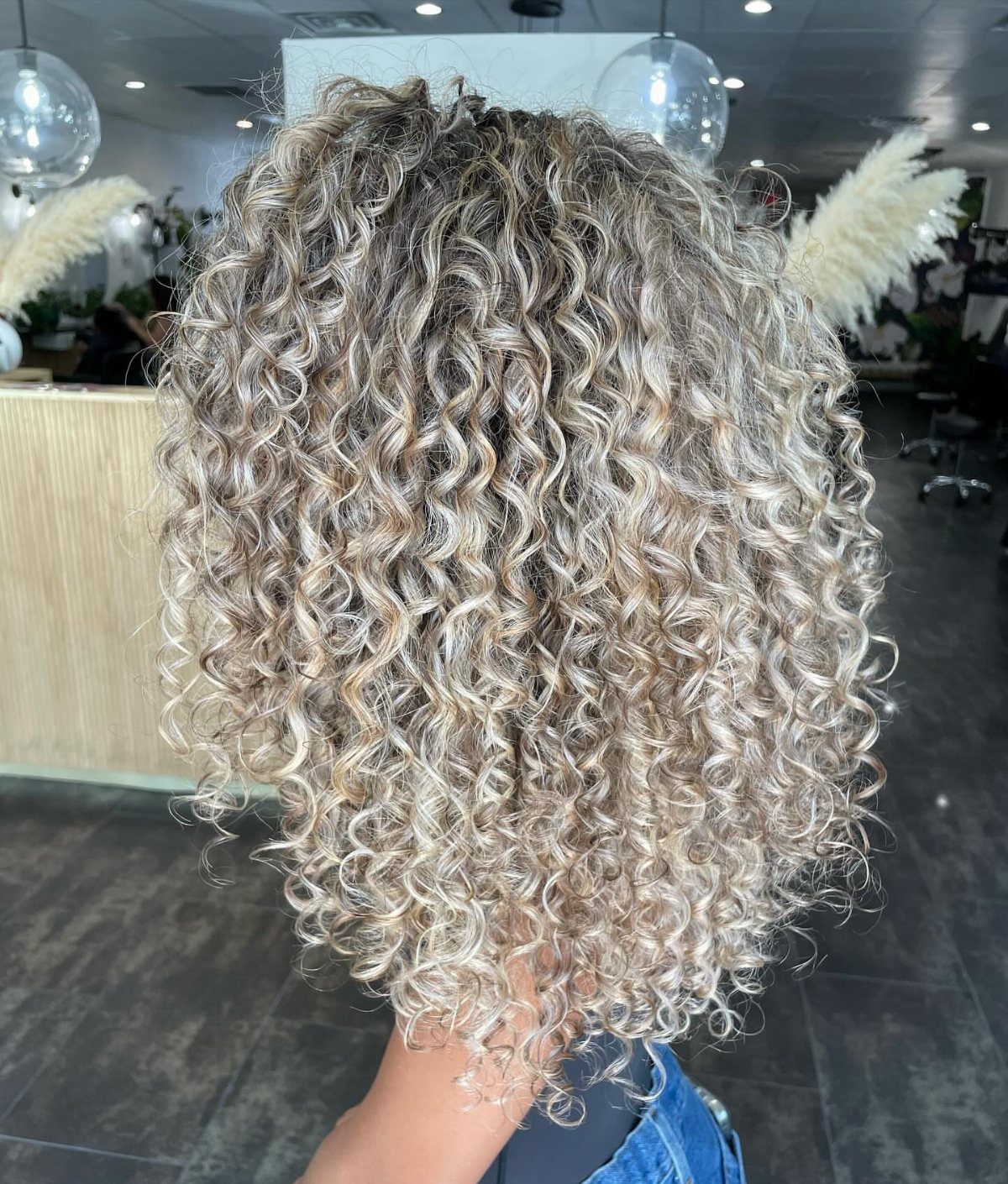
The ash-brown root here anchors the champagne blonde and keeps short curls from looking too bright all over. On this length, the darker base adds depth that flatters the curl pattern.
Short curly hair holds color differently than long hair since each curl compacts the color closer together. The champagne tone is warm enough to avoid looking washed out, and the root shadow gives you time between appointments.
If you’re going from dark hair to this level of blonde on short curls, expect the lift to take longer since the colorist has to work around the curl’s structure.
20. Rooted Spiced Caramel Locks
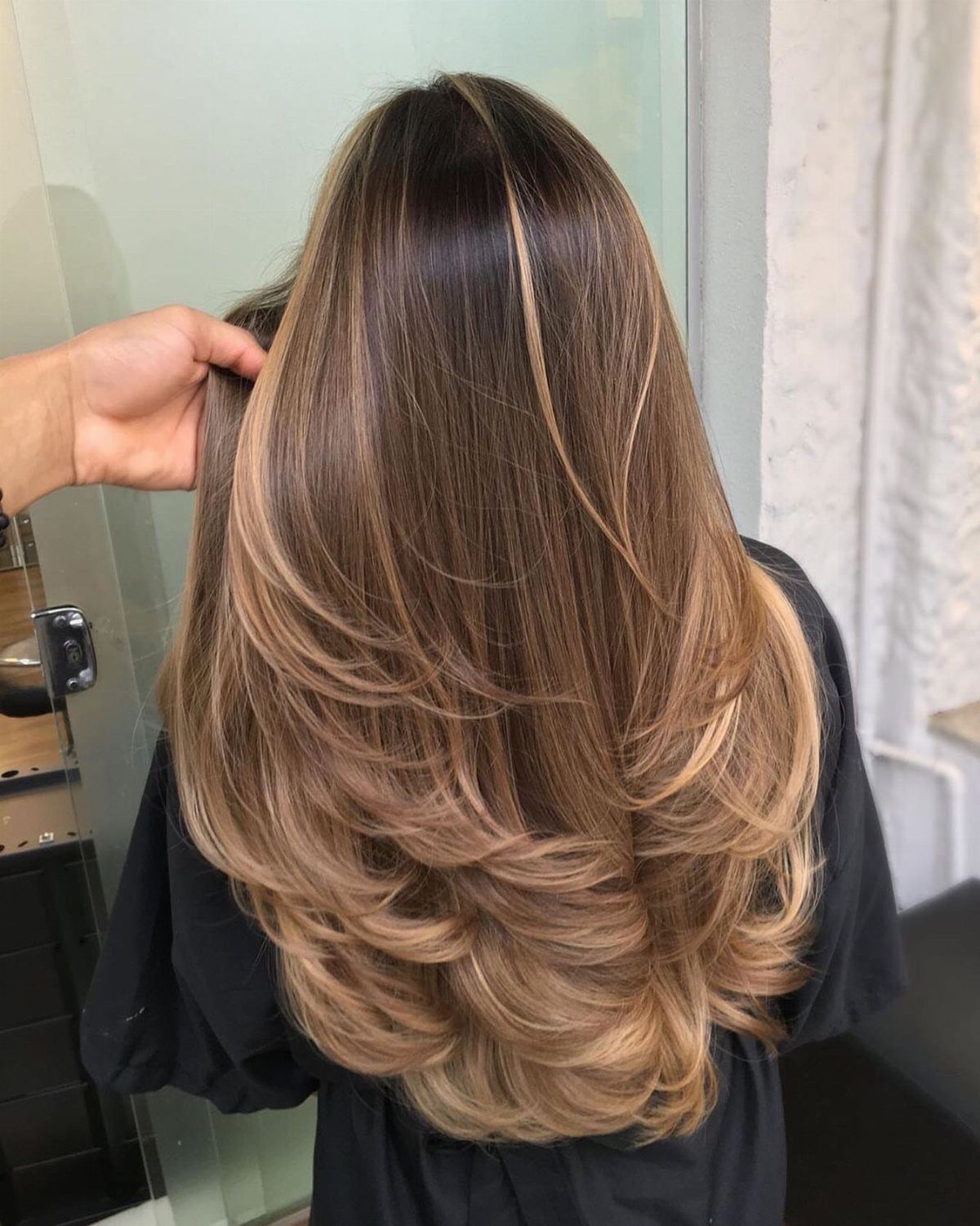
The caramel highlights here sit through the mid-lengths and ends, leaving the chocolate brown base intact. That gives you warmth and movement without covering the whole head in color.
This is partial balayage, and the placement keeps maintenance low. It lifts dark brown a few shades while keeping the overall depth.
The caramel reads warm against the brown, and the darker root means regrowth blends in naturally. Long hair shows off the transition well, and the warmth catches light when you curl it.
21. Coconut Caramel Shade
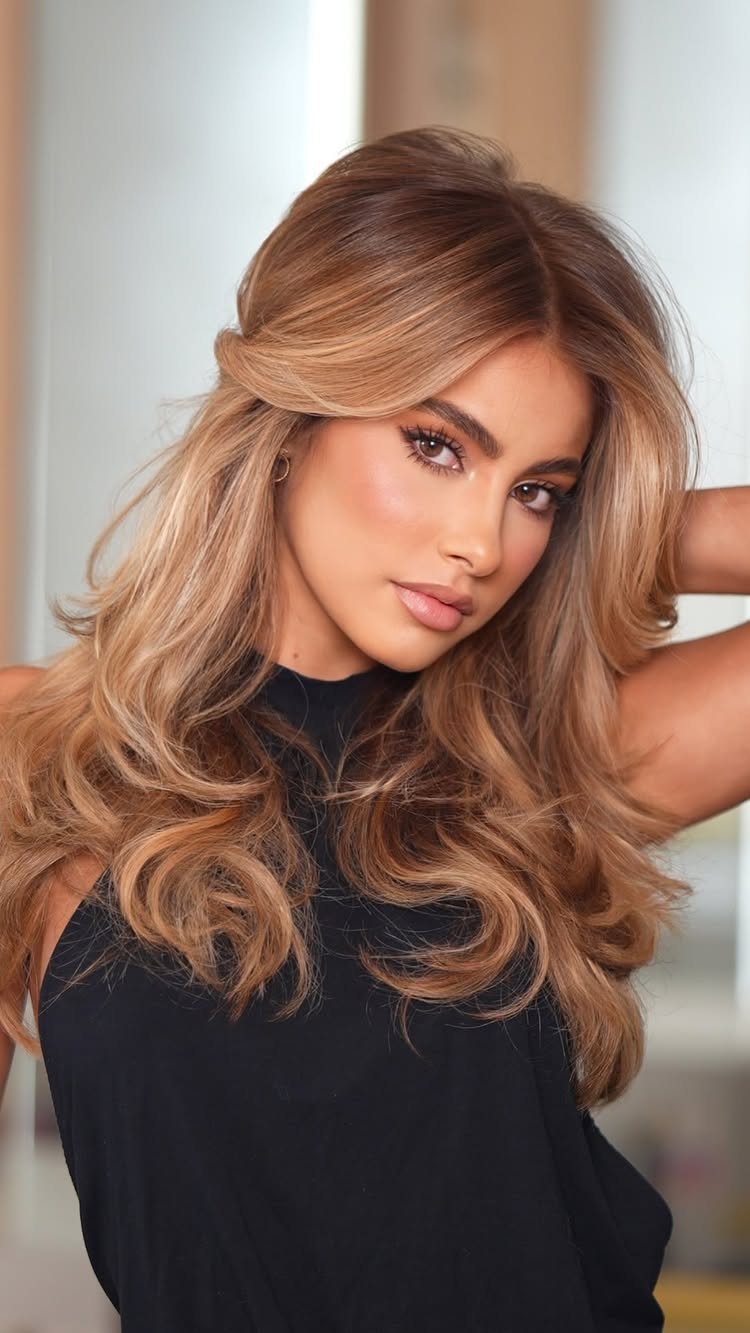
Very long hair like this shows the full gradient from root to end, so the caramel blonde has a lot of space to shift and move. The length also means more weight, which pulls waves into a softer pattern.
If you’re growing your hair out and want color that still feels intentional at this length, balayage works better than all-over color since it keeps dimension through the ends.
You get warmth and dimension with a root that grows out gracefully.
22. Strawberry Blonde Color
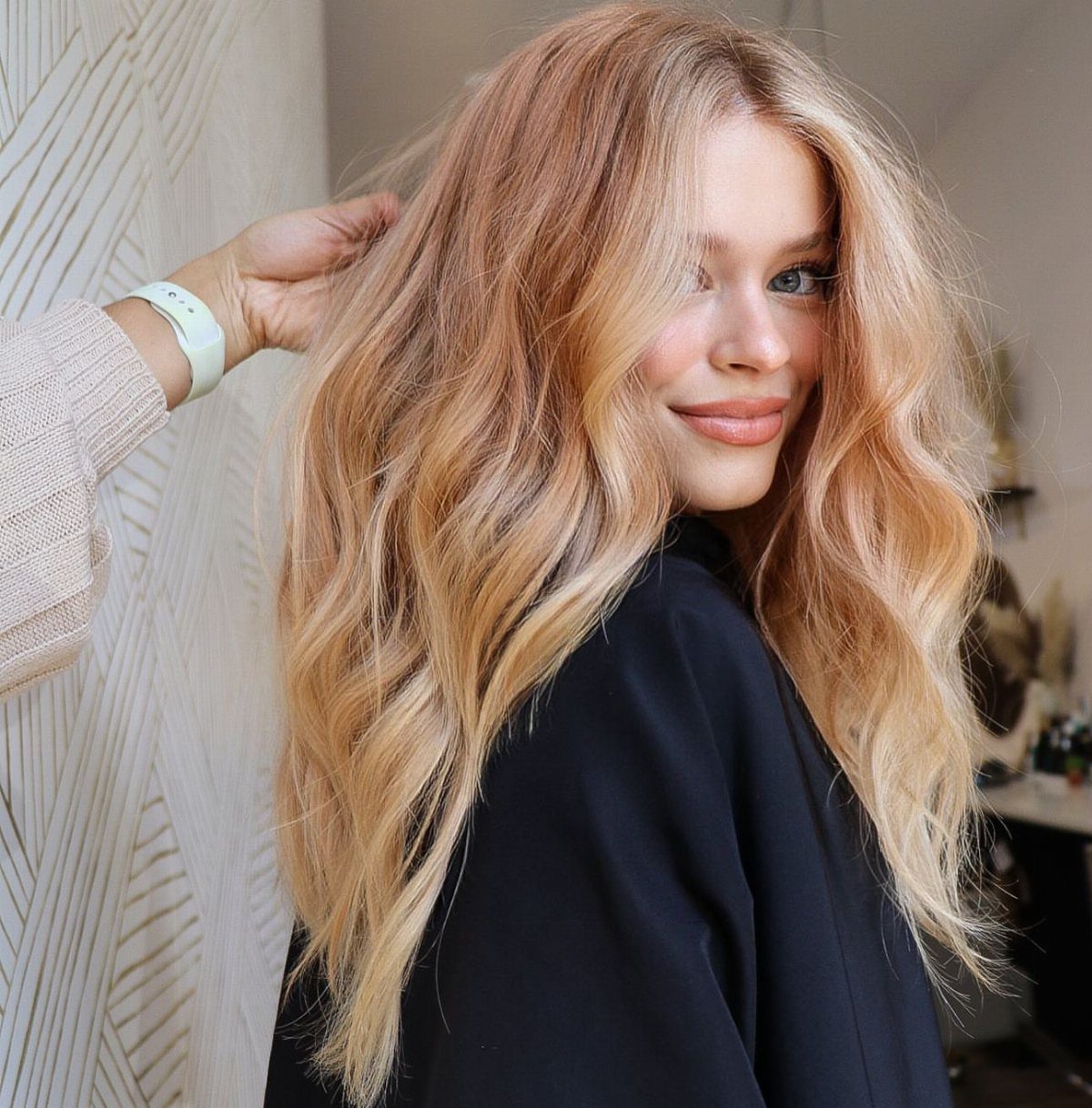
Strawberry blonde on its own can read cool or even pink-toned, but the honey-gold here pulls it warmer. That keeps the color from looking flat and adds depth through the waves.
If you have naturally light hair with red or copper undertones, this is an easy lift. The honey tones brighten the strawberry blonde without neutralizing the warmth, so you keep the red base while adding dimension.
The waves help blend the tones together, and the color fades more gracefully than cooler shades since the warmth holds longer.
23. Honey Face-Framing Highlights
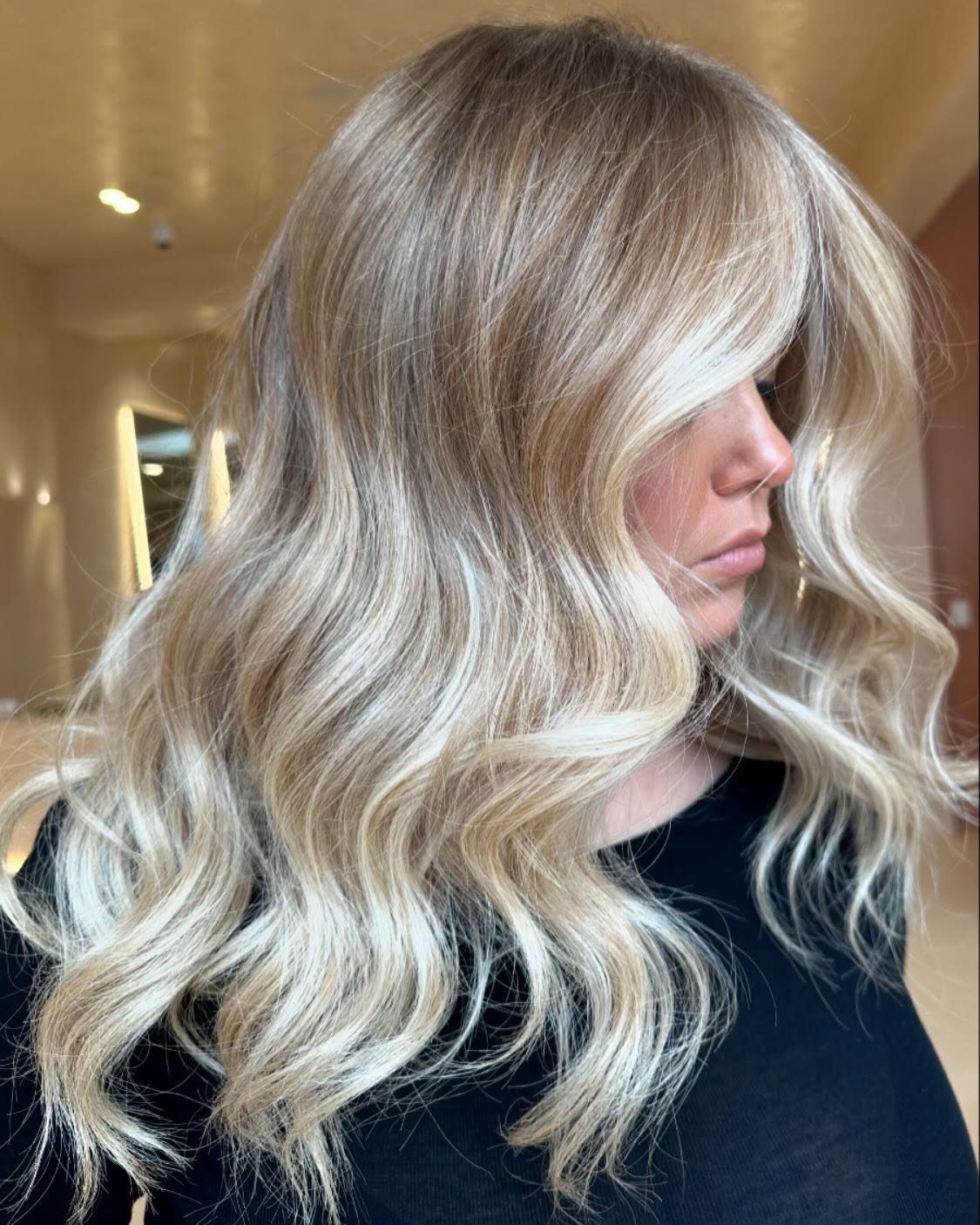
Face-framing highlights concentrate the brightest blonde around the hairline and front layers, so the color brightens where it matters most. The rest stays closer to the natural base, which keeps the look soft and the maintenance low.
The technique is balayage, the strategy is keeping it around your face. If you want blonde without lightening the entire head, this is one of the easiest ways to do it.
The honey tones keep the blonde warm, and the darker back and underneath mean you can stretch out salon visits. The placement flatters most face shapes.
24. Bright Blonde with Tints of Honey
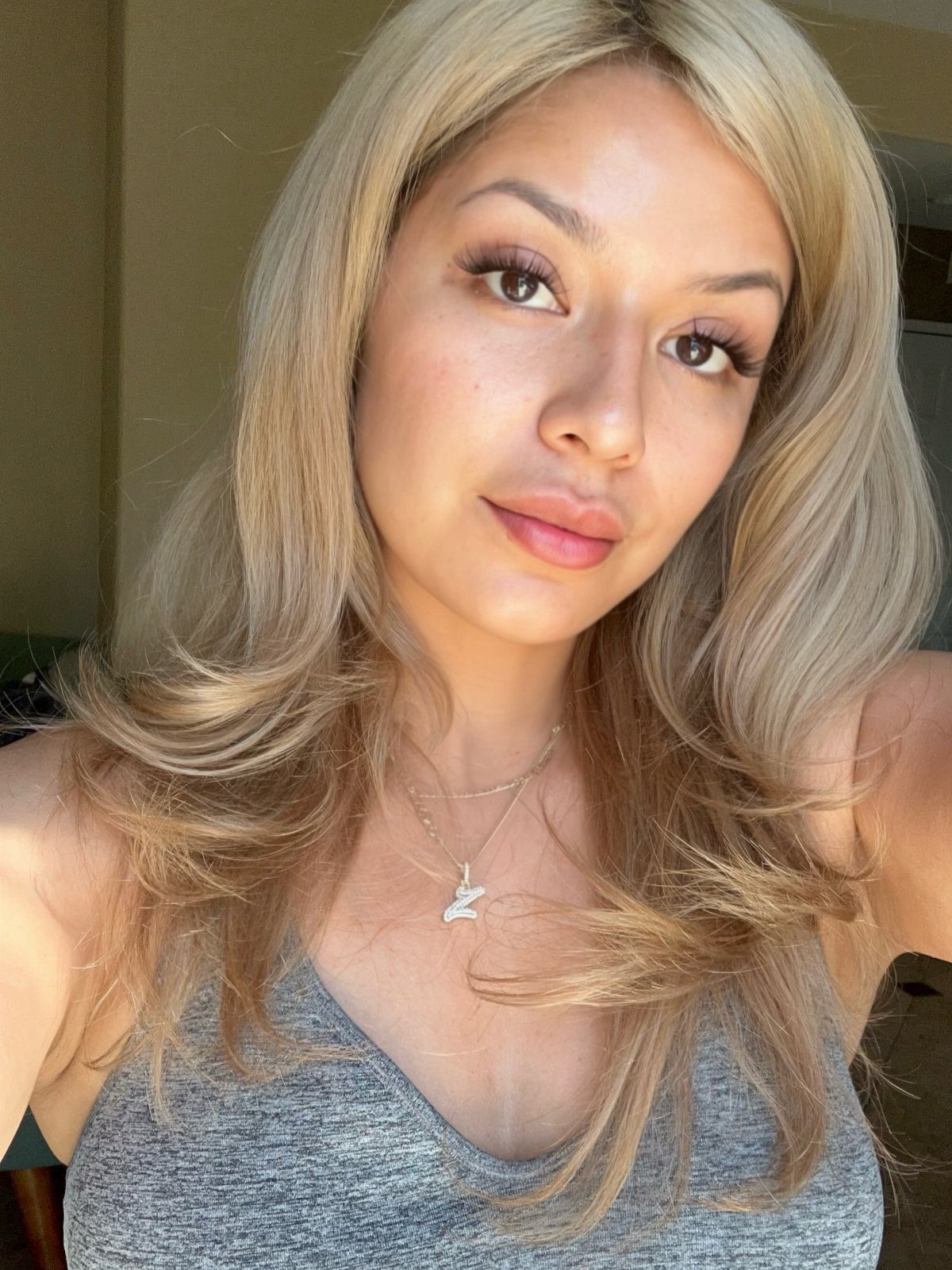
Bright blonde can look stark without some warmth to anchor it, and the honey tones here do that job. The soft strands around the face pull slightly warmer than the rest, which keeps the platinum from washing you out.
This is all-over blonde with honey lowlights or a toner that pulls warm. If you’re maintaining platinum and want to soften it without going darker, ask your colorist to add honey through the front or mid-lengths.
The warmth makes the blonde feel more natural, and it’s easier to maintain than icy tones since it doesn’t require constant toning.
25. Honey Blonde with Copper Undertones
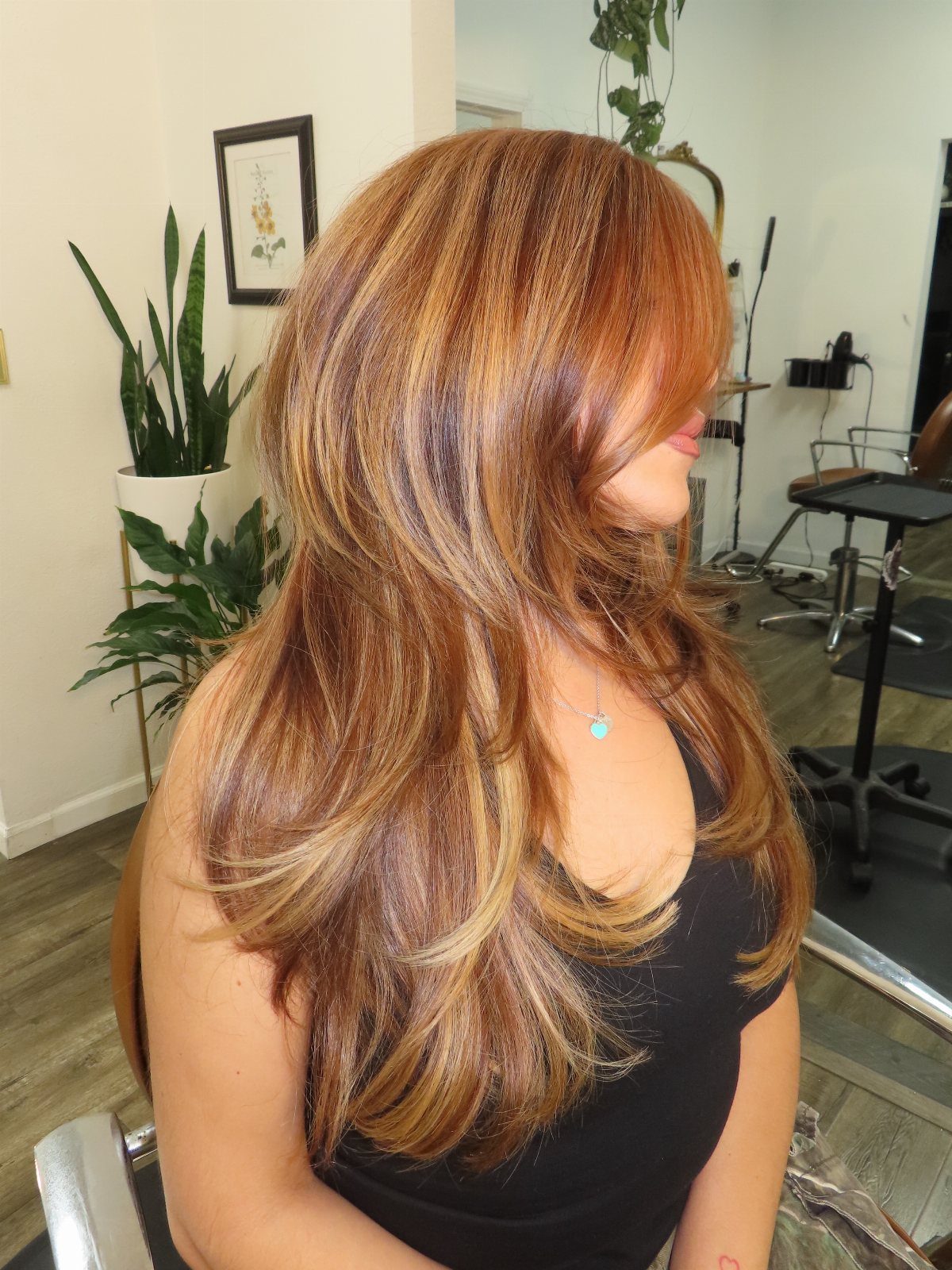
Copper warms up honey blonde and keeps it from reading too neutral. The red-orange undertones catch light differently than straight gold, so the color shifts depending on where you’re standing.
If you want honey blonde but find most versions too cool or flat, copper is the move. The warmth suits most skin tones and fades more gracefully than ash or platinum.
Ask your colorist to pull the toner warm or add copper lowlights through the blonde. The layers here help the color move, and longer hair shows off the shift between honey and copper better than a blunt cut.
Choosing Shade for Skin Tone
If you’re not sure where you land, think about whether gold or silver jewelry flatters you more. Gold usually signals warm, silver points to cool.
You can also ask a makeup artist at a counter to confirm your undertone, or try a semi-permanent version of the shade first to see how it sits before you commit to permanent color.
Warm honey blonde shades also work well against dark skin tones, especially when paired with a dark root in curly or straightened styles.
Color Care and Brassiness
Use color-protecting shampoo and conditioner to keep the tone from fading too fast. A hydrating mask once a week helps, and heat protection before styling keeps the cuticle smooth so the color reflects light instead of scattering it.
Honey blonde can shift toward copper or strawberry as it fades, especially if your water is hard or you’re out in the sun a lot.
Purple shampoo every few washes will add cool tones back and pull out brassiness, but pair it with a conditioning mask since it can be drying on its own.
An at-home gloss or glaze between salon visits will lock in tone and add shine.
Bond repair treatments keep the hair structure strong after lightening, which means the color lasts longer and the hair stays more reflective. The healthier the cuticle, the better the color holds.
Lifting and Hair Health
Before you add honey tones, your colorist should evaluate your natural hair level. Pre-lightening to level 8 or 9 helps the honey reflect accurately instead of looking muddy or uneven.
Deep conditioning after and between appointments supports the cuticle.
When the structure inside each strand stays intact, the highlights look glossy longer and fade less. Use a heat protectant before styling since lightened hair is more vulnerable to damage from heat tools.
Frequently Asked Questions
What skin tone does honey blonde look good on?
Honey blonde flatters most skin tones because the warmth can be adjusted without losing the signature gold. Golden or caramel honey shades flatter warm skin, while honey beige or ash-toned versions work better on cool or neutral complexions.
What color is honey blonde with highlights?
Honey blonde with highlights blends light, golden and amber tones for a warm sunlit effect. The highlights sit warmer than ash or platinum, with visible gold that catches light differently depending on placement.
Honey blonde can mean fine ribbons of light through darker hair or a full head of warm blonde with natural roots left darker.
Does honey blonde make you look younger?
Honey blonde adds warmth and brightness around the face, which can lift your features and create a softer frame.
The gold reflect catches light in a way that feels healthy and sun-kissed, and the warmth is adjustable to complement different complexions.
How do you maintain honey blonde hair color?
Color-safe shampoo, a weekly mask, and heat protectant keep the tone from fading or going brassy between appointments.
A purple shampoo once a week cuts brass, and a gloss every 4 to 6 weeks brings back shine. Because honey blonde grows out soft, you can push touch-ups to 10 or 12 weeks if the placement sits mostly at the surface.
What do I ask for at the salon?
Ask for a soft balayage with warm, golden tones that mimic how sunlight would naturally lighten your hair.
Bring photos and use keywords like warm, soft, natural and golden so your colorist can adjust the shade to match your skin tone.





