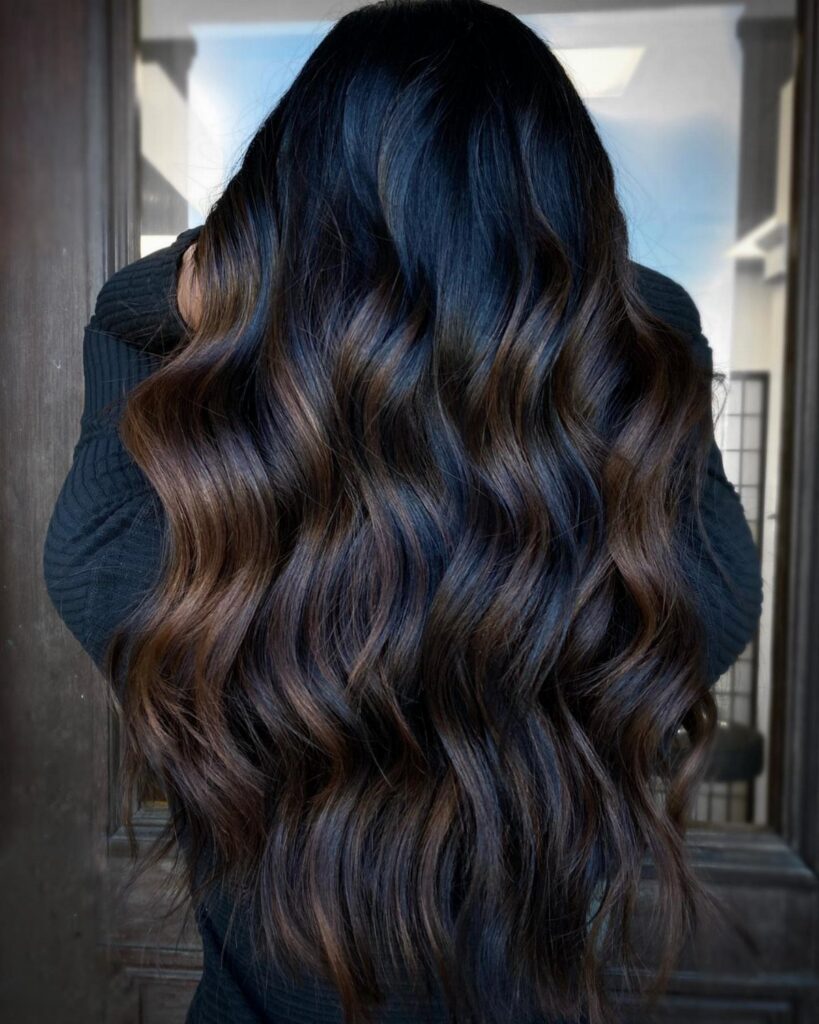
Caramel lifts the hair a few shades up from black, while ash blonde and platinum take multiple sessions and toner every few weeks to stay cool.
The lift decides how often you’re back: caramel and chocolate stay close to black and stretch longer between appointments, while ash blonde and platinum need regular toning to keep from turning brassy.
If you want something that fades fast and turns heads, blue-green and rose gold shift tone within weeks, but chocolate and honey hold longer without a salon visit.
1. Caramel Balayage
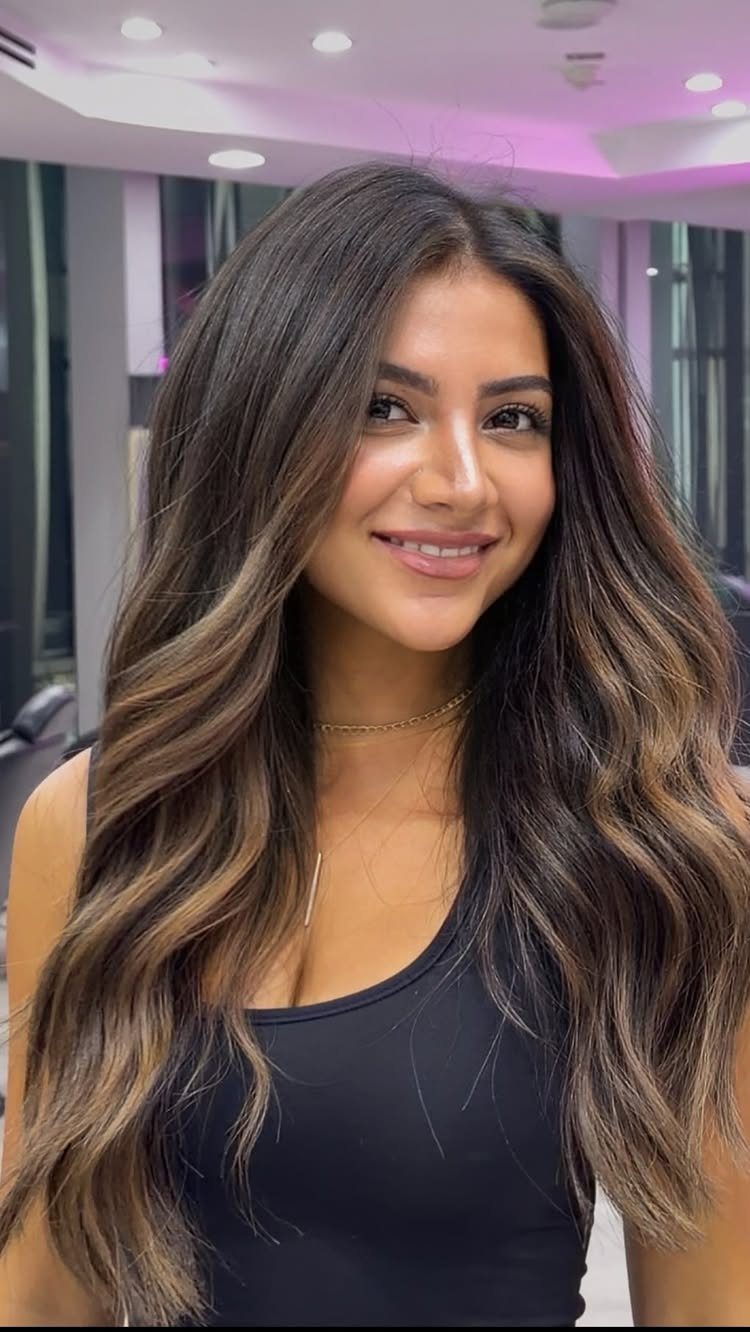
Caramel brings warm contrast to jet-black or dark brown hair without pushing into blonde territory. The lift stays gentle, a few shades up from black so the dimension reads through the lengths without a hard line at the root.
Tell your colorist you want caramel painted through mid-lengths to ends and the root left alone. The placement keeps maintenance low since you’re not working against a hard line as it grows.
How often you go back depends on your growth rate and how much blend you’re willing to live with as it grows.
2. Chocolate Brown Balayage
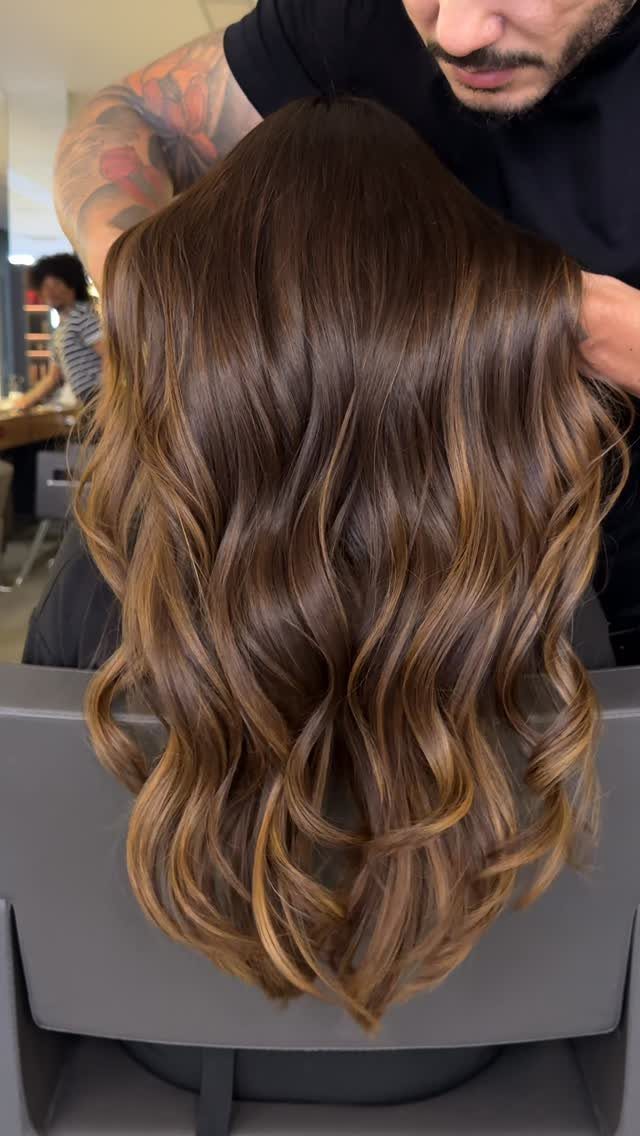
Chocolate balayage adds lighter ribbons through a dark brown base, giving dimension without a sharp contrast. The color lifts just enough to show movement in the hair, especially when styled in waves or loose curls.
Regrowth doesn’t announce itself the way it does with foils, so you can go longer between appointments.
If you’re starting with black hair, expect your colorist to lift it first before applying the chocolate tone. Toning adds time and cost to the appointment, though how much varies by salon.
3. Burgundy Red Balayage
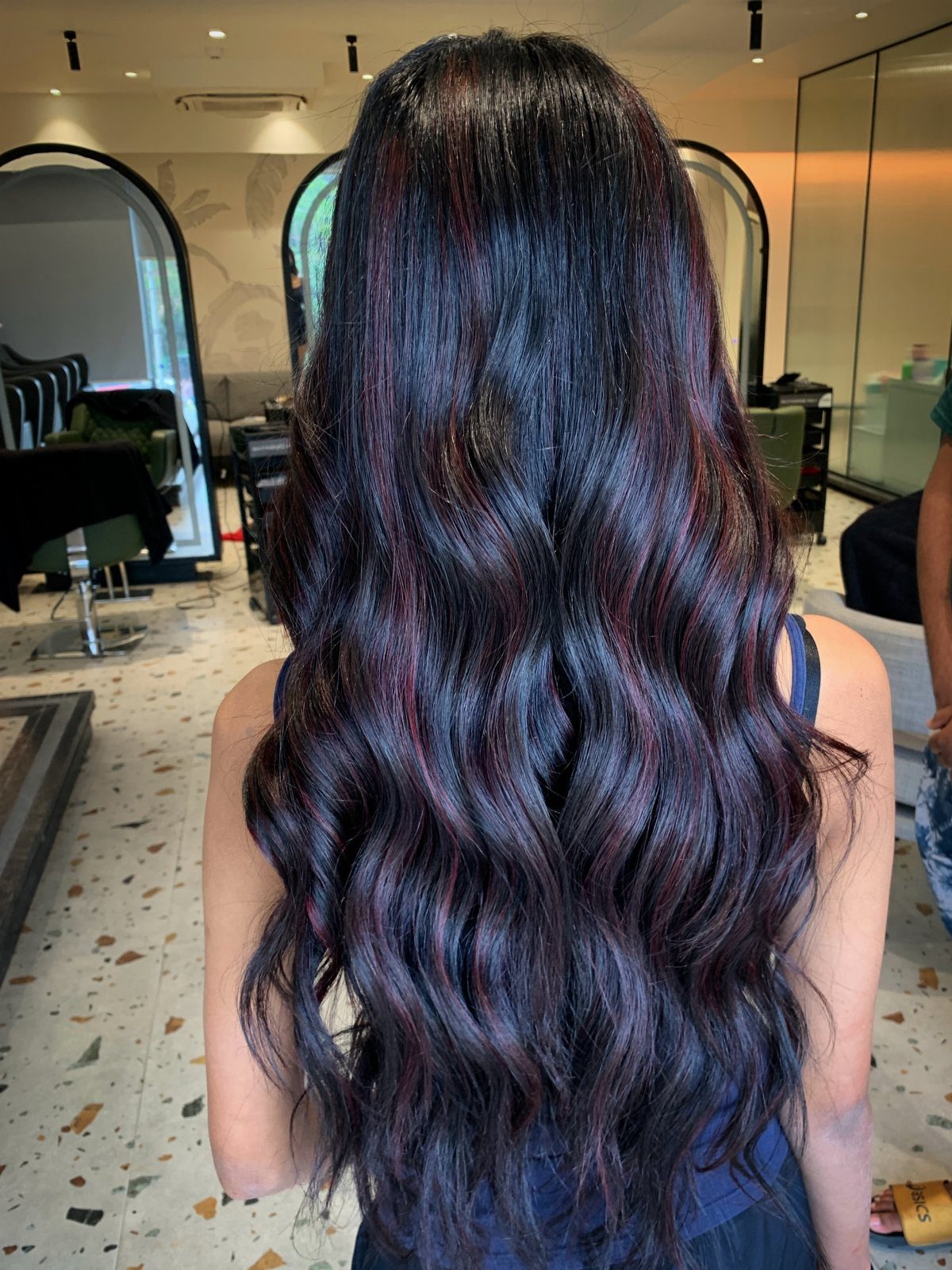
Burgundy adds a wine-toned red through black hair, visible in direct light but subtle enough to blend back into the dark base indoors. The color reads more as a shift in tone than an all-over red.
The burgundy gets painted through the parts of your hair that catch light, mostly mid-lengths down.
On black hair, the red shows best when the base is lifted slightly first, though some formulas can deposit color directly onto dark hair if you’re after a more muted result.
Red fades faster than brown or caramel, so if you want the burgundy to stay saturated you’ll be back for a refresh sooner.
4. Deep Chocolate Curls
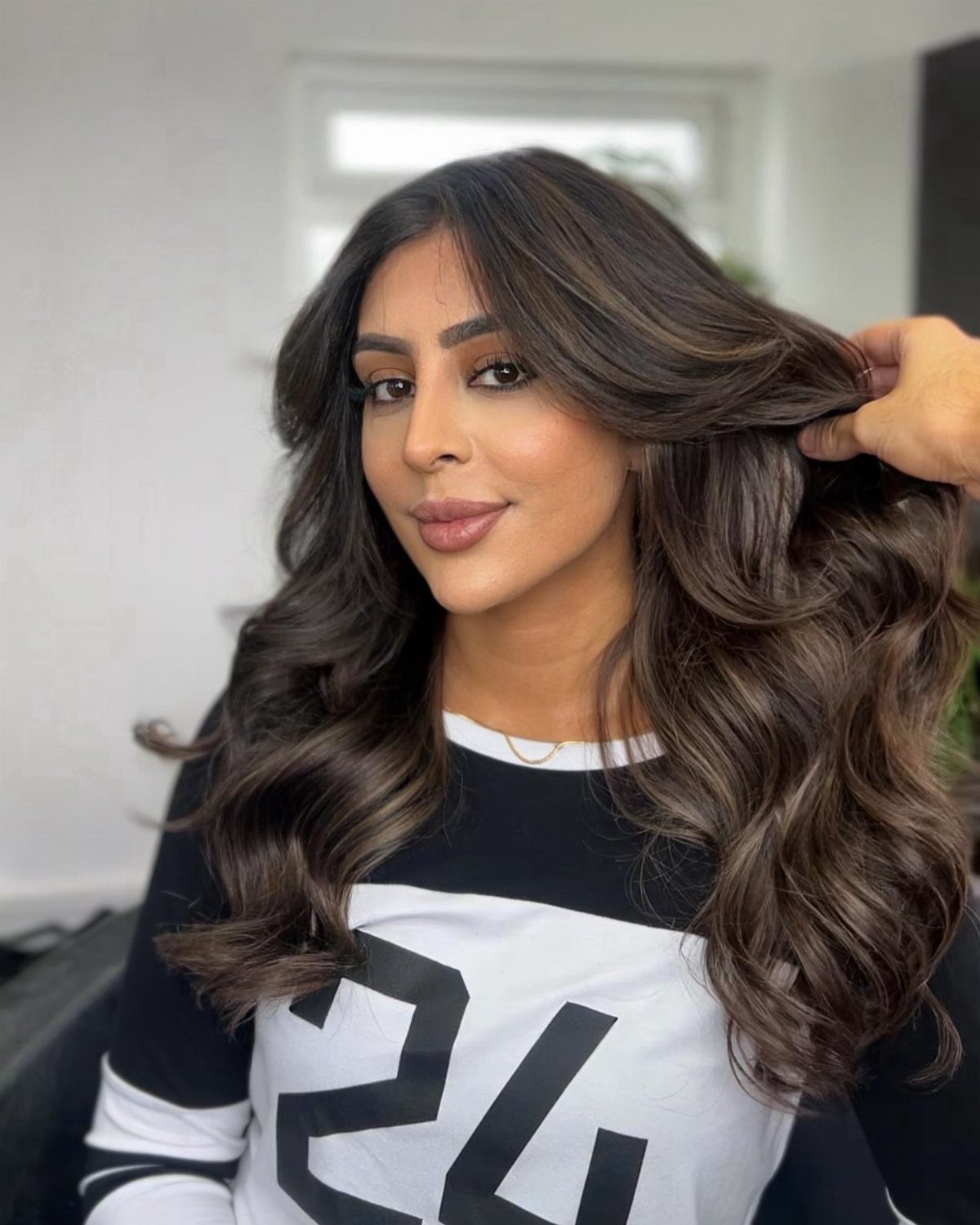
Deep chocolate balayage on curls works by adding just enough lift to define each curl’s shape without turning the whole head one flat color. The lighter tones sit inside the curl pattern, so when the hair moves, the dimension shows.
On textured or curly hair, the colorist paints the highlights onto the outer surface of the curls, where light naturally hits. That placement keeps the color from looking stripey, which can happen if foils are used instead.
Curls hold onto moisture differently than straight hair, so your colorist may adjust the processing time to avoid over-lightening. Post-color, a deep conditioner or mask once a week keeps the curl pattern intact and the color from looking dull.
5. Muted Highlight Balayage
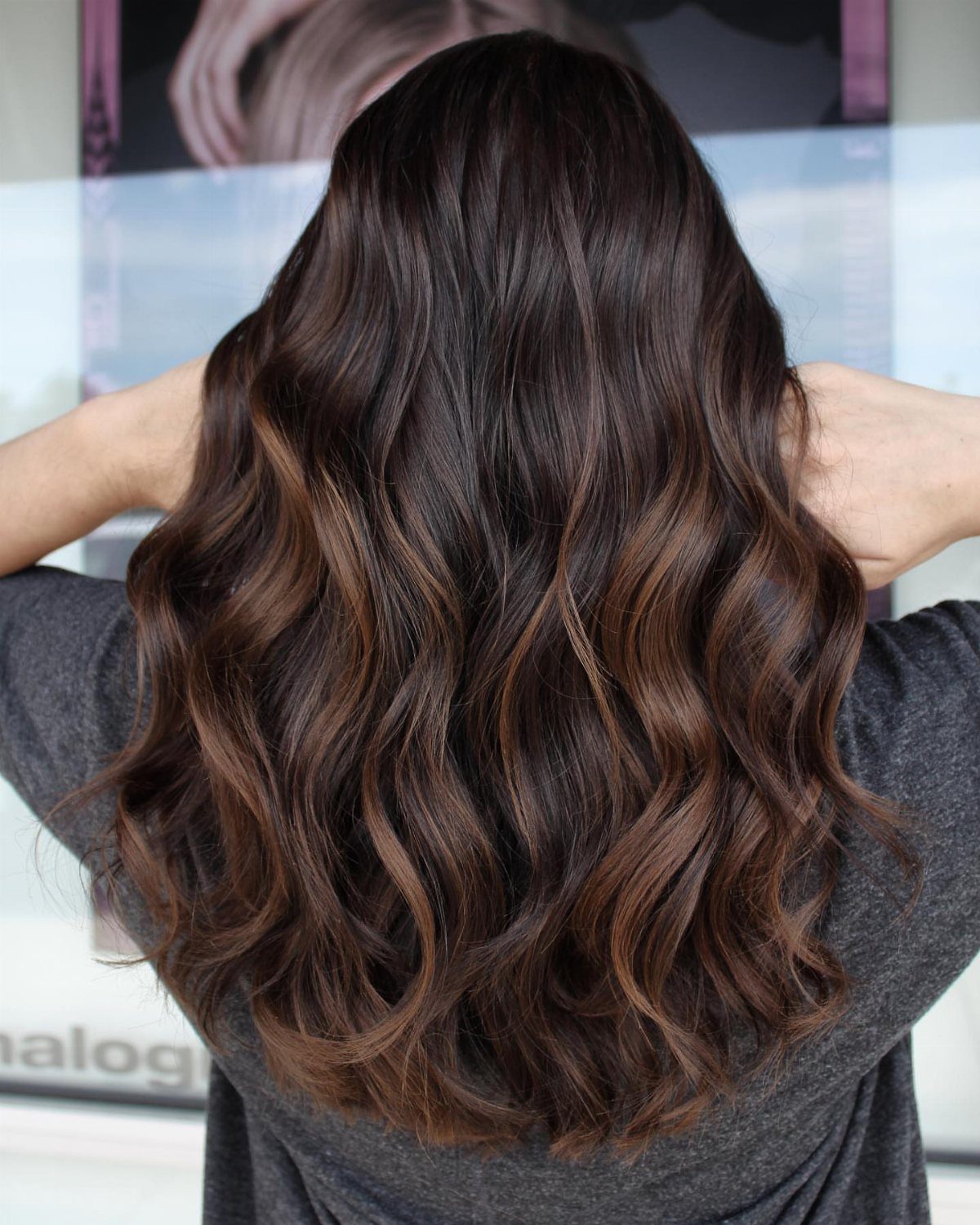
Muted highlights add soft dimension without announcing themselves. The color lifts the hair just a shade or two lighter than the base, so the contrast stays low and the overall effect reads as natural rather than high-maintenance.
This approach works well if you want something that blends in as it grows, since the subtle lift means there’s no hard line between your natural root and the lightened sections.
You can let this grow longer between appointments because the contrast is so low to begin with.
You’re after a soft wash of lighter tone, not stripes.
6. Cool-Toned Balayage
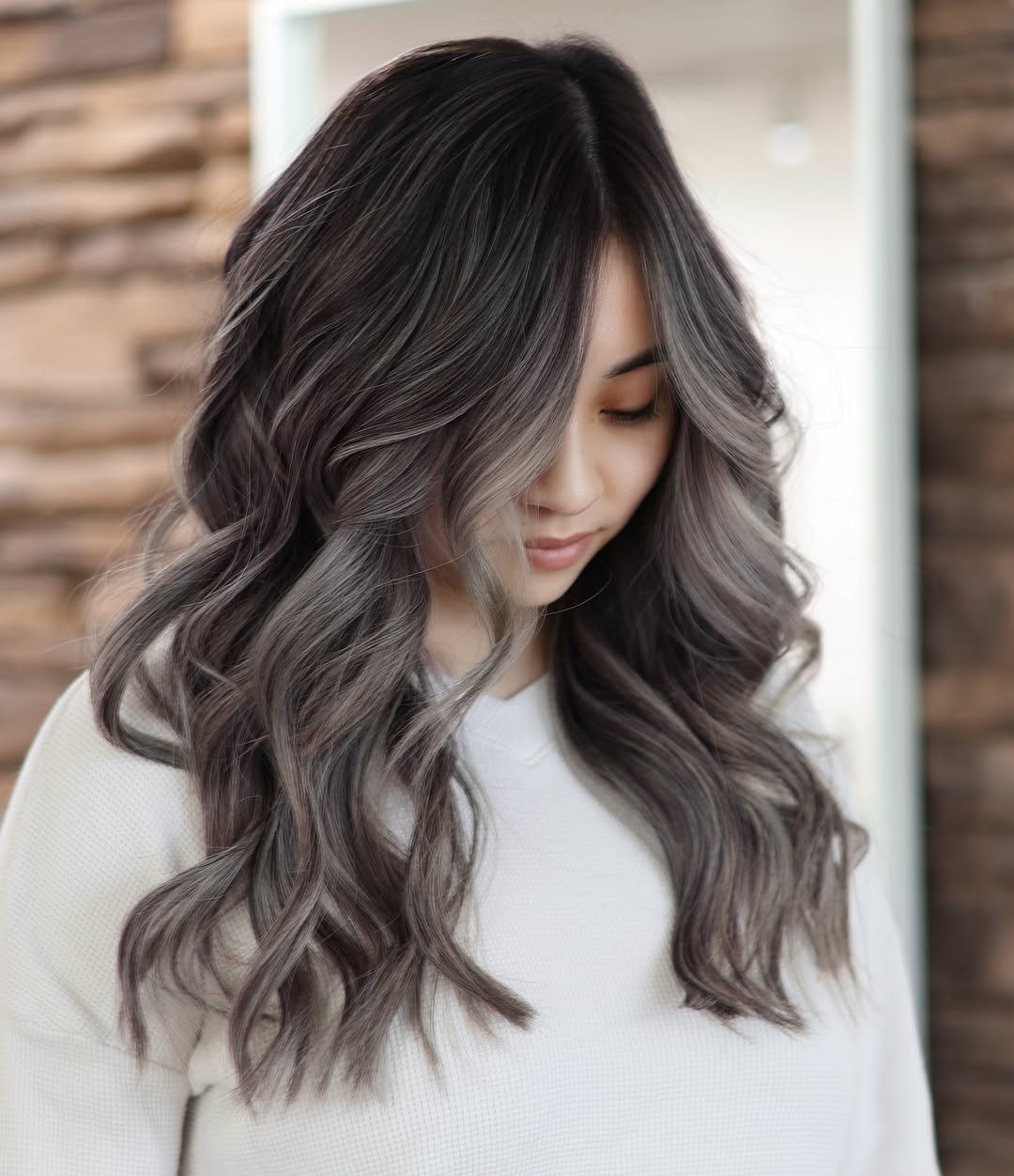
Ash or smoky gray tones give dark hair a cooler, more modern contrast than warm caramel or honey.
The color reads as silvery-brown or charcoal rather than golden, so it suits people who prefer cool tones or want something that looks less traditional.
Your colorist lifts the hair to a light brown base, then tones it with ash or gray to cancel out warmth.
Toner is what stops the lift from going warm, and it fades on its own so you’ll need it reapplied to keep the cool tone intact.
If your natural base has red or orange undertones, expect the colorist to spend extra time lifting and toning to get the ashy result.
That can add time and cost, though it’s the only way to keep the color from slipping warm.
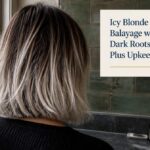
7. Ash Blonde Balayage
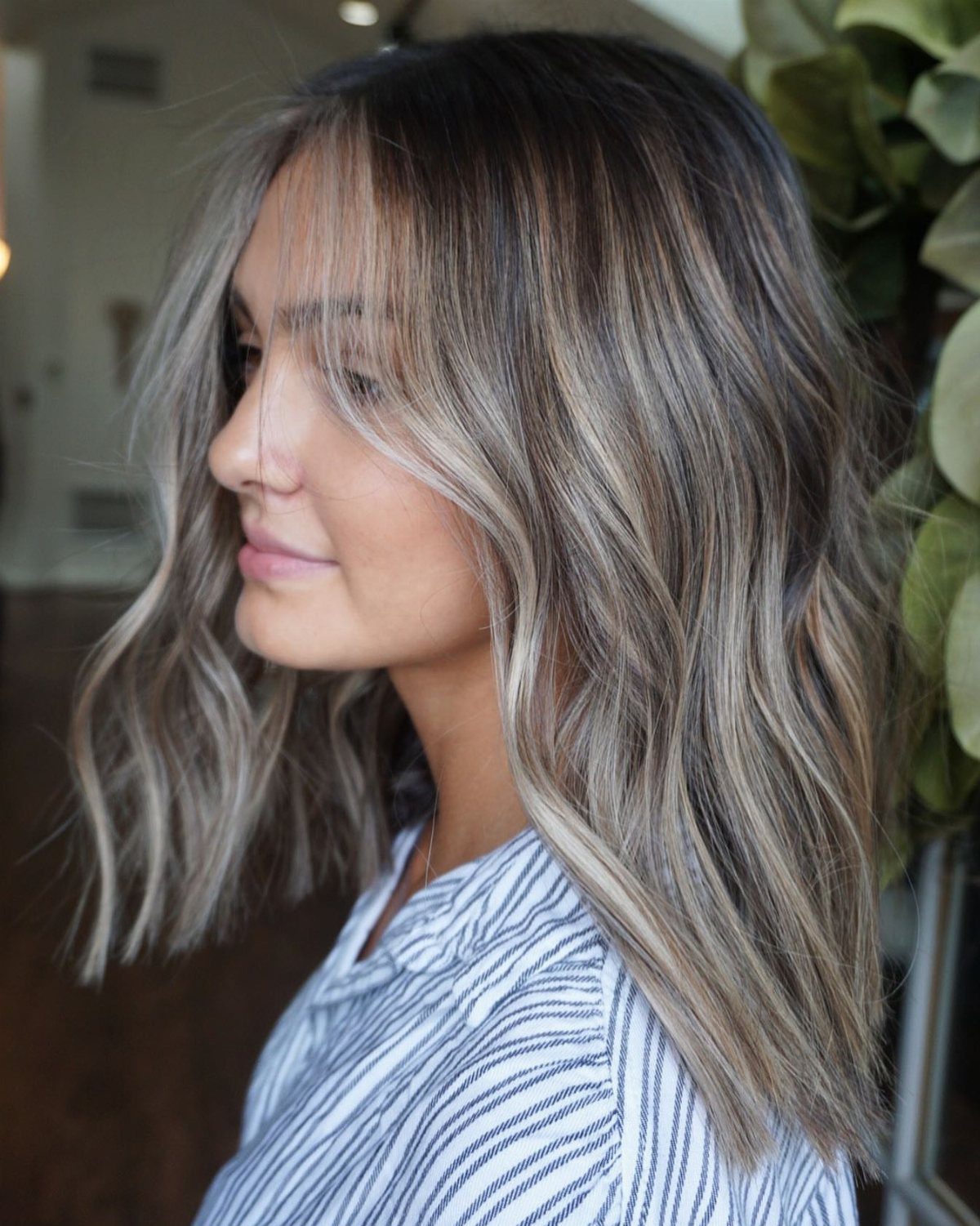
Ash blonde balayage lifts black hair several shades into a pale, cool tone that reads as silver-blonde rather than warm caramel. The color pulls platinum or icy gray, so the contrast with your dark base is high.
Getting there takes multiple lifting sessions if you’re starting from black.
The colorist will need to lift the hair first, then tone it repeatedly to keep warmth from showing through. That process takes longer and costs more than a single-session caramel balayage.
Purple shampoo between appointments helps keep the blonde from turning brassy, though you’ll still need toner reapplied every few weeks to hold the cool tone.
8. Warm Golden Balayage
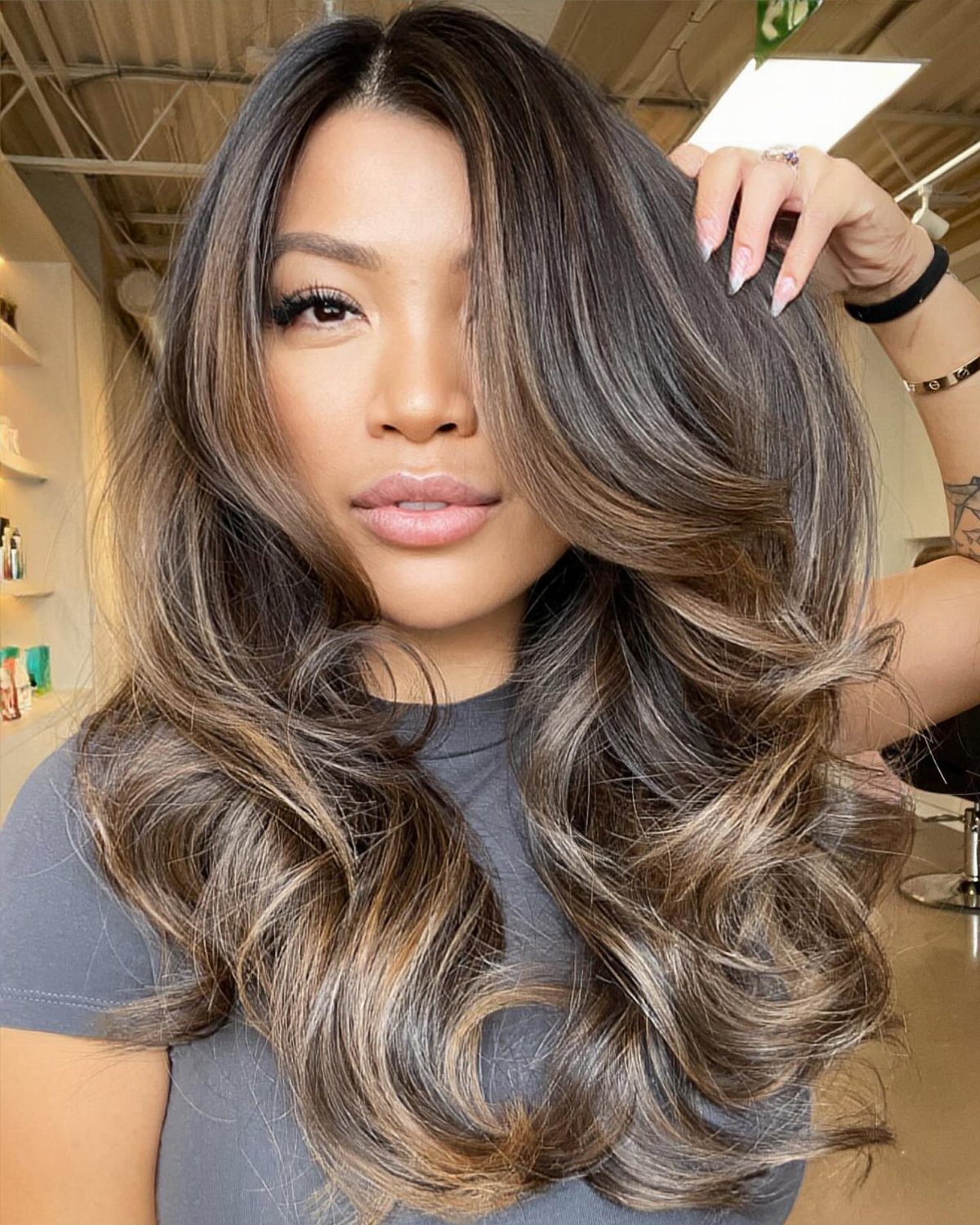
Golden balayage adds warm, sunlit tones through dark hair without pushing into red or orange. The color lifts to a medium or light golden brown, so the contrast shows clearly but doesn’t look as stark as ash blonde.
The placement follows where light would naturally hit the hair: mostly through the top layers and around the face.
On longer hair, the golden tone can be concentrated toward the ends or blended higher up depending on how much coverage you want.
Warmer skin tones tend to suit golden balayage better than cool-toned ash or gray, though personal preference outweighs any strict rule.
9. Rose Gold Balayage
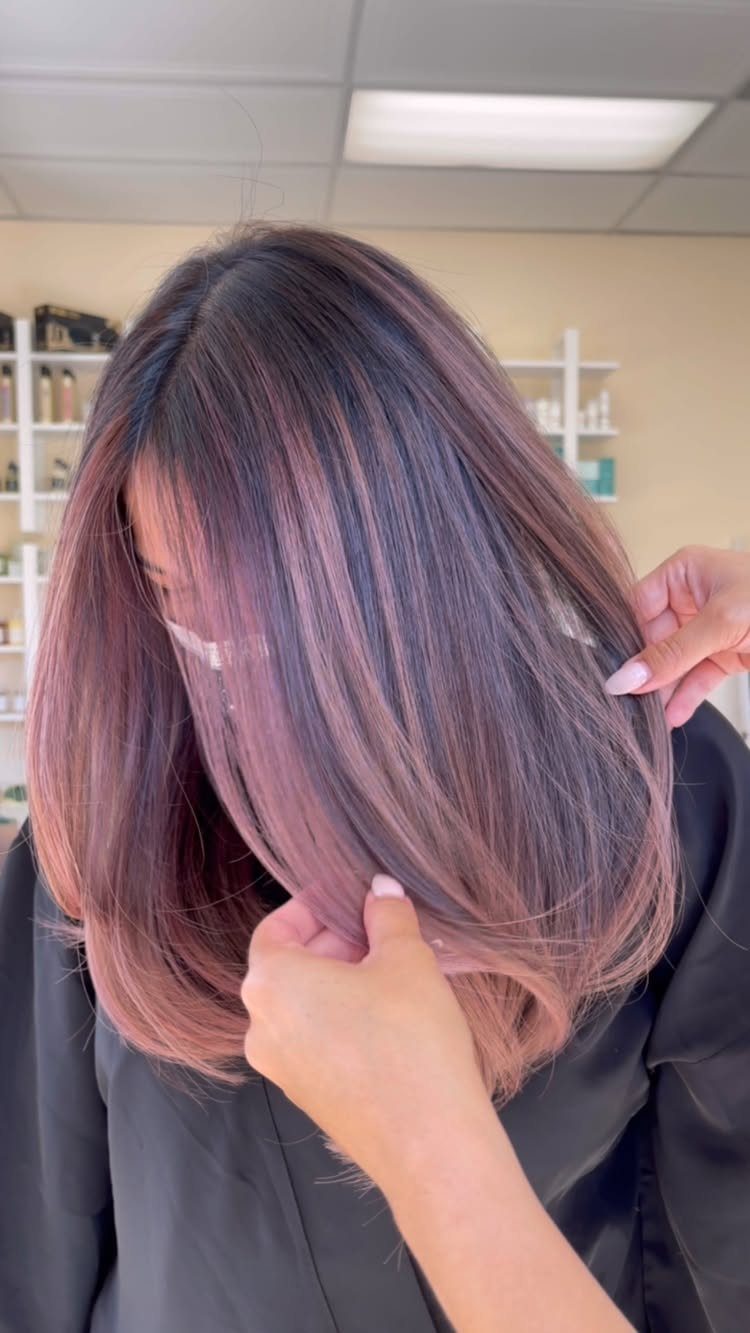
Rose gold adds a pink-tinted warmth to dark hair, visible in daylight and more muted indoors. The color sits somewhere between copper and soft pink, so it reads as a fashion tone rather than a natural highlight.
The stylist bleaches those pieces to blonde before layering on the rose pigment. The pink fades faster than brown or blonde, so you’ll see it shift toward a peachy or golden tone between touch-ups.
If you want the rose to stay saturated, plan on a color-depositing shampoo or gloss every few weeks to keep the pink from washing out entirely.
10. Soft Brunette Lines
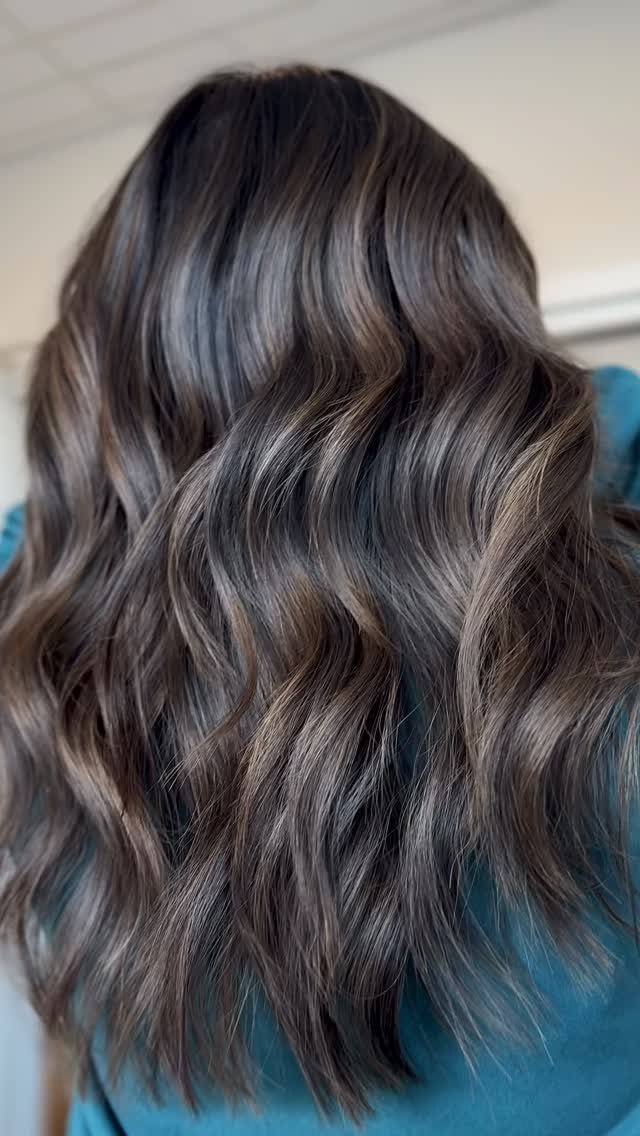
Soft brunette lines add subtle dimension by lifting the hair just one or two shades lighter than the base. It’s a tonal change more than a stripe, so contrast stays gentle and the whole thing feels lived-in.
The placement is fine and scattered rather than chunky, which keeps the color from looking striped. On long hair, the lines blend together when the hair moves, so you get dimension without seeing individual highlights.
This grows out without a hard line, so you can stretch time between appointments longer than you would with high-contrast balayage.
11. Honey Balayage
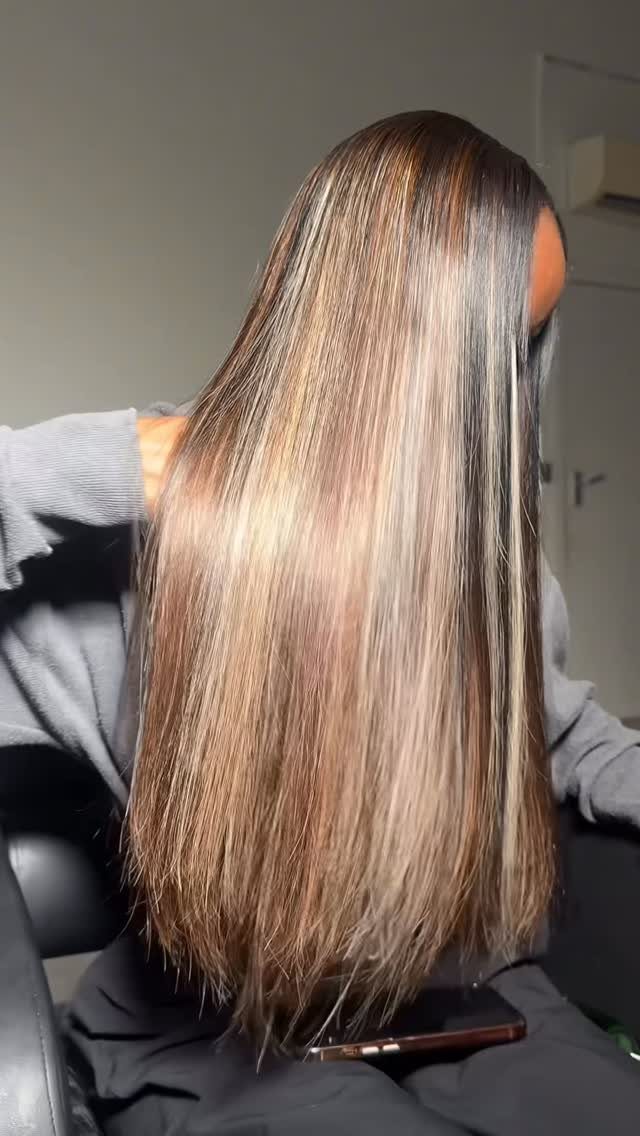
Honey brings warmth without the copper edge you get from caramel, landing somewhere between gold and light brown. The color sits a few shades lighter than chocolate but doesn’t push into blonde, so the warmth stays grounded.
On black hair, the colorist will need to lift the base before toning it with honey. The lift takes time, though not as much as ash blonde requires since you’re not fighting to cancel out warmth.
Honey holds its color longer than rose gold or burgundy, but shorter than chocolate or caramel. Touch-up timing depends on how much brass and root you’re comfortable living with.
12. Gray Balayage
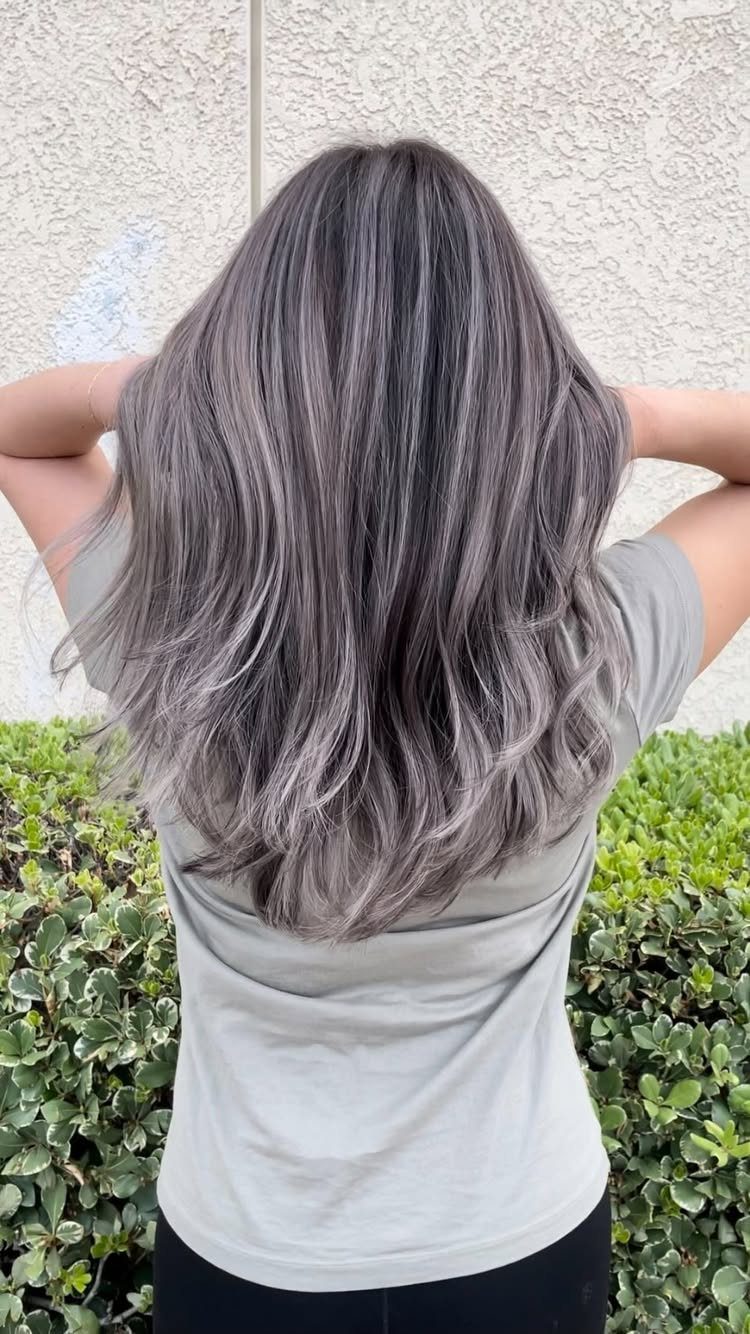
Gray balayage blends cool silver tones through dark hair, creating a smoky, almost metallic contrast. It lands in the charcoal-to-silver range instead of anything warm, which gives it that cooler, more deliberate look.
Hair gets lightened to near-white, then a gray or silver toner goes on to strip out any yellow or gold left behind.
Keeping the gray intact requires regular toning, since the color fades on its own and the lifted sections can shift brassy without it.
Purple or blue shampoo between appointments slows the fade, though you’ll still need professional toner every few weeks to maintain the cool gray.
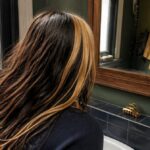
13. Face-Framing Balayage
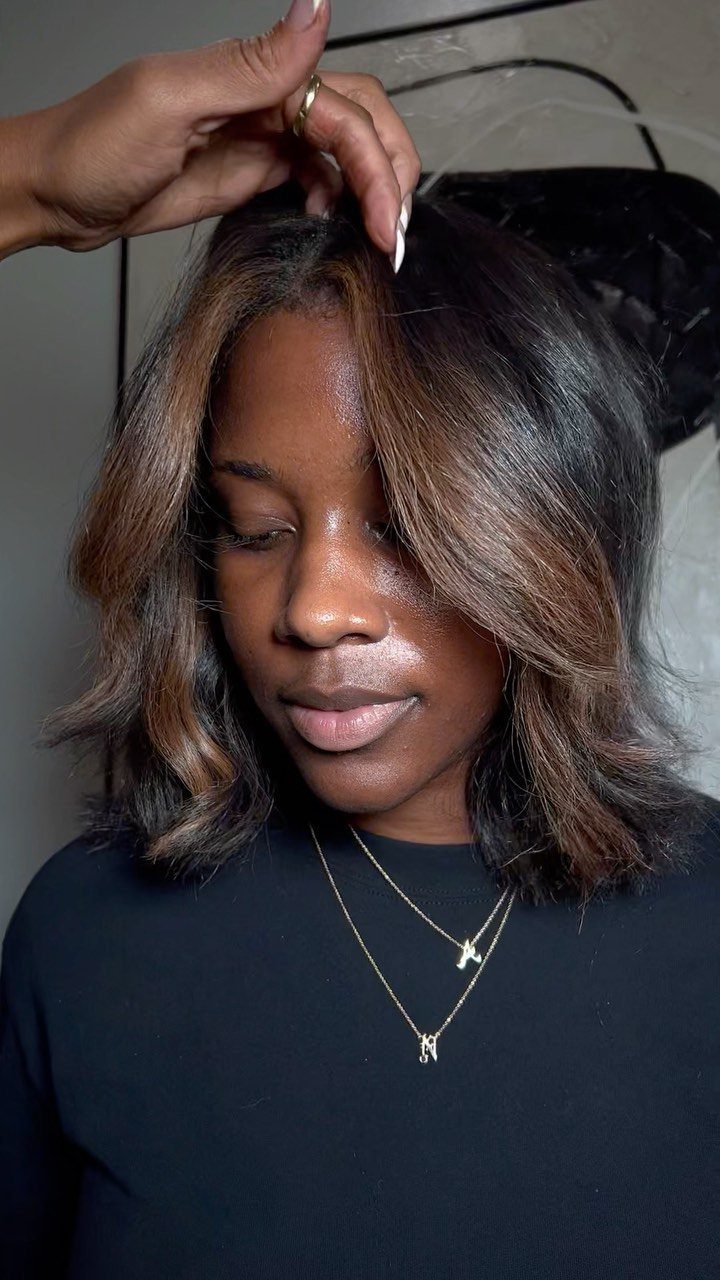
Face-framing balayage keeps the color close to where it makes the most difference. Lighter pieces around the front brighten your face and add dimension without committing to highlights through the whole head.
The colorist paints just the sections that frame your face, usually starting an inch or two back from your hairline and working down through the layers that fall forward.
The rest of your hair stays untouched, so the color grows out gracefully and you can go months between appointments.
This works especially well if you want to try balayage without the cost or upkeep of full coverage.
14. Crimson Red Balayage
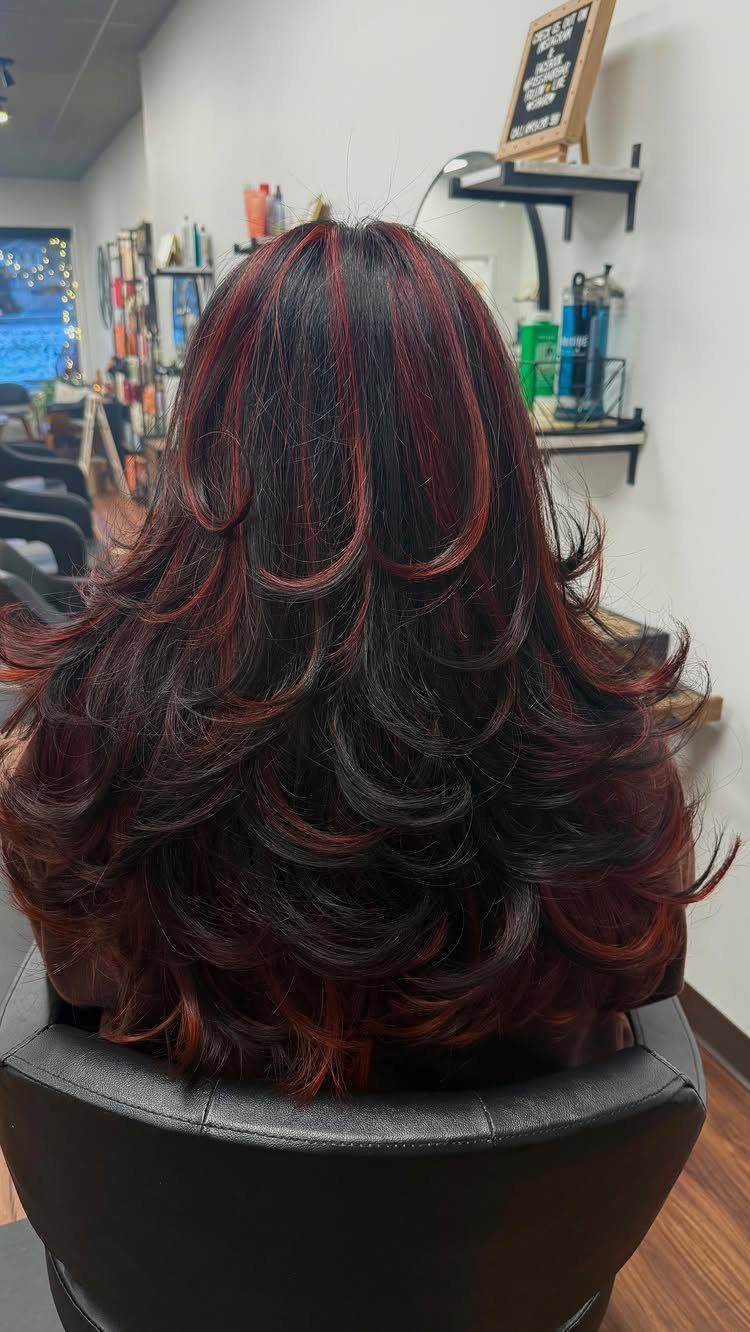
Crimson sits in the warm red range, with enough orange undertone to read as intense rather than muted. The color catches light strongly, so the contrast with black hair is bold and deliberate.
Your colorist will lift the hair before applying the red, since dark hair won’t hold vivid color without that step.
Crimson fades faster than browns or golds, shifting toward copper or orange as it washes out, so plan on refreshing the tone every few weeks if you want the vibrancy to last.
Color-depositing shampoo between salon visits helps slow the fade, though it won’t replace professional toning entirely.
15. Chestnut Bob Balayage
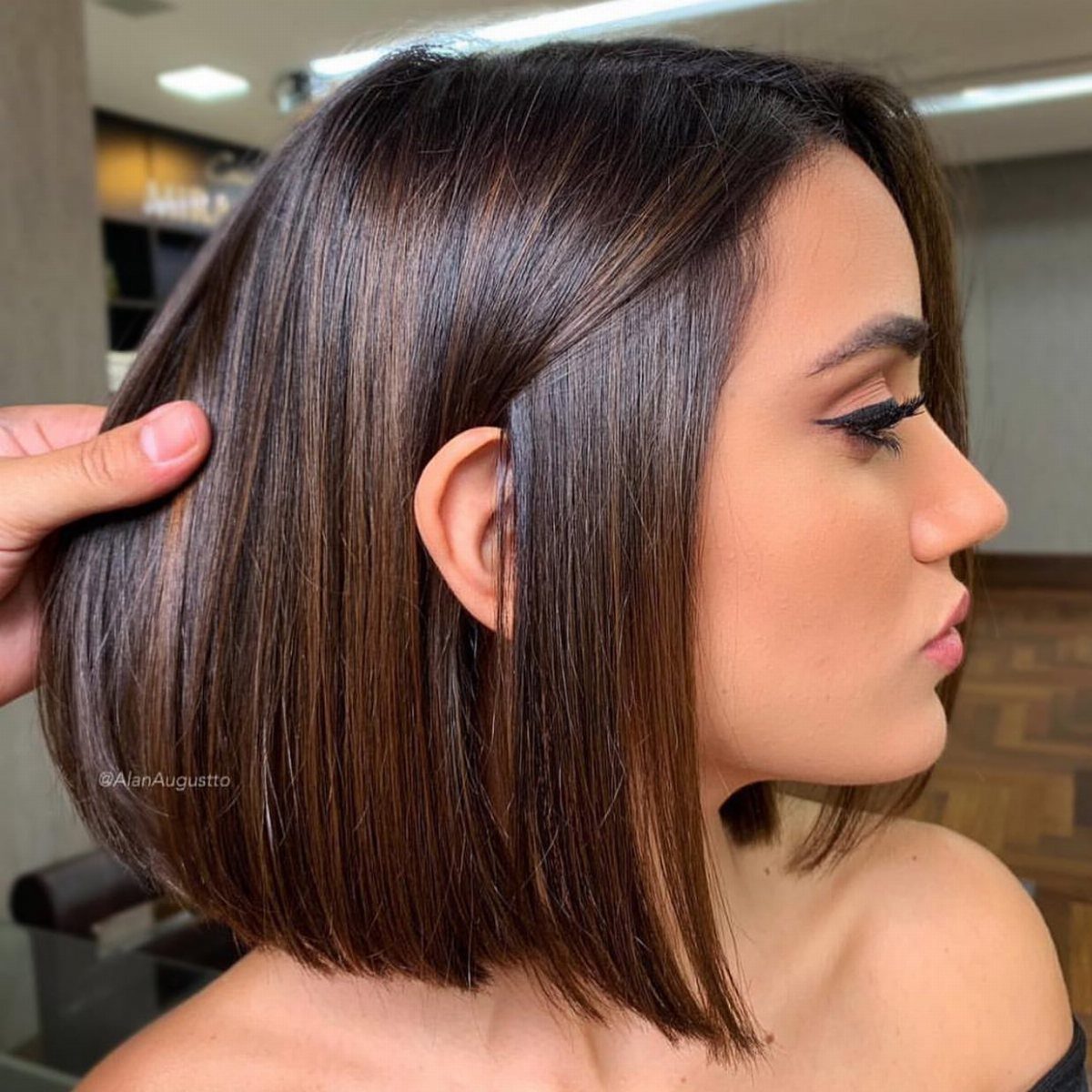
Chestnut adds subtle warmth to a dark bob without turning the whole thing light. The color lifts just enough to catch light when your hair moves, giving the cut more dimension without changing the overall dark base.
On a shorter cut, the balayage placement matters more since there’s less length to blend through.
The colorist paints the color through the top layers and around the face, where movement shows most. That keeps the color from looking flat while the bob holds its shape.
Shorter hair grows out faster by the calendar, though since the contrast is low you can let it go longer before it looks grown out.
16. Hazelnut Mocha Balayage
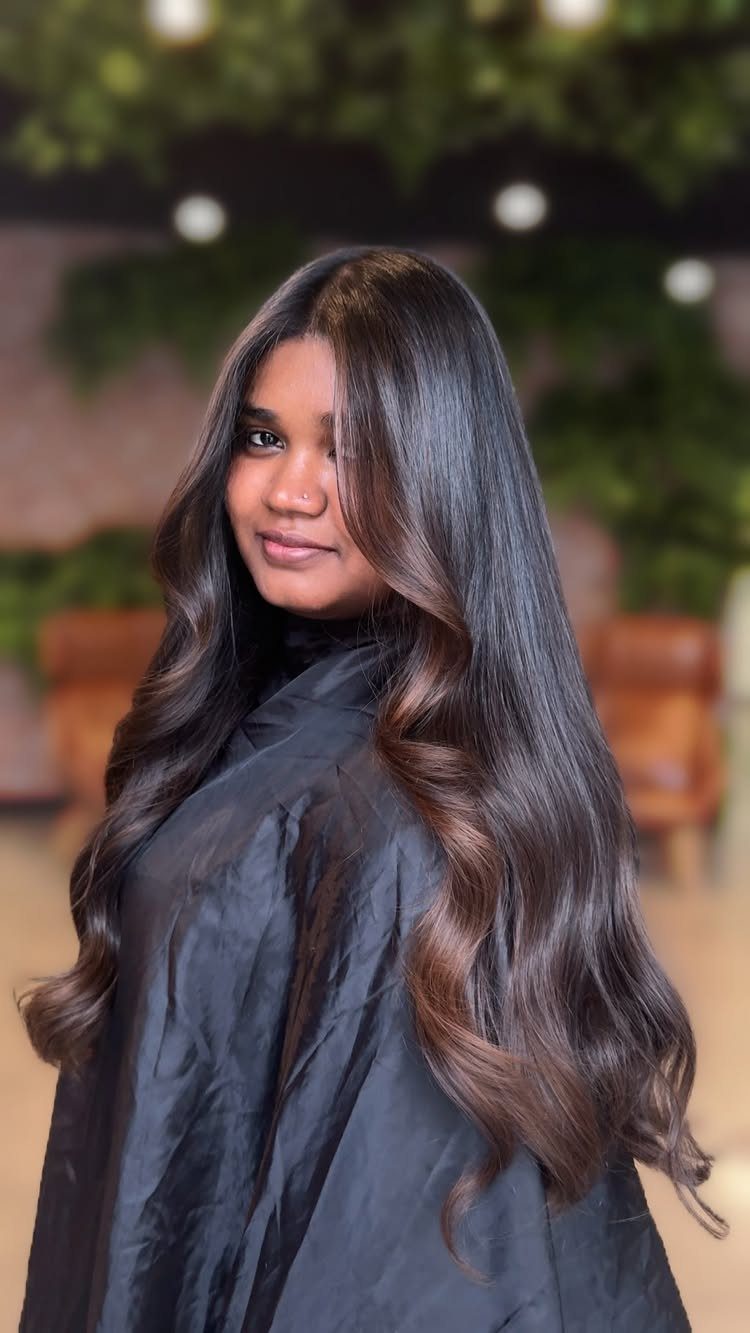
Hazelnut mocha combines chocolate base tones with lighter hazelnut pieces, giving you a coffee-toned finish that reads warm but not golden.
The color lifts to a medium brown with cooler undertones than caramel, so it sits somewhere between warm and neutral.
The lighter hazelnut sections get painted through the mid-lengths and ends, leaving the root dark. That placement keeps the contrast soft and the grow-out manageable, since you’re not fighting a hard line at the scalp.
This holds its tone longer than reds or pinks, though the hazelnut will warm slightly over time as the toner fades.
17. Blue Green Balayage
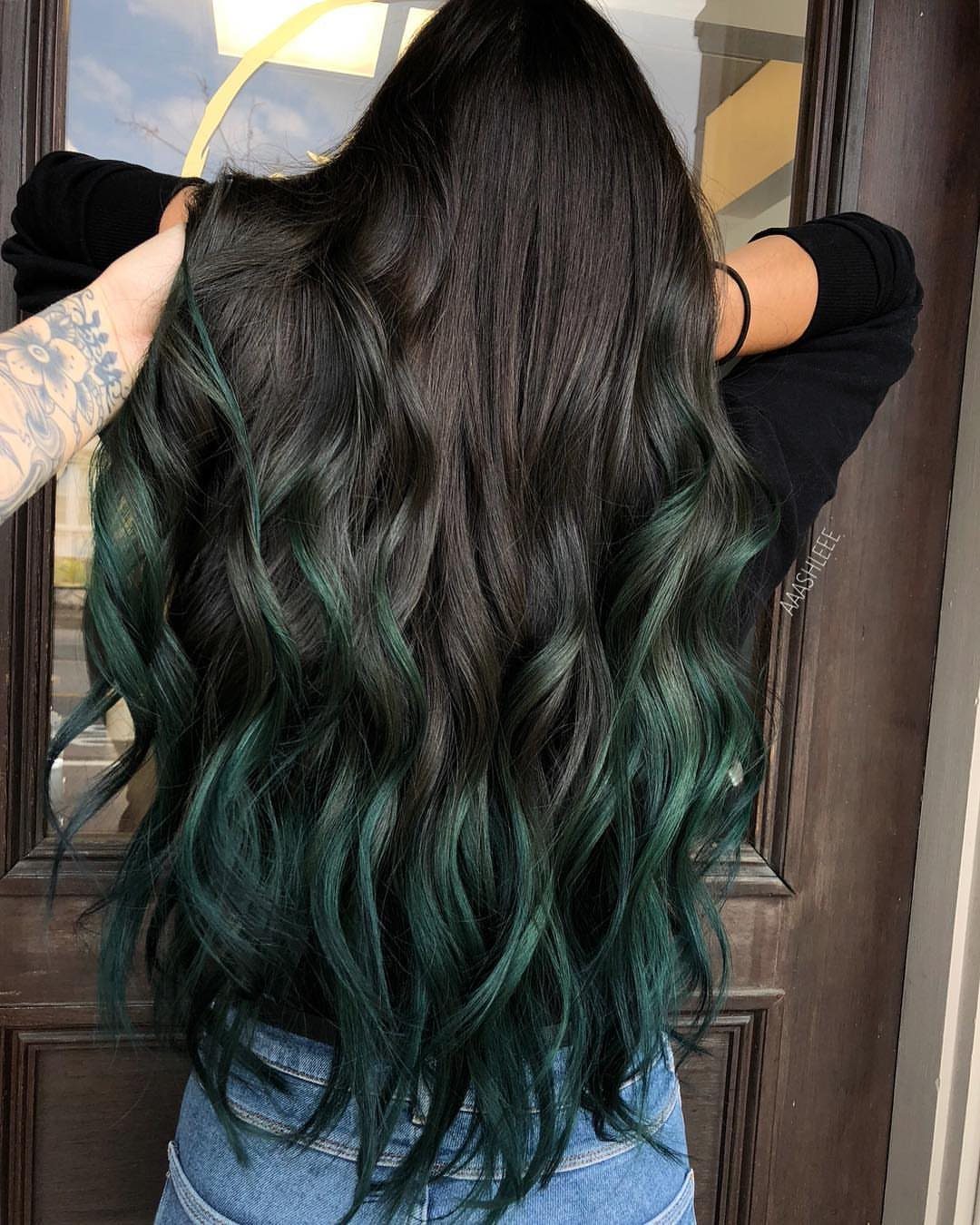
Blue-green balayage is a fashion color, not a natural tone, so expect it to turn heads. The color reads as teal or aqua depending on the light, and the shift from black to bright makes the contrast high.
Getting there requires lifting the hair to pale blonde first, then layering the teal or green over that base.
The color fades quickly, usually shifting toward a pale blue or mint within a few weeks, so you’ll need frequent toning or a color-depositing conditioner to keep it saturated.
If you’re after something low-maintenance, this isn’t it.
18. Lightened Ends
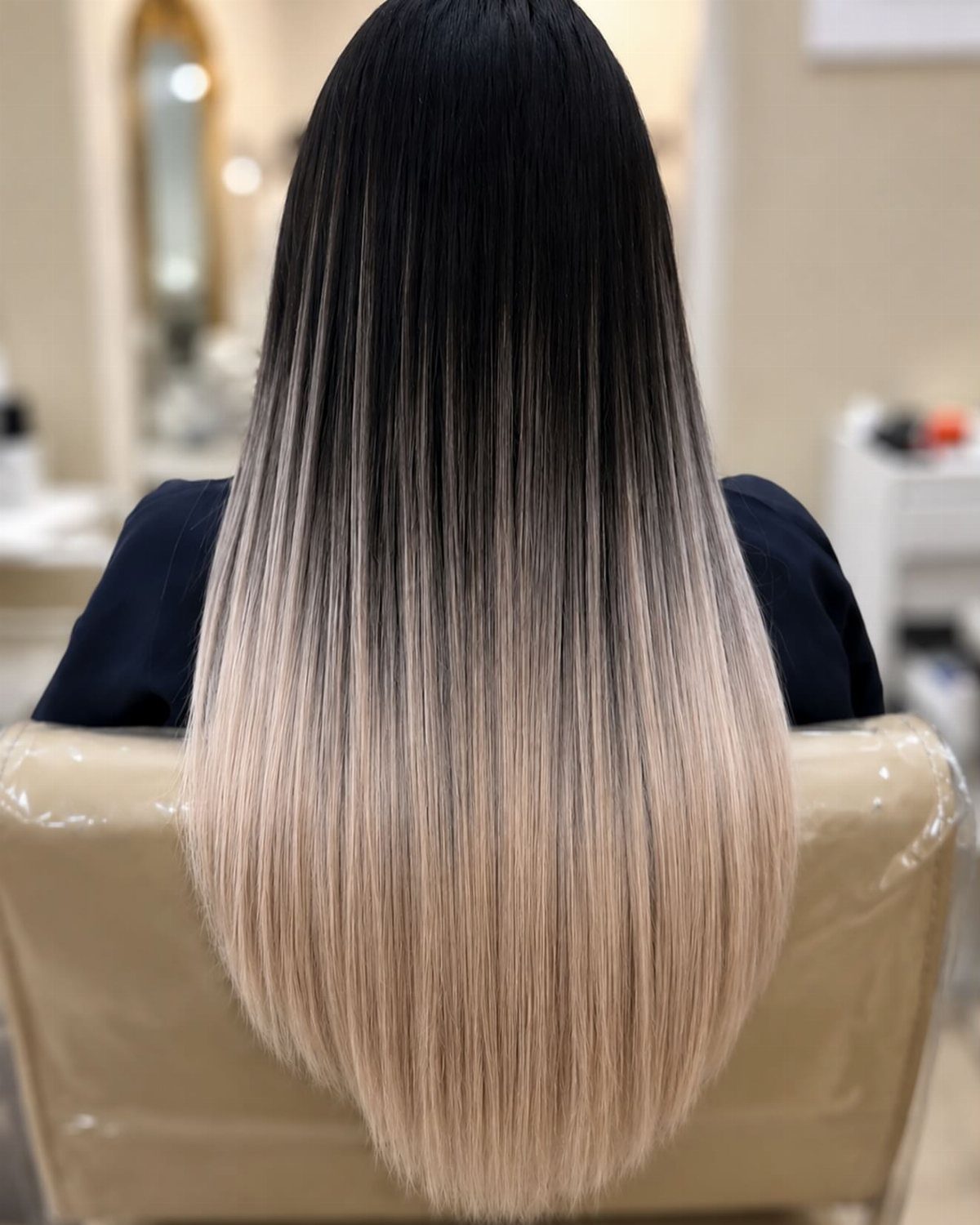
Lightened ends take the bottom few inches of black hair to blonde, creating a sharp line of contrast instead of a soft blend. The color stops where it stops, so the division between dark and light is clear and intentional.
The stylist bleaches the ends to lift them several shades, then tones to keep the blonde from going brassy.
How much length you lighten depends on where you want the break to sit, though most people take it from mid-length down.
Upkeep is lower than all-over balayage since the color sits far from your root, but the blonde still needs toning every few weeks to stay cool.
19. Soft Auburn Balayage
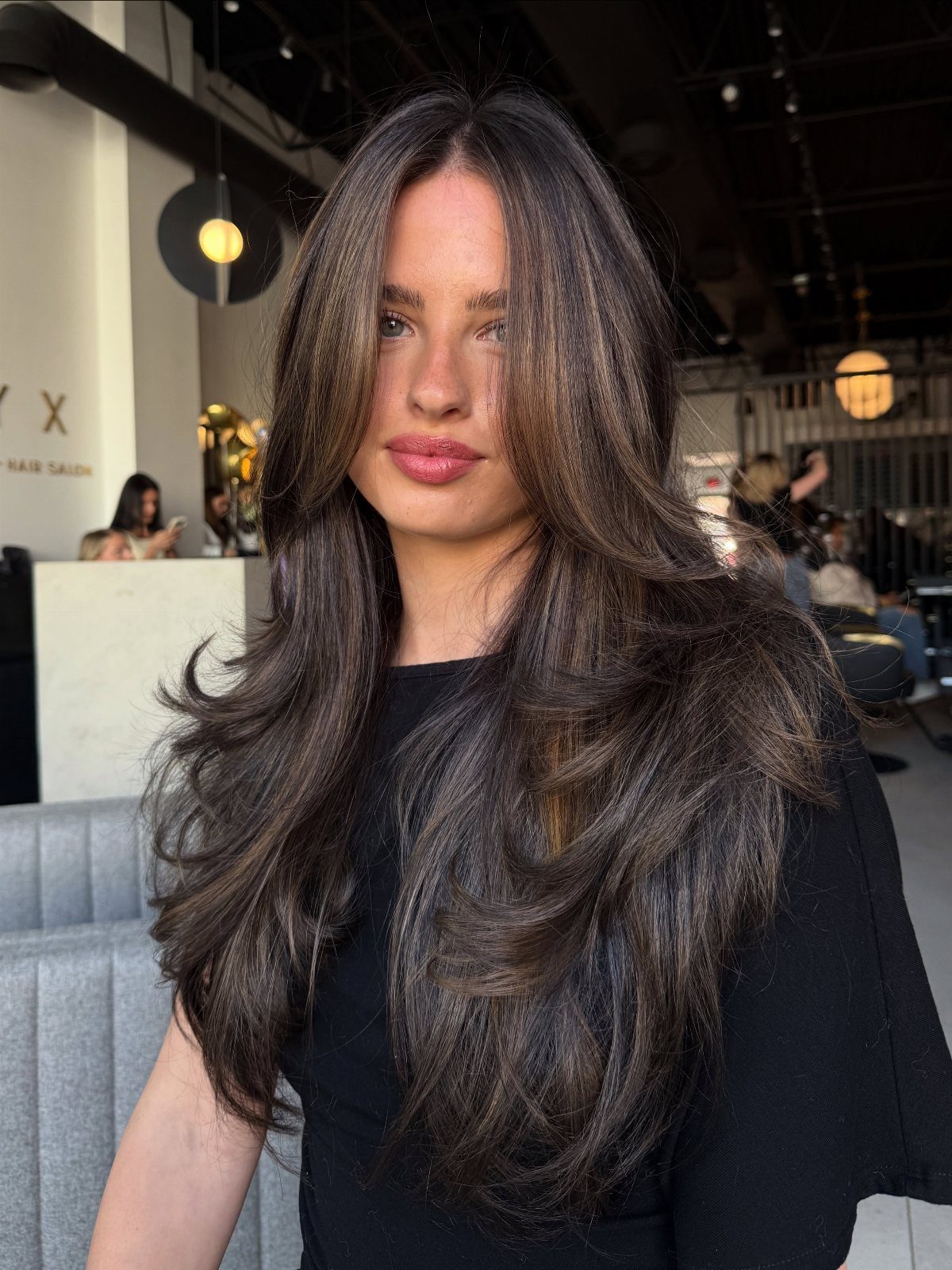
Auburn sits in the warm red-brown range, adding depth without pushing into copper or burgundy. The color lifts dark hair just enough to show a soft red undertone that catches light, so the contrast reads as rich rather than bright.
The lift doesn’t need to go as pale as it would for blonde, so the process takes less time and does less damage than high-contrast balayage.
20. Textured Lived-In Balayage
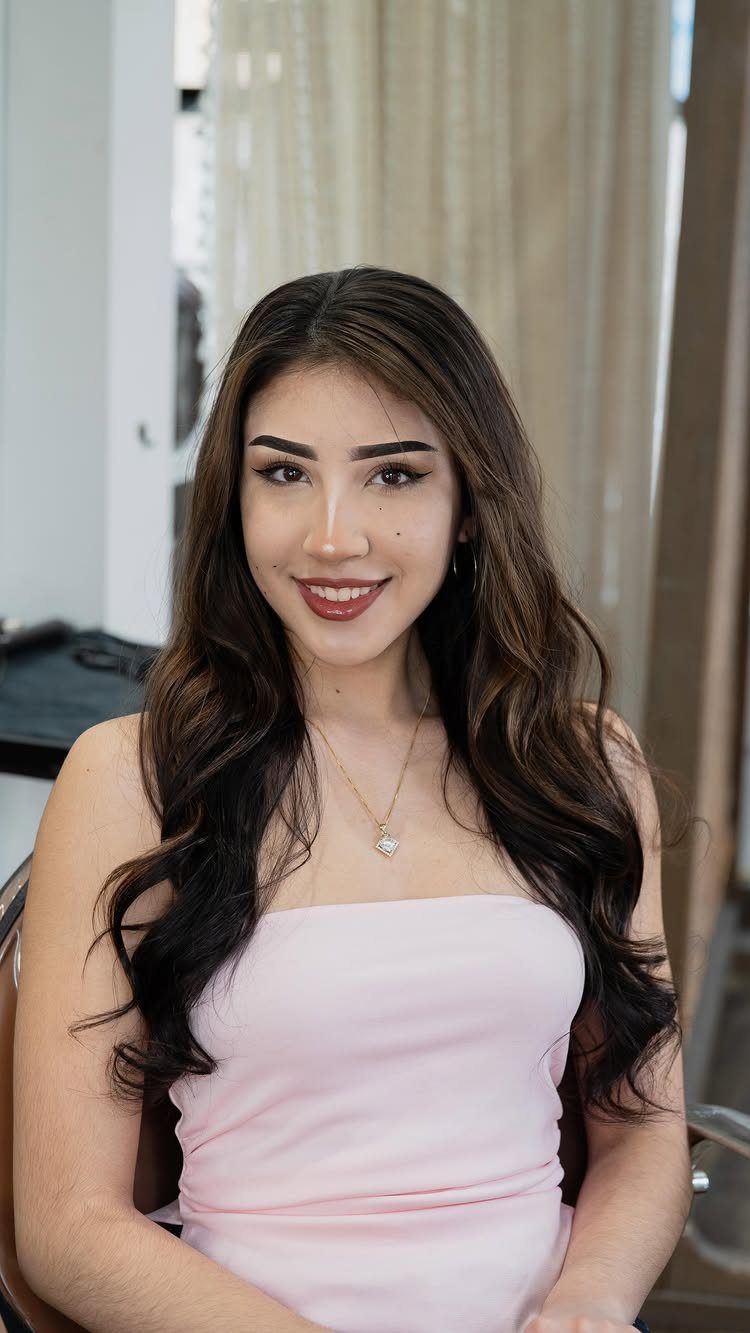
The lighter pieces blend so softly with the dark base that you can’t spot where one section ends and another begins.
Placement is scattered and low-contrast, so the whole thing looks like it’s been growing for months even when it’s fresh.
This approach suits people who want dimension without upkeep.
The color sits close enough to the natural base that you can let it grow for months before the root line starts to show, and when it does grow, it looks intentional.
If you prefer high contrast or clearly defined highlights, this won’t give you that.
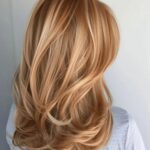
21. Glossy Long Waves
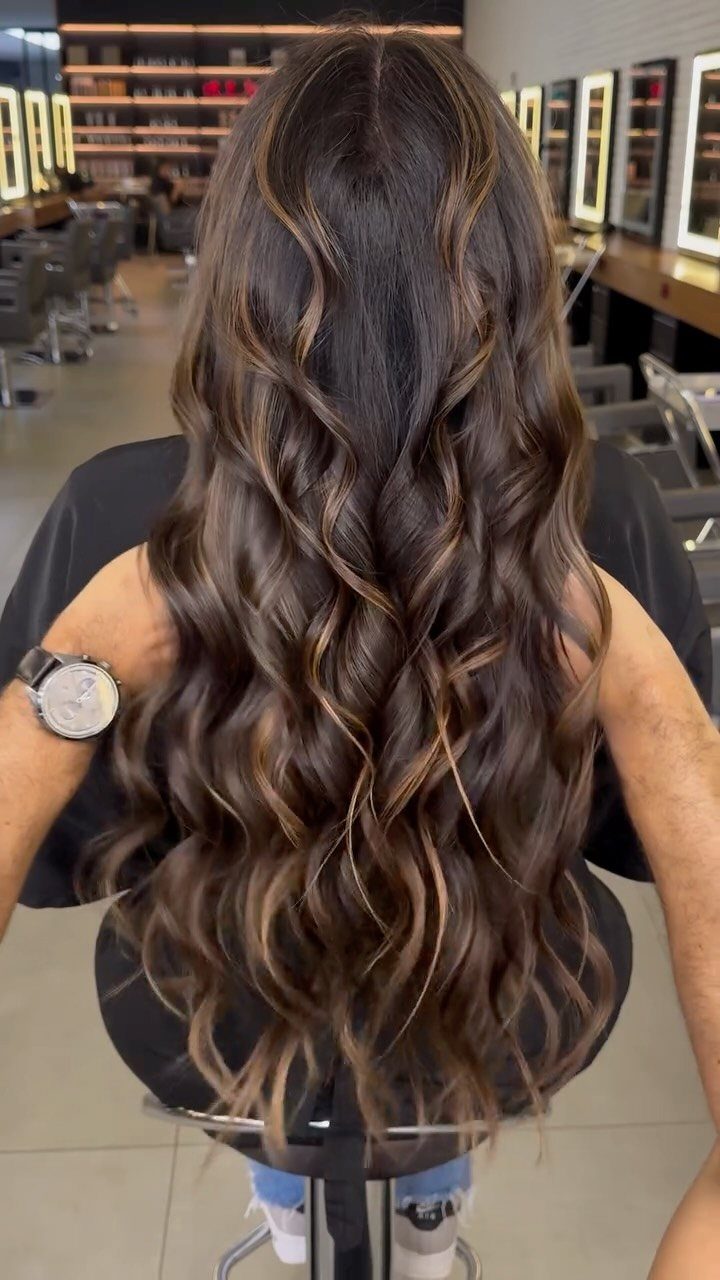
Highlights placed through long waves add warmth where the hair bends and catches light.
On longer hair, the shine makes more difference than the color placement. A gloss treatment seals the cuticle and gives the hair that reflective finish, which makes even subtle highlights look more defined.
If your hair tends to look dull or dry, the gloss will need refreshing every few weeks to keep that reflective quality intact.
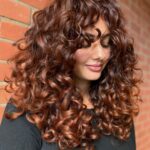
22. Copper Tinted Balayage
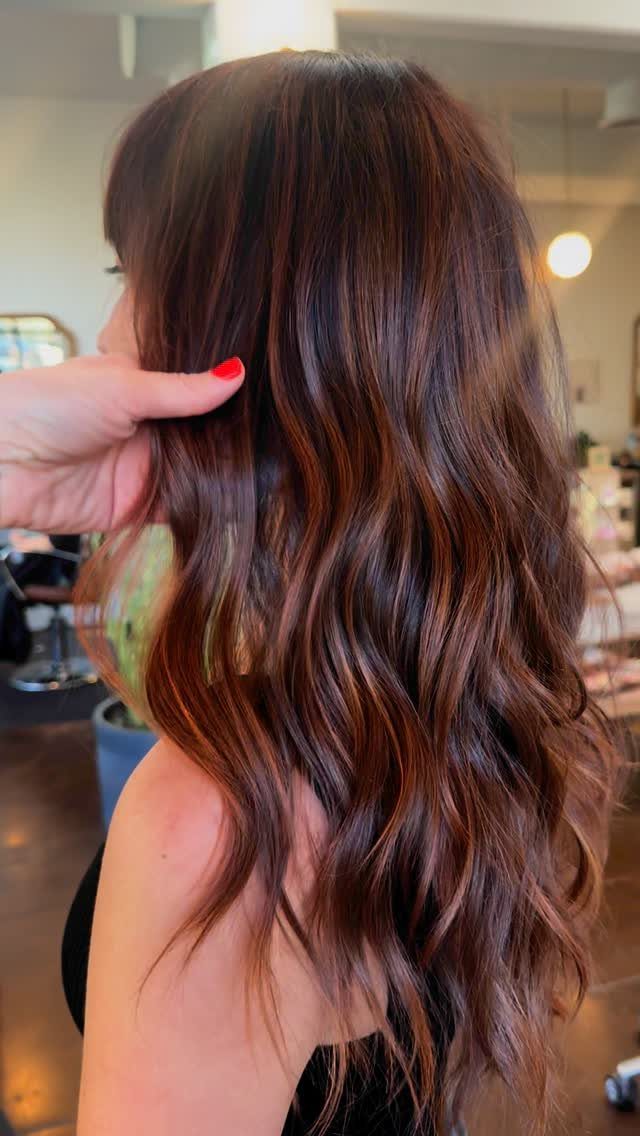
Copper adds warmth with more orange undertone than caramel or honey, so the color reads as bold rather than soft. The tint catches light strongly, and on wavy or voluminous hair the dimension shows when the hair moves.
The colorist lifts the sections first, then tones with copper to bring in that warm, metallic finish. Copper fades faster than brown or gold, shifting toward a lighter, more golden tone as it washes out.
23. Textured Caramel Bob
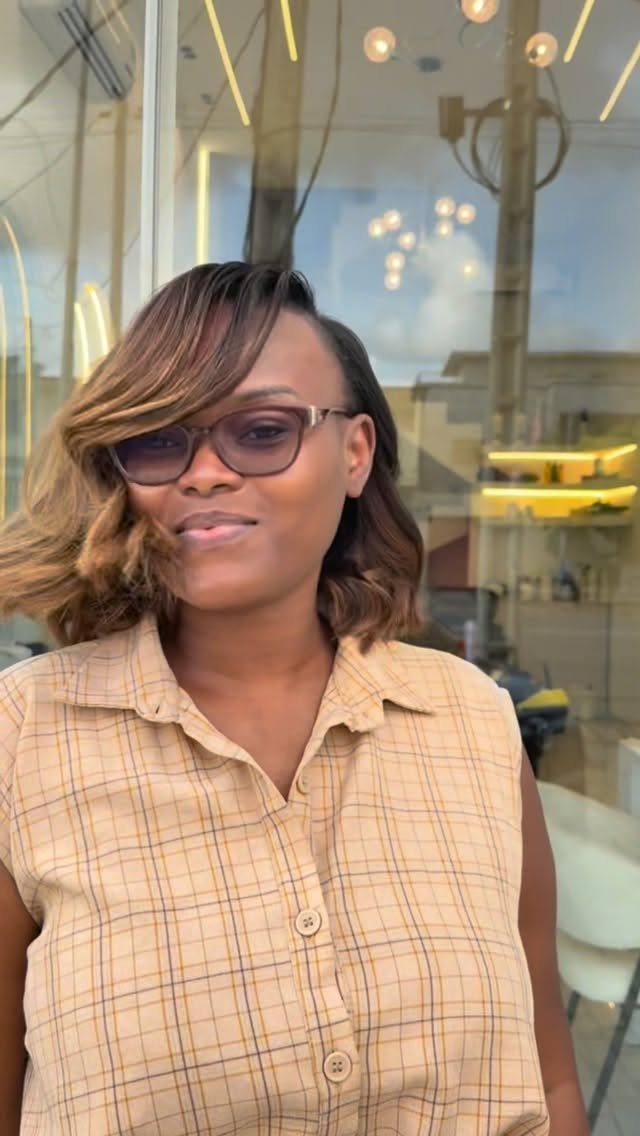
On a textured cut, the lighter pieces sit through the top layers where movement shows most, so the color reads as lived-in rather than freshly painted.
The color blends back into the root as it grows, so there’s no hard line to maintain.
This suits people who want something warm and low-maintenance on a shorter cut.
24. Ashy Platinum Balayage
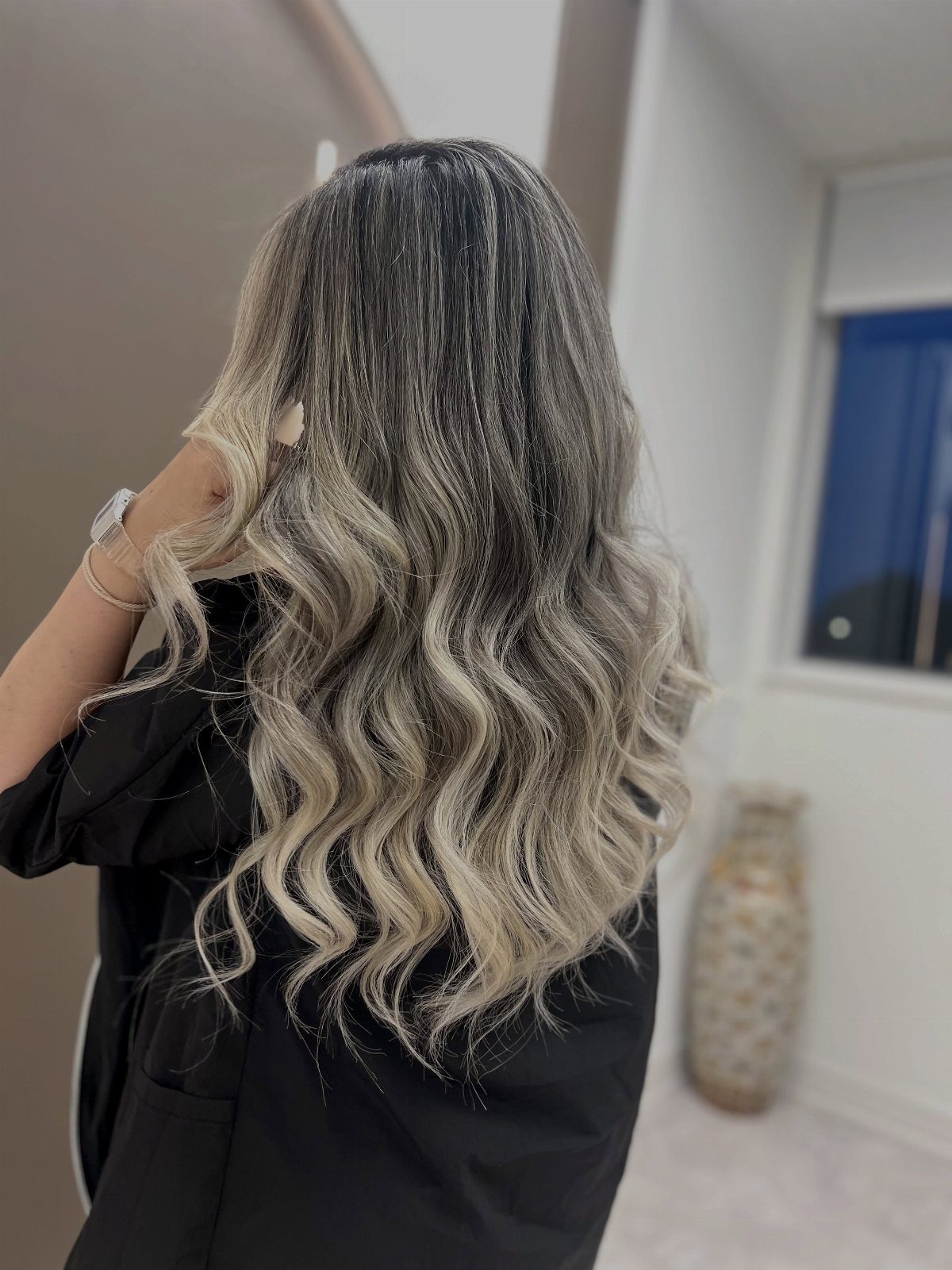
Platinum balayage lifts black hair several shades into a pale, cool tone that reads as silver-blonde. The contrast with the dark base is high, so the result looks deliberate and graphic rather than blended.
Getting there requires multiple lifting sessions.
The colorist lifts the hair to near-white, then tones it with ash or platinum to strip out any yellow or warmth. That process takes longer and costs more than caramel or honey balayage.
Purple shampoo between appointments keeps the blonde from turning brassy, though you’ll still need toner reapplied every few weeks to hold the cool, ashy tone.
25. Smoky Beige Balayage
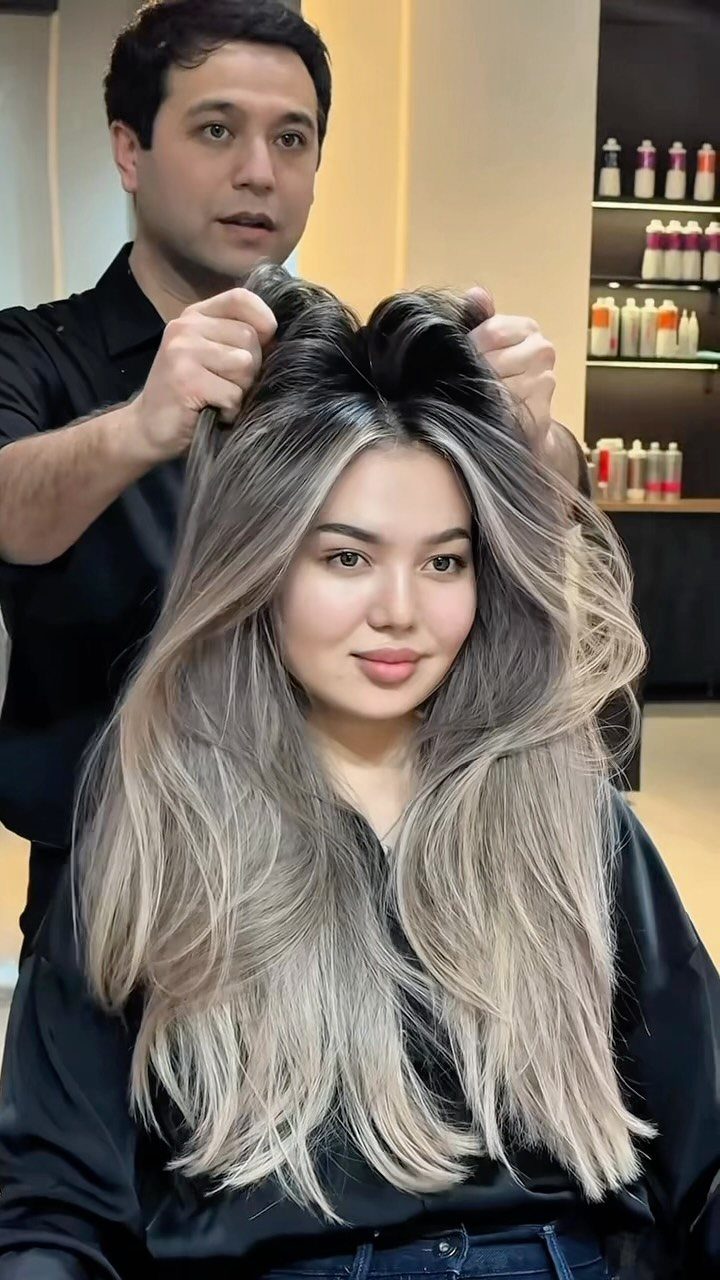
Smoky beige sits between ash blonde and taupe, giving you a muted, almost greyed-out tone that adds dimension without reading as bright or warm. It skips warmth entirely and lands somewhere between taupe and ash.
The beige tone needs regular toning to stay cool, since lifted hair naturally shifts warmer as the toner fades. Without upkeep, the beige will pull more golden over time.
This suits people who want something lighter than their base but don’t want the high contrast or warmth that comes with caramel or honey.
26. Money Piece Balayage
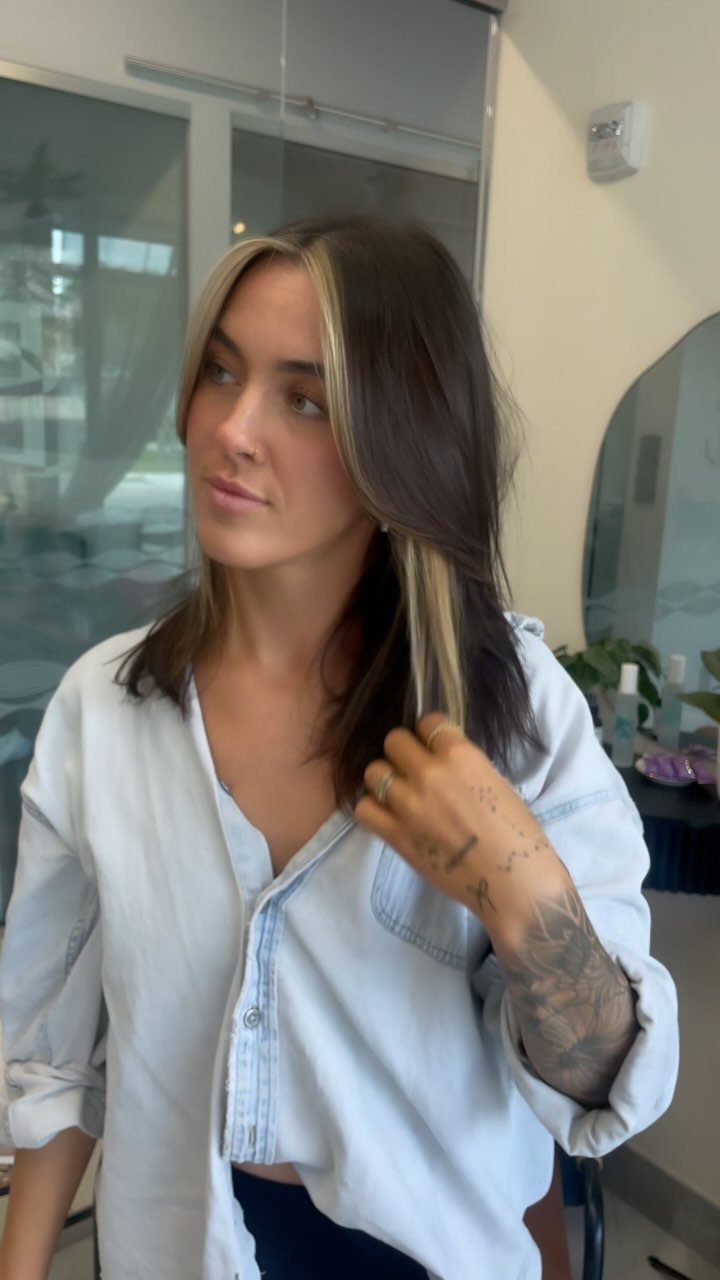
The money piece keeps the color placement narrow, just the sections that frame your face from the part down. The blonde sits right where it brightens your face and adds contrast, while the rest of your hair stays dark.
Getting the pieces that light requires lifting the hair to pale blonde, then toning to keep it cool. 2 thick ribbons framing the face make it graphic, not gradual.
This grows out with a visible root line, so you’ll need touch-ups every few weeks if you want the blonde to stay bright at the scalp.
27. Balayage Half-Up Ponytail
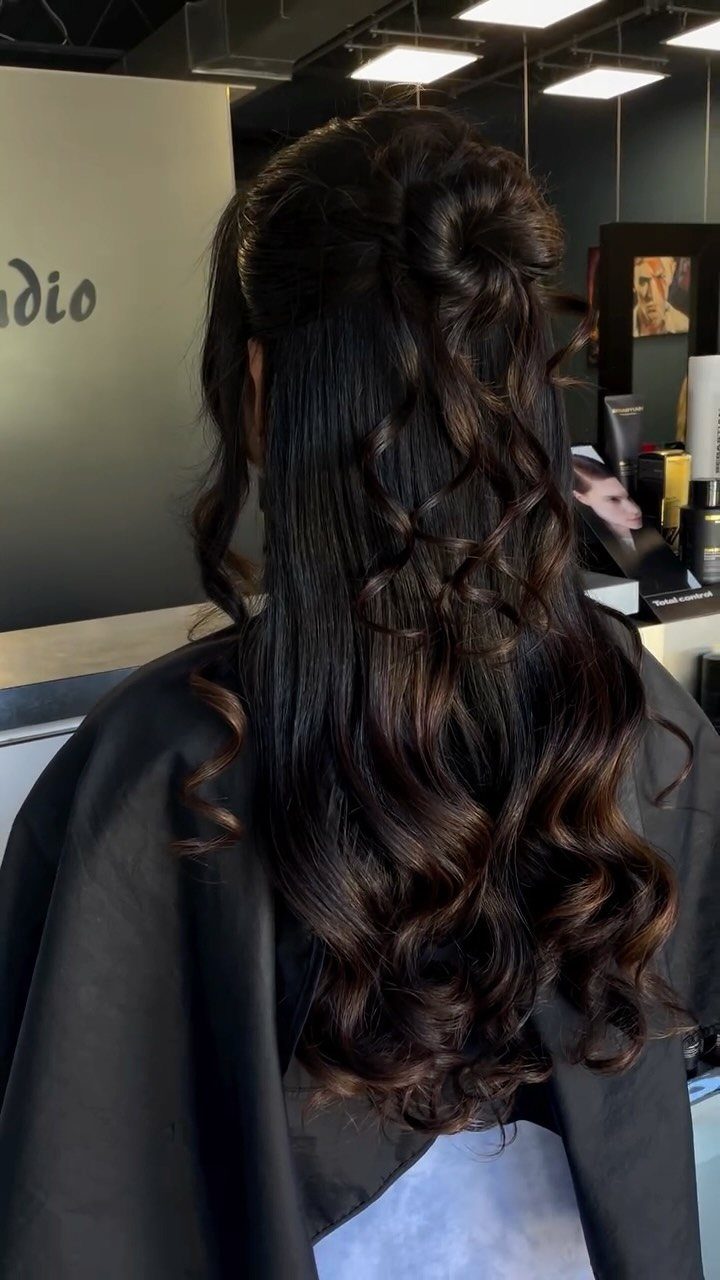
Pulling the top half back into a ponytail shows off the lighter pieces through the crown and lets the curled ends display the balayage dimension. The style works because the highlights sit where the hair moves most.
Curling the loose ends adds volume and makes the color placement more visible, since the lighter tones catch light when the hair bends.
This suits long hair with balayage already placed through the mid-lengths and ends, where the half-up style lifts the color into view.
Balayage Upkeep and Care
Use shampoo and conditioner made for color-treated hair. They help the tone last longer before it fades or shifts warm.
Get trims on schedule. Split ends climb up the hair shaft and make the color look dull even when the tone is fresh.
Heat protectant before styling keeps the color from fading faster under a flat iron or curling wand.
If you’re blow-drying curls, use a diffuser to protect the curl pattern and the color at the same time. Finish with a shine serum if you want the dimension to show more clearly under indoor light.
Frequently Asked Questions
Is balayage hair still in style?
Yes, balayage remains popular because it grows out softly and needs less upkeep than foiled highlights. Face-framing placement works even on short dark hair, so you can add dimension without committing to color through the whole head.
Why is balayage hair so expensive?
Price reflects the time and skill hand-painting takes, plus the cost of bleach and toner needed to lift dark hair.
On black hair especially, getting to blonde or ash tones requires multiple lifting sessions, which adds both time and product cost to the appointment.
What are the differences between highlights and balayage on black hair?
Balayage is painted freehand from midshaft to ends and blends as it grows, where foil highlights sit closer to the scalp and give sharper contrast. Balayage looks sun-kissed and natural; highlights give you sharper, more dramatic definition.
How is a balayage done on dark hair?
Lightener gets brushed onto sections by hand, typically beginning a few inches down and sweeping through to the tips.
Dark hair gets lifted first, then toned to the final shade, which takes longer than doing the same process on lighter hair.
How much does balayage for dark hair cost?
Expect $100 to $300 depending on hair length, thickness, and how many colors you want. High-lift shades like platinum or ash blonde cost more because they require extra lifting and toning time.
How often should you get balayage for dark hair?
Most people go back every 3 to 4 months, though low-contrast tones like chocolate or caramel can stretch longer since the blend stays soft as it grows.
Lighter or cooler shades fade faster and need toner refreshed more often to keep the color from turning warm.
Is balayage bad for dark hair?
No, especially when a professional does it, though lifting dark hair several shades does cause some damage from bleach. Color-safe shampoo and a weekly deep conditioner help keep the hair healthy between appointments.
Should I get full or partial balayage?
Partial keeps color around your face and through the top layer only, so you get movement with less time in the chair and longer between appointments.
Full balayage goes through the whole head for more contrast and a bolder result, though it takes longer and costs more.
What is a reverse balayage?
Reverse balayage adds darker tones instead of lighter ones, painted through hair that’s already been lightened to bring back depth and contrast.
It’s used to correct over-lightened hair or add dimension to blonde without going back to a solid dark base.