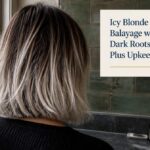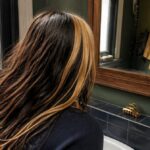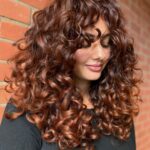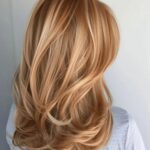
The looks below run from fine scattered babylights that catch light only when you move to bold face-framing caramel that starts at the root and pulls all the way through the ends.
The looks below range from low-maintenance lived-in balayage to full face-framing money pieces, dark rooty melts to high-contrast streaks, and subtle babylights to bold ombre.
1. Dark Brown Balayage
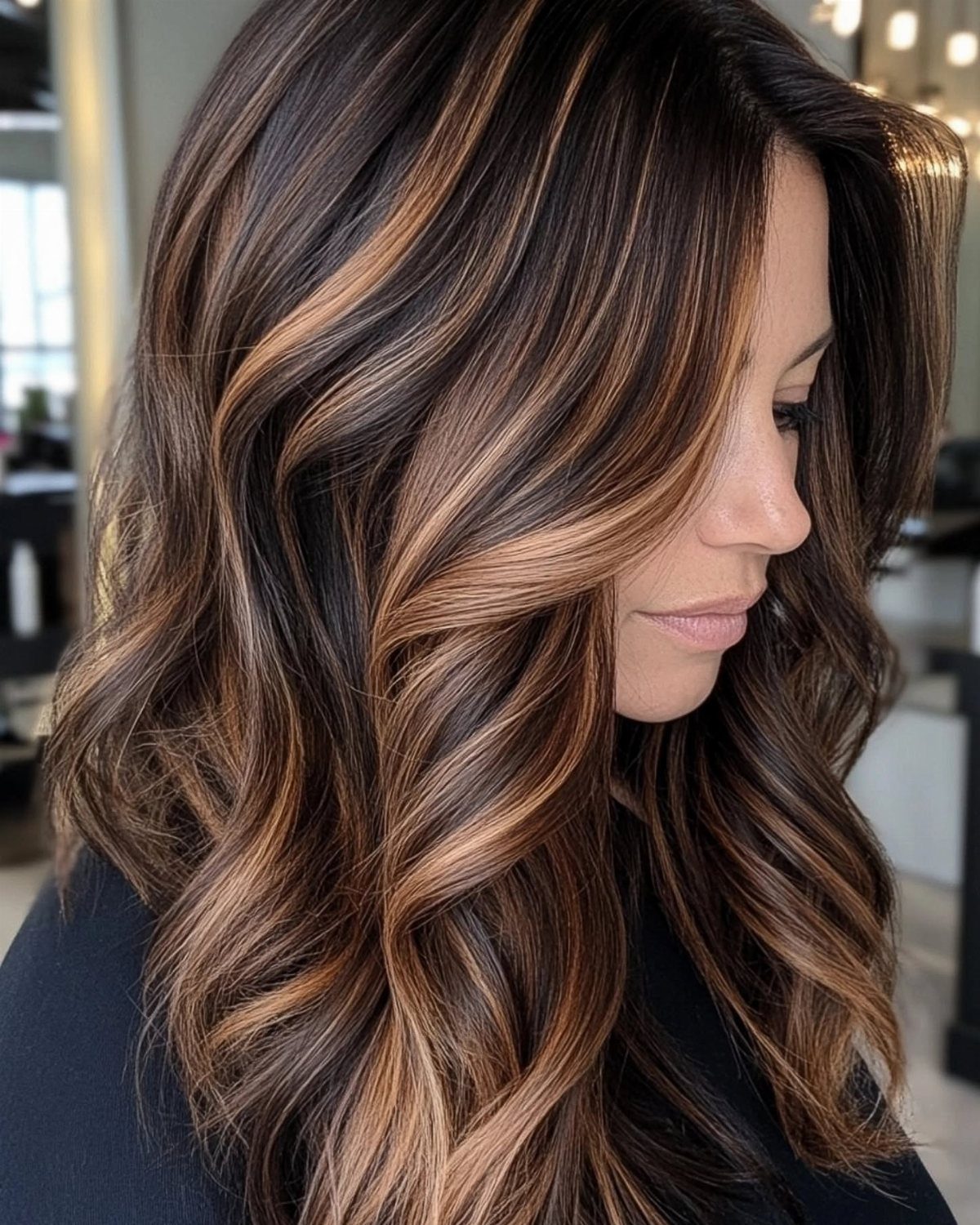
High-contrast caramel-blonde balayage starts mid-shaft and builds through the ends, lifting a deep brown base without touching the root. The depth stays at the scalp, so regrowth blends naturally and you can stretch salon visits longer between appointments.
Ask for hand-painted ribbons that follow the wave pattern.
On dark hair, caramel balayage needs a lift to level 7 or 8, which grows out softer than foil highlights. If your base is virgin brown, expect to spend most of an afternoon in the chair.
2. Cool Caramel Balayage
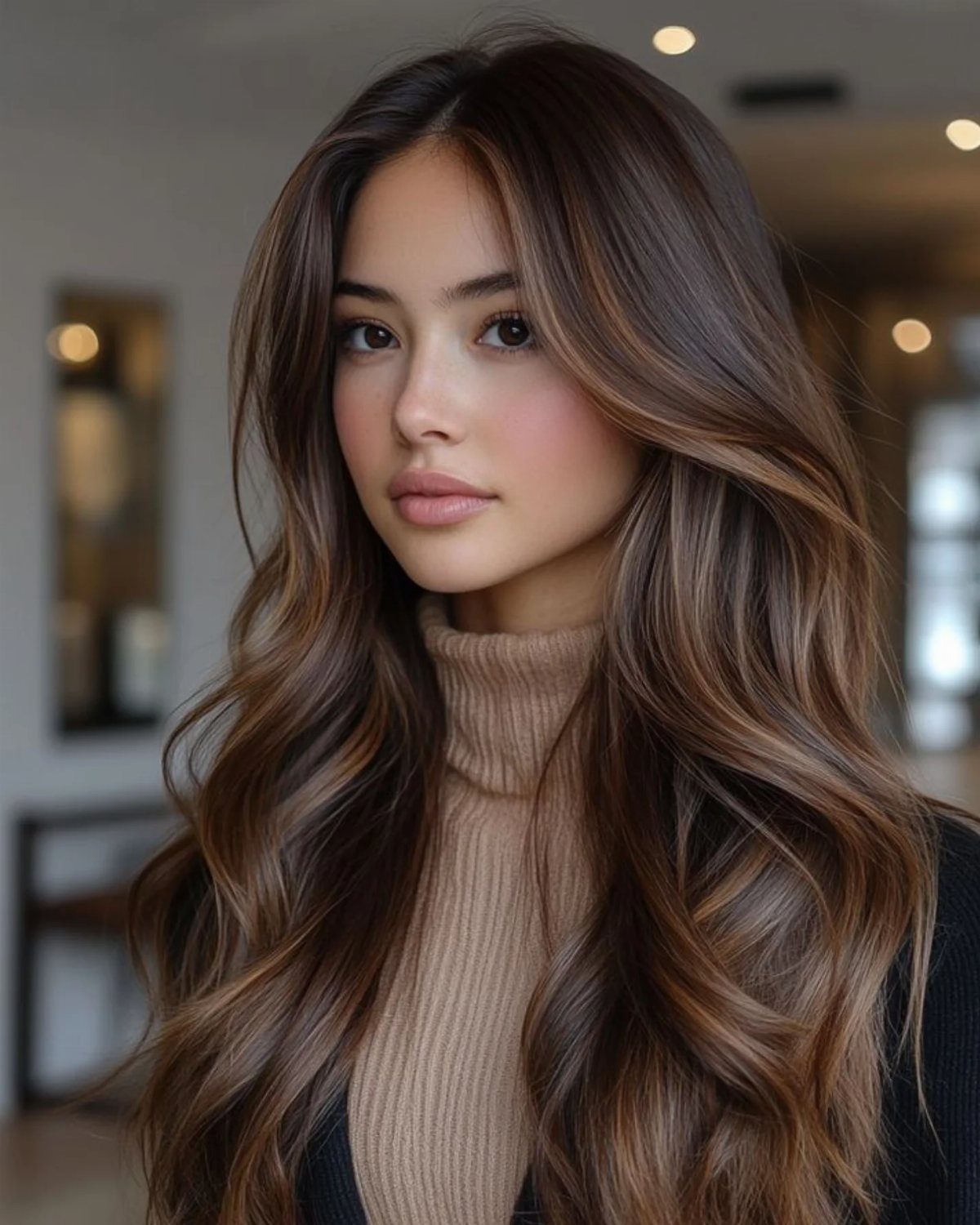
Ashier, earthy caramel tones pull cool instead of gold, which suits brunettes with pink or neutral undertones better than the warmest caramels. The color lands closer to toffee or mushroom-brown than honey, so it reads subtle even in direct light.
Cool caramel balayage works on medium to dark brown bases without looking brassy.
If your hair tends warm or you’ve had previous highlights, a purple or blue toner keeps the lift from swinging orange. This look holds its tone longer between appointments than golden caramel does.
3. Sun-Kissed Caramel Waves
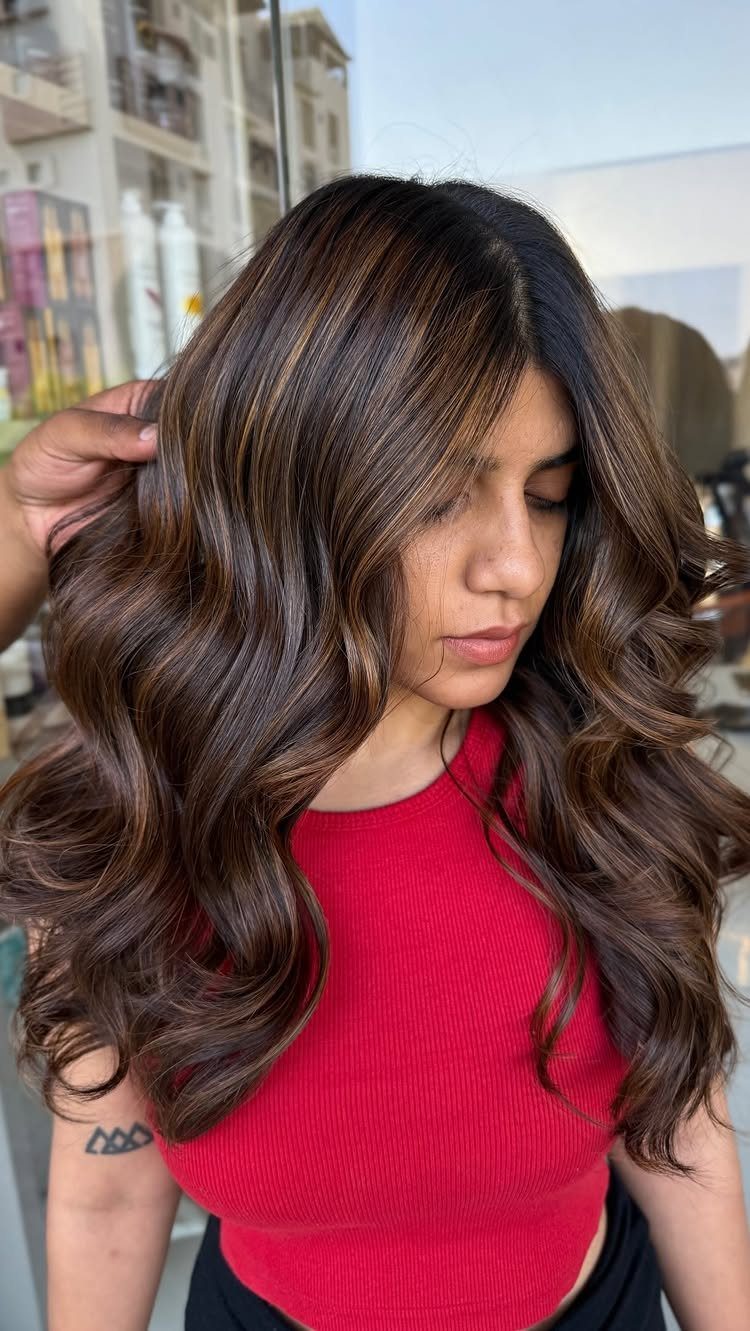
Rooty balayage leaves a few inches of natural brown at the scalp and concentrates the caramel from mid-lengths to ends, mimicking how sun lightens hair over a summer.
The contrast stays soft, so it flatters wavy hair without demanding daily styling.
Long layers help the color move. If your base is level 4 or darker, ask for a freehand balayage rather than foils so the caramel graduates instead of striping.
This grows out cleanly for months, and you can refresh just the ends rather than reapplying from the root every time.
4. Caramel Face-Framing
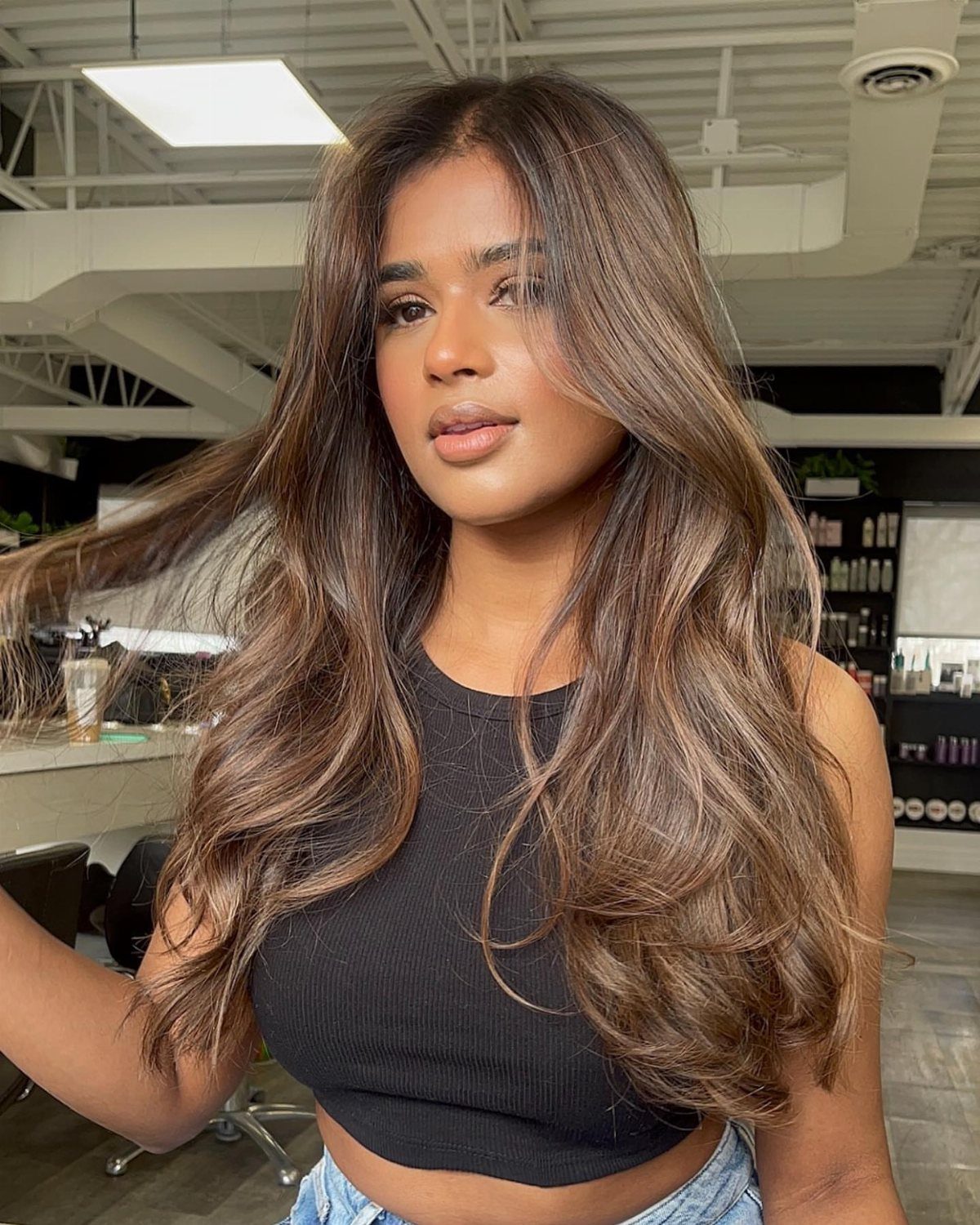
Chunky caramel highlights frame the face and taper into finer balayage through the back and sides. The thicker pieces at the front catch light and lift your features without committing to all-over color.
This works well if you want visible brightness but prefer dimension everywhere else.
Ask for 2 to 3 chunky pieces on each side, then a scattered balayage behind them. Maintenance sits between full highlights and pure balayage: touch up the front more often, the rest less frequently.
5. Dark Lived-In Root Melt
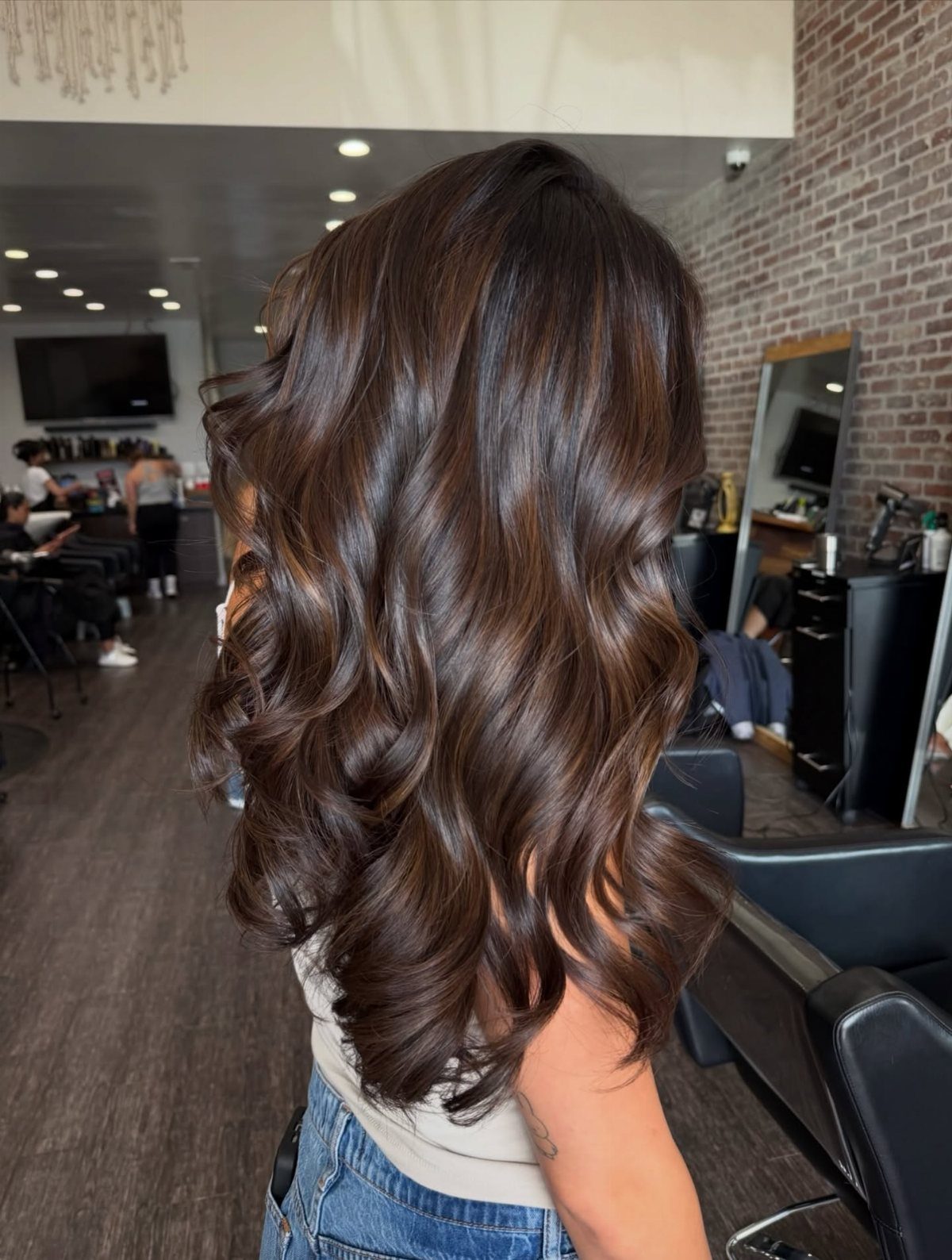
Lustrous highlights concentrate on the mid-lengths and ends, meeting a dark root melt that blends several inches down from the scalp. The lived-in root keeps the look low-maintenance and adds depth, so the caramel reads richer instead of flat.
Root melts suit anyone stretching time between salon visits.
The color transition is gradual enough that regrowth still looks intentional as it grows out. If your natural base is dark brown, this technique skips the visible line foil highlights leave and gives you a softer, longer wear.
6. Bronze-Caramel Balayage Bob
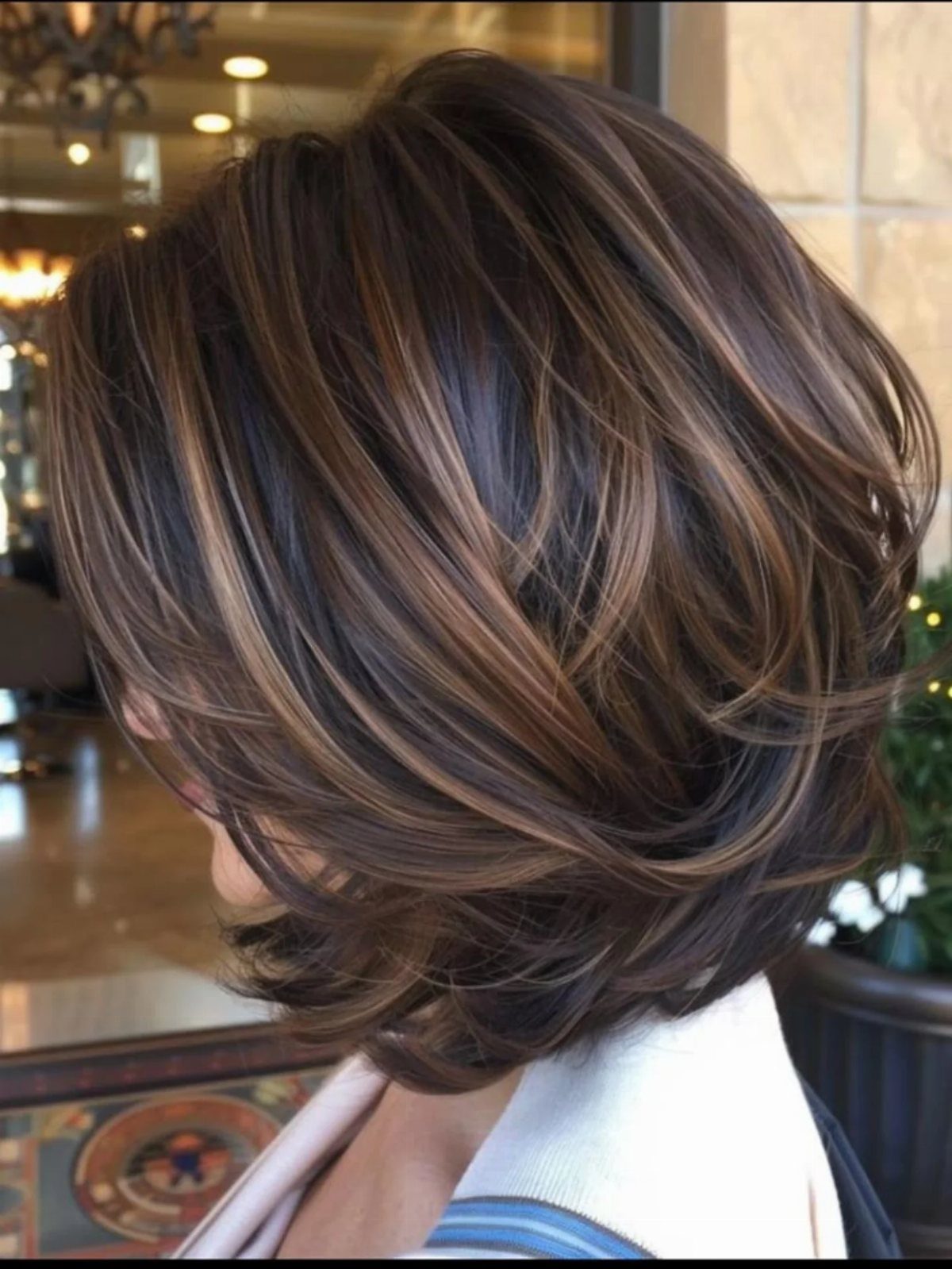
Bronze-caramel balayage adds warmth and movement to an elongated bob, concentrating color on the ends where the layers turn under or flip out.
The dark base keeps the bob grounded, and the bronze tones prevent caramel from reading too light or brassy on shorter lengths.
Bobs show color placement more clearly than long hair does, so ask for balayage that follows the cut’s shape rather than random ribbons.
On chin to shoulder length, expect the color to need a refresh as the hair grows out and the placement shifts.
7. Caramel-Nutmeg Streaks
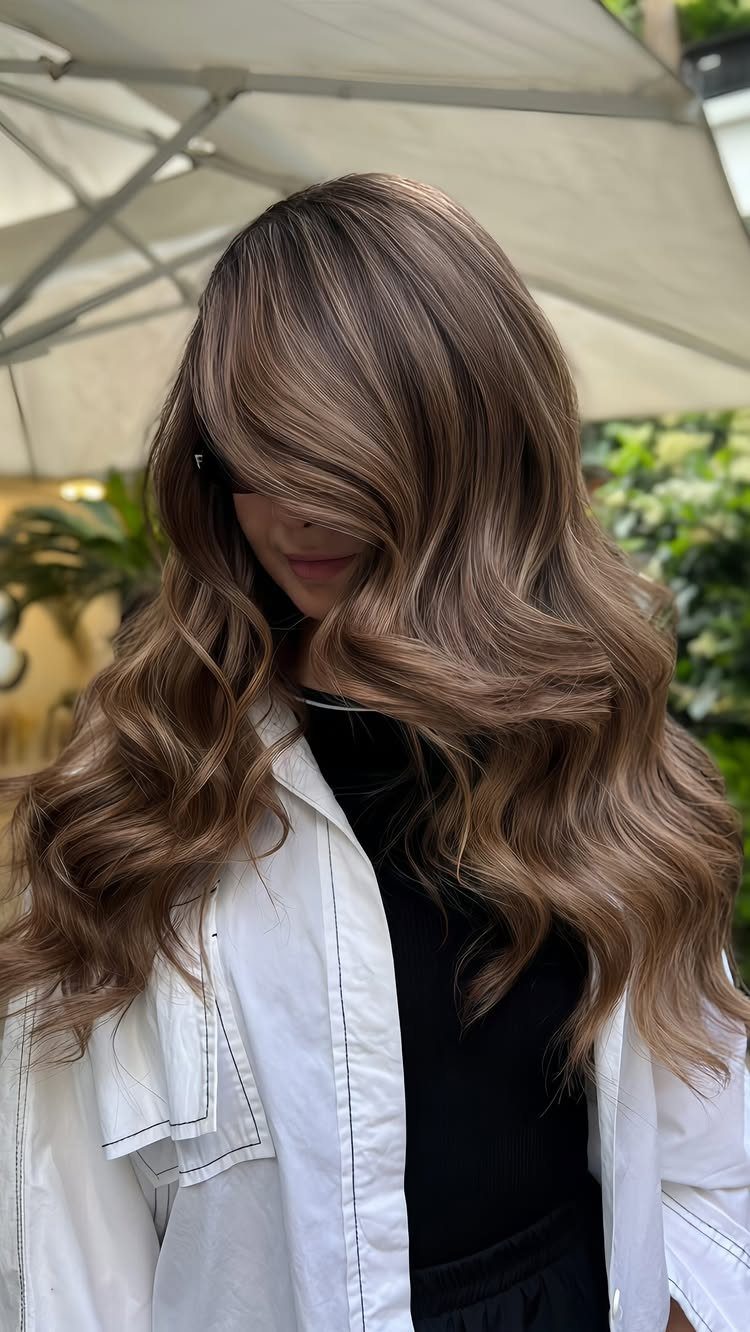
Nutmeg tones keep caramel highlights from reading too light on dark brown hair, adding warmth that flatters warm or olive skin better than cool ash balayage does.
The streaks stay golden enough to lift the base without landing in blonde territory.
This works on layered hair that’s long enough to show the streaks through the length. If your base is dark and you want visible brightness without high contrast, ask for caramel with a slightly deeper tone than standard honey highlights.
8. Chocolate-Brown Copper-Caramel Ends
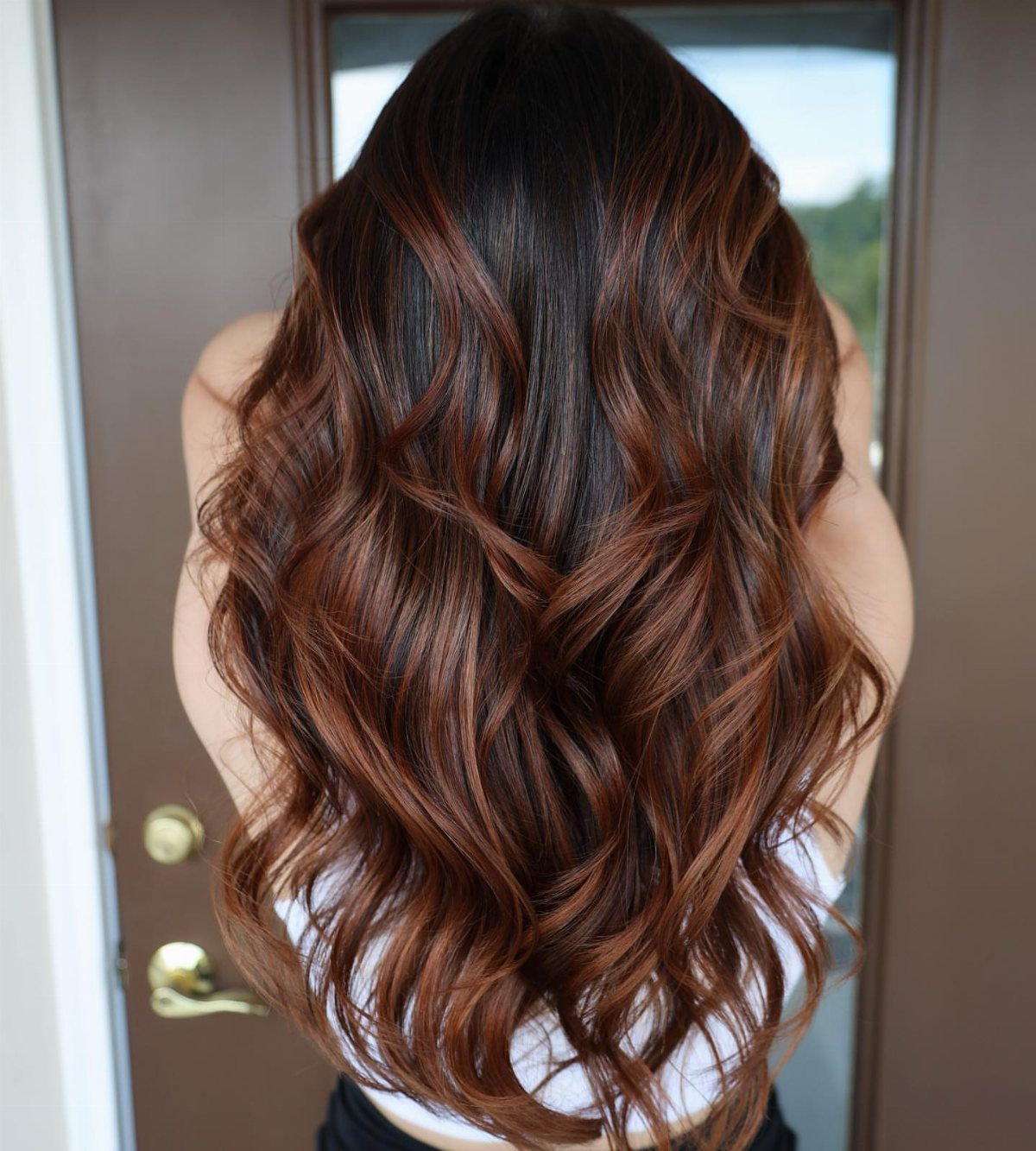
Copper-caramel ends warm up a chocolate-brown base and bring red tones into the mix, which suits anyone whose skin leans warm or golden.
The color concentrates on the lower half, so regrowth stays invisible and you can go longer between touch-ups.
Ask for a root melt that transitions gradually from brown to copper-caramel. On dark hair, lifting to copper fades faster than neutral caramel, so plan for a gloss between full color appointments.
9. Partial Caramel Highlights
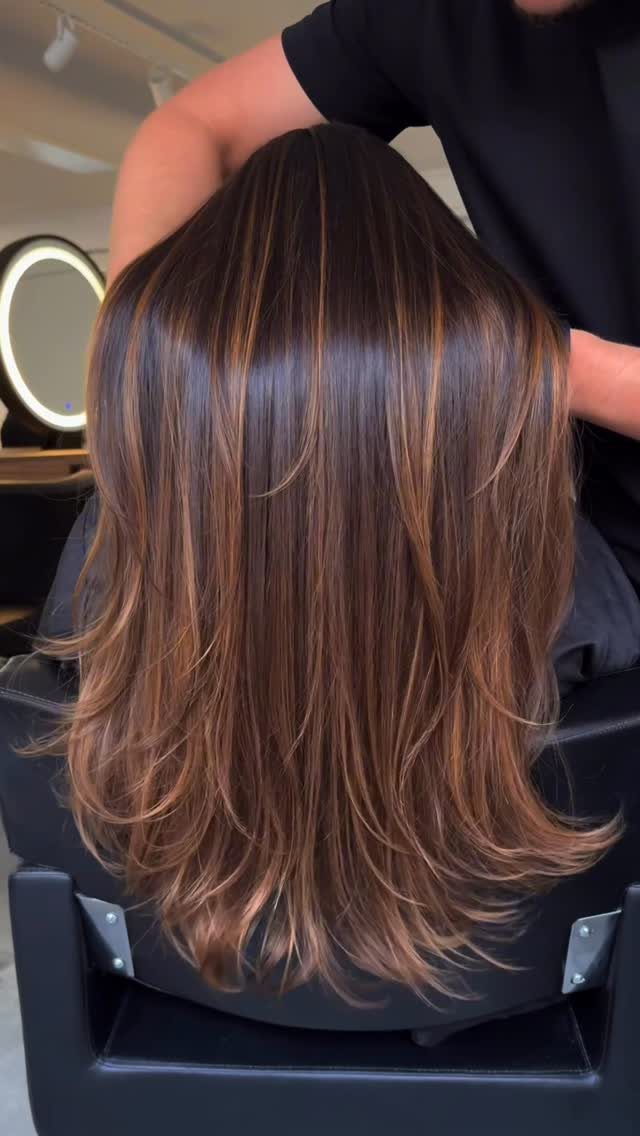
Partial highlights cover the top sections and around the face, leaving the back and underlayers natural. You get visible brightness where it matters most, and the service costs less and takes less time than full highlights.
This suits anyone who wears their hair down most of the time or wants to test caramel before committing to all-over color. Maintenance is lighter too, since you’re only refreshing the top sections each visit.
10. Warm Caramel Babylights
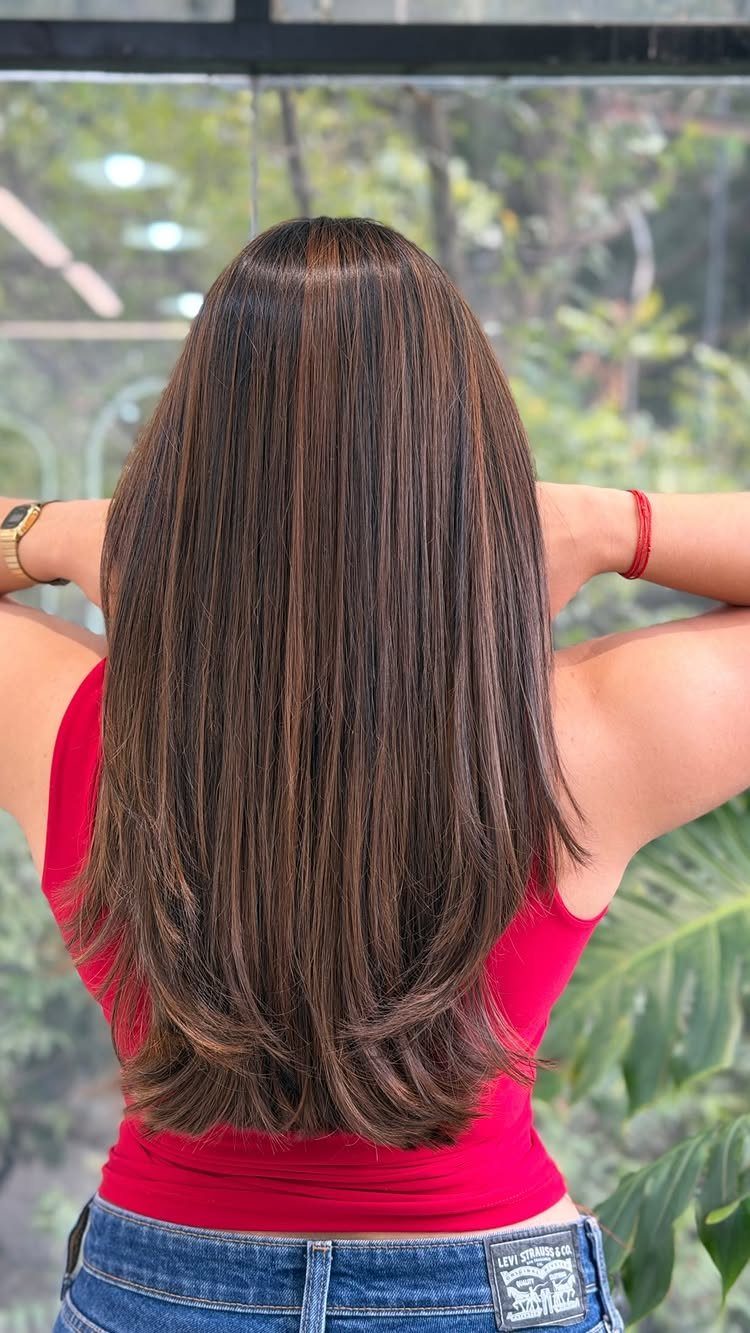
Fine, hand-painted babylights add dimension without obvious streaks, so the caramel reads as natural variation rather than deliberate highlights. On dark brown hair, babylights soften the base and catch light without breaking up the color into visible ribbons.
Babylights take longer to apply than balayage because the sections are finer, but they grow out softer and suit anyone who prefers a low-contrast look.
If your hair is naturally dark, ask for caramel tones that stay warm rather than lifting all the way to blonde.
11. Subtle Caramel Highlights
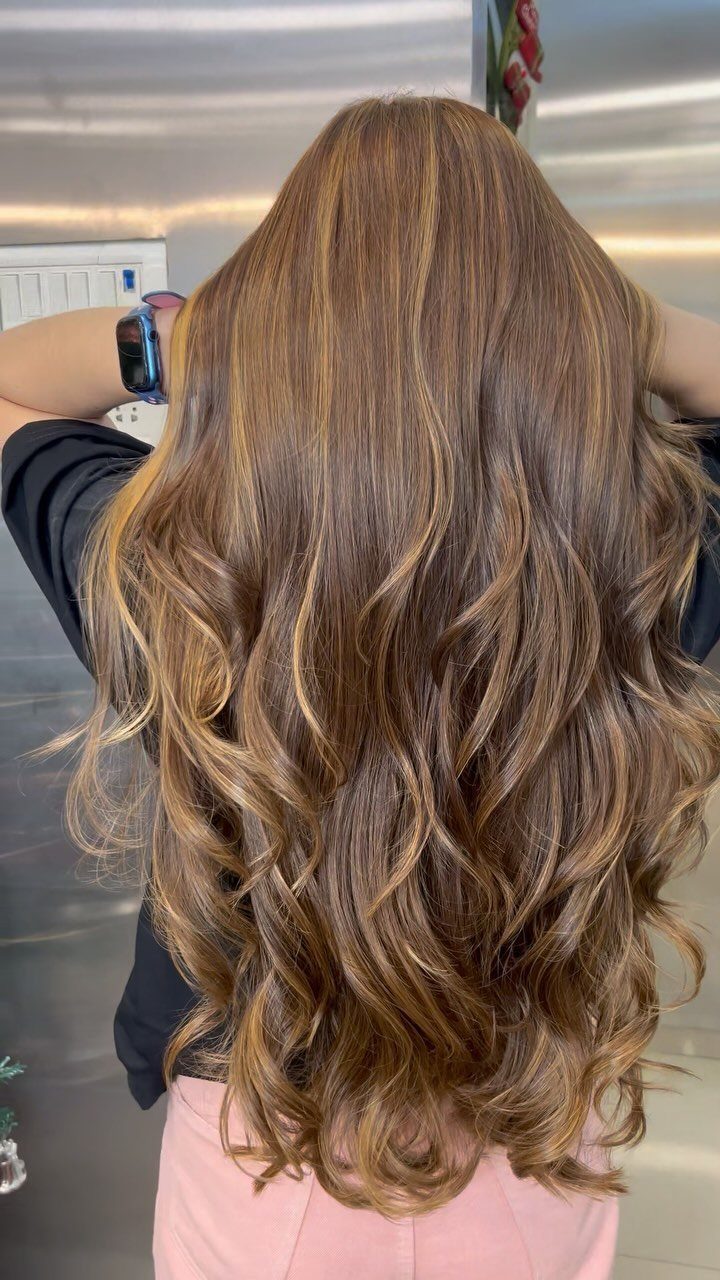
A light hand with caramel keeps the highlights understated, adding just enough lift to break up solid brown without announcing themselves. The placement is scattered rather than concentrated, so the color feels accidental instead of intentional.
Subtle highlights suit anyone who wants dimension but doesn’t want to explain a new color. They grow out cleanly and can be refreshed less often than bold balayage, which makes them a lower-maintenance option for dark brown hair.
12. Caramel Bronde Highlights
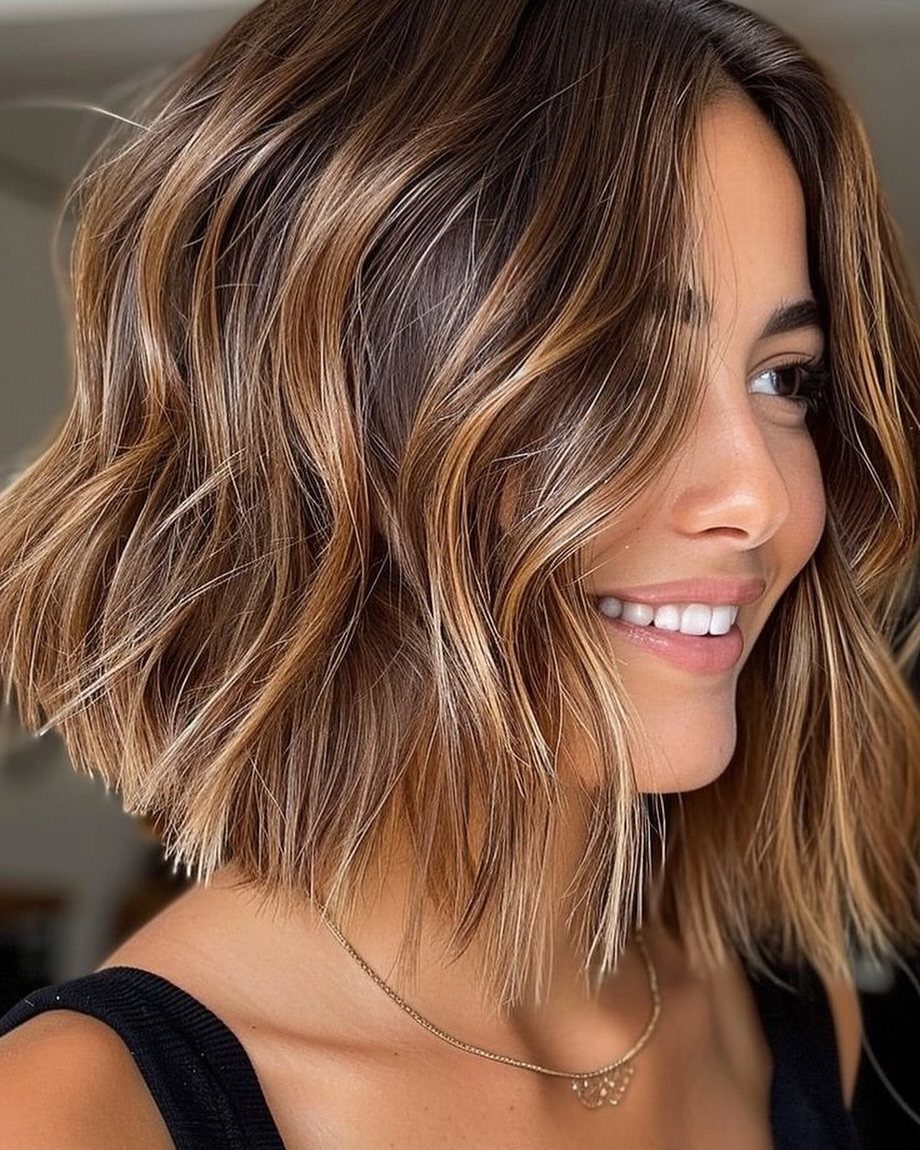
Bronde bases sit between brown and blonde, and chunky caramel highlights push that lighter. The contrast is softer than caramel on dark brown, so the highlights read more casual and less high-maintenance.
This works if your base is already lifted to level 6 or 7.
On darker hair, reaching bronde takes a full lightening session before the caramel goes in, so expect to spend longer in the chair and budget for more frequent toning to keep the blonde from going brassy.
13. Caramel Highlights with Thick Lowlights
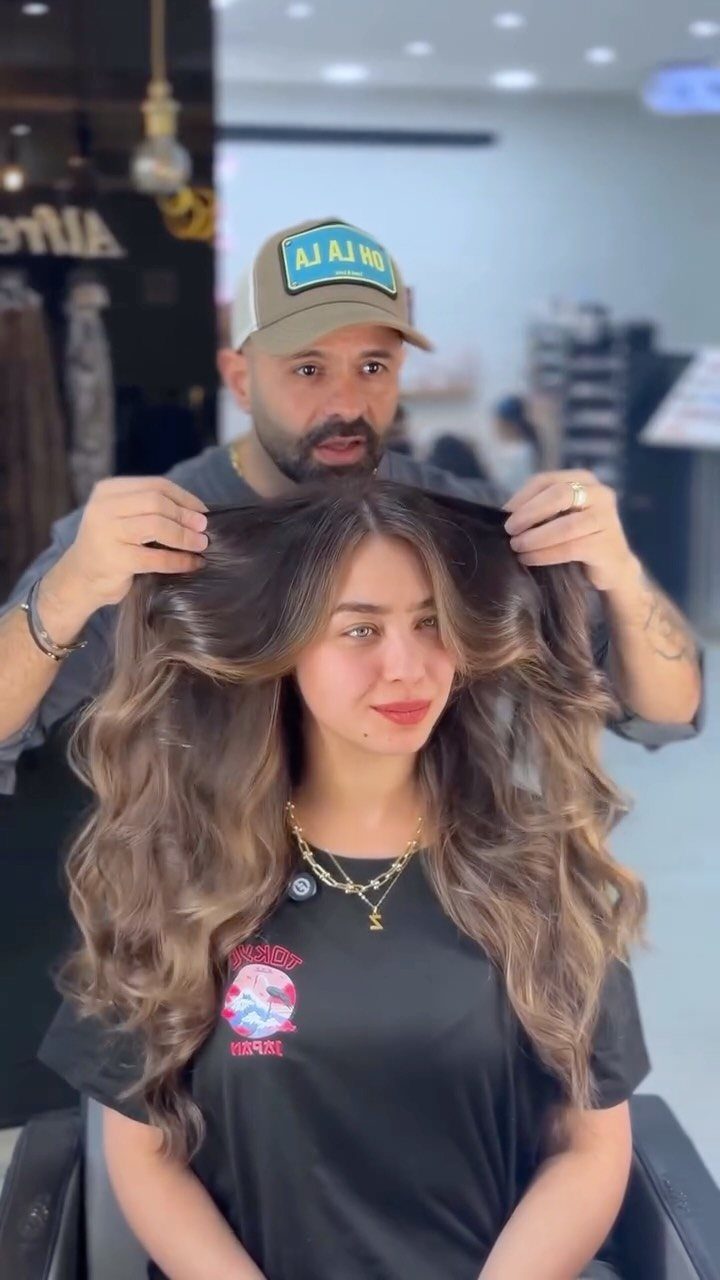
Thick lowlights keep caramel highlights from washing out a brown base, adding depth between the lighter ribbons so the color reads dimensional instead of flat. The lowlights anchor the caramel and make the contrast feel intentional rather than grown out.
This technique suits anyone who wants visible highlights but worries they’ll look too light on their base.
Ask for lowlights one or two shades darker than your natural color, woven between caramel ribbons. The lowlights grow out invisibly, so you can refresh just the highlights each visit.
14. Reddish Caramel-Blonde Highlights
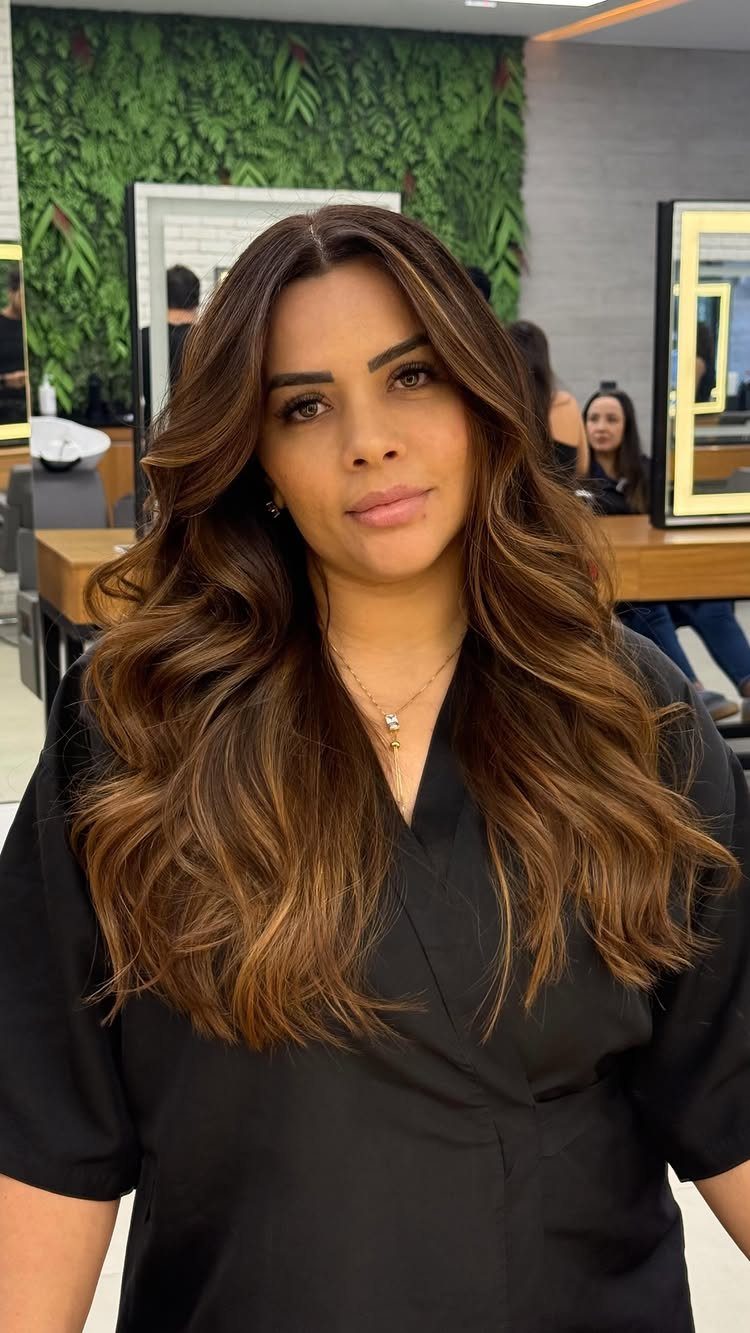
The red keeps the highlights from reading too ashy on chocolate-brown hair and adds movement through the length.
This works best on level 4 or darker bases, where the red tones show up without turning brassy.
15. Caramel Money Pieces
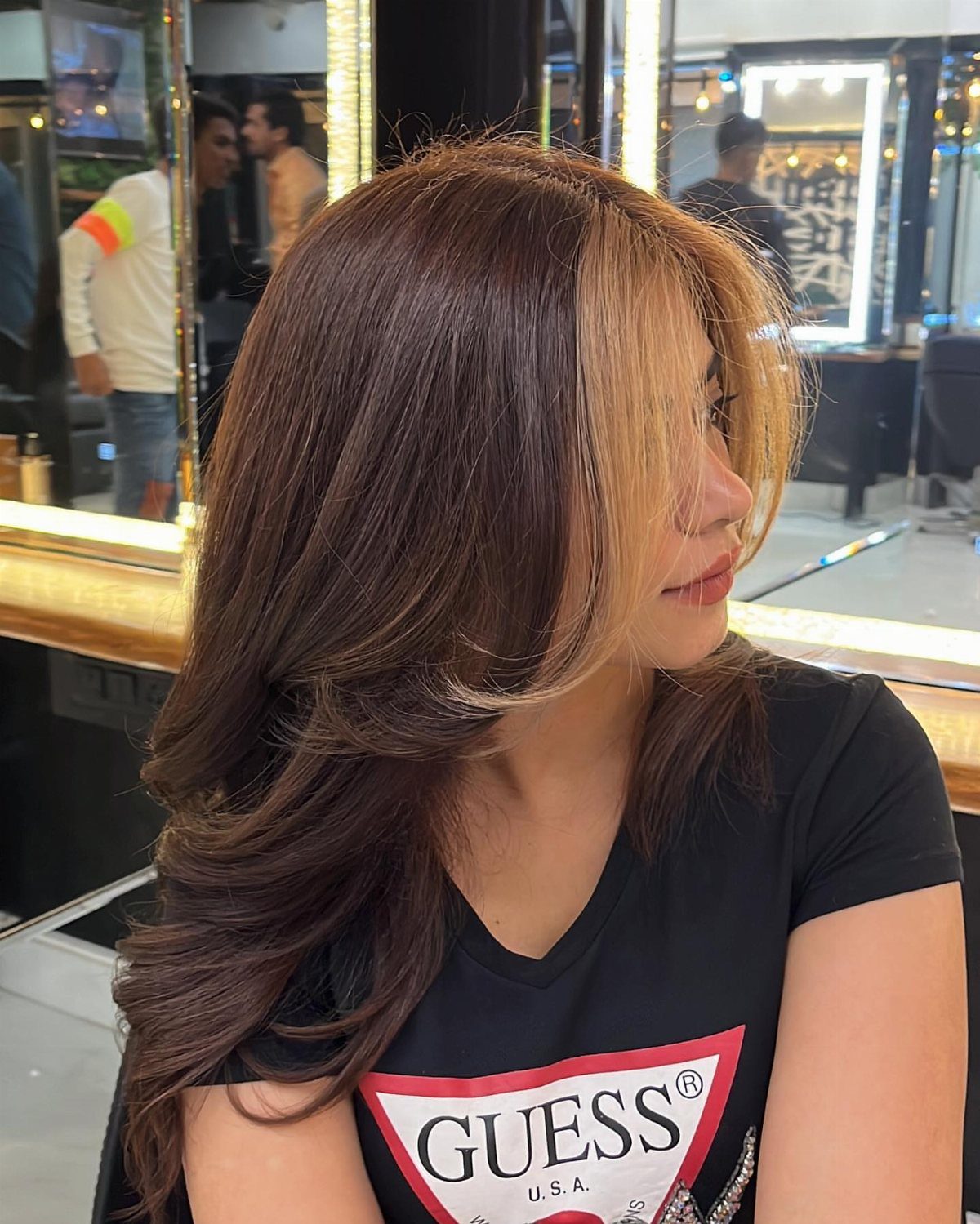
Money pieces concentrate caramel-blonde highlights on the 2 sections framing your face, leaving the rest of the hair balayaged or natural.
Ask for money pieces that start at the root rather than mid-shaft so they frame your face all the way up. You only pay to refresh the front at each appointment, not a full head.
16. Walnut-Brown Hair with Caramel Pops
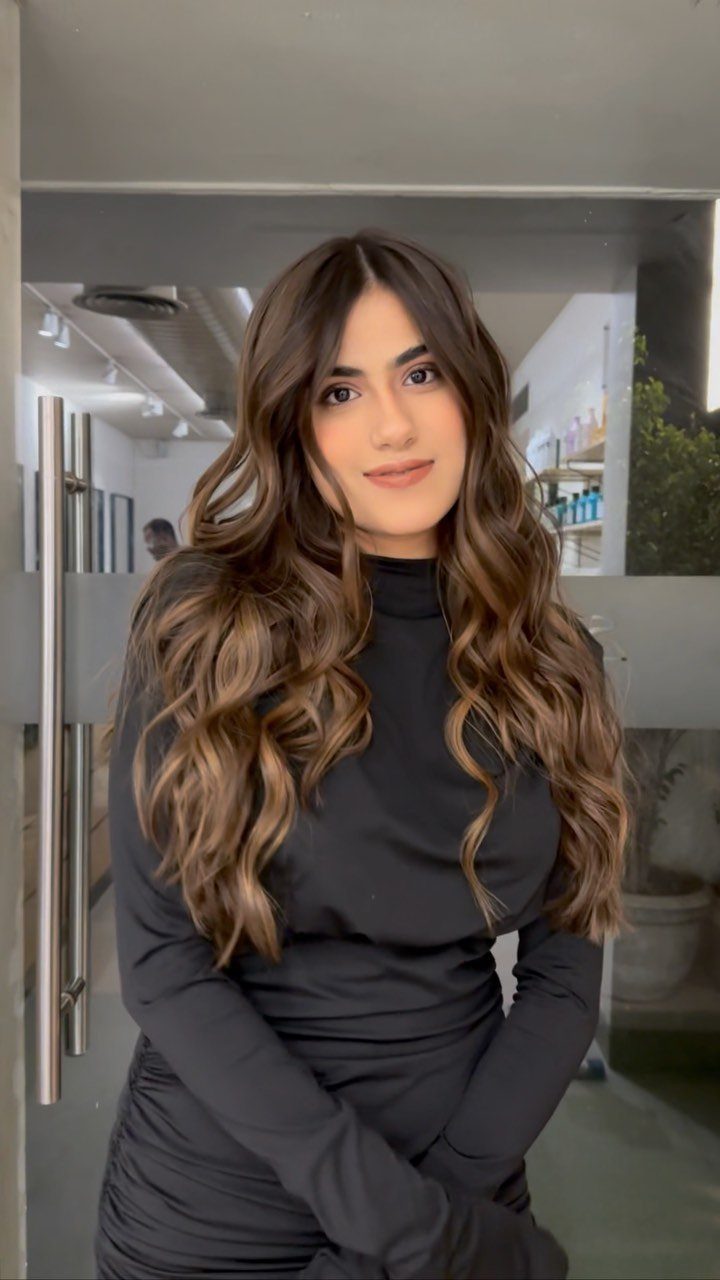
The highlights are fine and placed sparingly, so the color feels natural instead of deliberate.
This suits anyone who wants dimension without obvious highlights.
The caramel stays a few shades lighter than the walnut base, so it catches light on wavy hair without announcing itself. Maintenance is lighter than full balayage, since the pops are subtle enough to grow out for months.
17. Tawny Highlights
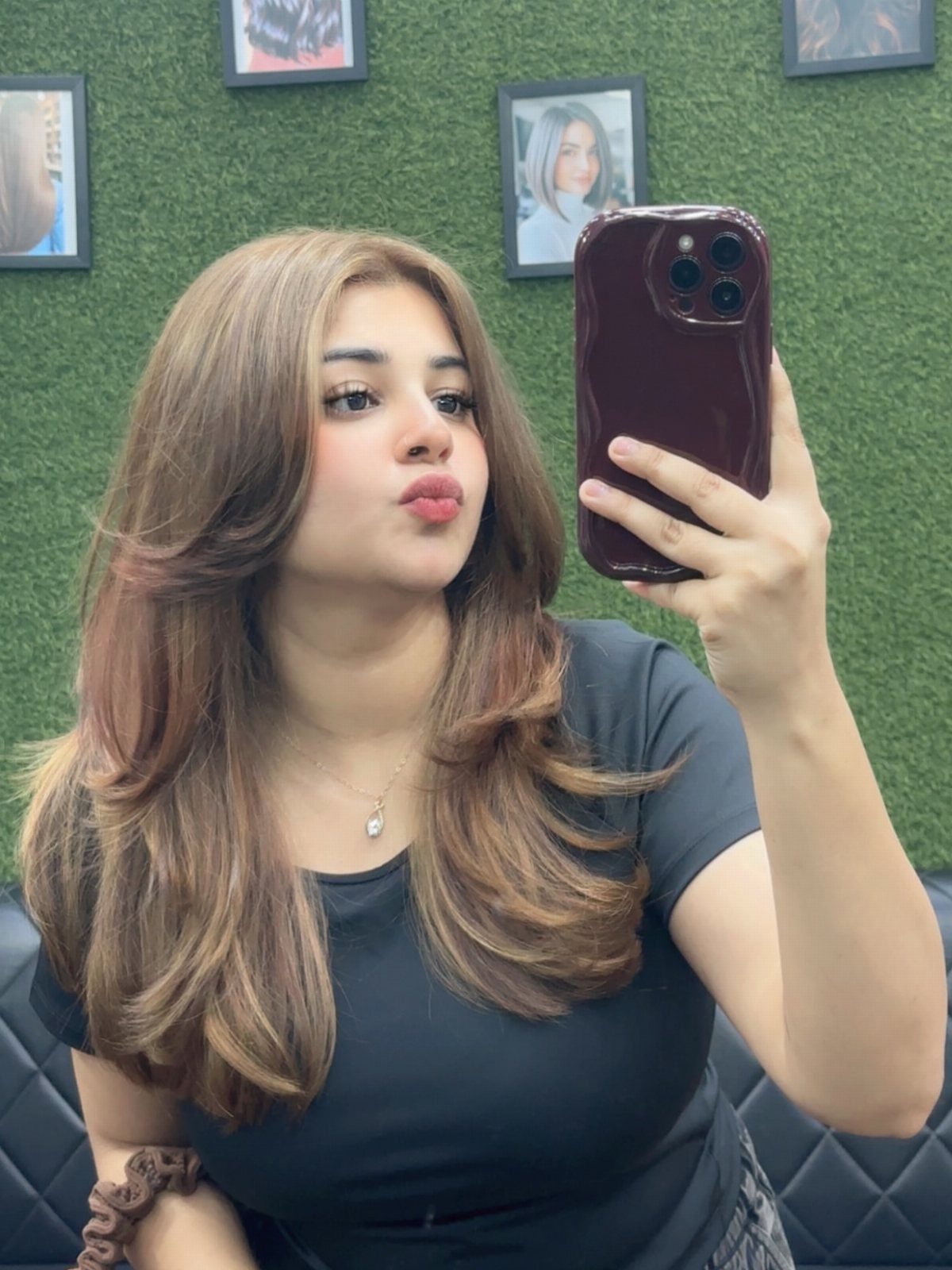
Tawny highlights sit between golden-brown and brownish-orange, adding warmth without lifting the base all the way to caramel or blonde. The color stays earthy and reads natural on medium to dark brown hair, especially in soft waves.
Tawny tones suit warm skin better than cool ash highlights do. Tawny brown hair with caramel highlights grows out softer than golden balayage and holds its tone longer between glosses.
18. Golden Streaks in Undone Waves
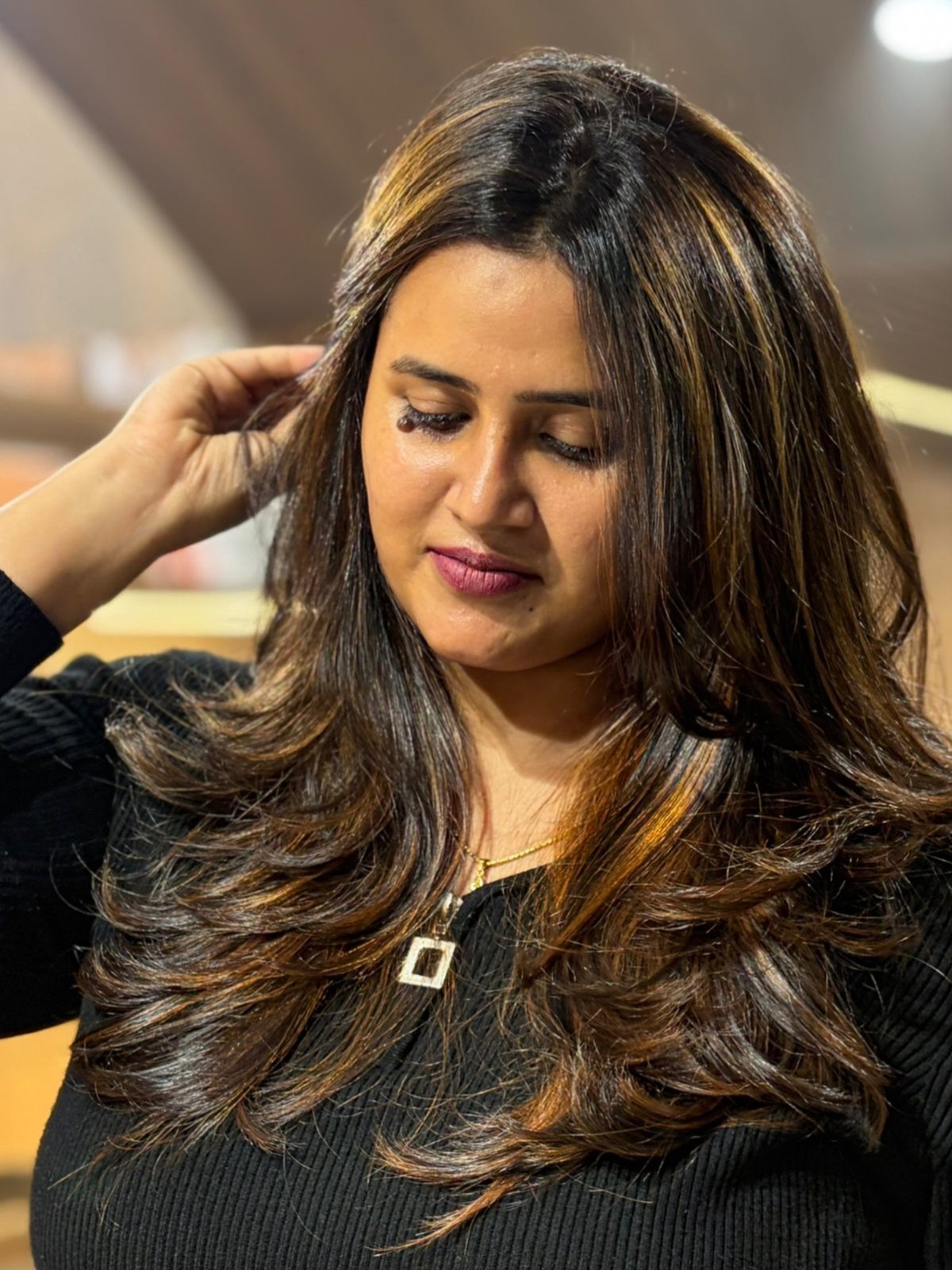
Scattered golden streaks brighten dark brown waves without taking over the base, adding contrast that moves with the hair instead of sitting in obvious ribbons.
The streaks are chunky enough to read as color but broken up enough to look unfinished, which suits undone waves better than precise balayage does.
19. Warm Golden-Tinted Highlights
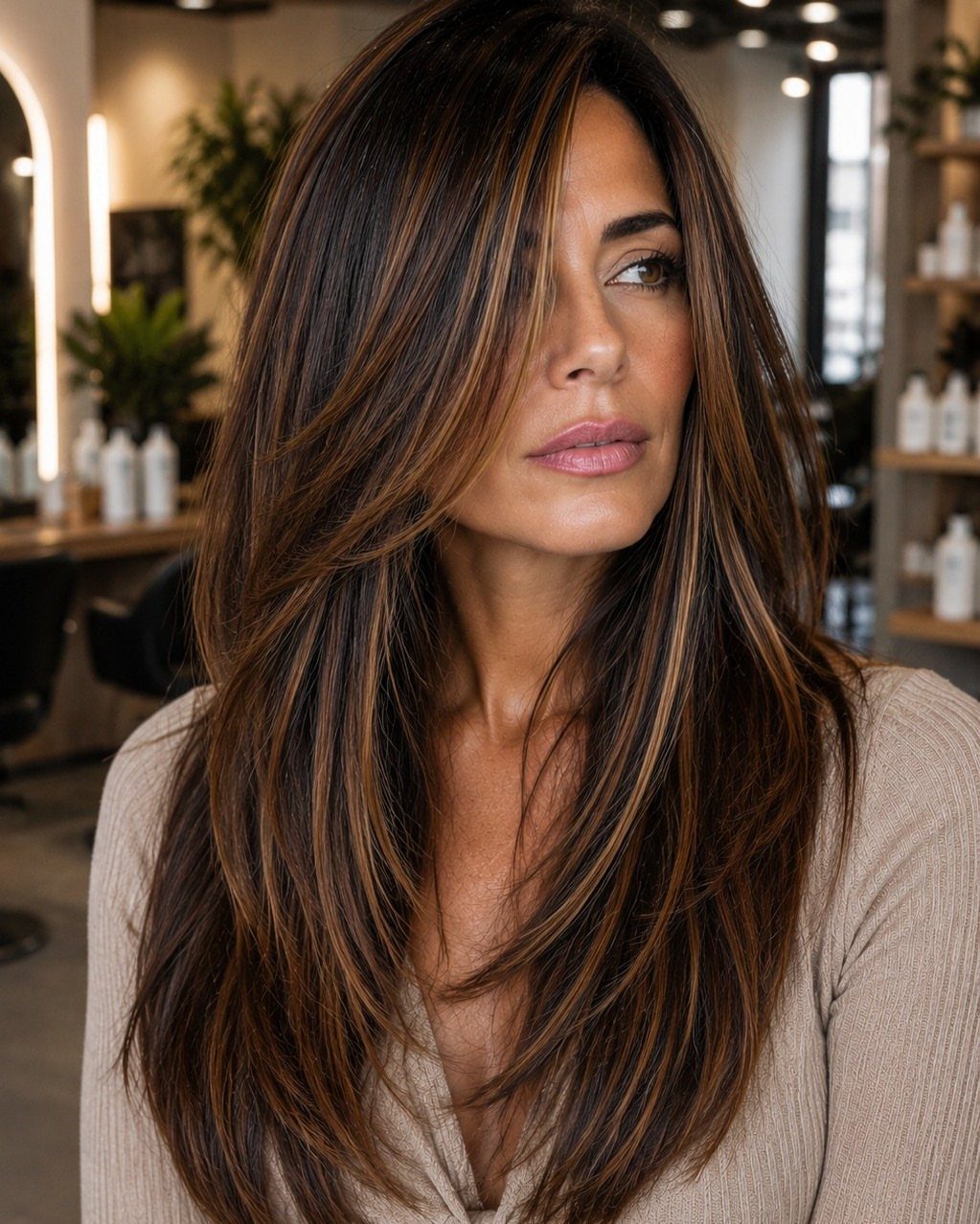
Warm golden tones lighten a natural brown base just enough to add dimension without stripping depth. The highlights stay close to the base color, so the lift reads subtle and grows out without a hard line.
This suits anyone who wants visible warmth but doesn’t want to commit to caramel or blonde. If your hair is level 4 or 5, ask for highlights one or two shades lighter than your natural color, painted through the mid-lengths and ends.
20. Caramel Teasylights
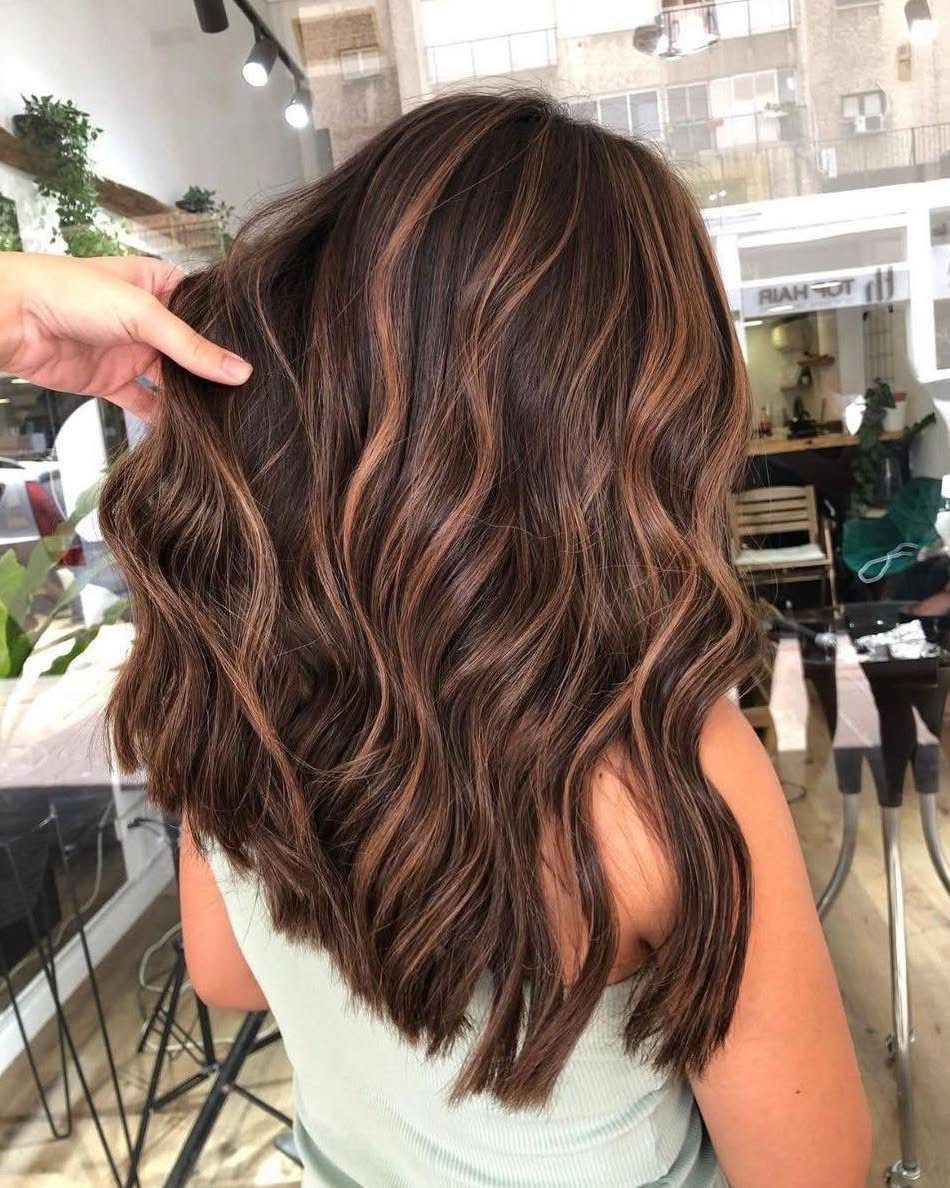
Teasylights combine teasing and balayage, backcombing small sections before applying color so the highlights blur into the base instead of sitting in defined ribbons.
The result is finer and softer than standard balayage, which suits long hair that shows color placement clearly.
Teasylights take longer to apply than freehand balayage because each section is backcombed first. The blur grows out invisibly, and you can stretch appointments longer than you would with foiled highlights.
21. Caramel-Blonde Babylights
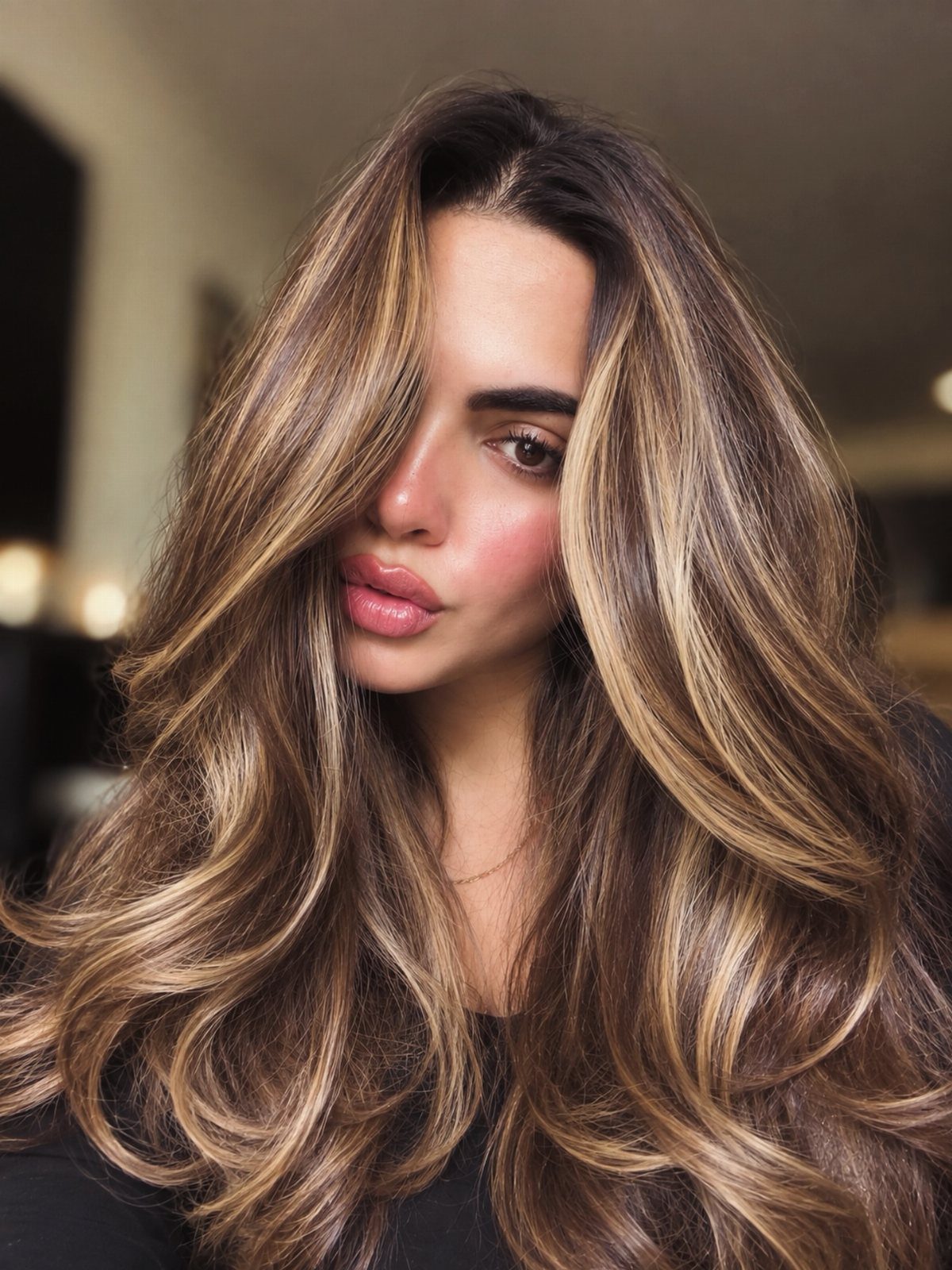
Babylights concentrated around the face brighten the front sections without taking over the rest of the hair, adding lift where it frames your features.
The sections are fine enough to blend into the base, so the caramel-blonde reads natural instead of striped.
If your base is medium to dark brown, babylights around the face give you the brightness of money pieces without the chunky contrast. Maintenance is lighter than full babylights, since you only refresh the front sections each visit.
22. Caramel-Cinnamon Highlights
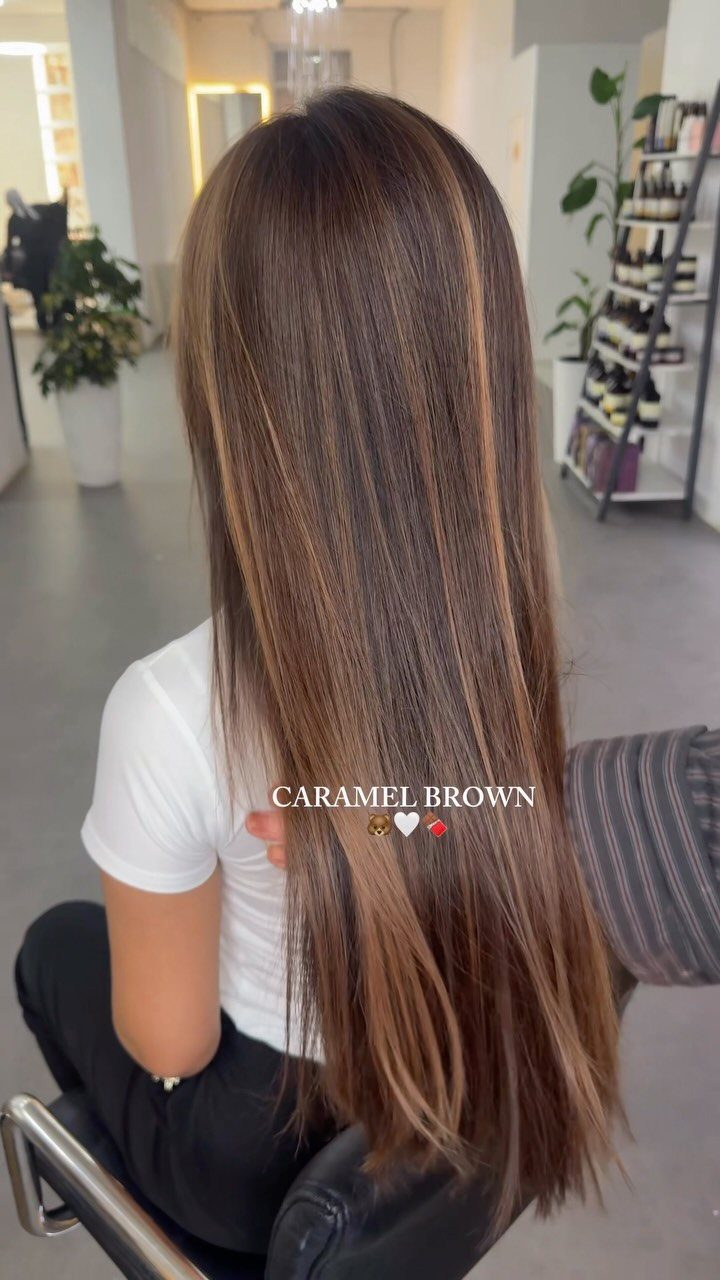
Cinnamon-toned caramel adds warmth without pushing too golden or too red, landing somewhere between honey and auburn on medium brown hair. The color reflects light without high contrast, so it flatters straight hair that shows shine more than texture.
If you want warmth that stops short of brass, this is the balance. A gloss between appointments keeps the cinnamon tone from fading toward orange, especially on previously colored hair.
The permanent color gives you bright, youthful, natural-looking caramel highlights. A final glaze with SHINEFINITY will lock in extra glow, wrapped up in a zero-damage, zero-lift formula that makes hair up to 250% shinier¹.
— Wella
23. High-Contrast Highlights
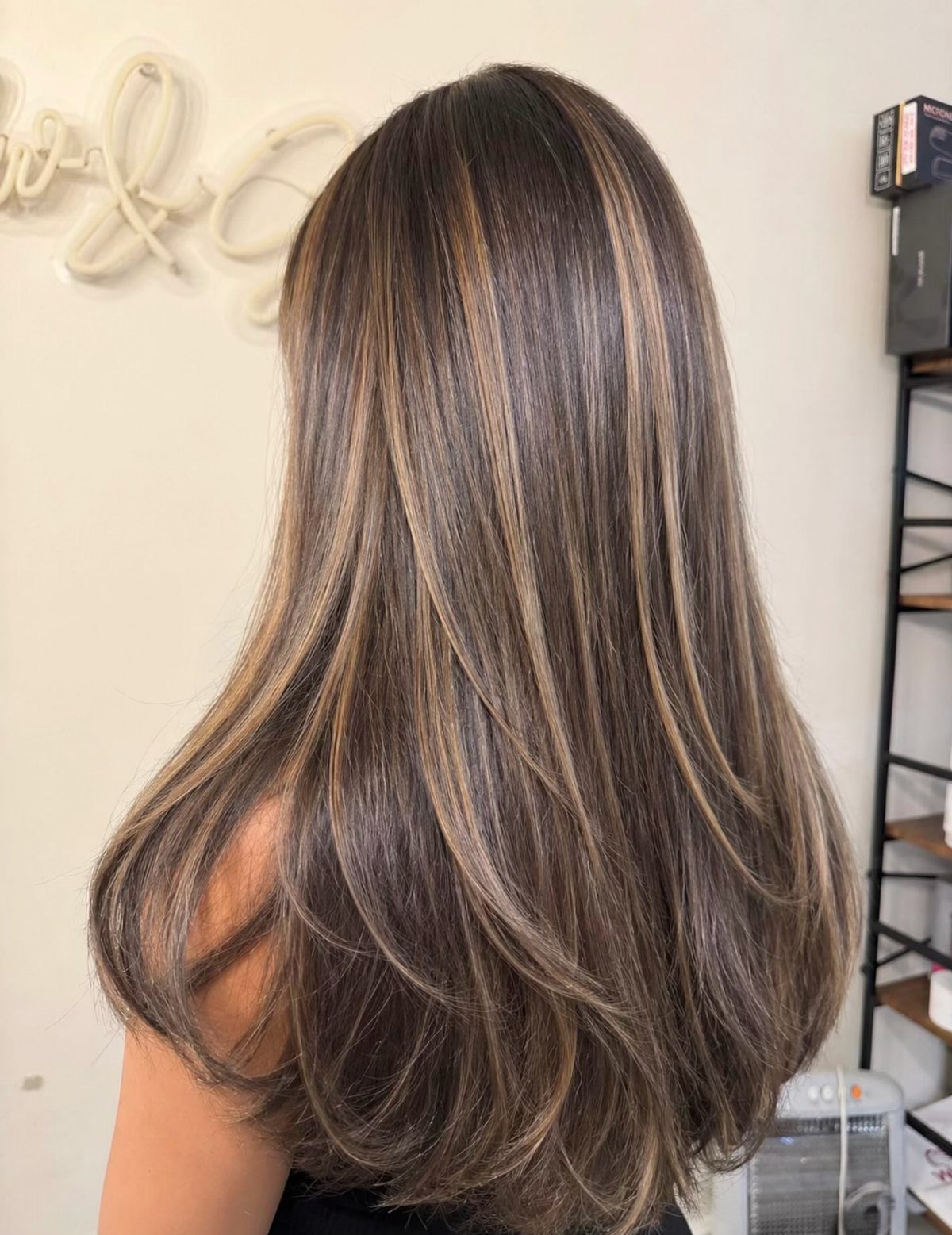
Bold caramel-blonde ribbons lift several shades above a dark brown base, creating visible contrast that reads deliberate rather than natural. The highlights are fine enough to blend but bright enough to stand out, which suits anyone who wants obvious dimension.
High contrast takes more upkeep than low-contrast balayage. The regrowth line shows faster with high contrast, so your refresh schedule tightens compared to softer placement.
24. Muted Caramel Highlights
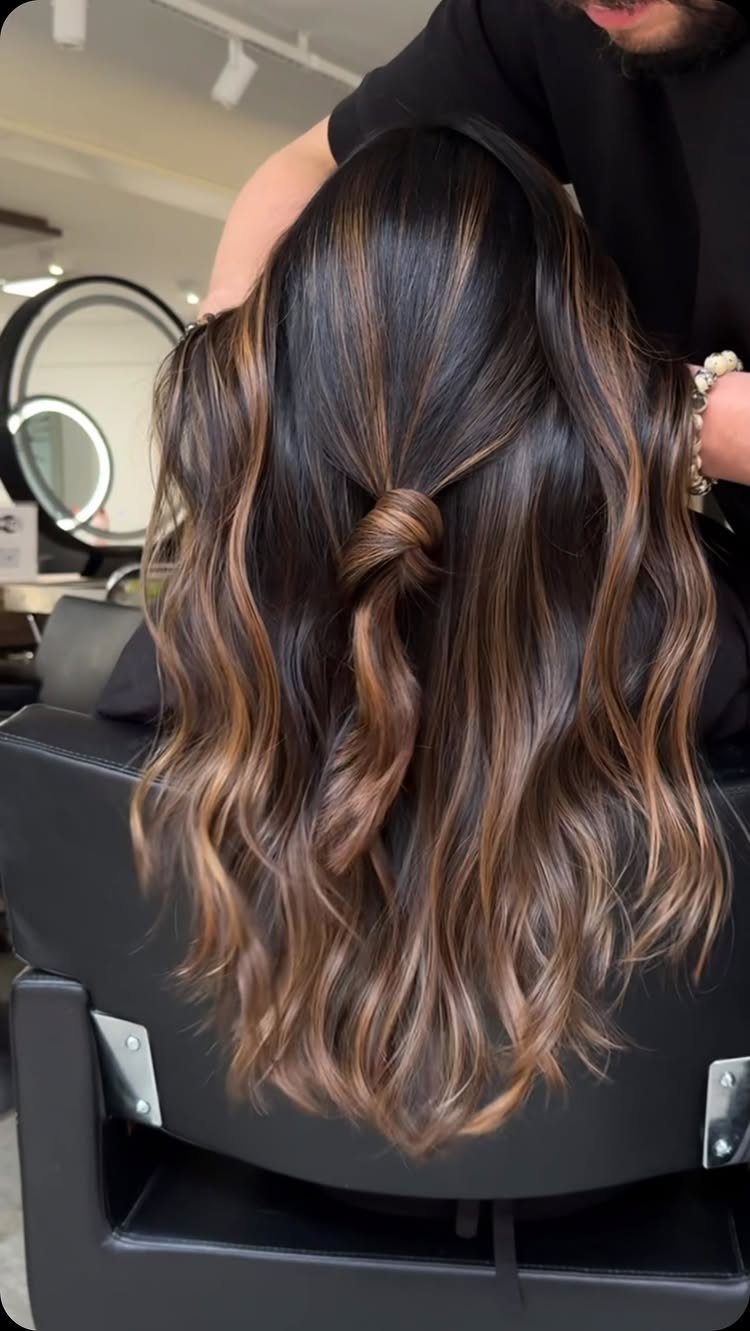
Softer, less golden caramel tones add lift without the brightness of honey highlights, landing closer to toffee or pale brown than blonde.
The muted color stays subtle on medium brown hair and flatters anyone who prefers dimension that doesn’t announce itself.
Muted caramel suits neutral to cool skin tones better than warm golden highlights do. The color holds its tone longer between glosses and grows out softer than high-contrast balayage.
25. Caramel Brushlights
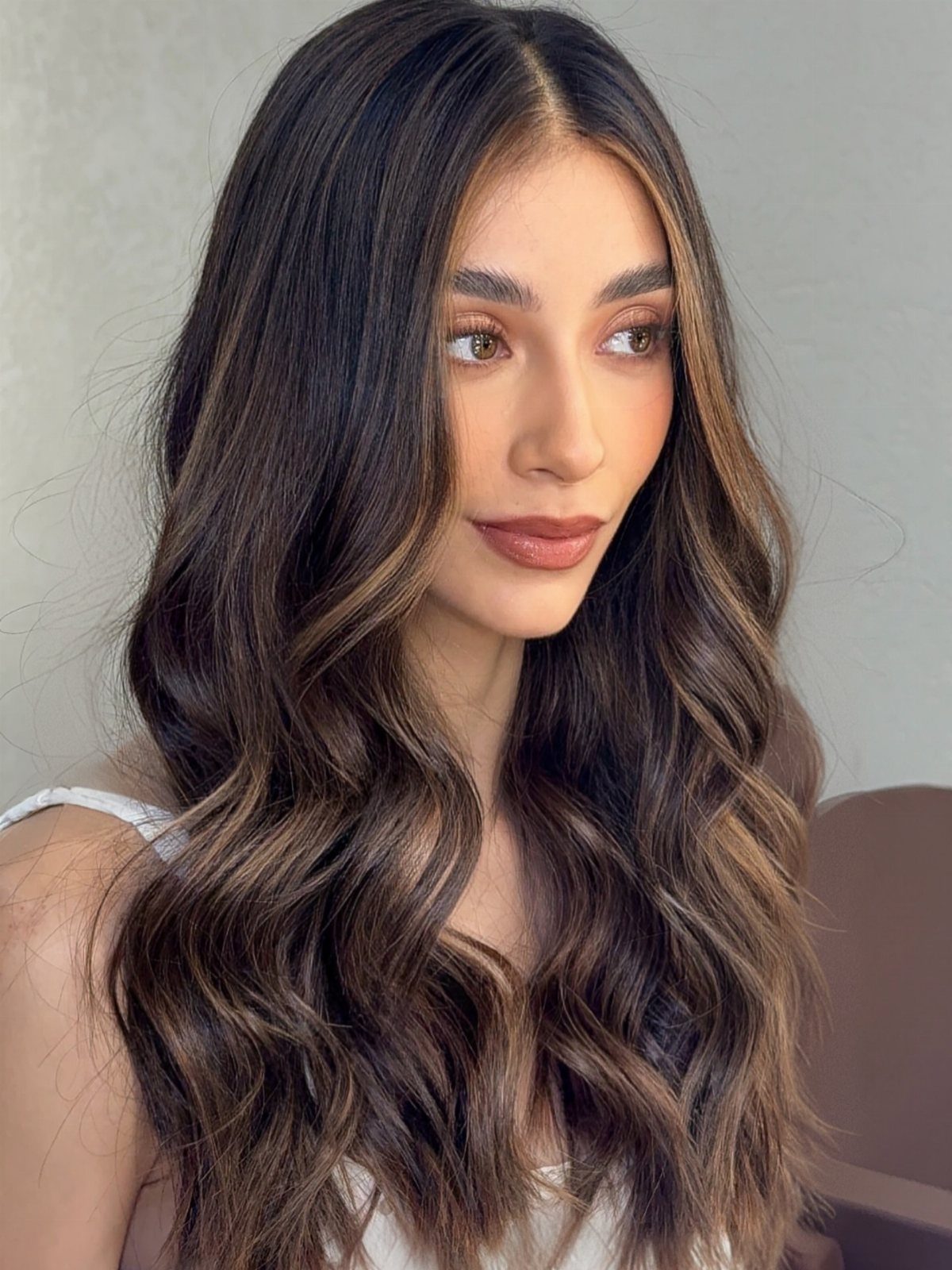
Brushlights are applied with a brush in freehand strokes rather than painted with balayage or woven through foils, which gives the caramel a softer, more diffused finish.
The color blends into the base without hard lines, so it looks lived-in from the start.
It works when you want the warmth without the width. The brushed application grows out softer than foiled highlights and takes less time in the chair than babylights.
26. Caramel Ombre Highlights
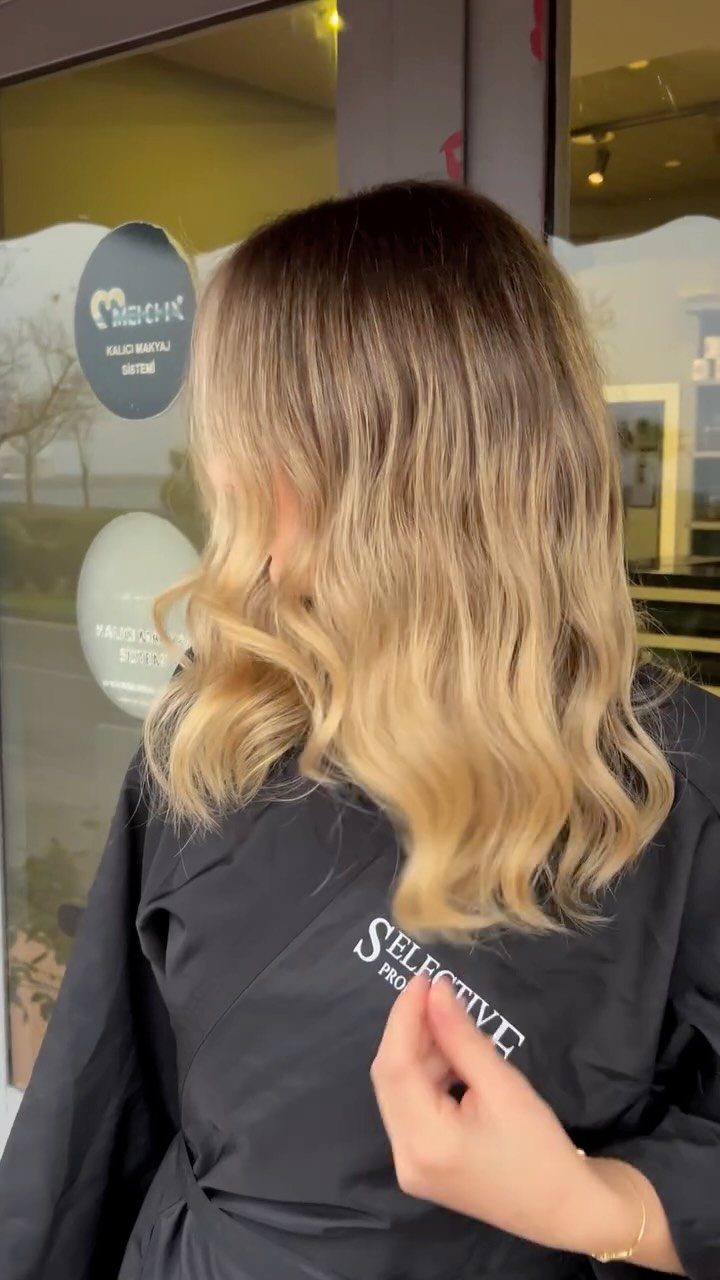
The caramel starts deeper at the roots and gradually lightens toward the ends, concentrating the brightest color at the bottom. You can push appointments out further because the root line never shows.
Ombre works best on long hair that shows the gradient clearly.
If your base is dark brown, reaching caramel at the ends takes one or two lightening sessions, and the lightest sections fade faster than the rest, so plan for a toning gloss between color appointments.
27. Thin Caramel Streaks
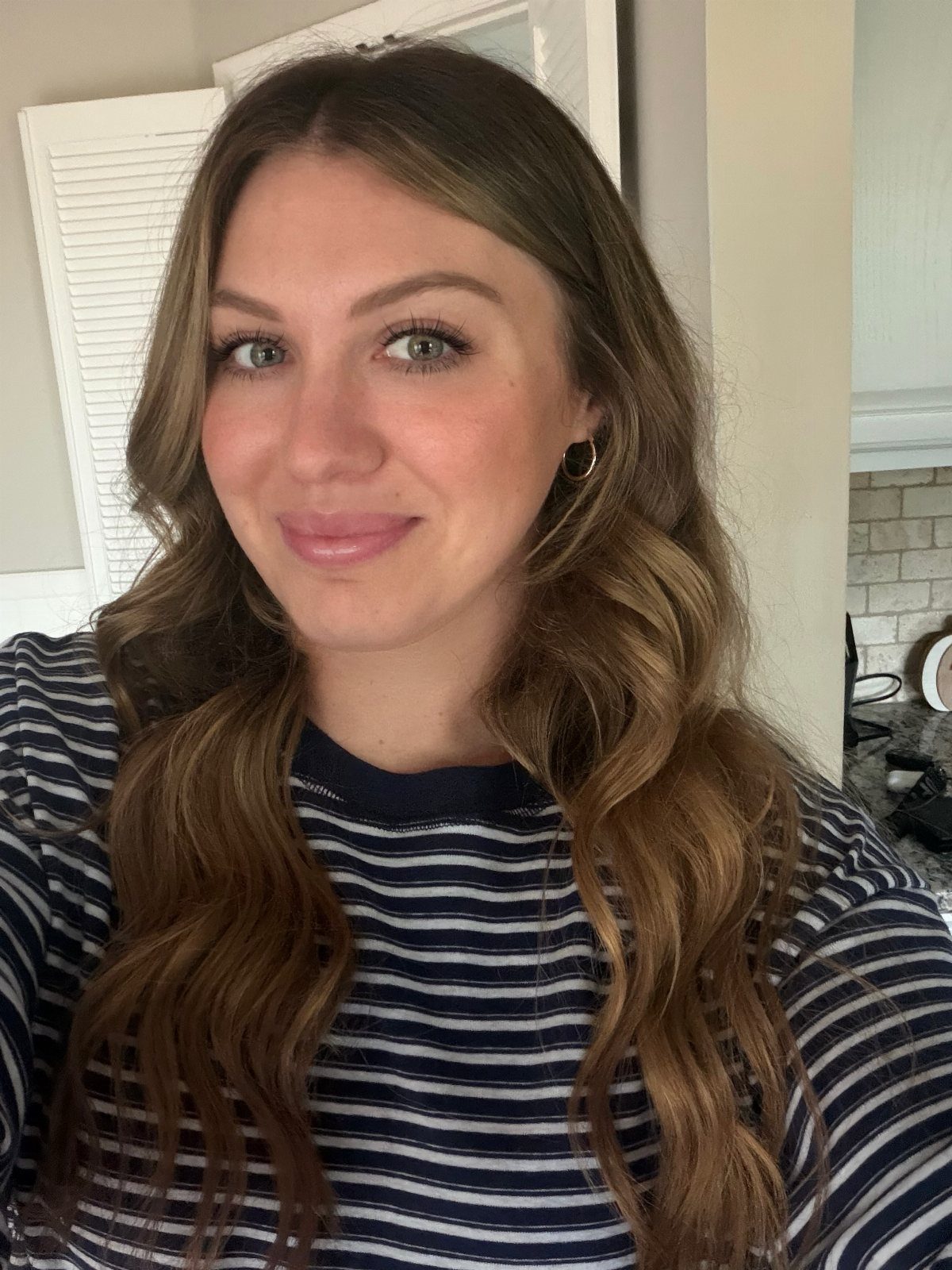
Fine caramel ribbons scatter through brown hair without breaking up the base into obvious sections, adding dimension that shows in direct light but disappears in shadow.
The streaks stay thin enough to blend into wavy hair without reading as deliberate highlights.
Thin streaks suit anyone who wants lift without announcing a color change. Touch-ups can happen half as often, which matters if you’re working with virgin dark hair.
28. Thick Warm Caramel Stripes
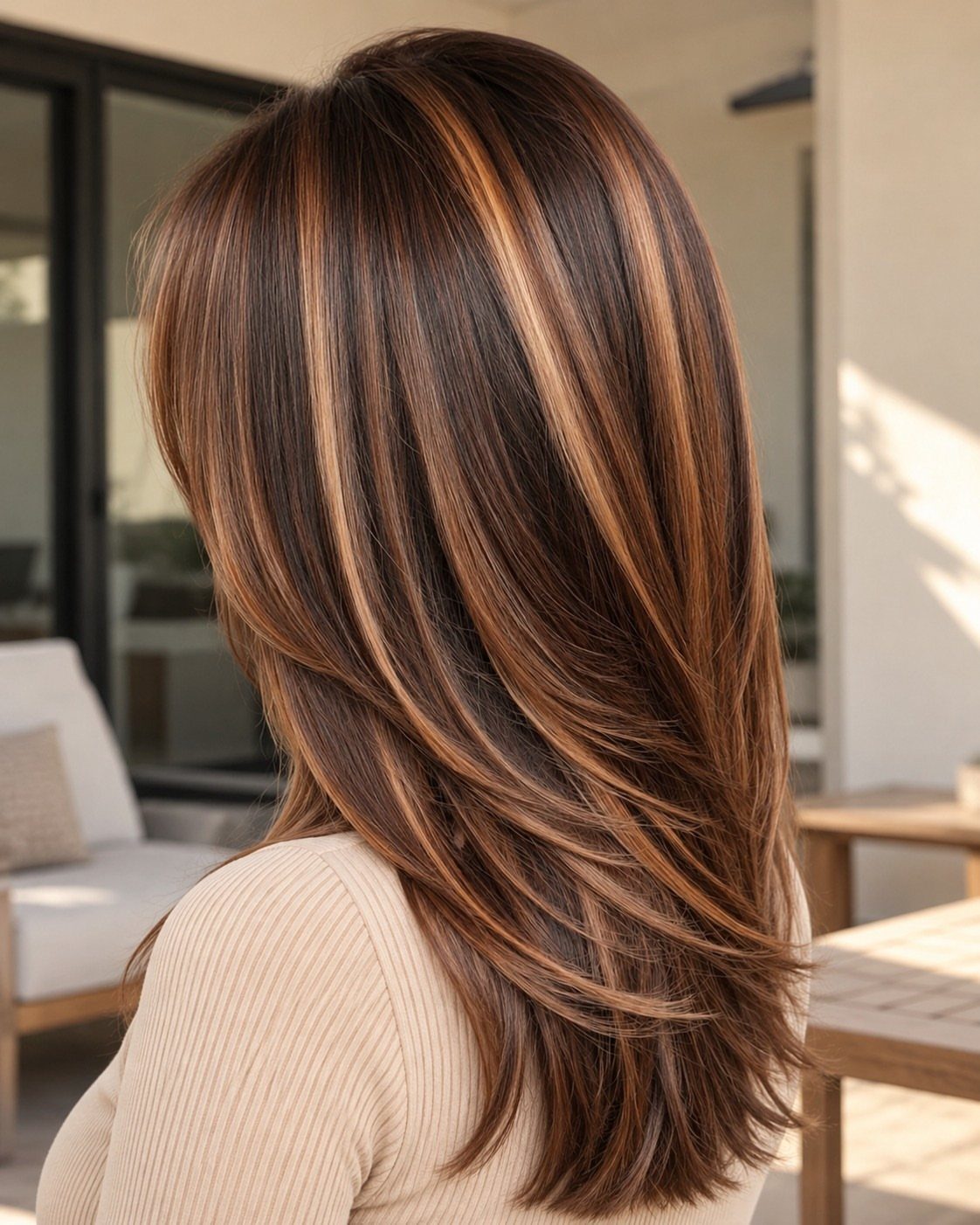
Wide caramel ribbons create visible contrast on dark brown hair, adding warmth in bold stripes that move with the hair instead of blending into the base.
The thick placement shows up clearly on straight hair and gives you the brightness of balayage without the soft gradient.
This works if you want highlights that make a statement. The wide stripes grow out with a visible line, so your refresh schedule runs tighter than it would with fine babylights or brushed highlights.
29. Dark Brown Amber Waves
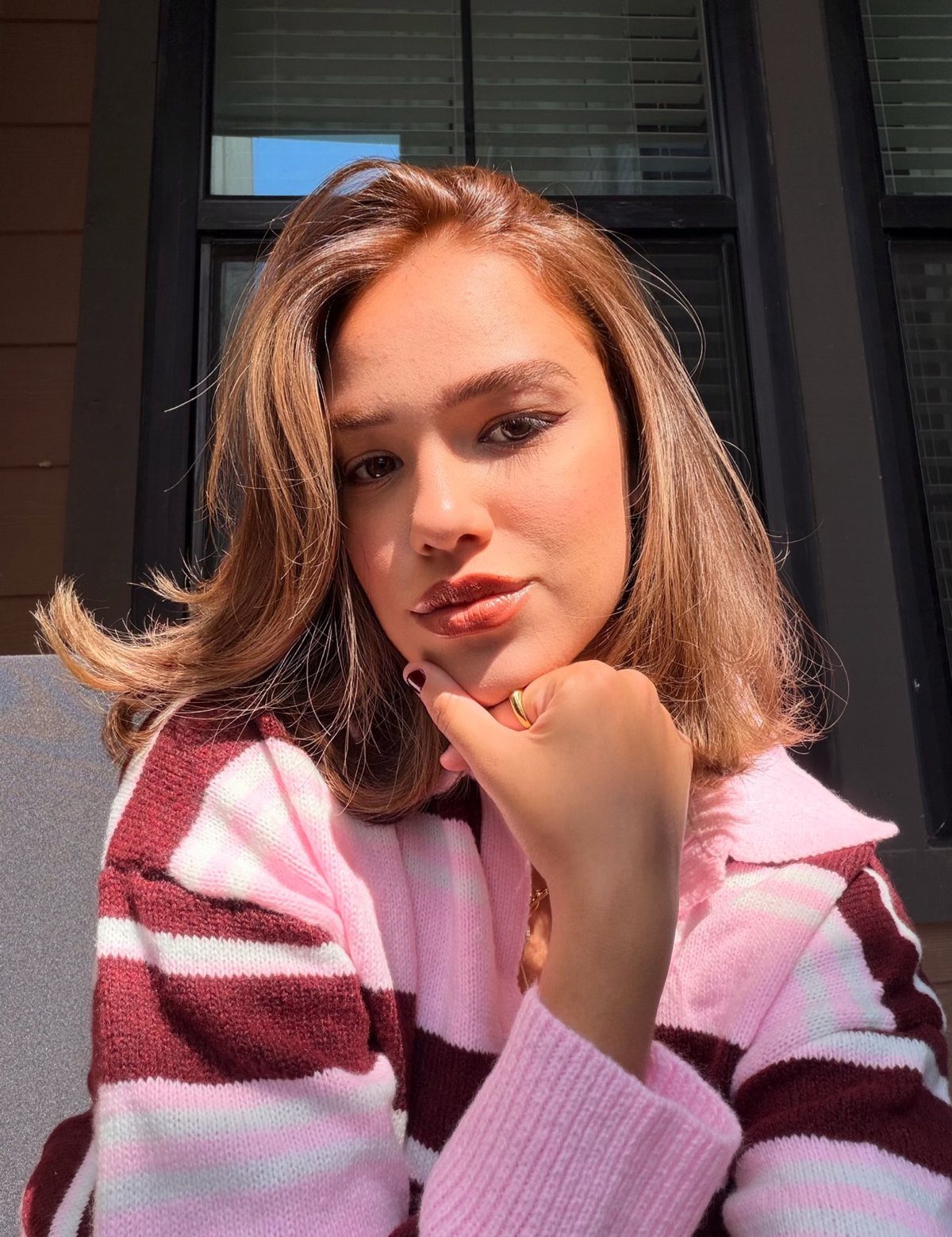
Amber-toned highlights lean more golden-orange than standard honey caramel, adding richness to dark brown waves without lifting too light. Amber picks up light when hair moves, and it won’t look muddy against golden skin the way cooler tones can.
If your base is level 3 or 4, amber highlights add warmth without high contrast. The tone holds longer between glosses than bright caramel does, and the color feels intentional on waves that show dimension through texture rather than shine.
30. Chocolate Pecan and Caramel Tones
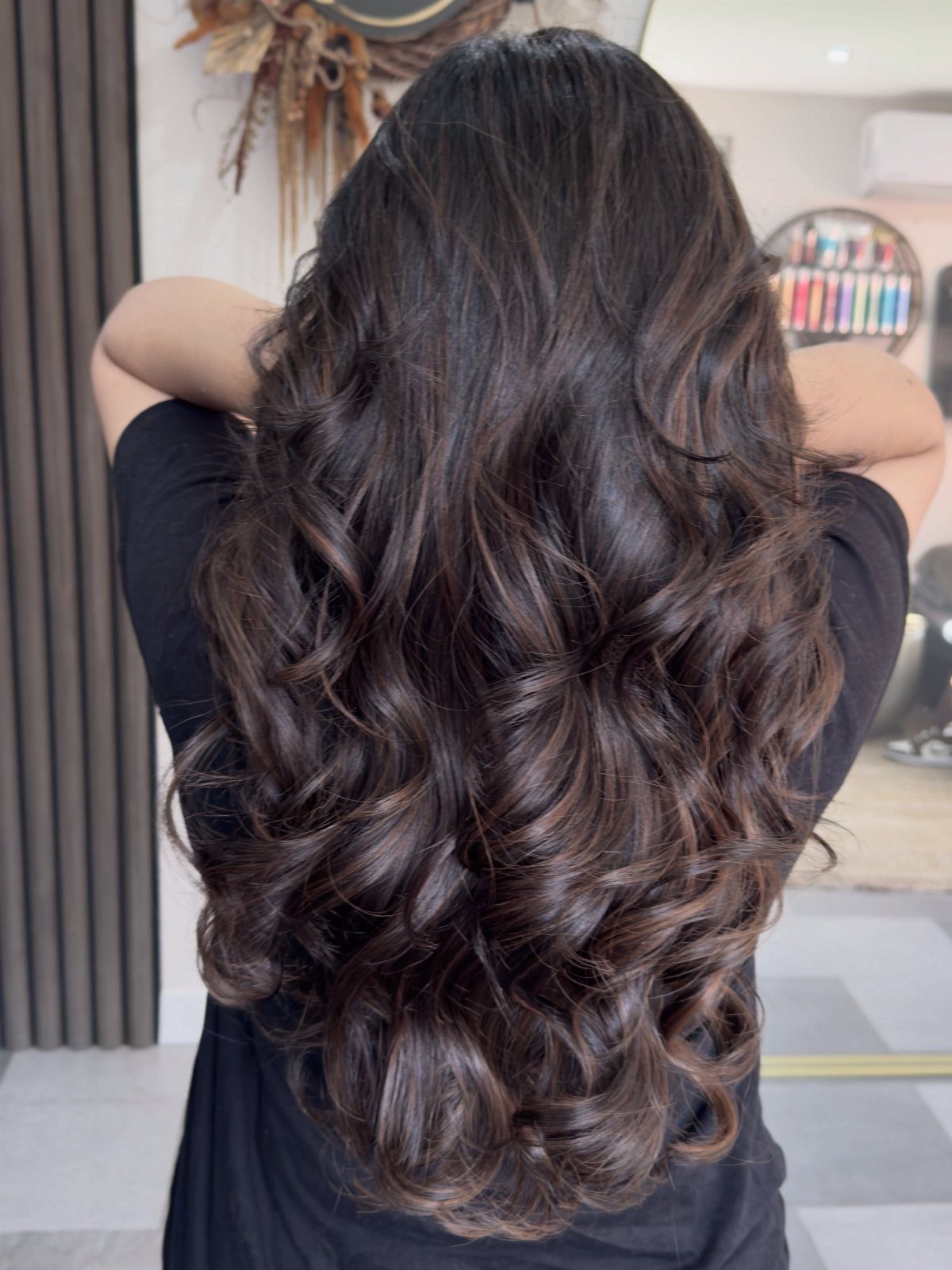
Pecan fills the mid-tones so the overall result has dimension instead of looking striped. The combination keeps the highlights grounded and suits anyone whose base is dark brown or black and who wants warmth without going too light.
Ask for pecan lowlights woven between caramel highlights, or for a balayage that blends both tones through the length. Only the lightest pieces need lifting at each session, which keeps processing time shorter.
31. Caramel-Copper Balayage
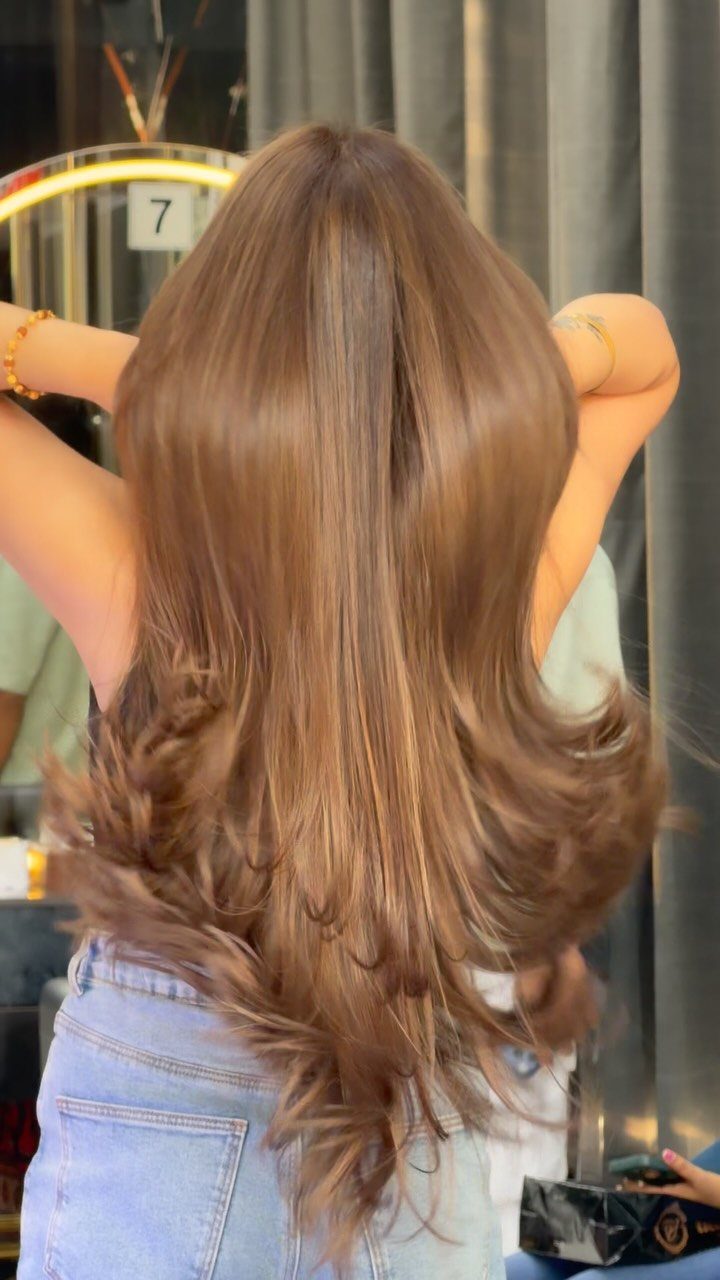
Copper tones added to caramel balayage bring out red and orange undertones in brown hair, warming the highlights without pushing them fully blonde.
The copper keeps the color from reading too cool or ashy, which flatters warm and neutral skin tones better than straight honey caramel does.
The red fades faster than the caramel, so you’ll need to refresh the tone with a gloss more often if you want the copper to stay visible.
Skin Tone and Caramel Shades
If you lean warm and reach for gold jewelry over silver, most caramel shades will work without adjustment.
Cool undertones need a different approach.
Request a toffee or mushroom-brown base by mixing in ash tones. The ashier version still lightens your base without clashing with pink or neutral skin.
If you’re unsure which way you lean, check what metal looks better against your skin or ask a makeup artist at a counter.
The same caramel can shift warm or cool depending on the toner used, so the technique itself stays flexible across complexions.
Highlighting and Hair Health
Highlights leave more of your natural hair untouched than all-over color does, which means less damage overall. The lift happens only in the painted or foiled sections, and the rest of your base stays virgin.
Single-step lightening color lightens and tones in a single step instead of requiring separate bleach and toner, so you spend less time processing and less time in the chair.
Subtle caramel highlighting with single-step color works best on brunettes with virgin hair who want subtle ribbons rather than bold contrast.
High-lift formulas reach about 2 to 3 levels of lift, which is enough for soft caramel on medium brown bases but won’t get you there if your starting point is very dark.
Frequently Asked Questions
Do caramel highlights look good on brown hair?
Caramel highlights work well on brown hair because the warm tones add dimension without washing out the base, and the range runs from cool toffee to warm honey so you can match your skin tone.
The contrast reads clearly against darker bases without crossing into blonde, and the grow-out is gentler than traditional foils. The contrast stays visible but natural, which suits anyone who wants brightness that doesn’t announce itself.
What skin tone suits caramel highlights?
Warm and golden skin tones suit caramel highlights best because the golden tones bring out natural warmth in the skin.
If your skin leans cool or pink, ask for cool caramel or ashier tones like toffee or mushroom-brown instead of honey, which keeps the highlights from reading brassy.
Neutral skin can go either direction, so pick based on whether you look better in gold or silver jewelry.
How do I maintain caramel brown hair?
Use color-safe shampoo and conditioner to keep the caramel from fading, and add a purple shampoo if your highlights lean cool to prevent brassiness.
A color-depositing mask between salon visits tops up the tone, and heat protectant before styling prevents the lifted sections from drying out.
If your caramel is warm and starts to fade orange, a gloss every 6 to 8 weeks keeps the tone rich.