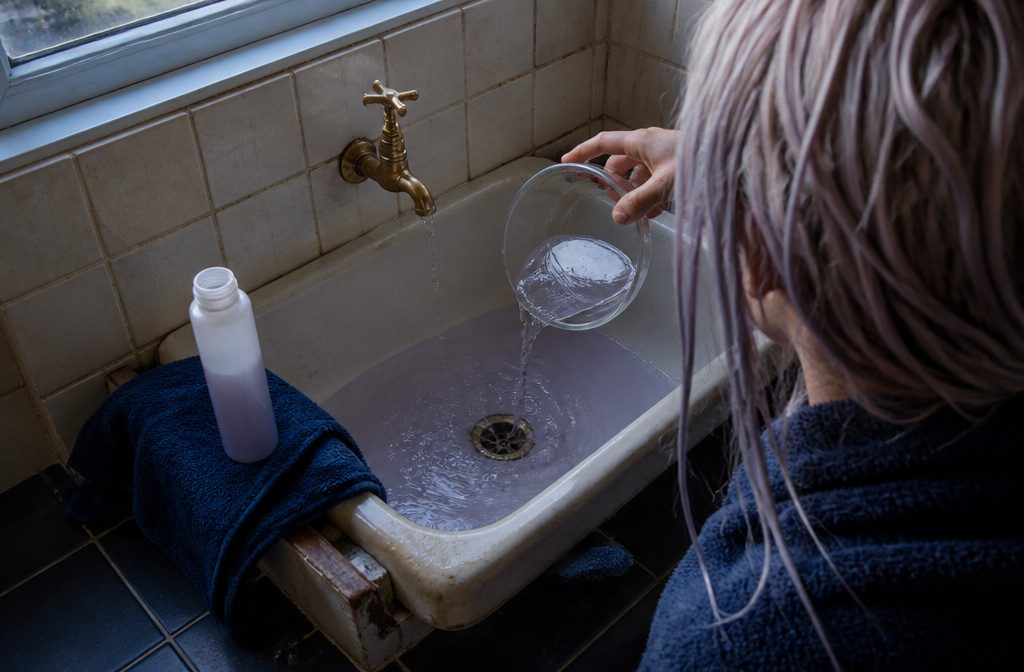
Toner fades to a workable shade with clarifying shampoo in 3–4 washes, no salon required, but only if you start within 24–48 hours of toning.
Wait longer and you need baking soda, lemon juice, or stronger fixes, each drying hair further. If a gentle tug makes strands snap, skip DIY and book a stylist.
1. Check Your Hair First
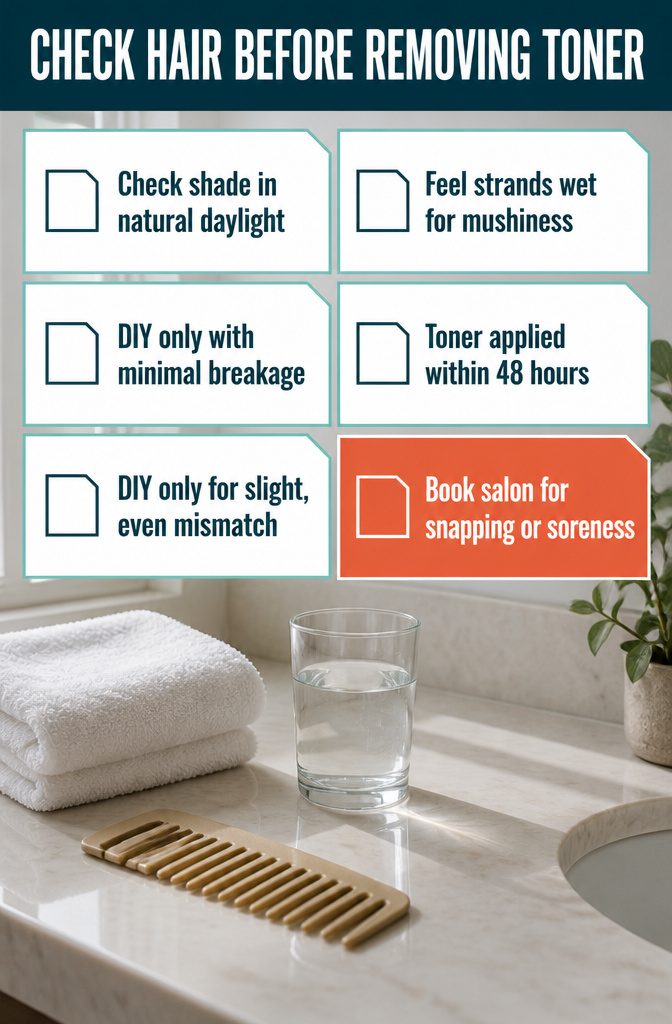
Check your color in natural daylight first, then tug a few strands and feel them wet. Stretch, snapping, or patchiness all show up there.
DIY is a fair call when:
- The hair feels relatively healthy, with minimal breakage.
- The toner went on within the past 48 hours.
- The shade is only slightly off, not something you need gone completely.
- The color looks mostly even across your head.
Skip DIY and book a salon when:
- Hair snaps when you pull it gently or feels mushy when wet.
- You’ve bleached several times in recent weeks.
- Large sections differ drastically in color.
- Your scalp is sore or irritated.
I’d treat the snap test as the deciding one. Stylists have stronger, controlled treatments that compromised hair can’t survive at home.
2. Clarifying Shampoo
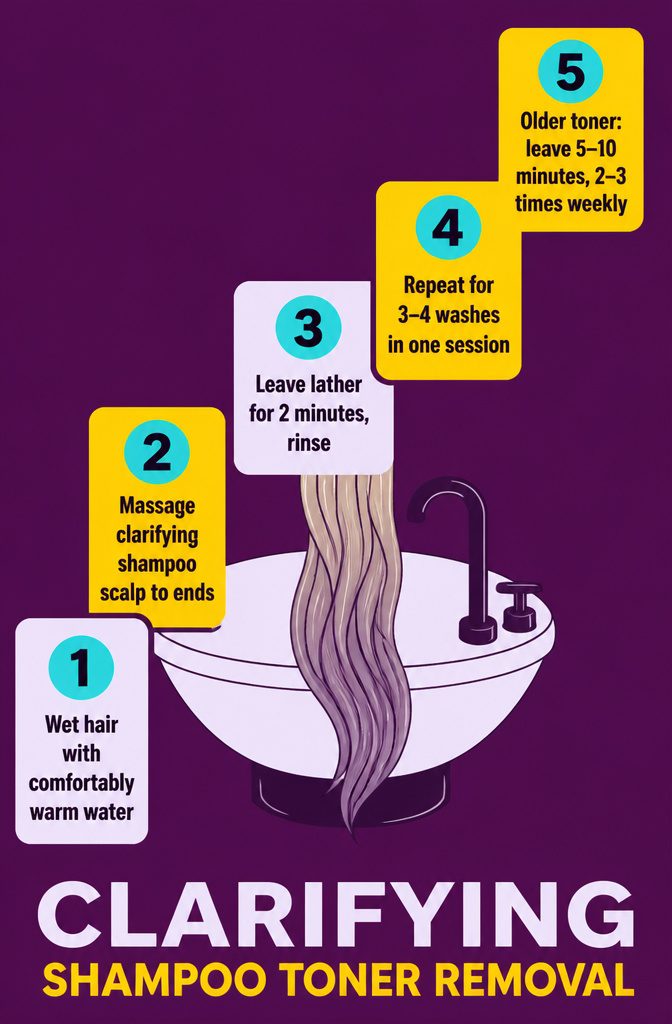
- Wet your hair with warm water, as warm as you can comfortably stand. It lifts the cuticle so the toner releases more easily.
- Massage a palmful of clarifying shampoo from scalp to ends, spending extra time where the shade looks heaviest.
- Leave the lather on for 2 minutes, then rinse well.
- Repeat for 3–4 washes in one session. This works best within 24–48 hours of toning.
- If the toner is older or only slightly off, I’d switch to a slower plan: leave the shampoo on for 5–10 minutes, 2–3 times a week. Every extra wash dries hair, so stop when the shade looks right.
3. Baking Soda and Shampoo
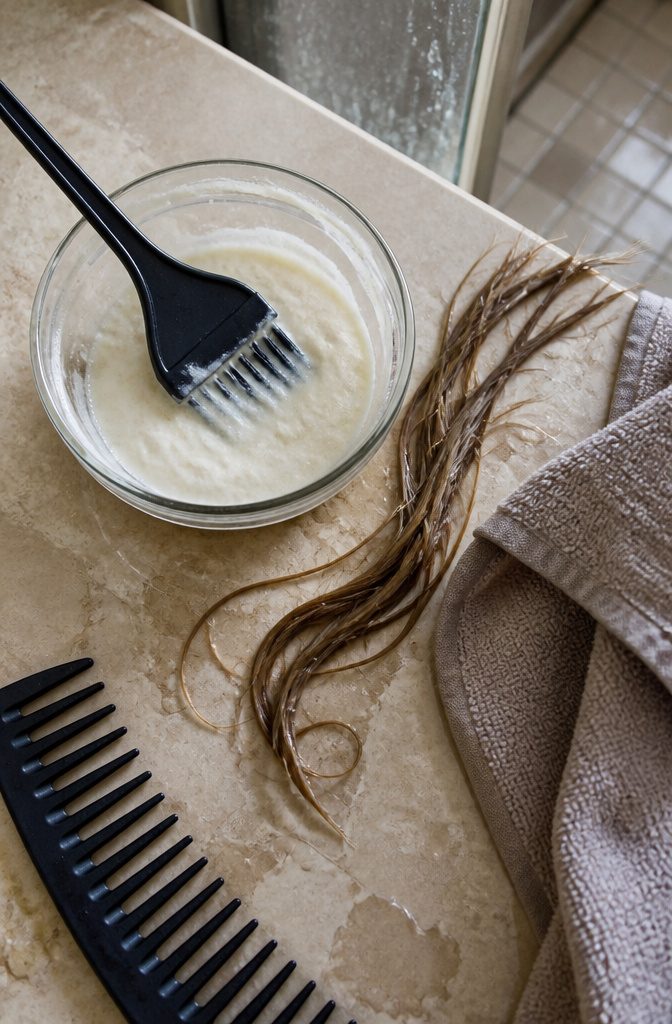
If clarifying shampoo alone doesn’t budge the toner, baking soda mixed with shampoo will.
Recipes differ noticeably: one tablespoon of baking soda with clarifying shampoo, left on for three to five minutes, versus two tablespoons with 10 mL of shampoo and a wait of up to twenty minutes.
Sources genuinely disagree on both strength and timing, which tells you this is not settled science.
I’d start with the lighter recipe and check how your hair feels after rinsing.
Baking soda is abrasive enough to lift toner but rough enough to leave hair dry and tangled if you overdo it. It can also irritate a sensitive scalp, so rinse immediately if you feel any stinging.
One pass is enough to see what it does. If your hair comes out rough or matted, condition heavily and wait forty-eight hours before trying again.
4. Lemon Juice and Conditioner
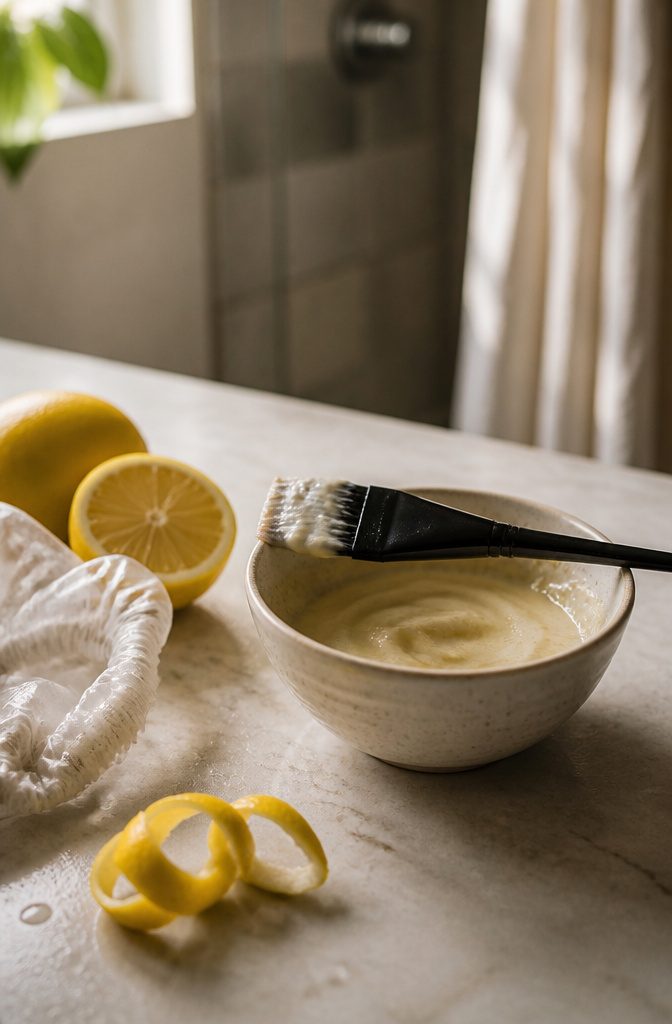
Lemon juice is the gentlest home fix, and it works best within about 2 days of toning, while the shade is still fresh. The chemistry is simple:
Lemon juice is acidic, so it can bleach your hair just slightly without harming it too much.
— wikiHow
That "slightly" is why I reach for it first.
Stir 1 tablespoon (15 mL) of juice into a quarter-size amount of conditioner, thick enough to cling.
Work it through from roots to ends and leave it 10 minutes. Longer hair can take 2 tablespoons, covered with a shower cap for 20–30 minutes.
Rinse with lukewarm water. Stop after 3 rounds in a row, because the juice dries hair out.
5. Stronger Methods, Used Carefully
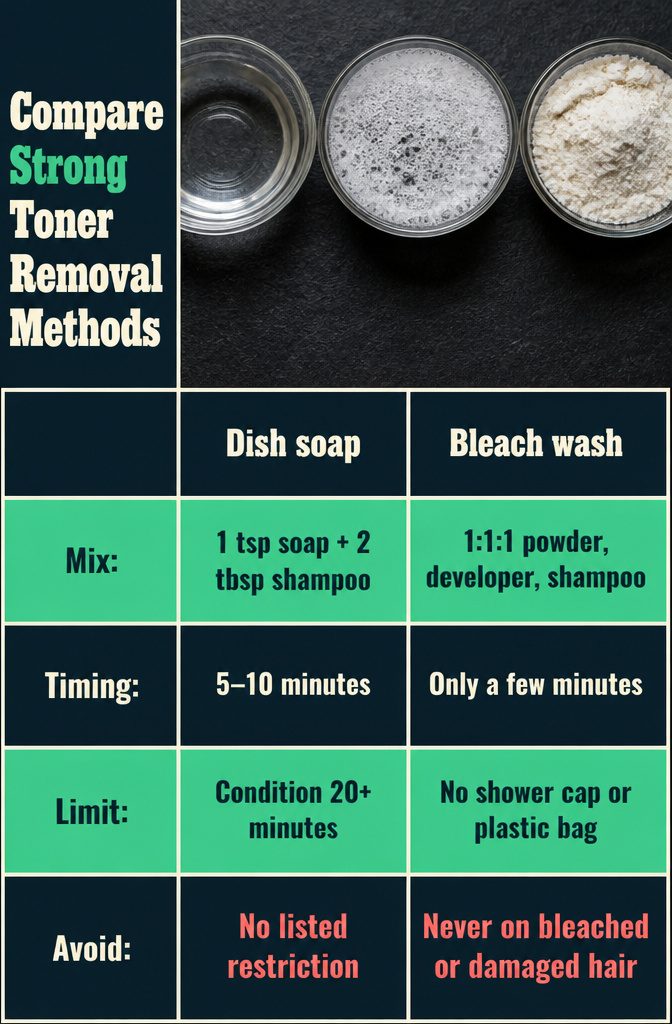
Stronger Methods, Used Carefully
When clarifying shampoo and baking soda leave toner still clinging, three options work deeper: dish soap, hydrogen peroxide, and a bleach wash.
Each strips color faster than anything gentle, and each pulls moisture and natural oils along with the toner. Wait at least 48 hours between stronger methods and follow every attempt with deep conditioning to avoid serious damage.
| Method | Mix | Leave on | Limit | When to skip |
|---|---|---|---|---|
| Dish soap | 1 tsp dish soap + 2 tbsp shampoo | 5–10 minutes | Condition for 20+ minutes after | n/a |
| 3% hydrogen peroxide | Equal parts peroxide and water | No more than 10 minutes; check every 3 minutes | Once a week | n/a |
| Bleach wash | 1:1:1 bleach powder, 10 volume developer, clarifying shampoo | Only a few minutes | No shower cap or plastic bag | Never on bleached or damaged hair |
Dish soap cuts through toner the way it cuts grease, so your hair will feel stripped immediately after rinsing. Hydrogen peroxide lifts color faster but bleaches as it works, so checking progress every three minutes matters.
A bleach wash is milder than full bleach but still lightens hair underneath the toner, which makes it off-limits for bleached or damaged strands.
6. Spot-Treat Uneven Areas
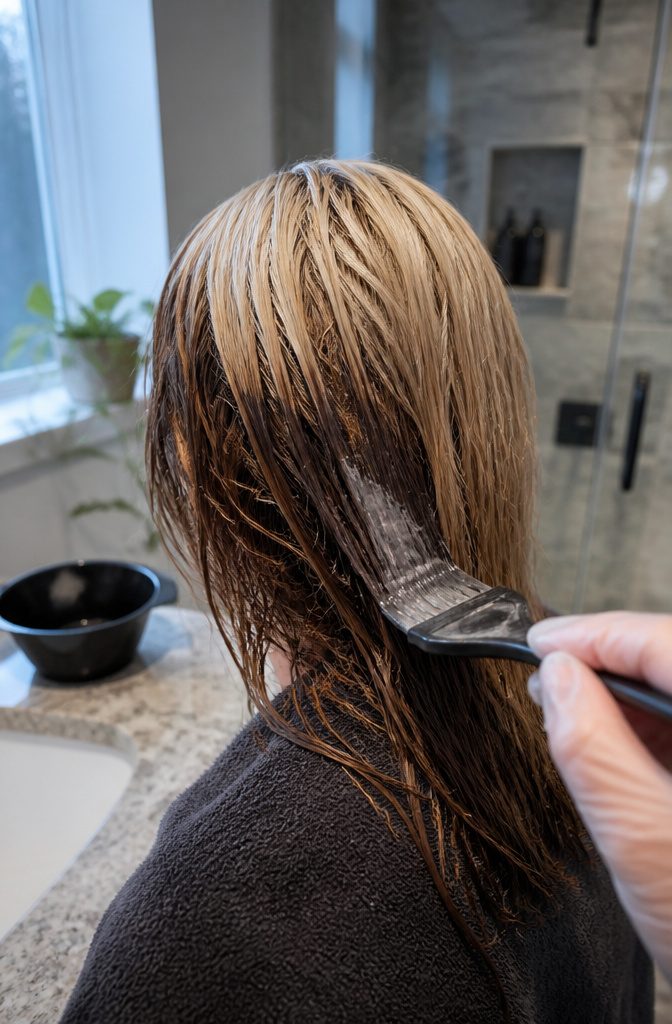
When only some sections hold too dark, treat just those areas rather than starting over on the whole head.
I apply whichever removal method I am using directly to the darkest spots with a tint brush or my fingers, keeping it off anything that already looks right.
Toner grabs strongest on mid-lengths and ends, so those are usually the sections that need the work. Leave the treatment on for half the time you used during your full-head round to keep from overprocessing.
Rinse the treated sections separately by tilting your head so water flows away from untreated hair. That keeps you from dragging removal product through areas that do not need more fading.
If you still see uneven patches after the first pass, wait one to two weeks before repeating removal, and hold off on new dye or chemical treatments for at least 2 weeks.
7. Condition Afterward
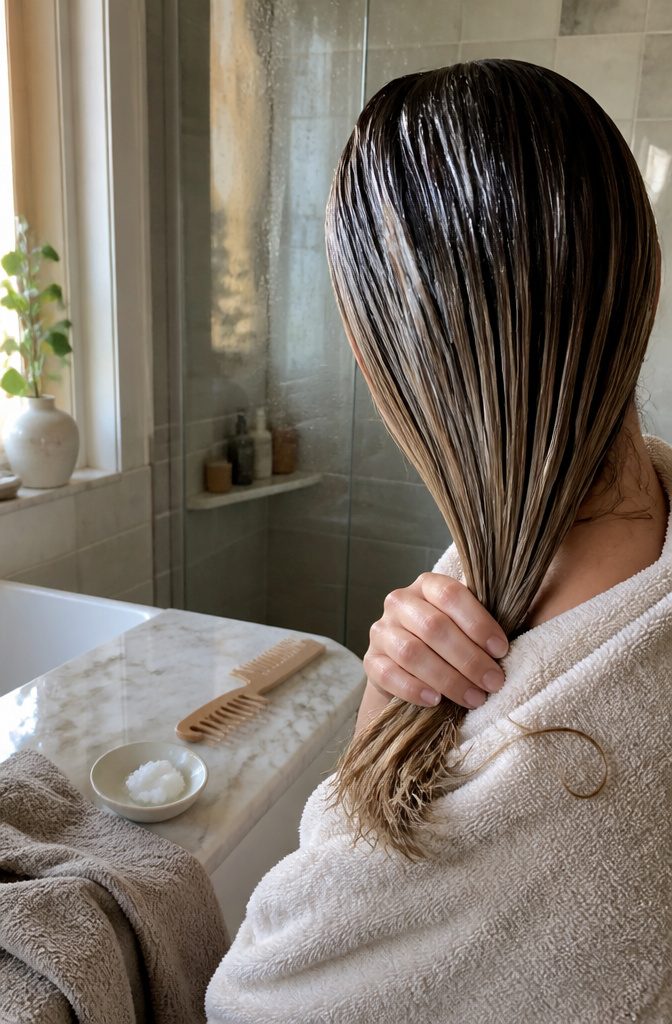
After any removal method, your hair needs moisture back. A deep conditioner left on for at least 10 to 15 minutes restores softness and cuts down breakage after the washing and clarifying steps strip away toner.
Once a week, I leave it on for 20 minutes rather than rushing the rinse—that longer sit makes a visible difference in texture.
Switch to a gentle shampoo without sulfates or drying alcohols.
Follow every wash with conditioner, and massage coconut, almond or jojoba oil into the ends when they feel dry. Coconut oil will not remove toner, but it does help with the dryness that removal leaves behind.
Hold off on any further dye or bleach until your hair feels smooth again. Too much chemical processing back-to-back leads to damage you cannot condition away.
Why Toner Turns Out Wrong
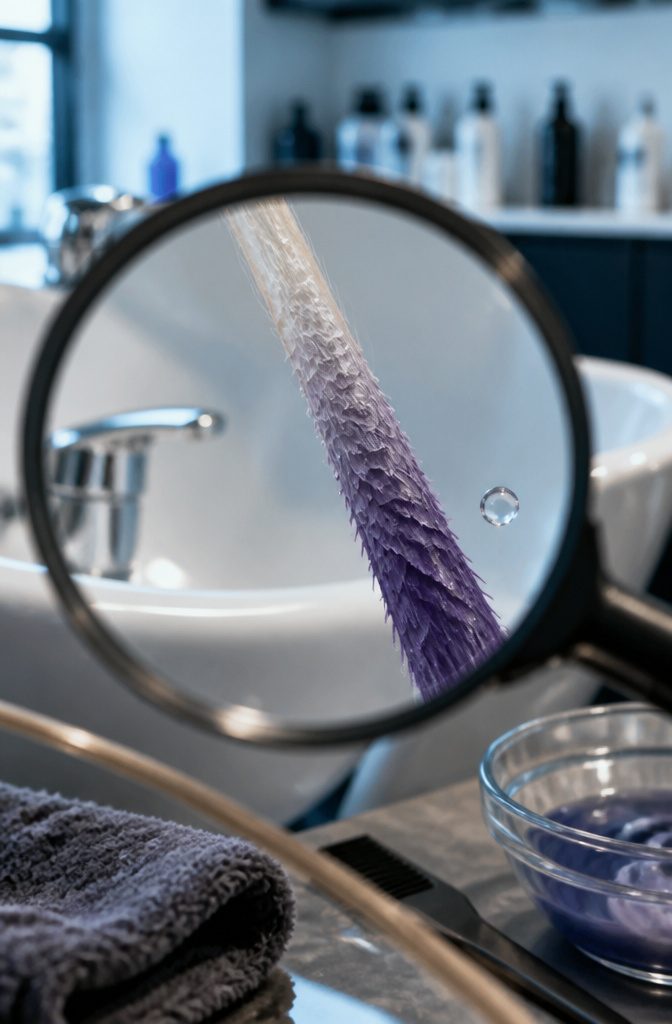
Toner that looked good in the salon can turn too dark, gray, purple or ashy once you’re home under different light.
The problem usually starts with porosity. Damaged or bleached hair has cuticles that sit open like doors, and toner molecules flood in fast.
Hair that has been lifted multiple times soaks up more pigment than healthy hair does, which explains why your ends might look gray or violet while your roots stayed light. The more porous the strand, the more color it grabs.
Processing time shifts the result just as much.
Two extra minutes can move you from subtle ash to shocking purple, because the molecules keep depositing as long as the product sits. Different formulas deposit at different rates, too.
Demi-permanent toners last longer because they use a small amount of developer to push pigment deeper into the strand. Direct dyes and temporary toners sit mostly on the surface, which makes them easier to fade.
Toner does fade on its own. Owners on Reddit mention seeing noticeable change after a week or two of regular washing, though it may take around a month to wash out completely if you let it run its course.
No single method works on every head of hair, because starting porosity, formula strength and how long the toner was left on all change what you’re dealing with now.
Dryness and Damage Risks
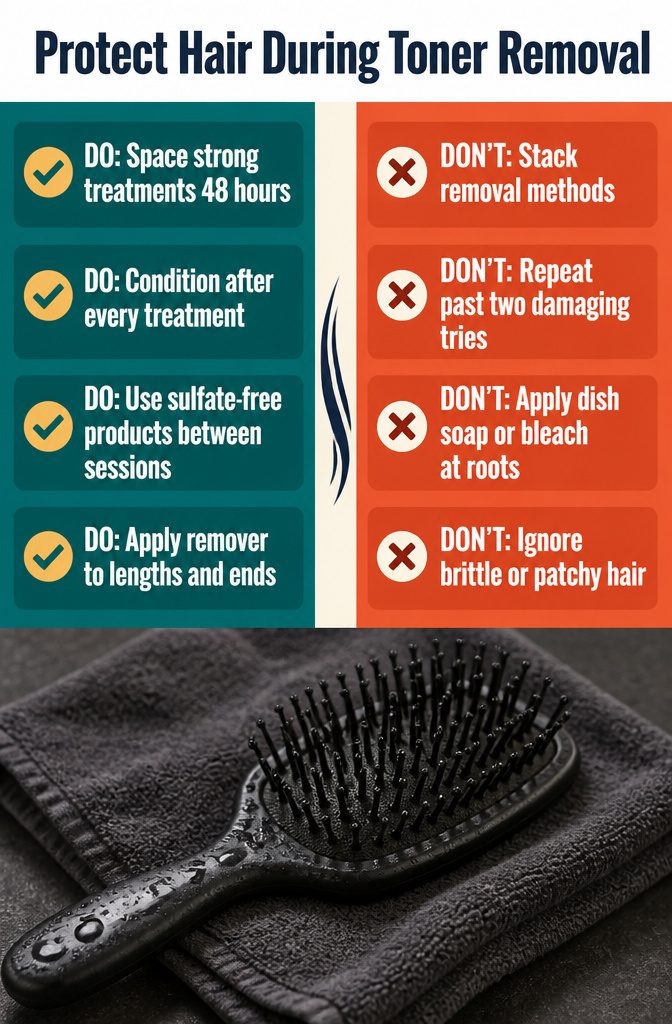
Every method that lifts toner pulls moisture out with it. Repeated washing, baking soda, lemon juice, dish soap and bleach washes all dry hair, and stacking them raises the damage risk.
The stronger the ingredient, the more you strip natural oils. Here’s how to avoid wrecking your hair while you fade the shade:
- Space treatments at least 48 hours apart when using anything stronger than clarifying shampoo. Waiting lets hair recover between rounds.
- Stop layering methods. One attempt, then conditioning, then reassess.
- Deep condition after every treatment. Dish soap, peroxide and bleach washes demand it; even clarifying shampoo needs follow-up moisture.
- Switch to gentle, sulfate-free products between toner removal sessions. High-alcohol formulas dry hair further.
- Skip your roots when applying dish soap or bleach wash. Focus on the over-toned areas, usually mid-lengths and ends.
If hair feels brittle or looks patchy after two tries, that’s the line. More attempts won’t fix uneven color, they’ll just weaken strands.
When to See a Stylist
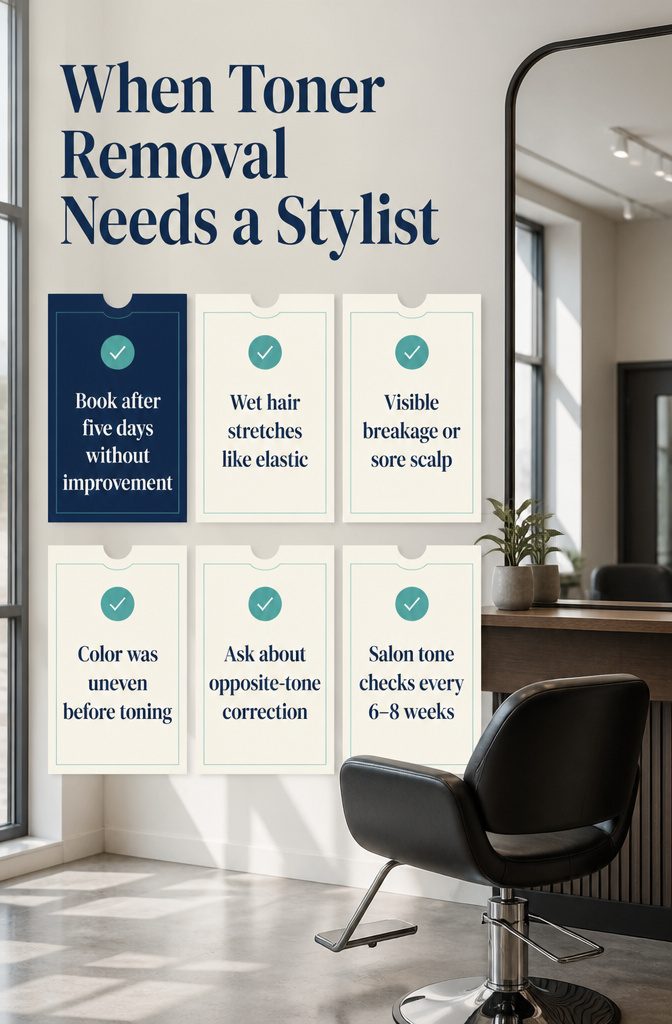
Stop and book a consultation if you’ve tried multiple methods over five days without improvement. That window is long enough to test home remedies safely, but pushing further risks real damage.
Other signs you need professional correction: hair that stretches like elastic when wet, visible breakage, a sore scalp, or color that was uneven or damaged before you applied the toner.
A stylist can correct the shade without stripping everything out. They read the undertones in your hair and apply the opposite tone to neutralize what you dislike:
- Cool tones (blue or violet) for brassy warmth
- Golden tones for hair that has turned flat, silvery or greenish
A gloss is another option that adjusts color gently. Salon color checks every 6 to 8 weeks keep tone balanced as roots grow in and previous work fades.
Frequently Asked Questions
How do you get toner out of hair?
Start with clarifying shampoo: wash 3–4 times in one session, leaving the lather on for 2 minutes each time.
It works best within 24–48 hours of toning. If the shade still looks off, move up to baking soda mixed with shampoo, then dish soap or hydrogen peroxide, waiting at least 48 hours between stronger methods.
Why does hair absorb too much toner?
Damaged or bleached hair has raised cuticles, which makes it porous, so toner floods in fast.
Hair that has been lifted several times grabs more pigment than healthy hair, which is why ends can look gray or violet while roots stay light. Extra processing time adds to it, because pigment keeps depositing while the product sits.
Can vinegar remove toner from hair?
White vinegar may help, since its acidity can loosen excess toner, but expect to need repeated applications or rinses. Go slowly, check the shade after each round, and condition afterward like you would with any removal method.
Is it safe to remove toner at home?
Yes, if your hair is relatively healthy and you stick to gentle methods with good aftercare.
Skip DIY if hair snaps when you pull it gently, feels mushy when wet, has been bleached several times recently, or your scalp is sore. Book a stylist if multiple methods over 5 days haven’t helped.
Can conditioner remove toner from hair?
Conditioner alone is unlikely to remove toner.
Mixed with lemon juice (1 tablespoon of juice in a quarter-size amount of conditioner, left on for 10 minutes), it can fade toner that is less than about 2 days old. For anything older, use clarifying shampoo.
Does coconut oil remove toner from hair?
No.
Coconut oil won’t pull toner out, but it helps with the dryness and damage that removal leaves behind. Work it into the ends when they feel dry.
How does Dawn dish soap remove toner?
On color-treated hair, dish soap forms a chelating agent with the dye that rinses out with water.
Mix 1 teaspoon of dish soap into 2 tablespoons of shampoo and leave it on for 5–10 minutes. Expect hair to feel stripped afterward, so deep condition for 20+ minutes.
Does chlorine remove hair toner?
It can, but it also dries out and damages hair in the process. Controlled methods like clarifying shampoo are easier to manage, since you can stop as soon as the shade looks right.